
The fashion market is being reshaped by TikTok, where creative short-form video meets instant social commerce. Small and medium (SMB) fashion brands now have a direct line to global customers through TikTok’s massive, engaged community. In fact, TikTok reports that 70% of global consumers have changed their style based on advice from smaller fashion creators, and 67% say they prefer small designers as more authentic and unique than big brands. What’s more, 56% of users are browsing TikTok specifically to discover something new. This means even niche brands have an unprecedented chance to be “discovered” by motivated shoppers. TikTok is not just entertainment – it’s a global style discovery engine and a core platform for building brand trust and driving sales.
Gone are the days when only household names could command attention. Today, TikTok’s 2 billion monthly active users worldwide – spanning Gen Z, Millennials, and even older generations – are sharing fashion inspiration around the clock. Notably, half of Gen X users (ages 35–54) use TikTok to learn about new products or brands. In other words, your customer could be anyone scrolling for ideas on what to wear next. TikTok videos deliver authenticity: 67% of creators and 56% of users say they feel closer to the brands they see on TikTok. This emotional connection is a goldmine for SMBs, because it means being seen on TikTok is about forging real relationships, not just one-off impressions.
In this post, we’ll show how emerging fashion labels can harness TikTok’s unique platform – its viral algorithm, trend-setting community, and commerce features – to grow internationally. We’ll cover audience insights, algorithm best practices, content strategies, influencer partnerships, seasonal campaigns, and real success stories from brands that have “broken out” on TikTok. Whether you’re a founder or marketer of a boutique apparel brand, you’ll learn practical tactics to turn TikTok’s global audience into loyal customers.
Why TikTok Is a Fashion Marketing Goldmine
TikTok’s rise in fashion marketing is no accident. Its blend of highly visual, mobile-first content and an algorithm that rewards creativity means any brand – even with zero followers – can go viral. Some key advantages for SMBs include:
-
Discovery-driven platform. Over half of TikTok users (56%) are actively seeking something new on TikTok. The For You Page (FYP) is personalized to each user’s tastes, so if your brand makes content that resonates (for example, showing a unique style hack or cool outfit idea), TikTok can quickly match it with interested viewers – without needing a big ad budget.
-
Engaged, global audience. TikTok has 2 billion monthly active users worldwide, rivaling Instagram. Its largest group is 25–34 year-olds, but Gen Z (under 24) is still highly represented – in fact 82% of Gen Z now have a TikTok account. Far from being limited to young users, the platform also sees plenty of millennials and older shoppers: 50% of Gen X browse TikTok for products. The audience is nearly gender-balanced. For a fashion brand, this means your target customers – whether they’re 20-somethings looking for the latest streetwear or 40-somethings seeking timeless pieces – are on TikTok. And with users spending an average of 47 minutes a day there, the opportunity for exposure is huge.
-
Authenticity and community trust. TikTok users value real, relatable content over polished ads. They trust peer recommendations: 70% of consumers say they changed their style based on advice from smaller fashion creators. In other words, a passionate micro-influencer or even a friend showing your outfit can be more persuasive than a celebrity endorsement. When fans see your products worn by real people in everyday videos, it humanizes the brand. TikTok research shows users feel a strong emotional connection to brands on the platform – a valuable edge for SMBs without huge ad budgets.
-
Integrated shopping features. TikTok has been building social commerce tools. Its TikTok Shop allows brands to tag products in videos and enable in-app purchases, creating a seamless path from watching a video to buying the item. For example, product links or QR codes can be embedded in clips. There are also ad formats like Spark Ads (which boost organic videos) and Catalog Ads (carousels that showcase multiple products). In a holiday campaign case study, perfume brand NEST New York used Spark Ads with interactive overlay cards to promote sales. The result was 6 million+ impressions and 59.7 K clicks, with a 0.97% click-through rate, outperforming TikTok’s benchmark. Notably, 94% of those clicks were from new users – a powerful demonstration of how TikTok can introduce your brand to a fresh audience.
In short, TikTok is a fast-paced fashion marketplace and a creative playground. For an SMB, the platform’s value lies in its ability to amplify authentic style stories to a highly relevant crowd. By tapping into TikTok’s trend-driven culture and built-in shopfront, small labels can challenge the dominance of big brands and win fans globally.
Understanding TikTok’s Audience and Demographics
To market effectively, first know who you’re speaking to. TikTok’s user base spans many countries and age groups, so audience segmentation is key. According to social media analytics, TikTok’s user breakdown is roughly 35% aged 25–34, 22% aged 18–24, and the rest older. This means millennials now make up the largest share of TikTok, though Gen Z is the fastest growing segment. In fact, more Gen Z users turn to TikTok for product discovery (77%) and news (63%) than any other app. At the same time, 47% of TikTok’s users are male and 44% female, reflecting a fairly balanced gender mix.
This diversity opens doors for any fashion niche. Whether your brand sells streetwear, eco-friendly apparel, or plus-size styles, you’ll find an audience. For example, younger Gen Z might gravitate to viral streetwear challenges or thrift-flip trends, while millennials (25–34) could be interested in quality basics or workwear tips. Even older consumers are on TikTok in growing numbers – half of Gen X (35–54) use the app to learn about new brands. So if your target customer is Gen X, you can still reach them. The important thing is to tailor your messaging and visuals to each group. A bright, upbeat video with pop music might appeal to Gen Z, while a more polished style showcase could resonate with millennial shoppers.
Regionally, TikTok’s appeal is also broad: it’s huge in North America, Europe, and Southeast Asia. (Check your TikTok analytics to see where your viewers live and adapt your content accordingly.) Many brands find success by localizing content – for instance, featuring local landmarks or languages in videos – while others create universally relatable style stories. The key takeaway: TikTok’s audience is global and multi-generational. Segment your strategy (for example, different ad sets or creator partnerships for different age cohorts) and craft content that speaks to the interests of each segment.
Cracking TikTok’s Algorithm
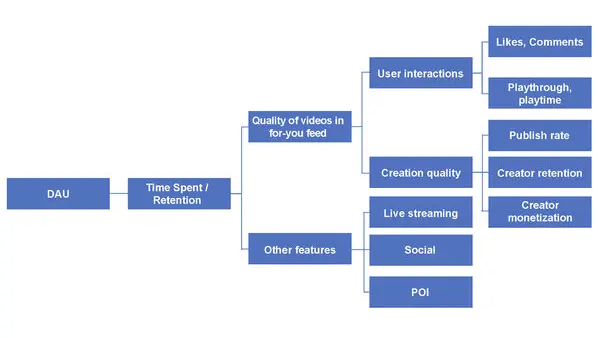
At the heart of TikTok’s power is its recommendation algorithm. Unlike chronological feeds on other platforms, TikTok’s For You Page (FYP) is personalized to each user. The algorithm prioritizes content relevance over follower count, meaning that even a brand-new account can go viral if its videos connect with viewers’ interests. TikTok’s main goal is to maximize watch time and engagement by serving users content they like.
So how does TikTok decide what to show? The algorithm analyzes thousands of signals for each video and each viewer. Key signals include:
-
How long people watch a video (complete watches and replays count heavily).
-
Interactions (likes, comments, shares, and new follows after watching).
-
Video information (captions, hashtags, and especially the audio track used).
-
Device and account settings (language, location, device type).
For example, if a viewer watches 90% of your video and likes or shares it, TikTok’s system will register that as a strong signal that more users would probably like it too. Conversely, if most viewers swipe away in the first few seconds, TikTok downranks that content. Crucially, TikTok constantly “tests” videos on small audiences. Even content from accounts with zero followers is given a shot on FYP. If it performs well, TikTok shows it to more people.
For a fashion brand, this means creative and engaging videos can organically reach thousands. To work with the algorithm, keep these tips in mind:
-
Hook viewers immediately. The first 1–3 seconds are critical. Start with the most eye-catching frame or action (e.g. a dramatic outfit reveal or a question) to entice users to stay and watch.
-
Use trending sounds and hashtags. If there’s a popular audio track or challenge that fits your brand, leverage it. TikTok’s search and recommendation also respond to keywords, so using relevant fashion hashtags (#OOTD, #SustainableFashion, etc.) and a strong caption can help new fans discover your video.
-
Optimize watch time. Create videos that hold attention. Even though fashion videos are often short, make sure they are complete stories (try unfolding an outfit transition or before/after style change). The more of your video viewers watch, the better it ranks.
-
Post consistently and at varied times. Frequent posting increases the chances the algorithm will pick up a hit. Experiment with times of day to see when your audience is online (TikTok Pro accounts have analytics for this).
-
TikTok SEO. Treat captions like SEO – clear, descriptive text with product names or style tips can help your videos surface in search results. For example, writing “Fall layering hacks” may get picked up by users searching for “fall fashion tips.”
-
Engage with the community. Respond to comments on your videos and engage with other creators. High engagement signals give the algorithm further reason to push your content.
By understanding these signals, SMB brands can “hack” the TikTok system in a genuine way: focus on making each video as watch-worthy as possible. Over time, TikTok will learn which audiences love your style and show them more of your content.
Content Strategies that Drive Conversions on TikTok
Content is king on TikTok, but the right content is key. Fashion SMBs should aim for a mix of entertaining, inspirational, and shoppable videos that align with their brand story. In general, the most effective TikTok content grabs attention, delivers value, and inspires action. Here are proven content types and tips to include in your TikTok strategy:
-
Try-On and Haul Videos: Demonstrations of clothing items in real life are extremely popular. For example, film an unboxing where you try on different outfits or accessories. This low-cost format lets viewers instantly see how pieces fit and flow. It’s personal and relatable – customers get a sense of the fabric and style. A quick montage of outfit transitions, backed by upbeat music, can be very engaging. (Pro tip: highlight any unique features of the item, like special fabric or a versatile collar, to add value.) These videos naturally drive conversions because viewers see the product in action – as one TikTok playbook puts it, “it’s high-impact, low-effort” for moving products off the virtual shelf.
-
User and Community Content: Feature real customers and fans wearing your brand. Encourage your audience to duet or stitch your videos with themselves trying on your clothes, or repost user-generated content where people tag your brand. When prospective customers see everyday people (not just models) styling your items, it builds trust. They can visualize themselves in your designs. For instance, you might run a campaign like “Tag us wearing our brand for a chance to be featured,” then share those clips on your channel. As TikTok’s best practices note, community-driven posts make your brand “feel more relatable”.
-
Inclusive Representation: Be intentional about diversity in your videos. Show models of different body types, genders, and ethnicities. For example, showcase the same dress or hoodie on a range of individuals. This sends a powerful message: everyone can find something they love. Diversity-driven content resonates widely – studies show people are more likely to engage when they see someone “like them” on screen. Snag, a legging company, saw great success by featuring men, women, and plus-size models in the same ad, which helped them attract a broad audience. That approach tells customers, “No matter who you are, our brand is for you.”
-
Fashion Tips and “Listicles”: Create short style tutorials or list-style videos. For instance, “3 ways to style a white blazer” or “5 essential wardrobe pieces under $50”. Such content delivers quick, actionable value. You might speed up clips to showcase each look for a few seconds, then recap with on-screen text. These videos position your brand as helpful and knowledgeable. They also keep viewers watching to the end (they want to catch all your tips), which boosts your algorithm score. According to TikTok’s playbook, these quick-list formats are great for delivering fast value in an engaging scrollable way.
-
Trend and Challenge Participation: Keep an eye on viral trends and think creatively how your products can fit. For example, if there’s a trending song with a #GetReadyWithMe hashtag, do a quick transformation video from pajamas to full outfit using your apparel. You can also start your own branded challenge. ZALORA’s “#ZStyleNow” campaign in Singapore invited users to flash a “Z” hand sign for an instant outfit reveal. It paid off: their hashtag videos got almost 1 million views and 62K user-made videos. Even without formal challenges, simply adding your spin on a popular dance or meme (while wearing your clothes) can catch waves of attention.
-
Behind-the-Scenes and Brand Story: Consumers love to see the human side of brands. Share clips of your design process, fabric selection, or a sneak peek at photo shoots. Introduce the people behind the brand – maybe a fun day at the studio or a snippet of your team creating a new collection. This kind of content fosters a deeper emotional bond. It tells viewers “our brand has a personality.” You can even try a “day in the life” of your founder or a look at your packaging/shipping routine. These authentic glimpses diversify your content feed and keep long-term followers engaged.
-
Interactive Stickers and Effects: Use TikTok’s native features when relevant. This could mean adding polls or Q&A stickers to a video, or using AR filters that match your brand aesthetic. For example, a shoe brand might create a filter that shows different shoe colors on the user’s feet. These gimmicks can make your video more fun and shareable. TikTok users enjoy playing with filters, so if you create a branded effect, users might spread it on their own, giving you free exposure.
The best strategy is to mix these content types and see what resonates with your audience. TikTok’s analytics will show which videos get the most watch time and engagement. Keep experimenting with new ideas, but keep coming back to the formats that perform well. As TikTok advises, a variety of narratives “keeps your feed fresh, your audience engaged, and your brand top of mind”. Always end your videos (or captions) with a clear call-to-action: follow for more looks, visit your profile to shop, or click the link to your website. This bridges the gap from engagement to conversion.
Leveraging Peak Marketing Moments
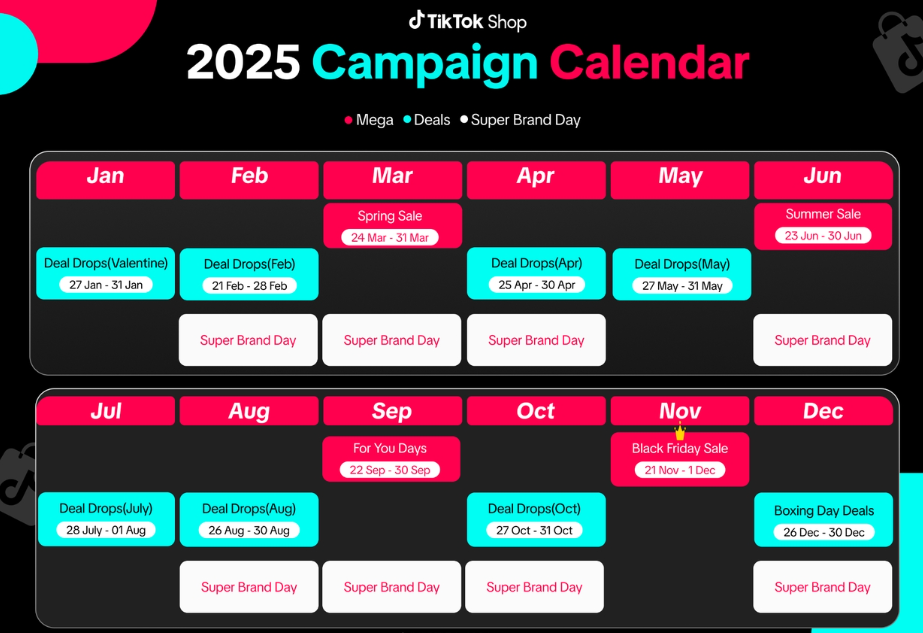
Fashion is seasonal, and TikTok is no different. Certain times of year – holidays, seasons, and events – are golden opportunities to grab attention. Plan your calendar around peak moments, because campaigns timed to holidays or trends tend to perform much better. For example:
-
Q1 (New Year, Valentine’s Day): After the holiday rush, people are looking to refresh their wardrobes. New Year’s sales and Valentine’s specials can be big. Run a “New Year, New You” style series, or showcase date-night outfits for Valentine’s.
-
Spring/Summer (Festival Season, Graduation): Create beach or festival fashion lines. TikTok’s summer is packed with events – a tropical dress or denim shorts video timed with Coachella or summer break can catch viral interest.
-
Back to School (Late Q3): Early fall sees back-to-school shopping. A schoolbag and hoodie haul, or tips for campus style, can draw student viewers.
-
Fashion Weeks: When major Fashion Weeks or seasonal runway shows happen, engage with those trends. For instance, create “street style” looks inspired by current trends.
-
Halloween/Autumn (Q4): Halloween provides a fun angle – post costume outfit ideas using your products, or a “spooky chic” lookbook.
-
Black Friday and Holiday Season: This is prime shopping time. Tease gift guides or special holiday collections. TikTok reports that boosting ad spend in high-intent windows like Black Friday and December drives far more conversions.
In each peak period, align your content and promotions to the moment. This could mean launching a limited-edition product, running a holiday giveaway, or simply using seasonal hashtags and music. TikTok’s built-in features, like countdown stickers for upcoming events, can also help build anticipation. For example, one brand created a countdown to its Black Friday drop and ran Spark Ads to amplify it, ensuring everyone saw the limited-time offer.
Proactive planning is key: TikTok suggests testing new creatives before big campaigns. For instance, start collaborating with influencers weeks ahead of a major sale to generate user-created preview content. Then when your sale goes live, boost those authentic posts with ads. Also consider using TikTok’s Lookalike Audiences in Ads Manager during peak seasons – once you have some customers, TikTok can find similar users likely to buy. In short, treat TikTok like a marketing calendar: have a content and ad plan for each holiday or fashion season, and execute it with timely, relevant videos. The payoff can be huge, as these periods often capture viewers at peak shopping mood.
TikTok Shop and Advertising Tools
One advantage of TikTok is that it’s building an end-to-end commerce ecosystem for fashion brands. Beyond organic posts, SMBs can tap into TikTok’s ad products and shopping features to drive sales:
-
TikTok Shop: If available in your market, enable TikTok Shop for your account. This allows you to add product catalogs directly to your profile and tag items in videos. Viewers can tap a product tag or QR code and check out without leaving TikTok. For example, a fashion brand can film a model wearing a dress, tag the dress in the video, and allow viewers to instantly add it to cart. This seamless path from video inspiration to purchase greatly boosts conversion rates. TikTok reports that integrating TikTok Shop “enhances the shopping experience” by merging discovery with purchase. Even if you have a small following, tagging products means every view becomes a potential sale.
-
Spark Ads: These are a hybrid of organic posts and ads. You can take either your own TikTok post or a creator’s post about your brand and “spark” it as an ad. It boosts a native-feeling video into a paid campaign. NEST New York used Spark Ads during Black Friday to promote creator videos of their best-selling perfume bundles. Paired with Display Cards (in-app overlay buttons), these ads doubled the clicks compared to videos without cards. In practice, you could post a styling video and then boost it as a Spark Ad to maximize reach.
-
Catalog Ads and Collection Ads: TikTok’s ad platform lets you upload a product catalog so your ads can showcase multiple items (like a carousel). These work well for highlighting a range of styles or a holiday gift guide. In NEST’s case, they ran Catalog Ads to display different fragrance collections. If you have a large inventory, catalog ads (with product images and prices) can help viewers browse and tap on exactly what interests them.
-
Display Cards and Call-to-Action: In both organic and paid videos, using clear text overlays or TikTok’s CTA buttons is critical. For instance, “Shop Now,” “Learn More,” or “Swipe Up” prompts guide viewers to take action. In the NEST campaign, clickable display cards (e.g. “Shop Cyber Monday Deals”) helped push a strong 0.97% CTR – nearly 1% of viewers clicked through to the site. For a fashion SMB, adding any CTA (like “view product” or “visit profile link”) can significantly lift conversions.
-
TikTok Pixel and Analytics: Install the TikTok Pixel on your website. It tracks user actions (like purchases or sign-ups) coming from TikTok. This data lets you measure ROI and optimize your ads. For example, you might see that certain product videos drive the most sales; then you double down on that theme. You can also use Pixel events to build custom or lookalike audiences in TikTok Ads Manager. In our cases, NEST credited the Pixel for recognizing that 94% of their TikTok traffic were new customers – a valuable insight showing TikTok’s role in new customer acquisition.
Using TikTok’s advertising and shopping tools doesn’t require a huge budget. Even modest spend can yield big results if targeted well. TikTok’s Smart Automation tools (like Smart Creative and Smart Optimization) can help small teams by testing multiple creatives and automatically boosting the best-performing ones. The combination of organic content, creator partnerships, and these commerce features can turn TikTok browsing into actual sales for your brand.
Collaborating with Influencers and Creators
No TikTok strategy is complete without creators. Fashion is especially social, and niche style influencers carry a lot of weight with shoppers. As noted earlier, advice from “smaller fashion creators” has swayed 70% of consumers. This underscores the power of authentic creator voices. Collaborating with influencers – from micro to macro – can rapidly expand your reach and credibility.
Here’s how to make influencer partnerships work for a small brand:
-
Use TikTok Creator Marketplace: This official TikTok tool connects brands with vetted influencers. You can search by region, audience demographics, and interests. Importantly, TikTok recommends “testing your creative early” by working with influencers to produce content before big campaigns. The creators generate genuine reviews or styling videos with your products, which you can then use as Spark Ads. This pre-campaign user-generated content (UGC) builds buzz and credibility.
-
Set Authentic Guidelines: When engaging creators, give them creative freedom. They know what resonates with their audience. Rather than writing a strict script, suggest key points or features to highlight, then let them present it in their own style. Authentic storytelling beats overly polished ads; viewers can tell the difference. For example, in one brand’s campaign, creators were asked to film a #GetReadyWithMe or fashion haul including the brand’s item in a real-life context. The results felt genuine and fun.
-
Micro-Influencers for Niche Reach: You don’t always need big influencers with millions of followers. Often, working with several micro-influencers (10K–50K followers) in your niche can yield better ROI. Their followers trust them deeply and engagement rates are typically higher. A local fashion store might partner with regional style bloggers to target specific markets. For instance, Brazilian flip-flop brand Havaianas collaborated with 7 Argentine fashion and lifestyle creators to reframe the brand as fun and liberating. These creators showed off Havaianas in various everyday settings (from city walks to casual hangouts), tying into TikTok trends like #GRWM (Get Ready With Me) and #FashionTips. The result was a 23-point jump in ad recall and a 291% surge in website traffic.
-
Long-term Creator Relationships: Aim for ongoing collaborations, not just one-off mentions. When creators become consistent brand advocates, their audience sees your products repeatedly in a positive light. Consider setting up an affiliate or ambassador program, where creators earn commission on sales. This motivates them to weave your products into their content naturally. TikTok also supports affiliate marketing for in-app creators, which can drive direct conversions.
-
Measure and Optimize: Track the performance of each creator partnership. Which videos got the most views, likes, or clicks? Use unique links or TikTok analytics for this. If one style of creator video (say, a try-on haul) outperforms another (like a simple endorsement), lean into it. ZALORA, for example, tested multiple ad creatives with influencers and saw up to 2.5x difference in conversion rates. By optimizing creative mix, they cut their cost-per-click by over 54%.
Influencer and creator marketing on TikTok is all about authenticity and community. When influencers genuinely love your products and tell their followers about them, it feels like a trusted recommendation. For SMBs, this word-of-mouth style promotion can skyrocket brand awareness across borders – often much faster than traditional ads.
Success Stories: Learning from Winning Brands
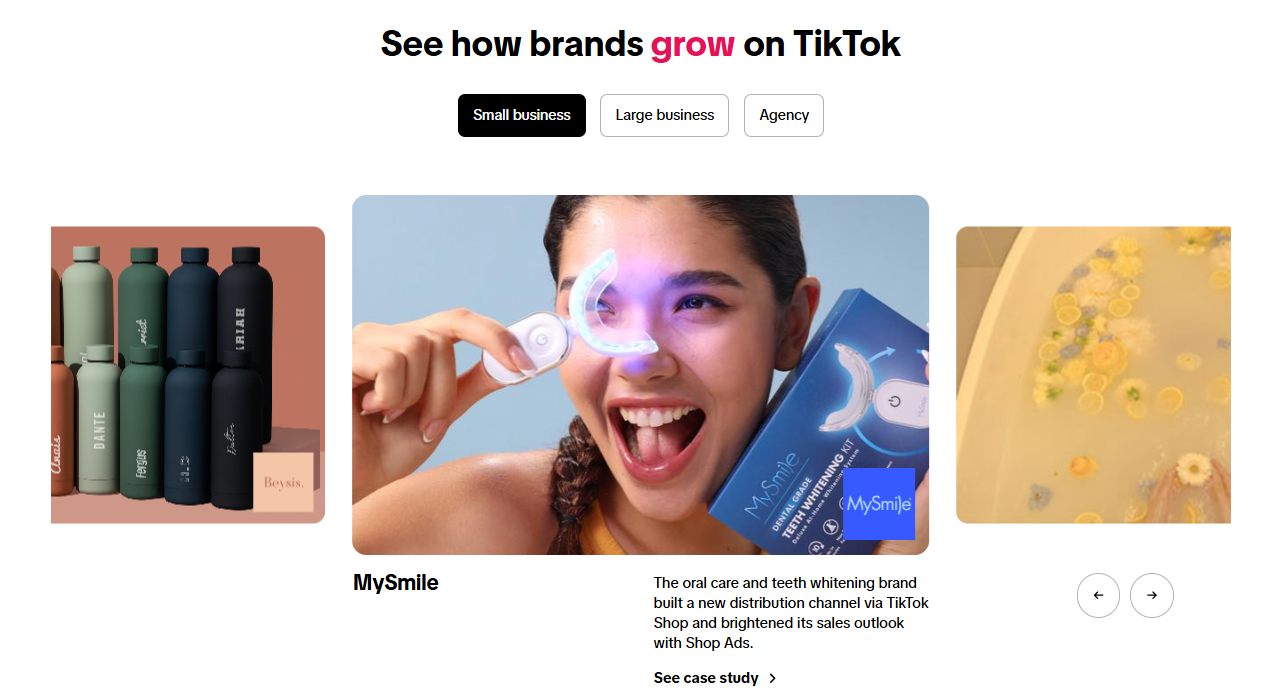
SMBs worldwide are already reaping the benefits of TikTok. Here are a few real examples illustrating what success can look like:
-
NEST New York (Fragrance) – During the 2024 holiday season, NEST launched an 8-week TikTok campaign targeting gift shoppers. They partnered with 13 creators to make TikTok videos (some via the Creator Exchange), then ran Spark Ads and Catalog Ads featuring those videos. The content highlighted Black Friday deals, best-selling scents, and gift ideas. The results were outstanding: 6 million+ impressions, 59.7K clicks, and a 0.97% CTR – well above TikTok’s usual benchmark. Even more impressive, 94% of the website visitors from TikTok were brand new users. NEST’s case shows how a small brand can use creator content + TikTok ads to drive massive awareness and attract fresh customers in a peak shopping period.
-
Havaianas (Flip-Flops) – Although not a tiny brand, Havaianas’ Argentina division treated themselves like an SMB by focusing on local, organic reach. They worked with seven local fashion/lifestyle TikTok creators, each showcasing Havaianas in different everyday scenes (beach day, city stroll, party outfit, etc.). These videos emphasized the brand’s key vibe of “freedom and happiness.” TikTok reports that the campaign achieved a 23-point lift in ad recall and a 291% increase in website sessions compared to the prior month. Engagement rates were twice the industry benchmark. By leveraging creator influence and trending formats (#GRWM, hauls, etc.), Havaianas significantly expanded its reach among young consumers in a way that felt native to TikTok.
-
ZALORA (E-Commerce Retailer) – In Singapore, fashion e-tailer ZALORA ran a Branded Hashtag Challenge called #ZStyleNow, synced with their annual online Fashion Festival. They invited users to post TikToks flashing a “Z” hand sign to magically swap into a stylish outfit (set to a custom music track), with the chance to win ZALORA vouchers. The results were phenomenal: nearly 1 million total video views, 62K users participated by posting challenge videos, and 1.1K of those were original submissions. Meanwhile, their Brand Takeover ads hit a 19.75% CTR – an astronomically high rate for advertising. ZALORA’s campaign turned TikTok users into active promoters of the brand, effectively crowdsourcing content and boosting both app installs and brand affinity.
-
Fast-Growing Fashion Retailer (Women’s Apparel) – One retailer (name undisclosed) focused on TikTok-driven sales and saw explosive results. By running coordinated try-on hauls with multiple influencers, they became the #1 women’s fashion brand on TikTok Shop in Q4 2023 in North America. According to the brand, they sold over 500,000 units of their best-selling dress through TikTok in just two months. While we don’t have an official case study link, this demonstrates how the right viral product (and agile TikTok strategy) can quickly scale a small brand’s sales to a massive level.
These stories share common themes: creative content, timely campaigns, and deep engagement. They prove that small brands can compete on the world stage by leveraging TikTok’s tools. Whether it’s a humble perfume label or a fashion e-tail startup, the formula is similar: use authentic videos and creators to tell your brand’s story, seize moments when customers are ready to buy, and optimize based on results.
Measuring Success and Optimizing
With so many moving parts, how can you tell if your TikTok strategy is working? The good news is TikTok provides plenty of metrics, and SMBs should treat TikTok like a data-rich platform. Key performance indicators (KPIs) include:
-
Video Views and Watch Time: Track how many times your videos are watched and the average watch duration. A high average watch percentage means your content is engaging.
-
Engagement (Likes, Comments, Shares): These social signals are often better indicators of brand-building than raw views. A video that gets many comments or shares likely resonated. For example, if an influencer video about your product goes viral, the spike in engagement might signal a surge in brand awareness.
-
Follower Growth: Monitor how your follower count changes over time. Sudden jumps often correlate with successful campaigns or videos.
-
Click-Through Rate (CTR): On ads or any profile link (like “Shop Now” in bio), CTR measures direct interest. NEST’s 0.97% CTR on Spark Ads was a strong success metric. ZALORA’s 19.75% CTR on a Brand Takeover ad was exceptionally high, showing how catchy content can drive action.
-
Conversion Metrics: With TikTok Pixel or affiliate links, you can see how many viewers actually buy something or add to cart. Keep an eye on Cost Per Click (CPC), Cost Per Acquisition (CPA), and Return on Ad Spend (ROAS) for paid promotions. For instance, ZALORA analyzed multiple ad versions and found their CPC dropped 54% when they focused on the highest-performing creatives.
-
New vs. Returning: TikTok’s case studies highlight new audience acquisition. If a high percentage of TikTok-driven traffic are first-time visitors (as NEST saw with 94%), that means you’re reaching people outside your normal base.
Regularly reviewing these analytics lets you optimize. Suppose a particular try-on video got 100K views and a spike in your website traffic – that signals “this style content works.” Next, you might create more similar try-on formats or boost that video with ads. On the other hand, if a video underperforms, look at its watch-time drop-offs or comments to learn what didn’t connect. Iteration is key: TikTok’s creative tools (like Smart+ and A/B creative testing) can help automate this process for paid campaigns, but even without ads you can glean insights from the native analytics.
In essence, treat TikTok like a live feedback loop. Test different content, measure the outcomes, and refine your approach. Over time, you’ll build a library of proven creative strategies that consistently attract views, followers, and ultimately, customers.
Conclusion
TikTok has leveled the playing field for fashion brands big and small. For the first time, a unique aesthetic or clever styling tip can catapult an SMB into international view overnight. By embracing TikTok’s strengths – its algorithmic reach, diverse audience, and rich creator community – small fashion labels can punch above their weight. Key takeaways include:
-
Be authentic. Show your brand’s personality and values in every post. Audiences on TikTok crave genuineness – whether that’s a founder’s passion or a fun behind-the-scenes moment.
-
Plan strategically. Align your content with seasonal trends and shopping moments. Use the right formats (try-ons, challenges, lifestyle vignettes) to capture attention and drive action.
-
Collaborate wisely. Partner with influencers who genuinely love your products. Even micro-influencers can unlock new niche audiences. TikTok’s Creator Marketplace and Spark Ads make it easy to scale these partnerships.
-
Use data to learn. Track which videos and ads deliver the best results, and adjust your strategy accordingly. The “right” TikTok strategy is a moving target, so keep experimenting and optimizing.
Most importantly, start creating and engaging today. The landscape is shifting fast – what’s new today is old news tomorrow. TikTok itself says that now is the time for businesses to connect, since audiences want to discover brands there. For a small fashion brand, success on TikTok can mean skyrocketing site traffic, booming sales, and a loyal global community of fans. It’s time to turn your style vision into viral content and let the world fall in love with your brand.