
Dropshipping has never been a static business model. Every year brings new technologies, new consumer behaviors, new logistics options, and new challenges that can dramatically shift the landscape. Sellers who pay attention to these changes grow faster, adapt sooner, and build brands that stay relevant. Those who don’t often find themselves struggling to compete with stores that seem to “scale effortlessly.”
Understanding global dropshipping trends isn’t just a nice-to-have—it’s one of the most important parts of staying competitive. Faster fulfillment, smarter sourcing tools, multi-warehouse strategies, and new expectations around transparency and sustainability are reshaping how online sellers operate.
CJdropshipping, working across multiple markets and fulfillment hubs, has a front-row seat to these shifts. Their insights reflect what’s working now, which direction the industry is moving toward, and how sellers can prepare for the next stage of global ecommerce.
The State of Global Dropshipping in 2024–2026
The dropshipping industry has been through several cycles—rapid growth, rising competition, shifting customer expectations, supply chain pressure, and now a renewed focus on speed, branding, and operational reliability. Between 2024 and 2026, the market continues to evolve, but in a way that favors sellers who are strategic rather than simply opportunistic.
Here’s what’s shaping the current and near-future state of global dropshipping.
1. Consumers Expect Faster Delivery—No Exceptions
Customer patience has decreased dramatically. Delivery windows that used to be acceptable—like 2–4 weeks—are now deal-breakers for most shoppers.
Across major markets such as the US, UK, EU, and Australia, buyers expect:
-
Clear tracking updates
-
Accurate delivery estimates
-
Domestic-level shipping speeds
This has pushed suppliers and platforms to build global warehouse networks (similar to CJ’s US, EU, UK, and AU hubs) to keep pace with expectations.
2. Product Saturation Isn’t the Problem—Bad Differentiation Is
There are more online sellers than ever, but that doesn’t mean opportunities have disappeared.
The real issue is that many stores:
-
Sell identical items
-
Use generic photos and descriptions
-
Rely on the same campaigns as competitors
Brands that offer customization, stronger branding, or unique value propositions still thrive—especially as consumers shift toward more personalized shopping.
3. Supply Chains Are Becoming More Predictable and Data-Driven
After a few years of global disruptions, fulfillment networks have stabilized.
Between 2024 and 2026, we see:
-
Clearer international shipping routes
-
Improved customs processes
-
More regional fulfillment centers
-
Growing reliance on predictive data
Suppliers with stronger infrastructure—like CJ’s multi-warehouse model—are helping sellers reduce risk and scale with less uncertainty.
4. Rising Advertising Costs Put Pressure on Margins
Meta and TikTok ads remain powerful, but they’re more competitive.
This means stores relying purely on paid traffic may struggle unless they also build:
-
Higher-quality product pages
-
Stronger repeat-purchase loops
-
Faster delivery promises
-
Better brand storytelling
The stores winning in 2025–2026 are not necessarily spending more—they’re simply optimizing better.
5. Social Commerce Continues to Drive Impulse Buying
TikTok Shop, Instagram Reels, and YouTube Shorts are now major drivers of e-commerce growth.
Short-form content allows smaller brands to:
-
Go viral overnight
-
Reach targeted audiences
-
Showcase products visually
-
Build trust quickly
Products that are “demo-friendly”—like beauty tools, kitchen gadgets, or seasonal accessories—continue to perform especially well.
6. Sellers Are Expanding Into Multi-Region Markets Sooner
Instead of focusing on one country for years, many sellers now expand into new regions within months.
Why?
Because:
-
Warehousing is more accessible
-
Fulfillment is faster
-
International payment systems are easier
-
Advertising platforms offer global targeting
Global sellers with flexible supply chains (e.g., using both China and local warehouses) grow significantly faster than those depending on a single market.

Trend #1: Faster, More Localized Fulfillment Networks
One of the clearest trends shaping the future of global dropshipping is the shift toward localized fulfillment. Customers simply don’t tolerate long delivery times anymore, and platforms like Shopify, TikTok Shop, and Meta increasingly favor sellers who can offer fast, predictable shipping.
As a result, the industry is moving away from long-distance, China-only fulfillment and toward a hybrid model: sourcing globally, but delivering locally.
1. Customers Expect Near-Local Delivery Speeds
Shoppers today expect delivery windows that feel domestic—even if the product isn’t.
Across major markets, customers now consider:
-
2–7 days: acceptable
-
7–12 days: borderline
-
15+ days: too long
That means sellers relying solely on overseas shipping often lose customers during checkout. Local fulfillment solves this by bringing inventory closer to the buyer before the customer ever places an order.
2. Multi-Warehouse Logistics Reduce Shipping Uncertainty
Instead of a single warehouse trying to serve the entire world, modern suppliers are spreading their inventory across multiple regions.
This approach helps avoid:
-
Customs delays
-
International bottlenecks
-
Airline cargo limitations
-
Holiday shipping congestion
Sellers who route orders through local warehouses benefit from far more consistent delivery, especially during peak shopping seasons.
3. Local Warehouses Improve Ad Performance and Conversion Rates
Fast delivery has become a conversion booster.
When customers see “Ships from the US/EU/UK/AU,” they’re significantly more likely to purchase.
Localized fulfillment improves:
-
Click-through rate (CTR)
-
Conversion rate (CVR)
-
Cost per acquisition (CPA)
-
Comment sentiment under ads
-
Trust in your brand’s legitimacy
This is why more sellers are pre-stocking best-sellers in multiple regions—even if they begin testing using China-based inventory.
4. Sellers Move from Testing → Local Stocking → Scaling
A winning fulfillment strategy now looks like this:
-
Test products from China (low cost, no inventory commitment)
-
Identify best-sellers early
-
Move inventory into local warehouses
-
Scale ads with faster fulfillment promises
-
Maintain both warehouses to avoid stockouts
This hybrid approach lets stores grow safely without sacrificing speed.
5. CJdropshipping Is Leaning Into This Trend
To support this industry shift, CJdropshipping operates a global warehouse network including:
-
Multiple China hubs
-
Four US warehouses (California, New Jersey, Texas, Indiana)
-
European warehouses
-
UK warehouse
-
Australia warehouse
-
Partnered with regional warehouses
This gives sellers the flexibility to match fulfillment speed to their growth stage—without needing to build their own logistics system.
6. Local Fulfillment Helps Build Stronger Brands, Not Just Stores
Fast shipping isn’t just about logistics—it’s part of brand identity.
Brands backed by localized shipping:
-
Look more professional
-
Earn repeat customers faster
-
Build social proof easily
-
Compete more effectively against Amazon-like expectations
As global dropshipping trends evolve, localized fulfillment isn’t optional anymore—it’s part of the foundation for long-term success.

Trend #2: Growing Demand for Customization & Print-on-Demand
Customization has quietly become one of the most powerful forces reshaping global dropshipping. As consumers move away from mass-produced items and toward products that feel personal or unique, print-on-demand (POD) and customization-friendly suppliers are becoming essential to long-term ecommerce success.
This shift isn’t just a trend—it reflects a deeper change in consumer behavior across the US, Europe, Australia, and emerging markets.
1. Consumers Want Products That Feel Personal
Shoppers increasingly look for items that express their identity, commemorate a moment, or make thoughtful, meaningful gifts.
Examples include:
-
Personalized jewelry
-
Custom apparel and accessories
-
Engraved items
-
Custom pet products
-
Home decor with personal messages
-
Unique artwork or monograms
These products appeal emotionally—something generic items rarely achieve.
2. POD Offers High Differentiation With Low Risk
Traditional dropshipping often suffers from sameness—products look identical between stores.
Print-on-demand solves this by giving sellers:
-
Unique product designs
-
Zero inventory risk
-
Higher perceived value
-
Better margins
-
No overstock or dead inventory
Sellers can test dozens of designs without committing to bulk orders, which makes POD ideal for creators, boutique brands, and new stores.
3. Social Commerce Boosts POD Product Visibility
Platforms like TikTok Shop, Instagram Reels, and YouTube Shorts thrive on visual storytelling.
POD products naturally perform well because:
-
They’re visually customizable
-
They create emotional “before/after” moments
-
They work well as gift ideas
-
They generate shareable content
For creators, influencers, and niche brand owners, POD items often become core offers.
4. Customization Helps Stores Build Actual Brands
Unlike generic dropshipping where competitors can copy you overnight, POD helps you build a lasting brand identity.
Customized products support:
-
Repeat purchases
-
A stronger brand story
-
Higher customer loyalty
-
Premium pricing
-
Better long-term scalability
Customers remember brands that offer something unique—not just another gadget.
5. Seasonal and Event-Based POD Is Growing Fast
Anniversaries, holidays, and life events are fueling POD demand in a big way.
High-performing categories include:
-
Mother’s Day, Father’s Day gifts
-
Christmas and seasonal items
-
Pet memorial gifts
-
Name-based items
-
Newlywed or housewarming gifts
POD thrives wherever emotion and creativity intersect.
6. CJdropshipping Supports This Shift With Integrated POD Services
To support sellers following this trend, CJdropshipping provides:
-
A large catalog of POD-ready items
-
Easy artwork upload tools
-
On-demand printing and production
-
Sample ordering for quality checks
-
Branding options like custom packaging or inserts
Because POD is integrated into the same fulfillment system used for regular dropshipping products, sellers can operate both models without juggling multiple platforms.
7. Local Warehouses Make POD More Competitive
As POD grows globally, many sellers now blend:
-
China-based POD production for initial testing
-
Local warehouse stocking for fast delivery of popular designs
CJ’s US, EU, and AU warehouse network gives sellers a pathway to scale POD designs with faster, domestic-level shipping—something consumers love.
8. POD Reduces Direct Competition
When your designs are unique, competitors can’t simply replicate your entire product line.
This advantage becomes especially important as ad costs rise and attracting new customers becomes more expensive.

Trend #3: Supply Chain Transparency Becomes a Major Factor
As ecommerce matures, customers have become far more aware of how their orders are sourced, shipped, and delivered. They’re no longer satisfied with vague shipping timelines or unclear tracking updates. Between 2024 and 2026, supply chain transparency has moved from “nice to have” to a critical factor that influences purchase decisions, customer trust, and even platform compliance.
This shift is reshaping how dropshipping businesses operate—and how suppliers support them.
1. Customers Expect Honest Shipping Timelines
Today’s shoppers want accurate, upfront information. When delivery dates change or tracking suddenly stops updating, trust disappears quickly.
Consumers now expect:
-
Realistic shipping windows
-
Predictable tracking updates
-
Clarity about where the product ships from
-
No surprise customs fees or delays
A lack of transparency immediately increases refund requests, negative reviews, and customer support tickets.
2. Platforms Are Enforcing Stricter Fulfillment Rules
Major ecommerce platforms—Shopify, TikTok Shop, Etsy, and even Meta—have tightened their policies around:
-
Delivery accuracy
-
Tracking reliability
-
Order fulfillment speed
-
Dispute and refund rates
Stores that can’t demonstrate reliable sourcing and shipping often face:
-
Higher ad costs
-
Account warnings
-
Lower trust scores
-
In extreme cases, account suspension
Transparent supply chains help sellers stay compliant as these rules continue to tighten.
3. Sellers Benefit From Knowing Their Supply Chain Clearly
Transparency isn’t just for customers—it helps sellers run better businesses.
The more a seller knows about their supply chain, the easier it becomes to:
-
Forecast inventory
-
Plan ad budgets
-
Reduce overselling risks
-
Avoid sudden stockouts
-
Manage expectations with customers
-
Protect margins during peak seasons
Uncertainty creates operational stress; transparency removes it.
4. Warehouse Location and Inventory Status Are Now Expected Information
Instead of “might ship from China,” customers want specifics.
More brands now disclose:
-
Exact warehouse locations
-
Estimated delivery ranges based on region
-
Whether an item is in stock or pre-order
-
Which carrier will handle last-mile delivery
This level of clarity builds trust and reduces fear of purchasing from lesser-known stores.
5. Tracking Visibility Is Becoming Non-Negotiable
Long periods of “in transit” with no updates are one of the biggest frustrations for online shoppers.
Transparent supply chains offer:
-
Immediate tracking activation
-
Multiple checkpoints
-
Detailed scan history
-
Clear handoff between carriers
This reduces customer anxiety and improves the overall shopping experience.
6. CJdropshipping Has Leaned Into Transparency-Focused Infrastructure
Reflecting this global trend, CJdropshipping has invested heavily in:
-
Real-time dashboard visibility
-
Warehouse-level inventory tracking
-
Clear sourcing details
-
Multi-warehouse location disclosures
-
Accurate shipping timelines
-
Reliable parcel tracking with domestic carriers
This transparency allows sellers to operate with more confidence and provide customers with accurate, trustworthy information from the start.
7. Transparency Builds Long-Term Trust and Repeat Buyers
When a customer feels informed—before and after ordering—their perception of the brand improves.
Transparent fulfillment leads to:
-
Higher repeat purchase rates
-
Lower refund and dispute rates
-
Stronger word-of-mouth referrals
-
Better customer reviews
-
A more stable brand reputation
In an era when shoppers have endless alternatives, clear and honest communication becomes a competitive advantage.

Trend #4: AI, Automation, and Smarter Product Research
AI is no longer a futuristic concept in ecommerce—it has become one of the most practical tools shaping how dropshipping stores operate. Between 2024 and 2026, sellers are relying on AI more than ever to make faster decisions, spot new opportunities, and automate the parts of the business that used to be time-consuming or guesswork-driven.
From identifying winning products to predicting demand and optimizing ads, AI is becoming a core driver of ecommerce success.
1. AI-Powered Product Research Is Becoming Standard
Gone are the days when product research meant scrolling endlessly through marketplaces or relying purely on intuition. AI tools now scan millions of data points to help sellers understand:
-
Which products are trending
-
What competitors are launching
-
Seasonal demand fluctuations
-
Margins and price competitiveness
-
Customer sentiment across platforms
This gives sellers an evidence-based starting point—reducing risk and saving hours of manual research.
2. Predictive Analytics Helps Sellers Plan Inventory and Ads
AI isn’t just useful for finding products; it also helps forecast demand.
Smart sellers now use predictive data to understand:
-
When a niche will heat up
-
How seasonal patterns will shift
-
When ad costs are likely to rise
-
How fast inventory may sell out
-
Which regions will drive the most orders
This level of forecasting was once available only to large corporations. Now, smaller ecommerce brands can operate with similar precision.
3. Automation Streamlines Daily Operations
As competition rises, sellers are leaning into automation to stay efficient.
AI tools help automate:
-
Order routing
-
Customer messaging
-
Product page optimization
-
Inventory alerts
-
Pricing adjustments
-
Campaign optimization
This reduces human error and frees time for strategic tasks like branding, creative testing, and customer engagement.
4. Smarter Decision-Making Beats “Gut Feeling” Commerce
AI doesn’t remove creativity; it enhances it.
Instead of launching products blindly, sellers now make decisions backed by:
-
Market-level data
-
Search trends
-
Social media patterns
-
Competitor movement
-
Actual demand analysis
This reduces wasted ad spend and increases the success rate for new product launches.
5. Social Media Algorithms Reward AI-Assisted Content Creation
Platforms like TikTok, Instagram, and YouTube rely heavily on algorithms—so it makes sense that sellers are turning to AI tools to stay aligned.
More brands are using AI to:
-
Script short-form videos
-
Optimize hooks and captions
-
Generate product descriptions
-
Identify trending songs and formats
-
Break down high-performing competitor videos
Combined with strong product research, this creates a fast, data-driven marketing loop.
6. AI Helps Personalize the Buying Experience
Modern shoppers respond well to personalization.
AI enables stores to improve:
-
Product recommendations
-
Upsell pathways
-
Email flows
-
On-site search results
-
Messaging tailored to shopper behavior
This doesn’t just increase conversions—it boosts average order value (AOV) and retention.
7. How CJdropshipping Fits Into This AI-Driven Future
As AI becomes more central to ecommerce, suppliers are adapting their tools and systems.
CJdropshipping has already integrated features such as:
-
Smart sourcing tools that highlight trending products
-
Automated order routing based on buyer location
-
Warehouse inventory forecasting
-
Data-driven fulfillment mapping
-
Easy product import tools that shorten store setup time
These features allow sellers to connect research, sourcing, and fulfillment more seamlessly—creating a smoother, more informed workflow.
8. Sellers Who Embrace AI Gain a Significant Competitive Edge
The gap is widening between sellers who use AI and those who don’t.
AI-powered stores tend to:
-
React faster to demand shifts
-
Discover niche opportunities early
-
Run more efficient ad campaigns
-
Reduce operational bottlenecks
-
Scale sustainably rather than chaotically
In other words, AI doesn’t replace entrepreneurial instinct—it amplifies it.

Trend #5: The Rise of Micro-Brands and Niche Commerce
Not long ago, ecommerce success was mostly about finding a viral product and scaling ads aggressively. But between 2024 and 2026, the pendulum has shifted. Instead of trying to build massive general stores, more sellers are focusing on micro-brands—small, targeted, niche-focused brands with strong identities and loyal audiences.
These micro-brands are proving that you don't need to be a big company to win; you just need to resonate with the right people.
1. Niche Markets Are More Profitable Than Broad Markets
Going broad used to work, but today’s shoppers prefer brands that “feel made for them.”
Micro-brands thrive because they focus on:
-
One community
-
One passion or lifestyle
-
One tightly defined niche
-
One type of customer problem
This clarity leads to higher conversion rates, better engagement, and more loyalty.
2. Customers Prefer Brands With Personality
Modern consumers want storytelling, not just products.
Micro-brands excel at creating:
-
Distinct visuals
-
Unique voice and personality
-
Strong emotional hooks
-
Community connection
Instead of looking like another generic store, micro-brands stand out immediately.
3. Niche Stores Are Less Affected by High Ad Costs
Advertising is more expensive than ever, but niche brands often market more efficiently because:
-
Their audiences are easier to target
-
Their content feels more authentic
-
Their message resonates faster
-
Their products naturally build word-of-mouth
A niche audience also lowers customer acquisition costs because customers see the brand as “for people like me.”
4. Product Differentiation Is Easier in Smaller Niches
Micro-brands don’t compete on volume—they compete on uniqueness.
This opens doors to:
-
Customization
-
Print-on-demand
-
Niche-specific product bundles
-
Branded packaging
-
Influencer collaborations
These details are harder to copy, giving micro-brands stronger long-term defensibility.
5. Repeat Purchases Become More Common
When customers feel aligned with a brand’s personality or niche, they’re far more likely to order again.
For micro-brands, repeat purchases become a natural part of the business model, thanks to:
-
Stronger identity
-
Better customer relationships
-
A line of complementary products
-
Trust built through consistent service
This makes micro-brands far more stable than “one-hit-wonder” stores.
6. Micro-Brands Work Exceptionally Well With CJdropshipping
This trend aligns closely with how many sellers use CJdropshipping today. Because CJ supports:
-
Small-batch testing
-
Low-MOQ custom products
-
Print-on-demand
-
Custom packaging and branding
-
Multi-warehouse fulfillment
It becomes much easier for small brands to build credibility, ship quickly, and offer specialized products without holding large amounts of inventory.
7. Social Platforms Favor Niche-Focused Content
TikTok, Instagram Reels, and YouTube Shorts reward content that speaks to specific communities.
Micro-brands tap into:
-
Pet lovers
-
Fitness subcultures
-
Beauty niches
-
Outdoor enthusiasts
-
Travel lovers
-
Hobby-specific groups
This creates viral potential without needing massive ad budgets.
8. Micro-Brands Are Future-Proof
As ecommerce becomes more saturated, brands built around:
-
Identity
-
Culture
-
Lifestyle
-
Storytelling
will outperform generic stores.
Micro-brands fit perfectly into this direction, giving sellers the ability to grow through authenticity rather than volume alone.
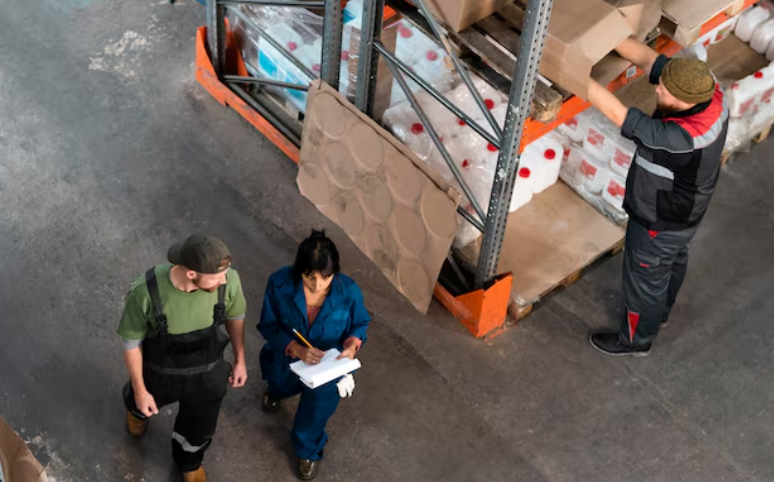
Trend #6: More Sellers Leveraging Multi-Warehouse Strategies
One of the strongest shifts in global dropshipping over the past few years is the move toward multi-warehouse fulfillment. Instead of operating from a single central source—usually a China-based warehouse—more sellers are spreading inventory across strategic global locations to improve delivery speed, reliability, and customer trust.
This shift is not just a logistics upgrade; it’s becoming a competitive advantage that directly impacts conversion rates, ad performance, and long-term scalability.
1. Faster Shipping Is Now a Baseline Expectation
Today’s shoppers expect delivery windows that resemble domestic shipping—even if the product itself is sourced abroad.
Multi-warehouse fulfillment allows sellers to store items closer to their customers, which significantly reduces:
-
Delivery time
-
Last-mile delays
-
Customs hold-ups
-
Shipping variability
When customers see “Ships from the US/EU/UK/AU,” trust instantly increases.
2. Sellers Are Moving From Single-Warehouse to Hybrid Models
The modern fulfillment model looks very different from the traditional dropshipping setup.
Instead of relying solely on overseas shipping, sellers now:
-
Test products in China warehouses (low risk, low cost)
-
Move best-sellers into local or regional warehouses
-
Scale ads while offering faster delivery
-
Keep backup stock in multiple locations
This hybrid approach gives them speed, flexibility, and stability—all essential for growth.
3. Multi-Warehouse Fulfillment Reduces Ad Costs and Boosts CVR
Faster shipping isn’t just a “nice bonus.” It impacts key performance metrics, including:
-
Higher conversion rates
-
Stronger click-through rates
-
Lower cost per acquisition (CPA)
-
Fewer negative comments
-
Better ad relevance scores
Platforms like TikTok and Meta reward sellers who deliver quickly.
Multi-warehouse strategies make that possible without massive investment.
4. Sellers Gain Protection Against Supply Chain Disruptions
Relying on a single warehouse makes stores vulnerable to:
-
International shipping delays
-
Port congestion
-
Temporary route closures
-
Seasonal backlogs
-
Local carrier issues
By distributing inventory across regions, sellers create a buffer that keeps operations stable even during peak seasons or unexpected disruptions.
5. Local Fulfillment Improves Customer Satisfaction
Local or regional fulfillment results in:
-
More accurate tracking
-
Faster updates
-
Fewer delivery errors
-
Lower product damage rates
This leads to fewer customer support tickets and higher post-purchase satisfaction—both essential as competition grows.
6. Multi-Warehouse Models Make International Expansion Easier
Instead of building separate logistics systems for each market, sellers can use a multi-warehouse network to expand quickly into:
-
The US
-
Europe
-
The UK
-
Australia
-
Specific regional markets
This allows small brands to operate globally without needing enterprise-level logistics.
7. CJdropshipping Supports This Trend with a Comprehensive Network
As more sellers adopt multi-warehouse strategies, CJdropshipping has aligned with this trend by offering:
-
China-based sourcing hubs
-
Four major US warehouses
-
EU and UK fulfillment centers
-
Australia warehouse coverage
-
Additional regional partner warehouses
This creates a flexible structure where sellers can seamlessly move from product testing to large-scale fulfillment without switching suppliers.
8. Multi-Warehouse Sellers Win the Long Game
Stores that adopt multi-warehouse fulfillment tend to:
-
Scale faster
-
Maintain better profit margins
-
Experience fewer fulfillment issues
-
Build stronger customer loyalty
-
Reduce operational stress
In the future, the question won’t be whether sellers should use multiple warehouses—it will be how early they adopt the strategy.

Trend #7: Consumers Expect Better Sustainability Practices
Sustainability is no longer just a buzzword—it’s becoming a real decision-making factor for online shoppers. As customers grow more conscious of environmental impact, packaging waste, and ethical sourcing, dropshipping businesses are adjusting their operations to meet these expectations.
Between 2024 and 2026, the shift toward eco-friendly commerce is accelerating, and brands that take sustainability seriously are earning more trust, stronger loyalty, and better long-term growth.
1. Shoppers Are Actively Choosing Eco-Friendly Brands
Modern consumers, especially younger demographics, increasingly prefer brands that reflect their values. Studies consistently show that buyers are more likely to purchase from stores that demonstrate:
-
Reduced carbon footprint
-
Sustainable materials
-
Ethical sourcing
-
Minimal packaging waste
-
Transparent production processes
This isn’t limited to high-end buyers—sustainability appeals to mainstream consumers across multiple categories.
2. Packaging Waste Is a Growing Concern
Oversized packaging, unnecessary fillers, and hard-to-recycle materials frustrate customers and harm brand perception.
To respond, sellers are shifting toward:
-
Smaller, right-size packaging
-
Recyclable materials
-
Reduced plastic usage
-
Simple, clean labeling
Minimalist packaging has become both a design choice and an environmental one.
3. Local Warehousing Lowers Carbon Emissions
Shipping products from overseas for every order contributes significantly to emissions.
Using local or regional warehouses helps reduce the environmental footprint by shortening delivery routes.
This trend aligns with broader expectations for:
-
Lower transportation emissions
-
Less dependence on international freight
-
More efficient last-mile logistics
Multi-warehouse fulfillment is becoming not only a speed advantage but also a greener choice.
4. Consumers Appreciate Transparency Around Production
Customers like knowing where their products come from.
Brands that explain:
-
Where items are sourced
-
What materials are used
-
Why a certain fulfillment method is chosen
-
How packaging waste is minimized
tend to win more trust.
This transparency also reduces returns by setting accurate expectations.
5. Reusable, Refillable, and Long-Lasting Products Are Trending
Across beauty, home, pet, and outdoor categories, shoppers are shifting toward products that last longer or create less waste, including:
-
Refillable beauty products
-
Reusable kitchen and cleaning items
-
Durable outdoor gear
-
Sustainable fashion pieces
-
Zero-waste household alternatives
Dropshippers who source thoughtfully can build stronger brands with products that align with this trend.
6. CJdropshipping Reflects This Industry Trend Through Smart Logistics
While sustainability ultimately comes from brand decisions, suppliers play a major role.
To support sellers adapting to eco-friendly expectations, CJdropshipping focuses on:
-
Offering local fulfillment options through global warehouses
-
Providing safer, tighter, low-waste packaging
-
Reducing international shipping dependency
-
Partnering with warehouses that use more efficient logistics routes
These improvements help sellers reduce environmental impact without sacrificing speed or cost efficiency.
7. Sustainable Practices Strengthen Brand Loyalty
When shoppers feel that a brand reflects their values—especially environmental ones—they are more likely to:
-
Leave positive reviews
-
Make repeat purchases
-
Recommend the store
-
Engage with the brand community
-
Forgive minor issues
Sustainability is increasingly part of brand identity, not just product selection.
8. Eco-Friendly Brands Will Gain More Visibility in the Future
As platforms introduce transparency tools, badges, or filters (e.g., “eco-friendly,” “locally shipped,” “low packaging”), sellers who adopt sustainable practices early will gain:
-
Better search visibility
-
Stronger trust signals
-
Higher conversion rates
-
Competitive advantage over generic stores
The future of global ecommerce heavily favors brands that prioritize environmental responsibility.
How CJdropshipping Adapts to These Trends
As global dropshipping evolves, suppliers must evolve with it. Sellers now expect more transparency, more automation, faster delivery, and a fulfillment experience that feels as reliable as traditional retail. CJdropshipping has been adapting its infrastructure and services in response to these shifting expectations, aligning itself with the future of ecommerce rather than the past.
Here’s how CJ is supporting the most important trends shaping global dropshipping.
1. Building a Multi-Warehouse Global Network for Localized Fulfillment
With customers demanding faster shipping, CJ has expanded its warehouse network to include:
-
Multiple China sourcing hubs
-
Four US warehouses (California, New Jersey, Texas, Indiana)
-
European fulfillment centers
-
UK warehouse
-
Australia warehouse
-
Additional partnered regional warehouses
This allows sellers to test products from China and then shift best-sellers into local inventories for faster, more competitive delivery.
2. Strengthening Support for Customization and Print-on-Demand (POD)
As personalization becomes one of the strongest trends in ecommerce, CJ offers:
-
A wide catalog of POD-ready items
-
Integrated design upload tools
-
On-demand printing and production
-
Optional branding and custom packaging
-
Sample ordering for quality verification
This makes it easier for sellers to create micro-brands and differentiated products without massive upfront investment.
3. Increasing Supply Chain Transparency
Transparency is a key expectation from both customers and platforms.
CJ responds to this trend by providing:
-
Real-time inventory visibility
-
Clear warehouse locations
-
Accurate shipping estimates
-
Updated tracking checkpoints
-
Transparent sourcing information
This helps sellers communicate clearly with customers and maintain platform compliance.
4. Integrating Automation Into Sourcing and Fulfillment
To keep up with the shift toward AI and automation, CJ’s system includes features such as:
-
Automated order routing based on buyer location
-
Bulk order processing
-
Smart sourcing suggestions
-
Inventory alerts
-
Fast product import tools
-
Streamlined SKU mapping
These tools help reduce manual work and allow sellers to operate more efficiently.
5. Supporting Niche Commerce and Micro-Brand Growth
Because CJ offers both low-MOQ sourcing and a wide product catalog, it naturally supports the rise of micro-brands by giving sellers:
-
Access to niche-specific products
-
Low-risk testing capabilities
-
Custom branding options
-
Multi-warehouse inventory flexibility
This helps brands stand out instead of competing as a generic store.
6. Improving Packaging and Eco-Friendly Logistics Pathways
Sustainability is increasingly important in ecommerce, and CJ reflects this trend by:
-
Offering more tightly packed, low-waste packaging
-
Expanding local warehouses to reduce overseas shipping
-
Reducing unnecessary repacking steps
-
Improving last-mile carrier integration for efficient delivery
These adjustments help sellers meet customer expectations for environmentally conscious practices.
7. Providing a Unified, All-in-One Ecosystem
Modern ecommerce requires seamless synchronization between sourcing, fulfillment, tracking, and customer expectations.
CJ’s platform is built around that idea, offering:
-
Sourcing
-
Order management
-
Warehouse inventory
-
Fulfillment
-
POD
-
Branding options
-
Real-time tracking
-
Customer service support
Instead of juggling separate suppliers, printers, and warehouses, sellers can run their entire backend from one system.
8. Enabling Sellers to Scale Globally With Less Operational Complexity
As more sellers expand into multiple countries, CJ’s combined network and automation tools make it easier to manage international fulfillment without building custom logistics for each region.
This gives small teams the ability to operate like larger, established ecommerce brands.
Final Thoughts: Preparing Your Business for the Next Wave of Global Ecommerce
The future of dropshipping isn’t about chasing shortcuts or relying on luck—it’s about understanding where the industry is headed and preparing your business to adapt quickly.
As customer expectations rise and fulfillment standards become more demanding, the stores that succeed will be the ones that combine smart product strategy, strong branding, and reliable back-end operations.
Global trends such as localized fulfillment, niche commerce, transparency, AI-powered decision-making, and sustainability aren’t just abstract ideas. They’re shaping how customers shop and how platforms reward sellers. Forward-thinking brands are already adjusting their sourcing, logistics, and marketing to align with these shifts.
This is where having the right partner matters. A flexible, multi-warehouse, transparent supplier ecosystem like CJdropshipping doesn’t just help you fulfill orders—it gives you the tools to grow confidently, test faster, react to demand spikes, and serve customers in multiple regions without reinventing your entire supply chain.
As you plan for the next stage of your business, consider focusing on:
-
Building a brand that resonates with a clear audience
-
Offering products that feel unique or personalized
-
Staying data-driven through smarter research and AI tools
-
Using multi-warehouse fulfillment to meet rising delivery expectations
-
Creating a customer experience that feels trustworthy and streamlined
-
Keeping your supply chain as transparent and efficient as possible
Dropshipping is evolving, but it’s far from fading. Sellers who embrace the new direction—faster logistics, deeper personalization, better transparency, and smarter operations—will shape the next generation of ecommerce success stories.
The opportunity is still wide open. The key is being prepared for where the industry is going—not where it has been.