
1. The Global Halloween Stage & the Power of Asian Creativity
Every October, Halloween becomes more than a night of costumes and candy—it turns into a cultural barometer.
Google’s Frightgeist 2025 report revealed something remarkable: among witches, superheroes, and vampires, two Asian names captured global imagination—Labubu, a quirky toy creature designed by Chinese artist Long Jiasheng, and K-Pop Demon Hunters, an animated film by Sony built around a Korean girl-group fighting evil spirits.
Their simultaneous rise tells a larger story about how Asian creativity is shaping global culture. Labubu dominated searches for kids’ and pet costumes, symbolizing comfort and cuteness; K-Pop Demon Hunters inspired makeup looks and group cosplay, blending pop glamour with fantasy adventure.
Together they highlight a turning point: Asia is no longer just exporting products—it’s exporting emotions, aesthetics, and shared stories. Success today depends less on novelty and more on connection. The new globalization doesn’t reward shouting “We’re different,” but whispering “We understand how you feel.”
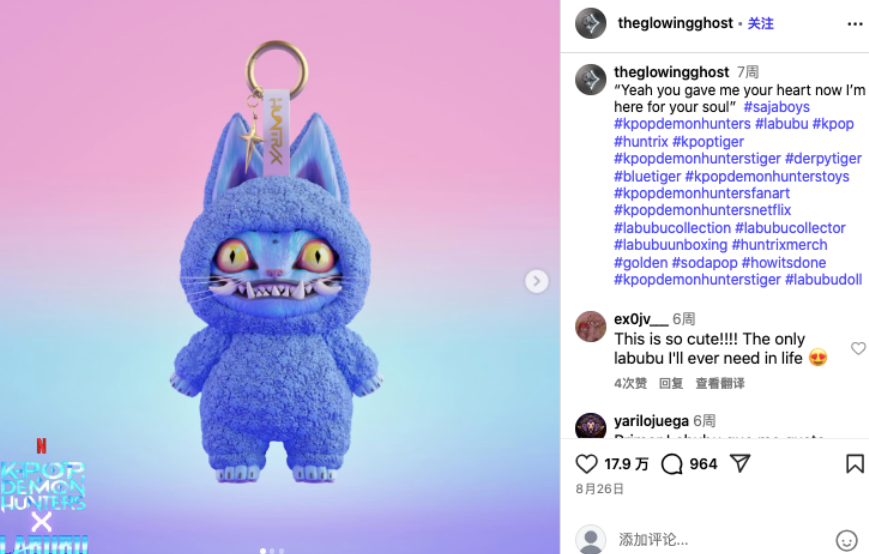
2. Labubu’s Journey: From Niche Toy to Emotional Global Symbol
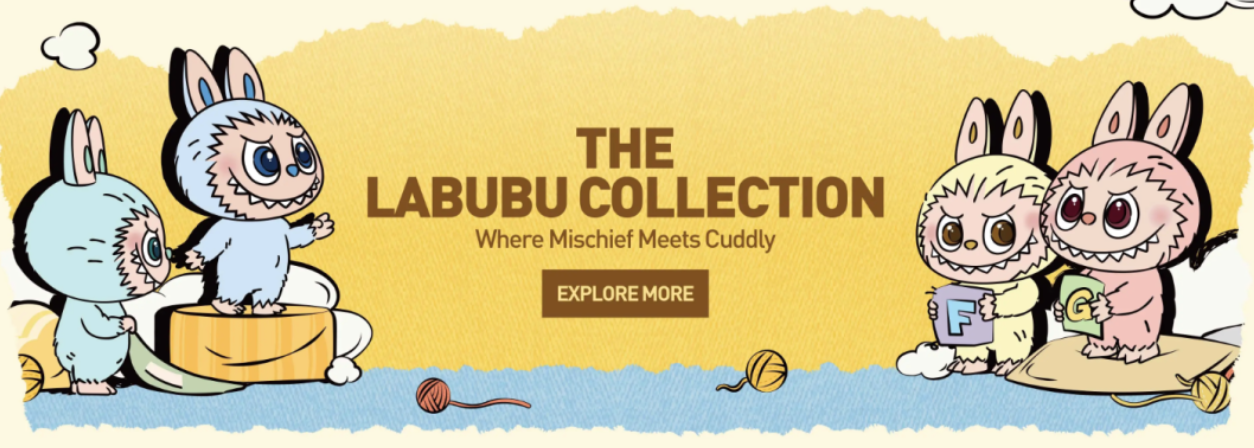
When Labubu debuted in China’s designer-toy community, it lived in the margins—strange, whimsical, and slightly creepy. With its sharp smile and dreamy stare, it embodied loneliness, imagination, and self-healing. Among urban youth, it represented quiet rebellion against perfection.
When Labubu reached Western audiences, something magical happened: people didn’t see a monster—they saw a friend. In North America it re-emerged as a fuzzy comfort creature featured in pet outfits, children’s clothing, and viral makeup themes. The interpretation changed, but the emotion stayed intact.
Labubu’s success lies in its emotional accessibility. Instead of shouting cultural origin, it offered visual warmth and tactile softness—universally understood languages. It didn’t insist “I’m Chinese”; it invited audiences to feel.
For Chinese creators, this carries a profound insight: sustainable globalization is not about emphasizing difference but cultivating empathy through design.
In the e-commerce world, platforms like CJdropshipping have observed the same dynamic. Sellers who choose emotionally resonant, visually expressive products—cozy wearables, cute home goods, or personalized gifts—perform better across markets. Like Labubu, they trade on feeling, not translation.
Labubu proves that once a cultural object becomes emotionally useful to global audiences, it ceases to be exotic and becomes everyday. That transformation—from curiosity to companionship—is the real measure of cultural success.
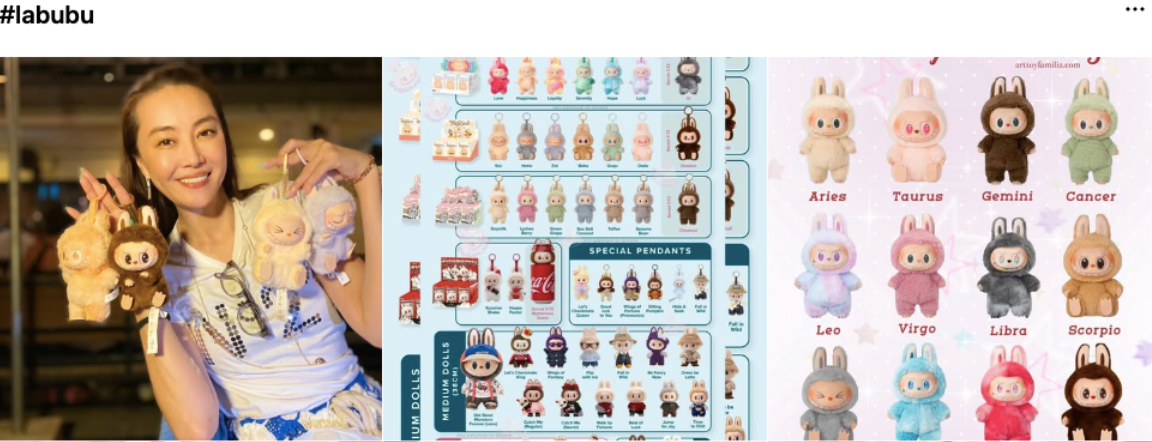
3. K-Pop Demon Hunters: Storytelling Success and Cultural Ambiguity
While Labubu’s rise came through visual empathy, K-Pop Demon Hunters conquered hearts through narrative power. The movie’s premise—a Korean idol group doubling as demon-slayers—blends the rhythm of K-pop with Hollywood-style hero storytelling. The result? A perfect viral formula: action, music, sisterhood, and glittering aesthetics.
It quickly became a global hit on streaming platforms, hailed as a model of “Asian content with international grammar.” The film preserved Korean signifiers—ramen, kimchi, stage choreography—but wrapped them in the pacing and humor of Western animation.
However, beneath the applause lies a subtle paradox. Among the Korean elements appeared unmistakably Chinese symbols: crescent-bladed weapons, red knots, and scenes echoing traditional Chinese medicine halls. To most viewers abroad, these blended seamlessly into a generic “Asian fantasy.” The distinction between cultural sources blurred.
This is the double edge of cultural success—visibility without precision. When multiple Asian cultures are visually fused, the world may celebrate “Asian cool” while forgetting its specific origins.
For China, this phenomenon carries an urgent message: popularity without authorship leads to cultural dilution. To own the narrative, a country must pair creative excellence with clear authorship and storytelling control. Otherwise, its symbols are absorbed into someone else’s mythology.
Likewise, brands entering global markets must ensure their identity remains legible amid collaboration. Authenticity is not isolation—it’s clarity.
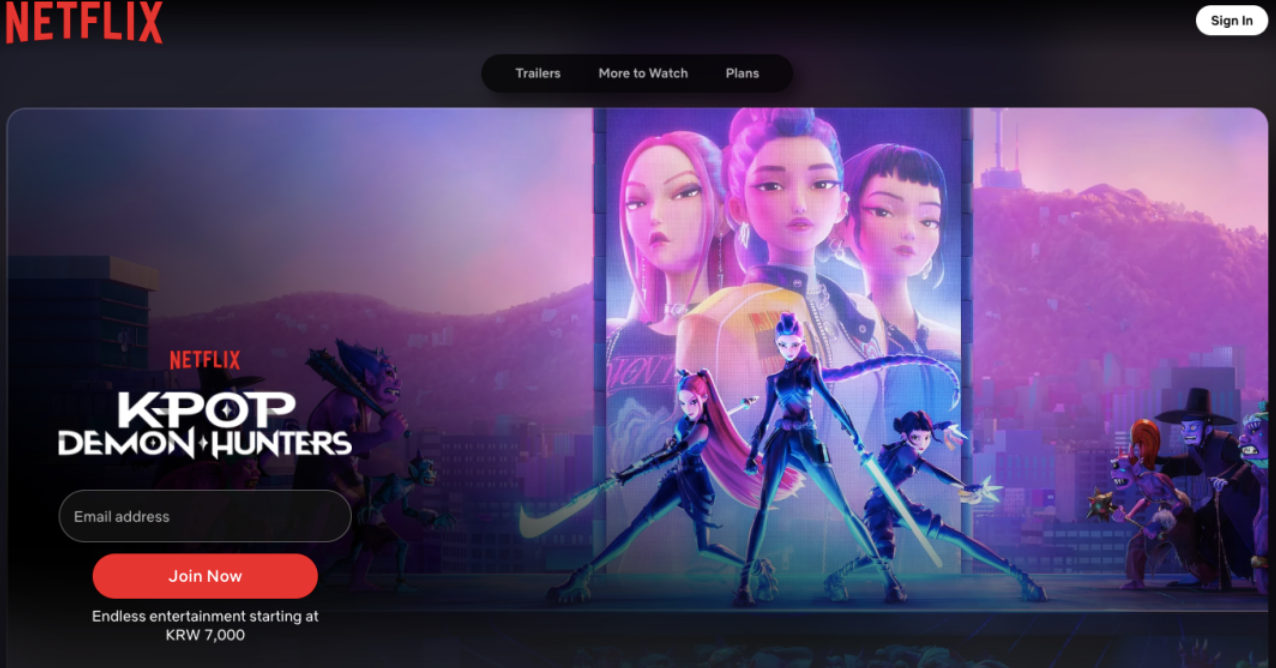
4. The Hidden Battle for Cultural Narrative Power
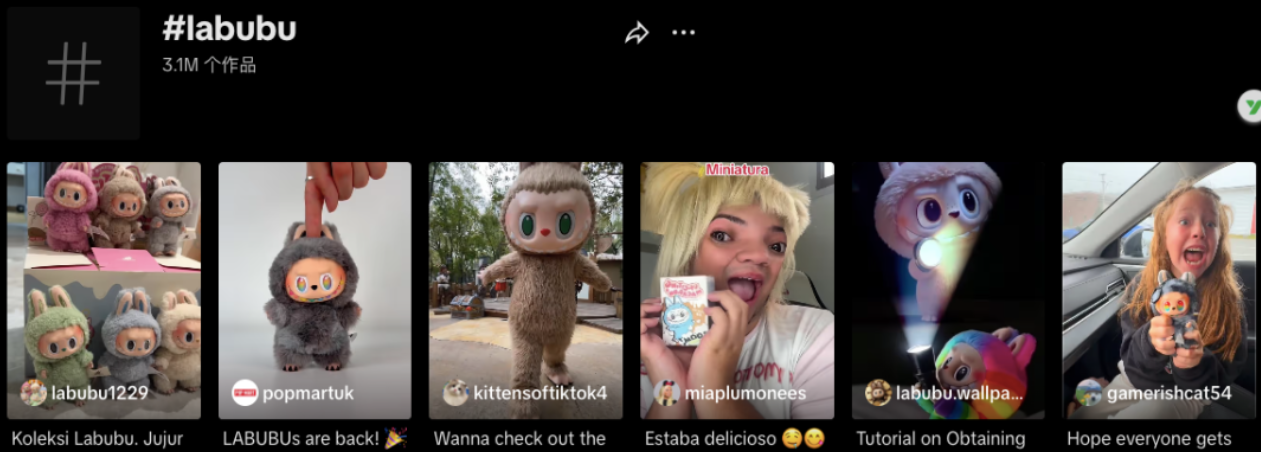
Behind every viral moment is a deeper contest: who gets to define the story?
Labubu rose through community creativity—fan art, plush adaptations, user-generated content. K-Pop Demon Hunters soared through industrial storytelling—Sony’s production network, Netflix distribution, and global marketing. One was organic, the other engineered.
Together they show two sides of modern cultural export:
-
Grassroots emotion that grows from empathy.
-
Institutional storytelling that scales through systems.
The future of cultural globalization lies in combining both. A brand must feel authentic like Labubu yet operate efficiently like Sony.
For Chinese creators and businesses, this means building not just viral moments but sustainable ecosystems—communities, licensing channels, and narrative continuity. Without that infrastructure, every success risks being a one-off spark.
Consider the entertainment pipeline behind K-Pop Demon Hunters: integrated music promotion, merchandise, fan events, and streaming. This holistic system converts stories into recurring engagement. China’s creative industries are beginning to move the same direction—crossing from product export to experience export.
5. From Viral Hits to Sustainable Systems: Lessons for Global Brands
In a world where trends change daily, short-term virality is no longer enough.
To sustain influence, brands need three elements: story, system, and soul.
1. Story — Meaning Beyond the Product
Every global success carries a narrative spine. Labubu represents emotional healing; K-Pop Demon Hunters celebrates collective strength. Brands that articulate purpose build resonance beyond function.
2. System — Infrastructure Behind Creativity
Behind every “overnight success” lies years of logistics, partnerships, and data. Globalization is not spontaneous; it’s engineered.
This is where CJdropshipping provides a practical lens: thousands of global sellers rely on its sourcing network, automated fulfillment, and multi-warehouse coverage to bring creative products to consumers quickly. The system transforms ideas into delivery—a crucial part of storytelling in commerce.
3. Soul — Human Connection
Even the most automated ecosystem must retain human warmth. Whether through personalized packaging, print-on-demand products, or transparent customer communication, emotion fuels loyalty.
Labubu achieved this by making people feel safe; K-Pop Demon Hunters did it through aspirational energy. Both forms—comfort and empowerment—are emotional currencies. Global brands that master both create communities, not just customers.
6. How CJdropshipping Reflects the Future of Chinese Brand Globalization

As Chinese brands step into global markets, their challenge mirrors Labubu’s evolution: how to be understood, not just seen. CJdropshipping’s rise within the global e-commerce ecosystem offers a real-world example of narrative transformation through infrastructure.
Originally known as a sourcing and logistics platform, CJdropshipping evolved into a full-service ecosystem that helps international entrepreneurs design, brand, and fulfill products from concept to doorstep. Its value isn’t only operational—it’s cultural. It empowers small sellers worldwide to participate in global trade without heavy capital investment, echoing the democratization of creativity itself.
Building Emotional Relevance
Like Labubu, CJ doesn’t merely provide tools; it provides possibility. By enabling sellers to customize packaging, create print-on-demand collections, or brand their own product lines, it turns commerce into storytelling. Each entrepreneur becomes a narrator of their niche, crafting micro-cultures that span continents.
Cultural Confidence Through Reliability
While K-Pop Demon Hunters represents the strength of coordinated storytelling, CJdropshipping reflects the logistical backbone required to make that storytelling real. Fast fulfillment, verified suppliers, and global warehouses convert cultural appeal into reliable experience.
This combination of creativity and precision is precisely what future Chinese brands must master—balancing imagination with credibility.
From “Made in China” to “Created with China”
CJ’s ecosystem demonstrates a quiet shift: China’s role in global trade is moving from manufacturing hub to creative collaborator. The platform’s partnerships with Shopify, TikTok Shop, and WooCommerce enable seamless integration for thousands of international merchants.
In this model, China isn’t just producing goods—it’s co-creating global brands.
Conclusion — From Being Seen to Being Understood
The 2025 Halloween spotlight on Labubu and K-Pop Demon Hunters wasn’t just a pop-culture coincidence. It symbolized the maturity of Asian creativity on the world stage—a move from novelty to normalcy.
Labubu’s comfort and emotion, paired with K-Pop Demon Hunters’ spectacle and system, reveal two complementary truths:
-
Culture spreads fastest when it resonates emotionally.
-
It endures only when supported by infrastructure and authorship.
For Chinese brands, the lesson is urgent yet inspiring. Globalization is no longer about exporting symbols—it’s about exporting stories, systems, and shared meanings.
When others use your symbols to tell their stories, you risk invisibility. But when you claim authorship and pair creativity with reliability, you build sustainable influence.
CJdropshipping’s journey illustrates this evolution in real time. By enabling creative sellers worldwide, it embodies the same cultural spirit that made Labubu and K-pop thrive: accessibility, empathy, and participation.
Ultimately, the future of global branding belongs to those who can turn commerce into culture—and culture into conversation.
To be seen is simple.
To be understood is power.