
Dropshipping is changing fast, and 2026 is shaping up to be a big year for sellers looking to scale quickly and efficiently. New supplier platforms and smarter logistics solutions are making it easier than ever to run a streamlined business without heavy upfront investment. Whether you're launching a TikTok Shop, growing a niche Shopify store, or expanding to Amazon or Walmart, picking the right supplier can make or break your business.
A great dropshipping supplier doesn't just ship your products—they impact your fulfillment speed, customer satisfaction, branding ability, and ultimately your ability to scale profitably. In this guide, we'll explore the top 10 dropshipping suppliers in 2026, with insights into their unique strengths, ideal use cases, pricing, and how they integrate with your sales channels.
Table of Contents
- What to Look For in a 2026 Dropshipping Supplier?
- Must-Have Features for Scaling a Dropshipping Store in 2026
- How Supplier Choice Impacts Customer Experience
- 10 Best Dropshipping Suppliersin 2026
- Choosing the Right Supplier for Your Business Model
- Final Takeaway:Choosing Suppliers That Power Long-Term Growth
What to Look For in a 2026 Dropshipping Supplier?
With more supplier options than ever, it's important to evaluate based on features that support smooth, scalable, and customer-friendly operations—not just product price. The ideal 2026 dropshipping supplier should offer:
- Platform Integration: Whether you're selling on TikTok, Shopify, Etsy, Amazon, or Walmart, seamless syncing across platforms ensures your business runs smoothly without manual order management.
- Reliable Fulfillment and Tracking: Fast, consistent shipping with trackable delivery updates helps build trust with customers.
- Warehouse Coverage: Suppliers with warehouses in the US, EU, and other key markets enable faster local delivery and reduce shipping-related complaints.
- Product Discovery Tools: Trend insight tools and bestseller data can help you stay ahead of the curve.
- Customization Options: Look for private labeling, branded packaging, and print-on-demand services that help you stand out in a crowded market.
- API Access: If you're running a more advanced store setup or using multiple systems, API availability makes it easier to automate and scale.
- Responsive Agent Team: A good supplier should have a support team that can help troubleshoot order issues or shipping delays quickly, ideally with 24/7 availability.
- Clear Return Policy: Make sure your supplier has a transparent and fair return process—it reflects directly on your store and affects your long-term reputation.
In a competitive space like dropshipping, the supplier you choose becomes your behind-the-scenes partner. Make sure they're equipped to support your goals, whether that means fast scaling, niche branding, or hassle-free fulfillment. like dropshipping, the supplier you choose becomes your behind-the-scenes partner. Make sure they're built for your vision.
Must-Have Features for Scaling a Dropshipping Store in 2026
As your store grows, the systems behind it need to grow with you. In 2026, scaling a dropshipping store means putting the right tech, partners, and workflows in place to handle spikes in volume, higher customer expectations, and multiple sales channels. Here are the key supplier features that make sustainable growth possible:
- Automated Order Syncing: Orders should flow automatically from your store to the supplier's system, and tracking numbers should sync back without any manual steps. This reduces errors and saves time as order volume increases.
- Real-Time Inventory Visibility: Live inventory updates help you avoid overselling or listing out-of-stock products. This is especially important during sales events or viral product spikes.
- Custom Branding Services: Suppliers who offer logo printing, custom inserts, and branded packaging can help build recognition and repeat business, turning a product sale into a brand experience.
- Multiple Shipping Options: A variety of delivery methods—from standard to express, from local to international—gives customers more choice and helps you manage fulfillment costs.
- Local Warehouses: When your supplier stores inventory in key regions like the US or Europe, it shortens delivery times and reduces the risk of cross-border delays.
- Returns Management: A reliable system for handling returns (with tracking and clear policies) reduces friction for customers and keeps your operations smooth.
- Customer Service Support: Whether you're troubleshooting an order or solving a delivery issue, fast and responsive supplier support can prevent small hiccups from becoming customer complaints.
In short, these features allow you to stay lean while your business grows. A supplier that's equipped for scale doesn't just fulfill orders—they help you operate like a bigger brand without needing a massive team.
How Supplier Choice Impacts Customer Experience
Your supplier plays a major role in shaping the way your customer experiences your brand—from unboxing to delivery timelines. Here's why it matters:
- Shipping Times: Customers expect fast delivery. Long wait times often lead to poor reviews and fewer repeat purchases. Working with suppliers that offer local or overseas warehouse fulfillment can shorten delivery to just a few days.
- Local Fulfillment: When suppliers use regional warehouses to fulfill orders—especially in areas like the US or EU—it not only speeds up shipping but also reduces customs delays and returns due to miscommunication.
- Packaging, POD, and Branding: First impressions count. A well-packaged item with custom inserts, branded tape, or even a custom print-on-demand (POD) design creates a memorable unboxing moment. Suppliers that support branding and POD help elevate your store and encourage repeat purchases.
- Returns Handling: A straightforward return policy, ideally managed by the supplier, reassures your customers and makes support easier for you. A good return experience can often turn a negative situation into a positive one.
- Product Quality: No matter how great your ad or store design is, poor-quality products will result in returns and refund requests. Partner with suppliers that test their items and allow sample orders.
- Local Fulfillment: When suppliers use regional warehouses to fulfill orders—especially in areas like the US or EU—it not only speeds up shipping but also reduces customs delays and returns due to miscommunication.
- Packaging and Branding: First impressions count. A well-packaged item with custom inserts or branded tape makes a stronger impression than generic packaging. This helps your store stand out and creates a more professional feel.
- Returns Handling: A straightforward return policy, ideally managed by the supplier, reassures your customers and makes support easier for you. A good return experience can often turn a negative situation into a positive one.
- Product Quality: No matter how great your ad or store design is, poor-quality products will result in returns and refund requests. Partner with suppliers that test their items and allow sample orders.
A good supplier improves more than just logistics—they shape customer trust, satisfaction, and your store's reputation long-term.
Choosing the right supplier doesn't just make your life easier—it directly improves your customer's experience and builds long-term loyalty.
10 Best Dropshipping Suppliers in 2026
With hundreds of suppliers available, these 10 platforms stand out in 2026 for their unique features, platform compatibility, and service quality. Each one brings something different to the table—whether you're looking for branding, fast fulfillment, print-on-demand, or niche product sourcing.
1) CJdropshipping
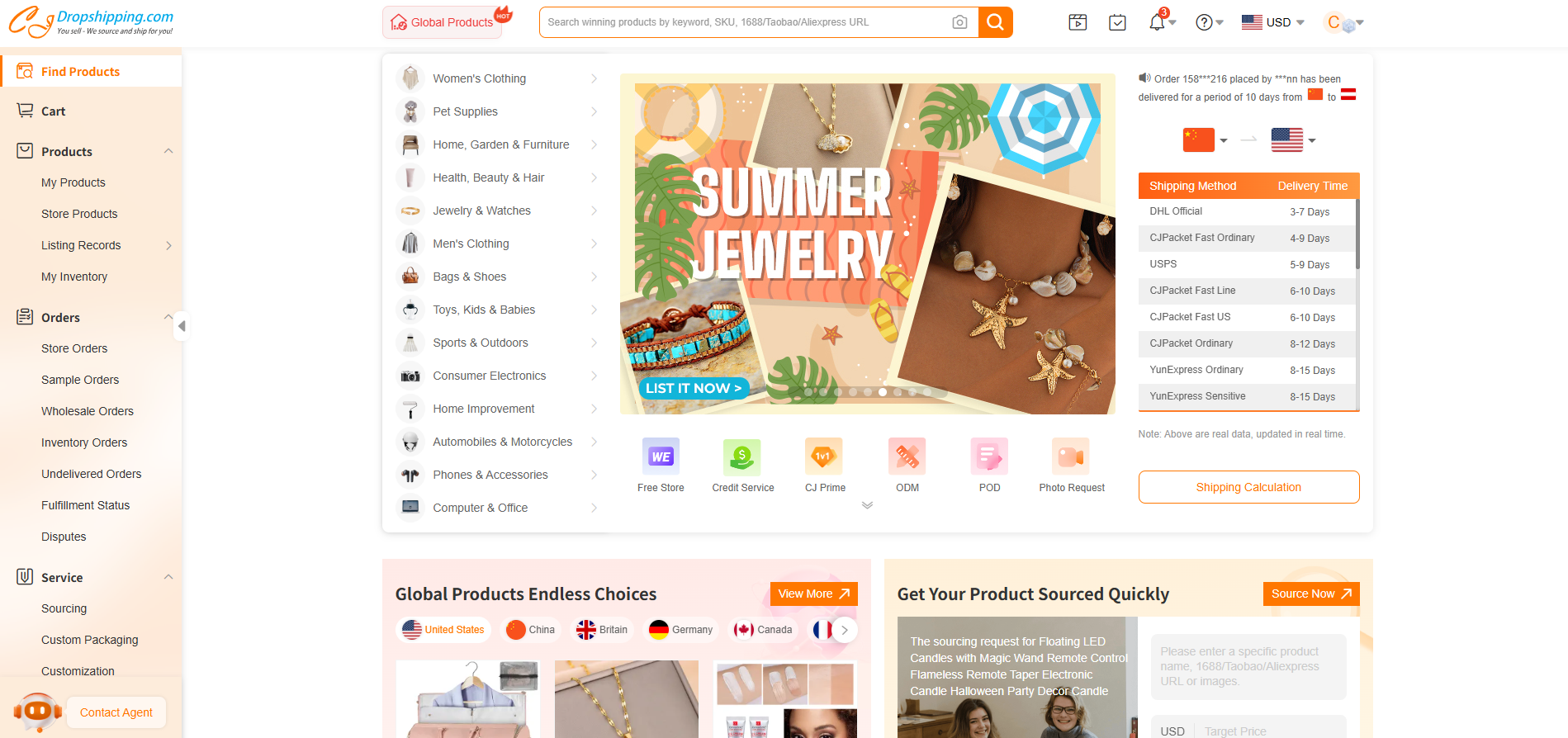
Overview: A veteran platform tailored for global dropshippers, CJdropshipping offers a comprehensive mix of services—from sourcing and fulfillment to branding and warehousing.
Strengths:
Custom product sourcing from verified factories;
Both automatic fulfillment and manual purchase are available;
Global warehouses in the US, EU, and beyond;
Branding services including POD, private labeling, and custom packaging.
Platform Integrations:
Shopify, eBay, WooCommerce, AliExpress, Temu, ShopLazza, AllValue, Lazada, TikTok Shop, Nuvemshop, Mercado, WED2C, and Shopee, and also support API.
l Pros:
Low-cost product sourcing with no upfront inventory;
One-on-one agent support for smoother order flow;
Free to use, no monthly fee;
Automatic syncing and order fulfillment.
l Cons:
Some learning curve for beginners;
Not all products ship from local warehouses by default.
2) Zendrop
l Overview:
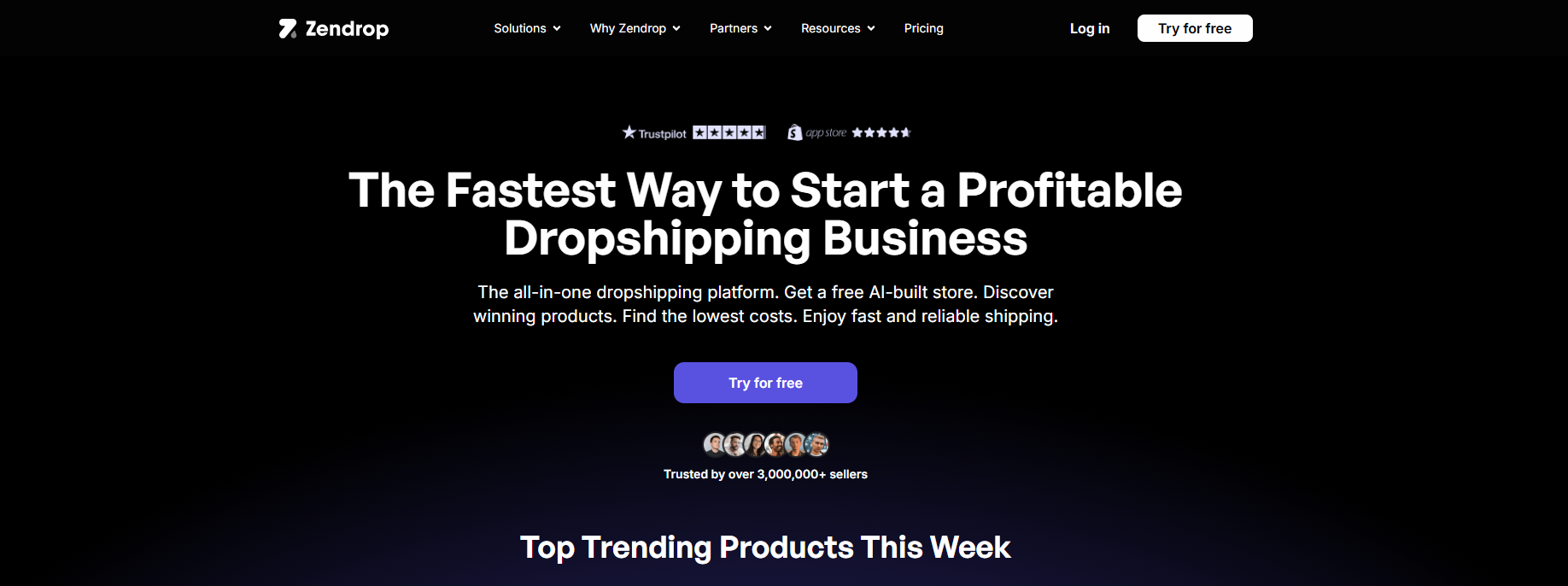
Zendrop is a US-based dropshipping supplier known for its user-friendly dashboard and reliable shipping services. It's built with beginners in mind and offers both US and global product sourcing.
l Strengths:
Fast US shipping options;
Simple product import and automation tools;
Branding services like custom packaging available on paid plans.
l Platform Integrations: Shopify, WooCommerce, TikTok Shop.
l Pros:
Clean and intuitive user interface;
Fast shipping for select US items;
Helpful product description generator.
l Cons:
Limited access to premium features on the free plan;
Smaller product catalog compared to older platforms.
3) Spocket
l Overview:
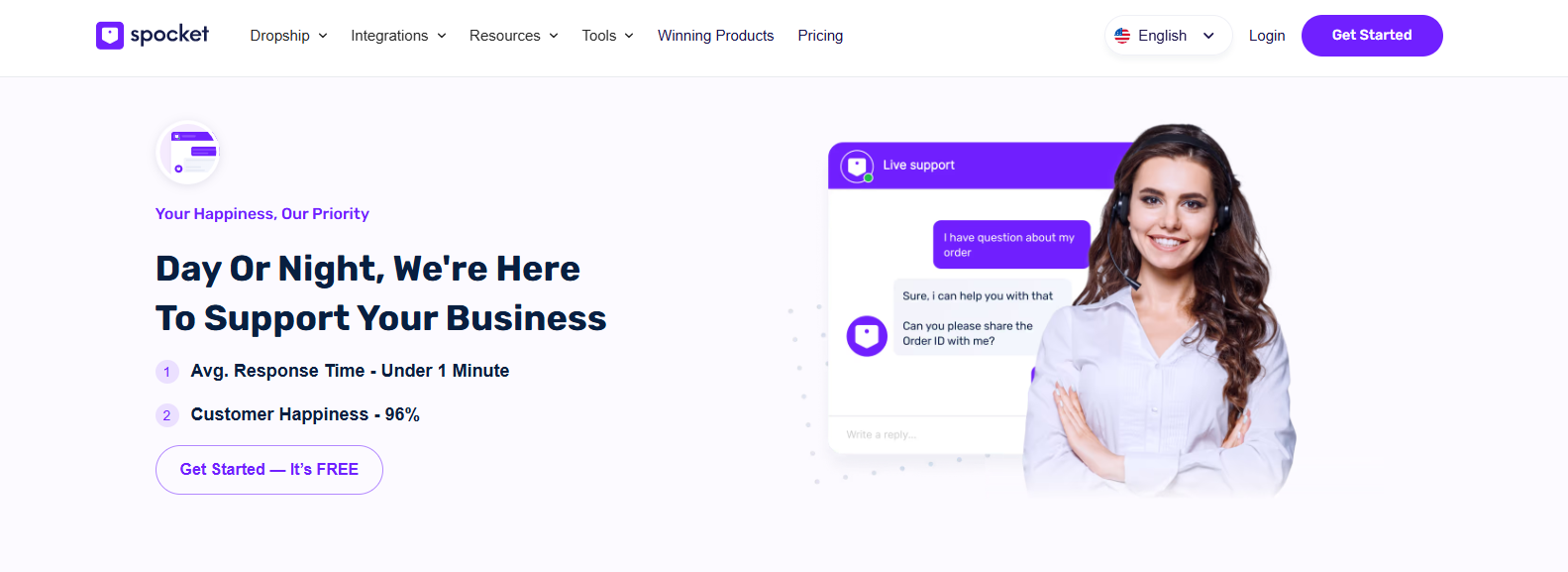
Spocket focuses heavily on US and EU dropshipping, making it ideal for store owners targeting Western markets. Many of its suppliers are based in the US and Europe, ensuring fast local delivery.
l Strengths:
Large base of North American and European suppliers;
High perceived product quality and professional packaging;
Real-time inventory and branded invoicing;
l Platform Integrations: Shopify, WooCommerce, Wix.
l Pros:
Great for local fulfillment and shorter delivery times;
Easy-to-navigate supplier filtering;
Trusted by many lifestyle and boutique eCommerce stores.
l Cons:
Higher prices than suppliers from Asia;
Branding features mostly locked behind paid plans.
4) DSers
l Overview:
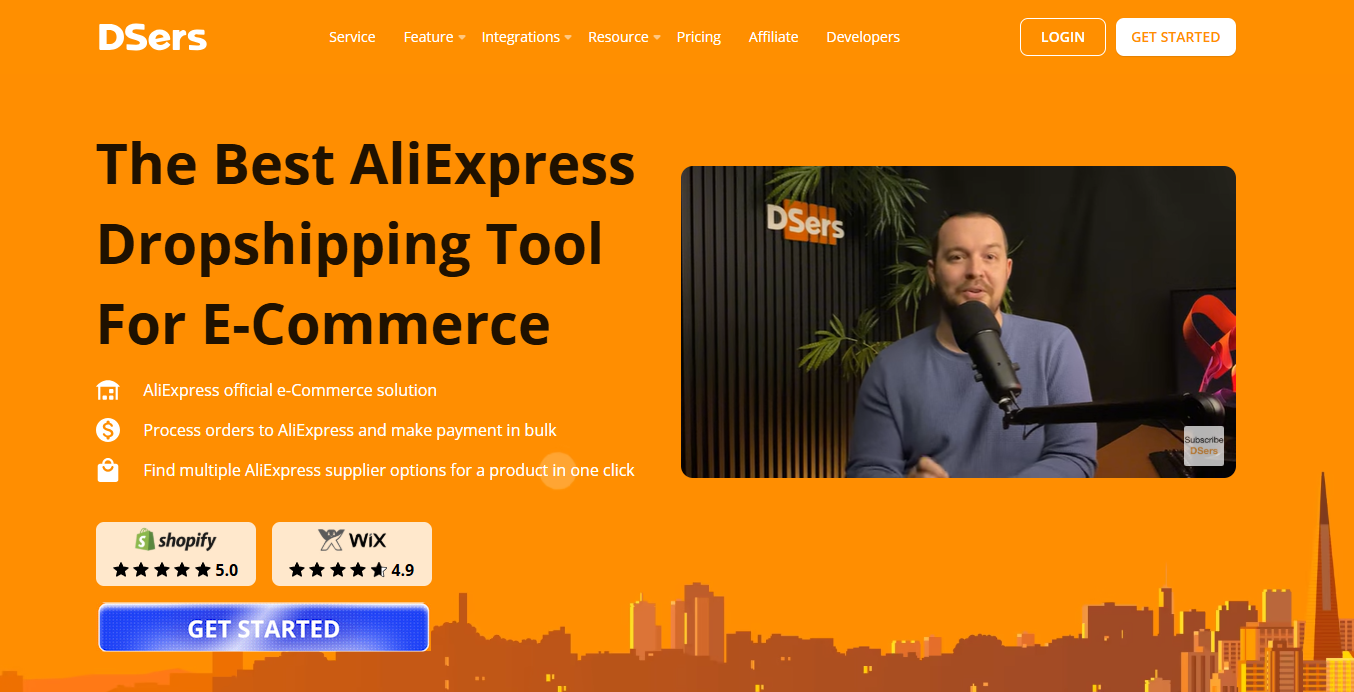
DSers is an official AliExpress dropshipping partner known for high-volume order management and efficiency. It allows you to manage hundreds of AliExpress suppliers and products from one dashboard.
l Strengths:
Deep AliExpress integration for bulk order processing;
Budget-friendly supplier access with huge variety;
Multi-store management.
l Platform Integrations: Shopify, WooCommerce, Wix.
l Pros:
Ideal for sellers focused on AliExpress sourcing;
Built-in supplier mapping and variant syncing;
Affordable and widely used.
l Cons:
Slower shipping for some international products;
Limited branding or custom packaging features.
5) Printify
l Overview:
Printify is a print-on-demand network that connects sellers with a variety of global print providers. It's perfect for creators wanting to sell custom designs without holding inventory.
l Strengths:
Massive product range for apparel, accessories, and gifts;
Global print partners for regional fulfillment;
Easy drag-and-drop product design tools.
l Platform Integrations: Shopify, Etsy, WooCommerce, eBay, TikTok Shop.
l Pros:
Low-risk entry into custom product sales;
No upfront costs for inventory;
Consistent quality from trusted print providers.
l Cons:
Longer fulfillment times on certain items;
Margins can be tight after production costs.
6) AutoDS
l Overview:
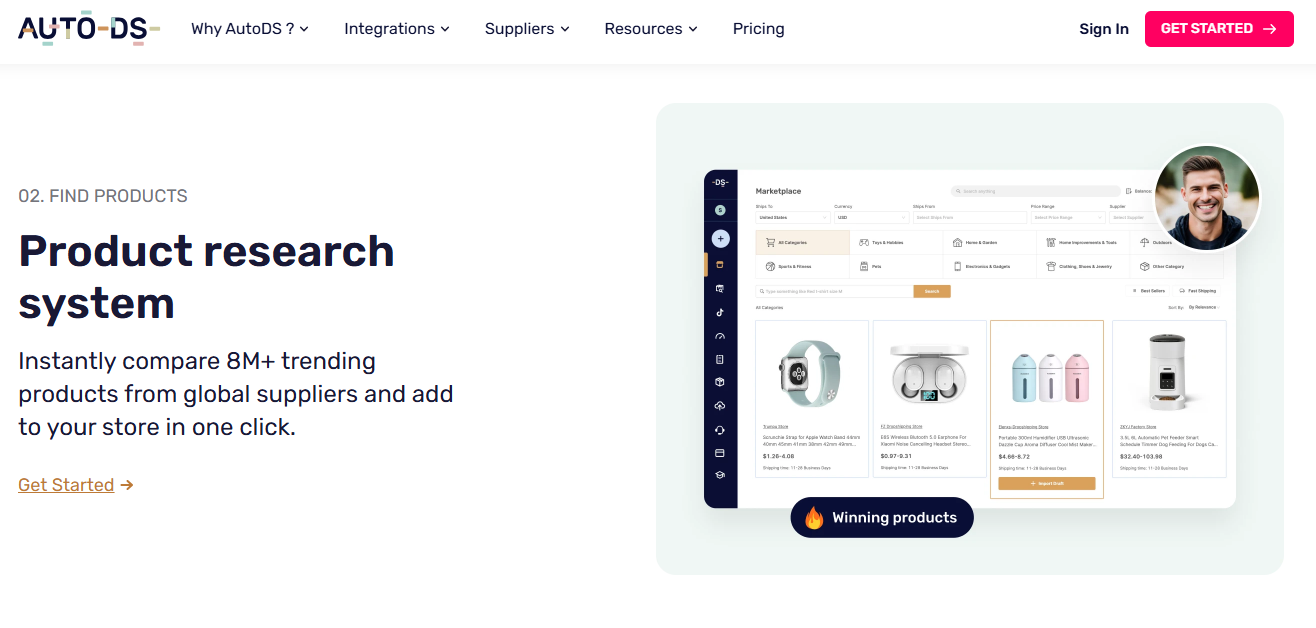
AutoDS is a robust all-in-one dropshipping automation tool that aggregates multiple suppliers, including AliExpress, Amazon, Walmart, and more. It's ideal for advanced sellers managing stores across multiple platforms.
l Strengths:
Centralized automation across multiple suppliers;
Built-in product research and price optimization tools;
Auto price & stock monitoring.
l Platform Integrations: Shopify, WooCommerce, Wix, Facebook Shops, eBay.
l Pros:
Great for high-volume sellers and multi-platform strategies;
Hands-free automation reduces manual workload;
Access to vetted winning products.
l Cons:
Steeper learning curve for beginners;
May require paid plans to unlock advanced features.
7) Modalyst
l Overview:
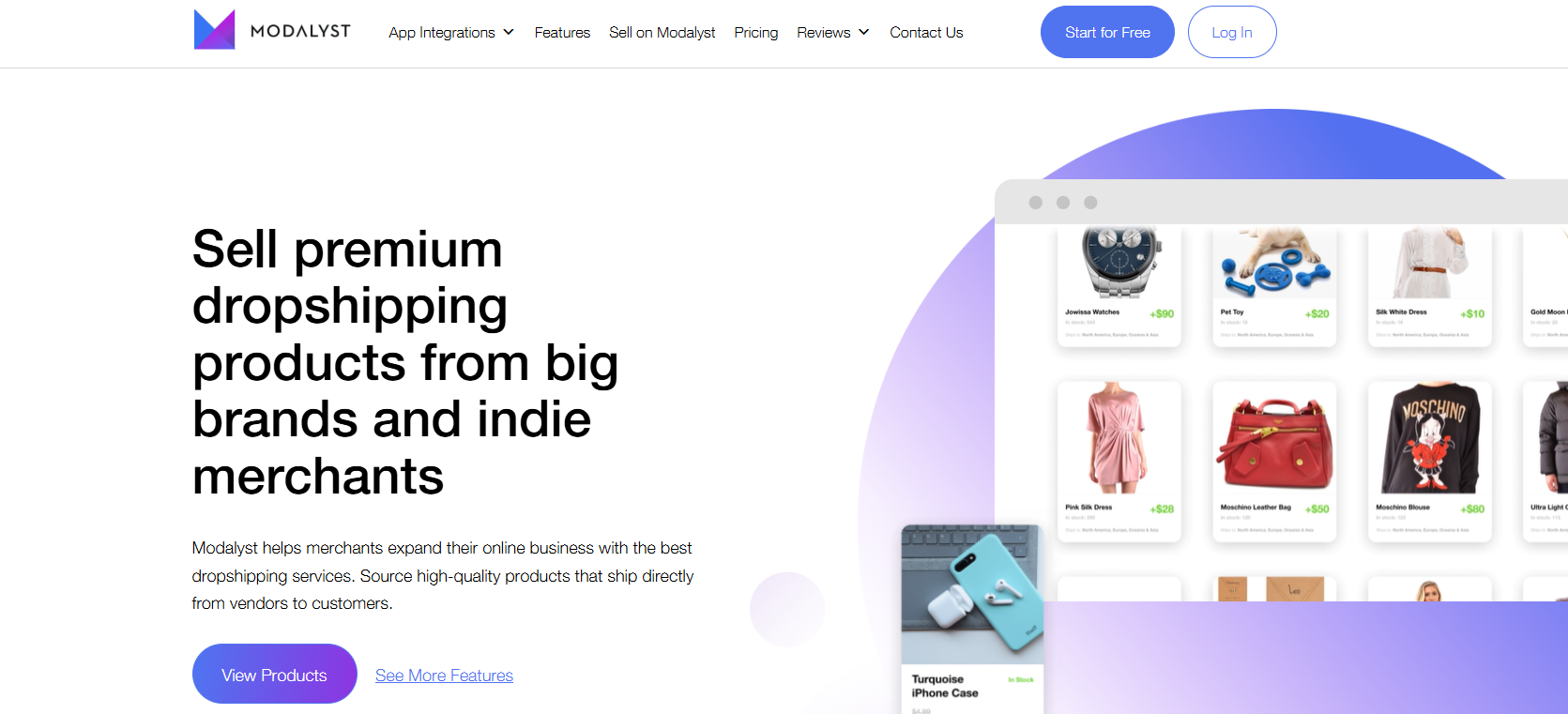
Modalyst specializes in high-quality US and EU products, along with luxury goods and eco-friendly collections. It's popular among fashion and lifestyle brands.
l Strengths:
Curated catalog of US and independent global brands;
Emphasis on sustainability and premium product quality;
Branded invoicing and order syncing.
l Platform Integrations: Shopify, Wix, BigCommerce.
l Pros:
Excellent for premium store positioning;
Fast domestic shipping for select products;
Dropship luxury and niche goods.
l Cons:
Smaller product selection;
Higher price points can affect profit margins.
8) Trendsi
l Overview:
Trendsi focuses on women's fashion, offering fast-shipping apparel directly from US warehouses. It's a favorite among boutique owners looking to stay on trend.
l Strengths:
Real-time inventory for trending fashion;
In-house photography and content assets;
Low-MOQ access to curated collections.
l Platform Integrations: Shopify, TikTok Shop.
l Pros:
Strong support for visual branding;
No inventory risk with fast US shipping;
Simple onboarding for fashion retailers.
l Cons:
Limited to fashion/apparel categories;
Fewer customization or branding options.
9) DropCommerce
l Overview:
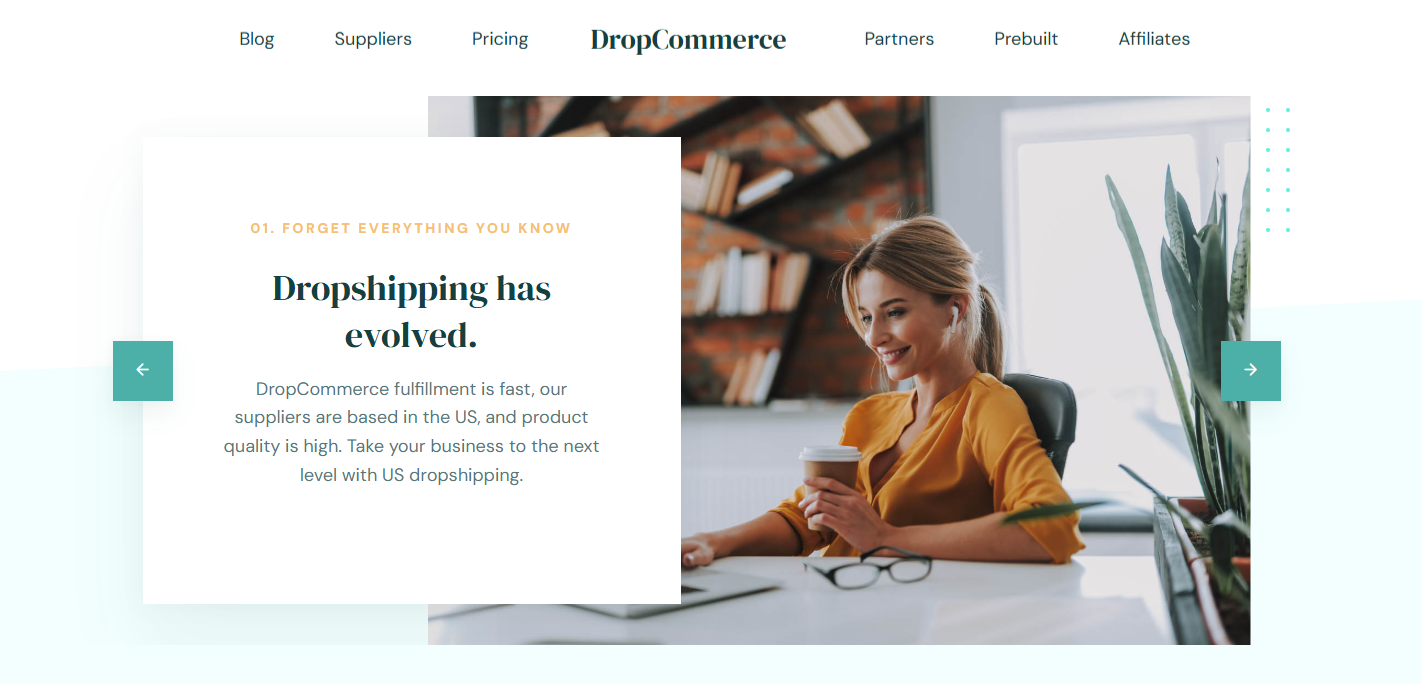
DropCommerce is a North America-focused dropshipping supplier platform that connects sellers with US and Canadian brands. It emphasizes fast shipping and quality-tested products.
l Strengths:
All suppliers are based in the US and Canada;
Emphasis on ethical sourcing and product quality;
Real delivery times and vetted supplier ratings.
l Platform Integrations: Shopify, BigCommerce.
l Pros:
Excellent for local fulfillment in North America;
Branded invoicing and quality control;
Fast and transparent shipping.
l Cons:
Limited product categories;
Monthly subscription required for access to full supplier list.
10) Wholesale2B
l Overview:
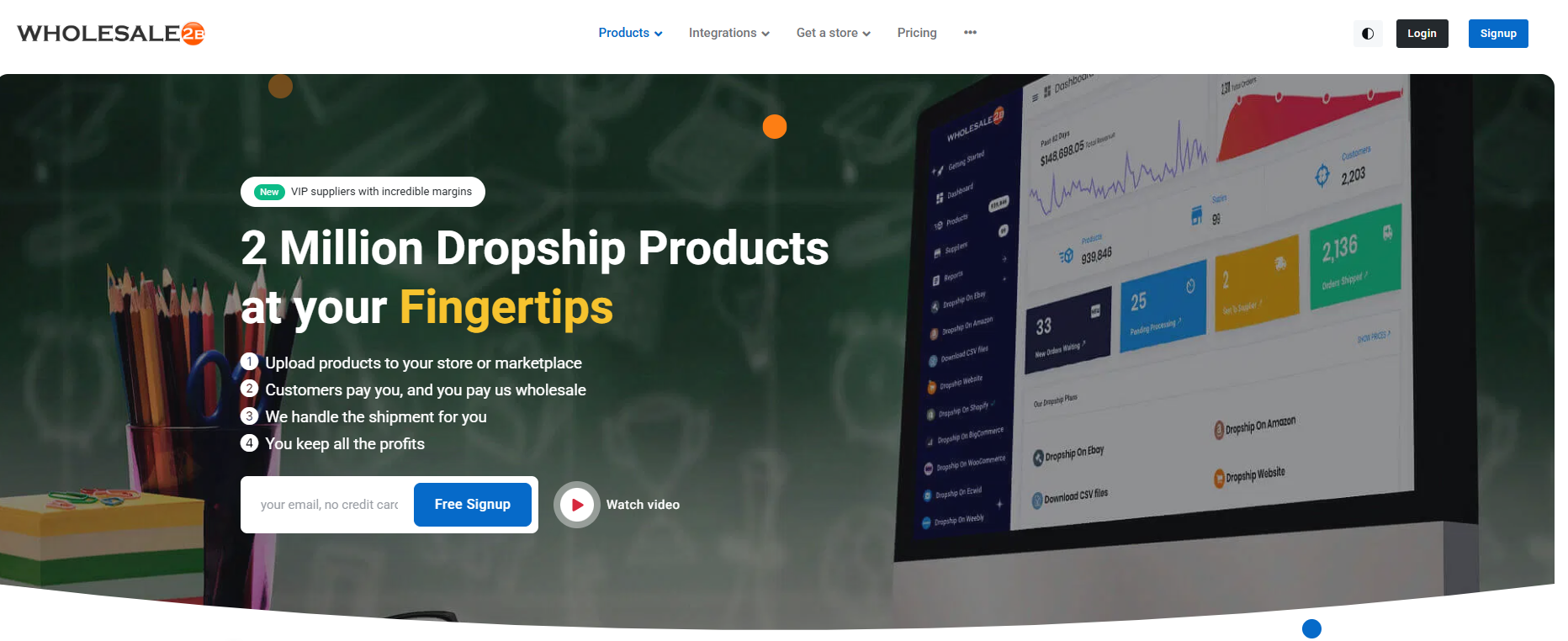
Wholesale2B is a large dropshipping network offering over a million products from US-based suppliers. It's designed for sellers who want a vast product variety and simple integrations.
l Strengths:
Huge catalog with categories ranging from electronics to fashion;
Suppliers primarily located in the US;
Automated inventory and order syncing.
l Platform Integrations: Shopify, WooCommerce, BigCommerce, eBay, Amazon.
l Pros:
Wide selection across many niches;
Fast shipping for US customers;
Competitive pricing and direct supplier access.
l Cons:
Interface can feel outdated;
Some suppliers have inconsistent product availability.
Choosing the Right Supplier for Your Business Model
Not every supplier fits every store—and that's why picking the right one is just as strategic as choosing the products you sell. Depending on your business model, you'll need to weigh different factors to find a partner that supports both your daily operations and long-term goals.
Selling Platform Compatibility: First, think about where you sell. If you're on Shopify or WooCommerce, most suppliers will integrate easily. But if you're selling on TikTok Shop, Etsy, Amazon, or Walmart, make sure your supplier offers native support for those platforms. Some suppliers, like those with TikTok Shop integrations, enable faster order syncing and inventory updates, helping you react quickly to trends.
Target Region Fulfillment: Are you shipping primarily to customers in the US, the EU, or globally? A supplier with overseas warehouses in your core markets will help you deliver faster and reduce customs delays. Local fulfillment is a game changer for improving customer satisfaction and reducing return rates.
Product Type & Customization Needs: If you're building a brand or launching a niche product line, look for suppliers that offer private labeling, custom packaging, or even POD services. These features turn a generic product into a branded experience—and that matters more than ever when customers expect memorable unboxing moments.
Order Volume & Automation: For newer sellers testing the waters, a supplier with free plans and basic automation features might be enough. But for high-volume stores, you'll need robust automation, bulk fulfillment, and inventory syncing tools to keep up with demand without burning out your team.
Scalability & Flexibility: Look for a supplier that grows with you. As you add more SKUs, expand to new platforms, or target new regions, your supplier should be able to support your expansion—not slow it down. Tools like API access, flexible branding, and real-time inventory updates are essential for keeping momentum.
In short, your ideal supplier should be aligned not just with where your business is now—but where you want it to go. The better the fit, the smoother your operations, the happier your customers, and the more room you'll have to focus on marketing and growth.
Final Takeaway: Choosing Suppliers That Power Long-Term Growth
In 2026, dropshipping is more sophisticated, and more competitive. Choosing the right supplier is no longer just about who has the cheapest price. It's about finding a partner that supports fast shipping, platform compatibility, automation, and branding at scale.
Whether you're starting small or expanding an existing store, look for a supplier that meets your needs today and evolves with your business tomorrow. The best ones will offer not just products, but real infrastructure: tech tools, global warehousing, seamless integrations, and flexible sourcing. These are the suppliers that help you build a brand, not just a storefront.
When you partner with the right provider, every step from product selection to delivery becomes smoother, giving you more time to focus on customer engagement, marketing, and long-term growth.
No matter your niche, your market, or your stage of business, the right supplier isn't just a vendor, they're your operations engine. Choose thoughtfully, and you'll build a business that's ready to scale with confidence.