
In a world where healthcare awareness is at an all-time high, the demand for medical supplies, especially online, continues to grow steadily. From home-use diagnostics to first aid essentials, consumers are increasingly turning to online stores for accessible, affordable, and convenient medical products. If you're looking to tap into a reliable, evergreen niche with high repeat purchase potential, dropshipping medical supplies might just be your next smart move.
This guide walks you through how to start dropshipping medical supplies step-by-step in 2025. You'll learn the market's unique requirements, discover how to stay compliant, and get tips on sourcing from reliable suppliers—so you can build a trustworthy store that puts both profit and safety first.
Table of Contents
-
- Why Medical Supplies Are a Smart Dropshipping Niche?
- Which Medical Products Can You Dropship?
- Legal, Safety, and Compliance Tips
- How to Start a Medical Supplies Dropshipping Store?
- Best Suppliers for Dropshipping Medical Supplies
- Final Tips for Long-Term Success
Why Medical Supplies Are a Smart Dropshipping Niche?
In 2025, the global market for medical supplies is not just growing—it's becoming one of the most stable and resilient eCommerce categories. According to a report by Grand View Research, the global medical supplies market is projected to reach USD 210.8 billion by 2025, growing at a compound annual growth rate (CAGR) of 4.6%. This reflects strong and consistent demand across both developed and emerging markets.
For dropshippers, this presents a unique opportunity. Medical and health-related products, especially for at-home use, are becoming a core part of everyday life. Consumers are more proactive about managing their health from home—whether it's monitoring blood pressure, relieving joint pain, or maintaining hygiene standards with personal protective equipment (PPE).
The niche benefits from high purchase intent. Buyers looking for digital thermometers, posture correctors, or maternity care items typically know what they want, which leads to higher conversion rates. These are not impulse purchases—they're needs-based. That means customers are more willing to buy from stores that provide clarity, reliability, and fast delivery.
Another advantage is the broad range of sub-niches. From elder care supplies to sports recovery gear, first-aid kits, or women's wellness products, medical supplies allow sellers to build a focused store with long-term customer retention. You can easily create a niche brand that stands out with strong educational content and product transparency.
And let's not forget the importance of trust. In a category like this, supplier reliability and product quality are non-negotiable. If you work with trusted partners who offer product certifications, secure packaging, and fast, traceable shipping, your store will gain credibility—something that's crucial in the health sector.
With a mix of stable demand, expanding product variety, and growing consumer trust in online health purchases, medical supplies are one of the few dropshipping categories in 2025 that offer both profit and purpose.
Which Medical Products Can You Dropship?
One of the biggest advantages of dropshipping medical supplies is the variety of product types available—many of which don't require complex certifications or licenses to sell. As long as you stay within non-prescription, over-the-counter, or general wellness categories, you'll find plenty of items that are both profitable and in steady demand.
Here are some of the most dropshipper-friendly product types for 2025:
l Personal Health Monitoring Devices
Think digital thermometers, blood pressure monitors, oximeters, and smart scales. These products appeal to consumers of all ages who want to track their health from home, especially seniors or fitness-conscious individuals.
Tip: Products that connect to mobile apps offer a tech edge and more UGC potential.
l Pain Relief & Recovery Tools
Items like posture correctors, cold therapy packs, TENS units, and back braces are consistently searched by users suffering from chronic pain or sports injuries. These tools are lightweight, easy to ship, and carry strong repeat purchase potential.
Tip: Focus on ergonomic design and comfort—both key selling points on platforms like TikTok or Facebook Ads.
l Hygiene & Protection Supplies
From disposable gloves and masks to sanitizing sprays and UV sterilizers, hygiene-related products remain relevant post-pandemic. These are great for bulk sales and often bought in multipacks.
Tip: Highlight ease of use and compact storage in your product listings to attract families and travelers.
l Women's Wellness Products
Items such as menstrual cups, pelvic floor trainers, and nursing accessories are gaining traction as women's health becomes a more openly discussed topic.
Tip: Consider pairing these products with educational content or wellness-themed branding to build trust and community.
l Mobility & Elder Care Aids
Lightweight walkers, shower grips, anti-slip socks, or grab tools are becoming more popular with aging populations looking for independence at home.
Tip: Target this niche with easy-to-understand product videos and accessibility-focused messaging.
l First Aid and Emergency Kits
Compact, ready-to-go kits for home, car, or travel are reliable sellers year-round. Many consumers prefer to buy complete sets rather than assemble them individually.
Tip: Customize by occasion (e.g., hiking, road trips, family kits) to create bundled value offers.
Legal, Safety, and Compliance Tips
When it comes to medical supplies, compliance is everything. Even if you're not handling prescription medications or regulated devices, buyers still expect products to meet basic health and safety standards. Dropshipping in this niche brings tremendous opportunity—but it also comes with responsibilities. Here's how to stay compliant and build trust.
l Understand the Product Classification
Before selling any medical item, determine whether it falls under a regulated category in your target market. For example:
- In the US, the FDA classifies medical devices into three categories (Class I, II, III), with Class I items (like thermometers or bandages) typically requiring the least oversight.
- In the EU, the MDR (Medical Device Regulation) applies, with similar tiered classifications.
Focus on non-regulated or lightly regulated products such as posture correctors, ice packs, or personal hygiene items. These are safer from a compliance perspective and easier to scale.
l Source From Reliable, Transparent Suppliers
Always choose suppliers who can provide relevant certifications, safety reports, or compliance documentation upon request. These documents may include CE markings, ISO certifications, or FDA registration (if applicable).
A reputable supplier should not hesitate to show you proof of safety standards or lab test reports—especially when selling products intended for direct contact with skin or long-term use.
If you work with integrated dropshipping partners like those on platforms that offer custom sourcing and quality checks, you'll have added peace of mind. Some suppliers even support on-request factory audits or offer video walkthroughs of the production process.
l Avoid Products That Require Licenses or Prescriptions
This is a firm line you shouldn't cross unless you're a certified medical retailer. Products like blood glucose monitors with Bluetooth connectivity or sleep apnea machines may require local licenses, even if sold via dropshipping.
Keep it simple: stick with consumer-friendly health and wellness tools that don't require clinical involvement.
l Be Transparent in Your Listings
Clear product descriptions, health disclaimers, and safety instructions are essential. Let customers know if a product is not intended to diagnose or treat diseases, and avoid making exaggerated health claims.
This not only protects your brand legally—it also increases credibility. In regulated markets like the US, it's better to underpromise and overdeliver.
l Stay Updated With Regional Rules
Health product regulations can shift quickly. Stay informed by:
Subscribing to updates from your target region's regulatory body (like the FDA or EMA).
Monitoring local e-commerce news.
Joining dropshipping communities and forums where sellers share updates on restricted categories or new customs issues.
If you're targeting multiple regions, consider working with suppliers who already understand international standards and can help guide your product choices.
How to Start a Medical Supplies Dropshipping Store?
Launching a dropshipping store for medical supplies requires careful planning—but when done right, it offers a powerful combination of steady demand and customer loyalty. Here's how to build a compliant, trustworthy store step by step.
Step 1: Choose a Specific Medical Niche
Medical supplies cover a broad range—from first aid kits to mobility aids to wellness monitors. Instead of trying to sell everything, start by focusing on a sub-niche. For example:
Posture and back support gear
Home first aid and wound care
Temperature monitors and basic diagnostic tools
Compression socks or arthritis gloves
Choosing a clear focus helps you create more targeted branding, find better suppliers, and build trust with customers who seek expertise in that area.
Step 2: Find a Reliable Dropshipping Supplier
Look for suppliers who understand the unique demands of medical product fulfillment. A good partner should offer:
Sourcing of compliant, safe medical items
Fast, automatic fulfillment with tracking
Custom branding and packaging options for professional presentation
Documentation on product safety or certification
CJdropshipping, for example, provides custom product sourcing, automatic order fulfillment, and supports integrations with major platforms like Shopify. CJ can help you streamline backend operations while sourcing safe, in-demand products.
Step 3: Set Up Your Store and Integrate With Your Supplier
Build your store using a trusted platform like Shopify or WooCommerce. Ensure your layout is clean, professional, and medically appropriate. Avoid gimmicky designs that could reduce trust. Key tips:
Include clear product categories (e.g., First Aid, Monitoring Tools, Physical Support)
Use accurate product descriptions and disclaimers
Add customer service access for pre-sale questions, especially in a niche like healthcare
If your supplier supports direct integration (as CJdropshipping does with Shopify and other platforms), link your store early to sync inventory and enable automated fulfillment.
Step 4: Focus on Trust-Building Content
Medical buyers are often cautious. Build credibility by:
Writing educational blog posts or product guides
Adding FAQs for each product category
Using product imagery that looks clean and clinical, not flashy
Including customer reviews (especially photo or video reviews) once orders start flowing
Bonus: include certificates or test report visuals if your supplier provides them—it helps reduce doubt and boosts confidence.
Step 5: Launch Targeted Campaigns
Medical product shoppers often search with intent. Run ads or campaigns focusing on:
Google Shopping and keyword-based search ads
Facebook ads targeting specific health concerns
TikTok or YouTube UGC-style videos showing practical product use (e.g., how to use a cold compress for back pain)
Rather than trying to go viral, aim for useful, trustworthy content that builds long-term traffic and SEO value.
How to Start a Medical Supplies Dropshipping Store?
Choosing the right supplier can make or break your success in the medical supplies niche. Since this category demands a higher level of trust, reliability, and often regulatory compliance, you need suppliers who understand the stakes. Here's a closer look at some of the best options for 2025, especially from the perspective of dropshipping medical supplies.
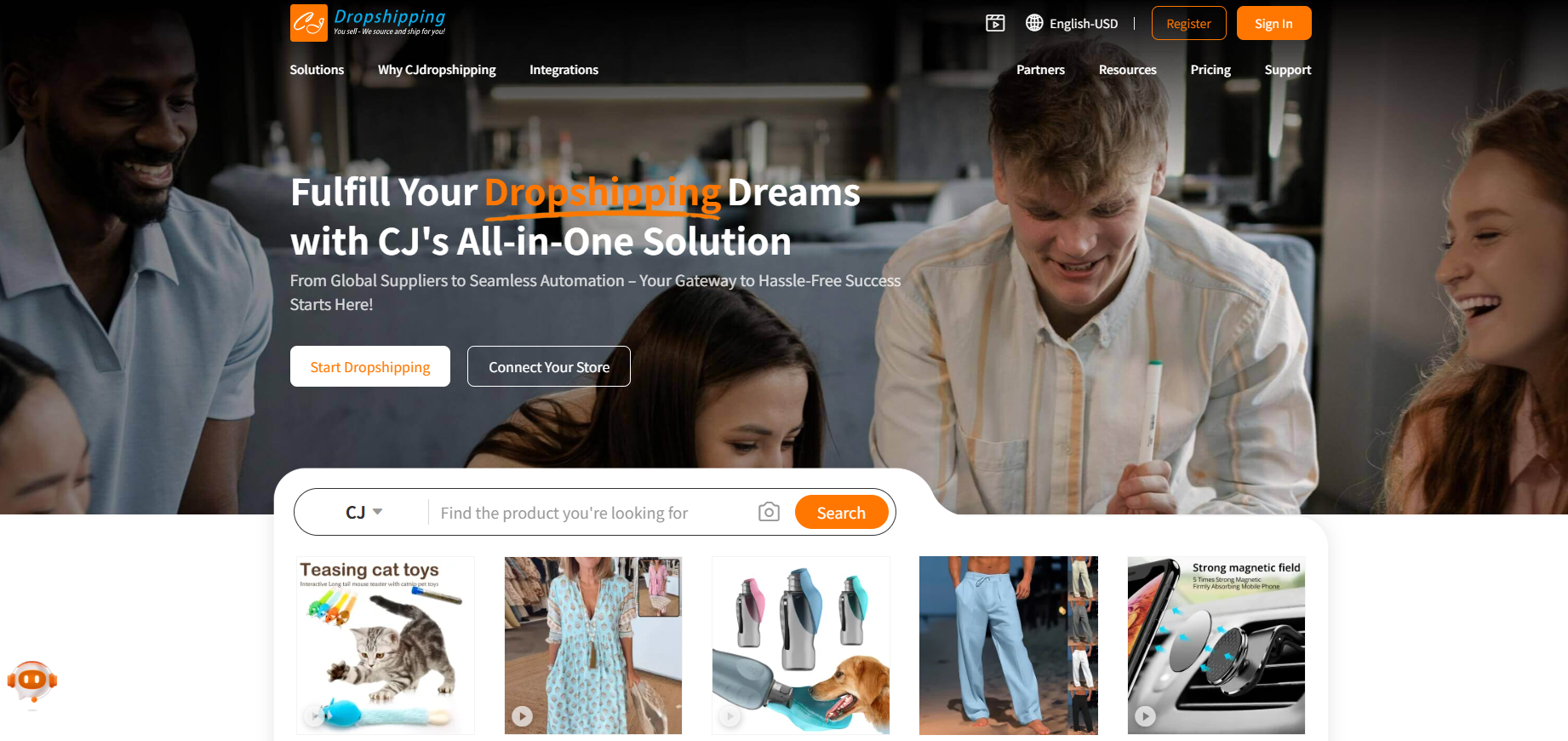
1.CJdropshipping
l Overview:
CJdropshipping is a global dropshipping platform known for its flexible sourcing services, fast fulfillment, and deep integrations with major e-commerce platforms. For medical supplies, the wide supplier network and product sourcing capabilities give you access to both trending and professional-grade SKUs.
l Why it's suitable for medical supplies:
CJ excels at helping sellers find compliant, cost-effective products such as home-use medical devices, wellness tools, or fitness recovery items. CJ also offers automatic fulfillment and order syncing, which is critical when managing higher volumes during peak seasons or health trend spikes.
l Special Features:
Custom product sourcing
Integration with Shopify, WooCommerce, eBay, TikTok Shop, and more
Print-on-demand (POD) for health-related products like wellness kits
Branding and packaging support
l Tip for Medical Supply Dropshippers:
Work with your CJ agent to source items that meet your target market's health standards and certifications (e.g., CE, FDA-approved items for US/EU markets). The sourcing team can also assist with finding factories that support small MOQs and proper labeling.
2.Alibaba (Dropshipping via Agents or DS Tools)
l Overview:
Alibaba isn't a traditional dropshipping platform, but when paired with fulfillment agents or tools like Drophippo or NextsChain, it becomes a powerful backend for sourcing high-margin, niche medical products.
l Why it's suitable for medical supplies:
Suppliers often list professional-grade or clinic-style devices at competitive factory prices. You can find everything from massage tools to mobility aids and air purifiers.
l Caution:
Due diligence is required. Many suppliers cater to wholesale buyers, so not all listings will be suitable for small-scale dropshipping without a vetted agent.
l Best Use Case:
For sellers targeting unique or higher-ticket wellness/medical equipment and willing to manage longer lead times in exchange for higher margins.
3.Spocket
l Overview:
Spocket focuses on local suppliers in the US and EU, offering quality assurance and faster delivery, which are vital when selling in regulated categories like medical products.
l Why it's suitable for medical supplies:
Spocket offers curated catalogs that include health and wellness items like posture correctors, pain relief gear, and personal care tools—ideal for stores looking to position themselves as premium.
l Advantages:
Shorter shipping times (2–7 days in US/EU)
Lower return rates
Verified suppliers
l Limitations:
Higher product costs may impact margins, especially in a price-sensitive niche like medical supplies.
4.SaleHoo
l Overview:
SaleHoo is a directory of verified suppliers from around the world, including several that specialize in health and wellness.
l Why it's suitable for medical supplies:
You gain access to reliable vendors offering thermometers, braces, recovery devices, and wellness accessories with clear information on compliance and reviews.
l Good Fit For:
New dropshippers looking for safe, verified suppliers for entry-level medical items or accessories.
l Note:
SaleHoo doesn't directly handle fulfillment—you'll need to coordinate shipping and inventory updates with the chosen supplier.
5.Modalyst
l Overview:
Modalyst is another platform with a focus on US-based suppliers and premium product curation, often used by Shopify store owners.
l Why it's suitable for medical supplies:
Its selection includes hygiene essentials, daily wellness products, and lightweight home-use tools, making it suitable for TikTok-style content and influencer promotions.
l Key Benefit:
Most products are pre-vetted, and returns are easier when working with local suppliers.
l Drawback:
Limited access to professional medical devices or more specialized items.
6.Doba
l Overview:
Doba aggregates dropshipping suppliers from various industries, including personal healthcare and medical accessories.
l Why it's suitable for medical supplies:
Their platform includes suppliers for back braces, mobility aids, PPE, and wellness kits. You can manage orders, stock updates, and product syncing all from one dashboard.
l Ideal For:
Sellers looking for a scalable and centralized inventory system across multiple suppliers.
7.GreenDropShip
l Overview:
Specializing in natural and organic products, GreenDropShip is a great fit for dropshippers focused on wellness and preventative care.
l Why it's suitable for medical supplies:
They offer a selection of nutritional supplements, immunity boosters, and holistic health items that align well with a wellness-focused store.
l Consideration:
Not ideal for more technical medical gear, but excellent for health-focused lifestyle products.
Final Tips for Long-Term Success
Dropshipping medical supplies is more than just listing products and fulfilling orders. Because this niche touches on health, safety, and trust, building a sustainable and credible business takes more thought, structure, and patience than typical consumer categories.
l Focus on Quality and Compliance
Avoid the temptation to chase low prices at the expense of quality. In the medical space, even a small issue with a product can damage your brand's credibility. Choose suppliers that offer compliance documentation and consistent product standards. If possible, prioritize items with CE, FDA, or other region-specific certifications, especially when targeting markets like the US or EU.
l Niche Down to Stand Out
The medical supplies category is broad—ranging from wellness gadgets to orthopedic supports and home-use diagnostic tools. Instead of offering everything, focus on a specific niche such as elderly care, fitness recovery, or postpartum health. This makes branding easier and helps you attract a loyal, well-targeted customer base.
l Build a Helpful Brand, Not Just a Store
In this space, education is part of the value you offer. Consider including usage guides, health tips, or care recommendations as part of your product pages or email flows. Creating content that supports your customers' wellness journeys can build trust and drive repeat purchases.
l Streamline Fulfillment to Stay Competitive
Fast, reliable shipping is key. Partner with suppliers who can help you reduce delivery times through efficient processing or overseas warehouse options. Platforms like CJdropshipping, for example, offer integrated order sync, sourcing support, and global fulfillment options that help reduce delays and build customer satisfaction.
l Stay Ahead of Trends and Regulations
Healthcare-related policies can shift quickly. Keep an eye on import/export rules and platform policies, especially if you're using Facebook, TikTok, or Google for advertising. At the same time, monitor health trends—from ergonomic workplace tools to at-home recovery devices—and be ready to pivot with new product sourcing.
l Customer Support Is Everything
Finally, treat customer service as a core business function. Offer clear return policies, timely responses, and product assistance when needed. In a sensitive category like medical supplies, customers need to feel heard and supported.
By staying compliant, customer-focused, and strategically partnered with the right supplier, you can grow a dropshipping medical supplies business that's not only profitable but also genuinely trusted by your audience.