
Introduction: A Changing Dropshipping Landscape
In 2026, the UK dropshipping scene looks very different from the hustle of a few years ago. What was once a niche e-commerce hack has become a mainstream channel for British retail, now worth an estimated £3.2 billion annually. Online shopping itself has hit a new stride—about one-third of all UK retail spending is now online, and consumers are more comfortable than ever buying everyday items with a tap on their phone. This maturation of the market brings fierce competition, but also a clearer picture of what it takes to succeed.
Today’s UK shoppers carry lofty expectations shaped by Amazon’s next-day delivery culture and the convenience of mobile commerce. Smartphones dominate: roughly 60% of UK e-commerce orders are now placed via mobile devices. And with social media and one-click checkouts blurring the line between scrolling and shopping, entrepreneurs must design every experience for the small screen. At the same time, broader forces—from Brexit to a sustainability awakening—are rewiring consumer priorities. Post-Brexit trade changes mean buyers have zero tolerance for surprise customs fees or sluggish imports. A cost-of-living squeeze has made value and practicality paramount in purchase decisions. And a cultural shift toward ethical, local consumption is accelerating: 69% of UK consumers say they’re more likely to buy British-made products now than before Brexit, with 88% willing to pay a premium for UK-made goods. In short, a successful dropshipping business in 2026 must balance speed, savvy product selection, and an authentic understanding of what British customers care about.
Key Market Trends in 2025–2026
Understanding the backdrop of 2026 is critical for anyone in UK e-commerce. Several trends are redefining how products are sold and what consumers expect. Below, we highlight the most important shifts – backed by recent data – that are influencing the dropshipping model in the UK.
1. Mobile Commerce Becomes the Norm
The UK has truly gone mobile. The majority of online shopping now happens on smartphones, with mobile commerce set to surpass £100 billion and account for about 60% of all online orders by 2025. Shoppers aren’t waiting to get home and open a laptop; they’re tapping “Buy Now” during commutes or coffee breaks. This means every touchpoint, from storefront design to checkout process, must be optimized for a seamless mobile experience. It’s not just about responsive design—it’s about integrating with social apps and mobile wallets to remove friction. In 2025, social commerce (purchases made directly via social platforms) accounted for £6.5 billion of UK retail sales, reflecting the rise of Instagram and TikTok as shopping platforms. For dropshippers, the takeaway is clear: product discovery is often happening on a 6-inch screen, so engaging content (think short videos, influencer partnerships, and mobile-friendly ads) is essential to capture the scrolling shopper. Mobile’s dominance also raises the bar for speed; an impatient customer who buys with a thumbprint on a whim expects the order to arrive almost as fast as their 5G connection allows.
2. Post-Brexit Consumer Behaviors and Trade Realities
Brexit’s aftermath is still rippling through UK e-commerce in 2026. For consumers, one big change is psychological: British shoppers have little patience for surprise VAT or customs charges at the door. Years of frictionless EU trade spoiled everyone, and now any unexpected £10 fee on delivery can feel like a bait-and-switch. As a result, dropshipping businesses have had to adapt by being upfront about costs and choosing suppliers or shipping methods that include duties (Delivered Duty Paid) to keep the experience smooth. On the supply side, Brexit introduced new hurdles that have reshaped sourcing. Previously, a UK dropshipper could seamlessly ship from an EU warehouse to Birmingham or Glasgow; now those parcels slog through customs queues. The added paperwork and border checks have slowed cross-border delivery times from days to weeks in many cases. Some European suppliers even stopped serving UK retailers due to the administrative headache. This has pushed UK e-commerce entrepreneurs to find creative solutions: partnering with domestic wholesalers, holding stock in UK or European warehouses, or using fulfillment services that specialize in UK routes. It’s not that Brits stopped buying from abroad—over half (52.5%) of UK online shoppers purchased from overseas stores in the past year—but they expect sellers to handle the import hassles behind the scenes. The successful 2026 dropshipper often markets as if they are a local UK business, even if the supply chain stretches globally, ensuring the customer experience feels as easy as ordering from down the road.
3. Sustainability and Eco-Conscious Shopping
“Eco-friendly” is no longer a niche; it’s a mainstream mandate. UK consumers have leaned hard into reducing waste and demanding sustainable options. Plastic bag charges, bans on single-use plastics, and a national conversation on climate change have primed shoppers to seek out greener alternatives. A recent survey found 67% of UK consumers are willing to pay more for products with verified sustainable credentials. Likewise, actual spending reflects this ethos: Sales of eco-friendly and locally made products grew 19% year-over-year according to Shopify UK’s 2025 retail index. For dropshippers, this trend opens up huge opportunities if you choose the right products. Everyday items that offer a sustainable twist—reusable, recyclable, or made from natural materials—are seeing strong, steady demand. Importantly, these items must still perform as well as their conventional counterparts. British households aren’t sacrificing convenience; they want “the same job as traditional items, but with better materials and less waste”.
Best Products for 2026: 12 Hot Sellers Aligned with UK Trends
What makes a “winning product” in the UK right now? The pattern is emerging: useful everyday items, space-saving solutions for compact homes, anything that feels sustainable or well-made, and little luxuries that make home life better. Based on current data and consumer behaviors, here are 12 product ideas that fit the bill for 2026. Each product is mapped to a wider trend, and we’ll break down why it’s gaining traction, its margins or branding potential, and some tips on marketing it effectively to UK audiences.
1. Reusable Bamboo Kitchenware

Trend: Sustainability & Natural Aesthetics. British households are increasingly saying no to plastic in their kitchens. Reusable bamboo kitchenware — items like bamboo utensil sets, cutting boards, or serving spoons — is riding the sustainability wave. These products directly replace plastic or cheaply made tools that eco-conscious consumers are phasing out. At the same time, bamboo’s neutral, “natural” look aligns with modern kitchen décor, appealing to style-minded shoppers.
Margins & Shipping: Bamboo utensils are relatively inexpensive to source yet carry a high perceived value because of the eco-friendly angle. They’re lightweight and durable, which keeps international shipping costs reasonable and product damage low. No special certifications are needed to import and sell bamboo spoons or cutting boards, simplifying compliance. Many suppliers offer customization (for example, engraving a brand name on the handle or providing bespoke packaging), so a dropshipper can build a branded line of bamboo kitchen tools with minimal upfront cost. Since these are everyday items, they also lend themselves to bundle deals (e.g. a set of utensils + a matching cutting board), increasing the average order value.
Marketing Tips: Lean into the dual appeal of these products. First, highlight the sustainability angle with concrete facts: e.g. “Each set replaces dozens of single-use plastic utensils” or “Bamboo grows back 10x faster than hardwood trees, making it a renewable choice.” British consumers respond to practical eco benefits, so quantify waste reduction or durability where possible. Second, emphasize usability: “gentle on non-stick pans, won’t scratch or absorb odors” speaks to quality. Visually, warm lifestyle imagery of a bamboo spoon in a modern UK kitchen can resonate (bonus points if the photo includes a cuppa or a classic British cooking scene to localize the feel).
2. Biodegradable Cleaning Sponges and Brushes
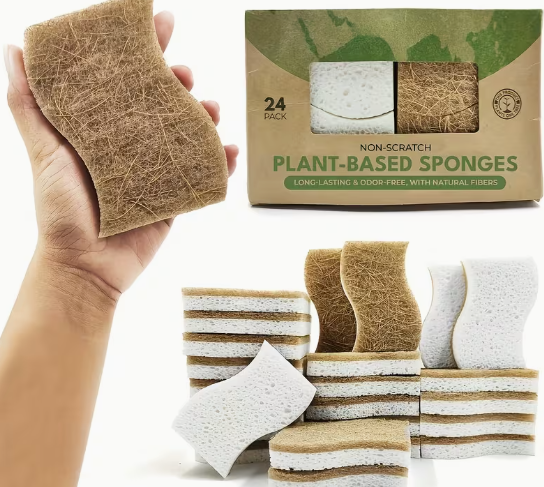
Trend: Waste Reduction & Everyday Sustainability. In the UK, even mundane chores like washing dishes are being touched by the eco movement. Biodegradable cleaning sponges, scrubbers, and brushes (made from materials like cellulose, coconut fiber, or wood pulp) are gaining popularity as people move away from the classic neon plastic sponge that sits in landfills for centuries. British consumers who diligently recycle and avoid plastic bags see these swaps as a next step in a greener lifestyle. The trend here is about easy substitution — a sponge is something people already buy regularly, so offering a sustainable version meets an existing need with an eco-friendly twist.
Margins & Shipping: These sponges and brushes are low-cost items with the potential for healthy markups, especially when sold in multi-packs. A pack of biodegradable sponges might cost only a couple of pounds from a supplier but can retail for several times that if positioned as a premium eco product. Multi-packs not only reinforce the “lasting longer” narrative (several months’ supply in one order) but also make shipping more efficient and cost-effective. The products are lightweight and compressible, which keeps postage cheap and even allows for letterbox-friendly packaging – a big plus in the UK, where many deliveries are conveniently designed to slip through mail slots. Brandability is also straightforward: you can customize packaging with your logo or include an insert about your brand’s eco mission. Some suppliers might offer different shapes or fibers; choosing a distinctive design (e.g. a scrubber with a cute imprint or a British-themed shape) could set your brand apart.
Marketing Tips: Education and relatability are key. Many shoppers still don’t know that regular sponges are plastic waste generators. So messages like “Did you know? Traditional sponges are made of plastic and end up in landfill” coupled with “Our sponges break down naturally after use” can be powerful. Be clear about the materials (e.g. “100% plant-based cellulose”) and how to dispose of them (compostable, etc.), since a savvy audience will want those details. User testimonials or demos help too: short videos showing a biodegradable sponge in action, or even decomposing in a compost bin over time, can build trust. Target marketing toward demographics already interested in sustainability: for example, young urban professionals or parents in the UK who mention eco-friendly products on social media. These groups are likely to share such finds in green living communities or mummy blogs.
3. Solar-Powered Garden Lights (Outdoor & Balcony)

Trend: Energy Saving & Home Improvement. Despite Britain’s famously cloudy weather, solar garden lights have carved out a bright spot in the market. With energy costs high, homeowners and even flat-dwellers with balconies love the idea of adding ambience without adding to the electric bill. These solar-powered LED lights (ranging from stake lights for gardens to string lights for balconies) tap into both the eco mindset and the energy-conscious mentality. As soon as spring arrives, UK gardens and small patios become social hubs, and people want inexpensive ways to beautify them. Solar lights check multiple boxes: they’re eco-friendly, cost nothing to run, and make outdoor spaces look inviting for summer gatherings.
Margins & Shipping: Solar lights come in many forms, but generally they’re moderate in cost and can be marked up based on design and quality. Simpler models (like basic path lights) are very cheap in bulk, while decorative string lights or lantern-style stakes could command higher prices. The margin can be substantial if you position them as a lifestyle product rather than a utilitarian one. Shipping feasibility depends on the model – many solar lights are designed to be compact (stakes can often be unscrewed, lanterns collapsible) to fit in small boxes. Weight is usually low, but you will need to include protective packaging for the small solar panels. A big advantage is that these lights are electronics without the plug: since they don’t plug into mains, you avoid the headache of providing UK-compliant 3-pin plugs or electrical certifications. They should still carry a UKCA/CE mark if you’re importing them, but most reputable suppliers will have that covered for simple LED gadgets.
Marketing Tips: Timing and targeting are everything. These sell best in the lead-up to and during spring/summer. Plan campaigns around late March through July when UK customers are thinking about their gardens (and note the spikes around bank holidays and early summer BBQ season). Emphasize the “zero energy cost” angle: especially in 2025–26 as energy prices have been a pain point for many Brits, framing these lights as a way to have “a beautiful garden without added electricity bills” hits home. Also highlight ease: no wiring, automatic charging by day and illumination by night – truly a set-and-forget convenience. To tap into the gift market, mention that these make great housewarming or Father’s Day gifts (everyone likes a gadget that also saves money). Use imagery of small UK gardens or balconies: many people have just a tiny outdoor space, so show how a few lights can transform a modest patio or even a window box into something cozy.
4. Refillable Cleaning and Personal Care Kits
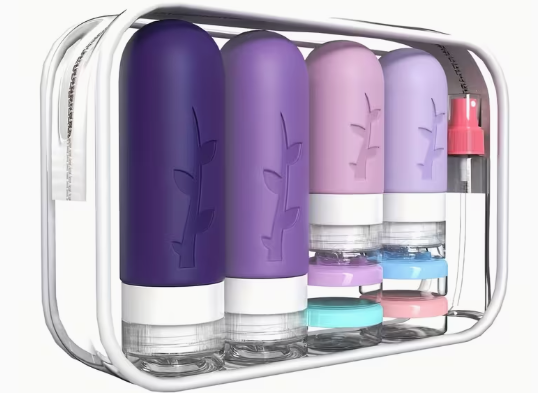
Trend: Zero-Waste Lifestyle & Cost Savings. Refillable product kits have surged as UK consumers try to cut down on single-use plastics at home. Think of glass or durable dispensers paired with concentrated refills: for hand soap, surface cleaners, shampoo, etc. The concept speaks to a strong trend in Britain – doing everyday tasks more sustainably and cheaply. Instead of buying a new plastic bottle of cleaner every month, consumers can buy one stylish dispenser and top it up with dissolvable tablets or refill pouches. The UK has seen a boom in refill stores and DIY cleaning solutions, so these kits allow dropshippers to ride that wave by delivering convenience to the customer’s door. They appeal to the desire for less waste (fewer bottles in the bin) and often end up being cost-effective over time, which satisfies the value-conscious mindset.
Margins & Shipping: Refillable kits typically include a durable container (often glass or thick plastic for long-term use) and some form of concentrated refill (tablets, powders, or pouches of liquid). The initial kit can be priced at a premium because it includes the “forever” bottle. Margins on these kits can be healthy, especially if the dispenser has a premium look—customers are partly paying for décor value (a pretty glass soap dispenser) in addition to function. The refills themselves are usually very cheap to produce (a tiny tablet that makes a full bottle of cleaner might cost only pence). This opens the door to repeat sales: once someone has your kit, they’ll need more refills, and you can sell those in packs with good margins. Shipping a starter kit is a bit heavier than the previous products we’ve discussed (glass adds weight, and liquids must be sealed well), but still manageable. A 500ml glass bottle with a couple of refill sachets can fit in a small parcel. To keep it scalable, ensure the supplier packages the glass securely and consider using a UK/EU supplier for the kit to reduce breakage risk in long transit. Compliance note: cleaning formulas and cosmetics might have import regulations. Make sure any chemicals (even “natural” ones) have proper labels and safety sheets. Most off-the-shelf eco refills from established manufacturers will be fine, but due diligence here prevents future headaches.
Marketing Tips: This is a product where storytelling and math both matter. Storytelling in terms of environmental impact: “Join the refill revolution—one kit can save dozens of plastic bottles a year from landfill.” Give concrete numbers if possible, as Brits respond to factual eco claims. Also, emphasize the convenience: “never run out of hand soap again, just add water to our refill tablet and you’re good to go.” The math angle is to convince the frugal shoppers: break down the savings over time. For example, “Each tablet costs £1 and makes 500ml of cleaner—compare that to £3 for a store-bought spray. That’s 66% saved every refill.” Such calculations make the purchase a no-brainer for the financially savvy. Visually, highlight the aesthetics of the bottles. A lot of people buy these kits not just for Mother Earth, but because a glass amber soap bottle looks nice in the kitchen or bathroom. Use clean, modern imagery—think Kinfolk-style minimalism with a plant in the background. Target ads to audiences interested in home organization, zero-waste living, or even those following UK budgeting influencers.
5. Orthopedic Memory Foam Pet Beds

Trend: Pet “Fur Baby” Spending & Comfort. The UK is a nation of pet lovers – dogs and cats are truly part of the family. Even amid economic concerns, the pet category stays resilient as owners are willing to spend to keep their furry companions happy and healthy. In 2026, a standout product in this arena is the orthopedic memory foam pet bed. These are high-quality beds that provide extra support, particularly appealing to owners of older pets or larger breeds prone to joint issues. The trend driving this is twofold: pets are living longer (so more age-related needs like arthritis) and owners, having spent more time at home in recent years, are more attuned to their pets’ comfort. Additionally, many UK homes have hard floors (laminate or tile are common), and a thick memory foam bed is a welcome relief for pets versus a thin rug. This product speaks to a premiumization trend – pet owners trading up from the basic cushion to something more luxurious and therapeutic for their beloved animals.
Margins & Shipping: Orthopedic pet beds are higher ticket items. Sourcing a quality memory foam bed might cost a bit, but the retail price can be £50, £80, or more depending on size and brand positioning. The margin in absolute terms is good, though percentage-wise slightly tighter if you’re pushing for top quality (foam density and durable covers aren’t super cheap). Shipping these beds can be a challenge if not managed wisely: they are bulky. However, many come vacuum-compressed from the factory, reducing volume significantly for shipping. A large dog bed can be flattened into a mid-size box when vacuum sealed, which cuts down freight costs. You’ll need to ensure the supplier vacuum-packs and that the foam reliably expands and is of good quality upon opening (nothing worse than a flat, crumbly foam piece arriving). Also, confirm the fabric cover is removable and washable – UK customers will expect that level of practicality if they’re paying a premium. Brandability is feasible: you could have a small faux-leather patch with your brand sewn on, or custom color schemes exclusive to your store if ordering in bulk down the line. But even without heavy customization, curating a select range (say 2–3 styles in a few sizes) can set you up as a specialist. Keep the selection tight to manage variations – you don’t want to list 20 similar beds and confuse the customer. Focus on a few that have broad appeal (e.g., a grey plush bed with high sides and a flat memory foam base is a popular style that fits UK decor sensibilities).
Marketing Tips: When marketing pet beds, imagery and trust signals are everything. Use photos of adorable dogs (and cats – don’t ignore the cat market, many cat owners buy small “dog” beds) enjoying the beds. A before-and-after (dog on a hard floor vs. dog snoring blissfully on your bed) can tug heartstrings. Highlight UK-specific context: mention cold, drafty homes in winter and how a raised, cushioned bed keeps pets cozy (many UK homes are older and can be chilly – hence why Brits love a good duvet and their pets do too). Emphasize features like a washable cover and durability, since UK consumers expect practicality; note how the cover can handle muddy paws and how easy it is to clean (maybe “machine-washable cover” in big letters). Reviews are extremely influential here. If you can get early customers or testers to vouch that their senior dog now sleeps through the night or has less stiffness in the morning, promote those testimonials. They address skepticism and justify the price. For targeting, aim for pet owners of medium to large dogs, and segment by age of pet if possible (people who follow senior dog care groups, for instance).
6. Interactive Puzzle Toys for Pets (Dogs & Cats)
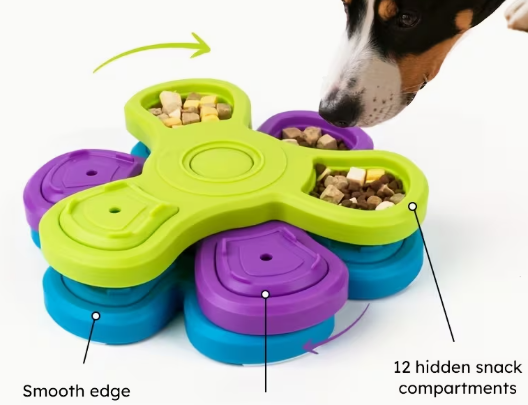
Trend: Pet Enrichment & Indoor Living. With many Brits living in flats or homes without big gardens, keeping pets mentally stimulated has become a top concern. Enter interactive puzzle toys: treat-dispensing balls, food maze bowls, and brain-game toys that challenge pets to think and stay busy. These products cater to a trend of treating pets’ boredom and anxiety—essentially the pet equivalent of a Sudoku book. Especially after periods of lockdown and increased remote work, owners noticed that an understimulated pet can lead to destructive behavior or just a sad, lethargic animal. Puzzle toys promise a solution by engaging a dog or cat’s natural foraging and play instincts. They’re particularly popular for rainy days (common in the UK) when long outdoor walks might not happen, or for cats in indoor-only environments. In short, UK pet owners are proactively seeking ways to enrich their pets’ day-to-day life, and these toys are a fun, relatively low-cost answer.
Margins & Shipping: Most puzzle toys are made of plastic or rubber and are fairly small, so they’re inexpensive to produce and ship. There are higher-end ones with complex designs or electronic components, but a simple treat ball or a snuffle mat (a fabric mat with hiding spots for kibble) is cheap in bulk. Margins can be substantial—an interactive feeder bowl might cost £3 from a manufacturer and retail for £15–£20. Shipping is easy: they’re lightweight and not fragile. One thing to watch for: quality and safety. Ensure the materials are non-toxic and durable, because pets can be rough. You don’t want reports of a toy breaking and Fido swallowing a piece. Look for suppliers with good reviews specifically on durability. Brandability is possible by color or pattern selection. For example, you could request a custom color that’s not common (maybe incorporate the UK flag colors subtly or just a unique shade that becomes part of your brand identity).
Marketing Tips: Aim to hit the emotional chord of pet owners: the desire to keep their beloved friend happy and healthy. Show videos of a dog tail-wagging while nudging treats out of a puzzle, or a cat intently swatting at a treat ball instead of sleeping all day. It instantly communicates the benefit. Social media is great for this – short TikToks or Instagram reels of pets vs. puzzle toy challenges are highly shareable and can go viral in pet circles. Use captions like “Bored dog at home alone? Try this.” or “Indoor cat? Keep their mind active with a food puzzle.” These directly address common situations UK pet owners face (boredom, lack of outdoor time). Also highlight the secondary benefit owners love: a tired pet is a well-behaved pet. Many buyers get these toys to prevent chewing up shoes or furniture – so emphasize how the toy can redirect energy and reduce destructive behavior.
7. Personalized Pet Accessories (Collars & Tags)
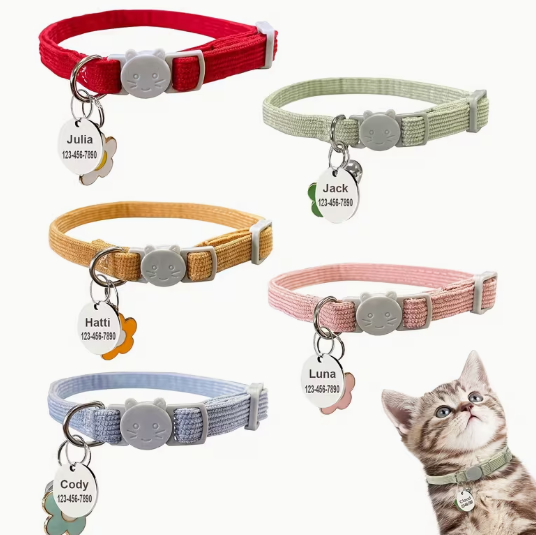
Trend: Personalization & Gift-Giving. Customization has been a growing force in retail, and in the pet world it’s a hit as well. Personalized pet accessories—like engraved ID tags, collars with the pet’s name embroidered, or even custom pet bandanas—are trending because they turn a standard item into something uniquely meaningful. In the UK, pets often have human status in the family, so having a pet’s name on their gear feels right (just as a child might have their name on a bedroom door or school backpack). These items also thrive on the gift market: a custom collar or tag is a popular gift for someone who’s just got a new puppy or as a holiday present for a fellow pet lover. The trend taps into that sense of pets as individuals with their own identity, and the UK’s strong gifting culture around pets (birthday presents for the dog, anyone?). Importantly, British consumers have shown a strong appetite for personalization across many categories, and pet products are no exception.
Margins & Shipping: Personalized products can command a premium because of the perceived extra effort and uniqueness. A plain pet tag might sell for £5, but an engraved one could easily go for £10–£15. If you have the means to personalize in-house or via your supplier, the base cost of engraving or embroidery is relatively low (often under £1 per item for laser engraving at scale). The key is to integrate the customization process smoothly into your order flow. Many dropshipping platforms or agents (including some like Printful or local UK print shops) can do one-off personalizations on demand. Shipping these items is straightforward: they’re small and light. A dog collar or a metal tag fits in a padded envelope, meaning low postage costs and no hassle with couriers.
Marketing Tips: The marketing practically writes itself with cute pet photos sporting their personalized gear. Leverage user-generated content: encourage customers to share a pic of Fluffy wearing the new collar with their name, maybe even run a contest or a hashtag (#BestDressedPetUK or similar). These real-life showcases build social proof and create an emotional draw for other pet owners (“aww, I want a collar like that for my dog Charlie!”). Emphasize the ease of ordering a custom item – some people assume it’s a hassle. Make it clear: “Type your pet’s name, and our craftsmen laser-engrave it on a high-quality tag, dispatched within 48 hours.” The UK audience will appreciate a craftsmanship angle if you can swing it (“locally engraved in the UK” or “hand-finished by our artisan engraver” – if true – adds a premium touch).
8. Pet Travel & Safety Gear
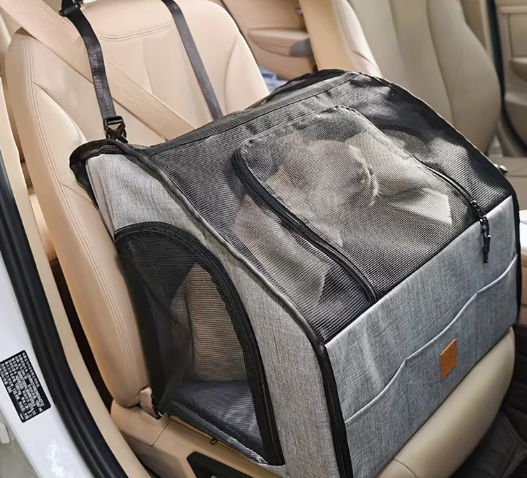
Trend: Staycations & Pet-Friendly Travel. Over the past few years, more Brits are taking “staycations”—holidays within the UK—and they’re bringing their pets along for the ride. The rise of pet-friendly accommodations and a general trend of including pets in family activities have driven demand for travel accessories like car seat covers (to protect seats from mud and fur), pet seatbelt harnesses, portable pet water bottles, and collapsible travel crates. These products cater to the practical challenges of traveling with a dog or cat: keeping the car clean, ensuring the pet’s safety on the road, and making the journey comfortable for everyone. In the UK context, think of long drives to national parks or the coast, train trips, or even daily outings to the countryside—pet travel gear turns these into smoother experiences. Safety is a strong angle too; just as child car seats are non-negotiable, many pet owners now realize the importance of securing their animals during transit (no one wants their pup hurt, or causing an accident, if they roam free in the car).
Margins & Shipping: Pet travel accessories vary widely in size and cost. A small item like a seatbelt harness or a portable bowl has low sourcing costs and easy shipping (lightweight, compact). A larger item like a car seat cover or pet carrier is bulkier but often foldable. These items aren’t as cheap in bulk as, say, toys, because they use heavy-duty materials (waterproof fabrics, metal clips, etc.), but they also justify a higher price due to their functional importance. Margins are decent; for example, a good quality car seat cover might cost £10–£15 from a supplier and sell for £30–£40. If you highlight durability and better materials, customers are willing to pay more for the assurance their car (and pet) will be protected.
Marketing Tips: Use context that UK pet owners know well: muddy paws after a country walk, unpredictable rain, or long motorway drives. For a car seat cover, visuals of a pet jumping in the car with muddy feet and then sitting on a waterproof hammock-style cover will immediately click with the audience (“yes, that’s my dog every weekend!”). Emphasize how the gear is designed for UK conditions—for example, “rainy walks and muddy hikes in the Lake District? No worries, this cover is waterproof and machine-washable.” Mention driving norms: Britain’s a nation of car boot (trunk) dog transporters, so a product like a seatbelt harness which clips into the standard seatbelt latch should note that it fits all standard UK seatbelt receivers and keeps pets secure during sudden stops. Safety statistics can help, e.g., note that an unsecured pet can become a projectile in a crash (if you have a stat, like “a 20kg dog can exert 600kg of force in a 30mph crash”, it drives the point home).
9. Smart Home Energy-Saving Gadgets (e.g. Smart Radiator Valves)

Trend: Smart Homes & Energy Efficiency. The UK has been grappling with high energy costs, and with many homes being older and not super energy-efficient, gadgets that can help manage heating and electricity usage are in demand. One star product here is the smart radiator valve – a device that attaches to radiators and allows room-by-room temperature control via an app or schedule. In a lot of UK homes, especially those with central heating but manual radiator dials, it’s all or nothing – the heating is either on everywhere or off. Smart valves change that game, letting people heat the living room in the evening while keeping bedrooms cooler, or turn off the radiator in a rarely used guest room to save energy.
Margins & Shipping: Smart home gadgets tend to be mid to high cost items with slimmer margins than simple goods, because they involve electronics and often well-known brands. However, there are white-label or lesser-known manufacturers (especially from Europe or Asia) that produce quality smart valves or plugs which you can source at a reasonable cost. If a popular branded smart thermostat retails at £200, an unbranded compatible one at £100 could sell well if reviews confirm it works. Margins might be 20-30% on these, which is lower than, say, accessories, but the ticket price is higher, so you still make decent pound value per sale. Shipping is straightforward: these are small devices, but make sure electronics come with UK-compliant components (e.g., a hub with a UK 3-pin plug, or at least include an adapter). If drop shipping from abroad, double-check that the devices carry UKCA or at least CE markings and have instructions in English. Nothing will annoy a customer more than receiving a tech gadget with a non-UK plug or a manual only in Chinese. It’s worth possibly partnering with a UK distributor or an agent who can check these details. Brandability is tough here unless you’re willing to go the private label route, which is complex for electronics. But you can brand the service—for example, including your own quick-start guide or video tutorial can elevate the customer experience and associate your brand with the product’s successful use.
Marketing Tips: Lead with the pain point and the solution. Pain: “Wasting money heating empty rooms” or “Arguing over the thermostat setting?” Solution: “Heat your home smarter.” Use specific scenarios in your copy: “Keep your home office toasty during the workday without heating the whole house”, or “Have a toasty bathroom in the morning without running the central heating all night.” These are relatable UK scenarios, as many people transitioned to work-from-home and found themselves spending on heating a whole house when only one room was in use. You can cite stats if available, like “smart heating systems can cut energy bills by X%” (some studies exist, perhaps by British Gas or the Energy Saving Trust). Since this is a more technical sell, educational content helps. Consider a short explainer video or infographic about how radiator zoning works and how easy the valves are to install (most simply screw onto existing radiator TRVs). Address upfront any fear: reassure that no plumber is needed, they’re DIY-friendly, and that there are failsafes (e.g., manual override or safety certifications).
10. Thermal Curtains and Door Draught Excluders
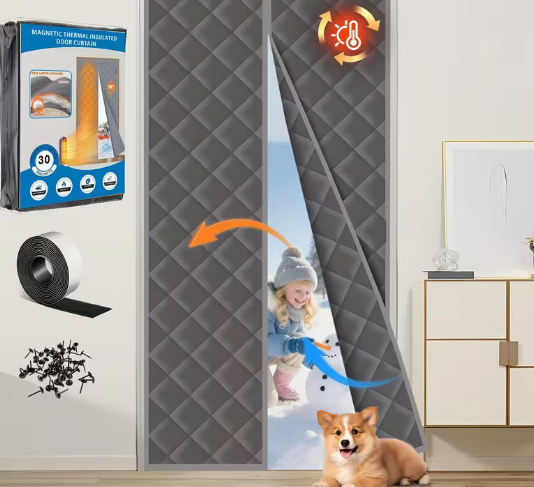
Trend: Home Insulation & Cost-of-Living Hacks. As energy prices remain a worry, UK consumers are turning to old-school solutions made modern. Thermal curtains—heavy, insulated drapes—and draught excluders (think modern takes on the classic “door snake” or adhesive seals) are experiencing a revival. Many UK homes, especially older ones and rentals, are not well insulated; they have single-glazed windows or gaps under doors that let cold air whip through. Rather than expensive renovations, people are opting for these affordable fixes to keep their homes warmer. This trend also spikes seasonally: come autumn, when the first chill hits, there’s a rush on anything that can make a room cosier without cranking up the thermostat. It ties into the DIY and frugality ethos—spend a bit now on a curtain that will reduce your heating bill all winter. There’s also a aesthetic aspect: modern thermal curtains come in stylish designs that don’t scream “utility”, and draught excluders have been reimagined in low-profile or even decorative forms, so people can improve comfort without compromising decor.
Margins & Shipping: Thermal curtains are bulkier and heavier than most items on this list. Shipping them from overseas can be costly, but if you source smartly (perhaps from a UK or European supplier), it’s manageable. They often come in standard sizes (e.g., for common window widths/lengths), so focus on popular dimensions to avoid the complexity of custom sizing. The cost price for a pair of thermal curtains varies by fabric quality; a basic set might cost £10–£15 wholesale and retail for £30–£40, whereas more premium designs could retail £60+. Margins can be moderate, but volume might pick up in winter months. Draught excluders and adhesive seals, on the other hand, are cheap to produce (a silicone door seal strip costs pennies per meter) and easy to ship, often rolled up. They can have high margins because people pay for the idea of saving money (“£10 to seal your door and save on heating” is an easy sell even if it cost £1 to make). Brandability: For curtains, you could have your brand tags sewn on if you produce them, or curate distinctive patterns exclusive to your store. For draught excluders, perhaps unique designs (like a cute dog-shaped door stopper or just high-quality adhesive that doesn’t damage paint). Simplicity here is fine; customers mainly care that they work.
Marketing Tips: Position these as quick wins for a warmer home. Use copy like “Don’t let heat escape – insulate your living room in 5 minutes” for door seals or “Trap the warmth indoors with hotel-grade thermal curtains.” The cost-saving angle should be front and center: e.g., “Cut down your heating bill by up to 20% with proper insulation at your windows and doors” – if you have data or can cite a source, great, but even a logical argument paired with testimonial will do. For example, one might say, “I noticed a big difference – my lounge stays warm overnight now” from a customer in Yorkshire. Visuals help people feel the warmth: think before/after infrared images (if available) showing temperature differences with and without curtains, or a cozy indoor scene with curtains drawn on a cold night. Since these products are not ‘sexy’ by themselves, tie them into the lifestyle they create: comfort, savings, and even environmental responsibility (less energy use). Influencers aren’t obvious here, but maybe home improvement or money-saving bloggers in the UK could review them (MoneySavingExpert forum is full of tips like this – if you can align with that narrative, people trust those sources). Highlight ease of installation too: “No drill needed, just hang as normal” for curtains, or “peel-and-stick application” for door seals.
11. Foldable Desks and Laptop Tables (Work-from-Home Essentials)

Trend: Remote Work & Small-Space Living. The work-from-home experiment begun by the pandemic has cemented into normalcy for many in the UK. But not everyone has a dedicated home office. In space-tight flats or family homes, people have improvised work areas at kitchen tables or sofas. Enter foldable desks and laptop tables: compact furniture that can create a functional workspace and then tuck away when not in use. These might be wall-mounted drop-leaf desks, small tables that slide under a couch, or adjustable laptop stands for working from the sofa or bed. The trend driving this is the ongoing hybrid work culture combined with small living spaces (especially in cities like London, where a “box room” or multi-use space is common). There’s also a wellness aspect: ergonomic work setups matter, and a laptop on the lap all day isn’t great. So portable standing desk converters or adjustable tables are popular to improve posture without needing a full office setup. Essentially, UK consumers are looking for flexible, space-saving solutions that allow them to be productive at home without permanently sacrificing precious living space.
Margins & Shipping: Foldable furniture sits in a mid-tier of dropshipping feasibility. Smaller laptop tables (like those little bed tables or adjustable stands) can be lightweight metal or wood and flat-pack easily – those are easy to ship and not expensive. A wall-mounted folding desk or a larger foldable desk might weigh more and incur higher shipping costs, but often still ship flat. Sourcing costs vary: a basic laptop stand might be £5–£8 and retail for £20–£30. A nicer folding desk could cost £20 and retail for £60+. Margins can be decent if you’ve got a unique style or better quality than the cheapest eBay fare. You will need to pay attention to build quality in your sources; flimsy or wobbly won’t cut it, as customers will ding you in reviews. Look for features that Brits might appreciate, like rounded edges (safer if kids around), neutral colours (greys, whites to blend with interiors), and perhaps multi-function (some desks double as shelves or have built-in storage when folded). Brandability is mostly in curation here – unless you commission a design, you’ll likely sell existing models, but you can present them under your brand with good instructions and maybe even assembly videos. Instructions should be clear English (if not, rewrite them for your customers).
Marketing Tips: The pitch is all about solving a problem: “Turn any corner into a home office in seconds.” Use before-and-after imagery: e.g., a small flat’s living room, one picture with no workspace, and then with a slim desk unfolded with a laptop and notebook – showing that you can literally carve out an office instantly and then fold it away to have your living room back. Highlight sturdiness and ease: “Sturdy enough for a 15-inch laptop and an extra monitor, but folds flat to slide under the sofa.” For wall-mounted desks, emphasize installation is straightforward (if it is) and that it can truly save space. Quotes like “creating a workspace in a one-bed flat without sacrificing living space” speak directly to a common scenario. Capitalize on ongoing discussions: many UK media pieces talk about the importance of separating work and home life to avoid burnout. You can spin that: “Close your laptop and fold away your desk – mentally clock out of work in one easy motion.” It’s a tangible way to separate work/life, which is appealing. Also, play up any multi-functionality: maybe a folding desk can double as a dining table for one, or an over-bed table can be used for breakfast in bed on weekends. Those added uses sweeten the deal. Marketing channels: target ads at city dwellers, young professionals, students (a folding desk is great in a dorm or shared house too).
12. Reusable Makeup Remover Pads and Beauty Cleansing Cloths
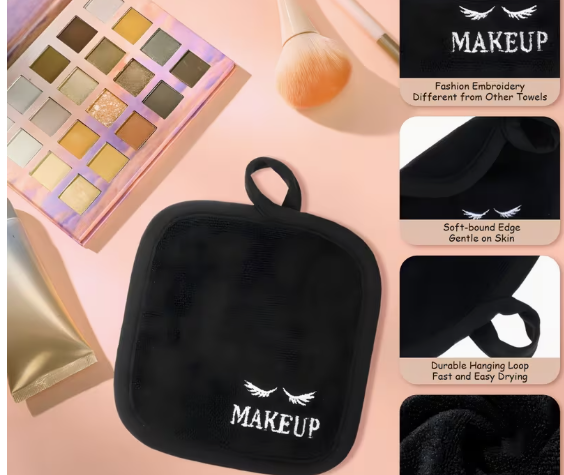
Trend: Clean Beauty & Sustainable Self-Care. The beauty and personal care sector in the UK has seen a shift towards “clean” and minimal routines. Part of that movement includes replacing disposable products with reusable ones. A prime example is reusable makeup remover pads or cleansing cloths, often made of bamboo fiber or microfiber. Instead of using single-use cotton pads or makeup wipes every day (which create waste and recurring cost), consumers can use these pads to take off makeup with just water or a gentle cleanser, then wash and reuse them. The trend here is fueled by both sustainability (less waste, fewer chemicals from wipes) and the appeal of gentle skincare – many find these cloths softer on the skin. With UK retailers already phasing out single-use wipes due to environmental concerns, more people are looking for alternatives. Plus, social media skincare gurus have popularized double-cleansing and proper makeup removal; these pads tie into those routines nicely. They also align with the cost-saving mindset: one pack of reusables can replace dozens of packs of disposables over its life.
Margins & Shipping: Reusable pads are cheap to produce and ship. They’re light, often coming in sets of, say, 10 pads plus a little laundry bag. The cost might be a couple of pounds per set and they can retail anywhere from £8 to £20 depending on branding (some position them as luxury, others as eco-basic). Because they’re small and flexible, you could even use large letter postage to send them in the UK, minimizing shipping cost. There’s also room for branding: the pads themselves don’t usually have logos, but the packaging can convey your brand’s ethos (perhaps a small cotton bag with your logo, or a recyclable box with nice design). You could also bundle them with other self-care items like a headband or a mini cleanser, creating a kit that feels more substantial, thus commanding a higher price. The beauty of such products is they naturally lend themselves to repeat business or word-of-mouth if people love them – e.g., friends telling friends, or buying as gifts (“you have to try these, they’re so soft and I haven’t bought cotton pads in a year!”).
Marketing Tips: Education is a big part of marketing this, surprisingly. Explain how they work for those who haven’t used them: “Just add warm water – the special microfiber weave lifts off makeup, even mascara, without harsh rubbing.” Emphasize skin benefits: “gentler on your skin than wipes, which can contain irritating chemicals.” And of course, hit the eco and cost points: X number of disposable wipes or cotton pads are avoided (if you have a stat like one pad replaces 100 wipes, use it), and “save £Y over six months by not buying throw-aways.” British consumers also love a good practicality tip, so mention how easy they are to care for: “Just toss the used pads in the included cotton wash bag and throw it in your washing machine – they come out like new.” This addresses any worry about hygiene or convenience. For targeting, consider young women 18-35, especially those following beauty influencers or sustainability pages. Instagram is an obvious place; perhaps partner with a UK beauty influencer who advocates sustainable routines.
Fulfillment Strategies for a Scalable UK Dropshipping Business
Having great products and understanding your market is half the battle. The other half is delivering on your promises – literally. In the UK, where same-day and next-day delivery have become standard in many categories, logistics can make or break a dropshipping venture. Add in the post-Brexit complications for cross-border shipments, and it’s clear that fulfillment strategy is critical. Here we outline key fulfillment approaches and tips to keep your UK customers happy and your business scalable.
Local UK Fulfillment and Warehousing
One way to meet British customers’ high expectations for fast, predictable delivery is to use local fulfillment. This can mean working with UK-based dropshipping suppliers or 3PL (third-party logistics) warehouses that stock your products domestically. The payoff is significant: UK suppliers often offer delivery in 2–5 days or faster, compared to weeks from overseas. This speed doesn’t just impress customers – it reduces returns and complaints. As one guide put it bluntly, British buyers expect “next-day delivery culture” service, and anything beyond a few days starts to look unreliable. If you can position your business to dispatch orders from within the UK, you’re aligning with what the market already demands.
There are a few ways to achieve local fulfillment. One is to partner with UK wholesalers or dropship suppliers who carry inventory in-country (platforms like Avasam or The Wholesaler UK list many). Yes, the unit cost is often higher – UK-based suppliers might charge 15–30% more than Asian suppliers for the same item. But in return you get faster shipping, easier returns, and guaranteed compliance with UK standards. For many customers, that trade-off is worth a slightly higher retail price. Another approach is hybrid: use an agent or 3PL to hold stock of your best-sellers in the UK. For example, if you find one particular pet toy or kitchen gadget is flying off the (virtual) shelves, you can bulk order a quantity to a UK warehouse.
Using local fulfillment also helps with UK-specific compliance. Products shipped from within the country have presumably already cleared any import checks, and local suppliers are more likely to ensure things like UKCA markings, proper 3-pin plugs, and English labels are in place. This reduces nasty surprises such as items held at customs or customers receiving something non-compliant. Lastly, don’t underestimate the marketing edge: being able to tout “Ships from UK” or “Dispatched from London” on your website can increase conversion. It signals reliability. British shoppers often filter for UK-only items on marketplaces for this reason. If you can’t do it for all products, consider doing it for a core subset and highlight those in a special category (e.g., “Fast Dispatch UK Stock” section on your site).
EU-to-UK Cross-Border Shipping Solutions (Post-Brexit)
Not every product or supplier will be UK-based, of course. Many unique items will still come from Europe or Asia. If you are shipping from the EU or elsewhere to UK customers, post-Brexit rules require careful handling of VAT, duties, and customs paperwork. The goal is to deliver a frictionless experience despite the underlying complexity. First, understand the £135 import VAT threshold: for orders under £135, UK VAT should be charged at checkout and you (the seller) remit it to HMRC, meaning the package arrives without further VAT due. For orders over £135, VAT (and any customs duty) is usually collected when the parcel enters the UK, often via the courier who then bills the recipient or the sender. This is where problems can arise – few things anger customers more than an unexpected “pay £20 to receive your parcel” notice. The solution: whenever possible, use shipping methods or services that offer DDP (Delivered Duty Paid), meaning all fees are prepaid.
Additionally, ensure your suppliers are on the ball with paperwork. Every package to the UK should have a proper invoice and HS tariff codes attached. Avoid vague descriptions; customs officers shouldn’t have to guess what’s inside. If you’re shipping electronics, make sure lithium battery labels and such are there. These little things prevent delays at the border. Some dropshippers use EU warehouses as a staging point (especially in the Netherlands or Germany) – they bulk ship inventory there, then send to the UK under a special arrangement.
One more tip: communication. Despite best efforts, some packages might still incur a fee or delay. Provide clear info to customers at checkout about potential timelines and how you handle any duty issues. For example, “All orders are shipped tax-paid when possible. In the rare case you’re charged a fee on delivery, our support will reimburse you – just contact us.” A promise like that can turn a negative into a neutral or positive experience (just be prepared to honor it and factor it into your margins).
Automation Tools for Efficiency and Scale
Scaling a dropshipping business isn’t just about more sales; it’s also about handling those sales without drowning in manual work. Automation is your best friend when orders ramp up. In the UK context, where marketplaces like eBay UK and website platforms like Shopify are popular, you have a plethora of integration tools available. For example, platforms such as CJdropshipping, Avasam, and Syncee allow you to connect your store with suppliers for real-time inventory syncing, price updates, and even automatic order forwarding. This means if a product goes out of stock at your supplier, your listing can pause or update to prevent selling something you can’t deliver. Or when an order comes in, it can go straight to the supplier or an agent without you copy-pasting addresses – a lifesaver when you’re doing dozens of orders per day.
Automation also extends to price optimization (dynamic repricing to keep your offers competitive) and tracking updates (so customers automatically get their Royal Mail or Hermes tracking number once available). If you’re selling on multiple channels (say your own site and eBay and Amazon), inventory management software ensures one channel’s sale updates all the others. The UK market is quite developed in terms of these tools; even legacy directories like The Wholesaler UK are complemented by modern APIs and apps. Adopting these doesn’t just save time – it reduces errors. Incorrect addresses, delayed order processing, missed updates – those lead to unhappy customers. Automation vastly cuts down such mistakes.
Another side of automation is customer service. AI chatbots and automated email flows can handle FAQs (“Where’s my order?” queries can trigger an auto-reply with tracking info). While you should still have a personal touch, especially for serious issues, automating the routine questions keeps your service quality high without needing a 24/7 human team from day one. Many UK consumers expect quick responses (within a day or even an hour), so an auto-confirmation that you received their inquiry and some basic guidance can go a long way while you work on a proper answer.
Hybrid Fulfillment Models for Growth
In the journey from a scrappy startup to a stable, scaling business, many dropshippers find a hybrid approach serves best. What is hybrid in this context? It’s mixing elements of dropshipping with traditional inventory models. For instance, you might dropship a broad catalog of 100 items, but keep stock of the top 10 sellers in a UK warehouse for instant dispatch. This approach gives you resilience: you can test lots of products without upfront cost (classic dropshipping’s advantage), but once you identify the “winners,” you shorten their delivery times and even improve margins by buying in bulk. UK customers, as we’ve noted, love fast delivery – so if your top items can go out next-day via Royal Mail, you’ll foster repeat buyers and word-of-mouth.
Hybrid can also mean using multiple fulfillment partners: perhaps a UK supplier for one category, an EU supplier for another, and an Asian supplier for something else, all integrated into your store. As long as you route orders correctly, the customer doesn’t need to know some items came from a Birmingham warehouse and others from Shenzhen. What they care about is that everything arrived when promised. There are services (like ShipBob, or even Amazon FBA in a pinch) that will handle third-party logistics if you send them inventory. You could utilize an Amazon fulfillment center in the UK to store and ship your products (you don’t have to sell on Amazon to use this, it’s like using their logistics as a service). This can give you Amazon-level speed and reliability on your own website orders, though it comes at a cost, and you must adhere to their rules.
One specific mention requested was CJdropshipping – it’s a well-known platform that embodies a lot of these ideas. CJdropshipping has suppliers globally but crucially also UK and EU warehouses. This means you can often choose to source a product from their China warehouse or their UK one if available. They also offer services like custom branding and packaging, which is a game-changer for building a branded business while staying mostly dropship (you can have your logo on invoices, or even on the product, without running your own factory). Mentioning CJ neutrally: it’s one of several scalable fulfillment networks.
Hybrid strategy also involves preparing for returns and customer service in a scalable way. The UK has strong consumer protection laws – customers have a 14-day window to return items bought online, no questions asked. If all your goods are in China, handling returns is tricky (customers won’t want to pay £20 to send something back overseas). A hybrid solution is to use a UK return address service – many 3PLs or agents will receive returns on your behalf, consolidate them, and either restock if possible or dispose. Including a UK return label or address boosts confidence and complies with customer expectations. It’s the kind of service touch that turns one-time buyers into repeat customers because they trust you won’t disappear if there’s an issue.
In summary, think of hybrid fulfillment as having the agility of dropshipping with the reliability of traditional retail when it counts. It’s not an overnight shift but a gradual blending that the most successful dropshipping businesses often embrace by the time they’re scaling into high order volumes. You might start pure dropship, but as you analyze data and reviews, you’ll identify where going hybrid adds value (faster delivery on key items, branded experience, better customer satisfaction). By 2026, many savvy UK dropshippers operate in this blended mode – it truly offers the best of both worlds: breadth of products and depth of service.
Final Recommendations: Launching and Scaling Your UK Dropshipping Business
Launching or scaling a dropshipping business in the UK in 2026 isn’t a get-rich-quick scheme – it’s running a real business in a sophisticated market. The bar is higher now in terms of customer expectations, but the opportunities are vast. The UK online retail market is huge and still growing, surpassing £127 billion in sales in 2025 and forging ahead. By focusing on trends, choosing products wisely, and nailing your fulfillment and service, you position yourself to claim a slice of that pie. Stay adaptive, put the customer first, and keep learning. The scene is set for you to succeed – British consumers are shopping enthusiastically online, and with the insights from this guide, you’re better equipped to deliver what they’re looking for. Good luck, and happy dropshipping!
🚀 Start Your CJdropshipping Journey
Register for free and explore thousands of trending products, fast shipping options, and seamless store integrations.
Create a Free AccountNo credit card required · Easy setup in minutes