
Dropshipping entrepreneurs are always looking for the next big supplier hack. In recent years, many have turned their attention to fast-fashion giant Shein as a potential source of cheap, trendy products. If you’ve heard the buzz about “Shein dropshipping” and are wondering whether it’s a golden opportunity or a minefield, you’re in the right place. In this comprehensive guide, we’ll break down exactly what Shein dropshipping is, how it works, its pros and cons, and whether it’s truly worth trying in 2026. We’ll also explore the best niches for it, tips to make it work, and some solid alternatives like CJdropshipping, Spocket, and print-on-demand. By the end, you’ll have a clear, balanced perspective on Shein dropshipping – no hype, just real talk from one e-commerce enthusiast to another.
What Is Shein Dropshipping?
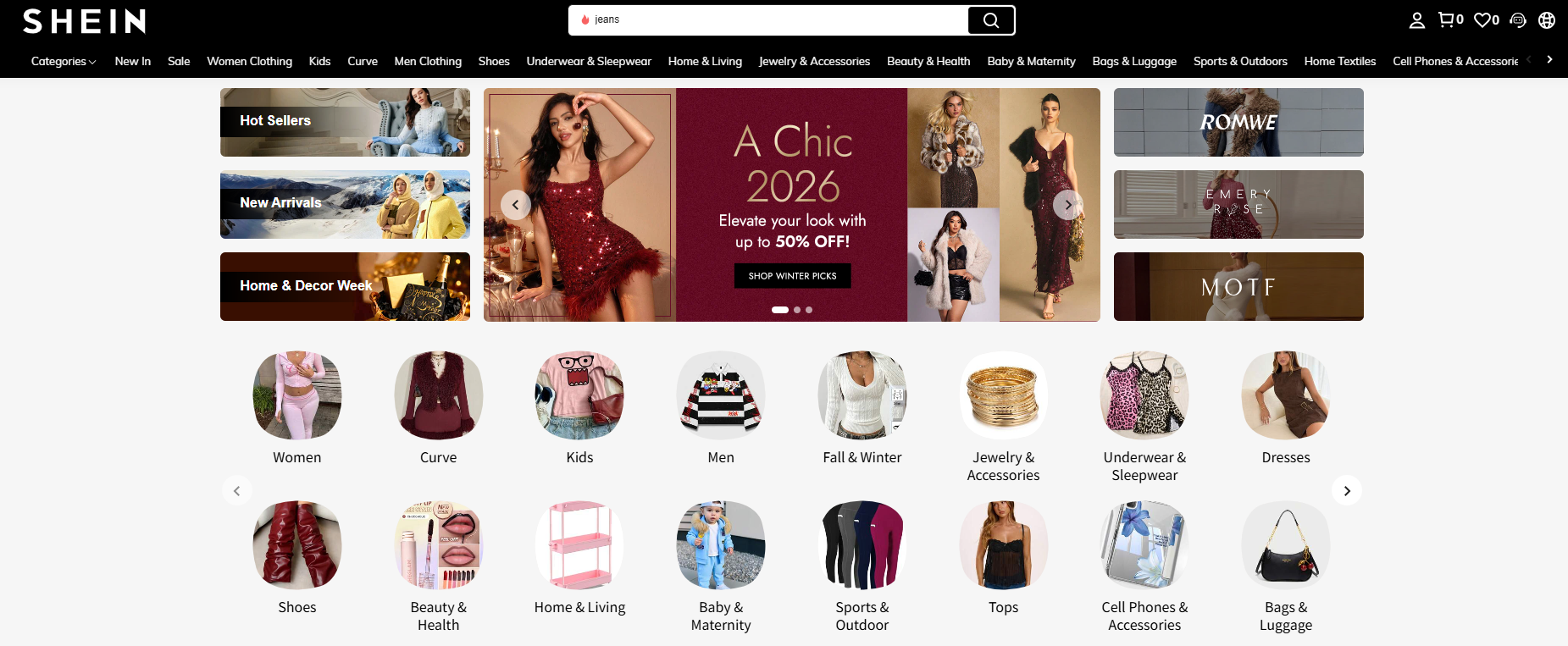
Shein is a Chinese-based online fashion retailer that has taken the world by storm, known for ultra-affordable clothes and accessories. As of 2025, Shein’s website receives around 188 million visits per month and offers over 600,000 products at rock-bottom prices. It caters to a global audience with apparel, beauty items, home goods, and more, constantly updating its catalog with hundreds of new styles daily to ride the latest trends. In short, Shein is a fast-fashion powerhouse – and that massive, inexpensive product range is what makes people consider it for dropshipping.
But what do we mean by “Shein dropshipping”? Essentially, it’s a form of retail arbitrage where you use Shein as your unofficial supplier. Here’s the basic idea: you list products from Shein on your own online store or marketplace, usually at a markup. When a customer buys from you, you then purchase that item from Shein’s website, entering your customer’s address at checkout. Shein ships the product directly to your customer, and you keep the difference between your selling price and Shein’s price (minus any fees or shipping costs). In other words, you act as a middleman, marketing Shein’s products to a different audience or under a different brand, without ever holding inventory yourself.
It’s important to note that Shein does not have an official dropshipping program or API. Unlike wholesale suppliers or dedicated dropshipping platforms, Shein is a direct-to-consumer retailer. To Shein, you’re just another customer placing orders on their website, not a business partner. This means there’s no special “dropshipper account”, no bulk pricing discounts for resellers, and no built-in integration to automatically sync products or stock levels. Shein also ships everything in its own branded packaging and typically includes invoices or order slips with their name on it. In other words, Shein isn’t actively supporting dropshippers – but they aren’t explicitly banning it either. It exists in a bit of a gray area, entirely driven by creative entrepreneurs finding a loophole.
Legality-wise, buying from Shein and reselling the items is generally legal under retail arbitrage and the first-sale doctrine, as long as you obey intellectual property rules. You can resell Shein products, but you cannot use Shein’s copyrighted product photos or their brand name in your marketing, since that would violate IP rights. Essentially, you’re selling unbranded generic products that happen to come from Shein. Many beginners ask, “Is it illegal to buy from Shein and then sell it?” – and the answer is no, the model itself is legal. The real challenges lie not in legality, but in logistics, customer experience, and platform policies, which we’ll get into soon.
To summarize, Shein dropshipping means using Shein as your product source for a dropshipping business. You get to tap into Shein’s huge catalog of trendy, low-cost items without stocking anything yourself. It’s an enticing concept: imagine selling a $7 Shein dress for $25 on your site and pocketing the profit! The question is, does it work that smoothly in reality? Before you rush off to list Shein goodies on your store, let’s explain how the process works in practice, and then weigh whether it’s worth it as we head into 2026.
How Shein Dropshipping Works
Let’s break down the workflow of a typical Shein-based dropshipping operation. If you’re completely new, it helps to see the step-by-step process:
1. Set Up Your Store or Sales Channel
First, you need an online storefront – for example, a Shopify store, a WooCommerce site, an eBay account, or even a social media shop. You’ll design your store, decide on a niche (say, trendy women’s tops or pet accessories), and get it ready for customers. Since Shein doesn’t provide any app integration, you might use third-party tools or do things manually for now.
2. Find Products on Shein
Browse Shein.com for products that fit your niche and that you think you can sell at a markup. Shein’s website is user-friendly with categories and search, and even shows what’s new or trending. Pro tip: Focus on items with good reviews and photos. Shein updates its inventory daily and rides on micro-trends, so you have a lot of options. The massive variety (hundreds of thousands of items) means you can find almost any fashion style or accessory – a big advantage for trend-focused sellers.
3. Import or Add the Product to Your Store
This part can be manual or automated. The simplest method is manually creating a listing on your store using the Shein product as reference. However, do not just copy-paste Shein’s product description or images – that’s a huge no-no. Shein’s photos (especially those with models) are copyrighted; using them can get you into trouble or even suspended on marketplaces. Instead, you should create your own product images and descriptions. Many dropshippers order a sample from Shein to take their own photos, or they find ways to edit the images heavily to appear unique. It’s extra work, but it’s necessary to avoid IP issues and to make your store look original. This requirement is actually one of the quirks of Shein dropshipping – it breaks the typical low-effort appeal of dropshipping because you may need to invest time or money into product photos upfront.
If you have a Shopify store, you might use a third-party app or automation service (like cjdropshipping, etc.) to semi-automate the importing process. Some tools can pull in product info and then you replace images/descriptions. But there’s no official Shein app, so any automation is essentially a workaround. Keep things organized, because you might be juggling a lot of copy-paste if you do this at scale.
4. Customer Places an Order on Your Store
Great news – someone visited your site or listing and bought the item at the price you set! You collect payment from the customer (say, they paid you $30 for a dress).
5. You Fulfill the Order via Shein
Now it’s on you to fulfill that order. You go to Shein’s website and purchase the exact item using the customer’s name and shipping address. At checkout, you ensure the delivery address is your customer’s address (and use your email for order confirmation). Essentially, you’re placing an order on Shein as if you are the customer, except the ship-to name is your buyer. You pay Shein’s price for the item (let’s say the dress is $12 on Shein) plus any shipping fees. One trick: if possible, pay for faster shipping (like Shein’s premium or express shipping) to get it to your customer sooner – it might eat a bit of your profit but could lead to a happier customer. After placing the order, Shein will process it and ship it out.
6. Shein Ships Directly to Your Customer
This is the dropshipping magic. Shein will package the item and send it to the address you gave. They ship pretty much worldwide. Depending on where the customer is and where the item is stocked, shipping can range from a week (if coming from a local warehouse via express) to 2-4 weeks (if coming from China via economy post). We’ll talk more about shipping times later – it’s a critical point. Importantly, the package that arrives will be branded with Shein’s logos – typically, a gray or pink plastic bag that says “SHEIN”. Inside, there might be a packing slip or invoice that likely also has Shein’s name on it (and sometimes the price paid, though often they exclude prices on the slip). The customer will essentially receive a Shein package, even though they bought from “Your Cool Boutique”. This is a double-edged sword: the logistics are handled for you (you didn’t have to pack or ship anything), but the customer might be confused or put off by the branding.
7. Provide Tracking & Support
Shein will usually provide a tracking number once they ship. You should grab that and send it to your customer so they can track their delivery. Even though Shein is doing the shipping, you are the seller in your customer’s eyes – so you need to handle any customer service. If the package is delayed, if the item doesn’t fit or has quality issues, or if the customer wants a return, that all comes back to you. You’ll have to work with Shein’s policies in the background (for example, initiating a return with Shein or using the points system) while keeping your customer happy. This aspect can get tricky, because you’re effectively managing two fronts – your customer and Shein – with you in the middle.
That’s the basic workflow of Shein dropshipping. On paper, it sounds simple: list products, take orders, let Shein handle shipping. And indeed, technically it is straightforward to start – you don’t need to sign any supplier contracts, you don’t need bulk money for inventory, and you have an enormous product selection at your fingertips. Many people have successfully made sales by doing exactly the above.
However, the devil is in the details, and that’s where the question “Is it worth it?” comes in. Actually running this model at scale in 2026 presents some challenges. Let’s move on to evaluate whether Shein dropshipping is worth trying – by looking at its advantages and disadvantages in the current e-commerce landscape.
Is Shein Dropshipping Worth It in 2026?
If you’re hoping for a simple yes or no answer, the reality is a bit nuanced. Shein dropshipping in 2026 can be worth it for some use cases, but it’s far from a perfect or easy business model. It comes with unique hurdles that you wouldn’t face with traditional dropshipping suppliers. The viability really depends on how you approach it and what your goals are.
Let’s set the scene for 2026: Online shoppers have grown even more accustomed to fast shipping and transparent service (thanks, Amazon Prime). At the same time, Shein itself has become a household name among young consumers – it’s no longer an obscure site. This means if a customer orders from your store and gets a Shein package, there’s a good chance they’ll recognize it and realize they could have bought the item for less directly. Competition in dropshipping is also fiercer, and new platforms like Temu (another ultra-budget shopping app) are emerging as alternative sources for cheap products. Customer expectations are higher than ever, and brand trust is a big factor in e-commerce success.
Within that context, using Shein as your secret supplier is a strategy that requires careful balance. There are certainly some strong advantages to piggybacking on Shein’s model – otherwise people wouldn’t be doing it at all. But there are also serious drawbacks and risks to be aware of. Below, we’ll break out the pros and cons in detail. As you read through them, consider your own situation: Are you a total beginner just looking to learn and test a business cheaply? Do you plan to build a long-term brand? What kind of customers are you targeting? The answers to those questions will influence whether Shein dropshipping is “worth it” for you.
Ultimately, my stance is balanced: Shein dropshipping can work under certain conditions, but it’s not a path to quick riches or a sustainable long-term strategy on its own. Many experienced sellers treat it as a stepping stone – a way to validate products and make initial cash, then they move on to better suppliers. Let’s examine why.
Pros of Shein Dropshipping
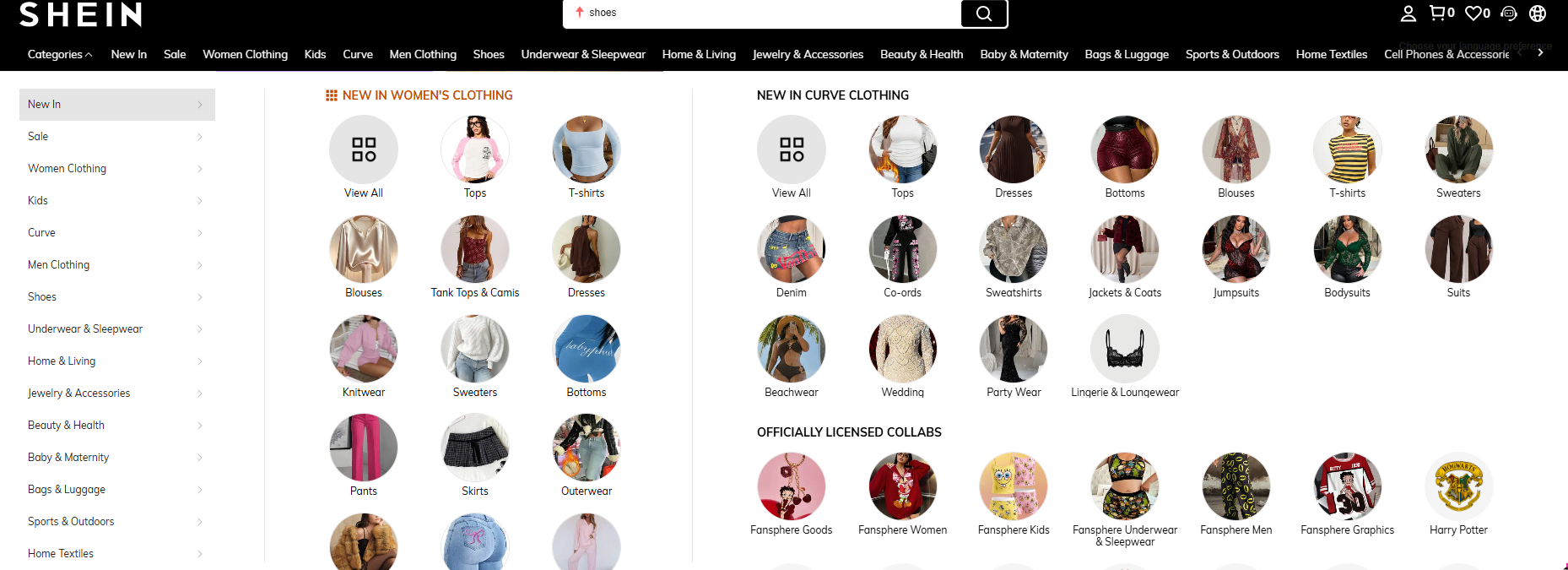
Despite its quirks, Shein offers some enticing benefits for a dropshipper, especially one focused on fashion or trendy products. Here are the key advantages of Shein dropshipping:
-
Massive Product Selection at Low Prices: Shein’s catalog is huge. With 600,000+ items spanning women’s, men’s, kids’, accessories, home decor, pet supplies, and more, you won’t run out of things to sell. Crucially, the prices are extremely low – often $5 for a top, $10 for a pair of shoes, etc. These rock-bottom wholesale-like prices mean you can mark up items and still be competitive. For example, a dress that costs you $8 on Shein can realistically be sold for $25-$35 in your boutique, yielding healthy profit margin per sale.
-
No Inventory Investment & No Minimum Orders: Like any dropshipping model, you don’t need to pre-purchase inventory. This is especially valuable with Shein because you can literally buy one unit at a time as orders come in – there’s no minimum order quantity (MOQ) requirement. You’re not stuck buying a pack of 100 units. That means you can test a product idea with essentially zero risk; if it doesn’t sell, you haven’t sunk money into stock. One successful Shein-based seller mentioned they test 20-30 new products each month with maybe a $200 total budget for trial orders, knowing most will flop but a few will hit and cover the costs. This “test freely” aspect is a huge pro for beginners who can’t invest much upfront.
-
Trendy, Fast-Updating Catalog: Shein is famed for its fast-fashion sensibilities. They reportedly add hundreds of new designs daily and are extremely quick to jump on trends from TikTok, Instagram, or the runway. For a dropshipper, this means you have a timely selection of products to choose from. You can ride micro-trends in fashion that AliExpress or other suppliers might lag on. If tie-dye sweatshirts or heart-shaped sunglasses suddenly go viral, chances are Shein has them available while demand is hot.
-
Built-In Discounts and Loyalty Perks: Shein has a well-known VIP loyalty program and often runs promotions/coupons. As a dropshipper, you can actually leverage this. Frequent ordering can level you up in their VIP tiers to get additional discounts off each purchase. Shein also gives out points (which convert to coupons) for consistent shopping and even for things like writing reviews. Over time, if you’re processing many orders, you could accumulate points or reach a status that saves you 5-15% on purchases. Those savings boost your margins.
-
Low Barrier to Entry (Easy to Start): Overall, starting a Shein dropshipping experiment is very accessible. You don’t need supplier approval or special software. If you already have a Shopify store, you can literally add a product from Shein tonight and start selling. Even the budget needed can be minimal – one detailed guide calculated you could start with around $100 capital (using free trials for a store platform and maybe $30-$50 for ordering a couple of samples or initial orders). O
Cons & Risks of Shein Dropshipping
Now for the reality check. While Shein can be a convenient product source, using it as a dropshipping supplier comes with a laundry list of challenges and risks. Here are the major cons you should be aware of:
-
Branded Packaging Reveals Your Supplier: Perhaps the biggest issue is that every order from Shein comes in Shein-branded packaging. The bags, boxes, and even “thank you” cards inside are emblazoned with the Shein logo. What does this mean? Your customer will instantly know the item came from Shein, potentially exposing that you just resold it. This can lead to customer disappointment or distrust (“I paid $40 and it came in a Shein bag – did I overpay for something on Shein?”). On marketplaces like Amazon or eBay, it’s even riskier: Amazon’s policy strictly forbids dropshipping from another retailer if the shipment identifies that retailer (they want no external packing slips/branding). Shipping Shein packages to Amazon customers violates Amazon’s dropshipping policy and could get your seller account suspended. In short, the packaging problem is a serious con – it’s both a branding issue and a potential policy violation. The only ways around it are costly (like using a third-party prep service to repackage items, or certain automation services that charge extra to remove branding), which cut into your margins and efficiency.
-
No Official Dropshipping Integration: Shein wasn’t built for resellers, so there’s no official integration or API to streamline your dropshipping process. Unlike using a platform like AliExpress (which has AliExpress API and many apps) or a true dropship supplier that syncs inventory with your store, with Shein you’re largely on your own. You have to manually place orders, manually update tracking, and manually ensure an item is still in stock on Shein when you list it.
-
Slower Shipping (Especially for Standard Delivery): While we noted Shein can be faster than some Chinese suppliers, it’s still not lightning-fast in many cases. If products ship from overseas, customers might be waiting 10-14 days or longer for delivery. Shein’s own site quotes roughly 2-3 weeks for standard shipping to many Western countries (free or cheap, but slow), or about a week for express (costs extra and not available for all items). In 2026, consumers are used to Amazon’s 2-day shipping or at least domestic 5-7 day shipping from many online stores. Long wait times can lead to customer frustration, chargeback requests, and lots of “Where’s my order?” emails. As the seller, you’ll have to manage those expectations (which we’ll discuss how to do later).
-
Quality and Sizing Inconsistencies: Shein’s products are cheap for a reason – some are decent quality, but some can be hit-or-miss. Sizing in apparel might be inconsistent (a common complaint is that an item doesn’t fit as expected, or material feels different than it looked). When you’re the seller, you will bear the brunt of any quality issues even though you never saw the item. A batch of sweaters might arrive with stitching issues, or jewelry might feel flimsy. Customers might leave negative reviews or demand returns/refunds if the quality disappoints. While many items on Shein do have tons of positive reviews and are fine, the risk of inconsistent quality is real. As a dropshipper, you have less control over this compared to someone who sources and samples from a dedicated supplier. You can partially manage it by choosing only Shein items with good reviews and maybe ordering samples yourself first. But inevitably, you may run into quality complaints, so be ready to handle those through customer service (which means time and possibly money spent to appease customers).
-
Strict Copyright Rules (No Using Shein’s Images): This cannot be overstated: Shein’s photos and descriptions are their intellectual property. Using them without permission is copyright infringement, and companies do enforce this. If you simply copy-paste a Shein product (photos with their models and text) onto your site or Amazon listing, you risk getting a DMCA takedown or suspension. In fact, big e-commerce platforms have image recognition – they can detect if you’re using the same stock photo as Shein and may remove your listing preemptively. So, a con of this model is that you must invest time in creating your own listings. This often means ordering each product to take your own pictures or finding creative ways to get photos (some people use Shein customer review photos which are user-generated, but that’s a gray area too). Writing your own description is also needed if you want to avoid duplicate content penalties and stand out.
-
Marketplace and Policy Challenges: If you plan to sell on third-party marketplaces (Amazon, eBay, Etsy, etc.), Shein dropshipping is fraught with additional issues. We already covered Amazon’s ban on external shipment branding. eBay also might have policies against retail arbitrage in certain categories, and customers can leave public feedback calling you out for sending a Shein package, which hurts trust. Etsy is generally for handmade/vintage, so selling Shein items there under false pretenses has gotten sellers in trouble in the past. You also have to consider payment processors – if you get a lot of long shipping delays or product complaints, PayPal or Stripe might flag your account for too many disputes.
-
Limited Branding & Repeat Business: Building a brand is hard if the product arrives with someone else’s brand on it. With Shein dropshipping, you can’t really brand the unboxing experience – there’s no opportunity to include your own logo on the package or a custom thank-you note (unless you route through a third party). This means your business stays somewhat “anonymous” or obviously tied to Shein in the customer’s mind. That can hurt your chance of getting repeat customers or building loyalty, because people might as well go straight to Shein next time. Additionally, any social media virality or brand story you try to craft can be undercut by the fact that you’re essentially a reseller of Shein goods. For many entrepreneurs in 2026, brand differentiation is key to long-term success, and Shein dropshipping doesn’t give you much to work with on that front. You might be fine with that if you’re doing short-term sales, but it’s a con if you aspire to create a memorable brand.
It’s a long list of cons, but they boil down to a few core themes: operational headaches, customer experience challenges, and lack of control. None of these are insurmountable – people do navigate them and make money – but they absolutely make Shein dropshipping a tougher business model than just finding a supplier who is dropshipping-friendly. It’s definitely not the “easy passive income” that some YouTube gurus might hype it up to be. You’ll work for every sale, especially as you scale and have to troubleshoot issues.
So, is Shein dropshipping worth it in 2026? The honest take: it can be, in specific situations and for short-term goals. If you’re a beginner wanting to experiment with a live store and real customers, Shein’s low cost and huge variety can be a great sandbox – just go in with realistic expectations (small margins after extra costs, a lot of manual work, some angry customers to soothe). If you strike gold with a particular product, you probably won’t want to rely on Shein forever, but you might prove demand and then switch to a different supplier or buying wholesale. On the other hand, if your goal is to build a sustainable, branded e-commerce business with repeat customers and smooth operations, Shein dropshipping is likely not the ideal path. In that case, you might be better served by alternatives which we’ll discuss soon.
Before we move to alternatives, let’s drill down into a couple of practical sections for those who are still intrigued by Shein. What niches does this model work best for? And how can you increase your odds of success if you decide to attempt Shein dropshipping? Let’s explore those.
Best Niches to Try with Shein Dropshipping
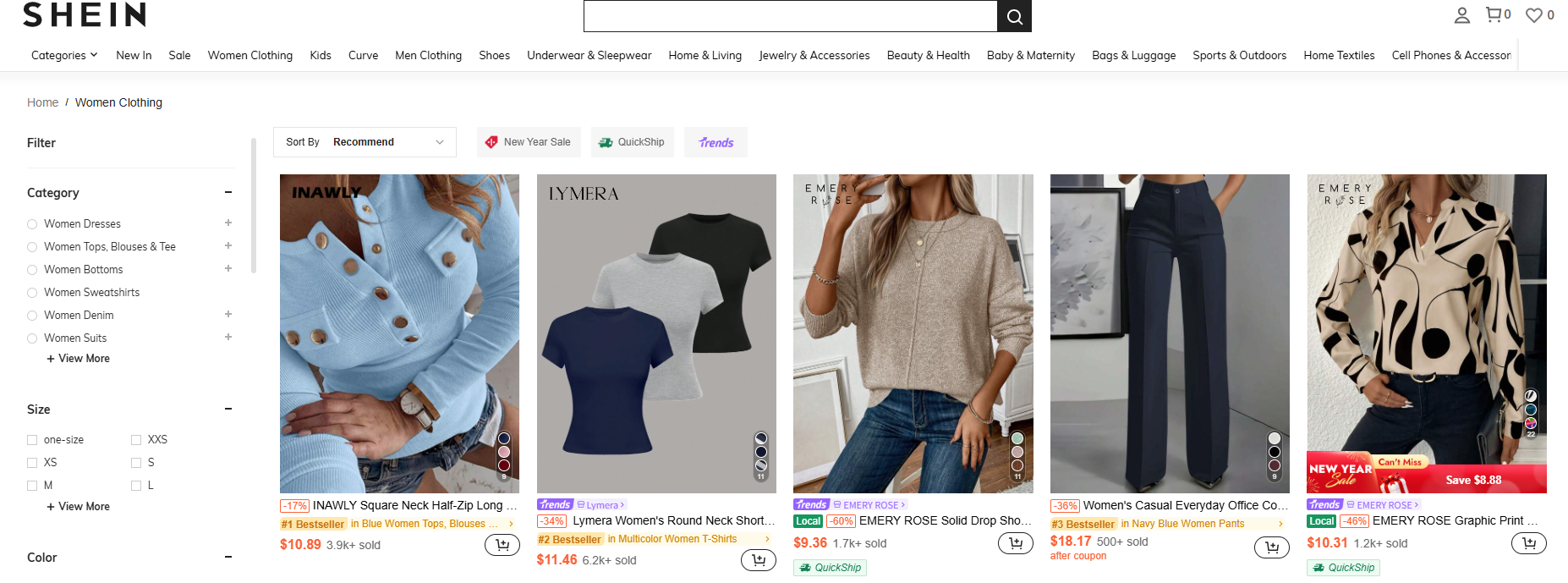
One of the strengths of Shein is its breadth of catalog, but Shein is particularly known for fast-fashion apparel. That means not every niche under the sun will be a good fit; for instance, you won’t use Shein to dropship high-end electronics or heavy furniture. The model tends to work best in niches where trendy, affordable products shine and customers are willing to accept off-brand items. Here are some of the best niches or product categories to consider if you want to try Shein dropshipping:
-
Trendy Women’s Fashion: This is the core of Shein’s business and a sweet spot for dropshipping. Women’s clothing (dresses, tops, two-piece outfits, swimwear, etc.) that reflects the latest styles is a huge category on Shein. If you have an eye for fashion trends and can curate the gems from Shein’s massive selection, you can build a boutique around that. For example, you might specialize in boho summer dresses, K-pop inspired streetwear, or chic office attire – Shein has it all. The key is to target a specific style niche and branding so your store feels curated, even if the items are from Shein. Fashion is competitive, but Shein’s constant influx of new designs means you can rotate in fresh listings frequently. Just remember sizing can vary; consider focusing on “free size” items like accessories or oversize fits if you worry about returns.
-
Plus Size and Curve Fashion: An offshoot of women’s fashion, the plus-size niche is worth special mention. Shein actually has a substantial plus-size collection (often branded as “Shein Curve”) with trendy items for larger sizes. Many traditional retailers overlook this segment or offer drab styles, so there’s a passionate customer base looking for stylish plus-size clothing. If you can market well to that community (with appropriate branding and sensitive messaging), Shein’s plus offerings allow you to stock a wide range of fashionable plus-size outfits without inventory risk. This niche also tends to have loyal repeat customers if you do it right.
-
Accessories and Jewelry: Shein offers tons of accessories: jewelry, handbags, scarves, belts, hair accessories, hats, phone cases, even quirky items like nail stickers or temporary tattoos. These items are usually very cheap (often $1-$5) and light to ship. As a dropshipper, accessories are great because they complement outfits and people often buy them impulsively. You could carve out a niche store just for accessories – e.g. an online jewelry boutique using Shein’s rings, necklaces, and earrings. Markups on accessories can be high since perceived value is subjective (a necklace for $2 on Shein could retail for $15-$20 under a nicer presentation). Another plus: accessories typically don’t have sizing issues or complex returns. Do be cautious with jewelry quality (no one wants a green finger from a ring) – read reviews or test some items to ensure they don’t feel too cheap.
-
Beauty and Cosmetics: Shein has its own makeup and skincare line called SHEGLAM, along with a variety of beauty tools (brush sets, organizers, etc.). The beauty niche is huge online. While you have to be careful – cosmetics have regulations in some countries – a lot of Shein’s beauty products are trending items like colorful eyeshadow palettes, glittery lip glosses, etc., that attract a young audience. They’re very affordably priced. A beauty-focused dropshipping store could source from Shein’s makeup and brushes. Ensure any product you sell meets local compliance (ingredients should be listed; maybe avoid products that go on skin if uncertified). But for things like makeup brushes, cosmetic bags, false eyelashes, nail art kits – Shein is a goldmine. And these items are small and cheap to ship. Just be prepared to possibly rebrand them (some SHEGLAM products might come with that brand name on the packaging, which your customers might recognize as Shein-related).
-
Home Decor & Room Accessories: Surprisingly, Shein also has a Home section with lots of inexpensive decor: throw pillow covers, LED fairy lights, wall tapestries, desk organizers, kitchen gadgets, etc.. If you want to avoid the fashion sizing issues altogether, home decor could be a niche angle. For example, a dorm decor store or a cute home office accessories shop could be filled with Shein-sourced items (think rose-gold pen holders, motivational wall art prints, funky LED neon signs, etc.). The styles skew towards a younger crowd’s taste (trendy and whimsical rather than luxury). Quality can vary (don’t expect high-end textiles), but at the price point, customers often feel they got a good deal sprucing up their room. This niche also benefits from Instagram/Pinterest marketing – aesthetically pleasing product photos can attract buyers who want to recreate a “look” in their space.
-
Pet Clothing and Accessories: Yes, Shein even sells pet products! They have a selection of pet costumes, cute dog outfits, cat toys, pet beds and the like. Pet owners, especially those active on social media, love dressing up their pets or getting novel toys – it’s a very passionate market. A store that sells, say, only funny dog costumes or stylish pet apparel could source many of those from Shein. Keep in mind sizing for pet clothes is also a consideration, and not all pets tolerate costumes. But as a niche, it has viral potential (who can resist clicking on a picture of a Corgi in a dinosaur hoodie?). Pet accessories like collars, feeding bowls, etc., are also options. Just ensure durability for things like leashes if you go that route. Pet niche consumers spend a lot on their fur babies, so if you present the products well, they might not mind a longer shipping time for something unique.
-
Seasonal & Novelty Items: Shein is quick to roll out seasonal collections – be it Halloween costumes, Christmas sweaters, summer beach gear, etc. If your business strategy revolves around seasonal sales or viral novelty items, Shein can supply those just-in-time. For example, ugly Christmas sweaters or matching family PJ sets can be found on Shein cheaply, and you could dropship those during the holiday season. Or festival and event-related fashion (Coachella-inspired outfits, etc.) for seasonal events. Novelty items like meme t-shirts or costume jewelry that aligns with current pop culture moments are also available. This niche approach works if you’re prepared for your store to be very trend-driven and maybe transient (you might spin up mini collections around holidays or events). It can be lucrative in bursts, though you’ll constantly be updating your product lineup.
In choosing a niche, consider the strengths of Shein: fashion-forward, low cost, broad variety. Niches that play to those will do best. Also, think about your target customer: Younger consumers on a budget are Shein’s main audience, so dropshipping Shein items to a similar demographic (teens, college students, young adults who love Instagram trends) can make sense – they might actually already know Shein, but if you curate it in a cool way or target a subculture, they might buy from you for the convenience or style curation. On the other hand, if you try to sell Shein products to, say, high-end luxury shoppers, it’ll be a mismatch.
One more tip: use Shein’s own site to do niche research. Their categories and trending sections show what’s hot. For example, if you see a lot of Y2K style clothes trending on Shein, and you have a Y2K fashion themed store, you can quickly grab those. Also, read reviews on Shein’s site for items you plan to sell – customers often post real photos and comments about quality/sizing, which can help you decide if a product is a winner or a potential headache.
How to Make Shein Dropshipping Work (If You Choose It)
By now, you know Shein dropshipping isn’t a plug-and-play perfect system – but maybe you’re still intrigued enough to give it a shot, or perhaps you have ongoing Shein-based sales and want to optimize. How can you mitigate the challenges and run this model as smoothly and profitably as possible? Here are some practical tips and strategies to make Shein dropshipping actually work:
-
Use Automation Tools to Simplify Orders: Placing each order on Shein manually and tracking hundreds of SKUs can become overwhelming. It’s highly recommended to use a dropshipping automation tool that supports ordering from retail sites. This kind of tool usually requires a subscription, but it can save you countless hours and reduce errors. Other tools or browser extensions can help, such as SimplifyDS or DSM Tool – do research on which ones currently work well with Shein. Automation will also help with inventory syncing (if an item goes out of stock on Shein, some tools can hide it on your store to prevent overselling). In short, don’t try to scale with pure manual work – leverage software where possible, so you can focus on marketing and support rather than data entry.
-
Create Original Product Photos & Descriptions: We touched on this in cons, but it’s so important that it becomes a “tip” to emphasize. Always use original content for your product listings. That means taking your own photos or at least editing Shein images heavily (e.g., remove background, compile collage, etc. to make them “transformative” for copyright purposes). If you have the product in hand, stage some nice lifestyle shots that match your brand vibe. Write your own descriptions that highlight features and use a consistent tone. Not only does this avoid legal issues, it also elevates your store above looking like a copy of Shein. Customers appreciate unique descriptions and photos that show the product realistically. By doing this, you’re essentially treating Shein like a supplier, and you are building a brand on top of it. Yes, it takes effort, but it will set you apart from the lazy dropshippers who copy-paste (and often get caught). As a bonus, original content helps with SEO if you’re running your own site.
-
Manage Shipping Expectations Proactively: One of the biggest reasons for customer complaints is unmet shipping expectations. To make Shein dropshipping work, transparent communication is key. Be very clear on your website about the expected delivery times: e.g., “Shipping in 10-20 days” or “Usually delivered in 2 weeks” on product pages or FAQ. Set the expectation at checkout and in confirmation emails that “Items ship directly from our overseas warehouse, so please allow 2-3 weeks for delivery.” It may scare off a few impatient buyers, but it will save you from headaches later. Also, provide tracking info as soon as you have it and consider using apps that send automatic tracking updates. Sellers who succeed with slower shipping models often note that giving detailed tracking and frequent status updates calms customers down. If possible, you might offer free shipping by default but an option to pay extra for faster shipping. For example, you could charge a “priority shipping” fee that covers upgrading the order to Shein’s express shipping (if available). Some customers will gladly pay $12 extra to get their item sooner, which can offset your cost and improve satisfaction. Bottom line: under-promise and over-deliver – if you say 3 weeks and it arrives in 2, customers are happy; the reverse can be ugly.
-
Tackle the Shein Branding Problem: The elephant in the room is the Shein logo on packages. While you can’t easily remove it when shipping direct, you can have a strategy. One approach is to be honest (to a degree) with your customers – for instance, some dropshippers mention on their site that “We work with multiple fulfillment partners and items may ship separately from different warehouses” which preps customers to receive packages from various locations. This way, if a Shein package arrives, it feels less like a surprise. If you’re selling on marketplaces like Amazon (risky, as discussed), then you must solve this by either using a prep center to repackage items in unbranded packaging or using an automation service that offers “brand removal.” On your own site, many sellers simply accept the branding issue and rely on the fact that a lot of end consumers don’t really care as long as the product is good (especially if your store is positioned as a discount shop or something – the customers might even be familiar with Shein and just shrug). However, if you get complaints like “I could see it was from Shein and cheaper,” handle them gracefully: maybe refund the difference or explain that your service curates items and provides customer support, etc. You won’t win them all, but handling it professionally can sometimes save the sale.
-
Leverage Shein’s Sales, Points and Coupons: To maximize profit, take advantage of any Shein discounts. Shein frequently has sales (Black Friday, Cyber Monday, seasonal sales) and also gives out coupon codes for even small orders. Whenever possible, use a coupon on your purchase – even 10% off helps. Also, make sure you’re enrolled in their free VIP program and log in to your account for every order to rack up points. Points can usually be redeemed for partial payment on future orders (often you can cover up to 30% of an order with points). High-volume dropshippers even game the system by timing purchases when items are on flash sale or after applying site-wide coupons. Those savings directly increase your margin. It requires paying attention – maybe subscribe to Shein’s newsletter or app notifications on your buyer account to know when promotions hit. Over a year, using points and coupons could be the difference between a 15% profit margin and a 25% margin, which is huge. Just be careful: if you have an absolute need to fulfill an order, don’t wait too long for a sale – stock could run out. But for items that aren’t urgent, you can sometimes delay a day or two to see if a coupon becomes available.
-
Start Small and Test, Test, Test: Treat Shein dropshipping as an experiment lab. Don’t list 500 products blindly. Instead, add maybe 10-20 products that you’ve researched (trends, low competition, good reviews on Shein) and see how they perform. Run some ads or promote them on social media. Identify a few winning products – perhaps 1 out of 10 will show promise (getting consistent sales). Once you find something that sells well, focus on scaling that – maybe add more variations of that item, or spend more on marketing for it. For the losers that don’t sell, just remove them and try new ones. This rapid testing mindset is where Shein excels, because you didn’t invest in stock so you can quickly cycle through ideas. Many dropshippers use Shein as a way to validate which products have demand. When you find a “hero” product that consistently moves, you might eventually source it from elsewhere in bulk or from a private supplier for better margins and branding – but you wouldn’t know it was a hero without testing via Shein first. Think of Shein as your low-risk product research platform. As one guide noted, it’s best suited for product testing and trend validation, not necessarily long-term brand building.
-
Excellent Customer Service is Your Secret Weapon: Because you have some inherent weaknesses (shipping time, etc.), you should compensate with top-notch customer service. This is how small businesses can beat big retailers – by offering a personal touch. Respond to customer inquiries quickly (within 24 hours or less). Be friendly and understanding when there’s an issue. If someone is upset about a delay, maybe offer a small refund or a discount code for their next purchase. If a product arrives defective, apologize sincerely and send a replacement or refund without making them jump through hoops. These actions cost you a bit, but they build goodwill. Remember, a satisfied customer might not care that it took 2 weeks if you kept them informed and helped them out; whereas an angry customer will definitely leave bad reviews. Some savvy Shein dropshippers actually position their store as providing curation and customer support that you won’t get ordering direct from a big site. In other words, they justify their slightly higher price by essentially saying “we handpick the best items and are here to personally ensure you’re happy with your purchase.” If you can live up to that promise, some customers will prefer buying from you over a faceless marketplace. Also, keep an eye on Shein orders after the sale – if Shein unexpectedly cancels an order or an item goes out of stock, notify the customer immediately and offer alternatives or a refund. Being proactive and transparent can turn potential disasters into mere inconveniences.
-
Plan an Exit Strategy for Scaling: If your store starts doing really well, don’t remain overly reliant on Shein forever. The endgame for many is to transition away from Shein once you hit a certain volume. For example, let’s say you find that neon denim jackets from Shein are selling like hotcakes on your site. Rather than continuing to dropship each one from Shein, you could find a wholesaler or manufacturer for a similar jacket (or even the same jacket, since many Shein products are sourced from Chinese manufacturers you can find on Alibaba) and start buying in bulk or dropshipping via a service that allows custom branding. This way, you can improve quality control, get unbranded items, and potentially faster shipping. You might also work with dropshipping agents or platforms like CJdropshipping (more on this next) to source your winning products. The idea is to use Shein for what it’s good for – testing and quick trends – but then upgrade your supply chain for longevity. A hybrid approach can work too: keep adding new Shein items to test, but migrate proven sellers to another supplier over time. This strategy protects you if Shein changes something or if competition increases, and it helps you build a more sustainable brand (since eventually you’ll remove the Shein branding issue). Always be thinking a few steps ahead: “If I 5x my order volume, can I still fulfill via Shein? What pain points will I hit? Should I develop a relationship with a supplier now?” Scaling a Shein operation past a certain point will be challenging unless you adapt.
By implementing these tactics, you can significantly improve your Shein dropshipping experience. In essence, you’re compensating for Shein’s shortcomings with better systems and customer care. Many people do make it work – but it’s the ones who treat it like a real business (with optimizations, contingency plans, and customer focus) that succeed, not the ones who treat it like a quick cash grab. If all this sounds like a lot of effort, well, any legitimate e-commerce venture is a lot of effort. Shein dropshipping is no different in that respect.
However, it’s worth mentioning that there are other ways to do dropshipping that might be easier or better suited for building a long-term store. Let’s explore some of those alternatives, because part of deciding if Shein is “worth it” is knowing what else is out there in 2026 that you could be doing instead.
Alternatives to Shein Dropshipping in 2026
Maybe after reading the cons, you’re thinking, “Hmm, Shein sounds tough. What other options do I have?” The good news is that by 2026, the dropshipping ecosystem has expanded with many supplier options and business models that can serve a similar purpose (selling products without holding stock) but with different pros/cons. Here are a few prominent alternatives to using Shein as your source, each with its own appeal:
1. CJdropshipping – Verified Suppliers & Global Warehouses
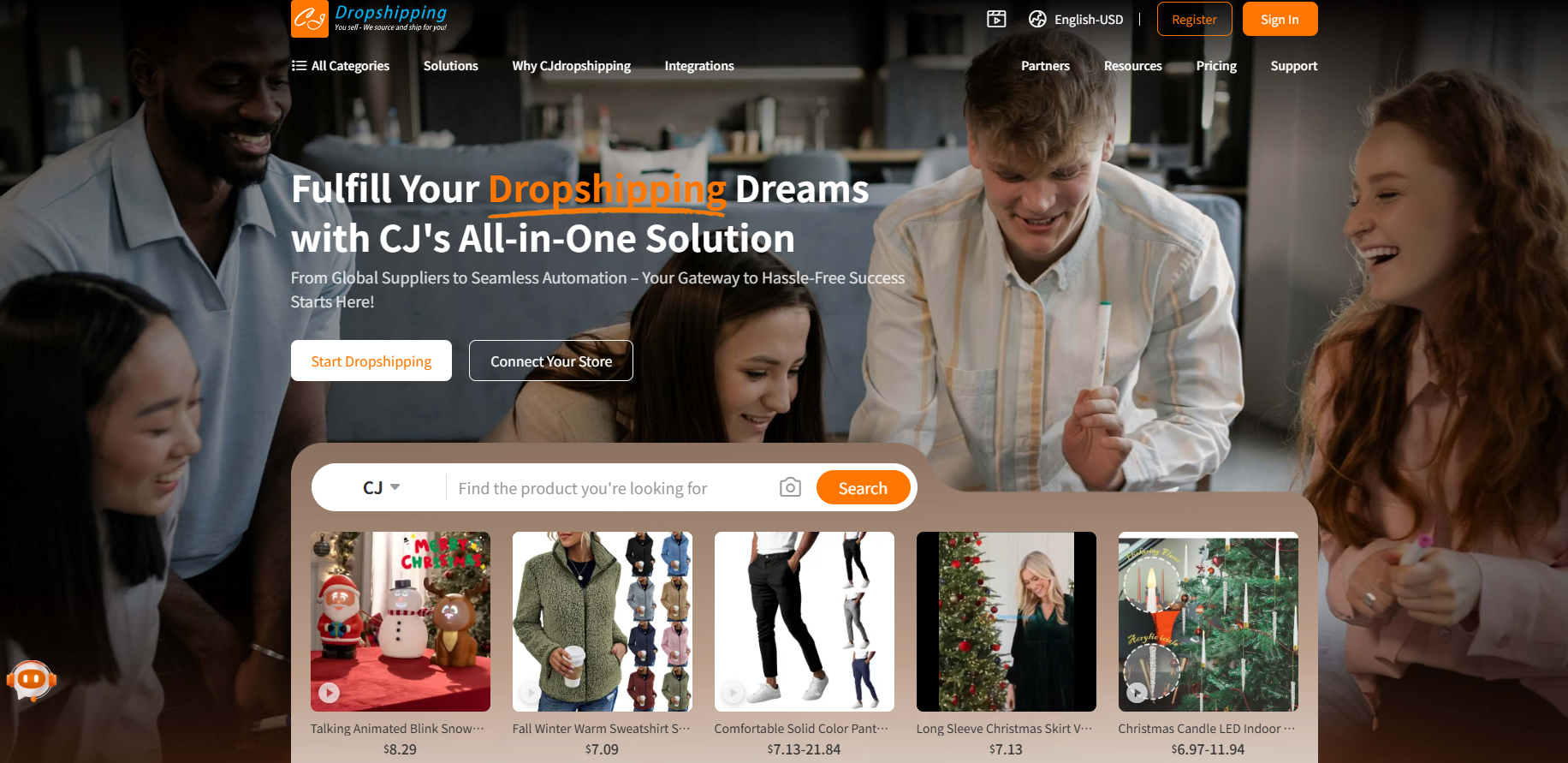
CJdropshipping is a dedicated dropshipping platform that has gained a great reputation. Unlike Shein, CJdropshipping is built for resellers – it connects you to a vast network of products (many from China, but also from US/EU warehouses) and offers services tailored to dropshippers. Key benefits of CJ include the ability to get unbranded products (no logos in packages), custom packaging or inserts with your brand (if you scale up), and generally faster shipping options like 5-15 day delivery to many countries via their warehouses. They also have no minimum order requirement and support automation with Shopify, WooCommerce, etc., meaning you can import products to your store with one click and orders can sync automatically. Essentially, CJdropshipping can play a similar role to AliExpress but often with better quality control and logistics. If you find Shein appealing for its variety and price, you’ll find similar variety on CJ (including fashion and other niches), but with the added plus that CJ is your partner – they even can source specific products for you if you send them a request. Many dropshippers use CJdropshipping to transition their successful Shein products over, or start there to avoid the branding issue altogether. In 2026, CJdropshipping is definitely one of the top alternatives to consider for a general dropshipping store.
2. Spocket – High-Quality US & EU Suppliers
Spocket is a platform that focuses on dropshipping suppliers located in the US, Canada, EU, UK, and other regions outside China. The main selling point of Spocket is fast shipping and quality – because the suppliers are local to the target market, shipping can be as fast as 2-5 days within the US/EU. The products on Spocket are often from small manufacturers or wholesalers and tend to be higher-end (and higher cost) than typical AliExpress items. For example, you might find handmade jewelry from a US supplier or organic skincare from a European supplier. This makes Spocket a great choice if you want to build a premium brand that boasts about quality and quick delivery. It integrates easily with Shopify and other platforms via an app, allowing one-click product import and auto-order forwarding. The trade-off: prices are higher, so your profit margins per sale might be thinner and you may need to price your products at a premium. Also, Spocket’s catalog, while broad, is not as massive as Shein’s or AliExpress’s; it’s curated for quality, which is good but means less sheer variety. Still, if customer experience is your priority and you want to avoid headaches around shipping times, Spocket is a compelling alternative. You could, for instance, run a boutique store where you source 90% of items from Spocket for core products, and maybe use Shein only for a few trend pieces – giving you a mix of reliability and novelty.
3. Printful / Printify – Print-On-Demand (POD)
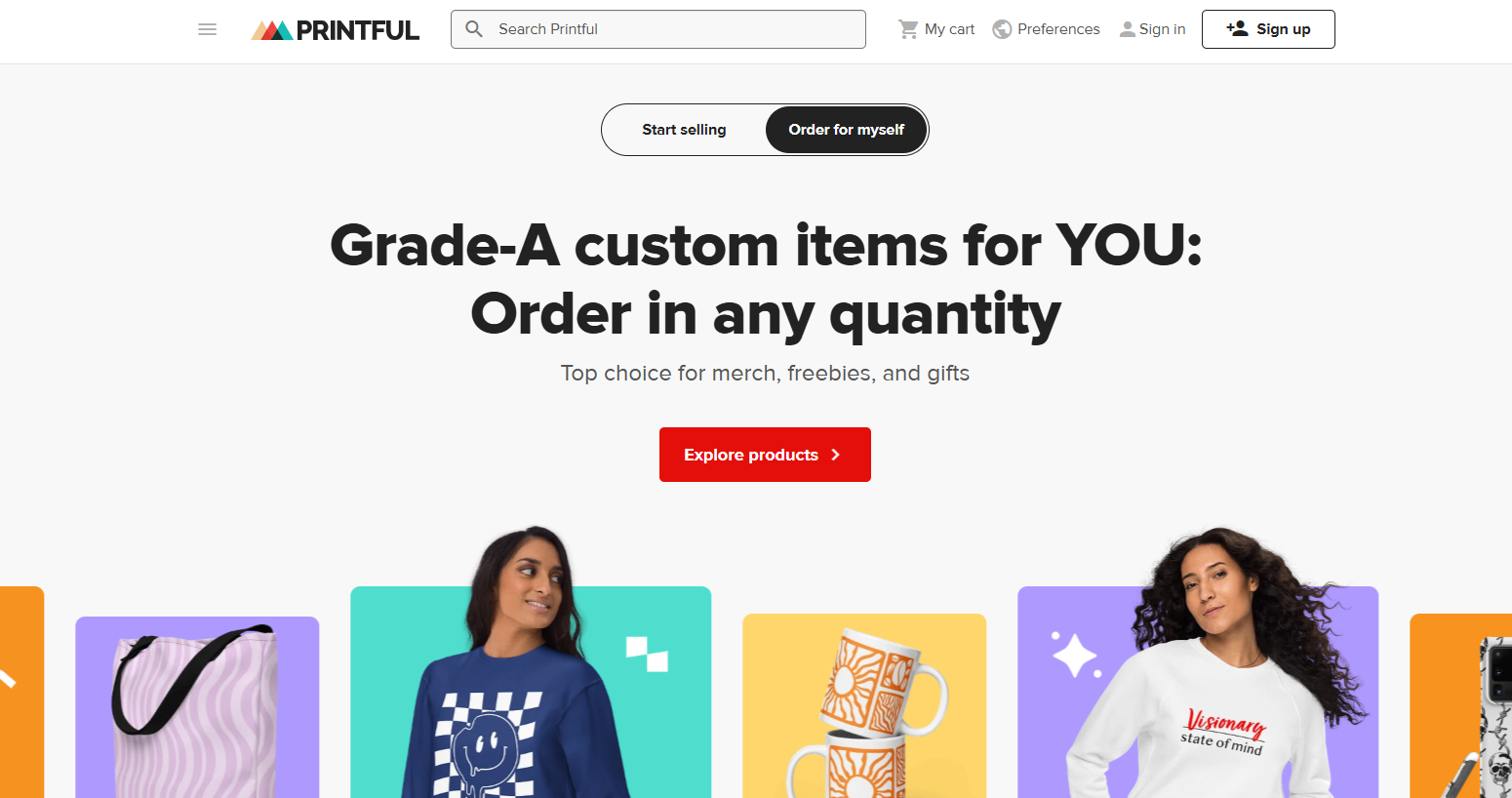
Another route entirely is to go into print-on-demand products instead of generic dropshipping. Printful and Printify are two leading POD services. The concept here is different: you create or license designs (like graphics, slogans, artwork) and upload them to these platforms, and they will print them on products like t-shirts, hoodies, mugs, phone cases, wall art, etc., only when an order is placed. It’s dropshipping in the sense that you have no inventory and the POD provider ships directly to your customer under your brand. The advantages: you can build a truly unique brand because your designs can be one-of-a-kind – no one can find the exact product elsewhere. Printful/Printify have fulfillment centers worldwide, so shipping can be quite fast (often 3-7 days for domestic delivery after a 1-3 day production time). Quality is generally high for these established POD companies, and they integrate seamlessly with Shopify, Etsy, etc. The downsides: unit costs are higher, so a t-shirt might cost you $12 to fulfill, and you sell it for $25 – margin is okay but not huge, and you have to put effort into designing or paying designers. Also, it doesn’t cover all niches – it’s mostly apparel, accessories, and home items that can be printed. However, in 2026, print-on-demand is still a very popular e-commerce model for entrepreneurs who want to minimize upfront costs but maximize branding. If you were drawn to Shein because of fashion, consider POD as an alternative where you create the fashion (with graphic designs). For example, instead of reselling Shein’s funny slogan shirts, you can print your own original slogan shirts via Printful. POD can coexist with dropshipping too – some stores do both.
Aside from these, other honorable mentions include AliExpress (the classic dropshipping source, now often used via apps like DSers – huge variety and a true dropship-friendly model, though shipping from China is still slow unless you use special lines), Temu (a rising star similar to Shein with ultra-cheap goods, but like Shein it doesn’t officially support dropshipping and has branded packaging), and specialized dropship directories like SaleHoo or Wholesale2B that list many suppliers. There are also dropshipping agents in China you can hire to source and fulfill products for you – a route some high-volume sellers take to get a personal touch on fulfillment.
The point is, you have options. CJdropshipping is often recommended for general dropshipping as a step up from AliExpress, Spocket is great for a quality-focused approach, and Printful/Printify let you go the custom route. Depending on your business goals, you might find one of these a better fit than Shein. Some sellers even use a combination: e.g., use Spocket for staple products but occasionally list a trending Shein item to test interest, or use Printify for branded merch alongside generic dropship products.
Next, let’s discuss when it might still make sense to use Shein – because despite the alternatives, Shein isn’t completely out of the game. There are certain scenarios where its benefits shine.
When Shein Dropshipping Can Still Be Worth It
After weighing all those pros, cons, and alternatives, you might wonder: why would anyone still dropship from Shein? Believe it or not, there are scenarios and niches where Shein dropshipping can indeed be worth it, even in 2026. Here are some situations where using Shein as your supplier makes practical sense:
-
Trend Spotting and Product Testing: Shein’s speed in releasing new products makes it invaluable for testing out new trends quickly. If you’re the kind of entrepreneur who loves to chase the latest craze (maybe a certain style of dress blowing up on TikTok, or a niche aesthetic that’s emerging), Shein is often the first to have those items available cheaply. You can list those products on your store and gauge demand almost in real-time. If they sell well, great – you validated a trend without sinking money into custom designs or bulk orders. If they flop, you move on fast. For example, say cottagecore fashion is trending; Shein will have cottagecore dresses and decor you can test-sell.
-
Serving Budget-Conscious Fashion Shoppers: There is a huge segment of shoppers who care mainly about price and variety, and less about brand prestige or super-fast shipping. These tend to be younger customers (teens, college students) or anyone on a tight budget who just wants the cute outfit for as cheap as possible. If your marketing targets these folks (perhaps through TikTok or Instagram pages where you showcase affordable outfit ideas), then having Shein as your source can work well. You might basically act as a stylist or curator – piecing together complete looks from Shein items and selling them via your store/blog to an audience that is more comfortable buying from you than navigating Shein directly, or maybe your value-add is creating styling inspiration. In this scenario, customers might not mind the Shein package because they care that they got a whole outfit for $50 that looks like something from Zara for $150.
-
One-Off or Seasonal Gigs: If you’re doing a short-term store or a limited run project, Shein can be quite useful. For instance, maybe you’re not a full-time ecom seller, but you want to capitalize on a seasonal trend like Christmas sweaters just for the holiday season. You can spin up a quick Shopify store, populate it with Shein’s various ugly Christmas sweaters, make sales for a month, then close up shop. In this case, the long-term downsides (like branding, repeat customers) don’t matter much – you’re just aiming to make a quick profit on a trend.
-
Supplementing Other Supply Chains: Some established online stores incorporate a bit of Shein dropshipping to complement their main products. For example, suppose you run an online boutique that mostly uses a wholesale supplier for your core clothing line, but you want to add a few “new arrival” items every week to keep the site fresh and trendy. Instead of risking money on unknown styles from your wholesaler, you could list a few Shein-sourced items as tests. They might not be your main sellers, but they keep your site looking updated and might attract trend-hunters. If they sell, awesome – you made money and can consider stocking similar styles via your main supplier later.
-
Geo-Market Advantages: Shein’s reach is global, but interestingly, it’s more popular in some countries than others. If you’re selling into a market where Shein isn’t as well-known or doesn’t ship as fast, you might have an edge using it. For example, let’s say in Country X, buying directly from Shein is slow or subject to import hassles; if you as a local reseller can stock some Shein items (maybe you order in bulk to yourself and then deliver domestically – a variant of dropshipping), you could satisfy local demand quicker.
Final Verdict: Is Shein Dropshipping Worth It in 2026?
So, is Shein dropshipping worth it in 2026? The final verdict is a bit of a mixed one: Yes, it can be worth it for certain entrepreneurs or uses – but it’s not the easiest or most recommended route for a long-term, scalable business. Consider Shein dropshipping as an option to try out with caution, rather than a cornerstone to build your entire empire on.
If you’re a beginner or a hobbyist looking to make some side income, Shein dropshipping is an attractive sandbox. The low upfront cost and huge product range mean you can experiment and learn without a big risk. You might even find a nice niche and make a few thousand dollars in profit relatively quickly if you catch a trend at the right time. For learning e-commerce basics, it’s a practical hands-on teacher – you’ll get experience in product research, marketing, and customer service real fast (since issues will inevitably arise!). In that sense, trying Shein dropshipping is worth it as a learning experience or a way to validate ideas.
However, if you’re serious about building a sustainable and reputable brand, I would not recommend relying solely on Shein in the long run. The challenges of branded packaging, lack of control, and customer trust issues make it hard to cultivate a loyal customer base. In 2026, customers value authenticity, quick shipping, and unique branding more than ever. With Shein as your source, you’ll always be somewhat limited on those fronts. Competitors who use better suppliers or who stock inventory will eventually outshine you in terms of customer satisfaction.
The best approach for many will be a hybrid one: use Shein tactically (for testing and trend-hopping), but transition to better solutions as soon as you can. For example, you might start by dropshipping 50 products from Shein to see which two or three products sell best. Once you identify the winners, you move those to a platform like CJdropshipping or find a manufacturer to supply you directly, so you can have unbranded, higher-quality stock and faster shipping for your best-sellers. You gradually wean off of Shein for the core of your business, and maybe keep using it only to scout the next new thing. This way, you get the best of both worlds: initial agility and low cost from Shein, and long-term stability and brand building from a more solid supplier. Many successful dropshippers have done exactly this – Shein was a stepping stone that funded and informed their next move.

Furthermore, when comparing Shein to the alternatives available in 2026, it becomes clear that there are often “better” choices if your goal is a smooth operation. CJdropshipping, for instance, addresses many Shein issues by offering custom packaging and faster shipping. Spocket solves the speed and quality problem by using local suppliers (though at higher base cost). Printful/Printify let you build your own brand via unique designs. Even the old stalwart AliExpress now has faster shipping lanes (like ePacket or AliExpress Standard Shipping which improved a bit) and tons of integrations. So, the question becomes: why use Shein at all? The answer would be: for the specific edge in trendy fashion and extremely low prices in that category. If that edge is crucial to you, Shein might be worth it. If not, you might do just as well or better with other suppliers that pose fewer headaches.
In conclusion, Shein dropshipping is something you can attempt, but go in with eyes wide open. It’s not a magic bullet for easy profits – you’ll have to work around its limitations. If you do choose it, treat your customers well, utilize those tips to streamline operations, and have an exit strategy for scaling. Keep your business agile and be ready to pivot to alternatives as you grow.
To put it plainly: Shein dropshipping in 2026 is a viable short-term play and learning tool, but for a long-term business, you’re likely better off using dedicated dropshipping services like CJdropshipping or building a brand with more control. Think of Shein as a starting point, not the destination.
Ultimately, the worth of any business model comes down to execution. Some sellers will complain that “dropshipping is dead” or “Shein is saturated,” while others quietly carve out a profitable niche using the same tools. Your results will depend on how well you adapt to the challenges and deliver value to your customers. If you decide to give Shein dropshipping a go, do it wholeheartedly – apply the strategies from this guide, stay responsive to your customers, and learn from every hurdle. And if you decide it’s not for you, that’s okay too – better to pivot early to a model that suits your style than to force something that doesn’t.
Final takeaway: Shein dropshipping can make you money and serve as a stepping stone, but it’s not the endgame. Use it wisely, but don’t be afraid to explore the more recommended routes like CJdropshipping for a smoother, more brand-friendly dropshipping journey moving forward. Good luck, and happy selling!