
Starting a dropshipping business in Belgium in 2026 is a promising venture for European entrepreneurs. Belgium’s central location, high internet penetration (94% of the population online), and tech-savvy consumers create fertile ground for new e-commerce brands. The Belgian e-commerce market is projected to exceed €24 billion in 2025, up from €18 billion in 2024, with shoppers spending an average of around €2,600 per year online – one of the highest in Europe. This growth is fueled by a mobile-first culture (58% of online purchases are on smartphones) and strong consumer confidence. In short, 2026 is an ideal time to launch a dropshipping store in Belgium, provided you approach it with the right strategy and local insight.
Unlike traditional retail, dropshipping lets you start an online store with minimal upfront investment: you sell products online without holding any inventory. When a customer places an order, you forward it to a supplier who ships the product directly to the customer, allowing you to focus on marketing, branding, and customer service. This low-barrier model has attracted many Belgian entrepreneurs, and it remains viable in 2026 – as long as you can meet modern consumers’ expectations for quality and fast delivery. Belgium’s strategic position at the heart of Europe means you can easily expand your reach to neighboring countries like the Netherlands, France, or Germany, tapping into a wider EU customer base. However, to succeed, you must localize your approach: Belgian shoppers have unique preferences, and competition (both domestic and cross-border) is intense. Over 55% of Belgian consumers shop from foreign e-commerce sites, which means you’ll be competing with international players on price, shipping speed, and customer experience.
In this comprehensive guide, we’ll walk through step-by-step how to launch a thriving dropshipping business in Belgium. We’ll cover everything from choosing a profitable niche and sourcing reliable suppliers, to setting up a localized online store, building a memorable brand, and marketing your products effectively. Along the way, we’ll highlight platforms and supplier tools ideal for Belgium and the EU (including Shopify, WooCommerce, Bol.com, and CJdropshipping) and share examples of successful European dropshippers for inspiration. By the end, you’ll have a clear roadmap to start your own dropshipping venture in Belgium in 2026.
Table of Contents / Quick Steps:
-
Research the Belgian Market & Choose Your Niche
-
Find Reliable Suppliers (EU & Global)
-
Choose the Right E-Commerce Platform
-
Set Up Your Online Store (Localization & Payments)
-
Build Your Brand & Differentiate
-
Plan Logistics & Customer Experience
-
Launch and Market Your Store
-
Provide Excellent Customer Support
-
Learn from Success Stories & Scale Up
Step 1: Research the Belgian Market & Choose Your Niche

Every successful business starts with thorough market research, and dropshipping is no exception. Belgium’s e-commerce landscape has some distinctive traits you should understand from the outset:
-
Highly Connected, Demanding Shoppers: Nearly 9 out of 10 Belgians regularly buy goods online, and they are accustomed to seamless digital experiences. They value convenience, quality, and fair pricing. Belgian consumers tend to favor products that are high-quality, unique, and often ethically sourced or sustainable. For example, there’s a strong appreciation for fair-trade and eco-friendly goods in Belgium, so a niche like sustainable home products or ethically made fashion could resonate well.
-
Multilingual Market: Belgium’s population is multilingual (mainly Dutch/Flemish in Flanders and French in Wallonia, plus German in a small region). This means localizing your business by language can be a big advantage. A Flemish customer will respond better to a Dutch-language website, while Walloon shoppers trust French content. Plan your niche and marketing with language in mind – you might start with one language/region and expand to another, or run a bilingual site.
-
Consumer Preferences & Trends: Analyze what product categories are trending. In recent years, popular e-commerce niches in Belgium have included electronics and gadgets, fashion and accessories, beauty & skincare, home decor, sports/outdoor gear, and eco-friendly products. The pandemic and remote work trends have also driven interest in home office equipment and fitness gear. Moreover, Belgium is famous for its diamond trade, and there’s cultural appreciation for jewelry and quality accessories – a niche worth exploring if you can offer unique designs. Aim for products that meet Belgian shoppers’ expectations: quality, style, and sustainability are mentioned frequently as key values.
-
Competition and Cross-Border Shopping: Identify your competition both within Belgium and just across the border. Because over half of Belgian online consumers buy from foreign websites (e.g. Amazon Germany, French or Dutch webshops), you might be competing with giants. Don’t be discouraged – instead, find a niche or angle they’re missing. This could be hyper-local products, or a specialized collection with a story behind it. Check Belgian marketplace sites, local forums, and even Facebook groups to spot unmet needs. A great example is Sophie Claes, a Belgian entrepreneur who noticed unique baby products were hard to find locally – many were only sold in the UK or US. She launched her online boutique De Gele Flamingo to fill that gap, curating trendy baby items from abroad for Belgian parents. Starting with just 35 products in 2013, her niche focus on unique children’s accessories struck a chord, and she eventually grew the business to over €6.5 million in revenue. The takeaway: look for underserved product categories or emerging trends in Belgium and become the go-to source for that niche.
Tips for Niche Research: Use tools like Google Trends and local market research to validate your ideas. For instance, enter keywords in Dutch and French to see if interest is rising in Belgium. Check if the product is seasonal or year-round – ideally, pick something with steady demand beyond just holiday peaks. Also, analyze competitors’ stores (both Belgian and international) to see how you could differentiate. Is there a particular product feature or local adaptation you can offer? Perhaps faster shipping within Belgium, or local language customer service, which foreign competitors lack – these can be part of your niche strategy.
Finally, consider price point and margin. Belgians value affordability – surveys show 80% of Belgian consumers care about getting a good price when shopping online – but they also won’t sacrifice quality for a minor discount. Aim for products that you can price competitively while still making a profit, and that won’t be easily undercut by Amazon or AliExpress sellers once you add shipping. If you choose a niche you’re personally passionate about, that’s a bonus; it will help you craft more authentic marketing and stick with it through challenges.
Step 2: Find Reliable Suppliers and Products (EU & Global Options)
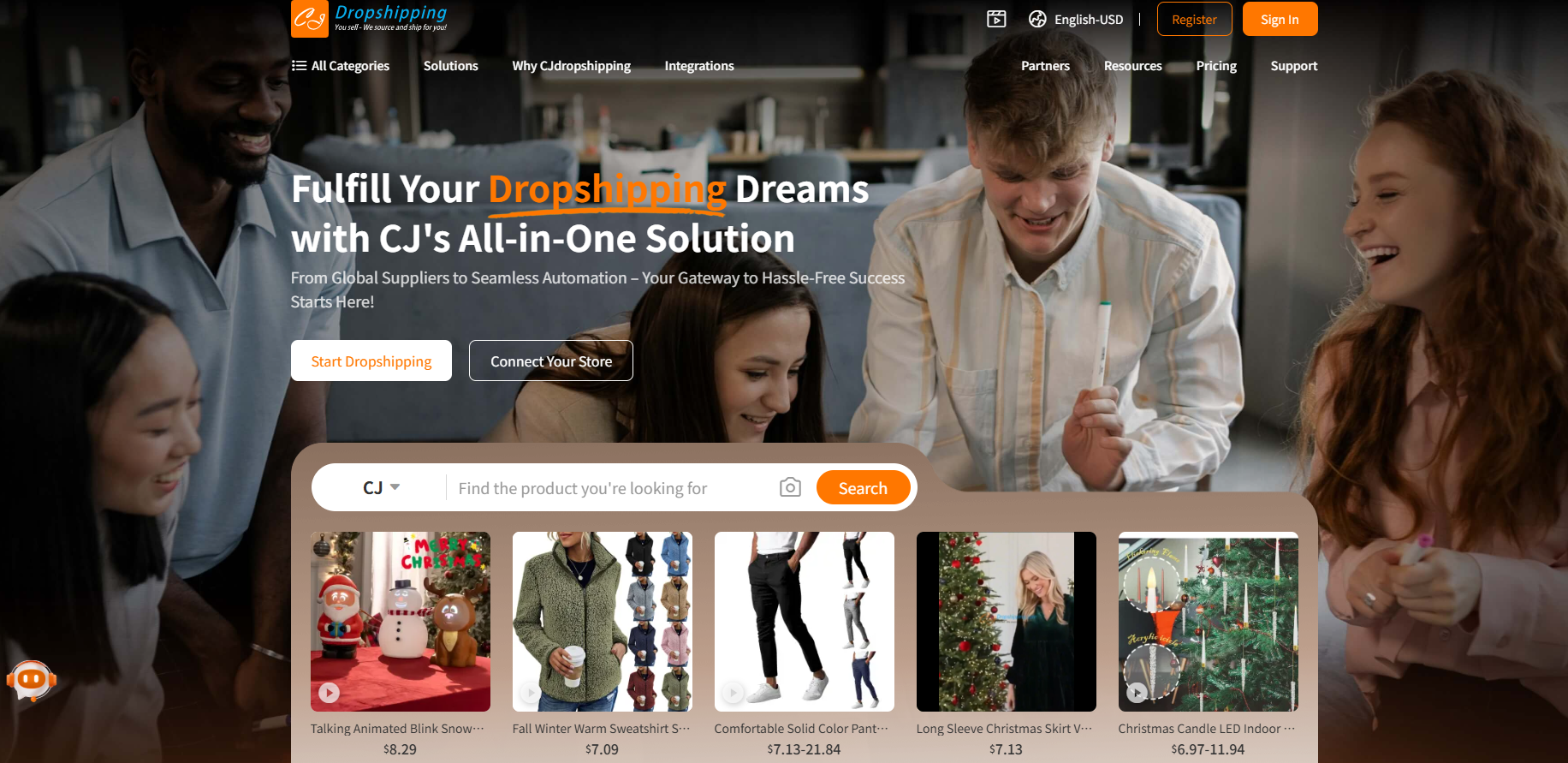
With a niche in mind, the next step is securing great dropshipping suppliers. Your supplier is your behind-the-scenes partner who will store inventory and fulfill orders on your behalf, so choosing reliable ones is critical. Belgian and European customers have high expectations for fast delivery and product quality, so prioritize suppliers that can meet those standards.
Local vs. Global Suppliers: You have two broad routes: work with local/EU-based suppliers or use global suppliers (often in China) that ship internationally. Each has pros and cons:
-
EU-Based Suppliers: Using suppliers located in Europe (or those with European warehouses) generally means much faster shipping (often 1-5 days within Belgium) and no customs delays or import VAT hassles for your customers. It also aligns with new regulations – as of late 2024, Belgium’s Green Delivery Law requires offering a sustainable shipping option, and local shipping can more easily utilize eco-friendly methods (like bicycle couriers or parcel lockers). Many local dropshipping suppliers even offer next-day delivery in Belgium for certain products. For example, VidaXL (a Netherlands-based company) can deliver furniture and home goods within 1 business day in Belgium, and BigBuy in Spain ships a wide range of products across Europe in 2–3 days. By partnering with such suppliers, you’ll delight customers with Amazon-speed fulfillment. Local suppliers also tend to be familiar with Belgian market preferences and logistics, which can be invaluable.
-
Global Suppliers (China and beyond): Traditionally, many dropshippers source from marketplaces like AliExpress or Alibaba (China) due to low product costs and huge selection. However, direct shipping from China to Belgium can take 2–4 weeks or more, which today’s consumers may find too slow unless the product is very unique. If you do use global suppliers, consider those that have warehouses in Europe or use faster shipping lines. For instance, CJdropshipping is a popular platform that bridges Chinese manufacturers with worldwide dropshippers and maintains multiple warehouses across Europe (in countries like the Netherlands, Germany, Poland, etc.). This means you can source low-cost products from China that are pre-stocked in EU warehouses for fast local delivery. Express shipping via CJ’s European stock can reach Belgian customers in as quick as 3–5 days, and even their economy shipping (7–12 days in Europe) beats typical China-to-EU transit times.
Recommended Supplier Platforms for Belgium: To kickstart your search, here are a few platforms and suppliers well-suited for Belgian dropshipping:
-
CJdropshipping: An all-in-one platform offering hundreds of thousands of products in various niches. Integrates with Shopify, WooCommerce, eBay, etc., for one-click product imports and auto order fulfillment. CJ has no subscription fee – you pay only the product cost and shipping per order – and provides personal agent support. They also offer value-added services like product sourcing on demand, custom packaging, and private labeling which can help you build your brand. Tip: When using CJ, ensure the items you add to your store are marked as shipping from Europe (if fast delivery is your selling point). If an item is only in the China warehouse, either accept the longer shipping or choose a similar item stocked in the EU.
-
BigBuy: A Spain-based wholesale distributor with a massive catalog (250,000+ products) across 20+ categories. BigBuy is like a one-stop Europe sourcing hub, with fast pan-European delivery (often 1–5 days) and support for multi-language operations. They do require a membership (starting ~€69/month) for full access, but in return you get reliable service, real-time stock updates, and even the ability to bulk order at wholesale prices if you scale up. BigBuy is great if you want to test many products/niches from a single source, but as it’s popular, be sure to differentiate your store since other dropshippers might sell the same items.
-
Spocket: An app/marketplace that connects you with independent suppliers in Europe and the US. Many Spocket suppliers are European boutiques offering trendy apparel, accessories, home decor, beauty products and more, often shipping from within the EU in just a few days. Spocket integrates smoothly with Shopify, WooCommerce, etc., and lets you curate a more branded feel (some products even come with the supplier’s branding removed). This is ideal if you want higher-quality, unique products – you might find, say, a UK supplier of handmade jewelry or a German supplier of eco-friendly kitchenware. Keep in mind Spocket usually has a subscription fee for full access to its catalog.
Due Diligence: Whichever supplier(s) you choose, do a bit of vetting. Order sample products for yourself to check quality, packaging, and delivery time to Belgium. Ensure the supplier provides tracking numbers for shipments and has a clear return/refund policy you can pass on to customers. If the supplier is outside the EU, confirm they can handle import customs and VAT or help you navigate those (for example, since July 2021, EU VAT rules changed – ideally your supplier uses the IOSS system or similar to pre-pay VAT on low-value goods, so customers aren’t surprised by fees on delivery). Many dropship platforms (like CJ or BigBuy) will take care of this, but independent AliExpress sellers might not, so be cautious. Also verify that products comply with EU regulations if applicable (electronics need CE marking, kids toys must meet safety standards, etc.) – selling non-compliant goods can lead to trouble. A reputable supplier should be able to provide certification info if asked.
By the end of this step, you should have a shortlist of products and suppliers that fit your niche and can deliver a great experience to Belgian customers. Now it’s time to build your storefront to showcase these products.
Step 3: Choose the Right E-Commerce Platform (Shopify, WooCommerce)
Your e-commerce platform is the foundation of your online store – it’s where you will list products, process transactions, and manage the shopping experience. For a European dropshipping business in 2026, you have a few popular choices:
-
Shopify: A leading hosted e-commerce platform that’s very beginner-friendly. Shopify allows you to set up a professional-looking store in a matter of days with minimal technical skills. It offers a variety of free and paid themes, an intuitive store editor, and a massive app store (for things like SEO, email marketing, and of course, integrating with dropshipping suppliers). Many dropshippers love Shopify because it has dedicated apps for platforms like CJdropshipping, Spocket, Printful, making it easy to import products and automate orders. Pros: Quick setup, reliable hosting, scalability, and built-in features (security, updates) managed for you. Cons: Monthly fees (in Belgium, ~€27/month for basic plan and up as you scale), plus transaction fees if not using Shopify Payments. But note, Shopify Payments is available in Belgium and covers Bancontact, credit cards, etc., with no extra fees on those transactions. Shopify also supports up to 20 languages on one store, which is a huge plus for selling to a multilingual audience – you can create a bilingual Dutch-French site on one domain. Overall, Shopify is a strong choice if you want ease of use and plan to quickly integrate with tools like CJdropshipping or marketing apps.
-
WooCommerce: An open-source e-commerce plugin for WordPress. WooCommerce powers a large percentage of online stores in Belgium – around 30% of Belgian online stores use WooCommerce, slightly more than Shopify’s share. If you’re comfortable with WordPress or want more control over your site’s code and hosting, WooCommerce is great. Pros: It’s free to install (you’ll just pay for web hosting and any premium extensions), and highly customizable. You can optimize for SEO very effectively with plugins, and you have no fixed monthly platform fee (hosting might be ~€10-€20/month, and you might spend on a nice theme or some extensions). WooCommerce also supports multiple languages via plugins (like WPML or Weglot) and local payment gateways (you can use providers like Mollie to accept Bancontact, etc.). Cons: The setup can be more technical and time-consuming. You’re responsible for things like site security, backups, and updates (though many hosts offer managed WordPress plans to assist). If you enjoy tinkering and want maximum flexibility (for example, customizing the checkout or integrating content seamlessly via WordPress), WooCommerce is ideal. There are also dropshipping plugins or extensions (for instance, WooCommerce has integration for Spocket, Printful, and others). Just ensure your web host has good performance, since a slow site will turn off impatient shoppers.
When choosing, consider your own tech comfort, budget, and growth plans. If in doubt, Shopify’s free trial or WooCommerce (free plugin) can be tested without much commitment. One interesting stat: while WooCommerce stores outnumber Shopify in Belgium, Shopify stores generate significant revenue as well – especially via branded D2C sites. Many ambitious e-commerce brands use Shopify to scale internationally, whereas WooCommerce is common for small local shops. Both can work for you; it’s about preference.
Don’t forget payments: Whichever platform, ensure it supports the payment methods Belgians use. As mentioned, Bancontact is absolutely essential, holding about 78% of the online payment market. Many Belgian shoppers will abandon checkout if they don’t see Bancontact as an option – not offering it could lose you up to 45% of customers at checkout. PayPal and credit cards are also popular runner-ups. Luckily, integrating these is easy: Shopify Payments (powered by Stripe) supports Bancontact, PayPal can be added to any site, and WooCommerce has plugins for all major gateways (Stripe, Mollie, PayPal, etc.). Also consider offering SOFORT or iDEAL if you plan to sell to neighboring Netherlands or Germany. Having a smooth, localized checkout in EUR with familiar payment options will significantly boost your conversion rates.
In summary, choose a platform that you can manage, and that provides a fast, mobile-friendly experience (remember over half of Belgian e-commerce is mobile). Make sure it can handle multiple languages and EU payments. Once you’ve picked your platform, you’re ready for the next step: building and launching your online store.
Step 4: Set Up Your Online Store (Localization, Payments & Policies)
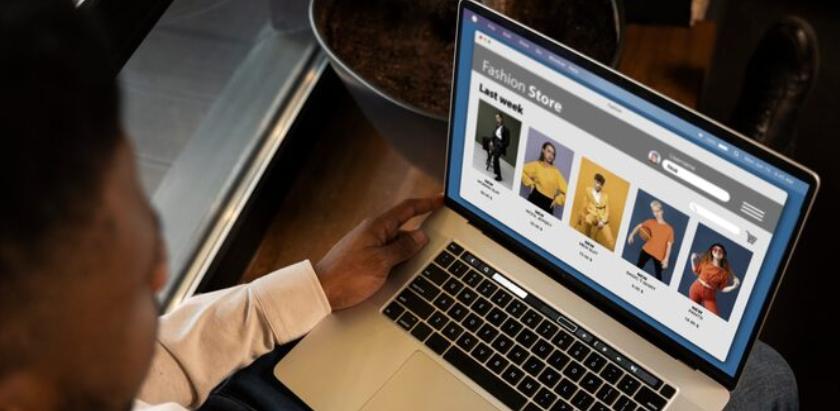
Now comes the exciting part – building your storefront. This is where your business starts to take shape in a form that customers will see. A high-quality, professional online store inspires trust, which is especially important for a new brand trying to win orders from cautious consumers. Here’s how to set up your store for success in Belgium:
-
Choose a Domain Name: Ideally, get a .be domain (Belgium’s country code) if you plan to focus on Belgium. For example, if your store is called “BestHome Décor,” registering besthomedecor.be could signal to shoppers that you’re catering to Belgium. You might also consider a .com or .eu if you aim broader EU. Having a localized domain and web hosting in EU can slightly improve site speed for European visitors and may build trust. If your brand name is in English, that’s okay (many Belgian stores use English names), but ensure your site content is in the local languages.
-
Store Language & Translation: As noted, language is key in Belgium. Consider creating your site in the language of your target region: Dutch for Flanders, French for Wallonia. If you can, offering both is ideal. Shopify’s multi-language feature or translation apps can help you provide a seamless language switch. WooCommerce with WPML or similar can do the same. The effort is worth it: customers are far more likely to buy if the product descriptions, FAQs, and checkout are in their native language. Even if you start with one language, be aware that you might be missing a chunk of the market – plan to expand linguistically. Also localize details like currency (Euro), units (centimeters, etc.), and date formats to European style.
-
Implement Local Payment Methods: We can’t stress this enough: set up Bancontact (the local debit card system) on your checkout, alongside PayPal, Visa/Mastercard, and possibly Apple Pay. Payment processors like Stripe (for Bancontact and credit cards) or Mollie (a Dutch payment provider that easily enables Bancontact, iDEAL, etc.) are excellent. According to industry data, not offering Bancontact could cost you nearly half your potential buyers, so make sure it’s there and working. Also ensure your checkout is secure (SSL certificate) and shows trust badges (Shopify and most platforms do this by default).
-
Shipping Settings and Options: Configure your shipping in a way that’s clear and attractive. Many e-commerce sites in Belgium will offer free shipping above a certain order value (e.g., “Free delivery on orders over €50”) to encourage larger carts. Even if you build shipping cost into product prices, consider doing this, as Belgian consumers are cost-conscious and love free shipping perks. Also, decide what shipping methods you’ll offer: if using EU suppliers, you might advertise “Standard 2-4 Day Delivery in Belgium” or similar. If shipping from outside EU initially, be upfront about the estimated delivery time (e.g. “7-14 days”) to set expectations. Given the new sustainability emphasis, you might include an option at checkout for eco-friendly delivery (like “Pick-up at a parcel locker or point” or slower shipping for lower carbon footprint). In fact, as of 2024 it’s a legal requirement in Belgium to offer a sustainable shipping option – for example, choosing a slower shipping that allows consolidation or delivery to a parcel locker. And many customers are embracing this: parcel locker usage is up 44%, indicating people are open to greener options. Including a note like “Go Green – choose delivery to a nearby locker to reduce emissions” can show your brand’s alignment with these values.
-
Testing the Store: Before you launch, simulate the customer experience. Browse your site on mobile and desktop, add products to cart, and go through checkout (you can create a test discount for yourself to not actually charge your card). Make sure the language switch works, taxes are calculated if applicable (for instance, Shopify can auto-handle VAT, and Belgium requires showing VAT-inclusive pricing to consumers), and that order notification emails are localized. Check that inventory sync works with your dropship app – e.g., if a product goes out of stock at your supplier, your site should ideally reflect that. It’s easier to solve these issues now than after you start getting orders.
At this stage, you have a storefront that is almost ready for customers. Next, we’ll focus on branding and differentiation – crucial for standing out in the market.
Step 5: Build Your Brand and Differentiate Your Business
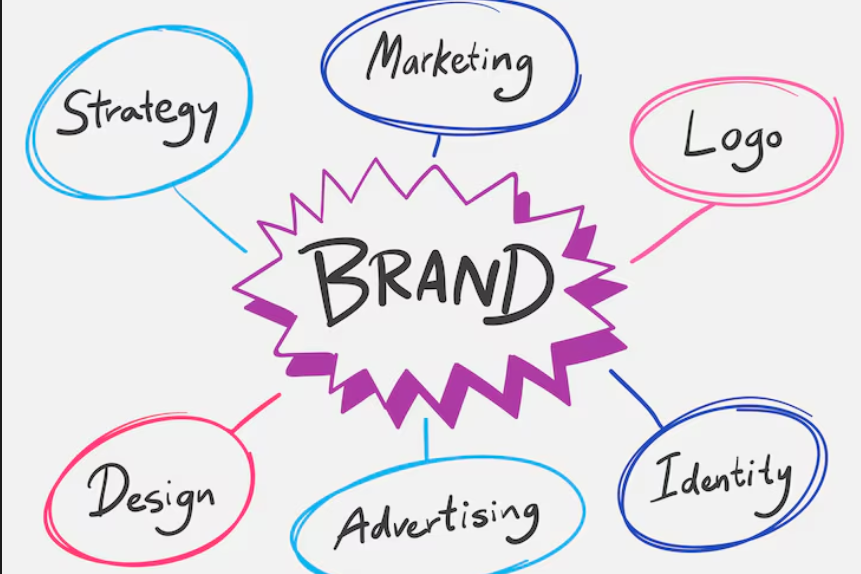
In the world of dropshipping (where many stores might sell similar items), branding is your secret weapon. A strong brand not only attracts customers but also builds loyalty and allows you to potentially charge a premium. Here’s how to establish a brand that resonates with Belgian shoppers:
-
Craft a Compelling Brand Story: People love a good story. Even if you’re “just” dropshipping, you can frame a narrative about why you started this business and what makes it special. Maybe you’re a Belgian student entrepreneur bringing cool gadgets to local audiences, or a fitness enthusiast curating the best home workout gear for busy professionals. Share your mission on an “About Us” page. Belgians tend to trust brands that feel authentic and local. If you are based in Belgium, mention it proudly – it can set you apart from generic overseas drop shippers. Emphasize any connection to Belgian culture or values (e.g., commitment to quality, customer service in native languages, sourcing sustainable products). A relatable story builds an emotional connection that larger international retailers often lack.
-
Quality and Curation: Curate your product selection carefully to fit your brand’s niche and quality standards. Dropshipping doesn’t mean you list every item under the sun. In fact, many successful dropshippers limit their catalog to a focused range of products that they can confidently stand behind. Remember, Belgian consumers “like quality, style, and sustainability”. Avoid the temptation to sell cheap-looking knockoffs or anything that might violate intellectual property. Not only can that get you in legal trouble, but it also erodes customer trust quickly. Instead, choose products that have good reviews or proven demand and ideally test them. If your brand is about sustainability, ensure your products align (e.g., no one-use plastic gadgets; choose eco-friendly materials). If your angle is affordable fashion, make sure the items still have decent build quality. Your reputation will hinge on what you deliver, so curate as if you were the customer yourself.
-
Branding in Packaging: One challenge in dropshipping is that the supplier usually ships the product, often in their generic packaging. This can weaken brand recognition. However, some suppliers and platforms (like CJdropshipping) offer custom branding options – such as adding your logo to packages, inserting a thank-you card, or even private labeling products. When you start generating sales, it may be worth investing in these upgrades. A package that arrives with your branded label and a little note saying “Merci / Bedankt for supporting our Belgian small business!” can leave a great impression. If custom packaging isn’t feasible from day one, at least ensure the unboxing experience is positive – suppliers should ideally not include any confusing foreign language slips or competitor ads. Communicate with them that you’re building a brand and want a neutral package if possible.
Building a brand is an ongoing process, but these initial steps lay the groundwork for perceived value. In essence, you want customers to feel they are buying from a reputable Belgian online store, not a random AliExpress reseller. That reputation will come not just from how the site looks, but how you follow through with the customer experience, which brings us to logistics and service.
Step 6: Plan Your Logistics and Fulfillment Strategy (Fast & Sustainable)
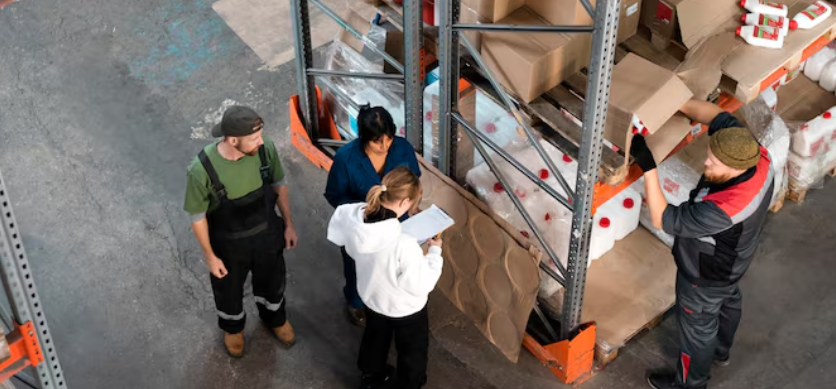
Logistics can make or break a dropshipping business, especially in an era where Amazon Prime has set high standards for delivery. While you may not offer next-day delivery at first, you can optimize your fulfillment to be as quick and smooth as possible for Belgian customers. Here’s how:
-
Stock Products in Europe Whenever Possible: We touched on this under supplier selection, but it’s worth reiterating. If you have the option to source your products from a European warehouse, take it – even if the base cost is a bit higher than ordering from China. Customers are much happier to get a package in 3-5 days than 3-5 weeks. If you use platforms like CJdropshipping, be sure to select the EU warehouse variant of the item.Moreover, intra-EU shipping means no surprise import fees for the buyer – since you (or your supplier) will have handled VAT in the selling price. This is important because since mid-2021, all commercial imports to the EU are subject to VAT; if you ship from outside and don’t prepay those, customers might be hit with a postman asking for VAT on delivery, leading to a very bad experience. So, stick to within-EU fulfillment or properly DDP (Delivered Duty Paid) shipping methods to Belgium.
-
Reliable Couriers and Tracking: Ensure your suppliers use reputable shipping carriers that provide tracking numbers. Belgian customers are used to services like bpost, PostNL, DHL, DPD, GLS, etc. If a package can be handed to bpost or a partner for final mile delivery, great. Provide the tracking code to customers as soon as it’s shipped and give them an easy way to track (you can use tracking portals or plugins to let them track on your site). The more transparency, the better – it builds trust as they can see where their parcel is. Also, make sure the estimated delivery times you promise are realistic. It’s better to slightly under-promise and over-deliver. For example, if most orders arrive in 3 days, you might still say “3-5 business days” on your site. If one comes in 2 days, customers will be delighted; if one takes 5, you’re still within the promise.
-
Sustainable Delivery Options: Belgium’s push for sustainable e-commerce isn’t just regulatory but also cultural. Many consumers appreciate eco-friendly practices. Consider offering an option at checkout like “Climate Friendly Shipping (delivery to a nearby pickup point or locker)” and maybe incentivize it (e.g., a small discount or just frame it as doing good). Since a new law requires offering a green delivery choice, make sure you include something like this. Using parcel lockers (like bpost Cubee lockers or others) is a great choice – customers can pick up packages at their convenience, and delivery vans can drop off multiple orders in one go, reducing emissions. Some couriers also offer carbon-neutral shipping services; if available through your supplier or shipping app, highlight that (“Shipped with Carbon Neutral Delivery”). These are small details now expected by a segment of European consumers and can differentiate you as a forward-thinking brand.
-
Prepare for Import/Customs if needed: If any of your products ship from outside the EU, make sure they come with proper customs documentation. You will likely need an EORI number (an EU importer registration) if you or your supplier imports goods into the EU – however, many dropship platforms (like CJ) handle this on their end since they import bulk into EU warehouses. Still, be aware of customs rules: things like certain electronics, cosmetics, or foods may have specific regulations or duties. To keep it simple, you might avoid categories that can get stuck in customs (like large electronics without CE labels, or cosmetics without EU ingredient approval). The smoother your logistics chain, the fewer headaches down the line.
In summary, aim to provide a delivery experience that is fast, predictable, and transparent. If you can achieve something close to local e-commerce standards (a few days delivery, easy returns), you’ll win over customers despite being a small operation. Many successful EU dropshippers credit their logistics strategy – such as using regional warehouses – as a key to their growth.
Now that your back-end operations are sorted, it’s time to actually launch and start getting those first orders through savvy marketing.
Step 7: Launch and Market Your Dropshipping Store
With your site live and logistics in place, the next big challenge is driving traffic and attracting customers. “Build it and they will come” doesn’t apply in e-commerce – you need a solid marketing plan. Let’s explore effective marketing strategies for the Belgian context:
-
Leverage Social Media (TikTok, Instagram, Facebook): Social media is often the engine of brand awareness for new dropshipping stores. In Belgium, TikTok has emerged as a platform with very high engagement for e-commerce, boasting an average engagement rate of around 2.5% (higher than Instagram). This means TikTok content can get strong interaction relative to views. If your products are visually appealing or demonstrable, consider making short TikTok videos – product demos, unboxings, before/after transformations, or even humorous skits related to your niche. Instagram remains powerful for product-centric businesses too, especially through Reels and Stories. Since Instagram is more established, showcase nice product photos, influencer shots, or customer photos. Engage by responding to comments and messages in the language of the user (Dutch/French). Facebook is still used widely in Belgium (often across an older demographic); joining Belgian Facebook groups related to your niche can help you softly promote your brand (always add value in discussions, don’t spam). Also, consider Pinterest if your niche is highly visual (e.g., home decor, fashion), as many Europeans use Pinterest for inspiration.
-
Content in Multiple Languages: On social media, try to mix languages in your posts if you want to reach all of Belgium. DailyFulfill’s research suggests using Dutch, French, and sometimes English can maximize your reach on platforms like Instagram. For example, you might caption a post in both Dutch and French, or alternate languages in different posts. This ensures you’re not alienating any group. It is a bit of extra work, but showing you can communicate in both official languages is a plus (and English can be sprinkled in if your brand has an international or trendy vibe).
-
Paid Advertising: Investing in some paid ads can jumpstart your traffic. Facebook/Instagram Ads allow detailed targeting – you could target people in Belgium interested in your niche or even set language-specific ads (target French speakers in Belgium with one ad set, Dutch speakers with another, each in the appropriate language). Given Belgium’s relatively small size, even a modest budget can reach a lot of potential customers. TikTok Ads are newer but can be very effective for certain demographics (youth-oriented products, for instance). Google Ads (especially Google Shopping ads) are also important: many shoppers search for products on Google. If you can get your products listed in Google Shopping results (which show product image, price, etc.), you might capture high-intent buyers. Google Shopping will require you to have a feed of your products in Google Merchant Center and comply with their policies (ensure your site has the required pages, etc., which you likely do if you followed earlier steps). Start with a controlled budget – e.g., €5-€10 a day on one channel – and test campaigns. See where you get the best ROI and scale that. Keep an eye on metrics: if an ad isn’t performing (no clicks or conversions), tweak the creative or targeting.
Launch Promotions: When you officially “launch,” you might do something special – like a grand opening sale, a limited-time discount for first customers, or a giveaway contest on social media. This can create initial buzz. For instance, “Grand Opening – 15% off all items this week only for our Belgian launch!” Share this in relevant forums or groups (without spamming) and perhaps run an ad highlighting the sale urgency.
As you execute your marketing, monitor what works. Perhaps TikTok is driving lots of traffic but those users aren’t converting – maybe your product needs a demo video on the site or TikTok draws very young users with low purchasing power, so you adjust targeting. Or you might find French-speaking regions respond more to Facebook ads than Dutch regions, etc. Use analytics (Google Analytics, Shopify’s dashboard, etc.) to track visitors and sales.
Remember, marketing is an ongoing effort. Success might not happen overnight, but consistent promotion and optimization will build momentum. Also, early on, focus on getting some positive reviews/testimonials. Social proof is huge. Encourage happy customers to leave a review on your site or even share a photo on social media tagging your brand (you could offer a small coupon for next purchase as thanks). This user-generated content becomes free advertising and builds trust for new visitors.
Step 8: Provide Excellent Customer Support (and Build Trust)
Customer service is where a small dropshipping business can truly shine and outdo larger competitors. Responsive, friendly support turns one-time buyers into repeat customers and ambassadors for your brand. Here’s how to manage customer care in a Belgian context:
-
Multi-Language Support: We’ve mentioned it multiple times because it’s vital: offer support in the language the customer is most comfortable in. If a customer emails you in French, respond in French. If one messages in Dutch, reply in Dutch. Use clear, polite language and address them by name. If you’re not fluent personally, consider using translation tools carefully or hiring a part-time bilingual support assistant as you grow. The effort goes a long way – customers feel understood and safer. Belgium being multilingual means a one-size-fits-all approach could frustrate half your audience if you ignore their language.
-
Handling Customer Complaints: No matter how good you are, there will be occasional complaints or issues. A product might not meet expectations, or a package gets lost. The key is how you handle it. Listen to the customer’s concern without getting defensive. Empathize: “I understand how disappointing it is when… [XYZ]”. Then offer a solution: refund, replacement, discount, etc., depending on the issue. Often, a dissatisfied customer can be turned into a loyal one if you solve their problem gracefully. For example, if a shipment is taking too long, you might say, “We’re sorry for the delay. This is not the experience we want for our customers. We’ve contacted the courier to expedite the delivery. In the meantime, please enjoy a €5 voucher for your next purchase as an apology for the inconvenience.” These small gestures show you care about their satisfaction. Many customers will forgive a mistake if you fix it earnestly.
-
After-Sales Engagement: After an order is delivered, consider following up with a short thank-you email. Ask if everything is okay with their purchase. This is not common with huge retailers, so it stands out. It can simply be: “Hi [Name], we saw that your order #1234 was delivered. We hope you’re loving the product! If you have any questions or feedback, we’re here to help. Thank you for supporting our small Belgian business – it means a lot to us. Cheers, [Your Name].” This kind of personal touch often delights people. It might also gently encourage them to leave a review or tell friends if they’re happy.
By delivering excellent service, you set your store apart from many typical dropshippers who sometimes neglect this area. Over-deliver on customer support and you’ll gain positive reviews, word-of-mouth referrals, and repeat business – all of which are gold for a sustainable business.
Step 9: Learn from Success Stories and Plan to Scale Up
As you establish your dropshipping business in Belgium, always keep an eye on the future: how can you grow and improve? One way is to learn from those who have walked this path. Let’s look at a couple of success stories and insights from European dropshippers, and then consider how you can scale your venture beyond the initial phase.
European Dropshipping Success Stories:
-
Andreas Koenig & Alexander Pecka (Austria): These two entrepreneurs started dropshipping in 2018 and, like many, faced failures early on. They tried a general store and struggled, even burning through about $2,000 in ads without success. But they didn’t quit. They regrouped, applied lessons learned, and shifted to a niche focus – a pet products store. That change, along with ensuring faster shipping for their customers and building an emotional brand connection with pet owners, turned the tide. Eventually, they scaled that niche store to around $500,000 in monthly sales (about $10 million a year). Their advice underscores a few points we’ve covered: avoid trying to sell everything to everyone (no generic general stores), curate a niche that you can manage and market to effectively, and invest in building a team as you grow (they mention bringing on customer service reps and outsourcing some tasks once sales grew, so they could focus on strategy). Their story shows that European dropshippers can achieve scale, but it requires persistence, learning from mistakes, and focusing on quality and brand.
-
Nawras Ganim: While not Belgian, Nawras is a notable dropshipper turned SaaS founder (he created the product research tool Dropship.io). He generated over $20 million in dropshipping sales in his career. One of his key recommendations is to pick products that are evergreen, high-quality, and solve a problem, and to build a proper brand presence (legit domain, professional store design, trust pages, etc.) from the start. He also emphasizes having a reliable supplier and eventually moving to private suppliers or stocking once you find winning products. The takeaway here is that product selection and brand professionalism matter immensely – exactly what we’ve focused on for capturing Belgian consumers who expect reliability.
-
Local Inspiration – Sophie Claes (Belgium): We mentioned Sophie earlier, the founder of De Gele Flamingo. Although her model involved holding inventory (not pure dropshipping), her journey offers inspiration for Belgian e-commerce. She started small with €1,200 capital, grew it while still working a job, and scaled to a multi-million business by identifying a local market gap and focusing relentlessly on new, unique products and customer trust. She also rode the wave of social media marketing early – using Facebook to build an audience even before her store launched. The willingness to invest profits back into growth rather than taking them out (since she kept her job initially) was a smart move that allowed her business to flourish. For you, while dropshipping minimizes upfront cost, any profits you make in the first year might best be reinvested into things like better marketing, trying new products, or enhancing your website, rather than immediate personal spending.
Scaling Your Business:
Once you find that your store is getting consistent sales, you’ll face new questions – how to go from a modest side hustle to a full-fledged business. Here are some scaling strategies tailored for a Belgian dropshipping venture:
-
Expand Your Product Range (Carefully): If one niche or a few products are doing well, consider adding complementary products. Use your sales data and customer feedback to guide this. For example, if you’re selling a lot of coffee makers, maybe add coffee grinders or premium beans (if you can find a supplier). However, avoid the trap of adding totally unrelated items just to chase trends – stay coherent with your brand. Each new product should make sense to your existing audience. Also, as you scale, you might consider private labeling or custom products. For instance, if one gadget is a bestseller, you could source it in bulk with your logo or slight customizations to truly own it. Some dropship suppliers (like CJ) can help negotiate with factories for custom branding when volume grows.
-
Go Cross-Border: Belgium is a great launch market, but why stop there? Thanks to the EU single market, you can sell relatively easily to France, Netherlands, Germany, etc., once you have a stable operation. You may need to handle additional languages (German, Spanish, etc.) if expanding deep into Europe, but you could start by targeting neighboring countries that speak French or Dutch. For example, if you have French content, you can start advertising in France or set up a French Shopify store version for France (maybe a .fr domain or just allow shipping options). Belgium’s strategic location and size means many Belgian e-shops do international orders – and indeed, your logistics (EU suppliers) and platform can likely handle multiple shipping countries easily. Just be mindful of VAT rules if you cross certain revenue thresholds in other EU countries (you might need to register for VAT in those countries under the new OSS scheme – an accountant can advise). But operationally, scaling to EU-wide can substantially enlarge your customer base.
-
Automation and Tools: As volume grows, look into automation to save time. If you haven’t already, use your platform’s automation (Shopify Flow, WooCommerce extensions, etc.) for tasks like sending tracking info, emailing review requests, etc. Consider a helpdesk software (like Zendesk or Freshdesk) if you get many support tickets, to keep track of communications. If you’re running ads at scale, tools to optimize bids or a hired freelance marketer might help. Essentially, shift your role more towards managing the business rather than doing every tiny task manually. Many successful dropshippers say that after a point, you become the “conductor” ensuring all parts (marketing, fulfillment, support) run smoothly, rather than physically packing boxes or doing entry-level tasks.
-
Possibly Stocking Inventory or Hybrid Models: If one product is a runaway hit and margins allow, you might import a bulk batch to Belgium and use a local 3PL (third-party logistics) to offer next-day delivery or to sell on marketplaces more effectively (since Bol.com or Amazon performance is easier if you have stock on hand). This is a bit beyond pure dropshipping, but some entrepreneurs evolve into a hybrid model: they dropship broad catalog, but for the top sellers, they buy inventory to improve margins and speed. Belgium, being small, might not have a plethora of cheap warehousing, but you could use fulfillment centers in neighboring Netherlands or Germany that cover Benelux quickly. Of course, this step is optional – plenty of dropshippers stay entirely dropship-based and still scale by finding more winning products and expanding to new stores.
-
Stay Updated on Trends and Regulations: The e-commerce world changes fast. Keep an eye on trends – both product trends (to update your catalog) and marketing trends (e.g., new social media platforms or new ad formats). Also, be aware of any new EU laws regarding e-commerce (like the sustainability laws, data privacy, or platform regulations) so you can stay compliant and turn them into an advantage rather than a surprise. Being part of e-commerce communities (Facebook groups, subreddits like r/dropshipping, local entrepreneur meetups) can help you learn and stay motivated.
-
Customer Retention: Scaling isn’t only about finding new customers; it’s also about retaining and maximizing value from current ones. Build a base of loyal customers by perhaps launching a loyalty program or VIP discounts for repeat buyers. If you gather enough data, do targeted email marketing – e.g., if someone bought a printer from you, email them later about printer ink you now sell. A repeat customer is worth more than a new one (and cheaper to market to). In Belgium, where trust is paramount, someone who had a good experience with your store is likely to come back if reminded and given reason.
By learning from others and continuously optimizing, you set the stage for long-term success. Remember that every big e-commerce brand started small – the difference is that they kept improving, stayed customer-centric, and seized expansion opportunities when the time was right.
Conclusion
Starting a dropshipping business in Belgium in 2026 is not only feasible, but potentially very rewarding. With a highly connected consumer base and a growing e-commerce market, Belgium offers fertile ground for new online entrepreneurs. The key to success lies in tailoring your approach to the local context: understand Belgian shoppers’ values (quality, fair pricing, trust), speak their languages, offer the convenience and speed they expect, and comply with the latest trends like sustainable delivery.
We’ve walked through the journey step-by-step – from researching a niche and sourcing products, to setting up a localized store with the right platforms (Shopify, WooCommerce, etc.) and integrating crucial tools like CJdropshipping for efficient EU fulfillment. We emphasized building a brand that stands out, because in 2026 the era of generic, copy-paste dropshipping stores is fading; to win, you need to add real value, whether through curated products, superior service, or a unique story. We also delved into practical aspects of logistics, showing that even as a small player you can leverage Europe’s infrastructure to provide fast and reliable shipping, turning what could be a weakness (long shipping) into a strength.
By implementing a strong marketing strategy – combining social media engagement, targeted ads, and excellent customer service – you’ll drive traffic and convert visitors into satisfied customers. And through it all, remember to learn and iterate. The digital commerce world is dynamic, especially in a multilingual market like Belgium where trends can cross borders quickly. Monitor your results, listen to customer feedback, and don’t be afraid to pivot your tactics.
In building your Belgian dropshipping business, you’re also plugging into the broader EU e-commerce network. The skills and brand you develop can later expand to new markets, as many successful European dropshippers have demonstrated. Belgium might be just the start of your entrepreneurship journey – a launchpad to serving customers across Europe.
Ultimately, dropshipping in 2026 is no “get rich quick” scheme – it’s a real business. But with low startup costs and the guidance you’ve gathered (plus the invaluable resources and supplier networks available today), it’s an accessible way to become an entrepreneur. Stay persistent, maintain a customer-first mindset, and continuously adapt. If you do that, you’ll be well on your way to joining the ranks of successful e-commerce founders, with a thriving dropshipping business that could one day become a well-known Belgian e-commerce success story in its own right.
Bonne chance / Succes! Here’s to your dropshipping success in Belgium in 2026 and beyond.