
If you’re thinking about starting dropshipping, one of the first questions that usually comes up is very practical: How much time does this actually take each day? For beginners especially, understanding the real time commitment matters just as much as understanding profits or tools.
In 2026, dropshipping looks very different from what it did a few years ago. Automation is more common, platforms are more user-friendly, and many daily tasks can now be simplified. Still, dropshipping is not a “set it and forget it” business. The time you need to invest depends on what stage you are at and how you choose to run your store.
Many newcomers worry that dropshipping will either take up all their free time or, on the other hand, that it requires almost no effort at all. The truth usually sits somewhere in between. Knowing how much time do we have to put on dropshipping in 2026 helps set realistic expectations and avoid unnecessary stress early on.
Is Dropshipping Still Time-Consuming in 2026?
Dropshipping in 2026 is generally less time-consuming than it used to be, but it is not completely hands-off. Compared to earlier years, many repetitive tasks have been simplified or automated, which significantly reduces daily workload for most sellers.
What still takes time is decision-making rather than manual work. Beginners spend more time learning how the system works, choosing products, and setting up their store correctly. These tasks are front-loaded, meaning they require more attention at the beginning but much less over time.
For day-to-day operations, dropshipping no longer requires constant monitoring. Once product syncing, order processing, and tracking updates are automated, daily tasks become shorter and more predictable. Most sellers only need to check in once or twice a day to review orders and respond to customer messages.
That said, dropshipping can feel time-consuming if systems are not set up properly. Manual order handling, unreliable suppliers, or unclear workflows often create unnecessary work. In contrast, stores that invest time early in automation and clear processes usually experience a much lighter daily workload.
In short, dropshipping in 2026 is not about spending long hours every day. It is about spending time wisely at the beginning so that daily operations remain manageable as the business grows.

Daily Time Commitment for Beginners
For beginners, dropshipping usually requires more time at the start than it does later on. This is because most of the work in the early stage is about learning and setting up systems rather than running daily operations.
In 2026, most beginners can expect to spend around 2 to 4 hours per day during the first few weeks. This time is often spread across different tasks instead of one long session, which makes dropshipping easier to fit into a daily schedule.
Common beginner tasks that take time include learning how dropshipping works, setting up the store, choosing products, and writing or editing product descriptions. Since these tasks are new, they naturally take longer at first.
Once the store is live and basic automation is in place, the daily time commitment usually drops. Many beginners find that after the initial setup phase, they only need 1 to 2 hours per day to manage orders, respond to customers, and make small adjustments.
It is also worth noting that consistency matters more than long working hours. Spending a small amount of focused time each day tends to produce better results than working long hours irregularly. For beginners in 2026, dropshipping is less about working nonstop and more about building habits that support steady progress.
How Time Spent Changes as Your Store Grows
As your dropshipping store grows, the way you spend time changes more than the total number of hours. In the beginning, most of your effort goes into learning and setup. Later, time shifts toward monitoring, optimization, and decision-making.
After the initial launch phase, many store owners notice a clear drop in daily workload. Tasks like product imports, order forwarding, and tracking updates become routine or automated. At this stage, sellers often spend 1 to 2 hours per day checking performance, answering customer questions, and reviewing orders.
As the store becomes more stable, time is spent less on daily operations and more on improving results. This includes analyzing which products perform best, adjusting pricing, improving product pages, or testing small changes to increase conversions. These tasks are more strategic and usually take less time than repetitive manual work.
For more established stores, daily operations can often be handled in under one hour per day, as long as systems are running smoothly. However, growth-focused activities such as launching new products, expanding marketing channels, or entering new markets may temporarily increase time investment.
Overall, dropshipping does not require more time as your store grows. Instead, it requires different types of time. The goal is to move from hands-on setup work to higher-level decisions that support long-term growth and flexibility.
Typical Daily Dropshipping Tasks Explained
When beginners hear about dropshipping, daily work often sounds vague or overwhelming. In reality, most daily tasks are simple and repetitive once your store is properly set up. Understanding these tasks helps you see where your time actually goes.
One of the most common daily tasks is checking new orders. With automation in place, this usually means reviewing orders to make sure everything looks correct rather than processing them manually. This step often takes only a few minutes.
Customer messages are another regular task. Most questions are related to shipping times, order status, or product details. Responding clearly and consistently helps build trust and usually does not take much time once you are familiar with your products and policies.
It is also common to quickly review inventory and pricing updates. Automated systems handle most changes, but a daily glance helps catch issues such as out-of-stock items or unexpected price changes before they affect customers.
Some sellers spend a small amount of time making light improvements to their store. This might include updating product descriptions, adjusting images, or fixing small layout issues. These tasks are optional on a daily basis and can often be done a few times per week instead.
Overall, typical daily dropshipping tasks are not time-intensive. For most sellers, these activities take 30 minutes to 1 hour per day once the store is running smoothly. The key is not doing more tasks, but keeping daily work simple, consistent, and easy to manage.
How Automation Reduces Daily Workload
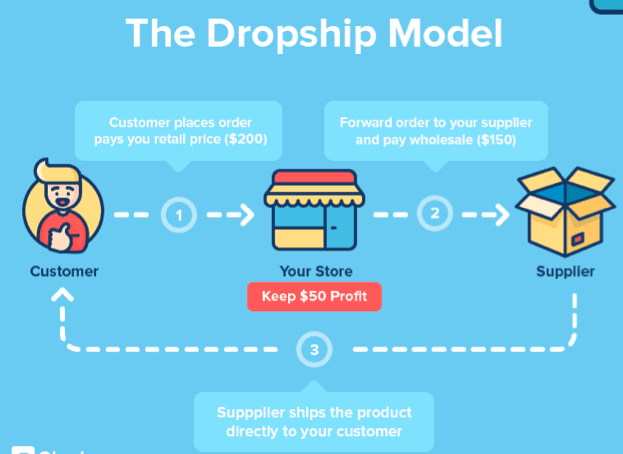
Automation is one of the main reasons dropshipping takes less time in 2026 than it did in the past. When set up correctly, automation removes many repetitive tasks that used to require daily manual work.
One of the biggest time-savers is automated order processing. Instead of manually forwarding each order to a supplier, automation sends order details automatically once a customer completes checkout. This alone can save a significant amount of time each day, especially as order volume increases.
Inventory and pricing updates are another area where automation makes a difference. When stock levels or prices change on the supplier side, those updates can sync directly to your store. This reduces the risk of selling out-of-stock products and eliminates the need for constant manual checks.
Tracking updates also benefit from automation. Once an order is shipped, tracking information is automatically sent back to your store and shared with the customer. This not only saves time but also reduces customer support messages asking about order status.
Many beginners choose tools and platforms that support end-to-end automation, such as CJdropshipping, because CJ combine product sourcing, order fulfillment, and tracking updates in one system. This kind of setup allows sellers to focus on learning and improving their store rather than managing daily operations.
Automation does not eliminate all work, but it changes the type of work you do. Instead of spending time on repetitive tasks, you spend more time reviewing results, making decisions, and improving your store. For beginners in 2026, this shift is what makes dropshipping manageable alongside other commitments.
Part-Time vs Full-Time Dropshipping
Dropshipping can work as both a part-time project and a full-time business. The key difference lies in how much time you choose to invest and what your goals are.
For part-time sellers, dropshipping is often managed alongside a full-time job, studies, or other responsibilities. In this case, spending 1 to 2 hours per day is usually enough to handle basic tasks such as checking orders, replying to customer messages, and making small updates to the store. Many beginners start this way to reduce risk and learn at a comfortable pace.
Part-time dropshipping focuses more on consistency than speed. Progress may be slower, but it allows you to build experience without pressure. This approach works well for testing products, learning marketing basics, and understanding how the business operates.
Full-time dropshipping, on the other hand, involves a larger time commitment. Sellers who treat dropshipping as their main business often spend 4 to 6 hours per day or more. However, this extra time is not usually spent on daily operations. Instead, it goes toward growth-related activities such as improving marketing strategies, analyzing data, expanding product lines, or entering new markets.
It is important to note that working full-time does not mean doing everything manually. Even full-time sellers rely heavily on automation to manage orders and fulfillment efficiently. The difference is that full-time sellers reinvest their time into scaling and optimization rather than maintenance.
In 2026, dropshipping offers flexibility that suits both part-time and full-time schedules. The best approach is the one that matches your current lifestyle, available time, and long-term goals.
Common Time Management Mistakes Beginners Make
Many beginners feel that dropshipping takes too much time, but in most cases, the issue is not the workload itself. It is how time is being used. Understanding these common mistakes can help you work more efficiently and avoid unnecessary stress.
One common mistake is spending too much time on small details early on. Beginners often focus heavily on store design, logo tweaks, or minor layout changes before the store has any real data. While presentation matters, spending hours perfecting details too early usually does not lead to better results.
Another mistake is constantly switching products or strategies. Some beginners change products every few days without giving them enough time to collect data. This leads to repeated setup work and makes it hard to understand what is actually working. Consistent testing saves time in the long run.
Many new sellers also avoid automation and try to do everything manually. Manually processing orders, checking tracking numbers, or updating inventory quickly becomes time-consuming and unnecessary. Using automation tools early helps reduce daily workload and prevents burnout.
Poor task prioritization is another issue. Beginners often spend time watching tutorials or researching endlessly instead of taking action. Learning is important, but progress comes from applying what you learn and adjusting based on results.
Finally, some beginners try to scale too quickly. Adding more products, running ads, or expanding channels before systems are stable often creates more work and problems. A slower, more structured approach usually saves time and leads to better outcomes.
Avoiding these common time management mistakes helps beginners stay focused, use their time more effectively, and build a dropshipping business that fits into their daily life rather than taking it over.
How Much Time Does Dropshipping Take Per Day? (Beginner)
| Daily Task | Time Needed |
|---|---|
| Product Research | 30–60 min |
| Supplier Communication | 15–30 min |
| Store Management | 20–40 min |
| Order Fulfillment | 15–30 min |
| Customer Support | 20–45 min |
| Marketing & Ads | 30–60 min |
| Analytics & Optimization | 10–20 min |
⏱ Total Daily Time
≈ 2.5 – 4.5 hours per day (Beginner)
Time Comparison: Before vs With CJdropshipping
| Task | Without Automation | With CJdropshipping |
|---|---|---|
| Product Sourcing | 30–60 min | 10–20 min |
| Supplier Communication | 20–30 min | 5–10 min |
| Order Fulfillment | 20–30 min | 5–10 min |
| Inventory Management | 15–20 min | 5 min |
| Customer Support | 30–45 min | 15–25 min |
⏱ Total Daily Time
-
Traditional Dropshipping: 3–5 hours/day
-
With CJdropshipping: 1.5–2.5 hours/day
Final Thoughts: How Much Time Should You Really Expect to Spend?
So, how much time should you really expect to spend on dropshipping in 2026? For most beginners, the answer is not as intimidating as it may seem at first.
In the early stage, it is realistic to spend 2 to 4 hours per day learning, setting up your store, and building basic systems. This time investment is front-loaded and gradually decreases as your store becomes more organized and automated.
Once your store is running smoothly, many sellers find that daily operations only require 1 to 2 hours per day, or even less. At this point, time is spent reviewing orders, responding to customers, and making small improvements rather than handling repetitive tasks.
As your store grows, the nature of the work changes. You spend less time managing operations and more time making decisions that support growth, such as testing new products or refining marketing strategies. This shift is what makes dropshipping flexible and sustainable over time.
The key takeaway is that dropshipping is not about working long hours every day. It is about using your time wisely, setting up automation early, and building systems that support your goals. With the right approach, dropshipping in 2026 can fit into different lifestyles, whether you are starting part-time or aiming to build something bigger.
Understanding the time commitment upfront helps you stay consistent, avoid burnout, and make steady progress at your own pace.