
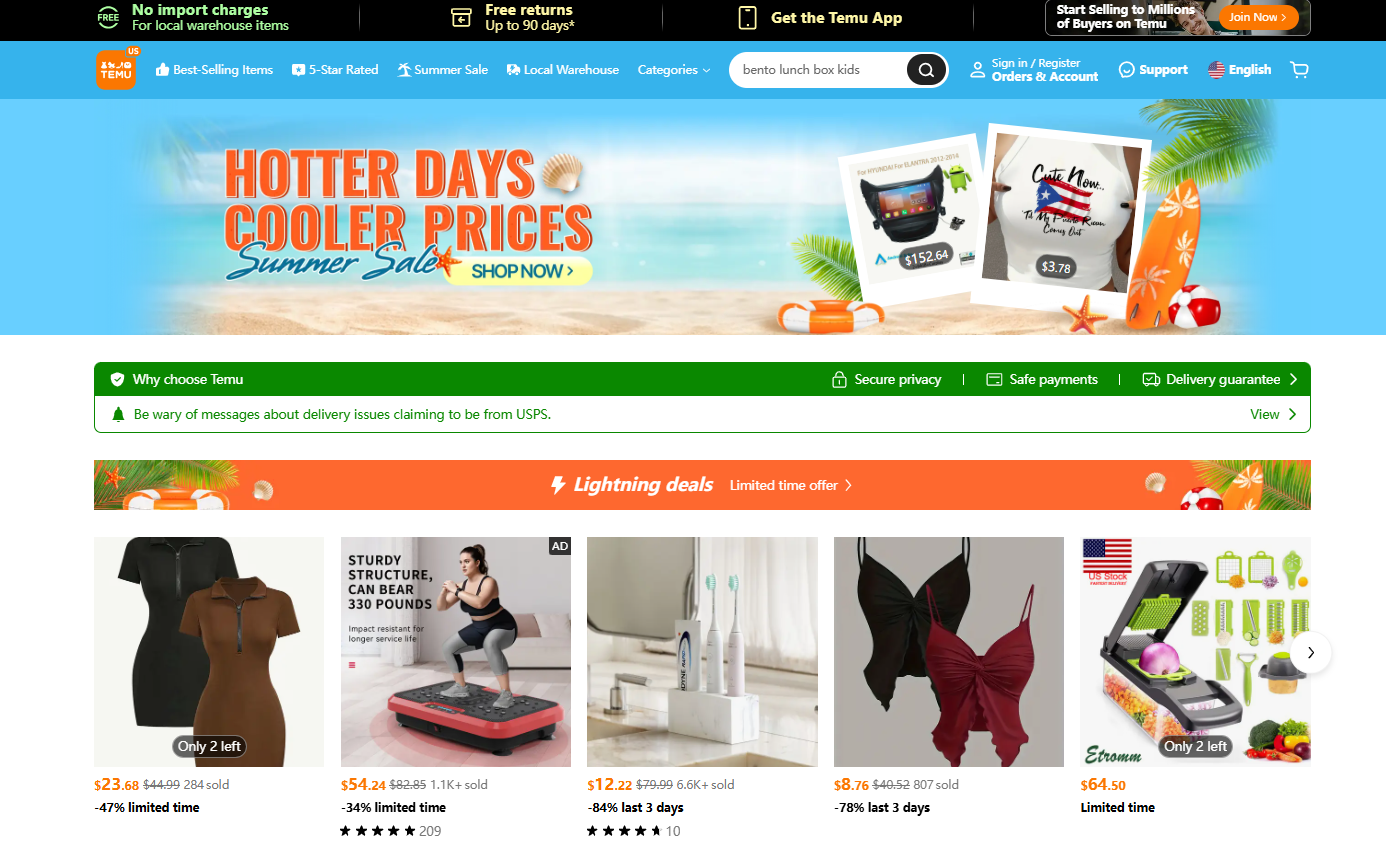
If you’ve spent any time browsing social media or eCommerce apps lately, you’ve probably come across Temu—a fast-growing online marketplace known for jaw-droppingly low prices and a TikTok-worthy shopping experience. Backed by PDD Holdings (the parent company of China’s Pinduoduo), Temu has taken markets like the U.S., U.K., and Southeast Asia by storm since its 2022 debut.
But Temu isn’t just attracting deal-hungry shoppers—it’s also drawing the attention of a new wave of online sellers. With its ever-expanding product range, fast-paced trend cycles, and viral appeal, many entrepreneurs are now tapping into Temu dropshipping as a way to ride the platform’s momentum and grow profitable stores across Shopify, TikTok Shop, and beyond.
This blog explores why Temu dropshipping is quickly becoming a top strategy for modern eCommerce, how it compares to traditional models, and what you need to succeed in this dynamic new space.

The Rise of Temu in the Global E-Commerce Arena
Temu didn’t just enter the global market quietly—it exploded onto the scene. Launched in late 2022, the platform rapidly expanded from the U.S. into key international markets including Canada, Australia, the U.K., Germany, and Southeast Asia. By mid-2025, Temu had become one of the top 10 most downloaded shopping apps in the U.S., with over 50 million monthly active users and an average daily order volume rivaling that of AliExpress.
So what’s driving this meteoric rise?
At its core, Temu follows an aggressive "factory-to-consumer" model, cutting out traditional middlemen to offer ultra-low prices on everything from tech accessories to kitchen gadgets. Its close ties with Chinese manufacturers—many of whom also supply global platforms like Amazon and Shein—give it a cost advantage that’s hard to match.
But pricing isn’t the only factor.
Temu has also mastered virality. With gamified shopping incentives (like "spin to win" coupons and cash-back challenges), a social feed that mimics TikTok-style discovery, and a marketing budget in the billions, the app is designed to turn every user into a repeat customer—and often, a content creator. Viral unboxing videos tagged with #temuhaul or #temufinds are now commonplace on TikTok, fueling brand awareness faster than any paid ad campaign.
Its U.S. logistics performance has also improved dramatically. While initial shipping times were closer to 15–20 days, Temu has steadily optimized its fulfillment chain to deliver within 6–10 business days on average, thanks to partnerships with major couriers and growing use of bonded warehouses.
For online sellers and dropshippers, this rise signals more than just a trend—it represents a shift in consumer behavior. Customers are getting used to Temu’s price points, product styles, and discovery experience. That opens the door for e-commerce brands that can match or exceed those expectations, while offering better branding, service, and long-term value.
Temu’s growth isn’t just a headline—it’s a new market reality. And for forward-thinking dropshippers, it’s a signal to adapt, differentiate, and seize the opportunity.
Why Temu Dropshipping Is Disrupting the Traditional Model?
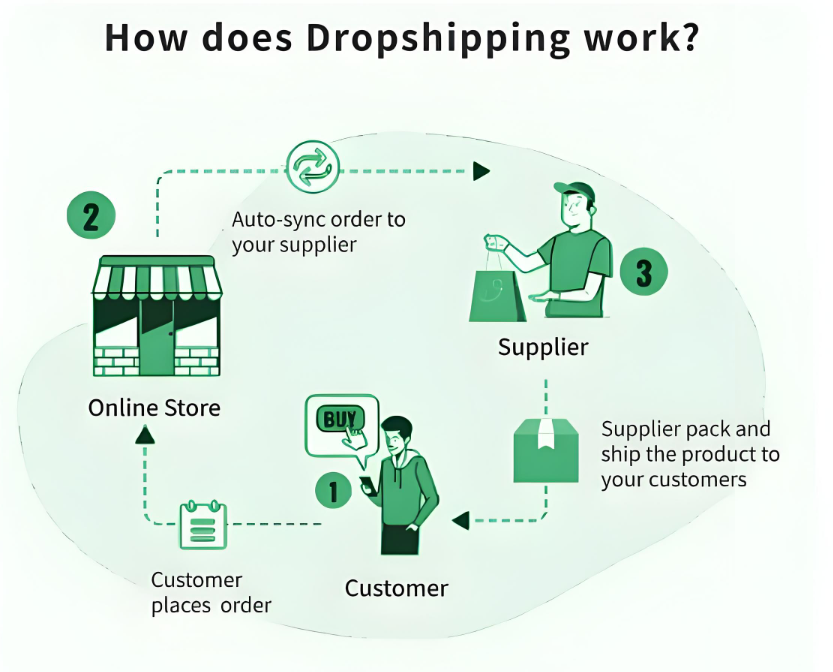
For years, traditional dropshipping followed a familiar formula: source low-cost items from AliExpress or similar suppliers, mark them up through a Shopify store, and ship them across the globe. It worked—at least until customers began expecting faster delivery, better service, and more brand trust. Then came Temu, and it flipped the entire playbook.
Temu’s success is forcing the dropshipping industry to evolve in three major ways:
1. Pricing Pressure at Scale
Temu’s factory-direct pricing model has pushed product costs to new lows. Many items retail on Temu for less than what dropshippers were paying wholesale just two years ago. That means traditional sellers relying on AliExpress or generic suppliers are quickly losing their price edge.
To stay competitive, today’s dropshippers must either:
-
Offer better customer experience (faster delivery, clearer product info, better support),
-
Focus on unique positioning or branding, or
-
Move toward bundling and higher perceived value strategies to justify price differences.
2. Changing Customer Expectations
Temu has conditioned buyers—especially younger consumers—to expect low prices and quick delivery, even for niche or novelty items. The old model of 15–25 day shipping from China is no longer acceptable for mainstream shoppers in the U.S. or Europe.
This has triggered a shift: successful dropshippers now prioritize local fulfillment, transparent tracking, and even personalized packaging to compete on experience, not just cost.
3. A New Kind of Product Discovery
Temu’s app combines social media-like browsing with gamified shopping. It’s visual, fast-paced, and built for endless scrolling—similar to TikTok or Instagram Reels. This has reshaped how consumers discover products and what they respond to.
As a result, winning dropshipping products in 2025 aren’t just functional—they’re scroll-stopping, visually engaging, and easy to demonstrate in short-form video. Dropshippers are adapting by shifting marketing efforts to TikTok, YouTube Shorts, and Instagram Reels, and creating more entertainment-driven ad creatives.
Not the End of Dropshipping—Just the End of Old Methods
Temu hasn’t killed dropshipping. It’s simply raised the bar. Sellers can no longer win by simply finding a cheap product and uploading it to a store. Instead, the focus is shifting to differentiation: faster fulfillment, stronger brand identity, better content, and niche focus.
Those who adapt are already seeing results—using Temu-style sourcing strategies while layering on the kind of customer experience Temu doesn’t yet offer: personal touch, custom packaging, branded support, and story-driven marketing.
In short, Temu is disrupting the traditional dropshipping model not by eliminating it, but by making it smarter, faster, and more customer-centric.
Core Advantages of Temu Dropshipping
Temu dropshipping is gaining traction not just because of hype, but because it offers practical, scalable advantages for modern eCommerce sellers. For those looking to launch or expand a store in 2025, Temu-style sourcing and product strategy unlock several benefits that go far beyond low prices.
Here’s why smart sellers are paying attention:
1. Ultra-Competitive Product Costs
One of the most obvious (and powerful) benefits of Temu dropshipping is pricing. Temu sources directly from manufacturers—many of them also supplying AliExpress or Shein—but with far leaner margins.
This translates into base costs that are often 30–50% lower than traditional wholesale platforms. For dropshippers, that margin flexibility opens the door to:
-
Competitive pricing strategies
-
Better ad profitability (especially for low AOV items)
-
Higher-volume testing without high upfront inventory risk
If you're running a store targeting Gen Z, budget-conscious families, or TikTok trend followers, cost structure is everything, and Temu's supply model gives you room to compete.
2. Product Styles Built for Virality
Temu’s catalog is filled with impulse-friendly, visually engaging products—think gadgets, beauty tools, kitchen hacks, pet toys, and quirky accessories. These aren’t slow-moving or evergreen items—they’re products made for scroll-stopping content.
This aligns perfectly with short-form content strategies on TikTok, Instagram Reels, and YouTube Shorts. A single creative can generate thousands of dollars in sales if the product is eye-catching and demonstrable in 15 seconds or less.
Dropshippers can use Temu’s top-seller lists as inspiration for product testing, then reposition those items with better branding or unique angles.
3. Built-In Trend Validation
Temu’s "best-sellers" and rising product rankings give you a real-time pulse on global micro-trends. Instead of guessing which product to test next, you can reverse-engineer Temu’s success and find proven items that already have market demand.
This reduces testing time, ad spend waste, and product development cycles—especially if you're running a one-product or niche-focused store.
4. Easier Entry Point for Beginners
Thanks to its low price points and broad appeal, Temu dropshipping is ideal for those launching their first store. Many Temu-style products retail for under $10, making them perfect for:
-
Low-risk ad testing
-
Free-plus-shipping offers
-
Bundle strategies to increase AOV
-
Entry-level markets like student gifts, impulse gadgets, or trending accessories
Beginners don’t need massive startup capital—just the right combination of product, supplier, and marketing angle.
5. Fast Fulfillment Options Are Emerging
Temu’s own logistics system is getting faster, and savvy dropshippers are following suit. More suppliers—especially those working with platforms like CJdropshipping—now offer U.S. and EU warehouse options, enabling 5–10 day delivery even for Temu-style products.
This means sellers can match Temu’s delivery expectations while offering something Temu doesn’t: a branded experience, personalized packaging, and better post-sale service.
Challenges You Need to Watch Out For

While Temu dropshipping opens up exciting new opportunities, it’s far from a guaranteed win. Sellers who rush in without a clear plan often run into issues that impact profitability, reputation, and customer satisfaction.
Understanding these common pitfalls is key to building a sustainable business. Here’s what to watch for—and how to stay ahead of them.
1. Price War Saturation
Temu’s core appeal is ultra-low pricing. That creates a market dynamic where everyone is competing for attention using the same products and razor-thin margins. If you're simply reselling Temu-style items without differentiation, it’s easy to get caught in a race to the bottom.
What to do instead:
Focus on bundling, niche positioning, or improving the customer experience (e.g., faster shipping, better product photos, or custom packaging) to justify higher pricing. Your value proposition needs to extend beyond the price tag.
2. Inconsistent Product Quality
Because Temu sources from a wide range of factories—many with limited quality control—there’s always a risk of receiving inconsistent goods. This is especially risky if you're dropshipping directly from unknown suppliers without any pre-shipment inspections.
Solution:
Use sourcing platforms like CJdropshipping that offer product quality checks, custom sourcing, and reliable supplier relationships. It’s worth sacrificing a small margin for fewer returns, fewer disputes, and better reviews.
3. Shipping Delays from Overseas Fulfillment
While Temu has improved its own logistics, independent sellers mimicking the Temu model often still rely on long delivery times (10–20+ days). This becomes a major issue when customers expect Amazon-like speed but receive cross-border wait times.
Tip:
Use a mix of local warehouses for best-sellers and international fulfillment for testing new products. Offering customers a choice between standard and express shipping can also improve satisfaction and conversion rates.
4. Poor Post-Sale Support
Temu’s customer service is minimal, and many copycat sellers make the same mistake—ghosting customers after the purchase. But if you’re serious about building a brand, post-sale support matters.
What to do:
Set up clear support channels. Even if you’re dropshipping, use automated order tracking, transparent shipping timelines, and FAQ pages to manage expectations and reduce refund requests.
5. Platform Policy Risks
If you’re dropshipping on platforms like TikTok Shop, Shopify, or eBay using Temu-style products, it’s essential to follow their rules. Selling items with unclear IP ownership, vague product descriptions, or no return policy can get your store flagged or suspended.
Protect yourself by:
-
Avoiding counterfeit or trademarked goods
-
Listing clear shipping & return policies
-
Working with suppliers who can provide documentation or invoices if needed
Temu dropshipping is promising—but only if you're intentional about how you operate. Build your business with safeguards in place, and you’ll turn challenges into advantages while others are still playing catch-up.
Best Practices to Succeed with Temu Dropshipping
Temu dropshipping offers an exciting entry point into fast-moving eCommerce, but success doesn’t come from simply listing the same products and hoping for traffic. The sellers who thrive in this space are those who take the Temu playbook and improve on it.
Whether you're new to dropshipping or looking to optimize an existing store, here are some proven best practices to make Temu-style selling work for you in 2025.
1. Use Temu as a Trend Radar, Not a Product Source
Temu is an incredible source of product validation. Its best-seller pages, category highlights, and customer review galleries provide real-time insight into what’s resonating with consumers—especially Gen Z and value-driven shoppers.
How to leverage it:
-
Study Temu’s top-rated items weekly
-
Analyze product photo styles, pricing anchors, and review keywords
-
Identify gaps in presentation, shipping, or branding that you can improve on
Don’t just resell Temu items—use them to identify trends early, then position yourself with stronger value.
2. Combine Viral Products with Branded Positioning
Temu is good at selling mass-market utility items. But that also means it lacks brand connection. Dropshippers have an edge here: the ability to turn a simple gadget into a memorable customer experience.
What works in 2025:
-
Custom packaging with your logo or thank-you notes
-
Niche positioning, like "gifts for dog moms" or "kitchen tools for first apartments"
-
Emotionally resonant copywriting that tells a story, not just lists specs
You don't need to reinvent the product—just own the brand voice around it.
3. Prioritize Speed Where It Matters Most
Modern consumers expect fast delivery. But you don’t need to offer same-day shipping on every SKU. Instead, build a hybrid fulfillment model:
-
Use local warehouses (U.S., EU, Southeast Asia) for your best-sellers or seasonal products
-
Test new products using global warehousing with clear shipping estimates
-
Be transparent about delivery times in your checkout and product pages
This balanced approach builds trust while keeping fulfillment costs manageable.
4. Focus on AOV Optimization
Many Temu-style products are low-ticket, meaning your profits depend on increasing average order value (AOV). Bundling, upsells, and product sequencing are your strongest tools here.
AOV growth ideas:
-
Offer "Buy 2, Get 1 Free" deals on fast-moving items
-
Cross-sell accessories or storage add-ons at checkout
-
Create product sets based on lifestyle themes (e.g., "home cleaning starter pack")
The goal: move from $8–$12 cart values to $25–$40+ with minimal extra ad spend.
5. Leverage Short-Form Video Content Early
Temu dropshipping pairs naturally with short-form video marketing. If your product solves a problem, is visually satisfying, or creates a "wow" moment, it can thrive on TikTok, Instagram Reels, or YouTube Shorts.
Tips for video marketing success:
-
Use trending audio and organic-style filming
-
Highlight product transformation, setup, or unexpected use
-
Keep your CTA soft: "Link in bio to grab yours" beats hard-selling
If you can make someone smile, solve a pain point, or trigger curiosity in under 10 seconds, you have a winning creative.
6. Work with Suppliers Who Support Brand Building
Dropshipping doesn’t mean you have to stay generic. To compete with platforms like Temu, you’ll need backend partners who offer:
-
Custom product sourcing (especially for viral SKUs)
-
Automated fulfillment with global warehouse options
-
Support for branded packaging or inserts
-
Platform integrations with Shopify, WooCommerce, TikTok Shop, and more
This is where solutions like CJdropshipping shine. By bridging the speed of Chinese manufacturing with Western fulfillment hubs and scalable automation, CJ helps you source Temu-style products while building a store that feels professional, fast, and brand-ready.
Final Take: Is Temu Dropshipping Right for You?
Temu dropshipping isn’t just a passing trend—it reflects a deeper shift in how consumers shop, what they expect, and how sellers must adapt. In 2025, price transparency, fast gratification, and social-first discovery define the buying experience. Temu nailed that formula. The question is: can you leverage it without getting buried by it?
If you're a beginner, Temu-style products offer a low-barrier way to test offers, validate ideas, and learn how to sell in a fast-moving market. The low cost and high engagement potential make it perfect for TikTok, Reels, and impulse-buy audiences.
If you're an experienced seller, the real opportunity lies in taking what Temu has popularized—affordable, eye-catching items—and wrapping them in your own brand, your own story, and your own fulfillment strategy. That’s where sustainable margin and long-term growth begin.
And remember: you don’t need to sell on Temu to benefit from the Temu model. With sourcing platforms like CJdropshipping, you can access similar products, ship from U.S. or European warehouses, offer branded packaging, and integrate seamlessly with Shopify or TikTok Shop—all without sacrificing control over your store.
In the end, Temu dropshipping isn’t about selling cheap—it’s about learning fast, moving smarter, and offering value in ways that platforms like Temu can’t.