
Looking to start a Shopify home accessories store or expand your dropshipping niche? Home decor and accessories are a lucrative, year-round market with global dropshipping suppliers readily accessible to entrepreneurs. In fact, the global home decor market is surging toward hundreds of billions of dollars by 2025, driven by trends like sustainability, smart-home tech, and consumers’ desire for personalized living spaces. As an experienced e-commerce entrepreneur, I’ve found that dropshipping home accessories can be both profitable and beginner-friendly. In this comprehensive guide, we’ll explore why this niche is so promising, how to pick winning products, 15+ of the best home decor dropshipping products to consider, steps to set up your store, and effective marketing strategies to boost your sales. Let’s dive in!
Why Choose Home Accessories for Dropshipping?
Home accessories (from cozy décor pieces to practical gadgets) make an excellent dropshipping niche for several reasons. Here are some key advantages, aligning with Google’s E-E-A-T principles by drawing on industry facts and my own experience:
-
Constant Year-Round Demand: People are always looking to refresh and redecorate their homes. Unlike fad-driven niches, home décor enjoys steady, non-seasonal demand. Everyone who shops online lives somewhere that could use a personal touch – giving you a massive potential customer base. For example, new homeowners, renters, and dorm students all regularly buy home accessories.
-
Broad Customer Appeal: Home accessories and decor items appeal to virtually all demographics – all ages, genders, and income levels need home goods. This broad appeal means you’re not limited to a narrow audience. You can offer budget-friendly trinkets for college students alongside higher-end decor for homeowners, all under the same niche.
-
High Profit Margins: Many home decor products are inexpensive to produce and ship (think lightweight items like lights, art, or pillows) but have a high perceived value. This allows for healthy markups without scaring off buyers. For instance, a decorative lamp or cushion might cost only a few dollars from a supplier but can retail for many times that. The lightweight nature of these items also keeps shipping costs low and profit margins high.
-
Tons of Variety and Trends: The home decor industry is huge and continually evolving. There are endless product varieties – from wall art and mirrors to kitchen gadgets and smart home lights. New styles, colors, and “Pinterest-worthy” trends emerge every season, giving you fresh products to ride the trend wave. You can easily expand into sub-niches (boho décor, minimalist design, eco-friendly products, etc.) as trends change, all without holding inventory. This keeps your store exciting and allows you to pivot quickly to what customers want.
-
Relatively Low Competition: While popular, home decor isn’t as oversaturated as some niches like fashion apparel. There’s still room for new dropshipping stores to break in with unique angles or curated collections. Many big-box retailers focus on furniture or large items, so a nimble dropshipper can cater to specific accessory trends or local tastes that big players overlook. With the right marketing, even a new store can stand out in this space.
-
Easy Sourcing from Global Suppliers: It’s simple to find reliable suppliers worldwide for home accessories. Platforms like AliExpress, CJdropshipping, Spocket and others offer thousands of home décor products ready to list. Many of these suppliers ship globally, so you can serve customers in the US, Europe, Asia – wherever your market is – without worrying about inventory. This global supplier accessibility means you can offer a wide catalog and scale your business quickly.
-
Scalable & Low-Risk: Dropshipping in this niche lets you test many products with minimal risk. You don’t have to bulk-buy anything upfront – simply list items and see what sells. If a particular style of vase or gadget isn’t popular, you can swap it out fast. As your store grows, there’s no limit to how many products you can list or how many niches you can try within “home accessories”. This scalability is perfect for a beginner. According to experts, the massive market size combined with low startup costs makes home decor ideal for new dropshippers to get their feet wet.
In short, home accessories check all the boxes: large market, diverse products, healthy margins, global appeal, and plenty of room to grow. Plus, it’s personally rewarding – you’ll be selling items that genuinely help people make their space feel like home. Now, let’s look at how to pick the right products within this niche.
How to Select Winning Home Accessories
Choosing the best home decor products to dropship is crucial for success. With so much variety, you’ll want to be strategic in your selection. Here are some tips to identify winning home accessories (based on both industry research and my own lessons learned):
-
Research Trends & Customer Desire: Start by observing what’s popular. Browse Pinterest, Instagram, and TikTok for viral home decor posts – often, products like galaxy projectors or LED lights gain huge traction on social media. Use tools like Google Trends to gauge search interest in items (e.g., “LED neon sign” or “boho wall hanging”). For example, trending categories in 2025 include artificial plants, wall art, and minimalist décor, which are in high demand. If you see a surge in a particular style (say, rattan furniture or smart LED strips), that’s a clue the product could be a winner. Also consider seasonality: plan for holiday decor well in advance, as searches for things like “Christmas wall decal” will spike late in the year.
-
Focus on Problem-Solvers or Unique Value: Items that either solve a problem or add unique value to a home tend to sell well. For instance, a reusable stovetop liner solves the pain of scrubbing burned-on food and appeals to homeowners who want a clean kitchen. Similarly, peel-and-stick wall decals or wallpaper provide an easy DIY solution for renters who can’t do permanent makeovers – offering a stylish transformation without damage. Look for products that make life at home easier, safer, or more enjoyable (think: space-saving organizers, protective gadgets, multi-functional furniture, etc.). If you can clearly answer “How does this item improve someone’s home or life?”, you likely have a winner.
-
Consider Item Size, Weight & Durability: The logistics of a product can make or break your dropshipping experience. Favor lightweight, compact items that are cheap to ship and unlikely to break in transit. For example, throw pillow covers, LED fairy lights, or vinyl decals are easy to pack and ship worldwide with minimal risk. Heavy or very fragile items (like large mirrors or ceramic vases) can lead to high shipping costs or breakage – so either avoid those or ensure the supplier has secure packaging. Many top-selling home accessories (rugs, tapestries, small lamps) fold or pack efficiently, keeping shipping feasible. Lower logistics hassle means happier customers and fewer returns.
-
Balance Low-Cost vs. High-Ticket Items: It’s wise to mix products with different price points. Lower-cost impulse buys (e.g. decorative stickers, small gadgets under $20) can drive volume and attract budget-conscious shoppers. On the other hand, higher-ticket items (like premium lighting fixtures or large rugs) might sell less frequently but yield bigger profits per sale. A blend of both can optimize your revenue. Make sure to factor in your supplier’s cost, shipping fees, and any import taxes when pricing – you need a healthy margin. (Tip: Aim for at least a 3x markup on most products, and remember to account for ads cost in your margin.) Use a competitive pricing strategy that covers your costs but remains attractive to customers.
-
Vet Your Suppliers: A “winning” product is only as good as the supplier behind it. Always choose reputable suppliers for your home accessories. Look for suppliers (on AliExpress, CJ, etc.) with high ratings, positive reviews, and proof of quality. Check if they ship to your target countries and what the average delivery times are. It’s often worth ordering a sample yourself to verify the item’s quality and packaging. Also, consider suppliers with worldwide or multiple regional warehouses – this can speed up shipping for your customers. Popular options include AliExpress (tons of variety but check seller ratings), CJdropshipping (global warehouses and quality control), and even US-based wholesalers for faster local delivery. Reliable suppliers ensure your customers get what they expect, which is key for long-term success.
-
Align with a Niche or Theme: While you can stock a broad range of home items, many successful stores carve out a niche theme. For example, you might specialize in “eco-friendly home accessories” (bamboo organizers, solar lights, organic cotton décor) or “smart home gadgets” (LED lights, smart plugs, WiFi thermostats). A coherent theme helps with branding and targeted marketing. Think about your own interests or expertise – if you love minimalistic design, curate products with clean, modern aesthetics. If you’re into cozy boho style, focus on macramé, throw blankets, and rattan pieces. You can certainly offer a bit of everything, but having a consistent vibe or catering to a specific audience (e.g. new moms decorating nurseries, or bachelor pad essentials) can differentiate your store. In 2025, sub-niches like Scandinavian minimalist décor, boho-chic accents, eco-conscious décor, and smart home integrations are all thriving. Picking a niche focus helps attract die-hard fans of that style.
By combining trend research with practical considerations like shipping and supplier quality, you’ll increase your chances of picking winning home accessories to sell. Next, let’s get to the fun part – exploring the Top 15+ home accessories products you can start dropshipping today!
Top 15+ Dropship Home Accessories Products
In this section, we’ll highlight 15 (and then some!) of the best home decor dropshipping products. For each product, you’ll get a description of what it is, why it sells well, a suggestion for where to source it (e.g. AliExpress, CJdropshipping), and an ideal customer profile. These product ideas cover a range of categories – from decorative pieces to clever home gadgets – all of which have proven demand in the market.
(Remember: all these items can be sourced through global dropshipping suppliers, meaning you can sell to customers around the world without holding stock.)
1. LED Fairy String Lights
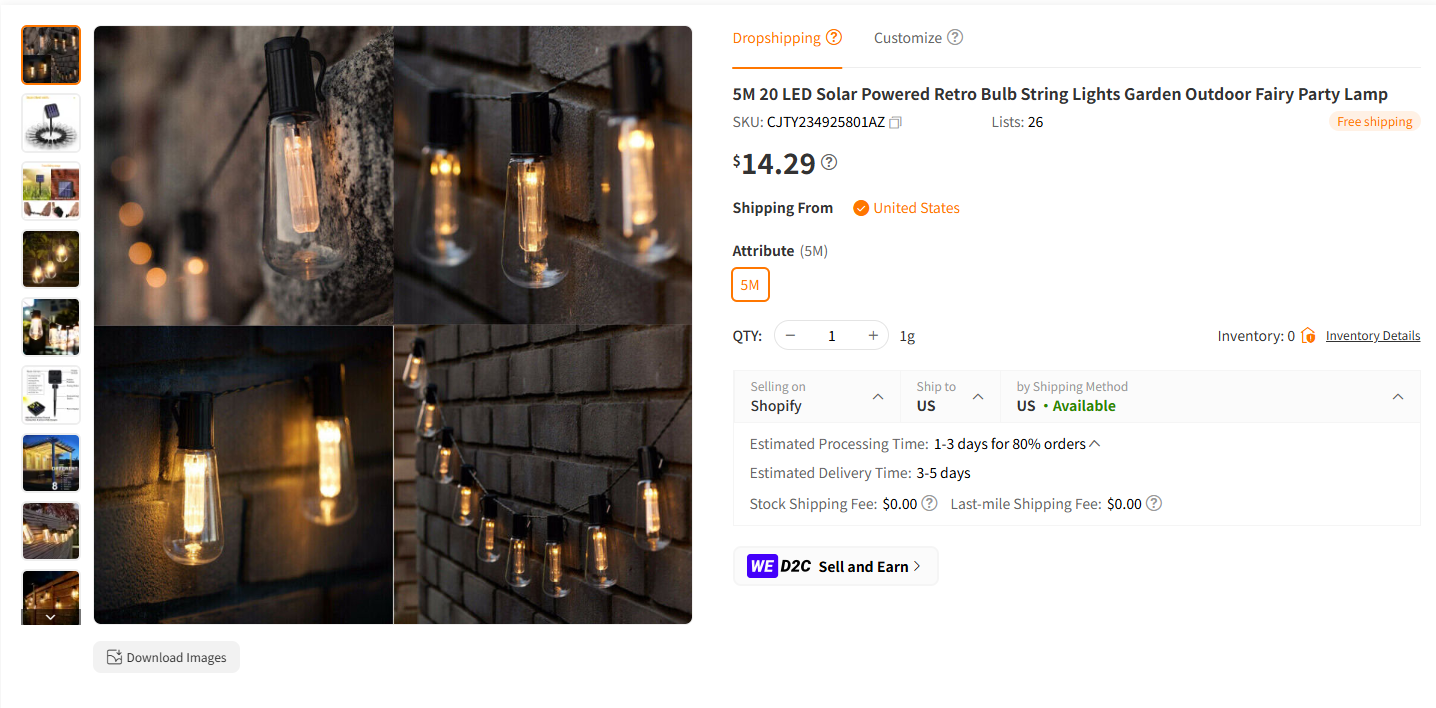
Description: LED fairy lights (also known as string lights or fairy light garlands) are small decorative lights that can be hung around bedrooms, patios, gardens, or holiday displays. They come in various styles – from delicate “fairy” twinkle lights for a cozy bedroom, to solar-powered string lights for outdoor use. Some popular types include curtain lights, bottle lights, and novelty-shaped LEDs (like little stars or vines). These lights instantly add a warm, magical ambiance to any space.
Why It Sells Well: Lighting is huge in home decor – globally, the lighting segment is an $80+ billion market. String lights in particular have a steady, year-round demand and consistent Google search interest worldwide. They owe much of their popularity to social media; think of all the Instagram and Pinterest photos of cozy dorm rooms or boho weddings adorned with fairy lights. They’re affordable, easy to install, and extremely versatile (used for dorms, bedrooms, weddings, café patios, Christmas décor, you name it). Because they create instant atmosphere, customers love them for “hygge” vibes or festive decoration. Also, newer variants like solar fairy lights appeal to eco-conscious buyers who want outdoor lighting without increasing their electric bill.
Supplier Suggestion: You can source fairy lights easily on CJdropshipping (search for “LED string lights” or “fairy lights” – many suppliers offer different lengths and bulb shapes). CJdropshipping also lists various decorative lights and often has options with fast shipping from global warehouses. Expect supplier prices as low as $2-$5 per strand (depending on length and features like solar panels or remote control). Look for suppliers with good reviews that indicate the lights are safe (UL certified if possible) and packed securely (since bulbs can be delicate).
Ideal Customer: The great thing about fairy lights is their broad appeal. Ideal customers include: college students or teens decorating dorms and bedrooms; young adults setting up their first apartment; café or small shop owners looking to create ambiance; wedding and event planners (for whom you might sell in bulk); and generally anyone into DIY home décor. If you target a niche, for example, you might market boho-style string lights to Pinterest-loving young women who want a cozy bedroom, or outdoor solar lights to homeowners sprucing up their patio. Both men and women purchase these, but marketing skews slightly toward female buyers in their teens to 30s who are active on social platforms (where the aesthetic use of these lights is often showcased).
2. Digital LED Wall Clock
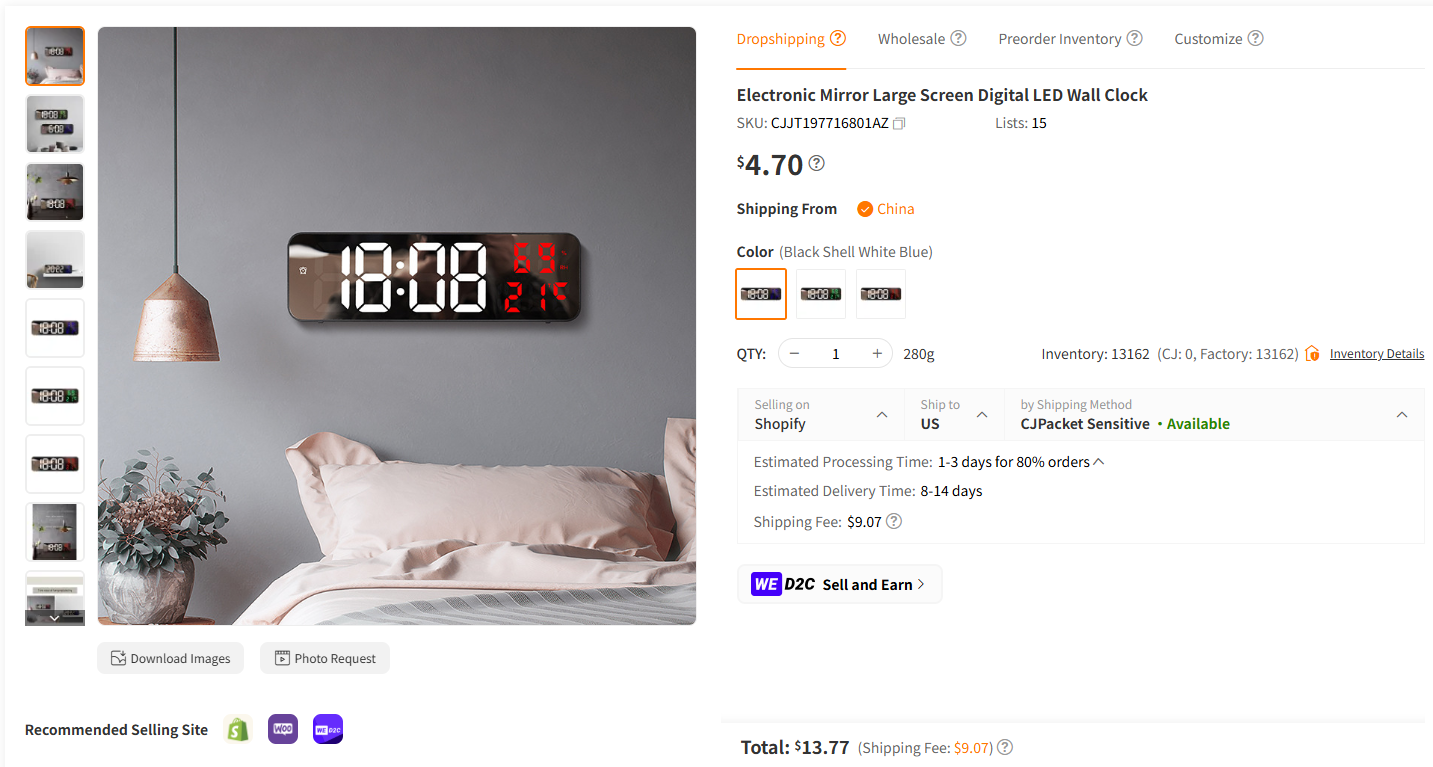
Description: A digital LED wall clock is a modern twist on the traditional clock – it displays the time with bright LED digits, often in a sleek frameless design. These clocks can be mounted on a wall or placed on a desk, and many have additional features like temperature displays, alarms, or adjustable brightness. The design is usually minimalist and futuristic (imagine large 3D digits that seem to float on the wall). They come in various sizes and colors (common ones are white, blue, or multicolor LED displays).
Why It Sells Well: Digital LED clocks have become very popular as both functional gadgets and décor pieces. They instantly give a room a contemporary, high-tech feel. Many people use them in home offices, bedrooms, or living rooms as statement pieces. Research indicates the market for digital clocks is growing – expected to reach around $239 million by 2028 – reflecting their rising demand. Part of the appeal is practicality: they’re easy to read from across the room and often have multiple functions (time, date, temperature). They also tie into the “smart home” trend – while basic models are simple LED displays, some advanced ones integrate with smart home systems or have built-in Bluetooth speakers. Visually, they are eye-catching in product photos and videos (popular on TikTok room makeover videos), which helps drive impulse buys. Additionally, they make great gifts, especially for tech-savvy individuals or teens styling a gaming/streaming room.
Supplier Suggestion: CJdropshipping is a prime source for these clocks – many models are available, ranging from ~$10 for a basic version to $30+ for larger or multi-function models. Check listings for features: some have remote controls or app connectivity. CJdropshipping also offers LED clocks, sometimes with faster local shipping options (e.g., from US/EU warehouses). These clocks ship relatively compact (they’re usually lightweight plastic), but be sure to choose a supplier known for good packaging to protect the LED components. Look for suppliers advertising worldwide shipping – LED clocks have global appeal, and indeed I’ve shipped them to customers in the US, UK, and Asia without issue.
Ideal Customer: Ideal customers include tech enthusiasts, gadget lovers, and anyone who wants a modern decor touch. Think of demographics like: young professionals setting up a stylish home office, teenagers decorating a bedroom (especially gamers who match the clock color to their RGB gaming setup), or even gym owners wanting a big wall timer. Both genders purchase this, roughly age 18-45. A sub-niche is people who love minimalistic or industrial design – the clock’s clean look fits those aesthetics well. Also, since it’s functional, even customers who aren’t heavy into decor might buy it just for timekeeping. Your marketing can target interests like tech gadgets, modern home design, or even “Shopify home accessories” for office makeovers.
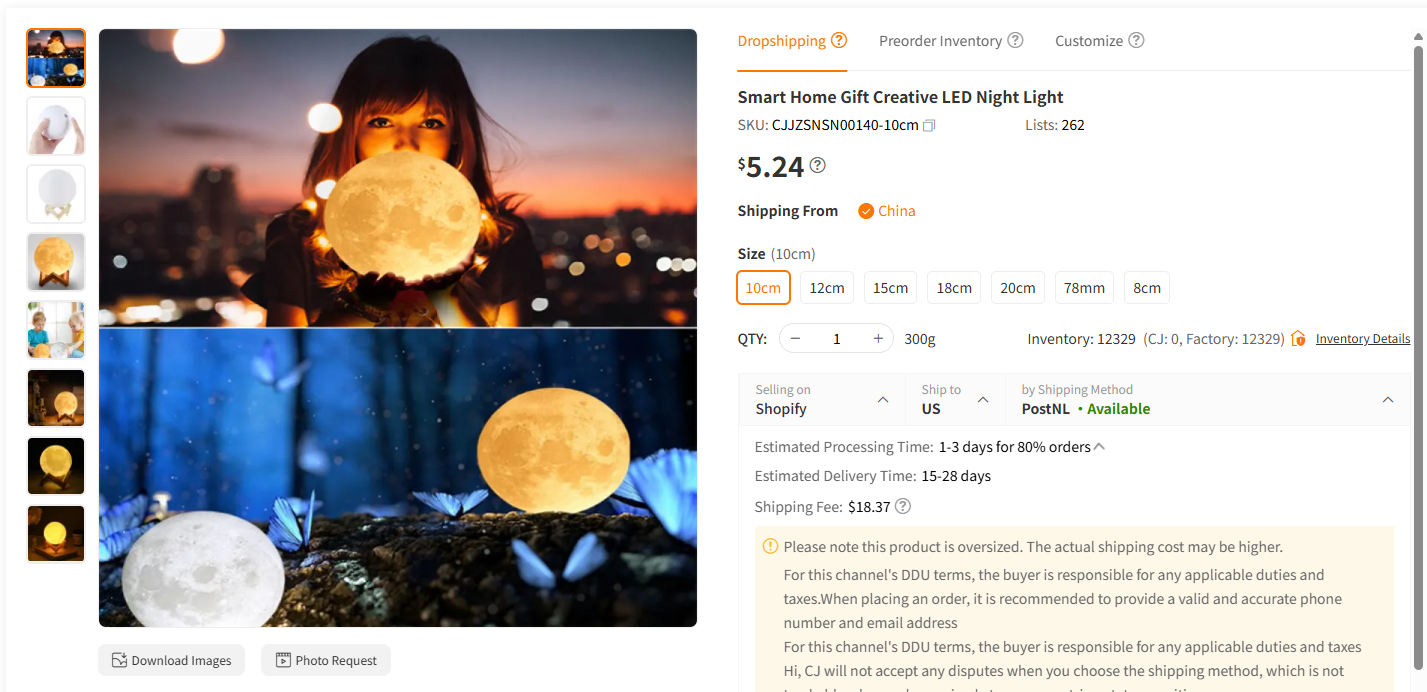
3. LED “Moon” Lamp (Novelty Ambient Lamps)
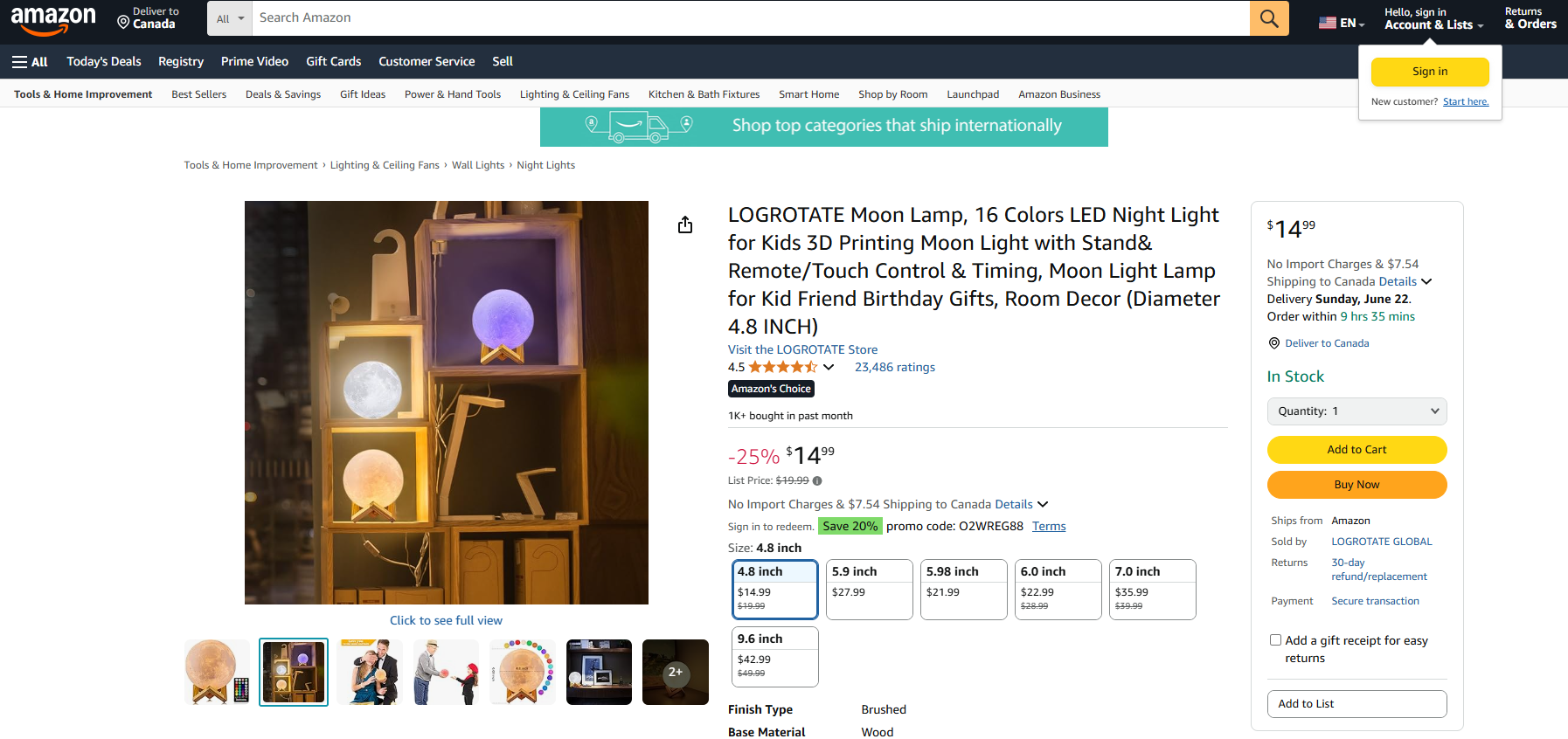
Description: The LED Moon Lamp is a decorative lamp that closely resembles a full moon – a 3D-printed sphere with craters and texture, which lights up in various colors. It usually comes on a small wooden stand, making it a perfect bedside or tabletop lamp. Besides moon replicas, there are other novelty ambient lamps trending too: sunset projection lamps that cast a warm sundown glow on the wall, galaxy projectors that fill a room with stars and nebulae, and mushroom or cloud-shaped lamps for a whimsical touch. These lamps serve more as mood lighting and decor than primary light sources.
Why It Sells Well: Simply put, these lamps are extremely “Instagrammable” and TikTok-viral. The LED Moon Lamp, for example, went viral on TikTok and social media, driving a huge wave of sales. They have a high novelty factor – people love gifting them and using them to create a relaxing, magical atmosphere at home. With color-changing modes and rechargeable batteries, they’re also practical and easy to place anywhere (no cords needed when charged). The visuals of a glowing moon or a personal sunset in your room tap into consumers’ desire for unique experiences in their space. Reviews often mention how these lamps are great conversation pieces and night lights. Moreover, their popularity across social media means they attract impulse buys; customers see a video of a galaxy projector transforming a room and immediately want that experience for themselves. These products ride the crossover of home decor and gadget, appealing to both decor enthusiasts and tech/gift shoppers.
Supplier Suggestion: AliExpress has many suppliers for moon lamps and similar projectors. Moon lamps can be sourced for as low as $5-$15 depending on size (usually 5-inch up to 8-inch diameter options). Ensure the supplier’s version comes with the wooden stand and a remote (many offer a remote for color/brightness control). Given their viral success, you can find them on CJdropshipping too, which might have US or EU stock for faster delivery. It’s worth checking that the lamp is certified safe (CE, FCC, etc.) since it’s an electronic device – quality suppliers will mention this. Note: since these are already popular, check prices across suppliers to maintain a good margin; some suppliers bundle nice packaging (which can increase perceived value). The good news is novelty lamps have a high perceived value, so you can price them with a solid markup, capitalizing on their gift appeal.
Ideal Customer: The core audience for these lamps are younger adults and teens who enjoy trendy room decor and ambient lighting. Think Gen Z and millennials, roughly ages 15-30, who are active on TikTok/Instagram – they see this in a viral video and want one. Gamers and streamers also love LED ambiance (the “galaxy projector” has been popular in gaming setup tours). Additionally, it’s a hit among gift shoppers (people buying birthday gifts, housewarming presents, etc., for friends and family). If you craft a persona: imagine a college student decorating a dorm, a teen girl making her bedroom aesthetic, or a young mom getting a soft night light for the nursery (the moon lamp’s gentle glow is perfect for kids’ rooms too). Even adults into astronomy or space-themed decor are potential buyers. Marketing tip: highlight how it creates a relaxing vibe for unwinding at night, and use user-generated content or videos to show the lamp in action – this sparks imagination and desire in customers.
4. Throw Pillow Covers & Cushions
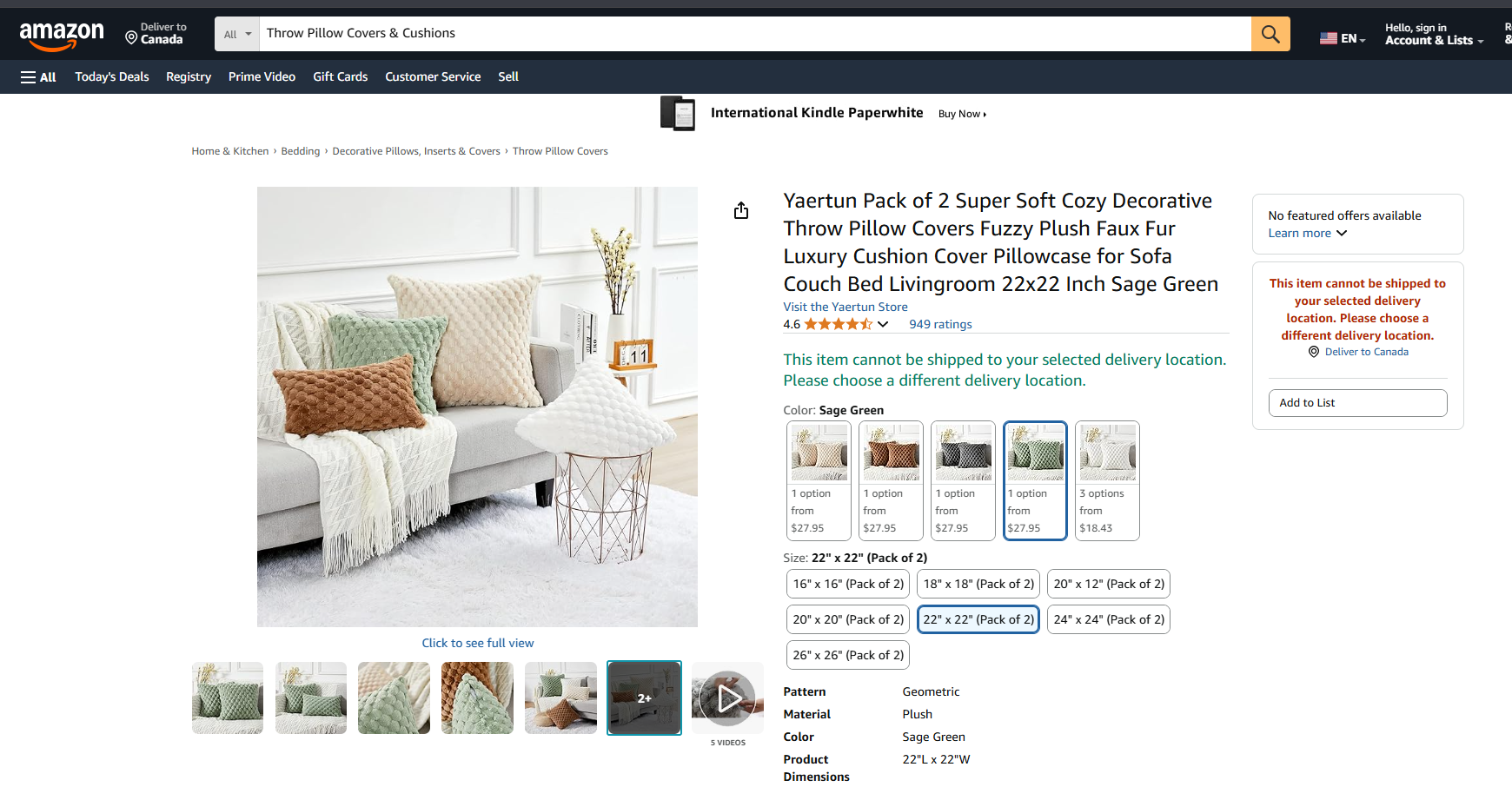
Description: Throw pillows and cushion covers are classic home accessories that instantly add color and comfort to a space. We’re talking about decorative pillow covers (usually 16x16" or 18x18" squares) that feature various designs – from trendy boho patterns and quotes to seasonal themes (like Christmas or Halloween prints). They often have a zipper so you can insert a pillow form. By swapping covers, people can refresh their couch or bed’s look easily. Some popular subcategories: bohemian macramé pillow covers, minimalist monochrome designs, funny quote pillows, and even custom print-on-demand pillows with personalized images. Alongside covers, you could also offer plush cushions or throw pillows themselves (though shipping pillow inserts is bulkier; many dropshippers focus on the covers only).
Why It Sells Well: Almost every home has throw pillows, and consumers love changing them for seasons or trends. It’s a broad, evergreen market (pillows aren’t a fad, they’re a staple). What makes it great for dropshipping is the incredible variety of designs – you can cater to many niches (farmhouse style, modern abstract, cute kids’ room, etc.) with relatively low cost. Also, pillow covers are lightweight and cheap to ship, but have a perceived high value when featuring stylish designs. Print-on-demand pillows are actually a significant industry – part of a $7.4 billion POD market in 2025 – which shows how much consumers love decorative pillows. They sell well because they’re an affordable way for customers to revamp a room’s look (buying a $10–$20 pillow cover is easier than buying a new piece of furniture!). Additionally, social media home decor influencers frequently showcase pillows in room makeovers, driving trends like faux-fur pillows for winter or tropical prints for summer. From my experience, customers often buy multiple covers at once (boosting average order value), especially if you offer complementary designs or bundle deals (e.g., “Get 4 seasonal pillow covers for $X”). Low return rates also make this category appealing – there’s not much that can go wrong with sizing or function, as long as the print quality is good.
Supplier Suggestion: CJdropshipping also has home textile suppliers; they might have unique designs or faster shipping on select designs. One strategy is to source from a print-on-demand supplier (like Printful or Printify) for unique designs (like personalized or original art pillows) – those can integrate with Shopify and ship from local regions, though at higher base cost. However, for trending designs (like boho patterns or holiday themes), AliExpress/CJ is usually sufficient. Always check if the listing is for the cover only (most are) and if the insert is included or not, so you can clarify that on your product page. Pro tip: order a sample to photograph it in an attractive home setting; great photos will help sell the vibe that a stock supplier image might not convey.
Ideal Customer: Just about anyone who decorates their home is a potential pillow customer, but you can narrow it by style. Ideal customers can be: home décor enthusiasts (often females 25-55, who enjoy updating their living room or bedroom look), new homeowners or newlyweds setting up a place, or even college students personalizing a dorm/apartment cheaply. If you go niche, say your pillow covers have funny quotes or pop culture references – then your ideal customer might be younger and buying it as a gift or for a dorm. If you sell high-end looking velvet or macramé pillows, your customer might be slightly older, mid-30s homeowner going for a chic look. Because pillows are so universal, your marketing can focus on themes: e.g., target people interested in “boho interior design” for bohemian pillows, or target “Christmas decoration” interests for holiday-themed pillows. Also, note that many buyers of pillows are repeat customers – they might come back for the next season’s designs – so build an email list to re-market new collections to past buyers.
5. Removable Wall Stickers & Decals (e.g. 3D Wall Butterflies)
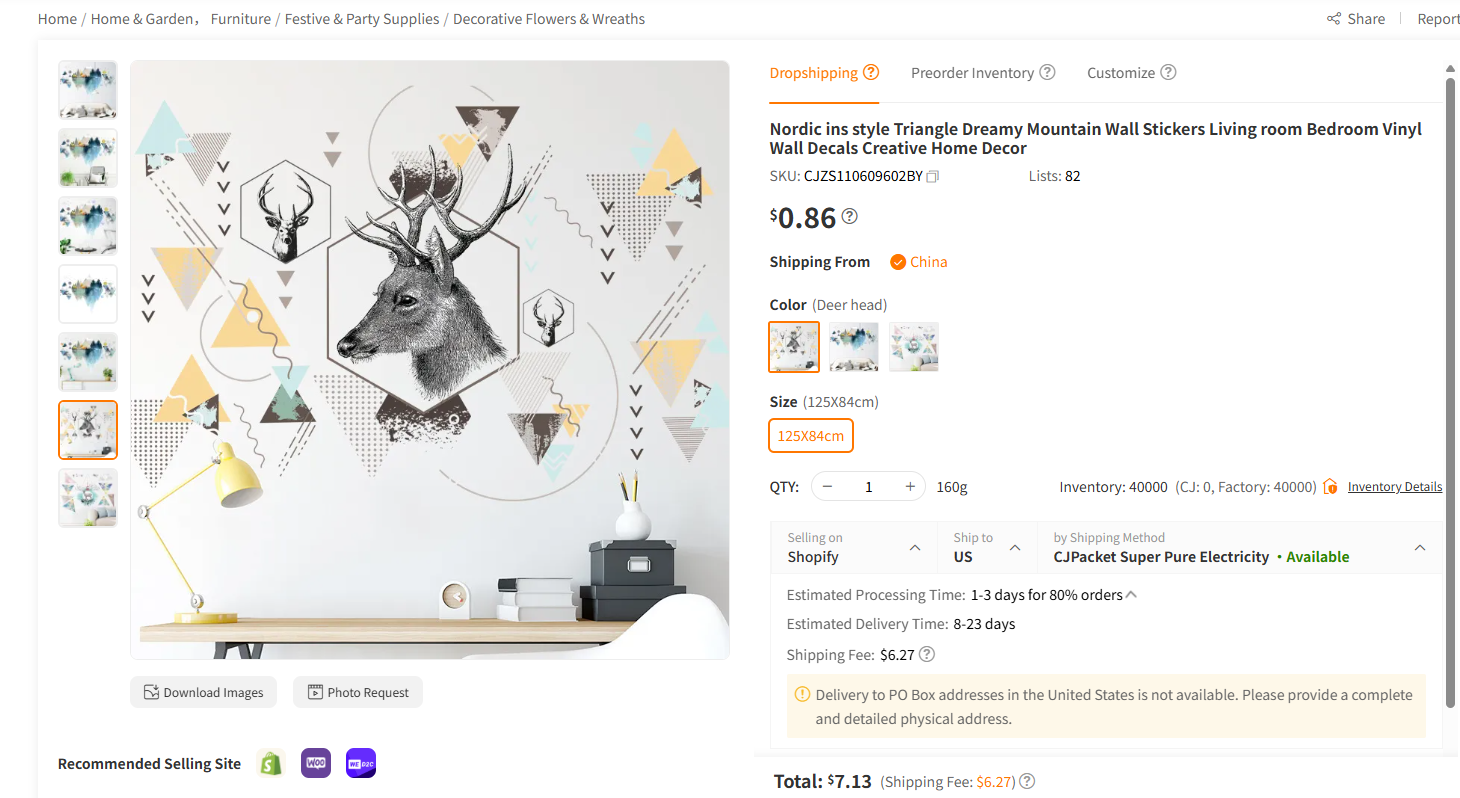
Description: Removable wall decals are adhesive decorations that you can stick on walls (and often easily peel off without damage). They come in countless designs: from 3D butterflies that look like a swarm of butterflies on your wall, to quotes in fancy fonts, to kids’ room characters, and geometric patterns. Some are flat vinyl stickers, others (like the popular metallic 3D butterfly stickers) have a slight pop-out effect. They essentially allow people to create a mural or accent on their walls without paint or nails. Also included here are kids’ wall stickers (like cartoon animals, growth charts, glow-in-the-dark stars) and stylish decals for living rooms (like botanical silhouettes or motivational phrases).
Why It Sells Well: Wall stickers are cheap, creative, and renter-friendly – a winning combo. They fulfill the desire for personalized decor: customers can transform a plain wall in minutes. For renters or dorm residents who can’t paint or drill, decals are a perfect solution (and landlords love that they don’t damage walls). They’ve been trending for years on sites like Etsy and AliExpress; in fact, certain designs have gone viral. For example, 3D wall butterfly stickers are consistently high in demand on AliExpress – they appeal to a wide range of consumers from college girls decorating dorms to moms jazzing up a child’s bedroom. SaleHoo’s research noted that those butterfly decals attract a wide female demographic, from students to mothers. The reason is clear: decals are versatile (a child’s room can have cute animal stickers, a living room can have classy patterns), and they’re very affordable, usually a few dollars for a set. This makes them an impulse buy item. People also enjoy the DIY aspect – it’s fun to arrange the decals and instantly see a design come to life. Moreover, seasonal decals (like snowflakes for winter windows or Halloween bats) sell well leading up to holidays because they’re temporary and festive. With low shipping weight and high perceived creativity, wall stickers are a staple in many dropshipping decor stores.
Supplier Suggestion: AliExpress is decal heaven – search for “wall sticker” or specific themes (“nursery wall decal”, “3D butterfly wall sticker”) and you’ll find tons of options often for <$2 per pack. Many suppliers offer free or ePacket shipping due to the lightweight nature. Check the size dimensions carefully (some product photos can make them look bigger than they are). Also, check reviews to ensure the stickers actually peel off cleanly and the adhesive is good but not wall-damaging. CJdropshipping also has some wall decals in their catalog, and you might find unique designs via CJ’s suppliers. One tip: diversify a bit – stock a mix of general designs (like butterflies, geometric shapes) and niche ones (like gamer-themed wall stickers, or nursery rhyme quotes) to appeal to different audiences. Because these are inexpensive, consider offering bundle deals (e.g., “buy 2 get 1 free”) to increase cart value. Ensure your supplier can handle a bundle if you do that (or you can simply manually order from two suppliers if needed). Packaging is typically a simple plastic opp bag; you might want to mention in your store description that minor bending in transit won’t harm the stickers (to set customer expectations if the package arrives slightly creased).
Ideal Customer: Renters and DIY decorators are prime targets – anyone who can’t or doesn’t want to do permanent changes but craves personalization. This includes: college students in dorms, apartment renters of all ages, parents decorating kids’ rooms on a budget, teachers decorating classrooms (yes, some use decals on classroom walls), and homeowners who want an easy accent wall without hiring a painter. The demographic skews slightly female, particularly for designs like butterflies or nursery decals, but there are male shoppers for things like man-cave or gamer room decals. Age can range widely: 18-34 for dorm/first apartment crowd, and 25-45 for parents and home decorators. If marketing on Facebook/Instagram, you can target interests like “Home decor”, “DIY”, “Interior design”, and even “Etsy” or “Pinterest” users (since they often look for creative ideas). Another angle: target new parents or baby-related interests for nursery decals, because new moms often decorate nurseries with decals (e.g., cute elephant and cloud stickers, name decals, etc.). Highlight the ease (“peel and stick in minutes!”) and non-damaging aspect in marketing, as that’s a huge selling point.
6. Peel-and-Stick Wallpaper & Tile Stickers
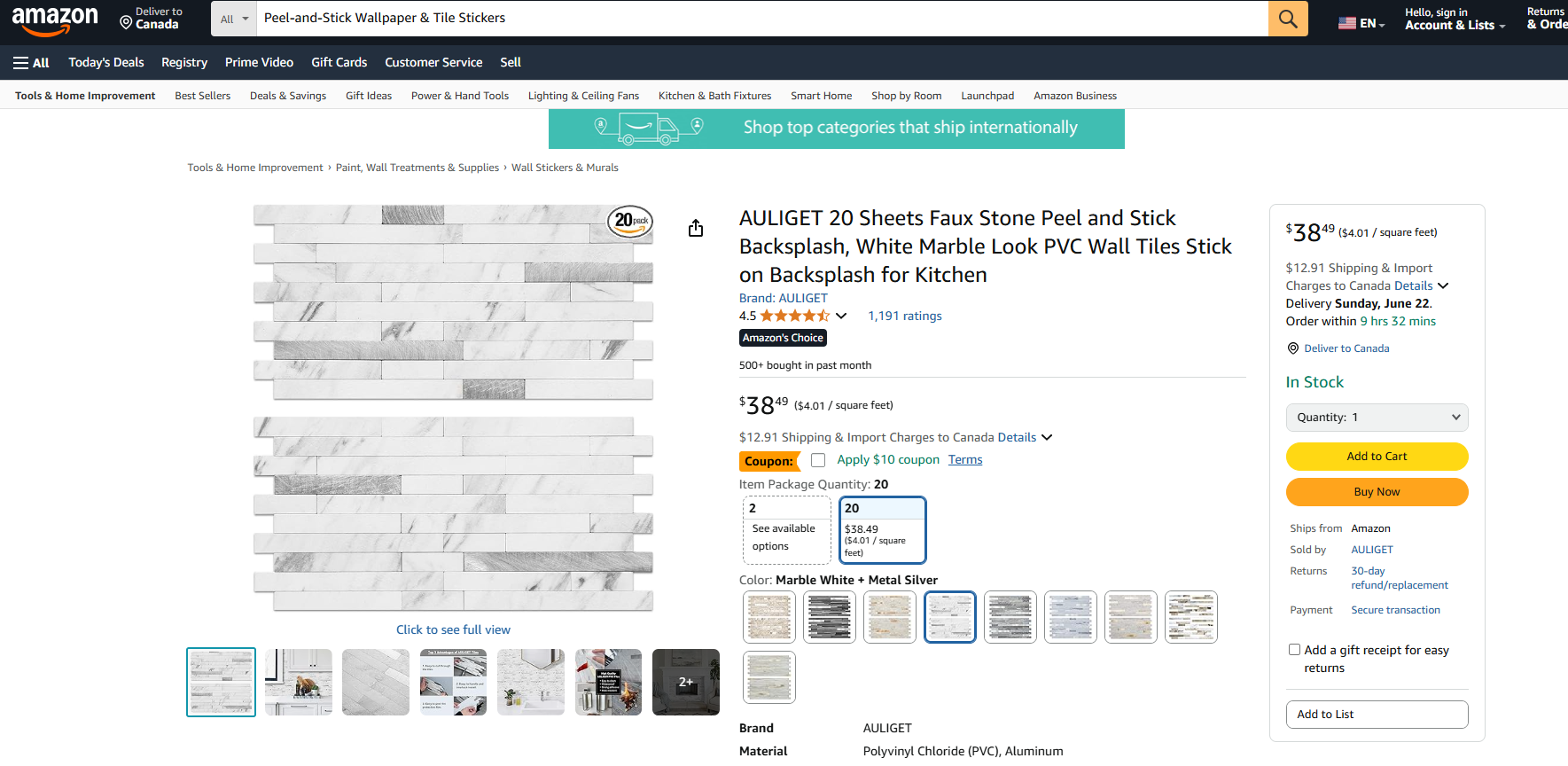
Description: Peel-and-stick wallpaper (and its cousin, tile stickers) are large adhesive sheets that mimic the look of real wallpaper or tiles. They allow customers to do a DIY room makeover by simply sticking these on walls or backsplashes and later removing them without damage. Popular types include: imitation brick wall panels (foam or decal that looks like exposed brick), mosaic tile stickers for kitchen or bathroom walls, marble-look contact paper for countertops, and various patterned wallpapers (florals, geometric, shiplap, etc.). Essentially, these products turn a bland wall or surface into something eye-catching with minimal effort. Some are waterproof or made of vinyl/foam for durability.
Why It Sells Well: With the rise of DIY home improvement content (think HGTV and YouTube DIYers), more people are confident to do minor renovations themselves. Temporary wallpapers and tile decals have exploded in popularity because they’re a fraction of the cost of real renovations and can be done by anyone – no professional needed. They particularly cater to renters: as SaleHoo noted, high rents and renovation restrictions mean renters seek solutions to decorate without permanent changes. An imitation brick wall sticker can transform an apartment wall to a loft-style brick look, which is very appealing to someone who can’t actually install bricks. Additionally, these products have practical benefits: foam brick panels, for example, not only look cool but also add a cushiony layer – SaleHoo pointed out they can improve safety in homes with babies (softer than a hard wall). Peel-and-stick tiles can hide outdated backsplash in a kitchen, instantly modernizing it. The before-and-after effect of these products is dramatic, which makes them highly shareable on social media and satisfying for customers. They also tend to have high average order values since covering a wall requires multiple panels (so customers order several pieces at once). The continuing trend of “renter-friendly hacks” on TikTok and Instagram keeps these items in demand. Overall, they sell well because they offer a quick, creative home upgrade at low cost and low commitment.
Supplier Suggestion: CJdropshipping has listed wall decals and wallpapers – possibly with fast shipping options. Given these can be a bit heavier/bulkier than small decals, check shipping costs for large orders. If you find a US/EU supplier it could be advantageous for local customers to get faster delivery, since someone redoing a kitchen might not want to wait a month. Quality is key: read reviews to ensure the adhesive is strong but truly removable without residue. Also ensure the print doesn’t look cheap – customers expect a realistic look (especially for textures like marble or brick). It’s wise to order a sample panel and test it on your own wall to see the effect and take real photos. When listing, provide clear measurements and perhaps a brief “installation guide” to reassure customers it’s easy (e.g., “Just peel off the backing and stick on a clean, smooth surface – no glue needed!”).
Ideal Customer: Renters and budget-conscious homeowners are the primary market. Ideal customers include: apartment renters (20s-40s) wanting to decorate without losing security deposit, homeowners who don’t have the budget for a full renovation but want a new look (could be any age, often 30s+ DIY enthusiasts), and even small business owners decorating cafes or shops on a budget. There’s also a subset of crafty people who use contact paper for furniture flips (e.g., wrapping an old dresser in marble-look paper). Gender is pretty evenly split; anyone interested in DIY home projects is a target. If we narrow: for brick and tile stickers, likely homeowners 25-55; for fun patterned wallpapers, maybe younger renters or dorm residents. Marketing channels like Pinterest and DIY Facebook groups work well for these visually-driven transformations. Emphasize how easy and transformative the product is – showing a before/after photo in ads can be powerful. For instance, target people interested in “home renovation” but also “renting” or “apartment living” to reach those who specifically need temporary solutions.
7. Decorative Wall Mirrors (and Mirror Stickers)
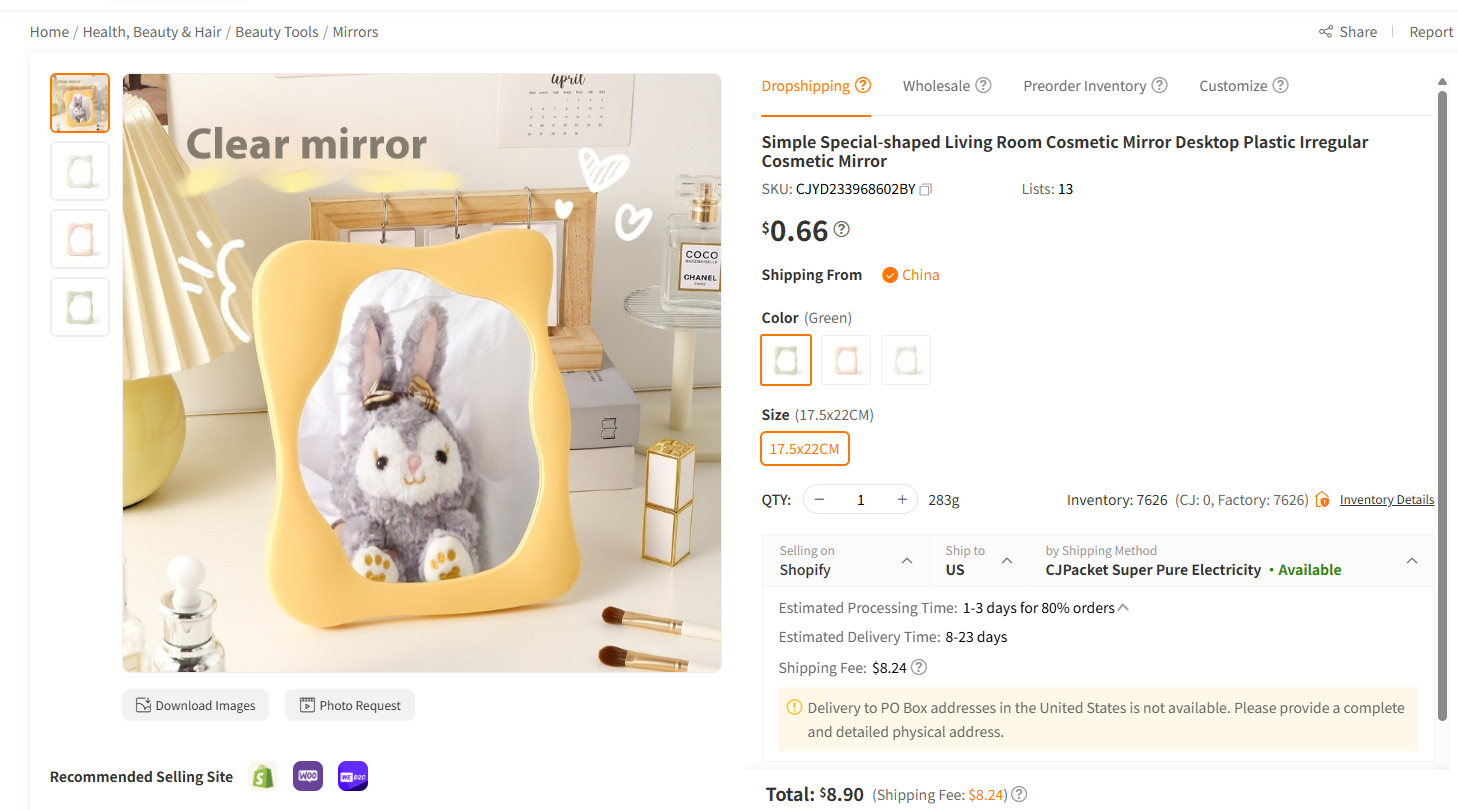
Description: Decorative wall mirrors are both functional and ornamental – they include items like sunburst mirrors, vintage-style mirrors, modern geometric mirror sets, etc. These can be actual glass mirrors or reflective acrylic panels that stick on the wall. A popular dropshipping variant is mirror wall sticker sets – sets of small hexagon or square mirror tiles that can be arranged into a larger mirror-like display. These acrylic mirror stickers give the illusion of a mirrored surface without the weight or risk of glass. Traditional decorative mirrors might have fancy frames (gold, rustic wood, etc.) and come in various shapes (round, oval, cluster of pieces, etc.). They serve to make rooms look brighter and larger, and also act as decor focal points.
Why It Sells Well: Mirrors have a timeless appeal in home décor. They reflect light and make spaces feel bigger, a trick every interior decorator knows. For dropshippers, the mirror sticker sets have been a hit because they solve the pain points of real mirrors – they’re lightweight (no heavy shipping or risk of breaking), and they can be put up without drilling holes. Customers love that they can create a mirror of any shape/size by arranging the pieces. It’s modular and creative. SaleHoo highlighted that these mirror decals replace the need for heavy wall mirrors and can be customized to any dimension, which is a great marketing point. Additionally, real decorative mirrors (like stylish framed ones) are high-margin items; people often pay a premium for chic designs. However, shipping real mirrors can be tricky due to fragility – that’s why many dropship stores favor the acrylic stick-on types or smaller accent mirrors that ship safer. The trend of gallery walls in home decor (arranging multiple decor items on a wall) often includes a mirror piece, so selling small decorative mirrors fits into that trend. Moreover, mirrors have cross-niche potential: e.g., a beauty vlogger might buy a cute mirror for their vanity area, or a spiritual customer might want a decorative mirror for feng shui purposes. They are also frequently purchased by college students and renters who want to avoid putting heavy glass up (safety and deposit reasons). In sum, decorative mirrors sell well because they’re functional decor that enhance a room’s look and perceived size, and the innovative mirror stickers make that more accessible to everyone.
Supplier Suggestion: For mirror wall stickers, AliExpress has plenty. Common sets are hexagons or circles in packs of 10/12 pieces – usually made of acrylic with a protective film (important to note: customers must peel the film to get the full mirror shine). These can cost as little as $1-$3 per set. Ensure you pick the thicker acrylic ones if possible, as very thin ones might look like mere foil. For actual framed mirrors, AliExpress has some but be cautious – shipping large glass internationally is risky. If you want to offer framed mirrors, consider suppliers like Wayfair via a dropship agreement or Spocket/Modalyst suppliers that may have US/EU stock; or stick to smaller tabletop mirrors (like aesthetic makeup mirrors) which some dropship suppliers carry. CJdropshipping might have decorative mirror stickers or small mirrors as well – a quick search there could find unique designs. Always read supplier reviews – one key thing to check is if the mirror stickers actually reflect well or if they’re too distorted. You don’t want customers complaining that the “mirror” is funhouse-like. Also ensure the size is clear; many mirror stickers are smaller than customers imagine, so manage expectations with images showing scale. Packaged weight is low, but for larger orders check if shipping cost jumps due to volume.
Ideal Customer: Style-conscious decorators and renters. More specifically, ideal customers would be: young women 18-35 decorating apartments or dorms (they often love things like a cluster of cute mirrors above a bed or vanity), home decorators of any gender who are into trends like boho or mid-century modern (sunburst mirrors appeal here), and renters of all ages who want mirrors without wall damage. University students also often need a mirror and might opt for a stick-on if they can’t mount one. Additionally, budget DIYers who can’t afford a big fancy mirror might create one with stickers. When targeting, you can aim at interests such as “Interior design”, “Home organization”, and even “Small apartment living” or “Ikea” – since mirror tricks are commonly discussed in those circles. If you sell a certain style (e.g., vintage ornate mirror), target people into vintage decor or farmhouse style. If it’s the acrylic stickers, highlight how customizable and easy they are (maybe target “DIY home” or “rental hacks”). Also, mention how mirrors “brighten up a room and make it feel larger” – a benefit that appeals to those in small spaces.
8. Area Rugs and Carpets
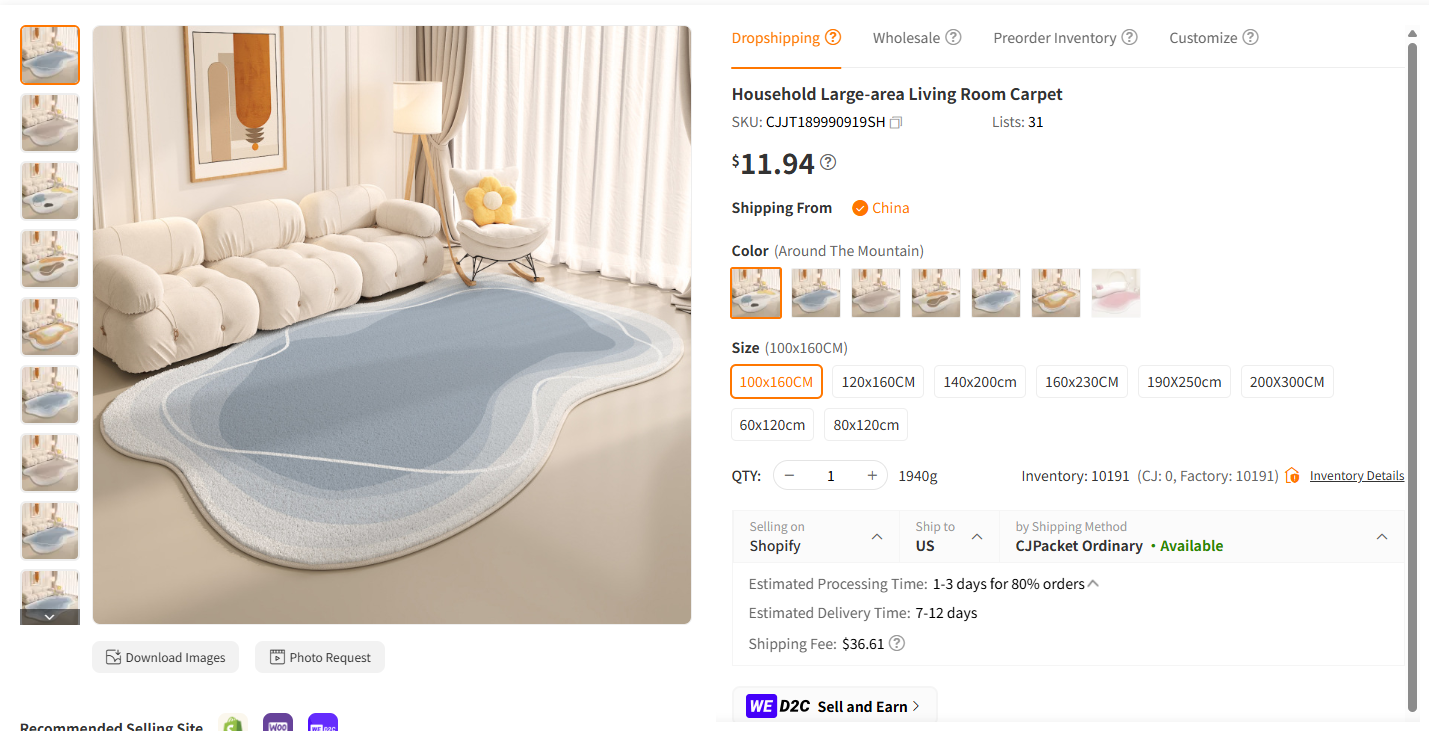
Description: Rugs and carpets encompass a range of products from small area rugs (for living rooms, bedrooms) to hallway runners, door mats, and bedside rugs. In dropshipping, popular choices include: fluffy faux-fur rugs (often for bedrooms or as accent pieces), bohemian patterned rugs (with tribal or Moroccan designs), modern geometric rugs, and anti-slip bathroom or kitchen mats. Size can vary; many focus on smaller sizes (like 3x5 feet, 4x6 feet rugs) because they’re easier to ship than huge carpets. Some products in this category are actually foldable or rolled lightweight rugs that won’t be too expensive to ship (unlike a heavy wool rug). Also trending are round rugs (like mandala designs for meditation corners) and washable play mats for kids.
Why It Sells Well: A rug can dramatically transform a room’s look and comfort, so many shoppers search for the perfect rug as a finishing touch for their décor. Statistically, the rugs and carpets market is substantial – expected to generate around $2.67 billion in revenue in 2024 and growing steadily. This signals strong demand. Rugs sell well in dropshipping because they tap into both aesthetic and practical needs: they add style (color, pattern) and also serve functions (soft underfoot, define a space, cover ugly floors). On social media, cozy or aesthetic room pictures often feature a nice rug, inspiring consumers. For example, the shaggy faux fur rug became a trendy item through Instagram (commonly seen in beauty blogger room setups). Another reason is that rugs have high perceived value – a rug that costs you $20 might easily sell for $60-$100+ retail, especially if it’s stylish. That allows good margins. People also tend to change rugs infrequently, but the purchase is considered important, so they’ll look online for just the right pattern/size – which is where your store can shine by offering unique designs. Seasonally, demand might uptick in fall/winter when people make homes cozier (fluffy rugs), or when new college grads furnish apartments in summer. Despite being a bigger item, many dropship suppliers have optimized vacuum-packing or folding for rugs to make shipping manageable. The variety of designs means you can cater to many decor themes (boho, modern minimal, kid-friendly, etc.), which broadens your customer base.
Supplier Suggestion: CJdropshipping could have options as well, potentially with local warehouse stock for faster shipping to US/EU (I’ve seen CJ list some home textiles). One strategy: pick a few signature designs that align with your store theme, rather than too many generic options. It’s easier to market a handful of standout rugs (like a bohemian tassel rug, a kids’ play mat, etc.) than overwhelm customers with hundreds. Always order samples if possible, to verify that colors and textures meet expectations. Shipping-wise, note that larger sizes (over 1.5m) might incur higher shipping costs, so consider sticking to medium sizes or charging shipping for those. If going via AliExpress, ePacket or similar might take a bit long for impatient rug buyers, so manage timing expectations at checkout (or use suppliers with expedited shipping options).
Ideal Customer: Homeowners or renters decorating a specific room are typical buyers – often a living room, bedroom, nursery, or entryway. Ideal customers can vary based on rug style: a fluffy white faux fur rug might target a teenage/young adult female demographic (for a bedroom or makeup room), whereas a vintage oriental-print rug could target 30-60 year olds with classic tastes. Boho pattern rugs (with tribal prints, kilim style) often attract millennials/Gen Z who are into bohemian or eclectic decor. Also, new homeowners (age 25-40) form a big segment, since they’re furnishing houses and likely need multiple rugs. If you carry kids’ play mats or nursery rugs, then parents (especially mothers 25-40) are the target – they love things like cute animal rugs or alphabet mats. Marketing can be broad via platforms like Google Shopping (where people actively search “buy area rug 5x7”), and visually via Pinterest or Instagram (showing how a rug completes the room). If using Facebook ads, target by interest such as “Home decor”, “Interior design”, and layer with behaviors like “Newly moved” or “New house” if available. Highlight the design and how it ties a room together; many buyers pick a rug to match existing furniture colors, so showing it in context (e.g., a couch and coffee table on the rug) can help. Also mention practical perks if applicable, like “machine washable” or “non-slip backing”, as these can sway a buyer who’s choosing between options.
9. Curtains & Drapes
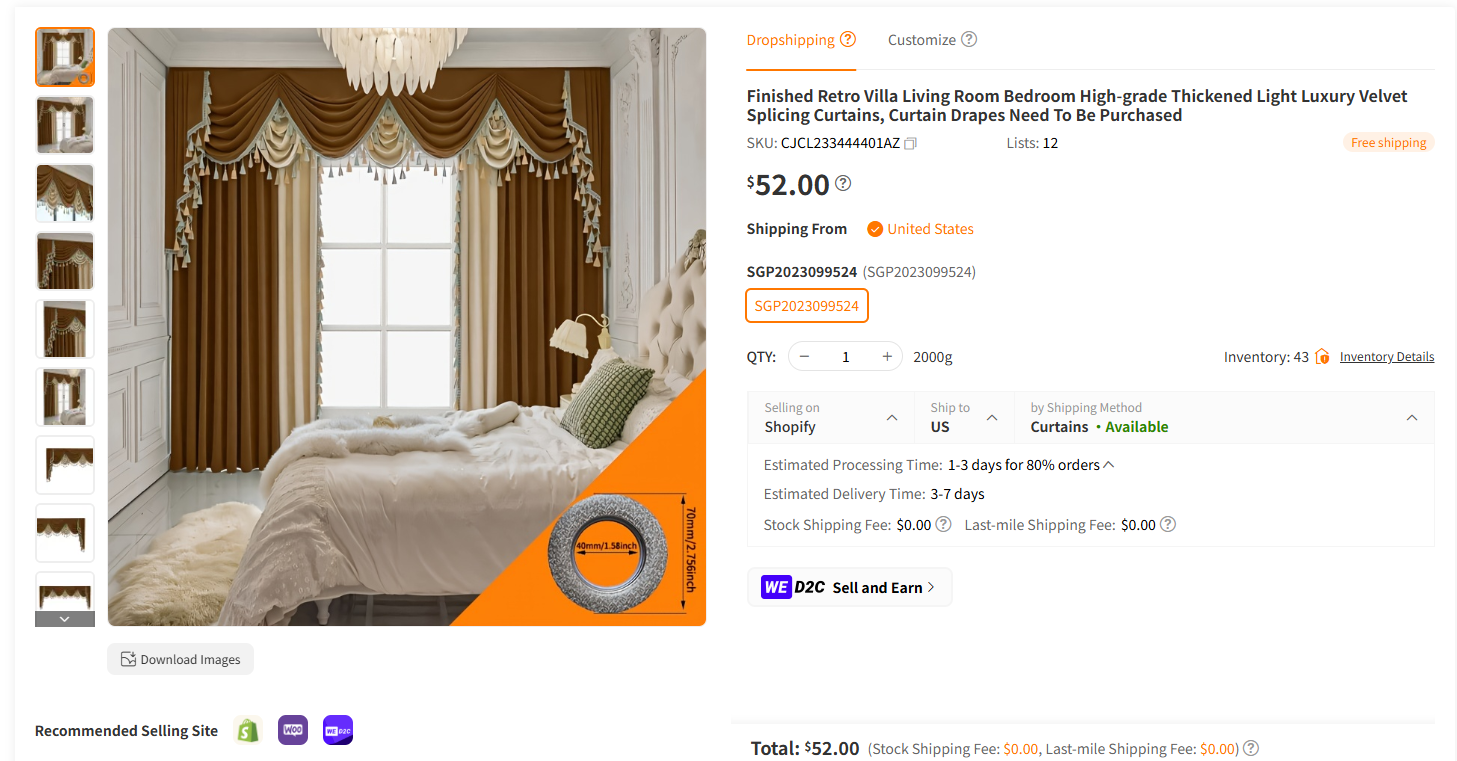
Description: Curtains and drapes are window coverings that come in various lengths, fabrics, and styles. This includes blackout curtains (often heavy, light-blocking – great for bedrooms), sheer curtains (light-filtering for a airy feel), patterned decorative curtains for living rooms, and even shower curtains as a related niche. They usually come in pairs for windows. Styles range from solid colors (popular contemporary look) to printed designs (floral, geometric, kids’ themes). Also, curtain accessories like decorative rods or tiebacks can be part of this category, though the primary product is the curtain panels themselves.
Why It Sells Well: Curtains are a home essential – almost every home has them, and many people change curtains to update a room’s style. They’re a reliable, evergreen product because beyond decor, they serve functional needs (privacy, light control). People will always want curtains, even as trends in patterns and colors evolve over time. From an e-commerce standpoint, curtains can have nice margins, especially sets with unique designs or special features (like thermal insulation or noise reduction). Dropshipping curtains is feasible because fabric isn’t too heavy, and they can be vacuum-packed. There’s also year-round demand; for example, in summer some might buy blackout curtains to keep heat out, in winter perhaps thicker drapes for coziness. Additionally, specific trends can drive sales: e.g., the resurgence of floor-to-ceiling drapes in modern interior design or the popularity of certain colors (mustard yellow curtains were a hit for a while, as were velvet curtains for a luxe look). Another factor: new housing or moving seasons (people often buy new curtains when they move into a new place). Also, niche opportunities like soundproofing curtains for home offices (since remote work increased) or cute nursery curtains for new parents. Curtains are big visually, so customers do pay attention to how they look – meaning good product photos or lifestyle images can attract buyers. And when customers compare with local store prices, they often find online options cheaper or more varied, making them comfortable purchasing online.
Supplier Suggestion: AliExpress has a broad selection of curtains. You’ll find everything from plain solid blackout panels (~$8-$15 per panel) to 3D-printed scenery curtains or kids’ cartoon patterns. One challenge: dimensions – be sure to clearly state what size each panel is and whether they come as a single panel or pair. Suppliers usually offer multiple height/width options, so listing variants correctly is crucial. Check if the top style is grommet, rod pocket, or hooks, etc., as that matters for customers hanging them. CJdropshipping might have some popular curtains (e.g., starry pattern cut-out blackout curtains, which have been trendy). If possible, look for suppliers with local warehouses for curtains; I’ve seen some on US-based dropship supplier directories (curtains are popular in the US market especially). Quality factors: blackout curtains should have a foam backing or double layer to truly block light; sheer curtains should have decent stitching. Read reviews on AliExpress for clues about fabric quality and true color. Because curtains often come in various colors, you might not stock every color – maybe choose a few best-selling colors to list (like white, grey, navy for blackout curtains). Also keep in mind shipping weight – heavy drapes can weigh a couple of kilograms; ePacket might get pricey, so consider charging shipping or building it into price for heavier sets, or using a supplier with a relatively fast standard shipping. One tip: You can also offer matching sheer + solid curtain combos as some suppliers sell those as sets for layered window treatment.
Ideal Customer: Curtains appeal to a broad range, but focusing in, your ideal customers are typically adults 25-60 who are in the process of furnishing or updating a home or apartment. New homeowners and recently moved individuals are prime (they need window coverings ASAP). Also, mothers preparing a nursery might look for themed curtains, or someone working night shifts might seek blackout curtains for their bedroom. The demographic can skew female if designs are a focus (women often take charge of home decor shopping), but men also buy for practical reasons (like blackout or thermal curtains). If you have stylish prints, target those interested in interior design or even specific styles (e.g., “farmhouse decor” fans for rustic plaid curtains). For functional ones like blackout, target by behaviors (e.g., “parents of young children” because they want nurseries dark, or “shift workers” if such targeting exists). Seasonally, you can market heavier curtains in colder months highlighting energy-saving (some curtains keep rooms warmer). Also consider renters: they might want affordable curtains to replace bland ones – targeting “renters” or “apartment living” communities could help. In marketing messages, emphasize how curtains transform a room’s look (they are often called the “dress” of the window), and how easy it is to install new curtains for an instant makeover. Also mention practical perks like better sleep with blackout, or protecting furniture from sun. Overall, curtains might not be as “exciting” as other decor in ads, but they are necessary, so content marketing (like a blog on “Top ten tips to make a bedroom cozy” including nice curtains) can draw interest that leads to sales.
10. Scented Candles & Home Fragrance
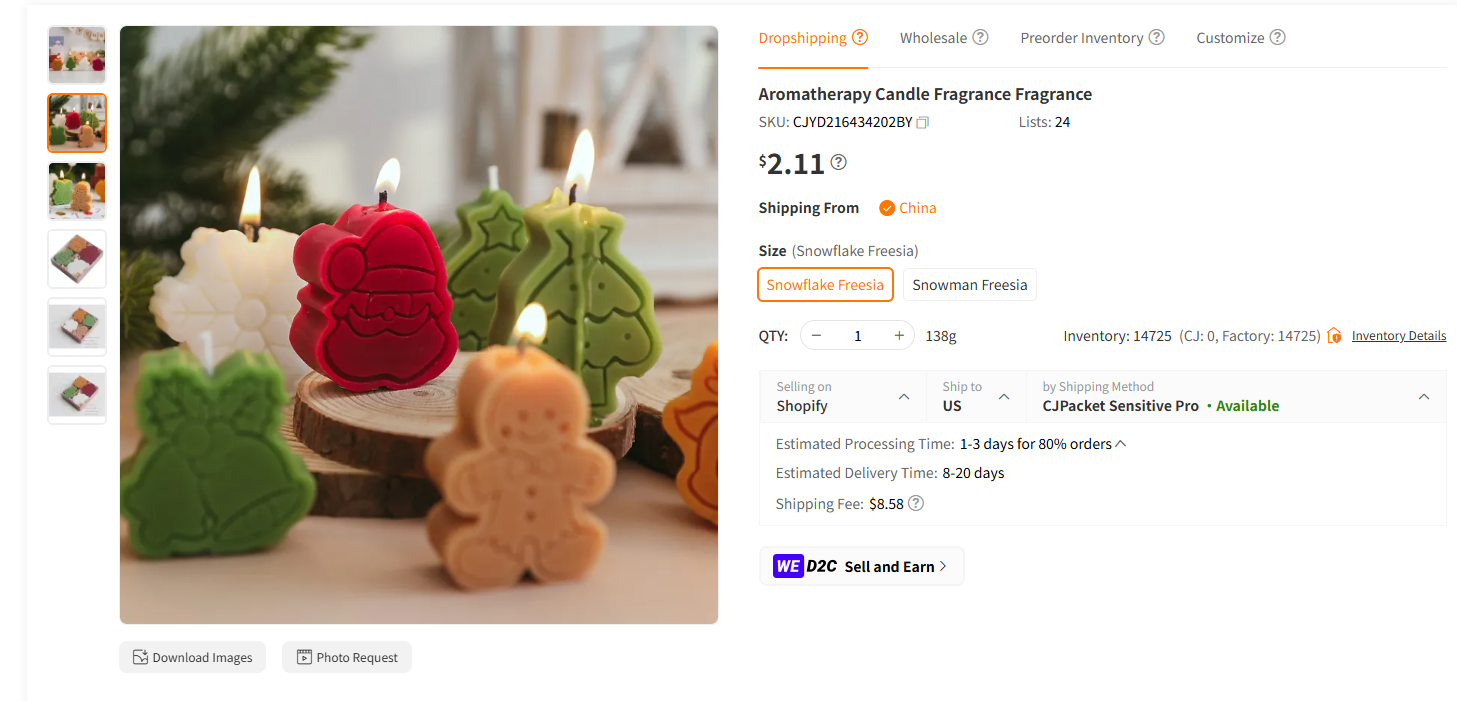
Description: Scented candles are candles infused with fragrances that release aroma when burned. They come in various forms – jar candles, pillar candles, tea lights – and a plethora of scents (lavender, vanilla, cinnamon, seasonal blends, you name it). Many also have decorative jars or labels, making them double as decor pieces. Besides candles, home fragrance can include reed diffusers (sticks in scented oil), wax melts with burners, and aromatherapy essential oil diffusers. For this list, we’ll focus on scented candles because they are popular dropshipping items, often used for ambiance and décor accent (a nice candle jar on a coffee table looks great and smells good). Some candles cater to the aesthetic side (e.g., candles in trendy pastel bubble shapes or sculptural candles are very popular now as decor accents).
Why It Sells Well: Candles hit both the visual and sensory appeal. Consumers buy them not only to make their home smell nice, but also to add a cozy, calming atmosphere. They’ve seen a rise as part of the self-care and home wellness trend – lighting a candle is associated with relaxation. In fact, the emphasis on home décor and interior coziness in recent years has driven more people to use scented candles as essential elements of décor. The National Candle Association notes that consumers increasingly purchase candles as focal points for home décor and for stress relief. This shows how candles are no longer just about scent but are integrated into decorating styles. Additionally, they are year-round sellers: while a big chunk sell during holidays (approx 35% around Christmas/New Year), the majority (65%) of candle sales are non-seasonal, meaning people buy them all year for everyday use or as gifts. They make fantastic gifts (birthdays, housewarmings, etc.), so there’s always demand. From a store perspective, candles can be branded nicely and allow upselling (customers often buy multiple scents). Also, niche candle themes (like zodiac candles, book-themed scents, humorous labels) can go viral or build a cult following. During 2020’s stay-at-home period, candle sales boomed as people sought comfort at home – that habit has stuck around. Given their popularity, one must manage competition and shipping (they can be a bit heavy), but if you offer unique selections (like eco-friendly soy candles, or handmade-looking candles) you can stand out. Profit margins per candle can be decent if sourced well, since perceived value is high – many pay $20-30 for a good candle in stores.
Supplier Suggestion: CJdropshipping has offered various candles and diffusers; CJ even had some trendy candles (like those bubble cube candles or body-shaped candles that are popular on Instagram). When dropshipping candles internationally, consider that they’re typically allowed, but very high temperatures in transit could potentially melt them – usually not an issue unless shipping mid-summer without proper storage. It might be good to find suppliers who ship from within your target country for candles, to ensure faster delivery and safe transit (some local craft suppliers integrate via Spocket or Modalyst, etc.). Another angle: consider flameless LED candles or candle warmers as alternatives; however, since the user specifically mentioned scented candles, focus there. If sourcing diffusers or wax melts, those have similar supplier locations. Finally, ensure any candle supplier follows safety (like using safe wicks, etc.). Often, you can get a better deal on unscented decorative candles in shapes and market them as decor (since they still add ambiance even unlit).
Ideal Customer: Pretty broad – anyone who likes a good-smelling, cozy home. But we can identify some segments: A key demographic is adult women, roughly 20-55, who are the largest consumers of candles (statistics say women are more frequent buyers of candles, often for home décor and relaxation). Think homeowners, apartment dwellers, spa and relaxation enthusiasts. Also, gift buyers of any gender (someone might buy a candle for their mom or friend). If you have trendy aesthetic candles (like minimalist decor candles or scented soy candles with cool labels), you might target younger Millennials/Gen Z who are into Instagram-worthy home items. If you have luxury scented candles, target perhaps older, higher-income demographics or those interested in luxury home fragrance brands. Use interest targeting like “Home fragrance”, “Aromatherapy”, “Bath & Body Works” (a popular candle brand – those fans might buy from you too), “Home decor”, and “Relaxation”. Seasonal targeting works too: e.g. in fall, market pumpkin spice and cinnamon scents to the fall-loving crowd; before Christmas, target people shopping for gifts or interested in holiday decor with pine or vanilla scented candles. Emphasize E-E-A-T by perhaps mentioning quality (soy wax, natural oils, etc.) and how adding candles can make a home more inviting and reduce stress – since many consider it part of their daily routine for a cozy night. Ultimately, the appeal is across the board: from someone decorating a coffee table with a stylish candle to someone adding it to a bubble bath ritual.
11. Storage Organizers & Home Organization Gadgets
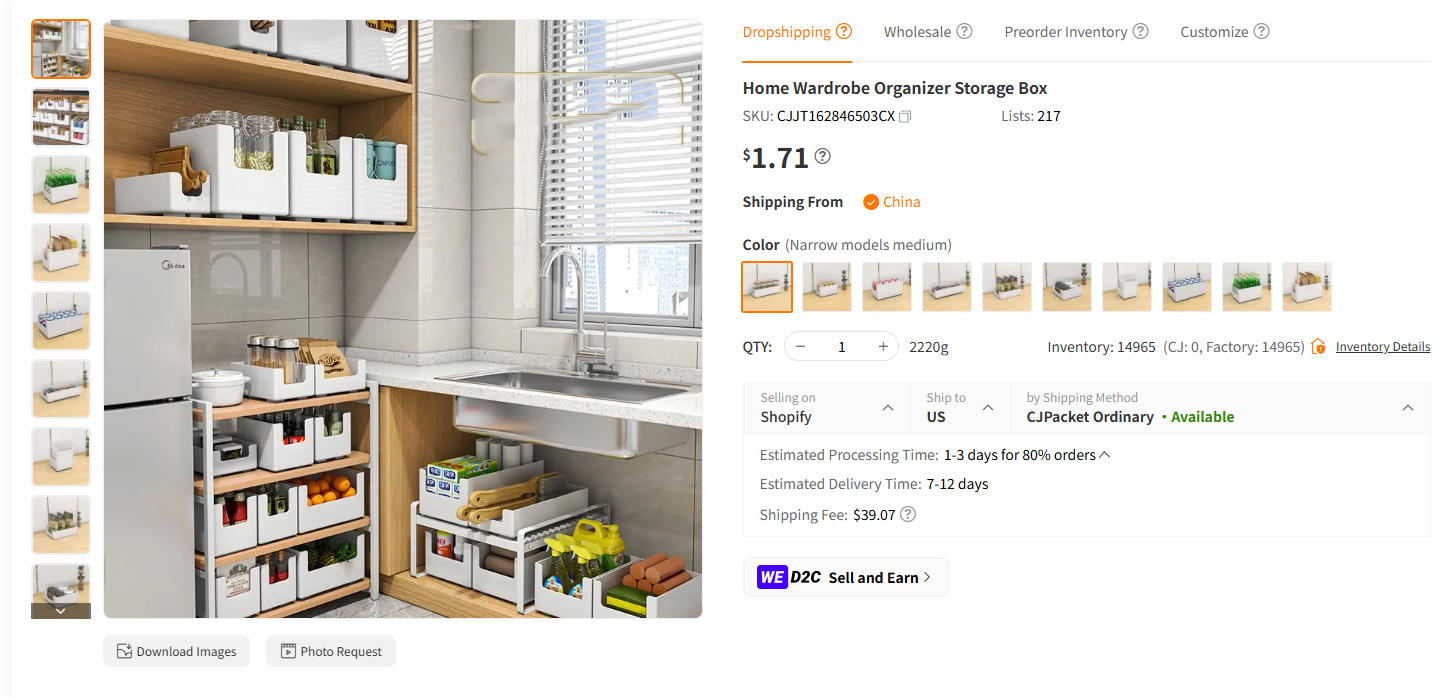
Description: This category covers a range of products designed to declutter and organize the home. Examples include: over-the-door organizers (shoe racks, hanging pantry organizers), closet storage solutions (vacuum storage bags, hanger connectors, drawer dividers), kitchen and pantry organizers (stackable food storage containers, spice racks, pot lid holders), and bathroom organizers (toothbrush holders, shower caddies). Also trending are things like cable organizers for desks, foldable storage boxes, and multi-purpose hooks. Essentially, any gadget or item that gives a spot for your stuff and makes a space tidier falls here. These products often solve everyday problems (tangled cords, messy cabinets, lack of space).
Why It Sells Well: Thanks to books/show like Marie Kondo’s Tidying Up and the general “minimalist” trend, home organization products have been hot sellers. People have realized that an organized home reduces stress and want those nifty tools they see in viral videos (like a perfectly organized pantry or closet). The market for home organization products is strong – forecast to reach $15+ billion in the next few years, indicating steady demand. Items like over-door hooks or drawer organizers seem simple, but they offer a quick fix to common pain points (where to hang coats in a small space? How to keep socks sorted?). They tend to be inexpensive and thus impulse-friendly. Also, many of these gadgets are the kind of thing you don’t realize you need until you see it – making them perfect for video demonstrations on social media. A TikTok video showing a clever way to store kitchen lids with a simple rack, or a before/after of a messy closet transformed by vacuum bags, can drive huge sales (we’ve seen multiple “Amazon must-have” style virals like that). From my experience, organization items have low return rates too, as long as they function as described. They often encourage multi-unit sales (someone might buy 4-5 container sets or multiple hooks for the whole house). Moreover, remote work has people organizing home offices, and urban living means small apartments need smart storage – both factors keep this niche thriving. It’s also considered a year-round need (maybe a bit of a spike in January with “new year organization” resolutions, and spring cleaning time). Overall, they sell well because they promise a solution to clutter, which nearly everyone battles.
Supplier Suggestion: CJDropshipping also focuses on such trending gadgets; often you can find these in CJ’s “Trending products” section. Pay attention to item dimensions, since fitting a certain drawer or door thickness matters – include those details in your product page. Quality wise, read reviews for sturdiness (e.g., do adhesive hooks actually stick, do plastic containers seal well?). For products like food storage containers, ensure they are BPA-free if possible (that’s a good selling point). Shipping: many of these are lightweight but a bit bulky. If a customer orders lots of bins, the package could be large. It might still be okay if shipped by ePacket or AliExpress Standard, but you might want to limit extremely heavy items (like avoid drop shipping a full metal shelving unit or something – stick to smaller organizers). The sweet spot are items that fold or collapse (like fabric shoe racks or foldable boxes). Some products may come in multiple pieces – highlight easy assembly if applicable.
Ideal Customer: Anyone who wants a tidy home, which is practically everyone – but we can target more specifically. Often, the core buyers are women 25-54, as they frequently take lead on home organization (though that’s not exclusive; many men also appreciate these gadgets, especially for garage or tech organization). New parents are a great segment (suddenly a house is cluttered with baby stuff – they need organizers!). People living in small apartments or dorms are also prime, because space-saving is crucial for them. If advertising on social media, target interests like “Home improvement”, “Decluttering”, “Ikea” (as Ikea fans often look for home solutions), or followership of organization gurus. Also, target by life events: “Recently moved” or “new parent” etc., as those life changes spur buying organization products. Pinterest is a powerful channel for these – consider sharing infographics or images of organized pantries, closets, etc. Also, the tone of marketing should promise stress relief and efficiency: e.g., “Spend less time searching and more time enjoying your space.” Another persona: the DIY/home enthusiast who’s always looking for clever hacks – they’ll jump on new gadgets that solve nagging issues (like a neat outlet shelf or cable clips). Given how universal clutter is, you might tailor your message: for closet items, talk to fashion lovers who need to organize clothes; for kitchen containers, talk to cooking enthusiasts who want a Pinterest-worthy pantry. If you can tap into that aspirational aspect (the satisfaction of a neat home), these products practically sell themselves once a customer imagines their own mess fixed by your solution.
12. Kitchen & Dining Gadgets (e.g. Reusable Kitchen Accessories)
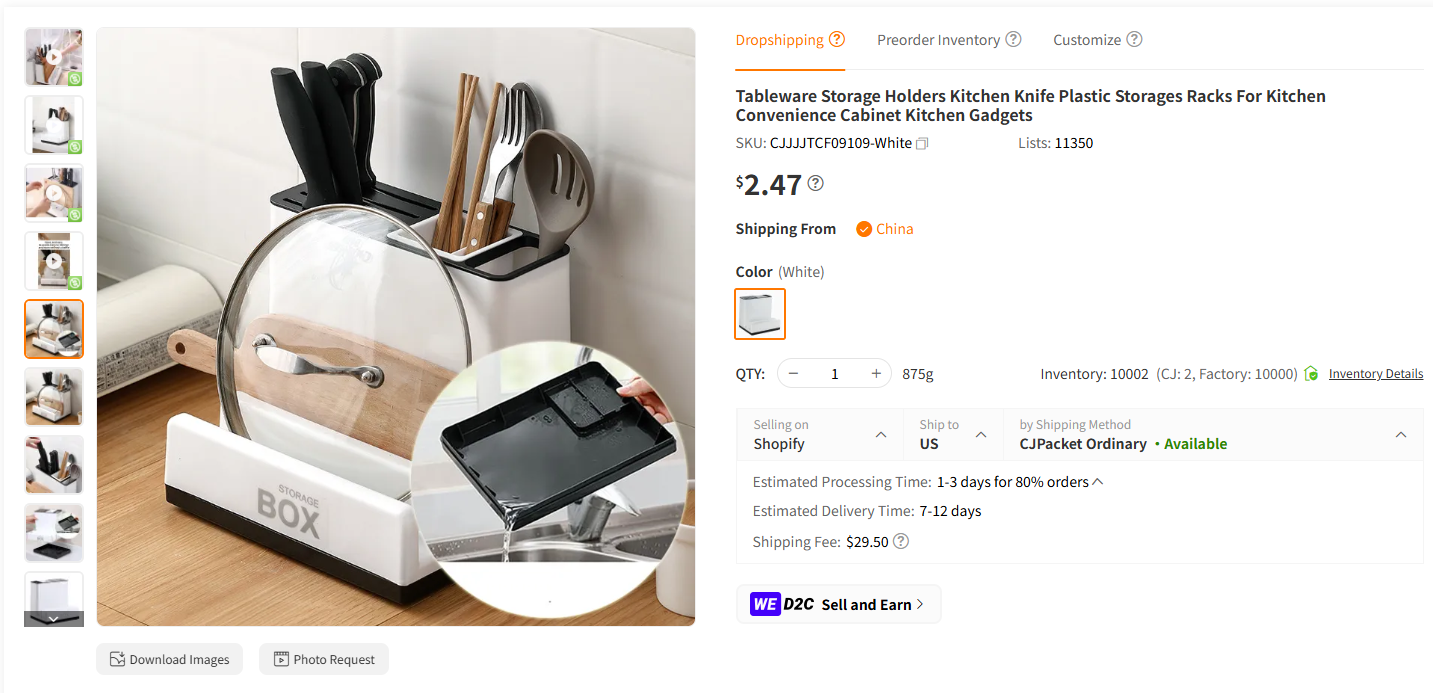
Description: This broad category includes those nifty kitchen gadgets and accessories that make cooking or kitchen organization easier. Examples: reusable silicone food wraps/lids (to replace plastic wrap), stovetop burner liners (to catch spills on gas burners), sink organizers (like sponge holders), herb cutters, garlic press, egg slicers (little food prep tools), automatic soap dispensers, and unique dining accessories (like novelty ice cube molds, stylish cutlery organizers, etc.). Essentially, think of those “As Seen on TV” type small kitchen helpers or trending Amazon kitchen finds. They are typically inexpensive, problem-solving, or novelty items for the kitchen and dining area.
Why It Sells Well: Almost everyone spends time in the kitchen, so anything that promises to save time, reduce mess, or add convenience has a built-in appeal. Kitchen gadgets often address very specific annoyances (shelling an egg, cleaning a microwave, storing leftovers) – when customers see a gadget that fixes that, it’s an “aha, I need this!” moment. They’re highly shareable on social media; quick demo videos showing, say, a stove burner liner catching all spills and then being wiped clean easily will attract lots of interest (SaleHoo noted items like burner liners are great for homeowners wanting to keep the kitchen clean). Moreover, these gadgets are typically low cost, so impulse buys are common. People might not think twice about spending $9.99 on a cool new kitchen tool that could simplify their life. The reusable/eco-friendly angle is also big – as more consumers avoid single-use products, things like silicone stretch lids (to cover bowls instead of foil) or reusable ziplock bags are in demand. In fact, the whole “kitchen hack” genre is huge on TikTok and YouTube (millions of views on videos of kitchen tips, often featuring gadgets). This naturally fuels sales. Also, there’s a constant stream of innovation – new gadgets come out each year (spiralizers, avocado slicers, etc. had their moments). From a dropship perspective, these items are small and cheap to ship, often with great margins. They often complement each other, so you can cross-sell (someone buying a sink organizer might also grab a soap dispenser). They appeal to gift shoppers too (many make fun or useful gifts for housewarming, etc.). All in all, kitchen gadgets sell well because they hit the sweet spot of being useful, affordable, and “viral-worthy”.
Supplier Suggestion: AliExpress is replete with kitchen gadgets. Search terms like “kitchen tool”, “kitchen gadget”, or specific items if you have them in mind. Prices can be as low as $1 for simple tools to $5-$10 for more elaborate gadgets (like an automatic sensor soap dispenser might be around $8-$15). Many Chinese suppliers manufacture these en masse, so you’ll find identical items from multiple sellers – look for the one with the best combination of price, rating, and shipping speed. CJdropshipping also often lists top-selling kitchen gadgets (they might label them as hot products). When sourcing, prefer gadgets made of food-safe materials (silicone, BPA-free plastic, stainless steel). If it’s something like a knife or cutter, ensure the supplier packages it safely. For electric kitchen gadgets (if you carry any, like small juicers or something), confirm voltage compatibility or marketing region (though I’d generally stick to non-electronic for simplicity). It can be smart to test a gadget yourself to ensure it actually works as advertised – or at least rely on lots of customer reviews. Packaging for these is usually simple (poly bag or small box). If a gadget has multiple pieces (like 8 silicone lids of various sizes in a set), mention that clearly. Shipping: these are lightweight so usually easy to send via standard shipping relatively quickly. Avoid extremely large items (like a huge dish rack) to keep logistics simple, unless you find a local supplier for that.
Ideal Customer: This category’s buyers can be quite broad, essentially anyone who cooks or organizes in the kitchen – which is most adults. However, ideal targets include: home cooks and foodies (25-55, who spend time in the kitchen and love tools that help with meal prep), busy parents (gadgets that save time or reduce mess appeal to parents juggling meals and kids), eco-conscious consumers (they’d love reusable kitchen items that cut waste), and people in small apartments (space-saving kitchen organizers for tiny kitchens). Gender distribution is fairly even, maybe slightly more female if we consider who traditionally shops for kitchen stuff, but plenty of men buy grilling gadgets, etc. You could target by interests like “Cooking”, “Recipes”, “Food Network”, “Home improvement” and behaviors like “Engaged Shoppers”. Also target by life stage: “Newly married” or “New home” or “Recently moved” as they might be outfitting a kitchen. Another segment is the gadget-lover – people who just enjoy having the latest cool tool (they might buy a fun ice ball maker mold just because it’s neat). When marketing, show the before/after or problem/solution. E.g., problem: scrubbing a burnt stove; solution: non-stick burner liner catches mess. Or show cluttered fridge vs. fridge with neat silicone lids covering leftovers. These visuals create an immediate need in viewer’s mind. Use quick videos or GIFs for ads – static images can work if the gadget is self-explanatory, but videos convert extremely well for showing gadget functionality. Also highlight any health or eco benefits (“BPA-free”, “no more plastic waste”, “keep food fresh longer”), as those add an extra push to purchase.
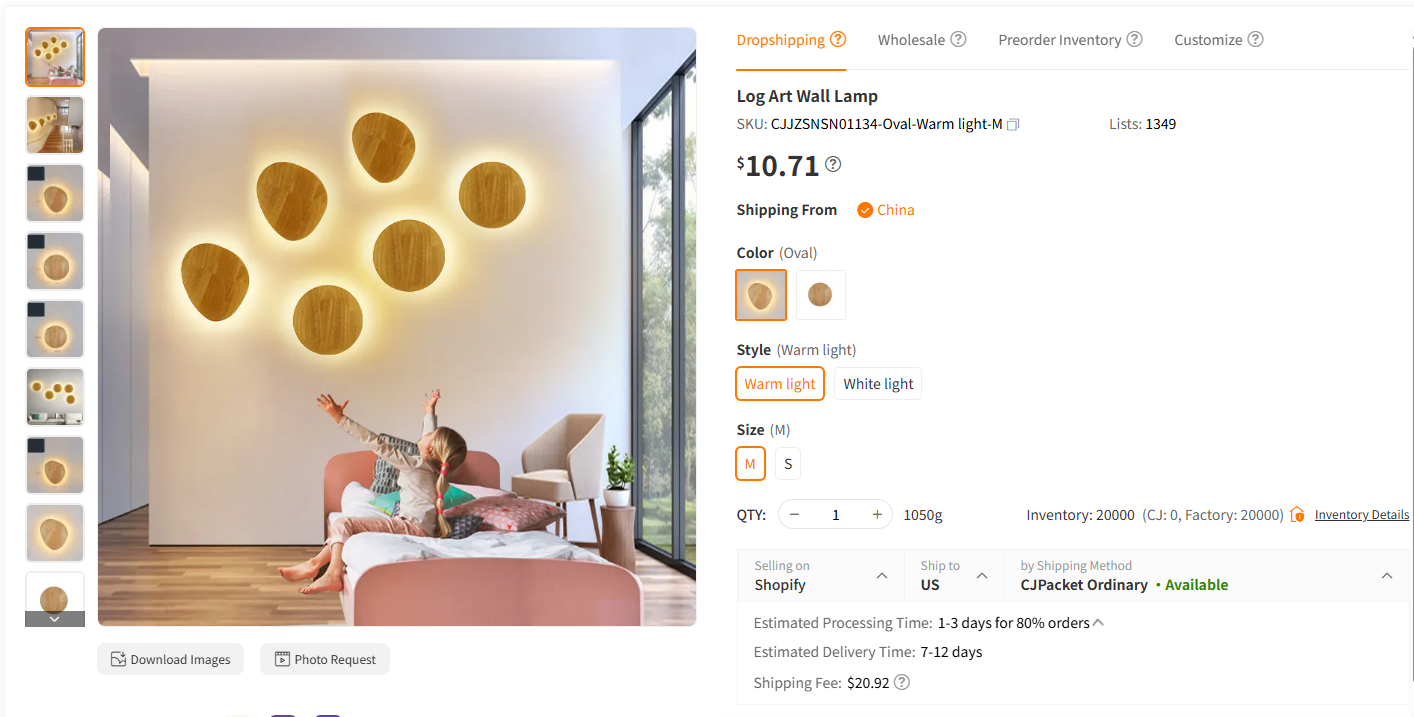
13. Smart Home LED Lights & Devices
Description: This refers to smart home gadgets that double as home accessories, particularly smart LED lighting solutions. Key examples: LED light strips that you can control via smartphone (often color-changing RGB strips used under cabinets, behind TVs, or in gaming rooms), smart bulbs (Wi-Fi or Bluetooth bulbs that change color and can be voice-controlled via Alexa/Google Home), and other smart decor like smart ambient lamps, Wi-Fi light panels (like the Nanoleaf-style wall light panels), or even smart plugs (not a decor item per se, but used to automate lamps). These devices bring tech and décor together, letting users create mood lighting scenes, sync lights with music, or just control their environment conveniently.
Why It Sells Well: Smart home products have moved from niche to mainstream as prices have dropped and usability improved. People love the convenience and cool factor of controlling lights with their phone or voice. From a décor perspective, smart LED strips and bulbs let people change the ambiance or color scheme of a room instantly – which is fun and useful (dim warm lights for a cozy movie night, bright white for working, party colors for entertaining, etc.). They’re especially popular among gamers and younger audiences who create “LED aesthetic” rooms. Smart lighting is highly sought-after, integrating utility with style in modern homes. For example, those TikTok-famous LED strips that go around the ceiling edge – tons of teens and content creators bought them to give their rooms a vibe. The global push towards “smart homes” also gives a sense of future-proofing: customers feel like they’re upgrading their home to be more high-tech. Additionally, these products can save energy (smart bulbs are LED, use less power, and can be scheduled to off when not needed). They often prompt multiple purchases: if someone buys one smart bulb and likes it, they might convert their whole house’s bulbs. And these items have strong perceived value; many consumers are willing to invest a bit more for smart features. The fact that big retailers sell similar items (Philips Hue, etc.) but often at higher price means drop shippers can offer more affordable alternatives. Given that modern décor trends emphasize both design and tech, smart LED products hit that sweet spot. In summary, they sell well because they offer novelty, convenience, and aesthetic enhancement all in one.
Supplier Suggestion: For smart LED strips and bulbs, AliExpress is a major source. Search for “WiFi LED strip”, “smart bulb E27” etc. Many come with their own apps or use common apps like Tuya/Smart Life. Prices example: a 5m smart LED strip kit could be $10-$20 (depending on length and whether it includes a power adapter), and a single RGB smart bulb maybe $6-$10. Look for suppliers who mention compatibility (like “Works with Alexa and Google Assistant”) – those features are big selling points. Ensure the correct plug type if selling kits with power plugs (US, EU, etc.) – many listings will let you choose.
Ideal Customer: Tech-savvy homeowners or renters, typically in the 18-45 age range. There are a few sub-groups: (1) Younger audience (teens to 20s): they love LED strips in bedrooms, behind monitors, etc., for the aesthetic – think TikTok trends, gaming setups. (2) Smart home enthusiasts (20s-40s): these folks have Alexa/Google Home and want to integrate lights, or just like automating their environment. (3) Apartment dwellers who want cool lighting without complex installation – LED strips are non-destructive and easy, smart bulbs can move with you. (4) Parents/families to a lesser extent, e.g., setting up smart night lights or just modernizing their home tech. For targeting, interests like “Smart home”, “Home automation”, “Technology” as well as specific product interests like “Philips Hue” or “Amazon Alexa” could find likely buyers. Also “Gaming” or “Esports” interests for the RGB strip crowd. Marketing content should emphasize experience: e.g., show a living room bathed in relaxing blue light for an evening, or a gamer’s desk with color-changing backlighting, or say “Hey Google, turn on movie lights” demonstrating voice command to set a scene. Also, mention how easy it is to install – many worry smart gadgets are complicated. If applicable, highlight energy efficiency (LED uses less power than incandescent). Another angle: holiday or party usage – e.g., “Set the mood for any occasion, from Christmas to Halloween to Friday night parties, with one tap.” Since trust is key with electronics, any certifications (FCC, CE) or positive testimonials about quality can build trust (EAT principle). Once customers try one and love it, word-of-mouth often spreads (people show off their smart lights to friends), so encourage reviews or maybe user-generated content contests to leverage that.
14. Artificial Plants & Greenery
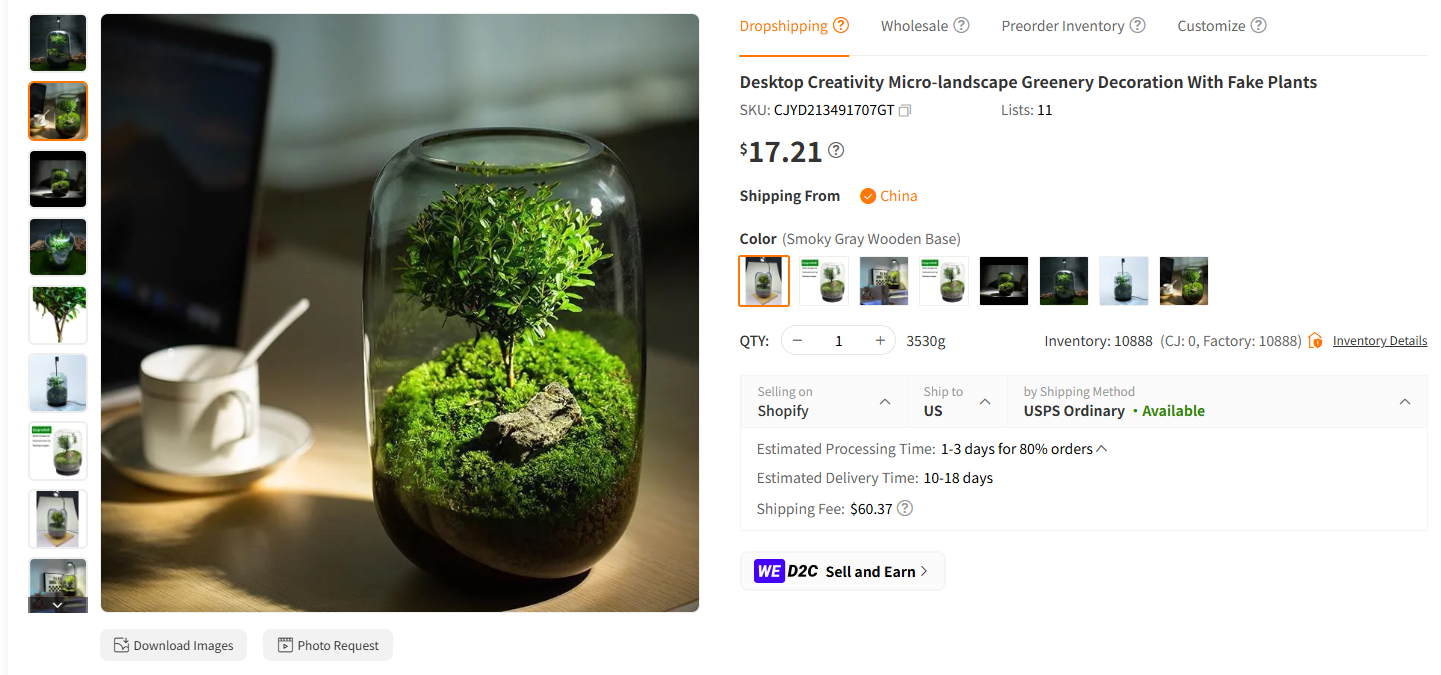
Description: Artificial plants are faux greenery – plants and flowers made of silk, plastic, or other materials, designed to look like the real thing but require no care. This category includes small potted faux succulents, fake hanging vines (like eucalyptus or ivy), artificial flowers in bouquets or arrangements, large faux floor plants (like artificial monstera or fiddle-leaf fig trees), and even fake hedges or wall plant panels for decor. They often come potted in basic pots (for smaller ones) or as standalone stems/vines you can arrange. Vases and planters can accompany these, but the core product is the plant itself.
Why It Sells Well: Greenery adds life to a space, but not everyone has a green thumb or the right conditions for real plants. Artificial plants are zero-maintenance – they stay green forever, no watering, no sunlight needed – which is a huge appeal for busy individuals or those in low-light apartments. They’ve become quite realistic-looking with modern manufacturing, so many people use them to decorate homes and offices. In 2025, indoor plants (real or artificial) are cited as essential quick decor fixes, and the artificial plant niche has been blossoming, fueled by desire for everlasting greenery without the upkeep. They’re especially popular for adding a touch of nature to spots where real plants might not survive (dark corners, bathrooms, windowless offices). Also, there’s a trend of using faux plants for events (weddings, etc.) to save cost and ensure consistency. From a selling perspective, artificial plants have high perceived value – people often pay good money for a nice faux plant because it’s a one-time purchase that lasts years. Sell The Trend noted trends like artificial flowers are in high demand and have strong profit margins due to high perceived value. Additionally, they’re non-seasonal (though certain flowers might spike around spring). The ongoing popularity of home décor styles like boho, farmhouse, or modern minimalist often includes greenery accents – faux plants cater to that. Another plus: no risk of bugs or allergies, which some prefer. Visually, they make for great product photos in lifestyle settings, which helps marketing. Overall, they sell well because they give the visual benefits of plants with none of the hassle, fitting perfectly with consumers’ desire for easy home improvement.
Supplier Suggestion: AliExpress carries a wide array of artificial plants. Smaller items like faux succulents in pots can be $1-$3 each. Strings of fake ivy or vines might be a couple dollars for a set. Larger potted trees (3-4 feet tall) exist but watch shipping on those – bulky. You might focus on small to medium plants that ship compactly (some stems can be bent or detached for shipping). CJDropshipping might have selections too – they have a category for home decor and often include faux flowers and greenery. Quality can vary: read reviews to ensure the plants look realistic (especially flowers – cheap ones might look too plastic-shiny). Look for those described as “real touch” or with silk leaves for better realism. Also consider planters; sometimes the plant comes with a basic pot, you could upsell a nicer decorative planter. Shipping: lightweight but volume can be an issue if it’s a bushy plant – many suppliers compress them for shipping and the customer “fluffs” it out on arrival, which is fine. Check if leaves are detachable or need assembly (some might require inserting branches on arrival – mention that if so). If you want to build a brand vibe, you could curate a collection like “boho greenery” with pampas grass (dried or faux), eucalyptus sprigs, etc., which are super trendy. Packaging isn’t fancy (usually just plastic mailer for vines or small boxes for potted ones), but the product’s look will matter more to customers.
Ideal Customer: Interior decor lovers and plant enthusiasts (who lack the time or skill for real plants). Ideal customers include: urban apartment dwellers (25-45) who want nature in their flat but maybe travel often or have no sunlight; office managers or home office workers who want a plant on the desk with no care; older adults who like plants but can’t maintain many; and people who simply love the look of plants everywhere (some folks load their shelf with faux succulents, etc.). Also event planners or cafe owners who decorate spaces with faux greenery for ambience. You can target by interests like “Interior Design”, “Gardening” (ironically, yes – gardeners sometimes mix faux with real or might consider for tough spots), “Home Accessories”, or even “IKEA” (they sell faux plants famously, so interest in IKEA might correlate). Another big target: those interested in “Bohemian style” or “Scandinavian design” – both styles heavily use plants as decor. Marketing visuals are key: show how a well-placed faux monstera livens up a living room or how cute mini succulents look on a shelf. Emphasize “no maintenance” and “everlasting greenery”. Many potential buyers have tried real plants and failed (died plants) – appeal to that pain point: “Love plants but can’t keep them alive? Our realistic faux plants give you a forever-green home with zero effort.” Also highlight versatility (put them anywhere, no sunlight needed, even in windowless bathroom). With global dropshipping, you can serve customers in any climate – even those in extreme climates where certain plants can’t grow, they can get the faux version. This truly is a product with universal appeal for home and even people in rental where they can’t alter much but can add decor easily.
15. Wall Art & Picture Frames
Description: Wall art is a broad category including paintings, posters, art prints, and decorative wall hangings, while picture frames refer to multi-photo frame sets or standalone frames for displaying personal photos. In dropshipping, common wall art products are canvas prints (e.g., multi-panel canvas sets of landscapes, abstract art), art posters (often unframed prints of popular designs), tapestries or fabric wall hangings, and even things like metal wall art or wooden signs. Scratch-off travel maps also fall into wall art niche – they are posters with a coating to scratch off countries visited, which double as decor. Picture frame sets are those where multiple frames of various sizes are sold together to create a gallery wall (e.g., a set of 5-10 frames). These allow customers to hang their own photos in a stylish, coordinated way.
Why It Sells Well: Decorating walls is one of the first things people do to personalize a space. Wall art instantly adds character and warmth. This niche is huge because of the variety – there’s art for every taste: motivational quote prints, famous movie posters, serene nature canvases, etc. People often buy multiple pieces to fill a living room or bedroom. According to trends, physical picture frame sets remain in style because displaying real photos is still a meaningful way to decorate, even in a digital age. The global wall decor segment is significant (for instance, US wall art sales are a large chunk of home decor revenue). From a dropship perspective, prints and posters are great as they’re lightweight to ship (often rolled in tubes), and you can even do print-on-demand to offer a wide catalog without holding any inventory at all. Canvas and framed art can be trickier due to size, but many suppliers specialize in rolled canvases or DIY frames to make it ship-friendly. The emotional aspect drives sales: people choose art that resonates with them or showcases their personality. Additionally, trends influence art (e.g., boho line art prints, abstract watercolor sets, or vintage botanical prints might be trending in a given year). Picture frames sell well because while digital photos are common, folks still love physical frames for family photos, and sets allow easy creation of a gallery wall. Also, as gifts, frames and art prints are popular (housewarming, wedding gifts, etc.). Another point: new homes and new apartments usually mean blank walls – thus new occupants often hop online to get some art or frames. Thanks to visual platforms (Instagram, Pinterest), people get inspired by well-decorated walls and want to recreate looks (like a gallery wall of travel photos with matching frames, etc.). Summing up: wall art and frames sell because they fulfill the human need for expression and memory display in our personal spaces, and there’s always a demand for new art as tastes evolve.
Supplier Suggestion: For art prints and posters, consider print-on-demand (POD) services where you can offer a design and they print and ship for you. That way you have thousands of designs at hand (if you license artwork or use their library). If going the POD route, you can integrate with Shopify easily – but ensure high-quality images and maybe test print quality. CJDropshipping have some unique wall art or frame bundles too, and they often have trending stuff like scratch-off maps. Check if any art relates to local preferences (some designs sell better in certain regions). Keep in mind copyright – avoid anything that violates IP (like prints of famous artwork or characters unless authorized). Focus on generic or original art prints. Also, consider offering digital downloads as a side (some sellers do that, but that’s a different model; likely out of scope here, so stick to physical). In product descriptions, be clear if something is unframed. If it’s a multi-panel canvas, explain if it comes rolled or stretched. For frames, list the sizes (e.g., fits 4x6 photo, etc.).
Ideal Customer: Very broad because art preference is personal. However, breakdown: Younger adults (20s-30s) often buy affordable prints/posters to decorate first apartments (think trendy abstract sets, or fandom posters, etc.). Middle-aged homeowners might invest in more classic or large art pieces for living rooms. Picture frame sets often target families or newlyweds wanting to display family photos (a couple setting up their home with wedding pictures, etc.). Also, students decorate dorms with posters (though sometimes cheaper prints). If you have a niche style (say boho art prints of rainbows and quotes), target those into boho/Scandi decor. If offering motivational office art, target entrepreneurs or office workers. Travel maps and cityscape art appeal to travel enthusiasts. So ideally, tailor marketing by sub-niche: one ad could target “Travel Lovers” with the scratch-off map or a Paris skyline print; another could target “New parents” with cute nursery animal prints or multi-photo frames “to cherish baby’s first moments”, etc. Visual promotion is key – use lifestyle images of art on walls, or customer-generated photos if possible, to spark inspiration. Pinterest and Instagram are goldmines for reaching art-loving audiences (e.g., using hashtags like #gallerywall). Additionally, emphasize how easy and affordable it can be to transform a blank wall, or how displaying personal photos in nice frames adds warmth and personality. If leveraging E-E-A-T, mention any stat like “Wall art is proven to make a room feel more finished” or mention the fact that this is a huge market (which underscores trust that people do invest in this). But mostly, let the beauty of the product speak to the emotional draw – a lot of art buying is emotional.
16. Sofa Covers & Slipcovers
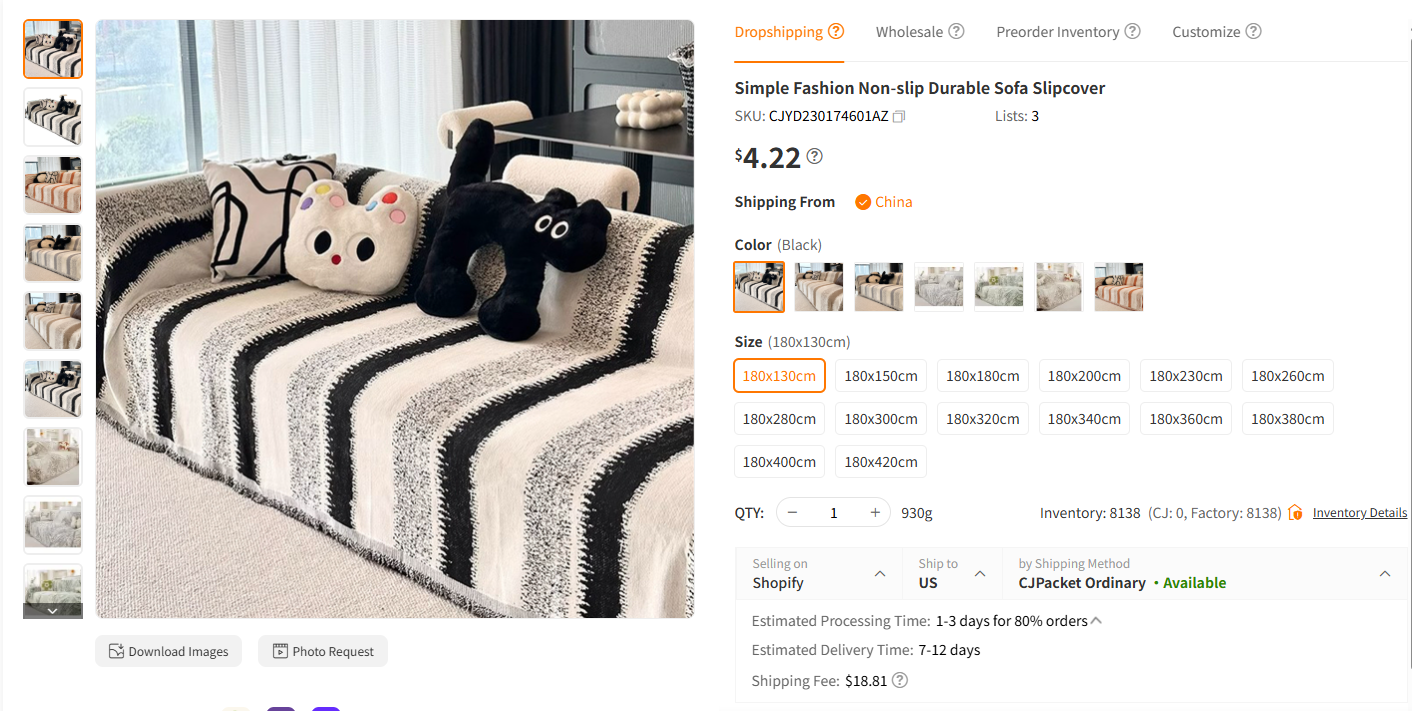
Description: Sofa slipcovers are stretchy or fitted fabric covers that you can put over an existing sofa or couch to change its look or protect it. They come in various sizes (to fit 1-seater, 2-seater, 3-seater couches, etc.) and a range of colors/patterns. Many modern slipcovers are made of a stretchy spandex/polyester blend that clings tightly, making the sofa look upholstered. There are also separate cushion covers included in some sets for a neater look. Besides full sofa covers, there are also armrest covers or sectional couch covers for L-shaped sofas. A related item is a recliner cover or chair cover, similarly used to renew or protect furniture.
Why It Sells Well: Buying a new sofa is expensive, but a slipcover offers a budget-friendly way to refresh a living room or extend the life of a worn couch. For dropshippers, slipcovers have become popular because they solve a clear problem: covering stains, pet damage, or outdated fabric on furniture. Many people with pets or small kids use them to protect from fur and spills (easier to wash a cover than a whole couch). Also, renters or those in temporary living might not invest in new furniture, so a cover helps make an old or provided sofa match their style. The versatility (change color or style seasonally) is appealing – e.g., one can have a light color cover for summer, dark for winter, etc., without owning multiple sofas. SaleHoo’s list included sofa slipcovers as a product with high potential profits, since they are larger-ticket than say a small gadget, and indeed slipcovers often sell in the $30-$60 range depending on size, with fairly low manufacturing cost. They command good margins. They’ve been trending also in eco-consciousness: people opt to “reuse and renew” furniture instead of throwing it away, which slipcovers allow. On social media, you’ll find many makeover videos where a dingy old couch looks brand new with a well-fitted cover – compelling marketing material. Additionally, slipcovers are easier to ship than a piece of furniture obviously, so online shoppers find it convenient. The fact that one size can fit various sofa shapes (thanks to stretch fabric) reduces customer hesitation about fit (most covers advertise fitting a range of lengths). Overall, they sell well because they address style, cleanliness, and budget concerns for a large audience of home dwellers.
Supplier Suggestion: CJdropshipping stock popular slipcovers (especially the best-selling patterns or waterproof ones). Quality: check that the fabric is durable and ideally machine-washable (most are). Spandex percentage indicates stretchiness (like 5-10% spandex is common). Look at reviews for notes on fitting and whether the cover stays in place (some include foam tucking strips to secure in cushions). If possible, source from suppliers offering matching pillow case covers or armrest covers to upsell. Shipping weight is moderate because it’s substantial fabric, but usually still under 1-2 kg. Vacuum packing is common to reduce bulk. Communicate realistic shipping times – a customer might be redoing a living room by a deadline. Also, ensure a clear return policy because if it doesn’t fit, some may want to return (though with stretch, that’s less likely if they ordered correct size). Provide guidance on measuring their sofa on your site to reduce mistakes.
Ideal Customer: Homeowners or renters with older or unsightly furniture, pet owners, parents – basically anyone wanting to protect or spruce up a sofa. Demographically, likely adults age 25-65. Many buyers are women home decorators or families on a budget. Pet owners (dogs that shed, cats that scratch) are a big segment: slipcovers protect from fur and claws, so targeting “pet owners” with messaging about pet-proof sofa is smart. Also, college students or young adults who might inherit an old couch or use thrift furniture – they could cover it to make it look trendy. If a particular design (say a floral slipcover) could appeal to a specific taste (like grandmillennial decor trend for instance), target that. But generally interests like “Home decor”, “Budget home”, “DIY home improvement” fit. Also “New puppy” or “Pet furniture” interest can catch those needing protection. In marketing, use those dramatic makeovers: before (stained ugly couch) vs after (chic couch with slipcover) – very convincing. Highlight how it’s much cheaper than a new sofa (e.g., “give your couch a $40 makeover instead of spending $400+ on new furniture”). Also emphasize practical perks: “Machine washable – no more panic over spills”, “Claws won’t ruin your sofa – slipcover to the rescue”. If you have good reviews or stats (like “X customers extended their sofa’s life with our covers”), that can build trust. Slipcovers also tie into sustainability (reduce waste by not discarding furniture), so you could angle that in content for E-E-A-T credibility (citing that as a green choice perhaps). Overall, the ideal customer is someone who cares about their living space look but either can’t afford or doesn’t want to buy new furniture – a huge population segment, which is why this product does well.
17. Seasonal Home Decorations
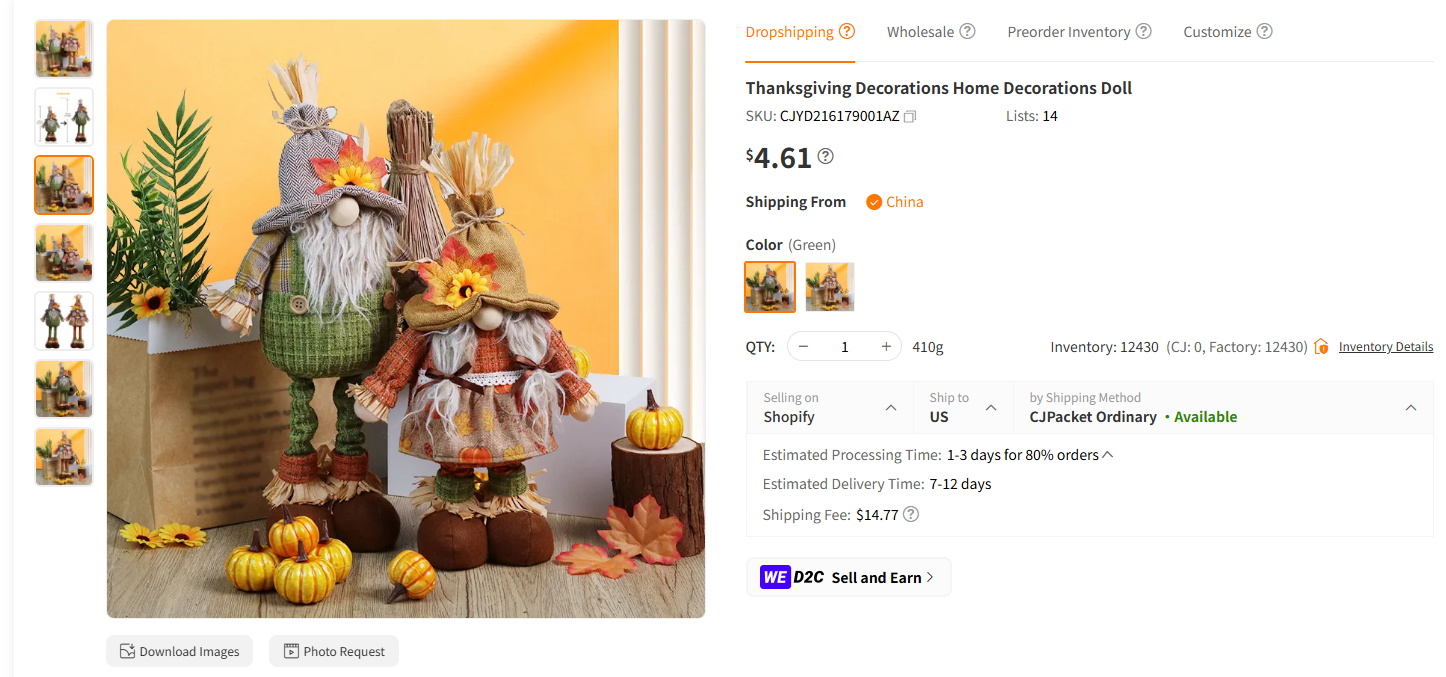
Description: Seasonal home decorations are items specifically themed for holidays or seasons – for example, Christmas décor (ornaments, string lights, wreaths, window stickers, etc.), Halloween décor (fake pumpkins, spooky string lights, wall bats), Easter decorations (bunny garlands, egg ornaments), Autumn/Thanksgiving (leaf wreaths, themed throw pillows), and even things like Valentine’s Day (heart decals, red cushions). These can span multiple product types (lights, stickers, textiles, figurines), but what ties them is the seasonal theme. For dropshipping, common popular items include: Christmas LED string lights or projector lights, festive cushion covers (like with Santa or Halloween designs), holiday wall/window stickers (like snowflake window clings), seasonal door wreaths, and decorative figures (like resin Santas or Halloween lanterns).
Why It Sells Well: Many people decorate their homes anew for each major holiday, which creates a reliable recurring demand each year. It’s an emotional and cultural purchase – families enjoy dressing up their homes to get into the holiday spirit. Some are minor buys (a new set of lights, some stickers), others are bigger (a full outdoor display). For dropshippers, seasonal items can lead to big spikes in sales leading up to the holiday. A big pro is that once you nail a hot item (like a trending Halloween decor piece), it can go viral among holiday enthusiasts. However, seasonals have a short window of peak demand. For example, Christmas décor sells mostly Oct-Dec, with perhaps some early birds in September. SaleHoo notes that seasonal products are great additions but have fluctuating demand. During their season, however, interest skyrockets – e.g., searches for Christmas decorations surge in Nov/Dec, Easter decor in March/April. This is supported by data like the global Christmas decoration market being worth over $7 billion. People do spend a lot on making holidays special. Another factor: seasonal decor is often updated or replaced regularly (lights burn out, one wants a new theme, etc.), so customers come back yearly. Social media love seasonal content – a Pinterest user might save tons of holiday decor ideas, fueling purchases. The urgency (“I need this before the holiday!”) can also drive faster conversions. Also, some seasonal items, if generic enough (like fairy lights or certain wreaths), can be repurposed for general decor, giving a longer selling period. The key is timing your marketing and making sure shipping will arrive before the holiday (if dropshipping from abroad, you need to account for that, possibly encouraging very early shopping or using expedited options).
Supplier Suggestion: AliExpress is loaded with seasonal items year-round; many suppliers prepare new designs ahead of each season. Look for “Christmas decoration”, “Halloween banner”, etc. Often these items are quite affordable in bulk; e.g., a set of Christmas window stickers might be $0.50, a decorative string light $3-$5. CJDropshipping also often highlights seasonal items in their catalog near those times, and they may have US/EU warehouses stocking some popular ones (like Halloween costumes or Christmas lights) for faster delivery. For quality: ensure things like lights have proper safety (CE/UL for electronics if possible) and that materials aren’t flimsy. One challenge: shipping times. Since typical China-to-US shipping can be 2-4 weeks, you need to either ship early or find faster shipping. It’s wise to put cutoff dates (e.g., “order by November 30 for Christmas delivery”) on your site. Alternatively, work with some domestic suppliers for key items if possible. Another strategy is to sell off-season too, at a discount, to early planners (some enthusiasts buy decorations way in advance or right after a holiday for next year). Packaging might have holiday-themed branding (like Santa on the package) which customers love but also instantly signals what it is – ensure discreet packaging if needed (some might be gifts). Keep an eye on current year trends: one year laser projector lights for houses were huge, another year inflatable yard decorations might spike. Being agile in adding a trending seasonal product can pay off big.
Ideal Customer: Depends on holiday: Christmas – very broad, families, homeowners, virtually everyone who celebrates (often women drive home decor purchases, say 25-60). Halloween – a lot of younger adults and parents, also event hosts. Easter – families with kids. Valentine’s – maybe younger couples decorating for fun or people throwing parties. For broad seasonal (like fall decor), think home decor enthusiasts. We can target by interest: e.g., “Christmas” or “Santa Claus” interests on FB near Oct/Nov, or “Holiday decorating”. Also, big one: target Pinterest users or folks who follow pages like holiday decor or DIY. People who shop at Michaels or Hobby Lobby (if such interest exists) might be worthwhile – indicates crafty holiday decorators. Another tactic: location targeting – for example, target regions that particularly embrace certain holiday decorating (certain parts of US go huge on Halloween yard displays). But that’s granular. For messaging, emphasize the joy and atmosphere: “Make your home a winter wonderland”, “Spookify your porch for Halloween night”. Also highlight convenience if applicable, like easy setup or battery-operated (no plugs needed). Scarcity and urgency are natural here: “Limited time design – get it before the season ends!” etc. E-E-A-T wise, showing you understand the trend is useful: e.g., “According to Statista, holiday decor spending increases yearly – meaning more people are looking for unique decorations like these.” Also, maybe give tips like “order early to avoid shipping delays – every year shipping carriers get busy in holiday season”, demonstrating trustworthiness by caring about on-time arrival. The ideal customer is basically someone who loves to celebrate and decorate, and as a seller, you want to tap into that excitement and tradition.
With the product ideas covered, let’s move on to setting up your store and marketing to make these products a success.
How to Set Up Your Dropshipping Store
Getting your dropshipping store up and running might seem daunting, but it's quite straightforward with the right steps. Here’s a step-by-step guide to setting up a professional Shopify store for home accessories:
-
Choose an E-commerce Platform (Pick Shopify): First, decide on a platform. I highly recommend Shopify for beginners due to its ease of use and robust dropshipping app ecosystem. Shopify allows you to quickly build a polished online store without coding. (They even frequently offer promotions like $1 starter deals.) Sign up on Shopify and go through the initial setup (store name, address, etc.). Shopify is beginner-friendly and has many themes suited for home décor stores – for example, themes that highlight beautiful product photos.
-
Set Up Your Storefront and Pages: Once you have the Shopify dashboard, select a theme (there are free ones like "Minimal" or "Debut" that work well for showcasing home products with large images, or explore paid themes for more customization). Customize your homepage with a nice banner – perhaps a cozy living room scene with text overlay like “Make Your House a Home – Shop Home Accessories”. Create essential pages: an About Us (tell your story or mission, e.g., "We're passionate about curating the best home décor so you can style your space effortlessly"), Contact Us, and policy pages (Shipping Info, Return Policy, FAQ). As per E-E-A-T, having detailed shipping and return policies builds trust – ensure you outline shipping times (and be honest if items ship from overseas with expected timelines) and a clear return process. Also include a Privacy Policy and Terms (Shopify can generate those). Structure your navigation menu with logical categories (maybe “Lighting,” “Decor,” “Kitchen,” etc., depending on your product range).
-
Import Products from Suppliers: Now for the core – adding products. Use a dropshipping app to connect to suppliers. For instance, DSers/Oberlo (for AliExpress), CJdropshipping’s app, or others like Spocket or Modalyst for additional suppliers. Through the app, find the products you researched (like those mentioned in our Top 15 list) and import them to your store. While importing, edit the product titles and descriptions to be clean and SEO-friendly. For example, instead of an AliExpress title like “New Nordic Style Geometric Throw Pillow Cover Home Sofa Decoration”, simplify it to “Nordic Geometric Throw Pillow Cover”. Write a compelling description highlighting features and benefits (use bullet points for clarity). Include item dimensions, materials, and clear photos. If possible, use lifestyle images (a pillow on a couch, LED lights in a bedroom) to help customers visualize. Ensure each product has the correct variants (sizes, colors) set up. Set your pricing with a comfortable markup (remember to factor in shipping costs if you offer free shipping). Tools like SaleHoo Labs or Sell The Trend’s NEXUS can help confirm you picked a winning product, but if you’ve followed our earlier selection guide, you should be good.
-
Configure Payments, Shipping, and Tax Settings: In Shopify, activate a payment processor (Shopify Payments, PayPal, etc.) so you can accept credit cards securely. Set your store currency to whatever your target market uses (USD, etc.). Next, define your shipping settings. You might offer free worldwide shipping (and include shipping cost in product price) or charge rates based on region/weight. Many dropship stores do free shipping as it’s simpler and attractive to customers. If you’re targeting globally, consider setting up shipping zones (maybe faster shipping for domestic vs international). Also decide if you’ll restrict any regions (some beginners avoid shipping to very hard-to-reach countries initially). Calculate roughly the ePacket or standard shipping times from your suppliers and mention them on the Shipping Info page (e.g., “Shipping times: US & Europe 10-20 days; Worldwide 14-30 days”). Even if long, being transparent prevents customer complaints. As for taxes, if you’re registered business, configure sales tax if needed (Shopify can automate some of that for certain regions). Initially, many dropshippers start without adding tax to keep it simple (depending on your legal setup – check local requirements). Enable SSL on your store (Shopify does this by default) to show customers the site is secure – a trust signal.
-
Design and Brand Your Store: Now that things function, make it visually appealing and branded. Use a consistent color scheme and font that match the vibe of home decor (often neutral or warm colors work well, with clean, modern fonts). Create a nice logo – it could be a simple text logo or use a tool like Canva to craft something with a small icon that reflects home (e.g., a little house or lamp icon). Place your logo in the header. Ensure your images are high-resolution; nothing turns customers away like pixelated photos. Arrange some collections on the homepage, like “New Arrivals” or “Best Sellers”, to guide shoppers. Include a few trust badges or highlights: e.g., “Free Shipping Globally”, “Quality Guaranteed”, “Secure Checkout” icons perhaps under the header or in footer – but don’t overdo it to look spammy. Since you are positioning as an experienced entrepreneur, maybe add a little personal touch in the About section or a blog post, like “Why I started this store” – it builds trust and authority (Google E-E-A-T favors sites where the owner’s expertise and experience is evident). Lastly, double-check the mobile view of your site; many shoppers will browse on phones, so ensure menus, images, and checkout all work smoothly on mobile.
-
Install Essential Apps: Beyond the dropshipping app used to import products, consider adding a few Shopify apps to enhance your store. For instance, a currency converter if you expect international traffic (so customers can see prices in their local currency), a reviews app (allowing customers to leave reviews – or you can import some initial AliExpress reviews to add social proof on product pages), and maybe a live chat or chatbot for customer support (to answer questions quickly, which can increase trust and conversion). Also, an SEO app or image optimizer can help ensure your site meta tags and alt texts are good for Google. Since home decor is visual, maybe integrate an Instagram feed to showcase lifestyle images or customer photos. Don’t go overboard on apps though; stick to ones that genuinely add value, as too many apps can slow your site.
-
Test Everything & Launch: Before you start advertising, do a thorough test of your store as if you were a customer. Browse products, add to cart, and go through checkout (you can create a test order – Shopify has a test payment gateway you can use, or just set a product price to $0 temporarily to simulate). Ensure shipping charges apply correctly, confirmation emails send (customize those emails to sound on-brand, e.g., add a friendly note in the confirmation “Thank you for shopping with us, we’re excited to help decorate your home!”). Check on different devices and browsers. Once all looks good, remove password protection (Shopify stores are password-locked by default before launch) so your site is live to the public. Now you’re officially launched!
Setting up a Shopify dropshipping store for home accessories essentially involves getting the technical pieces in place, showcasing your products beautifully, and building trust through your site’s content and policies. By following these steps, you lay a solid foundation. Remember, a well-organized, professional-looking store gives customers confidence to buy – and that’s crucial when you’re competing with other online retailers. Next, it’s time to bring in the visitors through smart marketing strategies.
Effective Marketing Strategies
Now that your store is live with awesome products, the next challenge is driving traffic and converting visitors into customers. Marketing a dropshipping home accessories store requires a mix of creative outreach and trust-building tactics. Here are several effective strategies, formatted for clarity and quick scanning:
-
Optimize for SEO (Search Engines): Make sure your site can be found when people search for relevant keywords. Use those SEO keywords we mentioned naturally in your site content – for example, include phrases like “best home decor dropshipping products” or “Shopify home accessories store” in your homepage text or blog articles. Each product page should have a descriptive title and meta description (e.g., “Nordic Cotton Rope Basket – Stylish Home Storage | YourStoreName”) that might attract someone searching that item. Consider starting a simple blog on your site with tips or trends (ex: “Top 5 living room decor ideas for 2025”) – this not only demonstrates your expertise and experience (helping E-E-A-T) but also brings organic traffic over time. Target long-tail keywords in your posts (like “dropship home accessories trends 2025”). Over time, as Google indexes your informative content, you might rank for queries which brings free traffic that’s interested in home decor.
-
Leverage Social Media (Instagram, Pinterest, Facebook): Home decor is very visual, which makes Instagram and Pinterest your best friends. On Instagram, post high-quality photos of your products in attractive settings (lifestyle images). Use relevant hashtags: e.g., #homedecor #interiordesign #cozyhome, and also niche tags for specific items (#ledlights #bohodecor etc.). Engage with your followers by posting polls or questions in Stories (like “Which cushion pattern do you like more?”) to build community. Consider collaborating with influencers or micro-influencers – for instance, a home décor Instagrammer might style one of your products in their home in exchange for a free item or commission. Pinterest is fantastic for home accessories because users go there for inspiration. Create boards for different themes (Modern Living Room, Small Apartment Ideas, Holiday Decor, etc.) and pin not only your product images (with links back to your site) but also other complementary inspo images – this helps attract followers. Rich Pins (a Pinterest feature) can show your product’s price and availability, which is great. The key is to post regularly and showcase how your products can be used to beautify spaces. The more your content gets shared, the more traffic you get. Social media is also an arena to show your brand personality – be friendly and responsive in comments and DMs, just like an experienced entrepreneur chatting design tips.
-
Run Targeted Advertising Campaigns: While organic traffic is great, paid ads can quickly jumpstart sales if done right. Platforms to consider: Facebook/Instagram Ads and Google Ads. With Facebook Ads (which also serve on Instagram), you can target very specific audiences – for example, women 25-54 interested in “Home Decor” and “Online Shopping”, or fans of certain interior design magazines/pages. You could run carousel ads showcasing a few of your top products (“Spruce up your home this season – check out these trending accessories”). Or run a video ad if you have footage of, say, a product in use (even a simple slideshow video). Use eye-catching imagery – lifestyle pics work better than plain product-on-white in the feed usually. Also consider retargeting ads: install the Facebook Pixel and show ads to people who visited your site but didn’t purchase, perhaps with a slight discount or highlighting customer reviews to entice them back. For Google Ads, Google Shopping can be very effective for dropshipping products. Ensure your product feed is set up (Shopify makes a feed that Google Merchant Center can use). Then when someone searches “buy fairy string lights” your item could show in the Shopping results. Google search ads can also target specific keywords like “buy dropship home accessories” or “affordable home decor online”. These people have intent to buy, which is powerful. Of course, manage your budget and start small to see what ad creatives and audiences perform best. The advantage of ads is quick exposure; the downside is cost, so optimize them with clear visuals and offers (free shipping, limited-time sale, etc. mentioned in the ad text) to get a good return.
-
Content Marketing & Engagement: Beyond social posting, engage your audience with useful content. We mentioned blogging – push those blog posts out through a newsletter or social channels. Perhaps create simple how-to guides or videos (even a 30-second TikTok or Reel) on topics like “3 ways to style fairy lights in your bedroom” or “Before-and-after: transform your sofa with a slipcover”. This positions you as an authority and not just a seller, aligning with E-E-A-T by demonstrating your experience in home styling. It also naturally showcases your products solving problems or enhancing life. Encourage user-generated content: ask customers to share photos of their purchase in their home and tag you – then repost those (with permission) as testimonials. This not only provides fresh content but also acts as social proof for potential buyers (seeing a real person enjoying the product). Another content angle: run seasonal campaigns – e.g., a “Spring Home Refresh” series of posts/emails where each day you feature a category (like Monday: fresh wall art ideas, Tuesday: organize your closet, etc., featuring your products).
-
Influencer and Affiliate Partnerships: Identify a few niche influencers in home decor or lifestyle. They don’t have to be massive accounts; sometimes micro-influencers (say 5k-20k followers) have very engaged audiences and are more affordable. You can offer them a free product or a small fee to showcase your product in a room tour or a decor tip post. Their audience trusts their recommendations, so this can drive sales and brand awareness. Additionally, consider an affiliate program – allow bloggers or decor enthusiasts to refer sales in exchange for a commission (apps like Refersion or Shopify Collabs can help manage this). For instance, a DIY blogger might write an article “10 ways to cozy up your living room” and include a couple of your products with her affiliate link – she earns if her readers buy. This expands your reach without heavy upfront marketing cost, and it leverages others’ authority to bolster yours.
-
Email Marketing & Customer Retention: Start building an email list from day one – via a signup form on your site (perhaps entice sign-ups with a 10% off first order code or a free “Home Styling Tips” PDF). Email marketing is powerful because you own that channel (no algorithm to battle). Send out a welcome email introducing your brand story (to build trust) and that discount code if promised. Then regularly send value-packed emails: announce new product arrivals (“Check out the latest global dropshipping suppliers finds we just added!”), send decor tips, highlight a customer of the week (with their setup), and of course seasonal promotions (“Summer Sale – brighten your home for less, this week only!”). Also use emails for upselling/cross-selling: e.g., “You bought a rug – here are matching cushion covers you might love” or “Caring for your new scented candle – tips and related products.” Be consistent but not spammy – maybe one newsletter a week or biweekly to stay on customers’ minds. Treat your email subscribers like a VIP community with perhaps early access to sales or exclusive deals. Good customer service also factors into retention: answer questions promptly (set up that live chat or at least respond to emails within 24 hours), be proactive if there are shipping delays (email customers before they ask), and resolve issues in a friendly, fair manner. Satisfied customers may refer friends or leave positive reviews.
-
High-Quality Imagery & Trust Signals: This is more on-site conversion than “marketing” per se, but it’s worth emphasizing. As customers browse, the site itself should do the work of converting them. Ensure all your product images are clear, and provide multiple angles or context shots. If you have any badges or credentials, display them (e.g., “Trusted Supplier: AliExpress 5-Star Vendor” if applicable, or if your product is eco-friendly, a small eco icon). Feature some customer testimonials or reviews prominently – new visitors seeing that others have bought and loved your products increases trust immensely. Also, ensure your site is secure (trust badges for secure checkout, maybe logos of payment methods, etc.). Offering guarantees such as “30-Day Money-Back Guarantee” can reduce purchase anxiety. Essentially, every marketing effort (ad, social post, etc.) leads people to your site; once they’re there, these trust signals and excellent visuals will help convince them to actually buy. And as per Google’s E-A-T guidelines, demonstrate Authoritativeness and Trustworthiness: perhaps have a small “Our Quality Promise” section or mention if products are sourced from top-rated global suppliers, or that you personally vet items (showing your expertise/experience in curating quality).
By combining these strategies – SEO content, active social media, targeted ads, valuable engagement, influencer boosts, and strong on-site conversion practices – you create a marketing engine that not only attracts shoppers but also builds a reputable brand. Remember that marketing is an ongoing effort of testing and learning; double down on what works (e.g., if Pinterest is bringing lots of traffic and sales, invest more time there) and tweak what doesn’t (maybe your Facebook ads need a different creative or audience). Because you are positioning yourself as an experienced e-commerce entrepreneur, let that shine through in your communications – share little anecdotes or tips in your blog/newsletters, respond knowledgeably to comments, cite data or trends to back up your advice. This builds authoritativeness and trust with your audience, which ultimately leads to loyalty and word-of-mouth growth.
Finally, stay agile and updated: the home accessories niche will evolve (new trends, seasonal shifts), and successful marketers are always ready to adjust campaigns, add new trending products, or try a new platform (maybe next year it’s all about TikTok marketing with viral decor hacks – don’t be afraid to jump on emerging channels). With a solid foundation and these strategies, you’ll be well on your way to scaling up your Shopify home accessories dropshipping store.