
Dropshipping home decor is becoming one of the most attractive ecommerce opportunities for beginners in 2026. Compared with fast-changing categories like fashion or electronics, home decor offers longer product lifecycles, stable demand, and more forgiving customer expectations, making it especially suitable for entrepreneurs starting from zero.
As consumers continue to invest in improving their living spaces, online searches related to dropshipping home decor are steadily increasing. From small apartment decorations to functional home office accessories, buyers are no longer looking only for luxury brands. They want affordable, stylish, and practical decor products that can be delivered conveniently.
However, success in home decor dropshipping is not about listing random trending items. Beginners often struggle with product selection, pricing strategy, supplier reliability, and shipping issues. Without clear guidance, it’s easy to waste time and ad budget on products that don’t convert.
This blog is designed to give you a realistic and actionable overview of dropshipping home decor in 2026. You’ll learn which product types are trending, which niches are beginner-friendly, how profit margins actually work, and how to build a more reliable fulfillment system from the start. Whether you’re researching your first store or planning to scale, this guide focuses on practical decisions that matter.
Why Home Decor Is a Strong Dropshipping Category in 2026
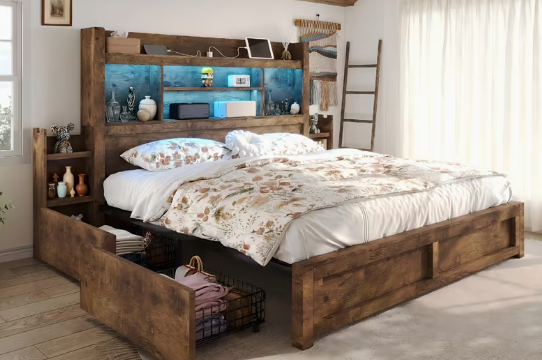
Home decor continues to be one of the most resilient and beginner-friendly categories in the dropshipping industry. In 2026, this advantage becomes even more obvious as consumer behavior shifts toward long-term home improvement rather than short-term trend chasing.
Unlike fashion or consumer electronics, home decor products are not tied to rapid upgrade cycles. A wall lamp, decorative shelf, or table ornament does not become obsolete within months. This gives sellers more time to test products, optimize listings, and build consistent traffic without the pressure of constant product replacement.
Another major advantage of dropshipping home decor is stable purchasing motivation. People buy home decor for many reasons: moving into a new apartment, setting up a home office, seasonal refreshes, or improving daily comfort. These are life-driven needs rather than impulse-driven trends, which makes demand more predictable throughout the year.
From an operational standpoint, most home decor items are well suited for dropshipping. Many popular products are lightweight, non-electronic, and not size-sensitive, which reduces shipping complexity and lowers the risk of returns. In practice, decor products often have return rates below 5%, significantly lower than apparel categories.
Home decor is also highly visual, which aligns perfectly with modern marketing channels. Product images and short videos perform exceptionally well on platforms like Instagram, Pinterest, and TikTok, while also ranking strongly on Google Image Search. This gives beginners more than one traffic path instead of relying only on paid ads.
Most importantly for new sellers, customers shopping for decor are generally more tolerant of delivery times. Unlike emergency-use products, decor items are considered lifestyle upgrades. This flexibility allows dropshippers to optimize fulfillment costs without sacrificing customer satisfaction, especially when working with a reliable sourcing and fulfillment system.
In 2026, success in dropshipping is less about finding the next viral product and more about choosing categories with long-term stability. Home decor fits this logic perfectly, offering beginners a safer entry point and more room to grow step by step.
Market Overview: Home Decor Ecommerce Trends
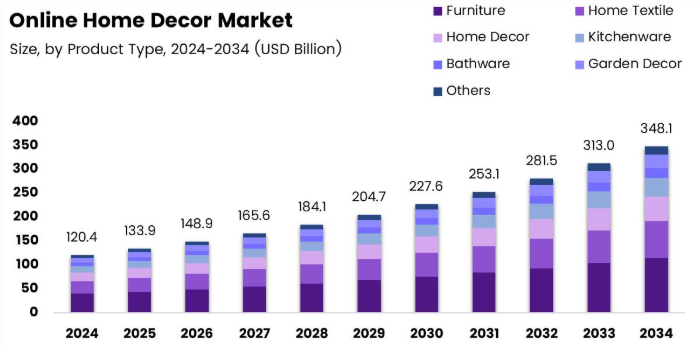
The home decor ecommerce market continues to expand steadily, making it one of the most reliable categories for online sellers in 2026. Globally, the home decor industry has already reached a market size of over USD 700 billion, and online sales are growing faster than traditional offline retail channels.
What matters most for dropshippers is not the total market size, but how consumer behavior is shifting. In recent years, more buyers are comfortable purchasing home decor products online, including decorative accessories, lighting, wall art, and small furniture items. The online home decor segment is expected to maintain a high single-digit annual growth rate, significantly outpacing many saturated ecommerce categories.
One major trend shaping the market is the long-term increase in home-related spending. Consumers are investing more in improving their living spaces, not only for aesthetics but also for comfort, productivity, and emotional well-being. This is especially true for renters and remote workers, who regularly refresh their home environment with affordable decor rather than large renovations.
Visual-driven shopping behavior is another key driver. Home decor products are highly influenced by images and videos, and buyers often discover products through inspiration rather than direct search. Platforms like Pinterest, Instagram, and short-form video channels have become major discovery engines, where a single well-presented decor item can generate consistent demand over time.
Ecommerce itself has also become more accessible. Faster checkout experiences, improved mobile shopping, and cross-border logistics have reduced friction for international buyers. As a result, consumers are less hesitant to purchase decor products from independent online stores, as long as the product presentation and fulfillment experience feel reliable.
For entrepreneurs entering dropshipping home decor, these trends create a favorable environment. Demand is expanding online, buyer trust in ecommerce continues to grow, and product discovery is no longer limited to large brands. This allows smaller sellers to compete by focusing on specific styles, niches, and customer needs rather than price alone.
Best Trending Home Decor Products for Dropshipping
Selecting the right dropshipping home decor products in 2026 is about balancing visual appeal, ongoing demand, and ease of shipping. Decor items uniquely combine aesthetics with functionality, making them ideal for online sellers who want predictable conversion and low return rates. Below are trending product categories that consistently perform well for dropshippers.
1. LED Ambient Lighting and Decorative Lights

LED lighting products remain among the most popular items in home decor. Products like LED wall lamps, sunset projectors, light strips, and minimalist table lamps are visually striking and easy to showcase in photos and videos.
These products appeal to a wide audience: college students decorating dorm rooms, homeowners adding ambience to living spaces, and renters upgrading affordable lighting without rewiring. With an average selling price between $25 and $60, these items allow room for healthy profit margins, especially when sourced efficiently.
2. Minimalist Wall Art and Decorative Prints

Wall art consistently drives both impulse purchases and planned orders. Canvas prints, abstract prints, and modern minimalist designs are trending because they cater to different tastes without heavy customization.
Prints and lightweight wall decor also ship well, reducing logistics headaches that often come with bulkier furniture pieces. Many sellers increase average order value (AOV) by offering bundled sets or coordinating collections.
3. Decorative Storage and Functional Accessories
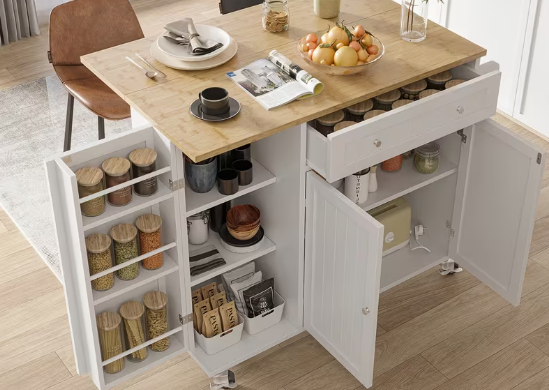
Functional decor such as decorative baskets, wall shelves, modular storage boxes, and organizers combine utility with style. These items satisfy a buyer’s need to improve space organization while enhancing visual appeal. Because they serve a practical purpose, they often convert better than purely ornamental products.
Items like this often sell in the $20 to $50 range, making them attractive to a broad audience and easy to include in upsell funnels.
4. Artificial Plants and Greenery

Artificial plants remain a persistent trend because they require zero maintenance but deliver the same aesthetic appeal as real plants. Small potted plants, hanging greenery, and faux succulent arrangements are especially popular among renters and apartment dwellers who want greenery without the upkeep.
Artificial greenery has lower return rates compared with fragile decor because it is lightweight and durable. These items are also popular in themed bundles, such as “boho apartment set” or “desk greenery kit.”
5. Throw Pillows, Rugs, and Textiles
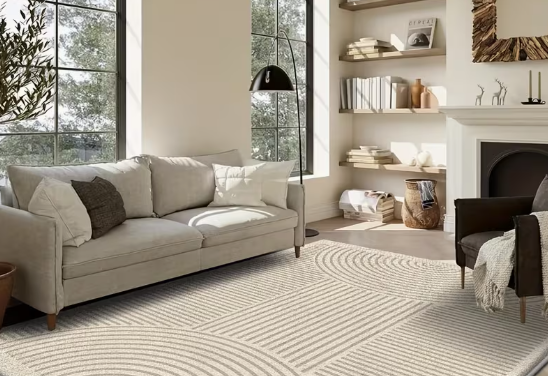
Soft home decor like throw pillows, area rugs, and decorative blankets performs well because fabrics instantly change the feel of a room. Trends in fabric texture, color palettes, and seasonal styles drive consistent interest, giving sellers continuous opportunities to refresh listings without changing categories.
These textiles can also be easily photographed in lifestyle settings, increasing their appeal on visual platforms where home decor shoppers spend time.
How to Prioritize Products as a Beginner
For beginners exploring dropshipping home decor, it’s wise to start with products that:
-
Are lightweight and inexpensive to ship
-
Have broad visual appeal
-
Sell well through images or short videos
-
Are unlikely to be damaged in transit
This approach minimizes early operational risk and improves customer satisfaction.
Why Product Sourcing Matters
Reliable sourcing makes a significant difference in product quality, margins, and delivery experience. For trending items like LED lighting or wall art, working with vetted suppliers ensures consistent product quality and reduces refund or return rates.
Platforms like CJdropshipping provide access to curated decor product catalogs with quality control and flexible fulfillment options. This makes it easier for beginners to test new products without upfront inventory commitments and to scale winning products with confidence.
Profitable Home Decor Niches for Beginners
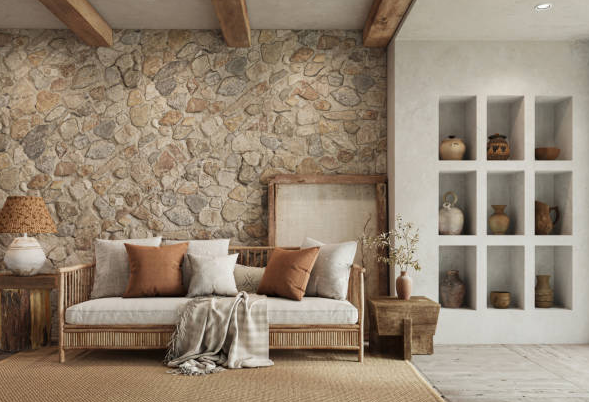
For beginners entering the dropshipping home decor space, choosing the right niche is often more important than choosing individual products. A focused niche makes your store easier to brand, improves conversion rates, and helps you stand out in a competitive market.
Instead of trying to sell all types of home decor, successful beginners usually start with one clear audience or use case. Below are some of the most profitable and beginner-friendly home decor niches in 2026.
Small Apartment and Space-Saving Decor
Urbanization and rising housing costs have made small apartments increasingly common. As a result, demand for space-efficient decor continues to grow.
Products designed for compact living spaces, such as wall-mounted shelves, foldable decor items, slim lighting fixtures, and multifunctional storage, solve real problems for renters. These buyers are highly motivated because they need solutions that fit limited space without permanent installation.
This niche works especially well for beginners because products are usually lightweight and easy to ship, while customers are less price-sensitive when a product clearly improves their daily living experience.
Home Office and Workspace Decor
Remote and hybrid work models are now a long-term reality rather than a temporary trend. Home office decor has evolved beyond basic desks and chairs into a lifestyle-driven category.
Popular products include desk organizers, ambient desk lighting, wall decor for workspaces, cable management accessories, and decorative shelving. These items help users create a more productive and comfortable environment, making them repeat buyers rather than one-time customers.
For dropshippers, this niche offers strong upsell potential and consistent demand throughout the year, not just during back-to-school or seasonal periods.
Minimalist and Modern Style Decor
Minimalist decor remains one of the most searched and visually appealing styles online. Clean lines, neutral colors, and simple forms attract buyers who want a calm and uncluttered home environment.
This niche performs well because minimalist products are easy to photograph, easy to style, and adaptable across different room types. Sellers can build cohesive collections that encourage multiple-item purchases rather than single-product orders.
For beginners, minimalist decor also reduces customer expectations around complexity, which helps lower dissatisfaction and returns.
Eco-Friendly and Natural Home Decor
Sustainability continues to influence buying decisions, especially among younger consumers. Eco-friendly decor made from natural or recycled materials appeals to customers who care about both aesthetics and environmental impact.
Examples include bamboo accessories, woven decor, wooden wall art, and neutral-toned textiles. While this niche does not require complex certifications at the beginner level, transparent product descriptions and material clarity help build trust.
This niche supports higher perceived value, allowing sellers to maintain healthier margins without competing purely on price.
Budget-Friendly Decorative Accessories
Not all customers are looking for premium decor. A large segment of the market focuses on affordable, quick upgrades that refresh a room without a major investment.
Items like small decorative objects, table accents, wall stickers, and compact lighting are ideal for impulse purchases. These products are especially effective when marketed through social media content and visual ads.
For beginners, budget-friendly decor allows faster testing cycles and lower financial risk when running ads or experimenting with new designs.
Why Niches Matter More Than Products
Many beginners fail because they chase random trending products instead of building a focused niche. A clear niche helps with:
-
Stronger brand identity
-
More targeted marketing messages
-
Better customer trust and repeat purchases
In home decor dropshipping, niche clarity also makes it easier to select suppliers, standardize fulfillment, and maintain consistent product quality.
Using the Right Supply Chain to Support Your Niche
Once a niche is selected, supply chain stability becomes critical. Consistent product quality, reliable packaging, and predictable shipping times directly impact customer satisfaction.
Pricing Strategy and Profit Margins Explained
A clear pricing strategy is essential for long-term success in dropshipping home decor. Many beginners either price too low out of fear or too high without understanding customer expectations. Both approaches can limit growth.
In home decor, pricing is not just about cost plus markup. It is about perceived value, visual presentation, and how well a product fits into a customer’s lifestyle.
Understanding Typical Cost Structure
Before setting prices, it’s important to understand the basic cost breakdown of a home decor product:
-
Product sourcing cost
-
Packaging and quality inspection
-
Shipping and fulfillment
-
Platform fees and payment processing
-
Marketing and advertising costs
For most small to mid-sized home decor items, product costs typically range between $6 and $18, while shipping and handling may add another $4 to $8, depending on destination and delivery speed.
This puts the average landed cost for many decor items between $10 and $25.
Recommended Pricing Range for Home Decor Products
Most successful home decor dropshippers follow a pricing model that balances profitability with customer trust.
A common and sustainable pricing range looks like this:
-
Landed cost: $12–20
-
Retail price: $29–59
This structure allows enough margin to cover advertising while still feeling reasonable to customers. In practice, well-positioned decor products often achieve a gross margin of 45–65%, with a net profit margin of 20–35% after all expenses.
Higher-priced items tend to perform better when they clearly demonstrate functionality or design uniqueness through images and descriptions.
Why Overpricing Hurts Beginners More Than Underpricing
In home decor dropshipping, customers often compare products visually rather than technically. If your price feels disconnected from the perceived value, conversion rates drop sharply.
Beginners sometimes try to maximize profit per order, but this often leads to slower testing cycles and higher ad costs. A moderate margin with higher volume is usually more sustainable in the early stages.
Building trust and social proof early is often more valuable than squeezing maximum profit from the first sale.
Using Bundles to Increase Average Order Value
Bundling is one of the most effective pricing strategies in home decor.
Examples include:
-
Matching wall art sets
-
Desk decor bundles for home offices
-
Coordinated lighting and accessories
Bundles allow you to increase average order value without significantly increasing marketing cost. Customers also perceive bundled products as better value, which reduces price resistance.
Shipping Speed and Pricing Perception
Shipping time directly affects how much customers are willing to pay. Faster delivery allows for slightly higher pricing, while longer shipping times require more competitive pricing and clear communication.
Working with fulfillment solutions that offer flexible shipping options helps sellers adjust pricing strategy without changing products.
For example, using global warehouses for fast-moving decor items can improve delivery time and support higher perceived value without increasing product cost dramatically.
Controlling Costs to Protect Margins
Profitability is not only about selling price. Controlling costs plays an equally important role.
Reliable sourcing, consistent packaging, and stable shipping rates help prevent unexpected refunds and reshipments. This is where an organized supply chain becomes a major advantage.
CJdropshipping helps sellers manage sourcing costs, optimize packaging for decor products, and reduce fulfillment-related errors. These operational improvements often have a bigger impact on net profit than small price adjustments.
Pricing Is a Process, Not a One-Time Decision
Pricing should evolve as your store collects data. Conversion rates, refund rates, customer feedback, and advertising performance all provide signals for adjustment.
For beginners, the goal is not to find the perfect price immediately, but to establish a pricing framework that allows steady testing, learning, and improvement.
In dropshipping home decor, consistent execution and smart pricing decisions compound over time, turning small margins into sustainable growth.
Common Challenges in Home Decor Dropshipping
While dropshipping home decor is one of the most beginner-friendly ecommerce categories, it still comes with practical challenges that new sellers must understand early. Being aware of these issues helps you avoid costly mistakes and build a more stable business from the start.
Product Quality Inconsistency
Home decor buyers are highly visual. Small defects, color differences, or poor finishes are often noticed immediately, especially when customers compare products to listing images.
Inconsistent quality usually comes from working with multiple unverified suppliers or switching suppliers frequently based on price alone. Even small variations can lead to negative reviews and refund requests, which directly affect store credibility.
The solution is to prioritize supplier consistency and quality inspection rather than chasing the lowest cost. For decor products, stable quality often matters more than saving one or two dollars per unit.
Shipping Damage and Packaging Issues
Many home decor products, such as lamps, ceramic items, or framed wall art, are vulnerable during transit. Insufficient packaging can result in broken products, reshipments, and customer frustration.
Shipping damage not only increases costs but also creates operational stress, especially for beginners handling customer service alone. Reinforced packaging and product-specific packing standards significantly reduce these risks.
Choosing suppliers who understand how to package decor items properly makes a measurable difference in return rates.
Long or Unpredictable Shipping Times
Although decor customers are generally more patient than buyers of essential goods, unpredictable delivery times still hurt trust. Late deliveries often result in support tickets, refund requests, or negative feedback.
This issue becomes more visible during peak seasons or when suppliers lack inventory stability. Clear shipping expectations and consistent fulfillment are essential to maintaining customer satisfaction.
Using fulfillment options that offer inventory planning and regional shipping flexibility helps reduce uncertainty as order volume grows.
High Return Expectations from Visual Mismatch
In home decor, what customers see is what they expect to receive. If product photos are misleading or overly edited, even a decent product can trigger dissatisfaction.
Visual mismatch is one of the top reasons for returns in this category. Lifestyle images should reflect real use scenarios, and product descriptions should clearly state dimensions, materials, and colors.
Accurate presentation builds trust and reduces after-sale issues, especially for first-time buyers.
Difficulty Scaling Winning Products
Many beginners can find one product that sells, but struggle when demand increases. Sudden order spikes expose weaknesses in supplier capacity, packaging speed, and shipping coordination.
Without a scalable supply chain, growth can lead to delayed orders and declining customer experience. This is why planning for scalability early matters, even at low order volumes.
Reliable sourcing and fulfillment infrastructure allow sellers to scale gradually without operational breakdowns.
Managing Customer Expectations as a Beginner
New sellers often underestimate how important communication is in home decor dropshipping. Customers expect updates, clarity, and reassurance, especially for international shipping.
Delayed responses or vague explanations quickly reduce trust. Simple measures like order tracking visibility and proactive communication help maintain a professional image.
Reducing Risk Through the Right Fulfillment Partner
Most challenges in home decor dropshipping are not marketing problems but operational ones. Quality control, packaging, inventory stability, and shipping coordination all sit behind the scenes but directly affect profit and reputation.
By working with an integrated solution like CJdropshipping, sellers can address these pain points more efficiently. Services such as product inspection, optimized packaging for decor items, global warehouse options, and automated order fulfillment reduce operational risk and free up time to focus on growth.
How CJdropshipping Helps Beginners Scale Faster
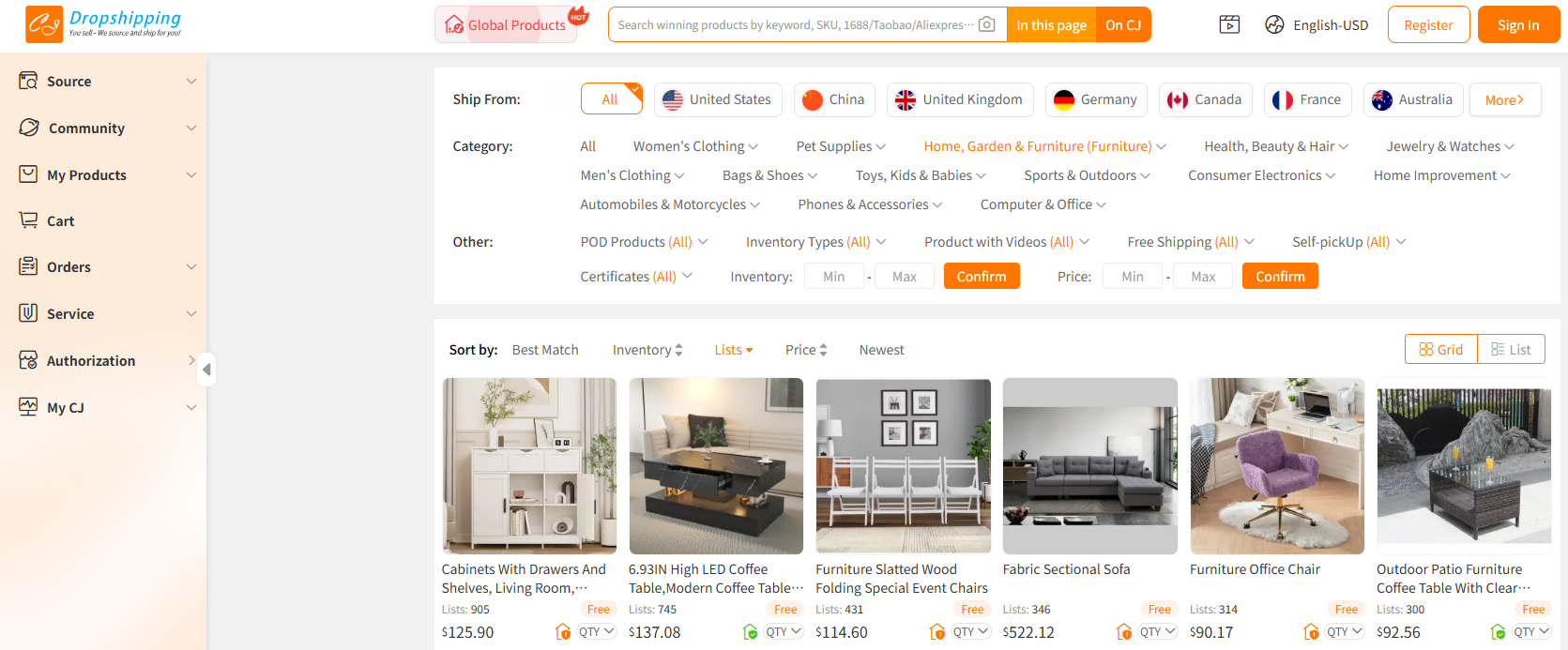
For beginners in dropshipping home decor, growth is often limited not by marketing ideas, but by operational capacity. Finding reliable suppliers, maintaining consistent quality, managing shipping expectations, and handling order volume increases are common barriers that slow down progress.
CJdropshipping is designed to address these challenges at each stage of a beginner’s growth, helping sellers move from testing products to scaling orders with less friction.
Reliable Product Sourcing for Home Decor Niches
One of the first difficulties beginners face is sourcing decor products that match listing images and customer expectations. In home decor, small differences in material, color, or finish can significantly impact customer satisfaction.
CJdropshipping offers direct product sourcing from vetted factories, which helps ensure product consistency over time. Instead of switching between random suppliers, beginners can build their store around stable product quality, reducing negative reviews and refund rates.
For niche-focused stores, this stability makes it easier to maintain a cohesive brand image.
Quality Inspection and Packaging Optimization
Home decor products are often fragile or visually sensitive. Improper packaging leads to damage, reshipments, and unnecessary customer service issues.
CJ provides quality inspection and customized packaging solutions based on product type. For items like lamps, wall decor, or decorative accessories, reinforced packing methods significantly reduce shipping damage.
This behind-the-scenes optimization directly improves customer experience and protects profit margins without requiring extra effort from the seller.
Faster and More Predictable Fulfillment Options
Shipping speed and reliability play a major role in how customers perceive value. While decor buyers are generally patient, unpredictable delivery times still cause friction.
With access to global warehouses and multiple shipping methods, CJdropshipping allows sellers to choose fulfillment options that balance cost and delivery speed. For winning products, storing inventory closer to key markets can shorten delivery times and improve conversion rates.
This flexibility helps beginners adapt their pricing and marketing strategy without changing products.
Simplified Order Fulfillment and Automation
As order volume increases, manual fulfillment becomes a major bottleneck. Processing orders, updating tracking numbers, and coordinating shipments can quickly overwhelm new sellers.
CJdropshipping integrates order fulfillment automation, reducing human error and saving time. Orders are processed automatically once connected to an ecommerce store, allowing sellers to focus on traffic, content, and customer engagement instead of daily logistics.
Automation becomes especially valuable during sales spikes or seasonal demand.
Scalability Without Inventory Pressure
Many beginners hesitate to scale because of inventory risk. Buying stock upfront ties up cash and increases financial pressure.
CJ’s flexible fulfillment model allows sellers to scale gradually without committing to large inventory quantities. When a product proves demand, sellers can move toward faster fulfillment options while maintaining inventory control.
This step-by-step scalability is particularly suitable for home decor, where trends evolve but core styles remain relevant.
Operational Support That Reduces Beginner Mistakes
Most early-stage mistakes in dropshipping home decor happen behind the scenes: inconsistent suppliers, unclear shipping expectations, and poor coordination.
By centralizing sourcing, inspection, fulfillment, and shipping management, CJdropshipping reduces these operational risks. This allows beginners to build confidence, improve customer experience, and scale more predictably.
Growth becomes a process supported by systems rather than trial and error.

How to Start Dropshipping Home Decor Step by Step
Starting a dropshipping home decor business does not require prior ecommerce experience, but it does require a clear process. Following a structured approach helps beginners avoid common mistakes and focus on decisions that actually move the business forward.
Step 1: Choose One Clear Home Decor Niche
The first step is narrowing your focus. Instead of selling all types of home decor, select one niche that matches a specific lifestyle or use case, such as small apartment decor, home office accessories, or minimalist wall decor.
A focused niche makes it easier to build trust, create consistent visuals, and communicate value to customers. It also simplifies product selection and supplier management.
Step 2: Research Products Based on Demand, Not Personal Taste
Many beginners choose products they personally like, but market demand matters more than preference.
Look for products that are visually appealing, solve a clear problem, or improve everyday living. Pay attention to recurring styles and formats rather than short-lived viral items. Products that already show steady interest are easier to test and optimize.
For beginners, prioritize items that are lightweight, durable, and easy to ship to reduce operational risk.
Step 3: Set Up a Simple, Trustworthy Storefront
Your store does not need to be complex. A clean design, clear product images, and honest descriptions matter more than advanced features.
Focus on:
-
High-quality product images
-
Clear descriptions with dimensions and materials
-
Simple navigation and checkout
In home decor, clarity builds trust. Customers want to know exactly how a product fits into their space.
Step 4: Price Products for Sustainability, Not Maximum Profit
Early pricing should support testing and learning rather than aggressive profit goals. Choose prices that feel reasonable based on perceived value and delivery expectations.
Avoid underpricing out of fear or overpricing without justification. Sustainable margins allow you to invest in traffic, improve listings, and collect real customer feedback.
Pricing can always be adjusted once data starts coming in.
Step 5: Partner With a Reliable Fulfillment System Early
Operational issues often hurt beginners more than marketing mistakes. Inconsistent quality, damaged products, or unclear shipping timelines quickly undermine trust.
Using an integrated solution like CJdropshipping helps manage sourcing, quality inspection, packaging, and fulfillment in one system. This reduces the workload on beginners and allows them to focus on product testing and customer experience.
Starting with a reliable backend makes scaling much smoother later.
Step 6: Launch With a Simple Traffic Strategy
You do not need multiple traffic channels at the beginning. Choose one primary method, such as short-form video content, image-based ads, or SEO-driven content.
Home decor performs well with visual storytelling. Showing how a product transforms a space often converts better than technical explanations.
Test small, observe results, and improve listings based on real performance data.
Step 7: Optimize Based on Feedback and Performance
Once orders come in, pay close attention to customer feedback, delivery experience, and refund reasons. These insights are more valuable than assumptions.
Small improvements in product descriptions, images, packaging, or shipping communication can significantly increase satisfaction and repeat purchases.
Dropshipping home decor rewards consistency and refinement over time.
Step 8: Scale Gradually and Strengthen Operations
When a product proves demand, focus on improving fulfillment speed, inventory stability, and customer communication before expanding aggressively.
Scaling works best when operational systems are already in place. With the right supply chain support, growth becomes predictable rather than stressful.
Final Thoughts: Is Home Decor Dropshipping Worth It in 2026?
For beginners entering ecommerce in 2026, dropshipping home decor remains one of the most practical and sustainable options. Unlike highly saturated or fast-obsolescence categories, home decor benefits from stable demand, long product lifecycles, and strong visual appeal.
What makes this category especially suitable for beginners is not the promise of instant success, but the ability to grow step by step. Home decor customers are driven by lifestyle improvement rather than urgency, which creates more room for learning, testing, and gradual optimization.
Throughout this guide, we’ve covered why home decor performs well in ecommerce, which products and niches are most beginner-friendly, how pricing and margins realistically work, and what challenges you should expect along the way. The key takeaway is simple: success comes from structure and consistency, not chasing every trend.
Many beginners struggle not because their ideas are wrong, but because their operations cannot support growth. Product quality, packaging, fulfillment speed, and supplier reliability directly affect customer trust and long-term profitability. This is why choosing the right backend support early makes a measurable difference.
By using an integrated solution like CJdropshipping, beginners can reduce common operational risks and focus more energy on product selection, content, and customer experience. Having sourcing, inspection, and fulfillment aligned allows growth to feel manageable rather than overwhelming.
In 2026, dropshipping is no longer about shortcuts. It rewards sellers who understand their niche, price realistically, communicate clearly, and build reliable systems behind the scenes. Home decor fits this model well, offering both creative flexibility and commercial stability.
If you are willing to approach it as a real business rather than a quick experiment, home decor dropshipping can still be a profitable and rewarding path forward.