
The market for eco-friendly goods is booming as consumers prioritize sustainability. Eco-friendly dropshipping products are items that minimize environmental impact—made from renewable, recycled, or biodegradable materials and shipped using green practices. In green dropshipping, stores focus on reducing waste and carbon footprint at every step. For example, an eco-friendly dropshipping store might feature locally-made organic cotton tote bags or biodegradable phone cases, and use minimal, recyclable packaging. In practice this means offering products with “a low impact on the environment,” such as locally-produced goods or materials certified sustainable. It also involves choosing suppliers with greener processes – for instance, on-demand manufacturing in nearby regions to cut transport emissions, or products printed with eco-friendly inks.
As awareness of climate change and plastic waste grows, consumers are actively seeking greener products. Green dropshipping blends profit with purpose: by sourcing reusable, organic, or biodegradable products, entrepreneurs can attract eco-conscious shoppers while “contributing positively to the environment”. In summary, eco-friendly dropshipping means curating a product catalog and supply chain that consciously reduce waste, use sustainable materials, and lower carbon emissions, all while meeting strong consumer demand for green alternatives.
What Is Eco-Friendly Dropshipping Products?
Eco-friendly dropshipping products are items selected and sold through a dropshipping model that emphasize sustainability. These products typically use renewable or recycled materials, avoid single-use plastics, and often come with certifications (like FSC for wood products or GOTS for organic textiles). For instance, an eco dropshipping business might offer bamboo toothbrushes instead of plastic ones, or refillable cosmetic containers in lieu of disposable makeup packaging. The concept extends beyond the product itself: it includes choosing suppliers who practice green manufacturing and logistics (such as using solar-powered factories or shipping via low-emission carriers). Dropshippers promoting eco-friendly products may highlight features like biodegradability, reusability, and organic composition. The aim is to provide consumers alternatives that “help save the environment,” for example by replacing non-renewable plastics with plant-based materials.
In practice, eco-friendly dropshipping means vetting products and suppliers carefully. For example, a dropshipper might list products “produced within the same country” to cut shipping emissions, as suggested by sustainable vendors. It also means ensuring materials are safe and renewable: many green stores avoid toxic chemicals and plastics, using things like organic cotton, bamboo, or recycled aluminum. Ultimately, eco-friendly dropshipping focuses on selling products with low environmental impact through practices like made-to-order fulfillment (to reduce stock waste) and eco-conscious packaging.
Why You Should Start an Eco-Friendly Dropshipping Store
Consumers today are increasingly eco-conscious. Recent surveys show that 60–78% of shoppers consider sustainability important, and a majority are willing to pay more for green products. In one McKinsey survey, over 60% said they’d spend extra on products with sustainable packaging. Another report found 78% of consumers feel sustainability is important, and 55% will pay a premium for eco-friendly brands. These trends indicate a growing market opportunity: eco-friendly goods “sell better online than in-store,” and poor environmental practices can quickly alienate consumers.
Running a dropshipping store with green products also enhances brand image and trust. As AppScenic notes, adding sustainable products to your store attracts “eco-conscious customers” and lets you “meet demand while minimizing environmental impact”. Highlighting green credentials (like “zero-waste packaging” or “organic materials”) can differentiate your store in a crowded market.
There are also social and ethical motivations. Dropshipping green products means supporting environmental sustainability and social responsibility. Many entrepreneurs feel selling items like bamboo kitchenware or compostable accessories is both profitable and aligns with the goal of “keeping our beloved Mother Earth safe and sustainable”. In fact, statistics show huge amounts of waste from conventional products every year (billions of plastic bottles and tons of clothing landfilled daily), so providing sustainable alternatives addresses a real consumer need. In short, an eco-friendly dropshipping store taps into strong consumer demand and positive brand values: by selling sustainable products, you can grow revenue while helping reduce the environmental footprint of ecommerce.
Top 20 Eco-Friendly Dropshipping Products That Sell Fast in 2026
1. Reusable Water Bottles
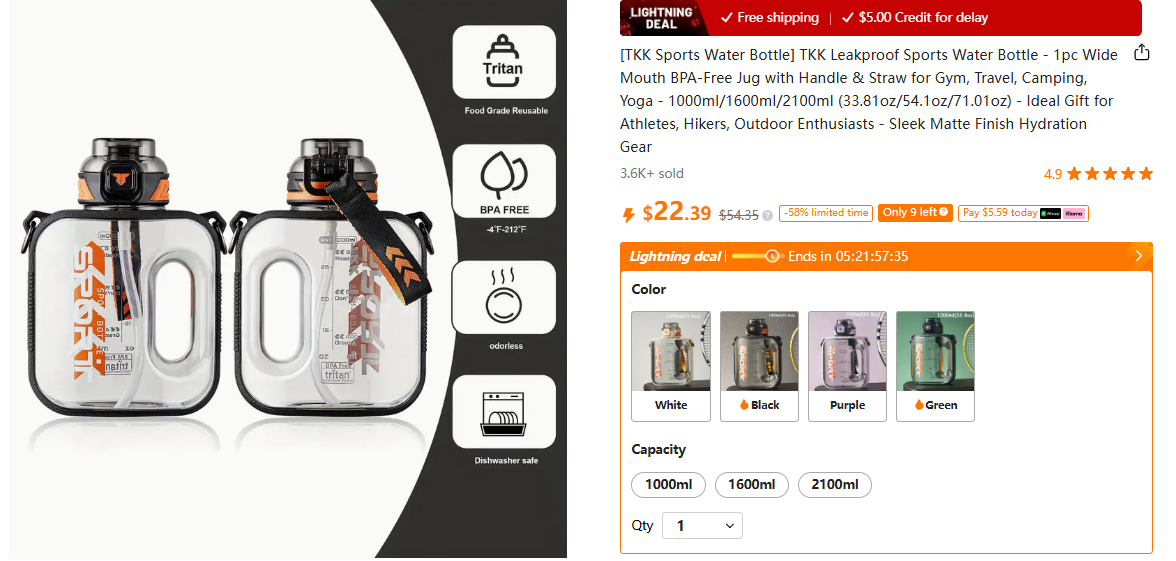
Reusable water bottles are a staple in the green market. With global concern over plastic waste, sales of durable drinkware have surged. In fact, the Reusable Water Bottle market was about $9.67 billion in 2024 and is projected to reach $12.6 billion by 2030 (a CAGR of ~4.6%). Consumers appreciate bottles made of stainless steel, glass, or recycled plastic because they “lessen the amount of plastic that ends up in landfills”. Governments banning single-use bottles (in countries like the US, Canada, and Australia) are also driving demand for refillables. Many reusable bottles now feature eco-friendly materials or insulated designs, making them both sustainable and functional. For dropshippers, bottles are lightweight and easy to ship, and come in countless designs (printed, bamboo-wrapped, etc.) that appeal to health- and planet-conscious buyers. In short, selling reusable bottles meets strong demand: shoppers want stylish, durable drinkware to replace disposables.
2. Bamboo Toothbrushes
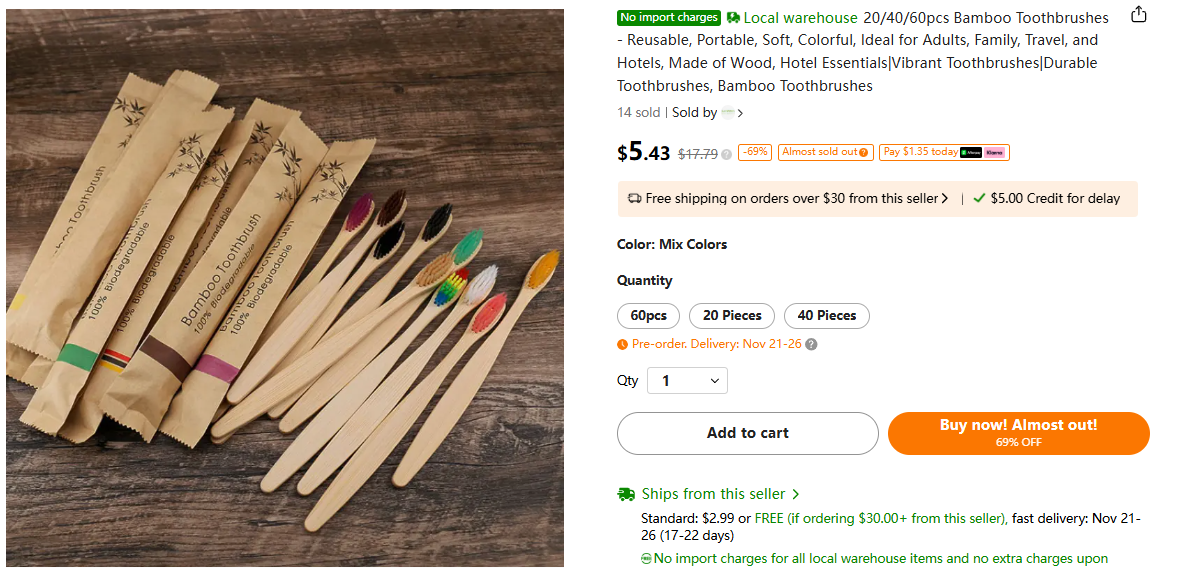
Bamboo toothbrushes are a fast-growing niche in personal care. These brushes have bamboo handles and often biodegradable bristles, offering an eco-alternative to plastic toothbrushes. Market research indicates the bamboo toothbrush segment is booming: consumers concerned about plastic waste in oral care are buying more of them. Lucintel forecasts the global bamboo toothbrush market will reach about $86 million by 2031, growing at roughly 9.7% CAGR (2025–2031). Drivers include rising environmental awareness and government moves to curb single-use plastics. Notably, customers seek natural attributes: bamboo is antimicrobial and chemical-free, giving it “positive attributes” over plastic. Many drop shippers bundle bamboo brushes with other zero-waste items or offer subscription models (replacing brush heads) for steady recurring sales. The key selling point is that buyers can reduce plastic usage daily – swapping one plastic toothbrush for a bamboo one saves thousands of plastic brushes per year. This combination of strong environmental value and continuous repurchase potential makes bamboo toothbrushes a top-selling eco product.
3. Recycled Cotton Tote Bags
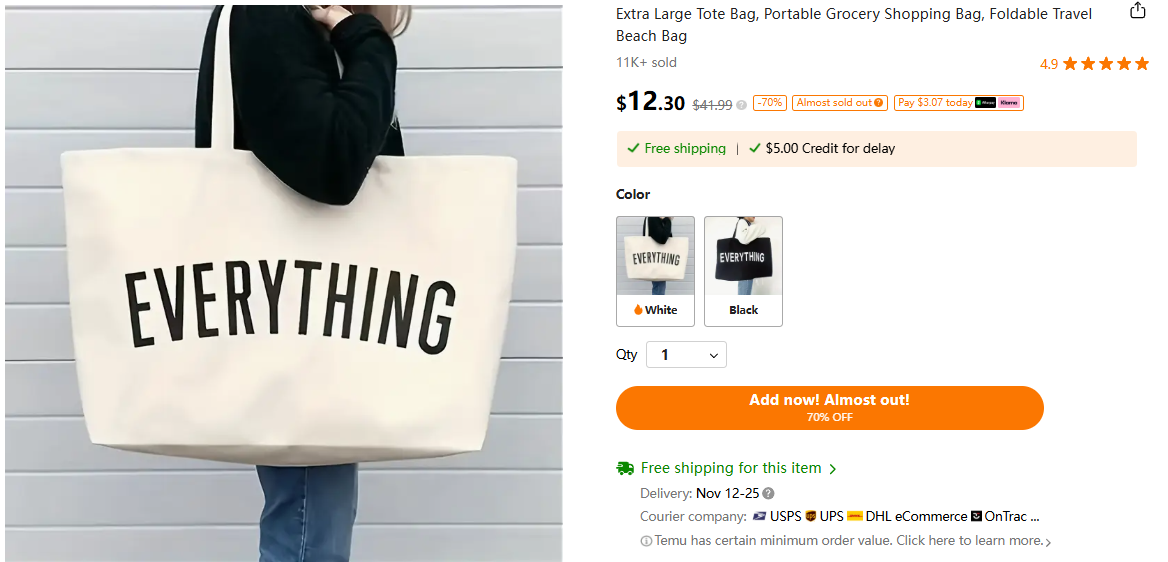
Fabric tote bags made from recycled cotton are popular as plastic bag bans spread. These sturdy shopping bags provide sustainable, reusable alternatives to disposable plastic or non-recycled cotton. Many buyers keep totes for groceries, gifts, or promotional use. The eco-angle resonates: each tote can be reused hundreds of times, cutting waste. Manufacturers often highlight that their totes use post-consumer cotton scraps or off-cut fabric, giving a second life to waste textile. For dropshippers, tote bags are easy to print with custom designs (for niche stores) and appeal to both eco-minded shoppers and brands looking for green promotional items. They are especially popular in fashion, events, and retail, and can be sold individually or in bundles (e.g. a set of beach totes). While raw stats on recycled totes are limited, the trend toward sustainable fashion accessories ensures steady demand. In short, recycled cotton totes are a practical, everyday green product – consumers feel good replacing plastic with fabric that’s often durable and machine-washable.
4. Solar-Powered Garden Lights
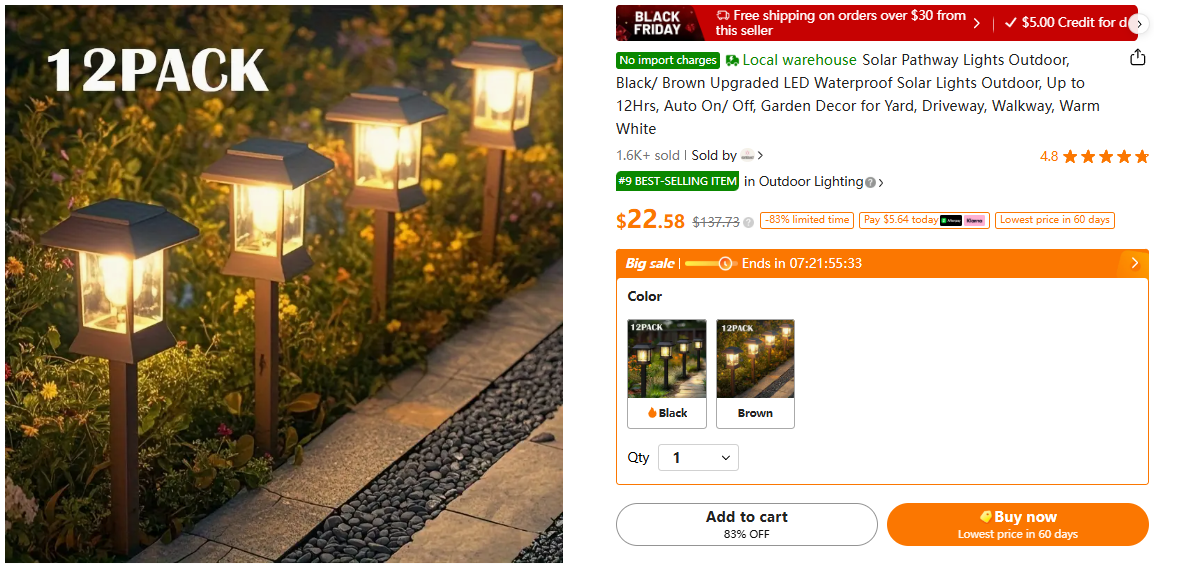
Solar garden and outdoor lights let homeowners and gardeners install decorative lighting with zero electricity cost. They harness sunlight to charge batteries by day and glow at night, eliminating wiring and utility use. This technology is booming: the global solar garden lights market was about $5.8 billion in 2023 and is forecast to jump to $15.3 billion by 2032 (CAGR ~11.5%). Growth drivers include falling solar panel costs and interest in renewable energy lighting solutions. Many buyers are motivated by both aesthetics and eco-credentials: solar lights add ambiance to patios or pathways without increasing carbon emissions. Modern designs often include LEDs, motion sensors, or app controls, appealing to tech-savvy consumers. For dropshippers, solar lights are lightweight and compact (sheet panel plus lamp housing) and fit well in garden decor niches. By selling solar lights, a store taps into both the booming solar tech trend and the home/garden market. In summary, solar-powered lights combine green tech and style – consumers can save on energy while beautifying their outdoors.
5. Compostable Phone Cases
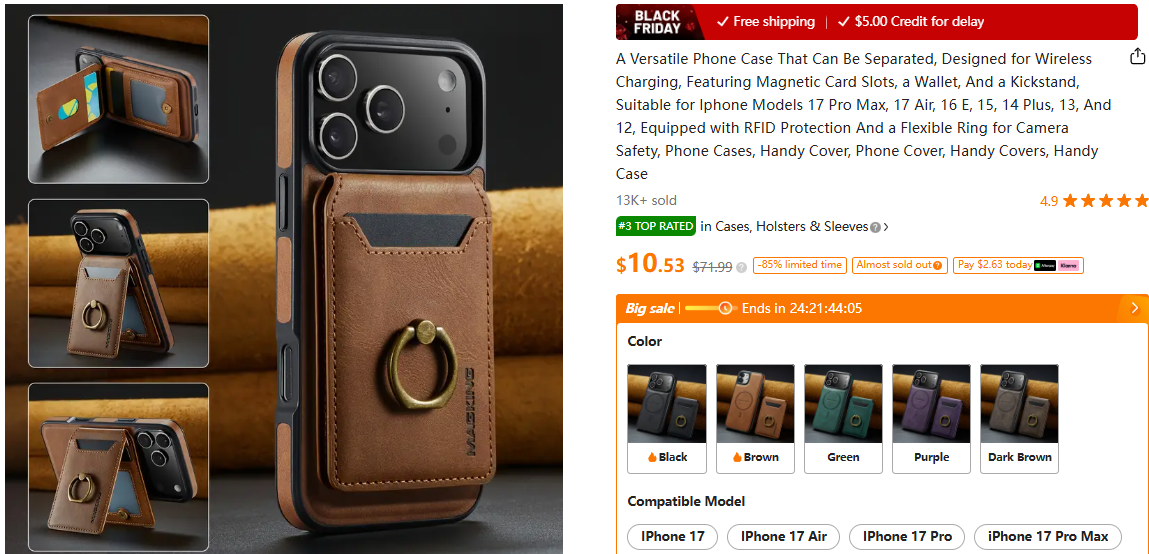
Smartphone users love personalizing devices, but plastic cases contribute to e-waste. Compostable phone cases – made from plant fibers like wheat straw, bamboo pulp, or biopolymers – have emerged as a stylish, zero-waste option. Market analysts project rapid growth: one research report estimates the global compostable phone case market will reach $1.5 billion by 2025, growing at roughly 22% CAGR (2025–2033). This surge is driven by increased smartphone adoption and environmental awareness: users want to reduce their plastic footprint while protecting devices. Many cases now biodegrade fully in industrial composters, leaving no plastic residue. For dropshippers, phone cases have high profit potential and frequent repeat purchases (people upgrade phones or buy multiple designs). Eco-friendly cases often come in popular designs and are marketed via sustainability-conscious branding. In summary, compostable phone cases meet a dual need – functional protection and guilt-free disposal – making them fast sellers in eco stores.
6. Reusable Beeswax Wraps
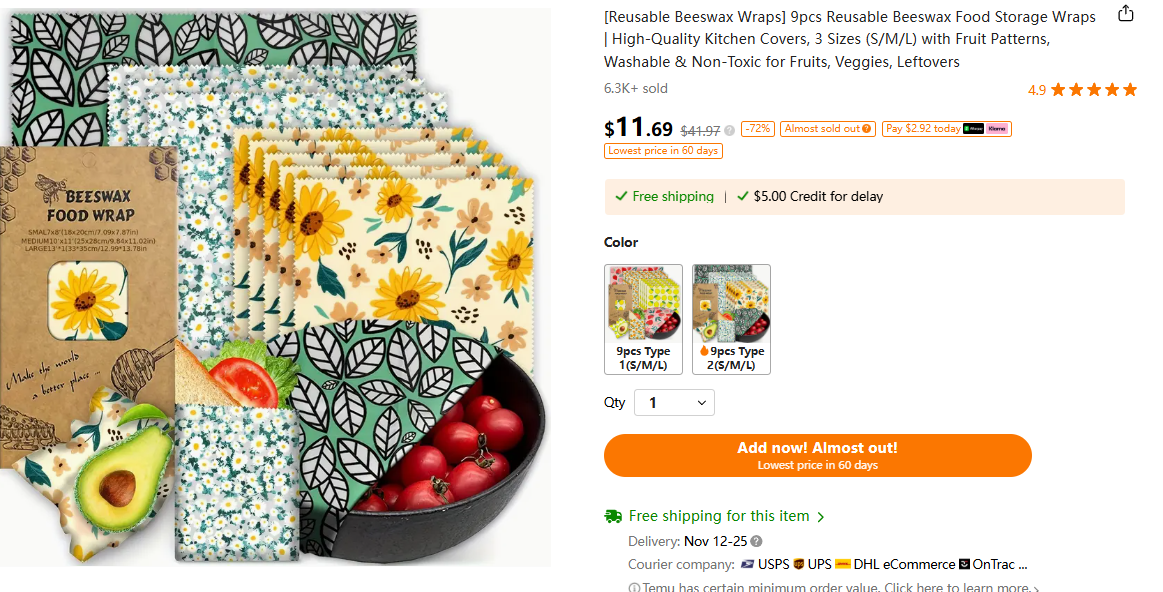
Beeswax food wraps are a popular alternative to cling film and plastic sandwich bags. Made from cotton cloth coated with beeswax, jojoba oil, and tree resin, these wraps are washable and biodegradable. They cling to bowls and wrap around food, naturally sealing without single-use plastic. The reusable wraps market, which includes beeswax wraps and silicone wraps, is growing on concerns about plastic pollution. Grand View Research notes that demand for reusable food wraps is driven by “increasing concerns about plastic pollution” and sustainable living trends. For a dropshipping store, beeswax wraps are lightweight and easy to bundle (e.g. starter kits), and they appeal to kitchenware and zero-waste niches. Many brands emphasize features like “lasts over a year” and “100% natural” to attract buyers. While exact market size is fragmented, the presence of well-known brands (like Bee’s Wrap, Abeego) and DIY trends suggests solid demand. In short, beeswax wraps offer practical sustainability: they cut plastic waste in the kitchen and fit neatly into eco-friendly lifestyle shopping.
7. Stainless Steel Lunch Boxes
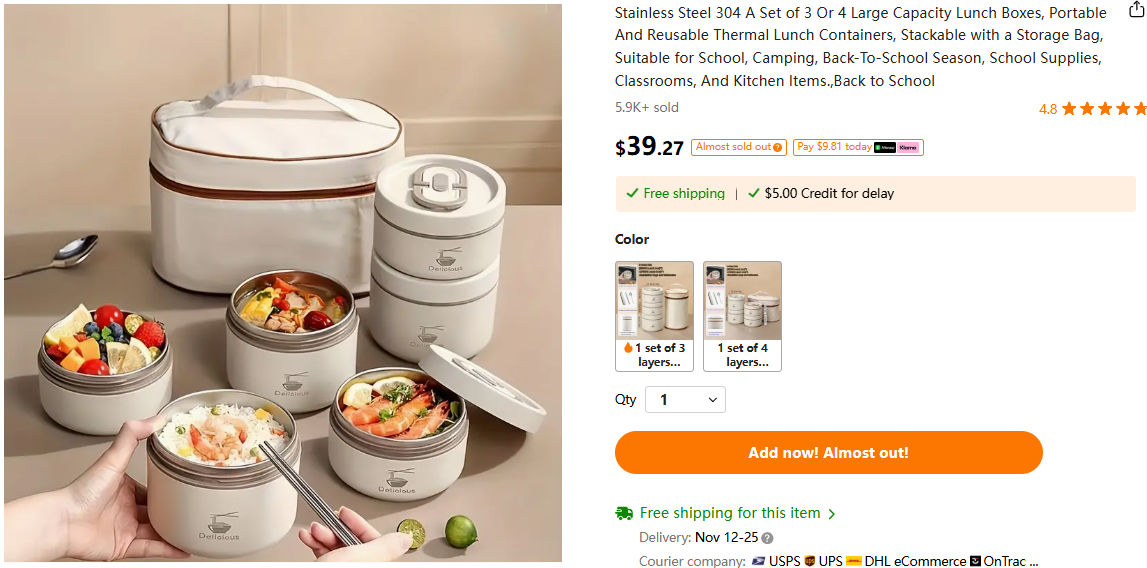
With a push against disposable containers, stainless steel lunch boxes and bento boxes have become fashionable. These durable containers replace throwaway plastic and styrofoam boxes. They appeal especially to parents packing school lunches and workers bringing meals to offices. Typically made of food-grade stainless steel, these lunchboxes are long-lasting and often come with compartments or even insulated lids. For dropshippers, lunch boxes are cost-effective to source and ship (relatively flat and sturdy packaging). Many eco-stores bundle them with reusable utensils or cloth napkins. While specific market data is scarce, the broader “eco kitchenware” and “waste-free lunch” trends make stainless lunchboxes a reliable seller. Promoting their reusability, ease of cleaning, and toxin-free materials helps convert buyers looking to “ditch plastic” in everyday life.
8. Biodegradable Trash Bags
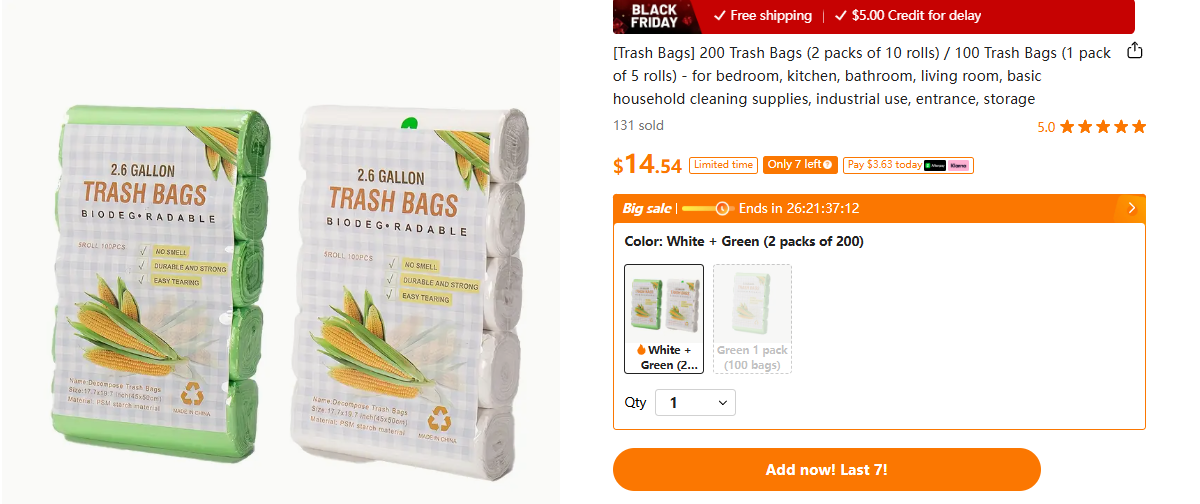
Trash bags may seem mundane, but biodegradable trash bags are in demand as cities ban plastics and individuals seek compostable alternatives. These bags are typically made from plant starches or compostable biopolymers. They look and function like regular trash bags but break down harmlessly in composting conditions. Growing zero-waste and zero-plastic movements fuel interest. While the global plastic bag ban by governments increases overall eco-bag sales, even smaller items like bin liners matter. Dropshippers can offer biodegradable bags in multi-roll packs targeted at environmentally conscious households. Though bulkier to ship, some suppliers allow co-packaging or white-labeling. As a trend, listing biodegradable bags alongside other home essentials (like beeswax wraps or cloth towels) can boost average order value. In summary, selling compostable trash bags appeals to eco-shoppers who want every household staple to be green – even their garbage bags.
9. Eco Yoga Mats (Natural Rubber)
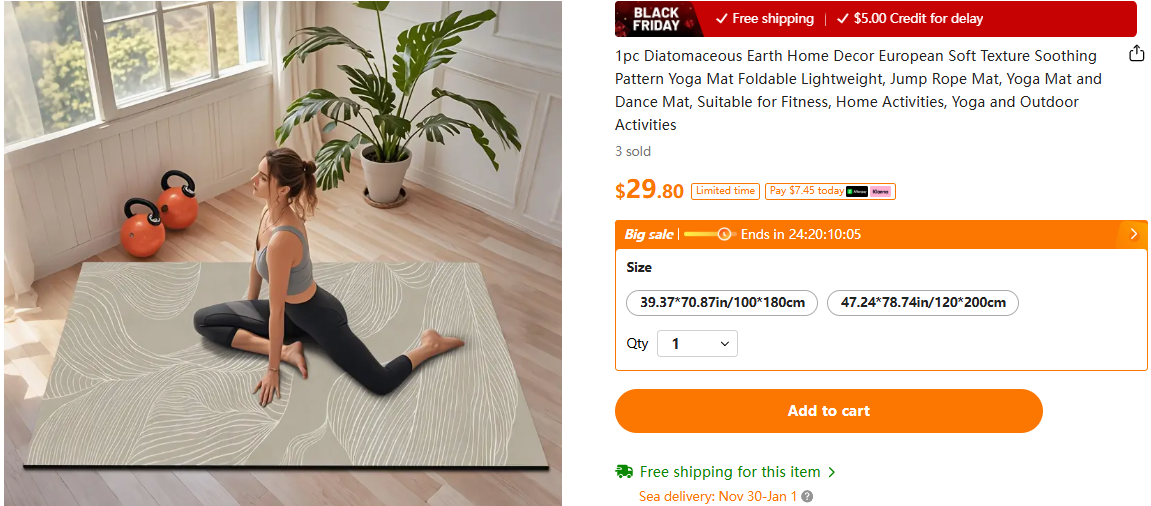
Eco-friendly yoga mats – often made of natural or recycled rubber, jute, or cork – have replaced PVC mats in many studios. These mats provide a non-toxic, biodegradable workout surface. The fitness industry’s sustainability shift has made natural yoga mats a popular health-and-wellness niche. While PVC mats can emit harmful chemicals, mats made from natural tree rubber or cork fibers do not off-gas and are Earth-friendly. Fitness enthusiasts and yoga teachers actively seek them for studios and home practice. For dropshipping, yoga mats are bulkier to ship, but they command higher prices and loyalty (yoga lovers will repurchase for travel mats or replacements). Market reports show increasing demand for “sustainable yoga products,” reflecting overall wellness trends. Emphasize features like “non-slip, antimicrobial, eco-certified” to attract serious yogis. In short, eco yoga mats sell fast in fitness markets because they combine functionality with a green lifestyle choice.
10. Organic Cotton Baby Diapers
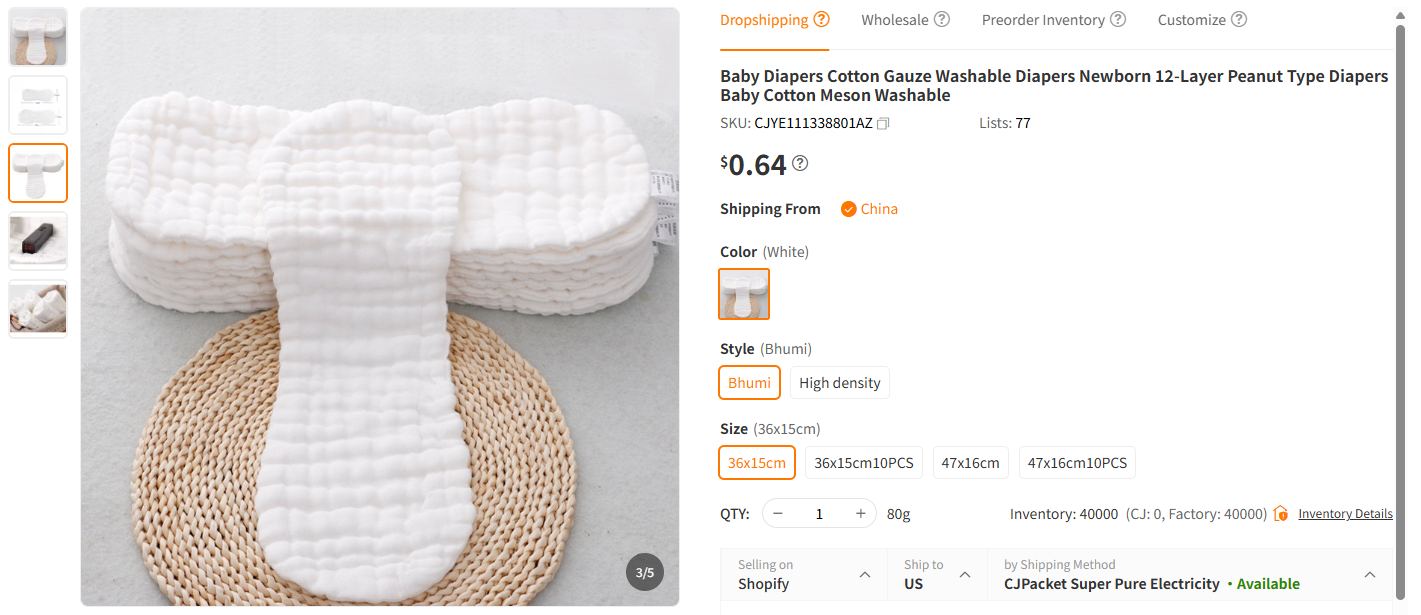
Traditional disposable diapers create immense landfill waste. Organic cotton baby diapers (and other plant-based or biodegradable diaper options) are a rapidly growing eco segment. These diapers use natural fibers, sometimes in a hybrid with compostable absorbents. Industry research projects the global biodegradable baby diaper market (including organic cotton varieties) to jump from about $1.5 billion in 2025 to $4.0 billion by 2033 (roughly CAGR 25%). Drivers include parents’ rising environmental concern and stricter waste regulations. Reported market trends note rising parental awareness and regulatory pressures as key growth factors. For example, biodegradable or plant-fiber diapers break down faster in landfills than plastics, appealing to eco-conscious parents. Dropshippers can promote these diapers as natural, hypoallergenic, and better for the planet. Many stores offer both single packs and subscription refills, as parents need diapers continually. Overall, organic/biodegradable diapers meet a strong demand: modern consumers expect “organic cotton, plant-based products” as baby essentials, making this a top eco product category.
11. Zero-Waste Cleaning Kits
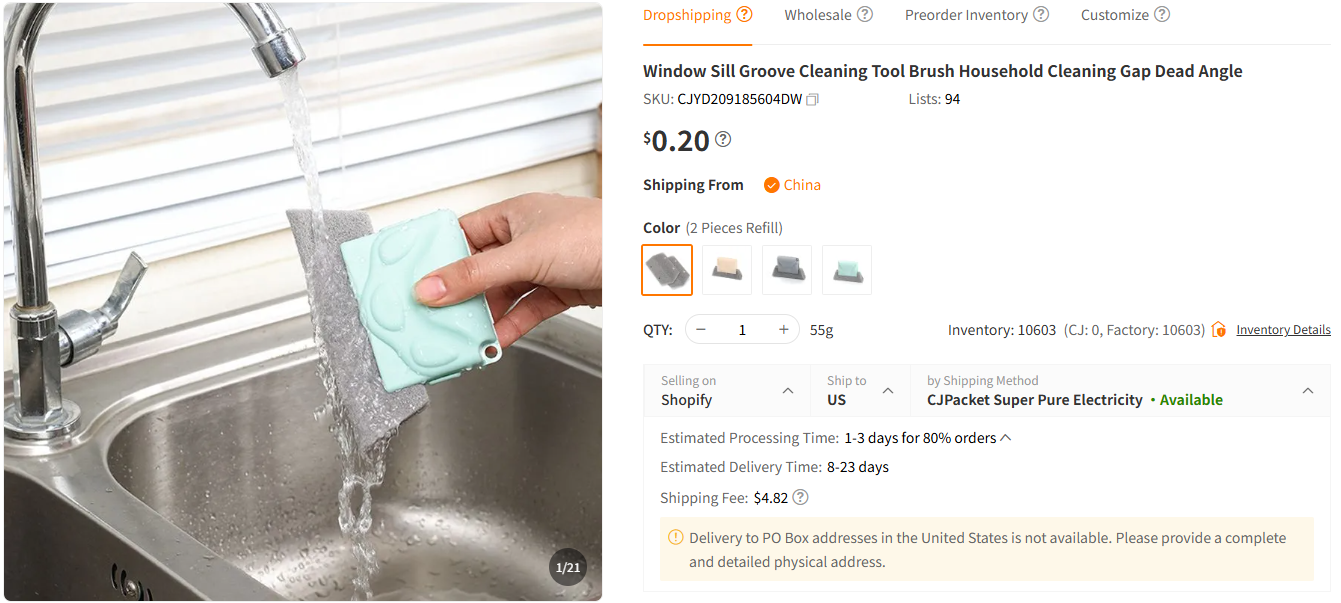
Consumers are becoming savvy about household waste. Zero-waste cleaning kits bundle reusable cleaning tools (like cloth brushes, metal scrubbers) with concentrated refill packets of cleaning solution. For dropshippers, these kits resonate with the popular “zero-waste lifestyle.” They eliminate endless plastic spray bottles; customers just refill a glass or metal spray bottle from a small pouch or tablet. Kits often include solid cleaning bars, reusable mops, or bamboo brushes. The zero-waste cleaning market is part of a wider home care trend; companies like Blueland and Goodwipes (for example) have shown that subscription cleaning products can do very well. While hard to find exact size, the general eco-home niche is booming, and cleaning kits are often featured in green gift bundles. Emphasize the convenience and eco-benefit: buying one kit can avoid dozens of plastic bottles. In brief, zero-waste cleaning kits appeal to buyers who want effective cleaning without disposable waste – a practical product category for eco stores.
12. Plant-Based Pet Waste Bags
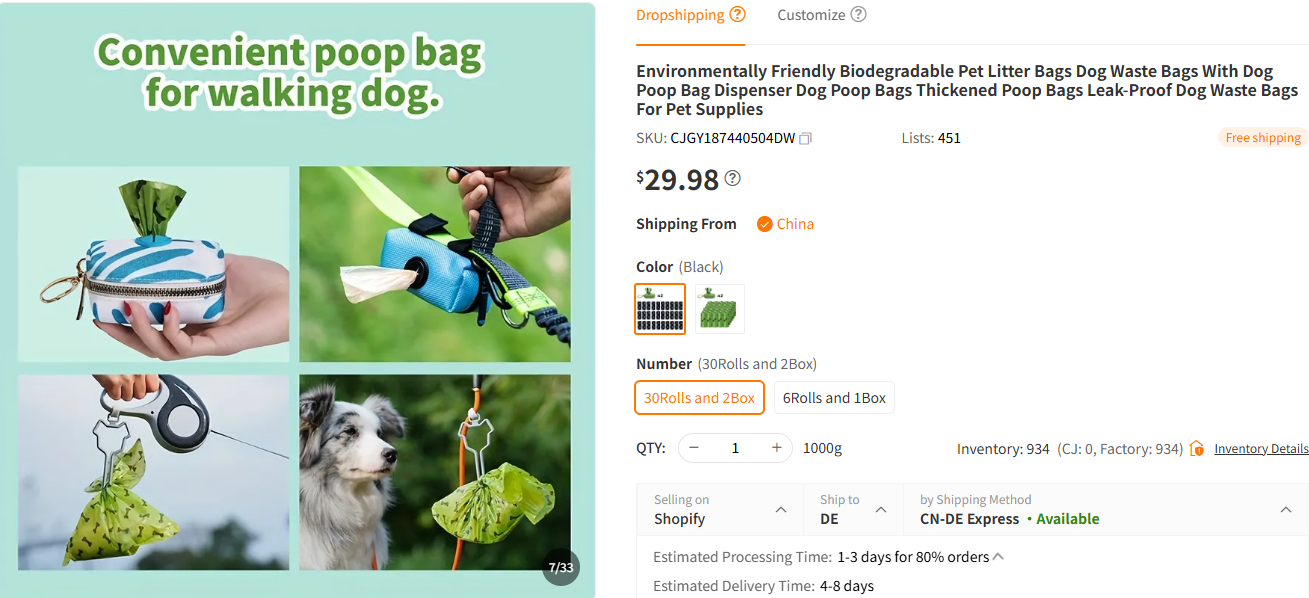
Pet owners generate a surprising amount of plastic waste from dog poop bags. Plant-based (biodegradable) pet waste bags solve this: made from corn starch or other biopolymers, they hold waste but then break down in compost (unlike conventional plastic bags). As demand for eco pet products rises, these biodegradable bags have become popular. Many dog walkers carry these bags as a default, and store shelves now stock compostable options. While the global “dog poop bag” market is smaller (e.g. a forecast to $208M by 2032), the eco segment can command higher margins. Dropshippers can market them to dog-friendly communities and attach them to other pet eco products (like bamboo pet bowls). Emphasize “safe for compost and sea” on packaging. In short, plant-based pet waste bags allow pet owners to keep their routine habits green – selling them caters to a niche of environmentally mindful pet lovers.
13. Bamboo Cutlery Sets
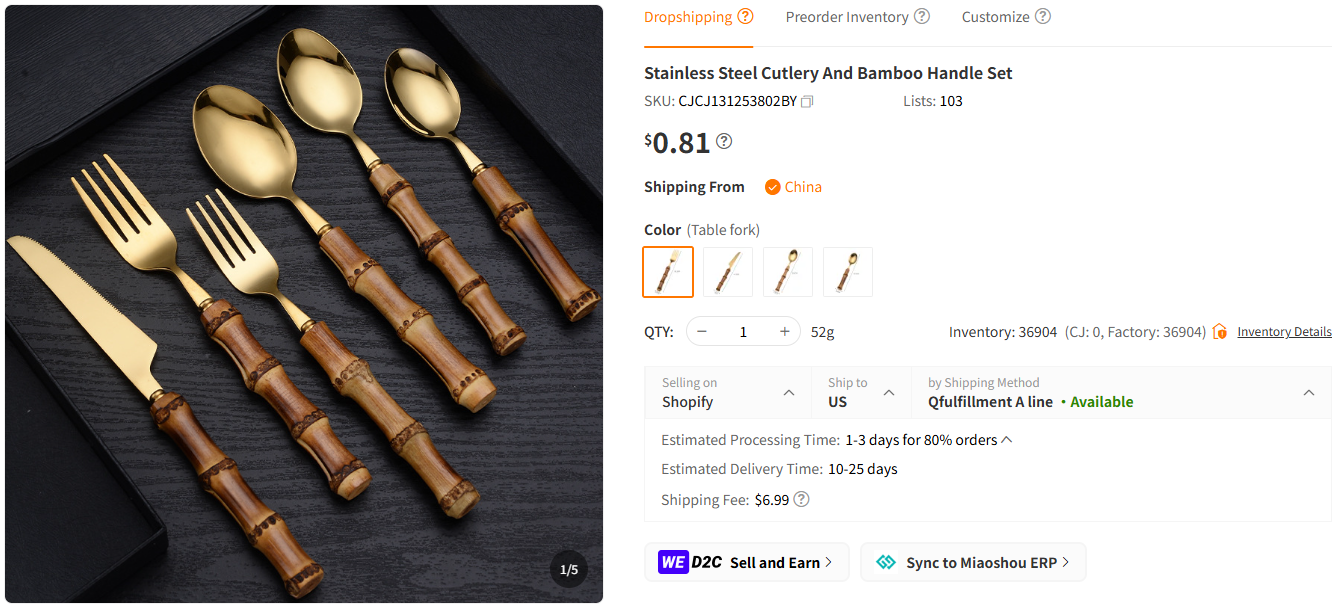
Disposable plastic utensils are a major source of waste. Reusable bamboo cutlery sets (fork, spoon, knife, sometimes chopsticks in a pouch) are an eco-friendly meal-on-the-go solution. These sets, often sold as portable kits, are made from natural bamboo – a fast-growing, renewable resource. They can be washed and reused hundreds of times, unlike plastic throwaways. For dropshipping, bamboo cutlery is a lightweight, compact product that fits travel or picnic niches. Many buyers carry them in bags or backpacks for work lunches or camping. The key selling point is replacing single-use plastic: marketing often highlights that each kit saves dozens of plastic utensils from the trash. While specific market data is limited, the broader rise of eco picnic and travel gear bodes well. In summary, bamboo utensil sets are fast sellers because they make daily dining (at home or out) a little greener, with strong appeal to students, travelers, and office workers alike.
14. Recycled Paper Notebooks
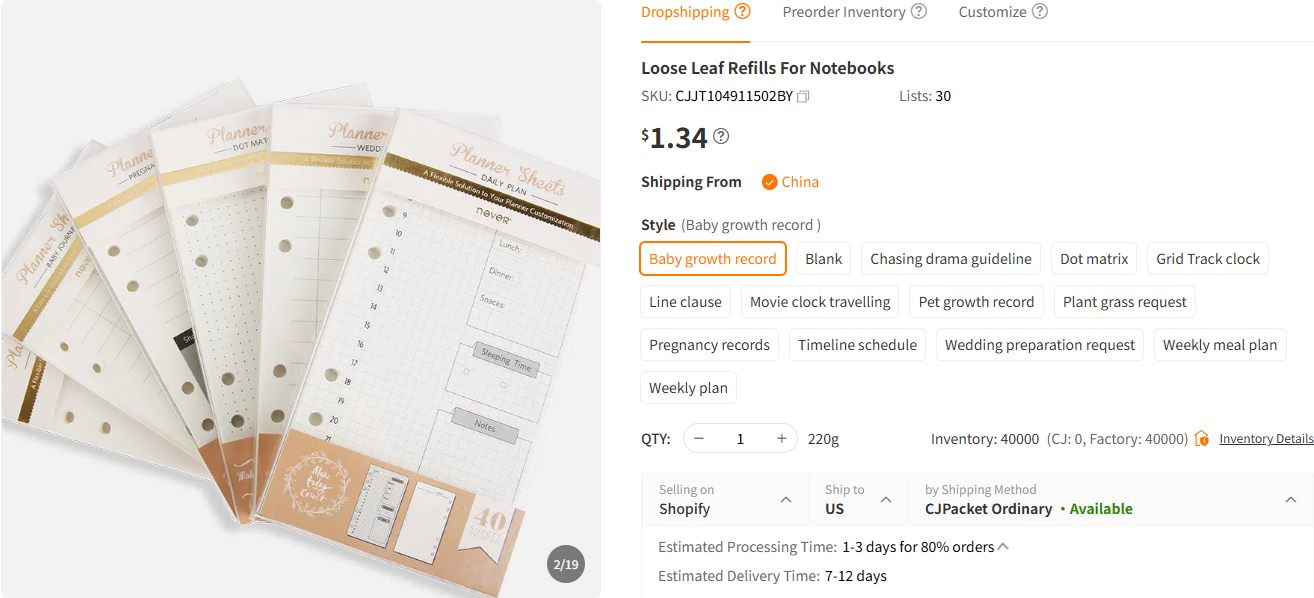
Sustainable stationery is a quiet but steady trend. Notebooks made with recycled paper or tree-free fibers (like bamboo or bagasse) allow note-takers to reduce wood use. These notebooks look and feel like normal journals but carry eco certification logos. Brands often source post-consumer paper or use waste agricultural pulp. Dropshippers can offer them to students, professionals, and creatives who value eco-conscious office supplies. Bundling them with recycled pens or pencils can increase cart size. Though the global stationery market is dominated by big brands, niche eco stores can carve a place with unique recycled designs or custom prints. In essence, recycled notebooks meet a simple need – writing down ideas – while aligning with sustainable values, making them an attractive upsell in many green lifestyle shops.
15. Eco Shower Accessories (Loofahs, Soap Bars)
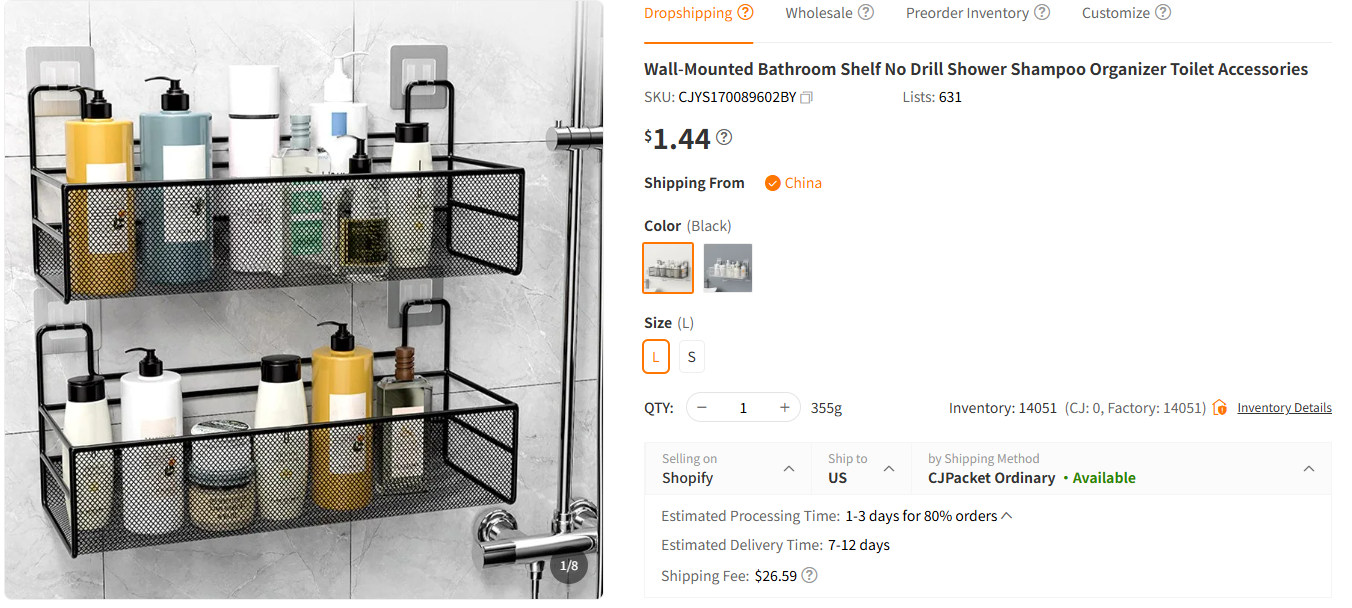
The bathroom is going green too. Eco-friendly shower accessories include natural loofahs, bamboo hairbrushes, and solid soap bars (often shampoo or body soap with no plastic bottle). Loofahs (made from dried plant fibers) are reusable scrubbers instead of plastic mesh sponges. Solid soap bars eliminate the plastic bottle waste of liquid soap and shampoo. Many eco stores bundle artisanal soaps with organic labels and biodegradable packaging. These items are popular with zero-waste consumers; for example, a wooden-handled loofah or a plastic-free shampoo bar kit can be pitched as “travel and earth friendly”. While individually these are lower-ticket items, their appeal is broad: everyone showers! Dropshippers often sell them in sets or as add-ons, improving average order values. In short, eco shower and bath products (like loofahs and soap bars) are growing fast as customers swap chemical-packed, bottled products for natural, refillable alternatives.
16. Hemp or Cork Handbags
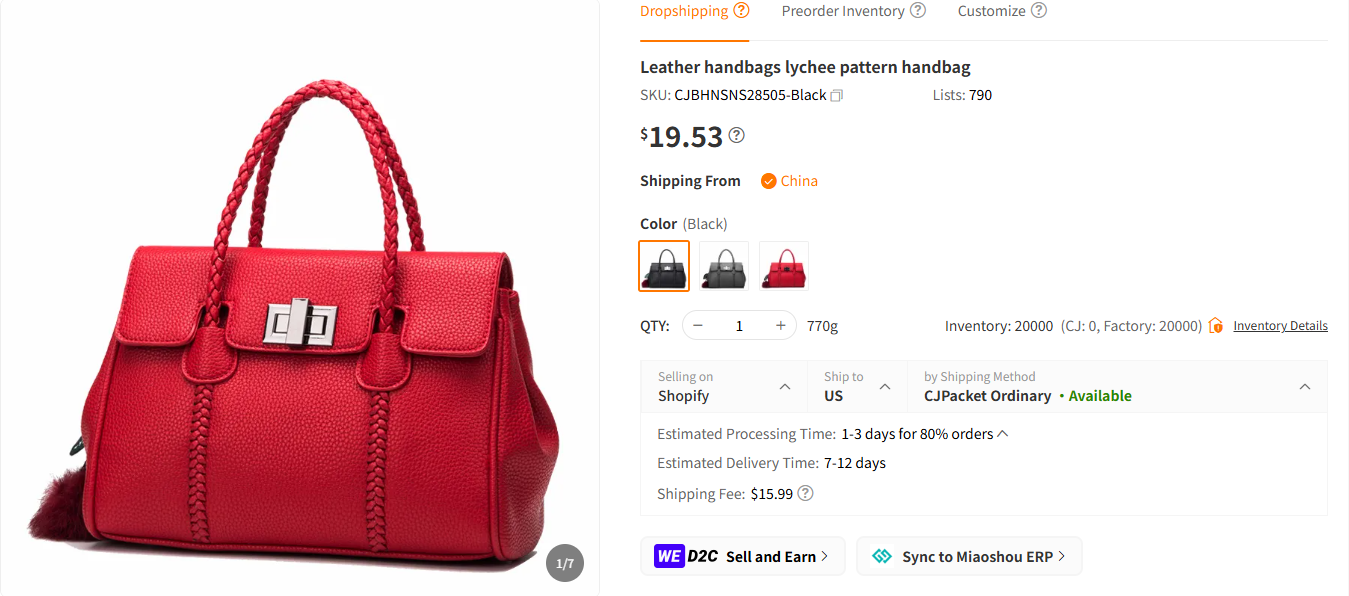
Fashion can be sustainable too. Handbags and accessories made from hemp canvas or cork leather have gained popularity. Hemp and cork are eco-materials: hemp requires little water and no pesticides, while cork is harvested without tree-cutting. These bags often mimic trendy designs but in “green” materials. For dropshipping, hemp totes or cork crossbody bags can fill the sustainable fashion niche. Buyers who avoid animal leather or synthetic fabrics are the target market. While the high-end fashion market is dominated by brands, emerging sustainable labels exist, and dropshippers can relabel or brand generic hemp bags. These products tend to have higher price points, so profit margins are attractive. In summary, hemp and cork bags sell to fashion-conscious eco-shoppers seeking cruelty-free, natural-material goods – making them a solid addition to an eco store’s lineup.
17. Solar Chargers
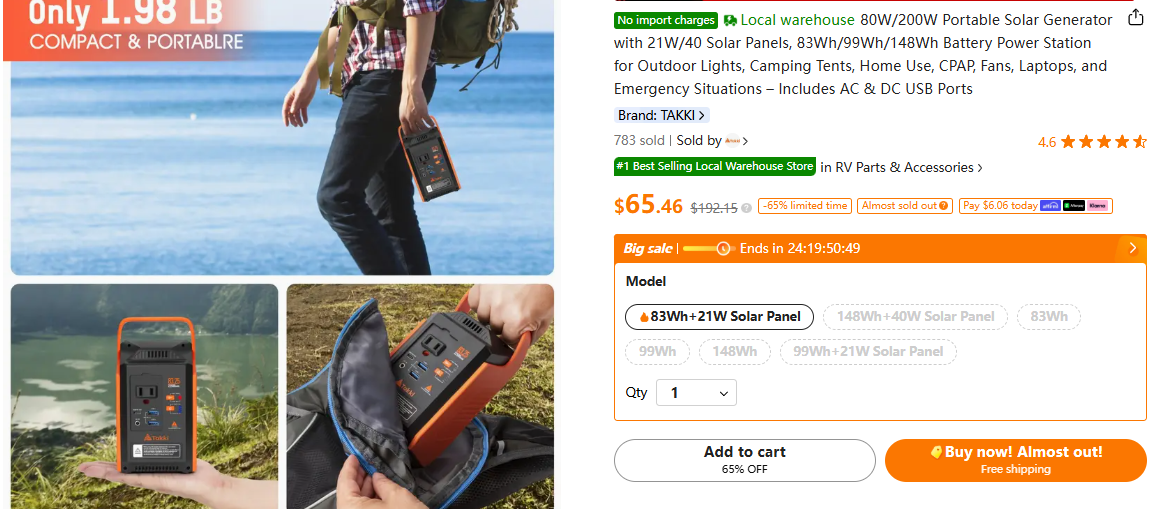
Portable solar chargers (for phones and gadgets) are a high-tech eco product riding the renewable energy trend. These small panels convert sunlight into electricity to charge batteries or devices on the go. The global market is expanding: one forecast values the portable solar charger market at $649.8 million in 2025, projected to reach about $2.40 billion by 2035 (around 13.9% CAGR). Growth factors include booming outdoor recreation and wider use of mobile electronics. For example, hikers, campers, and travelers love solar power banks so they stay connected off-grid without using generator or mains power. Many dropshippers feature them under travel or emergency kits. By selling solar chargers, a store taps into both the eco-technology niche and the lucrative electronics accessory market. Shoppers are drawn to them as “zero-emission charging solutions,” especially when branded with tech specs (fast-charging ports, foldable panels). Overall, solar-powered battery chargers are a hot item for 2026, uniting sustainability with practical convenience.
18. Upcycled Home Décor Items
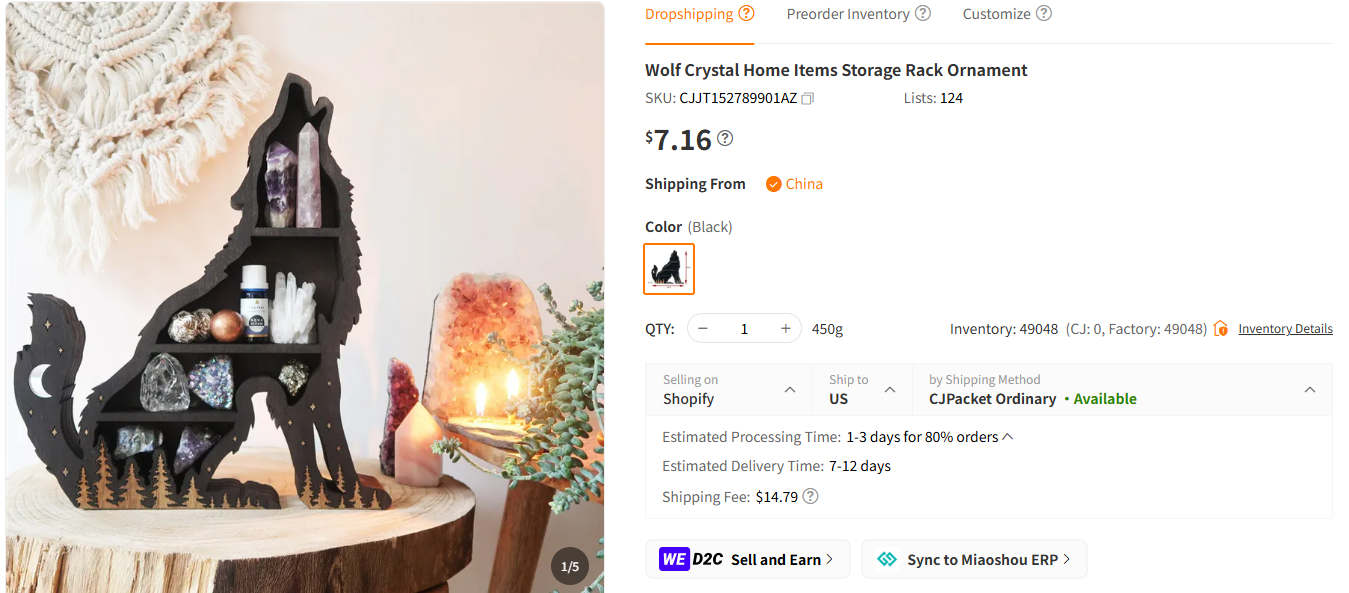
Upcycling turns waste into unique home goods. Popular upcycled décor includes furniture or art made from reclaimed wood, recycled glass vases, and objects repurposed from industrial materials (e.g., planters made from old metal drums). Consumers love the story behind each piece. For dropshipping, “upcycled décor” can be tricky since items are often one-offs, but some manufacturers produce limited editions (like reclaimed wood wall art or woven rugs from recycled fibers). Stores can highlight the handcrafted and zero-waste aspects. As a trend, Pinterest and home blogs often feature “repurposed” designs, suggesting steady interest. Selling such items also allows telling a brand story about saving materials. In essence, upcycled décor appeals to eco-home enthusiasts and fans of rustic-chic style – a niche where customers value aesthetics and sustainability.
19. Refillable Cosmetic Containers
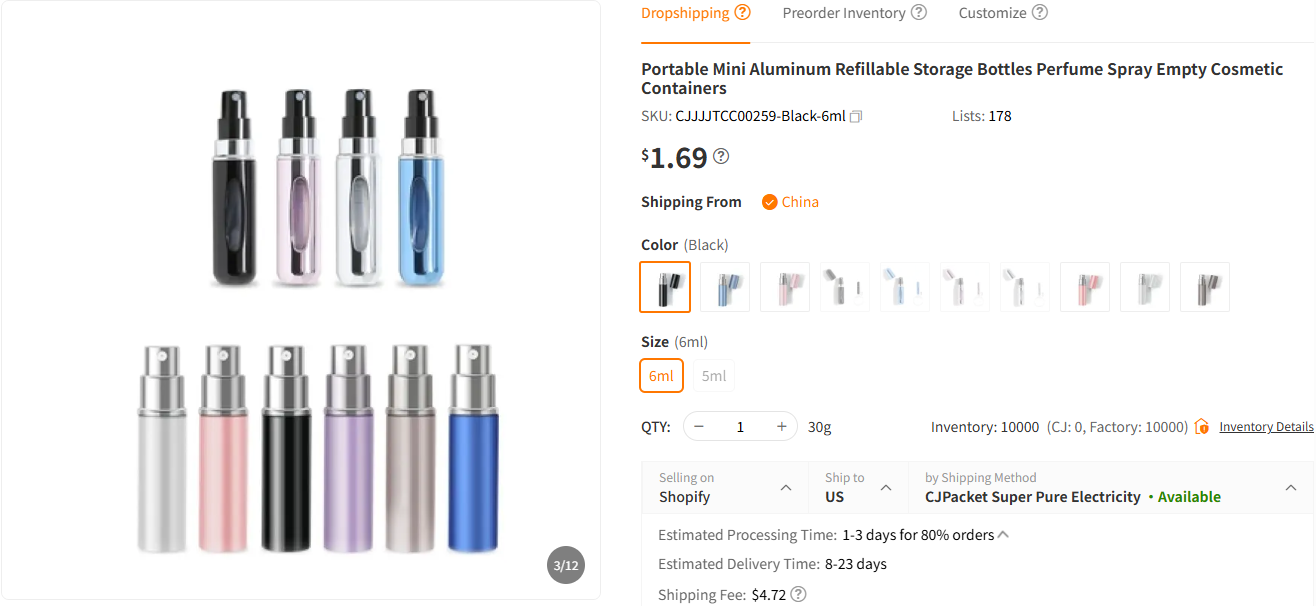
The beauty industry is gravitating towards refillable packaging. Refillable containers – such as glass or metal bottles and jars that customers can refill from bulk dispensers or take-back programs – reduce plastic waste. For example, some skincare and makeup brands now sell reusable cases paired with refill sachets. Dropshippers can offer plain cosmetic jars or bottles along with eco-certified products (like concentrated creams or powders) that fit them. These containers often have bamboo or metal accents to emphasize green branding. Though wider adoption is still growing, mainstream pressure on personal care packaging makes refillables an attractive category. By offering refillable cosmetic containers, a store enables customers to reduce their plastic use over time. This appeals especially to organic skincare and zero-waste beauty shoppers, who might buy solid lotions or reusable cotton pads in tandem.
20. Sustainable Coffee Cups (Bamboo/Glass)
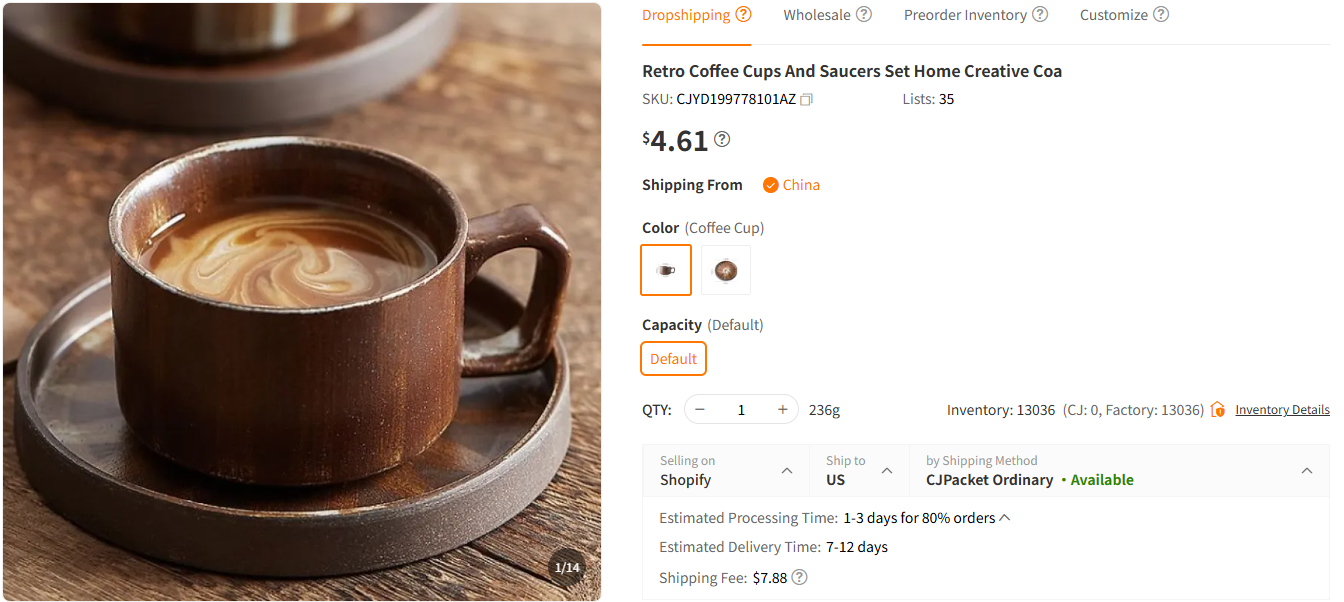
Reusable coffee cups are now ubiquitous among commuters. Sustainable cups made of bamboo fiber or tempered glass with silicone sleeves replace disposable paper cups (and even plastic “KeepCups”). The bamboo cups market alone was valued at roughly $62.2 million in 2025 and is expected to hit $168.9 million by 2035 (≈ 10.5% CAGR). These cups are heat-resistant, lightweight, and often come with tight lids for travel. Regulatory moves to ban single-use cups have increased demand for such alternatives. For dropshippers, these cups are easy upsells to tea/coffee accessories. They can be sold in sets or with coffee-themed graphics. The marketing angle is simple: “ditch disposable cups” in favor of a cup that can be used for years. As Future Market Insights notes, bamboo drinkware is “in demand because it is durable, light in weight, and can be used as a substitute for single-use plastics”. In summary, sustainable coffee cups (made from bamboo or glass) will continue to sell fast as daily-use products that are functional, trendy, and environmentally friendly.
How to Find Reliable Eco-Friendly Dropshipping Suppliers
Finding good suppliers is crucial. Here are key strategies to locate reputable eco-friendly dropshipping sources:
-
Use specialized supplier directories and platforms. Look for dropshipping directories dedicated to green products. For example, sites like CJdropshipping list vetted eco suppliers. Supplier databases like CJdropshipping (12,000+ organic products) focus entirely on natural/organic items.
-
Search industry-specific e-marketplaces. Alibaba is a massive B2B platform where you can filter for eco products (using search terms and certifications). Many Chinese and global suppliers there specialize in biodegradable, organic, or recycled items. Trade shows and wholesale marketplaces (like Faire or Orderchamp) also offer sustainable brand listings. For pet waste bags, for example, search terms like “compostable dog bags” help narrow results.
-
Check certifications and materials. Even when dropshipping, vet each product. Ask suppliers about material sources (e.g. FSC-certified wood, GOTS organic cotton, or FDA-approved plant-based plastics). Look for certifications on product pages or request proof. Sellers often highlight “BPA-free,” “organic,” or “biodegradable” certifications. These confirm claims and reassure customers.
-
Evaluate shipping and packaging. Reliable eco suppliers will often ship from regional warehouses to cut transit emissions and offer green packaging options (recyclable, compostable fillers). For example, GreenDropShip advertises “eco-friendly packaging options” alongside its products. Ask potential partners about average delivery times and whether their boxes use recycled cardboard or minimal plastic. Dropship platforms like Printify or Printful may also offer greener packaging alternatives.
-
Read reviews and do test orders. Research supplier reputations on forums and drop shipping communities. Services like AppScenic vet suppliers (they highlight “fast shipping” and verified eco claims). Try ordering samples to check product quality and packaging in person. A good supplier will have clear return policies and transparent sourcing information.
Best Niches for Eco-Friendly Dropshipping Stores
Certain niches align exceptionally well with sustainability. Focusing on these can make your store more cohesive and appealing:
-
Sustainable Fashion and Accessories: Organic cotton apparel, hemp clothing, bamboo fiber socks or underwear, and cruelty-free bags (hemp or cork) are booming categories. Shoppers who value ethical style often seek vendors specializing in eco-fabrics. (Niche example: vegan leather sneakers, organic cotton t-shirts.)
-
Zero-Waste Home & Kitchen: Reusable kitchenware (beeswax wraps, glass straws, stainless steel containers), eco-cleaning products, and energy-saving household items (LED bulbs, smart thermostats) form a large niche. For instance, blenders with compostable filters or home cleaning kits with refillable bottles meet household sustainability trends.
-
Natural Beauty and Personal Care: Shampoos bars, organic skincare, bamboo toothbrushes, and plastic-free cosmetics are fast-growing. Many beauty consumers now expect items made with “plant-based, organic ingredients” in eco-friendly packaging. This niche can include refillable cosmetics and organic makeup tools.
-
Baby & Kids: Parents are keen on reducing baby waste. Reusable cloth diapers, eco-friendly toys (wood or recycled plastic), and organic baby clothes are high-demand eco products. Dropshipping these taps into the growing market of conscious families. For example, biodegradable diapers and baby bottles made of sustainable materials resonate with eco-minded parents.
-
Eco-Pet Supplies: The pet industry is ripe for green disruption. Biodegradable poop bags, organic pet food, and sustainable toys (hemp rope chew toys, for example) cater to pet owners who want to reduce their animal’s ecological paw-print. Many consumers enjoy buying “all-natural” treats and cruelty-free grooming items for their pets.
-
Outdoor & Garden: Solar gadgets (lights, chargers), organic seeds, and gardening kits (like urban farming or beehive starter kits) attract nature enthusiasts. As one blog notes, “Beehive supplies and urban farming kits allow customers to support the environment while fostering self-sufficiency”. The outdoor niche includes eco-camping gear, sustainable gardening tools, and environmentally-friendly outdoor recreation products.
-
Health & Wellness: Plant-based supplements, compostable yoga mats, and eco-friendly fitness gear (like cork block yoga bricks) cater to health-conscious, earth-conscious shoppers. As sustainability intersects with self-care, products like plant-protein powders in compostable packaging or eco pilates mats are in demand.
Focusing on these niches helps your store tell a clear story. For example, an eco pet store could sell plant-based dog bags, hemp toys, and natural grooming kits – a coherent theme. A green baby store might offer organic diapers, wooden toys, and non-toxic nursery items. By specializing, you attract targeted customers and become known as the go-to eco-store in that segment.
Top Platforms for Eco-Friendly Dropshipping Stores
Choosing the right ecommerce platform is key to running a dropshipping store. Fortunately, all the major platforms support dropshipping and have integrations for sourcing eco products:
-
Shopify: The most popular ecommerce platform worldwide, Shopify offers many dropshipping apps (such as Syncee, Spocket, and EPROLO) that include eco-friendly supplier catalogs. It also integrates with print-on-demand services like CJdropshipping and Printful (which offer organic or recycled product lines). Shopify’s ease of use and extensive app ecosystem make it ideal for green stores.

-
WooCommerce (WordPress): This free plugin for WordPress allows full customization. It supports dropshipping plugins (e.g. CJdropshipping and Printify integrations) and eco-themed plugins. WooCommerce is popular with tech-savvy entrepreneurs who want more control and lower platform fees.
-
BigCommerce: Similar to Shopify, BigCommerce supports many dropshipping apps and allows multi-channel selling. It’s known for strong SEO and built-in features. Eco-stores can use BigCommerce with green supplier connectors (e.g. AppScenic integrates with multiple e-commerce platforms).
-
Marketplaces (Etsy, eBay, Amazon): For handcrafted or unique eco items, marketplaces can extend reach. Etsy, in particular, attracts buyers seeking handmade, often sustainable crafts. Shopify and WooCommerce stores can sync products to these marketplaces. Note however that pure dropshipping on Amazon is challenging due to strict policies.
FAQs for Eco-Friendly Dropshipping Products
1. What makes a dropshipping product “eco-friendly”?
Eco-friendly dropshipping products are items designed, produced, and packaged with minimal environmental impact. They use sustainable materials (like bamboo, recycled cotton, or stainless steel), avoid harmful plastics, and often come in biodegradable or reusable packaging. The entire lifecycle—from sourcing to disposal—is geared toward reducing waste and carbon footprint.
2. Are eco-friendly products profitable for dropshipping businesses?
Yes, they can be highly profitable. The global market for sustainable goods has grown rapidly, driven by Gen Z and Millennial consumers who prefer eco-conscious brands. Although sourcing costs may be slightly higher, customers are often willing to pay premium prices for authentic, sustainable products. The key lies in transparent branding, quality assurance, and effective storytelling about your brand’s environmental values.
3. How can I verify that a supplier’s products are truly eco-friendly?
Look for third-party certifications such as FSC (Forest Stewardship Council), Fair Trade, GOTS (Global Organic Textile Standard), BPA-free, or biodegradable/compostable certifications. Also, review the supplier’s production methods, materials, and packaging practices. You can request product test reports or sustainability documentation before listing the items in your store.
4. Which niche within eco-friendly dropshipping is most promising for 2026?
The most promising niches are zero-waste lifestyle products, eco-friendly home essentials, and sustainable personal care. Items like reusable water bottles, solar chargers, and refillable cosmetic containers are expected to perform strongly due to rising consumer focus on convenience, functionality, and environmental impact.
5. What is the best platform for launching an eco-friendly dropshipping store?
Shopify remains the top choice for beginners and established entrepreneurs because of its integrations with sustainable suppliers (like CJdropshipping, Syncee, and Spocket) and eco-conscious apps for carbon offsetting and green shipping. However, WooCommerce is an excellent alternative for those seeking more customization and control over SEO. Both platforms support eco-friendly branding and scalable business growth.