
The global beauty industry is undergoing one of the most significant transformations in its history. For years, the market was dominated by synthetic, chemical-based formulations that promised instant results—but consumers have started to look deeper. They now want beauty products that are not only effective but also safe, ethical, and environmentally responsible. This evolution has fueled the rise of clean beauty, eco-friendly beauty, and organic skincare movements, all of which have grown into billion-dollar markets across the world.
According to a 2025 report by Statista, the global natural and organic cosmetics market was valued at over $40 billion in 2024 and is projected to reach $58 billion by 2026, growing at a CAGR of more than 8%. Meanwhile, Grand View Research reports that clean and sustainable beauty is no longer a niche—by 2026, it will account for nearly 25% of the entire skincare market share globally.
This momentum creates a golden opportunity for online entrepreneurs. The year 2026 is shaping up to be a pivotal point for natural beauty products dropshipping—a business model that allows retailers to sell eco-conscious skincare and cosmetics without holding inventory. With consumer awareness about harmful ingredients and sustainability reaching new heights, dropshipping businesses that focus on clean, green, and ethical products are positioned for long-term success.
Whether you’re an aspiring eCommerce entrepreneur or an experienced dropshipper looking to pivot toward the booming eco-conscious market, sustainable beauty dropshipping represents one of the most profitable, future-proof niches in 2026. Let’s explore why.
Why Sell Natural Beauty Products in 2026?
1. Explosive Market Growth
The global market for natural and organic beauty products has been growing at a steady pace for over a decade. However, the post-2023 consumer shift toward self-care, wellness, and sustainability has accelerated this growth dramatically. Statista forecasts that by 2026, over 45% of beauty consumers in developed markets such as the U.S., U.K., and Japan will actively prefer natural or clean-label products.
The clean beauty revolution isn’t just a trend—it’s a structural change in consumer behavior. Grand View Research projects the organic skincare subcategory alone will exceed $20 billion in value by 2026, driven by innovations in botanical extracts, minimal-ingredient formulas, and eco-friendly packaging.
2. Consumer Awareness and Ingredient Transparency
Modern consumers—especially Gen Z and Millennials—are better informed than ever before. They read ingredient labels, follow sustainability influencers, and expect brands to provide full transparency. This awareness has led to a rejection of harsh chemicals such as parabens, sulfates, and artificial fragrances. In their place, they prefer natural oils, plant-based actives, and cruelty-free alternatives.
3. Online Shopping Meets Sustainable Living
The convergence of eCommerce growth and sustainability awareness has created the perfect environment for natural beauty dropshipping. Consumers are increasingly comfortable purchasing skincare online, but they now expect brands to align with their values. Offering eco-conscious products through your dropshipping store lets you appeal to this powerful hybrid trend—ethical consumption meets digital convenience.
4. High Margins and Brand Differentiation
Unlike commodity dropshipping niches (like phone cases or kitchen gadgets), natural beauty products allow for premium pricing and brand storytelling. A well-positioned dropshipping store can easily achieve profit margins of 40–60%, especially when products are marketed around authenticity, ingredient purity, and environmental care.
5. Long-Term Viability
Sustainability is not a passing fad—it’s a business foundation. Natural beauty products build long-term loyalty because they connect emotionally with consumers. Dropshippers who establish authority and trust in this space can turn one-time buyers into lifetime customers, creating a sustainable revenue stream that outlasts trends.
What Makes a Beauty Product “Natural”?
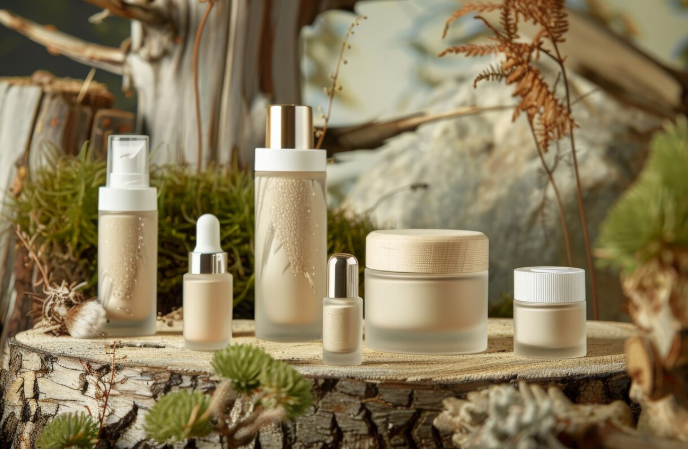
1. Defining “Natural” vs. “Organic”
These two terms are often used interchangeably, but they mean different things:
-
Natural beauty products contain ingredients derived from plants, minerals, or other natural sources, processed minimally to maintain their purity.
-
Organic beauty products, on the other hand, are made from ingredients grown without synthetic fertilizers, pesticides, or GMOs—and often certified by organizations like USDA Organic or COSMOS Organic.
In short: All organic products are natural, but not all natural products are organic.
2. Clean Beauty Standards
“Clean beauty” goes beyond natural—it emphasizes ingredient safety and transparency. Clean products are paraben-free, sulfate-free, phthalate-free, and cruelty-free. They avoid any known toxic ingredients that could harm health or the environment.
This standard aligns perfectly with the eco-conscious consumer who wants reassurance that their purchases are safe for themselves, animals, and the planet.
3. Key Certifications and Labels
To identify truly authentic natural beauty products, look for internationally recognized certifications such as:
-
EcoCert (Europe): Ensures products meet strict organic ingredient standards.
-
USDA Organic (United States): Verifies at least 95% of ingredients are organically produced.
-
Leaping Bunny / PETA Cruelty-Free: Confirms no animal testing was performed.
-
COSMOS Natural: Covers both organic and natural cosmetics under unified European criteria.
Dropshippers can highlight these certifications on product pages to instantly build credibility and trust.
Criteria for Choosing Natural Beauty Dropshipping Products
Not all products are created equal—and in the beauty industry, choosing the right products determines whether your store thrives or struggles.
1. Product Safety and Certification
Ensure every product you list is verified for safety and ideally has third-party certification. Avoid gray-area products that make unsubstantiated “natural” claims, as these can damage your brand reputation.
2. High Market Demand
Focus on evergreen categories with consistent demand—skincare, haircare, and body care dominate the natural beauty segment. Use Google Trends and Statista Consumer Insights to identify rising sub-niches like “vegan lip balm” or “plastic-free deodorant.”
3. Shipping and Storage Feasibility
Lightweight, non-fragile items like clay masks, facial serums, and reusable beauty tools are ideal for dropshipping. Avoid products with temperature sensitivity or short shelf lives unless you have reliable fulfillment partners.
4. Reliable Supply Chain
Choose suppliers with a proven track record in sustainable sourcing. Platforms like CJdropshipping, DSers, Spocket, and Syncee now feature dedicated eco-friendly product sections. Evaluate suppliers based on:
-
Product quality and certifications
-
Warehouse locations (for faster shipping)
-
Branding/white-label options
-
Packaging sustainability
5. Profit Margin and Repeat Purchase Potential
Select products that consumers buy repeatedly—such as skincare or shampoo bars. Aim for gross margins above 40% to maintain profitability after ads and shipping costs.
6. Integration with Shopify or WooCommerce
Leading suppliers like Spocket and Syncee offer seamless integration with Shopify and WooCommerce, enabling automatic order fulfillment, real-time inventory updates, and product syncs. This makes it simple to run a natural beauty store efficiently while focusing on branding and marketing.
Top 15 Natural Beauty Products to Dropship in 2026
The clean beauty movement isn’t slowing down — and 2026 will be the year when sustainability, ingredient purity, and ethical sourcing define the global beauty landscape. Below are the top 15 natural beauty products that not only align with eco-conscious values but also have strong consumer demand, high margins, and strong social media appeal.
Skincare Essentials
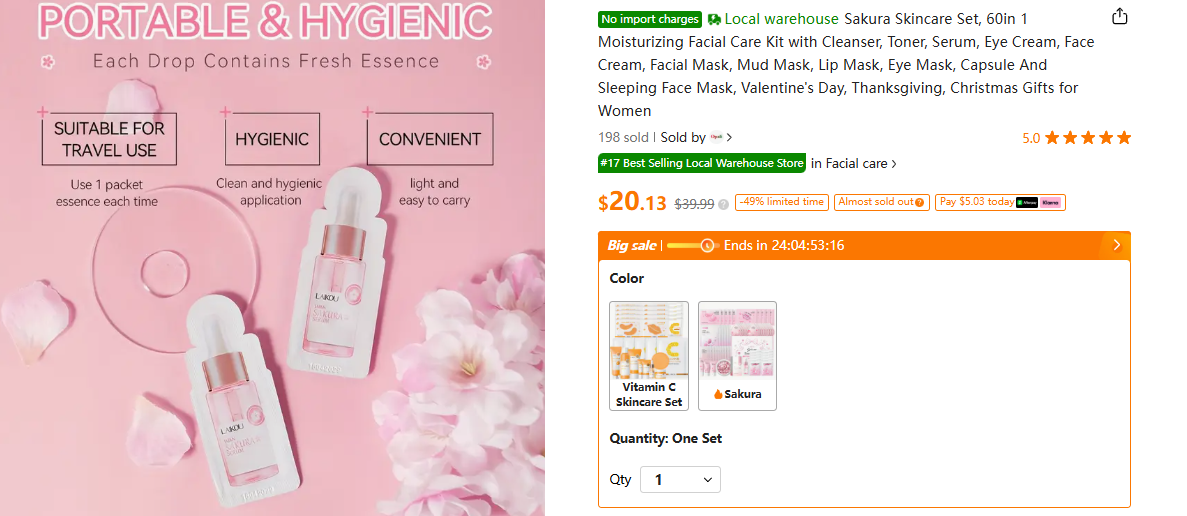
1. Organic Facial Serum
Why It’s Popular:
Facial serums are the cornerstone of any skincare routine — lightweight yet potent, offering hydration, brightening, and anti-aging benefits. Consumers increasingly prefer plant-based serums with natural ingredients like hyaluronic acid from botanicals, vitamin C from citrus, and rosehip oil.
Key Ingredients/Features:
-
Certified organic oils (rosehip, argan, jojoba)
-
No parabens, silicones, or synthetic fragrances
-
Glass dropper bottles for eco-friendly packaging
Target Audience:
Eco-conscious women aged 25–45, skincare enthusiasts seeking anti-aging and glow-enhancing formulas.
Marketing Tips:
Create before-and-after videos, emphasize ingredient transparency (“100% natural rosehip extract”), and collaborate with micro-influencers who promote “clean skincare routines.”
Profit Margin: ~45–60% retail markup
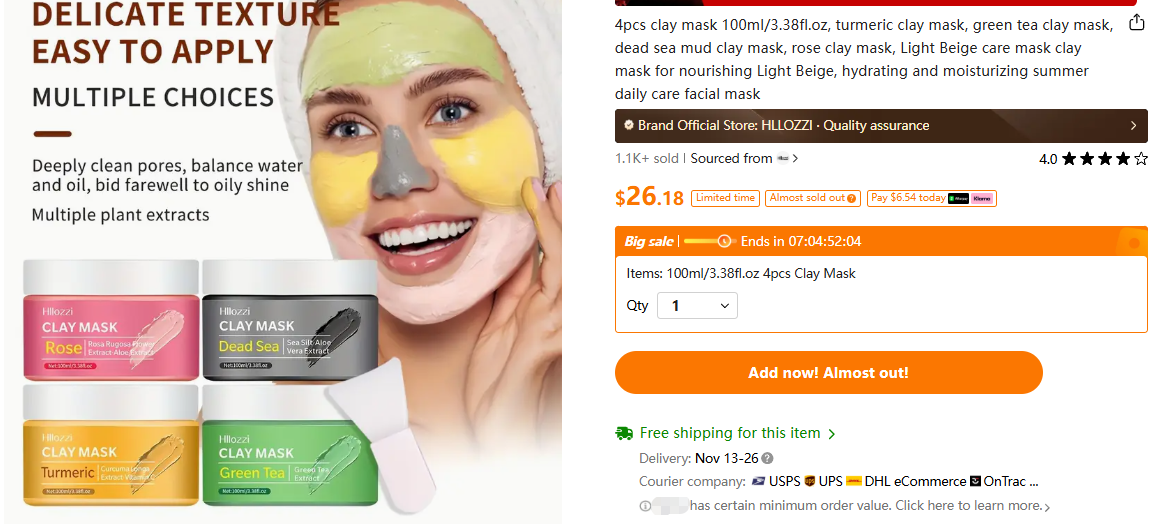
2. Natural Clay Masks
Why It’s Popular:
Clay masks detoxify and refine pores — an evergreen skincare product loved by both men and women. In 2026, consumers favor multi-clay blends with kaolin, bentonite, or French green clay, often paired with botanical extracts.
Key Ingredients/Features:
-
100% natural mineral clays
-
Infused with aloe, green tea, or charcoal
-
Plastic-free jars or sachets
Target Audience:
Young adults, spa enthusiasts, and wellness influencers.
Marketing Tips:
Promote “#SelfCareSunday” routines on Instagram or TikTok. Bundle clay masks with bamboo application brushes for higher perceived value.
Profit Margin: 50–65% markup
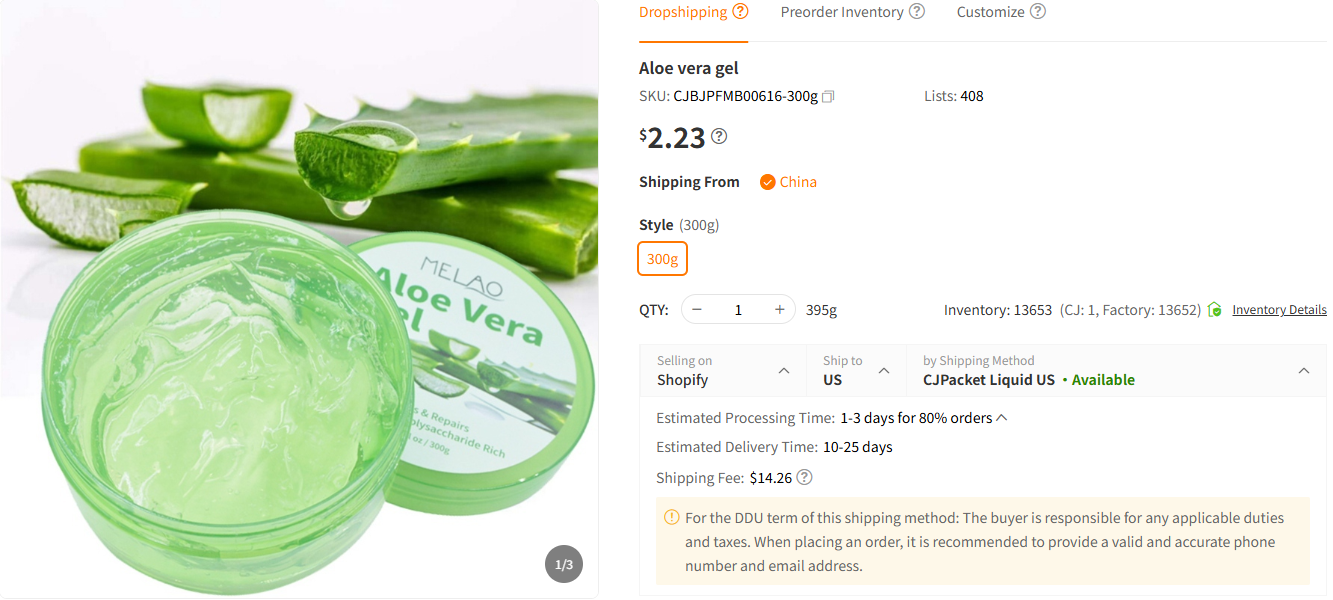
3. Aloe Vera Gel
Why It’s Popular:
Aloe Vera is the ultimate multitasker — soothing, hydrating, and healing. Its transparency as a natural ingredient makes it a must-have in any eco skincare lineup.
Key Ingredients/Features:
-
99% pure Aloe Vera extract
-
Non-sticky, fragrance-free
-
Certified cruelty-free
Target Audience:
Unisex appeal, suitable for sensitive skin users, after-sun care, or natural moisturization.
Marketing Tips:
Highlight “multi-use” benefits: face, body, and hair. Create short reels showing how aloe gel reduces redness or hydrates skin post-makeup.
Profit Margin: 40–50% markup
Body & Hair Care
4. Sulfate-Free Shampoo Bars
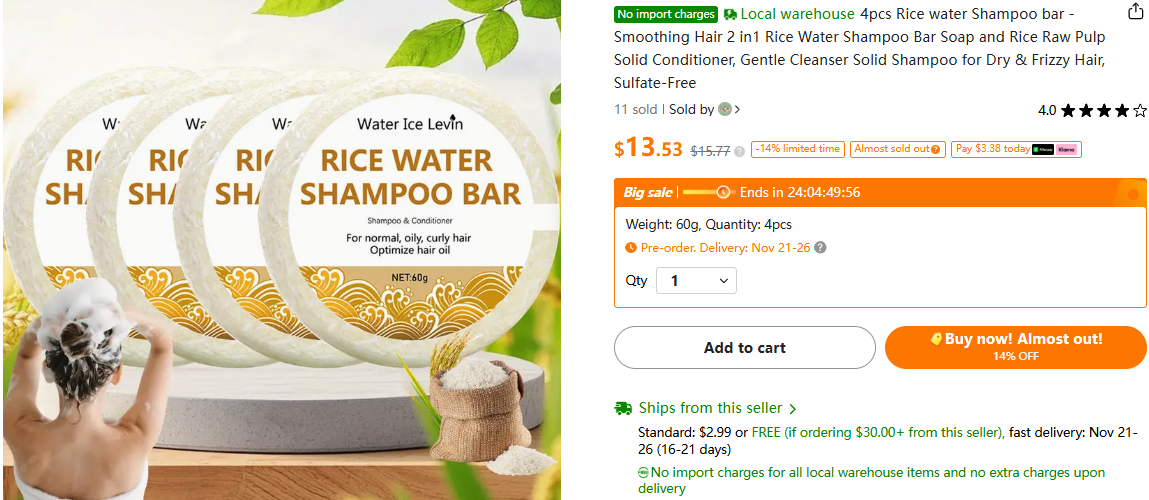
Why It’s Popular:
Consumers are ditching plastic bottles in favor of solid shampoo bars that reduce waste and last longer. Sales of shampoo bars are expected to grow 25% annually through 2026 (Statista, 2025).
Key Ingredients/Features:
-
Coconut oil, cocoa butter, shea butter bases
-
No sulfates, parabens, or synthetic dyes
-
Compostable or paper packaging
Target Audience:
Eco-friendly travelers, zero-waste advocates, and women aged 20–40.
Marketing Tips:
Show how one bar replaces two plastic bottles — sustainability storytelling drives engagement. Offer “starter kits” with conditioner bars for cross-selling.
Profit Margin: 50–70% markup
5. Natural Body Scrub
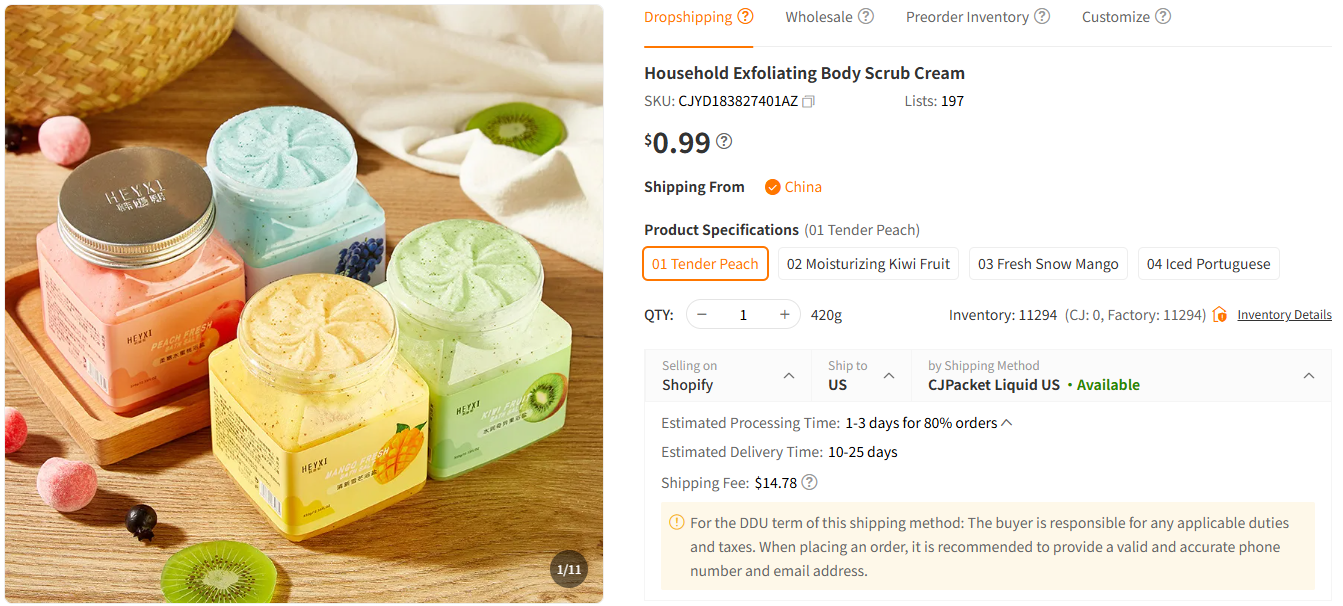
Why It’s Popular:
Consumers love exfoliation that feels luxurious yet safe for skin and oceans. Salt, sugar, and coffee-based scrubs with organic oils dominate the clean beauty market.
Key Ingredients/Features:
-
Fair-trade coffee grounds or Himalayan salt
-
Organic coconut and almond oils
-
Plastic-free jars with wooden scoops
Target Audience:
Women aged 20–45, spa-at-home enthusiasts, and TikTok skincare creators.
Marketing Tips:
Highlight the “eco-luxury” angle: natural spa experience at home. Use ASMR-style content showing texture and exfoliation.
Profit Margin: 55–65% markup
6. Shea Butter Lotion
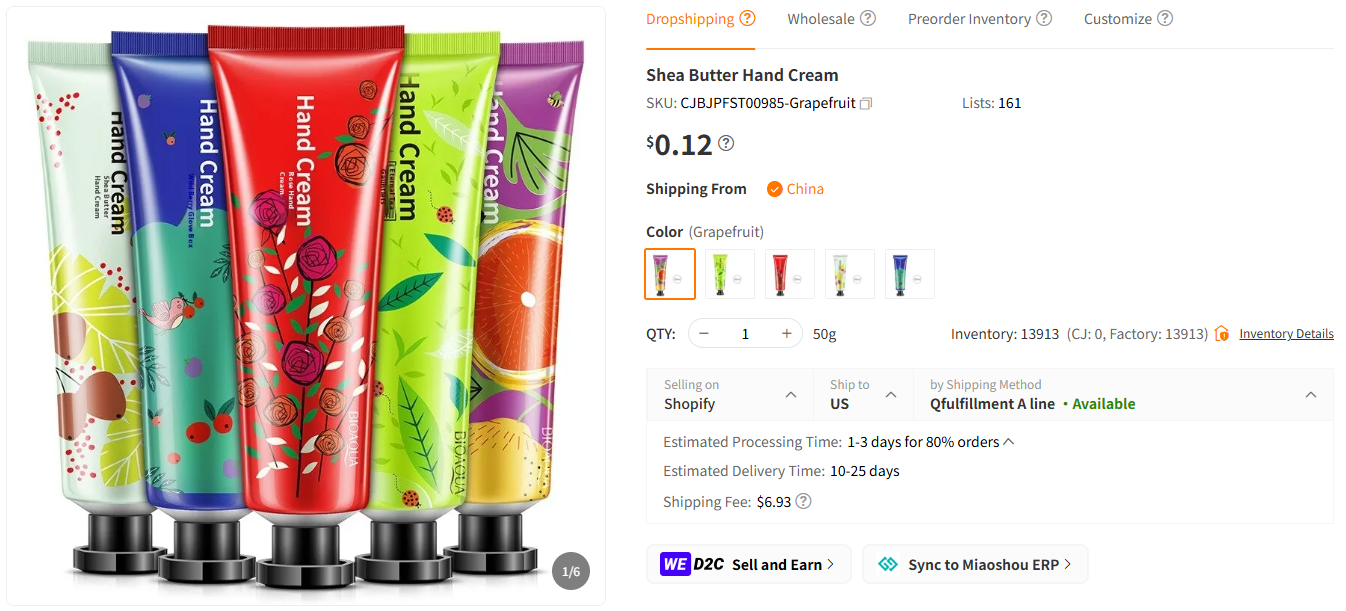
Why It’s Popular:
A timeless moisturizer, shea butter remains a top-performing natural ingredient known for rich hydration. The global shea butter skincare market is projected to reach $2.9 billion by 2026 (Grand View Research).
Key Ingredients/Features:
-
100% natural shea butter with vitamin E
-
Optional scents from lavender or ylang-ylang oils
-
Recyclable aluminum tins or glass jars
Target Audience:
Consumers with dry or sensitive skin, families seeking gentle all-purpose moisturizers.
Marketing Tips:
Emphasize softness and nourishment through texture videos. Collaborate with eco-lifestyle influencers.
Profit Margin: 45–55% markup
Makeup & Beauty Tools
7. Mineral Foundation
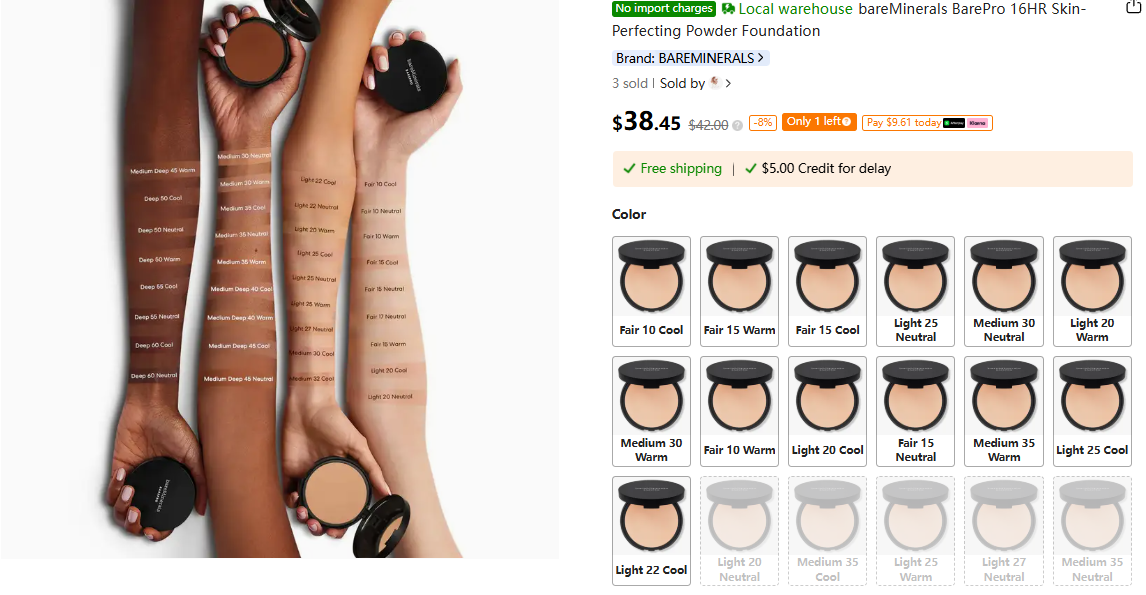
Why It’s Popular:
As “clean makeup” replaces traditional cosmetics, mineral foundations made with mica, zinc oxide, and natural pigments are soaring in popularity. They’re ideal for sensitive skin and align with cruelty-free values.
Key Ingredients/Features:
-
Talc-free, fragrance-free formula
-
SPF protection from natural minerals
-
Refillable tins or biodegradable compacts
Target Audience:
Women aged 20–50 seeking breathable, non-toxic makeup options.
Marketing Tips:
Use influencer tutorials to show how mineral powders blend naturally. Offer sample sets for different skin tones.
Profit Margin: 50–65% markup
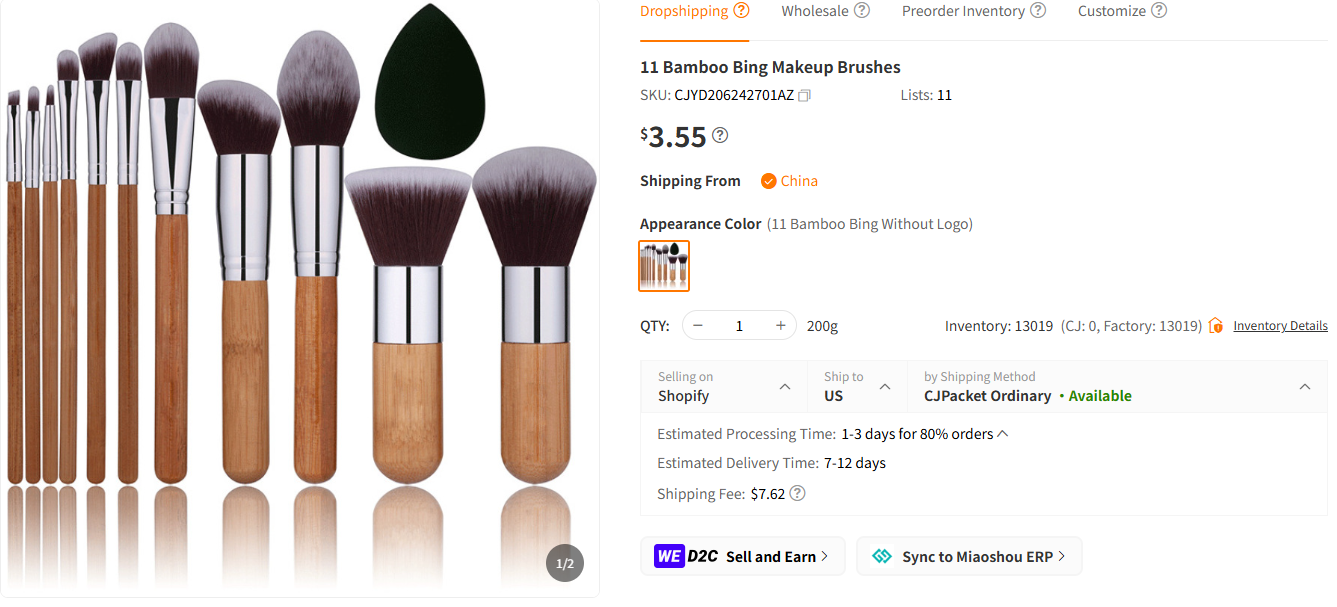
8. Bamboo Makeup Brushes
Why It’s Popular:
Plastic-free and cruelty-free brushes appeal to sustainability-conscious makeup lovers. Bamboo handles paired with synthetic (vegan) bristles are stylish and eco-friendly.
Key Features:
-
Recycled or bamboo handles
-
Vegan synthetic fibers
-
Recyclable packaging
Target Audience:
Makeup artists, eco-conscious women, and gift buyers.
Marketing Tips:
Promote sets (foundation, blush, eyeshadow) for upselling. Create flat-lay visuals for Instagram with earthy aesthetics.
Profit Margin: 55–70% markup
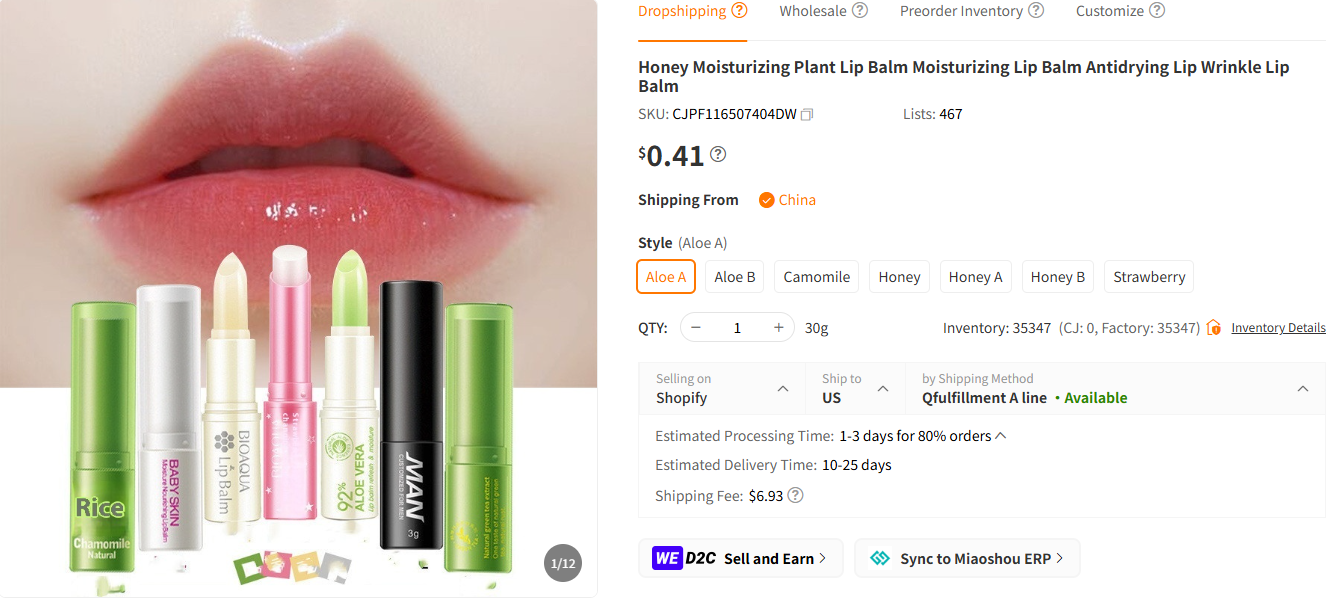
9. Vegan Lip Balm
Why It’s Popular:
A simple yet high-repeat-purchase product, lip balm is a staple item in any beauty routine. The demand for vegan, beeswax-free formulas made with cocoa butter and plant oils is rapidly rising.
Key Ingredients/Features:
-
Coconut oil, shea butter, candelilla wax
-
Zero petroleum or synthetic flavors
-
Compostable push-up tubes
Target Audience:
Young consumers, gift box retailers, eco-conscious travelers.
Marketing Tips:
Offer bundles in multiple flavors (“coconut, mint, rose”). Promote on TikTok with “DIY-style” visuals showing natural ingredients.
Profit Margin: 50–75% markup
Wellness & Fragrance
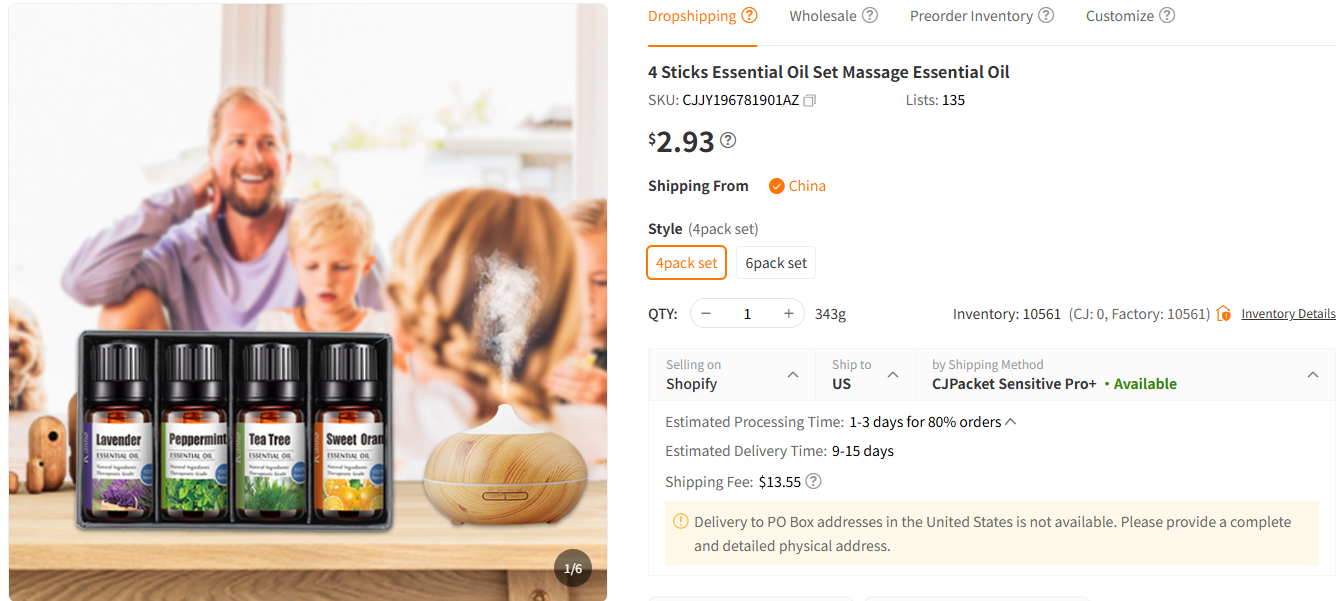
10. Essential Oils Set
Why It’s Popular:
Essential oils bridge skincare and aromatherapy — a crossover that appeals to self-care audiences. From lavender to peppermint, natural oils offer wellness and skincare synergy.
Key Ingredients/Features:
-
Pure, steam-distilled essential oils
-
No fillers or synthetic fragrances
-
Amber glass bottles for preservation
Target Audience:
Wellness enthusiasts, yoga practitioners, aromatherapy beginners.
Marketing Tips:
Bundle sets for relaxation, sleep, or focus. Create infographic content explaining benefits and usage.
Profit Margin: 45–65% markup
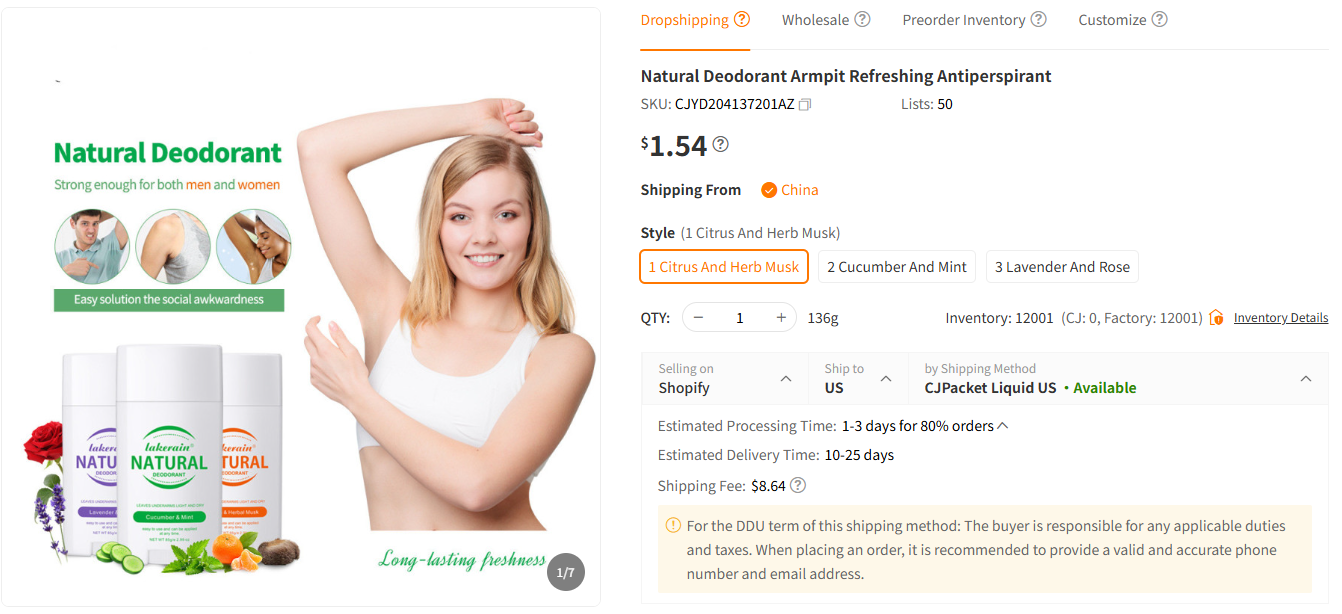
11. Natural Deodorant
Why It’s Popular:
Consumers are rejecting aluminum-based antiperspirants for natural alternatives that let the skin breathe. The natural deodorant market is projected to hit $1.6 billion by 2026 (Statista).
Key Ingredients/Features:
-
Coconut oil, baking soda, arrowroot powder
-
Plastic-free paper or aluminum tubes
-
Gender-neutral scents
Target Audience:
Active lifestyle consumers, vegans, and zero-waste shoppers.
Marketing Tips:
Show sustainability impact: “One deodorant = zero plastic waste.” Collaborate with fitness influencers.
Profit Margin: 55–70% markup
12. Soy or Coconut Wax Candles
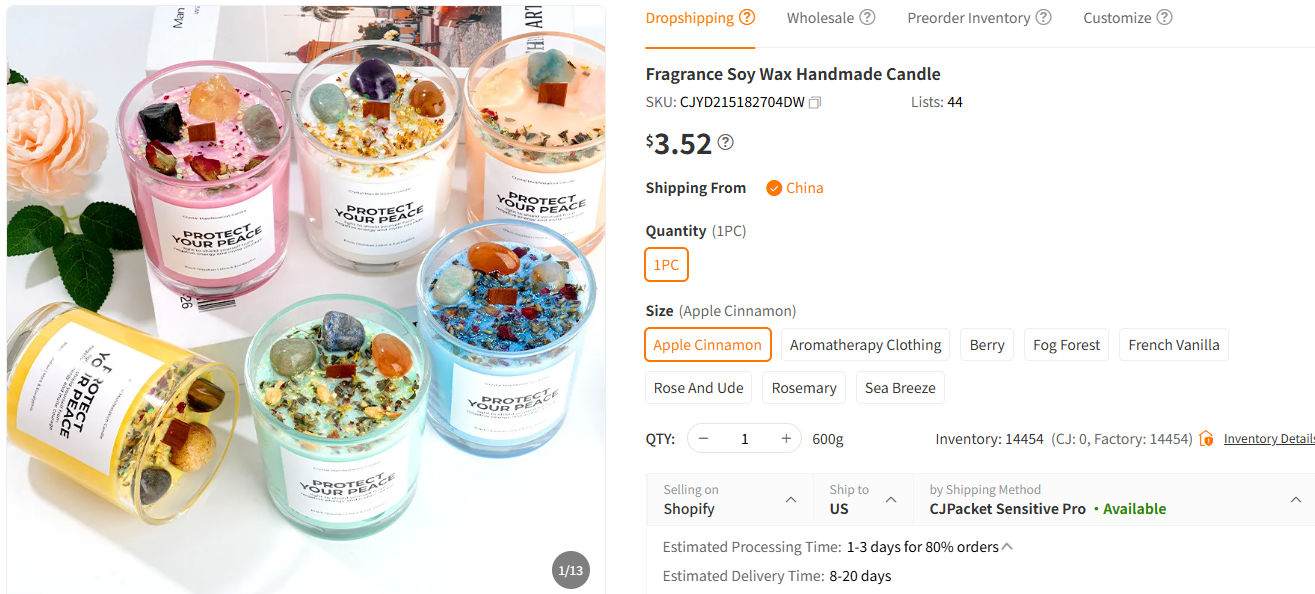
Why It’s Popular:
Candles blend wellness and aesthetic appeal. Consumers prefer natural wax candles because they’re cleaner-burning and biodegradable.
Key Ingredients/Features:
-
Soy or coconut wax
-
Cotton or wood wicks
-
Essential oil-based scents
Target Audience:
Home décor lovers, gift buyers, relaxation enthusiasts.
Marketing Tips:
Show candle pouring processes or cozy lifestyle imagery. Position candles as eco-luxury gifts.
Profit Margin: 50–60% markup
Eco-Friendly Packaging & Accessories
13. Reusable Makeup Remover Pads
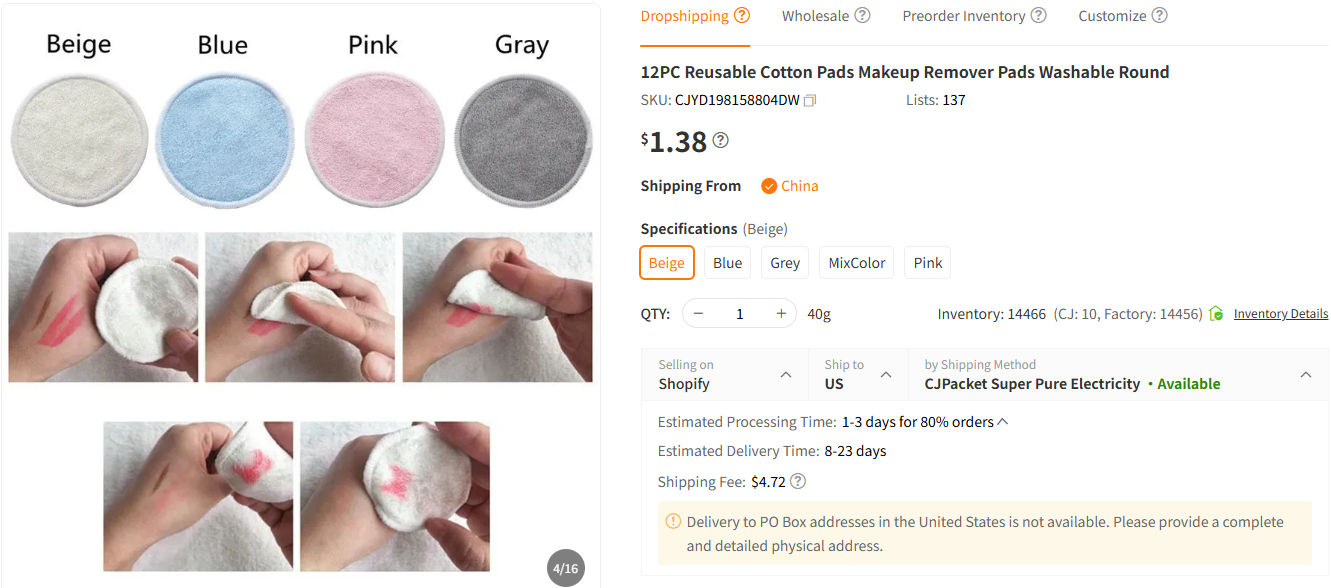
Why It’s Popular:
Replacing disposable cotton rounds with reusable bamboo pads saves waste and money. Perfect for zero-waste skincare routines.
Key Features:
-
Made from organic bamboo cotton
-
Washable up to 200 uses
-
Comes in eco pouches
Target Audience:
Minimalist skincare users and sustainability advocates.
Marketing Tips:
Show eco-impact stats (“1 set saves 1,000 cotton pads”). Bundle with organic cleansers.
Profit Margin: 55–65% markup
14. Glass Skincare Bottles
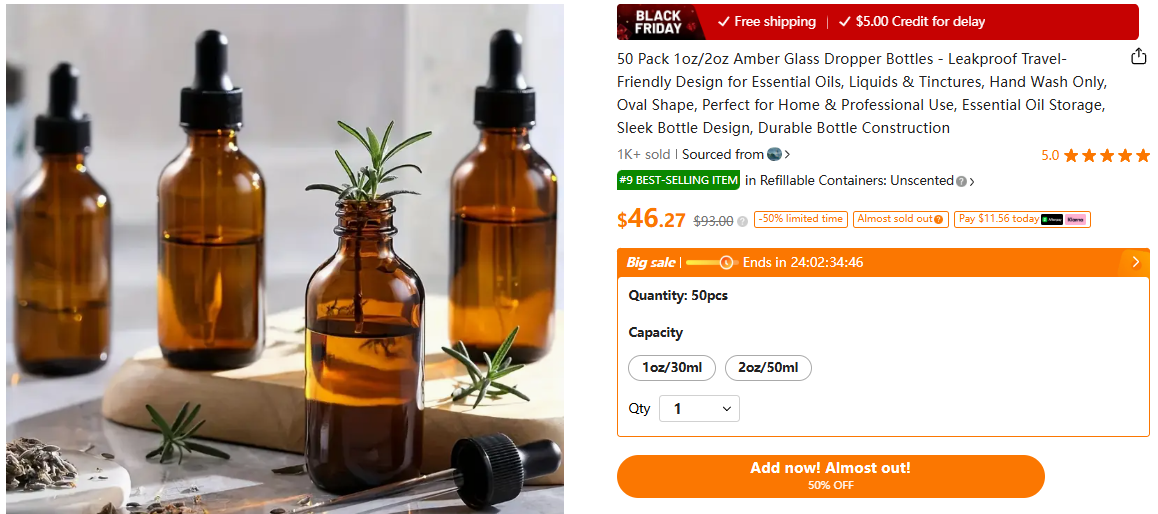
Why It’s Popular:
Eco packaging is now part of clean beauty branding. Glass bottles elevate perceived value while reducing plastic waste.
Key Features:
-
Recyclable amber or frosted glass
-
Bamboo or aluminum caps
-
Compatible with serums and toners
Target Audience:
Eco brands and white-label skincare sellers.
Marketing Tips:
Position them as customizable packaging for brand owners. Use product photography emphasizing purity and elegance.
Profit Margin: 45–60% markup
15. Refillable Cosmetic Jars
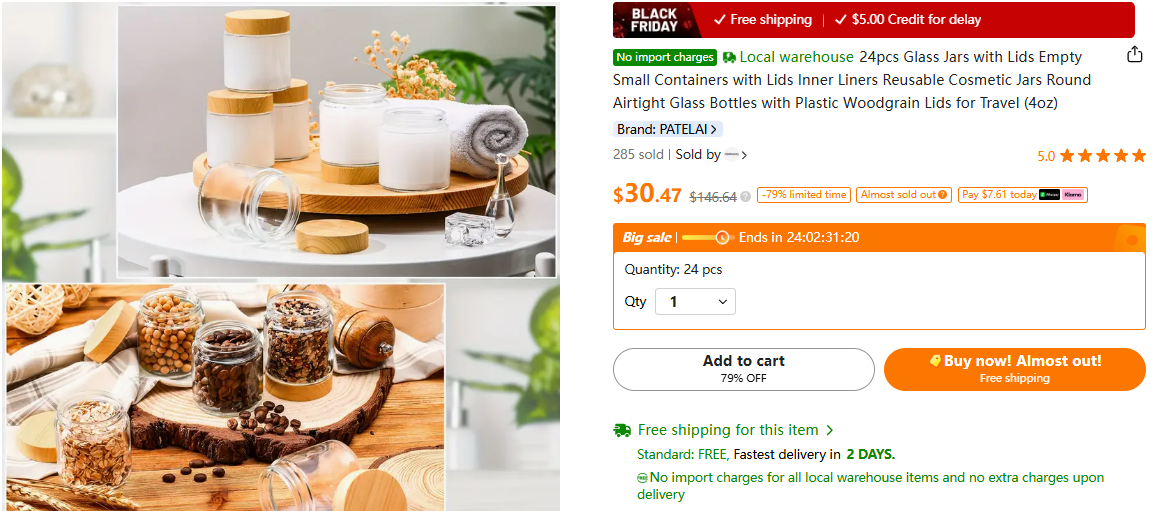
Why It’s Popular:
Refillable jars align perfectly with the “reuse, don’t replace” movement. They allow consumers to restock without generating new packaging waste.
Key Features:
-
Glass or aluminum jars with replaceable inserts
-
Minimalist design
-
Perfect for DIY beauty enthusiasts
Target Audience:
Eco-lifestyle consumers and indie beauty brand founders.
Marketing Tips:
Create content showing “how refills work.” Offer discounted refill packs.
Profit Margin: 50–65% markup
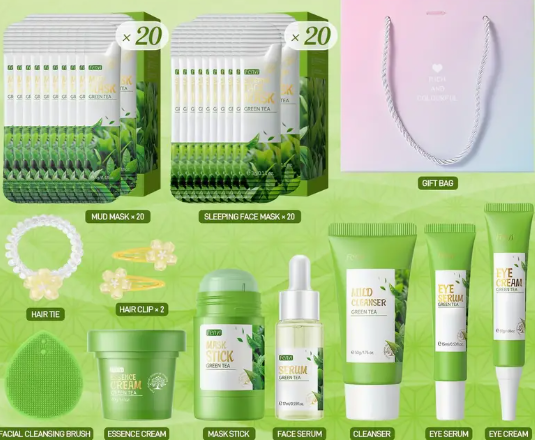
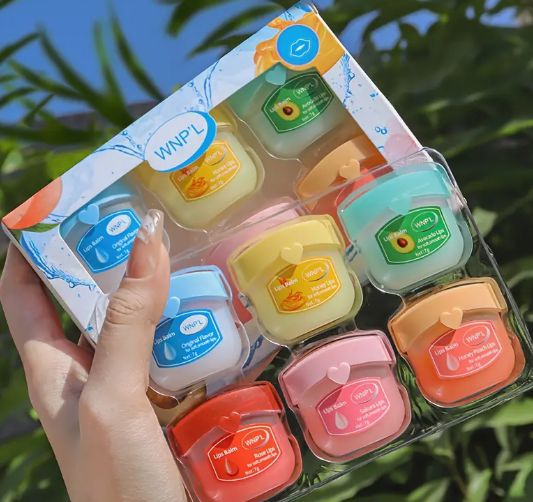
🔥 Trending Dropshipping Products — Start Selling Now!
Where to Source Natural Beauty Products
Finding reliable suppliers is one of the most crucial steps in building a profitable natural beauty dropshipping business. The goal is to partner with suppliers who not only provide high-quality organic or clean-label beauty products but also share your commitment to sustainability and transparency.
🌍 Recommended Platforms
-
CJdropshipping
CJdropshipping is a trusted global supplier with warehouses across the US, EU, and Asia. It offers an extensive catalog of natural skincare, haircare, and eco-beauty tools — many of which can be private-labeled. Their product range includes vegan face serums, reusable bamboo pads, and sulfate-free shampoos.-
Pros: Integrates directly with Shopify and WooCommerce; supports white-label branding; fast delivery from EU/US warehouses.
-
Cons: Product quality varies; careful supplier vetting is advised.
-

-
Spocket
Known for connecting sellers with EU and US suppliers, Spocket is ideal if your target market is in North America or Europe. You can find verified suppliers offering organic serums, natural deodorants, and bamboo beauty tools.-
Pros: High-quality curated suppliers; real-time inventory sync.
-
Cons: Slightly higher base product cost.
-

-
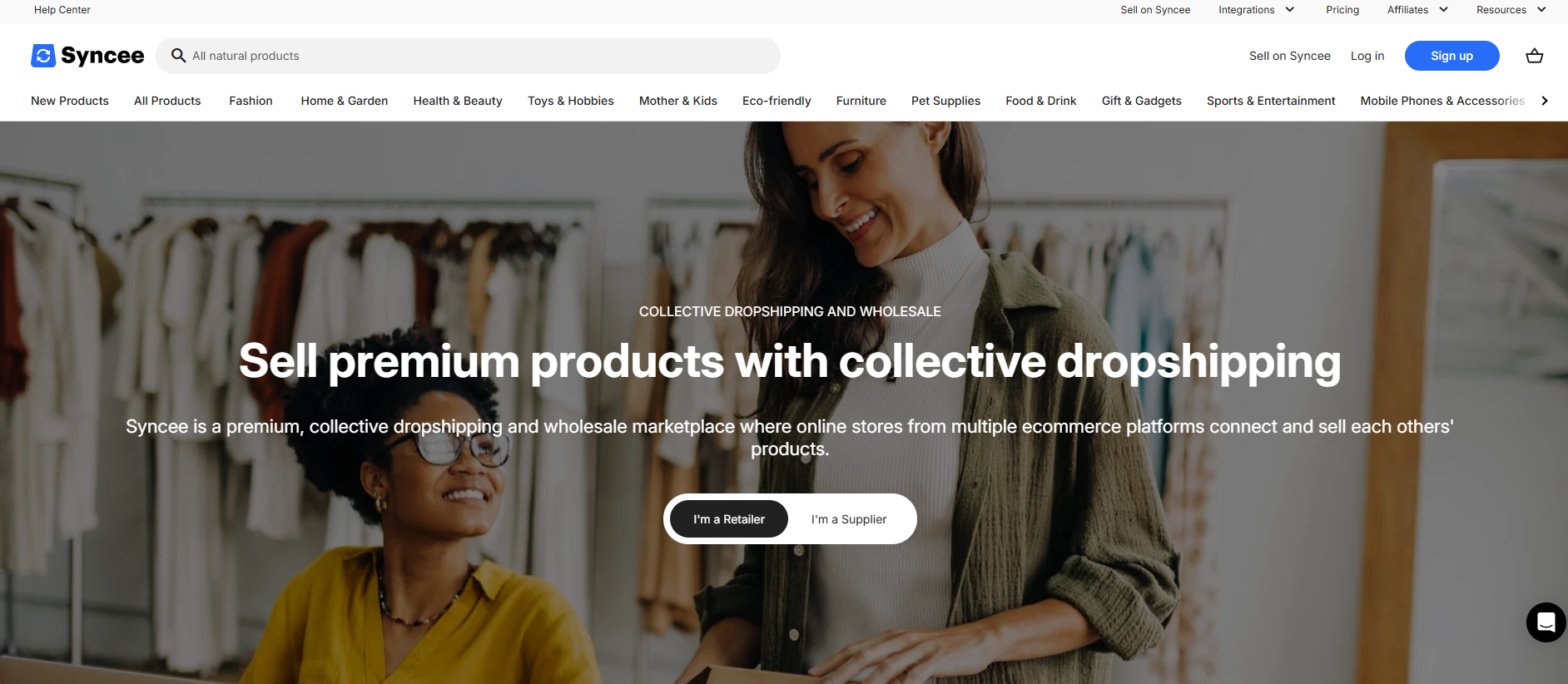
Syncee
Syncee provides direct integrations with thousands of eco-conscious brands. Many of its beauty suppliers have sustainability certifications or cruelty-free labels.-
Pros: Automated order management; easy bulk product import.
-
Cons: Smaller catalog for niche organic beauty products.
-
-
GreenDropShip
A specialized US-based wholesaler focusing exclusively on natural, organic, and cruelty-free products. You’ll find brands like Acure, SheaMoisture, and Andalou Naturals available for dropshipping.-
Pros: Focused entirely on natural products; excellent brand variety.
-
Cons: Primarily US-based (longer shipping for international orders).
-
-
Avasam (UK-based)
A European favorite for eco-beauty and vegan skincare lines. Offers seamless Shopify integration and local shipping options.
💡 Tip: Always request ingredient transparency and product certifications (EcoCert, USDA Organic, or COSMOS) to ensure authenticity.
Marketing Tips for Natural Beauty Dropshipping
The natural beauty market thrives on storytelling, authenticity, and trust. Successful dropshippers know that selling clean beauty is not just about ingredients — it’s about lifestyle and values.
🌱 Content Marketing Strategy
Educate your audience about the “why” behind clean beauty. Blog posts, infographics, and videos about harmful chemicals, cruelty-free testing, and ingredient sourcing build credibility.
Examples of engaging content:
-
“5 Hidden Toxins in Traditional Skincare You Should Avoid”
-
“Why Vegan Lip Balm Is the Future of Beauty”
-
“A Day in the Life of an Eco-Conscious Beauty Lover”
📱 Social Media & UGC
Instagram and TikTok remain the strongest platforms for beauty brands. Showcase before & after videos, natural ingredient reels, and routine-based storytelling. Encourage user-generated content (UGC) through product challenges such as:
-
“#BareBeautyChallenge” — promoting natural skincare routines.
-
“#EcoGlowRoutine” — influencers showing eco beauty swaps.
Pro tip: Partner with micro-influencers (5k–50k followers) in the eco-beauty niche. They often have higher engagement and a loyal, like-minded audience.
🧴 Authentic Branding
Create a cohesive brand story emphasizing sustainability. Use earthy tones, recyclable packaging visuals, and transparent “ingredient stories.”
Keyword focus: eco beauty marketing strategies / clean skincare dropshipping promotion
Pricing and Profit Margin Guide
Natural beauty products command premium prices because consumers are willing to pay more for safe, eco-friendly, and ethically sourced items.
💰 The Premium Strategy
Products labeled organic, vegan, or cruelty-free typically justify a 30–60% markup compared to conventional beauty products. For instance:
-
Organic Facial Serum: Supplier price $8 → Retail price $28–35
-
Vegan Lip Balm: Supplier price $2 → Retail price $10–12
-
Bamboo Makeup Brushes (set): Supplier price $6 → Retail price $22–28
🧮 Profit Example
| Product | Supplier Price | Suggested Retail | Profit Margin |
|---|---|---|---|
| Aloe Vera Gel | $5 | $18 | 72% |
| Mineral Foundation | $10 | $30 | 66% |
| Soy Candle | $7 | $22 | 68% |
🛍 Shopify Pricing Tip
On Shopify, you can automate pricing using tools like DSers or AutoDS, setting rules such as 2.5x supplier cost or minimum profit $10 per product.
Always monitor competitor pricing on platforms like Etsy, Amazon Handmade, and Notino to stay competitive.
FAQs – Natural Beauty Dropshipping
1. Are natural beauty products profitable for dropshipping?
Yes. Natural beauty products are among the most profitable eCommerce niches in 2026, with average margins of 50–70%. The growing demand for “clean” and sustainable beauty makes it a high-potential segment.
2. Do I need certifications to sell natural products online?
You don’t need personal certification, but always ensure your supplier’s products are certified by recognized organizations such as USDA Organic, EcoCert, or Leaping Bunny for cruelty-free verification.
3. How can I market eco-friendly skincare on social media?
Use educational storytelling. Focus on ingredient transparency, eco-conscious lifestyle tips, and UGC content. Collaborate with micro-influencers for genuine reach.
4. Which countries are best for selling natural beauty items?
Top-performing markets include the US, UK, Germany, Australia, and Japan—regions where consumers actively search for organic skincare and sustainable beauty brands.
5. Can I white-label natural skincare products through dropshipping?
Yes, many suppliers such as CJdropshipping, GreenDropShip, and Spocket support private or white labeling. This allows you to add your own brand identity to eco-friendly beauty lines.
Conclusion
The beauty industry is undergoing a fundamental transformation — and 2026 is the defining year for natural, clean, and sustainable skincare. Consumers are increasingly rejecting synthetic chemicals and seeking authenticity in the brands they support.
As a dropshipper, this shift presents a golden opportunity. By aligning with eco-friendly values and offering genuinely natural products, you can not only build a profitable business but also make a positive environmental impact.
Remember:
-
Focus on transparency — ingredients and sourcing matter.
-
Choose reliable suppliers with sustainability credentials.
-
Leverage storytelling and community-based marketing to build trust.
-
Use data-driven pricing strategies to maintain healthy margins.
🌿 Whether you’re just starting or scaling an existing eCommerce store, natural beauty dropshipping is more than a trend — it’s a movement toward a cleaner, greener future.