
Starting a dropshipping business in 2026 is easier than ever. Launching a store takes only a few hours, platforms like Shopify handle the technical side, and product research tools make it simple to identify trends.
Yet there’s one factor that quietly determines whether a store succeeds or fails: the dropshipping supplier you choose.
A reliable supplier doesn’t just ship products. They control delivery speed, product quality, packaging experience, and even customer satisfaction. Choose the wrong supplier and you’ll quickly face delayed shipments, refund requests, and poor reviews.
Choose the right one and your store can scale smoothly.
For beginners, the challenge isn’t starting a dropshipping store — it’s finding trustworthy suppliers who support growth instead of limiting it.
That’s exactly what this guide will help you do.
In this article, we’ll break down the 10 best dropshipping suppliers for beginners in 2026, explain how each platform works, and help you decide which one fits your business model.
Whether you’re launching your first store or looking to improve your supply chain, this guide will give you a clear roadmap.
Quick Answer (Featured Snippet Optimization)
What are the best dropshipping suppliers for beginners in 2026?
The best beginner-friendly dropshipping suppliers include:
-
CJdropshipping
-
AliExpress
-
Zendrop
-
Spocket
-
DSers
-
AutoDS
-
Modalyst
-
Printful
-
Printify
-
Syncee
These platforms provide product sourcing, automated order fulfillment, and integrations with ecommerce platforms like Shopify, making them ideal for new entrepreneurs starting a dropshipping business.
Why Choosing the Right Dropshipping Supplier Matters
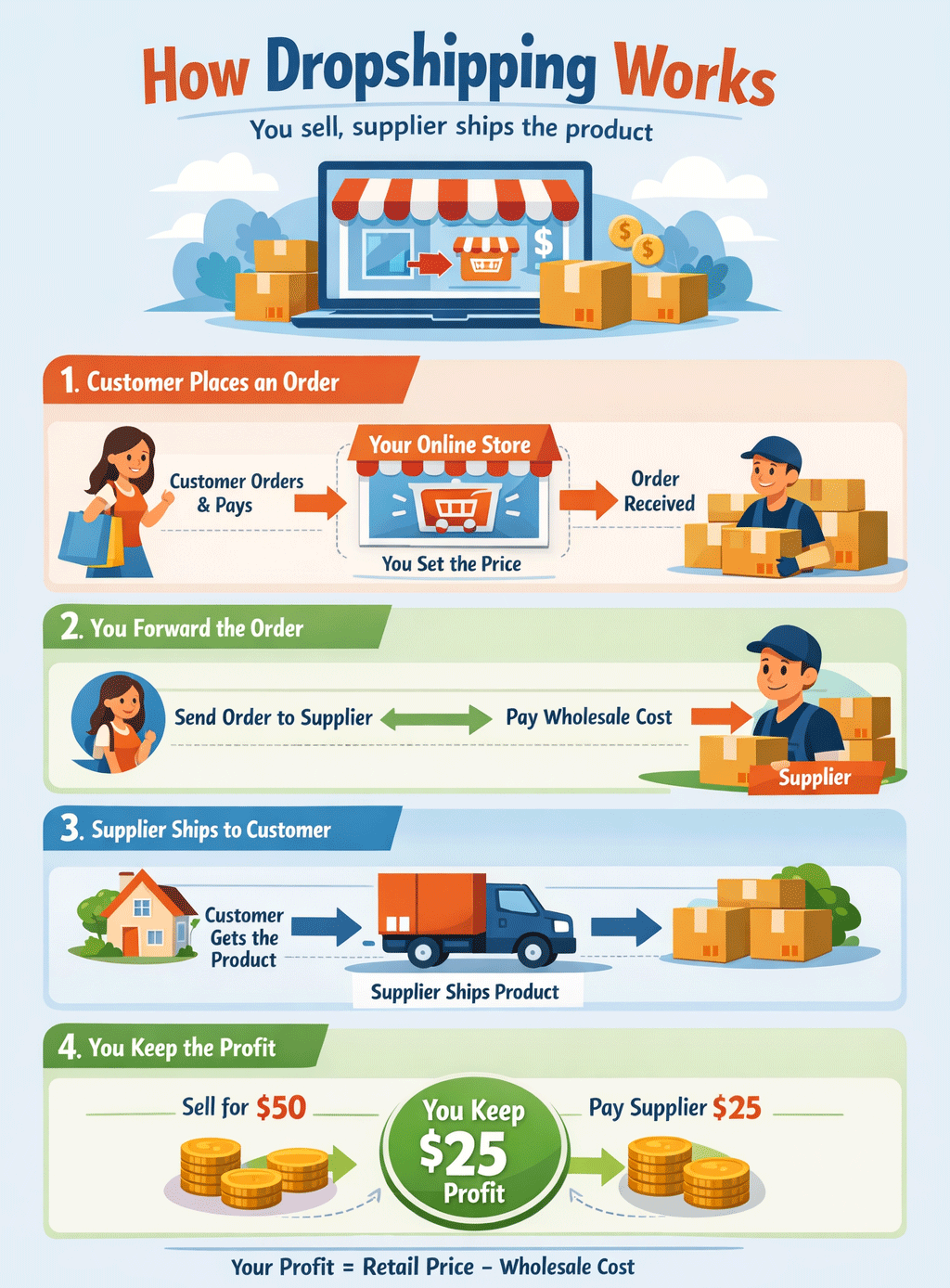
Many beginners believe dropshipping success depends mostly on marketing or product selection.
While those factors are important, your supplier determines the customer experience.
Think about the typical ecommerce process:
-
A customer discovers your product
-
They place an order on your store
-
Your supplier processes and ships the item
-
The product arrives at the customer’s doorstep
Every step after the purchase is controlled by your supplier.
If shipping takes three weeks or the product quality is poor, your brand reputation suffers — even though you never handled the item yourself.
This is why experienced dropshippers treat supplier selection as a strategic decision rather than a technical step.
The best suppliers help you:
-
Deliver faster shipping
-
Maintain consistent product quality
-
Automate order fulfillment
-
Offer branded packaging
-
Scale your store without logistical chaos
In short, the right supplier turns dropshipping from a side project into a real ecommerce business.
What Makes a Good Dropshipping Supplier in 2026?
The dropshipping industry has evolved significantly over the past few years. Customers expect faster shipping, better packaging, and professional customer experiences.
As a result, the definition of a “good supplier” has changed.
Here are the most important factors beginners should evaluate.
1. Fast Shipping and Local Warehouses
Consumers today are accustomed to fast delivery thanks to companies like Amazon.
Suppliers with US or EU warehouses can reduce delivery times dramatically, often shipping products within 3–7 days instead of several weeks.
Fast shipping improves conversion rates and reduces refund requests.
2. Reliable Product Quality
Product quality issues can quickly destroy a young brand.
Reliable suppliers usually:
-
work with verified manufacturers
-
provide quality control checks
-
offer product samples for testing
Before selling any product, it’s always wise to order a sample yourself.
3. Automation and Platform Integration
Manual order processing quickly becomes overwhelming once your store starts growing.
Modern suppliers integrate directly with ecommerce platforms such as:
-
Shopify
-
WooCommerce
-
BigCommerce
Automation ensures that orders are processed automatically without constant manual work.
4. Branding and Private Label Options
In 2026, many successful dropshipping stores are evolving into private label brands.
Some suppliers now offer:
-
custom packaging
-
branded inserts
-
private label product manufacturing
This allows entrepreneurs to build a recognizable brand rather than running a generic store.
If you want to learn more about building a brand through dropshipping, you can explore our detailed guide on How to Build a Private Label Dropshipping Brand.
Quick Comparison of the Best Dropshipping Suppliers
Before diving into detailed reviews, here’s a quick overview of the most popular beginner-friendly suppliers.
| Supplier | Best For | Shipping Speed | Branding Options |
|---|---|---|---|
| CJdropshipping | All-in-one sourcing & fulfillment | Fast | Yes |
| AliExpress | Huge product selection | Medium | Limited |
| Zendrop | Automation & beginner simplicity | Fast | Yes |
| Spocket | US/EU suppliers | Very fast | Limited |
| DSers | AliExpress automation | Medium | No |
| AutoDS | Multi-supplier automation | Medium | Limited |
| Modalyst | Curated branded products | Fast | Yes |
| Printful | Print-on-demand products | Fast | Full branding |
| Printify | Flexible POD suppliers | Fast | Yes |
| Syncee | Global supplier marketplace | Medium | Limited |
Each of these platforms offers different advantages depending on your business strategy.
In the following sections, we’ll explore how each supplier works and when beginners should consider using them.
Internal Resources for New Dropshippers
To help you build a successful store, you may also find these guides useful:
-
Best Shopify Dropshipping Apps for 2026
-
Top 3PL Providers for TikTok Shop Sellers
-
How to Scale an Ecommerce Store from $10K to $100K/Month
-
Best Dropshipping Products to Sell in 2026
Together, these resources cover product research, logistics, and scaling strategies.
How to Choose the Best Dropshipping Supplier for Your Store
Finding a supplier is easy. Finding the right supplier for your business is much harder.
Many beginners sign up for the first supplier platform they discover and immediately start importing products into their store. At first, everything looks promising — the products appear attractive, prices seem competitive, and the setup process takes only a few minutes.
But problems usually appear later.
Orders begin to arrive slowly. Customer support becomes difficult to reach. Some products arrive damaged or different from the product photos.
These issues rarely happen because of dropshipping itself. They happen because the supplier was never properly evaluated in the first place.
Before committing to any platform, beginners should take time to understand what separates reliable suppliers from unreliable ones.
Below are the most important factors experienced ecommerce sellers evaluate before choosing a dropshipping partner.
What Factors Should You Evaluate Before Choosing a Supplier?
Every supplier platform advertises itself as “fast” and “reliable.”
But the real difference appears when you look deeper into their logistics and operational structure.
Here are the core criteria you should evaluate.
1. Shipping Speed and Warehouse Locations
Shipping time is one of the biggest factors affecting customer satisfaction.
When customers shop online today, they often expect delivery within a week — sometimes even faster. If shipping takes three weeks, many customers will assume something went wrong.
This is why suppliers with local warehouses are becoming increasingly popular.
For example:
-
US warehouses can deliver products within 3–7 days to American customers
-
European warehouses reduce shipping delays for EU buyers
-
Global warehouse networks allow businesses to scale internationally
Suppliers such as CJdropshipping, Spocket, and Zendrop offer warehouse networks designed to shorten delivery times.
Fast shipping doesn’t just improve customer satisfaction. It also improves conversion rates, because customers feel more confident when estimated delivery times are shorter.
2. Product Quality and Supplier Verification
Another critical factor is product quality.
Unlike traditional ecommerce, dropshippers rarely see products before they’re sold. This makes supplier reliability extremely important.
A good supplier typically:
-
works with verified manufacturers
-
performs product inspections
-
provides accurate product photos
-
allows sellers to order samples
Ordering samples may feel unnecessary at first, but it’s one of the smartest things you can do.
Testing products yourself helps you:
-
verify build quality
-
inspect packaging
-
estimate delivery speed
-
create better product photos and videos
Experienced ecommerce sellers almost always test products before launching marketing campaigns.
3. Automation and Ecommerce Integration
Running a dropshipping store manually can quickly become overwhelming.
Imagine processing hundreds of orders every week and manually sending customer information to suppliers each time. This process would quickly consume hours of your day.
That’s why modern suppliers focus heavily on automation.
Most major platforms integrate directly with ecommerce platforms like:
-
WooCommerce
-
BigCommerce
These integrations allow orders to be automatically forwarded to suppliers as soon as customers complete a purchase.
Automation also helps with:
-
order tracking updates
-
inventory synchronization
-
pricing adjustments
-
product imports
For beginners planning to scale their store, automation tools can save enormous amounts of time.
If you want to explore more automation tools, our guide on Best Shopify Dropshipping Apps for 2026 explains which apps work best with supplier platforms.
4. Branding and Private Label Options
A few years ago, most dropshipping stores sold generic products with no branding.
That approach is becoming less effective today.
Customers increasingly prefer stores that feel like real brands rather than temporary online shops.
Some suppliers now offer features that allow dropshippers to build stronger brand identities, including:
-
custom packaging
-
branded inserts
-
logo printing
-
private label product manufacturing
These features help transform a simple dropshipping store into a recognizable ecommerce brand.
Platforms such as CJdropshipping, Zendrop, and Printful provide branding services that allow sellers to customize packaging and product presentation.
For entrepreneurs planning long-term ecommerce businesses, branding capabilities are a significant advantage.
Quick Comparison: Best Dropshipping Suppliers for Beginners
Before diving into detailed supplier reviews, here is a simplified comparison of the most beginner-friendly platforms available today.
| Supplier | Best For | Shipping Speed | Branding Options | Difficulty Level |
|---|---|---|---|---|
| CJdropshipping | All-in-one fulfillment | Fast | Yes | Beginner |
| AliExpress | Product variety | Medium | Limited | Beginner |
| Zendrop | Automation & simplicity | Fast | Yes | Beginner |
| Spocket | US/EU suppliers | Very fast | Limited | Beginner |
| DSers | AliExpress automation | Medium | No | Beginner |
| AutoDS | Multi-supplier automation | Medium | Limited | Intermediate |
| Modalyst | Curated products | Fast | Yes | Beginner |
| Printful | Print-on-demand | Fast | Full | Beginner |
| Printify | POD marketplace | Fast | Yes | Beginner |
| Syncee | Global supplier network | Medium | Limited | Beginner |
Each platform offers different strengths depending on your business strategy.
For example:
-
If you want massive product variety, AliExpress is difficult to beat.
-
If you prioritize fast local shipping, Spocket may be a better option.
-
If you want an all-in-one fulfillment solution, CJdropshipping provides sourcing, warehousing, and logistics in one place.
Understanding these differences will help you select a supplier that aligns with your long-term goals.
Beginner Tip: Start With One Reliable Supplier
One of the most common mistakes beginners make is trying to connect too many suppliers at once.
At first glance, having dozens of suppliers may seem like a good idea. More suppliers means more products, right?
In reality, it often creates logistical complexity.
Managing multiple suppliers can lead to:
-
inconsistent shipping times
-
different packaging standards
-
complicated return processes
-
customer confusion
Instead, beginners should start with one reliable supplier and gradually expand their network as their store grows.
This approach keeps operations simple and reduces potential issues.
Top 10 Best Dropshipping Suppliers for Beginners in 2026
1. CJdropshipping — The Best All-in-One Dropshipping Platform for Beginners
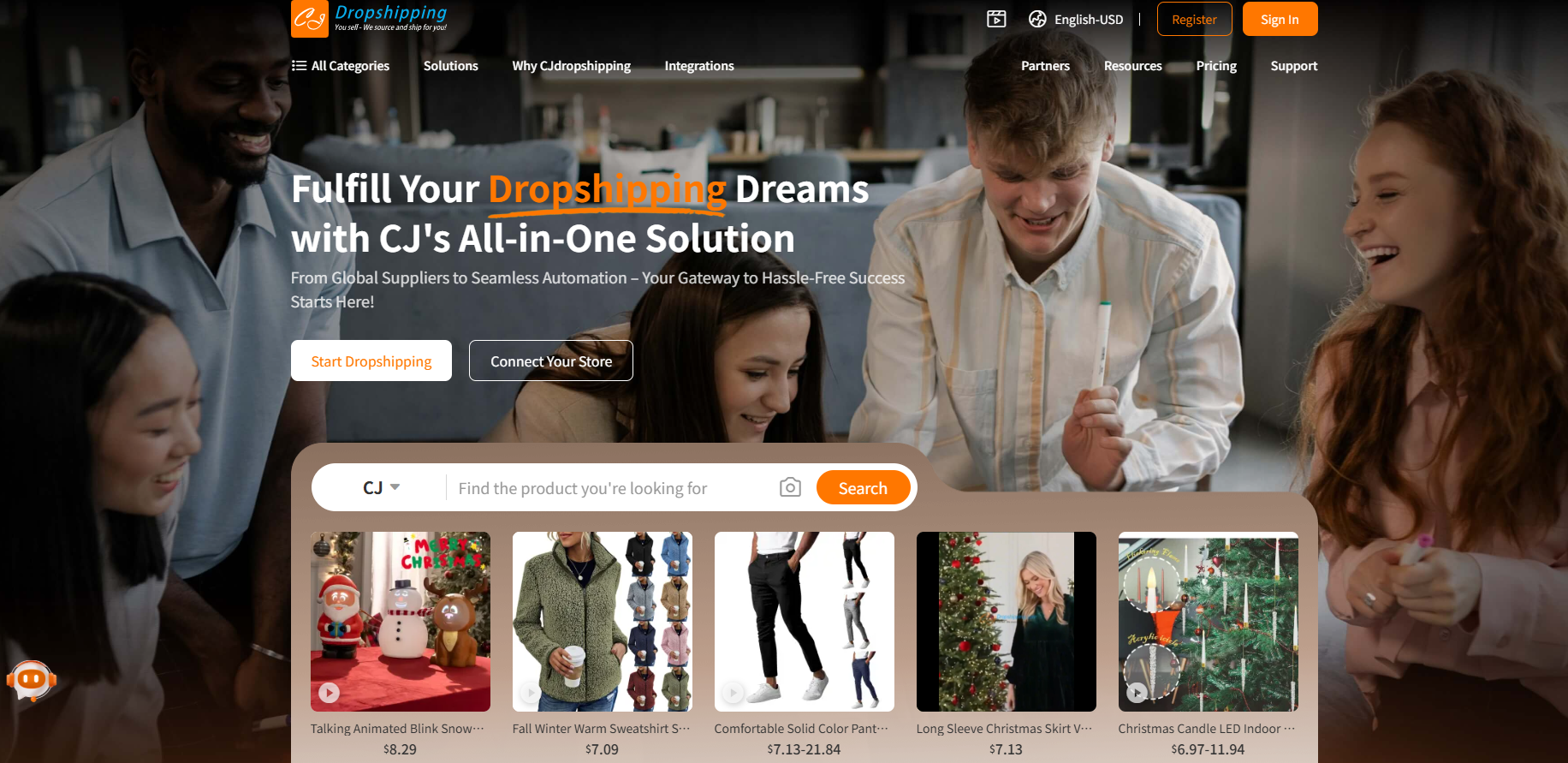
If there’s one supplier platform that consistently appears in dropshipping communities, YouTube tutorials, and ecommerce forums, it’s CJdropshipping.
Unlike traditional supplier marketplaces, CJdropshipping functions more like a complete fulfillment ecosystem designed specifically for dropshipping businesses.
Instead of sourcing products from random suppliers, sellers can use CJdropshipping to manage the entire logistics process in one place.
This includes product sourcing, inventory management, packaging, and international shipping.
For beginners who don’t want to manage multiple platforms at once, this kind of all-in-one system can simplify the learning curve significantly.
One of CJdropshipping’s biggest advantages is its product sourcing service.
If you find a product on another platform but want better pricing or faster shipping, you can submit a sourcing request and CJ’s team will locate manufacturers and negotiate prices on your behalf.
This feature alone has made the platform extremely popular among dropshippers who want more control over product costs.
Another strength is the platform’s global warehouse network.
CJdropshipping operates warehouses in several regions, including the United States and Europe. This allows sellers to shorten delivery times dramatically compared to traditional overseas shipping.
Fast shipping doesn’t just improve customer satisfaction — it can also increase conversion rates, because shoppers feel more confident when delivery times are shorter.
CJdropshipping also supports private label customization, including:
-
custom packaging
-
branded product inserts
-
logo printing
For beginners who eventually want to build a recognizable ecommerce brand, these features can be extremely valuable.
Pros
-
All-in-one sourcing and fulfillment platform
-
Global warehouse network
-
Private label and branding options
-
No monthly subscription required
Cons
-
Product interface can feel complex at first
-
Learning curve for advanced features
👉 Recommended for: beginners who want a full logistics solution without managing multiple suppliers.
website:cjdropshipping.com
2. AliExpress — The Largest Marketplace for Dropshipping Products
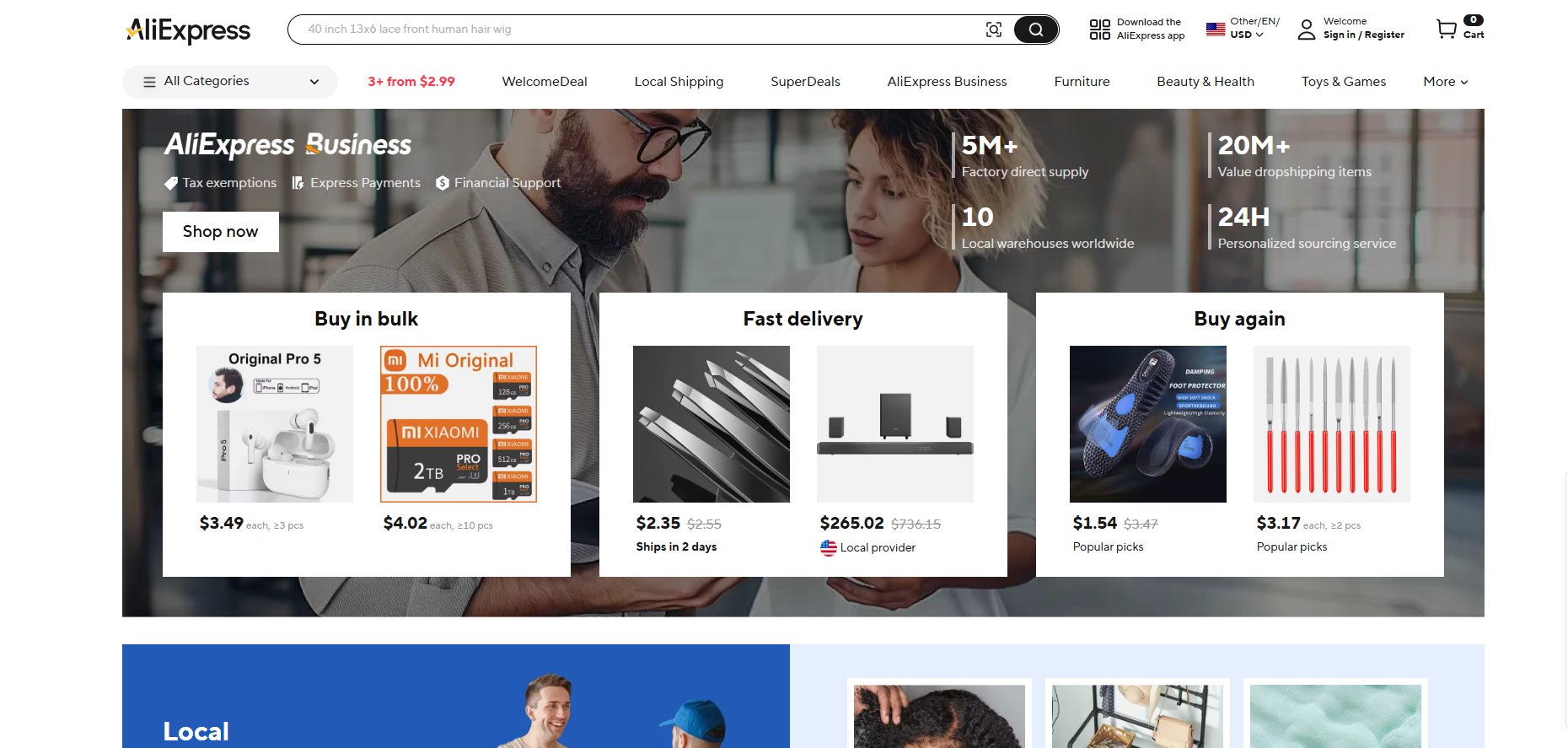
For many ecommerce entrepreneurs, AliExpress is where their dropshipping journey begins.
The platform connects millions of suppliers and manufacturers, offering an enormous variety of products across nearly every imaginable category.
From electronics and beauty products to home goods and fashion accessories, AliExpress provides access to millions of listings.
This massive catalog is one of the biggest reasons beginners start here.
When testing new product ideas, having a large selection allows entrepreneurs to experiment with different niches without committing to inventory.
Another advantage is the low barrier to entry.
Most AliExpress suppliers do not require minimum order quantities, which means beginners can start selling products without purchasing inventory upfront.
This flexibility makes it possible to launch a store quickly and test multiple products before scaling.
However, AliExpress does have some limitations.
Shipping times can vary significantly depending on the supplier and shipping method. While some sellers offer faster options like AliExpress Standard Shipping, delivery times can still range from one to three weeks in many cases.
Because of this, some experienced dropshippers eventually transition from AliExpress to more specialized fulfillment platforms as their stores grow.
Still, for beginners exploring their first product ideas, AliExpress remains one of the most accessible supplier marketplaces available.
Pros
-
Massive product catalog
-
Extremely beginner friendly
-
No minimum order requirements
-
Easy integration with automation tools
Cons
-
Shipping speed varies widely
-
Product quality can differ between suppliers
👉 Recommended for: beginners testing products with minimal upfront risk.
website:www.aliexpress.com
3. Zendrop — A Simplified Fulfillment Platform for Shopify Stores
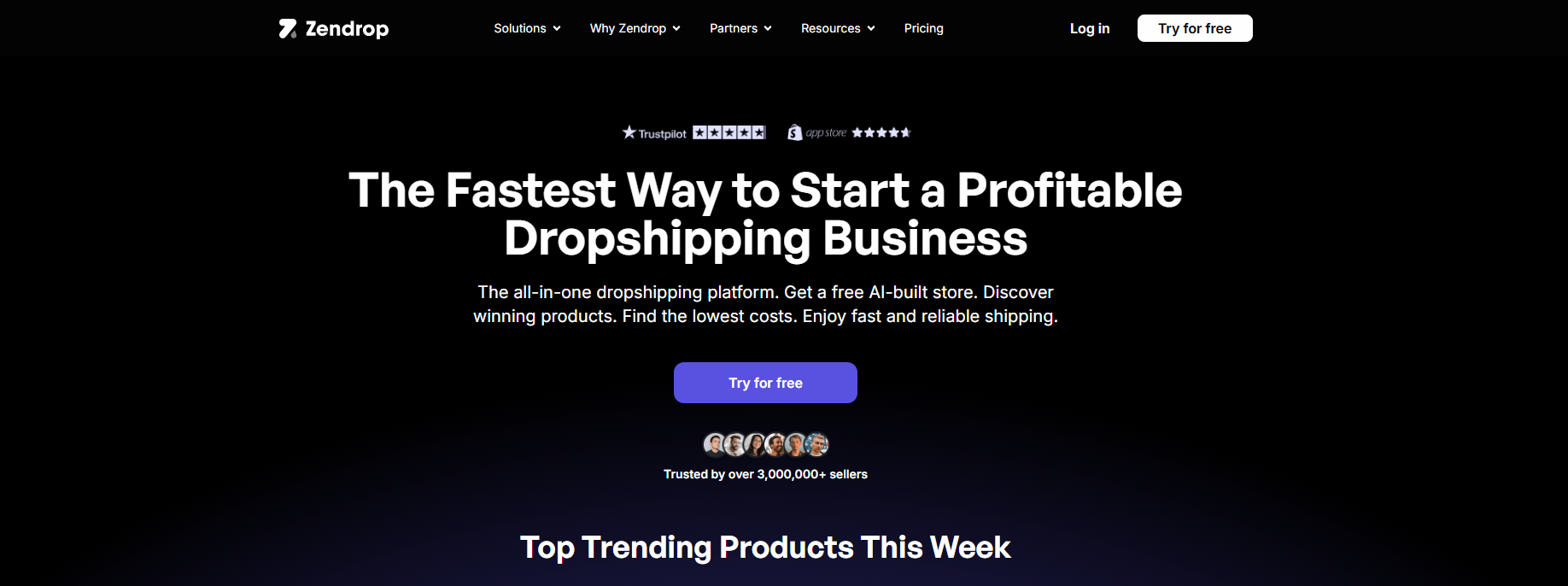
Zendrop was built specifically for dropshipping entrepreneurs who want a simpler alternative to traditional supplier marketplaces.
The platform focuses heavily on automation and ease of use, making it particularly appealing to beginners launching their first Shopify store.
One of Zendrop’s strongest features is its automated fulfillment system.
Instead of manually placing orders with suppliers, the platform automatically processes customer orders as soon as they appear in your store. This allows entrepreneurs to manage their businesses more efficiently, especially once order volume begins to increase.
Zendrop also offers US-based shipping options, which can significantly reduce delivery times for American customers.
Faster shipping improves customer satisfaction and can help reduce refund requests or complaints about delayed deliveries.
Another attractive feature is the platform’s branding capabilities.
Sellers on premium plans can add branded packaging, helping transform a simple dropshipping store into something that feels more like a real ecommerce brand.
For entrepreneurs who prioritize simplicity and automation, Zendrop offers a streamlined approach to running a dropshipping business.
Pros
-
Very beginner friendly interface
-
Automated order fulfillment
-
Faster shipping options available
-
Branding support on premium plans
Cons
-
Smaller product catalog compared to large marketplaces
-
Some features require paid plans
👉 Recommended for: Shopify beginners who want simple automation and faster fulfillment.
website:www.zendrop.com
4. Spocket — One of the Best Platforms for US and EU Suppliers
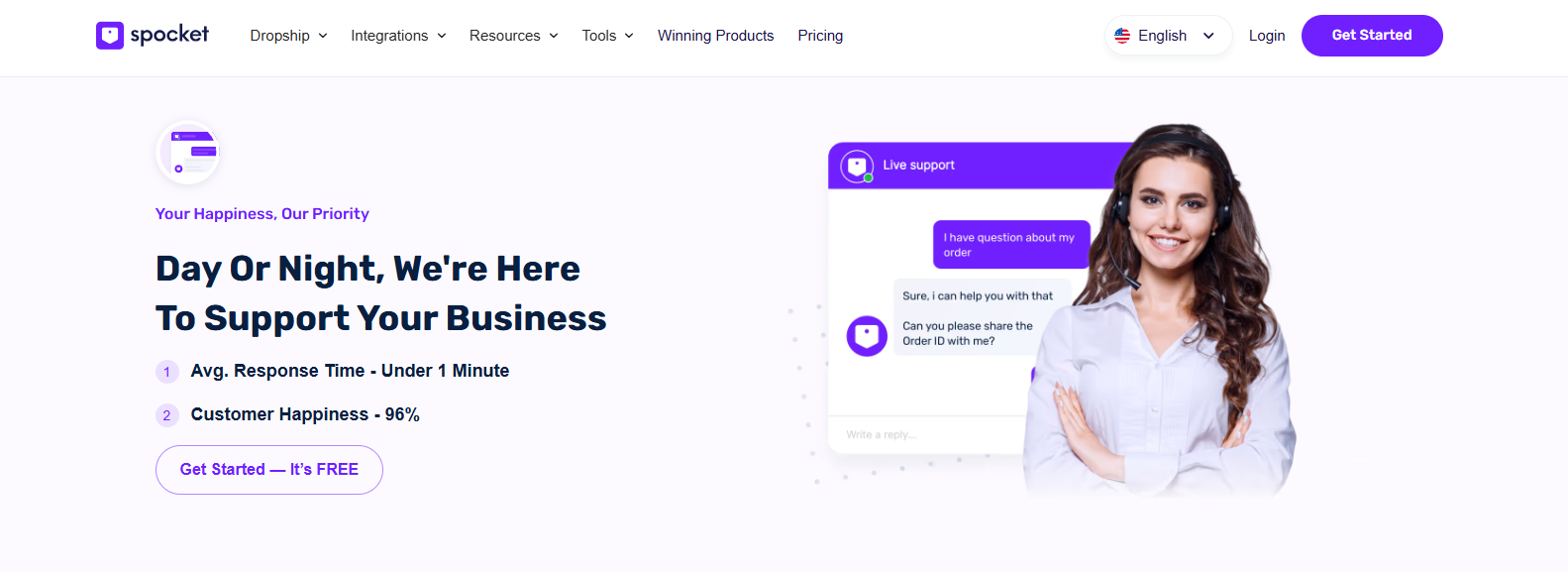
Spocket takes a different approach compared to traditional dropshipping marketplaces.
Instead of focusing on overseas suppliers, the platform specializes in US and European suppliers, allowing sellers to offer significantly faster shipping to customers in those regions.
For many ecommerce businesses, this is a major advantage.
Customers are far more likely to trust stores that offer delivery within a few days rather than several weeks.
Spocket’s supplier network includes independent brands, wholesalers, and manufacturers, giving sellers access to products that often feel more premium than typical marketplace listings.
Because of this, many boutique-style ecommerce stores prefer Spocket when building niche brands.
However, the platform does require a paid subscription for most features, which can be a drawback for beginners operating on extremely tight budgets.
Still, for entrepreneurs targeting customers in North America or Europe, Spocket can be a powerful supplier platform.
Pros
-
Fast US and EU shipping
-
Higher product quality compared to some marketplaces
-
Curated supplier network
Cons
-
Paid subscription required
-
Smaller product catalog
👉 Recommended for: stores targeting US and EU customers with faster shipping expectations.
website:www.spocket.co
5. DSers — The Best Automation Tool for AliExpress Dropshipping
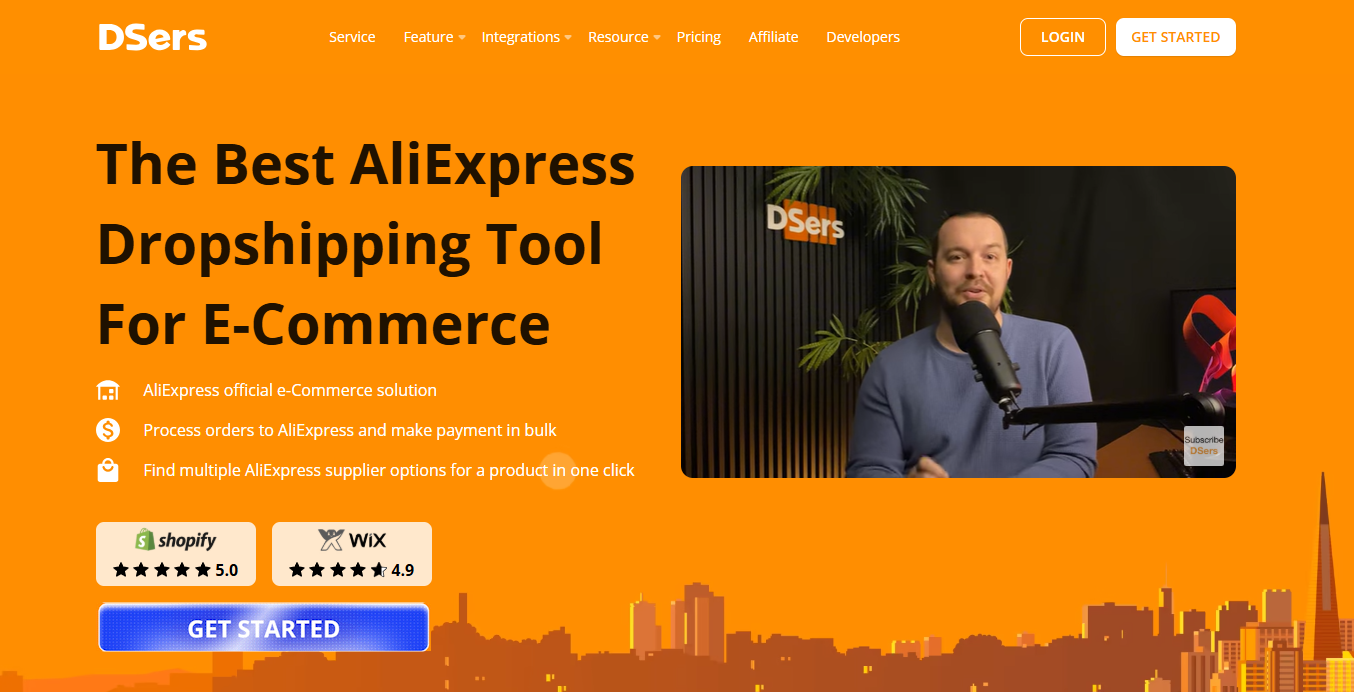
If you plan to build a dropshipping store using AliExpress suppliers, DSers is one of the most useful tools you can add to your workflow.
DSers is the official AliExpress dropshipping partner, designed to simplify order management and supplier coordination for ecommerce sellers.
Instead of manually placing orders on AliExpress every time a customer makes a purchase, DSers allows you to process multiple orders at once.
This feature alone can save enormous amounts of time once your store begins generating consistent sales.
For example, imagine receiving 50 orders in a single day. Without automation, you would need to manually enter customer information into AliExpress for every order.
DSers eliminates this process by allowing sellers to place bulk orders in just a few clicks.
Another valuable feature is supplier optimization.
AliExpress often lists the same product from multiple suppliers. DSers allows you to connect several suppliers to the same product and automatically switch if inventory changes or pricing improves.
This flexibility helps reduce disruptions when one supplier runs out of stock.
However, DSers works best as an automation tool rather than a standalone supplier. Many sellers use it alongside AliExpress to streamline order fulfillment and inventory management.
Pros
-
Official AliExpress integration
-
Bulk order processing
-
Supplier optimization features
-
Free plan available
Cons
-
Dependent on AliExpress suppliers
-
Limited branding options
👉 Recommended for: beginners who plan to use AliExpress and want automation tools to simplify fulfillment.
website:www.dsers.com
6. AutoDS — A Powerful Automation Platform for Scaling Dropshipping Stores
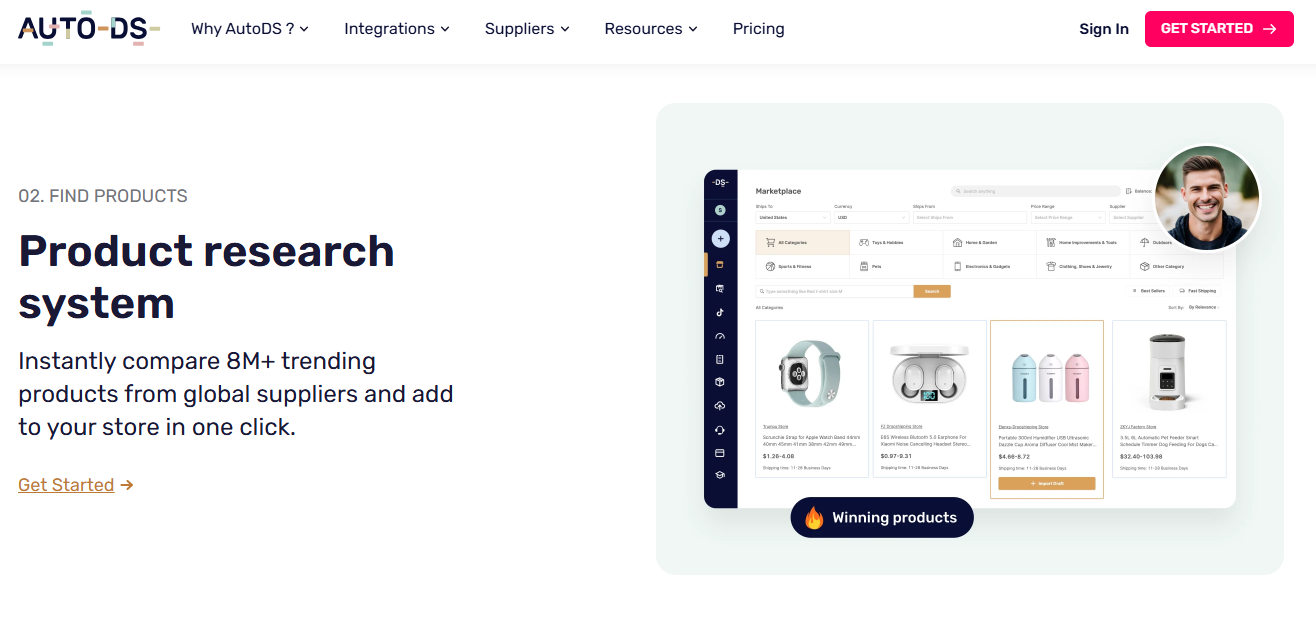
While some platforms focus on product sourcing, AutoDS focuses on automating the entire dropshipping workflow.
The platform integrates with multiple supplier marketplaces, allowing sellers to manage inventory, pricing, and order fulfillment from a single dashboard.
For beginners who plan to experiment with several suppliers at once, this flexibility can be extremely useful.
AutoDS supports products from various sources including:
-
AliExpress
-
Amazon
-
Walmart
-
eBay
This multi-supplier approach allows sellers to explore different product categories and price ranges without switching platforms.
Another standout feature is automatic price and stock monitoring.
Product prices and availability often change on supplier platforms. If your store prices remain unchanged, you risk selling products at a loss or listing items that are out of stock.
AutoDS automatically monitors these changes and updates your store accordingly.
The platform also includes product research tools, which help identify trending products based on sales data and market demand.
For beginners who want a combination of automation and product research in one platform, AutoDS offers a comprehensive solution.
Pros
-
Multi-supplier integration
-
Automated price and inventory updates
-
Built-in product research tools
-
Strong Shopify compatibility
Cons
-
Monthly subscription required
-
Slightly steeper learning curve for beginners
👉 Recommended for: sellers planning to manage multiple suppliers or scale their dropshipping operations.
website:www.AutoDS.com
7. Modalyst — A Marketplace for Branded and Curated Products
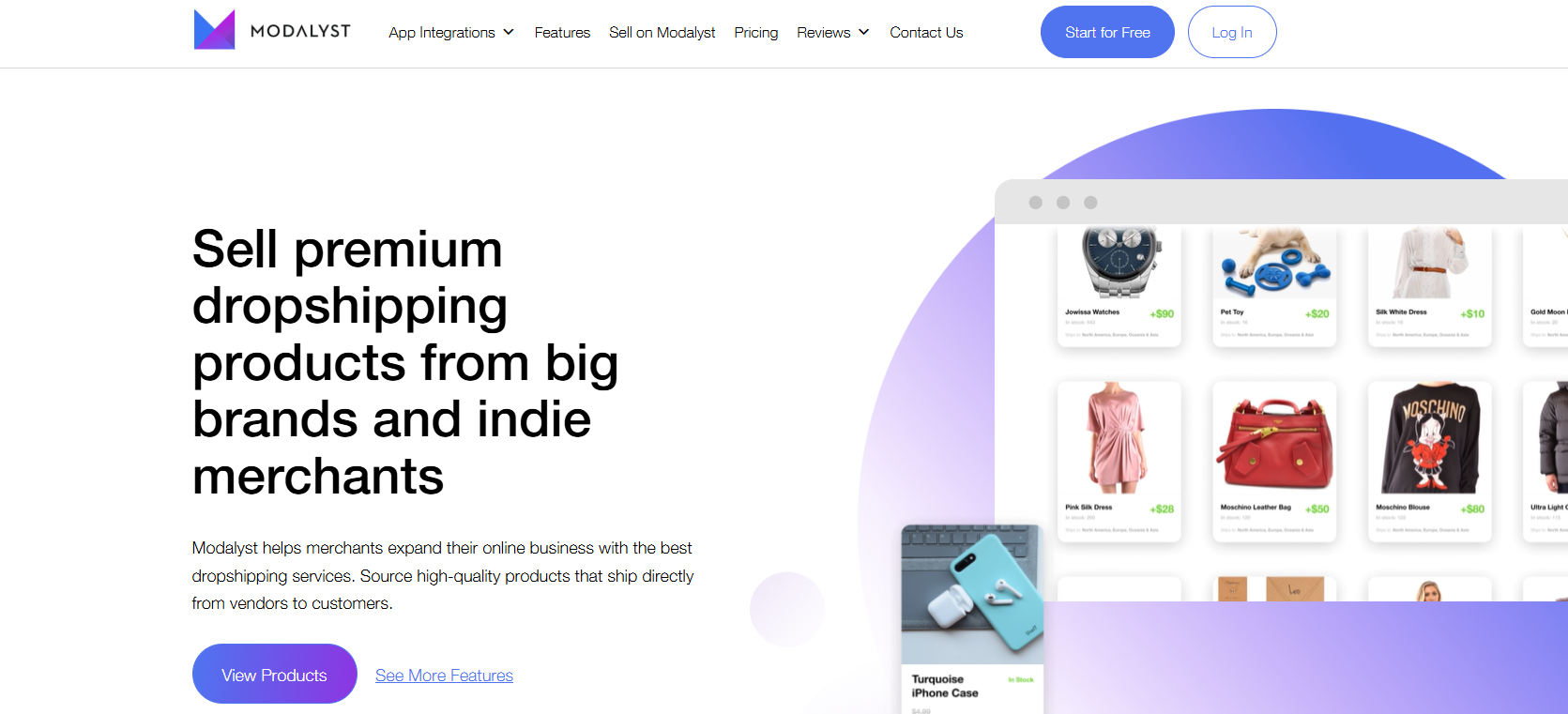
Modalyst offers a slightly different approach compared to traditional dropshipping platforms.
Instead of focusing on massive product catalogs, Modalyst emphasizes curated suppliers and higher-quality products.
The platform connects online stores with independent brands, boutique manufacturers, and specialty product suppliers.
Because of this curated approach, many products on Modalyst feel more premium than the typical items found on large marketplaces.
For entrepreneurs interested in building a brand-focused ecommerce store, this can be a major advantage.
Modalyst also provides access to certain well-known brands, allowing sellers to offer recognizable products without managing inventory themselves.
Another feature worth noting is the platform’s private label program.
Some suppliers allow sellers to customize packaging or create branded versions of their products, making it easier to build a unique brand identity.
However, because Modalyst focuses on curated suppliers, the overall product catalog is smaller compared to massive marketplaces like AliExpress.
Still, the higher product quality and branding opportunities make it appealing for niche stores.
Pros
-
Curated supplier network
-
Higher-quality products
-
Private label opportunities
-
Good integration with Shopify
Cons
-
Smaller product catalog
-
Some features require paid plans
👉 Recommended for: entrepreneurs building niche or boutique-style ecommerce brands.
website:www.modalyst.co
8. Printful — The Leading Print-on-Demand Dropshipping Supplier
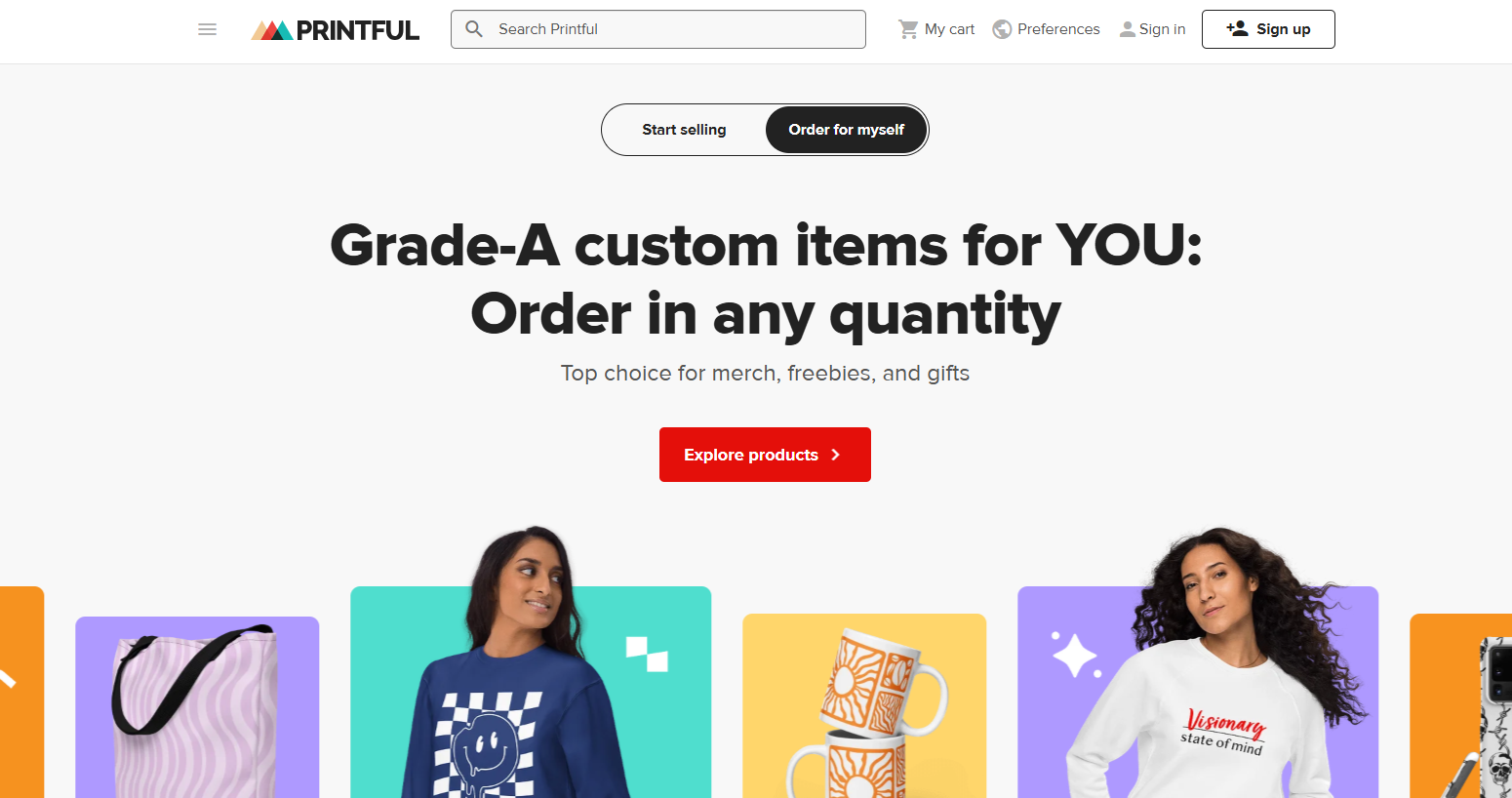
Not all dropshipping businesses rely on generic products.
Many entrepreneurs build profitable stores using print-on-demand (POD) products such as custom apparel, mugs, posters, and accessories.
Printful is widely considered one of the best platforms in this category.
Instead of sourcing existing products from manufacturers, Printful allows sellers to create custom designs that are printed only after an order is placed.
This eliminates the need to purchase inventory upfront while still allowing entrepreneurs to sell unique products.
Printful handles the entire production and fulfillment process.
Once a customer places an order, the platform automatically prints the design, packages the item, and ships it directly to the customer.
Another major advantage is global fulfillment centers.
Printful operates production facilities in North America and Europe, helping reduce shipping times for customers in those regions.
The platform also offers extensive branding features including:
-
custom labels
-
branded packing slips
-
packaging inserts
These options make it easier for sellers to create a professional brand experience.
Pros
-
Excellent print-on-demand infrastructure
-
Global fulfillment centers
-
Strong branding customization
-
High product quality
Cons
-
Higher product costs compared to generic items
-
Requires original designs
👉 Recommended for: entrepreneurs building design-driven ecommerce brands.
website:www.printful.com
9. Printify — A Flexible Alternative to Printful
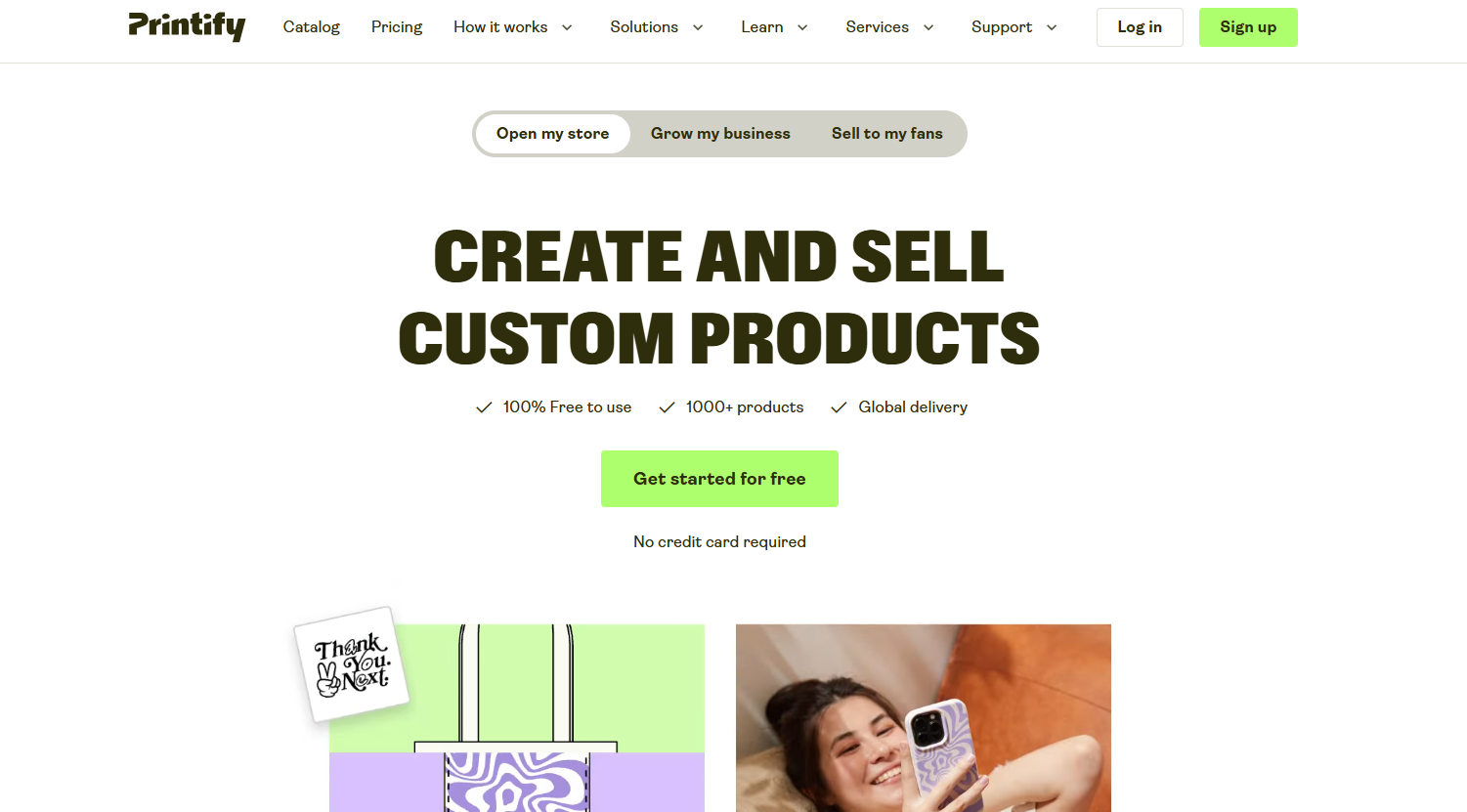
Printify is another major platform in the print-on-demand space, but its structure differs slightly from Printful.
Instead of operating its own production facilities, Printify acts as a network connecting sellers with multiple printing providers around the world.
This approach gives entrepreneurs access to a larger variety of products and price points.
Because multiple printing partners compete within the platform, sellers can choose suppliers based on:
-
production location
-
product cost
-
printing quality
-
shipping speed
For example, a seller targeting US customers can select a US-based printing partner, while a European store might choose a provider located within the EU.
This flexibility can help optimize both shipping speed and profit margins.
However, because production quality can vary slightly between printing partners, it’s important to test products and select reliable providers.
Pros
-
Large network of printing suppliers
-
Competitive product pricing
-
Wide variety of customizable items
-
Global production locations
Cons
-
Quality can vary between suppliers
-
Requires product testing
👉 Recommended for: entrepreneurs seeking flexible print-on-demand suppliers.
website:www.printify.com
10. Syncee — A Global Supplier Marketplace for Niche Products
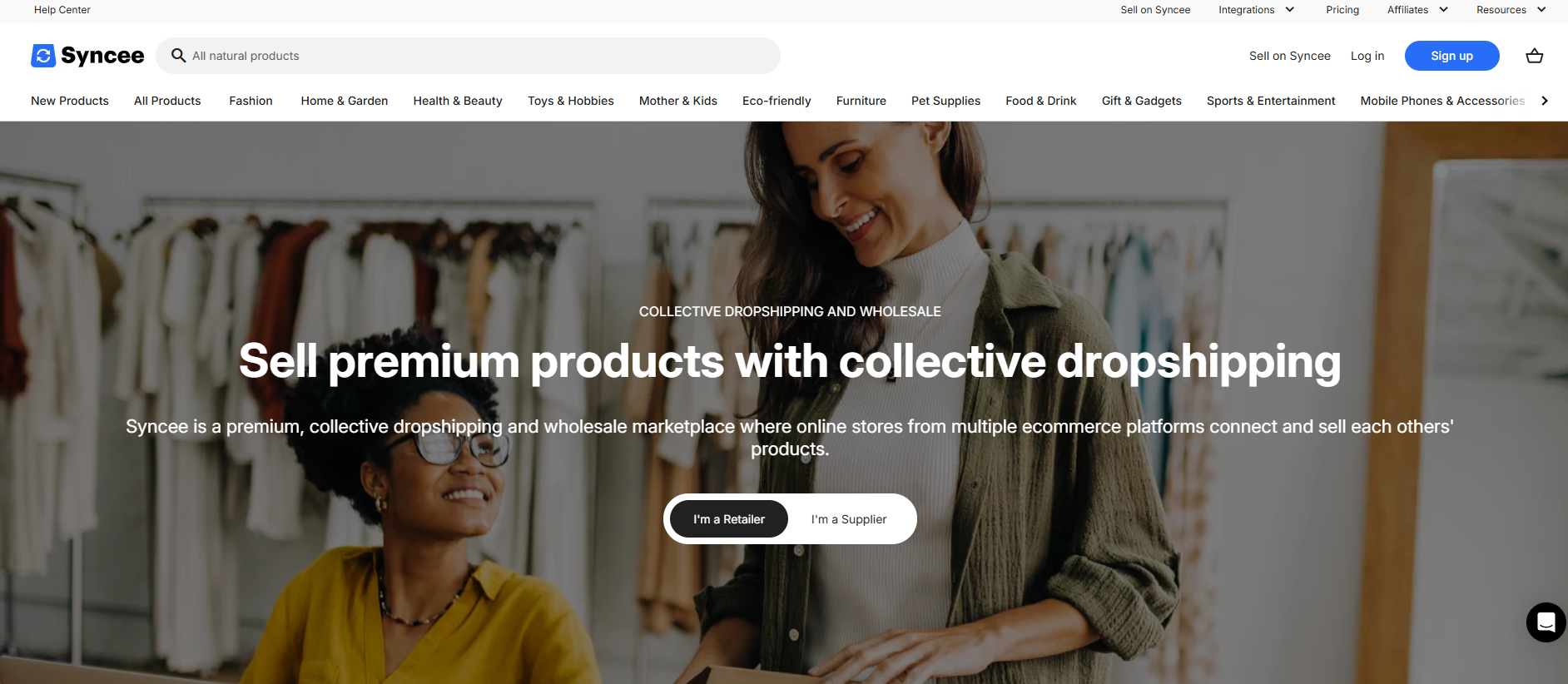
Syncee is a supplier marketplace designed to connect online stores with verified wholesalers and manufacturers.
The platform features suppliers from various regions around the world, allowing entrepreneurs to explore products across many different niches.
Unlike some dropshipping marketplaces that focus primarily on Chinese manufacturers, Syncee includes suppliers from North America, Europe, and other regions.
This geographic diversity can be useful for sellers targeting specific markets.
Syncee also emphasizes supplier verification, which helps reduce the risk of working with unreliable manufacturers.
The platform integrates with several ecommerce platforms, including Shopify, allowing products and inventory information to sync automatically.
For beginners exploring niche markets or specialty products, Syncee offers a wide range of sourcing opportunities.
Pros
-
Global supplier network
-
Verified manufacturers
-
Ecommerce platform integrations
-
Good niche product variety
Cons
-
Smaller catalog than major marketplaces
-
Some suppliers require approval
👉 Recommended for: niche ecommerce stores looking for unique suppliers.
website:www.syncee.com
Beginner Strategy: How to Start Dropshipping with the Right Supplier
Finding a supplier is only the first step in building a successful dropshipping store.
Many beginners make the mistake of focusing entirely on suppliers without thinking about the bigger picture — how the supply chain fits into the overall ecommerce strategy.
In reality, the most successful dropshipping stores treat suppliers as long-term business partners, not just product sources.
If you’re just getting started, here are a few practical strategies that can help you avoid common mistakes and build a stronger foundation.
Start With Only 1–3 Products
One of the biggest misconceptions about dropshipping is that successful stores sell hundreds of products.
In reality, most profitable stores focus on a small number of carefully selected products.
When beginners import dozens of products at once, they usually encounter several problems:
-
inconsistent product quality
-
complicated inventory management
-
unclear brand positioning
-
confusing store design
Instead of building a large catalog immediately, start with one to three products that solve a clear problem.
This approach allows you to:
-
focus on marketing
-
create stronger product pages
-
test demand more efficiently
Once you identify a product that sells consistently, you can gradually expand your product lineup.
Order Samples Before Selling
This is one of the most underrated steps in the entire dropshipping process.
Ordering samples allows you to experience the product exactly as your customers will.
When the sample arrives, pay attention to several details:
-
product build quality
-
packaging presentation
-
shipping time
-
supplier communication
These details will help you decide whether the product is worth selling in your store.
Samples also provide another major benefit: content creation.
Instead of relying on generic supplier photos, you can take your own product images or videos for marketing.
This type of original content often performs much better in advertising campaigns and social media promotions.
Build a Brand Instead of a Generic Store
The dropshipping industry has evolved significantly over the past few years.
Early dropshipping stores often looked like simple product catalogs. Today, successful ecommerce businesses focus heavily on branding.
Even if you start with generic products, you can still build a recognizable brand by focusing on:
-
professional store design
-
clear brand messaging
-
consistent visual identity
-
high-quality product pages
Some suppliers also support custom packaging and branding, which allows you to gradually transition from generic products to private label items.
If your long-term goal is to build a sustainable ecommerce business, branding should be part of your strategy from the beginning.
Common Mistakes Beginners Make When Choosing Suppliers
While many dropshipping guides focus on success strategies, it’s equally important to understand what not to do.
Many beginners encounter the same supplier-related problems simply because they rush the selection process.
Avoiding these mistakes can save you time, money, and frustration.
Choosing the Cheapest Supplier
Low prices can be tempting when you’re launching a new store.
However, the cheapest suppliers often come with hidden trade-offs.
These may include:
-
slow shipping
-
inconsistent product quality
-
poor communication
-
unreliable inventory updates
Instead of focusing only on price, evaluate suppliers based on overall reliability.
A slightly higher product cost is often worth it if it means faster shipping and better customer satisfaction.
Ignoring Shipping Times
Nothing frustrates online shoppers more than waiting weeks for a product to arrive.
While some customers are willing to accept longer shipping times, many expect delivery within one week.
Suppliers with local warehouses can dramatically improve the customer experience.
If your target market is in the United States or Europe, choosing suppliers with regional fulfillment centers can make a major difference.
Not Testing Products Before Selling
Many beginners import products into their store without ever seeing them in person.
This approach can lead to unpleasant surprises.
For example:
-
inaccurate product descriptions
-
fragile packaging
-
inconsistent product quality
Testing products before selling them helps you avoid these issues and gives you confidence in the items you promote.
FAQ: Dropshipping Suppliers Explained
This section answers some of the most common questions beginners have when researching suppliers.
It also helps the article appear in Google featured snippets.
What Is the Best Dropshipping Supplier for Beginners?
The best dropshipping supplier for beginners depends on the business model.
Platforms like CJdropshipping, Zendrop, and AliExpress are popular choices because they provide large product catalogs and easy integrations with ecommerce platforms such as Shopify.
Beginners often prefer all-in-one platforms that combine product sourcing, fulfillment, and logistics.
Can I Use Multiple Dropshipping Suppliers?
Yes, many ecommerce stores work with multiple suppliers.
However, beginners often find it easier to start with one reliable supplier and expand later.
Managing too many suppliers early on can create logistical complexity, especially when shipping times and packaging standards vary.
How Do I Know If a Dropshipping Supplier Is Reliable?
Reliable suppliers typically offer several important features:
-
clear product descriptions
-
transparent shipping times
-
responsive customer support
-
verified supplier reviews
Ordering product samples is also one of the best ways to evaluate supplier reliability.
Do Dropshipping Suppliers Handle Returns?
Most dropshipping suppliers offer return policies, but the terms vary widely.
Some suppliers allow returns within a specific time period, while others only accept returns for defective products.
Before working with a supplier, it’s important to review their return and refund policies carefully.
How Much Money Do You Need to Start Dropshipping?
One of the reasons dropshipping is so popular is the relatively low startup cost.
Many beginners start with a budget between $100 and $500, which typically covers:
-
ecommerce platform fees
-
marketing tests
-
product samples
Because inventory is not required, dropshipping allows entrepreneurs to start an online store with significantly lower upfront risk compared to traditional ecommerce models.
Final Thoughts: Choosing the Right Dropshipping Supplier in 2026
Dropshipping remains one of the most accessible ways to start an ecommerce business.
However, the success of a store often depends on one critical decision: choosing the right supplier.
Reliable suppliers help ensure that products arrive on time, customers receive quality items, and the overall shopping experience meets expectations.
For beginners, platforms like CJdropshipping, Zendrop, and AliExpress provide excellent starting points because they combine product sourcing, fulfillment, and automation tools.
As your store grows, you may eventually expand your supplier network or transition toward private label manufacturing.
But every successful dropshipping journey begins with the same step — finding suppliers you can trust.