
Dropshipping in Indonesia is on the rise, and choosing the right supplier is crucial for success. Whether you’re a small business owner in Indonesia or an entrepreneur targeting Indonesian customers, you need suppliers that offer quality products, reliable shipping, and services tailored to your needs. Below we explore the 10 best dropshipping suppliers for 2026 – a mix of Indonesia-based companies and global platforms with fulfillment support in Indonesia. Each supplier overview covers what they offer, key product categories, shipping capabilities (local or international), plus their benefits, drawbacks, and who they’re best suited for. Let’s dive in!
1. AliExpress
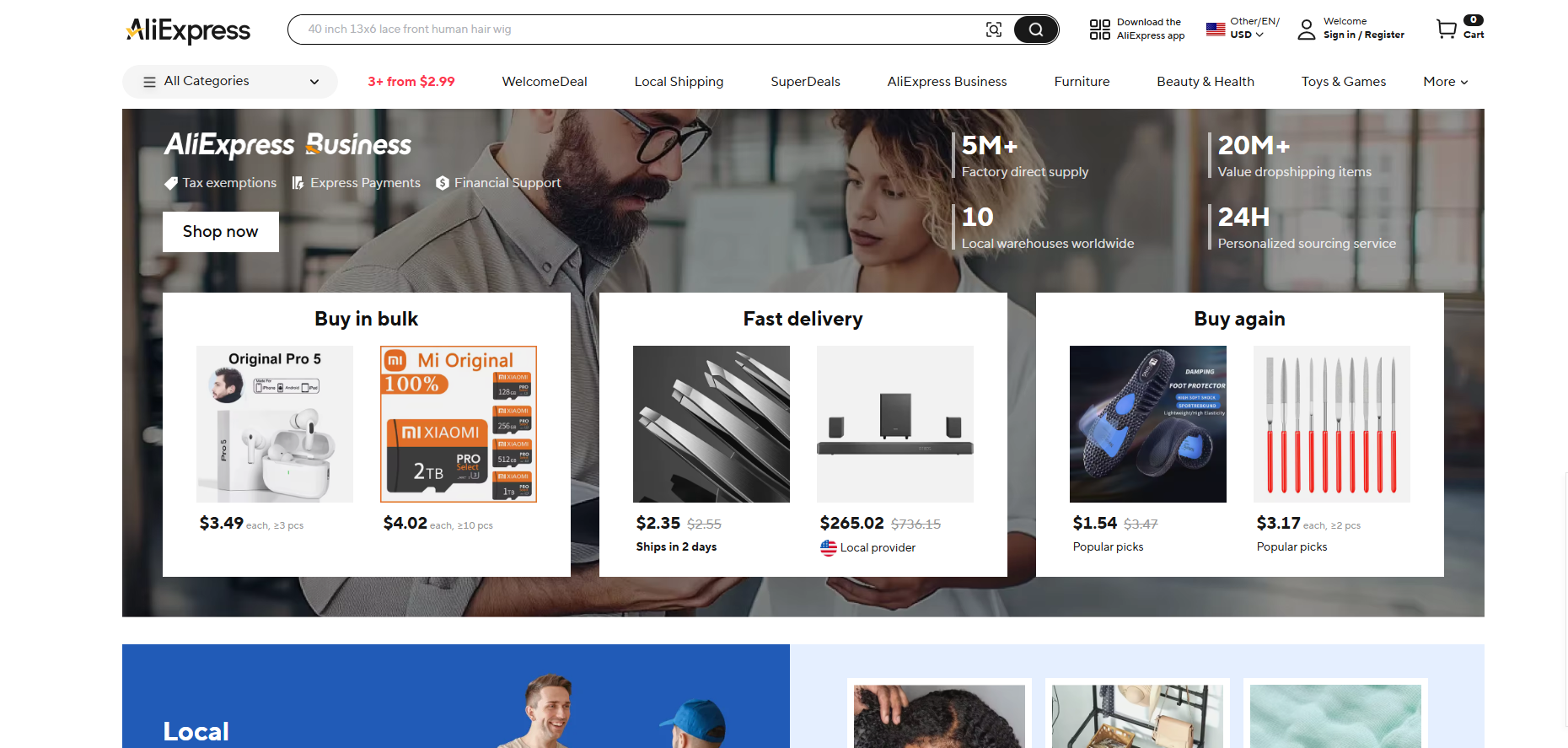
Overview: AliExpress is one of the world’s largest online retail marketplaces, popular among dropshippers for its vast product range and affordable pricing. It’s a platform where thousands of manufacturers and retailers (mostly based in China) list products that you can buy individually – no minimum order required – and ship directly to your customers internationally. Indonesian dropshippers benefit from relatively quick shipping, as China’s proximity means deliveries to Indonesia can be faster and cost-effective. AliExpress sellers are experienced with dropshipping; many offer product customization or logo printing upon request. Virtually any product niche – from electronics and fashion to home decor and gadgets – is available through AliExpress’ millions of listings.
-
Pros: Huge selection of millions of items at competitive prices; direct access to manufacturers for low-cost sourcing; Chinese suppliers often understand dropshipping needs (e.g. neutral packaging). Additionally, shipping to Indonesia is relatively fast and affordable due to geographic proximity.
-
Cons: Variable shipping methods and times – each AliExpress seller chooses their own carrier and delivery options, so there’s no standardized shipping rate or time. Quality control can vary between sellers, and communication or customer service might be inconsistent. Competition is high, and some savvy customers may find the original AliExpress prices (pressuring your margins).
-
Best for: New dropshippers and small businesses who want maximum product variety without upfront inventory. It’s ideal for testing various product categories quickly. Also great for budget-conscious sellers looking to source trending items cheaply, especially if you don’t mind managing multiple supplier relationships.
2. EPROLO
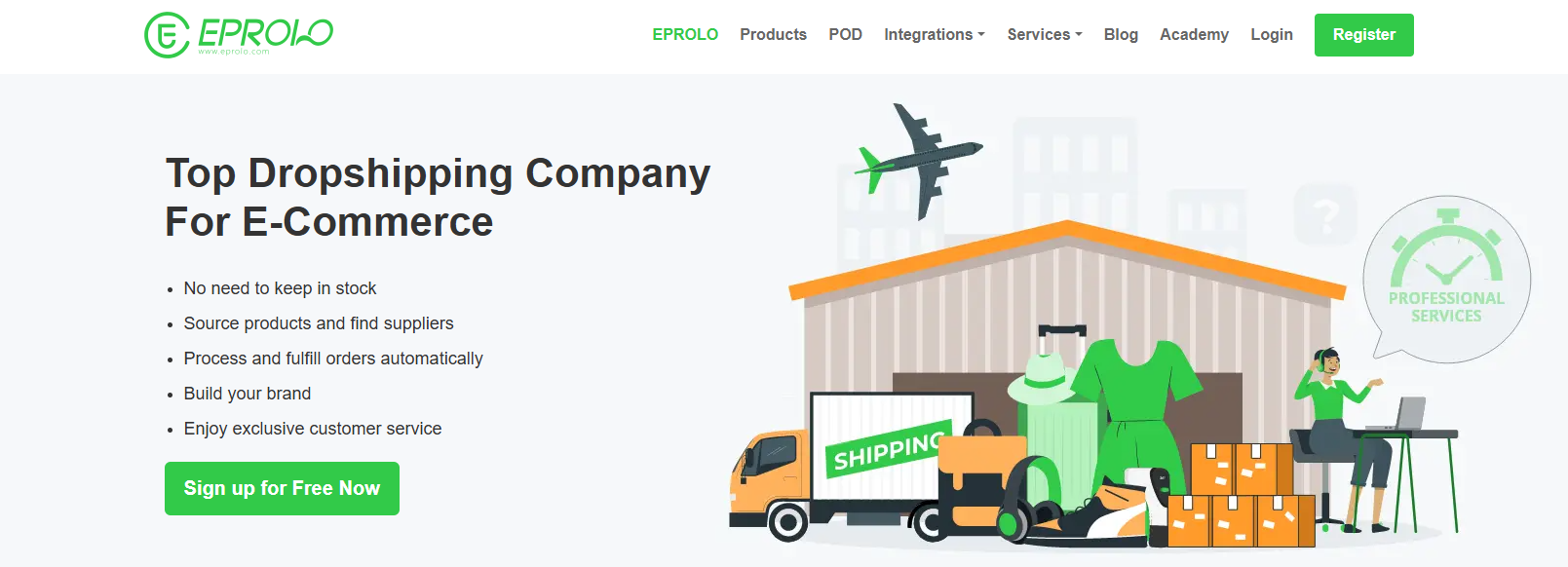
Overview: EPROLO is a dedicated dropshipping platform that simplifies sourcing and fulfillment for sellers. It’s essentially a one-stop service that procures products (largely from Chinese factories) and handles warehousing and shipping to your customers. EPROLO’s catalog is broad – including electronics, fashion apparel, sports and outdoor gear, home goods, and more. The platform automates order fulfillment, meaning when a customer orders from your store, EPROLO can automatically pack and ship the item on your behalf. It integrates with major e-commerce platforms (Shopify, WooCommerce, Wix, etc.), making it easy to import products and sync orders. EPROLO also offers value-added services like branding – you can customize packaging or have your logo printed on products, which is great for building your own brand. With global warehouses (including in Asia, North America, Europe), EPROLO can achieve faster shipping times to various regions. Notably, they provide free training resources to help beginners learn the ropes of dropshipping.
-
Pros: Wide product variety across popular niches; automated fulfillment saves you time; supports branding and private labeling to build your brand identity. EPROLO’s multiple international warehouses enable faster delivery to customers (you can stock products closer to your market for speed). Integration with many online store platforms is seamless, and the service is free to start using. They even offer free dropshipping courses and support, which is helpful for newcomers.
-
Cons: While EPROLO itself is free, some advanced services (like certain branding options or special warehouse storage) may incur fees. The product selection, though large, is mostly sourced from China – if you’re looking for locally made Indonesian products, EPROLO might not have those. Shipping times can still range from a few days to a couple of weeks depending on stock location. Also, as with any platform handling everything, you have slightly less direct control over packaging or carrier choice.
-
Best for: Sellers who want an all-in-one dropshipping solution with automation – great for beginners or solo entrepreneurs who prefer to outsource logistics. It’s also ideal if you plan to scale up, since EPROLO can handle bulk orders and branding as you grow. If you value having a single dashboard to manage products and orders (instead of dealing with many suppliers individually), EPROLO is a top choice.
3. CJDropshipping
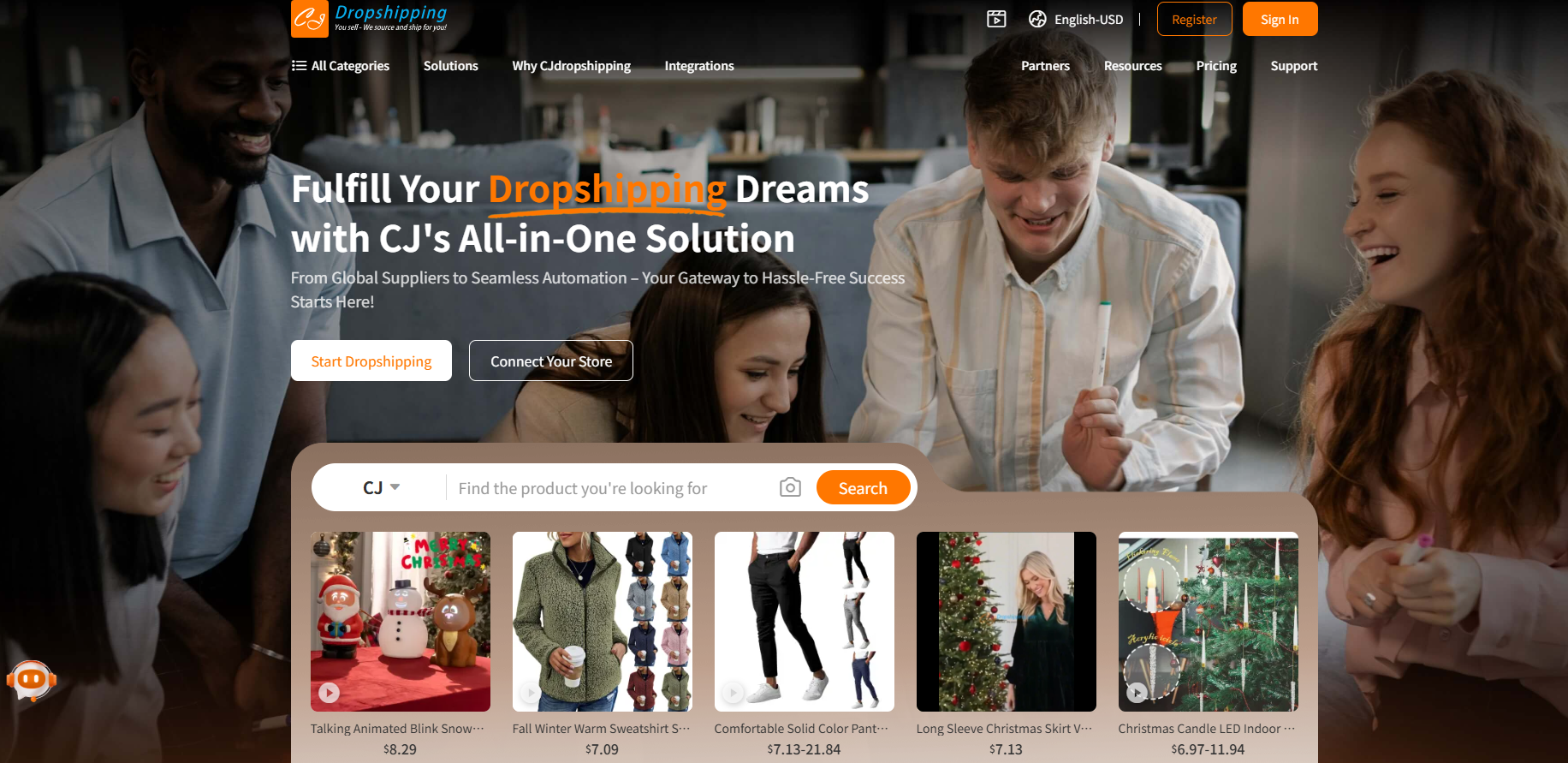
Overview: CJ Dropshipping (often just called “CJ”) is a globally popular dropshipping supplier and fulfillment network. It’s known for its extensive catalog (hundreds of thousands of products across categories like jewelry, beauty, home, electronics, and more) and its worldwide warehouse network. CJ was built specifically to serve dropshippers – you can source products through their platform, list them on your store, and CJ will fulfill orders for you. A big advantage of CJ Dropshipping for Indonesian sellers is that it operates multiple warehouses internationally, including one in Indonesia. This means you have the option to store best-selling items in the Indonesia warehouse, enabling very fast local shipping to Indonesian customers (often as quick as 3–7 day delivery if stock is on-hand). CJ also integrates with many e-commerce platforms and even marketplaces like Shopify, WooCommerce, Shopee and Lazada, which is beneficial if you sell on those channels. Other services include print-on-demand on select items, the ability to request sourcing for specific products not yet on their catalog, and even custom packaging to help with branding.
-
Pros: Enormous product selection curated for e-commerce trends (CJ highlights items that are selling well in the market). Global fulfillment centers in Asia, Europe, and the U.S. let you target international markets with faster shipping – notably, CJ has a warehouse in Indonesia for speedy domestic delivery. It offers full integration with major online store platforms and local marketplaces, automating order import and tracking. You can also get custom packaging and some print-on-demand options, which are perks for branding. Overall, CJ is very dropshipper-friendly with features like one-on-one sourcing assistance and a relatively user-friendly interface for managing orders.
-
Cons: With so many features, CJ’s dashboard can be a bit overwhelming at first for beginners. While basic usage is free, some advanced services (e.g., pre-stock inventory in a specific overseas warehouse or custom photography) may require fees or bulk purchases. If items are not pre-stocked in the Indonesia warehouse, they will ship from China, which can take 1-2 weeks to arrive – so to maximize speed you may need to plan inventory with CJ. Customer support is generally good but can be stretched thin given their large user base.
-
Best for: International dropshipping at scale – sellers who want to serve not just Indonesia but other markets with efficient fulfillment. It’s also excellent for those who want to maintain faster shipping times in Indonesia without managing their own warehouse (by leveraging CJ’s local warehouse). If you run a Shopify store or even sell on Lazada/Shopee and need an integrated supplier that can keep up with a high volume of orders and global expansion, CJ is a great fit.
4. SaleHoo
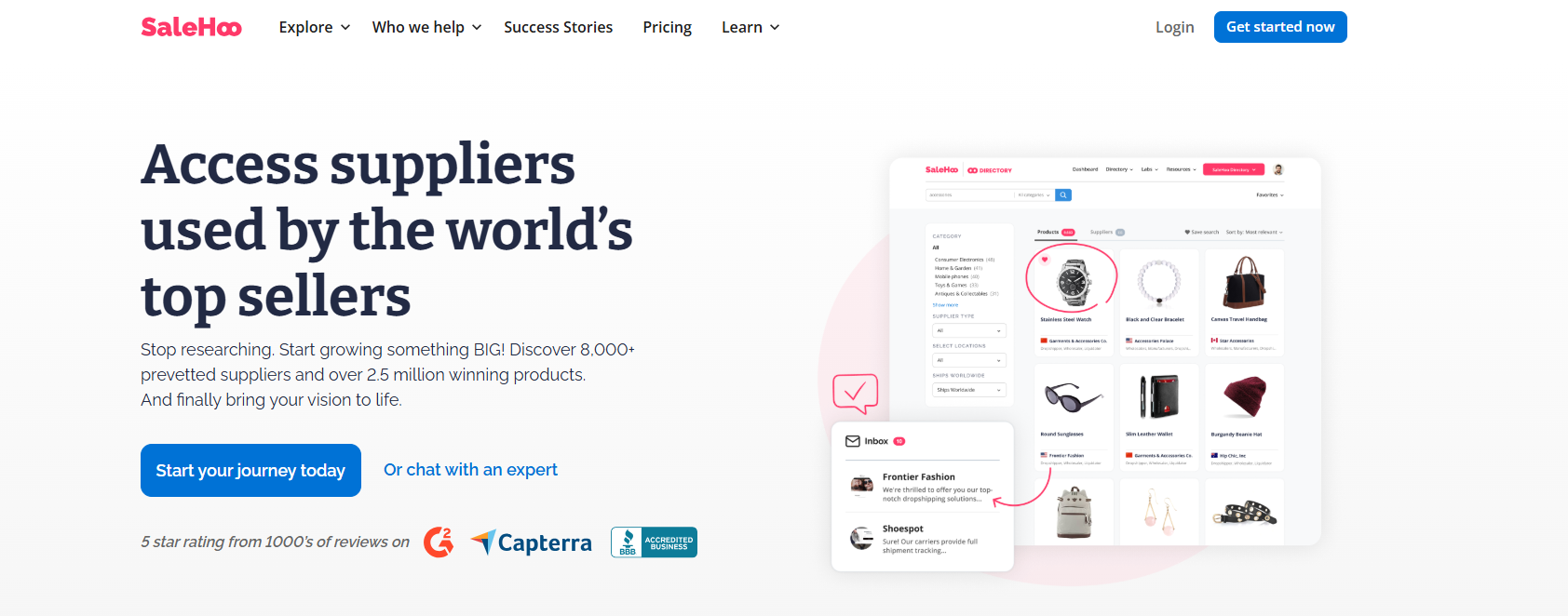
Overview: SaleHoo is slightly different from the others on this list – it’s primarily a wholesale supplier directory and market research tool rather than a single supplier. Based out of New Zealand, SaleHoo gives members access to a database of over 8,000 pre-vetted suppliers offering more than 2.5 million products. Using SaleHoo, you can find reliable suppliers (including dropshippers and wholesalers) for virtually any product category, from fashion and electronics to toys and cosmetics. Many of these suppliers are overseas (China, US, UK, etc.), but some could be local or willing to ship to Indonesia. SaleHoo ensures all suppliers in their directory are legitimate and trustworthy, which reduces the risk of scams. They also have a tool called Market Research Lab to identify trending or high-profit products. For those who prefer an all-in-one solution, SaleHoo offers an optional Store builder service (a separate offering where they help you create a dropshipping store and integrate products). Notably, SaleHoo integrates with Shopify for direct importing of products from their supplier directory to your store. Support is a strong point – SaleHoo provides 24/7 expert support to its members, useful if you’re new to sourcing.
-
Pros: Extensive network of suppliers and products means you’re likely to find whatever product you want to sell. All suppliers are verified for quality and authenticity, sparing you from dealing with fraudulent companies. The Market Research Lab helps you gauge demand and competition for products, guiding you to choose profitable items. SaleHoo’s platform is straightforward and includes educational resources, plus their customer support is available around the clock for any questions. Integration with Shopify makes it convenient to load products into your online store.
-
Cons: SaleHoo is a paid membership service – there’s no free tier. You typically pay an annual or lifetime fee for access. Also, while the directory is global, finding suppliers that ship from within Indonesia might require some digging (many suppliers are in China or the US, which could mean longer shipping for Indonesian customers unless you specifically search for Asia-based suppliers). If you opt for their store-building service, that’s an additional cost. Lastly, SaleHoo provides the connections and tools, but you still have to reach out and form relationships with individual suppliers – it’s not an automated fulfillment platform.
-
Best for: Entrepreneurs who want to research and cherry-pick the best suppliers/products rather than relying on a single source. It’s great for cautious beginners who value supplier verification and for experienced sellers looking to expand into new product lines with confidence. If you don’t mind paying for a tool that saves you time scouting reliable suppliers and trending niches, SaleHoo can be very valuable.
5. Doba
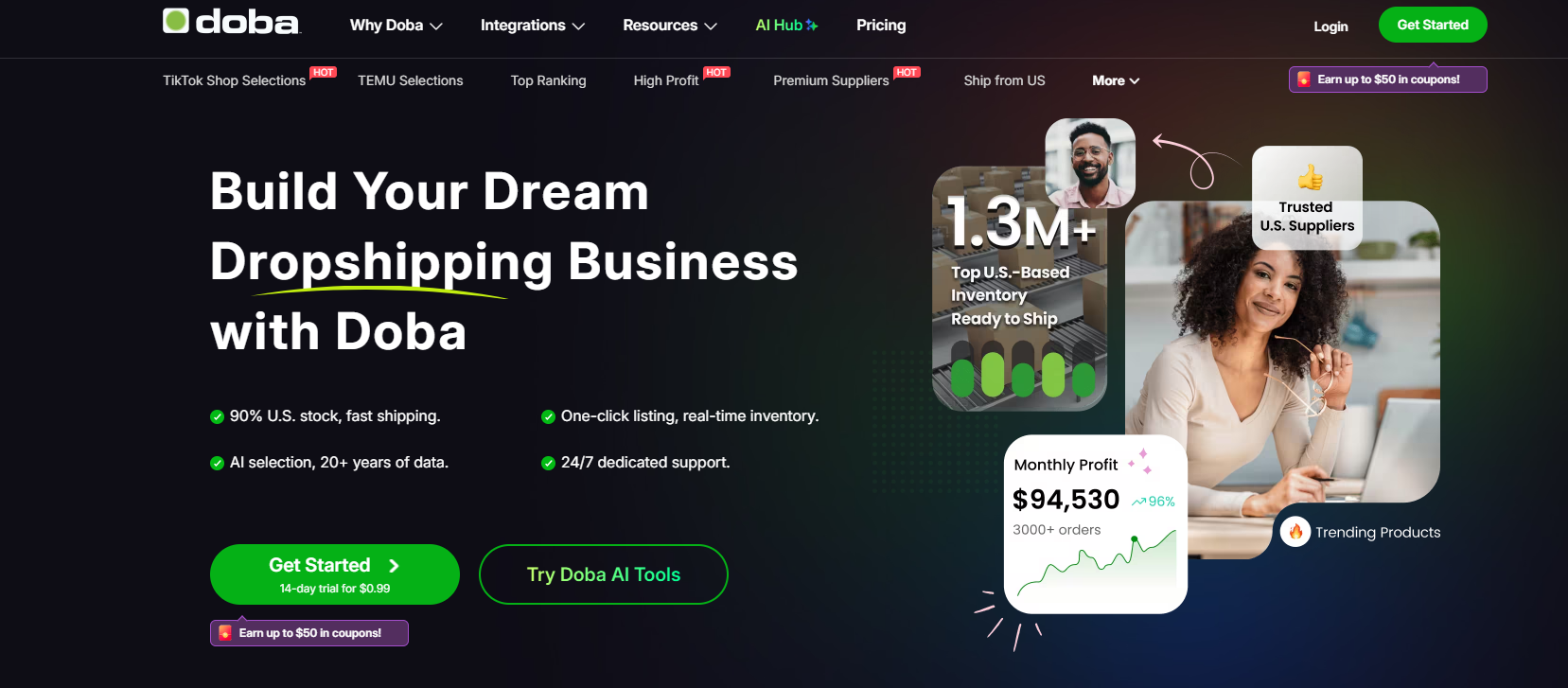
Overview: Doba is a long-standing dropshipping platform based in the US that acts as an aggregator of multiple suppliers. Think of Doba as a marketplace where you can find products from thousands of manufacturers and wholesalers in one dashboard. It offers an AI-driven product selection tool to help identify hot-selling items and allows you to filter products by category, supplier location, shipping times, etc. Once you find products, you can easily import them into your store and when orders come in, they can be routed through Doba to the appropriate supplier for fulfillment. Doba integrates well with Shopify and other e-commerce platforms for semi-automated order processing. They also assign users a dedicated account manager, providing personalized support and guidance – useful if you have questions or need help optimizing your store. In terms of product categories, Doba’s range is broad: electronics, home goods, apparel, toys, and more (with many suppliers from the US and China). While Doba itself is not based in Indonesia, many of its suppliers can ship internationally, including to Indonesia, but shipping costs/times will vary by supplier. Doba stands out for offering a one-stop solution to access multiple dropship suppliers via a single subscription, streamlining the sourcing process.
-
Pros: Large supplier network accessible in one place – you get variety without visiting multiple websites. The platform has useful search and filter features (including AI suggestions) to find trending or fast-moving products quickly. Doba’s Shopify app makes it simple to add products to your store and sync orders. Having a dedicated account manager is a plus for professional support and tips. It’s a mature service, so the interface and tools (like inventory tracking and bulk product export) are quite user-friendly. Doba can save time for a growing business by centralizing product sourcing and order management.
-
Cons: Membership cost is a significant factor – Doba is a paid service with monthly plans (at the time of review, around $24.99/month for basic with limits, up to ~$49.99/month for full access). This can be pricey for those just starting out. Additionally, many products on Doba may carry an extra “dropshipping fee” plus shipping costs, which can eat into your margins. Some users have noted that prices via Doba are not always the lowest, meaning you might find cheaper sources elsewhere. Also, since Doba’s suppliers are primarily in North America or China, shipping to Indonesia can be slow or costly unless you filter for suppliers that have international or Asia warehouses. Lastly, Doba’s overall reputation has mixed reviews – some sellers love the convenience, while others complain about product pricing and the returns process (returns often involve restocking fees up to 20%).
-
Best for: Established dropshippers or businesses that are willing to invest in a tool to streamline multi-supplier management. If you are selling on Shopify (or similar) and want to rapidly expand your product range with minimal hassle – and you have the sales volume to justify the subscription – Doba can be worth it. It’s also suited for those targeting markets like the US or global audiences from Indonesia, as it gives access to many US-based products you can offer (just be mindful of international shipping logistics).
6. Bali Products
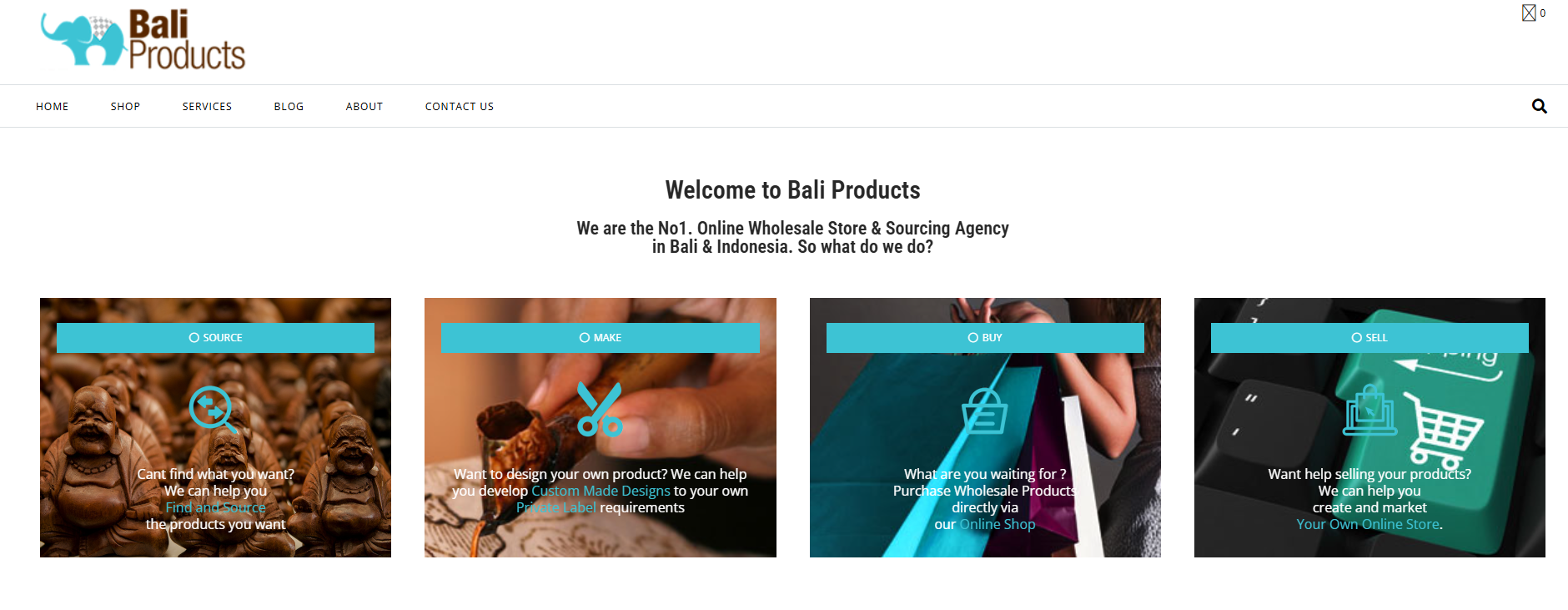
Overview: Bali Products is an Indonesian-based supplier specializing in goods that capture the unique artistry and culture of Bali. If your store’s niche is about handcrafted, artisanal, or tropical lifestyle products, Bali Products could be your go-to dropship supplier. They procure items such as unique furniture, fashion accessories, home décor, and gift items sourced from Bali’s local artisans and producers. Bali Products provides private wholesale catalogs and helps identify popular, up-to-date Balinese products so you can stock interesting items that stand out. They emphasize quality and authenticity – each item reflects Bali’s renowned craftsmanship. Importantly, Bali Products offers worldwide shipping, meaning they can fulfill orders for your customers whether they are in Indonesia or overseas. They also pride themselves on attentive client service, guiding you through product selection and handling any issues that arise. This level of service ensures that even if you’re a foreign retailer, you can confidently source from Bali without being on the island yourself.
-
Pros: Authentic Balinese products – you get access to inventory that is hard to find elsewhere, giving your store a unique catalog (e.g. handcrafted furniture, jewelry, and decor with a Balinese touch). The quality tends to be high because items are often handmade or produced in small batches. Bali Products’ customer service is very hands-on and responsive, which is great for supporting your business needs. They can ship globally, allowing you to target international customers who love Balinese craftsmanship. Offering these products can give you a niche edge and potentially higher margins, as they aren’t as price-transparent or commoditized as generic factory goods.
-
Cons: The scope is somewhat niche – if your store isn’t aligned with Bali or Indonesian-themed products, this supplier won’t be a fit. The product categories, while unique, are limited to certain types (you won’t find electronics or mainstream items here). Because many products are handcrafted and higher-end, prices may be higher than mass-produced alternatives, and stock might be limited or have longer lead times (creating potential delays in fulfillment). Shipping bulky items like furniture internationally can incur high shipping costs, so you’ll need to factor that in. Also, working with a specialized supplier might require more communication for customization or bulk orders, which can be a bit more involved than using an automated platform.
-
Best for: Boutique online stores and home décor/fashion retailers who want to feature genuine Indonesian products. If you cater to a market that appreciates artisanal goods – for example, a store focused on boho décor, yoga accessories, resort wear, or eco-friendly home items – Bali Products is ideal. It’s also suited for dropshippers aiming to export Indonesian craftsmanship to global customers, as Bali Products bridges local artisans with the international market.
7. Indonesian Wholesaler
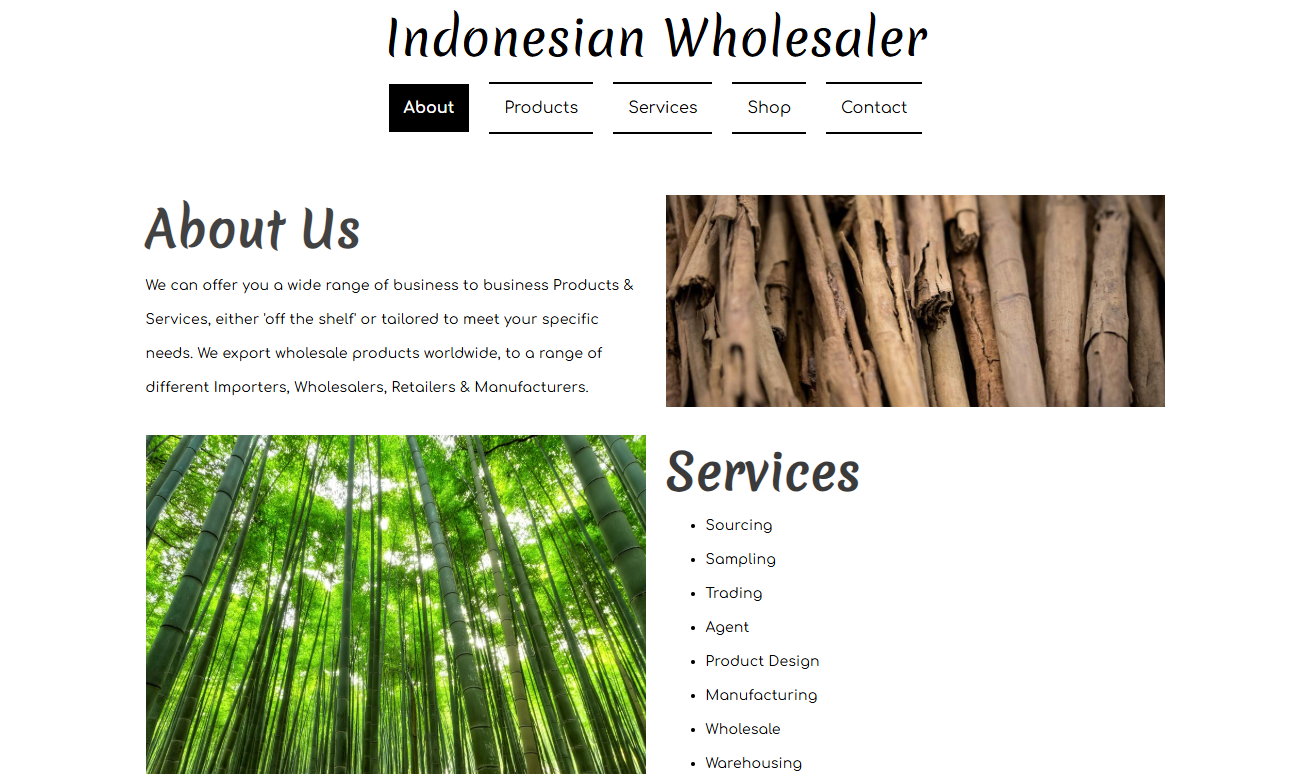
Overview: Indonesian Wholesaler is a supplier (and as the name suggests, a wholesaler) that focuses on a broad range of Indonesian-made products. They can be a treasure trove if you want to dropship authentic Indonesian goods beyond just Bali crafts. The product selection spans bamboo and wooden items, furniture, jewelry, organic and natural products, and more – reflecting Indonesia’s rich resources and artisanal skills. A notable point is that Indonesian Wholesaler has experience working with international clients: they’ve designed and manufactured products for companies in English-speaking countries like the UK and Australia. This means they understand export standards and can cater to global quality expectations. They maintain a warehouse in Indonesia, which allows them to manage inventory efficiently and process orders for quick dispatch. Shipping is offered to most parts of the world, so you can serve customers locally in Indonesia or abroad with their products. If you’re looking to tap into Indonesia’s unique goods (from rattan furniture to coconut-shell crafts or traditional textiles), Indonesian Wholesaler could be a reliable partner. They combine a wide product variety with the logistics know-how to export globally, making it easier for you to deliver a slice of Indonesia to your customers.
-
Pros: Wide range of Indonesian products under one roof – this saves you from having to source each category from different local suppliers. Products like bamboo homewares or organic spa items can give your store a distinctive assortment. The company’s export competency is a big plus; since they already serve international markets, they are adept at packaging and documentation for overseas shipping. Having a local Indonesian warehouse means inventory is managed on-site and orders (especially within Indonesia or nearby) can be fulfilled promptly. They can handle bulk orders and even product design/customization requests due to their manufacturing background. By partnering with Indonesian Wholesaler, you get a dependable source for genuine local goods with someone else taking care of international fulfillment complexities.
-
Cons: The product focus is on Indonesian-made goods, which might not cover every niche. For example, if you also want to sell electronics or branded items, you’d need other suppliers. Communication might occasionally be a hurdle if there are language differences or time zone lags (though their experience with foreign clients likely mitigates this). Shipping internationally from Indonesia can be more expensive or slower compared to dropshipping from China, for instance, especially for heavy items. Additionally, while they offer many products, these could still be niche in nature (e.g., handcrafted decor) – market demand research is needed to ensure those items resonate with your audience.
-
Best for: Sellers who want to specialize in Indonesian-sourced products – for instance, eco-friendly goods, natural crafts, or ethnic fashion and accessories. If your brand story is about supporting Indonesian artisans or providing unique sustainable products, this supplier aligns perfectly. It’s also great for global dropshippers who wish to differentiate their catalog by offering something more exotic than generic factory products. Indonesian Wholesaler is best for those willing to manage a slightly more complex supply chain in exchange for distinctive inventory that can command premium pricing.
8. Tokopedia Dropshipping Suppliers
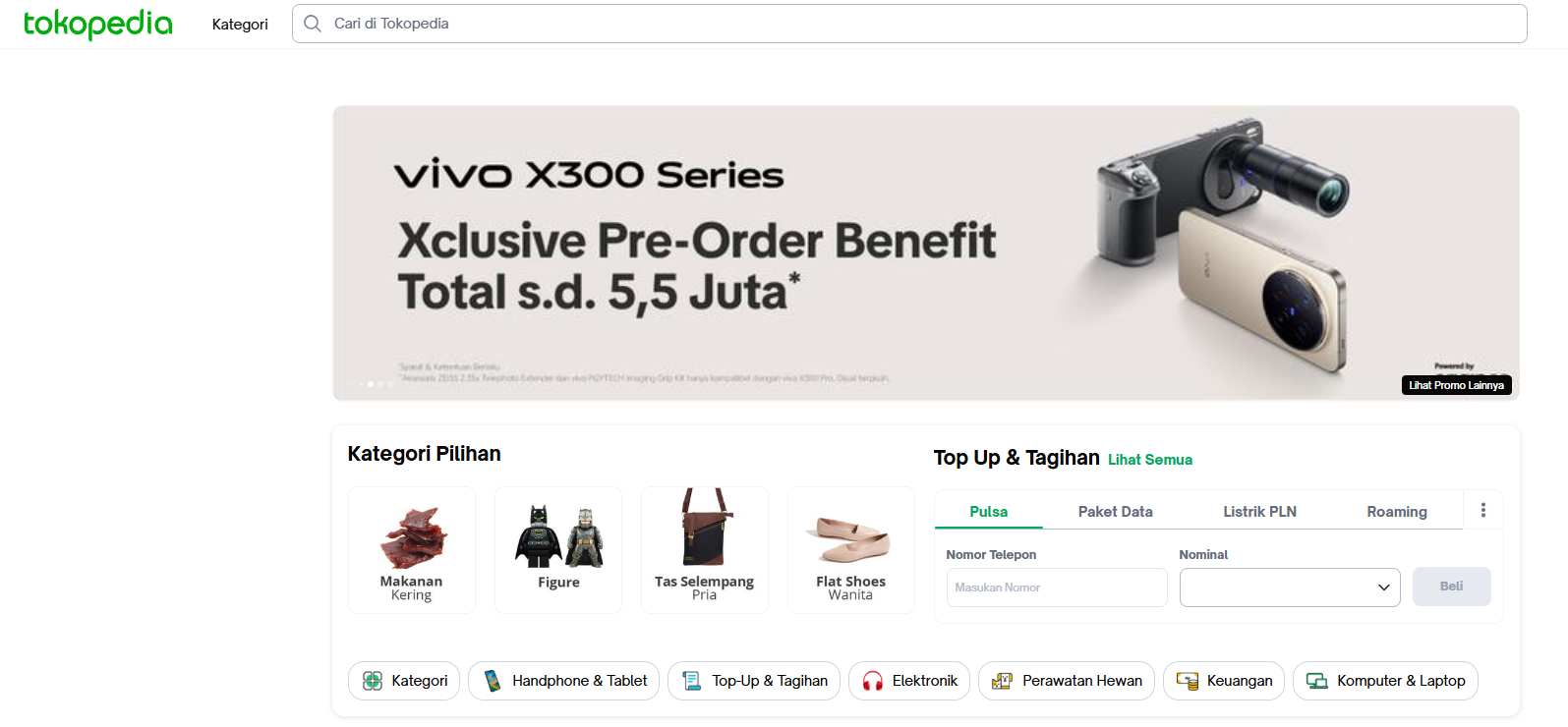
Overview:
Tokopedia is one of Indonesia’s largest e-commerce marketplaces and a major hub for finding local dropshipping-friendly suppliers. Unlike a single supplier platform, Tokopedia functions as a vast marketplace with millions of Indonesian sellers offering nearly every product imaginable—fashion, beauty, home décor, electronics accessories, pet goods, handmade items, and more. Many Tokopedia sellers openly support “reseller” or “dropship” arrangements, allowing merchants to sell their products without holding inventory.
Since most sellers are based within Indonesia, shipping is significantly faster and cheaper than importing from overseas. This is especially beneficial for customer satisfaction and COD (cash-on-delivery)–driven markets. Local courier networks (JNE, J&T, SiCepat, AnterAja, etc.) typically deliver within 1–4 days. Tokopedia’s platform also provides order tracking, messaging, and basic seller tools that simplify coordination with suppliers.
However, Tokopedia does not offer an official dropshipping API or automated fulfillment system. This means most dropshipping relationships require manual communication, agreement on pricing, and confirmation that the supplier supports blind shipping or neutral packaging.
Pros:
Tokopedia’s greatest strength is the sheer volume and variety of local suppliers, making it easy to source almost any product—often at competitive prices. Local shipping is fast and inexpensive, allowing sellers to offer quicker delivery times than those relying on China-based suppliers. Many vendors offer reseller pricing, regular stock updates, and are familiar with Indonesian e-commerce workflows. Because all suppliers are domestic, there are no customs delays, unpredictable import costs, or long delivery windows. Tokopedia is especially valuable for testing new products quickly or building a locally optimized catalog.
Cons:
Because Tokopedia is a marketplace, supplier quality varies widely. You must evaluate each store by hand—checking ratings, reviews, delivery speed, communication quality, and return policies. There is no official dropshipping program, so you need to confirm whether each supplier supports neutral packaging or blind shipping. The lack of automation tools means you’ll manage orders manually or with third-party scripts, which can become time-consuming. Inventory and pricing fluctuations are common, requiring regular monitoring to avoid selling out-of-stock items. The platform and communication are primarily in Indonesian, which can be challenging for non-Indonesian speakers.
Best for:
Entrepreneurs targeting the Indonesian market who want fast delivery, local inventory, and lower shipping costs. Tokopedia is ideal for sellers running COD campaigns, TikTok Shop stores, local niche stores, or any business where fast fulfillment is a key competitive advantage. If you don’t mind communicating directly with suppliers and managing orders manually, Tokopedia is one of the most flexible and resource-rich options for Indonesian dropshipping.
9. Lazada Indonesia
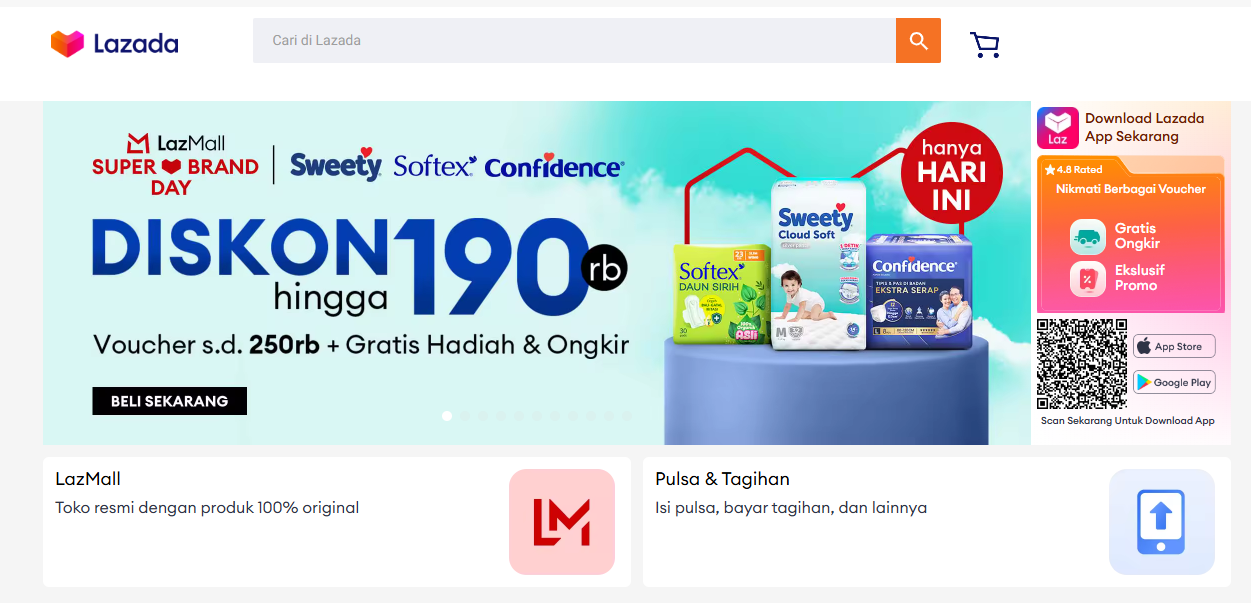
Overview: Lazada is one of the largest e-commerce platforms in Southeast Asia, often likened to the “Amazon of the East.” While Lazada itself is a marketplace (not a traditional supplier), it’s included here because many small business owners in Indonesia use Lazada as a source of products and a sales channel. For dropshippers, one way to utilize Lazada is to find local suppliers on the Lazada marketplace who offer products at wholesale or low prices, then arrange to have them ship directly to your customers – effectively local dropshipping. Lazada Indonesia boasts fulfillment centers in 17 cities across Southeast Asia, ensuring quick delivery if you use its infrastructure. If you become a Lazada seller, you can actually stock products in Lazada’s fulfillment (similar to FBA by Amazon) for fast domestic shipping. Additionally, Lazada provides strong buyer protection and a user-friendly platform/app for transactions, which builds trust – even as a buyer (dropshipper), you have recourse if a supplier doesn’t deliver as promised. There are over 27,000 sellers on Lazada Indonesia, so you have a huge selection to find potential products. The process would involve reaching out to a Lazada seller (who could be a manufacturer or distributor), negotiating a dropship arrangement (you buy from them and give a different shipping address), and then handling orders as they come. Lazada’s ecosystem can thus serve both as a source of products locally and as a sales platform to reach Indonesian customers.
-
Pros: If sourcing within Indonesia, shipping is very fast – often 1-3 days locally – thanks to Lazada’s network and the fact that products are already in-country. You can find a vast array of products on Lazada, from gadgets to fashion to household items, often at competitive prices (especially from wholesalers). The buyer protection policy means if a product is faulty or not as described, you (acting as the buyer from the supplier) can get support or refunds. Lazada’s interface (website and app) makes it easy to communicate with suppliers and track orders. Additionally, using Lazada as a supplier source means you avoid import duties or complicated customs issues, since everything is domestic. If you also list your products on Lazada as a seller, you tap into a huge customer base in Indonesia and can even use Lazada’s fulfillment service (Lazada Logistics) to handle storage and delivery.
-
Cons: Lazada is not a specialized dropshipping tool, so there’s no automation for pulling products or orders into your independent store – you’d be doing a lot of manual work or need to build some custom process. Essentially, you might be running a form of arbitrage: buying on Lazada and sending to your Shopee or website customers, for example. This requires careful coordination and trust with the Lazada seller. Margins could be thin on common products because you’re buying at retail (unless you find wholesale-like pricing or negotiate). Also, Lazada’s terms might not officially support sending items directly to third-party addresses (you’d have to manage address details carefully to avoid any invoices or promotions going to your customer). If problems occur (item out of stock, delays), it can be tricky since you act as a middleman. Another con is that as a marketplace, integration with external systems is limited – you can’t, for instance, one-click import Lazada listings into Shopify; you’ll manually create listings. Lastly, competition on Lazada itself is fierce; if you’re also selling there, you need to differentiate your store among thousands.
-
Best for: Local Indonesian entrepreneurs who want to leverage domestic suppliers and deliver quickly within Indonesia. It’s ideal if you’re comfortable navigating online marketplaces and negotiating with local sellers. Also great for those who want to combine selling on their own website and on Lazada itself – you could source products from Lazada wholesalers and list them on your site at a markup, while possibly also selling on Lazada for volume. Essentially, if you value speedy local fulfillment and supplier variety and don’t mind a hands-on approach, Lazada can be a key resource. It’s particularly useful for testing product demand in Indonesia without importing anything yourself.
10. Evermos
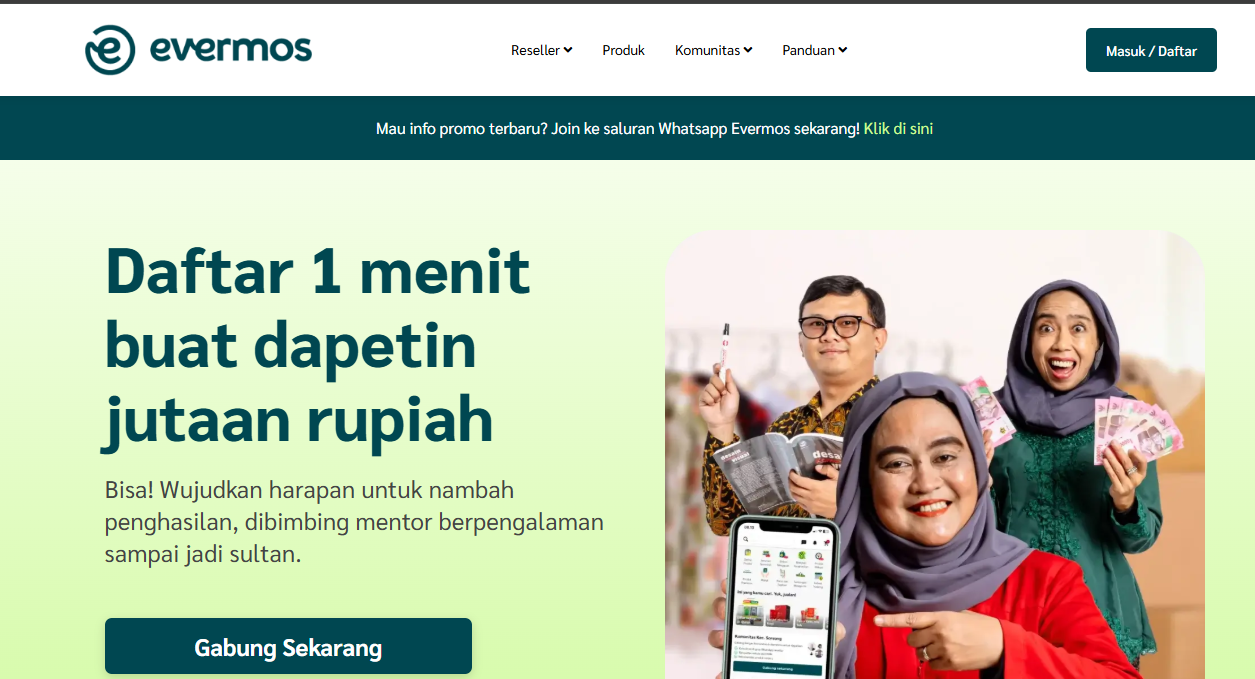
Overview: Evermos is an Indonesia-based social commerce platform that connects local product suppliers with a vast network of resellers and dropshippers. In fact, Evermos has become Indonesia’s largest social commerce network, focused on halal and Sharia-compliant products for the Muslim market. Founded in 2018, Evermos’s mission is to empower small sellers (resellers) to easily access a catalog of everyday products – from halal fashion, food, cosmetics, to household items – all vetted for quality and compliance with Islamic principles. The name stands for “Everyday Moslem Needs,” highlighting its niche: products suitable for Muslim consumers. Evermos works as a mobile app and website where, once you join as a reseller, you can choose from thousands of products provided by over 600 local and international brands. You don’t need to stock inventory; when you get an order, Evermos ships the product to the buyer on your behalf. They handle payment processing, packing, and delivery, so it’s essentially a dropship model. What sets Evermos apart is the community and training aspect – they provide free training in marketing and sales to their resellers and have a support system (including a Sharia Board to ensure ethical practices). Evermos only operates within Indonesia, so it’s aimed at those selling to the Indonesian market, often through social media or personal networks.
-
Pros: Tailored for Indonesian sellers – the platform is in Bahasa Indonesia and designed for ease of use for anyone with a smartphone. It offers a huge range of halal-certified products, tapping into a very large consumer segment in Indonesia. Because Evermos handles fulfillment centrally, delivery to customers is fairly quick (they use local couriers) and reliable, and you don’t have to deal with multiple suppliers. It’s free or low-cost to join, with no big capital needed, making it beginner-friendly. Evermos provides extensive support: training modules, peer community, and even mentorship for selling, which is great if you’re new to online business. All products on Evermos are curated and often everyday necessities, so you can sell products that people regularly buy (increasing chances of repeat business). Also, since the products are often from local SMEs and brands, you’re supporting domestic businesses and can market that story.
-
Cons: Evermos’s model is geographically limited – you and your customers need to be in Indonesia (there’s no international shipping). So it’s not suitable if you aim to sell globally. You also have less control over branding: you’re selling existing brands’ products, not creating your own brand. The product selection, while broad, is constrained to what Evermos has onboarded; if you want to sell something outside their catalog, you can’t through this platform. Competition can be high because tens of thousands of resellers might also be selling the same items (Evermos reportedly had over 160,000 resellers by 2023). This means you have to work on marketing yourself well to stand out (Evermos products might saturate social media if many resellers push them). Profit margins are set by the platform in many cases, so there’s less flexibility on pricing. Finally, because Evermos follows Shariah-compliant business practices, certain product categories (e.g. alcoholic beverages, non-halal foods) are obviously not available – not a real drawback, but a limitation to be aware of depending on your target market.
-
Best for: Indonesian small business owners, stay-at-home entrepreneurs, or anyone wanting to start an online business in Indonesia with minimal risk. It’s especially suited for those who want to sell to the Muslim demographic with trusted, halal products – for instance, modest fashion, halal cosmetics, Islamic books, or daily needs. If you prefer a ready-made system with local products and don’t want to worry about logistics at all, Evermos is perfect. It’s also great for social sellers – if you plan to sell via WhatsApp, Instagram, or in your community, Evermos gives you the catalog and fulfillment so you can focus on marketing and selling.
Summary & Final Thoughts
Navigating the dropshipping supplier landscape in Indonesia involves balancing global platforms and local resources. The 10 suppliers above offer a mix of everything a dropshipper could need: from the limitless catalogs of global giants like AliExpress and the all-in-one solutions of platforms like EPROLO or CJ, to the culturally unique offerings of Indonesian-based wholesalers and social commerce networks. As you choose a supplier for 2026, consider your niche and audience. If fast local fulfillment and Indonesian products are your focus, partnering with local suppliers (or using Evermos) can give you an edge in delivery times and authenticity. If you’re targeting international markets or want maximum variety, global platforms with Indonesian support (like those with local warehouses or robust shipping to Indonesia) will serve you well. Always weigh the benefits and drawbacks: for instance, the convenience of a directory like SaleHoo versus its membership cost, or the uniqueness of Bali Products versus its narrower niche. By doing so, you can mix and match suppliers to cover all your bases – perhaps using one for core products and another for expanding your catalog or for specialty items.
Ultimately, the best supplier is one that aligns with your business goals, whether that’s building a distinctive brand, achieving rapid delivery, or simply maximizing profit margins with trending items. All the options here are beginner-friendly and reputable in their own domains, so you can confidently start or scale your dropshipping venture. Here’s to your success in the Indonesian e-commerce scene in 2026!