
Germany is one of the most attractive ecommerce markets in Europe, but it is also a market where customers expect reliability. Fast shipping, clear return policies, accurate product descriptions, and professional customer service matter a lot. For beginners, this means choosing the right supplier is not only about finding cheap products. It is about building a store that German customers can trust.
German ecommerce is already large and still growing. Germany’s ecommerce goods revenue reached €80.6 billion in 2024, returning to growth after several slower years, while the German retail association HDE expected online retail revenue to reach €92.4 billion in 2025.
For dropshipping sellers, this creates real opportunity. But there is one important condition: your delivery experience must match customer expectations. Long shipping times, unclear tracking, poor packaging, or complicated returns can quickly hurt your store.
This guide will walk beginners through the best German and EU friendly dropshipping suppliers, what each one is good for, and how to choose the right partner for fast EU shipping.
What Makes Germany a Strong Market for Dropshipping
Germany is one of the most promising dropshipping markets in Europe because it has a large online shopping audience, strong purchasing power, and a mature logistics network. For new ecommerce sellers, this means there is real demand across many product categories, but customers also expect a professional shopping experience.
1. A large and active ecommerce market
German consumers are already comfortable buying online, from daily household items to fashion, electronics accessories, beauty tools, pet products, and home improvement goods. This gives beginners more room to test different niches instead of relying on only one product type.
Unlike some markets where customers mainly chase the lowest price, German shoppers often care about product quality, clear information, and reliable service. This creates opportunities for sellers who can offer practical products, honest descriptions, and a smooth delivery experience.
2. Strong buying power
Germany has one of the strongest consumer markets in Europe. Many shoppers are willing to pay for products that feel useful, well presented, and trustworthy.
For dropshipping sellers, this is important because you do not always need to compete only on price. If your product page looks professional, your shipping time is clear, and your customer support feels reliable, you can build a stronger offer than stores that only sell cheap generic products.
3. Good access to the wider EU market
Selling in Germany can also help sellers expand into nearby European markets. With the right supplier or EU warehouse setup, sellers can serve customers in countries such as Austria, France, the Netherlands, Belgium, Italy, and Spain more efficiently.
This makes Germany a good starting point for sellers who want to build a Europe focused dropshipping business. Instead of treating Germany as a single market, you can use it as part of a broader EU growth strategy.
4. Strong demand for practical products
German shoppers often respond well to products that solve real problems. Home organization items, kitchen tools, pet accessories, outdoor products, wellness items, car accessories, and simple lifestyle upgrades can perform well when presented clearly.
For beginners, practical products are usually safer than products with exaggerated claims. They are easier to explain, easier to advertise honestly, and less likely to create disappointment after delivery.
5. Customers value trust and clarity
Germany is a strong market, but it is not a market where sellers can be careless. Customers usually expect clear shipping times, proper tracking, easy to understand return policies, and responsive support.
This can actually be an advantage for serious beginners. If your store looks trustworthy and your supplier can support stable delivery, you can stand out from low quality dropshipping stores that rely only on aggressive ads.
What to Look for in German and EU Dropshipping Suppliers
Choosing a German or EU dropshipping supplier is not only about finding products with local stock. A good supplier should help you deliver faster, reduce customer complaints, and make your store easier to manage. For beginners, the right supplier can make the difference between a smooth business and constant problems with shipping, refunds, and stock.
1. EU warehouse or fast delivery coverage
The first thing to check is where the products are stored. If your main customers are in Germany, a supplier with German or EU warehouse stock can usually offer faster delivery than overseas shipping.
Fast shipping is important, but stable shipping is even more important. A supplier should provide realistic delivery times, not just attractive promises. If the supplier says 3 to 7 business days, check whether that timeline is actually consistent.
2. Reliable tracking updates
German customers usually expect clear tracking after purchase. If tracking is missing, slow, or hard to understand, customers may quickly become nervous.
A good supplier should provide valid tracking numbers and clear delivery updates. This helps reduce support tickets, refund requests, and payment disputes.
3. Stable stock and inventory updates
Stock problems can hurt your store quickly. If a product sells well but suddenly becomes unavailable, you may need to cancel orders or delay shipping.
Look for suppliers that update inventory regularly and can tell you whether a product has stable stock. Before scaling ads, always confirm whether the supplier can handle more orders.
4. Clear return and refund process
Returns are very important in Germany and the EU. Before choosing a supplier, check where returns should be sent, how damaged products are handled, who pays return shipping, and how long refunds or replacements take.
A supplier with a clear return process can save you a lot of customer service pressure later.
5. Product quality and accurate descriptions
A supplier should offer products that match the photos, descriptions, size details, and specifications. If the product looks different from what customers see on your store, refund requests may increase.
For beginners, it is safer to choose suppliers with clear product information, real images, and product categories that are easy to explain.
6. Platform integration
If you use Shopify, WooCommerce, eBay, Amazon, or another platform, check whether the supplier supports product import, order syncing, inventory updates, and tracking upload.
Automation is not required at the beginning, but it can save time and reduce manual mistakes once orders increase.
7. Fair pricing with enough margin
EU suppliers often have higher product costs than overseas suppliers, but they may offer faster delivery and easier returns. Do not judge suppliers only by product price.
Calculate the full cost, including product cost, shipping, transaction fees, platform fees, ad spend, returns, and customer support. A supplier is only a good choice if the final margin still makes sense.
8. Support for branding or product improvement
If you want to build a long term store, look for suppliers that can support branding later. This may include custom packaging, product bundles, inserts, logo options, or upgraded product versions.
You do not need to brand every product from day one, but having room to improve the customer experience is valuable once a product starts selling well.
Top German Dropshipping Suppliers for Fast EU Shipping
Choosing the right supplier is important when selling to Germany. German customers usually expect clear delivery times, reliable tracking, good product quality, and easy returns. For beginners, a supplier with EU shipping support or flexible fulfillment options can help reduce complaints and build trust faster.
1. BigBuy
Best for: General products, multi category stores, marketplace sellers
BigBuy is a well known European dropshipping and wholesale supplier with a large catalogue covering home, beauty, electronics, toys, sports, pet products, and lifestyle items. It is useful for sellers who want broad product options and EU delivery coverage.
BigBuy also supports product synchronization, stock updates, and marketplace selling, which can save time for beginners. The main challenge is competition, so sellers should avoid uploading random products and focus on a clear niche.
2. CJdropshipping
Best for: Product sourcing, branding support, and flexible fulfillment
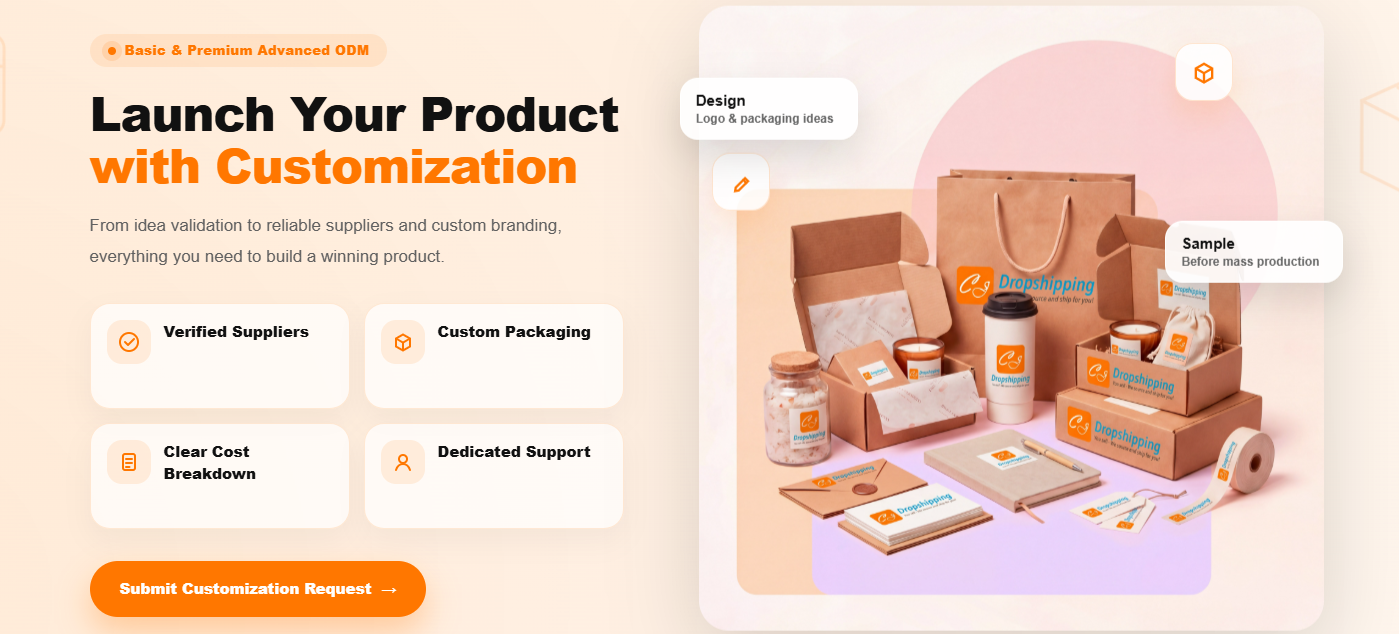
CJdropshipping is a good option for sellers who want more flexibility than a fixed supplier catalogue. Sellers can submit sourcing requests, compare product options, explore branding services, and connect products with fulfillment support.
For Germany focused beginners, CJ is useful when you want to test products first, then improve the supply chain step by step. If a product starts selling well, you can explore better sourcing, custom packaging, branding elements, or fulfillment solutions to create a more stable customer experience.
The key is to use it strategically. Instead of choosing products only because they are cheap, focus on items that can be shipped reliably, described honestly, and improved over time.
3. dropshippingXL
Best for: Home, garden, furniture, DIY, outdoor products
dropshippingXL is powered by vidaXL and is especially strong in home and garden products. It works well for sellers who want to offer furniture, storage items, outdoor products, garden tools, and home improvement goods.
These products often have higher average order values, but beginners should be careful with bulky items. Large products may have higher shipping costs, more complicated returns, and stricter packaging requirements.
4. Printful
Best for: Print on demand apparel and branded merchandise
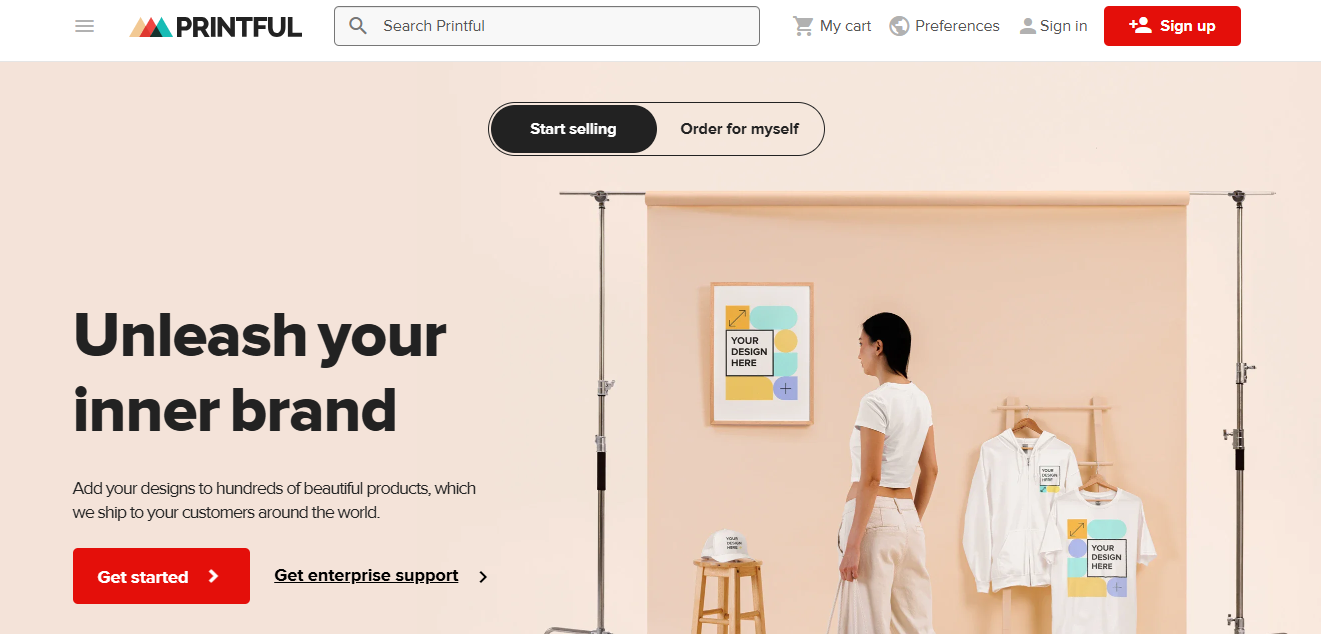
Printful is suitable for sellers who want to build a brand without buying inventory upfront. It supports custom products such as T shirts, hoodies, hats, mugs, tote bags, posters, and other print on demand items.
This is a good choice if you want to avoid selling generic products. The main limitation is margin, since print on demand products usually cost more than bulk production. Strong designs and clear branding are important.
5. BrandsGateway
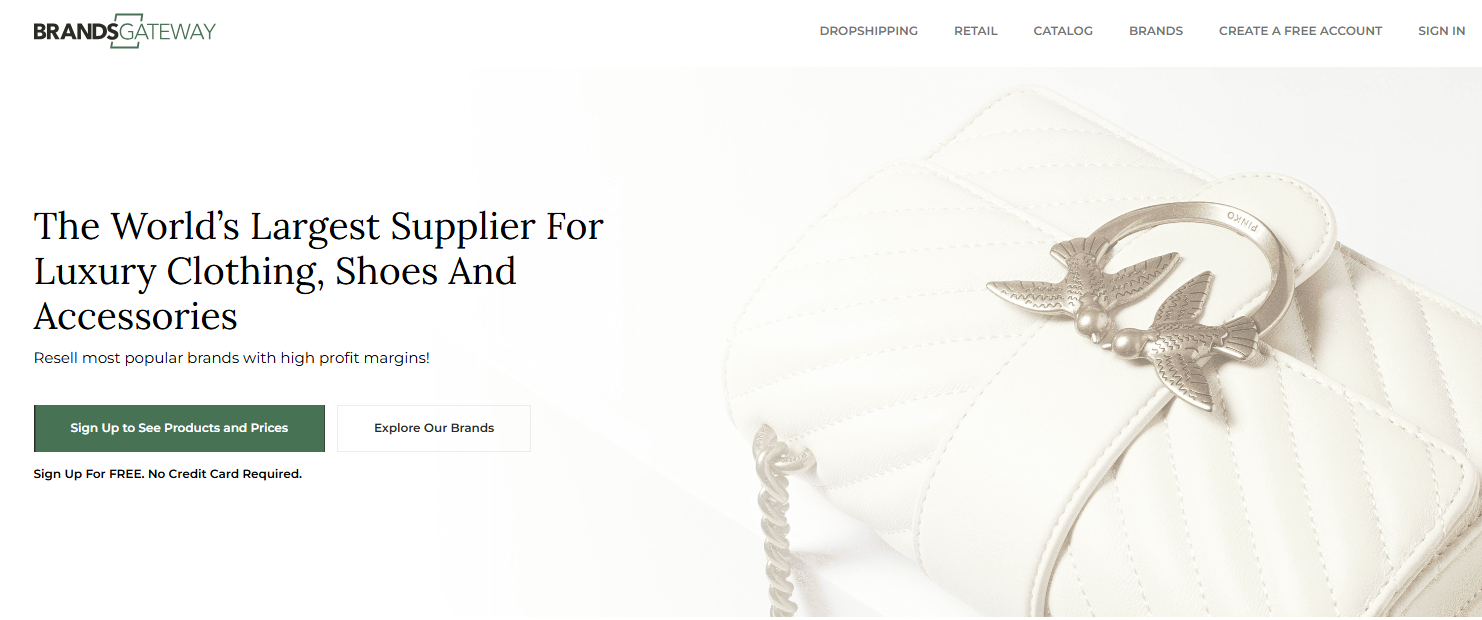
Best for: Designer fashion and premium accessories
BrandsGateway focuses on luxury fashion dropshipping, including designer clothing, shoes, bags, and accessories. It is more suitable for sellers who want to build a premium fashion store.
The advantage is product positioning. The limitation is that premium fashion requires stronger trust, better product pages, accurate sizing information, and a clear return policy.
6. Syncee
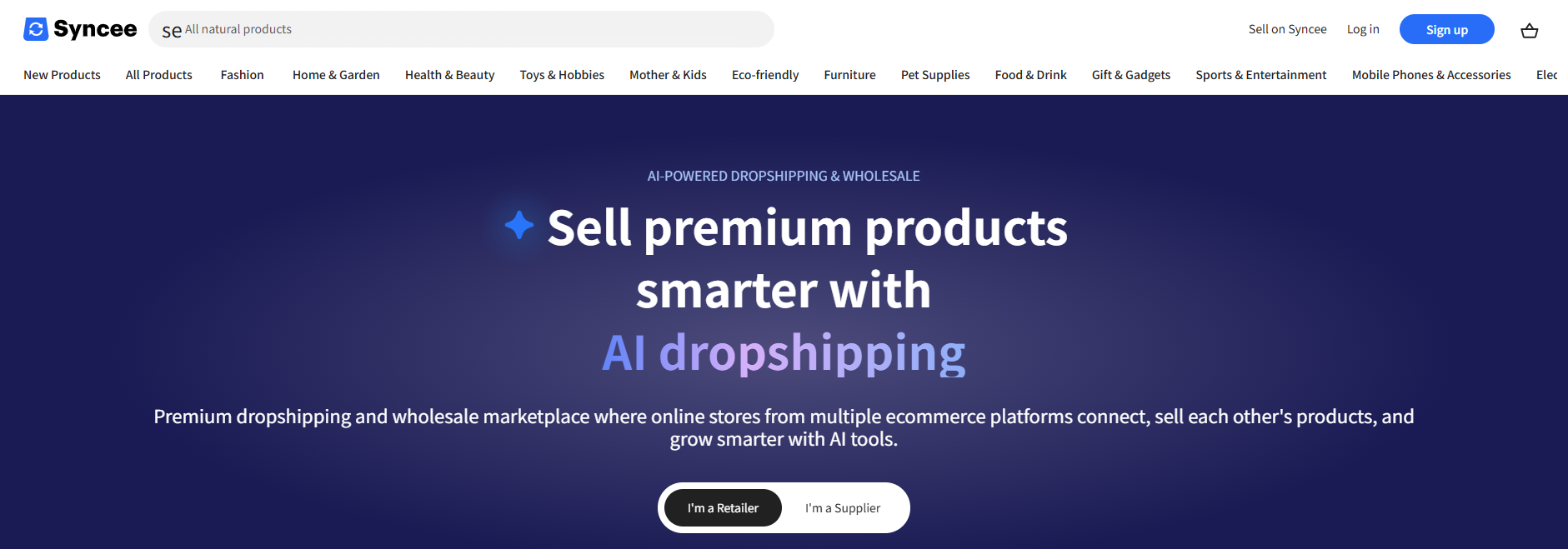
Best for: Finding EU suppliers across different niches
Syncee is a supplier marketplace that helps sellers discover dropshipping and wholesale suppliers from different regions, including Europe. It is useful if you want to compare suppliers by niche, location, and product type.
Since Syncee is a marketplace, supplier quality can vary. Beginners should check shipping times, stock stability, return rules, and product details carefully before importing products.
7. Orderchamp
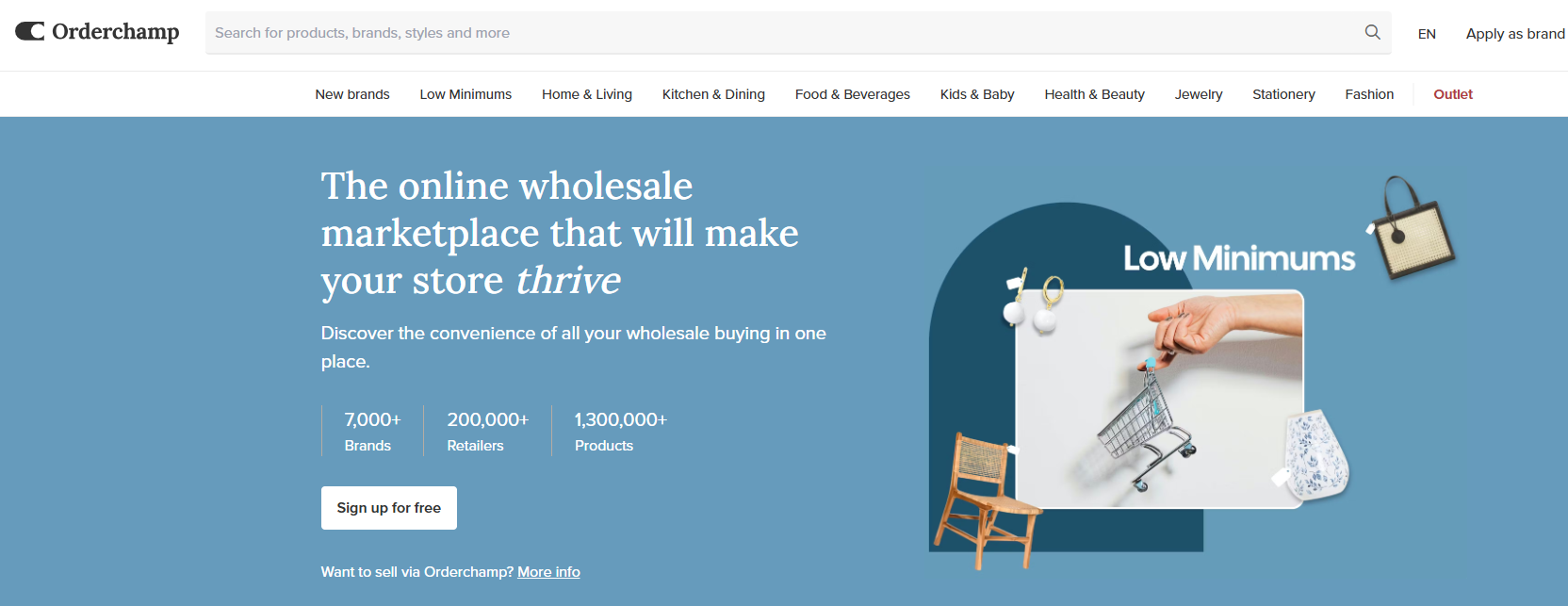
Best for: Boutique products and European lifestyle brands
Orderchamp is a European B2B marketplace with many lifestyle, home, beauty, gift, jewelry, stationery, baby, and fashion brands. It is helpful for sellers who want a more curated product selection.
The limitation is that it is more wholesale focused than pure dropshipping. Before using it, check minimum order requirements, shipping terms, and whether the brand supports your selling model.
8. Zentrada
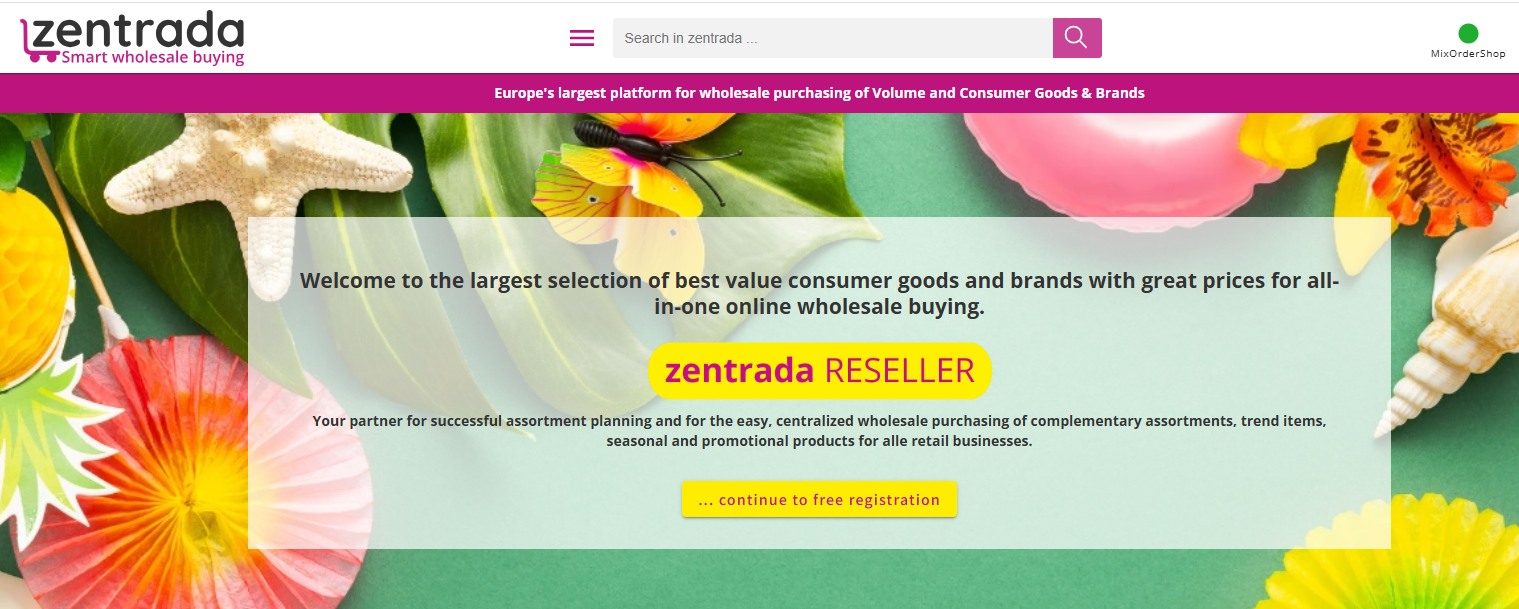
Best for: Wholesale sourcing and product research
Zentrada is a European wholesale platform that can help sellers find products for the German and EU market. It is useful for product research, small batch testing, and moving from basic dropshipping toward light inventory.
It may not be the best choice for pure one by one dropshipping, but it can be valuable when you are ready to test stocked products or build product bundles.
How to Choose the Right Supplier for Your Niche
The best supplier is not always the biggest one or the cheapest one. For beginners, the right supplier should match your product category, target customers, shipping promise, budget, and long term store plan.
Before choosing a supplier, think about what kind of store you want to build. A home and garden store needs different supplier support from a fashion store, a print on demand brand, or a pet accessories shop.
1. Match the supplier with your product category
Different suppliers are strong in different niches. If you sell home and garden products, suppliers like dropshippingXL or BigBuy may be suitable. If you want custom apparel or branded gifts, Printful may be a better fit. If you want flexible sourcing and branding support, CJdropshipping can be useful for testing and improving product ideas.
Do not choose a supplier only because it has many products. A focused supplier that understands your niche is often more valuable than a large catalogue with random items.
2. Check shipping speed and delivery stability
For the German market, delivery experience matters a lot. Customers usually expect clear timelines, reliable tracking, and smooth delivery.
Before adding products to your store, check where the supplier ships from, how long delivery usually takes, and whether tracking is updated properly. A supplier that ships faster and more consistently can help reduce complaints and refund requests.
3. Compare product quality and return risk
Some products naturally create more returns than others. Fashion products may have sizing issues, furniture may have damage risks, and electronics accessories may need better quality control.
Choose suppliers that provide accurate descriptions, clear images, product specifications, and stable quality. If possible, order samples before scaling ads. A product that looks profitable on paper may not be worth selling if it creates too many returns.
4. Calculate your real profit margin
Do not look only at product cost. You also need to calculate shipping fees, platform fees, payment fees, ad spend, returns, discounts, and possible customer service costs.
EU suppliers may have higher product prices than overseas suppliers, but they can offer faster shipping and easier returns. In some cases, that better customer experience can support a higher selling price.
5. Look for room to grow
A good supplier should not only help you test products. It should also support your next stage when a product starts selling well.
This may include better packaging, product bundles, custom inserts, logo options, local stock, or larger order support. If your supplier can grow with your store, it will be easier to move from basic dropshipping to a more branded business.
How to Handle Shipping, Returns, and Customer Expectations in Germany
Shipping and returns are very important when selling to German customers. Many buyers are willing to shop from new online stores, but they expect clear delivery information, reliable tracking, and a fair return process. If these details are unclear, customers may lose trust quickly.
For beginners, the goal is simple: do not surprise customers after they pay.
1. Show realistic delivery times
Do not use vague claims like “fast shipping” without giving a clear delivery range. German customers usually prefer specific information, such as “Estimated delivery: 3 to 7 business days” or “Estimated delivery: 7 to 12 business days.”
If processing time is separate from shipping time, explain both. For example, if order processing takes 1 to 3 business days, show that clearly on your product page and shipping policy.
2. Provide tracking as early as possible
Tracking helps customers feel safe after purchase. Once the order is fulfilled, send the tracking number quickly and make sure the tracking link is easy to use.
If tracking may take 24 to 48 hours to update, mention it in the confirmation email. This small detail can reduce support questions and prevent customers from thinking their order has not been shipped.
3. Make your return policy easy to find
Returns are a normal part of ecommerce in Germany and the EU. Your return policy should be easy to find on your website and written in simple language.
Explain the return window, return conditions, refund process, return address, and who pays for return shipping. A clear policy makes your store look more professional and reduces confusion when customers need help.
4. Communicate before customers complain
If there is a delay, do not wait for customers to contact you first. Send a short update and explain what is happening. Customers are usually more patient when they feel informed.
You can also prepare email templates for common situations, such as delayed tracking, delivery delays, damaged products, wrong items, or refund requests. Fast and calm communication can stop small problems from becoming disputes.
5. Plan returns before choosing products
Some products are harder to return than others. Bulky furniture, fragile products, fashion items with sizing issues, and low margin items can create higher return pressure.
Before selling a product in Germany, check whether the supplier supports returns, where the return address is, and how damaged or incorrect items are handled. If return costs are too high, the product may not be beginner friendly.
When to Use EU Warehouses vs China Sourcing
For Germany focused dropshipping, both EU warehouses and China sourcing can work well. The better choice depends on your product stage, delivery promise, profit margin, and customer expectations. Beginners should not see them as two opposite options. In many cases, the smartest strategy is to use China sourcing for product testing and EU warehouses for proven products.
1. Use EU warehouses when delivery speed matters most
EU warehouses are a better choice when your customers expect faster delivery. If you sell to Germany, products stored in Germany or nearby EU countries can usually offer a smoother shipping experience than long distance international shipping.
This is especially useful for products in competitive niches. If many stores sell similar items, faster delivery can become a strong selling point and help improve customer trust.
2. Use EU warehouses for proven products
EU warehouse stock usually makes more sense after a product has already shown stable demand. If a product gets consistent orders, positive feedback, and low return rates, preparing inventory closer to your customers can help reduce delivery time and improve the buying experience.
Beginners should avoid stocking too many untested products in advance. Local inventory can improve speed, but it also creates inventory risk if the product does not sell.
3. Use China sourcing when you need more product variety
China sourcing is useful when you want access to more product options, new trends, custom versions, and flexible supplier choices. Many trending products appear quickly through China’s supply chain, which makes it easier for sellers to test fresh ideas.
If your goal is to explore different niches, compare product versions, or find a product that is not available in EU catalogues, China sourcing may give you more flexibility.
4. Use China sourcing for customization and branding
China sourcing is often stronger when you want product improvement, custom packaging, logo options, bundles, inserts, or special product versions. This can help your store move beyond generic products and create a more branded offer.
For beginners, it is better to test the product first before investing in branding. Once the product has stable sales, you can consider customization step by step.
5. Compare total cost, not only shipping time
EU warehouses may offer faster delivery, but product and storage costs can be higher. China sourcing may offer better product variety and lower production costs, but shipping time can be longer.
Before choosing, calculate the full cost, including product price, shipping, storage, platform fees, payment fees, returns, customer support, and advertising. The best option is the one that gives you a healthy margin while still meeting customer expectations.
Q&A for Beginners
1. Are German dropshipping suppliers better than China suppliers?
Not always. German and EU suppliers are usually better for faster delivery and easier returns in Europe. China suppliers often offer more product variety, better sourcing flexibility, and more customization options. The best choice depends on your product type, delivery promise, budget, and growth plan.
2. Do I need a German warehouse to sell in Germany?
No, you do not always need a German warehouse. A supplier with stock in Germany or another EU country can also work well if the delivery time is clear and tracking is reliable. For beginners, the most important thing is not the exact warehouse location, but whether customers can receive their orders smoothly.
3. What products are good for dropshipping in Germany?
Beginner friendly products are usually practical, lightweight, easy to explain, and less likely to break during shipping. Home organization items, pet accessories, kitchen tools, beauty tools, phone accessories, fashion accessories, and print on demand products can be good options.
Avoid products with unclear sizing, fragile materials, complicated returns, or exaggerated claims if you are just starting.
4. How fast should shipping be for German customers?
There is no single rule, but German customers usually prefer clear and reliable delivery times. If you can offer 3 to 7 business day delivery from an EU warehouse, that can be a strong advantage. If delivery takes longer, be honest about it before checkout.
Clear expectations are often more important than making unrealistic “fast shipping” promises.
5. Are returns important for dropshipping in Germany?
Yes. Returns are very important in Germany and across the EU. Your store should have a clear return policy that explains the return window, return conditions, refund process, return address, and who pays for return shipping.
Before selling a product, always check whether your supplier supports returns and how damaged or incorrect items are handled.
6. Should beginners use general suppliers or niche suppliers?
General suppliers are useful for testing because they offer many product categories. However, niche suppliers are often better if you want to build a more serious store.
A focused niche makes it easier to write better product pages, create stronger ads, understand customer needs, and build trust with your audience.
7. When should I use EU warehouses instead of China sourcing?
Use EU warehouses when a product already has stable sales and customers expect faster delivery. EU stock can help improve shipping speed, tracking, and customer satisfaction.
Use China sourcing when you need more product variety, better customization options, or want to test new products before investing in local stock.
8. How can I reduce shipping complaints in Germany?
Choose suppliers with reliable delivery, show realistic shipping times, provide tracking quickly, and communicate early if there is a delay. Many complaints happen because customers feel surprised or ignored after payment.
A clear post purchase experience can make your store feel more professional and reduce refund requests.