
China continues to be one of the world’s most important manufacturing and sourcing hubs. From consumer goods and fashion to electronics and custom products, businesses of all sizes rely on Chinese suppliers to stay competitive. As we move into 2026, however, sourcing from China has become more complex than simply finding a factory online.
This is where working with a reliable Sourcing Agent in China becomes increasingly valuable. While information about suppliers is easier to access than ever, knowing which factories can consistently deliver quality, communicate clearly, and meet deadlines remains a challenge for many buyers.
Rising expectations around product quality, compliance, and fulfillment have also changed how sourcing works. Mistakes such as poor quality control, miscommunication, or unclear pricing can quickly lead to delays, losses, or customer complaints. For many businesses, especially those sourcing remotely, a trusted local partner helps reduce these risks.
This guide is designed to help you understand how sourcing agents work in today’s environment and how to choose the right one step by step. Instead of focusing on theory, it draws on practical sourcing scenarios and common challenges faced by international buyers.
Whether you are sourcing products for dropshipping, private label, or bulk orders, this article will help you make informed decisions and build a more reliable sourcing process as your business grows in 2026.
What Is a Sourcing Agent in China?
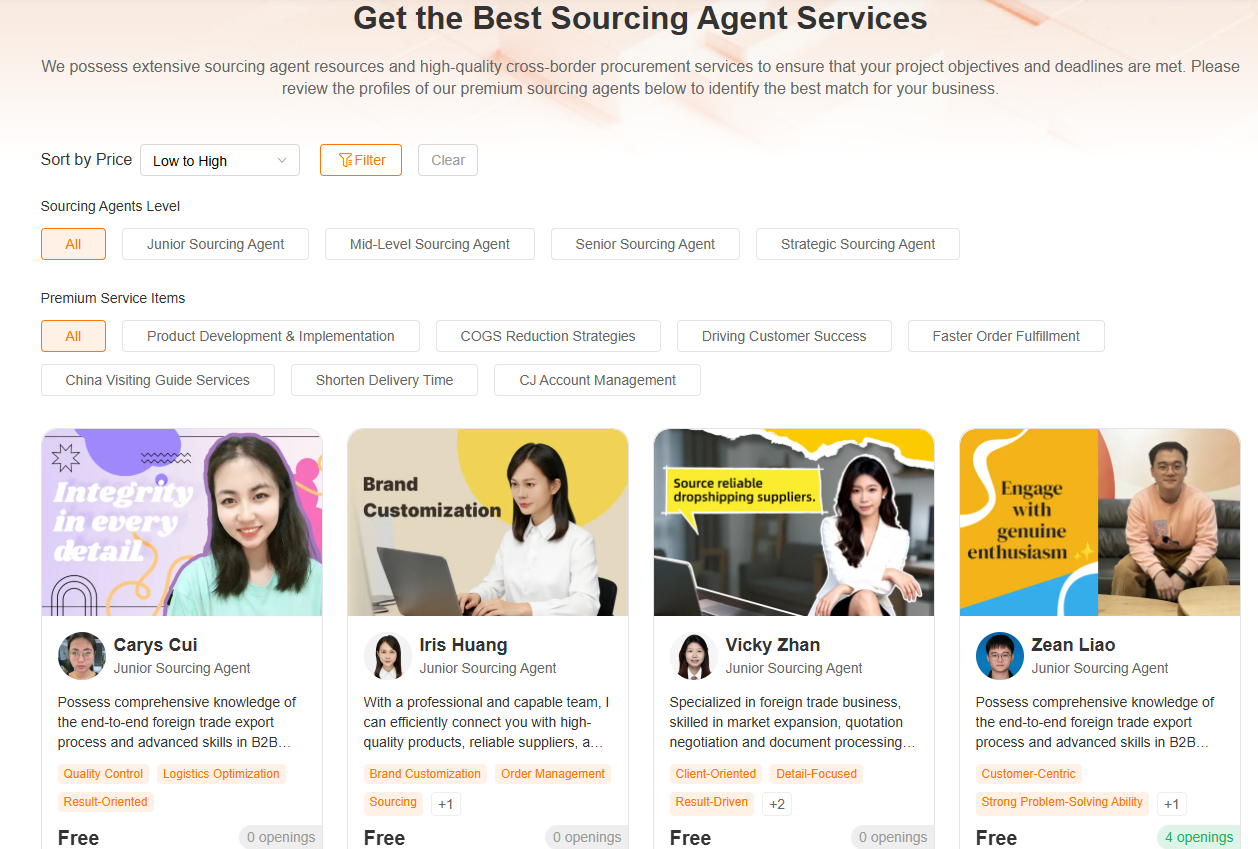
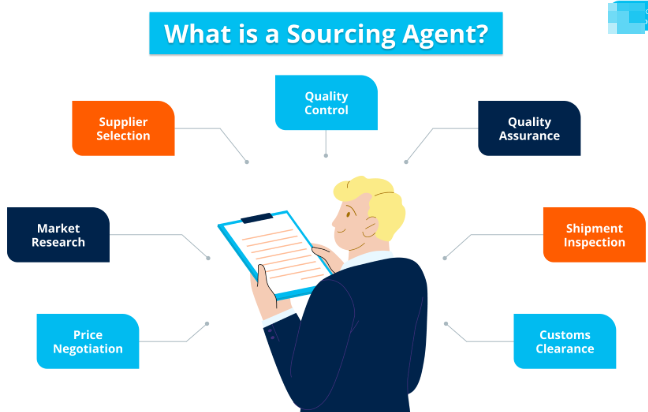
A Sourcing Agent in China is a local professional or company that helps overseas buyers find, evaluate, and manage suppliers in China. Their role is to act as a bridge between you and manufacturers, reducing the risks that come with distance, language barriers, and unfamiliar business practices.
At a basic level, a sourcing agent helps identify factories or suppliers that can produce your product. But in practice, their work often goes much further. Experienced agents assist with price negotiation, sample coordination, production follow-up, quality inspections, and communication during manufacturing. Some also help coordinate packaging, labeling, and shipping arrangements.
One of the key advantages of a China-based sourcing agent is local insight. China’s manufacturing landscape is diverse, with different regions specializing in different product categories. A good agent understands which factories are reliable, which ones are trading companies rather than manufacturers, and what price ranges are realistic for your requirements.
In 2026, sourcing agents are less about “finding suppliers” and more about managing risk and consistency. Many suppliers can be found online, but not all of them can deliver stable quality, meet timelines, or communicate effectively. A sourcing agent helps filter out unreliable options before problems occur.
For businesses that source remotely, a sourcing agent essentially becomes your eyes and ears on the ground. When used correctly, they help protect your budget, timeline, and brand reputation while making the sourcing process smoother and more predictable.
Why Businesses Use Sourcing Agents in 2026
In 2026, sourcing products from China is no longer just about finding the lowest price. Businesses face higher expectations around quality, delivery speed, compliance, and communication. As a result, many companies rely on a Sourcing Agent in China to help manage these demands more effectively.
One key reason businesses use sourcing agents is efficiency. Evaluating suppliers, comparing quotes, and verifying factory capabilities can take significant time, especially for teams working across time zones. A local agent can shortlist suitable suppliers quickly and eliminate options that do not meet basic standards.
Quality control is another major factor. Even experienced buyers encounter production issues such as inconsistent materials, workmanship problems, or missed specifications. Sourcing agents help reduce these risks by clarifying requirements upfront and monitoring production progress more closely.
Communication also plays an important role. Language differences and cultural expectations can lead to misunderstandings during negotiations or manufacturing. A sourcing agent familiar with local business practices helps ensure instructions are understood correctly and issues are addressed before they escalate.
Cost control is another reason businesses turn to sourcing agents. While agents charge fees, they often help avoid hidden costs caused by mistakes, delays, or rework. Negotiating realistic pricing and timelines upfront can lead to better long-term outcomes than chasing the lowest initial quote.
Finally, flexibility matters more in 2026. Market demand changes quickly, and businesses need suppliers who can adapt. Sourcing agents help identify partners capable of scaling production, adjusting specifications, or responding to changes without disrupting operations.
Overall, businesses use sourcing agents not just to source products, but to build a more reliable and resilient supply chain in an increasingly complex sourcing environment.
When Do You Need a Sourcing Agent?
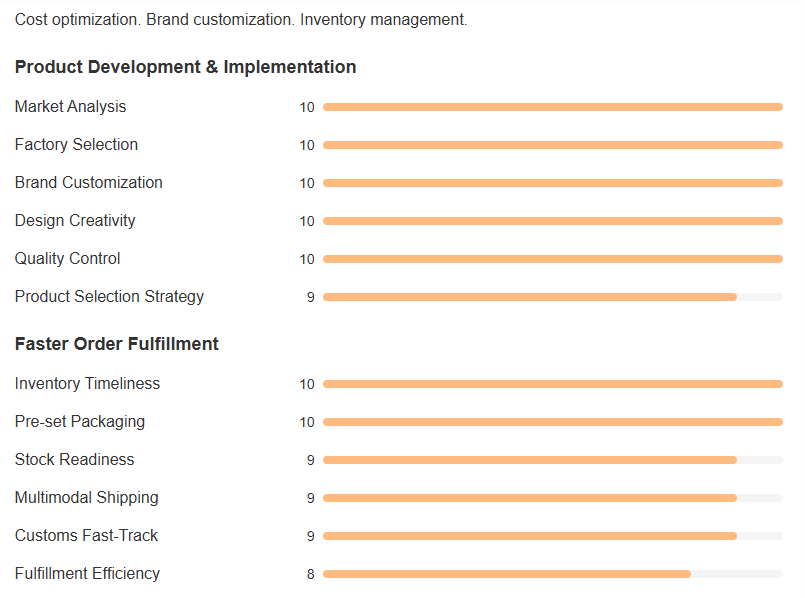
Not every business needs a sourcing agent from day one. However, there are specific situations where working with a Sourcing Agent in China becomes especially valuable and can save time, cost, and risk in the long run.
You are more likely to need a sourcing agent when you are dealing with custom or private label products. Custom specifications, packaging, and branding usually require coordination with multiple suppliers and repeated communication. A sourcing agent helps manage these details and ensures requirements are clearly understood.
Larger order volumes are another trigger. As order sizes increase, so do the risks associated with quality issues or delays. A sourcing agent can help oversee production schedules, confirm materials, and monitor output to reduce costly mistakes before goods ship.
If you are managing multiple suppliers or product lines, a sourcing agent can centralize communication and coordination. This simplifies operations and reduces the chance of misaligned timelines or inconsistent standards across suppliers.
First-time buyers sourcing from China often benefit from working with an agent as well. Without local experience, it can be difficult to identify reliable factories, verify supplier claims, or negotiate realistic terms. A sourcing agent provides guidance and local knowledge that helps new buyers avoid common pitfalls.
Finally, businesses that operate remotely or across time zones often rely on sourcing agents to maintain momentum. Having someone on the ground who can communicate during local business hours and respond quickly to issues helps keep projects moving smoothly.
In short, you need a sourcing agent when sourcing complexity increases. As products, volumes, or expectations grow, a sourcing agent helps turn uncertainty into a more controlled and predictable process.
Common Types of Sourcing Agents in China

When looking for a Sourcing Agent in China, it’s important to understand that not all agents operate in the same way. Different types of sourcing agents offer different levels of service, flexibility, and scalability. Choosing the right type depends on your business size, product complexity, and long-term goals.
Independent Sourcing Agents
Independent sourcing agents usually work solo or in very small teams. They often provide personalized service and direct communication, which can be helpful for small businesses or buyers sourcing a limited number of products.
These agents are typically flexible and may offer lower upfront costs. However, their capacity can be limited. If you plan to scale quickly or manage multiple product lines, an independent agent may struggle to keep up with increased workload or complex sourcing needs.
Sourcing Companies
Sourcing companies are structured teams that handle supplier sourcing, price negotiation, quality checks, and logistics coordination. They often have established processes and access to broader supplier networks.
This type of sourcing agent is well suited for businesses with ongoing sourcing requirements or higher order volumes. The trade-off is that service fees may be higher, and communication may go through account managers rather than directly with individuals handling each task.
Trading Companies Acting as Agents
Some trading companies position themselves as sourcing agents. They often bundle sourcing and exporting services together and may already have relationships with factories.
While this can simplify transactions, it’s important to clarify whether the company is sourcing on your behalf or reselling products at marked-up prices. Transparency around pricing and factory access is essential when working with this type of agent.
Platform-Based Sourcing Services
Platform-based sourcing services combine local teams with technology-driven workflows. These platforms standardize sourcing, quality control, and order management, making them easier to scale and manage remotely.
Many eCommerce sellers prefer this model because it reduces manual coordination and improves visibility across sourcing and fulfillment stages. Platforms such as CJdropshipping offer sourcing support alongside fulfillment and logistics, which helps streamline operations as businesses grow.
Which Type Is Right for You?
Each type of sourcing agent has its place. Smaller or one-off projects may work well with independent agents, while growing brands often benefit from structured sourcing companies or platform-based solutions.
The key is to choose a sourcing agent whose capabilities match your product complexity, order volume, and growth plans. Understanding these differences upfront helps you avoid mismatched partnerships and build a more reliable sourcing process in 2026.
Step-by-Step: How to Find a Reliable Sourcing Agent in China
Finding a reliable Sourcing Agent in China is easier when you follow a clear process. The goal is not to find the cheapest agent, but to find someone who communicates well, understands your product category, and can protect you from costly mistakes.
Step 1: Define Your Sourcing Requirements
Before contacting anyone, write down the basics of what you need. This includes your product type, target price range, estimated order quantity, customization needs, and shipping destination. If you want private label packaging or specific materials, list those details upfront.
Clear requirements make it easier to evaluate agents because serious agents will ask questions and respond with realistic options, not generic promises.
Step 2: Shortlist Agents Based on Relevant Experience
Look for agents who have experience in your product category. A sourcing agent who understands apparel may not be the best choice for electronics, and vice versa.
When possible, prioritize agents who can share examples of similar sourcing projects, explain their supplier verification process, or demonstrate familiarity with quality control standards in your niche.
Step 3: Check Communication Style and Responsiveness
Good communication is one of the strongest indicators of reliability. Pay attention to how quickly the agent responds and whether they answer your questions clearly.
Reliable agents tend to ask detailed questions about your expectations and explain next steps in a structured way. If early communication is slow or vague, it often becomes worse during production.
Step 4: Request a Clear Service Breakdown and Fee Structure
A trustworthy agent should be transparent about how they charge. Some agents charge a fixed fee, some charge a percentage of order value, and others earn commissions through supplier pricing.
Ask what services are included, such as supplier sourcing, negotiation, sampling, quality inspection, and shipping coordination. Clear pricing and service scope help avoid misunderstandings later.
Step 5: Verify Supplier Selection and Quality Control Approach
Ask how the agent verifies suppliers. Do they work only with factories, or also with trading companies? How do they confirm production capability, lead times, and quality consistency?
If quality inspections are offered, ask what is checked and whether you will receive photos, reports, or sample confirmations before shipment.
Step 6: Start with a Small Test Project
Before placing a large order, start small. A sample order or small production run helps you evaluate the agent’s reliability in real conditions.
A good test project reveals how the agent handles communication, timelines, attention to detail, and problem-solving when issues come up.
Step 7: Evaluate Performance and Scale Gradually
After the test project, assess the results. Did the agent deliver what they promised? Were timelines accurate? Were quality issues addressed quickly?
If performance is strong, you can expand the partnership gradually by increasing order volume, adding SKUs, or working on custom projects.
Following these steps helps you avoid common sourcing risks and build a stable long-term relationship. In 2026, the best sourcing partnerships come from careful selection, clear expectations, and testing before scaling.
Key Questions to Ask Before Working With an Agent
Before committing to any Sourcing Agent in China, asking the right questions helps you understand how they work and whether they are a good fit for your business. Clear answers at this stage often prevent misunderstandings and costly issues later.
How Do You Find and Verify Suppliers?
Ask how the agent identifies suppliers and what criteria they use to evaluate them. Reliable agents should be able to explain how they verify factory capabilities, production capacity, and past performance, rather than relying on unverified listings.
Do You Work Directly With Factories or Trading Companies?
It’s important to understand who you are actually sourcing from. Some agents work only with factories, while others also use trading companies. Neither option is automatically bad, but transparency matters so you understand pricing structure and production control.
What Services Are Included in Your Fees?
Clarify exactly what the agent’s fees cover. This may include supplier sourcing, price negotiation, sample handling, quality inspections, production follow-up, and logistics coordination. Knowing what is included helps you compare agents fairly and avoid unexpected charges.
How Do You Handle Quality Control?
Quality issues are one of the biggest sourcing risks. Ask whether the agent conducts inspections, what checkpoints are used, and how issues are handled if products do not meet requirements. Clear quality control processes are a strong sign of professionalism.
How Do You Communicate During Production?
Ask how often you will receive updates and through which channels. Reliable agents usually provide regular progress updates and notify you quickly if delays or issues arise. Consistent communication helps keep projects on track.
What Happens If There Is a Problem?
Problems can happen even with good suppliers. Ask how the agent handles delays, defects, or misunderstandings. Their answer will reveal whether they take responsibility for resolving issues or simply pass problems back to you.
Can You Provide References or Past Examples?
Experienced agents should be able to share examples of previous projects or references from other clients. While not always formal case studies, real examples help build confidence in their experience and reliability.
Asking these questions upfront helps you evaluate not just the agent’s capabilities, but also their transparency and working style. In 2026, the best sourcing partnerships are built on clear expectations, honest communication, and mutual trust.
Red Flags to Watch Out For
When choosing a Sourcing Agent in China, being aware of common warning signs can help you avoid costly mistakes. In many cases, issues appear early but are overlooked due to time pressure or attractive pricing.
One major red flag is lack of transparency around pricing. If an agent avoids explaining how they make money or refuses to provide a clear fee structure, this often leads to hidden costs later. Reliable agents are upfront about their charges and how pricing is calculated.
Another warning sign is unrealistically low quotes. Prices that seem far below market averages usually indicate quality compromises, incomplete cost breakdowns, or unexpected fees added later. In sourcing, extremely low prices often create bigger problems down the line.
Poor communication during early conversations is also a strong indicator of future issues. Slow responses, vague answers, or inconsistent information at the beginning usually become worse once production starts.
Be cautious of agents who push specific factories aggressively without explaining why they are suitable for your product. This can suggest hidden commissions or limited supplier options rather than objective sourcing.
A lack of documentation or written agreements is another risk. Professional agents are willing to confirm details such as pricing, timelines, quality standards, and responsibilities in writing. Avoid agents who rely only on verbal promises.
Finally, watch for agents who promise guaranteed results or “zero risk.” Sourcing always involves some level of uncertainty, and experienced agents are honest about potential challenges rather than making unrealistic assurances.
Recognizing these red flags early helps you protect your budget, timeline, and brand. In 2026, careful evaluation and clear communication remain the most effective ways to choose a reliable sourcing partner.
Sourcing Agent vs Sourcing Platform: What’s the Difference?
When sourcing from China, businesses often choose between working with a traditional Sourcing Agent in China or using a sourcing platform. While both approaches aim to help you find reliable suppliers, they differ significantly in structure, scalability, and day-to-day management.
Working With a Traditional Sourcing Agent
A traditional sourcing agent usually offers a more personalized, hands-on approach. Communication is often direct, and the agent may tailor their process to your specific needs. This can be helpful for custom projects, small batches, or businesses that value close one-on-one coordination.
However, traditional agents often rely heavily on manual processes. This can make it harder to scale quickly, track progress in real time, or manage multiple products at once. Service quality may also vary depending on the individual agent’s workload and experience.
Using a Sourcing Platform
A sourcing platform combines local sourcing teams with standardized systems and automation. Instead of relying on one individual, platforms typically offer structured workflows for supplier selection, order management, quality checks, and logistics.
This model is especially useful for businesses that value transparency, efficiency, and scalability. Platforms often provide clearer visibility into order status, costs, and fulfillment progress, which reduces the need for constant follow-ups.
Many sellers choose platform-based solutions like CJdropshipping, which integrate sourcing with fulfillment and shipping, helping streamline operations as order volume grows.
Which Option Is Right for You?
The right choice depends on your business needs. Traditional sourcing agents may be better suited for highly customized projects or businesses that prefer close personal interaction. Sourcing platforms, on the other hand, are often a better fit for eCommerce sellers, dropshippers, and brands looking for consistency and scale.
In 2026, many businesses prioritize efficiency and predictability. Understanding the differences between sourcing agents and sourcing platforms helps you choose the model that best supports your growth strategy and operational style.
Final Thoughts: Choosing the Right Sourcing Partner
Choosing the right sourcing partner is one of the most important decisions you can make when sourcing from China. In 2026, success is no longer just about finding a factory. It’s about building a sourcing process that is reliable, transparent, and able to support long-term growth.
A strong Sourcing Agent in China helps reduce uncertainty. They improve communication, manage expectations, and help prevent issues before they turn into costly problems. The right partner understands your product requirements, respects your timelines, and communicates openly when challenges arise.
It’s also important to choose a sourcing partner that fits your business model. Smaller projects may benefit from a more hands-on agent, while growing eCommerce businesses often need systems that can scale efficiently. Matching your sourcing approach to your operational needs helps avoid friction as your business evolves.
Taking time to test, ask questions, and evaluate performance before scaling is essential. Short trial projects often reveal more about a partner’s reliability than promises or marketing claims.
Ultimately, the right sourcing partner acts as an extension of your team. With clear expectations, consistent communication, and mutual trust, sourcing from China can become a stable and predictable part of your business rather than a constant challenge.