
Launching a supplement dropshipping business in 2026 is a promising venture. The health and wellness market is booming, with consumers increasingly seeking vitamins, herbal remedies, and nutritional boosters as part of their daily routines. In fact, the global nutritional supplements market is on track to double over the next decade – valued at $412.84 billion in 2025 and projected to exceed $808 billion by 2035. Key categories like weight management and nootropics are surging at double-digit rates, e.g. the weight loss supplements segment is growing ~14% annually and expected to reach $71.59 billion by 2030. These trends translate to strong demand and high profit margins – supplements typically carry 30–50% gross margins, with premium brands achieving 55–70%. In short, supplements offer both consistent consumer demand and healthy profitability, making them an attractive niche for Shopify store owners, Amazon sellers, and new e-commerce entrepreneurs.
However, success in this space hinges on choosing the right dropshipping supplier. Unlike selling t-shirts or phone cases, supplements are ingested products that require quality assurance, regulatory compliance, and fast, reliable delivery. The supplier you partner with will impact your product quality (are formulations certified and safe?), shipping speed (can they reach US/EU customers in days, not weeks?), profit margins (wholesale pricing and fees), branding options (white-labeling under your brand), customer service, and overall reliability. This analytical yet casual guide will compare several reputable supplement dropship suppliers on these criteria.
What to Look For in a Supplement Dropshipping Supplier
Not all dropship suppliers can handle the unique demands of supplements. Here are the key factors and must-haves when vetting potential partners:
-
Product Quality & Safety: Certifications are non-negotiable. Look for suppliers who manufacture in GMP-certified, FDA-registered facilities and provide third-party lab tests or Certificates of Analysis for their products. High-quality ingredients and consistent formulations protect your brand reputation. A good supplier will readily share ingredient lists and test results – “choose a supplier with a strong reputation for producing high-quality products” and proper certifications. Avoid anyone evasive about quality control.
-
Shipping Speed & Warehouses: In 2026, customers expect fast delivery. Ideally, your supplier should have domestic fulfillment centers in your target markets (U.S., UK, EU) or reliably ship to those regions in under a week. Many top platforms now offer 3–7 day shipping from U.S./EU warehouses. Multiple warehouse locations (e.g. US coasts, Europe, Asia) allow you to route orders optimally. Slow 3-week deliveries from overseas are a conversion killer for supplements people want to start taking ASAP.
-
Profit Margins & Pricing: Evaluate wholesale costs and any platform fees or fulfillment charges. Some suppliers advertise cheap unit prices but then tack on high fulfillment or label printing fees. Transparent pricing is key. For example, one U.S. supplier’s vitamins might cost 1/3 of their retail price, plus a $4 fulfillment fee – leaving healthy room for markup. Many dropshipping marketplaces negotiate 30–60% discounts off retail for you. Aim for a 3×–4× markup which is standard in supplements, giving you ~50% gross margins. Also check if there are monthly membership fees or MOQs that could eat into profits.
-
White-Label Branding Options: Branding freedom is a huge advantage in the supplement niche, since trust and brand identity drive sales. The best suppliers let you sell under your own brand – either via fully white-label products (your label on generic formulas) or at least branded packaging/invoices. Look for services like custom label design, packaging customization, and print-on-demand for supplement bottles. Platforms like CJdropshipping and Supliful specialize in easy private labeling – you can upload your logo and they handle printing and labeling for you. This way, you build brand equity and customer loyalty, not just reselling a no-name pill.
-
Inventory Stability: Nothing’s worse than a hit product going out of stock with your supplier. Assess how the supplier manages inventory – do they keep deep stock of popular supplements? Do they sync inventory in real-time to your store? User reviews or case studies can reveal if stock-outs are common. Some directories like Spocket vet suppliers for reliability, yet reports of inventory sync issues (e.g. sudden stockouts) do occur. A good supplier will have stable supply chains or at least inform you of low stock. Ideally, they also allow you to hold some inventory or safety stock in their warehouse (CJdropshipping even offers free storage in their US warehouses for certain sellers).
-
Integration & Ease of Use: Time is money for entrepreneurs. A supplier with a clunky ordering process or poor tech integration will slow you down. Prioritize platforms with one-click integrations to Shopify, WooCommerce, Amazon, etc., and features like automatic order sync, tracking updates, and inventory monitoring. Many top suppliers offer an app or dashboard that makes adding products and fulfilling orders seamless. Also consider sample ordering – can you easily order test samples to verify quality? (You should!).
-
Customer Support & Reliability: When issues arise (and they will), responsive support is crucial. Look for suppliers known for good customer service – e.g. 24/7 chat support, a dedicated rep, or at least prompt email responses. Fast communication can save you during a shipping crisis or if you need to source a new product urgently. Also, research supplier reputation via reviews or forums. Avoid those with consistent complaints about wrong items, slow fulfillment, or lack of transparency. Red flags include refusing to provide product samples or details, requiring huge upfront orders for “dropshipping,” or lacking any online presence.
In summary, supplements are a high-stakes niche, and your supplier is your backbone. Take the time to vet partners on all the above criteria. A reliable supplement supplier will provide clean, safe products, help with custom branding, integrate with your store, ship quickly, and support you as you scale. Now, let’s compare the best suppliers for 2026 and see how they stack up on these dimensions.
Top Supplement Dropshipping Suppliers Compared (2026 Edition)
1. CJdropshipping — Best Overall for Reliability, Range & New Sellers ⭐
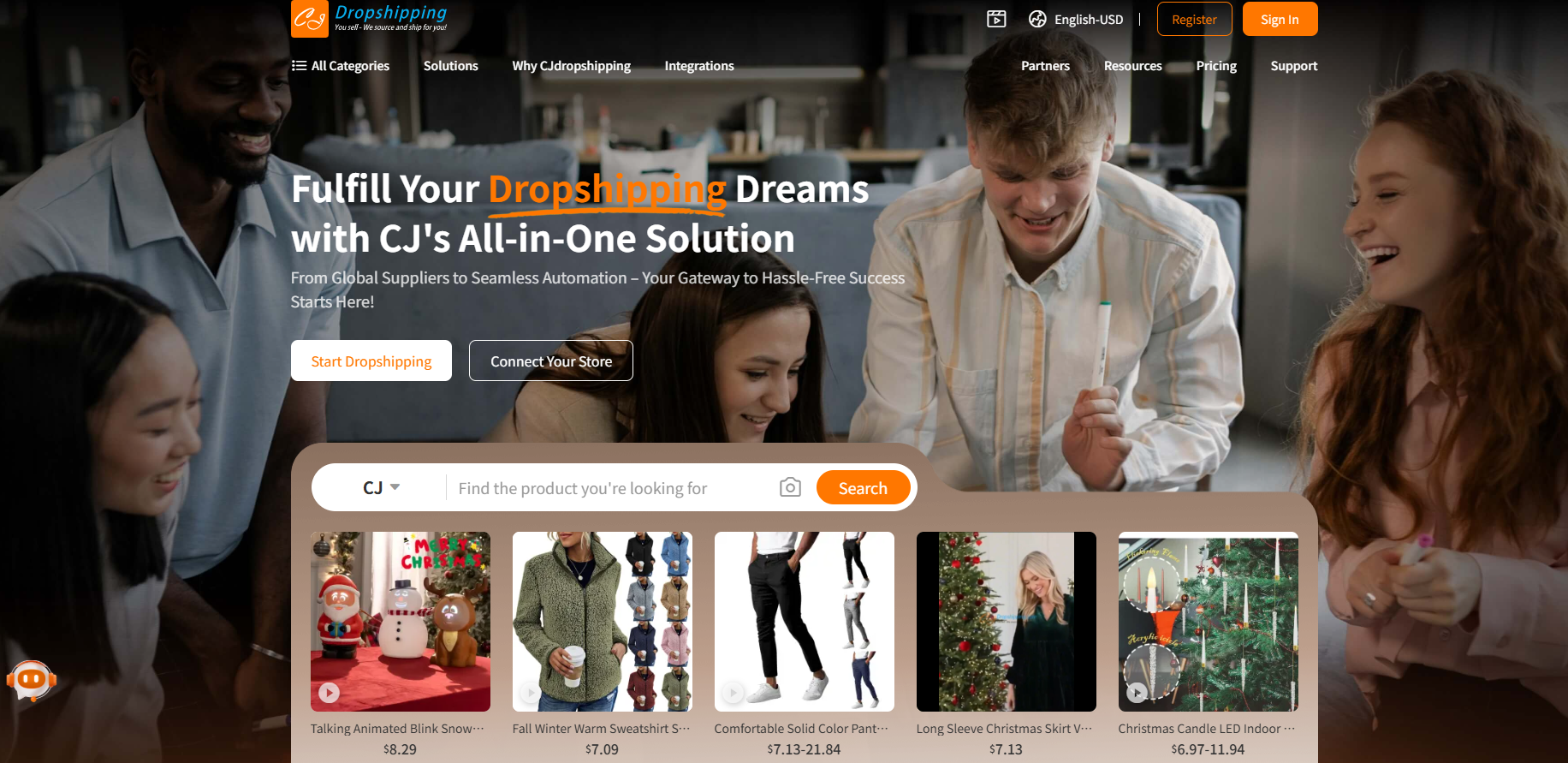
Caption: CJdropshipping’s dashboard makes it easy to source products globally and filter for fast local shipping. With multiple US, EU, and Asia warehouses, CJ is an all-in-one solution for dropshippers (website screenshot).
CJdropshipping is a powerhouse platform and our top pick overall for supplement dropshipping in 2026. It’s essentially a one-stop dropshipping service that handles product sourcing, warehousing, fulfillment, and branding. Founded in 2014, CJ has grown into a leading global supplier with an extensive catalog of 400,000+ products across all categories – including hundreds of health supplement items (vitamins, herbal capsules, protein powders, you name it).
Quality & Product Range: CJ is not a manufacturer, but rather sources products from a network of vetted factories (primarily in China, but also locally) and lists them on its platform. This means you can find almost any supplement or nutraceutical on CJ – from weight loss pills to collagen peptides – often at very competitive wholesale prices. Because of the huge catalog, quality can vary by item, but CJ’s team does some vetting and you can request product sourcing if you need a specific brand or higher-quality formula. Importantly, CJ supports private labeling and print-on-demand: many supplement items can be white-labeled with your logo or custom packaging via CJ’s in-house services. They even have no minimum order quantity (MOQ) on most products, allowing you to test new supplements without a bulk buy. For quality assurance, you should still order samples (CJ lets you easily do this), but overall they have a solid reputation for delivering as promised.
Shipping Speed: One of CJdropshipping’s biggest advantages is its international warehouse network. They own multiple warehouses in the U.S. (East & West Coast), as well as facilities in Europe (e.g. Germany or UK), China, and even places like Thailand. This means you can stock products in the U.S./EU for fast local delivery – often 2–7 days shipping to U.S. customers. In practice, many CJ products are available to ship either from China or from a US/EU warehouse. If speed is a priority, you simply filter for US/EU warehouse items, and CJ will fulfill domestically. Customers get their orders in a few days, keeping them happy. (If you ship from China, delivery might be 1–2 weeks, so it’s great CJ gives the faster option.) CJ even offers free warehousing for sellers who want to pre-stock inventory in the US – helpful if you have a supplement that sells consistently and you want 2-day delivery. Overall, CJ’s logistics are very robust for a dropship platform.
Pricing & Profit Margins: CJdropshipping is free to use – there’s no subscription fee for the basic service. You pay the wholesale cost of the product plus shipping, that’s it. The product costs on CJ are often similar to AliExpress or other Chinese sources, which usually means healthy margins when resold at market price. For example, a supplement that retails for $30 might cost you $8–$12 on CJ, plus a few dollars shipping, leaving room for ~50% gross margin (in line with typical supplement markups). CJ’s platform also has a shipping cost calculator and real-time inventory, so you can accurately price your items. They don’t sneak in extra fulfillment fees, which is nice. Do note: if you opt for custom branding (like custom packaging or inserts), there will be additional costs, and possibly minimums for printing. But those investments can often be offset by charging a premium for a branded product. Overall, CJ is merchant-friendly on pricing, making it viable for new sellers to stay profitable.
Branding & Integrations: CJdropshipping shines in helping beginners build a brand. As mentioned, they offer print-on-demand, private labeling, and even bundling services (you can bundle multiple products into one order/package). You can list a generic vitamin under your own brand name by uploading your label design – CJ will print and apply it to the bottle, even for single-unit orders. This is ideal for creating a branded supplement line without large MOQs. On the tech side, CJ has one-click integration with Shopify, WooCommerce, eBay, Etsy, TikTok Shop and more. Orders flow automatically to CJ for fulfillment, and tracking info flows back to your store. They also support Amazon and Walmart sellers, though not via API – many Amazon sellers use CJ to dropship by syncing orders through the CJ dashboard (keeping in mind Amazon’s dropshipping policies). CJ’s 24/7 support and large user community are added bonuses. If you ever have a question, you can usually get help quickly via chat.
Potential Drawbacks: CJdropshipping’s interface can be overwhelming for newcomers. With so many products and features, new users might find the dashboard not as slick as some newer apps. There’s a learning curve to navigate product listings, sourcing requests, etc. Additionally, custom branding isn’t instant – if you want a custom logo on products, you’ll need to coordinate with CJ’s agents and possibly meet certain requirements (but they will guide you through it). Another consideration: because CJ sources heavily from China, if a product isn’t in a local warehouse, shipping can still be slower. You have to be diligent to select “US Warehouse” (for example) when adding products, otherwise you might inadvertently sell an item that ships from Asia and takes 2+ weeks, which customers in the US/UK won’t love. Finally, CJ’s default packaging is generic. To really build an unboxing experience, you’ll eventually want to invest in custom packaging (CJ can do it, but it costs extra and requires some volume).
Best For: CJdropshipping is ideal for beginners and growing stores that want an all-in-one solution. If you want to test multiple supplement products quickly, with no MOQ, and have one partner handle sourcing, fulfillment, and branding, CJ is perfect. It’s also great if you plan to expand beyond supplements into other product categories – you can run an entire general wellness store off CJ’s catalog. Many Shopify entrepreneurs start with CJ because it minimizes upfront cost and operational headaches. Overall, CJdropshipping stands out for its reliability and versatility – it lets you focus on marketing and scaling your store while they handle the heavy lifting. For 2026, given the importance of fast shipping and branding in the supplement space, CJ’s global warehouses and private label services make it a top-tier choice.
2. Supliful — Best for White-Label Supplements & Branding Support
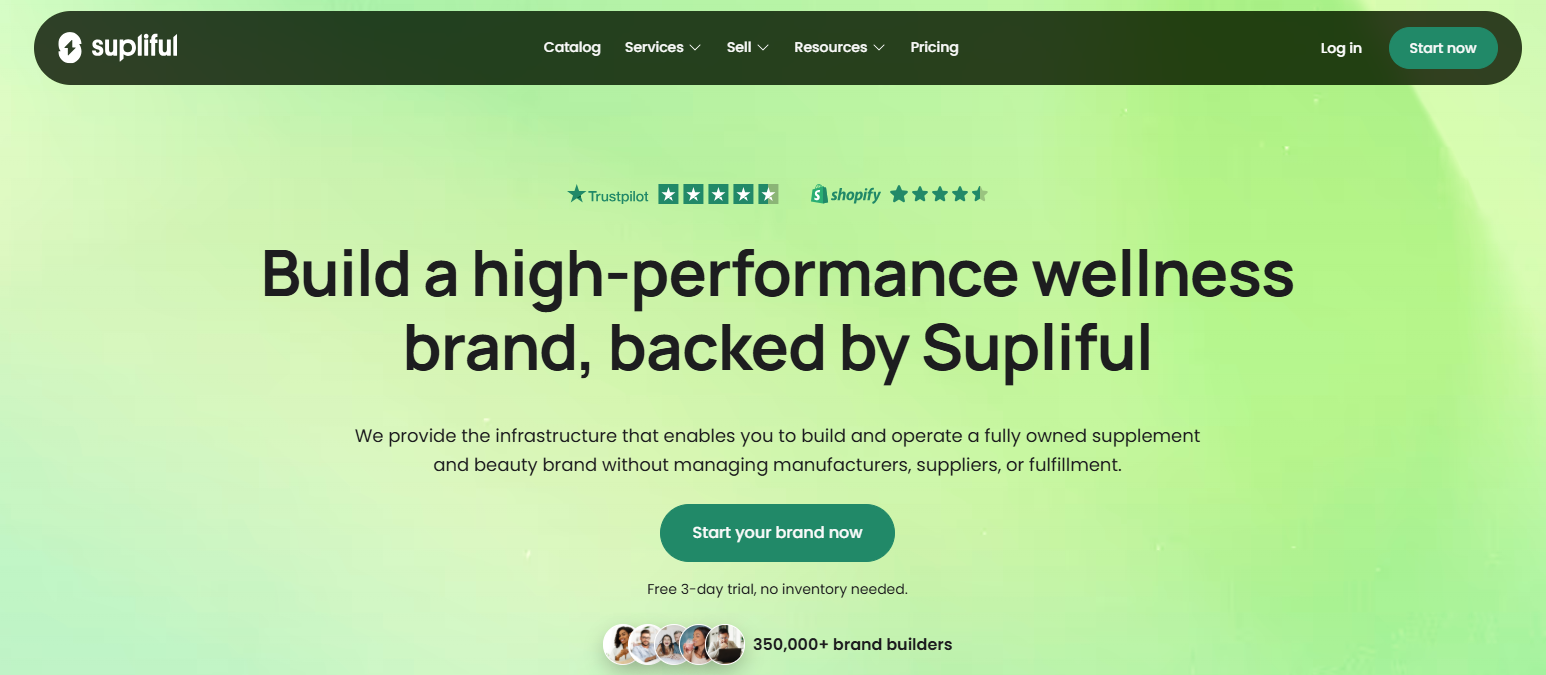
If your goal is to launch your own supplement brand without touching inventory, Supliful is a standout option. Supliful is a specialized white-label supplement dropshipping platform that caters specifically to nutrition products. Think of it as a hybrid of a supplement manufacturer and a dropship service: Supliful develops a catalog of premium formulas (proteins, vitamins, herbal blends, superfood powders, etc.), and lets you custom-brand them and sell via your online store, while they handle everything behind the scenes (production, labeling, and fulfillment). It’s a relatively new platform (Europe-based originally) but has grown quickly, serving 350,000+ “brand builder” users as of 2025.
Quality & Product Range: Supliful’s niche focus is supplements and wellness products only – unlike general suppliers, they don’t do electronics or clothes, which means they put a lot of attention into their formulations. They offer around 180–200 FDA-compliant, market-ready products in their catalog. These include popular categories like fitness supplements (e.g. whey protein, BCAAs, pre-workout), vitamins and minerals, nootropic and productivity boosters (adaptogen blends, brain health capsules), digestive health (probiotics, greens powders), weight management formulas, sleep and stress support (melatonin blends, ashwagandha gummies), and even pet supplements. All products are formulated in advance – you don’t create custom formulas from scratch, but you choose from their selection. Quality-wise, Supliful prides itself on using high-quality ingredients and manufacturing in FDA-registered, GMP facilities. They explicitly mention their products are compliant for US/EU markets (e.g. meeting label requirements). Essentially, these are the kind of supplement stock formulas you’d get from a top private label manufacturer. Because Supliful’s reputation is on the line, they ensure the products are something sellers can confidently put their brand name on. They also cover trending wellness niches; for example, Supliful highlights functional nutrition products like collagen peptides, plant-based protein, immune support drinks, adaptogenic lattes and more. If you want to sell a supplement that aligns with modern wellness trends, chances are Supliful has it in their catalog ready to go.
Shipping & Fulfillment: Supliful originally started in Europe, but now they have US-based fulfillment for the US market, which is a big plus. All orders are shipped by Supliful directly to your customers, with your branding but from Supliful’s warehouse (they remain “invisible” as a backend provider). Shipping in the U.S. is quite fast – many users report delivery times of 3–7 days within the US, comparable to domestic shipping since the products are stored and shipped from within the country. This quick delivery greatly improves customer satisfaction. In Europe, they likely ship from an EU center as well, meaning UK/EU customers also get reasonable shipping times without import hassles. The main drawback is that Supliful’s international shipping beyond US/EU may be limited or slower. If you plan to target, say, Australia or Asia, CJ or others might serve those regions better. But for the core Western markets, Supliful’s fulfillment is reliable. Every order is automated via their platform once you connect your store. And because they only offer their own catalog items, inventory is typically stable – you won’t get random stockouts from third parties. Supliful is effectively your dedicated supplier and 3PL in one for the products you choose.
Pricing & Profitability: Supliful operates on a subscription model with tiered plans. They have a free trial, then plans starting around $29/month for the basic tier. These plans unlock a certain number of products you can list and some features. In addition to the subscription, you pay the base cost for each product when it ships. The product costs are set by Supliful and include the manufacturing, labeling, and fulfillment service – so they might be a bit higher than raw wholesale from China, but you are getting a turnkey service. Sellers often still enjoy a healthy margin; Supliful themselves suggest you set your retail prices and profit margins at a comfortable level. For example, if Supliful’s base cost for a bottle of multivitamins is $8, you might sell it at $25–30, netting a ~$17 gross profit (minus any shipping you offer). That margin (~60%) is very solid, on par with premium DTC supplement brands. Plus, since Supliful negotiates all the production costs, you don’t have to worry about separate fulfillment fees – it’s baked in. One thing to note: Supliful doesn’t require large MOQs, but some products might have a minimum batch for the first production of your branded version (for instance, you may need to order an initial 10 or 20 units yourself to initiate the branding process – this is hypothetical, Supliful’s policies should be checked). However, they do emphasize “no inventory needed” on their site, so it’s truly a dropship model. You won’t pay $2,000 in setup fees or anything exorbitant, which sets them apart from traditional contract manufacturers like Makers Nutrition that require bigger spend (more on that below).
Branding & Platform Features: This is Supliful’s bread and butter. The whole platform is designed to let you create a branded supplement line easily. The steps are straightforward: you pick the products you want to sell from their catalog, upload your logo/design to customize the label, and sync those products to your store (Shopify, WooCommerce, even Amazon via integration). Supliful will print your labels on demand and even has design services if you need help making them look professional. They tout “launch in days, not months”, which is accurate – you don’t have to wait on R&D or manufacturing, the products exist and just get your label slapped on. They also offer add-on services like store design, branding kits, and even customer support outsourcing for your brand – essentially an ecosystem to accelerate your business. Integration-wise, Supliful connects seamlessly with Shopify (one of their highlighted features) and they also mention ClickFunnels and Amazon integrations, which is great if you want to sell via funnels or on Amazon’s marketplace. One of Supliful’s unique features is “Branded customer support” where they handle support queries under your brand name for an extra fee – potentially useful if you want to automate even more. Overall, the platform is user-friendly and built for entrepreneurs who might not have experience in supplements. It guides you through compliance (making sure you don’t make illegal health claims, for example) and ensures labels meet requirements. Supliful basically lowers the barrier to entry to creating a supplement brand to almost zero.
Drawbacks: The main limitations of Supliful are geographical and catalog scope. As noted, if you have a global customer base or want to ship everywhere, Supliful may not cover all countries as efficiently as a global player like CJ. You might end up excluding some regions or paying higher shipping for them. Also, you are limited to Supliful’s product catalog – which is broad but not infinite. If you have a very niche supplement in mind that they don’t carry (say, a very specific proprietary blend or an unusual format), you can’t source outside products through Supliful. In contrast, CJ or Syncee could source virtually anything from somewhere. Additionally, Supliful is a paid platform, so you have that monthly overhead (though it’s modest). And while great for beginners, established sellers might find it less flexible than dealing directly with a manufacturer once they scale – for instance, Supliful’s cost per unit might be higher than if you ordered thousands of units yourself. But for most small to mid-sized sellers, this trade-off is fine given zero inventory risk. Lastly, if you want to create a truly custom formulation, Supliful isn’t the route; you’d need a contract manufacturer. Supliful is about stock private-label formulas.
Best For: New and small businesses focused on building a unique brand. If you’re an influencer, content creator, or first-time e-commerce entrepreneur who wants to start a supplement line (for example “Sarah’s Wellness Co.” selling collagen peptides and stress gummies under your name), Supliful is fantastic. It’s also great for those who prioritize quality and brand image – the products look polished with your branding, and you can legitimately compete with big supplement brands from day one. Supliful is beginner-friendly (their workflow is often praised as one of the easiest “end-to-end branded dropshipping” setups) and requires minimal upfront investment. In short, Supliful lets you act like a premium supplement brand without the usual headaches of sourcing and inventory. That makes it a top supplier in 2026 for anyone who values branding, quality, and simplicity.
3. Spocket — Best Marketplace for Fast US/EU Shipping & Supplier Variety
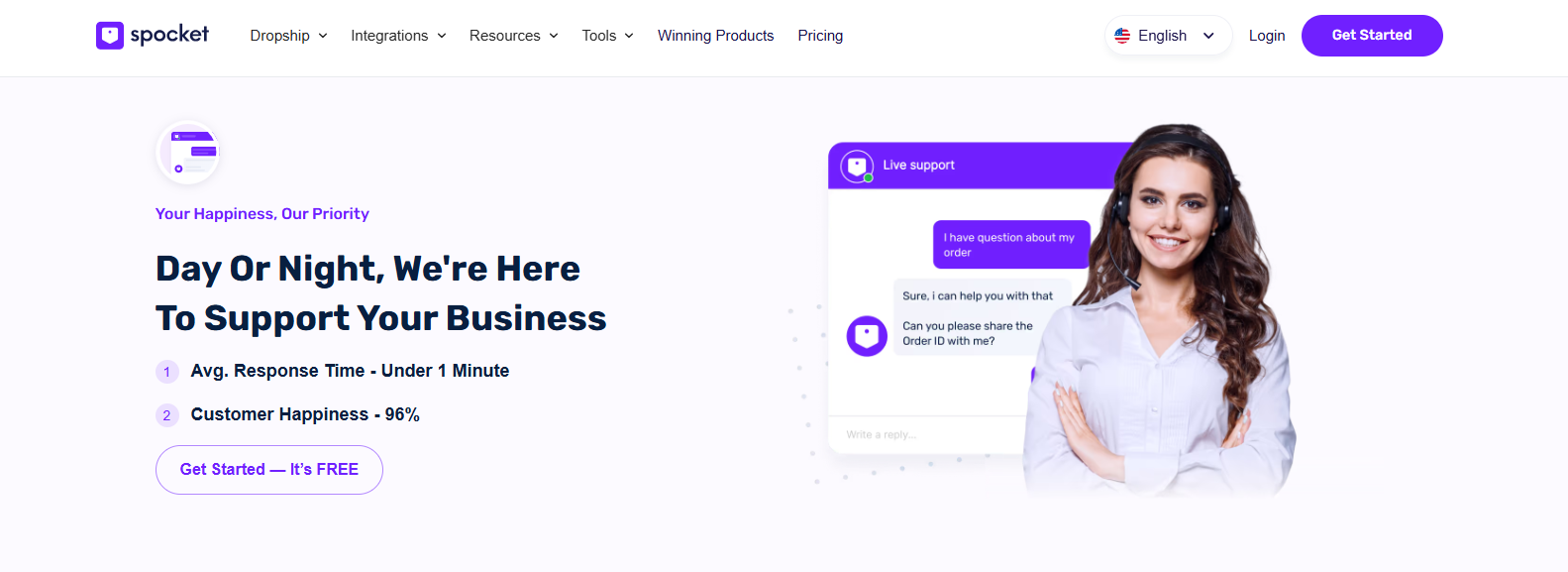
Spocket is a popular dropshipping marketplace that isn’t supplement-specific, but it’s worth mentioning because of its strength in connecting you to fast-shipping suppliers in the US, UK, and EU. With Spocket, you get access to a directory of thousands of independent suppliers (including some supplement vendors) that have products ranging from vitamins and protein powders to other wellness items. Think of Spocket as an aggregator: it curates vetted suppliers (mostly in North America/Europe) and provides a single app to source from all of them. If you’re running a Shopify or Wix store and want to easily add high-quality products that ship to your customers in a few days, Spocket can deliver that.
Quality & Product Range: Since Spocket is a platform, the product range is broad – they have over 10,000 products from suppliers across many niches. In terms of supplements, you’ll find suppliers on Spocket offering things like multivitamins, herbal supplements, sports nutrition (e.g. some small-brand protein powders or pre-workouts), and even niche formulations like fertility vitamins or wellness teas. These products often come from independent or small brands that have decided to dropship, or wholesalers with stock of known brands. Spocket vets suppliers for quality and reliability, so the ones on the platform tend to have decent reviews and proper business setup. However, quality and compliance can vary by supplier – you might have one supplement supplier on Spocket who provides GMP certificates and another who does not. It’s on you to vet each product listing (Spocket doesn’t guarantee every supplement is FDA compliant). On the positive side, you can often find unique or premium supplements here that aren’t the generic ones flooding AliExpress. For example, a boutique UK wellness brand might list their vegan protein powder on Spocket to reach more stores – giving you a product that stands out. Spocket’s catalog in the Health & Beauty category is quite extensive. You can also filter by supplier location (e.g. only show me suppliers in the US or in Europe), which helps narrow to those that meet your quality standards and region.
Shipping & Speed: This is where Spocket shines. The majority of suppliers on Spocket are located in the USA or Europe, which means domestic shipping times for those markets – often 2–5 days delivery within the US, and similarly fast within Europe. Many suppliers even offer flat rate or free domestic shipping which you can pass on to customers. Spocket clearly labels where each product ships from and the expected shipping time, so you can choose only products that ship from within your customer’s country. This is a huge advantage for customer satisfaction and makes your store competitive with Amazon Prime shipping speeds. Spocket also supports branded invoicing – meaning the packing slip in the order can show your store’s name and logo rather than the supplier’s info. While this isn’t full white-label of the product, it at least provides a professional appearance in the package. The platform also automates fulfillment: orders from your store can be forwarded to the supplier with one click, and tracking info syncs back. Overall, if you want the convenience of dropshipping but with the speed of local fulfillment, Spocket delivers that through its network.
Pricing & Margins: Spocket itself operates on a subscription model for sellers. There is a free plan, but it’s limited (you might only be able to list a small number of products). Serious sellers typically use a paid plan, starting around $39.99/month for more product listings and premium suppliers. From a profit margin perspective, Spocket negotiates 30–60% wholesale discounts off retail prices with its suppliers. That means if a supplement retails for $50, you might get it for $20–$25 via Spocket. This allows you a comfortable markup. Many suppliers on Spocket are actually small brands that list their MSRP (manufacturer suggested retail price) and then give Spocket retailers a big discount to incentivize them. You as the retailer can choose to sell at MSRP (and make the difference as profit) or go slightly lower for competitiveness. Spocket’s interface even shows the retail vs. wholesale price and the potential profit per sale, which is handy. Keep in mind there are no additional fulfillment fees on a per-order basis (it’s baked into the cost from the supplier), aside from shipping costs which are often reasonable. You will just pay your Spocket monthly fee and the product costs as you go. Because suppliers are domestic, the shipping cost might be a bit higher than ePacket from China, but often the speed and no customs hassle is worth it. All in all, merchants report healthy margins with Spocket, especially for products in categories like supplements where perceived value is high. Just remember to account for the subscription cost in your overall margins.
Branding & Platform Features: Spocket isn’t a white-label service per se. The products you get from there may have the original supplier’s brand on the label (unless they are generic). However, since many items are niche or lesser-known brands, you can still market them uniquely. The branded invoice feature ensures your customer doesn’t see a random invoice from a supplier; instead, they see your store name, which helps maintain consistency. Spocket integrates very well with Shopify, WooCommerce, Wix, BigCommerce and more. It basically functions as an app where you can browse products, push them to your store (with your own pricing), and automate orders. They also have an AI product recommendation tool now (as hinted by “AI dropshipping functionality” in some sources) that might help identify trending products. Another neat feature: you can order samples easily through Spocket for any product. This is crucial for supplements – you should absolutely sample and perhaps even lab-test anything you plan to sell as a supplement. Spocket makes it easy to get those samples for your evaluation.
The community and support around Spocket is also strong. They have a good help center and customer support if you have issues with a supplier. If a supplier misbehaves, Spocket can mediate since they want to maintain quality. That said, one con is that you rely on third-party suppliers’ performance. While Spocket’s vetting is good, there’s still a possibility of a supplier running low on stock or making a mistake. Some users reported occasional inventory sync issues (like selling an item that turned out to be out-of-stock). It’s wise to monitor your best-sellers and maintain communication with the supplier if possible. Also, Spocket’s best suppliers are on the paid plans – with the free plan you get a more limited selection, often more of the generic stuff. So you likely will invest in their Pro plan to get the real benefits.
Best For: Spocket is excellent for store owners who want to dropship high-quality products with fast shipping, especially to the US, UK, and Europe. If you’re running a Shopify store targeting those markets and don’t necessarily need everything under your own brand, Spocket gives you a quick way to stock your store with attractive supplements (and other wellness products). It’s particularly good if you plan to test the market first: you can list some products via Spocket to gauge demand before committing to your own private label. In fact, Omnisend noted “Spocket is ideal for beginners testing products before committing to private label supplements.” That way, you can validate what sells (maybe a certain protein powder flavor is a hit) and later create your own version. Amazon and eBay sellers can also use Spocket’s suppliers if they fulfill the marketplace criteria – Spocket does integrate with Amazon in some fashion. Overall, Spocket is a versatile tool for reliable fulfillment. It may not give you a unique brand, but it will help you keep customers happy with quick delivery and quality goods while you focus on marketing and finding a winning product.
4. Makers Nutrition — Best for High-Volume & Custom Private Label (USA)
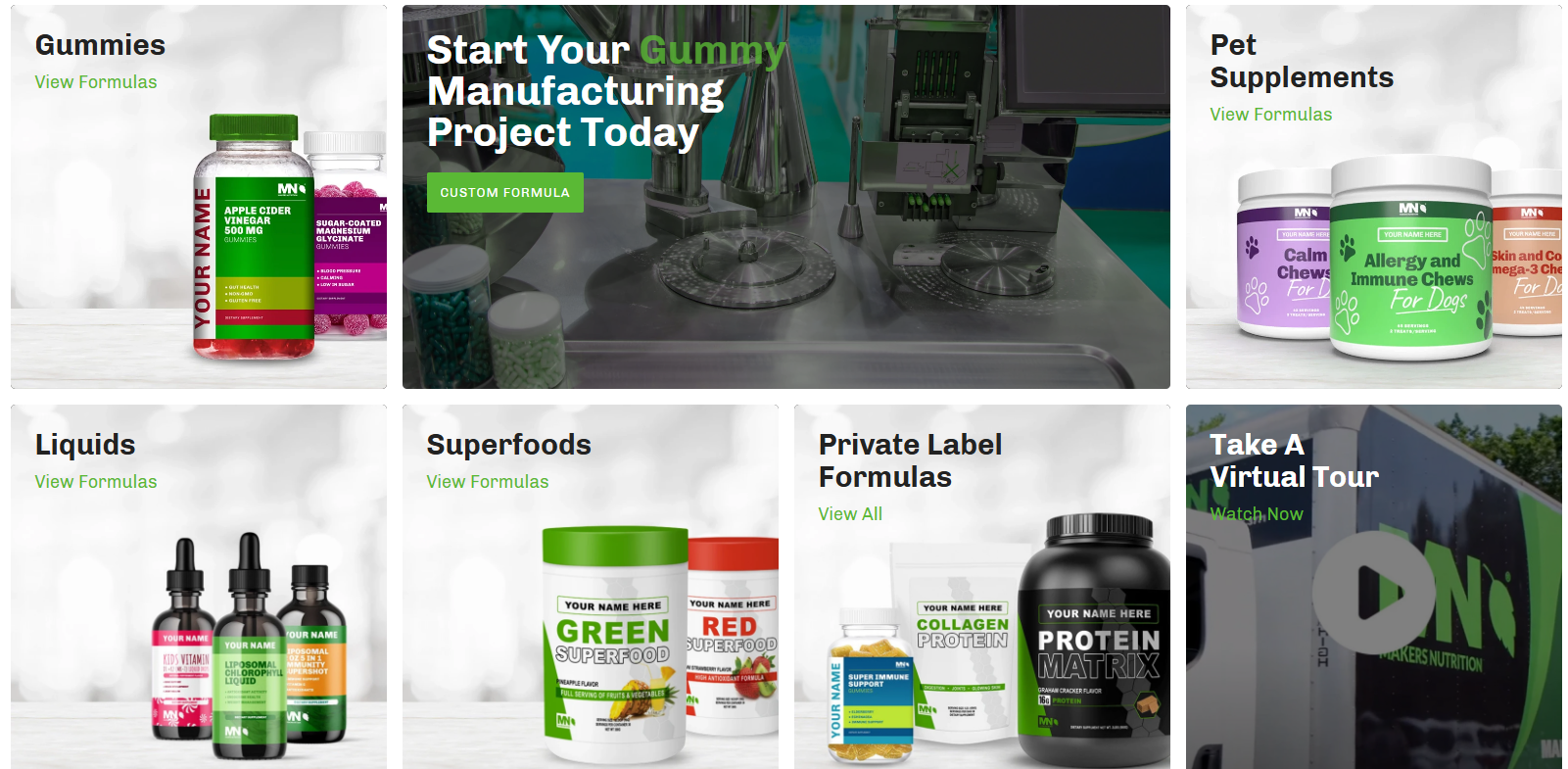
Moving to the more traditional end of the spectrum, Makers Nutrition represents the classic USA-based supplement manufacturer and fulfillment partner. They are not a dropshipping marketplace but rather a full-service private label manufacturer. We include Makers Nutrition as an example of a top-tier supplier for those who are aiming bigger – if you want total control over your supplement formulas, premium quality, and are ready to invest in inventory (even if dropshipped per order), a company like Makers can deliver that. Makers Nutrition has been recognized in the industry for its quality and service, offering capsules, powders, gummies, softgels, liquids – almost any form. They can both manufacture custom formulations or provide stock white-label formulas. Importantly, they do offer dropshipping fulfillment (they will warehouse your products and ship to customers) and integration with platforms, but they operate on a wholesale model with MOQs rather than on-demand printing like CJ or Supliful.
Quality & Compliance: Makers Nutrition’s big selling point is quality and professionalism. They run GMP-certified, FDA-registered facilities in the U.S., provide Certificates of Analysis (CoA) for all batches, and generally adhere to pharmaceutical-grade standards. This means you and your customers can trust the products are exactly as labeled, safe, and effective. They even have in-house nutritionists and formulation experts to help craft or tweak formulas. If you want a unique product (say a nootropic capsule with a specific blend of ingredients), Makers can develop it for you (typically with some minimum order requirement). They also have a huge range of stock formulas you can private label – essentially the same vitamins or protein formulas that many supplement brands use. Since Makers deals with a lot of volume, they can produce things fast (often 2–3 weeks turnaround for production) once your labels are approved. They’re used to servicing supplement brands, so everything from label design compliance to packaging quality (bottles, caps, etc.) is top-notch. In short, if quality is your absolute priority and you want to be able to say “Made in USA” with confidence, a supplier like Makers Nutrition is ideal.
Shipping & Fulfillment: Makers Nutrition will dropship orders for you in the sense that they offer order fulfillment services and integrate with platforms like Amazon and Shopify. Essentially, once you have your inventory with them (with your branded products), they can ship out to your customers as orders come in. Shipping times are excellent for the US since everything is shipped domestically (2-5 days typically). They can also ship internationally if needed, though you’d have to coordinate compliance for each country. The catch here is you must have inventory on hand. Makers is not going to produce one unit at a time on demand. They require a Minimum Order Quantity (MOQ) of 500 units per supplement for private labeling. That means you’d manufacture, for example, 500 bottles of your Omega-3 capsules and Makers would keep them in their warehouse. From there, you can dropship to customers one by one. This model is sometimes called dropshipping by inventory – you still don’t handle the shipping, but you pre-bought the stock. For businesses ready to scale, this is actually more cost-efficient per unit than true on-demand. But it’s a significant upfront investment (500 units could be $2-$5k+ depending on the product). Makers also charges for warehousing and fulfillment as a service – according to Omnisend’s data, they require a minimum fulfillment fee of $2,000/month. This likely covers storage and a certain volume of orders. So, you’d need to be selling enough volume to justify that.
Pricing & Margins: As you can see, Makers Nutrition is geared toward established brands or those with capital. The pricing structure is very different from a free dropship app. You’ll have significant upfront costs: product development or setup fees, manufacturing costs for your initial batch, possibly label design fees, etc. However, the per-unit cost of supplements from a manufacturer like this can be very low at scale – often just a few dollars per bottle for common supplements when ordering hundreds or thousands. So the margins can be huge if you have sales volume. For instance, you might produce a premium nootropic for $4 per bottle and sell it for $40 – that’s a 10x markup, minus your operational expenses. Makers doesn’t hide that they are premium; they’re known to be a bit higher price than some competitors (like NutraScience Labs or Vox Nutrition) but they deliver great service. Since they target serious clients, their costs (like the $2k/month fulfillment retainer) mean you should be projecting thousands in monthly sales to make sense. If you’re at that point (or aim to get there quickly via marketing or an audience you have), the economies of scale make Makers an extremely profitable route long-term. You’d effectively be owning your supply chain more, rather than paying a middleman for every unit.
Branding & Services: Makers Nutrition offers full turnkey private label services. They will help design your labels (they have designers familiar with FDA supplement label requirements), assist with packaging choices, and even suggest hot selling formulas if you’re not sure what to launch. They position themselves as a partner in building your supplement brand. They also have tech integrations: as noted, they can connect to Amazon (they support Amazon dropshipping/FBA prep which is unique) and other e-commerce platforms to automate order flow. One thing to highlight: Makers (and similar manufacturers) often have volume discounts – as your order quantities go up, your cost per unit drops. This can dramatically boost profitability as you grow. But a downside: they often have higher MOQs for certain product types – e.g., gummies or bespoke formulas might require 1,000+ units minimum due to production constraints. So you might be limited in launching too many SKUs at once unless you have a big budget.
Best For: Experienced sellers and brand-builders who prioritize quality and scalability over low upfront cost. If you already have a validated market (say you ran a successful Kickstarter for a supplement, or you have a large fitness following eager to buy your product), working with a supplier like Makers Nutrition can elevate your business. It’s essentially how you go from dropshipping random products to becoming a serious supplement brand. Also, Amazon sellers who want to create their own supplement label often go this route – you can get superior products and use Amazon’s fulfillment (Makers will even ship to FBA warehouses or ship on order). The Omnisend analysis put it well: Makers Nutrition “allows you to dropship supplements, but favors businesses ready to scale”. With a 500 unit MOQ and monthly fees, you need a game plan to move volume. But for those who do, Makers provides the high-end manufacturing, customization, and reliability that can support a 7-figure brand. In summary, Makers Nutrition (and companies in its class) are the best supplement suppliers for 2026 if you’re playing to win big and have the resources – you get full control, US-made quality, and expert support, at the cost of higher upfront investment.
Other Notable Suppliers in 2026
The four suppliers above (CJdropshipping, Supliful, Spocket, and Makers Nutrition) cover a spectrum from beginner-friendly to enterprise-level. Depending on your needs, a few other suppliers and platforms are worth a mention:
-
GreenDropShip (USA): A US-based dropshipping platform focused on natural and organic products. They carry many name-brand supplements and health foods (access to brands like NOW Foods, Garden of Life, etc.) in their catalog. GreenDropShip is great if you want to dropship established supplement brands (not white label). They have US warehouses for fast shipping and integrate with Shopify and even Amazon. There’s a membership fee (around $149/year), but you get a wide inventory of over 20,000 natural products, including vitamins, essential oils, and sports supplements. This is ideal for an online health store that wants to offer variety without investing in inventory. Quality is assured since you’re selling known brands; margins are slimmer though (you’re basically a retailer, making maybe 20-30% margin on branded goods). Use GreenDropShip if you want to build a store like a mini-VitaminShoppe, catering to organic and wellness shoppers without creating your own brand.
-
Syncee (Global): Similar to Spocket, Syncee is a global dropshipping marketplace that connects to suppliers worldwide. It has a large catalog and includes many supplement suppliers from the US, UK, Canada, EU, and beyond. You can find pet supplements, skincare supplements, vitamins, etc. via Syncee. They offer a free plan (for a limited number of products) and paid plans starting ~$39/month. Syncee is noted for its variety and international range – useful if you want to source unique supplements or need suppliers in specific countries (e.g., maybe you want an Australian supplier to serve AUS/NZ customers). Like Spocket, you must vet each supplier’s quality/compliance individually. Syncee stands out by aggregating many options, so it’s a good tool if you want to diversify your suppliers or test different niches easily, all under one platform. It integrates with Shopify and other major e-commerce systems. We rank it among the top in 2026 for its breadth of suppliers and flexibility.
-
OK Capsule (USA): An interesting newcomer, OK Capsule offers an on-demand model specifically for custom supplement packs in capsule form. They have 60+ clinically tested supplement formulas (think probiotics, herbal blends, vitamins) that you can mix and match into daily pack sets for customers. All products are made in cGMP/FDA compliant facilities with a focus on quality. OK Capsule lets you white-label the packs with your branding and even create your own custom formulas by combining ingredients. They handle all the fulfillment, including eco-friendly packaging for the capsule packs. There are no MOQs – you can dropship as few as one pack – but their pricing model is different (plans starting at $21 for a 30-count pack, etc., which essentially is cost per order). This platform is great if you want to offer a very modern service like personalized vitamin subscriptions or high-end supplement kits. It’s a bit more technical and perhaps suited for those with some experience, but definitely a notable innovation in the dropshipping space for 2026. If differentiation is key, OK Capsule allows you to create something truly unique.
-
Vox Nutrition / Private Label Supplements (USA): Vox Nutrition is a well-known private label supplement manufacturer that also offers dropshipping services (their program is called ShipCentral). They specialize in low MOQs (sometimes as low as 50-100 units) and a wide range of stock formulas (weight loss, sports, beauty, etc.). For a more moderate scale approach in the US, Vox could be a supplier to consider. You’d still need to purchase some inventory, but they handle fulfillment. Their quality is solid (GMP, FDA registered) and they have been the backbone for many small supplement brands. If Supliful’s model isn’t enough customization and Makers is too expensive, Vox is like a middle ground – you can invest a bit in stock, brand it, and have them dropship, all at smaller scale.
-
AliExpress & Alibaba (China): It must be said, a lot of dropshippers do still use AliExpress or Alibaba suppliers to source supplements – especially trending pills or herbal products. Platforms like DSers/Oberlo historically allowed one-click import from AliExpress to Shopify. While this route offers ultra-low product costs, it’s extremely risky for supplements. Quality control is uncertain, shipping is slow (unless you find ones in AliExpress’ US warehouses), and labeling might not comply with US/UK standards. If you go this route, tread carefully: always check for supplier certifications and try to use Alibaba’s verified manufacturers who offer dropshipping with low MOQs. Some advanced sellers use Alibaba to find a good factory then create a relationship for dropshipping – but this is essentially what CJdropshipping does for you. For beginners in 2026, I wouldn’t recommend relying on random AliExpress supplements. The competition from better suppliers is too high and customers expect more. Use Chinese suppliers for supplement accessories (like pill organizers or fitness gadgets) if you want, but for the consumables, it’s safer to stick with the reputable sources above.
Supplement Category Breakdown – Who’s Best for Each Niche?
Certain suppliers have strengths in specific supplement niches. Below is a breakdown of some hot product categories for 2026 – weight loss, nootropics, collagen/beauty, and greens/superfoods – and which suppliers might serve each best. We’ll also touch on market trends showing why these niches are promising.
1. Weight Loss & Sports Nutrition
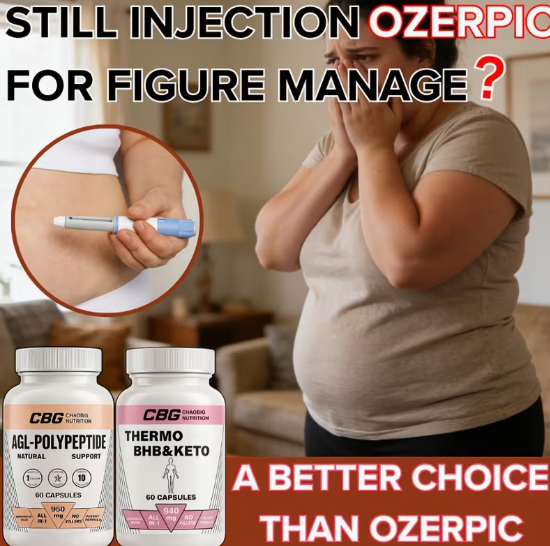
The weight management market is massive and growing (the global weight loss supplement market is projected to hit $71.5 billion by 2030, with innovations like metabolism boosters and fat-binders driving demand). If you’re targeting this space – think keto diet pills, fat burner capsules, meal replacement shakes, etc. – quality and trust are paramount (customers are skeptical of miracle claims). For quick start, CJdropshipping has numerous weight loss products (herbal diet pills, slimming teas, etc.) you can test cheaply. They can even source trendy items (e.g. a new Garcinia capsule that’s popular). Spocket or GreenDropShip are great if you want to sell established brands like Hydroxycut, Optimum Nutrition protein, or emerging fitness supplements, with fast U.S. shipping. To build your own brand in this niche, Supliful offers fitness and weight management formulas (like pre-workout mixes, metabolism support drinks) that you can private label. For example, you could launch your own branded whey protein or a collagen protein for weight loss via Supliful. If you want a truly custom formulation (say a unique blend for athletes or a high-performance fat burner), a manufacturer like Makers Nutrition or NutraCap Labs would be the go-to – they can help create a potent formula with clinically dosed ingredients, which you’d stock and dropship. Also worth noting, ShipOffers (a specialized supplier in the US) has a curated catalog of weight loss and general health supplements for drop ship – they focus on proven top-sellers like carb blockers and detox cleanses, which can be a plug-and-play option for marketers. Weight loss is competitive, but with the right supplier and an honest, science-backed product, you can carve out a lucrative corner (especially by targeting specific sub-niches like women’s weight management, keto support, or sports nutrition for crossfitters). Just ensure any claims are compliant – no supplier wants their product mis-marketed as a “magic cure.”
2. Brain Health & Nootropics
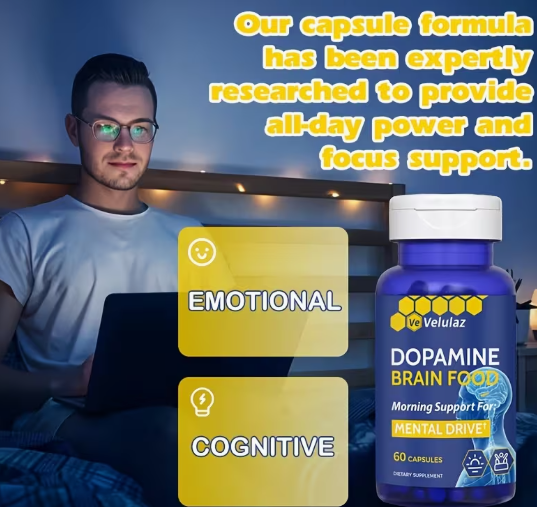
Nootropics (cognitive enhancers) have exploded in popularity, nearly doubling in market size from $5.45B in 2025 to an estimated $11.48B by 2033 (9.1% CAGR). This category includes supplements for focus, memory, mood, and overall brain health – such as omega-3s, mushroom extracts, ADHD support herbs, etc. Supliful specifically calls out “productivity boosters” and adaptogen blends in its catalog, making it an excellent choice if you want to launch, say, a branded lion’s mane mushroom coffee or an L-theanine capsule under your brand. CJdropshipping can source popular nootropic compounds (for example, you might find bulk capsules of ashwagandha, ginkgo biloba, B-vitamin brain formulas on CJ). If you prefer selling known quality brands, Spocket might connect you to some independent brain supplement brands in the US/EU, or Syncee could have a supplier for specialty brain health tonics. For a cutting-edge custom stack (imagine a capsule that’s a custom mix of multiple nootropics), consider US labs like NutraScience Labs – they are known for nootropics and even offer consulting on formulation, but you’ll need to invest in inventory. Given how savvy nootropic customers are, boasting certifications and high-quality ingredients is critical – so a supplier like OK Capsule could also be interesting here, as they allow combining ingredients into customized packs, appealing to biohackers who want personalized solutions. Bottom line: for nootropics, choose suppliers that emphasize purity and science (GMP, tested ingredients) – Supliful and Makers/NutraScience stand out – and consider starting with well-known ingredients that people search for (e.g. “bacopa monnieri capsules” or “choline supplements”), which you can source via CJ or Spocket and later possibly brand yourself.
3. Collagen & Beauty Supplements
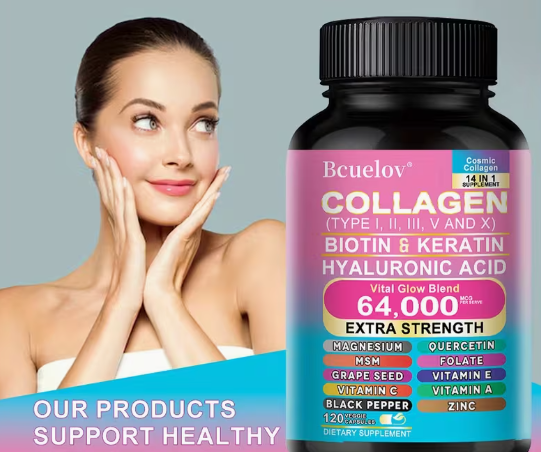
The “beauty from within” trend is huge and still growing in 2026. Collagen supplements remain a worldwide bestseller, used for skin, hair, and joint health. Additionally, beauty gummies (biotin, silica), skin probiotics, and anti-aging vitamins are in high demand. This is a great niche for repeat purchases – customers often take these daily. For collagen, many suppliers play here: CJdropshipping often features collagen peptide powders (including marine and bovine collagen) which you could white-label or dropship as generic. Supliful explicitly focuses on this area – they have collagen beauty powder formulas and other nutricosmetics in their roster, ideal for branding with your own beauty line. If you want premium retail collagen (like Vital Proteins or Garden of Life collagen), GreenDropShip is ideal since they carry those brands and ship fast in the US. Spocket might also have smaller boutique beauty supplement brands (like a UK brand’s collagen drink). To differentiate, consider format – collagen isn’t just powder; perhaps collagen gummies or shots. A supplier like Makers Nutrition can produce collagen in various forms (they have gummy and liquid capabilities) if you want to invest and own a unique formula with added ingredients (e.g. collagen + hyaluronic acid blend). The beauty supplement market is projected to reach $6 billion by 2033 just for skin care supplements, so there’s money on the table. If targeting this niche, ensure your supplier can provide evidence of quality (type I/III collagen, peptides with good absorption, etc.) because beauty consumers are ingredient-conscious. Also consider bundling: some suppliers (like CJ) let you bundle multiple products, so you could create a “Beauty Kit” combining a collagen powder and a hair vitamin, for example, which increases AOV and perceived value.
4. Greens & Plant-Based Wellness
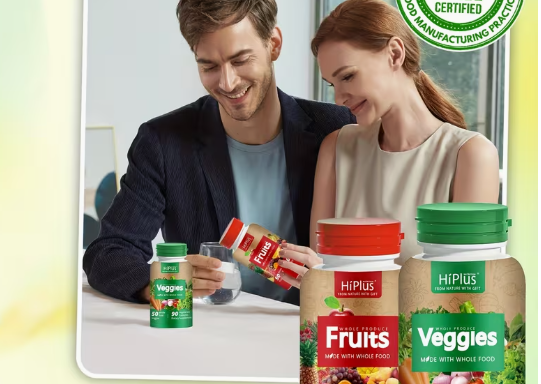
Greens powders, vegan supplements, and plant-based nutrition are now mainstream, with the plant-based supplement sector expected to reach $42.3B by 2030. Products like superfood greens mixes, spirulina tablets, turmeric shots, and general vegan multivitamins fall here. Supliful has a lot to offer – they feature digestive health powders and plant-based protein blends which you can customize for your brand. If you want to target the eco-conscious consumer, OK Capsule’s focus on sustainable packaging for supplements could be a selling point as well. GreenDropShip again shines for sourcing organic and vegan certified products from known brands (they have things like Amazing Grass greens powder, vegan vitamin gummies, etc.). Syncee might connect you to international suppliers for unique plant-based items (for instance, an EU supplier of organic barley grass powder). CJdropshipping can source various herbal supplements (wheatgrass, moringa, etc.) at low cost, though you’ll want to ensure they are quality-tested. If “clean label” is your brand’s angle, you may eventually move to a specialist manufacturer who can certify organic, non-GMO, etc., for your own product – Makers Nutrition can do organic certified runs (at higher MOQs), or you might look at a specialist like Nutribl in the UK for private label vegan supplements (they offer low MOQs and are known in Europe). For getting started in 2026, I’d suggest using a platform like Spocket or Syncee to find a variety of vegan supplements (so you can offer a collection of plant-based items quickly), and/or Supliful to launch a signature greens or adaptogen blend under your label once you see the demand. Given rising health consciousness, having a good greens powder or vegan protein in your shop can attract a wide audience (plus these often have great margins since raw ingredient costs are not high).
Of course, there are other niches – immune support (vitamin C, elderberry – every supplier has these), sleep aids (melatonin gummies, etc., which Supliful and CJ both have), men’s health/testosterone boosters (some US suppliers on Spocket might carry these), women’s health (prenatal vitamins – look for specialized suppliers via Syncee perhaps, or Makers does prenatal custom vits), children’s gummies (private label via Makers or Vox, or branded via GreenDropShip)… The list goes on. The key is to match the supplier to the niche requirements. For instance, pet supplements would do well with a supplier like Syncee or CJ where you can find unique products, whereas probiotics (a subset of digestive supplements) might be best fulfilled by a quality-focused partner like Supliful or OK Capsule due to handling concerns (some need refrigeration, etc.).
In all cases, market research helps: if Google Trends shows “ashwagandha gummies” are spiking in interest, check CJ or Spocket for a source to capitalize on that. Or if you see a lot of buzz around a new supplement ingredient on TikTok, ask CJdropshipping’s sourcing team if they can find it. Being nimble is an advantage of dropshipping – you can ride trends in these niches quickly if your supplier is capable.
Let’s summarize our comparisons with a table and then conclude with which supplier might be best for you, along with some final motivation to get started.
Comparison Table: Top Supplement Dropshipping Suppliers 2026
Here’s a side-by-side look at the key suppliers we’ve discussed, highlighting their features:
| Supplier | Product Range & Quality | Shipping & Fulfillment | Branding Options | Best For |
|---|---|---|---|---|
| CJdropshipping | Huge catalog (400k+ items) incl. many supplements. Quality varies by item, but vetted suppliers; offers product sourcing. | Global warehouses: US, EU, Asia – 2-7 day delivery from local stock (longer from China if not in stock). Handles all fulfillment. | White label & POD services – can put your logo on products/packaging. No MOQ, easy integration with Shopify, etc. | Beginners & all-rounders – those wanting one partner to source & ship virtually anything, with low startup cost. Great for testing many products quickly. |
| Supliful | ~200 high-quality supplement formulas (proteins, vitamins, collagen, etc.) manufactured in GMP/FDA facilities. Specialized in nutrition; EU/US compliant. | US-based fulfillment for fast US shipping (3-5 days). Some EU shipping. No need to hold inventory – they produce & ship on-demand. | Private labeling made easy – upload your label for any product. Offers design help and even branded customer support. | Brand builders on a budget – entrepreneurs who want their own supplement brand without manufacturing. Ideal for custom-labeled vitamins, fitness and beauty supplements. |
| Spocket | Aggregator of vetted suppliers (mostly US/EU). Quality depends on chosen supplier, but generally higher-end products. Supplements include indie brands & popular items (vitamins, powders). | Mostly domestic shipping in US/EU – many suppliers offer 2-5 day delivery within region. Fulfillment by each supplier; Spocket automates order routing. | Branded invoices (packing slips with your logo). No custom product labeling (you sell supplier’s brand products). Easy Shopify/Wix integration. | Store owners targeting US/EU with fast shipping – great for those who want quality products with quick delivery, without needing to create a brand. Good for testing demand before private labeling. |
| Makers Nutrition | Full-service manufacturer (USA) – can produce virtually any supplement (capsules, gummies, etc.) with top quality (GMP, third-party tested). You own the formulas/inventory. | Warehousing in USA, ships orders to customers or Amazon FBA. Fast domestic shipping (2-7 days). Requires bulk inventory (they dropship from your stock). MOQ ~500 units. | Complete customization – your formula, your branding, professional labels. They assist with design and compliance. Essentially your own brand from scratch. | Established or well-funded brands – those ready to invest in inventory for higher margins. Ideal for scaling a unique supplement line, ensuring quality and brand control. Not for beginners due to cost. |
| GreenDropShip | Catalog of natural/organic brand-name products (3,000+ supplements, plus health foods). Quality is brand-dependent (generally trusted retail brands). | USA warehouses – 3-7 day shipping in US. Handles fulfillment to customers and even supports selling on Amazon. Membership fee required. | No product rebranding (selling existing brands), but you can brand the packing slip. Integrates with Shopify. | Natural/organic niche sellers – those who want to offer a variety of known supplement brands (vitamins, essential oils, etc.) without holding inventory. Great for an “online health store” model. |
| Syncee | Large global supplier marketplace. Quality varies – includes both big and small suppliers (must vet each). Many international and niche products available. | Regions: US, Canada, EU, UK, AUS and more via various suppliers. Shipping times depend on supplier (can choose local suppliers to target certain countries). Syncee automates order forwarding. | Similar to Spocket: branded invoices and store integration. No custom manufacturing, you sell suppliers’ products. | Global niche explorers – stores that want access to a diverse range of supplement suppliers, especially to serve markets beyond US/EU or find unique products. Useful for expanding product catalog widely. |
| OK Capsule | Curated selection of ~60 clinically-backed supplements (capsule-based) focusing on herbs, vitamins, probiotics, etc. Pharmaceutical-grade quality. Allows custom combination of ingredients. | USA fulfillment, ships direct to customers. Sells via subscription packs or kits. No inventory holding – they assemble packs on demand. Eco-friendly packaging. | White-label personalized packs – you can brand the capsule packs and even create custom blends for customers. However, lower-tier plans have limited branding extras. | Innovative brands offering personalized supplement packs or subscription boxes. Great for targeting wellness enthusiasts with tailored solutions. Requires more marketing to educate customers, but stands out from standard pill bottles. |
(Sources: Supplier websites and 2025-2026 dropshipping guides etc.)
Conclusion: Choosing the Right Partner & Launching Your 2026 Supplement Business
As we’ve seen, there is no one-size-fits-all best supplier – it depends on your business model, scale, and goals:
-
If you’re just starting out and want maximum ease and variety, CJdropshipping is a fantastic all-around choice. It will let you test different supplement products with virtually no upfront cost, and you can gradually add branding as you learn what sells. CJ’s reliability and support make it friendly for newcomers, and you won’t be constrained in product options. For many new Shopify store owners in 2026, CJdropshipping will be the launchpad for a profitable supplement store with minimal risk.
-
If your priority is to build a unique brand quickly, Supliful is likely the best partner. It gives you a catalog of quality products that you can instantly turn into your own branded line. You don’t need deep pockets or industry know-how – Supliful handles the heavy lifting. This is perfect for creators or entrepreneurs who value branding and want to nurture customer loyalty (and perhaps plan to expand into a full DTC brand down the line). In terms of reliability, Supliful’s focus on supplements means they understand the nuances of this niche (compliance, fast shipping, good packaging). They’re almost like having a mini “supplement company in a box” at your disposal.
-
If you care most about shipping speed and product quality to the US/EU and are okay selling existing brands, Spocket or GreenDropShip are smart choices. Spocket is more tech-forward and gives you flexibility to try various suppliers’ products with easy integration. GreenDropShip is a bit more old-school but taps you into the organic market and Amazon integration. Both are great if you don’t want to deal with customer complaints about slow shipping – they essentially ensure your logistics are Prime-like. Amazon sellers who want to dropship (within Amazon’s rules) will lean to these suppliers, since fast domestic fulfillment is key to keeping Amazon customers happy.
-
If you’re an established seller or you have capital and a vision for a premium brand, partnering with a US manufacturer like Makers Nutrition (or a similar private label firm) can propel you to the next level. You’ll be able to offer something truly unique and potentially command higher prices and loyalty. The trade-off is the upfront investment and more complex setup. But the payoff is owning a brand that could even be acquired or scaled massively. Amazon sellers wanting to create their own brand to rank in a category (e.g., the next big nootropic brand on Amazon) might go this route from the start – use Makers to produce a great product, and use their fulfillment or FBA for distribution. It’s a higher risk/reward play, but clearly one that works for many (just look at the explosion of DTC supplement brands in recent years – most started by partnering with such manufacturers).
-
Don’t overlook specialized options for differentiation: If personalizing supplements or catering to specific dietary niches is part of your plan, suppliers like OK Capsule or Syncee can give you an edge. For example, you could market a service where customers fill out a quiz and you send them personalized packs – OK Capsule can fulfill that behind the scenes. Or if you want to sell region-specific remedies (say Ayurveda herbs from India or Traditional Chinese Medicine supplements), Syncee might connect you to those suppliers. These strategies can set you apart in a crowded market.
Whichever supplier you choose, remember that success in 2026’s supplement market is built on trust, value, and smart marketing. Ensure your product pages highlight quality indicators (e.g. “Manufactured in a GMP-certified facility” – which you can legitimately say if using suppliers like Supliful or Makers). Use customer education in your marketing – content about how a supplement helps “support” a healthy lifestyle goes a long way, and it’s exactly what engages today’s informed consumers. Leverage subscription models (most of these suppliers can handle recurring orders or have integrations for that) because supplements are ideal for subscriptions, which boost lifetime value.
Finally, it’s time for the motivational call-to-action: 2026 is an excellent time to launch your supplement dropshipping store. The industry is thriving, with more consumers than ever investing in their health daily. Search trends for terms like “gut health”, “immunity boost”, “vegan protein” are all up year-over-year, showing sustained interest. The profit potential is real – supplements often enjoy higher margins than typical e-commerce products. And with the supplier options we’ve covered, you don’t need huge resources or experience to get started. You can start small, learn, and scale fast once you find your niche.
Imagine in a few months, you could have your own online store – let’s say you brand it VitalGlow Nutrition – offering a curated selection of quality supplements. Perhaps you start with a trending ashwagandha gummy for stress relief, a plant-based protein powder, and a probiotic capsule. Using a supplier like CJ or Spocket, you test the waters and start getting sales. Then you notice your ashwagandha gummies are selling like hotcakes (people love them as a natural stress aid). You work with Supliful to private-label that gummy under your brand name and make it the hero product. You invest more in marketing it on social media and build an Instagram around wellness tips. Now you have repeat customers subscribing monthly. That success gives you confidence to formulate your own unique blend – you team up with Makers Nutrition to launch a “VitalGlow Superwomen’s Multi”, a high-quality women’s vitamin you’ve crafted with feedback from your audience. It’s a hit, and retailers or marketplaces could even come knocking wanting to carry it. This scenario is not far-fetched – it’s how many supplement entrepreneurs have grown seven-figure brands in just a couple of years.
The key is to take the first step. Pick the supplier path that fits your situation and go for it. Whether it’s listing a few products through CJdropshipping or signing up for Supliful’s trial to design your first label, action beats indecision. The sooner you start, the sooner you’ll get data on what works. And the beauty (no pun intended) of this industry is that it builds on itself – happy customers come back month after month, and word-of-mouth can be powerful if your products deliver results.
2026 is around the corner – in fact, it’s here. The health revolution continues, and dropshipping supplements is your chance to be part of it while building a profitable business. You now have the knowledge of who the best suppliers are and what each brings to the table. The supplements niche rewards those who combine quality products, fast service, and authentic branding – and with the right supplier partnership, you can nail all three.
It’s time to choose your supplier, craft your game plan, and launch your supplement store. In a year’s time, you could be looking back on a thriving venture, glad you jumped into the wellness wave. The demand is there, the suppliers are ready – the next success story in supplements could be yours. So get started today, and make 2026 the year you break into the supplement market with confidence and ambition. Your future customers (and your bank account) will thank you!