
The toy market has changed fast over the last few years, but one category is standing out in a way that feels impossible to ignore: AI toys.
Not long ago, most “smart toys” were basically regular toys with a few lights, preset sounds, or a simple app connection. Now that picture is changing. Parents are more open to educational tech at home. Kids are growing up around voice assistants, interactive screens, and personalized digital experiences. And ecommerce buyers are increasingly drawn to products that feel smarter, more responsive, and more future-focused than traditional toys.
That shift is opening up a major opportunity for dropshippers.
If you know how to position the right products, AI toys can be an exciting niche in 2026. They combine novelty, gift appeal, emotional engagement, and premium perceived value. In many cases, they also solve one of the biggest problems in toy dropshipping: standing out in a crowded market where many products feel repetitive and easy to compare on price alone.
But there is also a catch.
“AI toy” is one of those phrases that gets used very loosely online. Some products have true interactive learning features, adaptive responses, or app-based personalization. Others are simply marketed with the word “AI” because it sounds trendy. For dropshippers, that means product selection matters even more than usual. You cannot just grab anything labeled “smart” and expect it to sell. You need products that look compelling, demo well in ads, feel giftable, and offer a strong emotional or practical hook for parents, relatives, or impulse buyers.
That is what this article is about.
Below, you will find 10 AI toy ideas with strong potential for dropshipping in 2026, along with why they can work, who they appeal to, how to market them, what to watch out for, and how to turn each product into a better ecommerce offer.
This is not just a list of random gadgets. It is a guide to building a toy store around categories buyers actually care about.
Why AI Toys Are a Strong Dropshipping Niche in 2026
Before jumping into the product list, it helps to understand why AI toys are attracting so much attention in the first place.
The first reason is simple: buyers love products that feel new.
Toys are heavily driven by emotion. Parents want toys that feel enriching. Gift buyers want items that look impressive. Kids want products that seem magical, responsive, and different from what they already own. AI toys hit all three of those desires when positioned correctly.
The second reason is that AI toys often feel more premium than standard toys. A plush teddy bear is cute, but a teddy bear that talks back, tells stories, answers questions, or reacts to a child’s voice feels much more special. That perceived upgrade can make pricing easier and improve margins, especially if your product page and creative do a good job explaining the value.
The third reason is content.
AI toys are highly visual and often easier to advertise than static products. A learning robot moving around, a drawing toy responding to voice commands, or a storytelling companion changing its replies in real time can create scroll-stopping video content. That matters in dropshipping because products that demo well usually have a better chance of surviving paid traffic.
The fourth reason is crossover appeal. AI toys are not limited to one buyer type. They can attract parents, grandparents, educators, homeschoolers, gift buyers, and even gadget-loving adults shopping for unique presents.
And finally, the niche still feels relatively early compared with oversaturated toy categories. While general educational toys, fidget products, and plush toys are crowded, AI-focused toy positioning still gives you space to create a more modern brand angle.
That does not mean every AI toy will win.
The winners in this niche will usually share a few traits:
- They are easy to understand in under ten seconds.
- They look fun in a video.
- They have a clear benefit beyond “it’s smart.”
- They feel safe and family-friendly.
- They create an emotional reaction, curiosity, or “wow” factor.
With that in mind, here are 10 AI toy categories worth serious attention in 2026.
1. AI Storytelling Plush Toys
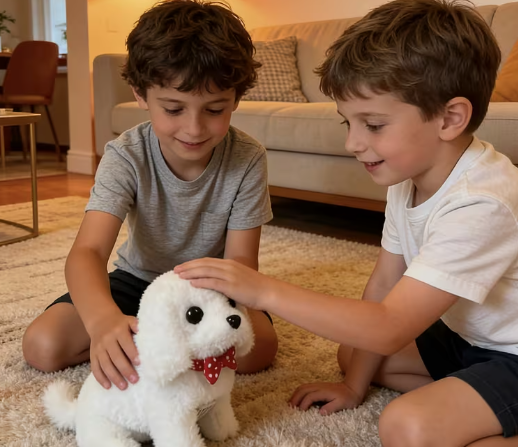
One of the most promising AI toy categories for dropshipping in 2026 is the storytelling plush toy.
This is the kind of product that immediately makes sense to buyers. It looks soft, safe, and familiar like a normal stuffed animal, but the “AI” angle adds a fresh layer: the toy can tell stories, answer simple questions, react to a child’s voice, or create more personalized interactions over time.
That blend of comfort and technology is powerful.
Parents are often cautious about putting screens in front of young children for long periods, but they are still interested in interactive learning and entertainment. A plush toy that talks, teaches, tells bedtime stories, or encourages conversation feels like a softer, more acceptable alternative to tablets or phones.
From a dropshipping perspective, this product has several strengths. It is emotionally appealing, highly giftable, and suitable for video demos. A short ad showing a child hugging a plush toy while the toy responds in a warm voice can be much stronger than an ad for a regular teddy bear.
Why it can sell well
The main hook is emotional connection. Storytelling plush toys are not just “toys.” They feel like companions. That makes them attractive for birthdays, holidays, and comfort-focused purchases. Many parents also like products that support imagination, vocabulary, and bedtime routines.
Best target audience
This product works best for parents of toddlers and young children, especially ages 3 to 8. It can also appeal to grandparents looking for meaningful gifts and parents searching for lower-screen entertainment options.
Strong marketing angles
A few angles work especially well here:
- Bedtime companion for calmer nights
- Screen-free story fun
- A cuddly learning friend
- The plush toy that talks back
- Personalized stories your child will love
What to watch out for
You need to be careful with claims. If the toy only has a few preset responses, do not oversell it as “advanced AI.” Customers will feel disappointed if they expect truly unlimited conversation. Also pay attention to voice quality, battery life, and whether the toy requires an app. Too much setup can reduce the magic.
How to position it better
Instead of marketing it only as a tech toy, position it as a cozy emotional product. Show bedtime scenes, parent-child bonding, and calm playtime. In this category, warmth sells better than tech jargon.
2. AI Learning Robots for Kids
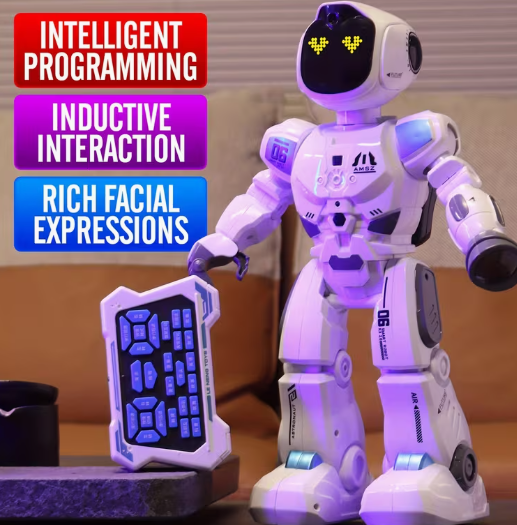
AI learning robots are one of the most obvious winners in the category because they combine education, entertainment, and futuristic appeal in one product.
These toys usually move, speak, respond to commands, teach basic subjects, or guide children through games and tasks. Some include language learning, simple math, music, dance, or coding-style activities. The key advantage is that the product feels active. It is not just something a child looks at. It feels like something they interact with.
That makes learning robots one of the strongest video products in the entire toy space.
Why it can sell well
Parents are always searching for toys that make learning feel less like work. A robot that asks questions, dances, responds to speech, or guides kids through mini lessons feels far more exciting than worksheets or static learning cards. It taps into a common parent desire: “I want my child to enjoy learning.”
Best target audience
Parents of children ages 4 to 10 are the sweet spot. These toys also work well for homeschool families, STEM-focused parents, and buyers looking for “smart gifts” that feel more valuable than ordinary toys.
Strong marketing angles
- Make learning feel like play
- The robot that teaches and entertains
- STEM fun at home
- A smart toy for curious kids
- Interactive screen-light learning
What to watch out for
Learning robots can be tricky because quality varies a lot. Some feel polished and impressive. Others feel cheap, robotic in a bad way, or too complicated for kids. Avoid products with confusing controls or weak battery performance. If setup takes too long, the wow factor disappears.
How to position it better
Do not lead with the word “robot” alone. Lead with the problem it solves. Parents do not buy “robotics” for its own sake. They buy engagement, learning, confidence, and fun. Your ads should show kids smiling, answering questions, and actively moving around with the toy.
3. AI Drawing and Creativity Toys
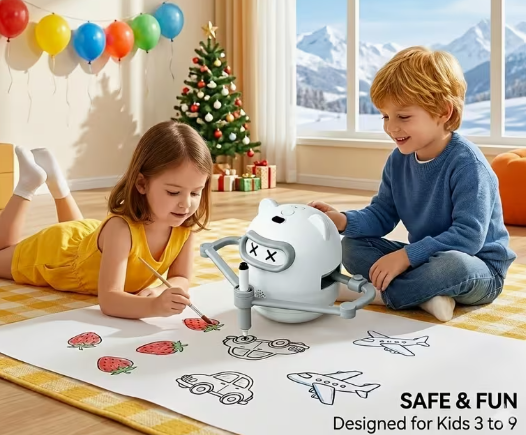
Creative AI toys are another smart niche for dropshipping in 2026, especially because they blend education with a highly visual experience. These products may help children learn to draw, generate step-by-step sketches, respond to spoken prompts, or guide creative activities in a way that feels interactive and personalized.
This category has strong potential because parents love toys that spark imagination, and kids enjoy anything that lets them make something themselves.
Why it can sell well
Unlike passive toys, creativity toys create a result the child can feel proud of. That emotional payoff matters. Parents are often willing to buy products that support art, self-expression, and independent play. When AI features help guide the experience, the toy can feel both educational and magical.
Best target audience
This category works well for parents of children ages 5 to 12, as well as gift buyers looking for something more meaningful than another plastic gadget.
Strong marketing angles
- Turn creativity into playtime
- The smart drawing toy kids actually use
- Make art less frustrating for beginners
- A fun way to build confidence and imagination
- Your child’s first creative AI toy
What to watch out for
Avoid products that overpromise advanced features but feel limited in real use. If the toy only repeats a few drawing prompts or requires constant adult help, customer satisfaction can drop. You also need good demonstrations. Buyers need to see what the toy actually does.
How to position it better
Focus on confidence and creativity instead of “smart tech.” A product that helps a child proudly say, “I made this!” is much easier to sell than one marketed with technical buzzwords. User-generated content can work very well in this category.
4. AI Voice-Interactive Pets
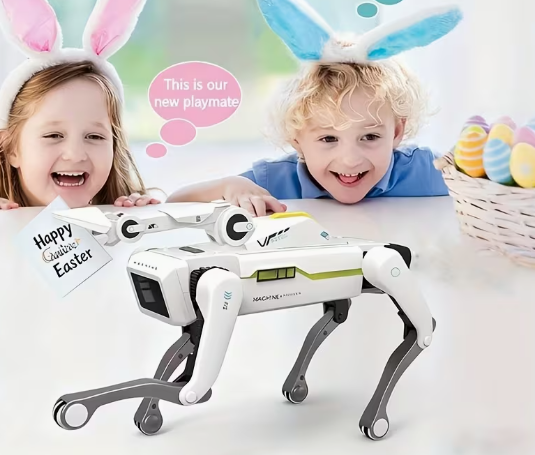
Voice-interactive pets are one of the most emotionally marketable product types in the AI toy space. These can be robotic puppies, kittens, birds, dinosaurs, or fantasy-style animals that respond to voice commands, movement, touch, or sound.
They work especially well because they mimic one of the strongest emotional hooks in toys: companionship.
A child does not just “use” this product. They talk to it, name it, care for it, and form a playful connection with it. That creates excellent ad potential and a strong gifting angle.
Why it can sell well
Many families want the joy of a pet-like toy without the mess, allergies, or responsibility of a real animal. That alone is a strong selling point. Add voice response, emotional reactions, or playful movement, and the product can feel much more alive than a regular stuffed animal or plastic figure.
Best target audience
Parents of younger children, pet-loving families, and gift buyers. This also works well for children who have asked for a pet but are not ready for one.
Strong marketing angles
- The next best thing to a real pet
- A smart little friend for your child
- Talks, responds, and plays back
- No feeding, no mess, all the fun
- The gift kids bond with instantly
What to watch out for
The biggest danger is disappointment. If the product only responds in a few repetitive ways, customers may feel tricked. Choose products with enough interactivity to justify the price. Sound quality and movement smoothness matter a lot here.
How to position it better
Lean into the relationship angle. Use language like “companion,” “playmate,” and “interactive friend.” This product sells best when buyers imagine the child forming a bond with it.
5. AI Coding Toys for Beginners
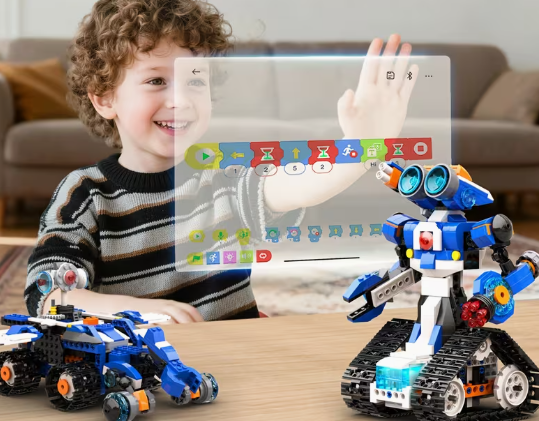
Coding toys are not new, but beginner-friendly AI coding toys have stronger potential in 2026 because parents are increasingly interested in future-ready skills. They want toys that feel modern and useful without becoming too advanced or intimidating.
These products may include programmable robots, logic games, app-connected building systems, or simple interactive kits that teach sequencing, patterns, problem-solving, and early coding concepts.
Why it can sell well
This category appeals strongly to parents who want educational value. It also gives you a premium angle. Buyers often accept higher pricing when a toy feels like it supports learning, STEM development, or long-term skill-building.
Best target audience
Parents of children ages 6 to 12, homeschool families, and tech-oriented buyers who want more than purely entertainment-based products.
Strong marketing angles
- Make coding fun for beginners
- A smart first step into STEM
- Future-ready play for curious kids
- Learn logic through hands-on fun
- The toy that grows with your child
What to watch out for
Some coding toys are too hard for the age they claim to target. That can lead to frustration, bad reviews, and returns. Choose products with clear onboarding and visible wins early in the experience. Parents want to feel their child can succeed, not struggle for an hour and give up.
How to position it better
Avoid making it sound like homework. Position it as a game, challenge, or adventure. Show the toy moving, reacting, or completing a task after the child gives a command. That makes the educational benefit feel real.
6. AI-Powered Language Learning Toys
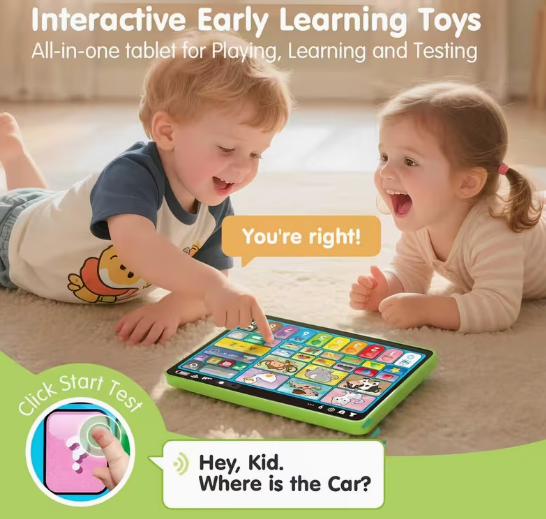
Language-focused AI toys are an exciting niche because they combine two evergreen buyer motivations: education and early childhood development. These toys may help children practice vocabulary, pronunciation, basic conversation, flashcard interaction, or word recognition in one or more languages.
This category is especially promising in 2026 because many parents are more intentional about global skills and early learning than before.
Why it can sell well
Parents love products that feel both useful and developmental. A language toy that makes words fun can feel much more rewarding than another noisy gadget. It also appeals to bilingual households, parents introducing a second language, and families who want structured learning through play.
Best target audience
Parents of children ages 2 to 8, bilingual families, language-conscious parents, and education-focused gift buyers.
Strong marketing angles
- Learn new words through play
- A smart toy for curious little learners
- Make language practice fun at home
- Great for bilingual families
- Interactive learning without boring drills
What to watch out for
Pronunciation quality is critical. If the toy sounds unnatural, unclear, or incorrect, trust drops immediately. Also be careful with exaggerated claims like “fluent in weeks” or “full language tutor.” Keep your messaging realistic and benefit-focused.
How to position it better
Use family-centered creative. Show the toy in a calm home environment with a parent joining the activity. This category performs better when it feels supportive and enriching rather than flashy.
7. AI Music and Dance Toys
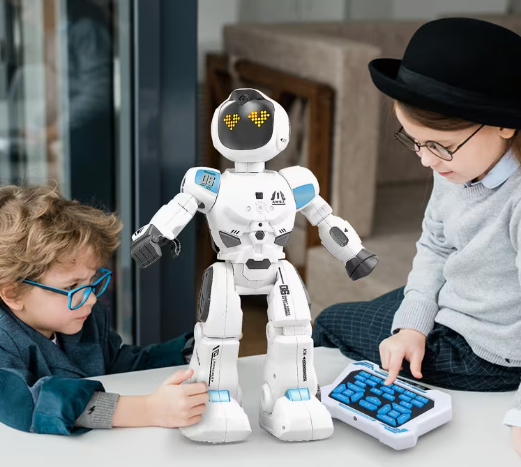
Music toys have always sold well, but AI-enhanced music and dance products give the category new life. These toys may respond to sound, generate patterns, guide rhythm games, dance to commands, or encourage children to sing, clap, and move.
That makes them ideal for a major ecommerce truth: movement sells.
When a product lights up, sings, dances, and gets a child physically involved, it becomes much easier to demonstrate in a short video ad.
Why it can sell well
Parents often want toys that keep children active and engaged. A music-and-movement toy can offer entertainment without feeling as passive as a screen. It is also one of the easiest categories to demo with joyful energy, which helps with social ads.
Best target audience
Parents of toddlers and younger children, usually ages 2 to 7, as well as gift buyers shopping for birthdays and holidays.
Strong marketing angles
- Get kids moving and laughing
- The smart dance toy that brings playtime alive
- Music, movement, and learning in one toy
- Burn energy in a fun way
- Interactive fun that keeps kids off the couch
What to watch out for
Cheap sound quality can ruin the appeal fast. Repetitive music, overly loud volume, or clunky movement can cause bad reviews. Look for products that feel polished enough to justify the AI angle.
How to position it better
Use high-energy video, but not chaos. Parents need to imagine fun, not noise overload. Show happy motion, interaction, and active play without making the product feel annoying.
8. AI Puzzle and Logic Game Toys
Puzzle-based AI toys are a smart way to enter the educational toy market while still benefiting from the “smart toy” trend. These may include adaptive puzzle games, interactive memory toys, logic challenge devices, or problem-solving games that adjust difficulty based on the child’s input.
This category works because it speaks directly to parents who want brain-building products without making playtime feel too academic.
Why it can sell well
Puzzle and logic toys are often easier for parents to justify than purely novelty products. If the toy can genuinely challenge a child, improve focus, or adapt as they get better, it feels like a better investment. It also allows you to market around concentration, confidence, and independent thinking.
Best target audience
Parents of children ages 5 to 12, education-minded households, and shoppers looking for smarter alternatives to random impulse toys.
Strong marketing angles
- Smarter play for growing minds
- A brain-boosting toy kids actually enjoy
- Interactive challenges that adapt over time
- Fun problem-solving without screens
- Build confidence one challenge at a time
What to watch out for
This category can look boring if advertised badly. A logic game may have excellent value, but if the ad feels flat, it will not convert. You need to show quick moments of challenge, reaction, and success.
How to position it better
Focus on pride and achievement. The strongest emotional hook here is not pure entertainment. It is the satisfying feeling of solving something. Parents respond well when they see a child thinking, succeeding, and smiling.
9. AI Companion Desk Toys for Tweens
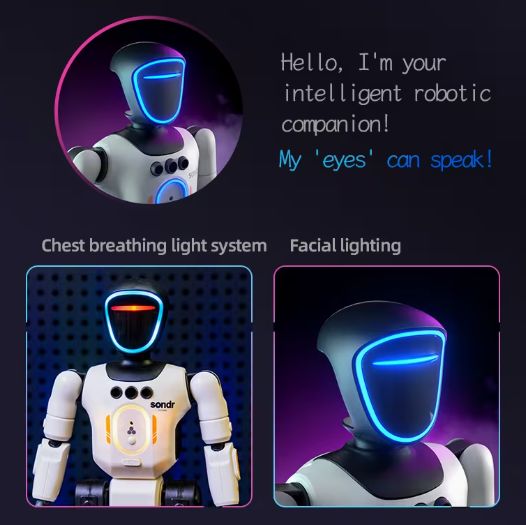
Not every AI toy has to target very young children. One of the more underrated directions for 2026 is AI companion desk toys aimed at tweens and older kids. These products may include mini robots, expressive desktop pets, smart interactive figurines, or app-connected companions that react to mood, voice, reminders, or routine habits.
This audience matters because older kids still like toys, but they do not want products that feel babyish.
Why it can sell well
Tweens are in a unique age range. They still enjoy playful products, but they also want items that feel cool, stylish, and slightly more grown-up. An AI desk companion can hit that sweet spot. It feels like a mix of toy, collectible, gadget, and digital buddy.
Best target audience
Children roughly ages 9 to 14, as well as parents shopping for unique tech-themed gifts. This category can also work for teen desk decor and gift-oriented social media trends.
Strong marketing angles
- A fun smart buddy for your desk
- More than a toy, less than a gadget
- The interactive desk companion tweens love
- Cute, responsive, and actually fun to keep around
- A gift that feels different from everything else
What to watch out for
Older kids are harder to impress. If the product feels too childish, awkward, or gimmicky, it will struggle. Design matters more here than in toddler categories. The product has to look genuinely cool.
How to position it better
Use cleaner branding, modern color palettes, and lifestyle content instead of babyish visuals. This category benefits from aesthetic product pages and short, snappy creative.
10. AI Build-and-Play Kits
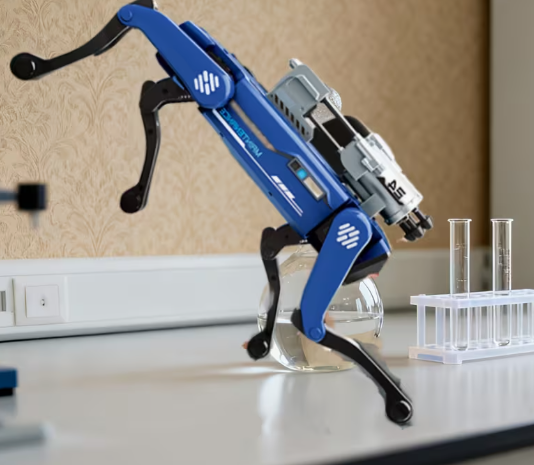
Build-and-play toys have long been popular because they combine hands-on activity with a sense of accomplishment. In 2026, AI-enhanced build kits can take that appeal further by adding responsive movement, simple logic, guided instructions, or app-connected interaction after the build is complete.
This category is powerful because it gives buyers two products in one: the building experience and the finished smart toy.
Why it can sell well
Parents often prefer toys that keep children busy for longer periods. A build-and-play kit offers setup, learning, and continued use. It can feel more substantial than a toy that is interesting for five minutes and then forgotten. It also gives you a stronger perceived value angle, which can support better pricing.
Best target audience
Parents of children ages 7 to 13, STEM-oriented families, and gift buyers looking for something more memorable than standard toys.
Strong marketing angles
- Build it, program it, play with it
- Hands-on fun with a smart twist
- The perfect gift for curious builders
- More engaging than ordinary toys
- A creative STEM toy kids actually finish
What to watch out for
Some build kits are too complex, and others look more exciting on the box than in real life. Be careful with age positioning. A product that requires heavy adult help may cause frustration. Also make sure the finished toy is satisfying enough to justify the build time.
How to position it better
Show both stages: the building process and the final result. That makes the product feel richer and more complete. Parents want to see effort rewarded.
How to Choose the Right AI Toy for Dropshipping
A lot of sellers make the mistake of picking products based only on novelty. That is risky in any niche, but especially in toys.
The better approach is to filter AI toy products through five questions.
1. Can the product be understood instantly?
If someone sees your ad for three seconds, will they understand what makes the toy interesting? If not, it becomes harder to sell. Complex products can still work, but they need a very strong demo.
2. Does it create visible or emotional engagement?
Good toy products make children smile, react, build, talk, move, or focus. Those visible responses are gold for advertising.
3. Does the “AI” angle actually matter?
Some products are dressed up with trendy wording but have no real smart feature that buyers care about. Make sure the product has a clear interactive or adaptive benefit.
4. Is the product giftable?
Giftability matters a lot in toys. A product with strong gift potential can sell across birthdays, holidays, special occasions, and impulse purchases from relatives.
5. Can you explain the benefit without technical language?
Most buyers do not care about the engineering behind the toy. They care about what it does for their child. Your store should translate features into outcomes: learning, comfort, fun, movement, creativity, confidence, or bonding.
Best Marketing Strategies for AI Toys in 2026
Even strong products fail when they are marketed badly. AI toys especially need clear positioning because many buyers are curious but also skeptical. They want to know whether the toy is genuinely useful, safe, and fun.
Here is how to market them more effectively.
Use demonstration-first creative
Do not spend too much time on logos, branding animations, or vague lifestyle shots at the beginning of your ad. Get to the product fast. Show the toy speaking, reacting, moving, teaching, or creating.
Focus on one clear promise
Every product should have one main promise. For example:
- makes bedtime more magical
- helps kids learn while playing
- keeps children engaged without screens
- makes drawing easier and more fun
- brings pet-like joy without the mess
Too many angles in one ad can weaken performance.
Sell the outcome, not the technology
“AI-powered response engine” sounds much less compelling than “a plush friend that tells bedtime stories and answers your child back.” Parents buy benefits. Not buzzwords.
Create ad content that feels parent-approved
A lot of toy ads focus only on excitement. That can work, but parents still make the purchase. Balance child appeal with parental reassurance. Show fun, but also show safety, usefulness, learning, comfort, or calm.
Build trust through product detail
Because AI toys can trigger skepticism, your product page should answer obvious questions:
- What age is it for?
- Does it need an app?
- Is it rechargeable or battery powered?
- What does it actually do?
- Is it safe for kids?
- How hard is setup?
The more clearly you answer these questions, the lower your refund risk.
Common Mistakes to Avoid When Selling AI Toys
This niche has strong upside, but it also comes with traps.
Mistake 1: Selling the idea, not the real product
If you market a toy as if it has advanced conversation, emotional intelligence, and endless learning ability, but the actual product only gives a handful of responses, customers will feel misled.
Mistake 2: Choosing products that demo poorly
Some toys sound exciting in theory but look weak on camera. If the product does not show clear movement, reaction, or outcome, performance on paid ads can suffer.
Mistake 3: Ignoring age fit
A toy that is too advanced for its audience causes frustration. A toy that is too simple feels boring. Always match the product to the actual skill level and patience level of the target child.
Mistake 4: Using generic toy-store branding
AI toys usually convert better with a niche-focused or modern educational brand feel than with a random “everything store” look. Parents need to trust the store.
Mistake 5: Forgetting support and expectation management
Interactive toys often generate more customer questions than static products. Be ready with clear instructions, FAQs, and realistic feature descriptions.
How to Build a Store Around AI Toys
You do not need to sell every possible toy. In fact, narrowing your brand can help a lot.
A few strong store directions for 2026 include:
Smart educational toy store
Focus on learning robots, coding toys, language toys, and puzzle products. This works well if you want a parent-trust angle.
Interactive companion toy store
Sell storytelling plush toys, voice-interactive pets, desk companions, and emotional play products. This direction is more giftable and emotion-driven.
STEM and creativity toy store
Blend build kits, coding toys, drawing toys, and logic games for a modern “future-ready kids” identity.
Gift-focused tech toy store
This can work around birthdays and holidays, especially if your branding emphasizes uniqueness, surprise, and wow factor.
Whatever direction you choose, consistency matters. The store should feel intentional, not random. Product pages, ad creative, and messaging should all support the same story.
Pricing AI Toys for Better Profit Margins
One reason many sellers like AI toys is that the niche can support stronger perceived value than basic toys. But pricing still has to make sense.
A useful rule is that you are not only pricing the physical object. You are pricing the experience, novelty, gifting appeal, and problem-solving benefit. That said, customers will compare if the product looks cheap, generic, or overly gimmicky.
To justify higher prices:
- use better product page design
- include strong demonstration videos
- explain benefits clearly
- highlight gifting occasions
- bundle accessories where possible
- use clean, trustworthy branding
Bundle ideas can work especially well here. For example:
- storytelling plush toy + bedtime story cards
- coding toy + activity guide
- language toy + printable learning sheets
- drawing toy + art starter kit
Bundles increase perceived value and can improve average order value without relying only on discounting.
Are AI Toys Worth Selling in 2026?
For the right seller, yes.
AI toys are one of the more interesting dropshipping niches heading into 2026 because they sit at the intersection of education, novelty, emotional engagement, and premium positioning. They are easier to differentiate than generic toys, often more visual in ads, and well suited to modern parents who want products that feel fun but also meaningful.
That does not mean this niche is effortless.
You still need strong sourcing, realistic positioning, good creative, and honest marketing. You need to choose products that genuinely feel interactive rather than lazily labeled as “AI.” And you need to understand that in toys, emotions usually sell the product first, while features justify the purchase afterward.
If you approach the niche thoughtfully, AI toys can be much more than a trend. They can become the foundation of a high-converting, gift-friendly, future-focused ecommerce store.
And in a crowded dropshipping market, that matters.
The sellers who do best in 2026 will not be the ones blindly copying the hottest product of the week. They will be the ones who spot categories early, build stronger offers around them, and communicate the value in a way buyers instantly understand.
AI toys give you that chance.
Choose the right products. Position them clearly. Show the experience. Sell the outcome.
That is how winning toy stores are built.
FAQ: AI Toys for Dropshipping in 2026
What are AI toys?
AI toys are interactive toys that use smart features such as voice response, adaptive play, personalized interaction, app connectivity, or guided learning experiences. Some are more advanced than others, so sellers should always check what the product actually does.
Are AI toys good for dropshipping?
Yes, AI toys can be strong dropshipping products because they are visually engaging, giftable, and often have higher perceived value than standard toys. They also fit well with video marketing and educational positioning.
What is the best AI toy to sell in 2026?
There is no single best product for every store, but storytelling plush toys, learning robots, voice-interactive pets, coding toys, and build-and-play kits all have strong potential depending on your audience and branding.
Who buys AI toys?
The main buyers are parents, grandparents, relatives, gift shoppers, and education-focused households. Different products may also appeal to homeschool families, bilingual homes, or tech-loving tweens.
How do you market AI toys?
The best approach is to show the toy in action, focus on one clear benefit, and market the outcome rather than the technology. Ads should be easy to understand and emotionally engaging.
What should sellers avoid when selling AI toys?
Avoid exaggerating features, choosing low-quality products, using confusing technical language, and marketing toys to the wrong age group. Clear expectations are essential for reducing refunds and building trust.