
Children’s clothing is one of those eCommerce categories that looks simple from the outside but becomes much more interesting once you examine how people actually shop.
Children grow quickly. Seasons change. School starts every year. Birthdays, holidays, family photos, vacations, weddings, sports activities, and everyday wear all create reasons for parents to buy new clothes. Unlike many novelty products, children’s apparel is tied to recurring needs.
The market is also large enough to support specialized stores rather than forcing every seller to compete for the same customer.
According to Fortune Business Insights, the global kids apparel market was valued at $225.88 billion in 2025 and is projected to reach approximately $241.64 billion in 2026. The firm expects the market to grow to $423.01 billion by 2034, representing a projected CAGR of 7.25% between 2026 and 2034. Casual wear is expected to account for around 55.05% of the market in 2026, which is particularly relevant for online sellers because casual pieces are generally easier to demonstrate, bundle, and sell repeatedly than formal clothing.
At the same time, online retail continues to expand. The U.S. Census Bureau reported that U.S. eCommerce sales reached an estimated $340.2 billion in Q2 2026, up 12.2% from the same quarter in 2025. Online sales represented 17.1% of total U.S. retail sales during the quarter.
That does not mean every children’s clothing store will succeed.
Selling clothes for children involves sizing problems, quality control, product safety requirements, returns, seasonal demand, and strong competition. A generic store filled with hundreds of random products is unlikely to stand out.
A more sustainable strategy is to build a focused store around a clearly defined customer, choose products that are visually appealing but operationally manageable, work with a reliable supplier, and gradually turn successful products into a recognizable brand.
This guide explains how to approach dropshipping children's clothing in 2026, from product selection and supplier evaluation to compliance, pricing, marketing, fulfillment, and long-term brand development.
Is Dropshipping Children's Clothing Profitable in 2026?
Children’s clothing has several characteristics that make it attractive for dropshipping.
The first is replacement demand.
Adults may wear the same jacket, sweatshirt, or jeans for several years. Children frequently outgrow clothes long before the garments themselves wear out. That naturally creates repeat purchasing opportunities.
The second is the number of purchasing occasions.
Parents are not only buying basic clothes. They may shop for:
-
Everyday outfits
-
Back-to-school clothing
-
Summer clothing
-
Winter layers
-
Birthday outfits
-
Holiday collections
-
Vacation clothing
-
Sportswear
-
Family photo outfits
-
Wedding and event clothing
-
Personalized gifts
Back-to-school alone illustrates the scale of the opportunity.
The National Retail Federation reported that U.S. K-12 shoppers expected to spend an average of $250.29 on clothing and accessories in 2026, representing an estimated $12.5 billion in spending. Half of surveyed consumers planned to purchase back-to-school products online.
Children themselves are also increasingly involved in these buying decisions. NRF reported that 62% of K-12 shoppers said at least half of their back-to-school spending was directly influenced by their child.
For a children’s fashion store, that matters.
You are often selling to two audiences simultaneously: the parent who cares about price, comfort, durability, sizing, and convenience, and the child who cares about color, style, graphics, and what looks interesting.
A successful product needs to satisfy both sides.
Why Children's Clothing Works Well With the Dropshipping Model
Traditional fashion retail creates an inventory problem.
A single T-shirt design might require five sizes and five colors. Suddenly one product becomes 25 SKUs. Add several styles, and inventory requirements can grow rapidly.
Dropshipping allows sellers to test more cautiously.
Instead of purchasing hundreds of units before knowing what customers want, sellers can list selected products, generate sales, study which sizes and colors perform well, and then make larger inventory commitments only when the data supports them.
This is especially useful in children’s apparel because demand is fragmented across:
-
Age
-
Size
-
Gender or unisex positioning
-
Climate
-
Season
-
Style
-
Occasion
The strongest strategy is often not to remain in pure dropshipping forever.
Dropshipping can be used as the testing phase.
Once a product consistently generates orders, sellers can consider pre-stocking inventory, custom packaging, private labeling, local warehouse fulfillment, or developing exclusive variations.
In other words:
Test with low inventory risk. Scale winning products with a stronger supply chain.
That approach is more sustainable than treating dropshipping as simply copying products from a supplier marketplace into a store.
Best Children's Clothing Products to Dropship in 2026
Product selection is where many children’s clothing stores become too broad.
“Baby clothes” is not a product strategy.
Neither is “girls’ clothing” or “kids fashion.”
For dropshipping, the better question is:
Which products have repeat demand, strong visual appeal, manageable shipping costs, reasonable sizing complexity, and enough room for bundles or branding?
The current market gives sellers some useful signals. Fortune Business Insights expects casual clothing to represent more than half of the global kids apparel market in 2026. Meanwhile, recent back-to-school reporting has highlighted demand around coordinated sets, graphic tees, comfortable silhouettes, sneakers, and layering pieces as families balance style with value.
Based on those characteristics, the following categories are particularly worth testing.
| Product | Demand Type | Best Selling Angle | Bundle Potential | Operational Difficulty |
|---|---|---|---|---|
| Coordinated everyday sets | Evergreen | Easy complete outfit | High | Low-Medium |
| Graphic T-shirts & sweatshirts | Evergreen/Trend | Personality and design | High | Low |
| Joggers & relaxed-fit pants | Evergreen | Comfort and versatility | Medium | Low |
| Lightweight jackets & layering pieces | Seasonal/Evergreen | Practical wardrobe upgrade | Medium | Medium |
| Occasion dresses & dress-up sets | Event-driven | Emotional purchase | Medium | Medium |
| Baby rompers & bodysuit sets | Evergreen | Convenience | High | Medium |
| Kids activewear sets | Evergreen | Sports and everyday wear | High | Low-Medium |
| Matching sibling/family clothing | Seasonal/Emotional | Family moments | Very High | Medium |
| Personalized kids apparel | Gift/Emotional | Unique product | High | Medium |
1. Coordinated Everyday Sets
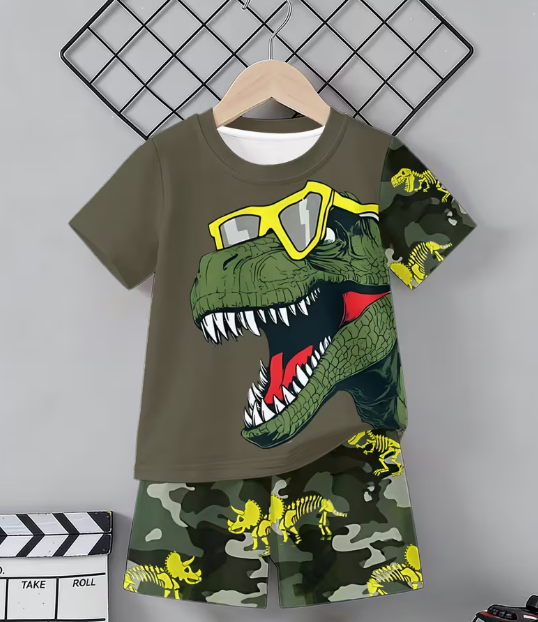
Matching two-piece sets are one of the strongest starting categories for a children’s clothing dropshipping store.
Think:
-
T-shirt and shorts sets
-
Sweatshirt and jogger sets
-
Knit top and pants sets
-
Summer shirt and shorts combinations
-
Casual skirt and top sets
The customer does not need to create an outfit manually. One purchase solves the problem.
That convenience makes coordinated sets particularly attractive to busy parents.
They also improve perceived value. A $29.99 two-piece set can often feel more attractive than selling a $16.99 shirt and $17.99 pair of shorts separately, even when the seller’s total product cost is similar.
Sets are also excellent for advertising because the complete outfit can be understood immediately in a product photo or short video.
For testing, prioritize neutral and versatile colors alongside a smaller number of trend-driven colors. Avoid launching too many variations at once.
2. Graphic T-Shirts and Sweatshirts
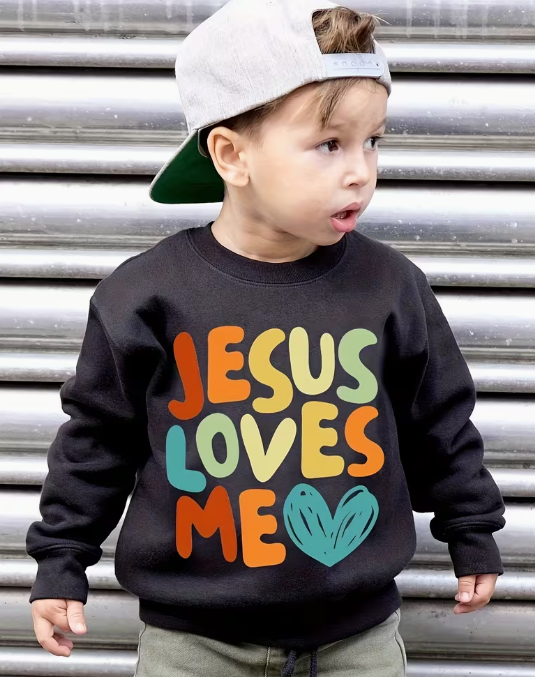
Graphic tops remain useful because designs allow a store to create a clear identity without changing the underlying garment dramatically.
Possible niches include:
-
Animals
-
Space
-
Sports
-
Dinosaurs
-
Nature
-
Positive messages
-
Birthday themes
-
Retro graphics
-
Minimalist illustrations
-
Seasonal designs
This category becomes even more interesting when combined with print on demand.
Instead of competing with thousands of sellers offering the same supplier photograph, you can create original graphics and sell products that are visually unique to your store.
The base product can remain consistent while designs change according to seasons or trends.
A successful graphic T-shirt can also expand into:
-
Sweatshirts
-
Hoodies
-
Tote bags
-
Family matching shirts
-
Sibling collections
That creates more revenue from one creative concept.
3. Relaxed-Fit Pants, Joggers, and Comfortable Bottoms
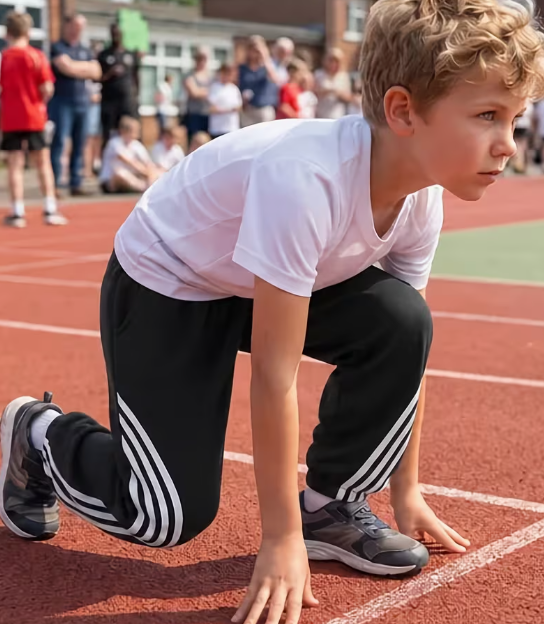
Comfort is increasingly important in kidswear, and bottoms can provide useful repeat demand.
Products worth testing include:
-
Cotton joggers
-
Wide-leg casual pants
-
Cargo-style pants
-
Soft leggings
-
Elastic-waist trousers
-
Casual shorts
The key is avoiding products with complicated fits.
An adjustable or elastic waist is generally easier to sell online than a highly structured pair of trousers because it provides more flexibility between body shapes.
Detailed measurements still matter. Product pages should show waist, hip, inseam, and total garment length rather than relying only on an age label such as “6–7 years.”
4. Lightweight Jackets and Layering Pieces
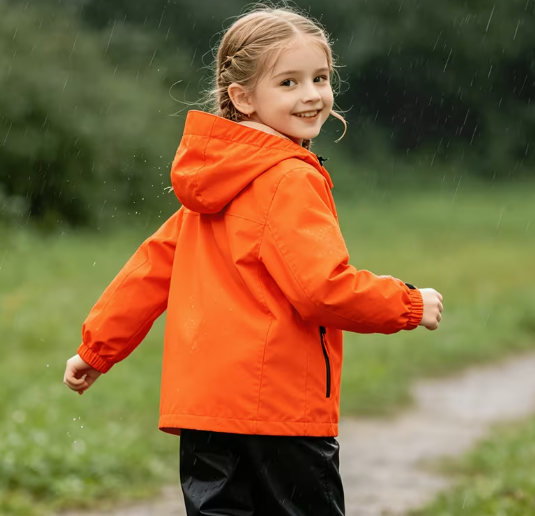
Outerwear can increase average order value because customers are usually willing to spend more on a jacket than on a basic T-shirt.
For dropshipping, however, heavy winter coats can create higher shipping costs.
Lightweight options are often easier to manage:
-
Zip-up jackets
-
Lightweight bomber jackets
-
Overshirts
-
Denim-style jackets
-
Fleece zip-ups
-
Windbreakers
These products work particularly well around back-to-school periods and seasonal transitions.
Stores targeting several regions can also rotate merchandising. A product promoted as autumn wear in one market may be appropriate for a different season elsewhere.
5. Occasion Dresses and Dress-Up Sets
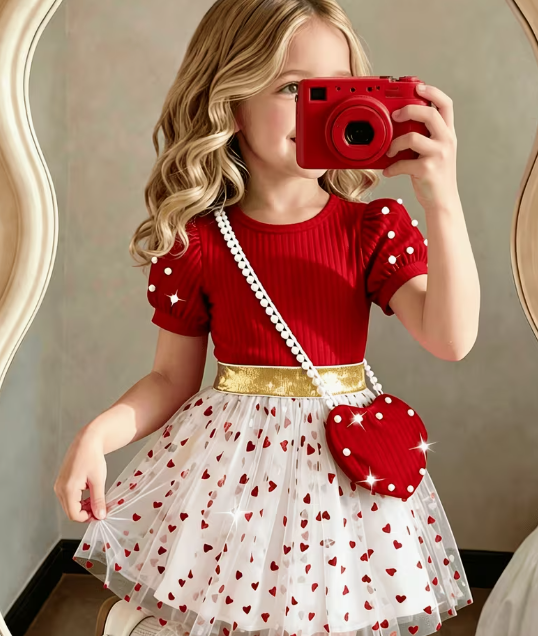
Children need clothing for birthdays, weddings, holidays, school events, family photography, and celebrations.
These purchases tend to be more emotional than buying everyday basics.
That can support a higher perceived value.
Potential products include:
-
Party dresses
-
Flower dresses
-
Formal shirt and trouser sets
-
Holiday outfits
-
Birthday outfits
-
Family photo collections
Photography becomes extremely important here.
Customers buying for an event want confidence that the item will look like the product page. Ordering samples and creating original photography can significantly improve trust.
Shipping reliability matters too. A dress that arrives after a birthday party has very little value to the customer.
6. Baby Rompers and Bodysuit Multipacks
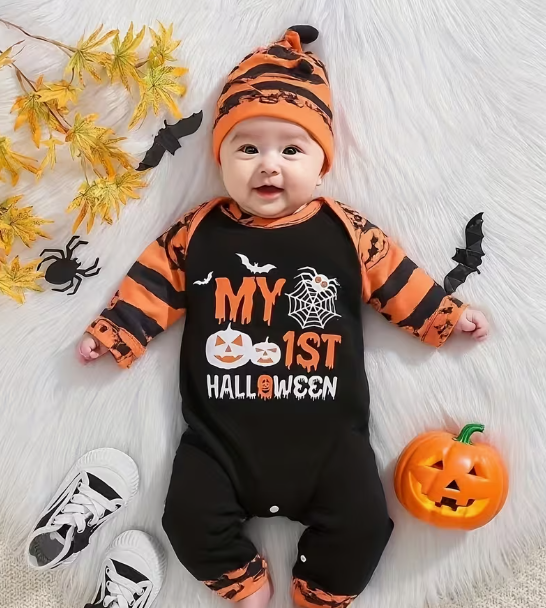
Baby apparel has persistent replacement demand because babies move through sizes quickly.
Instead of selling a single basic bodysuit, consider products that create more value:
-
Three-piece bodysuit sets
-
Romper sets
-
Coordinated baby outfits
-
Bodysuit and pants combinations
-
Seasonal baby collections
Multipacks and sets can improve average order value while helping parents purchase several essentials at once.
However, baby clothing requires particularly careful attention to construction quality. Check snaps, buttons, decorations, seams, labels, and detachable components before listing a product.
Products intended for very young children should never be selected purely because they are cheap.
7. Kids Activewear Sets
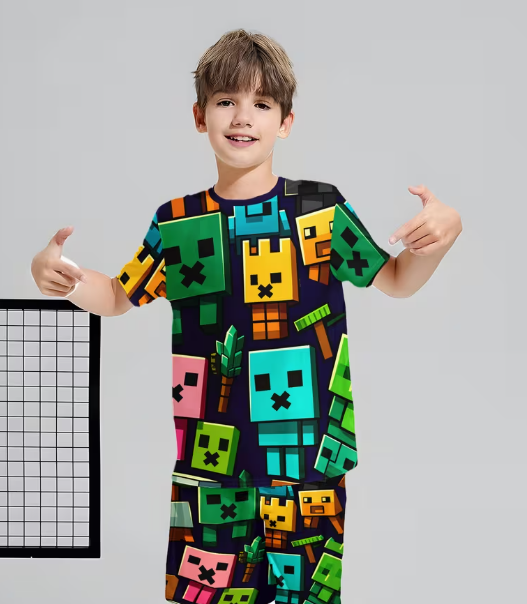
Activewear sits between sportswear and everyday casual clothing.
Potential products include:
-
T-shirt and shorts sports sets
-
Legging and top sets
-
Tracksuits
-
Training shirts
-
Lightweight sports shorts
One advantage of this category is versatility.
Parents may purchase the same product for sports practice, outdoor activities, school, travel, or ordinary daily wear.
Stores can niche down further around activities such as football, dance-inspired apparel, outdoor clothing, or general active kidswear without relying on licensed team logos.
Avoid using copyrighted characters, sports logos, or other protected intellectual property unless you have permission to do so.
8. Matching Sibling and Family Clothing
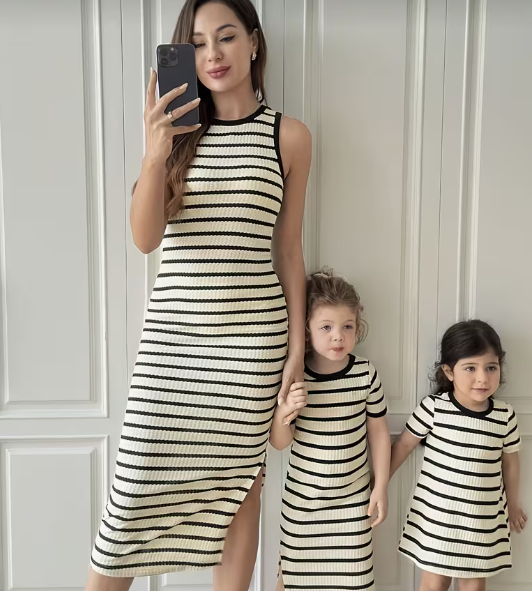
Matching apparel is less about necessity and more about emotion.
That is precisely why it can work well.
Customers buy matching outfits for:
-
Christmas
-
Vacations
-
Birthdays
-
Family photos
-
Mother’s Day
-
Father’s Day
-
Sibling announcements
-
Weddings
These products can generate larger basket sizes because one customer may order two, three, four, or more garments in a single transaction.
The merchandising should focus on the occasion rather than the individual product.
Instead of:
“Kids Green T-Shirt”
the collection might be positioned as:
“Family Christmas Morning Collection.”
That changes the purchase from a commodity into an experience.
9. Personalized Children's Clothing
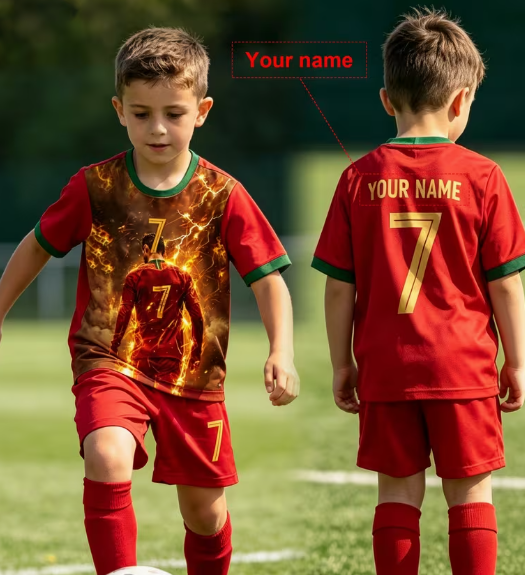
Personalization gives small stores an opportunity to compete on something other than price.
Examples include:
-
Name sweatshirts
-
Initial T-shirts
-
Birthday shirts
-
Personalized sports-style tops
-
Custom family shirts
-
Birth-year designs
Print-on-demand production can make these products possible without keeping every name or design in inventory.
Personalization also creates natural gifting opportunities.
The trade-off is fulfillment complexity. Sellers need a clear process for receiving customer names, checking spelling, sending customization information to the supplier, and preventing production errors.
Products Beginners Should Approach Carefully
Not every popular-looking product is ideal for a new seller.
Children’s sleepwear deserves particular caution.
In the United States, children’s sleepwear above size nine months through size 14 can fall under specific CPSC flammability standards. Depending on the garment, requirements may include specified testing, certification, sizing, labeling, and other conditions.
For a beginner who has not yet developed a reliable compliance workflow, ordinary casual apparel is generally operationally simpler than entering highly regulated sleepwear categories.
How to Choose Children's Clothing That Can Actually Sell
Finding an attractive product is only the beginning.
Before adding any garment to your store, evaluate it from five perspectives.
Material
Parents are buying clothing that will be worn against their child’s skin.
Product pages should clearly state fibre composition rather than relying on vague claims such as “premium material.”
Whenever possible, order samples and evaluate:
-
Fabric feel
-
Thickness
-
Stretch
-
Breathability
-
Shrinkage
-
Color retention
-
Pilling
Construction
Inspect:
-
Seams
-
Zippers
-
Snaps
-
Buttons
-
Embroidery
-
Printed areas
-
Decorative pieces
-
Elastic
-
Drawstrings
A product that looks excellent in a supplier image can still create complaints if stitching begins to separate after two washes.
Size Consistency
Sizing may be the biggest operational problem in fashion dropshipping.
“Age 6” means very little without measurements.
Provide actual garment measurements and explain whether the item fits true to size, slim, relaxed, or oversized.
When possible, include:
-
Height recommendation
-
Chest width
-
Waist
-
Hip
-
Garment length
-
Sleeve length
-
Inseam
Do not simply copy an unclear supplier chart.
Shipping Weight
Margins can disappear when shipping is ignored.
Heavy coats, oversized packaging, or bulky sets may look profitable based on product cost but become expensive once international delivery is calculated.
Always evaluate landed cost, not just supplier price.
Visual Potential
Children’s fashion is highly visual.
Ask whether the product can produce strong:
-
Short-form videos
-
Outfit combinations
-
Before-and-after styling content
-
Seasonal collections
-
Lifestyle photography
-
User-generated content
A generic white T-shirt may be easy to fulfill, but it gives customers little reason to choose your store.
Children's Clothing Safety and Compliance
Compliance should be part of product sourcing, not something considered after a product starts selling.
Requirements differ depending on the country, garment type, material, age group, and intended use.
Selling Children's Clothing in the United States
The U.S. Consumer Product Safety Commission notes that children’s wearing apparel can be subject to federal requirements including flammability standards. Products primarily designed or intended for children aged 12 or younger can also be subject to additional children’s product requirements.
Sleepwear requires additional attention.
CPSC regulations cover certain children’s sleepwear from above nine months through size 14 under 16 CFR Parts 1615 and 1616. Covered products may need to meet defined flammability requirements or specific tight-fitting criteria.
Sellers should ask suppliers for appropriate compliance documentation rather than assuming that a product is compliant because another online store sells it.
Selling in the European Union
The EU General Product Safety Regulation, Regulation (EU) 2023/988, has applied since December 13, 2024.
Among other requirements, distance-sale product offers need appropriate product identification and relevant manufacturer, responsible-person, warning, and safety information depending on the product and economic operator structure.
Textile labeling is another important consideration.
EU guidance states that textile products marketed to consumers generally need labels showing their fibre composition. The information must be clear, and sellers operating across EU countries may need the required information in the applicable national languages.
Cords and Drawstrings
Small design details matter.
UK product-safety guidance published in 2026 gives an example of a children’s garment failing safety assessment because of decorative cords around the neck area and references EN 14682 requirements concerning cords and drawstrings in children’s clothing.
This is one reason sellers should inspect physical samples.
A supplier photograph cannot tell you everything about cord length, button attachment strength, stitching, or other construction details.
Regulations change and requirements differ by market, so sellers should always verify current requirements with relevant authorities or qualified compliance professionals before launching regulated products.
How to Find a Reliable Children's Clothing Dropshipping Supplier
A good supplier is not simply the company offering the lowest unit price.
For children’s apparel, supplier performance directly affects your brand.
Evaluate potential partners based on:
Product quality. Can the supplier provide consistent materials, stitching, colors, and sizing?
Quality inspection. Is there a process for identifying damaged, incorrect, or poorly manufactured items before shipment?
Inventory stability. Does the supplier frequently run out of popular sizes?
Shipping options. Can orders reach your target market within a competitive timeframe?
Product sourcing. Can the supplier help find alternatives when a product performs well?
Customization. Can you add labels, inserts, packaging, or custom designs later?
Integration. Can inventory and orders connect with your eCommerce platform?
Scaling ability. What happens if a product suddenly goes from five orders per day to 200?
Ordering samples remains one of the most useful supplier tests.
Place an order exactly as a customer would.
Examine the product, packaging, tracking communication, shipping speed, sizing, and overall experience.
The goal is not simply to answer, “Does the product look good?”
Ask:
Would I be comfortable putting my own brand name on this?
How to Start a Children's Clothing Dropshipping Business
A focused launch is better than uploading 500 products and hoping something sells.
Step 1: Choose a Specific Position
A store aimed at “everyone with children” has no clear identity.
Better positions might include:
-
Minimalist toddler clothing
-
Affordable everyday kidswear
-
Kids streetwear
-
Personalized children’s apparel
-
Matching family clothing
-
Baby essentials
-
Kids activewear
-
Occasion clothing
A clear niche makes product selection, photography, advertising, and content easier.
Step 2: Research the Customer
Define the person actually making the purchase.
Consider:
-
Child’s age
-
Parent’s budget
-
Country
-
Climate
-
Typical purchase occasion
-
Preferred style
-
Main concern
One audience may prioritize inexpensive basics.
Another may happily pay more for organic-looking neutral designs and premium packaging.
The same product will not work for both positioning strategies.
Step 3: Start With a Small Collection
You do not need 200 products.
A stronger launch might include 15 to 30 carefully selected products organized around several collections.
For example:
Everyday
-
Two-piece sets
-
Tees
-
Joggers
Active
-
Sports sets
-
Shorts
-
Zip-ups
Occasions
-
Dresses
-
Smart sets
Personalized
-
Name shirts
-
Birthday designs
This creates enough choice without making the store look random.
Step 4: Order Samples
Never rely entirely on supplier photographs.
Check the product yourself.
Wash it.
Measure it.
Compare the actual garment with the size chart.
Photograph it.
Examine the stitching.
You will learn more from one sample order than from reading dozens of supplier descriptions.
Step 5: Build Better Product Pages
Fashion customers need information.
Each product page should clearly communicate:
-
Material
-
Fit
-
Available sizes
-
Garment measurements
-
Washing instructions
-
Color options
-
Package contents
-
Delivery estimate
-
Return policy
Size information should appear close to the variant selector rather than being hidden near the bottom of the page.
Step 6: Set Up Fulfillment
Connect your store with a supplier that can manage order synchronization and tracking efficiently.
Before running advertising, place several test orders.
Make sure:
-
Orders synchronize correctly
-
Customer addresses transfer correctly
-
Tracking numbers update
-
Variant mappings are correct
-
Out-of-stock products are handled properly
Operational mistakes become expensive once advertising starts generating volume.
How to Price Dropshipping Children's Clothing
Do not calculate your profit as:
Selling price - product price = profit.
Your real cost may include:
-
Product cost
-
International shipping
-
Payment processing
-
Platform fees
-
Apps
-
Advertising
-
Discounts
-
Returns
-
Reshipments
-
Customer service
-
Taxes or duties where applicable
Suppose a set sells for $34.99.
If the product costs $10, shipping costs $6, transaction costs are $1.50, and acquiring the customer costs $10, only $7.49 remains before overhead, refunds, and taxes.
That is why bundles matter.
Instead of trying to maximize margin on one item, consider increasing the value of each order.
For example:
Buy 1: $29.99
Buy 2: $52.99
Complete the outfit: $59.99
Free shipping over: $65
Parents often need more than one garment anyway.
A good offer gives them a reason to buy those items from the same store.
How to Market a Children's Clothing Dropshipping Store
Children’s fashion marketing needs both functionality and emotion.
Parents need information.
Products need personality.
Create Outfit-Based Content
Do not show every product individually against a white background.
Create combinations.
“5 Back-to-School Outfits Under $100” is more interesting than posting five separate product photographs.
The same strategy works for:
-
Summer outfits
-
Travel outfits
-
Holiday collections
-
Birthday looks
-
Weekend outfits
-
Sibling combinations
Use Short-Form Video
Children’s apparel works naturally with TikTok, Instagram Reels, and other visual channels.
Content can show:
-
Fabric details
-
Stretch
-
Outfit combinations
-
Packaging
-
Size comparisons
-
New collection reveals
-
Styling ideas
The purpose is not always to create a viral video.
Consistent product demonstration reduces uncertainty and gives customers more reasons to trust what they are buying.
Let the Product Appeal to Children Too
Parents may control the payment card, but children increasingly influence the purchase.
PwC’s 2026 back-to-school research found that 61% of parents planned to allow their children to add items directly to online shopping carts.
That means store design should not be built around parental concerns alone.
Interesting graphics, recognizable collections, colors, and styles can influence the younger member of the buying decision.
Use Email to Drive Repeat Purchases
Children outgrow clothes.
Use that natural lifecycle.
Useful email campaigns include:
-
New season launches
-
Back-to-school campaigns
-
Birthday offers
-
New size reminders
-
Holiday collections
-
Restock alerts
-
Customer-only discounts
A children’s clothing business should not depend entirely on acquiring a new customer for every order.
How to Reduce Returns in Children's Clothing Dropshipping
Returns are a major issue in online retail.
NRF estimated that 19.3% of online sales would be returned in 2025, compared with returns across retail overall. It also found that 82% of consumers considered free returns important when shopping online.
For apparel sellers, preventing avoidable returns can matter as much as increasing conversion.
Start with sizing.
Never use age as the only guide.
Add measurements.
If your sample fits differently from the supplier’s description, update the product page.
Second, describe colors and fabrics accurately.
Do not call a thin polyester garment “premium cotton.”
Third, use real photographs whenever possible.
Customers should receive what they believe they ordered.
Finally, analyze return reasons.
If one product generates dramatically more “too small” complaints than the rest of your catalog, the problem may not be the customer. The size chart or product itself may need to change.
Using CJdropshipping for Children's Clothing
For sellers who do not want to coordinate sourcing, fulfillment, customization, and store integration separately, CJdropshipping can support several parts of the workflow.
CJ offers product sourcing, order fulfillment, quality inspection, global shipping, custom packaging, print-on-demand services, and integrations with platforms including Shopify, WooCommerce, and TikTok Shop.
That becomes particularly useful when a seller cannot find the exact children’s clothing product needed in an existing catalog.
Instead of limiting the store to products that are already listed, a sourcing request can be used to look for suitable products or suppliers.
For personalized apparel, CJ’s print-on-demand services support customized apparel and designs, while branding options can include packaging, labels, thank-you cards, and inserts depending on the product and service.
A practical growth path might look like this:
Stage 1: Test
Dropship several carefully selected products without making a large inventory commitment.
Stage 2: Validate
Identify which products, sizes, colors, and audiences generate consistent sales.
Stage 3: Improve
Source better versions, negotiate pricing, improve photography, and introduce branded packaging.
Stage 4: Stock
For stable products, consider purchasing inventory and placing it closer to major customer markets where appropriate.
Stage 5: Brand
Introduce custom products, private-label options, exclusive designs, or POD collections.
That progression moves the store away from simply selling the same catalog as everyone else.
Common Mistakes to Avoid
The first mistake is launching too many unrelated products.
A dinosaur sweatshirt, princess dress, baby romper, school uniform, swimsuit, and formal suit do not automatically make a coherent brand.
The second is choosing products only because they are cheap.
Cheap products become expensive when they generate refunds, poor reviews, and customer service problems.
The third is ignoring sizing.
Excellent advertising cannot rescue a store where customers consistently receive clothes that do not fit.
The fourth is treating safety and compliance as the supplier’s problem.
The retailer still needs to understand what it is selling and what requirements apply in the destination market.
The fifth is scaling too early.
Ten sales are not enough to prove that a product can support a large advertising budget.
Test gradually, examine customer feedback, calculate the real margin, and improve the supply chain before aggressively increasing volume.
Is Dropshipping Children's Clothing Worth It?
Yes, but the opportunity is not simply “find cheap kids clothes and run ads.”
The more interesting opportunity is building a focused children’s apparel business while using dropshipping to reduce the risk of initial product testing.
The underlying market is substantial. Global kids apparel sales are projected to exceed $241 billion in 2026, casual wear accounts for a large portion of demand, and online retail continues to grow.
But the category also rewards sellers who pay attention to details.
Sizing needs to be accurate.
Materials need to match descriptions.
Products need to meet applicable safety requirements.
Suppliers need to maintain consistent quality.
Shipping needs to be predictable.
And the store needs a reason to exist beyond offering another catalog of generic products.
Start with a narrow audience and a carefully selected collection. Test coordinated sets, graphic apparel, comfortable bottoms, lightweight layers, activewear, occasion pieces, or personalized clothing according to your positioning. Order samples before scaling. Use real customer feedback to improve sizing and product selection.
Then treat winning products differently.
Improve the sourcing.
Add better packaging.
Develop exclusive designs.
Pre-stock inventory when the volume justifies it.
The strongest dropshipping children's clothing businesses eventually stop looking like dropshipping stores at all.
They look like brands.