
Valentine’s Day is one of the most profitable seasonal opportunities in eCommerce, especially for beginners entering dropshipping for the first time. Each year, global Valentine’s Day spending exceeds $25 billion, with a growing percentage of purchases made online as shoppers look for convenient and meaningful gift ideas.
What makes Valentine’s Day Dropshipping Products particularly attractive is the way consumers shop during this period. Most buyers are not searching for brands. They are searching for inspiration, emotion, and gifts that feel thoughtful. This allows new sellers to compete without an established brand or long-term store history.
Valentine’s Day purchases are highly emotional and time-sensitive. Customers tend to make faster decisions and accept higher price points when a product clearly communicates love, care, or personalization. As a result, average order values during this season are often 20 to 40 percent higher than normal product categories.
For beginners, this combination of strong demand, short decision cycles, and emotional buying behavior creates a low barrier to entry. Success depends less on technical complexity and more on choosing the right products, presenting them well, and ensuring reliable fulfillment.
In this guide, we will share 25 winning Valentine’s Day Dropshipping Products with high profit margins and explain why they work, how beginners can sell them effectively, and how to avoid common mistakes during this critical selling season.
Why Valentine’s Day Is Perfect for Beginner Dropshippers
Valentine’s Day creates a unique selling environment that strongly favors beginner dropshippers. During this season, consumers are driven by emotion rather than product specifications or brand loyalty. Shoppers are actively looking for gifts that help them express love, appreciation, or connection, which significantly lowers the difficulty of convincing them to purchase from a new online store.
Another key advantage of Valentine’s Day is the predictable surge in demand. Unlike evergreen niches that require long-term testing and optimization, Valentine’s Day shopping behavior follows a clear timeline every year. Search interest and social media engagement begin rising in late January, peak in early February, and lead to fast purchasing decisions as the holiday approaches. This predictable pattern allows beginners to plan product launches, pricing, and promotions with much less uncertainty.
Valentine’s Day Dropshipping Products also benefit from higher tolerance for premium pricing. When buying gifts, customers are more willing to spend extra for items that feel meaningful or personalized. In many cases, products with a sourcing cost under $10 can comfortably sell in the $30 to $50 range during this period, making it easier for new sellers to achieve healthy profit margins without advanced upselling techniques.
For beginners, the short buying cycle is especially valuable. Many Valentine’s Day purchases happen within minutes of seeing the right product, which reduces the need for complex funnel building or long-term remarketing strategies. Clear product visuals, emotional messaging, and gift-ready presentation are often enough to convert traffic effectively.
Finally, Valentine’s Day offers a controlled environment for learning dropshipping fundamentals. New sellers can practice product selection, pricing strategy, customer communication, and order fulfillment within a limited time frame. This makes Valentine’s Day an ideal testing ground for gaining real-world experience while managing risk and investment levels.
What Makes a Winning Valentine’s Day Dropshipping Product
Choosing the right product is the foundation of success during Valentine’s Day, especially for beginner dropshippers. Unlike evergreen niches, Valentine’s Day shopping behavior is highly emotional and time-sensitive, which means product selection plays a much bigger role in conversion performance.
Below are the key characteristics that define a winning Valentine’s Day Dropshipping Product.
1. Strong Emotional Appeal
Valentine’s Day purchases are driven by feelings rather than logic. Shoppers are looking for products that help them express love, appreciation, or intimacy. Items that symbolize relationships, shared memories, or emotional connection naturally perform better than purely functional products.
For beginners, emotional appeal simplifies marketing. Instead of explaining features, you can focus on storytelling, visuals, and relatable moments that resonate with couples.
2. High Perceived Value with Low Sourcing Cost
Winning Valentine’s Day products often look premium while costing relatively little to source. Jewelry, customized items, and decorative gifts are common examples. When a product feels meaningful and gift-worthy, customers are more willing to accept higher price points.
Many successful sellers aim for products that can be sold at two to four times the sourcing cost, allowing room for advertising, fulfillment, and profit without aggressive upselling.
3. Easy to Understand at First Glance
Valentine’s Day shoppers make fast decisions. A product should communicate its purpose and emotional value within seconds. Clear visuals and simple messaging are essential. If customers need time to understand why a product makes a good gift, they are more likely to scroll past it.
Beginner dropshippers benefit from products that require minimal explanation and work well in short videos or single-image ads.
4. Reliable and Fast Fulfillment
Timing is critical during Valentine’s Day. Late deliveries often lead to refunds and negative reviews, regardless of product quality. Lightweight and compact products are easier to ship and less likely to face logistics issues.
From a beginner perspective, choosing products that can be fulfilled efficiently reduces operational stress and customer support workload during peak sales periods.
5. Gift-Ready Presentation
Products that feel ready to gift consistently outperform basic items. This can include attractive packaging, message cards, personalization options, or bundled sets. Even small presentation details can significantly increase perceived value.
For beginners, gift-ready products reduce the need for complex branding and help build trust with customers who are purchasing for an important occasion.
By focusing on emotional relevance, perceived value, simplicity, reliable fulfillment, and presentation, beginner dropshippers can confidently select Valentine’s Day Dropshipping Products that are more likely to convert and scale during the holiday season.
25 Winning Valentine’s Day Dropshipping Products (By Category)
Each product below is analyzed from multiple practical dimensions, including why it works for Valentine’s Day, why it is suitable for beginners, profit considerations, marketing angles, and fulfillment risks.
Personalized and Sentimental Gifts

1. Custom Name Necklace
-
Why it sells: Represents emotional connection and exclusivity
-
Buyer motivation: Symbol of love, commitment, or milestone moments
-
Profit potential: Low sourcing cost with strong premium perception
-
Marketing angle: Relationship stories rather than jewelry features
-
Fulfillment notes: Custom processing time requires clear delivery communication
2. Photo Projection Necklace
-
Why it sells: Combines surprise with emotional storytelling
-
Buyer motivation: Desire to give a memorable and unique gift
-
Profit potential: High due to novelty and personalization
-
Marketing angle: Short videos showing the projection effect
-
Fulfillment notes: Image quality control is important
3. Engraved Couple Bracelets
-
Why it sells: Symbolizes unity and shared identity
-
Buyer motivation: Long-term emotional meaning rather than fashion
-
Profit potential: Stable margins with engraving upsell
-
Marketing angle: Permanence and togetherness
-
Fulfillment notes: Lightweight and low return risk
4. Customized Star Map Print
-
Why it sells: Strong emotional storytelling around special dates
-
Buyer motivation: Nostalgia and shared memories
-
Profit potential: High for print-on-demand models
-
Marketing angle: “The night we met” life-event narratives
-
Fulfillment notes: Minimal logistics risk
5. Personalized Music or Memory Plaques
-
Why it sells: Combines décor with personal meaning
-
Buyer motivation: Daily emotional presence at home
-
Profit potential: High perceived value, low material cost
-
Marketing angle: Long-term keepsake positioning
-
Fulfillment notes: Low shipping complexity
Romantic Home and Lifestyle Products

6. Rose Bear Gift
-
Why it sells: Long-lasting alternative to real flowers
-
Buyer motivation: Desire for a premium-looking romantic gift
-
Profit potential: Strong when packaging is optimized
-
Marketing angle: Longevity and visual impact
-
Fulfillment notes: Size affects shipping cost
7. Heart-Shaped LED Night Light
-
Why it sells: Creates romantic atmosphere
-
Buyer motivation: Emotional ambiance rather than functionality
-
Profit potential: Good markup due to decorative appeal
-
Marketing angle: Cozy lifestyle visuals
-
Fulfillment notes: Low risk when standards are clear
8. Couple Pillowcases
-
Why it sells: Feels intimate and relatable
-
Buyer motivation: Daily emotional connection
-
Profit potential: Moderate but consistent
-
Marketing angle: Everyday couple routines
-
Fulfillment notes: Print-on-demand reduces inventory risk
9. Scented Candle Gift Set
-
Why it sells: Scent is closely tied to emotion
-
Buyer motivation: Mood-setting and relaxation
-
Profit potential: Bundles increase order value
-
Marketing angle: Feelings and atmosphere, not ingredients
-
Fulfillment notes: Proper packaging prevents damage
10. Romantic Message Bottle Decor
-
Why it sells: Strong symbolic and handwritten appeal
-
Buyer motivation: Emotional surprise and uniqueness
-
Profit potential: Low cost with flexible pricing
-
Marketing angle: Storytelling and meaning
-
Fulfillment notes: Very low logistics risk
Cute and Fun Valentine’s Gifts

11. Matching Couple Socks
-
Why it sells: Lighthearted and relatable
-
Buyer motivation: Humor and shared identity
-
Profit potential: Works best in bundles
-
Marketing angle: Casual and playful tone
-
Fulfillment notes: Simple and low cost
12. Love Message Capsules
-
Why it sells: Unconventional and interactive
-
Buyer motivation: Repeated emotional engagement
-
Profit potential: Very high due to low sourcing cost
-
Marketing angle: Close-up and unboxing visuals
-
Fulfillment notes: Minimal risk
13. Matching Couple Phone Cases
-
Why it sells: Practical and publicly expressive
-
Buyer motivation: Daily visibility of relationship
-
Profit potential: Moderate margins
-
Marketing angle: Lifestyle usage scenarios
-
Fulfillment notes: Clear model selection reduces returns
14. Heart-Shaped Plush Toys
-
Why it sells: Emotional comfort and familiarity
-
Buyer motivation: Warmth and reassurance
-
Profit potential: Depends on size and shipping
-
Marketing angle: Emotional security and affection
-
Fulfillment notes: Smaller sizes preferred for beginners
15. Couple Keychains
-
Why it sells: Simple symbolic gift
-
Buyer motivation: Everyday reminder of relationship
-
Profit potential: Best as add-on products
-
Marketing angle: Minimalist emotional messaging
-
Fulfillment notes: Extremely low risk
Relationship and Experience-Based Products
16. Couple Dice Game
-
Why it sells: Encourages shared experiences
-
Buyer motivation: Curiosity and interaction
-
Profit potential: Stable with low costs
-
Marketing angle: Fun and connection-focused
-
Fulfillment notes: Very easy to ship
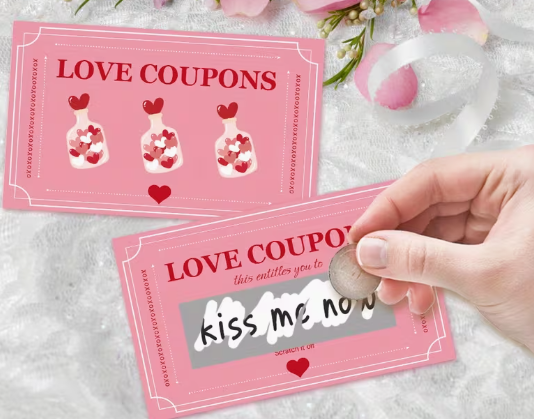
17. Love Coupons Book
-
Why it sells: Experience-based gifting
-
Buyer motivation: Thoughtfulness over material value
-
Profit potential: Extremely high, especially digital
-
Marketing angle: Creativity and care
-
Fulfillment notes: No shipping risk for digital versions
18. Couple Challenge Cards
-
Why it sells: Relationship improvement focus
-
Buyer motivation: Deeper emotional connection
-
Profit potential: Stable margins
-
Marketing angle: Communication and bonding
-
Fulfillment notes: Simple packaging
Practical but Thoughtful Valentine’s Gifts

19. Couple Mugs
-
Why it sells: Combines utility with emotion
-
Buyer motivation: Daily use and symbolism
-
Profit potential: Moderate
-
Marketing angle: Morning routine visuals
-
Fulfillment notes: Requires protective packaging
20. Car Hanging Love Ornaments
-
Why it sells: Constant visibility
-
Buyer motivation: Everyday emotional reminder
-
Profit potential: Good due to low cost
-
Marketing angle: Presence and meaning
-
Fulfillment notes: Easy shipping
21. Jewelry Storage Boxes
-
Why it sells: Complements romantic gifts
-
Buyer motivation: Care and organization
-
Profit potential: Strong when bundled
-
Marketing angle: Thoughtful preparation
-
Fulfillment notes: Low risk
22. Valentine’s Gift Box Sets
-
Why it sells: Reduces buyer decision fatigue
-
Buyer motivation: Convenience and completeness
-
Profit potential: High AOV potential
-
Marketing angle: All-in-one solution
-
Fulfillment notes: Requires coordination
Last-Minute and Fast-Fulfillment Products
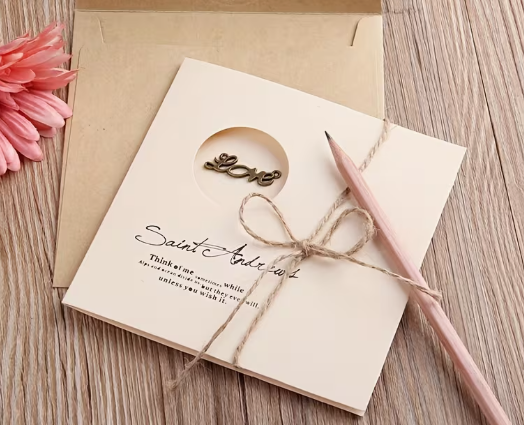
23. Printable Valentine’s Cards or Letters
-
Why it sells: Solves last-minute gifting stress
-
Buyer motivation: Instant convenience
-
Profit potential: Extremely high
-
Marketing angle: Immediate delivery
-
Fulfillment notes: No logistics involved
24. Digital Couple Planners or Journals
-
Why it sells: Focus on shared goals
-
Buyer motivation: Long-term relationship growth
-
Profit potential: High due to zero shipping
-
Marketing angle: Future-oriented messaging
-
Fulfillment notes: Fully automated
25. Hybrid Gift Cards with Physical Keepsakes
-
Why it sells: Balances convenience and emotion
-
Buyer motivation: Flexibility with meaning
-
Profit potential: Varies by bundle design
-
Marketing angle: Thoughtful compromise
-
Fulfillment notes: Choose simple physical items
How Beginners Can Validate These Products Fast
For beginners, product validation does not need to be complex or expensive. The goal is not to find a perfect product, but to quickly identify whether a Valentine’s Day Dropshipping Product has real demand and selling potential before investing time and money.
Below are practical and beginner-friendly validation methods that can be completed within a short timeframe.
1. Check Real-Time Demand on Social Media Platforms
Social media platforms are one of the fastest ways to validate Valentine’s Day products. By searching product-related keywords or visuals on platforms like TikTok and Instagram, beginners can quickly see whether similar items are already gaining attention.
Key signals to look for include:
-
Recent videos or posts with thousands of views
-
Multiple creators featuring similar products
-
Comment sections showing buying intent or emotional reactions
If a product consistently appears across different accounts, it usually indicates existing demand.
2. Analyze Competitor Stores and Market Saturation
Looking at competitor stores helps beginners understand whether a product is actively selling and how it is positioned. A healthy market usually has multiple sellers, but not all of them are highly branded or professionally designed.
Validation tips:
-
Check if multiple stores are selling similar products
-
Compare pricing ranges to estimate margin potential
-
Observe how products are described and presented
If the product is selling despite average store design, it often means the product itself is doing most of the conversion work.
3. Compare Sourcing Cost and Market Price
Fast validation also involves simple math. Beginners should compare the sourcing cost of a product with the average selling price found online.
A beginner-friendly benchmark:
-
Sourcing cost under $10
-
Market selling price between $30 and $50
-
Clear room for advertising and fulfillment costs
If the price gap is too small, the product may not be suitable for paid traffic during a competitive season like Valentine’s Day.
4. Evaluate Fulfillment Feasibility Early
Many beginners focus only on demand and forget fulfillment until problems appear. Fast validation should include a basic fulfillment check.
Important questions to ask:
-
Is the product lightweight and easy to ship
-
Can it realistically arrive before Valentine’s Day
-
Are there customization or processing delays
Choosing products with reliable fulfillment options reduces refund risk and customer complaints during peak season.
5. Look for Emotional Triggers and Clear Gift Value
Valentine’s Day products must clearly communicate why they make good gifts. Beginners should validate whether a product instantly feels romantic, thoughtful, or meaningful without explanation.
Strong indicators include:
-
Obvious gift symbolism
-
Easy storytelling around relationships or memories
-
Visual appeal that works in images or short videos
If a product needs long explanations, it is usually harder to sell quickly.
6. Use Small-Scale Testing Instead of Overthinking
Validation does not require large budgets. Beginners can test products with minimal risk by launching small ad campaigns or listing a limited number of products.
Effective testing habits:
-
Test one to three products at a time
-
Use simple creatives focused on emotion
-
Measure clicks, engagement, and add-to-cart behavior
Early engagement data often reveals more than extended research.
7. Leverage Supplier Data to Reduce Guesswork
Using platforms that provide product insights, order trends, and fulfillment options can significantly speed up validation. For beginners, this reduces reliance on assumptions and trial-and-error.
Access to data such as existing order volume, shipping timelines, and available customization options helps validate whether a product is suitable for Valentine’s Day selling without deep technical analysis.
Pricing Strategy & Profit Margin Benchmarks
Pricing plays a decisive role in Valentine’s Day dropshipping success. For beginners, the goal is not to find the lowest price, but to position products in a way that reflects emotional value while still leaving enough room for profit, advertising, and fulfillment costs.
The following benchmarks and strategies are designed specifically for beginner sellers who want clear guidance without overcomplication.
1. Understand How Valentine’s Day Pricing Is Different
Valentine’s Day products are purchased as gifts, not commodities. This changes how customers perceive value. Shoppers are more focused on meaning, presentation, and timing than on finding the cheapest option.
During this season:
-
Customers are less price-sensitive
-
Emotional appeal justifies higher pricing
-
Gift-ready products command a premium
This allows beginners to price confidently without competing purely on cost.
2. Beginner-Friendly Profit Margin Benchmarks
Clear benchmarks help beginners avoid underpricing or unrealistic expectations. For most Valentine’s Day Dropshipping Products, the following ranges are considered healthy:
-
Sourcing cost: $5 to $12
-
Recommended selling price: $29 to $49
-
Target gross margin: 60 to 70 percent
Products that fall within these ranges usually allow room for advertising, order fulfillment, and unexpected costs while still generating profit.
3. Use Value-Based Pricing Instead of Cost-Based Pricing
Cost-based pricing limits growth and often leads to price wars. Value-based pricing focuses on how the product makes the customer feel.
Effective value signals include:
-
Personalization or customization
-
Gift packaging or message cards
-
Bundled items or limited-time offers
Even simple additions can justify a higher price when positioned as part of a meaningful Valentine’s Day gift experience.
4. Increase Average Order Value with Smart Bundles
Bundles are one of the easiest ways for beginners to increase profit without increasing traffic costs. Valentine’s Day shoppers prefer complete gift solutions.
Examples of effective bundles:
-
Necklace plus gift box
-
Candle set with a romantic message card
-
Couple item bundles instead of single products
Bundles often increase average order value by 20 to 35 percent, while also reducing customer decision fatigue.
5. Plan for Advertising and Fulfillment Costs Early
Many beginners price products without considering the full cost structure. A realistic pricing strategy accounts for more than just sourcing.
Costs to factor in include:
-
Advertising spend
-
Payment processing fees
-
Shipping and packaging
-
Potential refunds or replacements
Leaving a margin buffer protects beginners from unexpected expenses during peak season.
6. Avoid Discount-Heavy Strategies
Excessive discounts can reduce perceived value and harm trust, especially for gifts. Instead of large price cuts, beginners should focus on value-driven offers.
Better alternatives include:
-
Free gift packaging
-
Limited-time bonuses
-
Small add-on items
These strategies maintain price integrity while still encouraging conversions.
7. Adjust Pricing Based on Fulfillment Speed
As Valentine’s Day approaches, delivery timing becomes more important than price. Faster shipping options justify higher prices, especially for last-minute buyers.
Beginners should:
-
Increase prices slightly for fast-shipping options
-
Clearly communicate delivery timelines
-
Pause ads for slow-fulfillment products closer to the holiday
This approach helps protect both profit margins and customer satisfaction.
Fulfillment & Delivery: Avoiding Valentine’s Day Pitfalls
For Valentine’s Day dropshipping, fulfillment and delivery can determine success or failure. Even a high-converting product can quickly turn into refunds and negative reviews if orders arrive late or expectations are unclear. For beginners, understanding and managing fulfillment risks is just as important as product selection and pricing.
Below are the most common Valentine’s Day fulfillment pitfalls and how beginners can avoid them.
1. Underestimating How Time-Sensitive Valentine’s Day Orders Are
Valentine’s Day is a fixed-date holiday. Customers are not flexible about delivery timing. A product arriving after February 14 often loses its emotional value completely.
Beginner considerations:
-
Customers care more about arrival date than shipping cost
-
Late delivery is the top cause of refunds during Valentine’s season
-
Clear delivery timelines reduce disputes and chargebacks
Every product listed should realistically arrive before Valentine’s Day, or be clearly positioned as a post-holiday or digital gift.
2. Choosing Products with Long or Unstable Processing Times
Customization and print-on-demand products often require additional processing time. Beginners sometimes overlook this and assume shipping time starts immediately after purchase.
To reduce risk:
-
Confirm production and processing timelines in advance
-
Avoid products with unpredictable customization queues
-
Communicate processing time clearly on product pages
Accurate expectations protect trust even if delivery takes longer.
3. Relying on a Single Shipping Method
Using only one shipping option increases risk during peak seasons. Delays can happen due to weather, customs, or carrier overload.
Beginner-friendly approach:
-
Offer at least two shipping options when possible
-
Use faster shipping for higher-priced or last-minute orders
-
Adjust ad spend based on fulfillment speed
Flexibility helps maintain conversions while reducing customer complaints.
4. Poor Communication Around Delivery Cut-Off Dates
Many beginners wait too long to inform customers about order deadlines. This often leads to frustration and refund requests.
Best practices include:
-
Display clear delivery cut-off dates on product pages
-
Update banners or announcements as Valentine’s Day approaches
-
Pause ads for slow-shipping products when necessary
Transparent communication builds credibility and reduces support issues.
5. Ignoring Packaging and Gift Presentation
For Valentine’s Day, packaging is part of the product experience. Poor packaging can negatively impact perceived value even if the product itself is good.
Beginner tips:
-
Choose products that offer gift-ready packaging options
-
Add message cards or simple inserts when possible
-
Ensure packaging protects the product during transit
Good presentation increases customer satisfaction and positive reviews.
6. Not Preparing for Increased Customer Support Volume
Order-related questions increase significantly during Valentine’s Day. Beginners often underestimate how much time customer support can take.
Preparation steps:
-
Create basic delivery and refund response templates
-
Set clear refund and replacement policies
-
Respond quickly to delivery concerns
Fast and clear communication helps prevent small issues from escalating.
7. Knowing When to Stop Selling Physical Products
As Valentine’s Day gets closer, fulfillment risk increases. Continuing to sell slow-shipping physical products too late often leads to losses.
Smart alternatives:
-
Switch focus to fast-shipping or local-warehouse items
-
Promote digital or printable Valentine’s gifts
-
Clearly label last-minute gift options
This strategy allows beginners to capture late demand without risking negative experiences.
By planning fulfillment early, communicating clearly, and choosing products with manageable logistics, beginners can avoid the most common Valentine’s Day pitfalls. Reliable delivery not only protects profits but also builds long-term trust for future selling seasons.
How CJdropshipping Helps Beginners Win Valentine’s Day
For beginners, Valentine’s Day is not difficult because of marketing. It is difficult because of execution. Product sourcing, fulfillment reliability, shipping speed, and order management often become overwhelming during a short and high-pressure selling season.
This is where CJdropshipping plays a practical role for first-time sellers by simplifying the most common operational challenges.
1. Faster Access to Valentine’s Day-Ready Products
Beginners often struggle to find products that are both trending and suitable for seasonal selling. CJdropshipping provides access to a wide range of Valentine’s Day Dropshipping Products that are already aligned with gift demand, emotional appeal, and market trends.
This saves beginners time on research and reduces the risk of selecting products with low demand or poor fulfillment feasibility. Many products are also available without minimum order quantity, which is ideal for testing.
2. Simplified Product Sourcing for Beginners
Managing multiple suppliers is one of the most stressful aspects for new dropshippers. CJdropshipping consolidates sourcing into one platform, allowing beginners to compare product options, costs, and fulfillment methods without switching between suppliers.
This centralized approach helps beginners focus on product selection and marketing instead of supplier coordination, especially during a time-sensitive season like Valentine’s Day.
3. Reliable Fulfillment During Peak Seasons
Valentine’s Day fulfillment failures often come from delays, miscommunication, or manual order processing. CJdropshipping supports automated order fulfillment, which reduces human error when order volume increases.
In addition, multiple shipping options and available local warehouse inventory help beginners choose faster and more stable delivery routes, which is critical for meeting Valentine’s Day delivery expectations.
4. Support for Customization and Gift Presentation
Personalization and gift-ready presentation significantly increase conversion rates during Valentine’s Day. CJdropshipping offers services such as custom packaging, print-on-demand products, and personalized inserts that allow beginners to sell higher-value gifts without building complex supply chains.
These services help beginners compete with more established stores while maintaining a simple operational setup.
5. Reduced Fulfillment Risk for Beginners
One of the biggest challenges for first-time sellers is handling unexpected issues such as delays, lost packages, or quality concerns. By working with a platform that manages supplier communication and logistics coordination, beginners can reduce these risks and resolve issues more efficiently.
This support structure is especially valuable during Valentine’s Day, when customer expectations are high and tolerance for delays is low.
6. Allowing Beginners to Focus on Learning and Growth
Perhaps the most important benefit for beginners is reduced complexity. When sourcing, fulfillment, and logistics are handled more smoothly, new sellers can focus on learning core skills such as product positioning, customer psychology, and store optimization.
Valentine’s Day becomes not just a sales opportunity, but a practical learning experience that builds confidence for future seasonal and evergreen selling.

Final Tips for First-Time Valentine’s Day Sellers
Valentine’s Day is often the first seasonal opportunity that beginner dropshippers attempt. While the sales window is short, the experience gained can be valuable far beyond the holiday itself. The following tips are designed to help first-time sellers approach Valentine’s Day with clarity, confidence, and realistic expectations.
1. Start Small and Stay Focused
One of the most common beginner mistakes is trying to sell too many products at once. Valentine’s Day rewards focus. Testing one to three well-chosen Valentine’s Day Dropshipping Products allows you to concentrate on presentation, messaging, and fulfillment rather than spreading effort too thin.
A smaller product selection also makes it easier to identify what is working and why.
2. Prioritize Emotional Messaging Over Features
Valentine’s Day shoppers care more about feelings than specifications. Product descriptions, images, and ads should focus on what the gift represents, not how it is made.
Simple emotional cues such as shared moments, memories, or daily reminders often perform better than detailed feature lists, especially for new stores.
3. Be Honest and Clear About Delivery Timelines
Clear communication builds trust. Customers are far more forgiving of longer delivery times when expectations are set upfront. Display processing times and shipping estimates clearly, and adjust promotions as the holiday approaches.
Avoid selling physical products too close to Valentine’s Day unless you are confident they can arrive on time.
4. Do Not Over-Discount Your Products
Heavy discounts can reduce perceived value and attract price-sensitive buyers who are more likely to complain. Instead of lowering prices, focus on adding value through gift packaging, small bonuses, or limited-time offers.
Maintaining price integrity helps protect both profit margins and brand credibility.
5. Prepare for Customer Support in Advance
Even with smooth fulfillment, customers will ask questions about delivery, customization, and order status. Preparing basic response templates in advance saves time and reduces stress during peak periods.
Fast and reassuring communication often prevents refund requests before they happen.
6. Treat Valentine’s Day as a Learning Opportunity
For first-time sellers, success is not only measured by profit. Valentine’s Day provides real-world experience in product selection, pricing, fulfillment, and customer communication under pressure.
Every insight gained during this season can be applied to future holidays and evergreen selling.
7. Focus on Execution, Not Perfection
Many beginners delay launching because they feel unprepared. Valentine’s Day favors action over perfection. A simple store with clear messaging and reliable fulfillment often outperforms a complex setup launched too late.
Taking action, even with a small test, is often more valuable than waiting for the perfect moment.
By approaching Valentine’s Day with focus, transparency, and realistic expectations, first-time sellers can reduce risk while gaining meaningful experience. Whether the result is a profitable campaign or valuable lessons learned, Valentine’s Day can be a strong foundation for long-term growth in dropshipping.