
The global skincare market is booming, driven by a surge of health-conscious, eco-friendly consumers. Statista projects the natural and organic cosmetics market will jump from roughly $40 billion in 2024 to $58 billion by 2026. In developed markets like the U.S., U.K., and EU countries, nearly 45% of beauty shoppers will actively seek “clean” or natural-label products by 2026. In fact, clean beauty sales (skincare, haircare, makeup) grew 33% in the first half of 2021 alone, and today about 68% of consumers say they want skincare made with “clean” ingredients. This means American and European consumers (as well as markets like Germany, UK, France) increasingly favor products labeled vegan, organic, cruelty-free and free of parabens/sulfates.
This shift creates a huge opportunity for eCommerce entrepreneurs. A dropshipping model – where you sell products via an online store without holding inventory – can be especially appealing for skincare: it lets you launch a private-label brand around trending ingredients and unique formulations without manufacturing everything yourself. Quality dropship suppliers (e.g. CJdropshipping, GreenDropShip, Spocket, Syncee) now support white-labeling, letting you stick your own label on serums, creams, masks and more. Moreover, skincare products generally command higher margins than generic goods – many “clean” or premium formulas easily justify 30–60% markups, and average profit margins of 50–70% are common in this niche.
Best Private Label Dropshipping Skincare Products
1. Hyaluronic Acid Serums – Intense Hydration & Plumping
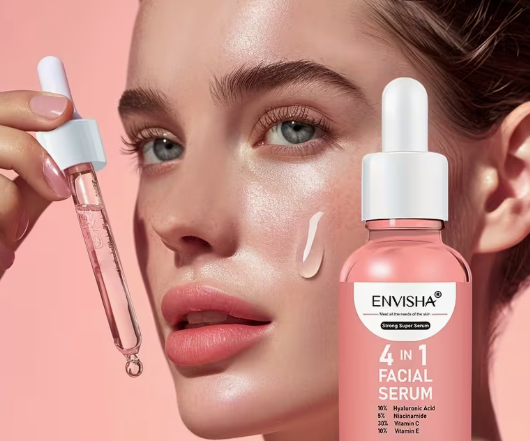
Hyaluronic acid (HA) is the quintessential hydration booster. It can hold 1,000× its weight in water, so when applied topically it literally plumps skin and smooths fine lines. This makes HA serums a staple: today’s consumers expect a hyaluronic serum in any anti-aging or moisturizing routine. The trend shows no sign of slowing – one report predicts the personal care hyaluronic market will grow from about $8.26 billion in 2025 to $18.49 billion by 2035, roughly an 8.4% CAGR. The overall hyaluronic acid market (including medical uses) is similarly huge (over $11 billion in 2024, projected to $20 billion by 2034).
In practice, a private-label hyaluronic serum is easy to formulate and pack. Serums can be offered in dark amber dropper bottles or glass pump vials (protecting the HA from light), with minimalist labels that highlight purity (e.g. “Multi-molecular Hyaluronic Acid + Vitamins B5/E”). Because consumers know HA works, marketing is straightforward: focus on intense hydration, immediate plumping effect, and natural botanical sources. For example, touting multi-weight HA (low + high molecular weight) is a selling point. Brands can also emphasize “clean” credentials – e.g. vegan, cruelty-free, non-GMO – which justify premium pricing.
Key benefits: Deep hydration, plumps skin, reduces fine lines. Suitable for all skin types. Supports barrier function.
Packaging & branding: Use glass dropper bottles or airless pump bottles. Label as “pure hyaluronic acid serum” with simple, clinical design (or eco-chic matte finish) to convey quality. Emphasize “water-based” or “fragrance-free” on packaging for sensitive skin appeal.
Marketing tip: Educate customers on the moisture-retention power of HA. Share before/after hydration photos or videos. Position it as an “every-night, anti-aging step.” You can bundle it in kits (e.g. a “hydration trio”) or as an upsell with moisturizer.
Proof point: North American skincare leaders (like Estée Lauder, Olay, Laneige) have launched HA-rich lines due to huge demand. Dropshippers can tap this by branding their own HA serum under an authentic-sounding name, leveraging the ingredient’s reputation.
2. Niacinamide Serums & Toners – Brightening and Balance
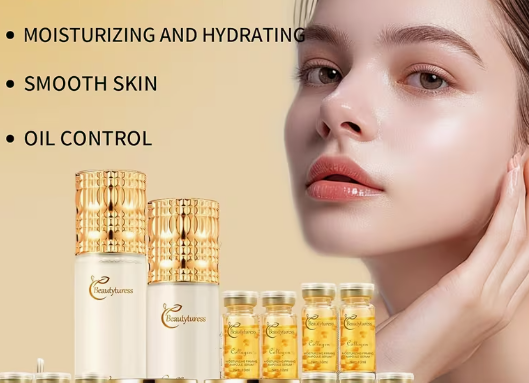
Niacinamide (Vitamin B3) is a superstar multi-tasker in skincare. It is anti-inflammatory, barrier-repairing, oil-regulating and helps fade dark spots. Because of its versatility and gentle nature, niacinamide products are extremely popular across age groups. In fact, the niacinamide ingredient market is forecast to more than double from about $253 million in 2025 to $535 million by 2035 (7.8% CAGR) as brands pack niacinamide into serums, toners, and creams. Consumers use niacinamide to improve uneven tone, minimize pores, calm redness and control breakouts – all in one ingredient.
Private-label niacinamide products can include 5–10% niacinamide serums or toners. These are usually labeled as brightening or balancing serums. Good packaging is a pump bottle or tinted dropper bottle (niacinamide is light-stable, but a sturdy container feels premium). Emphasize “1–10% niacinamide plus soothing botanical extracts” on the label. Highlight key claims on packaging: “brightens dark spots,” “pore-refining,” “gentle on skin,” etc. Because some shoppers prefer multi-ingredient formulas, many niacinamide serums pair B3 with hyaluronic acid or peptides – offering a broader appeal.
Key benefits: Improves skin tone and texture, fades hyperpigmentation and acne marks, strengthens skin barrier, reduces redness and inflammation. Good for all skin types (even sensitive).
Packaging & branding: Use a clean, clinical design. Pump or dropper serum bottles are ideal. List key concentrations clearly (“10% Niacinamide Serum”). Make it fragrance-free. You could differentiate by adding bright-hued accents (e.g. blue/green) to suggest calming/clarity, or botanical graphics for a natural vibe.
Marketing tip: Emphasize the gentle but effective nature of niacinamide. Share user testimonials showing brighter, clearer skin. Position it as an anti-acne and anti-aging booster in one. Social media love: ‘glow-up’ videos and routine posts (morning/evening skincare) work great. Consider bundling niacinamide with other topicals (vitamin C, retinol) as a multi-step regimen – many consumers combine these.
Insight: The niacinamide market report notes that its growth is driven by awareness of multi-benefit actives. Dropshippers can private-label a niacinamide serum to tap this trend, marketing it to acne-prone and aging skin audiences alike.
3. Vitamin C Serums – Brightening & Collagen Boosters
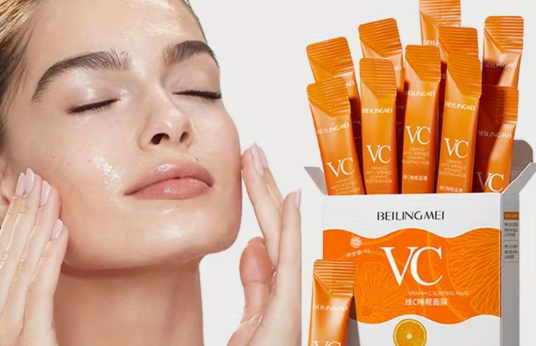
Vitamin C (ascorbic acid) serums remain a top seller for brightening and anti-aging. The global vitamin C serum market was about $1.35 billion in 2024 and is growing at roughly 7.7% CAGR. It’s projected to reach over $2.10 billion by 2030. Consumers love C serums for inhibiting melanin (fading dark spots), protecting against oxidative damage, and boosting collagen production. Modern formulas often combine vitamin C with ferulic acid, vitamin E or other antioxidants to improve stability and efficacy.
For private labeling, vitamin C serums typically come in opaque or tinted pump bottles (to protect from light). A common format is a 10–20% L-ascorbic acid serum (market leader segment) or stabilized derivatives (like sodium ascorbyl phosphate). Branding should highlight “Brightening Complex with 15% Vitamin C + Antioxidants”. Color cues like orange or citrus graphics convey vitamin C visually. Many brands also note “vegan, cruelty-free” and “paraben-free”.
Key benefits: Reduces dark spots, evens skin tone, firms skin by stimulating collagen, antioxidant protection against pollution/UV. Visible results (brighter skin, fewer lines).
Packaging & branding: Use airless pump or glass dropper with dark glass. Label copy should claim antioxidant + brightening properties. Including complementary ingredients (e.g. “+ Ferulic Acid & Vitamin E for stability”) can justify premium positioning. Clean, modern design (white backgrounds with colorful accent) appeals to broad audiences.
Marketing tip: Vitamin C serums are known across age groups. Market them as “instant glow” boosters. Before/after photos of brighter skin resonate well. Highlight compatibility with all skin types and with sunscreens (educational posts on using C in morning routines are effective). Promote them as clinically proven for hyperpigmentation.
Evidence: Research notes Vitamin C’s key roles in inhibiting melanin and boosting collagen, and general interest is strong (even teen-focused brands are entering the market). Position your private-label C serum in a popular niche (e.g. “C + Collagen Peptides” or “C + Hyaluronic Boost”) to differentiate.
4. Retinol Creams & Serums – Proven Anti-Aging
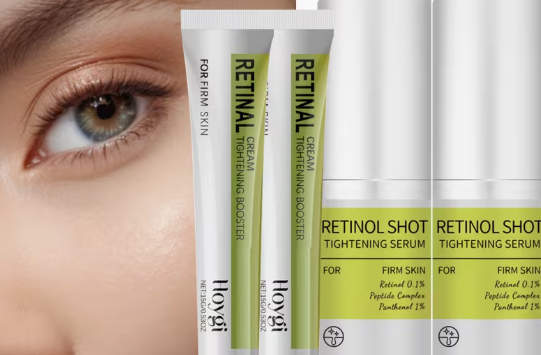
Retinol (Vitamin A) is the gold standard for anti-aging in skincare. It increases cell turnover, stimulates collagen, and visibly reduces wrinkles and pigmentation. The global retinol beauty market was about $923 million in 2024 and is expected to reach $1.2 billion by 2030. Its growth is fueled by rising consumer awareness of anti-aging benefits and expanding e-commerce distribution.
For beginners, retinol can be a tricky sell (it can irritate if used incorrectly), but an effective private label retinol cream or serum is a high-value item. Offer it as a night cream or serum (or both in a kit) with a moderate 0.3–1% retinol concentration, plus soothing oils or niacinamide to mitigate irritation. Packaging should be opaque, airless or in tubes to protect the formula (light and air degrade retinol). On the label, clearly state usage instructions (“use nightly, apply pea-sized amount to dry skin”) and compatibility (e.g. safe to use with hyaluronic or under sunscreen).
Key benefits: Smooths fine lines and wrinkles, firms skin, promotes cell renewal, improves uneven tone. An age-reversing effect that appeals to 30+.
Packaging & branding: Feature elegant, sophisticated packaging (e.g. matte black or white tubes/jars). Because retinol is associated with science, a minimalist, clinical look works well. Include icons or badges for “dermatologist-tested” or “encapsulated retinol for gentler release.”
Marketing tip: Clearly educate on the benefits and how to use it safely. Position as a “night repair” product. Show real results (e.g. smoother, firmer skin in 4–8 weeks). Use content (blogs, videos) to explain "retinol 101" – how to incorporate into routine, when to expect improvement. Emphasize user experience (e.g. a micro-influencer demo showing application).
Warning/Opportunity: Note that many beginners fear retinol irritation. You can offer a dual product approach: a bakuchiol (plant-derived retinol alternative) or a low-dose “starter” retinol serum for sensitive skin. This allows you to market a gentler version alongside the classic retinol cream. Reassure customers with phrases like “fragrance-free, non-irritating formula” and ingredient callouts like ceramides or calendula to soothe.
5. Peptide Serums & Creams – Advanced Anti-Aging
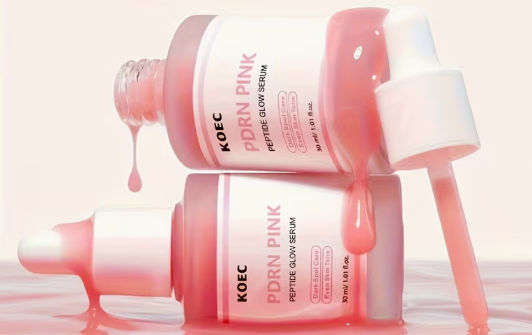
Peptides are small protein fragments that signal the skin to boost collagen and elastin. They’ve become a major ingredient for anti-aging brands. The peptide skincare market is expected to grow rapidly (12.3% CAGR), from about $2.34 billion in 2024 to $6.64 billion by 2033. Peptide-infused serums and creams (often called “protein serums”) are marketed for firming, wrinkle-smoothing, and skin renewal benefits.
Private-label peptide products typically come as serums or specialized creams (even eye creams). Use airless pump bottles or jars to preserve peptides. Highlight on the label a peptide blend (“Matrixyl 3000”, “Copper Peptides”) and phrases like “stimulates collagen” or “firms skin”. Often peptides are paired with other actives (like vitamin C or HA) for synergy – you might market a “Triple Peptide Serum + Hyaluronic Acid.”
Key benefits: Improves skin firmness and elasticity, reduces the appearance of wrinkles, boosts collagen production. More gentle than retinol, so it’s appealing to those wary of irritation.
Packaging & branding: Premium-looking bottles (glass or matte plastic) are common. Use terms like “science-backed” or “clinically inspired” in branding. A subtle metallic label or holographic accent can hint at the “science” behind peptides.
Marketing tip: Emphasize peptides as the future of anti-aging. Use infographics to show how peptides rebuild collagen. Testimonials or influencer partnerships focusing on anti-wrinkle results work well. Since peptides appeal to a slightly older demographic than, say, trendy Gen Z ingredients, placing ads in platforms where 30–50-year-olds shop (Facebook, Instagram) and emphasizing a “premium” brand image can be effective.
Market note: Consumer awareness of peptides has grown ~30% recently. Position your private-label peptide serum as cutting-edge yet accessible (e.g. “Dermatologist-inspired peptide complex for daily glow”).
6. Ceramide Moisturizers & Barrier Creams – Locking in Moisture
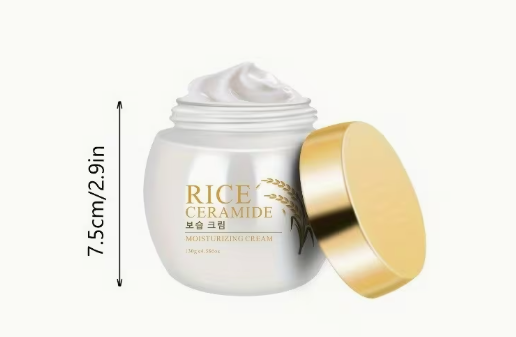
Ceramides are lipids that make up a large part of the skin’s barrier. They lock in moisture and strengthen skin, making them ideal for dry, sensitive, or aging skin. In fact, North American brands are incorporating ceramides into popular lines (Banila Co’s cleansing balm and medical-grade lipid serums both use ceramides to soothe and prevent moisture loss). As Allure notes, many top editors recommend ceramide products for barrier repair after treatments.
A private-label ceramide cream or balm (often labeled as “barrier repair moisturizer”) should emphasize rich hydration. Airless pump jars or squeezable tubes work well. Ingredients to highlight on packaging: “Phytoceramides from wheat” or “Ceramide NP + Cholesterol + Fatty Acids” to indicate a scientifically complete barrier formula. Popular combos include ceramides + glycerin + hyaluronic acid. Packaging often leans clinical/medical (e.g. white jar, clear labeling of ingredient percentages).
Key benefits: Deeply hydrates and repairs the skin barrier, soothes irritation, prevents moisture loss. Ideal for winter dry skin or post-treatment care.
Packaging & branding: Opaque tubes or jars, since barrier creams can oxidize. Use soothing colors (blue/green/pastel) to signal calming effect. Icons like “24h hydration” or “fragrance-free” help communicate gentleness. Recyclable glass jars or refill pouches can appeal to eco-friendly buyers.
Marketing tip: Educate that ceramides are the “building blocks” of healthy skin. For example, compare skin to a brick wall – ceramides are the mortar that keeps it intact. Position ceramide creams as essentials for sensitive, eczema-prone, or aging skin. Many customers will be layering it as the final step of their routine. Demonstrations of “before-after hydration” or influencer endorsements by dermatologists add trust.
Source: Hyaluronic acid is often paired with ceramides for hydration – HA plumps skin and ceramides seal it in. You can bundle your hyaluronic serum and ceramide cream as a hydration set. Note: emphasizing “physician-formulated” or “dermatologist approved” (if truthfully possible) can further justify a higher price.
7. Sheet Face Masks – Spa-Like Hydration
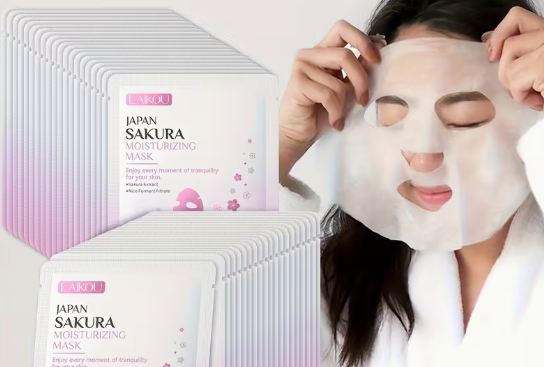
Sheet masks remain a fast-growing niche in skincare. The global sheet mask market was about $363.7 million in 2024 and is projected to reach $605.7 million by 2030 (CAGR ~8.9%). Masks are social-media-friendly products (with endless unboxing and usage videos), making them perfect for influencer marketing. The popularity is driven by consumer demand for quick, “instant glow” treatments and the influence of K-Beauty trends.
As a dropshipper, you can private-label multi-packs of sheet masks (cotton, hydrogel, bio-cellulose, etc.) infused with premium actives. Hyaluronic acid, green tea extract, vitamin C, or collagen are common serum ingredients in masks. Packaging is usually a box of 5–10 individually-wrapped masks. Eye-catching colorful boxes or elegant minimalist designs work; popular themes include floral prints or gold accents to suggest luxury. Eco-friendly angles (biodegradable mask fabric, recycled paper packaging) can also resonate.
Key benefits: Instant hydration and glow, easy salon-at-home treatment, fun self-care ritual. Masks can target various concerns (brightening, anti-aging, calming acne).
Packaging & branding: Designs can be bright and patterned (to stand out online) or sleek and natural. Clearly indicate each mask’s key ingredient (e.g. “Niacinamide Brightening Mask,” “Aloe Soothing Mask”). Because buyers often try new mask lines, offer bundles of different types to encourage multi-pack purchases.
Marketing tip: Use trends: #facemaskfriday or #selfcaresunday hashtags. Create tutorial videos showing how to apply and the immediate effects. Encourage customers to share selfies using your mask for UGC content. Masks sell well as impulse buys (especially if priced under $5 each), so consider them as add-ons or “free gift with purchase” for larger orders.
Insight: Sheet masks’ convenience and pampering aspect make them popular across ages. They can be an easy entry product for a new brand: affordable, broadly appealing, and visible on social media.
8. Natural Clay Masks – Detox & Clarify
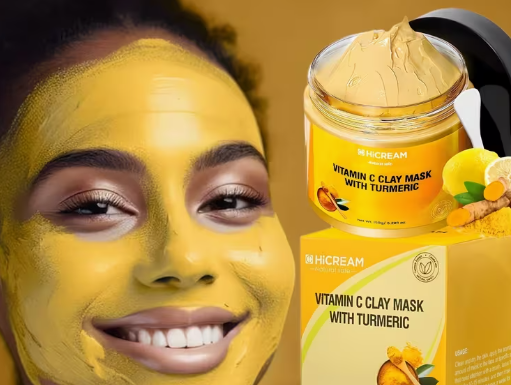
Clay masks have long been a staple for pore-cleansing and detoxing skin. They remain evergreen: one survey notes consumers still “love exfoliation that feels luxurious yet safe,” and ingredients like kaolin, bentonite, French green clay are trending. Clay masks fit the eco and clean beauty ethos – they’re 100% mineral, often unscented or lightly scented with botanicals.
In your private-label line, clay masks can be single-type (e.g. “Bentonite Detox Mask”) or multi-clay blends with added botanicals (aloe, charcoal, green tea). Packaging is usually a jar or a sachet (sachets allow trials). Focus on “plastic-free” or “recyclable packaging” as selling points. Labels should stress “all-natural” and avoid harsh chemicals. Key on-pack phrases: “detoxify & refine pores,” “gentle enough for sensitive skin,” etc.
Key benefits: Absorbs excess oil, draws out impurities, tightens pores, refreshing feeling. Good for oily/acne-prone skin or weekly self-care.
Packaging & branding: Eco-friendly jars or compostable pouches. Earthy design motifs (earth tones, leaves) resonate well. Highlight any exotic clays (e.g. Moroccan Red Clay) to create a unique angle. Offering an applicator brush as an accessory can elevate the product experience.
Marketing tip: Promote clay masks as part of an “at-home spa” routine. TikTok and Instagram love the visual change when applying (skin goes from wet to white/dry clay). Encourage before/after breakouts photos to show cleansing effects. Bundling with a moisturiser or serum (for after the mask) can increase average order value.
Data point: CJdropshipping’s analysis lists natural clay masks as a high-margin category, with young adults and wellness influencers as key customers. Emphasize your mask’s safety (no synthetic fragrances or parabens) and multi-use (face, neck, shoulders).
9. Aloe Vera Gel – Multipurpose Soother
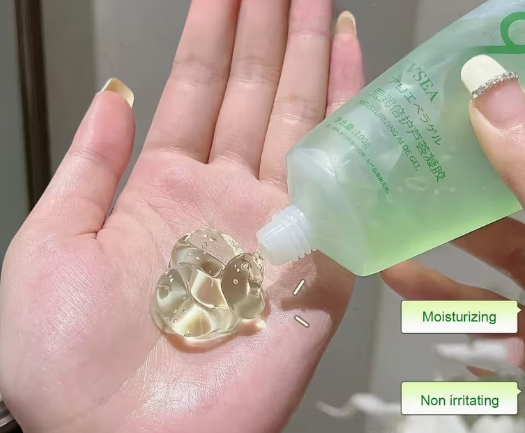
Aloe vera gel is a multitasking favorite in clean skincare. It’s universally soothing, hydrating, and can be used on face, body, or even hair. Many consumers buy aloe gel for sunburn relief, acne calming, or as a light moisturizer. Its popularity has spiked with wellness trends (e.g. “aloe face mask overnight”).
A private-label aloe product is simple: 99% pure aloe with maybe a bit of vitamin E or cucumber. Pack it in a clear pump bottle or tube to showcase the gel’s clarity. Key marketing claims: “Soothes & hydrates,” “Organic Aloe Extract,” “Non-sticky, fragrance-free”. Because aloe is known and trusted, you can position it as a staple product.
Key benefits: Instant cooling and hydration, calms redness, promotes healing. Natural and gentle (great for all ages, including baby care).
Packaging & branding: Tube or pump bottle with a large “Aloe Vera” graphic. Green color theme is obvious. Recyclable plastic or glass packaging can appeal to eco-shoppers. Some brands add mint or tea tree for an extra fresh feeling.
Marketing tip: Demonstrate its versatility: after-sun use, under makeup for hydration, mixed with other masks (sheet or clay). Highlight it as an “essential for every beauty cabinet.” Short TikTok/Reels (e.g. “Put aloe on everything!” or ASMR tapping a glass bottle of aloe) can engage viewers. Offering it as a travel-size freebie or sample could entice new customers to try your line.
Example: A CJdropshipping guide notes Aloe Gel’s “multi-use” nature and targets it to sensitive skin users. Emphasize honesty (“99% Aloe”) and cruelty-free certification on the label for maximum appeal.
10. Mineral Sunscreens (SPF) – Essential Protection
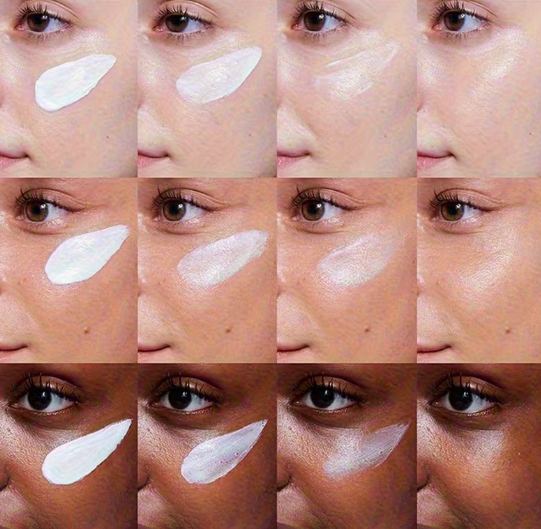
Sun protection is non-negotiable in skincare, and consumers are increasingly picky about clean, safe sunscreens. The global sunscreen market is enormous – for example, sunscreen creams alone grew from about $8.49 billion in 2019 to a projected $10.79 billion by 2024, and continues growing. In the US, sunscreen revenue is about $2 billion annually. What’s more, modern consumers demand gentle, reef-safe formulas: by some accounts the “clean” sun care segment (mineral, biodegradable) is driving much of that growth.
Private-label opportunities exist in mineral (zinc/titanium) sunscreen lotions or tinted SPF moisturizers. Packaging for SPF is usually in flip-cap or pump tubes (to prevent exposure), with clear SPF value marking. Key claims: “Broad Spectrum SPF 30,” “Mineral-based,” “Reef Safe,” “Paraben-free.” Light tints or gel textures (non-whitening) are hot right now. Use beachy or summery branding (light blue, white, or coral colors).
Key benefits: Protects skin from UV damage and premature aging. Mineral sunscreens double as moisturizers and often soothe sensitive skin. Appeals to families (safe for kids) and eco-conscious buyers.
Packaging & branding: Squeeze tubes or airless pumps with spf prominently on front. Waterproof brochures or hangtags explaining the benefits of mineral filters can help. Branding can be clinical (favored by chemist-savvy buyers) or bright and tropical (for general market).
Marketing tip: Stress health and lifestyle angles: “anti-aging daily necessity” and “reef- and skin-friendly.” Leverage seasonal marketing (spring/summer campaigns) and emphasize convenience (“no white cast lightweight cream”). Educating customers via blog posts or email about why clean SPF is important will build trust. Collaborating with travel/health influencers or running a “sun care kit” promotion (SPF + after-sun aloe gel) can boost sales.
Stats: Online sunscreen sales are rising as shoppers look for specialty formulations. According to Statista, the global sun protection skincare industry reached about $10.8 billion in 2023 and is forecast to exceed $12 billion by 2026.** Be sure your private-label SPF checks all regulation boxes (EU requires certain filters, US FDA recently updated rules). Signaling compliance (e.g. “FDA Compliant”) on your site can convert cautious buyers.
11. Eye Creams & Serums – Targeted Anti-Puff/Lines
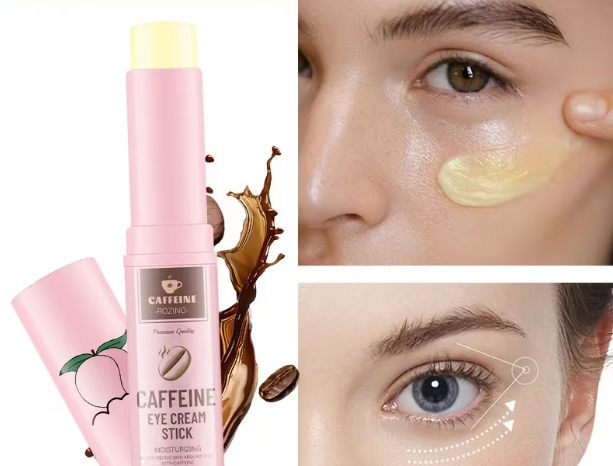
Eye creams are a classic upsell product with high perceived value. Ingredients like caffeine (to de-puff), peptides or retinol (to reduce fine lines), and hyaluronic acid (to hydrate the delicate eye area) are common. The men’s skincare boom has even expanded interest in eye products – 27% of men report dissatisfaction with their eye area, creating demand for specialized eye creams.
In private labeling, eye products are usually premium-priced. Packaging is often small tubes or pump bottles (1–2 oz) with a doe-foot applicator for cooling massages. Marketing copy focuses on targets concerns like dark circles, under-eye bags, crow’s feet. Use catchy names (“Bright Eyes Vitamin C Eye Cream,” “Dermalift Peptide Eye Gel,” etc). Indicate results (e.g. “clinically shown to reduce puffiness in 4 weeks”).
Key benefits: Reduces puffiness, brightens under-eye darkness, smooths fine lines. Often marketed as the “final step” before moisturizer or makeup.
Packaging & branding: Sleek mini tubes or bottles with metallic accents (silver/gold) often suggest luxury. Cooling blue/green packaging evokes refreshment. Clear instructions (morning/evening use icons) add user-friendliness.
Marketing tip: Eye creams are perfect for before-after comparisons (e.g. use an ice roller, apply cream). Promote as “must-have” in anti-aging routines. Pair eye cream with your face serum as a kit. Influencer demos showing its non-greasy texture or compatibility with concealer can drive home its benefits.
Note: A common strategy is offering a gentle caffeine gel for mornings and a peptide/retinol cream for nights. This caters to different concerns (puffiness vs. wrinkles) and increases order value.
12. Facial Oils – Nutrient-Rich Moisturizers
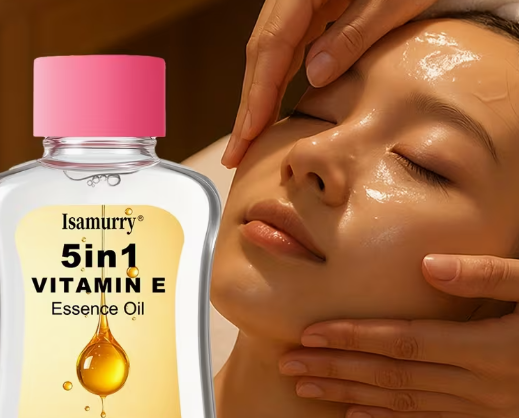
Natural plant oils (argan, jojoba, rosehip, marula, squalane) have resurged thanks to the clean beauty trend. They are marketed as luxury serums or skin-nourishers. Rosehip oil, for example, is known for vitamins A/C and is popular for scar-healing and hydration. Argan and marula oils are prized for fatty acids and antioxidants. Oils can be stand-alone or in “facial oil blends.”
For private label, single-oil or multi-oil blends in small glass dropper bottles (typically 15-30ml) work well. Branding should stress purity and origin (e.g. “Cold-pressed Moroccan Argan Oil”). Choose packaging that conveys luxury: amber or cobalt glass is common, with gold or wooden droppers for a premium feel. Labels often highlight one key benefit (“intense nourishment,” “anti-aging antioxidant”).
Key benefits: Provides deep moisture and essential nutrients (vitamins, omegas). Can help heal scars, reduce redness, and seal in moisture. Non-comedogenic oils (like jojoba) work for all skin types. Adds a natural glow to skin.
Packaging & branding: Small glass bottles with precision droppers. Label with botanical imagery or clean fonts. Calling the oil a “beauty elixir” or “premium plant serum” adds allure. Emphasize “vegan/organic” certification.
Marketing tip: Position facial oils as either a moisturizer replacement or an add-on step (e.g. apply over moisturizer for overnight glow). They market well as indulgent “self-care” products. Show application tips (e.g. mix a drop into foundation or use in a Gua Sha massage). Testimonials about smoother, more radiant skin sell. Bundle oils with a gua sha or jade roller for a packaged ritual experience (boosting average order).
Context: Natural oils often appeal to clean-beauty buyers and those with drier skin. In Europe, for example, “beauty oil” sales are strong among millennials. Co-branding story elements (e.g. “ethically sourced in Chile”) can differentiate your product in a crowded space.
13. Probiotic & Microbiome Skincare – The Next Big Trend
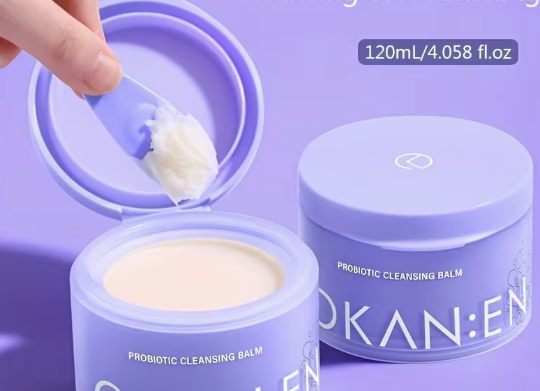
Skin microbiome products – those containing probiotics, prebiotics and postbiotics – are poised to become a leading frontier of skincare by 2026. Industry research forecasts the global probiotic skincare ingredient market to surge from $982 million in 2025 to over $3.15 billion by 2035 (a ~12% CAGR). Growth is driven by increased consumer interest in overall skin health; many now understand that a balanced microbiome supports barrier repair and reduces inflammation. Google search trends confirm this: queries for “skin microbiome” grew nearly 176% year-over-year in 2024, reflecting a broadening awareness. In short, microbiome-friendly products are moving from niche to mainstream.
Consumer motivations: Customers view probiotic skincare as part of a holistic wellness trend. They want products that not only look good but actually support skin’s ecosystem. Core demands include gentle hydration, barrier strengthening, and soothing sensitive or reactive skin. As one expert notes, consumers are shifting “away from instant cosmetic fixes” and towards formulations that prioritize lasting vitality and microbiome balance. The messaging has evolved to “education on the microbiome” – people seek transparency about what ingredients do at a biological level. Thus, buyers trust brands that clearly explain how their probiotic actives (e.g. Lactobacillus lysates, fermented extracts) work to rebalance the skin flora.
Private-label strategy: Build products around well-researched microbial ingredients. For example, create a postbiotic serum (stabilized lysates in a dropper bottle) or a microbiome-friendly mask (with prebiotic sugars and soothing peptides). Given that serums & ampoules lead this space (about 46% share), a concentrated dropper formula would fit consumer expectations. Ensure your labels highlight “microbiome-friendly,” “fragrance-free,” “vegan,” and similar claims, since clean-certified formulations are in high demand. Because scientific credibility matters, partner with a lab to test efficacy (e.g. microbiome profiling) and display any data. You might also offer a gentle probiotic cleanser (so users maintain healthy flora from the first step) or a body/lip product with lactic acid strains, since BeautyMatter points out future opportunities in suncare and home care as well.
Branding and packaging tips: Emphasize science and wellness. Design should feel clinical yet natural – think soft neutrals or pastels combined with clean fonts. Packaging can include imagery of bacteria or cells (stylized, friendly) to make the concept approachable. Dosage-style labels (resembling health supplements) can signal precision. As Clarkston Consulting suggests, minimalist clinical designs with neutral colors are trending, reinforcing a lab-verified impression. Sustainability aligns with microbiome values – if possible, use recyclable materials or refills, and certify ingredients ethically. Since live probiotics require stability, use airless pumps or dark glass to protect formulas, and educate customers on storage (e.g. “refrigerate after opening” if needed).
Marketing tips: Educate as you sell. Provide content (videos, articles) about the “gut-skin” axis and how your products support it. Collaborate with dermatologists or microbiologists to author content – scientific credibility is key here. Use social proof: feature testimonials from people who saw redness or sensitivity improve. Engage the wellness community (users of probiotic supplements, fermented foods, etc.) as early adopters. On social media, visually highlight product textures (e.g. jelly masks) and gentle before/after images of redness subsiding. Because this is an emerging trend, storytelling is powerful – share the brand’s journey or origin (e.g. “Inspired by yogurt making and skin science”). In short, private-label probiotic skincare can ride the next-wave trend by combining clean, scientific formulations with clear education. As one trend report notes, consumers now demand ingredient transparency and “skin care…associated with broader health and wellness outcomes” – exactly the promise of microbiome products.
14. Men’s Private Label Skincare – Massive Untapped Potential
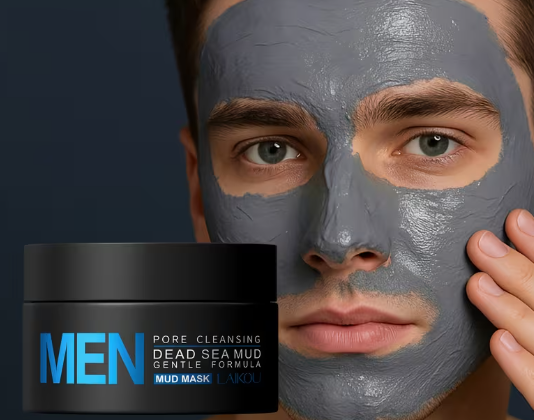
Men’s skincare is no longer an afterthought – it’s a booming segment. Global forecasts put the men’s personal care market (which includes skincare) at $30.8 billion in 2021, nearly doubling to $67.2 billion by 2030. Skin care alone will grow even faster: FMI projects men’s skincare products from $17.6 billion in 2025 to $37.3 billion by 2035 (CAGR ~10.5%). In the U.S., the change is astonishing – just two years saw the proportion of men using facial skincare jump from 31% (2022) to 52% (2024). Gen Z males are leading the way, often seeking gentler, effective products previously considered “women’s domain.” For private-label entrepreneurs, this shift spells opportunity: a traditionally underserved audience now eager for tailored solutions.
Consumer motivations: Today’s men are motivated by confidence and convenience. They want straightforward products that solve their skin issues without fuss. Many men have become ingredient-savvy and expect natural, high-performance formulas. Hybrid products are especially appealing: for example, a 2-in-1 moisturizer with SPF or a cleansing lotion that also treats razor burn. Humor and frank marketing work better than floral packaging – men typically reject “pinkboxed” designs. Instead, bold or neutral tones signal masculinity. Prominent benefits like “anti-aging for men,” “oil control,” or “post-shave soothing” help resonate.
Key product categories: Start with the basics: face washes, moisturizers, and sunscreens formulated for men’s thicker skin. According to Trilogy Labs, nearly half of younger men already spend on premium moisturizers and body lotions, so premiumizing these staples is smart. Expand into specialized offerings (eye creams, night serums, exfoliating scrubs, beard oils). Active ingredients like niacinamide, hyaluronic acid, and vitamin C are as popular among men as women; highlighting these signals quality. Since men often experience acne, wrinkles and sensitivity, an acne or anti-aging line specifically for men (differently scented and packaged) can fill gaps. Don’t neglect fragrance – many men prefer subtle “fresh” or woody notes.
Branding and packaging tips: Aim for a distinctly masculine or gender-neutral aesthetic. Sleek matte black, navy, or earth tones are safe bets; avoid pastel or overly “cute” designs. Logos or fonts inspired by sports or industrial styles can attract male buyers. A clever tagline like “Engineered for Men’s Skin” builds credibility. Packaging should be functional: pump dispensers or flip-top caps (easy to use with one hand) are often preferred. Consider offering gift sets (Father’s Day marketing) and subscription bundles (“Men’s Grooming Kit”). Promote clean ingredients and cruelty-free claims – millennials and Gen Z men care about ethics too. As one market analysis notes, men are increasingly drawn to premium, clean-label products even at higher prices.
Marketing tips: Break into male-focused channels. Partner with male influencers (athletes, barbers, lifestyle vloggers) to showcase the line. Use Instagram/TikTok ads highlighting active lifestyles (gym, outdoor scenes). Sponsor male grooming podcasts or online forums. Highlight ease (“3 products in 1 routine”) and results (“fights wrinkles and shine”). Leverage e-commerce by targeting Amazon’s men’s grooming category and Google ads with male-centered keywords. Offer samples or trial sizes, as men tend to buy once they experience a product. In essence, men’s skincare is ripe for private-label innovation: brands that speak directly to men’s needs with confidence-building formulas and designs can capture this fastest-growing demographic.
Why Private Label Beats Generic Dropshipping in 2026
For skincare sellers, choosing private label over generic dropshipping is increasingly clear-cut in 2026. Private labeling means manufacturing your own brand’s products; dropshipping usually means reselling others’ items. The difference is profound: private label offers control, higher margins, and brand equity, while dropshipping is often low-margin, high-competition commodity selling. As one industry leader explains, “most clients price their own branded products so that gross margins reach 70–85%,” whereas reselling big-name brands yields only ~30–40%. Those fat margins in private-label lines give sellers budget to market aggressively and build a loyal customer base.
1. Stronger Brand and Loyalty: With private label, you own the product story. You choose unique textures, scents, active ingredients and packaging. Customers see your brand as the expert. This fosters loyalty – people come back for the brand they trust, not a generic item found anywhere. Dropshipping, by contrast, means selling identical products available through countless other stores. As Printful notes, dropshipped items offer “limited options to add your brand name, labeling, [or] packaging…unlike private labels”. Private label lets you craft an exclusive niche (for example, “our lavender night mask” or “our men’s charcoal cleanser”), reducing direct competition.
2. Higher Profit Margins: Because you control manufacturing, private label allows huge markups. Metro Private Label’s analysis finds private-label skincare commonly yields 70–85% gross margins. In contrast, flipping a standard dropship product leaves only 30–40% after you price competitively. Higher margins mean more advertising and R&D dollars. You can invest in better branding and customer acquisition, fueling growth. Dropshipping’s slim margins (and often higher advertising costs) make it hard to scale sustainably. In sum, private label offers the “financial logic” that makes the model work in practice.
3. Customization Equals Customer Connection: Private labeling means full customization – from formulation to story. You can market directly to a niche (e.g. acne-prone teens, pregnant women, or vegan customers) and tailor every detail. Metro points out that brands who crafted products that “feel like [their customers]” saw repeat sales and word-of-mouth. Dropshipping offers no such flexibility – you can’t tweak an ingredient or design to meet your audience’s preferences. You’re stuck competing on price against everyone selling that same SKU. Instead, private label lets you build an emotional narrative around your product, turning one-time buyers into loyal fans.
4. Quality Control and Compliance: In skincare, quality and safety matter. With private label, you vet the manufacturing partner, ingredient quality, and compliance (e.g. FDA registration under MoCRA). This ensures consistent product excellence – a must for repeat buyers and word-of-mouth. Dropshipped products can vary in quality and often lack certification. A single negative review (e.g. from irritation) can sink an unknown dropship SKU, whereas strong quality control in private label builds brand trust over time.
5. Building Real Business Equity: Private label builds brand equity. Your brand name gains recognition and value every time someone buys your product. If your brand grows, it becomes an asset you fully own. Dropshipping, by contrast, builds only the supplier’s brand. As one expert bluntly states, “Most importantly? It’s your brand equity that grows – not someone else’s”. In a crowded market, having a brand instead of just a storefront is the difference between a business and a hobby.
In summary, private label is superior in 2026 because it enables differentiation, quality, and profitability. Dropshipping’s low barrier is tempting, but it traps sellers in endless price wars with little control. Savvy entrepreneurs will invest in developing their own branded skincare lines to capitalize on higher margins and customer loyalty. In a booming skincare industry, owning your formula is a far more rewarding strategy than renting someone else’s.
Beginner Strategy: Start With Only 1–3 Products
In today’s crowded market, focusing on a handful of hero products can be your secret weapon. Launching with just 1–3 items lets you perfect each formula, refine your branding, and target a clear customer need. Industry veterans emphasize starting “scrappy” and lean: pick one standout product (a serum or cream) and make it exceptional. This approach minimizes upfront investment and inventory risk, and gives your first customers a chance to shape future offerings. In fact, experts note that modern skincare is moving into an “intentional, edited” phase – consumers are fatigued by endless launches and now gravitate to fewer, multifunctional products with clear purpose.
-
Focus your budget and energy. By ordering a small batch (even 500–1000 units), you stretch every dollar on quality ingredients and branding. As one founder put it, start with your “hero” product: “Launch lean. Learn fast. Adjust confidently. Then – and only then – scale.”. This means you can test the market, gather feedback, and refine the product without being buried by excess stock.
-
Build brand clarity. With only a few products, your marketing and packaging don’t compete for attention. You can tell a coherent story and become known for solving one skin problem really well. For example, a recent skincare entrepreneur developed a single niacinamide + centella serum and sold out 1,000 units in 37 days by promoting just that formula and its “why” to the right audience. Using early buyers’ feedback to tweak your product or add a complementary item turns those first 500 customers into a roadmap for the next 5,000.
By starting narrow, you avoid the common trap of launching dozens of SKUs without focus. This lets you move quickly in 2026’s fast-paced beauty landscape: test niche ideas, follow trends, and adjust your line based on real demand. Once your initial products prove themselves, you can expand thoughtfully into a two- or three-step routine. In short, fewer products means more attention per item – higher quality, stronger brand identity, and a foundation for real growth.
Logistics: Dropshipping vs. Stocking Inventory
In 2026, robust logistics networks are the backbone of eCommerce. Major carriers and fulfillment services now promise two-day delivery to most of the country, so customers expect fast, reliable shipping whether you hold stock or not. Dropshipping means you never buy or warehouse products – your supplier ships each order directly to your customer. This model is ideal for beginners on a tight budget: startup costs can be under a few hundred dollars, and you can easily test new items and trends. You only pay for products after you sell them, freeing up capital to invest in marketing and brand-building. However, dropshipping comes with trade-offs: you surrender control over packaging, branding, and speed. Many suppliers ship in generic boxes or their own branding, so your unboxing experience and product quality depend on their standards.
By contrast, stocking inventory (or using a 3PL warehouse) gives you full oversight. You purchase products (or manufacture them) upfront and handle fulfillment yourself or via a third-party partner. The upside is higher margins and total control: you can create custom packaging, add branded inserts, and ensure each order ships exactly as you wish. Owning inventory also means much faster delivery – you decide the courier and speed – which consumers value highly. For example, using a fulfillment network (like Amazon FBA or Shopify Fulfillment) can deliver orders nationwide in ~2 days, rivaling big brands. The downside is the financial risk of unsold stock and the hassle of storage or managing a fulfillment center.
-
Dropshipping (no inventory): Low startup cost (launch under ~$100), easy to experiment with many products, minimal handling. But limited branding (package controlled by supplier), lower profit margins, and potential shipping delays if suppliers are overseas.
-
Inventory Model (stocking or 3PL): Higher upfront investment ($1K–$20K+ for initial stock) and storage needs, but complete control over product quality, packaging, and delivery speed. Results in stronger branding and margins, meeting consumer demand for authenticity and quick shipping.
Many successful startups use a hybrid approach: they dropship less-proven items and hold stock for their best-sellers. This way, you can test new ideas drop-shipped, then “graduate” winning products into your inventory to optimize the customer experience. In short, choose dropshipping to minimize risk and learn quickly, and switch to stocking inventory as you identify your core products and need to scale with higher service levels. In either case, invest in tools (inventory software, reliable 3PLs, or vetted dropship suppliers) so you can meet 2026’s high standards for speed and reliability.
How to Build a Real Brand (Not a Disposable Store)
In 2026, consumers demand more than just products; they demand purpose and transparency. A real brand is built on trust, not just transactions. Start by defining your mission and audience clearly. As one expert puts it: “Your product is the vehicle. Your branding is the invitation.”. In practice, this means telling a cohesive story about why you exist. Are you solving acne scarring? Promoting clean, science-backed skincare? Whatever it is, weave it into every touchpoint. Brands that communicate why a product exists and who it’s for earn far more trust. For example, founder Charlotte Cho tied her Korean heritage and family story into her brand’s narrative, and customers now buy for that story as much as the creams.
To grow loyalty (instead of just quick sales), focus on transparency and education. Skincare buyers are skeptical and overloaded with information. Use content marketing – blog posts, videos, newsletters – to teach about ingredients, usage, and results. Show real before/after photos and user reviews; positive feedback is social proof that your product really works. Highlight any science or certifications behind your formulas. By educating your audience (e.g. how a sunscreen works or why a serum is effective), you build authority and make your brand feel credible.
Finally, invest in consistent, quality branding. This means professional design, meaningful packaging, and an authentic voice. Today’s shoppers expect brands to back up claims with proof – clinical results or transparent sourcing – and they notice packaging too. Sustainable, protective packaging is becoming standard; if you skip these details, customers may see your brand as disposable. Instead, use custom labels or eco-friendly materials that reinforce your story. Engage directly with your community on social media and through email – be responsive to comments, gather feedback, and adapt. Long-term influencer partnerships and customer communities now outperform one-off ads, so cultivate those relationships.
In 2026, the brands that truly succeed are not the ones that move the fastest, but the ones that build the strongest foundations. The opportunity in private label skincare is clearer than ever: the market is growing, consumers are more educated, and brand trust matters far more than short-term traffic.
Whether you are a complete beginner or an experienced eCommerce seller, you don’t need to start big. Starting with just one to three core products, choosing the right niche, partnering with reliable suppliers, and refining your brand experience already puts you ahead of most sellers who are only focused on quick sales.
Dropshipping helps you test the market.
Private label is how you build a real asset.
One is short-term opportunity.
The other is long-term business.
The moment you begin asking:
-
What does my brand truly stand for?
-
What real problem does my product solve for customers?
-
Does my packaging, messaging, and service communicate one clear identity?
You are no longer building a “store.”
You are building a brand.
The skincare industry will never run out of products.
What it lacks are brands with clear positioning, professional standards, and long-term vision.
If you are willing to start slower, grow smarter, and build deeper connections with your audience,
2026 can be the year you create something lasting.
Not a disposable project.
But a brand that can grow for five, ten, or even twenty years.