
If you’re planning to start an online business, chances are you’ve come across two big names: Amazon FBA and dropshipping. Both models promise flexible income, global reach, and the chance to build a brand without needing a physical storefront. But here’s the question most beginners ask — amazon fba vs dropshipping which is better?
The truth is, both models can be profitable, but they operate very differently. Amazon FBA gives you access to one of the world’s largest marketplaces and a built-in logistics system, while dropshipping offers lower startup costs, more creative freedom, and less financial risk. Choosing the right one depends on your goals, budget, and how much control you want over your business.
In this article, we’ll explore how each model works, compare their pros and cons, and highlight the key factors that determine long-term success. By the end, you’ll have a clear understanding of which approach — Amazon FBA or dropshipping — best fits your business vision and experience level.
What Is Amazon FBA?
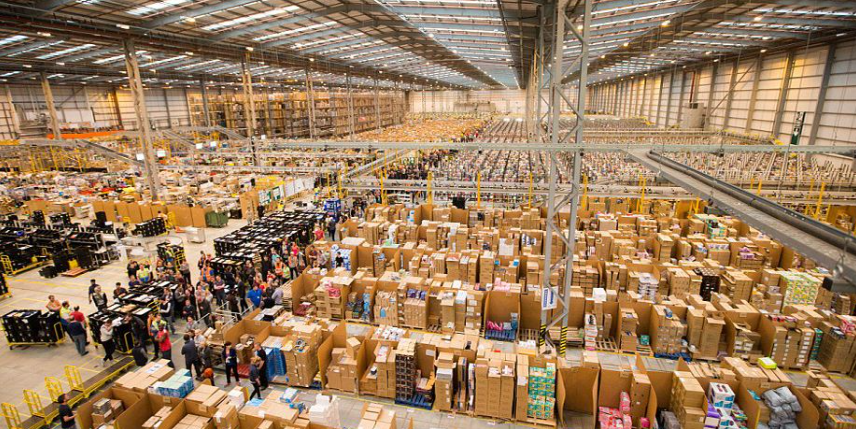
Amazon FBA (Fulfillment by Amazon) is one of the most popular ways to sell products online, especially for entrepreneurs who want to take advantage of Amazon’s global reach and trusted logistics network. Under this model, sellers send their products in bulk to Amazon’s fulfillment centers. When a customer places an order, Amazon handles everything — from storage and packaging to shipping and even customer service.
In other words, you provide the products, and Amazon takes care of nearly everything else behind the scenes. This allows sellers to focus on finding profitable items and managing listings instead of worrying about delivery or warehousing.
For many eCommerce beginners comparing amazon fba vs dropshipping which is better, Amazon FBA sounds appealing because it provides instant access to a massive marketplace where millions of customers already shop every day. Your products can even qualify for Amazon Prime, which gives buyers faster shipping and adds a layer of trust to your brand.
However, FBA isn’t without challenges. To start, you’ll need to invest in inventory upfront — often a few thousand dollars — and follow strict packaging and labeling requirements before sending items to Amazon warehouses. You’ll also pay storage and fulfillment fees, which can quickly add up if products don’t sell as expected.
Amazon also controls much of the customer relationship, meaning you have limited freedom over branding, packaging, and marketing. It’s an efficient system, but one that operates entirely within Amazon’s rules.
In short, Amazon FBA is best for sellers who have enough capital to buy inventory in advance, want to benefit from Amazon’s built-in infrastructure, and don’t mind giving up a bit of control for convenience and exposure. It’s a great choice for product-based entrepreneurs ready to scale, but less ideal for those seeking flexibility or creative freedom — areas where dropshipping shines.
What Is Dropshipping?
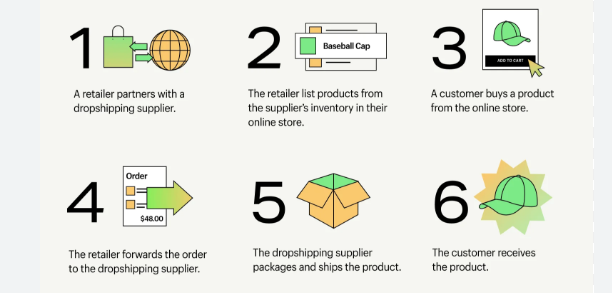
Dropshipping is a business model that lets you sell products online without ever handling inventory yourself. Instead of purchasing items in bulk or managing a warehouse, you partner with a supplier who stores, packages, and ships products directly to your customers after each sale.
In simple terms, your role is to manage the online store, choose what to sell, and market your products. The supplier takes care of the rest. You earn the profit between the retail price you set and the wholesale cost from your supplier.
This approach makes dropshipping one of the most beginner-friendly ways to start an eCommerce business. You don’t need to invest heavily upfront — there’s no bulk buying or risk of unsold stock. All you need is a store, a few good product ideas, and a reliable fulfillment partner.
For entrepreneurs comparing amazon fba vs dropshipping which is better, the biggest advantage of dropshipping is flexibility. You can easily test new products, switch suppliers, or adjust pricing without major financial commitment. It’s also ideal for creative entrepreneurs who want to build their own brand identity rather than selling under another company’s name.
Of course, like any business model, dropshipping has challenges. Profit margins can be lower than bulk-based models like FBA, and customer satisfaction depends heavily on your supplier’s reliability. Shipping times may also vary if your products come from overseas warehouses.
That’s why choosing the right supplier is critical. A trusted partner such as CJdropshipping can help solve many of these common issues. They offer global fulfillment centers, product sourcing, and automated order management — allowing you to deliver high-quality products with faster shipping and minimal hassle. With a dependable partner behind the scenes, you can focus on what truly matters: building your store, refining your brand, and connecting with your customers.
In short, dropshipping is about freedom — low startup costs, flexibility, and creative control. It’s a business model designed for modern entrepreneurs who value agility and want to grow at their own pace without the financial risks of holding inventory.
Amazon FBA vs Dropshipping: Key Differences
Both Amazon FBA and dropshipping can be profitable, but they operate in completely different ways. Understanding their core differences helps you decide which model aligns best with your goals, budget, and experience level. Here’s how they compare across key business factors.
Business Model and Ownership
With Amazon FBA, you’re essentially renting space in Amazon’s massive marketplace. You sell under their platform, use their fulfillment services, and follow their rules. While this gives you access to a large customer base, you’re also limited by Amazon’s policies and competition.
Dropshipping, on the other hand, gives you full independence. You own your store, build your own brand, and decide how you market your products. Instead of competing on Amazon’s crowded listings, you create a unique space for your audience.
If you value control and long-term brand building, dropshipping gives you more freedom to grow on your own terms.
Startup Costs and Investment
Amazon FBA typically requires a significant upfront investment. Sellers must purchase inventory in bulk and pay for shipping to Amazon’s warehouses, packaging, labeling, and storage fees. Most FBA sellers spend between USD 2,000 and 5,000 just to launch their first product line.
Dropshipping, by contrast, is one of the most cost-effective eCommerce models. You only pay for a product after a customer buys it. Your main expenses are setting up your store, marketing, and small platform fees. Many dropshippers start with under USD 500 and scale as they grow.
For beginners comparing amazon fba vs dropshipping which is better, dropshipping offers a much lower barrier to entry and far less financial risk.
Fulfillment and Logistics
Amazon FBA is renowned for its reliable logistics. Amazon stores, packs, and delivers your products through its global network, often offering next-day shipping through Prime. However, that convenience comes with strict packaging rules and additional storage charges, especially if your products don’t sell quickly.
With dropshipping, your fulfillment depends on your supplier — making partner choice crucial. Reliable providers like CJdropshipping offer automated order syncing, global warehouses, and quality inspections that ensure smooth, professional delivery. While you won’t have Amazon’s network, a good fulfillment partner can help you achieve comparable efficiency without heavy fees.
Branding and Customer Relationship
Brand control is one of the biggest differences between FBA and dropshipping. When you sell through Amazon, the customer experience belongs to Amazon — from packaging to post-sale communication. This limits how much you can personalize your brand or connect directly with buyers.
Dropshipping, however, allows complete creative freedom. You can customize packaging, add thank-you cards, and design your store around your unique brand story. Every touchpoint reflects your identity, helping you build loyalty and recognition over time.
If your goal is to create a long-term brand with a distinct voice, dropshipping offers more room to express that vision.
Profit Margins and Scalability
At first glance, FBA might seem more profitable because you buy products in bulk at lower cost per unit. But Amazon’s referral fees, storage costs, and fulfillment charges can quickly reduce your margins. Additionally, competition is fierce — many sellers undercut prices to rank higher.
Dropshipping profits are smaller per sale but often steadier. You don’t have fixed warehouse expenses, and you can scale easily by adding more products or testing new niches. With effective marketing and a good supplier, you can build a sustainable business that grows steadily over time.
Risk and Flexibility
Amazon FBA carries higher upfront risk. Unsold inventory, changing policies, or sudden account suspensions can lead to unexpected losses. Dropshipping minimizes those risks because there’s no inventory investment — you only pay for what sells.
Moreover, dropshipping is highly flexible. You can test products, change suppliers, or even pivot to new markets quickly. This adaptability makes it ideal for first-time entrepreneurs who want to learn, experiment, and refine their business without major commitments.
Which Model Is Better for Beginners?
If you’re new to eCommerce and wondering amazon fba vs dropshipping which is better for a first business, the answer usually comes down to risk, cost, and control.
For most beginners, dropshipping is the easier and more flexible starting point. It requires very little upfront investment, offers low financial risk, and gives you the freedom to experiment with different products and markets. You can build your store on platforms like Shopify or WooCommerce, add trending products, and test what sells — all without worrying about storage or large inventory costs.
In contrast, Amazon FBA is a more structured system designed for sellers who already have capital and experience. It provides access to Amazon’s massive customer base but demands higher initial investment and strict compliance with its rules. For new entrepreneurs, that can feel limiting and expensive, especially if products don’t sell as fast as expected.
Why Dropshipping Fits Beginners Better
-
Low Financial Barrier: You can start with as little as a few hundred dollars, mainly for setting up your store and running ads. You only pay for products after customers place orders, which protects your cash flow.
-
Quick Market Testing: Dropshipping lets you quickly identify what sells. You can change products, niches, or suppliers in a few clicks — perfect for learning what works before scaling up.
-
Full Creative Control: You own your brand, your website, and your customer relationships. That’s something Amazon FBA doesn’t allow to the same extent.
-
Simpler Operations: With a trusted fulfillment partner handling production and delivery, you can focus entirely on marketing and customer experience.
Of course, dropshipping still requires effort. You’ll need to learn digital marketing, build customer trust, and maintain product quality. But compared to the upfront logistics and investment of FBA, it’s a much more forgiving model for beginners to start and learn the ropes.
Many successful eCommerce entrepreneurs actually begin with dropshipping, then later diversify — adding their own products, exploring FBA, or even combining both models. The early lessons from dropshipping — choosing winning products, managing suppliers, understanding customer behavior — create the foundation for scaling into other business types later.
In short, if you’re starting from scratch and want to build a business with flexibility, lower risk, and creative control, dropshipping is the better choice. It’s a smart way to test ideas, learn the market, and grow your confidence before investing in more complex models like Amazon FBA.
The Role of Reliable Fulfillment Partners
No matter which business model you choose — Amazon FBA or dropshipping — your success depends heavily on fulfillment quality. Fast, accurate, and reliable order delivery is what turns a first-time shopper into a returning customer. In eCommerce, how well you handle logistics can be just as important as what you sell.
For Amazon FBA sellers, fulfillment is largely handled by Amazon. Their established network of warehouses, automated systems, and customer support make operations efficient and trustworthy. The trade-off, however, is that you lose flexibility and control. Once your inventory is stored in Amazon’s facilities, you must follow their policies and pay ongoing storage and handling fees, even if your products don’t sell as quickly as planned.
In dropshipping, fulfillment works differently. Your supplier takes care of packaging and shipping each order directly to your customer. This setup removes the need for inventory management but also places greater importance on choosing the right supplier. A dependable fulfillment partner ensures that orders are shipped on time, products meet expectations, and your brand reputation remains strong.
When evaluating fulfillment partners, here are some factors to consider:
-
Warehouse locations: Partners with multiple regional warehouses can deliver faster and reduce shipping costs.
-
Integration capabilities: Automated order syncing with eCommerce platforms like Shopify, WooCommerce, or Etsy prevents delays and manual errors.
-
Quality control: Reliable suppliers inspect products before shipment to minimize returns and complaints.
-
Transparent pricing: Clear cost breakdowns and real-time tracking help you manage profitability and customer satisfaction.
-
Communication and support: Fast, professional support is essential when you need to resolve delivery issues or adjust inventory quickly.
A strong fulfillment partner is not just a supplier — it’s part of your business ecosystem. They represent your brand to the customer at the final, most critical stage of the purchase experience. Whether you’re using FBA’s infrastructure or building your own dropshipping system, investing in reliable logistics ensures consistency, credibility, and growth.
When you get fulfillment right, your business feels effortless. Customers receive what they expect, on time, and that trust becomes the foundation for your long-term success.
Choosing the Right Path for Your eCommerce Journey
When it comes to amazon fba vs dropshipping which is better, there isn’t a single right answer — only the model that best fits your goals, budget, and mindset. Both paths can lead to success, but they require different strengths and expectations.
Amazon FBA offers scale and convenience through its established infrastructure. It’s ideal for sellers with sufficient capital and a clear product strategy who want quick access to Amazon’s massive customer base. But it comes with strict rules, high upfront investment, and less control over your brand and customer relationships.
Dropshipping, on the other hand, is all about flexibility and independence. It allows anyone to start with minimal risk, test products quickly, and build a brand with creative freedom. For beginners and entrepreneurs who value adaptability, it’s often the smarter entry point into eCommerce.
The most successful online businesses are not defined by the model they choose, but by how well they execute it. Whether you’re storing inventory in Amazon’s warehouses or working with fulfillment partners in the dropshipping space, the key is to stay focused on quality, reliability, and customer experience.
Start small, test consistently, and keep refining your approach. Over time, you’ll gain the insight and confidence to expand — whether that means scaling your dropshipping store, transitioning to FBA, or combining both models strategically.
In the end, both Amazon FBA and dropshipping share the same destination: helping you build a profitable business that delivers real value to customers. The difference lies in the path you take — one built on structure and investment, the other on flexibility and creativity. Choose the one that aligns with your goals today, and let experience guide you toward long-term success.