
If you tried building a dropshipping store a few years ago, you probably heard the same advice over and over:
“Pick a niche, throw up a Shopify store, run ads, profit.”
That era is gone.
In 2026, eCommerce isn’t just a game of who can launch faster — it’s a game of who understands customers better, iterates faster, and builds smarter. Consumers expect faster shipping, social proof, believable brands, and products that feel intentional, not random.
But here's the exciting part:
This shift didn’t kill dropshipping —
it made the opportunity bigger for people who treat it like a real business.
Today, beginners can win without huge budgets.
Creators can turn influence into income streams.
Lean entrepreneurs can test ideas before risking inventory.
New platforms like TikTok Shop, YouTube Shopping, and Reels unlock organic reach that wasn't possible just a few years ago.
More importantly, modern fulfillment partners and on-demand logistics mean you can start small, validate products quickly, and scale only when it makes sense. You don't need to “get lucky” — you need a method.
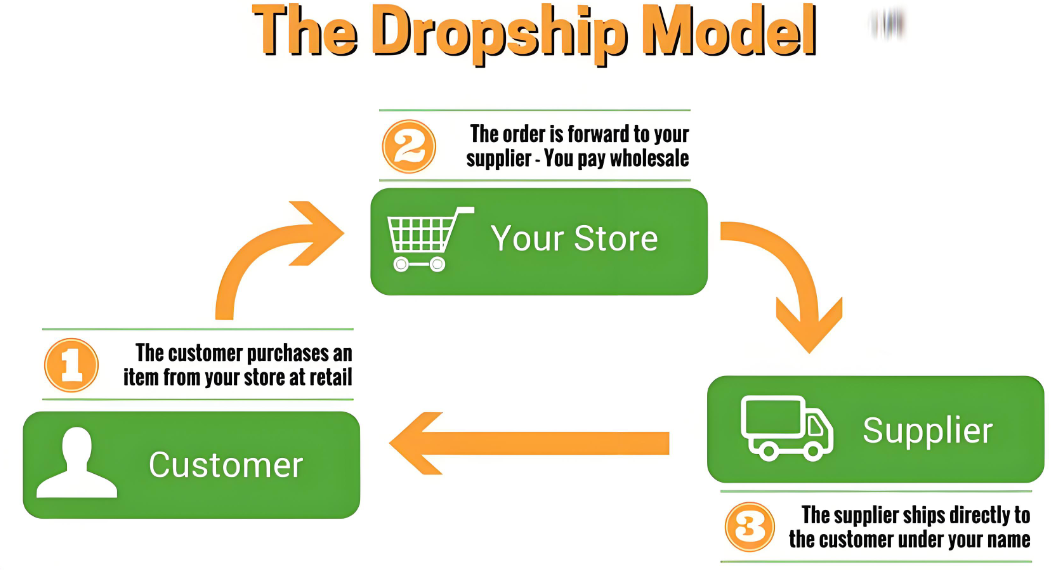
The Real Blueprint for Starting From Zero
Forget the highlight-reel success stories you’ve seen on YouTube.
Real dropshipping success in 2026 doesn’t come from copying a “winning product” list or hoping one video magically goes viral.
It comes from building a simple, repeatable system.
Think of it like learning a skill — not pulling a lottery ticket.
And when you break the process down, it becomes much less overwhelming.
Here’s the realistic foundation that beginners follow today:
1. Start With One Buyer Group, Not “Everyone”
Instead of trying to sell anything to anyone, you choose one problem, one lifestyle, one type of person you want to serve.
For example:
-
Students with productivity struggles
-
New pet owners with anxious dogs
-
Content creators setting up home studios
-
Wellness-focused women improving sleep and stress
-
Car owners looking for convenience gadgets
When you care about one customer at a time, product ideas stop feeling random — they connect.
2. Spot Products With Awareness + Demand
Winning products rarely come out of thin air.
You look for signals in:
-
TikTok content trends
-
YouTube review spikes
-
Amazon movers
-
Real-life conversations & community groups
-
Comment sections where people literally say “I need this”
You're not guessing — you’re reading the market.
3. Partner With a Fulfillment Source That Supports Scaling
You don’t need the biggest supplier — you need one that:
-
Ships reliably
-
Handles spikes in orders
-
Lets you grow without rebuilding your store later
That’s why many new sellers choose platforms like CJdropshipping — you can test ideas first, then switch to faster local shipping once sales start climbing. Flexibility early on is key.
4. Build a Simple, Trust-Building Store
Not fancy. Not expensive.
Just:
-
Clean layout
-
Clear benefit messaging
-
Solid product storytelling
-
Realistic reviews & social proof
-
Fast checkout flow
Because conversions don’t come from “design.”
They come from clarity + trust + value.
5. Create Traffic, Not Just a Store
Stores don’t make money — attention does.
You learn to attract eyeballs:
-
TikTok/Instagram short videos
-
Creator-style content instead of promo ads
-
Micro-influencers and UGC collaborations
-
Paid testing once basics work
Your goal isn’t viral — it's consistent.
One video a day beats chasing one “perfect” clip.
6. Review, Refine, Restart
Your first product isn’t your identity.
Your first few weeks aren’t a verdict.
You’re collecting data:
-
Does this niche respond?
-
Does the product resonate?
-
Which angles get the best engagement?
-
Are we improving each week?
Progress > perfection.
The only real “failure” is quitting before you iterate.
When You Understand This Blueprint, Dropshipping Gets Simpler
You stop chasing hacks.
You stop panicking about algorithms.
You stop jumping from product to product with no framework.
You start building with intention:
-
Narrow niche
-
Demand-based product selection
-
Reliable fulfillment
-
Simple store
-
Repeatable content engine
-
Iteration mindset
That’s how real beginners become real operators.
And yes — you can start from scratch.
Most successful dropshippers in 2026 did.
Step 1: Choose a Niche with Real Purchase Intent
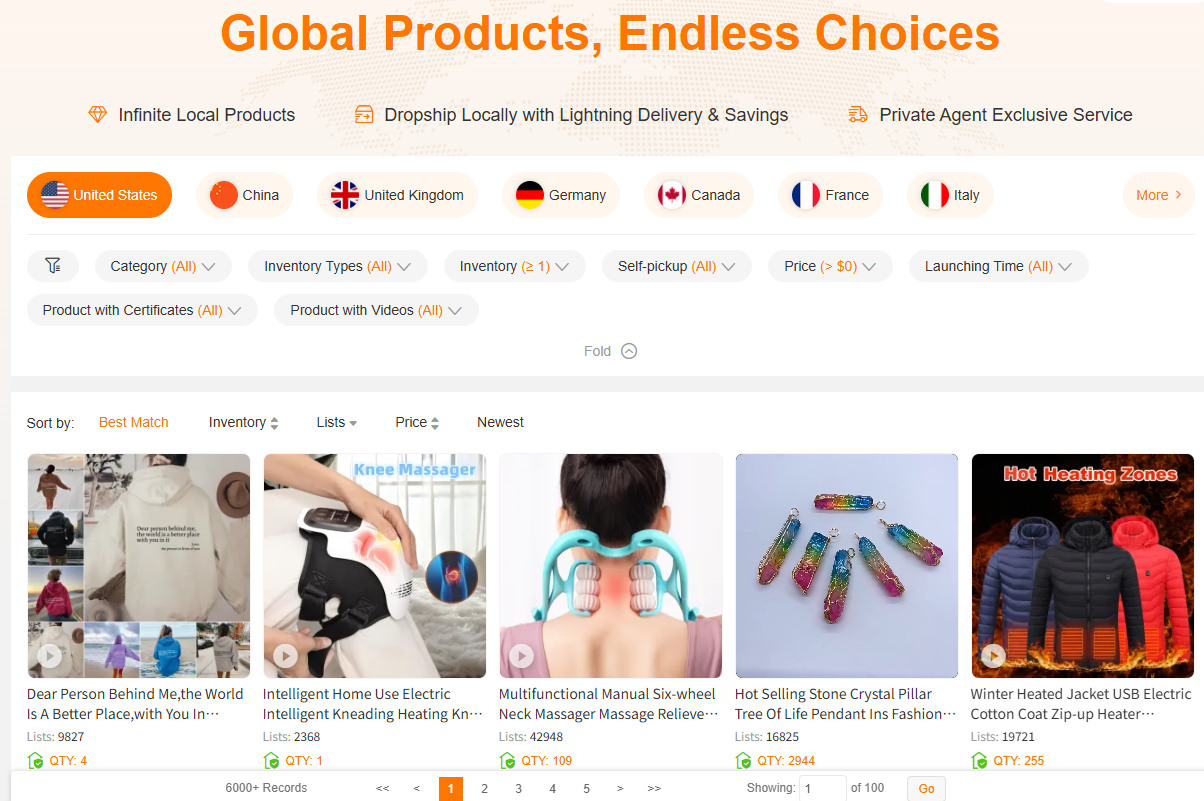
A profitable dropshipping business begins with a clearly defined customer group — not a random trending product. In 2026, consumers reward brands that understand their needs and speak directly to their lifestyle, interests, and motivations.
Your niche should represent a group of buyers who already spend money to solve a problem, improve their life, or express identity. The more specific the audience, the easier it becomes to market, create content, and test offers.
Start With People, Not Products
When you choose a niche, ask yourself:
-
Who am I serving?
-
What problem or goal do they have?
-
What motivates them to buy?
-
What type of products naturally fit into their life?
For example, instead of “fitness,” focus on a segment like home recovery and mobility tools for people who work out at home or sit long hours. The smaller focus creates clearer messaging, better product choices, and stronger trust.
Examples of Strong Niche Audiences Today
Look for niches where people already spend, such as:
-
Pet lovers improving pet behavior and comfort
-
Home wellness and sleep improvement buyers
-
Beauty and self-care enthusiasts seeking at-home tools
-
Productivity and desk-setup fans working or studying at home
-
Travel and outdoor hobbyists optimizing convenience
-
New parents looking for safer, practical baby essentials
These audiences have one thing in common:
consistent demand and emotional involvement, which translates into repeatable sales potential.
Look for Demand — Not “Hidden Niches”
Contrary to old advice, success isn’t about finding something nobody has seen.
It’s about entering a market that already works and positioning yourself well within it.
Validate demand through:
-
Social search (TikTok, Instagram, YouTube trends)
-
Product comment sections and shopping tags
-
Amazon category momentum and bestseller shifts
-
Real online communities discussing problems and requests
Instead of thinking, “nobody sells this,”
focus on: “People clearly want this — how can I serve them better?”
Ensure the Niche Aligns With Content
Short-form video drives discovery today, so your niche must support simple, repeatable content ideas:
-
Daily tips and “how-to” clips
-
Before-and-after demonstrations
-
Problem-solution formats
-
Real-user or UGC examples
-
Lifestyle usage scenes
If a niche has no visual storytelling angle, marketing it will be slow and expensive.
Choose Audiences With Active Spending Habits
Interest alone isn't enough.
The best niches contain buyers who regularly invest in solutions or upgrades — people who already shop in your category.
Ask yourself:
-
Would this audience pay for products that improve their experience?
-
Do they enjoy discovering useful tools or accessories?
-
Is there ongoing frustration, desire, or aspiration?
If the answer is yes, you’re selecting a niche with strong purchasing intent — not just curiosity.
Key Takeaway
Niche selection is not about guessing trends — it’s about choosing a defined, motivated buyer group with real purchasing behavior.
Once you identify who you're serving and why they buy, product research becomes strategic and your marketing gains clarity.
A strong niche sets the foundation for every decision that follows.
Step 2: Find Products That Can Sell Now
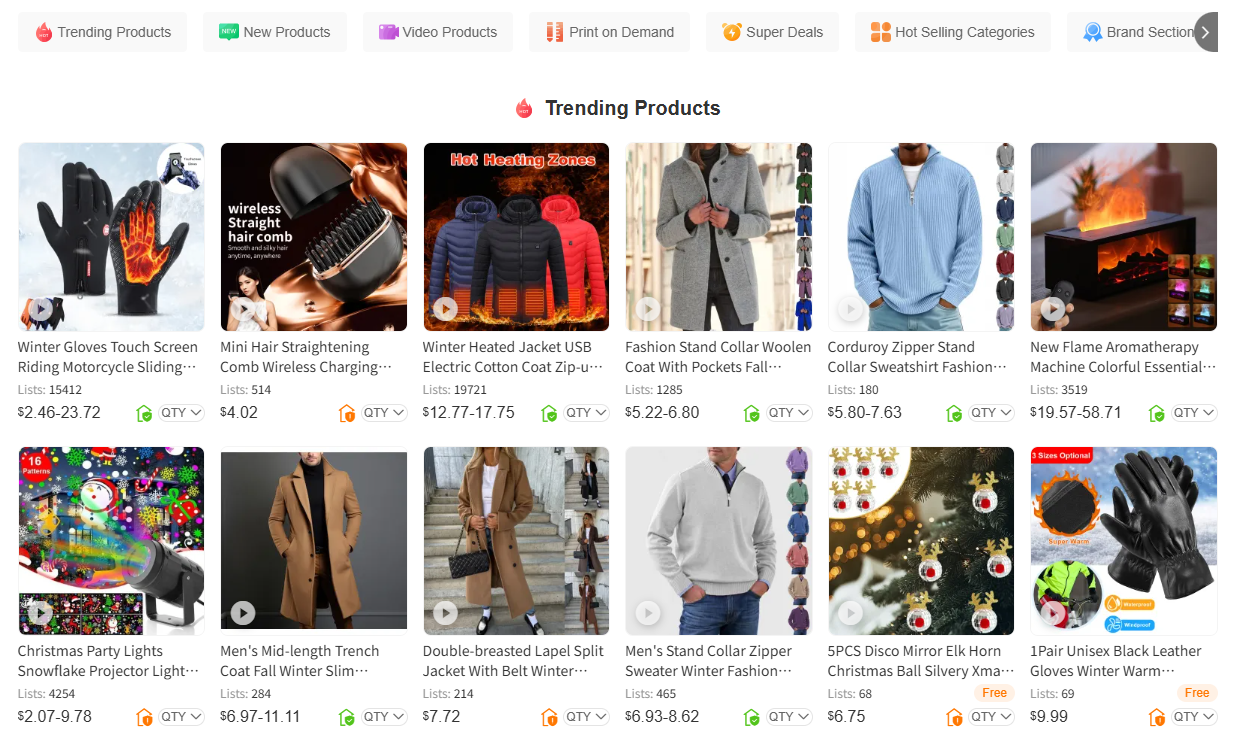
Once you have a defined audience, the next step is selecting products that have real-time demand — not based on guesswork, but verifiable signals. In 2026, the most successful dropshippers don’t chase “unique hidden products.” They look for proven demand + fresh angles + strong presentation potential.
Your goal isn’t to predict a trend.
Your goal is to enter an existing wave at the right moment, with a better offer or experience.
Focus on Product Types With Natural Appeal
Strong-performing product categories today include:
-
Problem-solving accessories (everyday improvement items)
-
Practical wellness and self-care tools
-
Beauty and grooming devices with visible results
-
Home efficiency and organization products
-
Pet care solutions and enrichment toys
-
Travel and lifestyle convenience items
-
Productivity and home-office enhancers
-
Small creator tools or content-friendly gadgets
These products succeed because they connect to routines, identities, and visible outcomes — all key drivers of impulse purchases.
Use Real Demand Signals — Not Opinions
Look at what real buyers are reacting to, not what you personally think will work.
Effective research channels:
-
TikTok Creative Center (search product keywords or niche interests)
-
TikTok / IG / YouTube comment sections — “Where can I buy this?”
-
Amazon Movers & Shakers — fast-rising categories
-
Niche Reddit communities asking for recommendations
-
Product ranking and trend updates on sourcing platforms
-
Customer reviews on competitor stores or marketplaces
Patterns to look for:
-
Strong engagement, not just views
-
Buyers asking questions or tagging friends
-
Queries about price or where to buy
-
Repeated complaints about existing versions — opportunities to improve the offer
Demand isn't a guess — it’s observable behavior.
Confirm Product Potential With Practical Filters
Before selecting a product, evaluate:
-
Clear value
Can someone understand its benefit in 3 seconds? -
Visible use case
Can it be demonstrated in short video format? -
Market acceptance
Is there proof buyers already want it? -
Improvement angle
Can you offer faster shipping, better content, or clearer positioning? -
Margin and logistics suitability
Lightweight, reasonable cost, scalable shipping, not overly fragile
If you can’t explain the product’s value quickly or show it in action visually, it will be difficult to drive conversions.
Prioritize Offers, Not “Winning Items”
In 2026, the product alone doesn't create success — the offer does.
Consider improving:
-
Product description structure
-
Bundles (e.g., 2-pack with discount)
-
Slight variation or upgraded model
-
UGC-style demonstration video
-
Branded feel or clearer value message
The same product can perform very differently depending on presentation and positioning.
Test With Lean Risk and Then Scale
Your first goal is not to purchase stock.
Your first goal is to validate response cheaply.
-
Start by testing interest through organic content or micro-budget ads
-
Measure engagement and early conversion signals
-
Scale gradually as data confirms performance
-
Only consider stocking inventory once you see consistency
Platforms like CJdropshipping are useful in this stage — you can test with flexible fulfillment and later transition to faster warehouse delivery once the product proves traction. It keeps early-stage risk low while giving you a scaling path.
Step 3: Select a Reliable Supplier & Fulfillment Partner
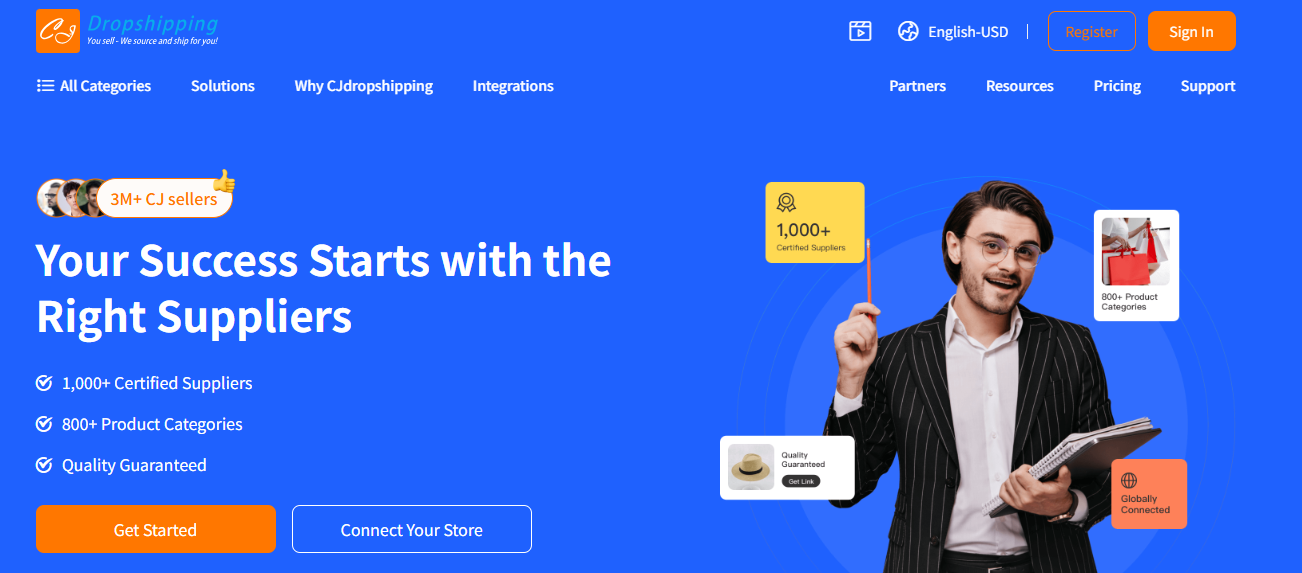
Product selection decides what you sell —
but your supplier determines whether your business can operate smoothly and scale.
In 2026, customers expect fast delivery, consistent quality, and reliable post-purchase support. The suppliers you choose must support not only product testing, but also stability once orders grow. A weak supply chain can turn a winning product into a customer-service burden overnight.
The right partner gives you flexibility early and scalability later.
What Matters Most in a Supplier Today
A qualified supplier or fulfillment partner should offer:
Reliable shipping performance
Consistent delivery timelines, minimal delays, and transparent tracking.
Stable inventory & sourcing capability
You need predictable stock, plus the ability to secure higher volumes when demand increases.
Quality assurance
Accurate product descriptions, consistent quality checks, and clear defect-resolution processes.
Scalable logistics
Support for global fulfillment and local warehouse options when you reach volume.
Responsive support
Fast communication and proactive issue handling — essential during high-volume periods.
In other words, you're looking for a long-term operational partner, not just a place to buy products.
Start Lean, Then Upgrade Delivery Speed
For most beginners, the smart approach is:
-
Validate demand with standard fulfillment
-
Monitor order pace and customer satisfaction
-
Move winning items to faster local warehouse fulfillment once sales stabilize
This reduces risk — no large upfront inventory —
while keeping the option open for premium delivery times when it's strategically useful.
This flexible testing-to-scaling model is why many sellers prefer platforms like CJdropshipping. You can test new items quickly, and once a product performs, shift to faster US or EU warehouse fulfillment and even negotiate brand packaging. It supports early-stage agility without limiting long-term potential.
Key Supplier Red Flags
Even if a product looks promising, avoid suppliers who:
-
Cannot provide consistent tracking
-
Offer unpredictable shipping windows
-
Have frequent negative reviews on fulfillment
-
Take too long to communicate
-
Rely on third-party shipping without transparency
-
Cannot commit to scaling volume if the product grows
Unreliable fulfillment doesn't just hurt revenue — it damages brand trust and increases refund workload.
Inventory Strategy for New Sellers
A realistic path for beginners:
-
Start without inventory to reduce financial risk
-
Confirm product-market fit through testing
-
Move to local stock or partial deposit inventory once data supports it
-
Scale with faster shipping and branding elements
This staged approach avoids cash-flow strain while preparing you for sustainable scaling.
Step 4: Build a Store That Converts (Without Overcomplicating)
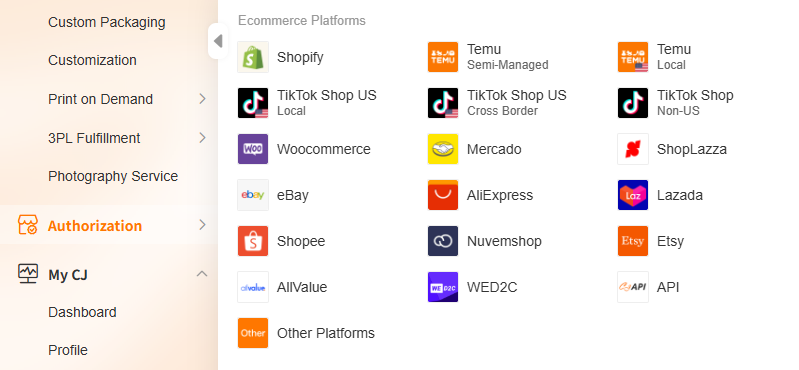
At this stage, your priority is not building a flashy website — it’s creating a store that explains value clearly, builds trust quickly, and makes buying easy. Modern consumers evaluate within seconds, especially coming from TikTok, IG Reels, or YouTube Shorts. The faster they understand why your product matters, the higher your conversion rate.
A simple, high-performing store beats a complicated one every time.
Focus on Clear, Structured Pages
A strong converting store typically includes:
-
One main product or a tightly related set of products
-
A clear headline that communicates the core benefit
-
Short, direct product descriptions focused on outcomes
-
Realistic visuals, demos, and UGC-style content
-
Credible reviews or proof elements
-
Transparent shipping and guarantee information
-
Smooth and fast mobile checkout
The goal is to reduce hesitation, not overwhelm with detail.
Communicate Benefits, Not Just Features
Buyers don’t choose a product based on technical specs alone — they choose based on results. Highlight how the item improves their day, solves a problem, or enhances a lifestyle.
Not: Ceramic hair tool, 3 temperature settings
Instead: Salon-level curls in minutes without heat damage or bulky styling equipment
Clarity and relevance build trust and confidence.
Use Real Visual Proof
Visuals drive decisions. Authentic UGC-style photos and short demonstration clips outperform staged studio shots in most cases. Show:
-
Real hands using the product
-
The product in a real environment
-
Before-and-after examples if relevant
-
Simple clips demonstrating a key benefit
Shoppers trust what feels real, familiar, and relatable.
Earn Trust Through Transparency
Even early retailers can look credible by being straightforward. Provide:
-
Accurate shipping timelines
-
Simple return and support info
-
Frequently asked questions
-
Contact details (email, chat widget, or form)
Professional tone and clear answers lower anxiety and improve conversions.
Prioritize Mobile Experience
Most traffic comes from mobile, especially from social platforms. Make sure:
-
Buttons are obvious and thumb-friendly
-
Text is easy to skim
-
Checkout requires minimal steps
-
Pages load quickly and display cleanly
A store designed for desktop first will underperform.
One Focused Offer Is Enough
Early on, avoid cluttering your store. One compelling offer with optional bundles or quantity discounts generates better results than multiple unrelated products.
Clarity accelerates learning, budget efficiency, and conversions.
Key takeaway
A conversion-ready store in 2026 is:
-
Simple and purposeful
-
Benefit-driven and proof-backed
-
Trustworthy without pretending to be a big brand
-
Clean, fast, and optimized for mobile
-
Focused on one strong offer, not many distractions
You're not trying to impress — you're trying to make buying easy and logical.
Step 5: Launch Your First Traffic System

With your niche defined, product selected, and store ready, the next step is driving traffic. In 2026, the most effective strategy for new dropshippers is not complicated funnels — it's consistent visibility where buyers already spend time. Short-form platforms continue to dominate, and the brands that learn to leverage them early win faster.
Traffic today is about attention, proof, and repetition, not overnight virality.
Start With One Primary Channel
Pick one platform and commit to it first. Spreading thin across five channels slows learning and drains energy. The most strategic beginner-friendly channels in today's environment are:
-
TikTok organic content
-
Instagram Reels
-
YouTube Shorts
These platforms reward:
-
Visual products
-
Clear problem-solution demos
-
Simple, repeatable content themes
Short-form video isn't optional anymore — it's the discovery engine for eCommerce.
Use Simple Content Frameworks
You don't need cinematic video or influencers. Authentic, repeatable formats win:
-
“Show the problem, show the solution”
-
Quick demo + benefit explanation
-
Before vs. after use
-
Real-user reactions and social proof
-
Daily usage clips or simple routines
Think useful, clear, relatable rather than overly polished.
Aim to publish consistently — even one strong piece per day builds momentum. Early content is about data and audience signals, not perfection.
Add Paid Traffic Gradually
Paid ads are powerful, but they work best when paired with content proof. Once organic posts show signs of interest — comments, saves, traffic — begin low-budget testing on:
-
TikTok Ads
-
Facebook Ads
Focus initially on:
-
Testing different hooks and angles
-
Driving traffic to your product page
-
Retargeting warm audiences
Start small. Your first objective is learning, not scaling.
Use Collaborative Traffic Strategies
Micro-influencers and user-generated content creators offer high ROI without large budgets. Gifting products or offering small creator fees can quickly produce persuasive validation content.
This approach works especially well for products that benefit from demonstration or testimonial-style proof.
Measure Signals, Not Luck
Early performance indicators matter more than immediate sales. Look for:
-
Content watch-through and engagement
-
Click-through to store
-
Add-to-cart behavior
-
Comments like “need this” or “link please”
When you see consistent micro-wins, you're on the right track.
Traffic testing is not about hoping one video blows up — it's about steadily increasing relevance and efficiency.
Avoid Common Traffic Mistakes
New sellers often struggle because they:
-
Attempt too many channels at once
-
Focus only on ads without organic proof
-
Chase viral spikes instead of building trust
-
Stop posting when content doesn’t instantly convert
-
Analyze impressions instead of buyer actions
Traffic is not a one-time event. It’s a muscle — consistency sharpens it.
Step 6: Test, Learn, Refine — Your First 30 Days
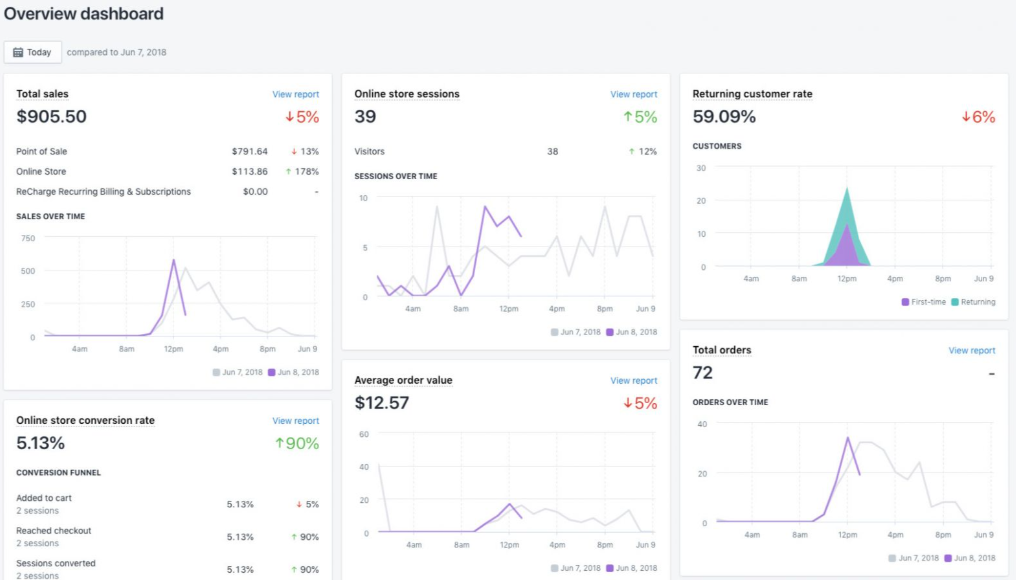
The first 30 days are not meant for scaling. They are for confirming that your product, audience, and message align. Treat this period as a structured test phase, where the goal is clarity, not explosive results. In 2026, the sellers who succeed are those who review real user behavior and make informed improvements, step by step.
The priority in this phase is generating reliable signals, not chasing instant profit.
Focus on Practical Validation Metrics
Track early indicators that show whether your offer resonates:
-
People watch and engage with your product content
-
Viewers click through to your store to learn more
-
Visitors add products to cart or initiate checkout
-
First orders begin coming in, even if small in number
One or two orders are success markers at this stage — they confirm the system can work.
Differentiate Signals from Noise
Meaningful signals include:
-
Strong video watch time and replays
-
Click-throughs from content to store
-
Add-to-cart actions showing buying interest
-
Checkout attempts indicating trust
-
Actual purchases validating your direction
Disregard vanity signals like views without clicks or likes without intent-based comments. Attention without purchase behavior is not validation.
Refine Based on Structured Weekly Reviews
Adjust on a weekly cycle rather than reacting daily. Each week, analyze:
-
Which message or angle produced the most clicks
-
Whether visitors understood the product benefit quickly
-
Where in the funnel users drop off (content, product page, checkout)
-
Questions or objections appearing in comments or messages
Focus improvements on core leverage points like your product explanation, offer clarity, page flow, creative hooks, and pricing logic.
Change One Thing at a Time
To learn effectively, isolate variables. Avoid rewriting your store, changing all creatives, and rewriting your offer in one move. Instead:
-
Change a headline or one product angle, not the entire page
-
Test one new creative format at a time
-
Adjust pricing strategy separately from messaging
-
Evaluate one new audience segment before expanding targeting
Small, controlled adjustments lead to real insight.
Know When to Adjust vs. When to Pivot
If content gets engagement but few clicks, refine your messaging and hooks.
If clicks happen but few add-to-cart events, clarify value or simplify the product pitch.
If carts are filled but checkouts fail, strengthen trust and reduce checkout friction.
If checkout attempts occur but sales don’t complete, evaluate pricing and trust badges.
If you see movement in metrics, continue improving. If nothing changes after multiple iterations, consider switching product angle or product category — but only after learning from the data.
Avoid Common First-Month Traps
Many new sellers struggle not because dropshipping is unworkable, but because of execution habits. Avoid:
-
Jumping from product to product without learning
-
Expecting profit before validation
-
Relying only on ads without organic testing
-
Changing strategy based on emotion instead of metrics
-
Believing one video or one ad should “hit”
This stage builds your operating rhythm. Consistency wins, not sudden breakthroughs.
Avoid These Common Beginner Mistakes
Most dropshipping failures are not caused by bad products or market saturation — they come from predictable beginner errors that can be avoided with the right mindset and system. In 2026, winning stores are built by operators who stay disciplined, follow data, and treat this like a real business.
Below are the pitfalls that stop new sellers, and how to avoid them.
Mistake 1: Constantly Switching Products Too Early
Many new sellers quit a product after a few days or a couple of posts. This prevents any real learning. A product isn’t “dead” just because it didn’t sell in 48 hours — most success comes from improving messaging, content, and targeting before replacing the product.
Avoid it: Commit to a structured test period and iteration cycle before moving on.
Mistake 2: Expecting Profit Before You Validate Demand
Dropshipping isn’t meant to produce immediate profit. Early revenue goes into validation — understanding your buyer, improving your pitch, and refining your offer.
Avoid it: Treat the first stage as learning and signal-gathering. Profit follows system maturity.
Mistake 3: Relying Only on Paid Ads
Paid ads without organic testing is one of the fastest ways to burn budget. Modern commerce rewards content — real demos, user angles, and social proof.
Avoid it: Use organic short-form content and micro-creators first, then layer paid ads after seeing interest.
Mistake 4: Trying to Look “Big” Too Soon
New sellers sometimes focus on fancy branding, expensive themes, or over-designed websites before the offer is even proven. This wastes time.
Avoid it: Start clean, simple, and clear. Once you prove the concept, then enhance branding and design.
Mistake 5: Selling What You Like, Not What Buyers Want
Assuming your preferences match the market is dangerous. Success comes from listening to signals and solving real needs.
Avoid it: Always follow buyer intent and data, not personal taste.
Mistake 6: Ignoring Customer Experience
Fast shipping, consistent quality, and clear support matter. A product that sells once isn’t a win — a product that earns repeat orders and referrals is.
Avoid it: Choose partners with stable supply, reliable shipping, and responsive support. As you grow, scalable fulfillment options like CJdropshipping help you maintain service quality without adding operational burden.
Mistake 7: Treating Dropshipping Like a Shortcut
This model removes inventory risk, not work. The most successful sellers show up daily, refine consistently, and operate with patience and precision.
Avoid it: Build skills and systems — research, content, conversion, customer insights. These compounds over time.
Beginners fail when they chase shortcuts, react emotionally to early results, or try to skip the fundamentals. Those who build the right habits in the first months — testing systematically, improving consistently, listening to market feedback — create lasting businesses.
Focus on discipline, clarity, and iteration. Dropshipping rewards skill, not luck.