
Zendrop has become a familiar name in dropshipping, especially among beginners who want a simple way to connect products, automate orders, and start selling quickly. For many first-time store owners, that convenience makes it an attractive place to begin.
As your business grows, though, the standard beginner setup often starts to feel limiting. Product selection, branding flexibility, fulfillment stability, and pricing control become much more important once you move beyond the first few sales. That is why more sellers begin searching for practical zendrop alternatives that can support both testing and scaling.
This guide breaks down the real differences between Zendrop and a more supply-chain-focused solution, so you can choose the platform that fits your current stage and future goals.
What is Zendrop and why people look for alternatives
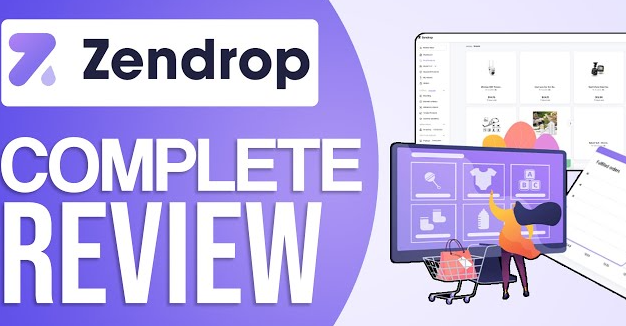
Zendrop is a dropshipping platform built to help online sellers find products, import them into their stores, and automate order fulfillment more easily. It is especially popular with Shopify beginners because the setup feels simpler than working directly with multiple suppliers or traditional marketplace listings.
For someone starting from zero, Zendrop can be appealing because it reduces a lot of the manual work that usually makes dropshipping feel confusing at the beginning. Instead of handling everything piece by piece, sellers can manage product imports, order flow, and store integration in a more organized way.
That beginner-friendly experience is exactly why many new entrepreneurs choose it first. It helps them launch faster, test products with less friction, and get a store running without needing much technical experience.
As stores begin to grow, more sellers start searching for practical zendrop alternatives. This usually happens when their priorities shift from convenience to control.
What makes Zendrop attractive for beginners
At the early stage, most sellers care about one thing above all: getting started quickly. Zendrop works well here because it offers:
- Easy product importing
- Simple store integration
- Basic order automation
- A smoother learning curve for first-time sellers
For a new entrepreneur, this can make the first few weeks much less overwhelming.
What changes when a store starts growing
Once a store begins getting consistent traffic and orders, the questions start to change. Sellers are no longer only focused on launching. They begin thinking more seriously about profit margin, product quality, shipping experience, and how to stand out from competitors.
This is where many people start noticing limitations in their current setup. They may want:
- More flexible sourcing options
- Better product pricing
- More reliable fulfillment
- Branding support that helps the store look less generic
That is often the point when they begin comparing zendrop alternatives.
What sellers are really looking for when they switch
Most sellers are not looking to switch simply because Zendrop is difficult to use. They are looking for something that matches the next stage of their business.
As competition gets stronger, running a store is no longer just about importing products and automating orders. Sellers need a system that can help them:
- Find winning products faster
- Protect margins as ad costs rise
- Create a better customer experience
- Build a store that feels more like a real brand
In many niches, stores with better fulfillment and stronger branding can see conversion rates improve by 10% to 20%, which makes a big difference when scaling.
What this means for beginners
Zendrop is often a convenient place to start, especially if your goal is to launch quickly and learn the basics. The reason people later search for zendrop alternatives is not because the platform has no value, but because business needs change.
At the beginner stage, simplicity is enough. At the growth stage, sellers usually need more flexibility, stronger backend support, and better tools for sourcing, branding, and fulfillment. That is why the search for alternatives becomes more common as a store moves beyond the first phase.
What are the key limitations of Zendrop
Zendrop can be a helpful platform for beginners, especially if your main goal is to launch a store quickly and reduce manual work. The challenge is that once your business starts growing, some limitations become more obvious. These are usually the reasons sellers begin looking into stronger zendrop alternatives.
What are the sourcing limitations
One of the first issues sellers notice is sourcing flexibility. Zendrop can make product importing easier, but it may not always give you the same level of freedom when you want to source a specific trending item, compare multiple supplier options, or move quickly on a fast-rising niche.
This can lead to a few common problems:
- Fewer options for the same product
- Less flexibility when testing trends
- Harder cost comparison across suppliers
- More overlap with competitors selling similar listings
For a beginner, this may not feel like a major issue right away. Once you start testing products more actively, though, sourcing flexibility becomes much more important.
What are the pricing and margin limitations
Profit margin is one of the biggest reasons sellers explore zendrop alternatives. If your product cost is too high, scaling becomes harder even if the product is selling.
A difference of just $3 to $5 per unit can affect:
- Your ad budget flexibility
- Your break-even point
- Your ability to scale profitably
- Your final net margin
This is especially important in 2026, when paid traffic costs are higher and there is less room for weak margins. A platform that feels easy to use but leaves little pricing advantage can quickly become restrictive.
What are the branding limitations
Zendrop can help simplify operations, but for sellers who want to build a stronger brand, branding depth can feel limited.
Common concerns include:
- Limited custom packaging options
- Less room for private labeling
- Generic customer experience after purchase
That matters because modern dropshipping is no longer just about listing products and waiting for orders. Customers respond better to stores that feel polished and trustworthy. Even simple branding improvements can increase perceived value and help boost conversions.
What are the fulfillment limitations
A smooth dashboard does not always guarantee a smooth delivery experience. Fulfillment is where customers actually judge your business.
As order volume increases, sellers may run into issues such as:
- Inconsistent shipping times
- Delays during high-volume periods
- Limited control over fulfillment quality
- More customer service pressure when logistics go wrong
If you are only getting a few orders, this may be manageable. Once you start getting daily sales, fulfillment consistency becomes much more important.
What are the scalability limitations
Zendrop can work well at the beginner stage, but some sellers feel it becomes harder to scale smoothly over time. This is usually not because the platform fails completely, but because the business starts needing more backend control than a beginner-friendly workflow can provide.
Typical scaling pain points include:
- Limited sourcing freedom as you test more products
- Margins that feel too tight for aggressive growth
- Less control over supply chain consistency
- More dependence on preset platform workflows
At this stage, many sellers realize they no longer just need convenience. They need a more complete operational system.
What this means for growing sellers
Zendrop is useful for getting started, but the key limitation is that it is strongest on convenience, not always on deeper control. Once you care more about sourcing, branding, fulfillment, and margin protection, those gaps become harder to ignore.
That is why many entrepreneurs searching for zendrop alternatives are really looking for something more scalable, something that can support product testing in the early stage while still giving them room to improve operations as the business grows.
What makes a good Zendrop alternative
A good zendrop alternative should do more than help you launch quickly. It should also support the next stage of your business, especially when you start caring more about margins, product flexibility, branding, and fulfillment stability. For most sellers, the real goal is not just making store management easier. It is building a business that can keep growing without creating new problems every time orders increase.
What better sourcing flexibility should look like
One of the most important things to look for is sourcing flexibility. A strong alternative should not leave you stuck with a narrow product path or make it difficult to react when a trend appears.
You want a platform that helps you:
- Find products faster
- Compare different supplier options
- Source trending items more efficiently
- Avoid relying only on crowded public listings
This matters because product trends move quickly. In some niches, the best selling window may only last 2 to 4 weeks, so speed in sourcing can directly affect whether you catch the opportunity early enough.
What stronger pricing support should provide
A good alternative should help protect your margins, not just simplify operations. Product cost plays a huge role in whether a store can scale profitably.
Even a small improvement in sourcing cost can make a big difference. A 10% to 20% reduction in total product cost can help you:
- Spend more on ads without losing margin
- Test more products with less pressure
- Stay profitable at a lower break-even point
- Scale winning products more confidently
This is why many sellers move away from beginner-friendly tools once they realize convenience alone does not solve margin pressure.
What branding capabilities should include
A strong zendrop alternative should also give you a path toward branding. You may not need advanced branding on day one, but once a product works, having those options becomes a real advantage.
Useful branding support includes:
- Custom packaging
- Logo printing
- Private labeling
- A more polished post-purchase experience
In competitive niches, stores that improve their presentation often see 10% to 30% higher conversion rates because customers trust the store more and perceive the product as more premium.
What fulfillment reliability should look like
A good platform should also make fulfillment more dependable. Customers may never see your backend, but they absolutely notice delivery speed, tracking quality, and product consistency.
Look for a system that supports:
- Processing within 24 to 48 hours
- More stable shipping routes
- Better order tracking
- Fewer delays during busy periods
Reliable fulfillment does more than reduce complaints. It also improves repeat purchase potential and helps protect your store reputation as order volume grows.
What scalability should support
The best zendrop alternative should still work when your store moves from testing to scaling. Many tools feel easy in the beginning but become limiting when you start getting regular orders.
A scalable platform should help you:
- Handle more orders without more manual work
- Improve supplier consistency
- Keep fulfillment stable during growth
- Upgrade into branding and better sourcing when needed
This is what separates a short-term tool from a platform that can actually support long-term business growth.
What beginners should really prioritize
For a beginner, the ideal choice is not the most complex platform. It is the one that feels easy enough to use now while still giving you room to grow later.
In practical terms, a good zendrop alternative should help you do three things well:
- Find better products
- keep fulfillment reliable
- build a more trustworthy store over time
That combination is what makes the biggest difference once you move beyond your first few sales.
What is CJdropshipping and how it compares
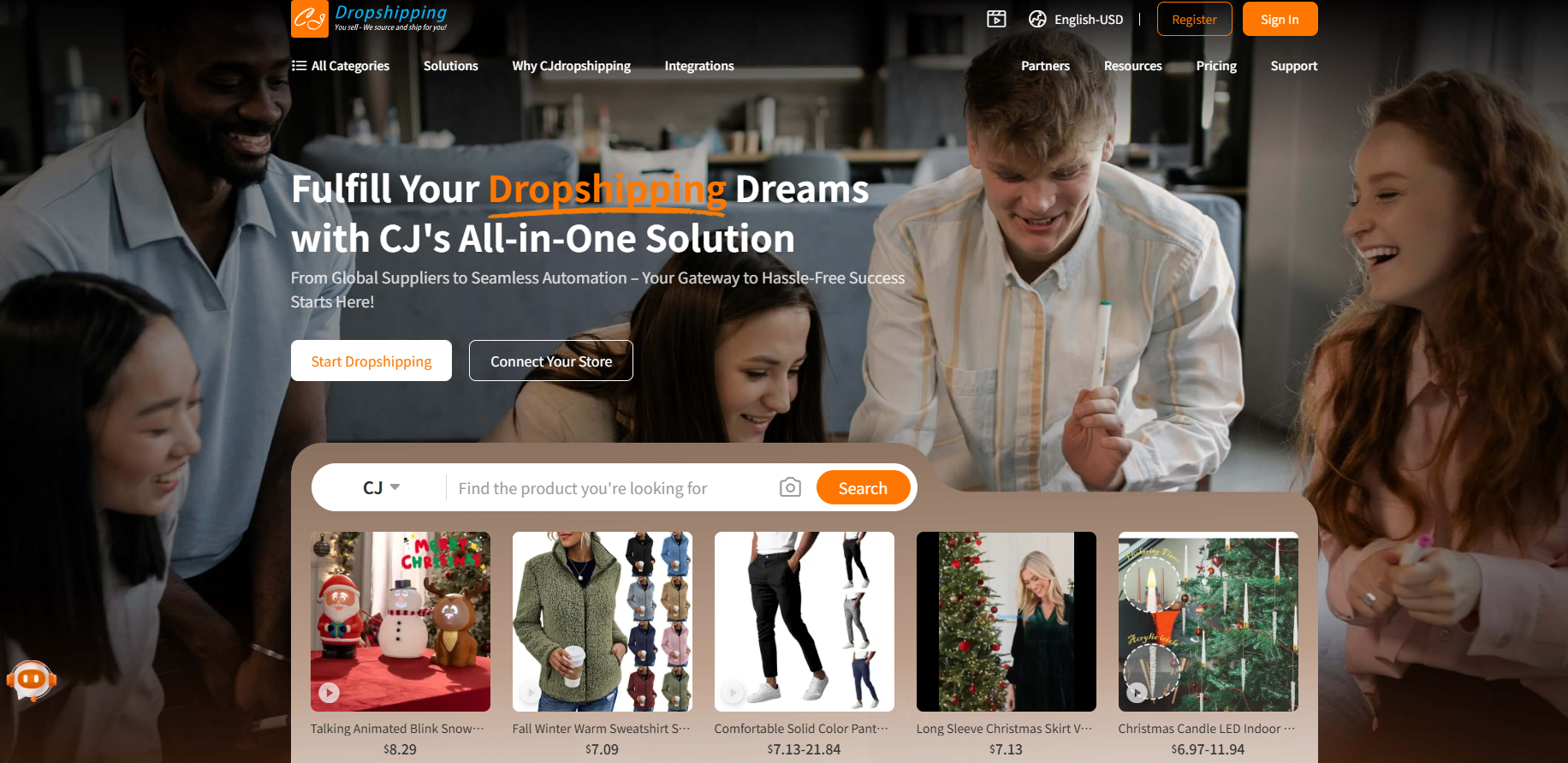
CJdropshipping is an all-in-one dropshipping platform designed to support sellers with product sourcing, branding, and fulfillment in one connected system. Instead of focusing mainly on store-side convenience, it works more like a supply chain solution behind your business. For beginners, that means fewer moving parts to figure out. For growing stores, it means more control where it actually matters.
When people compare it with Zendrop, the biggest difference is not just features. It is the role each platform plays in your growth. Zendrop is often chosen because it feels simple and beginner-friendly. CJdropshipping is usually preferred by sellers who want more flexibility in sourcing, stronger backend support, and a clearer path toward branding and scale.
What CJdropshipping is designed to do
CJdropshipping is built to solve several common dropshipping pain points in one place. Instead of only helping you import products and automate routine tasks, it also supports the parts of the business that usually become stressful later.
Its main strengths include:
- Product sourcing based on market demand
- Branding support such as custom packaging and logo printing
- Order fulfillment with warehousing and shipping support
- Better coordination between product selection and delivery
This makes it especially attractive for sellers who do not want to manage separate tools for sourcing, branding, and logistics as they grow.
What makes its sourcing model different
One of the biggest differences is the sourcing model. Zendrop is known for making product importing easier, but CJ offers a more flexible sourcing service that allows sellers to request products based on what they actually want to sell.
This is useful when:
- You find a product trending on TikTok
- You want to source an item from a competitor store
- You need better pricing for a product that is already working
- You want more supplier options for the same item
In many cases, sourcing requests can be returned within 24 hours, which gives sellers a practical advantage when moving on fast product opportunities. This is especially important now because some winning products only stay fresh for a few weeks before the market gets crowded.
What branding support looks like
Branding is another area where the difference becomes more obvious. Zendrop works well for store setup and convenience, but many sellers eventually want a stronger brand identity once a product starts performing.
CJ offers branding options such as:
- Custom packaging
- Logo printing
- Private labeling
These services help solve one of the biggest problems in beginner dropshipping, which is that many stores look too generic. Once customers see the same product everywhere, branding becomes one of the easiest ways to improve trust and make your offer feel more valuable.
For sellers who want to move beyond quick testing and build something more sustainable, this kind of support becomes much more important.
What fulfillment advantages it provides
Fulfillment is where many stores either become stronger or start running into customer service problems. Zendrop helps simplify the process, but CJdropshipping is more fulfillment-focused in how the backend is structured.
That often means:
- Processing times within 24 to 48 hours
- More stable shipping routes
- Better coordination between sourcing and order handling
- A more connected workflow as daily orders increase
This matters because once your store reaches consistent sales, fulfillment problems become more expensive. Late delivery, unclear tracking, and inconsistent handling can quickly lead to complaints, refunds, and lower repeat purchase rates.
What the comparison really comes down to
The real comparison is not about which platform is “better” in every situation. It is about which one fits the stage and direction of your business.
Zendrop is often a better fit when:
- You want a simple starting point
- You are focused on ease of setup
- You mainly care about reducing beginner friction
CJdropshipping is often a better fit when:
- You want more sourcing flexibility
- You need stronger control over product cost
- You plan to improve branding over time
- You want fulfillment support that can scale with your store
In simple terms:
- Zendrop helps you start more easily
- CJdropshipping helps you operate with more control
When CJdropshipping makes more sense
A platform like this becomes more valuable when your store is moving beyond the beginner phase. If you are already testing products regularly, trying to improve margins, or thinking about brand-building, a more supply-chain-focused solution usually makes more sense.
For entrepreneurs comparing zendrop alternatives, the biggest advantage is having sourcing, branding, and fulfillment work together instead of treating them as separate problems. That kind of structure can save time, reduce friction, and make scaling feel much more manageable.
CJdropshipping vs Zendrop – Zendrop Alternatives Comparison
| Feature | CJdropshipping | Zendrop |
|---|---|---|
| Platform Type | All-in-one dropshipping supplier and fulfillment platform | All-in-one dropshipping platform |
| Main Advantage | Better flexibility, sourcing, global fulfillment, and cost control | Beginner-friendly interface and automation |
| Product Sourcing | Free product sourcing with direct supplier/factory access | Product discovery and supplier network |
| Warehousing | Global warehouses for faster local fulfillment | US and China-based warehouses |
| Shipping | Global shipping with multiple logistics options | Fast and reliable shipping, especially for US-focused sellers |
| Custom Packaging | Strong custom packaging support for brand building | Branding features available, often tied to paid plans |
| Private Labeling | More suitable for custom sourcing and private-label growth | Supports branding and customization |
| Pricing | Free to use, no monthly platform fee | Free plan available; advanced features require paid plans |
| Order Fulfillment | Automated order fulfillment and product syncing | Automated fulfillment available on paid plans |
| Product Flexibility | Higher flexibility for niche products and custom requests | Easier product selection, but less sourcing flexibility |
| Best For | Scaling, brand building, global sellers, custom sourcing | Beginners, US-focused stores, quick store setup |
How to choose the right platform for your business stage
Choosing the right zendrop alternative is not about picking the platform with the most features. It is about choosing the one that fits your current business stage. What works for a first-time beginner is often very different from what works for a store handling daily orders and trying to build a real brand.
What to choose at the beginner stage
At the beginning, your biggest goal is simple: launch fast and learn the basics without getting overwhelmed. You do not need the most advanced setup yet. You need something that helps you understand the workflow of product testing, store setup, and order handling.
At this stage, prioritize:
- Easy store integration
- Simple product importing
- Low upfront cost
- A dashboard that feels beginner-friendly
You are still learning how to choose products, create offers, and get your first sales. The best platform for this stage is the one that helps you move quickly without creating too much complexity.
What to choose at the product testing stage
Once your store is live, your focus shifts from setup to finding products that can actually sell. This is the stage where speed and flexibility matter much more than pure convenience.
At this stage, look for:
- Better sourcing flexibility
- Faster access to trending products
- More competitive pricing
- The ability to switch products or suppliers quickly
This is usually when many sellers begin comparing stronger zendrop alternatives. If your platform only makes importing easier but does not help you source smarter, your testing process can become slower and less profitable.
What to choose at the scaling stage
When you start getting regular orders, your biggest challenge becomes operational stability. You are no longer only trying to get sales. You are trying to fulfill orders smoothly, protect your margins, and keep customers satisfied.
At this stage, prioritize:
- Reliable fulfillment
- Processing times within 24 to 48 hours
- Stable shipping performance
- Better supplier consistency
- Less manual coordination as order volume grows
Once you reach around 20 to 50 orders per day, small inefficiencies can turn into serious problems. This is the point where a stronger backend matters much more than a simple beginner workflow.
What to choose at the brand-building stage
Once your store becomes consistently profitable, the next step is usually building something more durable. This is where branding and customer experience become more important than just launching fast.
At this stage, look for a platform that supports:
- Custom packaging
- Logo printing
- Private labeling
- More control over fulfillment quality
- A smoother post-purchase experience
This is important because branded stores often perform better over time. In many niches, better branding can improve conversion rates by 10% to 30%, especially when competitors are all selling similar products.
How to know when it is time to switch platforms
Many sellers stay with the same setup longer than they should because it still feels manageable. The better question is whether it is still helping you grow efficiently.
You may need a better zendrop alternative when:
- Your profit margins feel too tight
- You cannot source new products fast enough
- Shipping issues are creating more customer complaints
- Your store feels too generic compared to competitors
- Your backend feels harder to manage as orders increase
These are usually signs that your business has outgrown a beginner-oriented platform and now needs stronger sourcing, branding, or fulfillment support.
How to think about platform choice long term
The smartest way to choose a platform is to think one stage ahead. Do not only ask whether it works for you now. Ask whether it can still support you once your store grows.
A strong platform should help you:
- Launch without too much friction
- Test products faster
- Scale without operational chaos
- Upgrade into branding and stronger fulfillment when needed
That is what really matters. The best choice is not the one with the longest feature list. It is the one that fits your current needs while giving you a smoother path into the next stage of growth.
FAQ for Zendrop Alternatives
1. What are the best zendrop alternatives for beginners
The best zendrop alternatives for beginners are platforms that are still easy to use but give you more room to grow. A good option should help you launch quickly, test products without too much friction, and later improve sourcing, fulfillment, and branding when your store starts gaining traction.
2. Is Zendrop good for beginners
Yes, Zendrop can be a solid starting point for beginners because it simplifies product importing, store integration, and basic order automation. It is especially useful for people who want to launch their first store without dealing with too many operational details at once. The main challenge is that as your business grows, you may need more flexibility than a beginner-focused workflow can provide.
3. Why do people look for zendrop alternatives
Most sellers search for zendrop alternatives when they want more control over the parts of the business that affect long-term growth. Common reasons include tighter profit margins, limited sourcing flexibility, branding limitations, and fulfillment issues once daily orders become more consistent.
4. What is the biggest difference between Zendrop and a sourcing-focused platform
The main difference is what the platform is built to solve. Zendrop is designed to make store setup and order automation easier. A sourcing-focused platform is designed to give you better control over product selection, pricing, supply chain consistency, and fulfillment. One is more convenience-focused, while the other is more operations-focused.
5. When should I switch to a Zendrop alternative
You should consider switching when your current setup starts limiting your growth. Typical signs include shrinking margins, slow or inconsistent fulfillment, difficulty sourcing better products, or a store that feels too generic compared with competitors. These are usually signs that you need more than just convenience.
6. What should a complete beginner focus on first
Start with the basics:
- Choose a product with real demand
- Build a clean and trustworthy product page
- Test with small ad budgets
- Watch your margins from the beginning
Once you start getting traction, then improve sourcing, fulfillment, and branding step by step. That is usually the most practical path for a beginner.
7. Are zendrop alternatives better for long-term growth
In many cases, yes. A stronger zendrop alternative can give you more flexibility in sourcing, better cost control, and more room to improve branding and fulfillment. Those advantages become much more important once your goal changes from learning the basics to building a more stable and scalable ecommerce business.