
Dropshipping is often marketed as a “low-risk” way to start an ecommerce business. And in many ways, it is. You don’t need to buy inventory upfront, you can launch quickly, and you can test products without renting a warehouse.
But the most common question beginners ask is also the most important one:
How much money can you actually make from dropshipping?
The honest answer is that dropshipping income ranges widely. Some stores struggle to make their first sale, while others generate thousands per month in profit. In 2026, the difference usually comes down to product selection, margins, fulfillment speed, customer experience, and how well the business is managed.
In this guide, you’ll learn realistic profit ranges, the math behind dropshipping margins, and what it takes to go from your first sale to sustainable monthly income.
How Dropshipping Makes Money
Dropshipping makes money the same way any retail business does: you sell a product for more than it costs you to deliver it. The difference is that you don’t hold inventory upfront. Instead, you pay for the product only after a customer places an order.
For beginners, this model feels attractive because it lowers the barrier to entry. You don’t need a warehouse, you don’t need to buy stock in bulk, and you can test products quickly. But the business fundamentals are still the same. Your profit depends on how well you manage costs, pricing, and customer experience.
The Simple Dropshipping Profit Formula
At its core, dropshipping profit comes from this equation:
Net Profit = Revenue − (Product Cost + Shipping Cost + Platform Fees + Marketing + Refunds)
Many beginners only focus on product cost. In reality, most dropshipping stores make or lose money based on what happens after the sale, especially advertising and refunds.
Where Dropshipping Revenue Comes From
A dropshipping store typically earns money from:
-
Product markup
You buy the item from a supplier at a wholesale cost and sell it at a retail price. -
Shipping charges (optional)
Some stores charge shipping separately, while others include shipping in the price for a cleaner customer experience. -
Bundles and upsells
In 2026, increasing average order value is one of the most effective ways to grow profit without increasing ad spend. -
Repeat purchases
Many beginners underestimate this. A store with a repeat purchase rate of even 10% often becomes far more profitable than a store relying only on one-time buyers.
What Most Beginners Miss: Profit Is Made in Operations
Two stores can sell the same product at the same price and still make completely different profits.
The difference usually comes down to:
-
Fulfillment speed
Faster delivery reduces refund requests and chargebacks. -
Product quality and consistency
Clothing, beauty, and home goods are especially sensitive. Quality issues quickly turn into refunds. -
Cost visibility and pricing control
If you don’t know your true landed cost, it’s easy to underprice and lose money without realizing it.
This is why many sellers eventually shift from “random suppliers” to more structured sourcing and fulfillment workflows. Platforms like CJdropshipping help here by offering product sourcing support, quality inspection options, and flexible fulfillment methods that reduce operational risk.
Gross Profit vs Net Profit (The Key Difference)
To understand how much money you can make from dropshipping, you need to separate two important concepts:
Gross profit is what you earn after product and shipping costs.
Net profit is what you keep after ads, fees, refunds, and other expenses.
In 2026, many beginner stores see:
-
30% to 60% gross margins
-
10% to 25% net profit margins
Some stores can exceed 25% net profit when they improve fulfillment, reduce refunds, and build stronger branding. Others struggle to stay above 5% when costs and customer issues pile up.
The Real Secret: Dropshipping Rewards Good Decision-Making
Dropshipping is not a guaranteed shortcut to income. But it can become highly profitable when you treat it like a real business.
The sellers who earn consistently are usually the ones who:
-
choose products with room for healthy margins
-
test carefully instead of scaling too fast
-
improve shipping speed and customer satisfaction
-
reduce refunds through better quality control
-
build a brand experience that supports higher pricing
Dropshipping makes money when your systems are strong, not when your product list is long.
Realistic Dropshipping Income Ranges in 2026
One of the biggest traps for beginners is expecting overnight wealth. In 2026, dropshipping is a viable online business model, but the income you can make varies widely depending on experience, product selection, fulfillment strategy, and how well you manage operational costs.
Instead of “how much money can you make?” the more useful question is:
“What income range is realistic for sellers at different stages?”
Below are common income ranges based on real ecommerce performance patterns, along with what typically drives movement between ranges.
Stage 1: First 1–3 Months — Learning and Testing
Most new sellers spend the first few months testing products, learning ads, and understanding how stores work. During this phase, income is usually modest:
-
Revenue range: $0–$2,000/month
-
Net profit range: $0–$500/month
-
Common margin: 5%–15% (if any)
At this stage, many sellers are still learning:
-
How to identify products with real demand
-
How to price products realistically
-
How to reduce refund rates
-
How to set up reliable fulfillment workflows
It is common to break even or make only small profits during initial tests.
Stage 2: 3–9 Months — Consistent Sales Slowly Growing
Once a seller finds products that resonate with buyers and stabilizes fulfillment, income often becomes more predictable.
-
Revenue range: $3,000–$15,000/month
-
Net profit range: $500–$3,000/month
-
Common net margin: 10%–20%
At this stage, sellers usually:
-
Have 1–3 consistent products
-
Have basic ads that break even or better
-
Begin reducing refunds by choosing more reliable suppliers
-
Improve delivery speed or communication
This stage separates hobby-level sellers from those building a real business.
Stage 3: 9–24 Months — Scaling Up Operations
Sellers who continue improving their systems often exit the “trial and error” phase and start scaling.
-
Revenue range: $20,000–$50,000/month
-
Net profit range: $4,000–$15,000/month
-
Net margin: 15%–25%
At this level, common traits include:
-
Multiple winning products
-
Faster fulfillment and fewer refunds
-
Higher repeat purchase rates
-
Better cost control and pricing strategy
-
More advanced advertising and audience understanding
Some sellers transition into hybrid models, where they hold small inventory in warehouses for faster delivery.
Stage 4: 24+ Months — Long-Term Brand Growth
For sellers who treat dropshipping as a long-term ecommerce business rather than a side hustle, income can scale beyond typical dropship margins.
-
Revenue range: $50,000–$200,000+/month
-
Net profit range: $10,000–$40,000+/month
-
Net margin: 20%+ on winning lines
At this stage:
-
Stores look more like brands than simple drop-ship catalogs
-
Sellers may introduce custom packaging, insert cards, and branded experiences
-
Repeat purchases and customer loyalty increase lifetime value
-
Cost per acquisition often declines with better targeting and repeat traffic
This level usually requires strong operational systems, quality control, and a reliable fulfillment strategy.
What Drives Movement Between Income Ranges
Understanding these income brackets helps, but the real question is: What moves a store from one range to the next? Three big factors stand out:
Product Selection and Fit
Products that solve real problems, follow consistent trends, or fit evergreen demand tend to perform better over time. This is why many sellers use structured product sourcing services that help validate demand before scaling.
Customer Experience and Fulfillment
Fast delivery, consistent quality, and clear tracking directly influence refund rates and repeat purchases. Poor fulfillment can erase the benefit of any price advantage.
CJdropshipping supports this by offering flexible fulfillment solutions, including overseas warehousing for faster delivery once a product proves itself.
Branding and Repeat Purchases
Stores that feel generic often struggle to scale beyond Stage 2. Adding branding—custom packaging, inserts, or even branded labels—makes stores look more professional and increases customer trust.
CJdropshipping’s branding services help sellers add these elements without managing multiple partners.
Managing Expectations
No matter which income range you are targeting, it is important to plan for both revenue and profit. Many beginner sellers focus only on revenue without calculating true net profit, leading to underpriced products or unsustainable ad spend.
A realistic approach combines:
-
Clear profit calculations
-
Tracking refunds and chargebacks
-
Monitoring fulfillment performance
-
Managing ad efficiency and customer acquisition cost
When these elements are managed together, dropshipping income becomes both predictable and scalable.
Dropshipping Profit Margin Explained
Profit margin is the single most misunderstood topic in dropshipping. Many beginners assume that if they sell a product for $39.99 and the supplier price is $12, they are making great money.
In reality, dropshipping margins are layered. Your profit depends on more than product cost. Shipping, payment fees, advertising, refunds, and fulfillment performance all play a role.
To understand how much money you can make from dropshipping, you need to understand the difference between gross margin and net margin, and how margins behave at different business stages.
Gross Margin vs Net Margin
A dropshipping store has two main margin types:
Gross Margin
This is your profit after product and shipping costs.
Gross Margin = Selling Price − (Product Cost + Shipping Cost)
Net Margin
This is what you keep after all business costs.
Net Margin = Net Profit ÷ Revenue
Net margin is the number that determines how much money you actually make.
In 2026, many beginner stores aim for:
-
30% to 60% gross margin
-
10% to 25% net margin
Some stores fall below 10% net margin when ad costs rise or refund rates increase. Stronger stores can exceed 25% net margin when fulfillment is stable and repeat purchases increase.
The Most Common Dropshipping Margin Structure (2026)
Here is what a typical dropshipping cost breakdown looks like in 2026:
-
Product cost: 25% to 45% of revenue
-
Shipping cost: 10% to 25% of revenue
-
Payment processing fees: around 2.5% to 3.5%
-
Apps and platform fees: 1% to 5%
-
Advertising: 15% to 40%
-
Refunds, reships, chargebacks: 1% to 8%
This is why two stores selling the same product can have completely different profits. One store may have low refunds and efficient ads, while another store loses money due to slow shipping or poor product quality.
Why Beginners Often Miscalculate Profit
Most beginners make one of these mistakes:
-
They ignore shipping cost when pricing
-
They assume ads will be cheap forever
-
They don’t account for refunds and chargebacks
-
They calculate profit before payment fees and platform costs
-
They price too low to compete with marketplaces
The result is a store that looks successful in revenue but generates little profit.
Healthy Profit Margins for Different Stages
Profit margins often improve as your store matures.
Beginner stage (testing)
-
Net margin: 0% to 10%
This stage is about learning, not maximizing profit.
Early growth stage
-
Net margin: 10% to 20%
Stores become stable once products, ads, and fulfillment are consistent.
Scaling stage
-
Net margin: 15% to 25%
At scale, sellers often negotiate better sourcing, improve shipping speed, and reduce refunds.
Brand-building stage
-
Net margin: 20%+
Strong brands can price higher, get more repeat buyers, and reduce dependence on ads.
The Biggest Margin Killer: Refunds and Chargebacks
Refunds do more damage than most beginners realize.
If you spend $15 to acquire a customer, and the customer requests a refund, you usually lose:
-
the ad cost
-
the payment fee
-
the fulfillment cost (in many cases)
-
plus extra support time
This is why fulfillment speed and product consistency matter so much. Even a refund rate increase from 3% to 8% can cut your net profit dramatically.
How Fulfillment and Sourcing Improve Profit Margins
Many sellers assume margins are only improved by raising prices. In reality, margins are often improved by reducing operational losses.
This is where structured sourcing and fulfillment systems help.
CJdropshipping supports margin improvement by helping sellers:
-
source products with more stable quality
-
reduce defects through inspection options
-
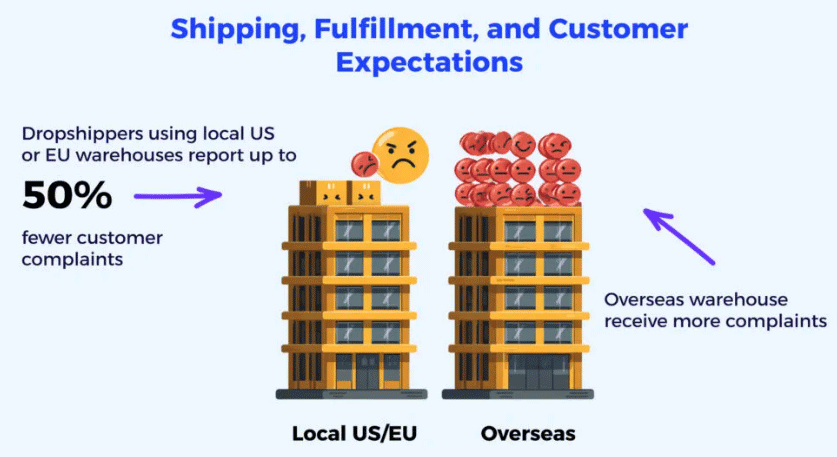
improve delivery times with overseas warehouses
-
maintain more consistent stock for winning products
-
add branding services that support higher pricing
These improvements reduce refunds and increase repeat purchases, which is one of the most reliable ways to increase net profit over time.
The Biggest Costs That Reduce Your Profit
Many beginners believe dropshipping is profitable as long as the selling price is higher than the product cost. In reality, most dropshipping stores don’t lose money because the product is too cheap. They lose money because hidden costs quietly eat the margin.
In 2026, dropshipping is still a low-barrier business model, but it is not a low-cost business once you start getting consistent orders. Understanding the biggest cost categories helps you price correctly, choose better suppliers, and avoid scaling a store that looks successful but isn’t truly profitable.
Below are the major costs that reduce dropshipping profit and how they impact your bottom line.
Advertising and Customer Acquisition Cost
For most dropshipping stores, advertising is the largest expense. Even if you have a strong product, you still need traffic, and in 2026 paid traffic is more competitive than ever.
The problem is not simply that ads are expensive. The real issue is that many beginners don’t track whether ad spend is producing profitable customers.
If you spend $20 to acquire a customer and your profit per order is only $10, your store can generate revenue while losing money.
This is why profitable dropshipping is often less about “finding a viral product” and more about building a store that converts well and can handle repeat customers.
Shipping Costs and Delivery Performance
Shipping cost is not just a line item. It affects both margin and customer satisfaction.
Many beginners choose low-cost suppliers with slow shipping, thinking they are saving money. In reality, slow delivery often increases:
-
refund requests
-
chargebacks
-
customer support workload
-
negative reviews
These outcomes reduce profit more than slightly higher shipping costs would.
In 2026, predictable shipping with tracking is often worth paying more for, especially in categories like clothing, beauty, and home decor.
Refunds, Reships, and Chargebacks
Refunds are one of the most damaging costs in dropshipping because they remove profit twice.
When a customer requests a refund, you often lose:
-
the product cost
-
the shipping cost
-
the advertising cost
-
payment processing fees
-
and additional customer support time
Chargebacks are even worse because they can include extra penalties and can damage your payment account health.
Even a small increase in refund rate can destroy profitability. This is why quality control and delivery speed are not “nice to have” features. They are profit protection.
Payment Processing Fees and Platform Costs
Many beginners forget to include payment fees in their pricing.
In most ecommerce stores, payment processing typically takes around 2.5% to 3.5% of each transaction, plus a small fixed fee. This may not sound large, but it adds up quickly at scale.
In addition, BigCommerce or ecommerce platform subscriptions, theme costs, and store apps can add meaningful monthly overhead.
These costs are manageable, but only when you price with them in mind.
Apps, Automation Tools, and Subscription Overload
As stores grow, beginners often install more tools to solve problems. Over time, monthly app subscriptions can become surprisingly expensive.
This becomes an issue when:
-
you have too many overlapping tools
-
you pay for features you don’t actually use
-
your store has low profit per order
A lean tech stack often produces better profitability than a complicated one, especially in the early stage.
Product Quality Issues and Supplier Instability
Poor quality is one of the most expensive problems in dropshipping, especially in fashion.
Quality issues lead to:
-
refunds
-
reshipments
-
bad reviews
-
lower conversion rates
-
higher ad costs because trust drops
Supplier instability also hurts profit. If a supplier changes fabric, sizing, packaging, or pricing without notice, you may suddenly see customer complaints rise while your ads are still running.
This is why structured sourcing and inspection workflows matter.
CJdropshipping helps reduce this cost category by offering product sourcing support, optional quality inspection, and more stable fulfillment options for winning products.
Customer Support Time and Operational Overhead
Beginners often don’t count their time as a cost, but it is one of the biggest drains on growth.
Slow shipping and unclear tracking create constant support tickets. Quality issues create refund conversations. Inventory sync errors create order cancellations.
As volume grows, the store becomes harder to manage without reliable fulfillment systems. This is why many sellers eventually upgrade their sourcing and fulfillment process once products are validated.
Scaling Costs: Staff, Tools, and Process
At higher volume, new costs appear:
-
hiring customer service
-
paying for better automation
-
upgrading fulfillment workflows
-
handling more returns
This is normal. But it’s important to understand that scaling revenue does not automatically scale
What Impacts Your Earnings the Most
Dropshipping income is not random. Two sellers can start at the same time, sell similar products, and use the same platform, yet one makes consistent profit while the other struggles to break even.
In 2026, dropshipping earnings are mainly determined by a few core drivers. If you understand and improve these areas, your income becomes more predictable and scalable.
Product Selection and Market Fit
Your product choice sets the ceiling for how much money you can make. Even the best ads cannot save a product with weak demand, low perceived value, or intense price competition.
High-performing dropshipping products typically share these traits:
-
Clear demand or trend momentum
-
Strong perceived value (customers feel it’s worth the price)
-
Room for healthy margins
-
Low defect and return risk
For beginners, the biggest mistake is choosing products based on what looks “cool” rather than what sells consistently.
This is why structured product sourcing matters. CJdropshipping’s sourcing service helps sellers find products based on niche demand and price targets, instead of relying only on random supplier catalogs.
Pricing Strategy and Margin Discipline
Many beginners underestimate how much pricing affects earnings. A store can get traffic and orders but still make little profit if the product is underpriced.
In 2026, a healthy beginner pricing target often looks like:
-
2.0x to 3.5x markup on product cost (depending on niche)
-
10% to 25% net profit margin after all expenses
Sellers who price too low usually get stuck. They cannot afford ads, they cannot handle refunds, and they cannot scale.
Conversion Rate and Store Trust
Your conversion rate determines how efficiently you turn visitors into buyers.
A small improvement here changes everything. For example, increasing conversion rate from 1.2% to 2.0% often reduces your cost per purchase dramatically, even with the same ad spend.
Conversion is influenced by:
-
product page clarity
-
customer reviews and trust signals
-
shipping expectations
-
product photos and sizing information
-
brand professionalism
In 2026, customers are cautious. Stores that feel generic or unclear tend to struggle, even with good products.
Advertising Skill and Traffic Quality
Paid ads are still one of the fastest ways to scale dropshipping, but ads are not just about spending money. They are about targeting the right audience with the right offer.
Your earnings depend on:
-
cost per click
-
cost per purchase
-
ad creative performance
-
landing page match
-
ability to retarget visitors
Beginners often focus on “more traffic,” but what matters is qualified traffic that matches the product.
Fulfillment Speed and Delivery Reliability
Fulfillment impacts earnings more than most beginners expect. Slow shipping increases:
-
refund rates
-
chargebacks
-
customer support workload
-
negative reviews
-
ad performance decline due to lower trust
Faster, predictable shipping improves customer satisfaction and repeat purchases, which directly increases profit.
Product Quality and Refund Rate
Refund rate is one of the strongest predictors of dropshipping profitability.
Even a small change makes a big difference. For example, if your refund rate rises from 3% to 8%, your net profit can drop sharply because refunds often include lost ad spend and processing fees.
Quality control, supplier stability, and accurate product descriptions all help reduce refunds.
Repeat Purchases and Customer Lifetime Value
The highest-earning dropshipping stores rarely rely only on one-time sales.
In 2026, stores that build repeat purchases grow more predictably because:
-
they spend less per customer over time
-
they can scale ads more aggressively
-
they earn more from each buyer
Repeat purchases come from:
-
good product experience
-
reliable shipping
-
consistent sizing and quality
-
branded packaging and inserts
This is where branding becomes a profit tool, not just a design choice.
How Long It Takes to Make Money Dropshipping
One of the most common beginner questions is: “How long does it take to make money from dropshipping?”
In 2026, the honest answer is that most people do not become profitable instantly. Dropshipping is still one of the fastest ways to start ecommerce, but it is not a guaranteed shortcut. The timeline depends on how quickly you learn product selection, pricing, advertising, and fulfillment operations.
A more realistic way to look at it is by stages.
Stage 1: Week 1–4 (Setup and First Testing)
This stage is about building the foundation. Most beginners spend the first few weeks:
-
setting up their store
-
choosing a niche or product direction
-
importing products
-
creating product pages
-
launching initial ads or organic content
At this stage, many sellers make no profit yet. Some may get their first few sales, but it’s common to break even or lose a small amount while testing.
The goal here is not income. The goal is learning what customers respond to and identifying whether your product pages and pricing make sense.
Stage 2: Month 1–3 (First Sales and Learning the Real Business)
This is where the business becomes real.
Most beginners start getting consistent sales only after they test multiple products, adjust pricing, and improve their store’s trust signals. Many sellers discover that the first product they chose is not a winner.
In this stage, it is normal to experience:
-
unstable ad results
-
inconsistent profit days
-
customer questions about shipping
-
occasional refunds
For many stores, profitability is still low. A realistic outcome is:
-
breaking even
-
or earning a few hundred dollars per month
The sellers who survive this stage are usually the ones who treat it as a learning phase rather than a failure.
Stage 3: Month 3–6 (Stabilizing Profit)
This is the stage where dropshipping starts becoming a real income stream.
If you find 1–3 products with stable demand and improve your operations, many stores begin to achieve consistent profit during this period.
Typical improvements include:
-
better product-market fit
-
clearer pricing strategy
-
stronger product pages and conversion rate
-
more reliable fulfillment and tracking
This is also where fulfillment starts to matter more. As order volume grows, slow shipping and quality issues create more refunds and support tickets.
Many sellers reduce these problems by improving their supplier workflow.
Stage 4: Month 6–12 (Scaling)
If the foundation is strong, this is where dropshipping can become a serious business.
Sellers in this stage often focus on:
-
scaling ad budgets
-
expanding product lines
-
increasing average order value through bundles
-
improving delivery speed
-
building repeat customers
This is also when many sellers start upgrading their supply chain. Instead of relying on basic suppliers, they move winning products into faster fulfillment methods or overseas warehouses to shorten delivery times.
Stage 5: 12+ Months (Building a Brand-Like Business)
By this stage, dropshipping becomes less about testing and more about building long-term stability.
Sellers who reach this stage usually:
-
have consistent monthly revenue
-
track net profit carefully
-
improve customer lifetime value
-
reduce reliance on paid ads by building repeat traffic
-
add branding elements like packaging and inserts
This is where branding becomes a profit strategy. Strong branding improves conversion rate and supports higher pricing.
How CJdropshipping Helps You Increase Profit and Scale Faster
Most beginners assume dropshipping profit comes mainly from finding a cheap supplier. In reality, profit is usually created by improving operations. Better sourcing reduces defects. Better fulfillment reduces refunds. Better branding increases conversion. And faster delivery improves repeat purchases.
CJdropshipping helps sellers increase profit and scale faster by supporting the areas that most commonly limit dropshipping growth in 2026: product sourcing, quality control, fulfillment speed, and brand experience.
Product Sourcing That Saves You Weeks of Testing
Beginners often waste time scrolling through supplier catalogs and guessing what will sell. Even worse, they find a product that looks good, but the supplier turns out to be unstable or inconsistent.
CJdropshipping’s product sourcing service helps reduce this problem by allowing sellers to request products based on:
-
target niche and customer type
-
price range and margin goals
-
product style requirements
-
quality expectations
This structured sourcing approach helps sellers move faster, avoid unreliable listings, and spend more time on marketing and store growth.
More Stable Quality to Protect Your Net Profit
In dropshipping, quality issues are not just annoying. They directly reduce profit.
When customers receive poor-quality products, you lose:
-
the product cost
-
the shipping cost
-
the ad cost that acquired the customer
-
and often additional time handling disputes
CJdropshipping helps reduce this risk through optional inspection workflows and more controlled supplier coordination. This is especially valuable in categories like clothing, home decor, beauty, and accessories where customer expectations are high.
For beginners, fewer defects means fewer refunds, fewer chargebacks, and better reviews, which all lead to higher long-term profitability.
Flexible Fulfillment That Improves Shipping Speed
Shipping speed is one of the biggest factors affecting conversion rate and refunds in 2026.
Many beginner dropshippers start with slower shipping because it’s cheaper. But once they get traction, slow delivery becomes expensive through higher refund rates and customer complaints.
CJdropshipping supports flexible fulfillment strategies. Sellers can:
-
start with standard dropshipping fulfillment
-
test demand without holding inventory
-
move winning products into warehouses for faster delivery when ready
This allows beginners to upgrade shipping speed gradually without taking unnecessary inventory risk early on.
Warehousing Options That Support Scaling
Scaling dropshipping is not only about running more ads. It is also about handling more orders without fulfillment delays.
When a product becomes a winner, stocking it in a warehouse can reduce processing time and improve delivery consistency.
CJdropshipping provides warehousing and fulfillment support that helps sellers scale winning products more smoothly. This is especially useful when order volume increases and customers expect faster shipping and reliable tracking.
Branding Services That Improve Conversion and Repeat Purchases
Branding is not only for large companies. In 2026, even small ecommerce stores benefit from a more professional customer experience.
CJdropshipping supports branding services such as:
-
custom packaging
-
insert cards
-
branded labels (for certain products)
These upgrades improve perceived value and trust. That often leads to:
-
higher conversion rates
-
lower refund rates
-
higher repeat purchase rates
-
stronger margins because you can price more confidently
For beginners, branding can be introduced gradually after products are validated, rather than forcing large investments upfront.
A More Scalable Workflow for Beginners
The biggest reason many dropshippers fail is not lack of effort. It’s that their workflow becomes unmanageable as soon as orders increase.
CJdropshipping helps reduce operational friction by providing a more structured backend for:
-
sourcing
-
quality control
-
fulfillment
-
tracking
This allows beginners to spend less time fixing problems and more time improving ads, product pages, and customer experience.
Final Thoughts
So, how much money can you make from dropshipping?
In 2026, dropshipping income can range from a few hundred dollars per month for beginners to thousands or even tens of thousands per month for sellers who build strong systems. The model is real, but the results are not automatic. Dropshipping rewards consistency, decision-making, and operational discipline far more than luck.
For most beginners, the biggest shift is understanding that revenue is not the same as profit. Many stores can generate sales while earning very little because advertising, refunds, and fulfillment issues quietly consume margins. The dropshipping businesses that become truly profitable are usually the ones that improve the fundamentals: product selection, pricing, conversion rate, shipping speed, and customer satisfaction.
The good news is that dropshipping can scale faster than many traditional businesses because you can start lean, test products quickly, and upgrade your supply chain as demand grows. When sellers move beyond random suppliers and build more stable sourcing and fulfillment workflows, profitability becomes much more predictable.
CJdropshipping supports this growth path by helping sellers source better products, reduce quality risks, improve fulfillment performance, and add branding elements when they are ready to scale. These improvements don’t just make operations smoother. They directly affect net profit by lowering refunds, increasing trust, and supporting repeat purchases.
Ultimately, dropshipping is not a shortcut. It is a business model. If you treat it like a real business, track your numbers, and build reliable operations, it can become a sustainable source of income in 2026 and beyond.