
So, you’ve heard about Shein – the fast-fashion giant taking over TikTok and Instagram feeds – and you’re wondering if you can build a dropshipping business around it. The appeal is obvious: Shein’s website is packed with thousands of trendy, ultra-low-cost clothes and accessories, with new items added daily. It’s one of the most popular fashion sites globally, and many newcomers think, “If I could sell these items on my own store at a markup, I’d make a killing!”. In theory, Shein dropshipping sounds like a newbie’s dream: no inventory to hold, endless stylish products to list, and prices so cheap there’s room for profit on each sale.
But here’s the truth: Shein does not officially support dropshipping. There’s no special reseller program, no API integration for your store, and no permission to reuse their product photos or descriptions. In other words, you can technically buy from Shein and ship directly to your customer (many people do), but it’s an unauthorized, grey-area method done without Shein’s approval or support. This means anyone attempting “Shein dropshipping” has to get a bit creative – and take on some risks. Before we dive into how it’s done (and how to do it safely), let’s quickly break down why Shein tempts dropshippers in the first place, and the pros and cons of using Shein as your supplier.
Why Shein Attracts Aspiring Dropshippers:
-
Huge catalog of products: Women’s, men’s, kids’, plus-size, accessories, home decor – you name it, Shein has it. This huge range makes it easy to find niche products or follow trends.
-
Constantly trending styles: Shein is the master of fast fashion. New designs hit the site daily, often reflecting the latest viral styles. This is a goldmine for trend-spotting – you can see what’s hot and jump on it quickly.
-
Rock-bottom prices: A dress for $5, a necklace for $2 – Shein’s prices are famously low. Dropshippers see those numbers and imagine healthy profit margins by marking items up.
-
Global shipping reach: Shein ships to over 220 countries and regions. An aspiring seller might think, “Great, they can deliver to my customers worldwide for me.”
It’s easy to understand the excitement. However, Shein wasn’t built for dropshipping – it’s a retail B2C site, not a wholesale partner. Using it as your backend supplier comes with some serious drawbacks. Here’s a quick rundown of benefits versus drawbacks if you try to source products directly from Shein:
| Pros (Using Shein as Supplier) | Cons (Shein Dropshipping Pitfalls) |
|---|---|
| Ultra-low product prices – High margin potential on each sale. | No official reseller support – No dropship accounts or APIs. You’re just a regular customer to Shein. |
| Stylish, trending items – Constant flow of new fashion that attracts buyers. | Copyright issues – You cannot legally use Shein’s product photos or descriptions verbatim. |
| Worldwide shipping options – Shein delivers to most countries. | Slow and variable shipping – Orders can take 1–3 weeks (or more) to arrive, and stock levels change fast. |
| Easy to test products – You can list items and see what sells without bulk buying. | Branded packaging – Products arrive in Shein-branded bags and include a Shein invoice, so customers may realize you’re reselling. |
Table: Advantages that draw people to Shein vs. the real challenges when using Shein for dropshipping.
As you can see, the drawbacks are significant. Not only is there no direct integration (meaning you’ll be doing a lot of manual work), but you also face legal and branding issues: using Shein’s content without changes can get your store suspended, and customers might not appreciate receiving an order with Shein’s logo on it instead of yours. Shipping times are another concern; today’s online shoppers are spoiled by Amazon Prime and expect quick delivery, but Shein’s standard shipping can range anywhere from about a week to nearly a month depending on the destination.
Bottom line: “Shein dropshipping” isn’t a plug-and-play, supported business model – it’s an improvised workaround. Now, don’t get discouraged. People do make it work. The key is understanding the right way to go about it versus the wrong way. In the next section, we’ll cover the three main approaches people take to capitalize on Shein’s products, including which one is the smartest for beginners and which practices to absolutely avoid. Let’s get into it.
The 3 Real-World Models of “Shein Dropshipping”
Because Shein doesn’t have an official dropship program, sellers who attempt it generally fall into one of three categories. Think of these as three different strategies – two of them are used in practice (with varying success), and one is a big no-no that you should steer clear of. We’ll break down each model, how it works, and its pros/cons:
1. “Shein-Style” Dropshipping (Sourcing from Similar Suppliers)
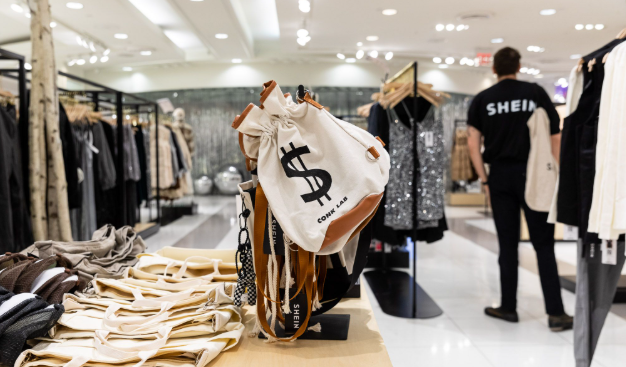
This is the savvy way to ride the Shein wave without actually relying on Shein for fulfillment. Shein-style dropshipping means you sell products with a similar vibe and trendiness to Shein’s, but you source them from the same factories or alternative suppliers that cater to dropshippers. In other words, you’re not ordering from Shein’s website at all – you’re finding the exact or similar items through wholesale markets or dropshipping agents and selling those.
How is this possible? Well, Shein’s clothing is mostly produced by manufacturers in China (often the Guangzhou and Shenzhen region). Many of those same factories list identical or slightly tweaked items on wholesale marketplaces like 1688.com (a Chinese-language platform similar to Alibaba) or sell to multiple distributors. Smart dropshippers will use tools to locate these products. For example, you can take a Shein product photo and do an image search on 1688 or Alibaba to find a source. There are even services and apps that specialize in this – you upload a picture and they’ll find the supplier for you.
Platforms like CJ Dropshipping and SupDropshipping have also built huge catalogs of fashion items that mimic Shein’s inventory. These companies operate as intermediaries: they connect you (the seller) with factories, handle the warehousing and shipping, and often integrate directly with Shopify, TikTok Shop, etc., for auto-fulfillment. The beauty here is that you get Shein-like products (trendy, affordable) without the Shein branding and baggage. You can usually request neutral packaging or even add your own branding through such platforms, solving the packaging problem entirely. Also, dedicated dropshipping suppliers often offer faster shipping options (like ePacket, YunExpress, or local warehouses) compared to Shein’s standard shipping.
In summary, Shein-style dropshipping is about emulating Shein’s product selection on your store, but fulfilling orders through legit dropship suppliers or agents. This model is generally more sustainable long-term than ordering from Shein itself. You maintain better control: if an item is selling well, your agent can stock it for you or ensure continuous supply, and you won’t have to panic that Shein suddenly delisted it. Plus, since you’re not using Shein’s copyrighted images or trademarked packaging, you’re on much safer legal ground. We’ll dive into how to actually execute this model in the step-by-step guide section, because it’s highly recommended for beginners who want to build a real brand.
Pros of Shein-Style Approach: You avoid the legal risks of copying Shein content, you can build your own brand identity, and potentially get faster shipping and better stock reliability by working with a dedicated supplier. Customers won’t be surprised by a Shein-branded parcel, since it’ll come with your branding or at least unbranded.
Cons: It takes a bit more initial legwork – finding the right suppliers or agents, possibly communicating with vendors on 1688 through a sourcing agent if you go that route, and maybe slightly higher base costs than Shein’s rock-bottom prices (since Shein sometimes subsidizes costs). However, many would argue these small extra costs are worth it for a stable business.
2. Manual Ordering from Shein’s Website (The Unsustainable Hack)
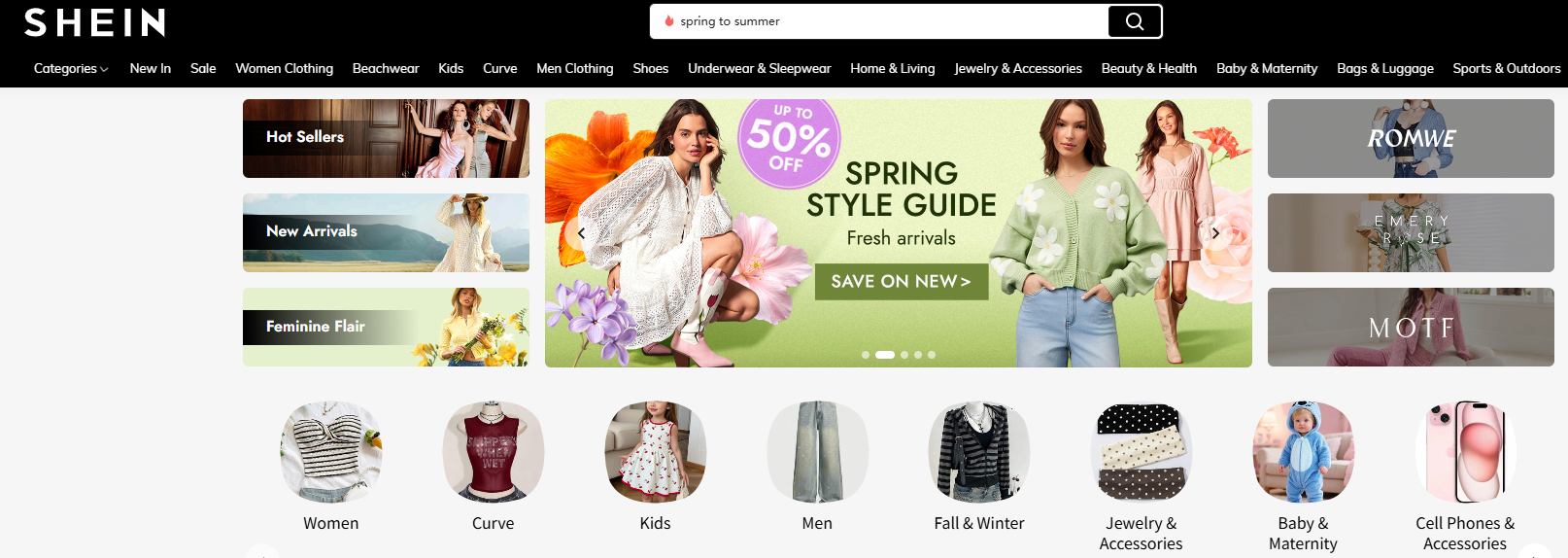
This is the most straightforward (and common) method people think of when they hear “Shein dropshipping.” Here, you literally list Shein’s products on your own store or marketplace, and when you get a sale, you go to Shein.com and order the item to ship to your customer’s address. Essentially, you’re acting as a middleman between Shein and the end buyer – pocketing the price difference. Some folks even use browser extensions or apps to semi-automate the ordering process, but at its core, it’s a manual relay: your customer pays you -> you place an order on Shein -> Shein sends it to your customer.
People are drawn to this method because it’s dead simple to start: no need to find a supplier or sign up for anything special. You can have a Shopify store live in a day, filled with products you copied from Shein, and theoretically start getting sales. In fact, there are tools like Importify or “ShionImporter” that let you import product info from Shein into your Shopify store in a few clicks. It feels like a shortcut to having a merchandise catalog.
However, this approach is riddled with issues and is not sustainable if you plan to grow. Let’s break down the reality check:
-
Copying Product Info = Legal Risk: Most who do this simply copy-paste Shein’s images and descriptions. That’s copyright infringement, plain and simple, and it can get your Shopify store taken down or your Facebook ads account banned if Shein files a complaint. Shein explicitly prohibits using their photos for commercial purposes. So at minimum, you’d have to rewrite descriptions in your own words and ideally take your own images (or heavily edit theirs) to avoid detection – which is a lot more work.
-
Labor-Intensive Orders: Placing every order by hand on Shein’s website can become a full-time job if you start getting steady sales. There are some semi-automation tools (e.g. extensions that auto-fill the customer’s address at checkout), but Shein isn’t built for bulk ordering. You might run into issues like credit card fraud flags or order limits if you’re placing dozens of orders a day. It’s doable, but very clunky.
-
Shipping Times and Tracking: Shein’s shipping is not the fastest. They usually have a few options (economy, standard, express). A budget-conscious dropshipper will use the default standard shipping which often takes 7–15 days internationally. If your customers are expecting Amazon-like delivery, you’re going to deal with “Where’s my package?” emails for sure. Also, if a package is delayed or lost, you have to sort it out (Shein will only deal with the account holder – i.e., you – not your customer). You’ll find yourself constantly checking 17track or similar tracking sites and updating customers.
-
Shein Packaging Blows Your Cover: Perhaps the biggest issue: when the product arrives, it’s in a shiny transparent polybag with “SHEIN” logo on it, usually inside a plain shipping pouch. The invoice in the bag also says Shein, with the item price (often even showing the low price they paid). Imagine your customer paid you $30 for a dress, and they get a package from Shein that shows it cost $12 – ouch. Many customers won’t care if they love the item and feel it’s worth what they paid you, but some will feel misled or even return it out of principle. At the very least, it undercuts your brand credibility. Some dropshippers try to mitigate this by marking orders as “Gift” and excluding invoices (if Shein allows that), or by physically ordering items to themselves first to remove packaging then reship – but that adds cost and time.
-
Stock and Pricing Surprises: Shein’s stock moves quickly. An item that’s available today might be gone next week. If you listed a bunch of products and one becomes unavailable when you go to order it for a customer, you’re stuck scrambling (issuing a refund or finding it elsewhere). Also, Shein’s prices fluctuate with sales, coupons, and their VIP program. Your costs might not be consistent – though on the flip side, if you’re part of their free VIP membership, you can get discounts that increase with volume, which somewhat improves margins.
In short, manually dropshipping via Shein’s site is a quick-and-dirty tactic that might be okay for testing the waters or handling a very low volume of orders. Some sellers use it to validate a product idea for a month or two – and once they see consistent sales, they switch to a proper supplier (we’ll talk about this hybrid approach later). But as a long-term operation, it’s fragile. You’re basing your business on a supplier (Shein) that doesn’t officially work with you. Any number of things – from legal takedowns, to slow shipping causing bad reviews, to Shein changing policies – could derail you.
3. Risky Impersonation Tactics (Don’t Do This!)
Unfortunately, whenever something gets hype (and “Shein hacks” are hype on YouTube/TikTok), there are always a few who try really sketchy tactics. We want to mention these only so you know to avoid them entirely. These are the practices that not only jeopardize your business but can also cross into unethical or illegal territory:
-
Pretending to be Shein or an Official Partner: This might sound obviously wrong, but some beginners mistakenly market their store as if it’s directly affiliated with Shein. For example, using Shein’s name or logo on their website, social media, or TikTok videos to attract customers. This is blatant trademark infringement – Shein is a trademarked brand name, and using it in your shop name, domain, or ads without permission can get you in legal trouble. Plus, it’s false advertising. If customers think they’re buying from an official Shein channel and later discover they weren’t, expect anger and refund requests.
-
Using Shein’s Content Wholesale: We touched on this, but it’s worth repeating: pulling images straight from Shein’s site (with their watermarks or model photos) and copying product descriptions word-for-word. This is not only against Shein’s terms; it’s also against Shopify’s and other platforms’ rules due to intellectual property law. Stores have been suspended for this. It’s risky and lazy. A dropshipping mentor might get away with showing this in a quick tutorial video, but in the real world it can shut you down.
-
Faking “Branded” Packaging: A few crafty (or rather, shady) sellers have tried things like ordering from Shein to themselves, then repacking the items in fake Shein packaging to resell on other platforms at higher prices. For instance, someone might bulk-buy a bunch of Shein items and then list them on a marketplace like Depop or Amazon, claiming they’re “new Shein collection” and ship them out in Shein-like bags. This is deceptive to customers and violates marketplace rules. If caught, you could be banned from those platforms. (Also, Shein’s quality control might not be stellar, but at least items go through one round of QC; if you handle items and something goes wrong, you’re adding another failure point.)
-
Marketplace Dropshipping Without Transparency: Selling Shein items on sites like Amazon or Etsy without transparency is dangerous. Amazon, in particular, has strict rules: you cannot dropship from another retailer if the order arrives with that retailer’s branding/receipt. It’s against Amazon’s fulfillment policies. There have been cases of Amazon sellers getting suspended because customers received a Shein or AliExpress package, immediately realizing it wasn’t from Amazon’s warehouse. Etsy’s marketplace is intended for handmade or vintage goods, so selling mass-produced fast fashion from Shein violates Etsy’s policies and misleads buyers (it can get your shop shut down when they find out). If you want to build a long-term asset on a marketplace, don’t tank your reputation with these tricks.
In short: Don’t try to mislead customers about who you are or what you’re selling. Build your own brand. Even if you’re dropshipping inexpensive fast-fashion, you can be honest and creative about it. Many shoppers will happily buy a cute $15 top from “YourBoutique.com” and not care that it came from a generic supplier – as long as it arrives as described and you provide good service. Where they will get upset is if they feel duped or discover you lied (like slapping a fake label on a Shein item or implying you’re an official Shein reseller). It’s just not worth the risk to try these shady tactics. Avoid the “impersonation” approach at all costs – it can lead to legal issues and destroy your credibility.
Now that we’ve covered what not to do and examined the general approaches, let’s focus on the right way for a beginner to succeed with Shein-style dropshipping. The next section will walk you through a beginner-friendly game plan: from choosing a niche, to finding those Shein-like suppliers, to setting up your store, and beyond. Think of it as your step-by-step roadmap to building a fast-fashion dropshipping store properly.
Step-by-Step Walkthrough: Building Your Shein-Style Dropshipping Business
Starting a Shein-style dropshipping business may sound daunting, but breaking it down into simple steps makes it beginner-friendly. Here’s a step-by-step guide to launch your own boutique inspired by Shein’s success, from choosing a niche to making your first sale.
Step 1: Choose a Niche Based on Shein Trends
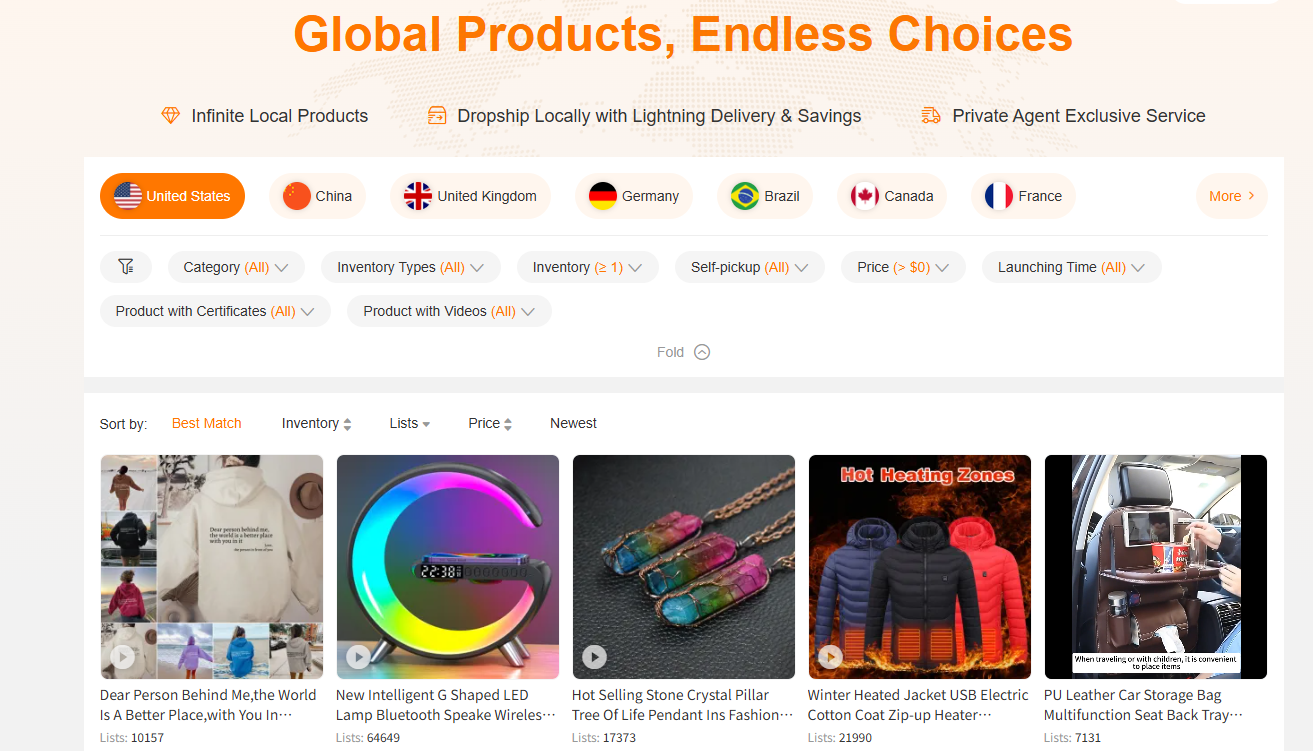
Shein sells everything from trendy clothes to home decor, but as a new dropshipper you’ll want to focus on a specific niche. Picking a niche helps you target a clear audience and build a cohesive brand. Start by researching Shein’s trending categories and bestsellers. For example, you might notice boho summer dresses or K-pop streetwear are hot – that could be your niche! Shein’s plus-size “Curve” fashion, quirky phone cases, costume jewelry, or pet outfits are other popular niches to consider. Choose something trendy yet appealing to you so you can market it authentically.
-
Check Shein Trends: Browse Shein’s “Bestsellers” or “New In” sections to spot what styles are popular. Also use Google Trends or TikTok to see what fashion or accessories are buzzing. If butterfly jewelry or graphic tees are trending on Shein and social media, that’s a clue the niche has demand.
-
Assess Competition: See how many other dropshippers or small stores are selling similar items. A niche like “women’s summer tops” might be saturated, but “90s retro print tops” could be less competitive. High competition can force razor-thin margins, so a unique angle helps.
-
Profit Potential: Make sure items in your niche are low-cost enough on supplier sites to mark up for profit. For instance, if Shein sells sunglasses for $5, you can likely sell them at $15 and still be affordable. Aim for products where you can earn at least a 30% profit margin after costs.
In short, pick a niche that’s trendy, not over-saturated, and offers room for profit. This will set the foundation for your Shein-style store’s identity.
Step 2: Find Shein-Style Suppliers (CJdropshipping, SupDropshipping)
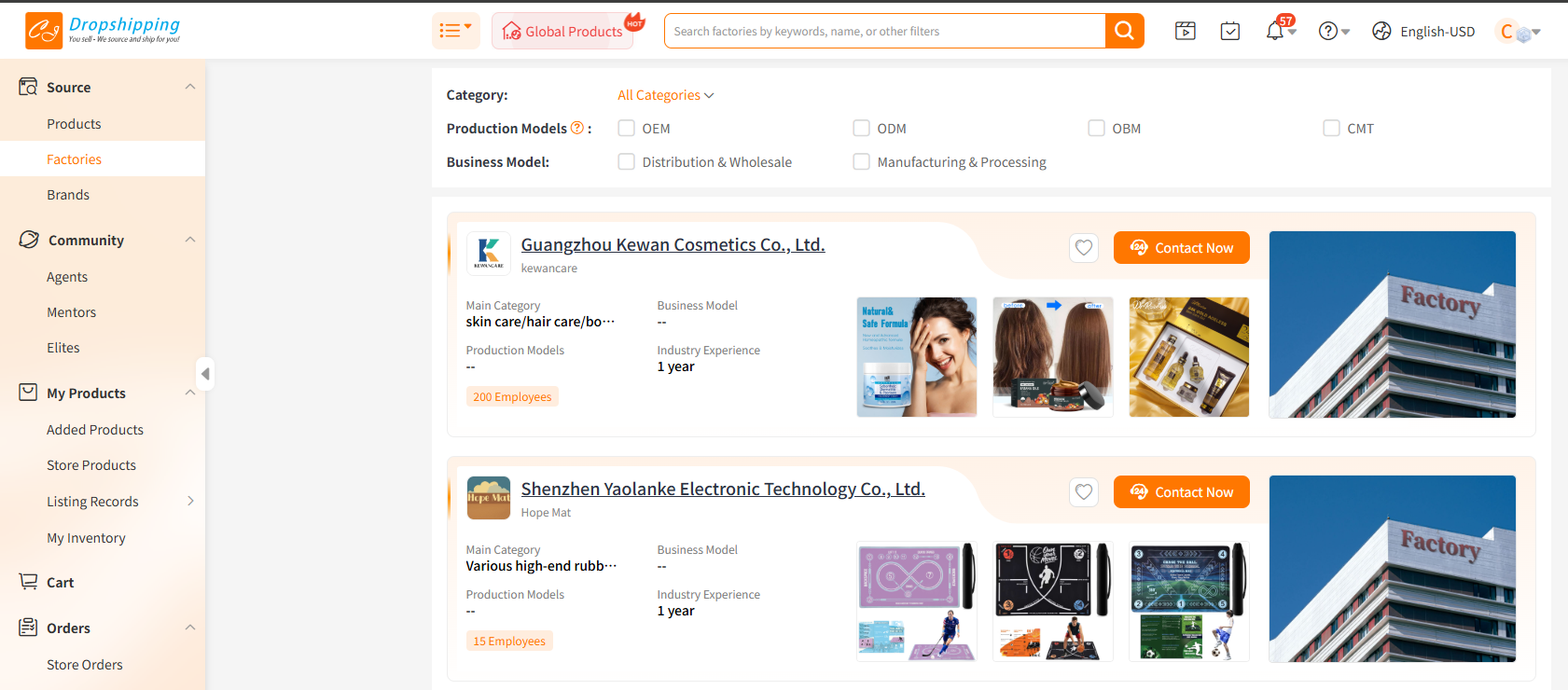
Rather than ordering directly from Shein (which isn’t built for dropshipping), you’ll source similar products from dropshipping-friendly suppliers. There are a few routes to get Shein-style inventory:
-
Chinese Wholesale Marketplaces (1688, AliExpress): Platforms like 1688.com (a Chinese-only site) or AliExpress offer many of the exact same products you see on Shein. 1688 is particularly known for rock-bottom prices in China’s local market (even cheaper than AliExpress or Shein), but it’s in Chinese and may require a sourcing agent. If you can navigate 1688 (or use a third-party agent service), you can find the trendy items at the lowest cost. AliExpress is more accessible for beginners and has no minimum order, though prices might be a bit higher and shipping a bit slower. Both have huge catalogs of fashion, accessories, and more, very similar to Shein’s offerings.
-
Dropshipping Agent Services (CJdropshipping, SupDropshipping): CJdropshipping and SupDropshipping are companies that act as middlemen to help you source products from China (including from 1688 or factories) and fulfill orders for you. For example, CJdropshipping connects you with vetted factories and can even source items from 1688 on request. They provide an all-in-one dashboard to import products, process orders, and handle shipping logistics for you. The benefit is automation and reliability – CJ has integration apps for Shopify, TikTok Shop, Etsy, etc., and even offers faster shipping options (like CJPacket) to deliver in 7–15 days. SupDropshipping offers a similar service: you can give them a product link (from Shein, Temu, Alibaba, etc.) and they’ll find a supplier and ship it to your customers. Using an agent service can simplify fulfillment and often gets you better shipping tracking and branding control than ordering from Shein directly.
-
Other Supplier Platforms: In addition to the above, you can explore sites like Temu (a fast-growing marketplace for cheap goods, similar to Shein’s price point) or wholesale sites like Alibaba. Temu doesn’t officially support dropshipping, but some sellers might work with you if you contact them. Alibaba is more for bulk buying (manufacturers often have high minimum order quantities), so it’s less suitable for beginners. There are also fashion-specific suppliers (e.g. FashionGo for apparel) or US/EU-based dropship suppliers if you want certain items faster – but these might have higher prices. As a beginner, sticking with Chinese supply for Shein-like products will give you the widest selection and lowest costs.
Tip: Start by browsing CJdropshipping’s or SupDropshipping’s app/catalog for items similar to your chosen niche. You can even search by image or keyword. For instance, if your niche is “cottagecore dresses,” search those terms and you’ll likely find the same style dresses you saw on Shein. Using these platforms means you won’t have Shein’s branding on the package and can often ship faster or in bulk if you scale up. AliExpress is also a quick way to find Shein-like items; just be sure to choose sellers with good ratings and ePacket or other reasonable shipping.
Step 3: Set Up Your Shopify Store (Design, Apps, Payments)

While you can sell on marketplaces (we’ll compare those later), many beginners start with Shopify to create their own online store. Shopify is user-friendly and perfect for a boutique vibe like a mini-Shein. Setting up your store involves a few key steps:
-
Sign Up and Pick a Theme: Shopify offers a free trial to get started. Choose a store name (you can change this later) and pick a theme template. For fashion niches, a clean and image-centric theme works well – Shopify has free themes like “Dawn” or “Sense,” or you could explore paid themes or a popular one like Debutify. Customize the look and feel to match your brand: upload your logo, choose colors and fonts, and create a visually appealing homepage. Your goal is a user-friendly storefront that reflects your style. Think of it as setting up a chic boutique window display: attractive banners, easy navigation, and a nice layout.
-
Install Helpful Apps: To make dropshipping easier, add some apps from the Shopify App Store. For example, since you plan to import products from suppliers, you can install the CJdropshipping app or DSers (for AliExpress) or other dropshipping apps. These apps let you quickly import products to your store with one click and automate order fulfillment. If you’re using SupDropshipping or another agent, check if they have a Shopify app or consider a general app like Importify (which lets you import products from Shein, AliExpress, Temu, etc. into your Shopify store). We’ll list more tool recommendations in the next section, but integrating at least one product-import app now will save you a ton of time. Aside from dropshipping-specific apps, you might add a currency converter if selling internationally, a review app to display customer reviews, or an analytics app – but don’t go overboard on day one. Stick to the essentials so you don’t overwhelm yourself or slow down your site.
-
Set Up Payments and Policies: In Shopify’s settings, configure your payment gateway so you can actually get paid! Shopify Payments (credit cards) is easy to activate in many countries, and you should also enable PayPal (many customers trust PayPal). You can later consider other methods like Apple Pay, Google Pay, or even “Buy Now Pay Later” options if needed. Ensure you test the checkout to make sure payments work. Next, create your basic store pages: Contact Us, Shipping Policy, Return Policy, FAQ, etc. Be transparent about shipping times (more on that soon) and your returns process. Having clear policies builds trust from the start. Shopify provides sample templates you can tweak for refund/privacy policies. Also set up your store email and notifications so you get order alerts and customers get confirmation emails. Lastly, buy a custom domain (e.g. yourboutique.com) – Shopify lets you purchase one and connect it easily, which makes your store look professional.
By the end of this step, you’ll have a live website ready to showcase products, with the backend set to process orders and payments securely. It’s like opening the doors of your virtual boutique!
Step 4: Create Branded Product Listings (Titles, Images, Descriptions)
Now for the fun part – adding products to your store and making them look appealing and unique. This is where you differentiate your shop from just being “another seller of stuff from China.” Focus on branding your product listings with great photos and copy:
-
Import Products & Edit Details: Using your chosen app (Importify, CJ, DSers, etc.), import the products you want to sell. This will copy over the basic info (images, title, description, price). Do not publish the listings as-is! Shein (and many supplier sites) have descriptions with awkward translations, or images with logos/watermarks. Plus, Shein’s photos cannot be used for commercial purposes due to copyright. Treat the imported data as a starting point. Go into each product in your Shopify admin and rewrite the title and description in your own voice.
-
Use Quality, Legal Images: Product photos sell the item, so make sure they’re high-quality. Often the supplier’s images are decent, but if they have Shein logos or obvious stock backdrops, consider alternatives. Ideally, order a sample of your top product or two and take your own photos – you can model the item or display it nicely, creating an original look. If that’s not possible right away, some dropship apps (like CJ or Spocket) provide their images you can use, or you can find similar stock images. At minimum, try to remove any supplier branding from images.
-
Branding Elements: Infuse your own brand in the listings. Have a memorable product naming style (like including your brand name or creative names for collections). If you have a logo and color scheme, maybe add a simple watermark logo to your product images (as long as it doesn’t obstruct the product). This way if people share your pics, your brand is seen. Write product descriptions as if you’re a small brand designer excited about the item – e.g., “We love this dress for its dreamy floral print that screams summer fun. Pair it with sandals for a weekend outing or dress it up with heels for brunch!” Such copy adds personality.
Every product listing on your store should feel like your product, not a copy-paste from Shein. By crafting your own titles, images, and descriptions, you build a brand that customers remember instead of them thinking “I could just buy this on Shein”. This effort also helps avoid duplicate content issues and keeps you on the right side of copyright law.
Step 5: Set Up Fulfillment and Shipping (What to Expect)
With products now listed and ready to sell, you need a plan for fulfilling orders and handling shipping. In dropshipping, your supplier will be shipping the item to your customer on your behalf. But it’s crucial to set the right expectations because shipping from overseas (often China) takes longer than Amazon Prime delivery. Here’s how to manage this step:
-
Shipping Times: Shein-style suppliers usually ship internationally in about 2 to 4 weeks for standard delivery, since most goods come from China. Faster options (like express courier) might cut it down to 7–10 days but cost more, and not all suppliers offer that. Be transparent with your customers about these timeframes. On your product pages and checkout, clearly state something like “Shipping: 2-3 weeks delivery time. We ship worldwide!” Setting clear expectations up front will save you from anxious customer emails later.
-
Choose Your Fulfillment Process: If you use an app like CJdropshipping or AutoDS, a lot of the fulfillment can be automated. Typically, when an order comes in on Shopify, you can just click “order” in the app and it will forward the details to the supplier, who then ships to your customer. This saves time versus manually ordering each item. Ensure you have notifications enabled – you want to know when an order is shipped and get the tracking number.
-
Shipping Costs & Settings: Decide if you’ll charge customers for shipping or offer it free. Many dropshippers bake in the shipping cost into product price and advertise “Free Shipping” – it’s great for conversion because everyone loves free shipping. If you do charge, make sure it’s not exorbitant; you can set flat rates (e.g. $5 worldwide) or use Shopify’s shipping profiles to charge by order value/weight.
-
Handling Delays: Sometimes packages can be delayed or temporarily lost (it happens). Prepare how you’ll address this. A common practice is to proactively email customers if their order is past the estimated window with an update (“We’re so sorry, it looks like shipping is taking a bit longer. Your package is on the way, here’s the updated tracking info…”). Most reasonable people will appreciate the communication.
Step 6: Plan for Returns and Customer Support
Even with great products and clear info, some customers will inevitably want to return items or have questions. As a dropshipper, you are the seller, so you must handle returns, refunds, and support – the supplier won’t do it for you. Here’s how to set up a simple system for this:
-
Return Policy: Write a return policy that is fair but also protects you from abuse. Many small stores offer something like “30-day return guarantee unused/unworn items”. You have to decide: will you accept returns for any reason (e.g., “didn’t like it”), or only if the item is defective? If you mimic Shein’s approach, Shein allows returns within 35 days for most items, but as a dropshipper you might not want to handle a high volume of returns. A reasonable approach: If the product is broken, damaged, or the wrong item, you refund or replace at no cost. If the customer just changed their mind or it doesn’t fit, you could allow a return but have them pay the return shipping. Keep in mind returning to your supplier isn’t usually possible – they won’t accept one-off returns from your customer. So one strategy is to have the customer return the item to you (you’d provide your address), and then you can decide what to do with it (maybe inspect and keep it or send to another customer if it’s in good condition). For low-cost items, it’s often not worth the shipping cost to get it back – you might just refund the customer and let them keep it. Decide what makes sense for your business and clearly outline it in your policy page. For example: “If your item arrives damaged or incorrect, we’ll send a free replacement or refund you. If you’re unsatisfied with your item, you may return it to us within 30 days for a refund (customer covers return postage).” Also clarify any exceptions (maybe you won’t accept returns on earrings for hygiene, etc., similar to how some retailers exclude certain products).
-
Customer Support Channels: Set up an email address (or contact form) for customer inquiries. For a new store, an email is usually enough (e.g. support@yourstore.com). Check this email daily – responsiveness is key. Aim to reply within 24 hours or faster if possible. You don’t want a customer to feel ignored. If volume grows, you can consider a chat widget or a customer service app, but at the start it’s manageable to just use email. Prepare some common replies for questions you’ll likely get, such as “Where is my order?” (to which you’ll provide the tracking link and an apology for any delay), or questions about product details (“Will this dress fit size US 8?” etc. – know how to answer by referring to your size charts or supplier info).
-
Handling Refunds/Exchanges: If a customer is returning an item to you, you might wait until you receive it to issue a refund. If it’s a case of damage or lost package, you might refund immediately. Shopify makes refunding easy through the order details. Keep track of these cases. If an item was truly defective, you might be able to ask your supplier for a refund or at least credit on that order (some suppliers, like AliExpress sellers, often refund for defective items if you provide photos). With agents like CJdropshipping, you can open a ticket about the issue – they have policies for damaged goods. So don’t hesitate to also inform your supplier if a product was not as described; they might improve their quality checks or compensate you.
In essence, be ready to wear the customer service hat. Outline your policies clearly (so you have something to reference if a dispute arises), and be responsive and fair in resolving issues. Happy customers often become repeat customers, and even unhappy ones can be won back if you solve their problem kindly. On the other hand, ignoring support is one of the biggest mistakes a newbie can make – it can lead to chargebacks, bad reviews, or even your payment processor holding your funds. So, handle that support inbox diligently. You might be surprised – providing great support can become a selling point for you versus big retailers who often lack personal touch. Use it to your advantage!
Choosing the Right Platform: Shopify vs. TikTok Shop vs. Amazon
By now, you have a Shopify store in the works – but you might be wondering about selling on other platforms too. Each platform (Shopify, TikTok Shop, Etsy, Amazon) has its pros and cons for a dropshipping business. Let’s compare them so you can decide where to focus your efforts:
1. Shopify (Your Own Website)
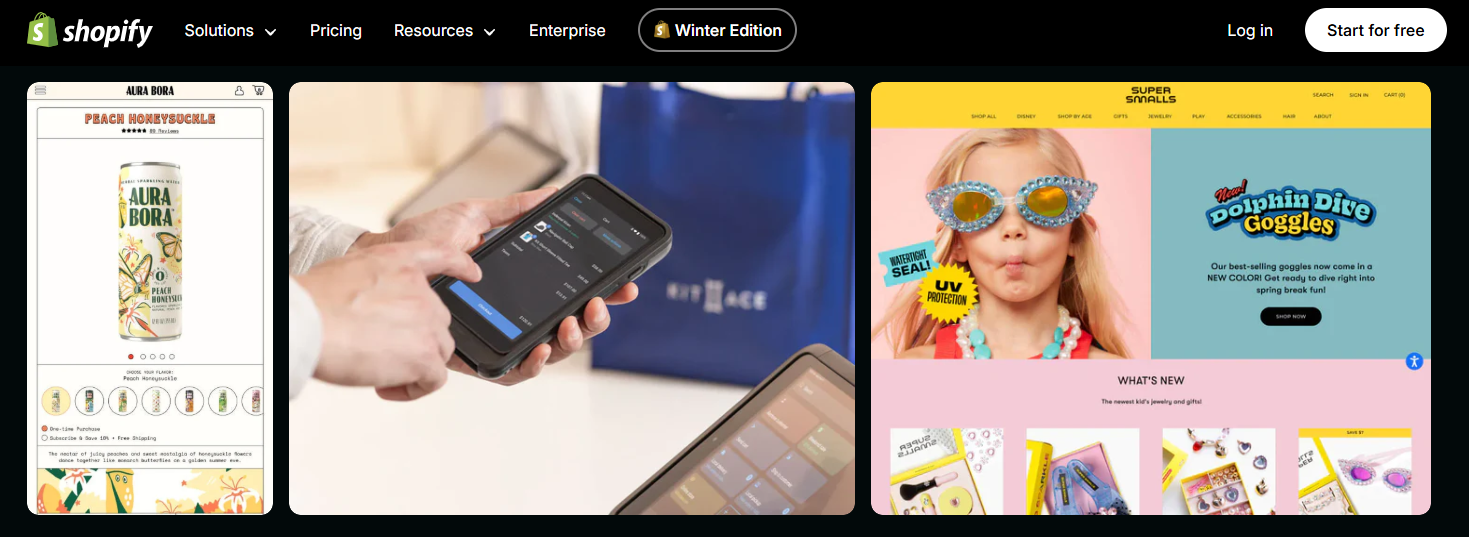
Selling on Shopify means you have your own independent online store. The biggest benefit is full brand control – you design the site, you get your own domain, and you’re not competing side-by-side with other sellers on the same page. You also keep all your customer data (emails for marketing, etc.) and can build a loyal customer base and repeat business. Shopify itself doesn’t bring you traffic; you have to drive visitors through marketing (social media, SEO, ads). This is a challenge for beginners because without an existing audience or ad budget, getting traffic can be slow. However, the upside is that Shopify has no marketplace commission – you just pay the monthly fee and payment processing fees, which can end up cheaper than marketplace fees if you generate sales. With Shopify, you’re building a brand asset that you fully own. If your goal is to create a long-term brand (like the next Fashion Nova or an indie boutique), Shopify is ideal. Just be prepared to put work into marketing since there’s no built-in audience. (Many people solve this by using social media like TikTok/Instagram to promote their Shopify store).
2. TikTok Shop
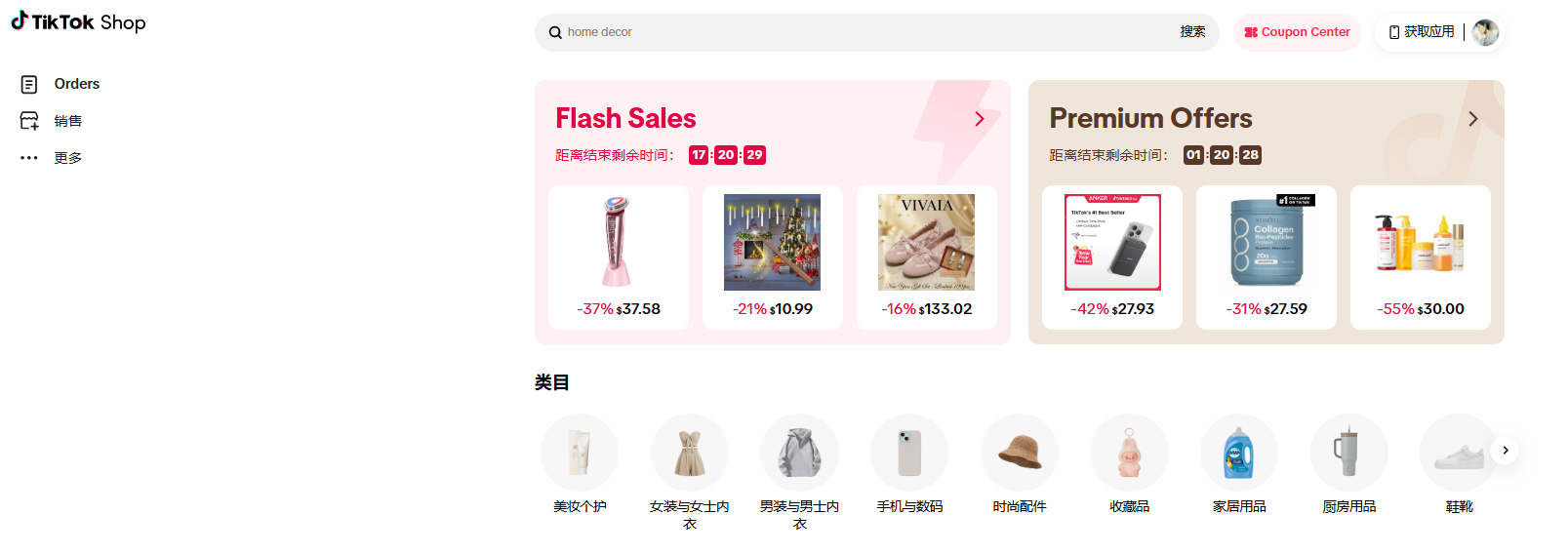
TikTok Shop is a newer player – it allows customers to buy products directly on TikTok’s app (via videos or livestreams). The major draw is the potential virality and built-in audience. TikTok’s user base (mostly Gen Z and Millennials) loves discovering stuff through videos, so if you can create engaging content or partner with influencers, TikTok Shop can generate impulse purchases quickly. For example, a video of someone unboxing your cute earrings could go viral and drive tons of sales directly in-app. TikTok Shop tends to be great for trend-based, impulse buys (which aligns with Shein-style items). They do charge a commission on each sale (around 5% or so), but you don’t pay monthly store fees like Shopify. One thing to note: TikTok Shop requires you to have some business registration and in some regions you must ship from local inventory or within certain time frames. They want customer experience to be good, so extremely long shipping might not fly. Some dropshippers use TikTok Shop by pre-stocking a small inventory locally (or using an agent’s local warehouse) for faster shipping. If you can manage relatively fast fulfillment, TikTok Shop can be a goldmine for a trendy niche. It’s also minimal branding customization – you have a seller profile, but it’s not a full website you design. TikTok provides the interface. So, think of TikTok Shop as selling through social media: great for reaching lots of young shoppers quickly, but you sacrifice some control. It can be used alongside Shopify (e.g., you drive TikTok traffic to your Shopify site), or you can try TikTok’s native Shop for certain products. If you’re savvy with video content or willing to learn, TikTok Shop is definitely worth exploring for fashion and accessories. Just keep in mind the need for speed (if you dropship, use ePacket or faster lines) and that success here is hit-driven (one viral video can outsell weeks of normal traffic).
3. Amazon
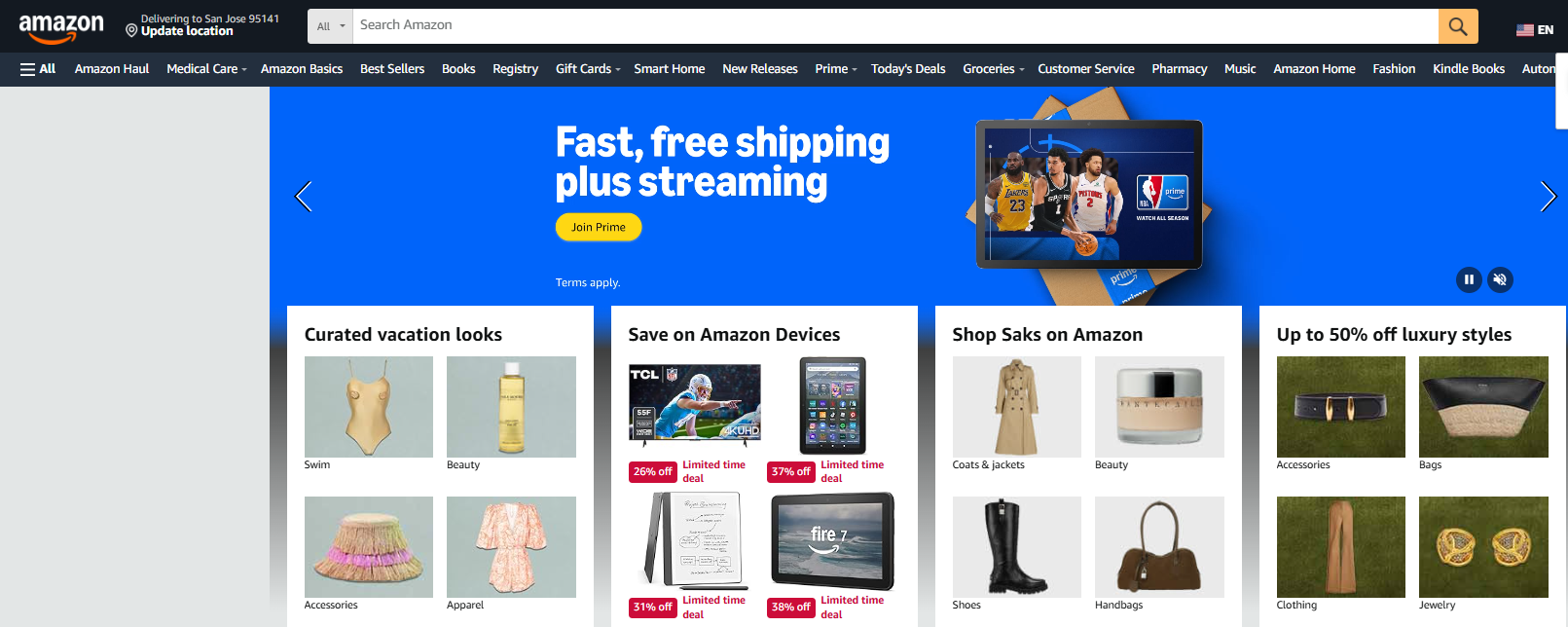
Amazon is the world’s largest online marketplace, with massive customer trust and traffic. Listing your products on Amazon can potentially expose them to millions of shoppers. However, Amazon comes with major challenges for dropshipping. First, Amazon has a strict fulfillment expectation – customers expect fast shipping (often 2-day Prime). Shipping a product from China that takes 2-3 weeks will likely result in negative feedback or order defects. Amazon may deactivate listings that deliver too slowly. Some dropshippers try to only list items that can ship faster (e.g., using a US warehouse via an agent or stocking some inventory in Amazon FBA), but that adds complexity. Second, Amazon’s dropshipping policy forbids any shipment that has another retailer’s branding or invoice in it. If you ship Shein products directly to Amazon customers, the package will have Shein logos, and that violates Amazon’s rules (they don’t want customers knowing it came from another store). Many accounts have been suspended for this reason. So using Shein (or similar) as a direct supplier to Amazon buyers is very risky. To dropship on Amazon properly, you’d need a supplier that can ship without any branding and ideally pretty fast. Amazon also charges hefty fees (~15% per sale referral fee, plus $39.99/month professional account fee). And competition on Amazon is fierce – you’re on a product page competing for the buy box, possibly against the same item sold by others. The advantage is huge traffic and credibility; the disadvantage is strict performance metrics and less control (Amazon can kick you off or copy your product if it sells well). If you’re a beginner, Amazon is a tough place to start for a Shein-like business. It can be done if you use an automation tool to list many products and find some that stick, but be prepared for thin margins and customer service demands. Typically, you would consider Amazon once you have a few winning products that you might even invest in holding stock for faster delivery.
Shopify vs. Marketplace: Shopify (and your own site) gives you control and long-term brand value but requires you to create your own traffic. Marketplaces (TikTok, Etsy, Amazon) give you instant shoppers but have rules, fees, and you’re building on someone else’s platform. A balanced approach some beginners take is: start on Shopify to build your brand and use social media (like TikTok/Instagram) actively for marketing; optionally list a few items on Etsy or Amazon to grab some extra sales, but cautiously and within their rules. TikTok Shop could be a great adjunct to Shopify for trend items (you can even integrate TikTok with Shopify so orders sync). Think about your strengths: if you’re great at content creation, TikTok Shop/social selling could shine. If you prefer SEO or running Google/Facebook ads, Shopify is the way. Just avoid spreading yourself too thin on all platforms at once – it’s usually better to nail one channel first. Many recommend owning your platform (Shopify) for the core business and using the others strategically.
Useful Tools and Apps for Beginner Dropshippers
When running a dropshipping store (especially solo), the right tools can save you hours of work and streamline your business. Here are some recommended tools and apps that pair well with a Shein-style store:
1. Importify
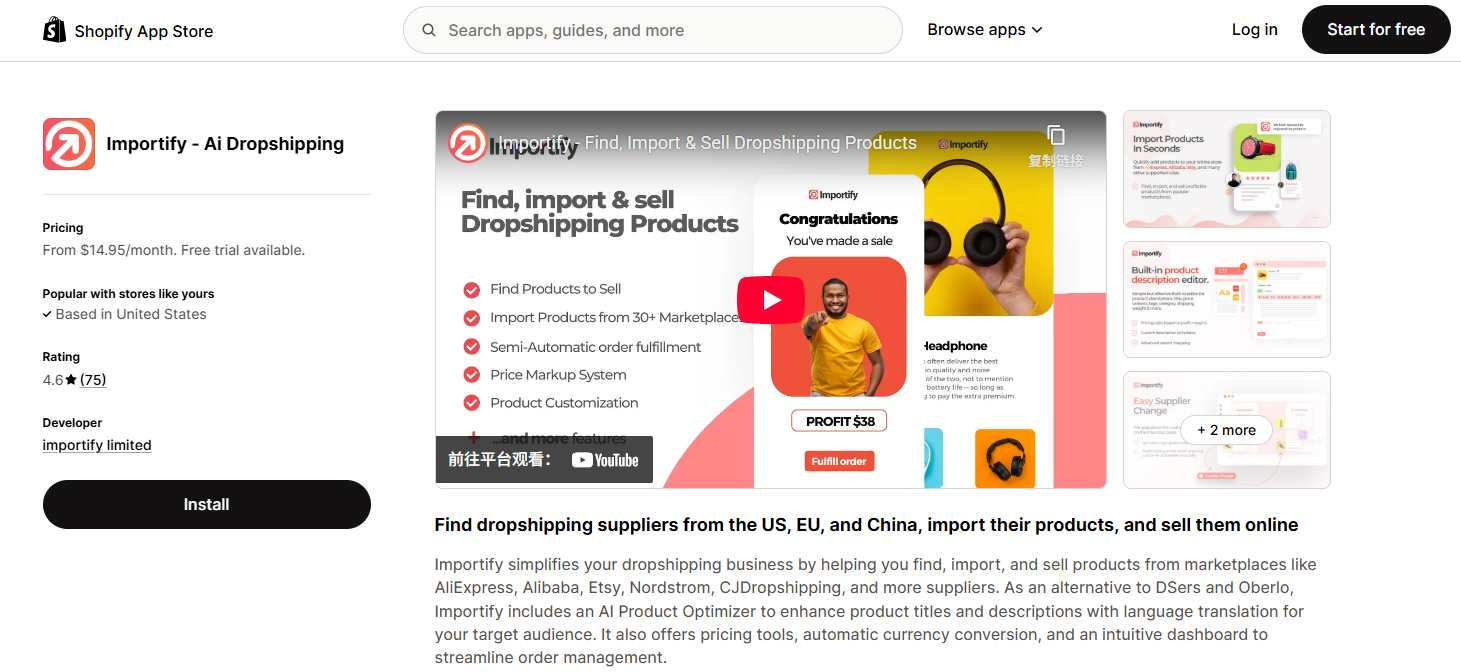
Importify is a Shopify app that lets you easily import products from various websites into your store, including Shein. This is super handy since Shein doesn’t have a native integration. With Importify, you can browse Shein (or AliExpress, Amazon, etc.) and with one click import the product images, description, and pricing to your Shopify admin. It also helps with order fulfillment by directing you to the product page to purchase when you get an order. For beginners, Importify removes the manual copy-paste hassle. Do note, you’ll still want to customize the imported content as discussed earlier, but this tool handles the heavy lifting of creation. It’s a paid app (with a monthly fee), but there’s usually a free trial. If you plan on directly pulling many Shein items, this is probably the easiest method.
2. CJdropshipping App
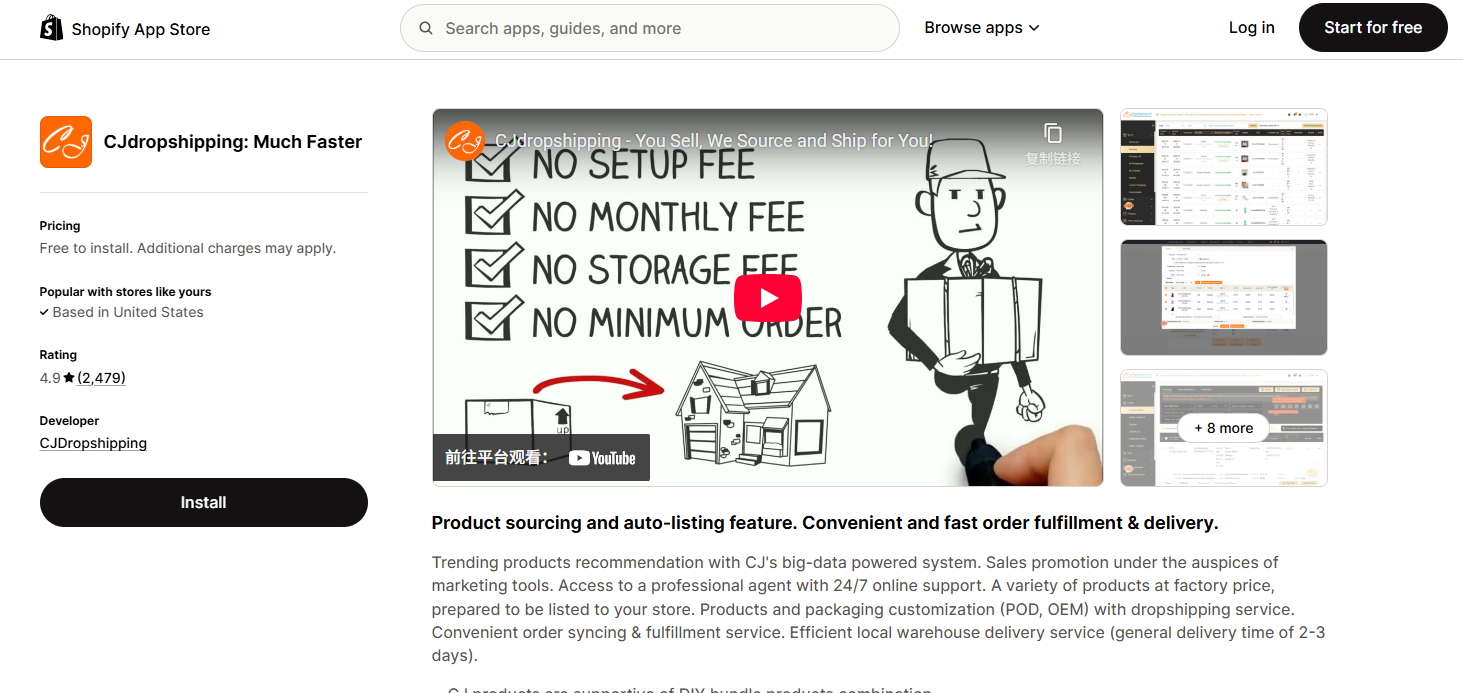
Since we’ve mentioned CJdropshipping as a supplier, it’s worth noting their Shopify app (and apps for other platforms). The CJ app allows you to browse their product inventory (which covers many Shein-like products) and add them to your store with one click. When an order comes in, you pay CJ for the product and shipping, and they fulfill it for you. The app automates order syncing and provides tracking numbers. What sets CJ apart is their extra services: you can post sourcing requests if you can’t find a product – e.g., you see a trending Shein product not in CJ’s catalog, you can request CJ to source it for you. They’ll find a supplier and list it so you can dropship it. CJ also offers branding options like custom packaging or inserting thank-you cards if you eventually want to invest in that (not mandatory at start, but nice as you evolve). For beginners, the CJ app is fairly straightforward to use and free to install (you only pay for the products you order). It’s a great tool if you want to avoid dealing directly with Shein or AliExpress and prefer a partner that can consolidate products and potentially ship faster. Plus, their customer support chat can help if any issues arise with orders.
3. DSers
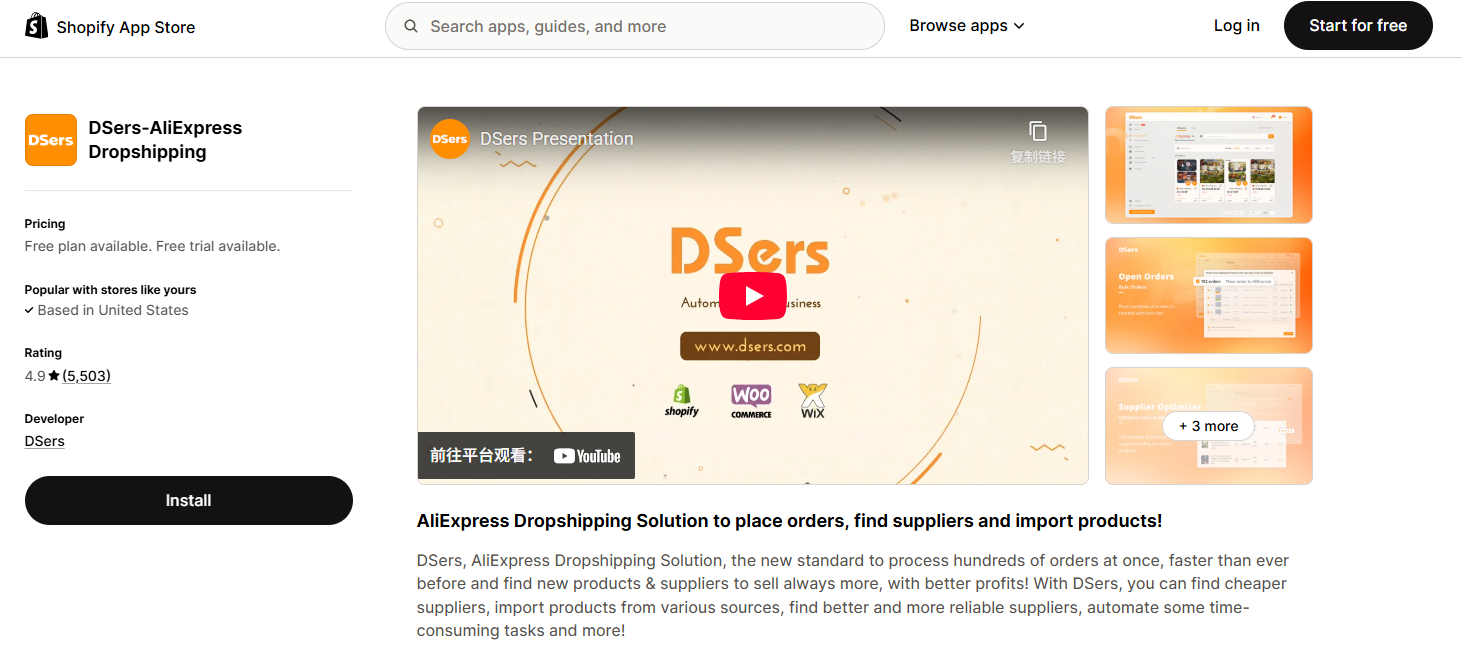
DSers is known as the replacement for the old Oberlo app. It is specifically designed for AliExpress dropshipping. If your strategy is to find Shein-similar items on AliExpress (which many are), DSers is a must-have. It lets you bulk import AliExpress products, place orders in one click (even multiple orders at once), and manage multiple Shopify stores if you ever have them. A cool feature is “supplier optimization” – DSers can show you different AliExpress suppliers for the same product, so you can pick one with better rating or price. This might help if, say, one supplier runs out of stock, you can quickly switch to another supplier’s link while keeping your listing. DSers has free and paid tiers. On the free plan, you can still process a decent number of orders. One thing: DSers mainly works with AliExpress, so if you’re using 1688 or Shein directly, it won’t automate those. But because AliExpress has so many of the same products, beginners often start there and DSers is the go-to tool for that platform. It will save you tons of time on copying customer info to AliExpress and avoiding mistakes. Even on AliExpress, you should not order 100% manually if you can help it – DSers or similar tools ensure the right address goes in and can auto-apply discount codes, etc.
Pricing Strategy: How to Price Your Products for Profit
Setting the right prices is one of the most important aspects of making money from your dropshipping store. Price too high, and customers might just go to Shein or a competitor instead; price too low, and you might have no profit (or even losses after expenses). Let’s break down a realistic pricing strategy for a Shein-style business:
1. Calculate All Your Costs: For each product, tally up the total cost to get it to the customer. This includes the price you pay your supplier plus shipping cost to the customer, and consider platform fees if any (for Shopify it’s typically just the payment fee ~2.9%+30¢, for marketplaces it could be more). For example, suppose a top costs you $5 on CJdropshipping and shipping is $2, your raw cost is $7. Also account for transaction fees: on a $20 sale, ~60¢ goes to payment processing. If you plan to run paid ads, you might estimate an average ad cost per sale (say you’re willing to spend $5 in ads to acquire a customer). Add that in too. So maybe total cost $7 (item) + $5 (ads) + $0.60 (fees) = $12.60. Knowing this, you’d want to price well above $12.60 to profit.
2. Aim for a Healthy Profit Margin: A common guideline in dropshipping is to aim for at least 30% profit margin on your selling price, and ideally more. Profit margin (%) = (Profit ÷ Selling Price). Another way to think: keystone markup, which is doubling the cost. Many retailers double or triple the cost of goods. Shein’s low prices actually allow you a lot of markup room. For inexpensive items (say under $5 cost), you might mark them up 3x or even more. Example: you buy an accessory for $3, you could sell it for $9-$12. Customers often perceive value by price – something too cheap might seem low quality. So don’t be afraid to mark up as long as it’s within reason for your niche. If a dress is $10 cost, selling at $25 or $30 is not unusual (that would be a ~60-66% margin, which is great). In fact, one guide noted a dress costing $8 on Shein could sell for $25-$35 in a boutique. Test different price points if you’re unsure – you can always start a bit higher and offer a discount code to simulate a sale, or lower prices if not selling.
3. Research Competitor Pricing: Check other places that sell similar items. This might include looking at other dropshipping sites (perhaps you find some via Instagram ads or Google search for your product), or even looking on Amazon/Etsy for similar products. See what the market rate appears to be. You’ll likely find a range. Position yourself where you still make money but remain attractive. If Shein itself sells the item for $15, you might price at $20-$25 and compete on better descriptions or convenience. If your niche is more boutique (e.g., gothic fashion) and not easily found elsewhere, you could charge a premium. Being competitive doesn’t always mean being cheapest – it can also mean offering more value (better service, bundle products, etc.). However, for a beginner, it’s safe to stay near the lower end of boutique pricing until you establish more brand value. You want that first sale, so make the offer compelling.
4. Use Psychological Pricing: Small tricks like pricing at $19.99 instead of $20, or $24.95 instead of $25, can make the price feel lower due to shopper psychology. Also consider offering bundles or free shipping at a certain threshold (“Free shipping on orders over $50”). This can encourage customers to add an extra item to cart, raising your average order value.
5. Don’t Forget Currency and Rounding: If you sell internationally, decide if you’ll price in different currencies or just USD. Shopify can auto-convert prices but it can result in weird numbers (like $17.34). You might choose to round prices nicely in your main currency. Consistent pricing steps (like most tops $24, most earrings $9, etc.) can simplify things for you and customers.
6. Testing and Adjusting: Once you go live, pay attention to how customers respond. If lots of people add to cart but don’t buy, maybe your price is a bit high (or shipping cost is turning them off). Conversely, if you’re selling out (figuratively, since no inventory) very fast with zero marketing, maybe you priced too low and left money on the table.
7. Factor in Long-Term Profitability: In dropshipping, margins can be thin when you account for ad costs. A 30-50% margin on product is great, but if you’re spending heavily on ads, your net profit might be far less. Always calculate after all expenses. It may turn out that a product priced at $19.99 only gives you $5 profit after everything – and that’s okay if it’s a volume seller or helps acquire customers. You can improve profitability by encouraging customers to buy more items (thus one shipping cost covers multiple products, and you get more profit per order). That’s why having related items and doing cross-sells (like “Wear this skirt with our cute blouse”) can help.
In short, be strategic and data-driven with pricing. The goal is to cover costs and ensure profit, while staying attractive to price-sensitive shoppers. Thanks to Shein’s ultra-low wholesale prices, you do have room to profit – many dropshippers successfully sell $5 Shein-sourced items for $15-$20. Just remember to communicate the value: through quality images, descriptions, and service, justify why your store provides something worth a few extra dollars (it could be as simple as curation – you hand-picked only the best styles, saving the customer time). And always keep an eye on the bottom line: revenue is vanity, profit is sanity!
Common Beginner Mistakes to Avoid

Dropshipping is a great model for beginners, but there are plenty of pitfalls if you’re not careful. Here are some common mistakes new dropshippers make – and how to avoid them:
-
Choosing an Unfocused or Overly Broad Store: It’s tempting to sell “a bit of everything” like a mini Amazon, but that’s a mistake when starting out. A store with no clear niche can confuse customers and dilute your marketing efforts. Avoid trying to list hundreds of random products. Instead, curate a focused collection. If you picked a niche like “trendy athleisure wear,” stick to that theme – don’t randomly add phone gadgets or kitchen tools. A clear niche helps in branding and targeted ads, and customers will see you as a specialist rather than a jack-of-all-trades.
-
Copying Supplier Content (Images/Descriptions): This is a legal and branding mistake. Using Shein’s copyrighted images or descriptions can get you into trouble. Plus, if your site looks exactly like a copy of Shein (or AliExpress), there’s no reason for customers to trust you or pay you extra. Always put in the effort to create original product listings. It not only avoids copyright infringement, it also improves your Google SEO (search engines penalize duplicate content). Similarly, avoid selling obvious knock-offs or items with logos of brands (e.g., a “Nike” logo shirt from a supplier) – that can get your store taken down for counterfeit issues. Sell inspired styles, not fake branded goods. Building your own brand identity, even if small, sets you apart from the countless dropshipping sites that just copy-paste and get lost in the noise.
-
Unrealistic Expectations (Get-Rich-Quick Mentality): Many beginners start dropshipping after seeing some YouTube guru claim they made $100k in a month. The reality is, dropshipping is not a guaranteed fast riches scheme. It’s a business like any other – it takes time, testing, and learning. Don’t be discouraged if you don’t get sales in the first week or two. And definitely don’t blow your entire budget on day 1 for ads expecting to profit immediately. Set a realistic plan: maybe you aim for your first sale within a couple weeks by promoting on social media, then gradually scale up.
-
Ignoring Customer Service and Feedback: When you’re starting out, any customer you get is precious. One mistake is to take the money and then be slow or unhelpful in supporting the customer. Remember, as a tiny store, you can shine by giving personalized, fast service – something big companies often lack. Reply to customer inquiries quickly (within 24 hours). If someone has a problem, own it and solve it to the best of your ability. For instance, if a customer emails that a dress didn’t fit and they’re unhappy, you might offer a refund or a discount on a different size – even if your policy didn’t require it. Going the extra mile can turn a complaining customer into a loyal one. On the flip side, if you ignore emails or delay refunds excessively, expect chargebacks or PayPal disputes which can harm your payment accounts. Also, pay attention to feedback: if you get multiple complaints about a product’s quality, that’s a red flag to stop selling it or address it with the supplier.
-
Underestimating Shipping Times and Policies: A critical mistake particularly relevant to Shein-style dropshipping is failing to handle the shipping logistics properly. We’ve stressed this, but to reiterate: don’t hide your shipping times or hope customers won’t notice the wait. If you act like you’re a US-based boutique but then deliver in 3 weeks from China without warning, you’ll get angry customers and bad reviews. Be upfront. Also, have a plan for lost packages or delays (they happen occasionally).
-
Poor Website Presentation: In the rush to launch, don’t forget to make your site look trustworthy. Mistakes here include leaving placeholder text or logos on your theme, having broken links or missing images, or a confusing layout. A sloppy website can kill sales even if your products are great. Double-check everything: does the checkout work, are your product photos clear, is the site mobile-friendly (most shoppers will be on mobile). Avoid overwhelming the visitor with too many pop-ups or a clashing color scheme. You want to look as professional as a known small brand.
-
Over-reliance on a Single Product or Supplier: If you only have one product and it’s a flop, your store stalls. It’s a mistake to not test a variety of products within your niche. Conversely, if you find one product doing well, that’s awesome – but be mindful if your entire business rides on one supplier’s item. If they run out or raise prices, you’re stuck. It’s wise to have a few suppliers or backup sources for your best-sellers (AliExpress or CJ often have multiple vendors for similar goods).
By being aware of these common pitfalls, you can proactively avoid them. In short: focus on niche, build your brand, treat customers well, be transparent, and stay adaptable. Every mistake is recoverable if you learn from it, but it’s even better if you can sidestep some altogether by heeding advice from those who’ve been there.
Final Checklist Before Launching Your Store
Before you officially “open” your Shein-style dropshipping store to the world, run through this final checklist to ensure everything is in order:
-
✅ Niche & Products Selected: You have defined your niche clearly and added a curated selection of products that fit it. (e.g., 20-30 products in your store that all appeal to a similar target customer). You’ve reviewed these products for quality (via reviews or samples) and you’re confident in selling them.
-
✅ Supplier Integration Ready: Your chosen supplier or agent is set up. If using a platform like CJdropshipping or DSers, your accounts are connected to Shopify and tested. You know how to place an order with your supplier and have maybe even done a trial order to yourself to see the process. All product listings are linked to active supplier sources (no broken links or out-of-stock items).
-
✅ Website Polished: Your Shopify store design is complete: logo in place, banner images looking good, no dummy text lingering (double-check for things like “Lorem ipsum” or theme placeholder text). All pages (Home, Shop, About, Contact, FAQ, Policies) are created and have proper information. On mobile view, the site is easy to navigate. Test add-to-cart and go through a checkout (perhaps create a test discount code and use it to simulate a purchase, then refund yourself) – this ensures the process works and emails are sent.
-
✅ Payments & Checkout Working: Payment gateways (Shopify Payments, PayPal, etc.) are active and set to receive funds. (Check that you’ve removed test mode!) Any sales tax or VAT settings needed for your region are configured. Shipping rates are set correctly – try a dummy address in checkout to see that it shows the expected shipping option/cost. If you offer free shipping, ensure it appears as free. If you have automated fulfillment apps, ensure they don’t charge customers extra shipping unexpectedly.
-
✅ Policies & Transparency: Your Shipping Policy clearly states expected delivery times. Your Return/Refund Policy explains how customers can return or get a refund, and under what conditions. You have a concise Privacy Policy and Terms of Service (Shopify can generate these; it’s good to have them accessible in the footer). Having these in place boosts trust and also keeps you compliant with platforms and law.
-
✅ Importify/AutoDS/CJ App Setup: If you’re using apps like Importify or AutoDS, verify that your product importing is done and any pricing rules are correct (some apps have a pricing multiplier – ensure it’s set how you want so your prices aren’t accidentally too low or absurdly high). For AutoDS or similar with monitoring, ensure your price automation rules (if any) make sense and inventory monitoring is on. Essentially, make sure the tools are configured, not just installed.
-
✅ Domain and SSL: You have a custom domain name for your store and it’s properly connected (visit your domain and see if it loads your site). Also, check that your site shows as secure (HTTPS) in the browser – Shopify provides SSL, so it should. A non-SSL site scares off customers, so this is important.
-
✅ Email & Notifications: Verify you have email notifications set up. Shopify by default will send order confirmations to customers, but you can customize those emails. Put a nice thank-you message in your confirmation email. Set up an email address on your domain (even if it forwards to Gmail) for contacting customers – it looks more professional than a random Gmail. Ensure you receive a copy of order notifications so you don’t miss any. You might also set up an email signup form (for building that email list) on your site, perhaps with a small incentive (“Join our list for 10% off your first order”).
-
✅ Test Everything as a Customer: One of the best pre-launch tests is to browse your site like you’re a customer. Click on product links, read the description (catch any typos?), add to cart, go to checkout. Is anything confusing or broken? Maybe even ask a friend or family member to do this and give you honest feedback – fresh eyes can spot things you missed. If you have a contact form, send a test message to see if you receive it. If you have any discount code, test that it applies. Essentially, experience your store end-to-end to catch any last-minute hiccups.
-
✅ Marketing Plan for Launch: “Build it and they will come” does not apply to websites. Before you launch, have at least one or two strategies to attract visitors. This could be as simple as posting about your new store on your personal social media, creating an Instagram/TikTok account for your brand and teasing some products, or preparing an introductory TikTok video. Maybe you’ve joined a few fashion groups on Facebook (without spamming, but you can mention your store if relevant). If you have a bit of budget, you might plan a small Facebook or Instagram ad targeting your niche’s demographic, or collaborate with a micro-influencer for a shoutout. The key is, on launch day, try to get some traffic flowing so you can start learning and adjusting. Don’t rely on organic Google search at first (that takes time). Even telling 10 friends and having them visit can be useful.
-
✅ Analytics Installed: It’s good practice to set up Google Analytics (or use Shopify’s built-in analytics) to track visitors and sales. Google Analytics can be added via your Shopify preferences or an app. It helps you see where people come from and what they do on your site. It’s not mandatory on day one but highly recommended to gather data from the start. Also, if you’ll use Facebook/Instagram ads, set up the Facebook Pixel via the Facebook channel app so you can retarget visitors later.
Once you’ve ticked off all items on this checklist, you’re ready to rock! 🎉 Take a deep breath – you’ve built your store from scratch and that’s an accomplishment in itself. Now it’s time to launch and learn.
Conclusion and Encouragement
Launching a dropshipping business inspired by Shein is an exciting journey. You’ve done the prep work: chosen a niche, sourced trendy products, set up a store, and learned the ropes of fulfillment and customer service. Remember that every expert was once a beginner – even the big successful dropshippers started with that first sale and learned through trial and error. You will too.
As you go live, keep a positive and persistent mindset. The first weeks might be slow, or you might hit a snag (e.g., an app glitch or a supplier delay) – don’t be discouraged. View them as learning opportunities. The fact that you’ve made it this far means you have the dedication needed to succeed. Dropshipping, especially in fashion, can be competitive, but it’s also very rewarding to see people buying and loving products you curated and promoted. Celebrate small wins: the first store visit that isn’t your mom, the first add-to-cart, the first sale, the first good review. They build up!
Continue to iterate: add new products when you spot a trend, refine your site based on what’s working, and scale what sells. Use data (what are people clicking on? Which TikTok video got more views?) to guide your decisions. And don’t hesitate to seek community – there are many dropshipping forums and groups where you can ask questions or just share experiences with fellow beginners. Sometimes a tip from someone else will save you a lot of time.
Most importantly, put the customer first and the rest will follow. If you keep your customers happy and offer products that genuinely excite them, you’re on the right track. Even as you automate processes, never lose the personal touch of a small business owner who cares. That can become your secret weapon against giant retailers.
So, here’s to you – for taking the initiative to start your own Shein-style dropshipping venture. With the knowledge from this guide and your own creativity and effort, you have everything you need to build something amazing. It might start as a side-hustle experiment, but who knows, it could grow into a well-known boutique brand one day. Stay curious, keep learning, and don’t give up when things get tough.
You’ve got this! 💪 Now go out there and make your dropshipping store a success story. Good luck and happy selling!