
For every Shopify dropshipper, the checkout experience is where trust is won—or lost. No matter how attractive your product pages are or how engaging your ads may be, a poor payment experience can quickly turn an interested visitor into an abandoned cart statistic.
Choosing the right Shopify payment method is more than a technical setup—it’s a strategic move that impacts every part of your business. The payment gateway you select determines how efficiently you can process global transactions, handle refunds, manage cash flow, and protect your store from fraud. In 2026, when online shopping is faster, more mobile-driven, and increasingly global, having the right payment solution is essential to staying competitive.
Modern shoppers expect seamless, secure, and familiar payment options—whether they’re using credit cards, mobile wallets, or buy-now-pay-later services. A trustworthy checkout not only boosts conversion rates but also reinforces your brand’s credibility. For dropshippers, this is especially important because customer confidence directly influences repeat purchases and word-of-mouth growth.
In this guide, we’ll explore the most effective Shopify payment methods for 2026, analyze their advantages, and share practical insights to help you choose the right one for your dropshipping business. By the end, you’ll know exactly how to build a payment experience that’s fast, secure, and built for global success.
Understanding Shopify Payment Options in 2026
As Shopify continues to evolve, its payment ecosystem in 2026 offers more flexibility and global reach than ever before. Whether you’re a new store owner or an experienced dropshipper, understanding how different Shopify payment methods work will help you choose the best option for your audience and improve your store’s performance.
Shopify now integrates with over 100 payment gateways worldwide, covering credit cards, digital wallets, and local payment options across various regions. While Shopify Payments remains the platform’s default and most streamlined solution, many sellers also combine it with third-party processors such as PayPal, Stripe, or region-specific tools like Klarna, Payoneer, or Alipay to expand their reach.
Several important trends are shaping Shopify’s payment landscape in 2026:
1. Borderless Transactions and Global Reach
Cross-border commerce continues to grow rapidly, with more consumers buying from international stores. Shopify has adapted by supporting multi-currency checkouts and automatic currency conversion, allowing customers to pay in their local currency while you receive payouts in yours. This flexibility helps dropshippers reach new audiences without additional complexity.
2. Mobile-First and One-Tap Checkouts
With more than 70% of Shopify sales now happening on mobile devices, customers expect instant, frictionless payment experiences. Wallets like Apple Pay, Google Pay, and Shop Pay are now standard tools for simplifying mobile transactions. A smooth one-tap checkout process not only improves conversions but also builds trust—especially for first-time visitors.
3. Localized Payment Preferences
Each region has its own popular payment systems. European shoppers often prefer Klarna or iDEAL, while buyers in Asia may choose Alipay, WeChat Pay, or GrabPay. Integrating localized options increases accessibility and helps your store feel familiar and trustworthy to international customers.
4. Enhanced Security and Compliance
Consumers are becoming more cautious about online payments, and Shopify has raised its standards accordingly. In 2026, built-in fraud detection, encrypted transactions, and compliance with PSD2 and PCI DSS standards are mandatory features. Shopify also supports two-factor authentication and real-time risk analysis to protect both merchants and customers.
5. Automation and Integration for Dropshippers
The best payment setups now integrate directly with inventory, fulfillment, and supplier systems. This reduces manual work and improves operational efficiency. For example, when using a reliable supplier platform such as CJdropshipping, your paid orders can automatically sync to fulfillment, ensuring seamless coordination between payment confirmation and shipment.
Understanding these evolving payment options allows you to make data-driven decisions about which gateways to enable in your store. The goal is not only to process payments but also to create a buying experience that feels fast, transparent, and secure—no matter where your customers are in the world.
Top Shopify Payment Methods for Dropshippers
With so many payment options available, selecting the right ones for your Shopify store can feel overwhelming. The goal is to balance global accessibility, transaction efficiency, and customer trust. Below are the most reliable and widely used Shopify payment methods for dropshippers in 2026—each offering unique strengths for different business needs.
1. Shopify Payments
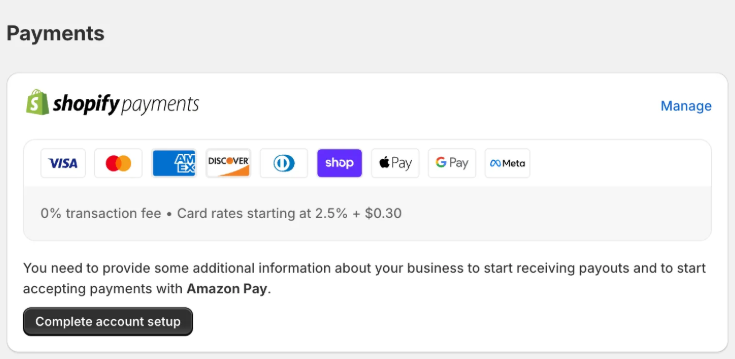
Shopify’s built-in payment solution remains the most convenient choice for most store owners. It supports major credit and debit cards as well as popular wallets like Apple Pay and Google Pay.
Why it works: Seamless integration with Shopify’s backend means instant setup, automatic fraud analysis, and no third-party transaction fees.
Best for: Sellers in countries where Shopify Payments is officially supported who want a simple, fast, and secure solution.
Watch for: It’s not yet available in all regions, so international sellers may still need an additional gateway.
2. PayPal
PayPal remains one of the most trusted payment methods worldwide, used by hundreds of millions of customers.
Why it works: Its strong buyer protection and simple one-click checkout make it ideal for new customers. It’s especially valuable for international buyers who prefer not to enter card details directly.
Best for: Global dropshippers serving multiple currencies and markets.
Watch for: Higher processing fees and occasional fund holds for new or high-volume sellers.
3. Stripe
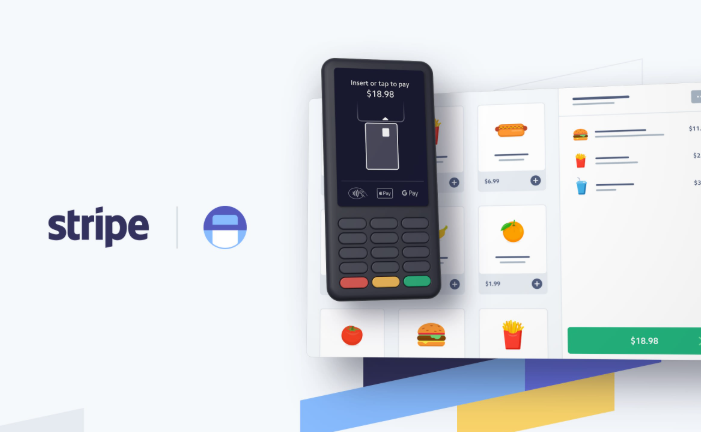
Stripe continues to dominate in 2026 thanks to its flexibility, transparency, and global reach. It supports over 130 currencies and integrates perfectly with Shopify.
Why it works: It provides real-time analytics, mobile optimization, and advanced fraud protection, giving dropshippers both control and scalability.
Best for: Sellers managing multiple stores or working across several countries.
Watch for: Some restricted categories may face additional verification before approval.
4. Klarna and Afterpay (Buy Now, Pay Later)

“Buy Now, Pay Later” options have become essential to modern e-commerce, particularly among younger shoppers. Klarna, Afterpay, and similar services let customers split payments while sellers receive the full amount upfront.
Why it works: It reduces cart abandonment and boosts average order value.
Best for: Stores selling mid- to high-priced items like electronics, apparel, or home décor.
Watch for: Merchant fees are higher than traditional card processors, and integration requires approval.
5. Payoneer
Payoneer is a powerful option for global dropshippers who handle cross-border transactions. It provides virtual bank accounts in multiple currencies, making it easy to receive payouts from suppliers, platforms, and customers worldwide.
Why it works: It simplifies financial management and offers competitive currency conversion rates.
Best for: International sellers working with overseas suppliers or marketplaces.
Watch for: Not all Shopify regions support Payoneer for direct checkout—it’s often best used for payouts and business transfers.
6. Cryptocurrency Gateways
Crypto payment solutions like Coinbase Commerce and BitPay are gaining popularity as blockchain adoption grows.
Why it works: Crypto transactions are fast, borderless, and have low fees. They also attract tech-savvy buyers who prefer decentralized payments.
Best for: Niche markets or forward-looking stores aiming to differentiate themselves.
Watch for: Volatility and limited mainstream usage still make it a secondary payment option rather than a primary one.
7. Alternative Regional Methods
Shopify supports numerous local payment options depending on where you sell. European customers often prefer iDEAL or Sofort, while in Asia, Alipay, WeChat Pay, and GrabPay dominate.
Why it works: Offering local payment gateways helps increase checkout completion and builds trust with customers who prefer familiar methods.
Best for: Dropshippers targeting specific regional markets.
Watch for: Additional setup steps and potential currency conversion fees.
Choosing the right combination of these payment methods ensures flexibility and reliability for both you and your customers. For example, pairing Shopify Payments with PayPal and one local gateway covers nearly every shopper preference.
How to Choose the Best Payment Gateway for Your Store
Selecting the right payment gateway is crucial for running a smooth, trustworthy Shopify dropshipping business. It affects your cash flow, conversion rate, and customer satisfaction. The ideal gateway should fit your target audience, offer fast payouts, and integrate seamlessly with your store.
1. Match Payment Options to Your Target Market
Your customers’ location determines which payment methods they trust. For US and European audiences, Shopify Payments, PayPal, and Stripe provide the best coverage. If you sell to Asia or Latin America, include localized options such as Alipay, Payoneer, or MercadoPago to increase conversion rates and reduce cart abandonment.
2. Compare Fees and Payout Times
Most payment gateways charge between 2.5% and 3.5% per transaction. Check for transparent pricing and reasonable exchange rates, especially if you sell internationally. Quick payouts help maintain cash flow—important for dropshippers reinvesting earnings into ads or new products.
3. Ensure Easy Integration and Automation
A good payment setup should connect directly to your fulfillment system. Manual data handling slows operations and leads to errors. Platforms like CJdropshipping integrate smoothly with Shopify, syncing paid orders automatically for fast, accurate fulfillment and real-time tracking updates.
4. Prioritize Security and Fraud Protection
Trust is everything in e-commerce. Choose gateways with strong encryption, fraud detection, and chargeback management. Displaying well-known payment logos (PayPal, Visa, Mastercard) on your checkout page helps reassure buyers and improves conversion rates.
5. Plan for Long-Term Growth
Select gateways that can scale with your business as you expand to new regions or currencies. Using a mix—Shopify Payments for domestic buyers, PayPal for global reach, and one regional method—offers flexibility without overcomplicating operations.
The right payment gateway keeps your checkout experience simple, secure, and consistent. Combined with reliable fulfillment support from CJdropshipping, it helps build customer confidence and ensures every transaction runs smoothly.
Managing Fees, Currencies, and Fraud Protection
Efficient payment management is essential for maintaining profitability and trust in your Shopify dropshipping business. Hidden fees, poor currency handling, or weak fraud prevention can quietly reduce margins and harm your brand’s reputation. By understanding how to manage these factors, you can keep transactions smooth, transparent, and secure.
1. Monitor Transaction Fees Carefully
Each payment gateway has different fee structures. Most charge a small percentage per transaction, often between 2.5% and 3.5%. While this may seem minor, it can quickly add up as your sales grow. Review your monthly statements to identify unnecessary costs and switch to a gateway with more favorable rates if needed.
Also, be mindful of conversion or withdrawal fees if you sell internationally. A gateway with built-in multi-currency support can help you save on exchange losses.
2. Offer Multi-Currency Pricing
Buyers are more likely to complete a purchase when they can pay in their local currency. Shopify’s built-in multi-currency feature allows stores to display local prices automatically and settle payments in your preferred currency. This flexibility not only improves user experience but also increases trust and conversion rates for global shoppers.
If your business serves multiple regions, choose a payment gateway that handles currency conversion efficiently and offers transparent exchange rates.
3. Strengthen Fraud Prevention
Online fraud is one of the biggest risks for e-commerce businesses. Shopify already includes built-in fraud analysis tools, but pairing them with your payment gateway’s protection features provides an extra layer of security. Look for gateways that offer AI-based risk detection, address verification (AVS), and two-factor authentication to minimize chargebacks and unauthorized transactions.
Clear communication with your fulfillment partner also helps—when your supplier, such as CJdropshipping, updates tracking data automatically, it provides concrete proof of delivery that can be used to dispute fraudulent claims.
4. Handle Refunds and Chargebacks Responsibly
Refunds are inevitable, especially in dropshipping. Establish clear refund and dispute policies aligned with your payment gateway’s procedures. Prompt, transparent handling builds customer confidence and reduces disputes.
When a chargeback occurs, respond quickly with tracking details, order confirmation, and proof of delivery. Organized transaction records make it easier to resolve claims efficiently.
5. Keep a Close Eye on Payout Timing and Cash Flow
Payout speed influences how you reinvest in ads and operations. Some processors release funds within two days, while others may take up to a week. Choose gateways with faster payout cycles to maintain a healthy cash flow. Plan ahead for potential delays during high-volume seasons like Black Friday or Christmas.
By managing fees, currencies, and fraud proactively, dropshippers can maintain consistent profitability while offering customers a smooth, trustworthy shopping experience. Combined with reliable fulfillment and real-time tracking from capable partners, your payment system becomes a cornerstone of operational stability and customer satisfaction.
Integrating Payment Methods with Your Dropshipping Workflow
A successful Shopify dropshipping business depends on smooth coordination between your payment systems, order processing, and fulfillment operations. When these elements work seamlessly together, you minimize manual work, prevent errors, and provide a faster, more professional shopping experience for customers.
1. Automate Payment and Order Synchronization
Automation is the foundation of an efficient dropshipping workflow. Once a customer completes payment, your system should automatically forward the order to your supplier for fulfillment.
Shopify’s built-in automation tools make this process straightforward—confirming payments, updating order statuses, and notifying customers instantly. End-to-end automation keeps your workflow accurate, consistent, and scalable as your business grows.
2. Maintain Consistent Data Across Systems
Ensure that all transaction and fulfillment data remain synchronized. Any inconsistency between your Shopify store, payment provider, and supplier can cause delays or customer confusion. Choose payment gateways that support real-time updates or API integrations, allowing you to track payments, refunds, and delivery statuses from a single dashboard.
3. Simplify Refund and Dispute Management
A clear and efficient refund process protects your reputation and reduces disputes. When your payment gateway and fulfillment operations are connected, refund requests can be processed faster, and customers can receive immediate updates.
Integrating these systems allows you to verify payment, shipment, and delivery information quickly—helping you decide promptly whether to issue a refund or replacement.
4. Optimize Checkout for Global Customers
Different countries have distinct payment preferences. By integrating multiple payment options—credit cards, digital wallets, and local gateways—you make it easier for international shoppers to complete purchases. Shopify’s flexible checkout system allows you to customize available payment methods based on customer location, increasing conversions and improving the user experience.
5. Use Analytics to Improve Performance
Your payment and fulfillment data provide valuable insights into customer behavior and operational efficiency. Monitor which gateways have the best approval rates, lowest fees, and fewest refund requests. Identify patterns such as preferred payment methods by region or device type. Using this data, you can refine your checkout process, adjust pricing, and optimize marketing strategies for higher profitability.
Integrating your payment systems with fulfillment operations ensures your business runs efficiently and reliably. A fully connected workflow means faster order processing, accurate updates, and a better shopping experience that builds customer trust and supports long-term growth.
Final Thoughts: Secure Payments, Smoother Sales
In today’s fast-moving e-commerce landscape, choosing and managing the right payment methods is more than a technical necessity—it’s a vital part of building customer trust and operational efficiency. For Shopify dropshippers, secure and seamless payments can directly influence conversion rates, repeat purchases, and overall brand credibility.
The best Shopify payment methods in 2026 are those that combine reliability, flexibility, and transparency. Shopify Payments, PayPal, and Stripe remain strong global options, while localized gateways help capture international markets. What matters most is creating a checkout experience that feels safe, simple, and familiar to your audience. When customers trust your payment system, they’re far more likely to complete their purchase and return in the future.
Just as important is maintaining a well-structured backend. Automating payments, syncing orders, and using strong fraud protection tools will save you time and reduce costly mistakes. Monitoring transaction data and adjusting your setup as your business grows ensures that your store stays efficient and competitive year-round.
In the end, payment processing isn’t just about moving money—it’s about removing friction. When your payment systems, store operations, and customer experience all align, you build a trustworthy business that converts visitors into loyal buyers and turns every transaction into an opportunity for growth.