
If you're exploring new dropshipping opportunities in 2026, chances are you’ve come across Temu — the fast-rising marketplace known for ultra-low prices, massive product variety, and aggressive global expansion. With viral marketing, gamified discounts, and TikTok-style product trends, Temu has quickly become one of the most talked-about eCommerce platforms worldwide.
Naturally, many entrepreneurs are asking the same question:
“Can I use Temu for dropshipping — and can it really work long-term?”
The short answer: Yes, but only with the right approach.
Temu can be a great source for finding trending products and testing ideas quickly. But like any fast-moving marketplace, it also comes with challenges — from limited branding control to unpredictable stock and varying shipping times.
In this guide, we’ll break down exactly how to start Temu dropshipping in 2026, what risks to avoid, and how smart sellers are using Temu as a trend-discovery and product testing tool — then scaling sustainably with professional fulfillment partners when a product proves itself.
Whether you’re a beginner or already running a store, this article will help you learn how to leverage Temu strategically so you can test faster, spend smarter, and build a brand that lasts.
What Is Temu Dropshipping?
Temu dropshipping refers to using Temu as your product source while selling those items through your own online store, without holding inventory. When a customer places an order on your website (Shopify, WooCommerce, TikTok Shop, etc.), you purchase the product from Temu and ship it directly to them.
At first glance, this sounds similar to using AliExpress or Shein. The idea is the same — low-cost products + no inventory risk = fast entry into eCommerce.
However, there are key differences:
-
Temu is a consumer-facing marketplace, not a dedicated dropshipping platform
-
It does not offer automated fulfillment tools for dropshippers
-
Branded packaging and customization are limited
-
Pricing and stock can fluctuate quickly due to high demand cycles
In other words, Temu works best as a testing and discovery platform — a place to identify trending products and validate demand with small orders before scaling your business.
Many successful sellers use Temu to spot hot products fast, then transition to a supplier with stable inventory, faster local shipping, and branding options once the product proves profitable.
This hybrid model allows you to combine Temu’s trend advantage with a reliable long-term fulfillment strategy, especially important as you scale.
Is Temu Dropshipping Allowed?
This is one of the most common questions new sellers ask — and the answer isn't as straightforward as with AliExpress or dedicated dropshipping platforms.
Temu does not explicitly ban dropshipping, but it also does not officially support it as a business model.
Temu’s platform is primarily designed for direct-to-consumer retail, not for third-party fulfillment or automated order distribution. That means:
-
There are no official dropshipping tools (API fulfillment, order syncing, etc.)
-
Orders typically ship in Temu-branded packaging
-
Stock and pricing may change without notice
-
Scaling may become challenging without logistics control
So technically, you can use Temu to purchase and ship products to your customers — but it comes with limitations.
Who should use Temu for dropshipping?
Temu works best for:
-
Beginners testing products on a low budget
-
Sellers validating product trends quickly
-
TikTok Shop / social sellers needing rapid product trial cycles
Who should move beyond Temu?
You should transition to a structured supplier once you:
-
Have a winning product
-
Need fast US/EU shipping
-
Want custom packaging/brand identity
-
Plan to scale long-term
That’s why many profitable stores use Temu not as their final supply chain, but as a market research and testing tool — then shift to a reliable dropshipping partner to scale.
This dual-system approach reduces risk and helps you build a business that lasts beyond short-term trends.
Pros & Cons of Temu Dropshipping

Like every sourcing method, Temu dropshipping has strengths and limitations. Understanding both helps you use the platform strategically rather than relying on luck.
Pros: Why Sellers Use Temu
1. Ultra-Low Product Costs
Temu is known for aggressive pricing, often lower than AliExpress and Shein. This helps beginners test offers without high risk and gives experienced sellers room for strong margins during early validation.
2. Wide Range of Trend-Driven Products
Temu’s catalog updates fast, especially in lifestyle gadgets, beauty accessories, and home solutions. If a product goes viral on TikTok, there's a good chance you’ll find it here first.
3. Great for Testing & Learning the Market
Because product cost is low, Temu is ideal for:
-
Testing niche audiences
-
Validating demand before bulk purchase
-
Experimenting with new creative angles
Perfect for creators testing products on TikTok, Reels, Pinterest, or small ad budgets.
4. No Up-Front Inventory Commitment
You only buy when you sell — ideal for beginners and those managing cash flow carefully.
Cons: Why You Should Not Rely on Temu Long-Term
1. No Dropshipping Automation
Temu doesn't support:
-
Store order syncing
-
Auto-fulfillment
-
API integration
Manually ordering per customer becomes slow once sales increase.
2. Limited Branding and Packaging
Most orders ship in Temu-branded packages, which:
-
Hurts brand trust
-
Looks unprofessional
-
Reduces repeat orders
Brand building is almost impossible if customers know the supply source.
3. Shipping Times Vary
Many products ship from overseas, and delivery times can fluctuate during peak seasons. This causes:
-
Higher refund requests
-
Customer complaints
-
Lower ad performance due to slow delivery
4. Stock & Price Instability
Temu’s product turnover is fast — great for trends, risky for scaling. Listings can disappear or prices can jump.
5. Scaling Is Limited
Temu is strong for early validation, but once you're running ads or growing a brand, you need:
-
Predictable supply
-
Bulk options
-
Branding
-
Local warehouses
That's where professional fulfillment partners come in.
Many sellers start on Temu for product discovery, then shift to platforms like CJdropshipping for:
-
US & EU warehouse fulfillment
-
Branded packaging & private label options
-
Bulk purchasing for winners
-
Order automation & tracking
This combination gives you the best of both worlds — trend discovery + reliable scaling infrastructure.
How to Start Temu Dropshipping in 2026 (Step-by-Step)
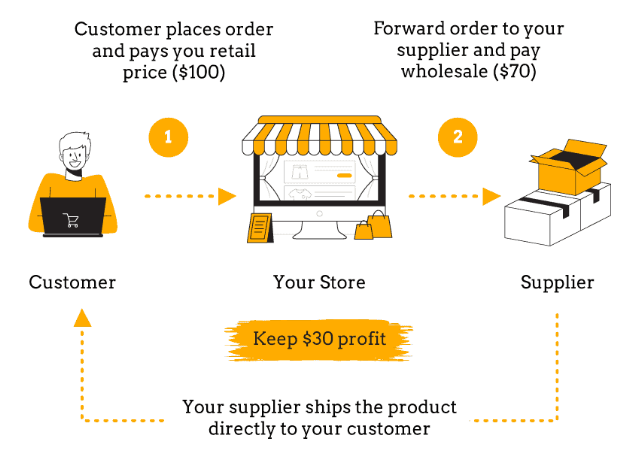
Temu can be a powerful tool for spotting winning products and validating demand at low cost — but only if you approach it with a clear system. Follow these steps to test fast, reduce risk, and build a scalable eCommerce workflow.
1. Find a Niche With Real Demand
Instead of blindly browsing, target categories where low-cost trends perform well:
-
Smart household gadgets
-
Kitchen and storage organizers
-
Beauty tools and skincare accessories
-
Pet toys and grooming accessories
-
Portable fitness and wellness gear
-
Decorative lighting and DIY essentials
Use real data to support decisions:
-
TikTok Creative Center for rising product themes
-
Pinterest & Instagram for lifestyle trend validation
-
Google Trends for long-term interest curve
-
Amazon Movers & Shakers for buyer intent
Look for items that are lightweight, visually appealing, simple to use, and priced for everyday purchase.
2. Order Samples Before Selling
Skip this step and you'll pay for it later. When samples arrive, evaluate:
-
Actual product quality vs listing pictures
-
Functionality and durability
-
Packaging and unboxing experience
-
Delivery timeline and tracking accuracy
A good rule: if you wouldn’t confidently use it yourself, don’t sell it to customers.
3. Build a Store Designed for Speed Testing
Choose the platform that fits your strategy:
-
Shopify — best for dropshipping systems and scaling
-
TikTok Shop — best for creator-led sales and UGC
-
WooCommerce — for experienced operators wanting control
Focus your store on trust + clarity + simplicity:
-
Clean mobile-first layout
-
Real content (UGC beats stock photos)
-
Short videos showing product benefit
-
Transparent shipping and return policy
-
Reviews & social proof
-
Logical upsells (bundle complementary items)
The goal at this stage is validation, not perfection.
4. Launch Marketing With Fast Creative Testing
Temu-type products thrive on visually driven platforms, so prioritize:
-
TikTok organic + Spark Ads
-
Instagram Reels
-
YouTube Shorts
-
Pinterest for home/beauty niches
Use simple storytelling styles:
-
“Watch how this solves a problem”
-
“I found this product and tried it so you don’t have to”
-
Quick hacks and before-after transitions
-
Real-life testing (kitchen, bathroom, desk, car, pet scenes)
You don’t need a studio. You need authenticity and clarity.
5. Analyze Key Signals and Iterate
Don’t assume — measure. Focus on:
-
Are people clicking?
-
Are they adding to cart?
-
Do they trust the offer enough to buy?
-
Are shipping expectations met?
-
Do early customers leave positive feedback?
Identify the weakest link — product, creative, pricing, store trust — and adjust fast.
In early testing, momentum > perfection.
6. Transition Off Temu to Scale
Temu is amazing for validation, but once a product performs, move away from:
-
Variable shipping times
-
Branded Temu packaging
-
Inventory volatility
-
Manual order handling
At this stage, most serious sellers shift to a scalable sourcing partner. For example, CJdropshipping can:
-
Source the same or similar products
-
Hold inventory in US/EU warehouses
-
Provide faster delivery + tracking reliability
-
Offer branded packaging and inserts
-
Sync orders automatically for hands-off fulfillment
This hybrid approach — Temu for finding winners, professional fulfillment for scaling — is how modern dropshippers grow sustainably in 2026.
Best Products to Source From Temu for Dropshipping in 2026
When choosing Temu products to test, your goal isn’t to build a long-term brand from them — it’s to quickly identify items with strong appeal and proof of market demand. The right early product lets you gather real data, then you move to a more stable fulfillment partner to scale.
In 2026, the product categories rising fastest share three qualities: visually compelling, practical in daily life, and easy to explain in 5 seconds on TikTok or Reels.
Trending Everyday Utility Gadgets
Compact household helpers continue to dominate, especially those that solve small frustrating tasks or create “micro wins” for consumers. Think desk improvement tools, cable organizers, multipurpose cleaning gadgets, or smart mini lights. These items thrive because viewers see them in action and instantly imagine using them themselves.
Beauty & Self-Care Tools
Personal care is booming — not just cosmetics, but tools that support routines like skincare, hair styling, or body relaxation. Cooling rollers, styling accessories, portable massage tools, and travel beauty kits often go viral because they create fast, visible results. Always order samples first, as quality varies more here than other niches.
Pet Lifestyle Accessories
The pet category isn’t cooling off — if anything, it’s accelerating. Pet owners want enrichment toys, grooming helpers, smart feeders, and travel accessories that make life easier. Products that can be shown “in action with a cute pet” almost always earn attention on social platforms.
Home Aesthetic Decor
Home-styling content still performs well online, and small decor pieces are ideal for testing. LED strips, ambient night lamps, detachable wall organizers, and modern home accents speak to Gen Z and millennial consumers making aesthetic upgrades at low cost. The key is visual storytelling and styling inspiration.
Fitness & Wellness Essentials
Portable, home-friendly wellness tools continue gaining traction. Items like resistance bands, posture correctors, handheld massagers, and recovery tools fit the growing demand for affordable, at-home health aids. Content that shows real results, posture improvement, or pain relief performs strongest.
Smart Convenience Accessories
Tech-adjacent micro-gadgets — wireless charging holders, phone camera helpers, bag organizers, portable mini fans, or wearable lights — gain instant curiosity because they blend lifestyle with small innovation. Short demo clips make people think, “That’s clever — I want it.”
Why These Work?
These products excel because they tap into:
-
Impulse-buy psychology
-
Social-first product discovery
-
Quick benefit demonstration
-
Shareability and “just try it” energy
-
Low entry price + high perceived value
Temu’s fast trend cycle means you can spot these products early, test performance, and validate interest before committing large budgets.
Then, once clicks and conversion data look promising, shift to a supplier that offers consistent quality, faster shipping, private labeling, and warehouse storage — so you don’t risk stock instability or branded packaging issues.
How to Avoid Common Temu Dropshipping Problems
Temu can help you spot product trends quickly, but like any fast-moving marketplace, it comes with challenges. The key to success is understanding these risks early and building systems that protect your customer experience and profit margins.
Maintain Control Over Shipping Expectations
One of the biggest issues beginners face is unpredictable delivery times. Temu shipping can vary depending on logistics load, holiday spikes, and overseas warehouse conditions. If customers expect fast delivery but wait too long, complaints and refund requests follow. To avoid this, be transparent about shipping timelines in your store and only scale products once you confirm consistent delivery speeds. During peak seasons, test shipping again — conditions change fast.
Protect Your Brand Identity From Marketplace Packaging
Temu parcels often arrive with branding or promotional inserts, which can damage your store’s credibility. Customers who discover your source may lose trust, assume you mark up excessively, or skip you next time and go to Temu directly. When testing, this isn’t a major issue — but never build your brand around a source you don't control. As soon as you see traction, transition winning products to a partner who can provide neutral or branded packaging.
Avoid Relying on Listings With High Volatility
Temu moves fast — products go viral and disappear just as quickly. Listings change suppliers, stock fluctuates, or pricing shifts without warning. If your store relies on a single Temu link and that listing changes, your fulfillment pipeline breaks. Mitigate this by bookmarking multiple variations of the same product and collecting supplier alternatives early. Once a product shows consistent sales, shift to a stable supplier structure.
Test Customer Support Scenarios Before Scaling
After-sales service is where inexperienced dropshippers often fail. If something arrives damaged or delayed, your customers expect a quick resolution. Temu support may not always be aligned with your fulfillment timeline or brand policy. Before launching ads, test return and refund processes. Understand how communication works and create a simple support script for your store. A business that solves problems fast earns repeat buyers faster than a store that sells cheap products.
Plan Your Exit Strategy for Winning Products
Temu is powerful for discovery, not ownership. The goal is not to stay dependent on one platform — it's to build a store that can grow on its own infrastructure. If you see consistent sales and positive feedback, don’t wait for something to break. Move fulfillment to a reliable partner with warehouse stock, automated processing, and branding capability. Platforms like CJdropshipping help sellers move from “testing mode” to “scale mode” smoothly, reducing risk and improving delivery experience immediately.
Temu vs Other Dropshipping Suppliers
Temu has changed the entry landscape for dropshippers by making trend discovery and product testing cheaper and faster. However, understanding where Temu fits in the broader supply chain ecosystem is crucial if you're planning to build a business that lasts beyond early testing.
Different suppliers serve different purposes — the smart seller doesn't choose one, but uses the right platform at the right stage.
Temu: Best for Discovery & Validation
Temu excels at:
-
Low-cost trend testing
-
Exploring “viral-product energy” niches
-
Rapid product sampling
-
Proving initial demand without investment
Temu is ideal for beginners or TikTok-style fast testing cycles. But once you see consistent sales, you immediately need more control — faster shipping, stock stability, and brand protection.
Temu = research + validation tool, not a long-term brand engine.
AliExpress: Transitional Testing Platform
AliExpress has historically been a dropshipping favorite. It still offers:
-
Broad product variety
-
Direct B2C shipping
-
Multiple vendors per item
However, shipping times can still vary, quality is inconsistent, and gear for branding is limited. Think of it as the middle step between marketplace testing and structured supply chains.
Modern top sellers don’t scale fully here anymore — they use it selectively.
CJdropshipping: Built for Scaling & Branding
Once your product wins traction, stability matters. That's where platforms like CJdropshipping help you move beyond the testing phase into long-term growth. Key advantages include:
-
Faster delivery with US/EU warehouses
-
Consistent stock access
-
Automated order sync & tracking
-
Product sourcing for tested winners
-
Private-label & brand packaging options
-
Local returns support
This allows you to turn a short-term winning product into a repeatable, scalable brand asset. In other words:
Temu helps you find the spark.
CJ helps you build the fire.
Amazon / FBA: Inventory-Based Scaling
For sellers ready to commit to inventory and inventory-first logistics, Amazon and FBA serve a different but powerful model:
-
Fastest shipping
-
Prime trust effects
-
Access to ready-to-buy traffic
But it requires:
-
Upfront stock investment
-
Product compliance
-
Higher operational standards
This stage suits experienced operators turning winning SKUs into stable assets.
TikTok Shop Suppliers: Social Commerce Fuel
Short-form content commerce is exploding, and TikTok Shop suppliers bridge influence + logistics. Great for:
-
Influencer products
-
Viral repeat campaigns
-
Low-friction checkout experiences
Often best combined with private-label fulfillment partners for brand consistency once a product proves traction.
The Smart Strategy for 2026
If you want to operate like a modern dropshipper — not a coin-flip product hustler — use a layered sourcing model:
Temu → Validate concept
AliExpress (optional) → Broaden sourcing if needed
CJdropshipping → Stabilize supply + scale + brand build
Amazon/TikTok Shop → Expand distribution and maximize repeat value
Success comes not from the platform you start with —
but from how quickly you evolve your supply chain with your product's success.
Final Tips for Success in 2026
Temu has changed how new dropshippers enter the game — fast product discovery, low testing cost, and instant access to viral ideas. But in 2026, winning is not about copying listings or chasing every trend. It’s about building systems that turn good ideas into sustainable revenue.
Use Temu to learn fast, not to stay dependent. Test small, validate efficiently, gather real customer feedback — then transition toward a model that you fully control.
Strong dropshipping in 2026 follows three principles:
Move fast at the testing stage
Trends move quickly. The faster you run product tests and content experiments, the faster you find winners.
Prioritize customer experience early
Good shipping, stable stock, and reliable support will beat “cheapest price” every single time. That’s how you build trust and repeat sales.
Build infrastructure as you grow
A real brand needs fulfillment you can scale. That means stable sourcing, branded options, and fast delivery once orders increase. Many sellers start with Temu and later move winning products to a partner like CJdropshipping to secure inventory, offer faster shipping from US warehouses, and deliver a brand-worthy unboxing experience.
Temu gives you the spark.
Consistency, fulfillment infrastructure, and brand trust turn it into fire.
Dropshipping in 2026 isn’t about luck — it’s about speed, strategy, and stability. If you stay analytical, build relationships with reliable logistics partners, and invest in brand value, you’ll stay ahead of the crowd as this competitive landscape continues to evolve.