
Fitness dropshipping remains a booming niche in 2026. The health and wellness industry is thriving, making fitness one of the top dropshipping niches of the year. Global demand for at-home workout gear surged post-pandemic as consumers prioritize health and convenience. In fact, over 51% of US exercisers now prefer working out at home. This trend means beginner dropshippers can tap into a large, growing market. In 2026, the global fitness equipment market is expected to reach $19.2 billion – a clear sign that dropshipping fitness products offers huge potential.
Why Dropship Fitness Products?
Low Barrier to Entry: For beginners, the fitness niche has a relatively low startup cost and easy entry. You don’t need to hold inventory – with dropshipping you list products and your supplier ships them, minimizing risk. Many popular fitness items (like resistance bands or workout accessories) are inexpensive and lightweight, making them simple to source and ship. This “no inventory” model lowers upfront investment while giving new sellers a wide product selection.
High Repeat Customer Potential: Fitness customers tend to buy repeatedly. For example, someone starting a home gym might purchase bands, then dumbbells, then upgrade to a bench. Accessories wear out (think yoga mats or lifting gloves) and supplements require refills – encouraging repeat purchases over time. One advantage of fitness dropshipping is that customers often buy additional related equipment as they progress in their routine. If you provide quality gear and great service, you can build a loyal base of returning customers looking for their next fitness upgrade.
Popular and Growing Categories: The fitness market covers a broad range of high-demand sub-niches. Some of the most profitable products in 2026 include yoga mats, resistance bands, fitness apparel, smartwatches, and adjustable dumbbells – all with healthy profit margins. These categories are experiencing growing consumer interest each year. By focusing on trending fitness categories (like at-home workout gear or wearable fitness tech), beginners can ride proven demand curves rather than guessing. Overall, dropshipping fitness products offers a combination of low entry barriers, strong repeat sales, and built-in demand across multiple popular categories. It’s a recipe for success when approached strategically.
Key Fitness Product Categories to Dropship in 2026
1. Home Workout Gear:
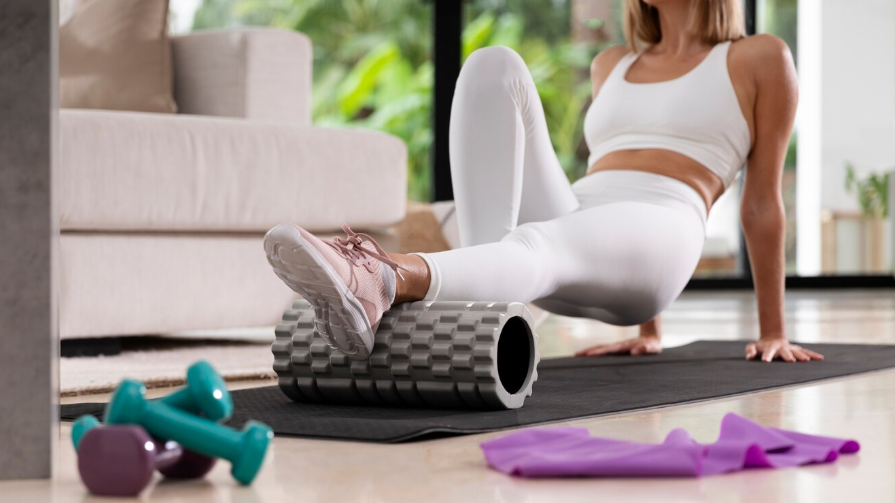
At-home fitness is here to stay in 2026. Home workout equipment like resistance bands, yoga mats, and adjustable weights are top sellers. These items let consumers exercise conveniently at home, a habit many kept after 2020 gym closures. For instance, resistance bands are versatile tools for strength training and stretching – their popularity has grown with the rise of home workouts. Exercise mats have also seen consistent growth thanks to more people doing yoga and floor exercises at home. In dropshipping, home gym essentials are a smart category: they’re usually lightweight (low shipping cost) and appeal to a broad audience from beginners to advanced fitness enthusiasts.
2. Gym Accessories:
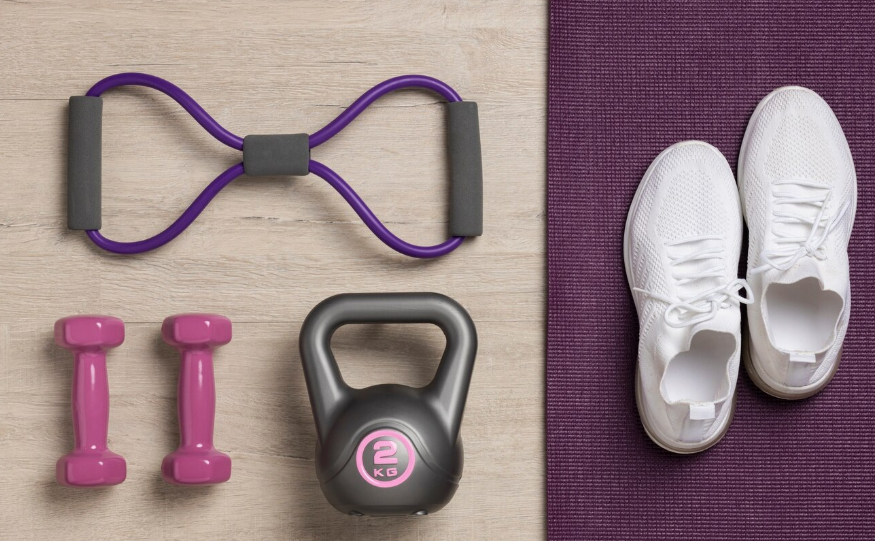
Even as gyms rebound, small accessories remain in demand. Weightlifting belts, gym gloves, foam rollers, and water bottles fall in this category. These are often low-cost impulse buys that customers add to their cart. Accessories tend to wear out or get replaced frequently (gloves tear, belts need upgrading), meaning repeat sales. They also have high perceived value – for example, a quality lifting belt can be sold at a good markup. Since these products are usually compact, they’re easy to ship worldwide. For beginner dropshippers, gym accessories offer a steady niche with both home and gym-going customers. Just avoid the trap of selling overly common items without differentiation (choose quality or unique features to stand out).
3. Fitness Apparel (Athleisure):
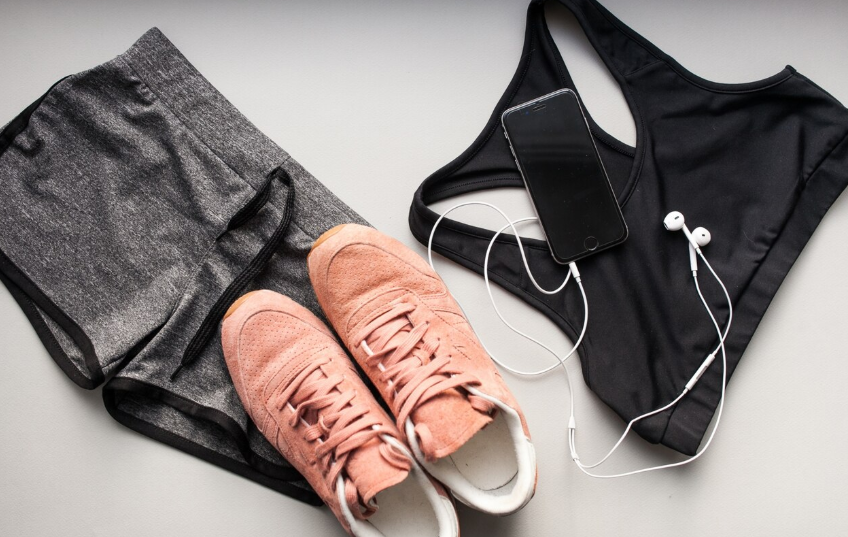
The activewear trend continues to thrive in 2026, led by products like leggings, sports bras, and compression wear. Two products driving sales are leggings and shorts, with specific styles (like flare leggings or butt-lifting leggings) surging in search popularity. Consumers treat fitness apparel as both workout gear and everyday athleisure, so demand stays high year-round. Dropshipping apparel can be profitable if you source from reliable suppliers (for quality fabrics and sizing). Focus on popular styles (e.g. high-waisted leggings or moisture-wicking tops) and offer clear size charts to minimize returns. With strong branding and social media presence, apparel stores can build a loyal community.
4. Smart Fitness Devices:
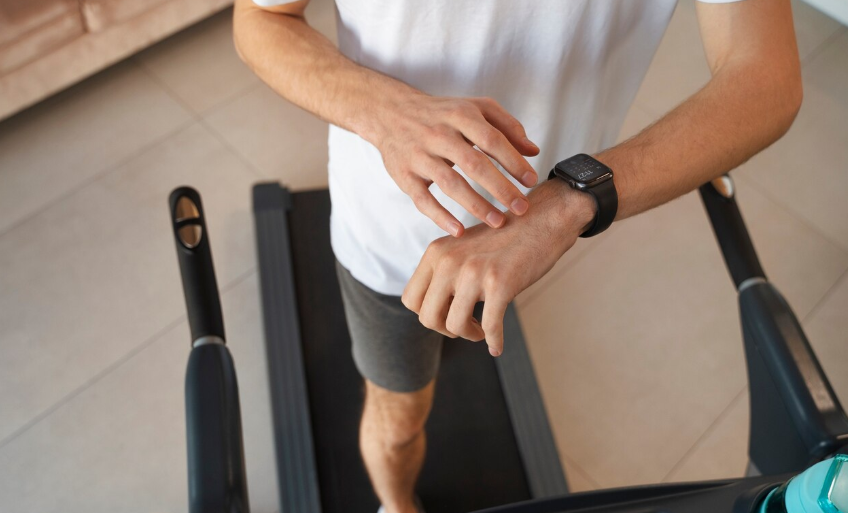
Tech-driven fitness is a hot sub-niche in 2026. Products like fitness trackers, smartwatches, and portable massage guns are extremely popular. These wearable devices monitor health metrics (heart rate, steps, sleep) and have surged in popularity as people integrate tech into workouts. The wearable tech market exceeded $20 billion in 2023 and continues to grow. Smart recovery tools like percussive massage guns are also trending – they help with muscle recovery and emulate pro-level treatment at home. When dropshipping smart devices, it’s crucial to highlight their features and ensure you source from reputable manufacturers. The target audience ranges from tech-savvy gym-goers to older adults wanting health monitors, making this category’s audience diverse. Just be mindful of competition from big brands (Apple, Fitbit), so consider offering affordable alternatives with good reviews.
5. Supplements & Nutrition:

Supplements, protein powders, and vitamins are in high demand among fitness enthusiasts. These consumable products (pre-workout mixes, BCAAs, multivitamins, etc.) generate recurring orders as customers replenish their supply. For dropshippers, nutrition items can be lucrative if sourced legally and responsibly. Stick to non-perishable, legal supplements – for instance, protein bars or creatine powders that don’t require special storage. Note that regulations are strict: selling supplements may require ensuring FDA compliance and truthful labeling. Many dropshippers partner with specialized suppliers (like Supliful for white-label supplements) to handle production and fulfill orders quickly. Despite the extra diligence needed, the upside is a passionate customer base that often bundles supplements with gear purchases. Always communicate clearly about ingredients and avoid banned substances. Done right, the nutrition niche can boost your average order value and foster repeat business (as customers come back monthly for more).
Best Dropshipping Fitness Products (2026)
Below is a list of 15 trending fitness products to consider in 2026. Each product includes a brief description, why it’s trending, the ideal target audience, and suggested suppliers or platforms.
1.Resistance Bands (Set) – Elastic band sets for strength training and stretching.
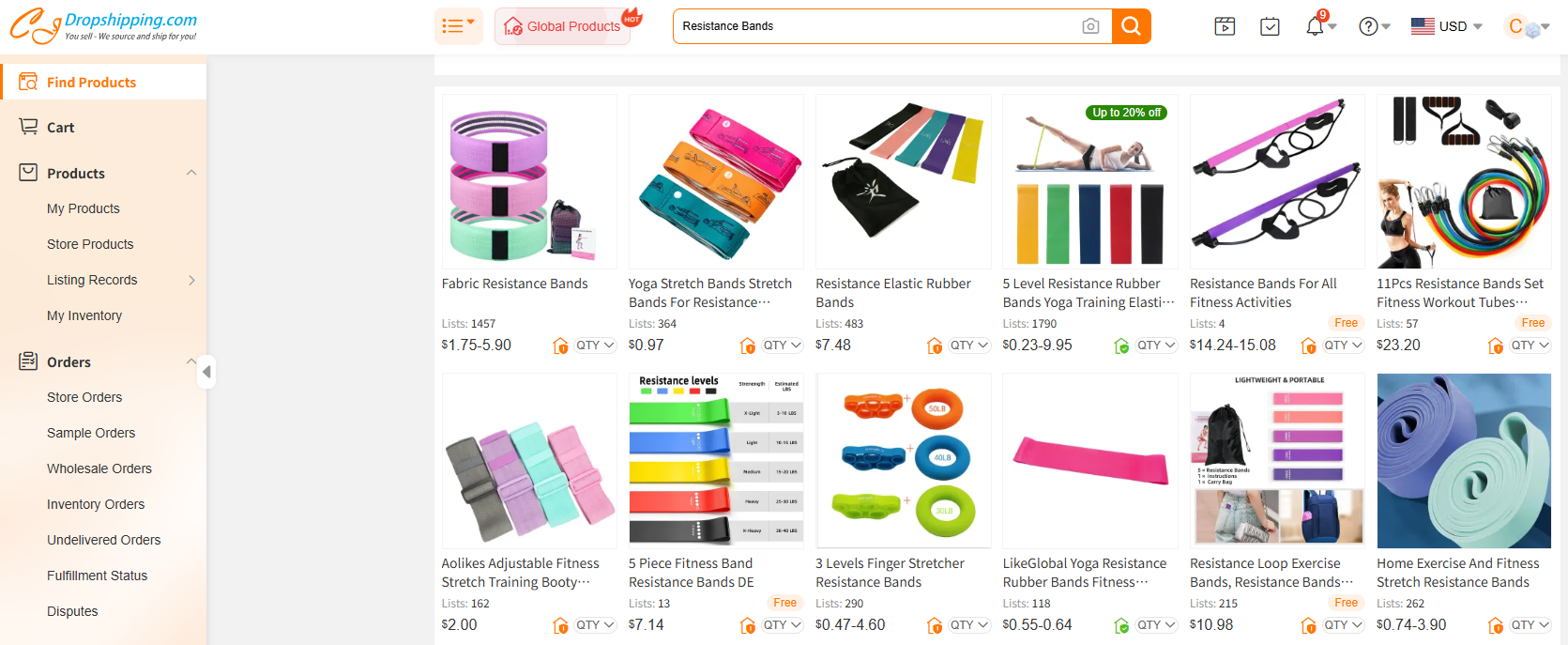
- Why Trending: Home exercisers love their versatility and low cost. Resistance bands gained massive popularity for enabling full-body workouts without bulky equipment.
- Target Audience: Beginners, travelers, and anyone doing at-home workouts (rehab to strength training).
- Supplier Tips: Widely available – CJdropshipping offers U.S. warehouse options for bands (fast delivery). Look for suppliers with good reviews to ensure bands are durable (no snapping).
2.Yoga Mat (Exercise Mat) – Cushioned mat for yoga, Pilates, and floor exercises.
- Why Trending: An essential for the yoga/wellness boom; also used for home HIIT and stretching routines. Yoga mats have seen consistent growth thanks to rising yoga popularity and more people exercising on living room floors.
- Target Audience: Yoga enthusiasts, home workout users, and anyone needing a comfortable exercise surface (broad demographic).
- Supplier Tips: Many suppliers (e.g., on Spocket or Alibaba) offer mats in various thickness and eco-friendly materials. Consider a supplier with unique prints or eco-material (cork, natural rubber) to differentiate. Mats are lightweight but a bit bulky – sourcing from a US supplier can cut shipping time significantly for domestic orders.
3.Adjustable Dumbbells – Dial or plate-based dumbbell sets that adjust weight.
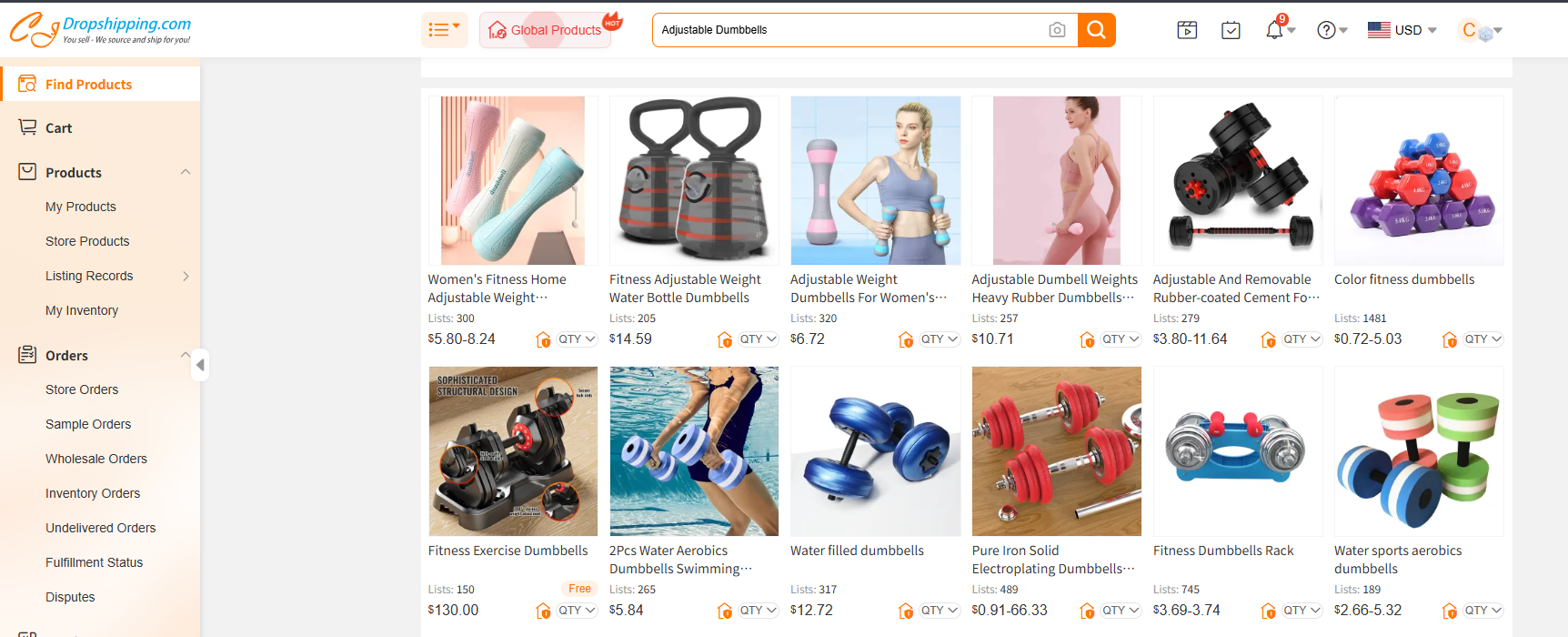
- Why Trending: These solve the space issue by replacing multiple dumbbells with one pair. Home gym setups drove up demand for adjustable dumbbells, and they remain a top-selling item in 2026. Google Trends shows steady interest as people seek compact strength equipment.
- Target Audience: Intermediate to advanced home workout folks, and apartment dwellers with limited space. Also popular with personal trainers who carry equipment to clients.
- Supplier Tips: This is a higher-ticket item – work with reputable suppliers to ensure quality and safe shipping. CJdropshipping and Doba list adjustable dumbbells from U.S. warehouses, which can help with heavy shipping. Emphasize the weight range and durability in your product descriptions, and be prepared for slightly higher shipping costs (which you can price into the product).
4.Pull-Up Bar (Doorway Chin-Up Bar) – A metal bar that mounts in a doorway for pull-ups.
- Why Trending: Pull-up bars are perennially popular as one of the most effective upper-body tools. With the rise in home gyms, these bars saw a significant rise in demand, especially among Gen Z and Millennials focusing on convenience. They’re praised for versatility (pull-ups, chin-ups, leg raises) and ease of installation.
- Target Audience: Home workout enthusiasts, calisthenics and CrossFit fans, and renters who want a removable solution. Appeals to a broad fitness demographic from beginners (assisted pull-ups) to athletes.
- Supplier Tips: Many options on CJdropshipping. Look for designs with secure doorframe pads and high weight capacity. Since pull-up bars are metal, consider a supplier with local stock to reduce shipping times – FitnessZone (a U.S. fitness supplier) might have such gear with 1-day processing. Highlight “no screws needed” types for apartment-friendly marketing.
5.Fitness Smartwatch/Tracker – Wearable device to track steps, heart rate, calories, etc.
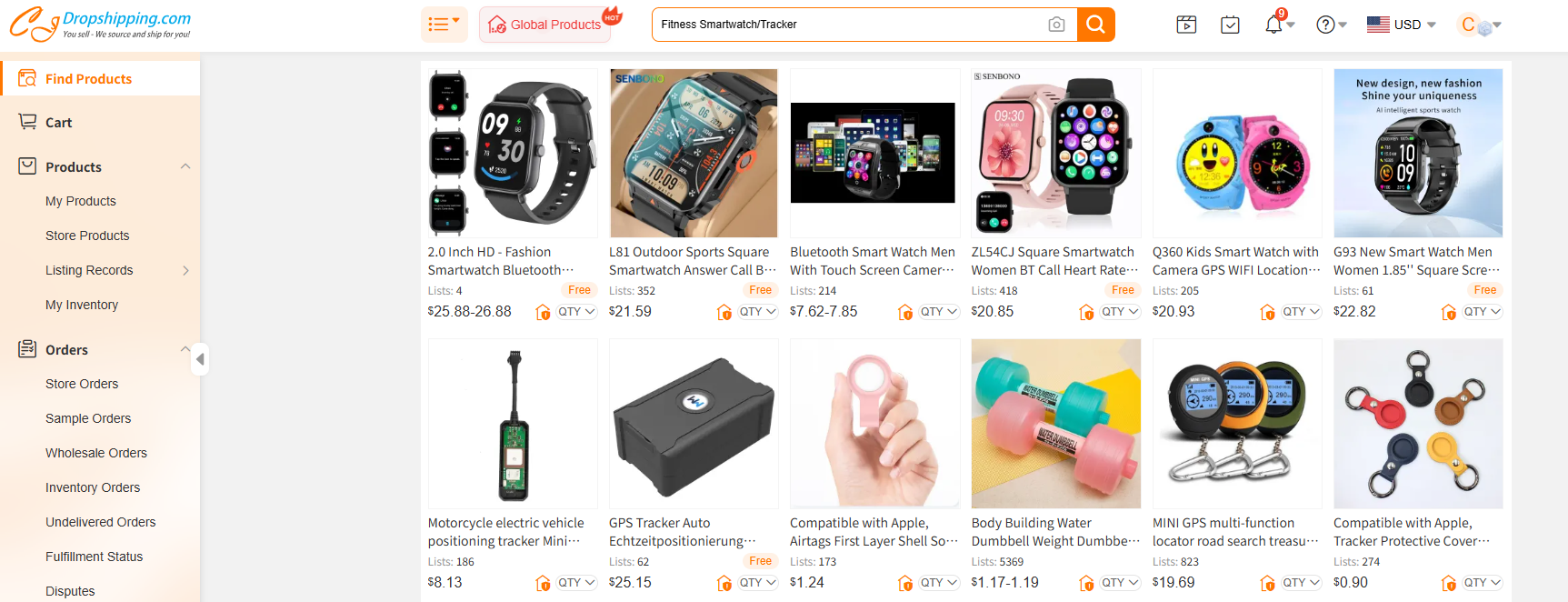
- Why Trending: Fitness trackers have become mainstream – people love monitoring their health stats daily. Smartwatches are a hot item in dropshipping because they blend tech and fitness lifestyle. As prices become more affordable, even beginners use them to stay motivated.
- Target Audience: Very broad – from tech-savvy gym-goers to casual walkers, and even seniors tracking health. Essentially anyone looking to improve fitness can use a tracker.
- Supplier Tips: You can source generic smartwatches (many on Alibaba/CJ) that mimic big brands’ functions at a lower cost. Ensure the supplier provides up-to-date models and has quality checks (to avoid high defect rates). CJdropshipping works with electronics suppliers and offers integrations making it easy to list these. Note: Emphasize features (waterproof, battery life, phone notifications) and include disclaimers that it’s not a medical device. Good customer support is key here since tech items may prompt usage questions or occasional returns.
6.Percussion Massage Gun – Handheld electric massager for muscle recovery.
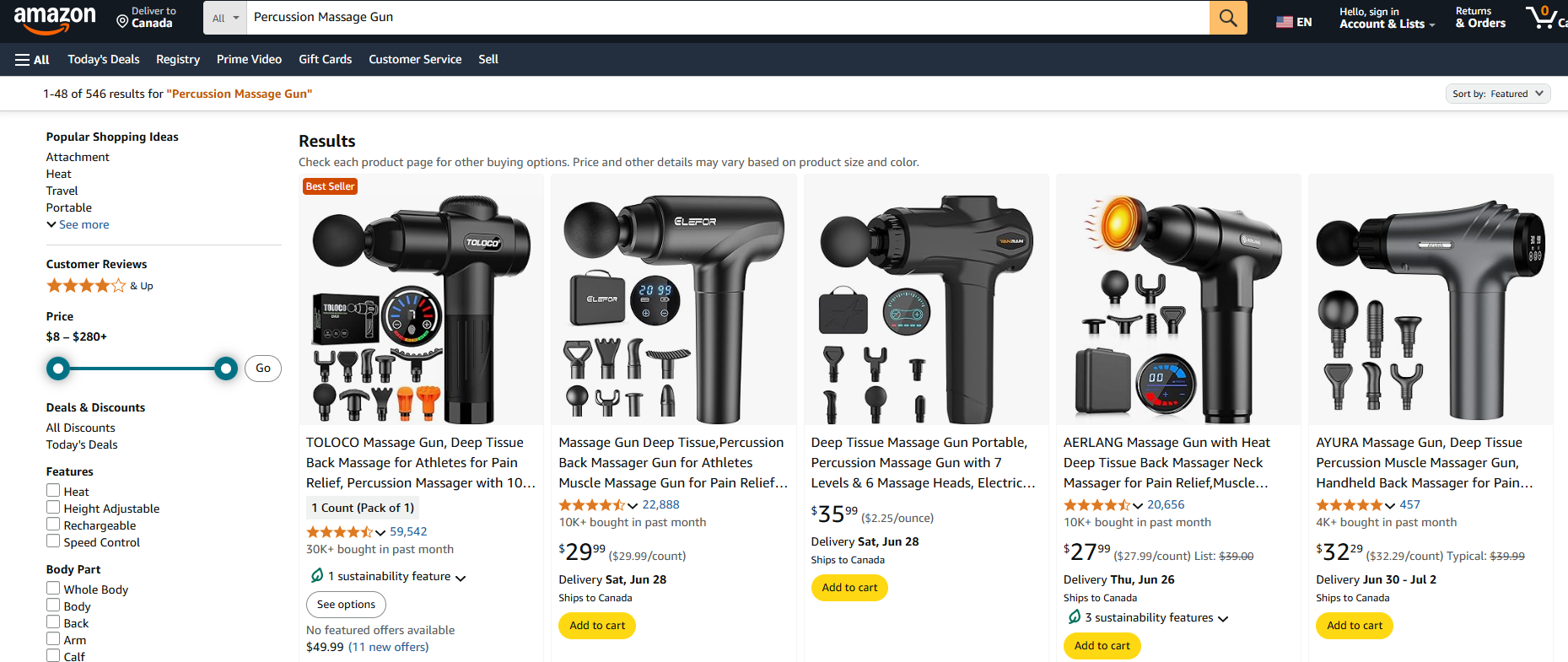
- Why Trending: These therapeutic massage guns went viral as pro athletes and physical therapists touted their benefits for muscle soreness. They’re now seen as an “essential” for fitness recovery. In 2026, many sports enthusiasts use them post-workout for quick recovery at home.
- Target Audience: Athletes, gym rats, runners – anyone with muscle soreness or looking to improve recovery. Age range typically 18–50. Also popular as gifts for fitness buffs.
- Supplier Tips: Many Chinese manufacturers produce massage guns – look on sites like Alibaba or Made-in-China for wholesale, or find a mid-range brand to dropship via Spocket for better quality. Check that the supplier’s model has good reviews and includes multiple attachment heads. Market the gun’s RPM/power and benefits (e.g. “reduce lactic acid build-up”). Be careful with marketing claims – stick to general relief benefits to avoid medical claims. Since it’s an electronic, have a clear returns policy with your supplier for defective units.
7.Weighted Hula Hoop – A hula hoop with added weight for fitness/dance workouts.
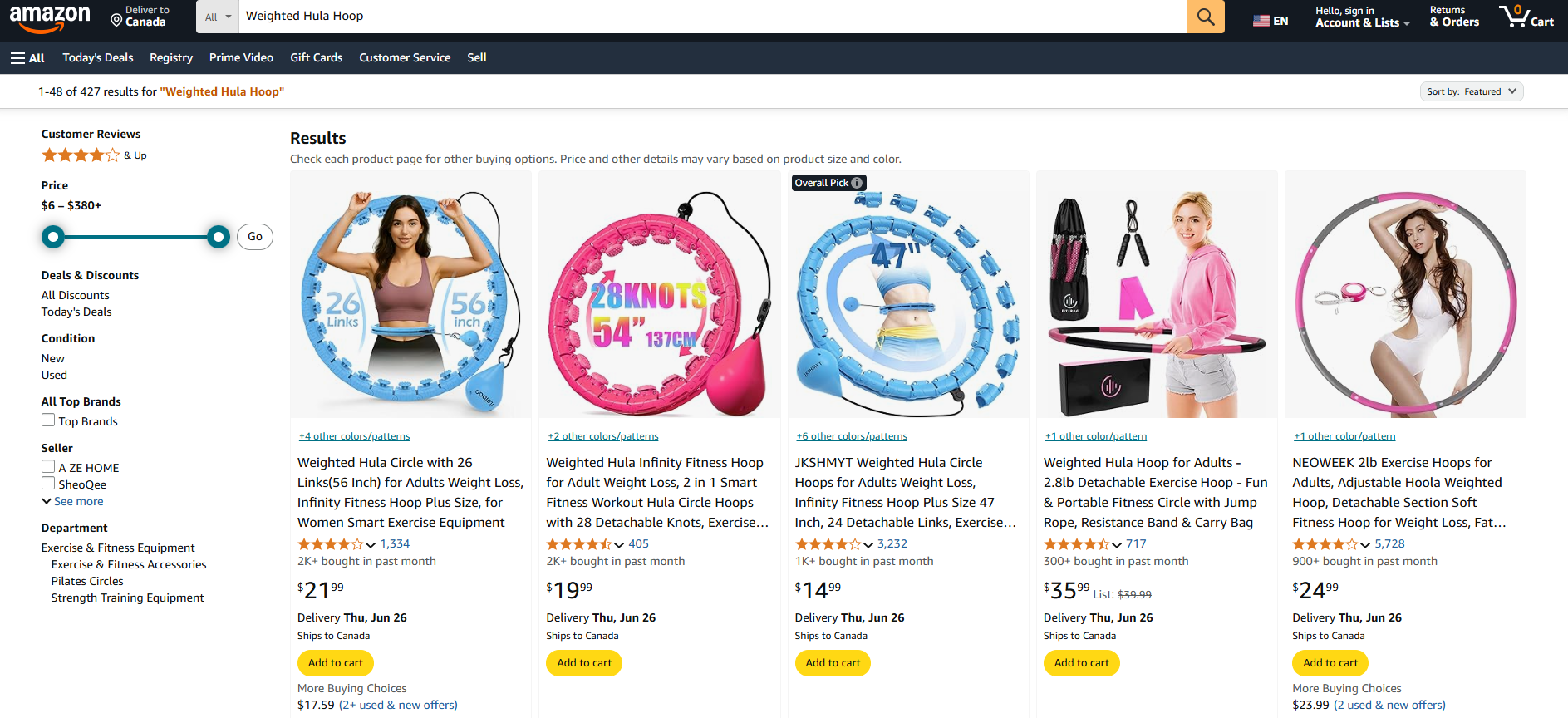
- Why Trending: This fun cardio tool had viral moments on TikTok. Weighted hoops offer a low-impact core workout and became a trend especially among people bored of traditional cardio. While the initial craze peaked, they still enjoy steady demand in 2026 as an at-home exercise for weight loss.
- Target Audience: Primarily adult women (20s-40s) seeking fun ways to tone their waist and do cardio at home. Also used in fitness classes and by beginners who find gyms intimidating.
- Supplier Tips: Available via AliExpress or CJdropshipping (some suppliers have U.S. stock for faster delivery). Look for models that are adjustable (segment hoops that can change diameter) and around 1–2 kg in weight for effectiveness. Use content marketing (videos of people hooping) to sell it. Keep in mind it’s a bit bulky to ship, so factor in shipping costs or choose ePacket/USPS Plus via a local warehouse.
8.Speed Jump Rope (Weighted Jump Rope) – High-quality jump rope, sometimes with adjustable weight handles.
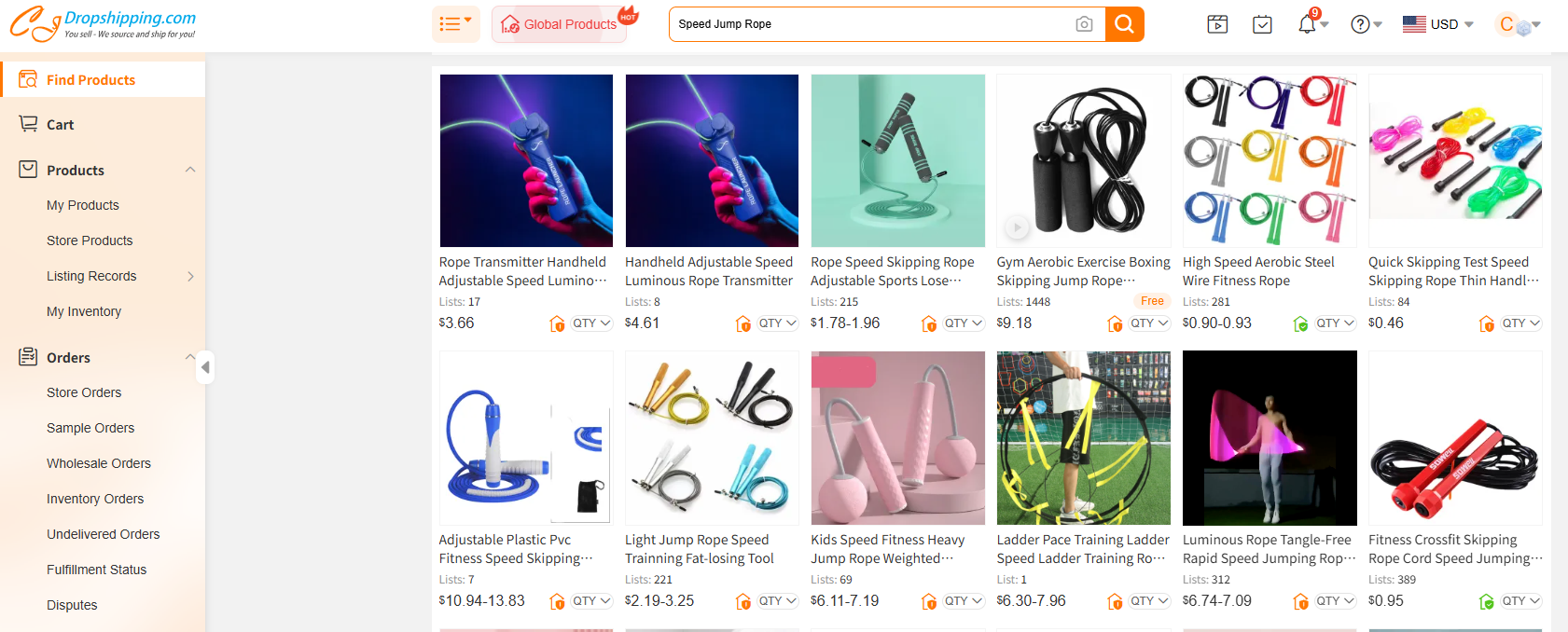
- Why Trending: Jump ropes are a classic that saw renewed popularity due to YouTube and boxing fitness trends. They’re portable, cheap, and extremely effective for cardio. Weighted jump ropes add intensity by incorporating heavier ropes or handles, trending among cross-training communities.
- Target Audience: Wide fitness audience: crossfitters, boxers, HIIT enthusiasts, or anyone doing home cardio. Also great for travelers.
- Supplier Tips: Easy to source – lots of U.S. suppliers carry premium jump ropes, or use global sources. Crossrope is a popular brand (though you’d carry generic similar ones). Emphasize build quality (steel cable vs. cloth rope, bearing handles for speed). Since jump ropes are light, shipping is low cost; you can even consider offering free shipping on this item to entice buyers. Bundle idea: sell with a workout guide or extra replacement cable.
9.Ab Roller Wheel – A small wheel with handles for abdominal workouts.
- Why Trending: The ab wheel is a simple yet high-demand core training tool, consistently popular as people seek effective home ab exercises. With more folks skipping crunches for functional exercises, ab rollers saw a surge in demand – they frequently trend on Amazon and social media for delivering tough ab workouts.
- Target Audience: Fitness enthusiasts focused on core strength, from beginners (some use it from knees) to advanced users. Age 18–50, men and women. Often purchased by people building a collection of small home gym tools.
- Supplier Tips: Ab rollers are inexpensive and easy to ship (compact and lightweight), making them perfect for dropshipping. Suppliers on AliExpress, CJ, and Doba have many models (some even have adjustable resistance or twin-wheel designs). Ensure the supplier provides a non-slip wheel and comfortable handles. Market the product by highlighting benefits (“strengthens core, arms, and shoulders”) and perhaps include tips on proper form (to reduce injury risk, which can be a concern with ab wheels).
10.Stability Yoga Ball (Exercise Ball) – Inflatable gym ball for core exercises, stretching, or as a chair.
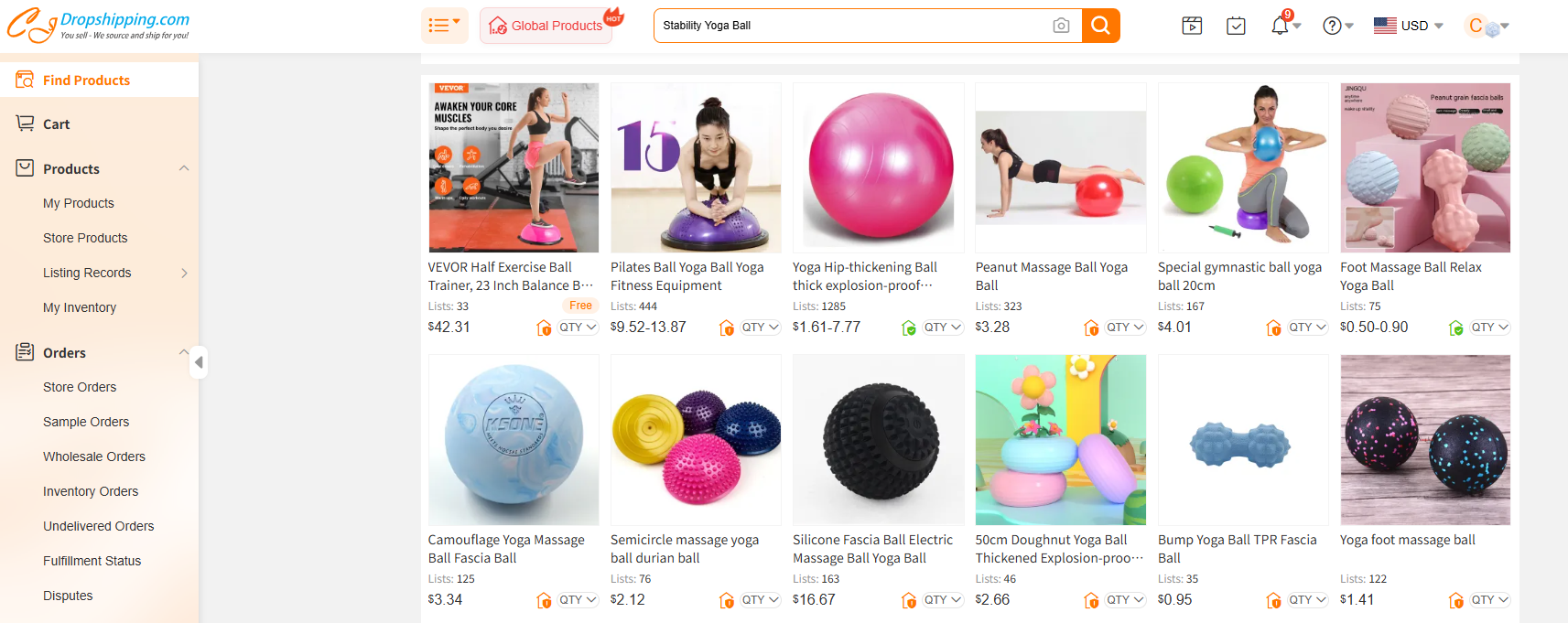
- Why Trending: Exercise balls have been staples for years, but they saw renewed use as more people worked from home (using them as desk chairs) and incorporated stability training. They’re common in physical therapy and home workouts for improving balance and core strength.
- Target Audience: Very broad – from pregnant women (for prenatal exercise) to office workers improving posture, to fitness folks doing core workouts. All ages depending on use case.
- Supplier Tips: Available via many suppliers; consider those that include an air pump and extra plug. One consideration: these can be bulky when packaged (even deflated, they take space due to pump and box). Look for a domestic supplier if possible to keep shipping times short. Alternatively, clearly state shipping times if sourcing from China. Offer various sizes (55cm, 65cm, 75cm) to cater to different heights – and list a size guide. Shipping weight is low (just PVC material), but volume is moderate. Packing multiple items in one order isn’t likely, but you can cross-sell ball-related accessories (like a base or resistance band kit that attaches to the ball).
11.Kettlebell (Adjustable or Set) – Weight training kettlebells, ideally an adjustable-weight version.
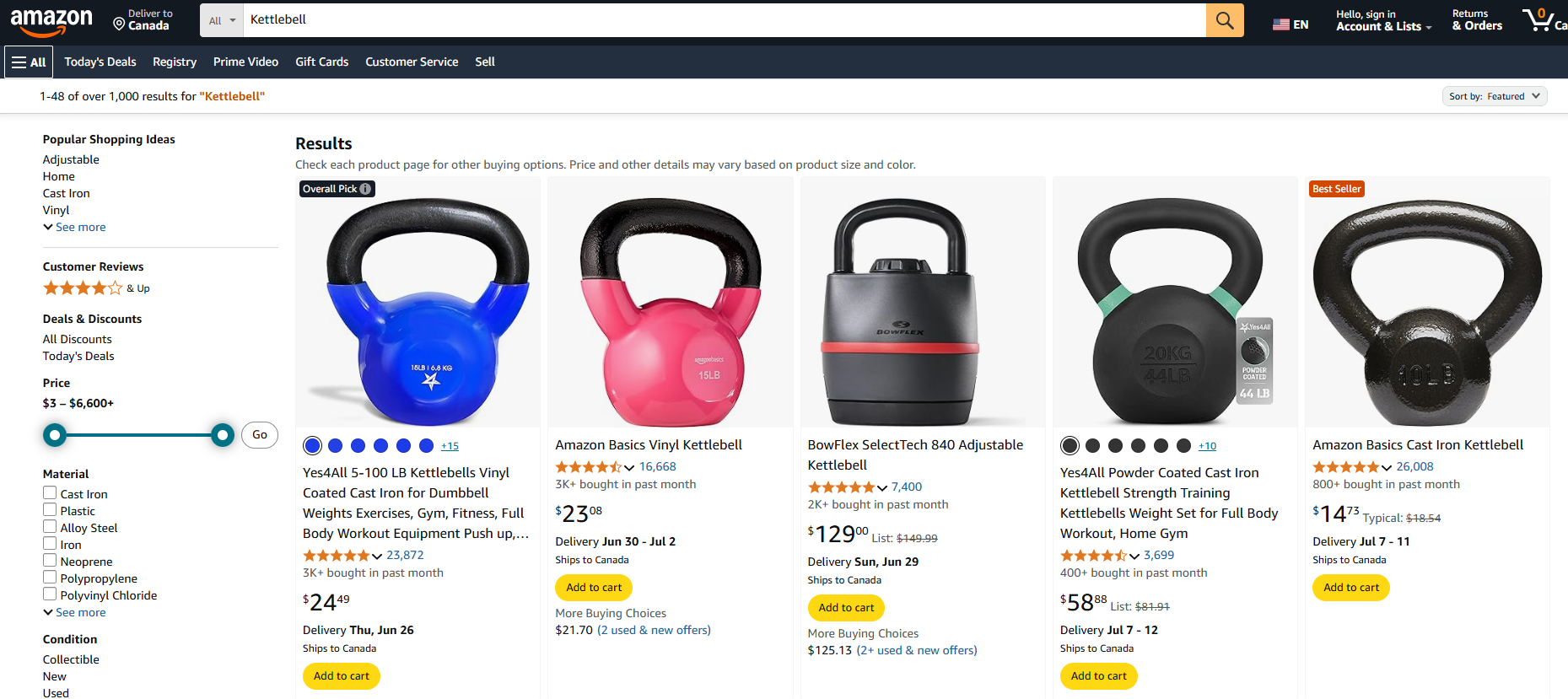
- Why Trending: Kettlebells remain extremely popular for functional training, HIIT, and home gyms. An adjustable kettlebell (where plates can be added/removed) is trending as it saves space like adjustable dumbbells. Since kettlebell workouts combine strength and cardio, a lot of at-home programs include them.
- Target Audience: Strength training enthusiasts, crossfitters, and home workout users who want versatile equipment. Also used in group fitness classes.
- Supplier Tips: Kettlebells are heavy, which is a challenge for dropshipping – so focus on adjustable models where one unit covers multiple weights (e.g., 5–40 lbs). This justifies a higher price point and shipping cost. You might find suppliers like Komsurf Direct (as seen on AutoDS) offering adjustable kettlebells. Or consider U.S.-based niche suppliers (some traditional fitness retailers will dropship on your behalf). Be transparent about shipping – likely you’ll only target domestic customers or charge extra for international. Ensure the supplier’s quality is top-notch (poorly made kettlebells could break, which is dangerous). If the supplier is U.S.-based, average delivery can be under a week – a selling point over competitors shipping 4–6 weeks from overseas.
12.Ankle/Wrist Weights – Strap-on weights (e.g., 1–5 lbs each) for added resistance during exercise.
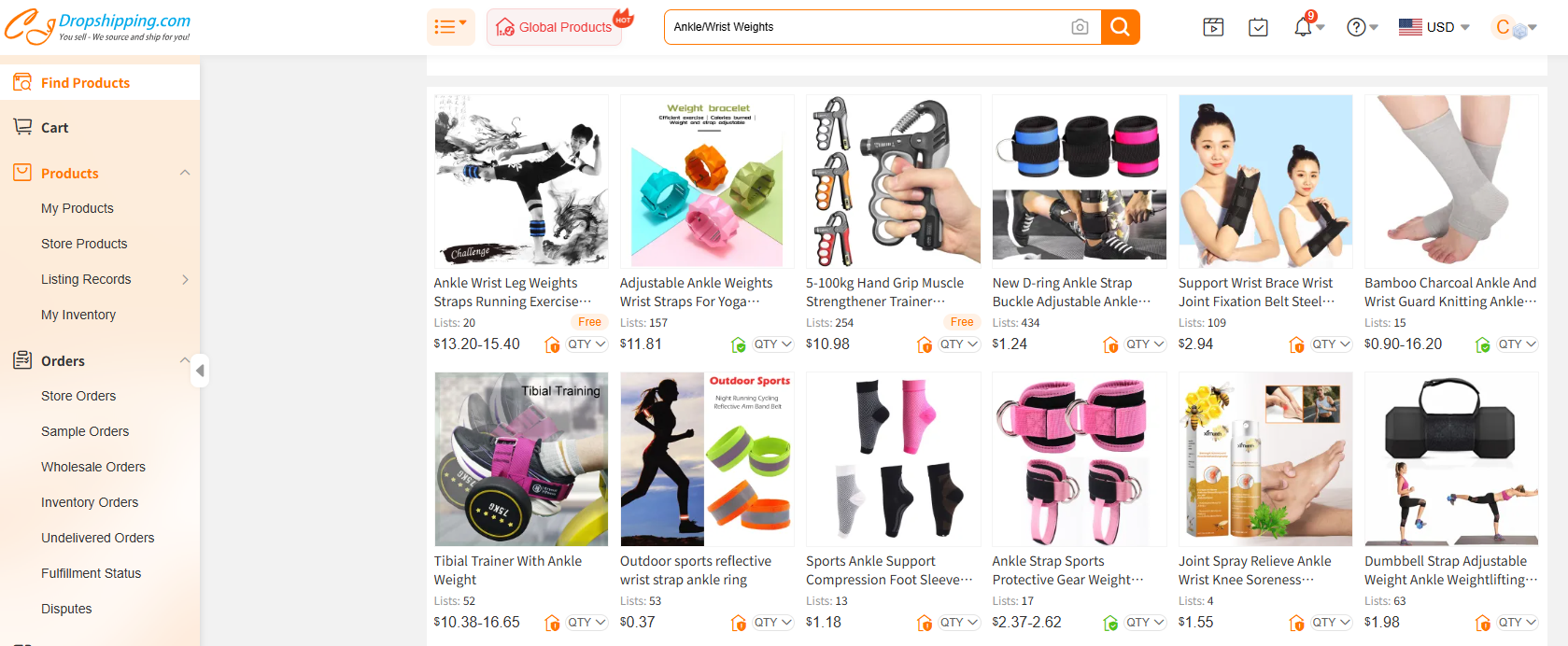
- Why Trending: These have become popular for people doing home walking workouts, Pilates, or even daily chores with a fitness twist. They’re small, easy to use, and good for toning. TikTok trends also showed creators using ankle weights in dance workouts.
- Target Audience: Beginners and intermediate fitness folks, especially women doing toning workouts, Pilates/yoga practitioners, and physical therapy patients rebuilding strength. Age range typically 20–50. Supplier Tips: They’re cheap and simple to ship (small size). Suppliers on AliExpress or LightInTheBox often have sets with different weights. You could also source more stylish ones (some brands make sleek designs as a fashion statement in workouts). Emphasize comfort (soft fabric, adjustable Velcro) in descriptions. These are great for bundling – e.g., sell alongside a yoga mat or resistance bands as a “home workout kit”. Because they’re usually under 2kg total, ePacket or similar shipping is affordable if from overseas.
13.Foam Roller – Cylindrical foam roller for muscle massage and stretching.
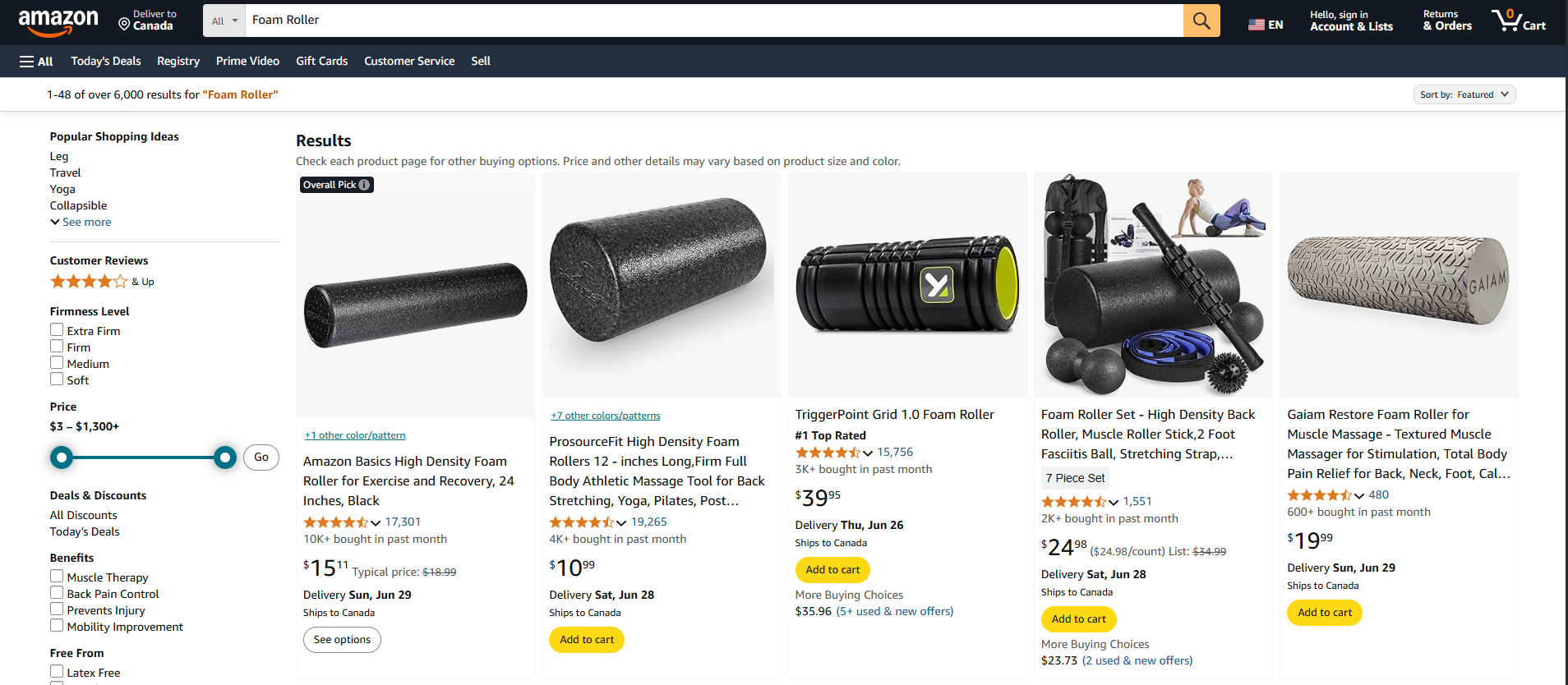
- Why Trending: Foam rollers are a cornerstone of recovery & wellness routines. With more people aware of preventing injury and aiding muscle recovery, rollers continue to sell well. They’re standard equipment in gyms and homes to roll out tight muscles after exercise. In 2026, many consumers pair a foam roller with their workouts or desk jobs to relieve tension.
- Target Audience: Very broad – runners, weightlifters, yoga practitioners, and even office workers with back pain. From amateur athletes to pros, anyone can use one.
- Supplier Tips: Foam rollers come in various types (smooth, textured, vibrating). Simpler foam rollers are widely available from Asia manufacturers; they’re lightweight but bulky. Consider working with a supplier like Perform Better or Zogics which specialize in fitness accessories and may dropship quality rollers from the U.S.. Alternatively, source a collapsible foam roller (some new designs twist apart for easier shipping/storage). Market it with content about benefits (e.g., “improves flexibility, reduces soreness”). It’s a low-ticket item, so to increase profitability, consider offering it as an upsell or part of a bundle.
14.High-Waisted Leggings – Popular style of fitness leggings for women.
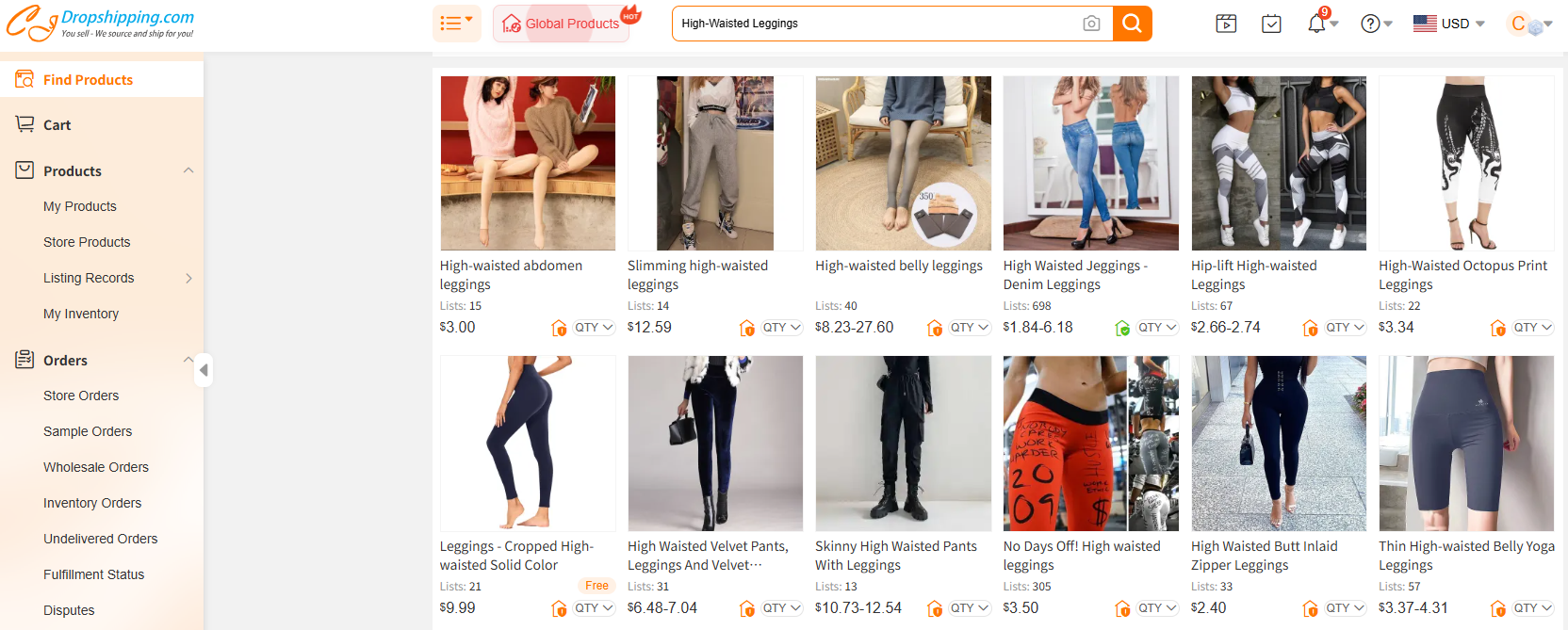
- Why Trending: As noted, activewear is booming, and high-waist leggings are a top trend driving sales. They are loved for providing support and a flattering fit during workouts. Many women also wear them casually, so it taps into both fitness and fashion markets.
- Target Audience: Women 18–45 who exercise (yoga, gym, running) or who wear athleisure. Given the variety of prints and styles, you can target niches (e.g., plus-size fitness, eco-friendly fabric enthusiasts, etc.).
- Supplier Tips: Quality matters here – see if you can partner with a dropshipping supplier known for good apparel (like EPROLO for custom leggings or Alanic for wholesale activewear). Also, CJdropshipping often highlights trending apparel on their platform. Start with a few color options in popular sizes. Since apparel can have returns (due to fit), have a clear size chart and possibly a lenient return policy for first-time customers (to build trust). Using customer photos or influencer images in these leggings can boost conversion through social proof. SEO-tip: include keywords like “best leggings for gym 2026” or “butt-lift leggings trend” in your product content, as these are highly searched.
15.Suspension Training Straps (e.g., TRX style) – Bodyweight workout straps that anchor to a door or ceiling.
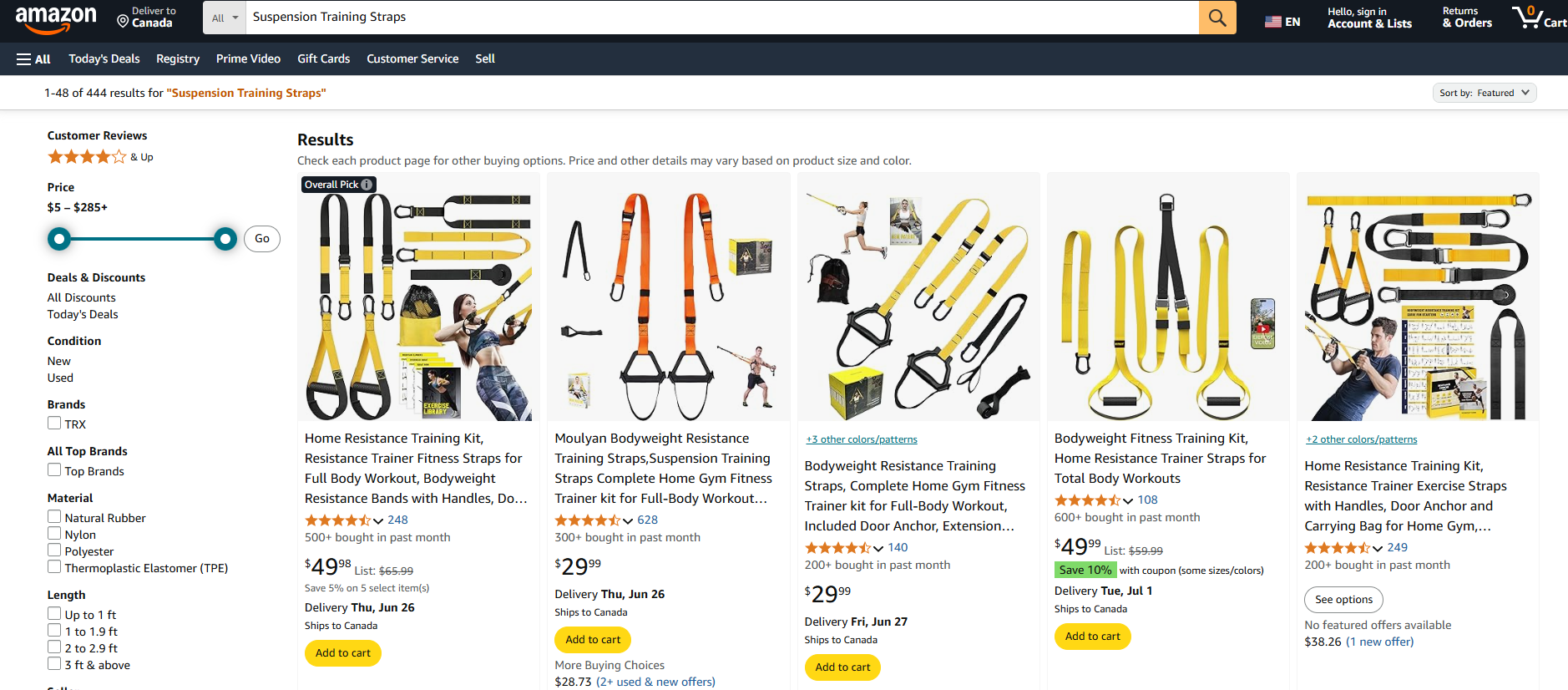
- Why Trending: Suspension trainers offer full-body workouts using body weight and have been a consistent niche in fitness. With more people looking for compact home gym solutions, these straps remained popular. They’re also heavily used in bootcamp and functional training classes, so consumers buy them to replicate those workouts at home.
- Target Audience: Functional fitness enthusiasts, travelers (since you can attach it anywhere), home workout fans who want more than basic bands. Age range typically 25–50, moderate to high fitness level individuals.
- Supplier Tips: Authentic TRX brand is expensive and not typically dropshipped, but plenty of generic versions exist. Find a supplier on AliExpress or Alibaba with strong ratings for their strap quality (important: carabiner and stitching must be strong for safety). This product should absolutely be high quality – a broken strap can cause injury, and as a seller you are responsible. Check if the supplier complies with product safety and weight capacity claims. Marketing angles: highlight that it’s a full gym in a bag, great for travel or small spaces. Demonstration videos help sell it, so consider linking to or embedding a usage video.
Best Suppliers for Fitness Dropshipping
Choosing the right suppliers is crucial for a fitness dropshipping business. Good suppliers ensure you have quality products, reasonable prices, and fast delivery – all of which lead to happy customers. Below are some of the best fitness dropshipping suppliers to consider in 2026, along with criteria for selecting the ideal supplier:
-
CJdropshipping (Global) – Highlight: A one-stop dropshipping platform with a massive catalog and worldwide warehouses. CJdropshipping has over 50+ warehouses worldwide (U.S., EU, China, etc.), enabling 3–7 day delivery to major markets. They carry essentially every category (electronics, apparel, home, and fitness gear), often showcasing trending products on their dashboard. Pros: Fast shipping via local warehouses (much quicker than shipping from China), support for private labeling and branded packaging (so you can add logos to fitness items), plus an app that integrates with Shopify/WooCommerce for one-click product import. CJ also offers free sourcing services – useful if you want a specific fitness product not listed. For beginners, CJdropshipping’s combination of variety, speed, and customization makes it a top choice in the fitness niche. (Tip: On CJ’s site you can filter products by US warehouse to find, say, yoga mats or dumbbells that ship domestically.)
-
Spocket (US/EU Marketplace) – Highlight: A platform specializing in US and EU suppliers, known for high-quality products and fast domestic shipping. Spocket is great for finding fitness apparel, gym accessories, or wellness products from local suppliers (e.g., suppliers in California or London). Many Spocket items ship in 2–5 days within the US, which is a huge plus for customer satisfaction. Pros: Easy integration with Shopify, branded invoicing, and a curated catalog (they vet suppliers for you). It often features trending products lists – you might find unique fitness items not on AliExpress. Cons: It requires a monthly subscription for full access, and product costs are higher due to local sourcing. Overall, Spocket is ideal if you want to market “USA/EU shipped” fitness products (e.g., organic protein powder from a US supplier, or a handmade gym bag from a UK supplier) to set yourself apart on shipping speed and quality.
-
Specialized Fitness Suppliers (US-Based): Beyond big platforms, there are niche suppliers focused on fitness gear and supplements. For example, FitnessZone is a U.S. fitness equipment store that offers dropshipping – they carry brands of treadmills, weight machines, etc., with free shipping on some orders and 1-day processing. If you plan to sell heavier equipment, partnering with a U.S. supplier like this can save you on freight and drastically reduce delivery times. Bodybuilding.com is another notable name – known for supplements and apparel, they have a wholesale/dropship program that provides trusted nutritional products (great for adding protein powders with a reputable brand). And for supplements specifically, Supliful stands out: it lets you start a branded supplement line with no minimums, and ships from the U.S. in 1–3 days. When choosing specialized suppliers, evaluate their niche expertise (are they known in the fitness industry?), product range, and support. Many of these will require contacting them directly to set up a dropship account. The benefit is you gain access to high-end fitness products that generic dropshipping platforms might not have, boosting your store’s authority.
-
Dropshipping Marketplaces (Directories): If you prefer a directory of multiple suppliers, consider using tools like CJdropshipping or DSers. CJdropshipping isn’t a supplier itself, but it connects you to 25+ suppliers (including Amazon, Walmart, Wayfair) through one platform. It also has its own warehouses with selected products. Using CJdropshipping, you could source “sports & fitness” items from various sources, and the system will help automate order fulfillment. Similarly, DSers (the official AliExpress dropshipping app) gives you access to AliExpress’s huge range of fitness products and helps you optimize suppliers. The advantage of these platforms is automation and selection – you can test many products easily. The key drawback is you must still vet the actual supplier behind the scenes (especially on AliExpress) for quality and shipping. However, features like CJdropshipping’s fast shipping program (1-3 day delivery on certain items) or DSers’ supplier optimizer can help you choose better suppliers. Use these marketplaces if you want efficiency and a wide net, but always apply criteria (below) to pick the specific suppliers/items you’ll trust for your fitness store.
Key Criteria for Selecting Fitness Product Suppliers:
When evaluating any supplier, keep these criteria in mind to ensure they align with your business and customer expectations:
-
Shipping Speed & Location: Fast delivery is critical in the fitness niche – customers are eager to start their routines. Aim for suppliers with domestic warehouses or regional shipping that can deliver in a week or less. For example, TikTok Shop requires US sellers to ship within 2 business days, reflecting how important quick fulfillment is. If you target the U.S., a supplier with U.S. inventory (3–5 day shipping) gives you a big advantage. Check the supplier’s average processing time too – reliable ones process orders in 1-3 days. Avoid suppliers who only ship economy mail from overseas taking 30+ days, as that will frustrate customers (unless you clearly market long shipping for certain items). Pro tip: Many suppliers list expected delivery times; use that info in your product pages to set clear expectations.
-
Product Quality and Authenticity: You’re building a brand, so the quality of your fitness products must be up to par. Look for suppliers that focus on your niche or at least have good reviews on those products. For instance, a supplier that specializes in exercise equipment is likely to offer better quality items (and more accurate descriptions) than a general vendor. Always consider ordering samples to inspect quality – especially for things like resistance bands (you don’t want ones that snap easily) or electronics (to ensure they function as advertised). Check for authentic brand names if claimed (beware of counterfeit fitness apparel or gear with fake logos – selling those can get you in legal trouble). Read reviews and ratings from other dropshippers: if you see complaints about a supplier’s dumbbells being misweighted or leggings having inconsistent sizing, steer clear. Remember: Even though you don’t manufacture the product, your store will be blamed for any quality issues, so choose suppliers you can trust.
-
Integration & Automation: For smooth operations, ensure your supplier can integrate with your selling platform. Most beginners use Shopify for their dropshipping store – so check if the supplier has a Shopify app or API integration. CJdropshipping all have Shopify integrations for one-click product imports and automatic order syncing. If you use WooCommerce or another platform, verify compatibility. Automation features like real-time inventory sync (so your site doesn’t sell out-of-stock items) and automatic tracking updates are extremely helpful as you scale. The more you can automate routine tasks, the more time you can spend on marketing and customer service, so give preference to tech-savvy suppliers.
-
Pricing and Profit Margins: Evaluate the supplier’s pricing structure. Dropshipping suppliers either charge per product (built into the item cost) or have membership fees. Compare product base costs and see if you can mark them up enough (generally 2-3x) to cover your expenses. Some suppliers may offer bulk pricing tiers or discounts if you scale volume. In general, make sure your supplier’s costs allow a healthy margin after considering shipping. If a certain item is too expensive from a high-end supplier, you might source a similar item from elsewhere for better ROI. However, don’t just go for the cheapest option; balance cost with quality and reliability.
-
Reliability and Support: Choose suppliers known for being responsive and reliable. If an issue arises (delayed shipment, product defect, etc.), you need a supplier who will respond quickly and help resolve it. Look for suppliers that offer support channels (live chat, account managers, or at least fast email support). Reading seller reviews or community forums can reveal if a supplier has communication problems or frequently cancels orders. As a beginner, you might lean towards larger platforms (CJ, Spocket) that have dedicated support teams. If you use a smaller niche supplier, perhaps test their responsiveness with a few questions before fully committing. Customer service from the supplier indirectly affects your customer service – if they take a week to answer you, your customer waits a week for a solution. Zendrop (another platform) advises checking peer feedback; if many other dropshippers report issues or “red flags” about a supplier, avoid them. In short, partner with suppliers who treat you like a valued business partner, not just a number.
-
Return & Warranty Policies: Fitness products can have returns (wrong size apparel, a damaged item, etc.), so know the supplier’s return policy upfront. Ideally, find suppliers who offer reasonable return solutions – e.g., they allow returns to their warehouse or provide RMA (Return Merchandise Authorization) support. Some U.S./EU suppliers might even offer prepaid return labels for defects. Understanding who bears the cost of returns is key: some suppliers will refund you and let the customer keep the item (common for low-cost items), while others require the item shipped back. Align this with your store policy. Additionally, check if the supplier provides any warranty on equipment or electronics. For example, a supplier might offer a 6-month warranty on a fitness tracker – that’s a sign of quality and helps you handle customer issues confidently. Clarity here prevents you from eating costs later.
-
Private Label & Branding Options: As you grow, you might want to build your own brand of fitness products. Some suppliers support this from day one – for instance, CJdropshipping and Printful allow private labeling (adding your logo to products or packaging). If branding is part of your strategy (say you want to sell a line of “MyBrand™” resistance bands or supplements), prioritize suppliers with white-label services. They might require higher order volumes or setup fees, but it’s worth planning for if differentiation is important to you. At minimum, a supplier that can include your logo on invoices or in packages helps deliver a better customer experience. While this might not be every beginner’s priority, it’s good to know your supplier’s capabilities if your store takes off – it can save you the trouble of switching suppliers later.
By carefully selecting suppliers using the above criteria, you set a strong foundation for your dropshipping business. Remember, your supplier is effectively an extension of your business – their speed and quality become your store’s reputation. Take the time to vet and possibly start with 2-3 solid suppliers to diversify your sourcing. In the next sections, we’ll cover how to handle shipping logistics and then dive into marketing strategies for your fitness store.
Launching Your Dropshipping Fitness Business
1.Choose Your Platform
Shopify and WooCommerce dominate for ease-of-use; Amazon and eBay extend reach but impose stricter seller requirements.
2.Product Listings & Descriptions
Craft benefit-driven copy highlighting features and use cases.
Use high-quality lifestyle images and video demos to build trust.
3.Pricing Strategy
Implement psychological pricing (e.g., $49.99 vs. $50).
Offer bundle discounts (“Buy resistance band + mat, save 15%”).
4.Inventory & Order Automation
Tools like Oberlo, Spocket, or ShipStation automate order routing and tracking notifications.
5.Compliance & Taxes
Register for sales tax nexus in relevant states; consider VAT implications for EU customers.
Ensure product claims (especially supplements) comply with FDA and FTC guidelines.
Shipping & Fulfillment Considerations
Shipping and fulfillment are the backbone of a successful dropshipping store – especially in the fitness niche where customers are excited to get started with their new gear or supplements. Here are key considerations and tips for managing shipping and keeping customers satisfied:
Fast Delivery Matters: We live in an age of Amazon Prime expectations. Fast shipping can lead to positive reviews and repeat business, whereas slow, uncertain delivery often results in complaints and refunds. Many shoppers now expect their products within a few days, not weeks. As a dropshipper, try to work with suppliers who can dispatch orders quickly and use expeditious shipping methods. For instance, CJdropshipping’s US warehouse orders arrive in ~3–7 days domestically, which is excellent. If your supplier is abroad (e.g., in China), see if they offer ePacket or special lines that deliver in 1–2 weeks instead of 1–2 months. You might even offer an expedited shipping option at extra cost for customers who want gear ASAP. The crucial part is to communicate realistic shipping times up front – if it will take 10 days, set that expectation at checkout to avoid frustration. Some sellers put a note like “Ships from our U.S. warehouse, delivered in 3-5 business days” or “Please allow 2 weeks for delivery” depending on the case. Transparency goes a long way in managing expectations.
U.S. vs. China Fulfillment: Where your product ships from dramatically affects shipping speed. If you target U.S. customers and use a China-based supplier with standard post, you could be looking at 15–45 day delivery – far too slow for most. In contrast, a U.S. supplier can often get the item delivered in under a week. The trade-off is usually cost: domestic suppliers/products have higher base prices. One strategy is to use Chinese suppliers that warehouse stock in the U.S./EU. Many dropshipping suppliers now have this model (CJ, Zendrop, etc., often list items “Shipping from US”). These items might cost a bit more, but you get the best of both worlds: relatively low product cost and fast shipping. For example, AliExpress might offer “AliExpress Standard Shipping” or “US Warehouse” on some fitness items, cutting delivery to 7–15 days. Another consideration is global customers: if you plan to sell to Europe, maybe find a supplier with a Europe warehouse (Spocket is useful here). In summary, try to source locally for your main market whenever feasible. It improves fulfillment times dramatically. Use international suppliers for products that are unique or if you’re offering worldwide shipping options, but be prepared to handle longer transit times in those cases.
Fulfillment Speed and Automation: Order processing time is an often overlooked factor. This is the time from order placement to the supplier actually handing the package to the carrier. Good suppliers might process orders within 24-48 hours. Others might take a week just to get the item out the door (common during holidays or if supplier holds limited stock). Aim for those with prompt processing – it’s part of keeping delivery fast. You can monitor this by testing orders or reading about supplier performance. Using automation tools (like auto-forwarding orders to your supplier) can shave off time on your end too. If you have to manually send each order to the supplier and there’s a delay, that adds to fulfillment time. So connect your store through APIs or apps to the supplier when possible to trigger automatic fulfillment. Many suppliers offer auto-fulfillment and even automatic tracking updates, which update your Shopify store and notify customers – use these to keep buyers in the loop. A quick tip: When you get tracking numbers, consider using a tracking app that displays progress to customers, it reduces “where is my order?” inquiries.
How to Market Fitness Products
Marketing is where you’ll truly grow your dropshipping fitness store. The good news: the fitness niche is highly visual and engaging, making it perfect for social media, influencer collaborations, and content marketing. Here we’ll cover effective marketing strategies – from leveraging fitness influencers on Instagram/TikTok to running email campaigns and using customer content – to drive traffic and sales for your store.
Influencer Marketing (Instagram & TikTok): Fitness is huge on social media. There are countless fitness influencers, from ripped personal trainers on Instagram to yoga moms on TikTok, who have dedicated followings. Partnering with influencers can rapidly increase your brand awareness and trust. For example, Gymshark famously built its $1B fitness brand by sending free products to YouTube and Instagram fitness influencers, essentially pioneering influencer marketing in fitness. You don’t need to snag a celebrity – micro-influencers (say 5k–50k followers) in specific niches (e.g., a yoga instructor in LA, or a CrossFit athlete on TikTok) can have very engaged audiences. Approach them to review or feature your product (offer free product or commission). Their followers are likely your target customers and trust their recommendations.
Social Media & Content Marketing: Beyond influencers, your own social media channels should showcase your products in action. Fitness is inherently visual, so platforms like Instagram, TikTok, and YouTube are your friends. Post workout snippets, product demos, or before-and-after transformations using your gear. For example, create short TikTok videos of “5 exercises with our resistance bands” – such content provides value and naturally features your product. Use popular fitness hashtags (#homeworkout, #fitnessmotivation, etc.) to increase visibility. On YouTube or a blog, you could publish tutorials: “How to use a foam roller for back pain” or “10-minute office workout with ankle weights.” This establishes you as an authority in fitness, showing you have experience and expertise, not just products to sell. Incorporate SEO keywords in video titles or blog posts (“best dropshipping fitness products” could be a blog topic itself, comparing items – attracting others researching the niche). Also, consider Pinterest – it’s surprisingly effective for fitness content like workout infographics or inspirational quotes paired with your gear. Consistency matters: aim to post a few times a week to stay on followers’ radars. Over time, you’ll build a community. Encourage engagement by asking questions (“What’s your favorite at-home exercise?”) and responding to comments. Remember, every comment or share boosts your visibility algorithmically.
Paid Advertising: Once you have some data and budget, consider scaling with paid ads. Facebook and Instagram ads allow fine targeting – you can target people interested in “gym, bodybuilding, yoga” etc., and even narrow by behavior (e.g., those who use fitness apps). Visual ads work great: a short video of the product in use or a carousel of your top fitness items. Highlight a pain point and solution: “Back pain from sitting? Our foam roller can help – 20% off this week.” Ensure your ads speak to the beginner level if that’s your audience – avoid overly technical jargon. Google Ads (Shopping) are also powerful: if someone searches “buy adjustable dumbbells 50 lbs”, your product listing ad can appear. This catches high-intent shoppers. Optimize your product titles and feed for relevant keywords so you show up in those searches. Paid ads require monitoring and tweaking – start with small tests of $5-10/day per ad set, see what resonates. Given the competitiveness of fitness, creative angles may win: for example, TikTok Ads (or organic content) are trending now for dropshipping because they feel more native. If you have the capacity, create TikTok-style ads (casual, UGC-like) for use on TikTok and Reels.
Conclusion
Entering the dropshipping fitness market in 2026 as a beginner can be incredibly rewarding if you approach it the right way. To wrap up, let’s recap and provide some encouragement. The fitness niche is booming – global trends show health and wellness are top of mind for consumers worldwide. You’re tapping into a market that isn’t a fad, but a lasting movement towards healthier living. That means a well-run fitness store can thrive for years to come.
The key takeaway is to focus on quality and customer experience above all. Every section we’ve covered – from choosing products and suppliers, to shipping, to marketing – ties back to delivering real value and service to your customers. If you sell quality resistance bands that help someone start exercising, or ship a yoga mat quickly so someone can begin their practice, you’re not just selling goods; you’re empowering customers to reach their fitness goals. Always remember that end goal. If you stay customer-centric (answer their questions, solve their problems, recommend the right products), you’ll build a brand people trust.
For beginners, it’s normal to feel a bit overwhelmed by all the pieces (finding suppliers, making a website, running ads, etc.). Take it step by step. You’ve chosen a great niche with high demand – now leverage the strategies and best practices outlined in this guide. Start small: maybe launch with 10 great products rather than 100 average ones. Test your marketing on one channel, then expand. Learn from each sale and interaction.
Also, don’t be discouraged by competition. Yes, there are many fitness stores out there, but the market is huge and always evolving with new trends. By carving out your specific angle (whether it’s catering to beginners, focusing on home workouts, or curating eco-friendly fitness gear) and showcasing your E-E-A-T – for instance, sharing your own fitness journey or expertise – you can connect with your audience in a way big generic retailers can’t. Your authenticity and passion can be a differentiator. If you genuinely help people (through useful content, quality products, responsive support), the sales and profits will follow.
One more point of encouragement: Success in this space is very achievable. Many now-big fitness brands started exactly how you are – with dropshipping or small inventories, learning the ropes. As mentioned earlier, Gymshark began as a dropshipping operation for supplements before evolving into a $1+ billion apparel brand. They focused on community and influencer marketing, much like you can. While you may not become a billion-dollar company overnight, there’s plenty of room for a thriving six-figure store in this niche.
Stay persistent and keep optimizing. The fact that you’ve educated yourself with a comprehensive guide means you’re already more prepared than most newcomers. Expect to make some mistakes (everyone does), but now you know how to avoid the big ones and learn from the small ones. Track your progress, celebrate the wins (your first sale, then your first 100 sales…), and view the challenges as learning experiences. As long as you remain adaptable and customer-focused, you’ll continuously improve and grow.
In conclusion, dropshipping fitness products in 2026 is an excellent opportunity. You have a passionate market, the tools and suppliers are better than ever, and people are looking for the very solutions you plan to offer. Take the leap, apply these strategies, and build your fitness brand step by step. With dedication and smart execution, you’ll help your customers get fit while you build a healthy business of your own. 💪 You’ve got this – here’s to your success in the fitness dropshipping journey!
FAQ Section
Q1: Can I dropship fitness supplements legally?
A: Yes, it’s possible to dropship supplements, but you must ensure it’s done legally and responsibly. Supplements are regulated products, so you need to adhere to local laws regarding their sale. For example, in the U.S., selling vitamins or protein powder is generally legal, but selling anything making drug-like claims or containing certain ingredients might require special permits or certifications. Always verify that the supplements you’re selling are allowed in your target country (some ingredients may be banned in certain regions). Use suppliers who provide properly labeled products with ingredient lists and FDA/disclaimer statements. Platforms and payment processors often have rules too – some don’t allow certain health products without approval.
Q2: What fitness products are easiest to ship?
A: Generally, small and lightweight fitness items are easiest and cheapest to ship. Think of products like resistance bands, jump ropes, workout gloves, ankle weights, or yoga accessories (blocks, straps). These tend to be compact and not fragile, so standard shipping works fine and costs are low. For instance, a set of mini resistance bands can ship in a padded envelope via ePacket or USPS for just a few dollars. Exercise apparel (like leggings or shirts) is also easy to ship – it’s light and packs flat. Even yoga mats, while a bit bulky, are lightweight and can be rolled into a shipping tube. On the flip side, heavy or large equipment (like a 50 lb dumbbell set, treadmills, stationary bikes) are hard to dropship due to high shipping costs and potential freight coordination. Those often require domestic shipping solutions or local pickup options. So as a beginner, you’ll have an easier time focusing on lighter gear. Additionally, items with simple packaging that don’t require special handling (no batteries, not perishable, not extremely fragile) will streamline your logistics.
Q3: What’s the best platform to start a fitness dropshipping store?
A: For most beginners, Shopify is the best platform to start a fitness dropshipping store. Shopify offers an easy-to-use website builder, secure hosting, and a huge ecosystem of dropshipping apps (like dedicated apps for CJdropshipping.). This means you can integrate your supplier catalogs and automate orders with just a few clicks, which is a big time-saver. Shopify also has tons of themes (including ones suitable for fitness niches) and marketing tools (discount codes, email integrations) built in. It’s designed to be beginner-friendly but also powerful enough to scale with you. Moreover, Shopify is well-supported with tutorials and a community, so if you run into issues, there’s help available.