
Dropshipping pet products can be a purr-fect opportunity for entrepreneurs. The global pet industry is booming – annual pet product sales have surpassed $150 billion, and the market continues to grow each year as more people treat their pets like family. In fact, about 84% of U.S. dog owners consider their pets their children, which shows how passionate customers are about quality pet supplies. This means pet owners are willing to spend on premium toys, food, and accessories to keep their furry (or scaly) friends happy and healthy. If you’re interested in starting or scaling a pet product dropshipping business, this guide will walk you through everything you need to know – from how the model works and current market trends, to actionable tips for success, common mistakes to avoid, and a list of 10 reliable pet dropshipping suppliers (with CJdropshipping leading the pack). Let’s dive in and unleash your pet dropshipping success!
What exactly is dropshipping and how do I start a pet dropshipping business?
Dropshipping is an e-commerce model where you sell products online without holding inventory. When a customer orders from your store, you purchase that item from your supplier, who then ships it directly to the customer. To start a pet dropshipping business, follow these basic steps:
1) Research and decide on a niche or theme (e.g., cat toys, dog grooming, exotic pet accessories).
2) Find reliable suppliers for those pet products (using the list of suppliers we provided above). Sign up for accounts with them.
3) Build your online store – usually using platforms like Shopify, WooCommerce, or BigCommerce.
4) Import products into your store with appealing descriptions and photos. Set your pricing (consider costs, shipping, and a profit margin).
5) Set up payment processing (so you can accept credit cards, PayPal, etc.).
6) Launch your store and start marketing – promote on social media, run ads, create content to attract pet owners.
7) When orders come in, forward them to the supplier for fulfillment and keep the difference as profit. It’s wise to also test-order some products to experience what the customer will experience. Starting is relatively low-cost since you don’t buy inventory upfront, but invest in learning marketing and perhaps a small budget for advertising to get initial traffic.
How Dropshipping Pet Products Works
Dropshipping is an e-commerce model where you sell products without holding any inventory yourself. Instead, you partner with suppliers who stock the pet products. Here’s how it works in a nutshell: you list pet items (like toys, beds, or treats) on your online store; when a customer places an order, you forward the order to your supplier; the supplier then picks, packs, and ships the product directly to your customer on your behalf. You profit from the difference between your retail price and the supplier’s wholesale price. This model allows you to start a pet supply business with minimal upfront investment since you don’t need to buy bulk inventory or manage warehousing.
Logistics: One key aspect of dropshipping pet products is managing logistics. Pet items range from small chew toys to bulky bags of pet food, so plan your shipping strategy carefully. Many dropshipping suppliers have multiple warehouses globally (for example, CJdropshipping has facilities in the US, EU, China, etc.) to help you ship products faster to local customers. Choosing suppliers with warehouses in your target region can significantly cut delivery times – fast shipping (ideally 3-7 days domestically) keeps pet owners happy. For items shipping from overseas (like from China to the US), consider ePacket or premium couriers for quicker delivery, and be up-front with customers about expected timelines. Always provide tracking information so customers can monitor their pet goodies in transit. Also, be mindful of customs or import restrictions when shipping certain pet products internationally. For instance, many countries have strict regulations on importing pet food or treats. You may need to work with local suppliers for pet foods to avoid customs issues. Overall, coordinating with suppliers who offer reliable, integrated shipping options (like USPS, FedEx, DHL integration) will streamline your fulfillment process.
Marketing: Marketing a pet dropshipping store is where you can really let your creativity shine. The pet niche thrives on visual, engaging content – think cute cat videos, puppy photos, and pet parent testimonials. To attract global pet owners to your store, leverage social media and community-building. Platforms like Instagram, TikTok, and Facebook are ideal for showcasing your pet products in action (e.g. a dog playing with a toy you sell, a cat lounging in your cat tree). Encourage customers to share photos or reviews of their pets with your products – user-generated content is gold in the pet world and builds trust. You can even run fun contests or giveaways (like “Pet of the Month”) to boost engagement. Beyond social media, invest in SEO (search engine optimization) for your store’s website by writing pet care blogs or gift guides (for example, “Top 10 Must-Have Dog Toys This Summer”). This not only helps your Google rankings but also establishes your site as a helpful resource for pet owners. Email marketing is another powerful tool: build an email list by offering a small discount for first-time buyers, then send newsletters with pet care tips, new product launches, or special promotions. Pet owners appreciate useful tips (e.g. “How to keep your indoor cat entertained”), so mixing educational content with product showcases can keep them reading. And don’t forget influencer marketing – partnering with a popular pet influencer on YouTube or Instagram to feature your product (maybe a “pet subscription box” opening or a review of your pet gadget) can expose your brand to a large, targeted audience of pet enthusiasts.
Supplier Relationships: Your relationships with suppliers are the backbone of your pet dropshipping business. Since suppliers handle the inventory and order fulfillment, choosing reliable, high-quality suppliers is crucial. Do thorough research to find suppliers known for good product quality, responsive communication, and on-time shipping. It’s wise to test out suppliers before fully committing: order sample products for yourself to inspect their quality and packaging. This is especially important in the pet niche because product quality can directly impact a pet’s health and safety. (Imagine a chew toy that breaks apart – it could harm a dog, leading to upset customers and potential liabilities!). Focus on suppliers who provide safe, certified, and durable products; for example, look for pet toys made with non-toxic materials and suppliers who can show compliance certifications for things like pet food or electronics. Once you identify good suppliers, work on building strong relationships with them. Regular communication is key – be proactive in asking about stock levels, upcoming new products, or any potential issues. Establishing a good rapport can sometimes lead to benefits like better pricing, faster handling, or even exclusive product access. Many experienced dropshippers advise not to put all your eggs in one basket; in other words, consider working with multiple suppliers or a backup supplier for your best-selling items. This way, if one supplier runs out of stock or has delays, you have alternatives to keep your store running smoothly. Lastly, clarify with each supplier how they handle returns or defective items. Some may offer replacements or refunds for faulty products, which will help you maintain good customer service on your end. In summary, treat your suppliers as partners – choose them wisely and maintain good communication – and you’ll set a solid foundation for your pet dropshipping venture.
10 Reliable Pet Product Dropshipping Suppliers (CJdropshipping & More)
One of the most common questions for new pet entrepreneurs is: “Where do I find reliable pet dropshipping suppliers?” Below we’ve compiled a list of 10 trusted suppliers for pet products. These include specialized pet product wholesalers as well as popular dropshipping platforms. Each supplier comes with a brief introduction, plus key advantages and disadvantages to consider. (Keep in mind that the best supplier for you may depend on your target market and niche.) Let’s get started – and remember, CJdropshipping tops our list due to its popularity and comprehensive services.
1.CJdropshipping
Website:cjdropshipping.com
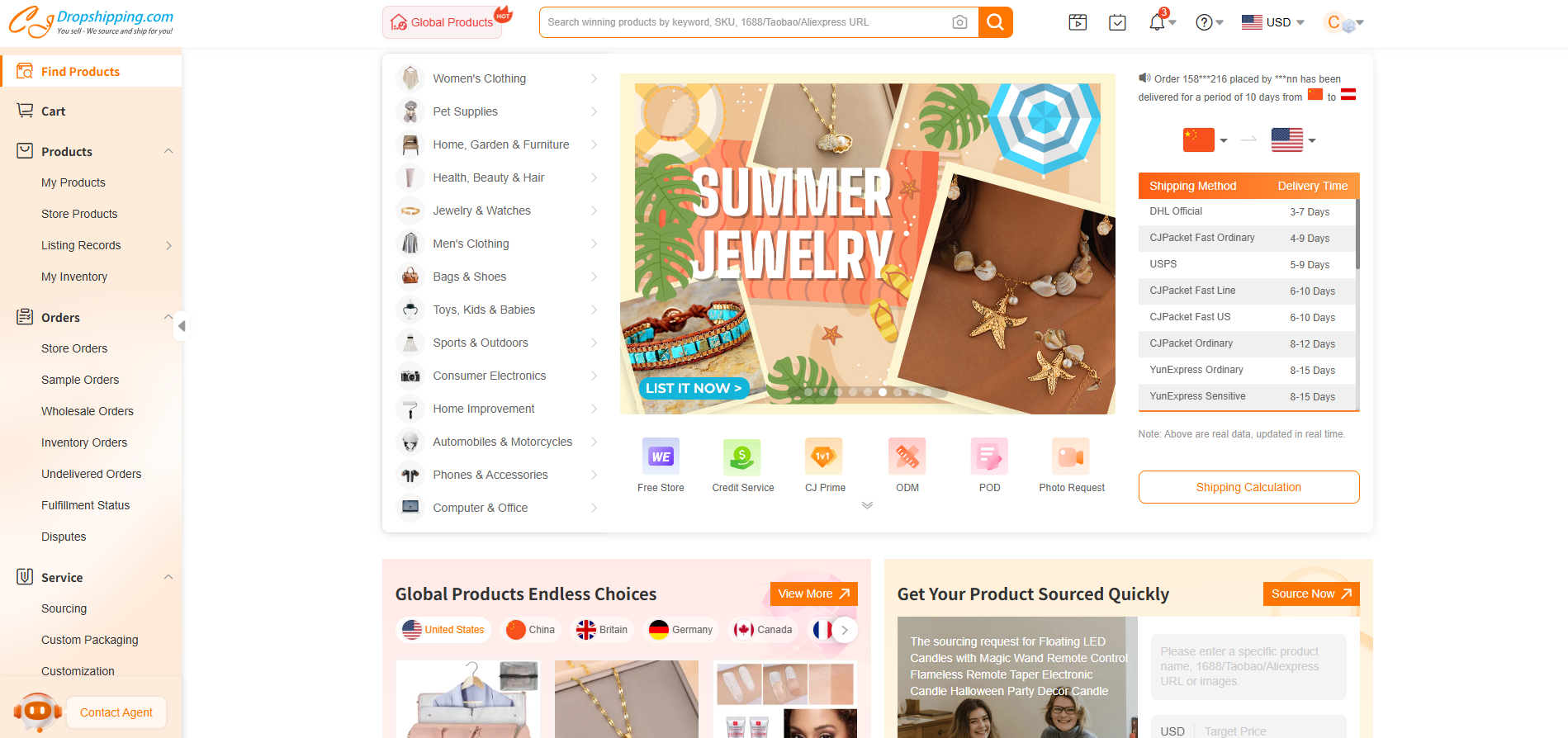
CJdropshipping is a leading all-in-one dropshipping platform that connects you with thousands of product manufacturers, including a huge catalog of pet supplies. This China-based service has warehouses around the world (China, the US, Europe, and more) to help fulfill orders quickly in different regions. CJdropshipping offers an app that integrates with major e-commerce platforms (Shopify, WooCommerce, eBay, Etsy, Amazon, Lazada, etc.), allowing you to import pet products and automate order fulfillment easily. A standout feature is their sourcing service – if you can’t find a specific pet product in their catalog, you can request CJ to source it for you from their network of manufacturers. They even support product branding (like adding your logo or custom packaging) and have print-on-demand options for pet products.
Advantages:
-
Global warehouses for faster shipping: CJ has fulfillment centers in the US, Europe, Asia, and more, which means you can often ship from a warehouse closer to your customer for quicker delivery.
-
Product sourcing assistance: If a pet product you want isn’t listed, CJ’s team can find and add it to the platform on request, giving you access to AliExpress/Alibaba suppliers through CJ’s interface. This is great for expanding your pet niche without switching suppliers.
-
Multiple integrations and automation: CJdropshipping’s system integrates with many online store platforms and automates order processing, inventory sync, and tracking updates. This saves you time as your pet store scales. They also offer various shipping options (including CJ Packet, DHL, FedEx, etc.) to balance speed and cost.
Disadvantages:
-
-
Shipping times for some items: Unless you use their local warehouses or premium shipping, products shipped from China can take longer (e.g. 2–4 weeks) to arrive. Pet owners can be impatient about their orders , so you may need to invest in faster shipping methods (at higher cost) or stock best-sellers in US/EU warehouses when possible.
-
Learning curve: CJdropshipping’s platform is feature-rich, which can be a bit overwhelming for new users. You’ll need to familiarize yourself with their dashboard, product listings, and occasionally communicate with their sourcing team. However, they do provide tutorials and customer support to help you get started.
-
Possible inventory variability: Since CJ sources from many manufacturers, product quality can sometimes vary. It’s wise to order samples of pet products you plan to sell, to ensure they meet your standards (though this advice applies to any supplier). Overall, CJdropshipping is a powerhouse for dropshipping pet supplies, especially if you want an extensive catalog and global fulfillment options.
-
2.AliExpress
Website:aliexpress.com
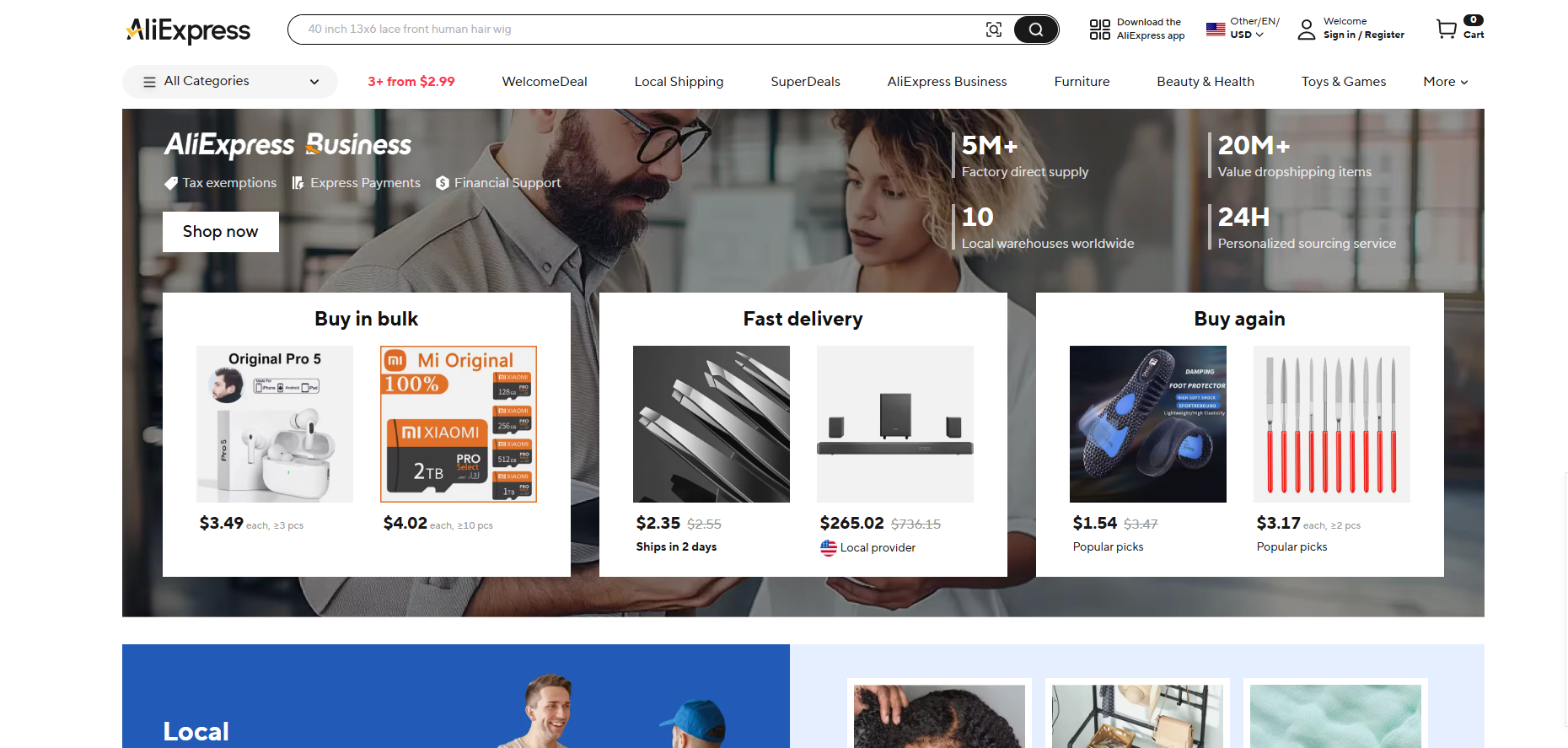
AliExpress is a massive online marketplace (owned by Alibaba) that offers millions of products, including a vast array of pet supplies, at very competitive prices. Many dropshippers start with AliExpress because you can find almost any pet product imaginable – from dog collars and cat toys to reptile terrariums – often with no minimum order quantity (you can buy single items). The platform includes countless independent sellers, many of which are manufacturers or trading companies in China willing to dropship worldwide. AliExpress also provides buyer protections (refunds/returns) if orders go awry, which is reassuring when you’re dealing with overseas suppliers. You won’t get a fancy integration app directly from AliExpress, but you can use third-party tools (like DSers, AliDropship, or Spocket’s AliExpress import) to import products to your store. AliExpress is best for variety and low cost, though you’ll need to be vigilant about choosing reputable sellers.
Advantages:
-
Huge product variety at low cost: AliExpress likely has the widest selection of pet dropshipping products globally. Whether you want basic pet bowls or quirky pet costumes, there are suppliers for it. You can find both budget items and higher-end gadgets (like smart pet feeders or pet GPS trackers) in one marketplace. The prices are often rock-bottom, allowing healthy profit margins. Plus, many AliExpress suppliers allow private labeling or custom branding if you order in bulk, which you can leverage once you find a winning product.
-
No MOQ (order one at a time): You can order products one-by-one as you make sales; there’s no need to bulk purchase. AliExpress sellers are used to working with dropshippers and will ship single units directly to your customers. This makes it very friendly for new businesses starting small.
-
Buyer protection and dispute resolution: If something goes wrong – e.g., a supplier fails to ship, or the product is very different from described – AliExpress’s platform allows you to open a dispute. In many cases, you can get a refund or replacement for defective or undelivered products. This reduces some risk when dealing with overseas suppliers, as long as you keep an eye on delivery times and product quality.
Disadvantages:
-
-
Long shipping times (for standard shipping): Most AliExpress suppliers ship from China. Standard shipping (often Cainiao, China Post, or ePacket) can take 2-4 weeks (sometimes longer) to reach North America or Europe. There are often faster options like DHL/EMS, but those can be expensive, sometimes eating your margin. Unpredictable shipping speeds can be an issue – each supplier offers different methods, so if you use multiple AliExpress vendors, your store might have inconsistent delivery times. It’s crucial to set proper expectations with customers or choose “AliExpress Premium Shipping”/ePacket when feasible for an affordable balance.
-
No direct platform integration: AliExpress doesn’t natively integrate with Shopify or others out-of-the-box. You’ll need to use an app or extension (some are free or paid) to import products and automate orders. This is an extra step compared to supplier platforms that plug directly into your store. That said, plenty of solutions exist (e.g., DSers was built as a replacement for Oberlo to sync AliExpress with Shopify).
-
Quality and communication vary by seller: Because AliExpress is an open marketplace, not all sellers are equal. Some are fantastic, responsive, and sell high-quality products – others not so much. You must do due diligence: check seller ratings, read product reviews, and maybe order test samples. Also be aware of the possibility of counterfeit branded items; avoid listings that seem too good to be true on brand-name pet products (those might be knockoffs). Sticking to unbranded items or known reputable stores will save you headaches. In summary, AliExpress is a great starting point to dropship pet products worldwide due to its sheer scale and low costs, but success with it depends on selecting trustworthy suppliers and managing shipping times properly.
-
3.Spocket
Website:www.spocket.co

Spocket is a popular dropshipping app that specializes in connecting store owners with vetted suppliers in the US, Canada, Europe, and other regions. It’s an excellent option if you want fast shipping and premium products for your pet store. Unlike AliExpress, Spocket’s suppliers are often local wholesalers or artisanal producers, so you can find things like handcrafted pet toys from the US or organic pet shampoo from the EU. The big benefit is delivery speed – Spocket suppliers can often ship to your customers in 3-7 days (within the same country or region), which pet owners love. The platform integrates smoothly with Shopify, WooCommerce, BigCommerce, and more, allowing one-click import of products. Spocket does charge a monthly subscription for full access to their supplier network, but many dropshippers find it worthwhile for the reliability and time saved. While the pet product selection on Spocket is smaller than what you’d find on AliExpress, it tends to feature higher-quality or unique items (and often you can use product descriptions and images that are professionally provided).
Advantages:
-
Fast, domestic shipping: Spocket’s USP is quick shipping from local warehouses. If your store targets customers in, say, the USA or UK, you can source pet products from suppliers in those countries to offer delivery in under a week. This is great for customer satisfaction and helps you compete with Amazon-like delivery expectations. For example, you might find a US supplier of dog leashes on Spocket that ships via USPS with 2-5 day delivery. Fast shipping can reduce complaints and increase repeat business.
-
High-quality, vetted suppliers: Spocket prides itself on vetting suppliers – many offer branded or boutique pet products that stand out from generic dropshipping goods. You can find name-brand items or locally made products (which can be a selling point: “Made in USA” pet treats, etc.). Real-time inventory sync and reliable stock data are another plus, meaning you’re less likely to sell something that’s actually out of stock.
-
Easy integration and automation: The Spocket app makes it simple to add products to your store, complete with descriptions and images. Order processing is semi-automated – you can fulfill orders through Spocket’s dashboard with a click, and tracking numbers get updated automatically. This saves you time compared to manually dealing with each supplier. Spocket also offers sample ordering, so you can easily test products for yourself.
Disadvantages:
-
-
Monthly fee: To fully use Spocket, you’ll need a paid plan (they usually have tiers based on number of products you can import). For a serious store owner this is a business investment, but it is a cost to factor in. If you’re on a tight budget and just testing the waters, the subscription might feel like a hurdle, although Spocket does offer a free trial and a limited free plan with a small selection of products.
-
Limited product range (for niche items): While Spocket has pet suppliers, the selection may not cover every single niche or ultra-trendy item. You might find, say, 50 really good pet products instead of 5,000 mediocre ones. If you’re looking for a very specific or uncommon pet item, Spocket might not have it, and you’d need to complement your sourcing with another supplier (which is fine – many stores use Spocket for core products and AliExpress for additional variety).
-
Competitive pricing: Because many Spocket suppliers are in developed countries with higher costs, the product prices (and shipping costs) are generally higher than Chinese suppliers. Your margins per sale might be thinner, so you may need to price products a bit higher to compensate for the wholesale cost. However, customers often will pay a premium for faster shipping and higher quality, so it can balance out. Overall, Spocket is a great way to dropship pet products with faster shipping and unique inventory, especially if you position your store as offering quality and you’re targeting local markets.
-
4.TopDawg
Website:www.topdawg.com
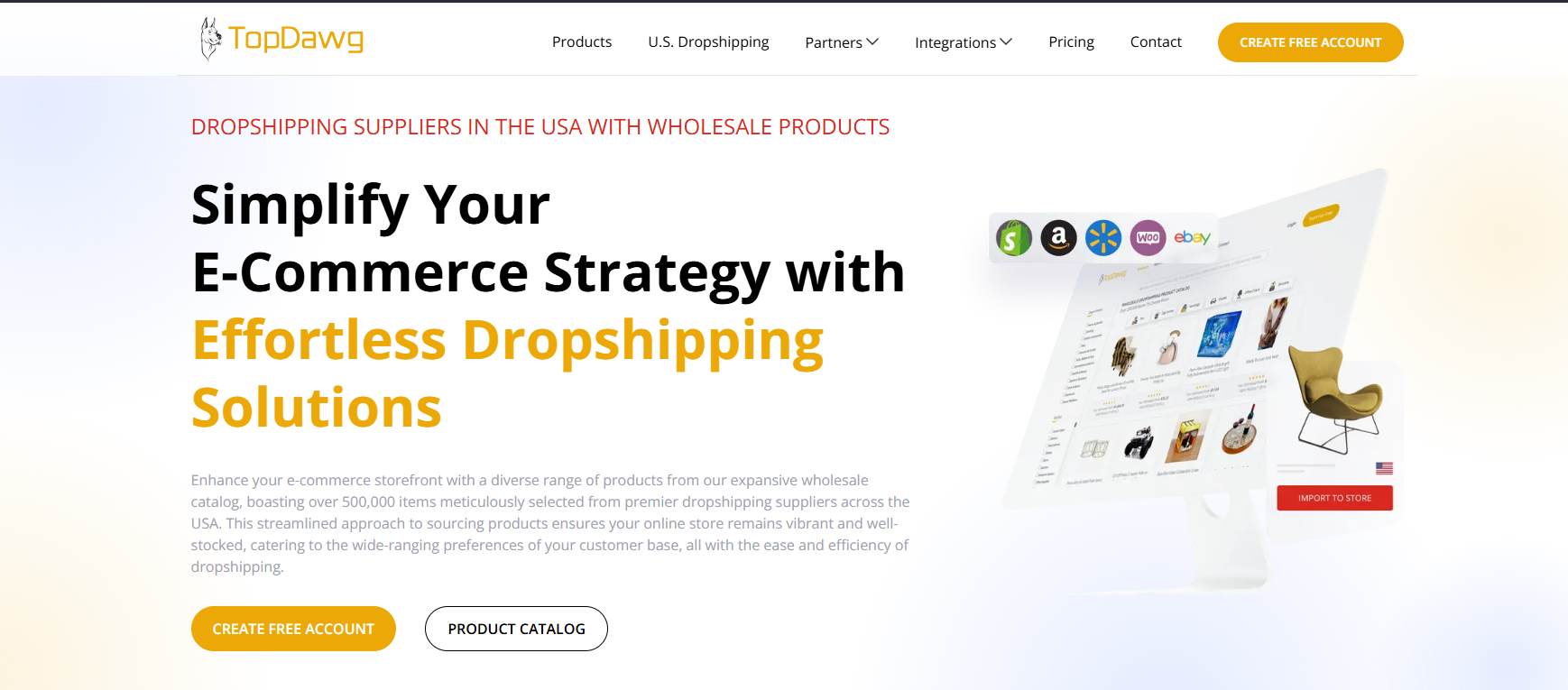
TopDawg is a US-based dropshipping platform that was created with pet products in mind. In fact, it started as a pet-focused supplier network and has since expanded to other categories (like home goods and apparel), but pets remain a huge part of their catalog. TopDawg aggregates products from over 2,000 US suppliers, offering more than 400,000 items, many of which are pet supplies ranging from dog food and cat toys to aquarium equipment. As a TopDawg member, you get access to these suppliers via one interface. They offer direct integrations with Shopify, WooCommerce, eBay, Amazon, etc., making it easy to list their products on your store. Notably, TopDawg allows you to include your own branding on packing slips for shipments, which helps maintain your brand identity even though the products ship from various warehouses. TopDawg does have a tiered membership (including a free option with limited features and paid plans for full access). It’s particularly great if you want to dropship to customers in the U.S. or Canada, since most of their suppliers are U.S.-based (fast domestic shipping).
Advantages:
-
Large catalog of pet products: TopDawg gives you one-stop access to hundreds of thousands of products, so you can expand your pet store’s offerings easily. They have everything from everyday pet necessities to niche pet accessories. The breadth means you can test many products or quickly add new trending items. And since the suppliers are mostly U.S. companies, the product quality tends to be high, which is a big plus (e.g., you might find premium USA-made dog treats or durable pet furniture that you wouldn’t easily get via Chinese suppliers).
-
Fast U.S. shipping: Because the network’s suppliers are in the U.S., shipping to U.S. customers is typically very fast – often just a few days. This helps with customer satisfaction and reduces the need to handle “where’s my order” complaints. Canadian shipping is also relatively quick for many items. If your primary market is North America, TopDawg’s domestic supplier base is a strong advantage.
-
Integration and automation: TopDawg provides tools to integrate with major e-commerce platforms and marketplaces. You can automate product uploads, inventory syncing, and order processing to a large extent. They also supply product data in bulk (descriptions, images, etc.) which you can import. Additionally, the option to have branded packing slips or inserts means the packages can include your store name/logo, giving a professional touch and consistent customer experience.
Disadvantages:
-
-
Membership limitations: On the free plan, TopDawg might limit how many products you can list or which features you can use. To unlock unlimited listings or advanced integrations, you likely need a paid plan (for example, around $20/month or more, according to their site). This is a manageable cost if you’re generating sales, but it’s something to be aware of.
-
Navigation and choice overload: With over 400k products, the abundance can be overwhelming initially. It may take time to filter and find the specific pet products you want to sell. However, TopDawg’s interface includes search and category filters to help, and you don’t have to add tons of products – sometimes less is more for a niche store.
-
Primarily North America-focused: TopDawg is fantastic for U.S./Canada, but if you aim to sell to Europe, Asia, or elsewhere, their suppliers may not be ideal (many may not ship internationally, or if they do, the shipping cost/time might be high). So if you have a global audience, you might still need supplemental suppliers for overseas customers. In summary, TopDawg is a top choice for pet dropshipping suppliers in the USA, offering quick shipping and a huge variety of quality products, especially suited for those focusing on the North American pet market.
-
5.Pet Stores USA
Website:petstoresusa.com
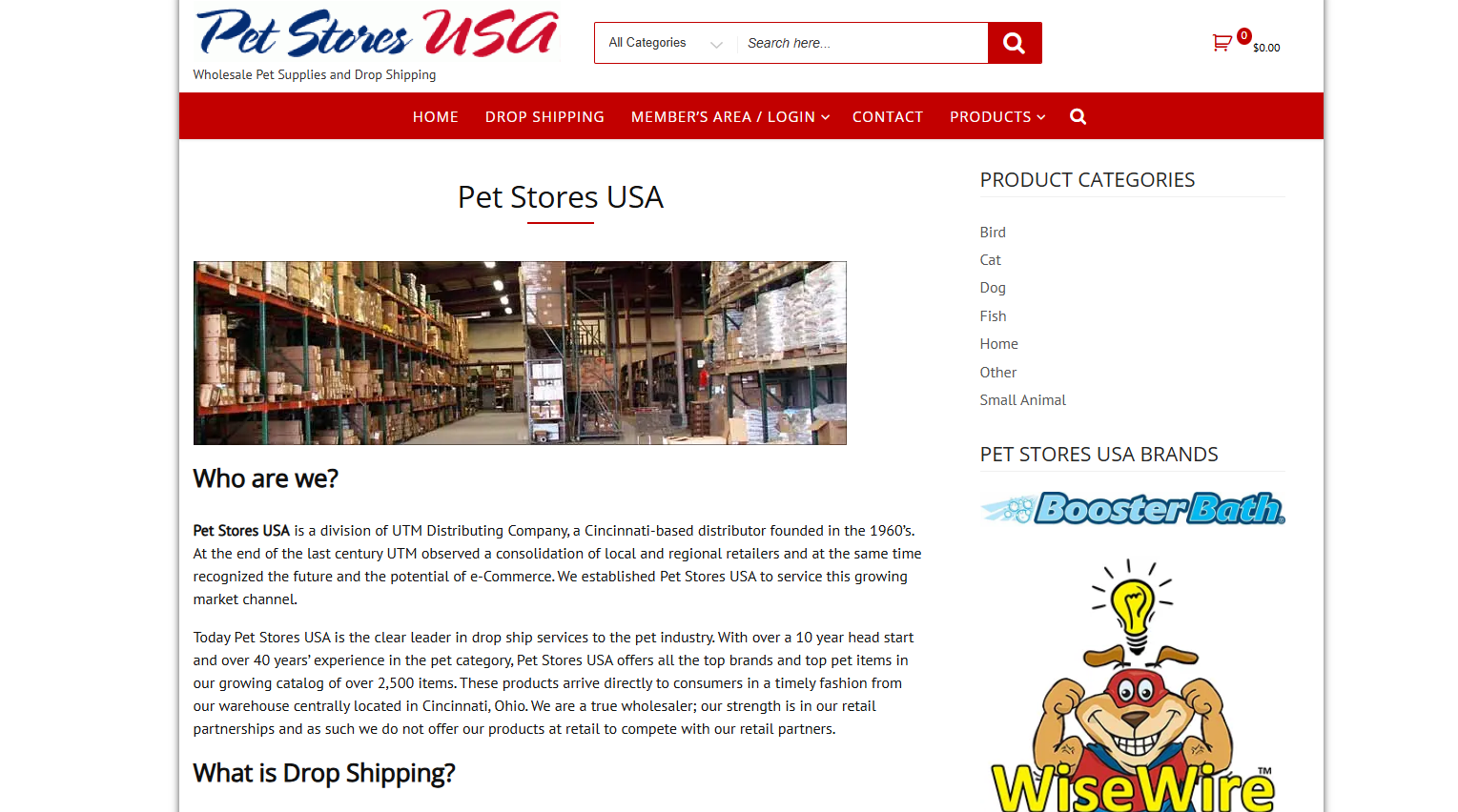
Pet Stores USA is a wholesale distributor and dropshipper with over 40 years in the pet supply industry. They carry a catalog of around 2,500 pet products from well-known brands and manufacturers, covering categories like pet toys, grooming tools, beds, health supplements, and more. Pet Stores USA operates out of a warehouse in Cincinnati, Ohio, and can dropship products directly to your customers. One big selling point: they are a true wholesaler that doesn’t sell directly to the public (no retail storefront), so they don’t compete with you – this is appealing because some suppliers also have their own retail operations, but Pet Stores USA focuses on supplying retailers/dropshippers. To work with them, you typically need to set up a reseller account (they may require some business verification). There is usually no minimum order quantity, and you don’t pay for goods until you sell them, but there might be a membership or dropship program fee. Pet Stores USA is ideal if you want a trusted, domestic supplier for a core set of pet products, especially for U.S. customers.
Advantages:
-
Experience and credibility: With decades in the pet supply business, Pet Stores USA has established relationships with manufacturers and knows how to fulfill orders efficiently. Their longevity adds a layer of trust – you know you’re dealing with a professional outfit, not a fly-by-night operation. They have knowledgeable account representatives who can assist with product info and ordering.
-
Quality product range: Their catalog includes reputable pet brands and high-quality items pet owners are looking for. For example, you might find top-brand flea treatments, popular pet toys, or high-end pet collars in their offering. Having recognizable brands can increase your store’s conversion rate (customers often feel more comfortable buying a brand name product). Even for lesser-known items, since Pet Stores USA curates their selection, you’re less likely to run into very low-quality products.
-
Fast and central shipping: Being centrally located in the U.S. (Ohio), Pet Stores USA can ship to most U.S. locations within a reasonable time frame – often a few business days via UPS or USPS. This central warehouse location is efficient for distribution. They primarily serve the U.S. (and possibly Canada), so if you focus on those regions, shipping will be straightforward. Also, no MOQ (minimum order) means you can dropship single items without bulk commitments.
Disadvantages:
-
-
Limited international shipping: Pet Stores USA is mainly geared for U.S. retail partners. They do not readily ship worldwide; in some cases they might work with international retailers by special request, but generally expect to fulfill U.S. orders only. If you plan to serve customers in Europe, Asia, etc., this supplier wouldn’t cover that – you’d use them for your U.S. segment and use other suppliers for abroad.
-
Membership/approval required: You can’t just start importing their products instantly like you could on AliExpress. You need to apply for an account as a reseller/dropshipper. They may have requirements such as a sales tax ID (for US businesses) or other proof that you’re a legitimate retailer. Additionally, Pet Stores USA historically charged a membership fee for their dropshipping program (which could be monthly or yearly). The Doba platform notes a “monthly membership required” for Pet Stores USA’s program. This is an extra cost and step to consider, though the advantages in product quality might outweigh it.
-
Catalog size and tech integration: 2,500 products is a decent selection, but compared to some platforms, it’s not huge. If you want endless variety, this is a curated list. However, covering the essential pet categories is usually enough for a focused store. In terms of tech, Pet Stores USA might not have a slick app; you might be using their website or data feeds to list products. They do integrate well with Shopify and WooCommerce via certain apps or through Doba/Wholesale2B integrations, but it might not be as plug-and-play as something like Spocket or CJ. To sum up, Pet Stores USA is a reliable pet dropshipping supplier known for quality and wholesale expertise, best suited for those concentrating on the U.S. market and willing to go through a setup process to get those trusted products.
-
6.PetDropshipper
Website:petdropshipper.com
PetDropshipper (PetDropshipper.com) is a specialized dropshipping supplier focusing on pet foods and pet care products. If you want to sell pet food, treats, or other consumables, this supplier could be your go-to. They carry a ton of pet food brands and items for not just dogs and cats, but also fish, birds, reptiles, and even farm animals. In addition to food, PetDropshipper offers accessories like cages, habitats, toys, and pet lighting – but their strength is really in the nutrition category. Based in the USA, they have a warehouse in Tennessee and ship across the United States (and to some international destinations with restrictions). PetDropshipper has a dedicated dropship program: you apply for a dealer account, and once approved, you can access their online catalog with wholesale pricing. They don’t integrate via an app, so you’ll be uploading products to your store manually or via CSV. However, for certain pet niches (especially foods and treats), they fill a crucial gap since many general suppliers avoid heavy or regulated items.
Advantages:
-
Extensive pet food selection: PetDropshipper shines in offering a wide variety of pet consumables. You can stock your online store with popular dog kibble, canned cat food, bird seeds, reptile pellets, and even specialty diets (grain-free, organic, etc.). If you want to run a pet store that offers one-stop shopping including pet food, this supplier makes it possible – which is something not all dropship platforms handle due to weight and shipping complexities. They source from many well-known brands, so customers can buy the exact brand of treat or food they trust.
-
Multi-pet category coverage: Beyond dog and cat, PetDropshipper caters to other pet owners too. Fish aquarium supplies, reptile food, bird cages, chicken feed – these niches can be profitable and less saturated. By having a supplier that covers them, you could carve out a unique niche (e.g., a specialty reptile supply store) with less competition.
-
Dealer pricing and support: PetDropshipper offers special pricing for their registered dropship dealers, which should give you a retail margin to work with. They also provide tracking numbers for all shipments and have decent customer service to help with any order issues. Since they’ve structured their business around dropshipping (unlike some wholesalers that dropship as a side arrangement), their processes – like not including pricing in packages, and timely shipping – are tuned for our business model.
Disadvantages:
-
-
U.S.-centric and shipping limitations: PetDropshipper is U.S. based, and while they do ship internationally, certain pet foods cannot be exported due to customs regulations. You might also face very high shipping costs for heavy bags of food overseas, making it impractical. Realistically, this supplier is best if your customers are in the U.S. (or perhaps Canada for some products). If you try to ship 30 lbs of dog food abroad, costs and import rules become major hurdles.
-
Manual integration: There’s no slick app or plugin to automatically sync PetDropshipper’s products to your Shopify store. You’ll likely need to manually add products or use spreadsheets. This upfront work can be time-consuming – especially given their large catalog – but you might not need to list everything, just focus on a curated selection of foods and essentials. Inventory updates might require checking their feed or emails. Essentially, it’s a bit old-school in process.
-
Dropship program requirements: You do have to sign up and be approved as a dropship partner. They might require you to have a registered business or sales tax ID. Also, in the past, PetDropshipper charged a membership fee (or higher pricing) for dropship accounts. They could also have policies like you must handle returns within X days on your own. And as they note, no fancy integration means you handle product info and images yourselfo. If you’re okay with a bit more hands-on management, the payoff is access to pet products that others may not easily offer. Overall, PetDropshipper is a niche but valuable supplier for pet stores that want to offer food and treats – a category that ensures repeat purchases and loyal customers (pets need refills!), making the extra work potentially very worthwhile.
-
7.Doba
Website:www.doba.com
Doba is a well-known dropshipping marketplace and software platform that connects retailers with a vast network of suppliers across all kinds of categories, including pet supplies. Rather than being a single supplier, Doba is a service that lets you find and work with many suppliers in one place. It’s included here because Doba has millions of products available (from over 200 suppliers) and a robust selection of pet products you can source, especially useful for those targeting the US and Canada markets. With Doba, you pay a subscription fee for access to their platform and tools. In return, you can search their directory for pet items (they have dozens of sub-categories within pets), then import those products to your store. Doba handles order forwarding to the supplier and can sync inventory and tracking. Essentially, it streamlines having multiple USA-based suppliers without needing to individually sign up for each. Examples of pet products on Doba might range from pet beds and aquariums to toys, grooming supplies, and more – sourced from various wholesalers or manufacturers.
Advantages:
-
Huge product range and one-stop management: Doba gives you breadth – you can source an expansive variety of pet products (and even expand to other niches) via one interface. This is convenient; instead of juggling 10 different supplier logins or communication channels, you do everything through Doba. It’s great for testing new products quickly: just search in Doba’s catalog and add to your store, no lengthy approvals needed in most cases.
-
Integration with sales channels: Doba integrates with major platforms like Shopify, WooCommerce, Amazon, eBay, Wix, and others. So, when you find pet products on Doba, you can push them to your store with relatively little hassle, and orders can be synced back to Doba for fulfillment. They also offer an API for custom integration. This saves time and reduces manual errors in order processing. Additionally, Doba can connect with shipping carriers – some suppliers even allow you to use your own UPS/FedEx accounts for shippin.
-
Filtered, vetted suppliers: Doba claims to vet their suppliers for reliability. By interviewing and examining manufacturers, they try to ensure you don’t deal with long shipping times or flaky suppliers. This curation can save you from the worst suppliers. Also, Doba’s platform offers useful features like advanced search filters (to find exactly the type of pet product you want), and alerts for low inventory on items you’re selling. Some suppliers on Doba stock products in US warehouses, meaning faster shipping to US customers (they highlight many U.S.-stocked, vetted pet products on their site).
Disadvantages:
-
-
Subscription cost: Doba is not free. It has tiered plans that can range roughly from $25 up to a few hundred dollars per month for enterprise features. For a small startup, this is a significant expense. There’s usually a free trial (e.g., 30 days) or a cheap trial to test it, but long-term you need to budget for the membership. If you’re making consistent sales, the time saved and variety might justify it, but if you only sell a few items, it could eat into profits.
-
Margins and pricing control: Because Doba is an intermediary, sometimes the product prices you get are not the absolute lowest. Some users report that certain items on Doba cost more than on other platforms or even retail sites like Amazon. This can make it hard to price competitively and maintain good margins. You have to pick and choose which products are reasonably priced. Additionally, you pay for convenience – some profit margin goes to Doba or the ease of finding suppliers there. It’s wise to compare a product’s cost on Doba versus direct alternatives occasionally.
-
Supplier transparency and returns: One downside noted with Doba is you often don’t have direct contact with the actual supplier. Doba acts as a middleman, so if there’s a specific question or negotiation, you can be limited. Also, handling returns can be a bit complicated: some suppliers might charge restocking fees (sometimes up to 20%) and Doba’s refund/return rules can be confusing. Essentially, you’ll need to carefully read Doba’s policies and perhaps eat some costs to keep customers happy if a return happens. Support responsiveness has also been mixed – a few users mention slow customer support at times. In summary, Doba offers huge convenience and selection for dropshipping pet products (especially for North America), but you must weigh the costs and ensure the products you select are priced right for profit. It’s like a big toolbox – very useful if you utilize it well, but not necessary for everyone.
-
8.Printful
Website:www.printful.com
Printful and Printify are print-on-demand (POD) platforms rather than traditional wholesalers, but they deserve a mention for pet dropshipping because they allow you to create custom pet-themed products that can set your store apart. With POD, you can design unique pet products or pet owner merchandise, and the supplier will print and fulfill orders on-demand (no inventory upfront). For example, both Printful and Printify offer items like pet bandanas, pet tags, pet beds, as well as T-shirts, mugs, or tote bags where you can print pet designs. If your brand has a creative angle (say, funny cat illustrations or personalized dog portraits), POD can be a fantastic addition. Printify is known for having a network of print providers worldwide (which can mean faster shipping in different regions) and slightly lower base costs, while Printful is known for its top-notch quality and integration ease. Both integrate with major e-commerce platforms for automatic order processing.
Advantages:
-
Unique, branded products: Using POD, you can offer something truly unique that customers can’t find elsewhere – like a dog bowl with your custom graphic, or a t-shirt that says “Dog Mom Life” with a cute design you made. These custom products can create brand identity and higher margins since you set the price on essentially your own “brand” of product. Printify, for instance, has lots of blank pet products (bandanas, pet hoodies, tags) you can design on. This is a great way to cater to pet owners who love novelty or personalized items (e.g. a cat name on a mug).
-
No inventory, on-demand production: You don’t hold stock – you only pay for a product when someone orders it, then the POD supplier prints and ships it. This fits perfectly with dropshipping’s low-risk model. You can also experiment with designs easily: if something doesn’t sell, no harm done, you didn’t pre-buy inventory. Printful and Printify both have global fulfillment partners (USA, Europe, etc.), which means your custom pet products can often be printed in a location near your customer, reducing shipping time and cost.
-
Easy integration and automation: Both platforms integrate with Shopify, WooCommerce, and many other store platforms. When an order comes in, the process can be automated so it goes straight to Printful/Printify for fulfillment, and tracking gets sent to your customer. They also handle returns for misprints or defects, which is nice. Additionally, they provide mock-up generators: you can create professional-looking product images with your designs easily.
Disadvantages:
-
-
Higher base costs & longer production time: A print-on-demand pet hoodie might cost you $15 base, which you might sell for $25-$30. The margins per item can be thinner compared to sourcing cheap products on AliExpress. You’re paying for the custom one-off production. Also, POD items have a production time (often 2-5 days) before shipping, so the overall delivery time to the customer could be a week or two – not too bad, but something to communicate. If a customer orders a personalized item, they might understand the wait. But for non-personalized merchandise, some may wonder why it’s slower than a stocked item.
-
Limited to printable items: You can’t get every pet product via POD – it’s mostly things that can have a design printed or embroidered. That means you won’t be dropshipping actual pet food, or an electronic pet toy via Printful. So this is more a complementary supplier for branded merchandise or fun add-on products. It won’t replace your core supplier for, say, leashes or litter boxes (aside from maybe printed patterns on a leash which isn’t typically offered).
-
Design effort required: The success of POD items depends on your designs. If design isn’t your forte or you don’t want to hire a designer, you might not fully utilize this. Simply slapping a generic text on a mug might not sell unless it resonates with pet owners. There’s also the creativity aspect – coming up with phrases or graphics that pet lovers will buy. It’s a different skill set than curating existing products. However, you can also purchase designs or use Printful’s sample graphics to help. In conclusion, integrating a POD service like Printful or Printify in your pet dropshipping business allows you to offer personalized and unique pet products that can enhance your brand and profit margins. It’s an avenue to consider for diversification, especially if you want to build a memorable brand in the pet niche.
-
9.Wholesale2B
Website:www.wholesale2b.com
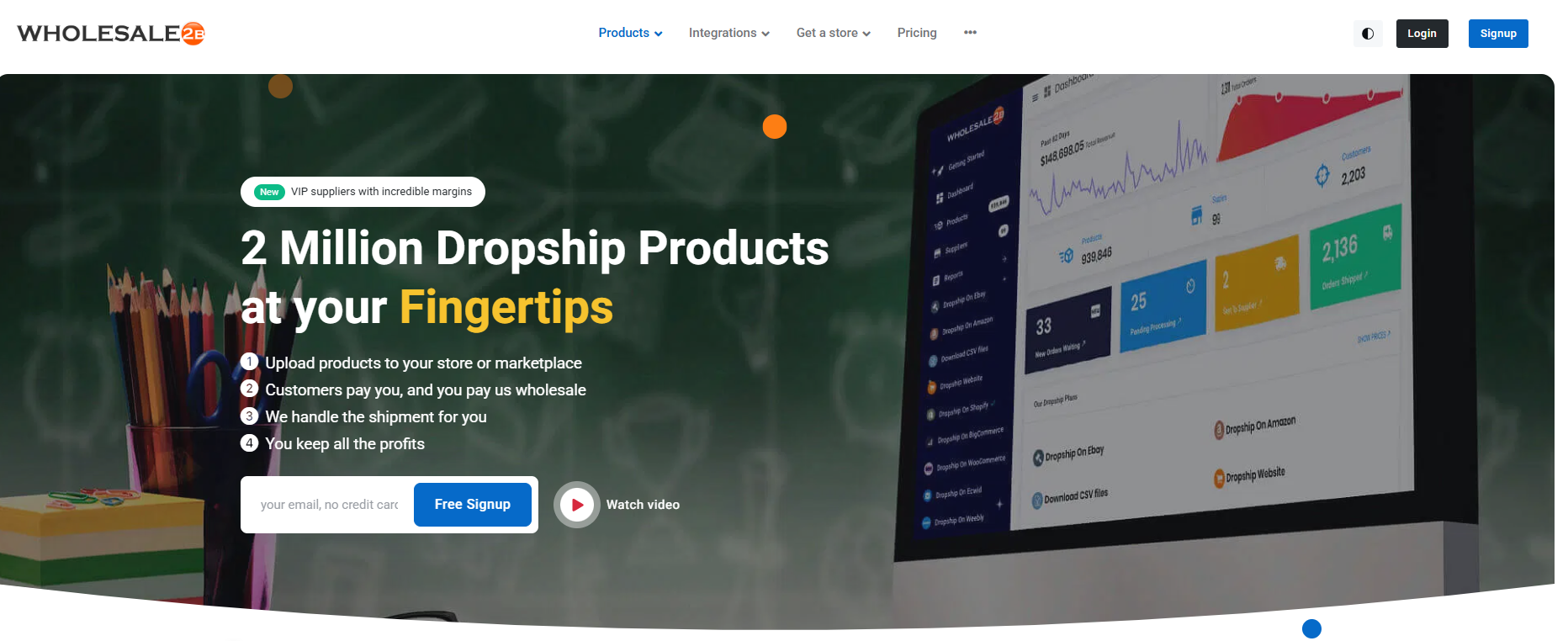
Wholesale2B is another aggregation platform similar to Doba that helps you find and sell products from various dropshipping suppliers. It’s included here because it specifically offers a huge catalog of products (including pet supplies) and tools to automate your dropshipping business. Wholesale2B partners with over 100 suppliers and offers 1+ million products, with a decent chunk in the pet category. Through Wholesale2B, you can browse pet products and push them to your e-commerce store, and they’ll handle order routing to the right supplier. They support integration with Shopify, eBay, Amazon, BigCommerce, WooCommerce, etc., or you can use their own store platform. One advantage is that Wholesale2B has a free plan to browse products and even create a basic store, but to fully integrate and automate orders, you subscribe to a paid plan for the channel of your choice (each marketplace or store integration might have a separate fee). This service is US-based, and many of the suppliers in their network are North American, meaning a lot of items can ship from the US relatively quickly.
Advantages:
-
No upfront supplier hassles: You don’t need to individually sign agreements or get approved by each supplier in the Wholesale2B network; by using W2B, you automatically can list any of their products. For someone starting out, this simplifies access to a broad range of pet products without paperwork. They also claim no upfront fees just to access the catalog (you only pay when you want automation/integration or when you actually place an order). This makes it easy for beginners to explore products and test the waters.
-
Automation options: Wholesale2B can take care of the heavy lifting: automatically updating stock levels, syncing price changes, and processing orders to the supplier. For example, if you sell a dog toy from their catalog, they will charge you for it, send the order to the supplier, and provide tracking info back. This is a big time-saver. They also allow you to publish listings to multiple platforms (e.g., run a Shopify store and list on eBay simultaneously) with relatively low effort.
-
Variety of suppliers (with some vetting): Because they aggregate many suppliers, you get a mix of products – including those from niche pet suppliers or smaller wholesalers you might not find on your own. They likely have everything from pet electronics to apparel and grooming kits. Wholesale2B also tends to remove or flag suppliers that are problematic, so you get a sort of pre-vetted selection (though always good to test yourself). According to one source, they’re good for beginners to get started with minimal cost and decent automation.
Disadvantages:
-
-
Less control over suppliers/branding: Since Wholesale2B is the middleman, you might not know exactly which supplier is shipping a given product. This can be an issue if you care about branding the packaging or developing a relationship for better terms. It also means if something goes wrong (delayed shipping, etc.), you communicate with Wholesale2B support rather than the supplier directly. That extra layer can sometimes slow down issue resolution or make it harder to get specific answers (like detailed product questions).
-
Subscription for full functionality: While you can browse for free, to use Wholesale2B effectively, you’ll end up on a paid plan for each channel (~$29.99/month per integration, for example). If you use it on multiple channels, costs add up. Also, if you ever decide to leave Wholesale2B, you might need to re-source those products elsewhere, since you didn’t have direct accounts with the suppliers. It’s a bit of a “walled garden” approach.
-
Generic product data: The product descriptions and titles from wholesale suppliers can be quite uninspiring or require editing. You should plan to customize product descriptions for SEO and conversion, rather than relying 100% on Wholesale2B’s provided text (which may be used by many other dropshippers). Additionally, while automation is great, make sure to set your pricing rules carefully – sometimes the default markups could make your prices too high or too low, so tweak them for the pet niche competition. In summary, Wholesale2B is a convenient tool to access and sell pet products from multiple suppliers with minimal hassle. It’s particularly useful for beginners or those who want to easily diversify inventory, but you trade a bit of control and pay ongoing fees for that convenience.
-
10.Mirage Pet Products
Website:miragepetproducts.com
Mirage Pet Products is a manufacturer and wholesale supplier that also offers dropshipping of their catalog. They’re a family-owned company in the USA (based in Missouri) with a long history in the pet industry – they’ve been around since 1957 crafting pet apparel and accessories. Mirage specializes in items like pet clothing, collars (including fancy crystal-studded ones), leashes, toys, and pet costumes. Essentially, they cover the more “fun” and fashion side of pet supplies – think dog dresses, humorous pet T-shirts, personalized name tags, etc., along with basic collars and toys. Because they are the actual manufacturer for many of their products, the prices are competitive and the product quality is consistent. They claim to have over 200,000 different SKUs (lots of variations in designs, sizes, colors). Mirage Pet Products supports dropship orders with no minimums, and they ship 99% of orders the same business day, which is a huge plus for speed. You’ll need to apply for a wholesale account (reseller/dropshipper) to get their catalog and pricing.
Advantages:
-
Direct from manufacturer: With Mirage, you’re getting products straight from the source, not a middleman. This means better pricing and also unique items you might not find elsewhere. For example, Mirage is known for their original designs in pet apparel and the “blingy” collars – they even have their own line of crystal pet collars. If your store’s niche involves pet fashion or cute accessories, Mirage can supply those distinctive products.
-
Large variety in a focused niche: They offer a wide array of designs – lots of patterns, holidays themes, slogans on pet shirts, etc. This allows you to refresh your product line seasonally (Christmas pet outfits, Halloween costumes for pets, etc.) easily. Despite the variety, it’s all within the pet accessory niche, meaning you’re working with a supplier that truly understands the pet market trends. They also allow some customization – for instance, some products can be personalized or they can even manufacture custom designs if you have a certain scale (with a minimum order for customization).
-
Fast shipping and U.S. made: Mirage’s central U.S. location and commitment to quick fulfillment (same-day shipping on most orders) mean your customers get their items quickly, especially within the U.S.. International shipping is available too (via FedEx or USPS), usually arriving in under 1–2 weeks globally. Many of their products are made in the USA, which you can use as a marketing point for quality. Also, free shipping within mainland USA for orders over a certain amount is a nice perk if you batch orders (though as a dropshipper, you usually send one by one, but it indicates their shipping is affordable).
Disadvantages:
-
-
Manual work to integrate: Mirage Pet Products does not have a fancy app integration. You will likely have to upload products to your site manually or via CSV. Given they have so many variants, it can be a bit of effort to select which items you want to sell. Managing inventory updates might also require periodic checks or using a third-party inventory management tool, since it won’t auto-sync to your store. That said, because they do their own production, stockouts may be less frequent (they can make more if something sells out).
-
Niche limitation: Mirage is fantastic for pet fashion and accessories, but they don’t supply, say, pet food, crates, or grooming shampoo. So, they will be one of multiple suppliers in your ecosystem. If someone orders a dog dress (from Mirage) and also a dog bed (from another supplier) on your site, those will ship separately. As long as you communicate that appropriately it’s okay, but it’s something to manage. Also, their style of products might appeal more to a certain segment of pet owners (those who enjoy dressing up their pets or buying decorative items). If your brand is very utilitarian (all about serious pet training gear, for example), Mirage’s offerings might not align.
-
No direct integrations for branding: Since Mirage is the manufacturer, the products come unbranded (which is fine), but they also don’t offer services like inserting custom branded pack-ins for your store (unless you perhaps negotiate something). Essentially, you’re selling their brand’s products. However, many of the items are generic enough (a cute dog sweater doesn’t scream any particular brand) so this isn’t usually an issue. In conclusion, Mirage Pet Products is a reliable and unique pet dropshipping supplier for those who want to sell pet fashion, apparel, and boutique accessories. Their fast shipping and huge variety of cute products can give your store an edge in the pet fashion niche.
-
These ten suppliers should give you a strong starting point in sourcing pet products for your dropshipping store. CJdropshipping (with its broad reach and services) and AliExpress (with its endless variety) are go-to options for general needs, while others like Spocket, TopDawg, Pet Stores USA, and PetDropshipper cater to more specific scenarios (fast local shipping, brand-name goods, or specialized pet niches). You might end up using a combination of these suppliers to cover all your bases – for example, maybe CJdropshipping and PetDropshipper for general items and pet food respectively, plus Printify for some custom merch. The key is to evaluate each supplier’s fit for your target market (do they ship where your customers are? do they have the products you want to focus on? can you meet any fees or requirements?). Always read the latest reviews and updates on these services, and don’t be afraid to reach out to suppliers with questions before you commit.
Actionable Tips for Success in Pet Dropshipping
Succeeding in the pet dropshipping business requires more than just picking good suppliers and products. You also need solid strategies and good practices to stand out from the competition. Here are some actionable tips and best practices to help you grow your pet dropshipping store:
-
Niche Down to Stand Out: The pet market is huge, so it’s wise to carve out a niche. Rather than selling “all things pet,” consider focusing on a specific segment to differentiate your store. For example, you might specialize in eco-friendly dog toys, or luxury cat furniture, or pet travel accessories for on-the-go pet owners. Niching down helps you target a more specific (and passionate) audience and compete on value rather than trying to win on having the largest catalog. You can always expand later, but starting with a niche lets you tailor your marketing and become known for something unique.
-
Do Thorough Product Research & Quality Checks: Not every cute pet product is a winner – some might have quality issues or low demand. Before you add items to your store, do some homework. Use tools like Google Trends, Amazon’s bestseller lists, or even TikTok (pet hashtag challenges often highlight hot products) to gauge demand. More importantly, vet the product quality. If possible, order samples of your top products to inspect them in person. If a sample isn’t feasible, at least scrutinize supplier reviews and images. Quality is paramount in pet products – pet owners are very concerned about safety (as they should be!). A toy that breaks easily or a leash with a faulty clasp can not only lose you a customer but could harm an animal. Offering well-made, safe products will earn you repeat business and positive reviews. Many successful pet dropshippers explicitly focus on “premium” products for this reason.
-
Build a Strong Brand and Story: In a business where multiple stores might sell similar pet items, your brand identity can be a big differentiator. Pet owners tend to be emotional and community-driven, so a relatable brand story or theme can win hearts. Decide on a brand voice and aesthetic – maybe it’s playful and fun, maybe it’s caring and compassionate, maybe it’s expert and informative (like a pet coach vibe). Design a professional logo and website that appeals to pet lovers (cute images always help). Share your own pet’s story or your reason for starting the business. For example, “I started PawHaven after struggling to find durable toys for my energetic Labrador; now I curate the toughest, vet-approved toys so other dog parents don’t face the same issue.” A compelling story builds trust and connection. Also consider creating a mascot (could be your pet or a cartoon animal character) to give a friendly face to your brand.
-
Excel at Customer Service (Pets are Personal!): Treat every customer inquiry or issue with empathy and promptness. Remember, if someone is buying pet products, they’re buying for a beloved family member (their pet). They might have questions like “Is this toy safe for a teething puppy?” or “Will this cat bed fit a 15 lb cat?”. Answer these questions quickly and helpfully – it shows you’re knowledgeable and care about their pet’s well-being. For order issues (late shipment, etc.), apologize and update proactively. Consider flexible policies like easy returns or refunds (even if you have to take a small loss) for products that don’t meet expectations. And whenever possible, add a personal touch – for example, a thank-you email that says “Thanks for your purchase! We hope Bella enjoys her new dog bed. Give her a belly rub from us!” goes a long way. Outstanding customer service can turn one-time buyers into loyal advocates, and in the pet community word-of-mouth is powerful.
-
Leverage Content and Community: Creating valuable content will draw in pet owners and establish your authority. Start a blog or resource center on your site where you publish articles, tips, or how-to guides (optimized with relevant keywords for SEO). Topics could be “Top 5 Training Tips for New Puppy Owners,” or “How to Keep Indoor Cats Entertained,” or “A Guide to Choosing the Right Aquarium Filter.” This content not only helps with Google rankings but also builds trust – customers feel like you’re not just selling, you’re also educating and helping. Additionally, build a community around your brand: encourage customers to follow your social media and share photos of their pets using your products. Repost user photos (with permission) – this creates a sense of belonging. You could even start a Facebook Group or a hashtag for your brand where pet parents share experiences. The goal is to go beyond transactions and create a loyal fan base. Engaged customers are more likely to buy again and refer friends.
-
Optimize for Fast Shipping (Where Possible): One common reason customers hesitate with independent e-commerce stores is fear of slow shipping. While dropshipping often means international shipping, you can mitigate this. Work with suppliers that have local warehouses for your main market, or consider stocking a small inventory of your best-sellers in a fulfillment center (if you’re scaling up) to offer faster delivery. At the very least, be transparent about shipping times on your product pages and during checkout. If something ships from overseas and takes 2 weeks, state that clearly (perhaps phrase it as a positive: “Estimated 10-14 day delivery – worth the wait for your pet’s new favorite toy!”). For U.S. customers, emphasize any products that ship from the U.S. with a label like “Ships from USA – 3-5 day delivery.” Fast shipping is a competitive edge, so use it when you can. Also, upload tracking numbers promptly and consider using a tracking portal or notifications so customers feel in control.
-
Use High-Quality Images and Descriptions: Pet products benefit greatly from good visuals. Use clear, well-lit photos for each product (multiple angles if possible). Whenever available, use images that show the product in use – e.g., a dog wearing the harness, a cat playing with the toy – as these trigger an emotional response (“aww, I can imagine my pet with that!”). If the supplier photos are not great, invest time in editing or get better ones. For descriptions, go beyond the basic specs. Write copy that speaks to the pet owner’s perspective. Instead of “Plastic dog ball, 5 inches diameter,” you can say “Durable 5” ball that will keep even energetic pups entertained for hours – made from pet-safe, non-toxic rubber that can withstand plenty of tail-wagging playtime.” Highlight benefits (“keeps your dog active and healthy indoors”) and any unique features. Good content here improves SEO as well (use those keywords like “interactive dog toy” naturally in the text). Also consider size guides for items like pet apparel or collars so customers can confidently choose the right size.
-
Monitor Your Analytics and Adjust: Track key metrics for your store – which products are selling the most, your website’s traffic (and what keywords or referrals bring people in), your conversion rate, etc. Use Google Analytics and the analytics built into your e-commerce platform. If you notice, for instance, that a particular product gets a lot of views but few sales, maybe its price is too high or the description doesn’t convince – you can tweak it. Or if you see many visitors coming to a blog post about “chew-proof dog toys,” consider adding more such products to your store and perhaps running ads for those. Test and iterate: run small experiments like a new homepage design, a limited-time free shipping offer, or different ad targeting, and see how it affects sales. In dropshipping you have flexibility, so make data-driven decisions on what pet products to push or what marketing strategies to ramp up. Keeping an eye on performance metrics (conversion rate, average order value, return customer rate) will guide you where to optimize for growth.
-
Stay Updated on Pet Trends: The pet industry evolves with new trends constantly emerging (often mirroring human trends). To stay ahead, regularly research what’s trending. For example, in recent years there’s been a surge in smart pet tech (like automatic litter boxes, pet cameras, GPS trackers for pets), as well as interest in eco-friendly pet products (sustainable materials, natural ingredients). “Human-grade” pet food and CBD pet supplements had big booms. Subscribe to pet industry news or even follow competitors and pet influencers to catch the next trend. When you spot one that aligns with your niche, you can be early to offer it. Just ensure any trendy product you add is still from a reliable source (balance trendiness with trustworthiness). Capitalizing on trends quickly can significantly boost your sales – just think of fidget spinners in the toy world; in the pet world, examples have been things like interactive laser toys for cats or dog DNA test kits becoming hot sellers at times. Be agile and ready to pilot new products.
-
Build Supplier Relationships & Diversify: As mentioned earlier, treat suppliers as partners. Communicate with them regularly. If you start generating consistent sales, sometimes you can negotiate better terms (perhaps a slight discount at higher volumes, or priority stock allocation). Also, avoid relying on a single supplier for all products – diversify so your business isn’t crippled if one supplier has a problem (like running out of stock or increasing prices). Having 2-3 go-to suppliers also allows you to compare prices and service, keeping them on their toes. And always have a backup plan for your best-sellers (maybe the same product from another supplier, or a similar alternative item) so you can quickly switch if needed. Building good rapport with suppliers can also lead to inside info – they might inform you of new pet product lines coming out, giving you a head start to list fresh items.
By following these tips – from niching effectively and ensuring quality, to marketing smartly and keeping customers (and their pets) happy – you’ll be well on your way to creating a thriving pet dropshipping business. Now, equally important to knowing what to do is knowing what not to do. In the next section, we’ll cover some common mistakes in pet dropshipping so you can avoid those pitfalls.
Common Mistakes to Avoid in Pet Dropshipping
Every business has its learning curve, but you can save yourself a lot of trouble by sidestepping these frequent mistakes that new (and even experienced) pet dropshippers might make:
-
Choosing Ultra-Cheap, Unvetted Suppliers: It can be tempting to go with a supplier offering rock-bottom prices, but be careful – if a price seems too good to be true, quality is likely compromised. Don’t just chase the cheapest sourcing for higher margins; you could end up selling flimsy products that break or, worse, could be unsafe for pets. Working with unknown or new suppliers without any track record is risky. Always vet suppliers by checking reviews, order history, or starting with small test orders. Your reputation as a store is on the line with every supplier you use. A common rookie mistake is to source a “premium looking” pet item from a dubious supplier because it’s a dollar cheaper – you might save on cost, but if customers receive shoddy goods, you’ll pay for it through returns and lost goodwill.
-
Neglecting Product Safety and Compliance: Pet products often have safety regulations – for example, toys and accessories might need to be non-toxic and not pose choking hazards, electronic pet gadgets might require certifications (like CE/FCC), and pet foods/treats must meet health standards. A major mistake is not checking if the products you sell meet these standards. Ensure that any pet food or treat is properly labeled and from reputable makers; some countries require import permits for pet edible items. For toys, avoid those with easily breakable pieces for strong chewers (unless marketed specifically as chewable and safe). If a supplier can’t assure basic things like material safety, consider that a red flag. Selling something that harms an animal could be devastating ethically and legally. Always err on the side of caution with pet health and safety – for instance, if you’re not sure about a cheap flea treatment’s ingredients, don’t sell it. Focus on products you trust.
-
Offering Too Broad a Catalog Too Soon: While it’s good to have variety, listing hundreds of products without a coherent theme can backfire. If a store is crammed with random pet items from cat litter to exotic bird perches to dog costumes, it might confuse customers and dilute your brand. It’s also a nightmare to manage such a broad inventory as a beginner – keeping track of stock, different supplier policies, etc. A mistake would be to just import a giant list of pet products from a supplier feed and “hope something sells.” Instead, start curated. It’s easier to market and optimize a smaller selection of products that you research and know well. You can expand the catalog as you learn what sells and what your audience wants. Remember, you can list a product in minutes but if it doesn’t move, it just clutters your store and potentially distracts customers from finding the winners.
-
Poor Website and Copywriting: In dropshipping, especially in a visually driven niche like pets, your website is essentially your storefront and packaging. If it looks unprofessional, is hard to navigate, or has sloppy product descriptions, customers will bounce (leave) quickly. A common mistake is to use the default supplier descriptions or poorly translated text. This can include obvious copy-paste errors, grammar mistakes, or even mentions of things like “Aliexpress” or supplier SKUs – all of which erode trust (and hint that you’re dropshipping without adding value, which we don’t want to advertise). Another error is not having enough (or good) images, or having inconsistent image sizes that make the site look messy. Invest time in making your site clean, mobile-friendly, and attractive. Use a simple, modern theme. Write original product descriptions highlighting benefits to the pet and owner. Include clear calls to action (“Buy Now” buttons, etc.). Also, ensure you have essential pages like Contact Us, About Us, and clear FAQs/Policies – not having those can worry customers.
-
Setting Unrealistic Expectations: This goes two ways – for your customers and for yourself. For customers, a big mistake is to over-promise, particularly about shipping. Don’t claim “Fast 3-Day Shipping!” if you know items will come from overseas and take 3 weeks. Misleading customers will lead to a support nightmare and refund requests. Be transparent and honest in your policies. If you offer free shipping but it’s slow, say something like “Free shipping (10-15 days)” so they know upfront. For yourself, the mistake would be expecting overnight success. Dropshipping (despite what some YouTube videos hype) isn’t a get-rich-quick scheme. It’s a real business that takes learning, testing, and refinement. Maybe your first product choices won’t sell well – that’s okay, it’s a learning process to find a niche or product hit. You might have some ads that flop or suppliers that disappoint. If you go in thinking you’ll make $10k in your first month with no experience, you might get discouraged and make rash decisions. Set realistic goals, like “I will get my first 10 sales in the next 2 months” or “I will test 3 different marketing tactics this quarter.” This mindset will help you persist without burning out or giving up prematurely.
-
Ignoring Marketing and Relying Only on Organic Traffic: “Build it and they will come” does not apply in dropshipping. One common mistake is to spend all your time setting up the store and adding products, and then just sit back expecting sales to roll in. With millions of e-commerce sites out there, you need to actively market your pet store. Don’t ignore channels like Facebook Ads, Instagram Ads, Google Shopping, etc., assuming they’re too expensive or complicated. Start with a small budget and test some ads – for example, a cute video ad of a pet using your product can perform well on Facebook. If you have good content, consider reaching out to pet blogs or doing guest posts to get backlinks (improves SEO). Also, engage in niche forums or Facebook Groups (not in a spammy way, but genuinely contribute and occasionally mention your store when appropriate). Diversify your traffic sources so you’re not dependent on one thing. Those who ignore marketing often find their store stagnating. Even if some traffic comes organically, scaling up usually requires paid marketing or very active community engagement.
-
Mishandling Customer Issues (or Hiding from Them): Things will go wrong at some point – a package gets lost, a product arrives broken, or the customer isn’t satisfied. One big mistake is trying to avoid or delay dealing with such issues. Not responding to a customer complaint promptly, or giving a defensive/bad response, can escalate a small problem into a big one (negative reviews, chargebacks, etc.). Always face issues head-on. If a customer emails about a late delivery, apologize and contact the supplier/shipping company immediately to get answers. If something broke, offer a refund or replacement quickly (you can take it up with the supplier yourself later). It might feel like you’re losing money on that order, but you’re gaining trust. A motto: Under-promise and over-deliver. For instance, if re-shipping an item, maybe include a small freebie (could be an inexpensive bonus toy or a discount code for their next order) to make up for the inconvenience. By turning an upset customer into a happy one, you not only salvage that relationship but possibly earn a loyal customer who appreciates your service recovery. In contrast, ignoring complaints or blaming others (“it’s the supplier’s fault, not mine”) will reflect poorly on you as the business owner.
-
Not Having a Backup Plan for Inventory Issues: Relying on single suppliers per product without any backup can lead to an “out of stock” disaster. Imagine you scale a product via an ad and suddenly the supplier runs out or discontinues it – you’re stuck with pending orders and no product. A savvy dropshipper avoids this by either stocking a small emergency quantity for best-sellers, or having an alternative supplier/source ready, or at the very least monitoring inventory closely. A mistake is to blindly assume your supplier will always have stock. Use any inventory alert tools your supplier or apps provide. If a product is really hot, communicate with your supplier about forecasting (some will set aside quantity for you if you ask). Alternatively, list the same product from two sources in your store (maybe one as a variant or just keep the second inactive until needed). It requires coordination, but it’s better than scrambling last minute or worse, canceling customers’ orders.
Avoiding these mistakes will save you headaches and set your pet dropshipping venture up for smoother sailing. Remember that in ecommerce (especially when pets are involved), reputation and customer trust are everything. If you wouldn’t want to buy from a certain kind of site or supplier, don’t subject your customers to it. Learn from others’ errors and your own, and continually improve. Now, let’s take a look at some current market trends in the pet industry, so you know where things are heading and can stay ahead of the curve.
Trends in the Pet Dropshipping Market
The pet industry is not static – it evolves with societal trends, innovations, and changing attitudes of pet owners (often called “pet parents” these days). Being aware of these market trends can help you select winning products and position your store for the future:
-
Pet Humanization & Premiumization: A long-running trend that’s only grown stronger is the humanization of pets. Pets are seen as family members, and owners are willing to spend on them similar to how they spend on themselves. This means demand is high for premium pet products – from gourmet organic pet foods to designer pet accessories and high-tech gadgets. For dropshippers, this is an opportunity to carry premium items that command higher prices (and margins). Examples: memory-foam orthopedic beds for dogs, automatic water fountains that filter water, smart feeders that enable scheduled feeding via app, etc. In 2024, sales growth was heavily fueled by this premium segment (people paying more for high-quality toys, all-natural treats, etc.). If you position your store as a provider of better pet products (not just cheap stuff), you can ride this wave.
-
Tech-Savvy Pet Products: Technology is making its way into pet care. Pet owners – especially younger, tech-friendly ones – are interested in devices that make pet care easier or more fun. Smart pet tech is a booming category: think GPS pet trackers, smart collars that monitor activity (fitness tracker for dogs), automated treat dispensers or toys that can be controlled via smartphone, pet cameras (some with treat-tossing capability so you can play with your pet remotely), self-cleaning litter boxes, and even AI-powered pet health scanners. These products often have a “wow” factor and can go viral, making them great for marketing. If you can find reliable suppliers for these (ensuring the tech works and is certified safe), adding a few to your store could attract gadget-loving pet parents. Just be prepared to provide more customer support on these items since they might have a learning curve.
-
Eco-Friendly and Sustainable Products: As part of a broader environmental consciousness, many pet owners look for eco-friendly pet supplies. This trend includes products like biodegradable dog poop bags (reducing plastic waste), sustainable cat litter made from recycled materials, natural fiber toys or beds, and environmentally friendly grooming products (e.g., shampoo bars instead of plastic bottles). Suppliers and brands that emphasize green materials, recyclability, or organic ingredients can have an edge. Even packaging matters – biodegradable or minimal packaging appeals to eco-conscious buyers. If you care about this and highlight it, you’ll attract a segment of customers who are very loyal to eco-friendly brands. Some pet dropshipping suppliers (like those in Europe or specialty ones) specifically focus on sustainable products.
-
Health and Wellness Boom: People are increasingly proactive about their pets’ health. This encompasses a variety of sub-trends: natural/organic pet food and supplements, pet fitness and weight management (think dog treadmills, agility training gear), dental care products (toothbrushes, water additives), and calming products for anxiety (like calming dog beds or CBD oil for pets where legal). The global pet supplement market (things like omega-3 for shiny coats, joint supplements, probiotics for pets) has been growing quickly. If you can dropship pet supplements or vitamins, ensure they come from reputable sources with proper labels. Additionally, grooming and pet hygiene is trending – especially with more people doing at-home grooming. Items like pet massage combs, deshedding brushes, nail grinders, and even pet-safe hair dyes or nail caps are popular. Health-focused products often allow for education-based marketing (“Did you know 70% of cats show signs of dental disease by age 3? Here’s a solution…”), which can drive content creation and sales together.
-
Customization & Personalization: Pet owners love personalized items that showcase their pet’s name or likeness. This is still a strong trend – whether it’s a custom engraved ID tag, a food bowl with the pet’s name, or even a cartoon portrait of their pet printed on a mug or pillow. Dropshippers can capitalize on this via print-on-demand offerings or suppliers that take custom requests. We mentioned Printful/Printify for things like custom pet bandanas. There are also specialized suppliers for engraved tags or collars. Personalized products often become treasured keepsakes for owners, and since they feel unique, customers might be willing to pay a premium. If you offer customization, make sure to set clear expectations about production time and double-check you get the details (like spelling of the pet’s name) correct in orders to avoid heartache.
-
Subscription and Bundle Models: While more of a business model trend than a product trend, it’s worth noting. Subscription boxes for pets (like a monthly box of treats and toys) became very popular (think BarkBox and similar services). As a dropshipper, you might not be ready to launch a full subscription box service, but you can mimic the concept of bundles or repeat purchase incentives. For example, offer a “New Puppy Starter Kit” bundle with various items (collar, leash, toys, training pads) – bundling increases average order value. Or encourage repeat purchases (for consumables like treats or waste bags) by offering a small discount or loyalty points for subscription-like ordering. If you grow, you might partner with a supplier to create curated bundles. The idea is customers are into getting a variety of new pet goodies regularly, so think about how you can tap into that enthusiasm.
-
Pet Fashion and Instagram-ability: Thanks to social media, especially Instagram and TikTok, dressing up pets and showcasing their style is a trend that isn’t going away. There’s a steady interest in pet apparel, costumes, and accessories – not just functional ones like winter coats, but also funny costumes, bow-ties, hats, etc. Social media challenges (like #DressUpYourPetDay) spike sales for these items. Additionally, aesthetically pleasing pet products that fit home decor trends (like stylish cat scratching posts or modern-looking dog beds that match a living room) are in demand as people don’t want pet items to be eyesores at home. So both “pet fashion” and “pet home decor” can be lucrative angles. If you serve this market, high-quality imagery is key because people buy with their eyes for these items. Consider dedicating an Instagram account to your products, showing them off on cute pets (even if you borrow images from suppliers or collaborate with pet influencers).
-
International Market Growth: While the US is the biggest pet market, other regions are catching up. Pet ownership is rising in countries like China, India, parts of Latin America, and they’re spending more on pets than previous generations did. If you have the capability (e.g., via suppliers like CJ or AliExpress that ship worldwide), you might tap into emerging markets. However, be mindful of cultural differences – for instance, certain pet products popular in the US (like large dog apparel) might not have the same demand in tropical countries or where small breeds dominate. Conversely, some markets might have less competition online – for example, dropshipping to the Middle East or South America could find a niche if you navigate logistics. Keep an eye on global pet ownership statistics; if you can localize ads or site language for a growing market and have reliable shipping there, it could be an untapped opportunity.
These trends show that the pet industry continues to be dynamic and full of opportunity. As a dropshipper, you have the flexibility to adapt your product offerings relatively quickly to align with what pet owners are looking for. The overarching theme is that people increasingly treat pets like cherished family members (even children), so businesses that cater to pets’ comfort, health, and happiness – and make the pet owner’s life more convenient or joyful – will thrive. By staying informed on these trends, you can keep your store relevant and exciting.
We’ve covered a lot of ground: how pet dropshipping works, tips for doing it well, pitfalls to avoid, key suppliers, and market trends. To wrap up this comprehensive guide, let’s finish with a FAQ section addressing common questions – both basic and advanced – about dropshipping pet products.
How do I handle shipping and delivery times with dropshipping (so that customers don’t get upset)?
The key to handling shipping times is managing expectations and choosing the right suppliers/shipping methods.
First, try to source products from suppliers that have warehouses or fast shipping options to your target customer region. For instance, if you market to the USA, using a supplier with a US warehouse (like some products on CJdropshipping, Spocket, or TopDawg’s network) can get items to customers in a week or less. If items are shipping from overseas (e.g., China), consider ePacket or other relatively swift services – many AliExpress suppliers offer ePacket which often delivers in 2 weeks to the US, which is not bad. Some suppliers also have premium options like FedEx/UPS; you might offer those at extra cost for customers who want faster delivery.
Second, be transparent on your website about delivery times. On product pages or in the FAQ, list the typical shipping time range for each region. It’s better the customer knows upfront and accepts the wait. If you’re dropshipping from multiple locations, you can tag products or have an “Ships from USA” badge versus “Ships from Overseas” info.
Third, provide tracking on every order and proactively send shipping updates. When customers can see progress, they feel more at ease. If a shipment seems delayed, reach out to the customer before they reach out to you, explaining the status.
Fourth, you can employ strategies like processing orders quickly (don’t wait days to place the order with your supplier) and maybe split shipping – if a customer orders multiple items and one has a much longer lead time, you might ship the faster item first (if cost-effective) and the other later, to keep them happy. Finally, some dropshippers keep a small inventory of their highest-selling products locally. That way, they can offer, say, 3-day shipping on their top 10 items, which wows customers and covers the slower shipping on other items. Overall, clear communication is the antidote to most shipping issues – under-promise and over-deliver whenever possible on delivery speed.
What if a customer wants to return a product? How are returns handled in dropshipping?
Returns in dropshipping can be a bit more complex since the product went from supplier to customer. But it’s definitely manageable. Here’s how to handle it:
First, have a return policy in place on your site. Commonly, dropship stores either don’t accept returns for buyer’s remorse (only for defects), or they accept returns within a short window (like 14 days) and often the customer must pay return shipping. You need to decide your policy (balancing customer service and the practicality that returns might have to go back to the supplier or to you).
Next, when a return or exchange is requested, ask the customer for details (and photos if something is wrong). If the product is damaged or not as described, you should take care of it. Usually, you’d contact your supplier and see what their policy is – many wholesalers will either offer a return merchandise authorization (RMA) for the item to be sent back to them, or they might even just send a replacement and not require the faulty one back (especially for low-cost items, since return shipping is not worth it). If the supplier accepts the return, they’ll tell you the address to have the customer ship it to (or, the customer can send it to you, and you could consolidate returns occasionally back to the supplier). Often, the customer will bear the return shipping cost unless it was the supplier’s fault (e.g., wrong item sent, item arrived broken). You should clarify that in your policy. If it’s a matter of the customer changed their mind and the product is fine, some dropshippers simply don’t offer free returns in that case. If you do allow it, you’ll have to eat some cost (because the supplier might not refund shipping fees or might charge a restocking fee). Each situation might be different.
A strategy: try to resolve issues without a return if possible. For example, if a customer received a bed that’s slightly smaller than expected, maybe offer a partial refund and let them keep it, or send a replacement of the correct size and let them donate the small one to a shelter (if the supplier gives credit). That way the customer is happy and you don’t deal with the logistics of return. For defective products, you can usually get your supplier to either refund you or replace, and you pass that on to the customer. Always respond quickly and courteously to return requests. Even if your policy is “no returns on used pet products” (which can be reasonable for hygiene), you can often appease the customer with a discount code or a small refund as a gesture. In summary, coordinate with your supplier’s policies, make your own store policy clear, and handle each case with the goal of making the customer feel heard and treated fairly. A smooth return/refund process (even if not every case is approved) will maintain trust in your business.
Is dropshipping pet products profitable? What kind of profit margins can I expect?
Dropshipping pet products can be profitable if done right, but margins vary widely based on what you sell and how you operate. Typical dropshipping margins might be around 15-40% on product cost. For example, if you sell a pet toy for $20 and it costs you $12 from the supplier (including shipping to customer), your gross margin is $8 (40%). Out of that you then cover any ad costs or overhead. Some products allow higher markups – especially unique or premium ones – while very commoditized products (like basic leashes that everyone sells) might have slimmer margins.
Pet niche has a lot of consumables and impulse buys which can be good for volume. For instance, pet apparel or cute toys could be bought on a whim if not too pricey, and you might mark those up 2-3x from wholesale if they are novel. On the other hand, big items like a luxury cat tree might only have a 20% margin but one sale gives more absolute profit. A savvy approach is to have a mix: maybe some high-ticket items (like an automatic pet feeder for $100 that costs you $70) and lots of accessories with higher percentage markups (sell for $15, costs $5). Keep in mind advertising costs: if you use paid ads, that will eat into margins. Suppose you spend $5 to acquire a customer; from the earlier toy example, your $8 margin becomes $3 net after ad cost (still profit, but small). That means you’d aim either to upsell/cross-sell (increase average order value) or rely on some organic traffic to balance.
Repeat business is key in pet niche – if you get a customer who has a puppy, they may come back for more toys, bigger harnesses as the dog grows, etc. So even if the first sale margin is modest, lifetime value can be great if you retain them. Some segments like pet food have low margins (since pet stores often compete hard on price), but then customers might buy monthly. If you go into premium or customized items, you can charge more. Also consider shipping costs – sometimes you might pay shipping separate from product cost; whether you pass that to customer or not affects margin. A common structure is product cost x2 = retail price (50% margin) to allow room for discounts or free shipping promotions and still end with ~20-30% profit. In summary, yes it’s profitable for many (pet supplies are evergreen and emotional buys), but you need to manage cost of goods, marketing expenses, and pricing strategy smartly. Research competitor prices to make sure you’re in a reasonable range, and try to add value (through branding, bundling, content) so you’re not just competing on lowest price, which can erode margins.
How do I scale a pet dropshipping business once I find some success?
Scaling up means growing your sales and perhaps expanding your operations without proportional increase in workload or issues. Once you have some traction (consistent orders, winning products), here are ways to scale:
Invest more in marketing that works: Identify which marketing channels are bringing profitable sales. If Facebook ads for a particular product yield a good return, increase the budget gradually and expand the target audience (maybe target more countries or similar interest groups). If your Instagram content is driving a lot of traffic, consider influencer partnerships to reach more people. Essentially, pour fuel on the fire of what’s working, but keep testing new channels too.
Add more products strategically: Use your sales data to see what related products customers might want. If your best-seller is a cat fountain, maybe add other cat hydration products or filters for the fountain (upsell/cross-sell). You could also test new categories – e.g., you dominated in dog toys, try introducing dog grooming tools. But avoid adding stuff too far outside your brand’s scope all at once.
Improve your website for conversions: As you grow, even small improvements can mean a lot more revenue. Optimize site speed, improve mobile layout, tweak product page designs (maybe add reviews, trust badges, better copy). Cart abandonment emails and upsell apps can increase average order value – implement those if not yet. You might add live chat or chatbot to answer questions quickly, which can boost conversions.
Automate and outsource: If you’re still doing everything manually, consider tools to automate order fulfillment (many dropshipping apps can auto-send orders to suppliers). Use a virtual assistant to help with customer emails or social media posting once volume is high. This frees your time to focus on strategy.
Build an email list and loyalty program: Scaling isn’t just getting new customers, it’s also getting existing ones to buy again. Start a newsletter with useful tips and product highlights. Offer a small discount or freebie on next purchase to encourage repeat business. Maybe implement a points-based loyalty program (“Earn paw points on each purchase to redeem for discounts”). Pet owners can be very loyal if they trust you.
Expand to new markets or platforms: If you’re doing well in your home country, you could experiment with offering international shipping (ensuring your supplier network can support it) or even creating region-specific storefronts. Additionally, you might list your products on marketplaces like Etsy (for custom items) or Amazon/eBay to capture more customers – but be cautious, as those have their own fees and competition.
Maintain supply chain and quality as you grow: Communicate more with suppliers, maybe negotiate bulk deals or a dedicated account manager if you’re sending lots of orders. Ensure they can handle larger volume – sometimes you may need to find additional suppliers for the same product to fulfill high demand (don’t put all eggs in one basket). If a product is doing extremely well, you might even consider private labeling (having it manufactured with your brand) for better margins – some dropship agents can help with that when volume is high.
Monitor finances: As you scale, track your cash flow and expenses. It’s easy to increase revenue but also overspend on ads or tools, so keep an eye that you’re scaling profitably. In summary, scaling a pet dropshipping business involves amplifying your successes, optimizing operations, and expanding your reach while continuing to deliver a great customer experience. Many small stores have scaled into six or seven-figure businesses by systematically doing this – for instance, there are success stories like a niche pet brand scaling to millions per year by focusing on designer cat furniture. It’s definitely achievable with dedication.
What are the best pet products to dropship?
The “best” products can change with trends, but generally, great pet products to dropship share some qualities: they solve a problem for pet owners, have that “aww” or cool factor, aren’t too bulky or heavy (for shipping reasons), and have decent margins. As of now, some top-performing pet products include:
Interactive pet gadgets (e.g., automatic laser toys for cats, smart treat dispensers, pet cameras) – these align with the tech trend and people love watching their pets play even when they’re away.
Durable chew toys and puzzles for dogs – pet parents are always hunting for toys that can keep their dog occupied and last more than a day. Items like indestructible rubber chew toys or treat-dispensing puzzle toys sell well (especially if you target dog owners by dog breed or size, offering appropriate toughness).
Pet grooming tools – like deshedding brushes (think Furminator style combs), nail grinders, waterless shampoos, etc., are evergreen because all pet owners need grooming solutions.
No-pull harnesses and quality leashes – training and walking aids for dogs are always in demand (especially ones that are comfortable and safe). In fact, harnesses that reduce pulling or dual-leash systems for walking two dogs are popular.
LED collars or pet safety gear – LED light-up collars or tags for night walks, reflective vests for dogs, etc., cater to safety-conscious owners and have been trending, particularly in fall/winter when days are shorter.
Cat accessories that cater to instincts – like cat tunnels, interactive feather wands, or catnip-infused toys. Also, unique cat furniture (wall-mounted climbing shelves, modern scratching posts) can be hits with the right audience.
Pet travel accessories – car seat covers to protect seats from fur, pet booster seats, portable water bottles for walks, airline-approved pet carriers; many pet owners travel or take their pets on outings and need these.
Waste management products – it’s not glamorous, but things like high-quality poop bags (biodegradable ones are a plus), litter disposal systems, training pee pads, etc., sell steadily because they’re necessities. If you brand them or bundle them (e.g., offer a month’s supply of pads in a bundle), you can get repeat business.
Niche pet products – don’t forget pets beyond cats and dogs. Fish tank accessories (filters, LED lights), bird toys, hamster cages, reptile heating lamps – these may have smaller audiences but often less competition online. If you have expertise or good suppliers in a niche (say you love aquascaping for aquariums), that could be your gold mine.
seasonal or novelty items – like pet costumes around Halloween, or cooling mats in the summer, or holiday-themed toys – these can spike during certain times and create buzz. When selecting products, also look at what’s trending on social media or ask your existing customers (via polls or social media) what they’d like. The best products are those that meet an ongoing need or trend and that you can market compellingly (showing a demo video of the product in use by a cute pet works wonders!). Always test a few products and gauge the response; the data will tell you what’s “best” for your particular store and audience.
In conclusion, succeeding with dropshipping pet products is absolutely possible with the right approach. By understanding the business model, picking dependable suppliers, offering products that pet owners want, and providing outstanding service and content, you can build a pet brand that resonates globally. The pet niche is fueled by genuine passion – tap into that emotion with your marketing and genuinely care about your customers’ furry friends, and you’ll be ahead of many generic competitors. We hope these tips, tricks, and insights help you on your journey to becoming a successful pet dropshipping entrepreneur. Good luck, and give your pet (if you have one) an extra treat as inspiration! 🐾