
Natural beauty isn’t just a trend anymore—it has become a long-term shift in how people care for their skin, hair, and overall well-being. In 2026, customers are paying closer attention to what goes into their products and choosing cleaner, plant-based formulas that feel safe and effective. This makes dropshipping natural beauty products a promising opportunity for sellers who want to build a meaningful brand in a rapidly expanding market.
By working with natural beauty items, you’re tapping into a growing audience that values transparency, sustainability, and gentle ingredients. These shoppers often research before they buy, and they gravitate toward products that offer clear benefits without harsh chemicals. For online sellers, this creates space to offer thoughtful selections—from simple everyday essentials to wellness-inspired treatments.
Dropshipping gives you the flexibility to test different categories without heavy upfront investment, making it easier to respond to trends and refine your niche as your store grows. Whether you’re drawn to skincare, aromatherapy, or eco-friendly beauty accessories, the natural beauty niche offers depth, variety, and genuine consumer interest—exactly the combination that leads to long-term success in eCommerce.
Understanding the Natural Beauty Market
The natural beauty market has grown into a thoughtful, well-informed space where people care about what they put on their skin and how those choices impact their health and the environment. Today’s buyers don’t simply want products that claim to be “clean” or “organic.” They want to understand the ingredients, where they come from, and how the product actually works.
Many customers look for formulas built around familiar botanicals—think aloe vera for soothing, chamomile for calming, or jojoba oil for hydration. These ingredients have a reputation for being gentle and effective, and shoppers appreciate being able to recognize them without needing a chemistry degree. Clear, simple formulations make it easier for customers to trust a product and feel confident about using it daily.
Sustainability also plays a big part in purchasing decisions. More people are trying to reduce waste and support brands that use recyclable packaging or cruelty-free production. Even small touches—like switching from plastic to glass bottles or using natural dyes—can make a product feel more aligned with a buyer’s values.
Another advantage of this market is its variety. Natural beauty covers skincare, haircare, body care, aromatherapy, and even eco-friendly beauty tools. This gives dropshippers room to experiment, specialize, or expand over time. You might start with a few skincare staples and later introduce wellness items or sustainable accessories as your audience grows.
What makes this niche especially suitable for dropshipping is how quickly customer interests evolve. New ingredients trend, seasonal needs shift, and wellness habits change throughout the year. By keeping an eye on customer feedback and adjusting your product lineup, you can stay relevant and build a brand that feels genuinely helpful—not just transactional.
Key Consumer Trends in 2026
Understanding what customers are looking for is essential when you plan to dropship natural beauty products. In 2026, several clear patterns are shaping the way people shop and the kind of products they trust. These trends reflect not just preferences but deeper lifestyle choices that continue to influence the beauty industry.
1. Simpler, Clearer Ingredient Lists
Shoppers are paying close attention to what goes into their skincare and haircare routines. Ingredients they can recognize—like plant oils, fruit extracts, minerals, and herbs—tend to stand out. Products with shorter ingredient lists feel safer and easier to understand, especially for people with sensitive skin or those avoiding synthetic chemicals.
2. Sustainability as a Priority
Sustainability is no longer a bonus—it’s a deciding factor. Many consumers choose brands that use recyclable packaging, minimal plastic, or refillable containers. Even the look and feel of eco-friendly packaging can influence purchasing decisions. Items made with natural materials or produced using low-impact processes gain extra appeal.
3. Self-Care and Daily Wellness Routines
Self-care has become part of everyday life. People are carving out small moments in their day to relax, unwind, and take care of themselves. Products like facial oils, soothing scrubs, aromatherapy blends, and sleep-support sprays fit naturally into these routines. Anything that helps people feel calmer or more balanced tends to perform well.
4. Growing Interest in Plant-Based Beauty
Plant-based beauty isn’t just a niche anymore. Many customers actively seek vegan or botanical formulations because they feel gentler and more aligned with personal values. These products also appeal to a wider audience, including those with allergies or sensitivities to synthetic ingredients.
5. Transparency and Honest Branding
Beauty shoppers today look beyond product claims—they want proof. They appreciate brands that explain where ingredients come from, how products are made, and why certain choices matter. Honest communication builds trust, and customers often reward that trust with loyalty and repeat purchases.
6. Multi-Functional Beauty Products
People love products that do more than one job. A facial oil that hydrates, reduces redness, and adds a natural glow—or a clay mask that purifies and nourishes—can quickly become a bestseller. Multi-purpose items simplify routines and make customers feel they’re getting more value from their purchase.
Top 10 Natural Beauty Products to Dropship
The natural beauty market is full of opportunities, but the standout products are those that combine clean formulations, sensory appeal, and real results. Here are ten products with strong potential in 2026, each viewed from multiple angles to help you understand how they can fit into your store’s strategy.
1. Organic Facial Oils
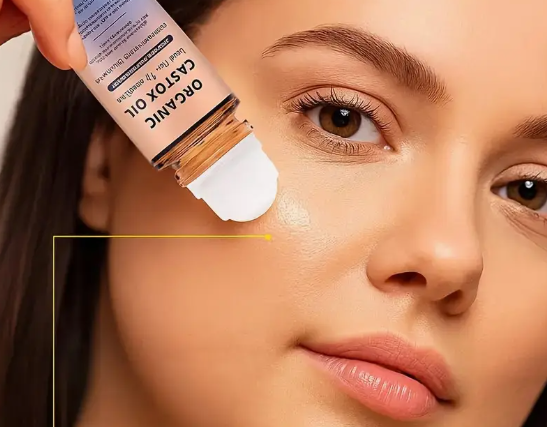
What they are: Lightweight oils derived from natural ingredients like rosehip, argan, marula, or jojoba.
Target audience: Skincare lovers, dry-skin customers, people seeking minimal-ingredient routines.
Benefits: Deep hydration, improved skin texture, healthy glow, support for elasticity.
Why they sell well: People love multi-use items. Facial oils can serve as moisturizers, night treatments, or glow boosters.
Packaging considerations: Glass dropper bottles look premium and align with sustainability values.
Marketing angle: Emphasize the natural origins of each oil and show how easy it is to include them in everyday routines.
2. Natural Clay Masks
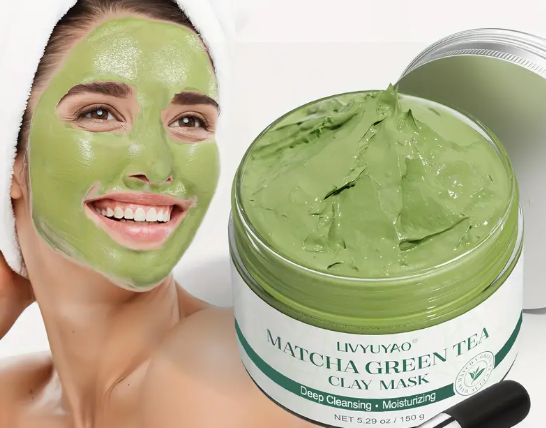
What they are: Detoxifying masks made with kaolin, bentonite, charcoal, or mineral-rich clays.
Target audience: Oily or acne-prone skin types, spa-at-home customers.
Benefits: Deep cleansing, oil control, gentle exfoliation, soothing effects.
Why they sell well: Clay masks offer visible results and are perfect for “self-care Sundays.”
Packaging considerations: Small jars or pouches with clear ingredient labeling.
Marketing angle: Highlight before/after textures, emphasize how little product is needed per use.
3. Herbal Hair Serums
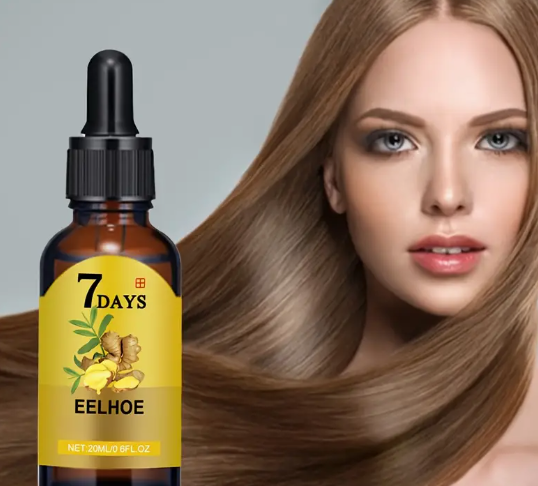
What they are: Plant-powered treatments made with rosemary, peppermint, lavender, or tea tree oils.
Target audience: People focusing on scalp health, hair growth, breakage repair.
Benefits: Nourishes the scalp, reduces dryness, supports stronger hair, adds shine.
Why they sell well: Hair wellness is a growing trend, and customers enjoy natural solutions backed by familiar botanical ingredients.
Packaging considerations: Amber glass bottles protect the oils and project a premium look.
Marketing angle: Educate customers on how consistent usage leads to healthier hair over time.
4. Vegan Lip Balms
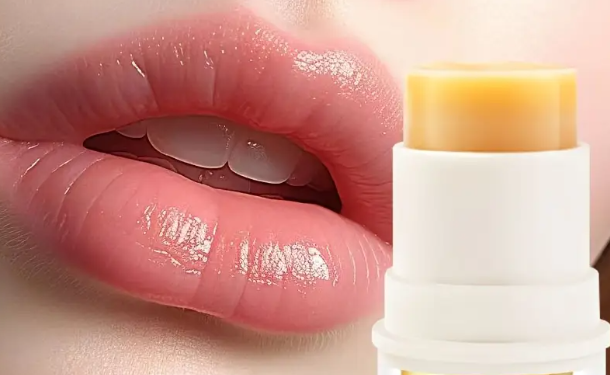
What they are: Plant-only balms made with shea butter, cocoa butter, coconut oil, and fruit extracts.
Target audience: All ages; especially eco-conscious and cruelty-free shoppers.
Benefits: Softens lips, prevents dryness, offers gentle protection.
Why they sell well: They’re small, affordable, and easy to gift or bundle.
Packaging considerations: Recyclable tubes or tins support the eco-friendly message.
Marketing angle: Promote seasonal flavors—peppermint for winter, berry for summer—to keep customers returning.
5. Plant-Based Body Lotions
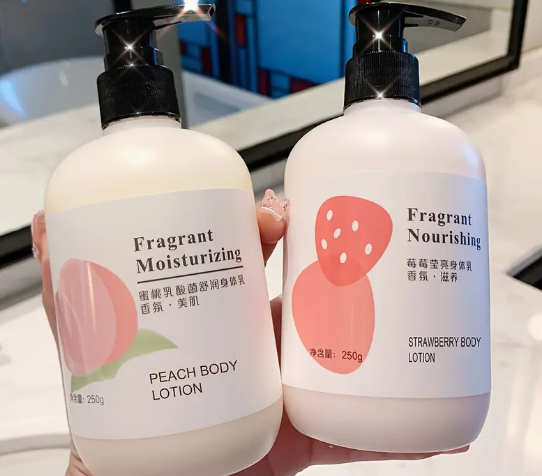
What they are: Hydrating lotions made with natural oils, plant extracts, and essential oils.
Target audience: Those with dry or sensitive skin, wellness-focused customers.
Benefits: Long-lasting moisture, soothing scents, non-greasy feel.
Why they sell well: People want daily-use products that feel safe and gentle on the skin.
Packaging considerations: Pumps or squeezable bottles with minimal plastic add value.
Marketing angle: Position lotions as part of a calming daily ritual.
6. Natural Soap Bars
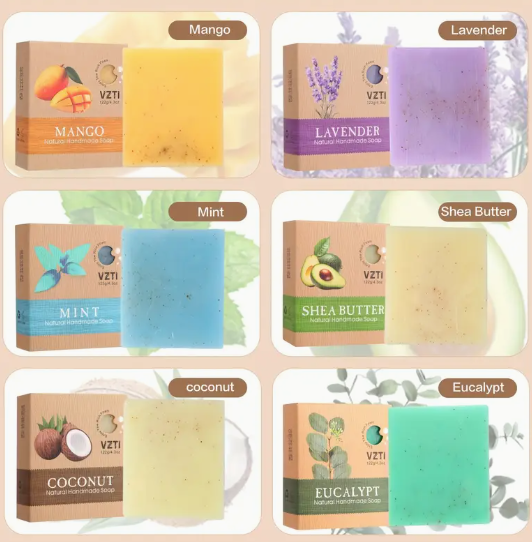
What they are: Artisanal bars made with essential oils, herbs, oatmeal, activated charcoal, or natural colorants.
Target audience: Zero-waste shoppers, those avoiding artificial fragrances, handmade product enthusiasts.
Benefits: Gentle cleansing, aromatherapy benefits, biodegradable ingredients.
Why they sell well: They’re visually appealing and align with low-waste lifestyle choices.
Packaging considerations: Kraft paper wraps or minimalist boxes enhance branding.
Marketing angle: Show the artisanal quality; emphasize “cold-processed” or “hand-poured” aspects if applicable.
7. Essential Oil Diffuser Sets
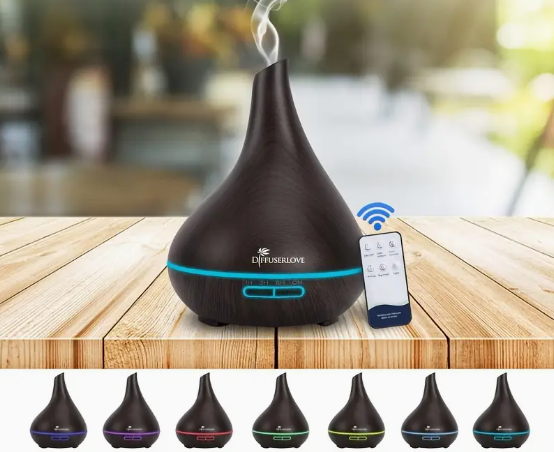
What they are: Home-wellness kits that include diffusers plus essential oils like eucalyptus, lavender, or citrus blends.
Target audience: Wellness enthusiasts, home decorators, people seeking stress relief.
Benefits: Relaxation, mood enhancement, better sleep, improved home atmosphere.
Why they sell well: Wellness and home ambiance trends remain strong, especially for at-home workspaces.
Packaging considerations: Gift-ready sets boost appeal during holidays.
Marketing angle: Position as a natural way to unwind or refresh a room.
8. Bamboo Beauty Accessories

What they are: Eco-friendly tools like bamboo combs, makeup brushes, toothbrushes, reusable makeup pads, and organizer trays.
Target audience: Sustainability-focused buyers, zero-waste lifestyle followers.
Benefits: Durable, biodegradable, stylish, reusable.
Why they sell well: Plastic-free alternatives are in demand and look aesthetically pleasing.
Packaging considerations: Simple, paper-based packaging reinforces sustainability.
Marketing angle: Promote them as practical swaps for everyday items.
9. Natural Exfoliating Scrubs
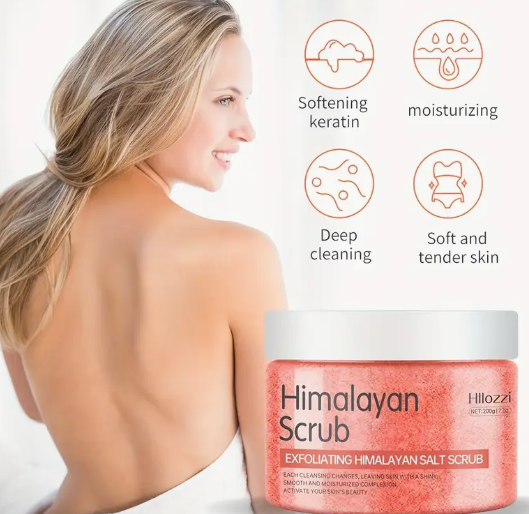
What they are: Scrubs made with sugar, salt, coffee grounds, or natural seeds.
Target audience: Customers seeking smooth skin, spa-like treatments at home.
Benefits: Removes dead skin, improves texture, boosts circulation.
Why they sell well: They create instant results and pair well with other skincare products.
Packaging considerations: Clear jars allow customers to “see” the natural ingredients.
Marketing angle: Offer bundle options with body oils or lotions for a complete routine.
10. Sleep and Relaxation Kits
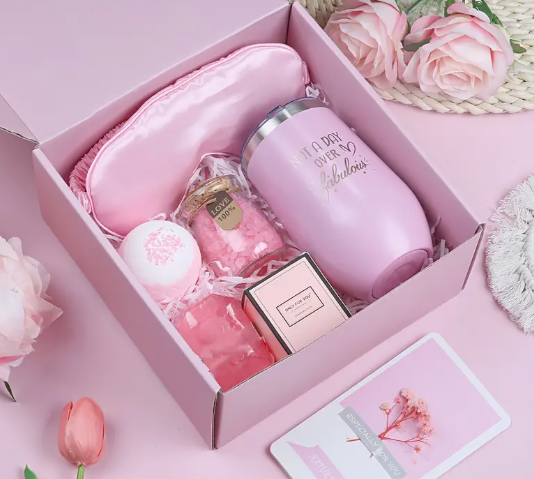
What they are: Sets that include items like lavender pillow sprays, calming balms, herbal teas, and essential oils.
Target audience: Busy professionals, wellness-conscious customers, gifting shoppers.
Benefits: Better sleep quality, reduced stress, improved mood.
Why they sell well: Self-care routines and wellness gifting are major growth areas.
Packaging considerations: Soft, calming design themes elevate the gifting experience.
Marketing angle: Position as a thoughtful, natural solution for winding down at the end of the day.
How to Choose Quality Natural Beauty Suppliers
Finding the right supplier is one of the most important steps when you plan to dropship natural beauty products. The natural beauty market attracts informed customers, so your products must meet expectations not just in performance, but also in safety, packaging, and consistency. A reliable supplier helps you maintain those standards and builds the foundation for long-term customer trust.
1. Ingredient Transparency and Clarity
Natural beauty customers pay close attention to what goes into a product. Look for suppliers who provide full ingredient lists, clear descriptions, and specifics on how ingredients are sourced. Transparency not only reduces customer hesitation but also helps you write accurate product descriptions. If your supplier can explain the purpose of each key ingredient, that’s a strong sign of credibility.
2. Consistent Quality and Safe Formulations
Quality matters more than ever in this niche. Products should be free of harmful additives, artificial fragrances, and unnecessary fillers. You want suppliers who follow good manufacturing practices and maintain stable formulas over time. Consistency also helps reduce returns and complaints, which can significantly impact your store’s reputation.
3. Packaging That Matches Customer Values
Natural beauty shoppers often care about packaging just as much as the formula itself. Suppliers that offer recyclable materials, glass bottles, or minimal plastic help you align with sustainability expectations. Neat, leak-proof packaging is essential for beauty products, especially items with oils or creams. Good packaging signals that the supplier pays attention to details.
4. Reasonable Shipping Times and Reliable Fulfillment
Beauty items are often reordered, so customers expect speedy delivery. Suppliers with multiple warehouse locations or efficient logistics systems help reduce waiting time. Reliable tracking updates and consistent delivery windows are also important—customers don’t want uncertainty when it comes to products they use daily.
5. Strong Communication and Responsiveness
A supplier’s responsiveness can make a big difference when you run into questions about stock, formulations, or packaging. Whether you need a product update or help troubleshooting an order, quick communication shows that the supplier treats your business seriously. This becomes especially valuable when new trends or seasonal demands emerge.
6. Realistic Minimum Order Requirements
Dropshipping doesn’t usually involve bulk orders, but some suppliers may have minimum quantity rules for certain items. Look for suppliers flexible enough to support varied order volumes. This keeps your business agile and lets you test different products without locking yourself into large commitments.
7. Support for Product Variations
Natural beauty buyers appreciate choice—scents, sizes, and ingredient combinations. Suppliers who offer variations of the same product allow you to expand your catalog easily without juggling multiple companies. This also helps you bundle products or create themed collections to boost your store’s appeal.
Recommended Supplier Options for 2026
Selecting the right supplier is one of the most important decisions you’ll make when you dropship natural beauty products. The suppliers you choose influence everything from customer satisfaction to your brand’s credibility. In 2026, natural beauty buyers are more informed and selective than ever, so working with reliable partners is essential. Below are several supplier types and real examples, along with insights into how they fit different business strategies.
1. Large Dropshipping Platforms with Beauty Catalogs
Platforms that offer a wide range of products allow you to test multiple natural beauty categories without committing to bulk inventory. Spocket, for example, has a bath and beauty section that includes natural soaps, handmade lotions, and skincare accessories. These platforms are great when you want to explore different sub-niches, expand your catalog quickly, or run seasonal experiments.
Strengths:
-
Large product variety, ideal for early-stage testing
-
Easy to integrate with major store platforms
-
No minimum order requirements
-
Suitable for curated stores with diverse categories
Considerations:
-
Product quality can vary from one supplier to another
-
Ingredient transparency may differ across items
-
Packaging consistency is not always guaranteed
Large platforms work well when you want flexibility and room to experiment, but you’ll still need to do your due diligence on each individual item.
2. Specialist Natural Beauty Wholesalers
If your brand is centered on clean, plant-based skincare and wellness products, specialist wholesalers are strong partners. A company like DR.HC Cosmetics Lab produces organic, vegan, cruelty-free skincare items formulated with minimal ingredients. These suppliers typically focus on a specific niche, so their collections tend to be curated, consistent, and aligned with the values of conscious consumers.
Strengths:
-
Strong ingredient transparency
-
Products often come with clean beauty certifications
-
Higher-quality formulations
-
Better alignment with core natural beauty values
Considerations:
-
Smaller product ranges
-
Sometimes require membership or minimum orders
-
Slightly higher product pricing
Brands looking to stand out in the natural beauty segment often find specialist suppliers ideal for building trust and authority.
3. Regional and Multi-Warehouse Suppliers
Beauty buyers expect dependable shipping because many products are used daily. Regional suppliers or those with multi-warehouse logistics offer faster delivery and more reliable fulfillment. They can keep products closer to customers, reducing transit time and potential damage during shipping.
Strengths:
-
Faster shipping times
-
Easier returns or exchanges
-
Lower risk of shipping delays or damages
Considerations:
-
Product variety might be more limited
-
Costs per unit may be higher due to localized stock
These suppliers are a good match for sellers targeting specific countries or prioritizing quick delivery as part of their brand promise.
4. Hybrid Fulfillment Partner: CJdropshipping
For many online sellers, particularly those working with natural beauty products, CJdropshipping provides a balanced mix of variety and operational support. They offer a beauty and skincare category, access to a broad catalog, and multi-warehouse fulfillment options that help reduce delivery time. Automated integration with major eCommerce platforms streamlines order syncing, tracking, and inventory updates, lifting a significant burden from day-to-day management.
What makes this option appealing is not only the broad selection but the ability to coordinate product sourcing, packaging, and delivery in one place. If you’re building a brand around quality and consistency, having a supplier that helps maintain those standards behind the scenes can be extremely helpful.
5. Eco-Focused and Certified Natural Suppliers
Suppliers that specialize in eco-friendly, certified natural, or organic products are increasingly important in 2026. GreenDropShip, for example, emphasizes natural beauty and body care items with cleaner ingredient profiles. These suppliers resonate strongly with customers who prioritize sustainability, cruelty-free formulations, and ethical sourcing.
Strengths:
-
Strong alignment with eco-conscious customer values
-
Better ingredient clarity
-
Appeal to niche markets that are willing to pay premium prices
Considerations:
-
Higher price point
-
More limited selection
If your brand targets a sustainability-focused audience, these suppliers help reinforce your message and strengthen your brand story.
6. Small-Batch Artisanal Makers
Small-batch producers, including handmade soap makers, natural perfume creators, and organic skincare artisans, can offer unique items that help your store stand out. These suppliers focus on craftsmanship, often using cold-processing methods or hand-selected ingredients.
Strengths:
-
Unique products that differentiate your store
-
Authentic, handcrafted appeal
-
Higher perceived value
Considerations:
-
Limited inventory
-
Variable supply consistency
-
Sometimes longer production times
These are ideal for boutique-style brands or those building a premium, artisanal image.
When choosing suppliers for natural beauty products in 2026, think carefully about ingredient quality, packaging consistency, shipping speed, and the values your brand wants to communicate. Matching your supplier to your brand strategy—rather than simply chasing low prices—creates the foundation for lasting customer loyalty and sustainable growth.
Marketing Tips for Selling Natural Beauty Products
Marketing natural beauty products requires a combination of education, storytelling, and authenticity. Shoppers in this niche are curious, detail-oriented, and highly selective, so generic sales copy won’t work. Instead, focus on creating a brand experience that feels trustworthy, helpful, and aligned with your customers’ values. Here are practical strategies to help you attract the right audience and increase conversions.
1. Lead with Ingredient Benefits
Natural beauty buyers want to understand what they’re putting on their skin or hair. Break down a product’s key ingredients and explain what each one does. Instead of simply listing “rosehip oil,” explain that it’s known for gentle hydration and helps improve texture and suppleness. Use clear, friendly language, and keep it educational rather than overly scientific.
2. Use Visual Content That Feels Real
High-quality product images matter, but lifestyle visuals make an even bigger impact. Show your products in real, relatable settings—a bathroom shelf, bedside table, or self-care routine. Short videos of texture, scent impressions, or usage steps help customers imagine the product in their daily life. Avoid overly filtered or staged photos; authenticity feels more convincing in this niche.
3. Highlight Values, Not Buzzwords
Words like “clean,” “organic,” and “natural” are common, but they’ve lost meaning for many buyers. Instead of relying on buzzwords, focus on real qualities your product offers—short ingredient lists, plant-based formulas, cruelty-free production, or eco-friendly packaging. These details help build credibility and reduce skepticism.
4. Encourage Customer Reviews and Feedback
Natural beauty customers often rely heavily on real user experiences. Invite your buyers to share reviews, photos, or their favorite ways to use the product. User-generated content not only builds trust but can also inspire new customers who are evaluating your store. Responding to reviews, even the critical ones, demonstrates professionalism and care.
5. Educate Through Content
Create helpful content that answers common questions. For example:
-
“How to build a simple natural skincare routine”
-
“The difference between clay types in detox masks”
-
“How rosemary oil supports scalp health”
Content like this positions your store as a knowledgeable resource rather than just a place to buy products. It also helps improve your SEO and brings in organic traffic.
6. Offer Thoughtful Bundles
Beauty customers love sets and kits because they make routines easier. Bundle products that naturally complement each other—such as a facial oil with a natural scrub or a clay mask with a reusable bamboo applicator. Bundles offer more value, increase average order value, and make excellent gift options.
7. Be Transparent About Expectations
Natural beauty products often deliver steady, gradual results rather than overnight transformations. Setting honest expectations helps reduce returns and builds long-term trust. Your messaging should focus on consistency, routine, and supporting overall skin or hair health.
8. Tap Into Seasonal Needs
Different products shine at different times of the year. Lightweight lotions and refreshing scrubs perform well in warmer months, while nourishing oils, deep-hydration creams, and soothing sleep kits sell best in cooler seasons. Create seasonal promotions to keep your store in tune with customer needs.
Building a Standout Natural Beauty Brand in 2026
Natural beauty products are more than just a category—they’re part of a lifestyle shift toward cleaner routines, mindful consumption, and everyday wellness. For sellers, this creates a unique opportunity to build a brand that speaks to customers’ values while offering products they genuinely enjoy using.
Success in this niche doesn’t come from listing as many items as possible. It grows from choosing products with intention, being transparent about ingredients, and partnering with suppliers who share your commitment to quality. When your store consistently delivers safe, well-made beauty items—and communicates clearly about what makes them special—customers notice. Over time, that reliability becomes your strongest marketing asset.
As you move forward, keep refining your product selection, listen to customer feedback, and pay attention to emerging trends in natural skincare and wellness. With the right mindset and reliable fulfillment support behind you, your natural beauty dropshipping business can evolve into a brand that feels trusted, thoughtful, and relevant—no matter how the market shifts.