
FOCALLURE is a Chinese cosmetics brand that has rapidly transformed from a niche online store into a global beauty sensation. Founded in 2014 in Guangzhou, China, FOCALLURE built its name by offering high-quality makeup at affordable prices, living up to its motto that “beauty is not a luxury”. Today, FOCALLURE’s products are sold in over 100 countries, both online and in retail stores, and the brand boasts a massive fanbase of beauty lovers worldwide. This case study delves into how FOCALLURE achieved its global success through smart use of e-commerce (leveraging Shopify ), a savvy branding and product strategy, innovative marketing with influencers, and streamlined fulfillment logistics. We’ll then distill key actionable takeaways for aspiring beauty and fashion entrepreneurs looking to build their own global brand on Shopify, inspired by FOCALLURE’s playbook.
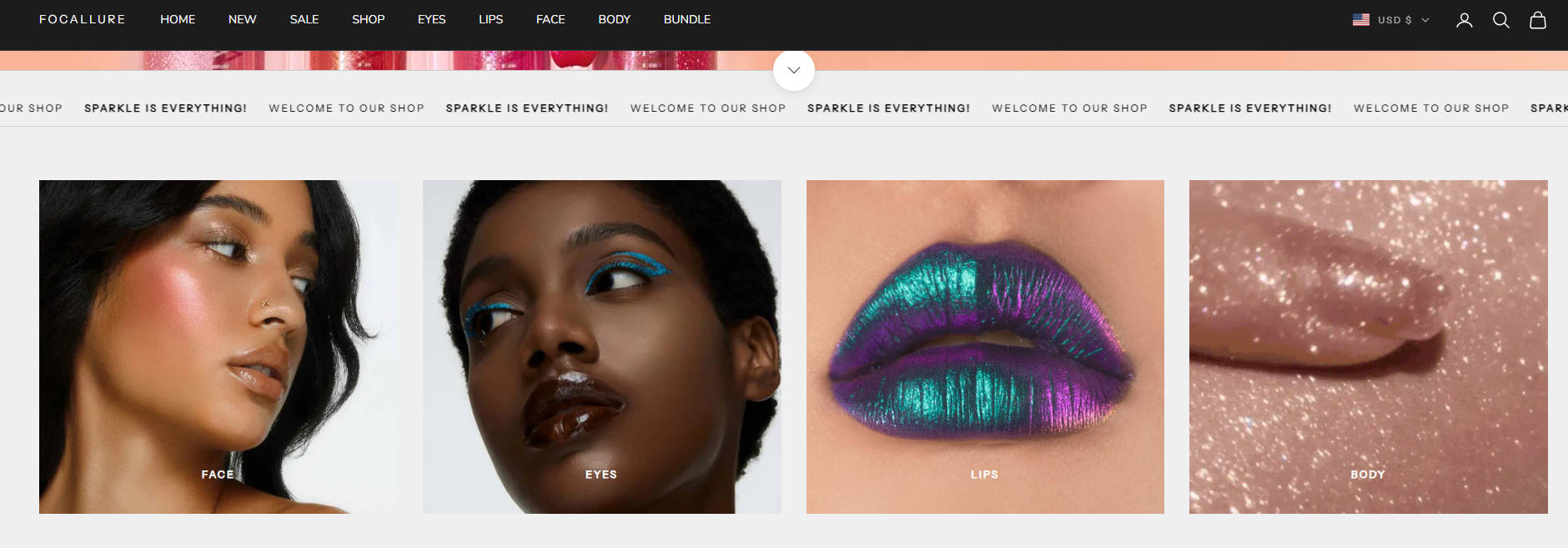
FOCALLURE’s Rise: A Case Study in Global Beauty Success
FOCALLURE’s journey offers a blueprint for how a digitally-native beauty brand can scale internationally. From its tech infrastructure to its product development, marketing tactics, and operations, every piece worked in harmony. Let’s explore each element of FOCALLURE’s strategy:
Powered by Shopify: E-Commerce Infrastructure & the Kalles Theme
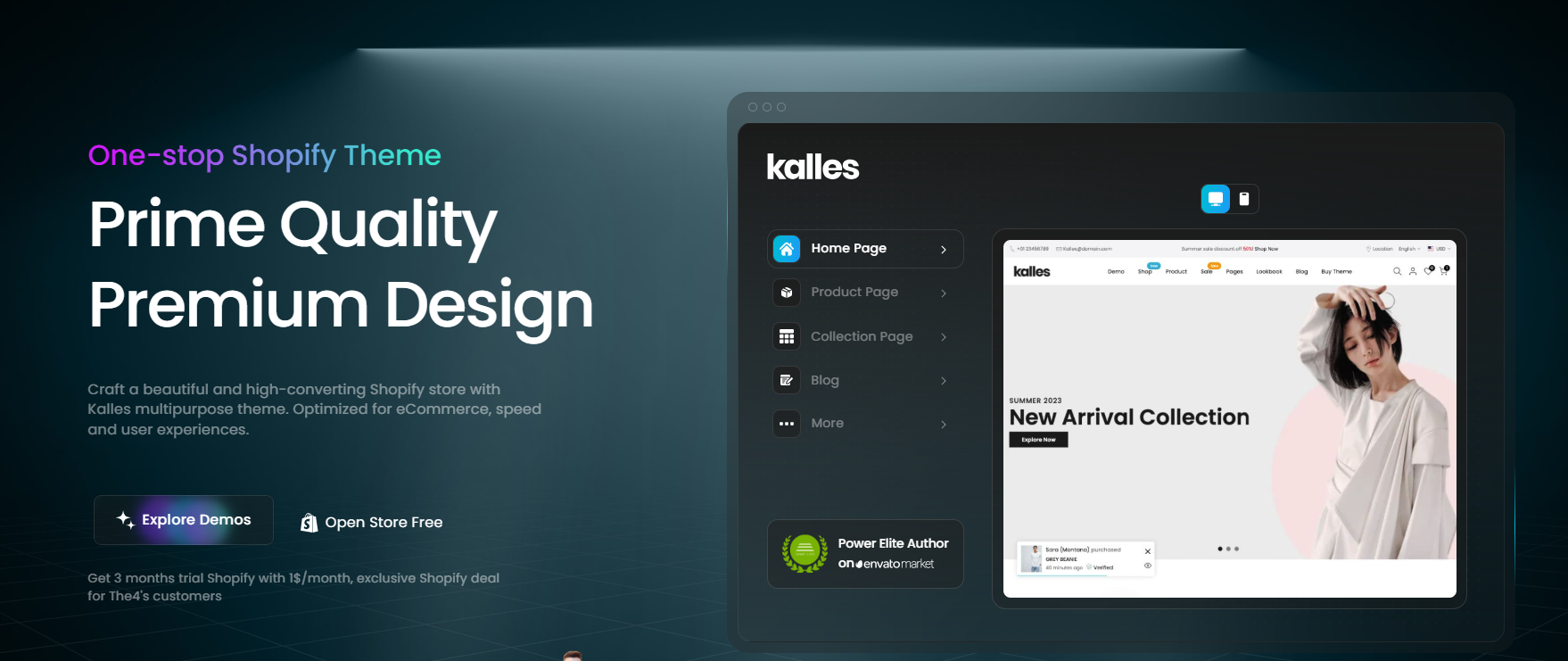
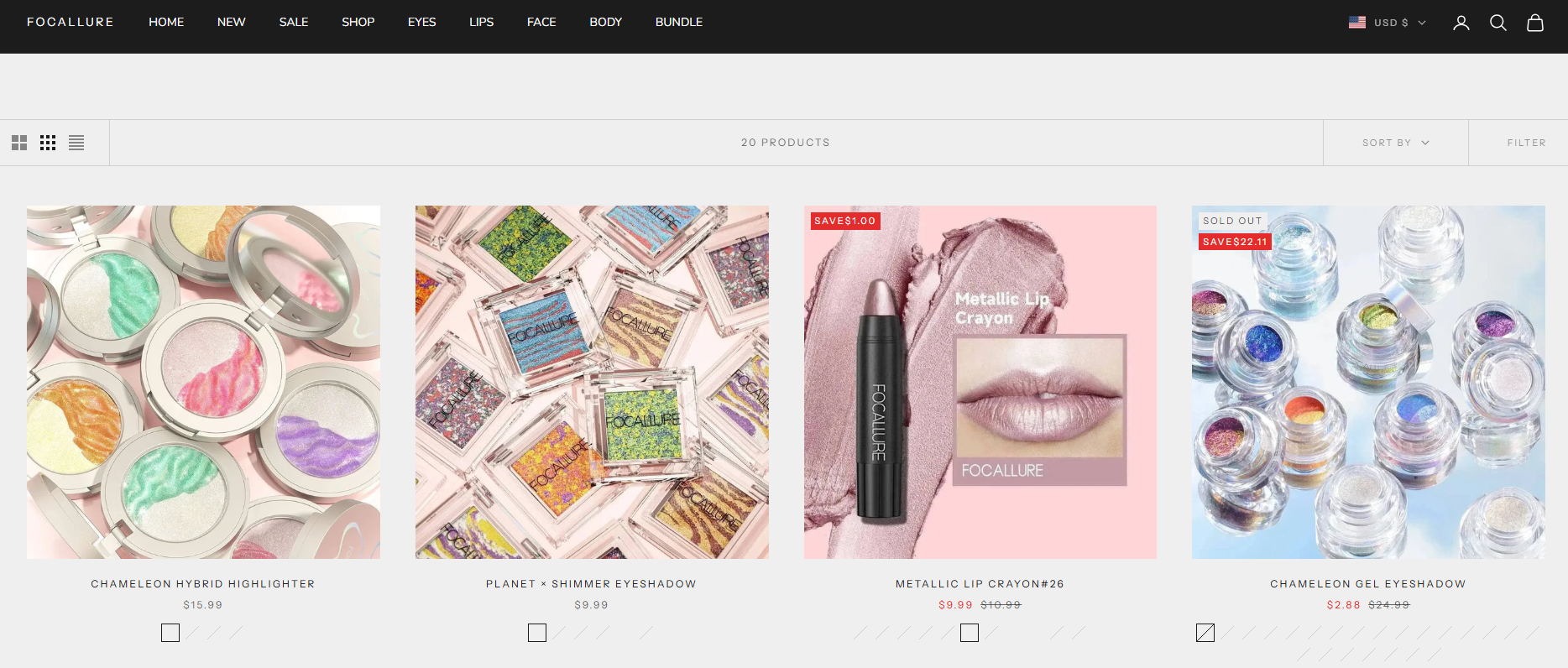
One of the foundations of FOCALLURE’s success was its robust e-commerce setup. After initially selling through marketplaces (FOCALLURE first gained traction in 2014 via AliExpress), the company launched its own official online store on June 1, 2018. FOCALLURE chose Shopify as its platform, benefiting from Shopify’s stability, scalability, and international capabilities. Crucially, FOCALLURE built its site using the popular Kalles theme, a multipurpose Shopify theme known for its modern design and conversion-friendly features. Kalles provided FOCALLURE a sleek, professional storefront without requiring heavy custom development – an all-in-one solution combining attractive layouts with built-in e-commerce tools. This allowed the brand to launch quickly and look polished from day one.
Global-friendly online store: FOCALLURE’s Shopify site is optimized for an international customer base. The site supports multiple currencies and regions – customers can choose their country from a long list (United States, Indonesia, France, Saudi Arabia, and dozens more) and see prices in local currency. This localization, enabled by Shopify’s multi-currency features, helped FOCALLURE welcome shoppers worldwide without friction. The site prominently advertises “Fast delivery worldwide” and free shipping thresholds, reinforcing that it’s a global brand. In fact, FOCALLURE offers free standard shipping on international orders over a certain amount (e.g. $39+ in the U.S.), with typical delivery in 10–15 working days – a reasonable timeframe that makes worldwide customers comfortable purchasing online.
User experience and theme customization: By using the Kalles theme, FOCALLURE’s site blends visual appeal with functionality. The theme’s responsive, clean design suits beauty products, and FOCALLURE further customized it to reflect their branding (soft color palette, stylish fonts, and vibrant product imagery). Built-in features like product quick views, wishlists, and product filtering enhance shopping convenience. Kalles is optimized for fast loading and mobile shopping, which is vital since many of FOCALLURE’s young customers discover products via smartphones on social media. The theme’s extensive customization options enabled FOCALLURE to create unique pages for product collections, bundle deals, and more without needing a large web development team.
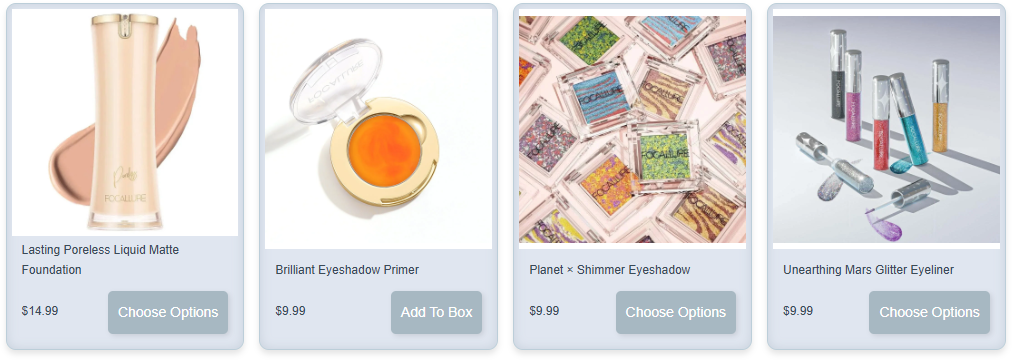
Creative selling techniques: FOCALLURE also leverages Shopify apps and theme capabilities to boost sales. For example, the brand offers a “5 for $40” fixed-price bundle where customers can pick any 5 makeup items for $40. This bundle (implemented via a Shopify app) entices shoppers to add more to their carts, increasing average order value. It’s cited as a great example of a fixed-price bundle strategy for beauty e-commerce. By integrating such promotions seamlessly into their Kalles-themed store, FOCALLURE keeps the shopping experience engaging. Additionally, FOCALLURE runs an ambassador/affiliate program (powered by tools like Refersion) that recruits customers and influencers to promote products for a commission. This indicates the Shopify store is equipped with referral tracking and influencer-friendly features, turning the brand’s fans into active marketers.
Overall, FOCALLURE’s investment in a scalable e-commerce infrastructure paid off. Shopify provided reliability and global reach, while the Kalles theme gave a professional, conversion-optimized interface that could grow with the company. New product launches, flash sales, multi-currency pricing – all these were easier to execute with Shopify’s ecosystem. By building on a strong technical foundation, FOCALLURE set the stage for rapid international growth.
Branding and Product Strategy: Making “Luxury” Affordable
At the heart of FOCALLURE’s brand strategy is a simple but powerful value proposition: premium beauty for everyone. FOCALLURE’s founders – a team of beauty enthusiasts – saw an opportunity to deliver cosmetics that rival high-end brands in quality, yet are priced within reach of young consumers. This mission is encapsulated in the brand’s slogan “beauty is not a luxury”, and the goal to “make beauty accessible to everyone.” In practice, this philosophy shaped everything from product development to pricing and messaging.
Clear mission and identity: FOCALLURE’s name itself combines “focus” and “allure,” reflecting a commitment to helping people highlight their unique allure. The brand consistently emphasizes affordability, inclusivity, and creativity. “Even though girls are willing to buy lots of cosmetics to look pretty, we want to show that cosmetics don’t have to be expensive,” the company explains. This positioning struck a chord with cost-conscious Gen Z and millennial consumers worldwide. Shoppers know FOCALLURE as a source of trendy, wallet-friendly, and quality makeup – a one-stop shop where a full makeup kit won’t break the bank.
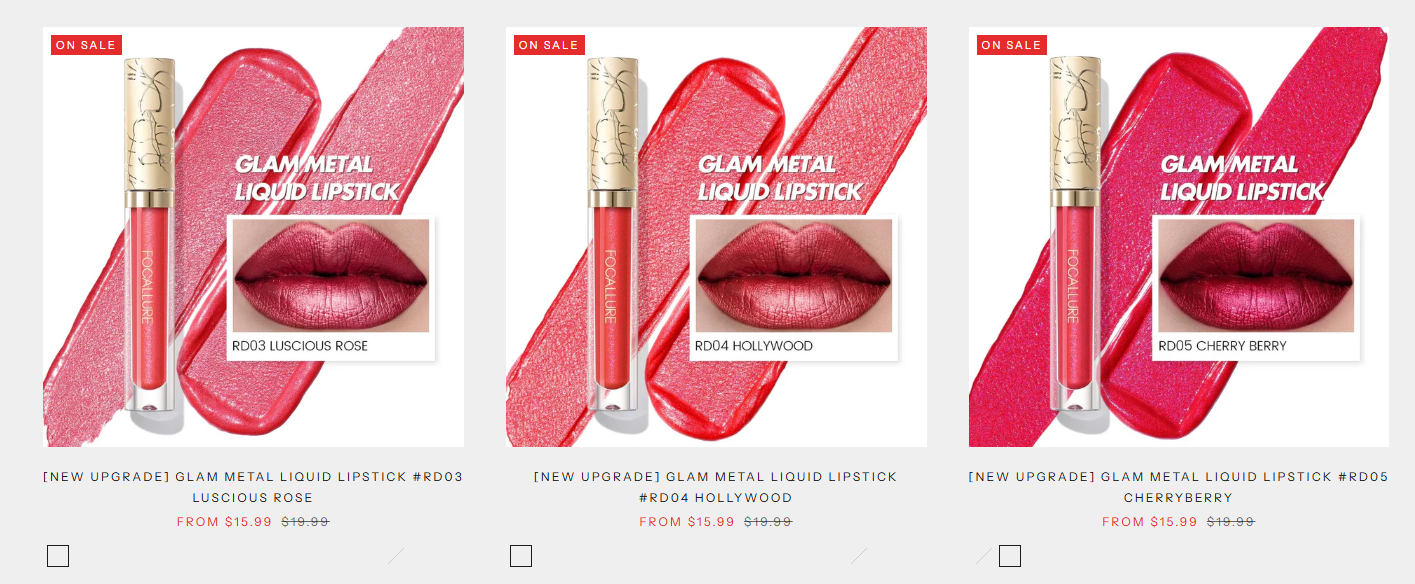
High quality at low cost: Delivering on the promise of quality was crucial for credibility. FOCALLURE products are formulated with premium ingredients and held to international standards, yet priced dramatically lower than Western prestige brands. The company prides itself on being 100% cruelty-free and vegan, aligning with modern consumers’ ethical values. By owning its production (the brand does in-house formulation, manufacturing, and packaging), FOCALLURE can maintain quality control while keeping costs down. This vertical integration also enables fast innovation (more on that shortly). The result is a wide range of cosmetics – from foundations and lipsticks to skincare and even hair products – that consistently earn positive reviews for performance relative to price. FOCALLURE’s commitment to “high-quality cosmetics at affordable prices” is cited as a key reason it gained global recognition so quickly.
Agile product development and trend responsiveness: Another cornerstone of FOCALLURE’s strategy is speed and innovation in product launches. The beauty industry moves fast, with new colors and formulas trending each season. FOCALLURE leverages a “fast beauty” model, using its 20+ years of R&D experience and data analysis to quickly turn emerging trends into products. “We use a minimum of time to deliver a popular concept or color in makeup products,” the company says, noting this efficiency gives them an edge over traditional brands. Essentially, FOCALLURE can spot a fad (say, holographic lip gloss or a particular K-beauty inspired look) and have a product in that category ready for market while the trend is hot. This agility keeps young customers excited – there’s always something new on FOCALLURE’s site reflecting the latest beauty buzz.
For example, FOCALLURE’s Velvet Matte Lipstick and Air Cushion Foundation were innovative products that became big hits, showing the brand’s ability to combine on-trend concepts with its own formula improvements. The company also isn’t shy about creating dupes or more affordable alternatives to luxury brand bestsellers, which draws value-seeking shoppers. With over 250 SKUs offered in some regions, FOCALLURE ensures a huge selection – far more variety than most local competitors can match. This breadth means customers (especially those new to makeup) can find all their beauty needs under the FOCALLURE umbrella, building loyalty.
Localized product strategies: As FOCALLURE expanded globally, it cleverly tailored its product mix and pricing to local market needs. The brand’s parent company (Guangzhou Jizhi) employs a customer-to-manufacturer (C2M) model in its Chinese factories, allowing customization of products for different regions. For instance, in price-sensitive Southeast Asia, FOCALLURE’s typical price range of USD $2–5 per item perfectly aligns with Gen Z spending power in countries like Indonesia and Thailand. By offering quality makeup at the same low price point that local youth expect to pay (often under $6 for an item), FOCALLURE rapidly won market share. In Indonesia’s mass-market cosmetics category, FOCALLURE and sister C-beauty brands grew from virtually nothing to capturing over 15% market share by 2024 – a testament to the right products at the right price. FOCALLURE’s broad range also caters to local preferences; for example, it can introduce specific shades or product lines (like halal-certified items or more natural looks) if a certain region demands it. This balance of a globally consistent brand ethos with localized product strategy helped FOCALLURE resonate in diverse cultures.
In summary, FOCALLURE’s brand and product strategy built a strong foundation of trust and relevance. By making “luxury” affordable, moving quickly on trends, and never compromising on quality or ethics, FOCALLURE positioned itself as an irresistible choice for young beauty consumers worldwide. The brand story – that beauty should be fun, accessible, and limitless – is one that translates across borders.
Marketing Magic: Influencers, Social Media & Content Creation
If FOCALLURE’s attractive products and prices set the stage, its savvy marketing took the show on the road. From early on, FOCALLURE embraced social media and influencer marketing as the engine of its global growth. The brand built a vibrant online community and converted countless beauty enthusiasts into customers through engaging content. Let’s break down how FOCALLURE’s marketing strategy fueled its rise:
Massive social media presence: FOCALLURE understood that modern beauty brands are built on Instagram feeds, YouTube tutorials, and TikTok videos. The company cultivated an active fanbase on all major platforms, often using the handle @focallurebeauty (with region-specific accounts like @focallurebeauty_id for Indonesia). As of 2025, FOCALLURE had over 10 million followers combined on Instagram and TikTok – an enormous audience for a relatively young brand. The content ranges from glamorous product shots and makeup looks, to influencer takeovers and user-generated posts. This social reach not only drives direct online sales, but also builds brand awareness in new markets long before FOCALLURE even sets up local distribution.
Influencer partnerships at every level: A cornerstone of FOCALLURE’s marketing is its strategic use of beauty influencers and Key Opinion Leaders (KOLs). Rather than traditional ads, FOCALLURE invests in relationships with creators who already have the trust of target consumers (especially Gen Z). The brand’s approach is comprehensive – from mega-celebrities to micro-influencers. For example, Chinese superstar Yang Mi has endorsed FOCALLURE, lending star power and credibility in the domestic market. But equally important, FOCALLURE has collaborated with hundreds of smaller influencers worldwide: makeup YouTubers, Instagram beauty enthusiasts, TikTok content creators, etc. In fact, the brand launched a “Focallure Babes” ambassador program to turn loyal customers and budding influencers into official brand advocates. These ambassadors receive free products or commissions in exchange for promoting FOCALLURE on their channels, creating a constant stream of authentic word-of-mouth content.
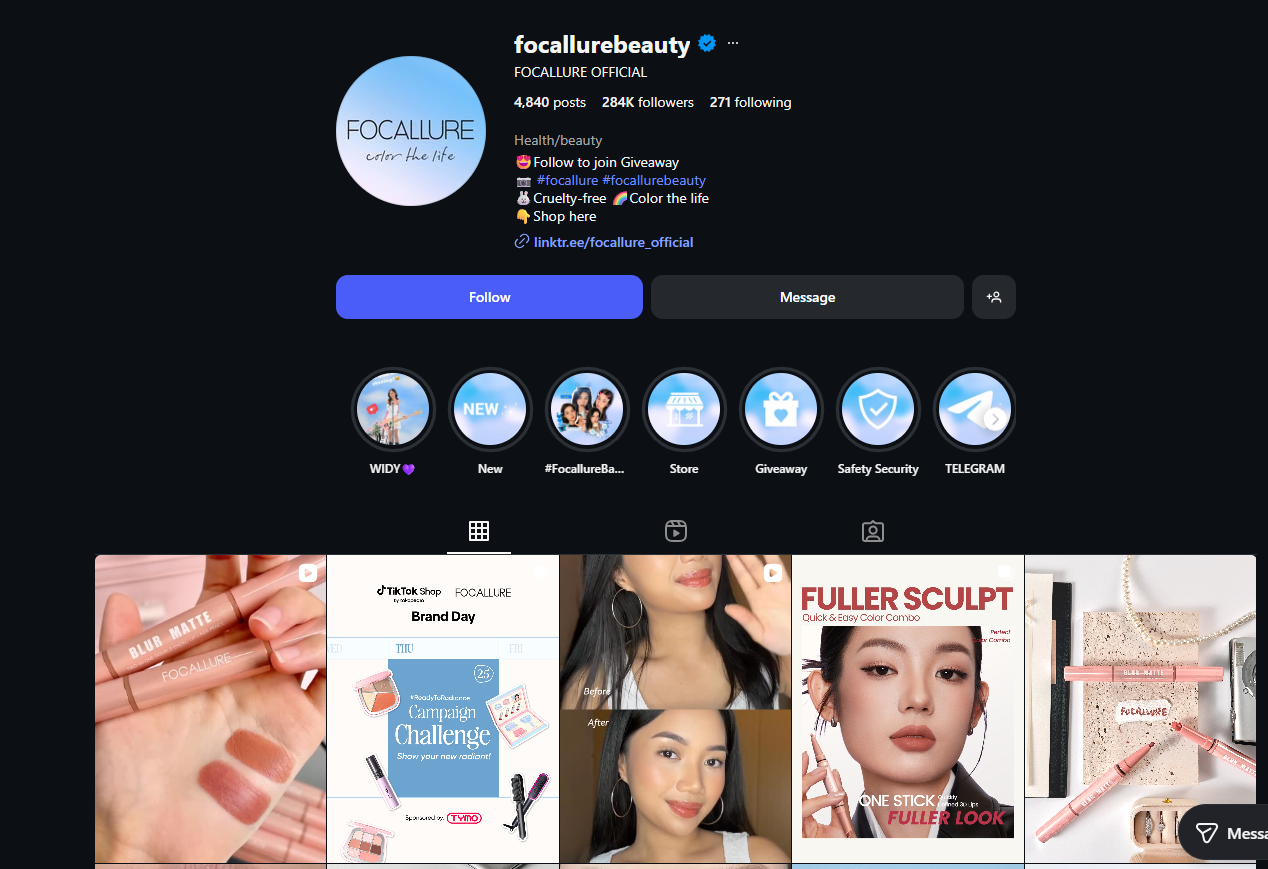
FOCALLURE’s influencer strategy is very localized and data-driven. The parent company runs multiple TikTok accounts per brand per market to ensure there’s always fresh, region-appropriate content targeting that country’s youth (a tactic noted by Jing Daily) – essentially flooding TikTok with FOCALLURE content tailored to each locale. When entering new markets like Southeast Asia, FOCALLURE collaborates with local niche influencers who can speak the language (literally and culturally) of consumers there. By avoiding overt “Made in China” branding and instead letting local KOLs lead the narrative, FOCALLURE gains acceptance as a trendy brand for that market.
Case in point – Vietnam influencer campaign: A vivid example of FOCALLURE’s marketing magic is its 2021 influencer campaign in Vietnam, a market where the brand achieved viral popularity. To quickly build awareness locally, FOCALLURE orchestrated a multi-platform influencer blitz. Over a few months, 12 beauty YouTubers were engaged to film product review videos demonstrating FOCALLURE’s new makeup line, discussing its price and quality while creating looks on camera. These videos garnered more than 700,000 views on YouTube with exceptionally high engagement (8–10% of viewers liked or commented) – a sign that viewers were impressed with the products. Simultaneously on Facebook, FOCALLURE worked with 20 influencers who posted photo reviews and short video clips wearing FOCALLURE makeup, using hashtags like #Focallure and #Focallurereview. Many of these Facebook posts received 2,000–3,000 interactions each, spreading the buzz among Vietnamese beauty communities.
On Instagram and TikTok, FOCALLURE leaned into short-form video content: unboxings, quick tutorials, and “before-and-after” transformation reels – exactly the style of content that grabs young users’ attention. They even enlisted smaller micro-influencers on these platforms to amplify word-of-mouth. Individual TikToks and IG Reels showcasing FOCALLURE products often reached 70,000–300,000 views each, with some achieving likes from 40% of viewers (extremely high engagement). This viral content translated to real sales: the campaign boosted FOCALLURE’s Vietnam revenue by 25% and increased new orders by 17%. Those are remarkable results, confirming how effectively the coordinated influencer approach turned online buzz into conversion.
FOCALLURE replicates similar influencer-centric campaigns in many markets, tuning the specifics to each locale. The brand’s ability to mobilize a swarm of content creators gives it an outsized footprint on social media relative to its size. Essentially, FOCALLURE lets influencers do its storytelling, and they do it in an organic, compelling way that resonates far more than corporate ads.
User-generated content and community: Beyond formal influencer deals, FOCALLURE actively encourages everyday customers to participate in its marketing. The brand frequently reposts looks created by real users (who tag @focallurebeauty or use hashtags like #focallurefam) on its official pages. This not only provides a steady stream of authentic content, but also fosters community – fans feel like they’re part of the Focallure family. FOCALLURE’s regional Instagram pages (e.g. Focallure Indonesia) run contests and calls to action like “show us your Focallure collection” or PR package giveaways, further engaging followers. The “Get featured” page on their website urges customers to tag #focallurefam for a chance to be highlighted, reinforcing that the brand values its user community. By building this passionate tribe of Focallure fans, the company benefits from countless micro-ambassadors who share their love of the products with friends and followers (free advertising!). It’s a virtuous cycle: more UGC leads to more social proof, which leads to more new customers willing to try FOCALLURE.
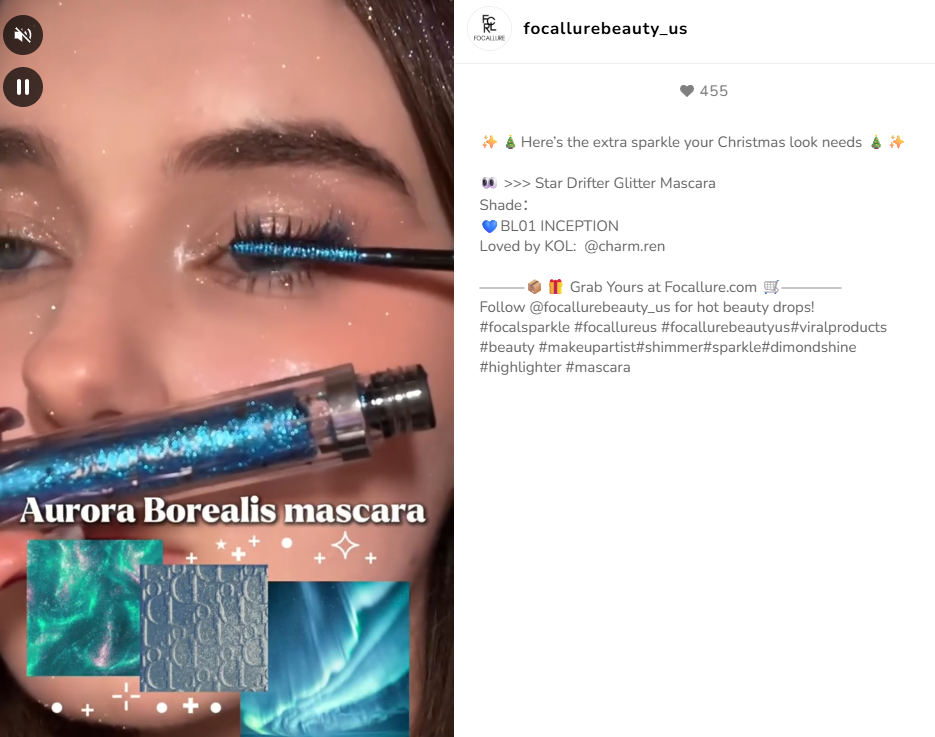
Content that educates and entertains: FOCALLURE also smartly produces its own content that adds value for consumers. Their YouTube channel and Instagram often feature makeup tutorials, skincare tips, and product how-tos using FOCALLURE items. Rather than just pushing product, they focus on content marketing – helping consumers solve problems like achieving a certain look or mastering a technique. This positions FOCALLURE as a beauty authority and keeps potential customers watching (and then inevitably shopping). The brand’s emails and blog occasionally share beauty trends and news (for instance, announcing new collections or collaborations), which keeps the audience engaged with the brand narrative.
Leveraging viral trends and collabs: To keep its marketing fresh, FOCALLURE isn’t afraid to jump on viral social trends. From TikTok challenges to seasonal hashtag movements, they make sure FOCALLURE products are part of the conversation. A prime example was FOCALLURE’s TikTok success with a matte lip glaze in 2023. According to a TikTok analytics report, FOCALLURE’s Matte Lip Glaze became the #1 beauty product and #4 overall product on TikTok’s Vietnam e-commerce marketplace at one point. In just 30 days, over 40,400 units of this lip color sold via TikTok shop, generating around 355 million Vietnamese đồng in GMV. What fueled this virality? Approximately 70 TikTok creators promoted the product, posting 429 short videos and 89 live streams that amassed 2.4 million total views. The content ranged from swatching all 17 available shades, to doing smudge-proof tests on camera. Viewers were enticed by the “mystical” effect (it goes on glossy then sets matte and non-sticky) and the low price (about 89,000₫, roughly $3-4) – and they converted in droves. This example underscores how FOCALLURE masters the art of viral marketing by combining a hot platform (TikTok), compelling product demos, and an army of micro-influencers to spark a buying frenzy.
Finally, FOCALLURE’s marketing extends to strategic brand collaborations and events. They have done product collabs (e.g., a Sanrio-themed makeup line that capitalized on cute packaging hype), and participate in beauty expos or pop-up events in various countries to gain on-ground visibility. The brand also partnered with fashion shows and local beauty pageants, aligning itself with the glamour of those events. All these efforts reinforce FOCALLURE’s image as a trendy, globally relevant brand for the new generation.
In essence, FOCALLURE cracked the code of modern marketing: they let the content and the community do the selling. By heavily focusing on influencers, user content, and social engagement (rather than traditional ads), FOCALLURE achieved both broad reach and genuine credibility. Aspiring brands can learn from how FOCALLURE meets young consumers where they already are (Instagram, TikTok), speaks their language through relatable voices, and converts engagement into ecommerce success.
Fulfillment & Logistics: Delivering Beauty Worldwide
Scaling a global brand isn’t just about marketing and sales – operational excellence behind the scenes is equally important. FOCALLURE invested in fulfillment and logistics strategies that allowed it to reach customers worldwide efficiently, while maintaining product quality and brand experience. Here’s how FOCALLURE mastered the art of delivering beauty to the doorsteps of millions:
Streamlined global shipping: From the start, FOCALLURE built its logistics to be international. Orders from the official Shopify store can be shipped to virtually any country – a necessity given FOCALLURE’s dispersed online fanbase. The company’s Hong Kong-based entity (Hong Kong Focallure Technology Ltd.) likely serves as a hub for overseas fulfillment, taking advantage of Hong Kong’s well-connected shipping infrastructure. FOCALLURE’s shipping policies are designed to encourage cross-border sales: they offer free standard global shipping for orders above a certain value (e.g. free shipping on U.S. orders over $39). This threshold is relatively low, nudging customers worldwide to add an extra item or two to qualify – boosting average order value while ensuring they get a good deal on delivery. The standard international shipping timeframe (10–15 business days) is clearly communicated, and is competitive for a package traveling from Asia to, say, North America or Europe.
For customers who want their goodies faster, FOCALLURE likely offers paid express shipping options via courier (DHL, FedEx, etc.), though the majority seem content with free standard post. The key is that FOCALLURE removes friction for global buyers – knowing you can get affordable makeup delivered anywhere (often with no shipping fee) greatly expands the market. It also helps that FOCALLURE’s products are small and lightweight, keeping international shipping costs manageable. By negotiating bulk rates with logistics partners and optimizing packaging sizes, the brand makes worldwide fulfillment economically feasible.
Robust packaging and unboxing experience: Getting products into customers’ hands in perfect condition is paramount for any beauty brand, and FOCALLURE doesn’t skimp on packaging quality. The company uses durable, well-designed packaging materials to protect its cosmetics in transit. Industry sources note that FOCALLURE’s standard wholesale boxes are made of 350–400gsm kraft paper with matte or gloss lamination – in layman’s terms, a thick, sturdy cardboard that can withstand rough handling. For higher-end product lines or gift sets, they even use rigid magnetic closure boxes to give a luxury feel. Sturdy packaging means that even delicate powders or glass bottles are less likely to break or leak on the journey from the warehouse to the customer, whether that journey is 2 days or 2 weeks long.
FOCALLURE also pays attention to the aesthetics of packaging. Unboxing a FOCALLURE order is meant to be a delightful experience, with colorful boxes and cute inserts that “put a smile on your face,” as one social post noted. The brand often includes thank-you cards, discount coupons for next purchase, or small free samples in the package, which surprise and delight customers. This thoughtful presentation turns many shoppers into repeat buyers (and unboxing video creators!). Importantly, FOCALLURE’s packaging also often carries QR codes or scratch-off codes for authenticity verification, given the rise of counterfeit cosmetics. The brand provides an “Authenticity” check service – an important trust factor when shipping globally, as customers want to be sure the items they receive are genuine FOCALLURE products. By integrating anti-counterfeit measures, FOCALLURE protects its reputation and gives international buyers confidence despite being far from the source.
Inventory and supplier management: FOCALLURE’s vertical integration (doing its own manufacturing) gives it a huge advantage in inventory and supply chain management. They can forecast demand from their Shopify store data and influencer campaigns, then quickly ramp up production in their Guangzhou facilities to meet that demand. This tight coupling avoided the stockouts that often plague fast-growing brands – FOCALLURE can refill hot items in days or weeks, not months. The brand likely works with multiple raw ingredient suppliers and packaging vendors but maintains strict oversight. The C2M (customer-to-manufacturer) model mentioned earlier means production is closely guided by real-time customer preferences. If a certain eyeshadow shade goes viral on TikTok, FOCALLURE can prioritize manufacturing more of it immediately. This responsive supply chain ensured that marketing success (spikes in orders) could be fulfilled rather than resulting in backorders.
As FOCALLURE expanded to new regions, it also formed partnerships with local distributors and warehouses to shorten delivery times. For example, in Southeast Asia, FOCALLURE operates official stores on Shopee and Lazada that likely ship from within the region (some C-beauty brands establish regional warehouses in Singapore or Vietnam). In markets like the Middle East, there are local Focallure franchise partners (e.g. Focallure Arabia) to handle distribution. These supplier and distributor partnerships amplify FOCALLURE’s logistics capabilities beyond what a single hub could do. In essence, FOCALLURE gradually built a hybrid fulfillment model: direct-from-China shipping for everywhere not covered by local arrangements, and localized inventory in high-demand markets to enable faster delivery and even retail store presence. This is why you can find FOCALLURE products not only on their website, but also in certain brick-and-mortar beauty shops or online retailers around the world – the brand made itself available wherever its customers prefer to buy.
Customer service and returns: A critical but less glamorous aspect of global logistics is handling customer inquiries, returns, and refunds. FOCALLURE provides support via email and presumably social media channels (their customer service email is prominently listed). They have clear policies for returns and refunds on the website. While international returns can be costly, FOCALLURE likely minimizes issues by providing detailed product info and encouraging customers to reach out with questions (reducing the chance of “I ordered the wrong shade” problems). The brand’s active social media also serves as a pseudo customer service platform; users often comment their questions on Instagram and get answers. By being responsive and fair with customers globally, FOCALLURE maintains goodwill – crucial for a brand that doesn’t have physical stores everywhere to handle issues.
Regulatory compliance: Logistics for a cosmetics brand also means dealing with different country regulations (customs, safety standards). FOCALLURE’s team worked to register and trademark in key markets early on – for instance, they successfully registered the FOCALLURE trademark in the U.S. by 2017, paving the way to sell in America. They ensure products meet FDA requirements, EU cosmetic regulations, etc., often labeling products accordingly. Packaging is marked with ingredient lists, expiration dates, and any required local language translations for markets like the EU. All these steps in the background allow shipments to clear customs smoothly and reach customers without legal hiccups. It’s an often overlooked part of international expansion, but FOCALLURE’s rapid global availability shows they navigated these waters proficiently.
In short, FOCALLURE built a logistics machine that matches its marketing machine. By making shipping affordable (or free) worldwide, protecting products with quality packaging, and partnering smartly in new regions, they removed barriers between them and the customer. Fast, reliable fulfillment meant that when a girl in South America or a college student in Europe saw a FOCALLURE palette go viral on social media, she could order it immediately and receive it in days – and be delighted when it arrived. That ability to deliver on the brand promise globally – literally deliver – turned FOCALLURE into a truly international beauty player.
Having analyzed FOCALLURE’s journey through the lenses of technology, branding, marketing, and logistics, we can see the puzzle pieces of its success interlock neatly. The Shopify-powered online store made purchasing easy for anyone, anywhere. The brand identity of affordable quality drew people in, and the constant flow of trendy products kept them excited. Masterful influencer marketing created demand out of thin air, and a solid fulfillment network satisfied that demand across continents. FOCALLURE’s rise wasn’t by accident – it was engineered through deliberate strategies in each of these domains.
Next, let’s translate FOCALLURE’s playbook into actionable advice for emerging beauty and fashion entrepreneurs aiming to build their own global brand, especially using Shopify as a launchpad.
Actionable Strategies for Emerging Brands (Lessons from FOCALLURE)
FOCALLURE’s story is inspiring, but how can you apply these insights to your own venture? Whether you’re a beauty startup or a fashion label, here are five key takeaways from FOCALLURE’s success that you can put into practice:
1. Build on a Scalable E-Commerce Platform Early

Use a proven e-commerce infrastructure that can grow with you. A critical move FOCALLURE made was launching their independent online store on Shopify, which gave them full control over customer experience and data. Shopify is user-friendly for startups yet powerful enough for global scale, offering multi-currency support, integrated payment gateways, and a huge app ecosystem. Choose a flexible, conversion-focused theme (like FOCALLURE did with Kalles) that looks professional from day one. A good theme will allow extensive customization – so you can implement your branding – without needing a developer for every tweak. This means you can start selling quickly and iterate your site as you learn what works. Make sure your website is mobile-optimized (most of FOCALLURE’s audience browses on phones) and loads fast worldwide.
Key tip: Don’t be afraid to start on marketplaces (Amazon, AliExpress, Etsy, etc.) to gain initial traction, but plan to migrate to your own Shopify store as soon as you can. Owning your e-commerce channel lets you capture customer emails, implement pixel tracking for ads, and build loyalty programs – all essential for long-term growth. FOCALLURE’s path of leveraging AliExpress in 2014 then debuting focallure.com in 2018 is a model: prove demand on bigger platforms, then funnel those customers to your own site for a branded experience.
On your Shopify site, utilize apps to enhance functionality but keep them streamlined. For example, consider bundling apps (FOCALLURE’s 5-for-$40 bundle used an app to increase AOV) or referral/affiliate apps to kickstart word-of-mouth. Ensure your store is equipped to handle international orders from the get-go – enable shipping to all regions, display prices in local currencies or at least USD (a widely understood currency), and clearly state shipping options. The easier you make it for a global customer to click “Buy,” the faster you can scale globally.
2. Craft a Distinct, Inclusive Brand Identity
Know your brand mission and communicate it consistently. FOCALLURE’s brand stands out because it has a clear ethos: luxury-quality beauty for everyone, everywhere. As a new brand founder, identify what unique value or philosophy your brand offers. Maybe you’re the sustainable fashion label making eco-friendly chic affordable, or a skincare line that demystifies high-end ingredients for the average consumer. Articulate your mission in a simple tagline or motto, and infuse that into your website copy, product packaging, and social media bios. FOCALLURE’s motto “Beauty is not a luxury” and its mission to “make beauty accessible to everyone” were repeated in its about page, press releases, and ads – reinforcing the message until it stuck.
Design your brand for global appeal. FOCALLURE chose a name and aesthetic that transcended language barriers. Likewise, ensure your brand name, logo, and visuals resonate across cultures (avoid obscure puns or designs that might not carry over). Focus on values that are universally appreciated: quality, affordability, creativity, authenticity. FOCALLURE’s emphasis on cruelty-free, vegan products is a great example – it draws in ethically conscious buyers from Los Angeles to London to Lagos. In your branding, highlight any certifications (organic, vegan, fair trade) prominently; these can earn instant trust internationally.
Develop a product strategy that balances innovation and consistency. FOCALLURE built a wide range of SKUs to be a one-stop shop, but you can also start with a hero product or a tight collection that embodies your brand. Ensure every product meets the quality promise of your brand – word travels fast globally, and one dud product can hurt your reputation anywhere. At the same time, plan to refresh your lineup with new launches regularly to stay relevant. Beauty and fashion consumers love novelty. FOCALLURE’s fast-cycle product development (quickly delivering trendy colors and concepts) kept it on the cutting edge; you might not have in-house labs, but you can stay agile by monitoring trends (via social listening, Google Trends, etc.) and working closely with your manufacturers to prototype quickly. The goal is to be first or early with products that match emerging customer desires.
Lastly, price strategically for your target market. Part of FOCALLURE’s identity was affordable pricing – they knew their Gen Z audience’s budget and priced products in the sweet spot accordingly. Research your own target customers’ spending habits and set prices that position your brand correctly (luxury, mid-tier, budget). Competitive pricing can be a brand identity in itself (e.g., “luxury for less”), as FOCALLURE demonstrated. Just be sure your cost structure supports it.
3. Innovate and Adapt with Data-Driven Product Development
Treat trend responsiveness as a core competency. One of the biggest differentiators for FOCALLURE was its speed in launching trending products. As a new brand, you can mimic this by staying hyper-attuned to industry trends and customer feedback. Use tools: social media trends, beauty/fashion forums, sales data from your Shopify analytics – all to gauge what’s hot and what’s not. For instance, if a certain style of dress or a skincare ingredient suddenly spikes in searches, brainstorm how you can incorporate it or create a product around it. Being small can be an advantage – you have less bureaucracy and can pivot quickly.
Leverage customer feedback loops. Every review, comment, and customer inquiry is a goldmine of product insight. FOCALLURE likely used data (like which shades customers requested, which products got rave vs. lukewarm reviews) to refine their offerings. Do the same: run polls on Instagram, ask for feedback in post-purchase emails (“How did you like our product? What would you want to see next?”), and pay attention to what customers in different regions ask for. If your fashion item is selling out in a particular color, consider adding more products in that palette. If your cosmetics customers hint that they’d love to see a skincare line from you – consider it! This customer-to-manufacturer mindset (essentially co-creating with your audience) can set you apart.
Balance hero products with fresh launches. It’s wise to have a few perennial bestsellers (FOCALLURE’s matte liquid lipsticks or foundations, for example, which gave stability to their catalog). These are your reliable revenue drivers. But don’t get complacent – keep introducing new limited editions, seasonal collections, or collaborations to generate buzz. FOCALLURE did this beautifully with things like its Sanrio collaboration (tapping into a fanbase of Hello Kitty lovers) and constant updates to its eyeshadow palette designs. As an emerging brand, you could collaborate with local artists or influencers on a special product, or release seasonal drops (summer festival collection, holiday gift set, etc.). New launches give you fresh content for marketing and reasons to reach out to press or influencers.
Importantly, maintain quality control and testing, especially as you speed up product cycles. The fastest way to kill global trust is releasing a sub-par product due to rushing. FOCALLURE’s vertical integration helped ensure quality, but you can achieve similar standards by carefully vetting manufacturers and conducting your own testing (use focus groups, send samples to loyal customers for trial, etc.). Consistency in quality across your product range builds the credibility you need to expand globally.
4. Leverage Influencers and Build an Engaged Community
Make influencer marketing a centerpiece of your growth strategy. If FOCALLURE’s story teaches anything, it’s that influencers are the new powerbrokers in beauty and fashion marketing. Start by identifying influencers who align with your brand values and have an audience that overlaps with your target. These don’t have to be mega-famous names; in fact, micro-influencers (with 5k–50k followers) often have higher engagement and more niche credibility. Reach out to them with a personal touch – offer to send PR samples or propose a creative collaboration. Remember, influencers can do more than just post pretty pictures: FOCALLURE had YouTubers doing tutorials, TikTokers doing live selling, bloggers writing reviews. Think about where your customers hang out online and match the platform. For a visual product like makeup or apparel, Instagram and TikTok are obvious choices; if it’s more technical (like skincare or gadgets), YouTube in-depth reviews might be better.
Run coordinated campaigns for maximum impact. Consider timing a swarm of influencer posts around a product launch or a big sale to create the sense that your brand is everywhere. FOCALLURE’s Vietnam campaign involved dozens of influencers posting in the same general timeframe, which really amplified awareness. You can create an “influencer kit” for a new collection and send it out to a group with a loose deadline (“post within the next 2 weeks”). Provide campaign hashtags and key talking points (e.g., highlight the price, or a unique ingredient), but also encourage authentic creativity – their genuine enthusiasm will resonate more than any script. Track the results using Shopify’s analytics or unique discount codes for each influencer to see who drives sales, then double down on those relationships.
Engage with your community and encourage UGC. It’s not only about one-way influence; FOCALLURE succeeded in fostering a two-way community. Repost customer photos, run contests (e.g., a giveaway for those who share a look using your product), and reply to comments and DMs actively. Create a brand-specific hashtag and feature the best content using it, like FOCALLURE’s #focallurefam initiative. When potential customers see real people loving your products, it builds trust quickly. Moreover, a passionate community can turn into an army of micro-influencers advocating for you without being asked. One customer raving about your dress in a Facebook group or a makeup lover tagging your brand in their TikTok tutorial can organically bring you sales.
Localize your influencer strategy as you expand. If you start in one country and then target another, partner with local influencers there who have cultural resonance. FOCALLURE did this by collaborating with influencers in each Southeast Asian country rather than relying only on Chinese or American influencers. It’s important to speak to each market in their language, both literally and figuratively. For example, when entering a Muslim-majority market, you might work with modest fashion influencers or halal beauty bloggers, and highlight relevant product attributes. Tailor your messaging to local festivities (run campaigns around Diwali in India, Ramadan in Indonesia, Golden Week in China, etc.). These touches show respect for the local consumer base and integrate your brand into their lifestyle.
Above all, allocate budget and resources for influencer and content marketing, even more than traditional ads initially. A genuine recommendation from a creator will likely yield higher ROI for a new brand than a cold Facebook ad. FOCALLURE’s choice to invest heavily in influencer campaigns (over 30% of marketing budget in Vietnam’s case) is telling – it paid off handsomely. Consider this an essential, not an optional, part of your brand-building.
5. Master Global Fulfillment and Customer Experience
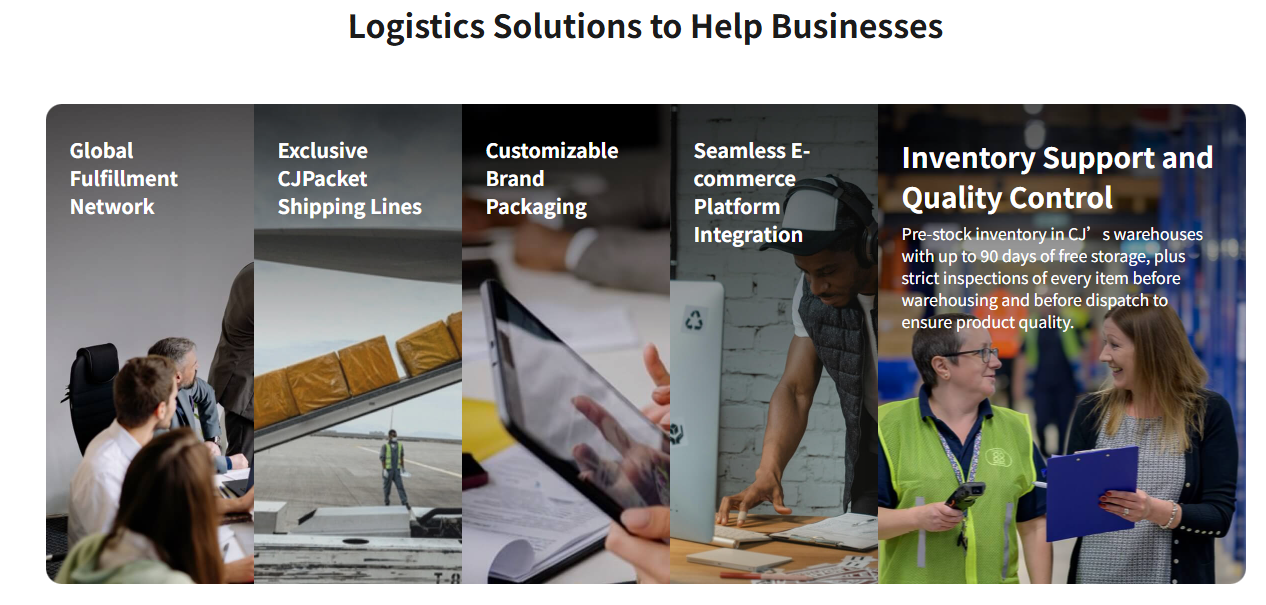
Make your brand accessible to customers anywhere. If you aspire to be a global brand, set up your operations to support international orders from the start. This means enabling international shipping on your Shopify store and researching shipping solutions that won’t price out customers. Consider using services like Shopify Shipping or third-party logistics companies that specialize in worldwide e-commerce. Offer free or discounted shipping at a threshold to encourage larger baskets (like FOCALLURE’s free global shipping over $39). Be transparent about delivery times – customers will be patient if you set the right expectation at checkout. Also, prepare for customs and duties handling: either include duties in your pricing (DDP – Delivered Duty Paid) or warn customers they might have to pay on arrival, so it’s not a surprise.
Optimize your packaging for protection and branding. Take a page from FOCALLURE’s book and invest in good packaging materials that prevent damage to your products in transit. Nothing kills a customer’s excitement faster than receiving a broken item. Work with packaging suppliers to get custom boxes or padded mailers that fit your products snugly. Eco-friendly packaging can also reinforce your brand values (sustainable, etc.) if that’s important to you. Beyond safety, use packaging as an extension of your marketing – include a nice thank you note, print a fun design on the box, or add a small freebie. These little touches can delight customers and prompt them to share their unboxing experience on social media, giving you extra exposure.
Plan for returns and customer support. Selling globally means you’ll occasionally face returns or issues (wrong size, product skin reaction, etc.). Have a clear, fair return policy and make it easy to find on your site. You might choose to refund without requiring a return for low-cost items (to avoid international return shipping headaches) – weigh what makes sense financially while keeping goodwill. Set up a customer service process: even if it’s just you initially, dedicate time to respond to customer emails within 24–48 hours. Happy customers often become repeat customers and leave positive reviews, while unresolved complaints can tarnish your image. Tools like Shopify’s integrated email or CRM apps can help manage inquiries. If you have a significant customer base in non-English speaking countries, consider offering support in those languages (either via a multilingual agent or even Google Translate for basic understanding).
Navigate regulations and protect your brand. Ensure your products comply with regulations in key markets (for example, cosmetics need certain labeling for EU, or apparel might need specific fire safety standards). It might seem tedious, but this groundwork prevents legal troubles that could halt your global sales. Also, register trademarks in major markets to protect your brand name from copycats – FOCALLURE did so in the U.S. early on. If you’re in beauty or food, register formulas or get necessary approvals (like FDA if expanding to the U.S.). These steps build a moat around your brand as you grow.
Scale logistics as demand grows. Keep an eye on where your sales are booming. If you notice a large customer base in, say, the UK or UAE, it might be worth storing some inventory locally or using fulfillment centers there to speed up delivery. FOCALLURE leveraged regional e-commerce warehouses (like Shopee’s fulfillment in Asia) to improve service. You can use 3PL (third-party logistics) services which have warehouses worldwide; they can stock your product and ship domestically, cutting shipping times dramatically. The Amazon FBA network, for instance, can be co-opted even if you sell via Shopify (Amazon Multi-Channel Fulfillment). Faster shipping and local returns handling will make those customers more likely to stick with you versus a local competitor.
Maintain consistency in customer experience. Whether someone buys from your site, a marketplace, or a retail partner in their country, strive to offer a consistent experience. This includes branding (use standardized packaging/inserts everywhere), pricing (avoid huge price disparities across regions if possible), and service. FOCALLURE’s customers anywhere could recognize the brand’s look and feel, and they knew what the brand stood for (affordable quality) regardless of locale. Consistency breeds trust – a French customer reading a review from a Philippine customer should feel they’ll get the same quality product and satisfaction.
Conclusion
FOCALLURE’s ascent to global beauty stardom illustrates how e-commerce entrepreneurs today can launch and scale worldwide by combining the right tools with the right strategies. In summary, focus on a strong digital foundation, a compelling and inclusive brand ethos, relentless innovation guided by customer insight, community-driven marketing, and an operational backbone that delivers on your promises. FOCALLURE started as a small online brand with a big dream – and through savvy use of Shopify, social media mastery, and customer-centric execution, it made that dream a reality on a global scale.
For emerging beauty and fashion founders reading this: take heart that the world is truly your market now. If you apply these lessons – from picking a theme that converts, to collaborating with that micro-influencer who loves your product, to delighting an overseas customer with swift shipping – you’re stacking the odds of success in your favor. FOCALLURE proved that with passion, strategy, and deep understanding of your audience, a homegrown brand can indeed captivate the globe. Now, armed with these insights, it’s your turn to build the next global brand success story. Good luck, and happy launching!