
What Is White Label Dropshipping?
White label dropshipping is a business model where you sell generic, unbranded products under your own brand name, with a supplier handling production and shipping. In practice, this means a third-party manufacturer produces a product and allows you to put your branding (logo, labels, packaging) on it before it’s shipped to your customer. Unlike traditional dropshipping (where products often carry the supplier’s branding or none at all), white label dropshipping creates a branded experience for your buyers without you having to invest in product development or hold inventory. The package that reaches your customer shows your brand name and design, not the manufacturer’s. This lets even small entrepreneurs appear like established brands, since customers see a cohesive brand identity on the product and packaging.
It’s important to note that with white label products, the underlying item is not exclusive to you – other businesses can purchase the same generic product and brand it as their own. Your competitive edge comes from branding and marketing, rather than a unique product formula. Essentially, you’re partnering with a supplier who agrees to ship products in unbranded or custom-branded packaging on your behalf. You focus on design, branding, and sales, while the supplier takes care of manufacturing, warehousing, and fulfillment.
Why White Label Dropshipping Is the Fastest Way to Build a Brand in 2026
Building a recognizable brand from scratch traditionally takes significant time and resources – think product R&D, manufacturing, logistics, and marketing. White label dropshipping short-circuits much of that timeline by letting you start with ready-made products and concentrate on branding and sales. In 2026, this model has only become more powerful for a few key reasons:
-
Speed to Market: Consumer trends move at lightning speed (especially through social media like TikTok or Instagram). White label dropshipping allows you to capitalize on trends quickly because you can test or swap in new products without waiting for lengthy manufacturing cycles. For example, if a certain skincare ingredient or a style of gadget suddenly goes viral, a white label approach lets you source a product containing that trend and brand it as yours within weeks, not months. This agility is crucial in 2026’s fast-paced e-commerce environment.
-
Low Barrier to Entry: You can launch without heavy upfront investment. Traditional branding often meant ordering bulk inventory or investing in custom product molds/formulas. With white label dropshipping, you pay only for products as customers buy them. There’s no need to stockpile inventory or spend money on product development. This lower risk and cost means more entrepreneurs can start branded businesses. As one analysis notes, white-label arrangements are essentially the “fastest way to build a brand presence” because you’re mainly focusing on packaging and branding rather than manufacturing.
-
Full Brand Experience Without Production Hassles: Even though you don’t manufacture the product, you can still deliver a premium branded unboxing experience. Many suppliers now offer services like custom packaging, logo printing, or inserts at low minimum order quantities. This means even small startups can ship products in branded boxes with their logo and design, achieving a professional look from day one. You get to build your brand’s look and feel quickly, without waiting for product development. In essence, branding without manufacturing is now a reality for new businesses.
-
Modern Consumers Love New Brands: In 2025 and beyond, shoppers are increasingly open to buying from new “indie” brands that resonate with their values and style. Many prefer a niche, authentic brand over a generic product from a big-box store. White label dropshipping lets you tap into this by creating a brand story and identity around generic products. You’re selling more than a product – you’re selling trust, lifestyle, and values that customers connect with. Because fulfillment is handled behind the scenes, you can devote more energy to brand-building activities (like engaging on social media, refining your messaging, and customer service). This focus on branding is why white label is such a fast brand-building method – you spend your time on marketing and brand experience, which directly grows recognition and customer loyalty.
White label dropshipping in 2026 hits a sweet spot: speed, cost-efficiency, and branding control. You launch fast, dodge heavy startup costs, and still own your brand from the beginning. It’s the quickest route to go from idea to full-fledged brand, making it extremely popular among new e-commerce entrepreneurs.
White Label vs. Private Label: What’s the Difference?
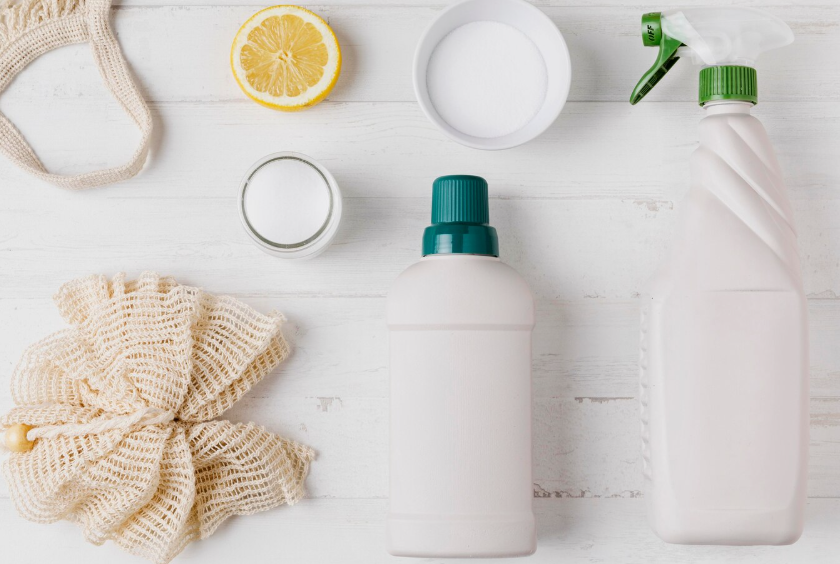
It’s easy to confuse white label and private label, as both involve selling products under your own brand. The key difference lies in customization and exclusivity:
-
White Label: As discussed, with white label you’re taking a generic product that many other merchants can also sell and simply putting your brand on it. You usually cannot alter the product’s core features or formula (beyond perhaps choosing from available colors or variants). Your main customization is logos, labels, and packaging. The advantage is speed and low cost – the product is already developed and ready to ship. The drawback is lack of uniqueness; competitors could be selling an identical item under their brands. White label is great for basic branding needs or when you want to test a market quickly without committing to product development.
-
Private Label: In a private label arrangement, the product is made exclusively for your brand, according to specifications you provide or at least with some uniqueness that only you sell. This could mean working with a manufacturer on a custom formula (like a unique supplement blend or cosmetic formula) or a unique design that isn’t offered to anyone else. Private label gives full control over product details and higher exclusivity – no one else can sell that exact product. However, it typically requires higher investment, larger minimum orders, and a longer launch timeline. For example, a private label skincare line might involve the manufacturer producing a new lotion just for you (often with MOQs in the hundreds or thousands units), whereas a white label skincare brand would pick from a catalog of pre-made lotions and just put a custom label on them.
Think of it this way: white label is like rebranding a “stock” product, while private label is creating a semi-custom product. Both are methods to build your own brand without owning factories, but private label pushes deeper into product development. In practice, many sellers start with white label (fast, low risk) to build a customer base, and later graduate to private label for more differentiation once they have proven demand.
A Shopify guide neatly compares the models: regular dropshipping is fastest but no branding; white label offers basic branding on a generic product; private label gives full branding and uniqueness but at higher cost and lead time. Ultimately, if your priority is to launch quickly under your own brand, white label is the way to go, whereas if you aim to offer something truly unique and can invest more, private label might be the end goal.
Best White Label Dropshipping Suppliers for Shopify (2026 Updated)
Finding the right supplier is crucial for white label dropshipping success. You’ll want partners who offer quality products, reliable fulfillment, Shopify integration, and branding services like custom labels or packaging. Below we break down some of the top white label dropshipping suppliers for Shopify stores in 2026, including category-specific options for various niches. (All suppliers listed have Shopify integration either via apps or other methods, making it easy to connect them to your store.)
Top White Label Dropshipping Suppliers for Shopify Stores
If you’re just starting out, these are general-purpose white label suppliers and platforms that cover a broad range of product categories and have strong Shopify support:
-
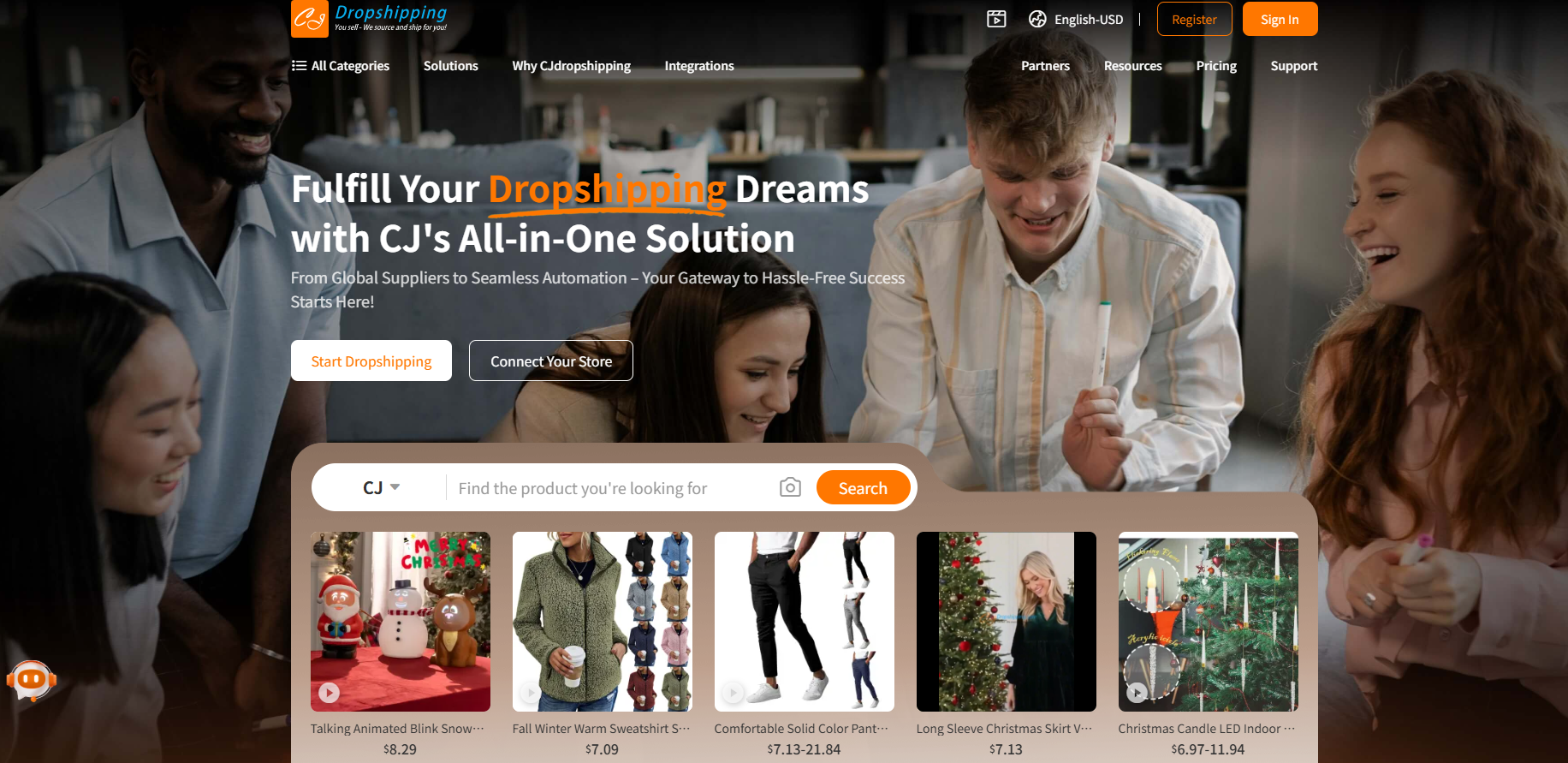
CJdropshipping: CJdropshipping is a well-known all-in-one dropshipping platform that offers white label services across a wide range of products – from electronics and gadgets to apparel, home decor, beauty, and more. They stand out by providing options for custom branding: you can design custom packaging (even starting with a MOQ of just 1 unit for some packaging types) and even add your logo to certain products through their print-on-demand service. CJ has multiple global warehouses, including in the US, which ensures faster shipping for key markets. The platform integrates with Shopify via an app, so orders from your store can be fulfilled automatically by CJ. In short, CJdropshipping is a versatile choice if you want a huge product catalog plus branding options (like custom packages or inserts) under one roof.
-
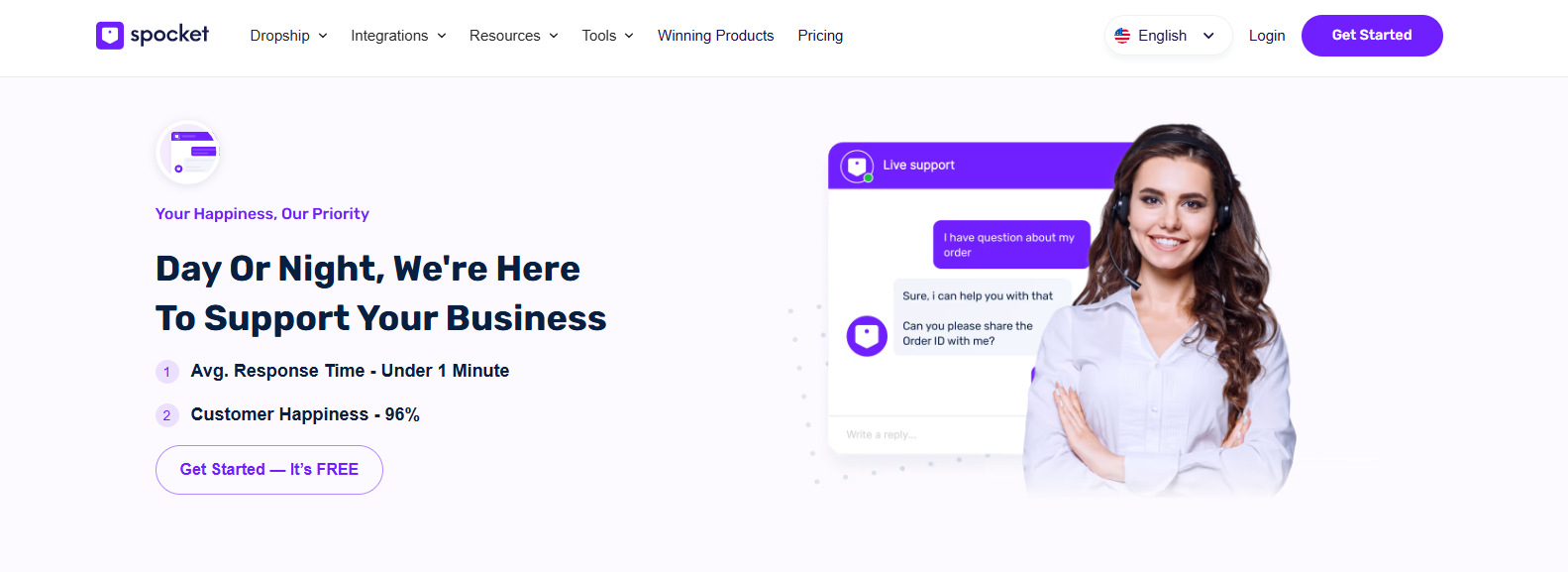
Spocket: Spocket is a supplier marketplace that connects Shopify store owners with quality dropshipping suppliers (largely in the US/EU). While not every product on Spocket is unbranded, many suppliers on Spocket offer white label-friendly features like neutral packaging or white label invoicing (packing slips with your store’s name/logo). You can find products in various categories (fashion, home, beauty, etc.) that ship fast from local warehouses. Spocket is known for high product quality and easy Shopify integration. It’s a great option if you want fast shipping and premium products to brand as your own, especially for North America or Europe target markets.
-
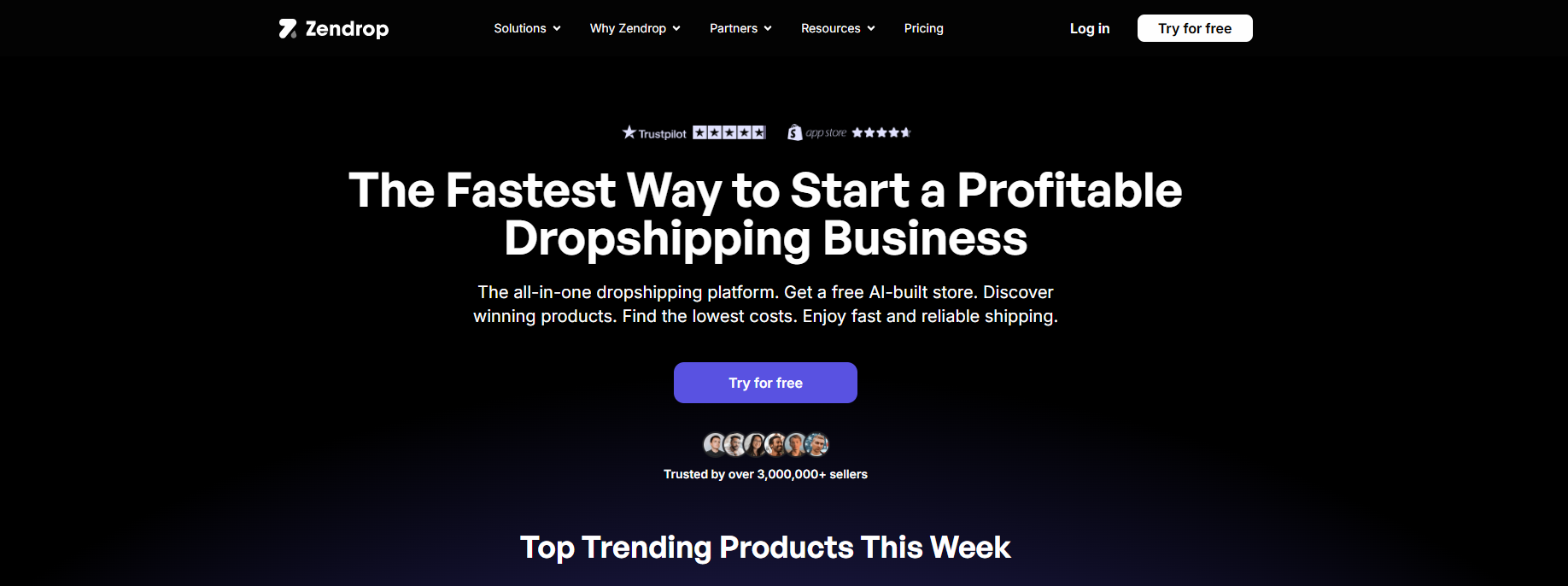
Zendrop: Zendrop is an all-in-one dropshipping platform similar to CJ, known for fast shipping times and a large product catalog. It offers branding features as well – for example, you can include custom thank-you cards or branded packaging for your orders (they have options to add your logo or brand name to packing slips, and for high-volume sellers, even custom packaging). Zendrop integrates seamlessly with Shopify to automate order fulfillment. It’s especially popular for those who want a smooth, automated experience and the ability to build a branded customer experience (one of Zendrop’s missions is helping dropshippers create a brand, not just a generic store).
-
Eprolo: Eprolo is a free Shopify dropshipping app that not only sources products (similar to AliExpress sourcing) but also has a strong focus on branding services. Through Eprolo’s “Branding Project,” you can get custom branded packaging, logos on products, and even your own branded invoice cards without high MOQs. They tout options like custom boxes, hang tags, or labels for your products, helping your dropshipping store look like a professional brand. Eprolo covers many product categories (fashion, electronics, jewelry, etc.) and warehouses in the US, UK, China, and Australia. For Shopify users who want a low-cost way to start branding, Eprolo is worth a look (the app is free to use; they make money when you fulfill orders).
-
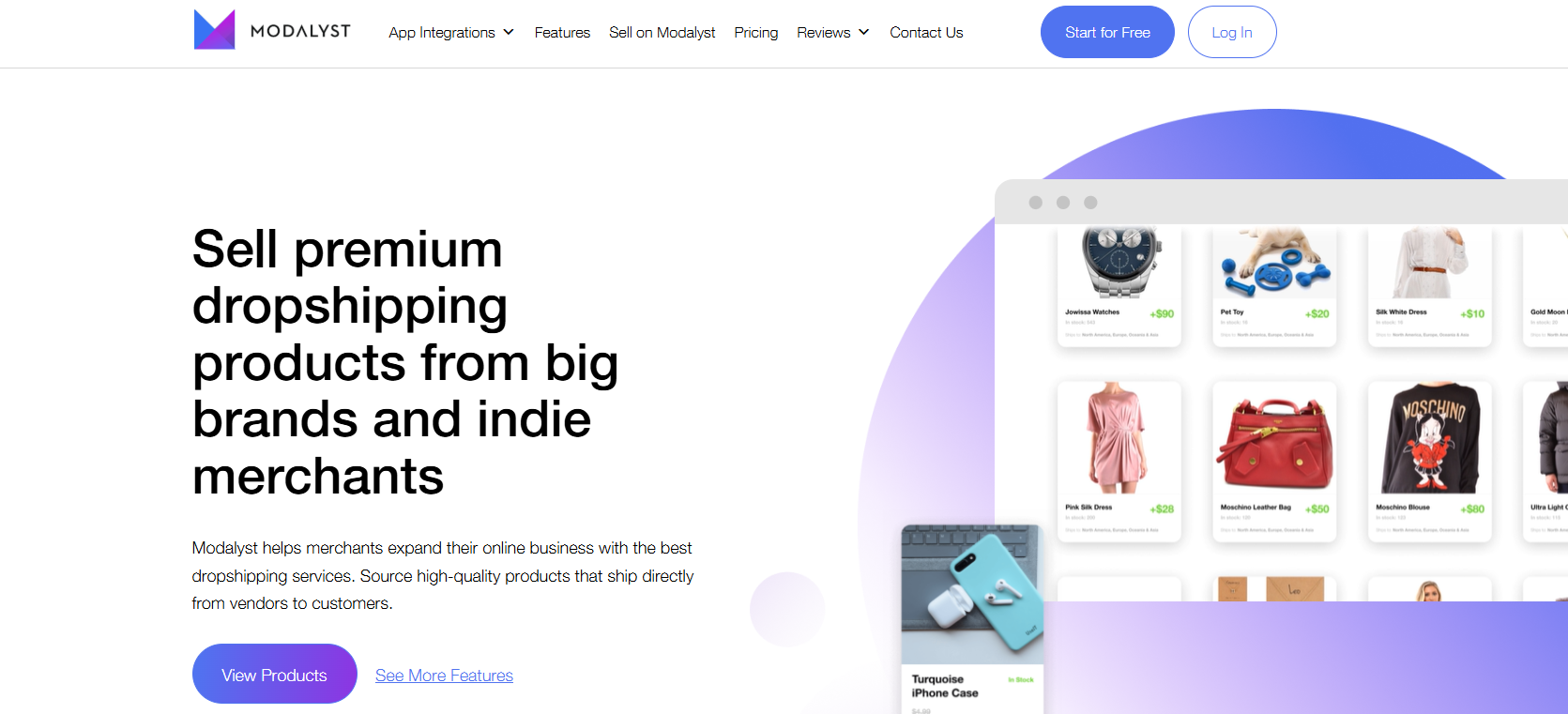
Modalyst: Modalyst is a marketplace that connects you with suppliers – it includes both independent brands and white label products, with a strong emphasis on fashion and accessories. In fact, Modalyst has a partnership to list brand-name items as well as an array of unbranded products you can sell as your own. The platform syncs with Shopify for automatic product import and order fulfillment. It’s particularly useful if your store focuses on apparel, accessories, or trending products and you want reliable suppliers (many are US-based, which can mean faster shipping). Do note that Modalyst’s free plan has limitations on product count, and premium plans (for more products or premium suppliers) come with subscription fees. Modalyst is a solid pick for curated, high-quality products in popular niches – you can find items to white-label, especially in fashion (e.g., boutique clothing with no logos).
(These top suppliers cover broad needs. Next, we’ll highlight category-specific suppliers if you have a certain niche in mind.)
Best White Label Beauty & Skincare Dropshipping Suppliers
The beauty and skincare niche is huge and ideal for white labeling because branding is everything. Customers often buy into the brand story (e.g., “clean & vegan”, “luxury spa”, “K-beauty inspired”) as much as the product. Here are some leading suppliers and platforms to create your own beauty or cosmetics brand:
-
Blanka: Blanka is a specialized dropshipping platform that lets you launch your own makeup and skincare line quickly. Through Blanka’s app, you can choose from a catalog of high-quality cosmetics (think lipsticks, eyeshadow palettes, skincare creams, etc.), and put your own brand name and logo on them. They have no minimum order requirements, meaning even if you sell one lipstick, it will be shipped with your branding. Blanka’s products are mostly made in North America (Canada/US) and known for good quality. This supplier is perfect if you want to create, for example, a makeup line or skincare brand without investing in actual product formulation. You’ll pay a monthly fee for the app (to access more products or premium features), but in return get a fully private-label cosmetics dropshipping service – they handle fulfillment while your branding shines. (Another similar platform to Blanka is Jubilee, which also offers a wide beauty catalog for rebranding – both are popular on Shopify for beauty entrepreneurs.)
-
DR.HC Cosmetic Lab: DR.HC is a U.S.-based cosmetics manufacturer that offers a dropshipping program for private/white label products. Impressively, they will dropship your branded item starting from one unit, with zero MOQ. Their focus is on clean beauty – products that are vegan, natural, and made in California. If you want premium skincare or makeup and are willing to invest in a partnership (they do have a membership fee for access), DR.HC can provide high-quality products under your brand. This is a bit of a hybrid between white label and private label: they have a catalog of formulas ready, you brand them, but you can also develop custom products if you scale up. It’s a good option for those aiming at the higher end of the beauty market who value Made-in-USA quality and credibility.
-
Cosmetic Solutions (Florida): Cosmetic Solutions is a long-standing skincare private label manufacturer in the USA. They offer both white label and custom formulation services. For a dropshipper, they have a library of skincare products (moisturizers, serums, cleansers, etc.) which you can brand as your own, often with the ability to customize things like fragrance or add a signature ingredient. They emphasize premium formulations and serve a lot of esthetician and spa brands. While they might require buying a small inventory for branding runs, they do offer dropshipping fulfillment – meaning they’ll ship directly to your customers. If you’re serious about a skincare brand with possibly your unique touch, Cosmetic Solutions can be a partner to consider (with the trade-off of higher setup costs).
-
Jubilee: (If not using Blanka) Jubilee is another beauty dropshipping marketplace that focuses on private label cosmetics. It allows you to find products across skincare, makeup, even beauty tools, and brand them with your label. Jubilee emphasizes trendy and niche beauty products (like K-beauty items, sustainable products, etc.), and has integration with Shopify for automatic fulfillment. It’s quite similar to Blanka in concept – choosing between them might come down to product selection or pricing. Some merchants even use both to expand their range. Jubilee is great for keeping up with fast-moving beauty trends by quickly adding new products to your branded line.
-
SelfNamed: SelfNamed is a newer service positioning itself as a “skincare brand accelerator.” It’s essentially a private label dropshipping service for skincare, haircare, and bodycare. You can select from their catalog or even tweak formulas slightly, then they handle production and dropshipping. They cater to entrepreneurs who want a bit more say in product ingredients (like choosing active ingredients or custom scents). If you have a unique concept for a line (e.g., an acne-focused line or a men’s grooming line), SelfNamed could turn that into products under your brand with relatively low minimums, and then dropship them to your customers. This gives more differentiation than plain white label, although it may require some upfront development time.
-
Specialized Labs with Dropship Programs: There are also professional cosmetic labs that offer dropshipping for private label. Two examples are RainShadow Labs and Vitelle Labs – these are B2B labs that create skincare products and will brand them for you. RainShadow Labs (Oregon, USA) has a huge catalog of natural skincare formulations; they traditionally require bulk orders, but they have programs for small businesses to brand and even dropship from their facility. Similarly, Vitelle (Canada) offers an “Indie Beauty” program for low minimum private label and can dropship. These options are best if you value clinical or spa-grade products and are prepared to navigate a more involved setup (formulation selection, possibly design of packaging, etc.). They’re not as plug-and-play as Blanka or Jubilee, but can yield very high-quality branded products.
Why these are great: The beauty sector benefits immensely from a polished brand image. Suppliers like Blanka and Jubilee let you get that image (with custom labels, packaging, and even ingredient customization) with minimal hassle. You can focus on your brand story – whether it’s about being eco-friendly, cruelty-free, luxury, or fun and affordable – while the supplier ensures the product quality and fulfillment hold up. In 2026, with trends like skincare personalization, clean beauty, and influencer-driven product lines, having the flexibility to quickly introduce new products under your brand is gold. These suppliers empower you to do exactly that in the beauty niche.
Best White Label Health & Wellness Product Suppliers
Health and wellness is another booming arena for brand-building – this includes dietary supplements, vitamins, organic foods, fitness products, and even CBD products. Customers in this category often look for trustworthy brands (they’re putting these products into their bodies or using them daily), so branding and quality are key. Here are top suppliers for health and wellness white label:
-
Supliful: Supliful is a platform specialized in supplements and wellness products. It’s one of the major US-based white label suppliers in this niche. Using Supliful, you can brand things like protein powders, vitamins, drink mixes, and even niche items like nootropics or superfood blends. They offer complete control over labeling and packaging – you upload your label design, and they handle the rest. Supliful shines if you want to start, say, a custom supplement line (e.g., your own brand of protein shakes or multivitamins) without investing in manufacturing. Their model is dropship by default, and they integrate with Shopify. Shipping is fairly quick within the US, as they source products that are ready to go. Do note that while there’s no huge MOQ to start, custom-branded packaging or unique formulations may incur some extra costs or require selling consistent volume. But as a beginner, you can choose from their many ready formulas and just slap your brand on.
-
GreenDropShip: GreenDropShip is an established dropshipping supplier focusing on natural, organic, and specialty groceries and wellness items. They have a vast catalog ranging from organic snacks and teas to natural vitamins and personal care products. For white label, GreenDropShip can be useful in a couple of ways: (1) They stock many generic or lesser-known brands that don’t have recognizable branding, which you can effectively sell as products in your brand’s wellness store (some products come in unbranded or bulk packaging you can personalize). (2) They allow you to use your own branded packaging for orders if you want – for example, shipping out products with your branded box or insert. This supplier is ideal if you want to run an online health store or subscription box with a mix of products (e.g., organic foods, supplements, natural skincare) with a branded experience. Customers get high-quality, usually US-made organic products, and you build loyalty through your brand’s curation and packaging. GreenDropShip is US-based, so shipping is fast domestically. There is a membership fee to use them, but you get access to thousands of products and good wholesale prices.
-
Makers Nutrition: This is a full-service supplement manufacturer that offers private label and dropshipping. Makers Nutrition can produce vitamins, gummies, protein powders, and more in their FDA-registered facility. They are more of a private label partner: you might work with them to create a unique supplement formula (if you have a truly distinctive product idea). However, they also have stock formulas you can brand without starting from scratch. With Makers, the scale is a bit larger (they list MOQs around 500 units for custom runs), so this is for entrepreneurs ready to invest more heavily in a custom wellness product and use dropshipping for fulfillment and warehousing (they do offer warehousing and can fulfill individual orders). If your goal is to build a premium supplement brand with your exclusive formulas for the long term, Makers Nutrition is a top choice – just not the fastest or cheapest route due to development time and cost.
-
Vitalabs: Vitalabs is a Georgia, USA-based supplement supplier with decades of experience. They carry a broad range of white label supplements – vitamins, sports nutrition, herbal supplements, etc. Vitalabs is FDA-registered and known for quality control. They essentially let you pick from their library of stock formulas (or create a custom one if you’re advanced), and they will print your labels and ship products under your brand. They have a dropshipping program where you don’t have to stock inventory; you just forward orders to them. One thing to keep in mind is regulatory compliance – they ensure products meet regulations, but as the brand owner you should be aware of supplement claims rules. Vitalabs’ advantage is high trust and quality – being an FDA-registered facility gives credibility to your brand when customers ask about quality.
-
The Green Labs: The Green Labs is another specialist focusing on natural and organic supplements. They offer white label solutions and have a track record in the industry. If your brand is about botanical or plant-based supplements, this is a go-to – they can supply everything from plant protein powders to herbal extracts, all ready to brand. They provide customized packaging and even formulation tweaks in some cases. Similar to Vitalabs, they might require some bulk purchasing for branding runs, but they can dropship to customers for you. They’re a good partner if you want to emphasize quality sourcing and expertise in your wellness brand (they often highlight their expertise as a selling point).
-
CanniLabs (CBD niche): If you’re venturing into the CBD wellness niche (where legal), CanniLabs is a white label supplier specializing in CBD products – edibles, tinctures, topicals, even pet CBD products. Based in Wisconsin, they allow full custom branding on their CBD line. CBD market is regulated, but if you can navigate the marketing rules, branding your own CBD gummies or pain relief balm can be lucrative. CanniLabs provides lab-tested, quality products so you can confidently put your label on them. Just ensure you comply with local laws for selling CBD. They dropship to customers, meaning you don’t handle the product directly (important since CBD logistics can be tricky).
Each of these suppliers can form the backbone of a health-focused Shopify store. Whether you want to launch “YourBrand Supplements Co.” selling multivitamins, a fitness brand selling protein shakes, or a holistic wellness shop selling organic superfoods and natural remedies, you’ll find a partner here. Quality and trust are paramount in this vertical – so prioritize suppliers with good manufacturing practices and documented quality checks (certifications like GMP, FDA registered facilities, etc.). In terms of branding, supplements often allow for great customization – you design a professional label with your logo and wellness imagery, perhaps choose a custom bottle color or cap, and the product truly looks like yours. Thanks to these white label suppliers, even a one-person startup can offer products that look as polished as national brands, building credibility with customers quickly.
White Label Fashion, Apparel & Accessories Suppliers
Fashion and apparel is one of the most popular categories for white labeling, since clothing and accessories are highly brand-driven. People often buy apparel because they like the brand’s style, not because the t-shirt itself is radically different. Here are some top suppliers and methods to create your own fashion or accessories brand:
-
Apliiq: Apliiq is a dropshipping supplier specializing in custom apparel. Unlike generic print-on-demand, Apliiq really focuses on the branding aspect for clothing. They allow full white label services, including inside labels with your logo, custom patches, embroidery, and branded packaging for your clothing line. For example, you could launch your own streetwear or athleisure brand – Apliiq can supply high-quality blank apparel (t-shirts, hoodies, leggings, etc.), apply your designs or logos, sew in a custom neck tag with your brand name, and ship to customers. The result is a product where no one would guess it’s dropshipped; it feels like it came straight from your fashion brand’s warehouse. Apliiq is US-based (Los Angeles) and integrates with Shopify. It’s perfect if brand authenticity is your priority and you’re okay with focusing on apparel products. Do note, Apliiq’s specialization means they don’t do other categories – it’s mostly apparel – and some highly customized items can have longer production times. But their ability to differentiate your clothing with custom touches is top-notch.
-
Trendsi: Trendsi is a fashion dropshipping app that offers women’s apparel, accessories, and even some footwear. It partners with both US-based fashion brands and manufacturers. For white label purposes, Trendsi has a feature where you can create a custom clothing line if you meet certain minimums (for example, their website notes private label options starting around 60 pieces per style for some items). However, even for standard dropshipping, Trendsi items often arrive without retail price tags, and you can ship them with a custom invoice/packing slip bearing your store name. This means when your customer receives an item, it doesn’t scream “Trendsi” or show wholesale prices – it looks like it came from your boutique. Trendsi is great for those wanting to run an online boutique with fast shipping (they stock items in the US for quick delivery) and eventually maybe develop their own clothing line through the same platform. It’s very Shopify-friendly and even offers a free plan for getting started.
-
Alanic Global: Alanic Global is a supplier known for activewear, sportswear, and casual fashion manufacturing. They offer white label services where you can fully customize apparel with your designs and labels. If you want to start a fitness clothing brand (think leggings, gym tanks, sports jerseys) or a street fashion line, Alanic can produce a wide range of apparel. They have options for sublimation printing, cut-and-sew custom designs, and a huge catalog of ready-made pieces to which you can add your brand. They are US-based but have global distribution capacity, which helps if you plan to sell internationally. Alanic might require ordering in bulk for custom production, but they also serve smaller orders if you choose from existing designs. They can dropship if you arrange to keep some inventory with them. In short, Alanic is a bit more traditional manufacturer + dropship partner – great for scalability and extensive customization when you’re ready to grow a larger fashion brand.
-
Modalyst (and Other Fashion Marketplaces): As mentioned earlier, Modalyst has a strong fashion focus. It includes suppliers offering trendy clothing, jewelry, and accessories that can be white-labeled or at least come unbranded. For example, many boutique-style clothing items on Modalyst have no visible logos, so you can sell them under your brand name (with your own tags if you choose to add them). Modalyst also connects to some print-on-demand fashion services. If you’re looking for variety (women’s, men’s, plus sizes, etc.) with relatively low effort, Modalyst is a good aggregator. Another marketplace is DropCommerce (which focuses on North American suppliers) – some of their vendors make handmade or unique items that you could brand by simply marketing them under your own label (the products themselves often carry no brand).
-
ShineOn (for Jewelry): ShineOn is a specialized print-on-demand jewelry supplier that allows you to sell customized jewelry (like necklaces with engraved messages or message cards) under your brand. They handle production of items like pendant necklaces, bracelets, etc., often including a card in the jewelry box that can have your branding or a personalized message. ShineOn is effectively white label because nothing reaches the customer with ShineOn’s name – it’s all your brand presentation. If you want to start an accessories or jewelry brand with unique designs or gift messages, ShineOn (and similar services like Printful’s jewelry options) is a fantastic way to do it without investing in inventory. Jewelry has high perceived value and is very brand-centric (e.g., people love to buy jewelry that comes in a nice box with a brand story or an emotional message). ShineOn plugs into Shopify and makes it easy to add new jewelry products with your own twist.
-
T-Pop: T-Pop is a European print-on-demand supplier that’s noteworthy for its eco-friendly approach and white label service. All their shipments are brand-neutral (no T-Pop branding, and even the packing slips can have your logo). They focus on apparel like t-shirts, hoodies, and accessories with a sustainable angle (organic cotton, etc.). If your fashion brand is about sustainability or you target EU customers for faster shipping, T-Pop is a great partner. They allow full customization of the products and packaging, making your brand front and center. The only limitation is they are purely POD – so designs are printed on demand. If you want cut-and-sew or other fashion items, you’d use different suppliers.
In the fashion and accessories world, brand image and trend responsiveness are everything. White label suppliers like these let you stay on-trend (by selecting current styles to sell) while building a distinct brand (through lookbooks, social media presence, and consistent branding on the products). You could start a clothing line in a specific niche – say yoga wear, streetwear, sustainable fashion, or even pet apparel – in a matter of days by sourcing from these suppliers and creating a Shopify store with your branding. Remember, in fashion, quality control and sizing accuracy are crucial; always test samples from your suppliers, because a poorly made garment reflecting your brand can hurt you. But when you find great suppliers, the upside is huge: loyal customers who identify with your brand’s style and story will come back for new “drops” of products frequently.
White Label Home, Lifestyle & Eco-Friendly Product Suppliers
Home and lifestyle products (home décor, kitchen gadgets, pet products, eco-friendly goods, etc.) present another great opportunity for white label branding. These items often fit well with creating a boutique brand that curates a certain lifestyle (for example, “modern minimalist home,” “zero-waste living,” or “pet lover’s boutique”). Here are suppliers to help build those kinds of brands:
-
Blue Ribbon Supply: Blue Ribbon Supply specializes in household and personal care products – think cleaning supplies, detergents, personal hygiene items, etc. They offer custom-branded products and packaging, which is somewhat unique in this space. If your aim is to create a brand around home essentials or cleaning products (maybe a natural cleaning line with your brand name), Blue Ribbon can be a valuable partner. For example, they could supply dish soap, hand sanitizer, or surface cleaners in bulk and fill them with your branded labels. They often serve commercial clients like hotels with white label amenities, so they have experience printing custom labels and maintaining quality. One caveat: some of their services might require bulk ordering or minimums, since custom manufacturing is involved. However, they can dropship to your end customers if arranged, or to your own facility if you prefer to kit multiple items together. Blue Ribbon Supply is a good pick for carving out a branded niche in everyday products that people use around the home – a market where trust and familiarity with a brand can lead to repeat purchases.
-
Eco-Friendly Dropshippers: There’s a growing cohort of suppliers focusing on sustainable and eco-friendly products. One example is the suppliers accessible via Spocket or other directories that offer bamboo kitchenware, reusable straws, biodegradable household items, etc. While not always explicitly “white label” (some might come from small brands), many of these products are unbranded or can be easily branded. For instance, you could source a generic bamboo toothbrush (with no brand on it) and custom-package it under your brand focused on zero-waste living. Tip: Platforms like Syncee or Dropified can help find such suppliers globally. Look for terms like “no logo” or ask suppliers if they can provide goods without any branding. Often, made-for-Amazon style products can be white-labeled – they are produced generically so multiple sellers can brand them. Ensure the supplier will ship with neutral packaging.
-
GreenDropShip (again): GreenDropShip isn’t only for supplements; it also has a lot of natural home and personal care products. You might find eco-friendly laundry detergents, organic candles, or green cleaning products. Using GreenDropShip, you could build an online store for sustainable living, effectively curating a “shop” of green products under your brand umbrella. Their service will pick, pack, and ship the orders, and you can often add a branded insert. It’s more of a branded marketplace model – customers see your brand front and center, even if you carry various product lines sourced from GreenDropShip’s catalog.
-
Magic Soaps: A notable niche supplier – Magic Soaps (based in Canada) produces custom soap bars on demand and will wrap them in packaging with your own design. This is a fun and novel white label opportunity: you can create a soap or self-care brand with unique soaps (fragrances, ingredients like goat milk or charcoal, shapes, etc.) without any upfront production. Through their Shopify app, you design the soap’s packaging (and choose from their soap options), and when orders come in, Magic Soaps freshly makes and ships the bar with your branding. The fact that it’s all dropshipped means you can offer a premium, handcrafted feel – like “artisan soap made just for you” – with zero inventory. It’s a great example of how on-demand manufacturing in 2026 has expanded beyond just printed t-shirts. If you want to target the gift market or bath-and-body niche, Magic Soaps or similar providers (there are also candle white label dropshippers, for instance) can help you stand out.
-
Pet Products Suppliers: The pet niche is huge for passionate branding. There are suppliers that offer white label pet supplies (like pet shampoos, pet treats, etc.). One example: some pet treat bakeries will let you brand their treats and dropship. Another example is private label pet supplements (vitamins for pets) which some supplement suppliers like Supliful or The Green Labs might offer. If you start a pet brand, you can source generic pet toys, beds, or accessories from a platform like Alibaba/Aliexpress via an agent, and use a service like CJdropshipping or SourcinBox to add custom labels or packaging (like having your brand logo on the pet toy’s tag). While this approach might require a bit more coordination, it’s entirely possible. For instance, CJdropshipping notes that they will help source any product and even do OEM branding if you provide specifications. That means if you see a pet product you like, CJ can potentially produce it with your logo given a sufficient order volume.
The home and lifestyle category is broad, but the unifying theme for white labeling here is curation and brand vibe. Customers love finding a store that fits their lifestyle aesthetic – whether it’s cozy home décor, futuristic gadgets, or eco-friendly swaps for everyday items – and if that store is your branded Shopify site, you want them to remember and trust your brand. Use these suppliers to fill your shop with quality items and make sure to brand elements like packaging, inserts, or even the product (where possible). For example, even if you can’t alter a generic ceramic planter, you can ensure it ships in a box with your logo and include a thank-you card about your brand’s mission (sustainability, supporting artists, etc.). Many of the suppliers above will either directly do this or work with you to allow it.
Best POD (Print on Demand) Suppliers Offering White Label Options
Print-on-Demand deserves its own mention in a white label discussion. POD suppliers let you create custom-designed products (apparel, mugs, phone cases, wall art, and more) that are produced one by one with your design and branding. Essentially all POD is white label by nature – the customer never sees the manufacturer’s name, only your brand on the item (and you can often customize labels and packaging to reinforce that). Here are some top POD suppliers to consider:
-
Printful: Printful is one of the largest and most trusted print-on-demand suppliers, widely used by Shopify entrepreneurs. It allows you to print your designs on a huge range of products: t-shirts, hoodies, hats, leggings, mugs, posters, pillows, and even niche items like jewelry or sneakers. White label features: Printful does not include any Printful branding on shipments; in fact, you can use your own logo on packing slips, add custom inside labels for clothing, and include branded pack-ins (like business cards or stickers) with orders if you use their warehousing or branding services. This means from the customer’s perspective, the package comes from your brand. Printful’s system is highly automated – orders from your Shopify store are sent to Printful for fulfillment and then shipped with tracking, all without your manual involvement. With no upfront fees and on-demand production, it’s a low-risk way to sell branded merchandise. The only downside is product base costs can be higher, so you must price for profit, but the quality and service are top-notch.
-
Printify: Printify is another leading POD platform, a bit different model in that it’s a network of print providers worldwide. You select which provider will produce your product based on location, price, or rating. Printify also integrates with Shopify for automatic fulfillment. They offer an enormous catalog similar to Printful’s (apparel, home goods, accessories, etc.). Printify’s white label approach is like Printful’s – neutral shipment, with options for custom branding (some providers allow inside labels or custom packaging if you pay extra). An advantage of Printify is often slightly lower base costs due to multiple vendors competing, and the ability to route orders to printers in different countries for faster local shipping. The trade-off can be variability in quality between providers, so choose reputable ones. Printify is great for scaling a brand that sells lots of printed merch or if you have global customers (you might print in the EU for EU orders, US for US orders, etc., all under your brand).
-
Gooten: Gooten is a POD service known for its tech integration and broad catalog as well. It offers products like apparel, prints, home decor, and even more unusual items (yoga mats, puzzles, etc.) for customization. Gooten emphasizes an API-driven approach – which basically means it’s built to handle large order volumes efficiently. As a white label partner, Gooten also ensures shipments are unbranded and you can add custom branding elements. Like others, it syncs with Shopify to automate everything. Gooten’s strength is reliability at scale and some unique product offerings. If your brand plans to do a lot of volume or you want to offer something different (like print-on-demand canvas art or pet beds), Gooten might have what you need.
-
Teelaunch: Teelaunch is a Shopify-focused POD app that has been around for a while. They are smaller than Printful but offer competitive pricing and fast production times (especially for US orders). Teelaunch’s catalog covers the staples (shirts, drinkware, home items) and some unique finds (like Bluetooth speakers you can print on). They ship with white label packaging (generally just a plain package or your name on the label). One interesting product is print-on-demand kitchenware (they have things like engraved cutting boards or printed tumblers). If those fit your brand, Teelaunch can be a specialized addition to your supplier roster. Many merchants use Printful + Teelaunch together to broaden product options, for instance.
-
AOP+ (All Over Print): AOP+ is a POD supplier that, as the name suggests, focuses on all-over-print apparel (like full-coverage printed leggings, shirts, hoodies). They too provide a white label experience with quality control over branding – you can do custom labels and packaging. They ship globally. If your brand is very design-heavy and you want to create, say, wild patterned apparel or fully printed products, AOP+ could be a great partner for unique merchandise that stands out.
-
Others: There are many POD suppliers; a few more notable mentions: SPOD (by Spreadshirt, very fast shipping, limited but popular products), Gelato (global network, good for wall art and prints, local printing in many countries), Redbubble/GearLaunch (more marketplaces or full-service solutions), and specialized ones like ShineOn (jewelry, already covered), JetPrint (which focuses on print-on-demand watches and accessories), etc. For 2026, POD technology is quite mature – you can even POD things like books, cosmetics (via third parties), and more. If you have a creative brand angle (for example, a witty slogan brand, or art you want to monetize), POD is the way to have zero inventory and infinite design potential.
All these POD suppliers ensure that your customer only sees your brand. The key to success is coming up with designs or branding that people desire, and then leveraging these platforms to deliver quality products. Since products are made to order, there’s also an environmental and cost benefit (no unsold inventory to throw away – a point you can even use in marketing as sustainable practice). Just be mindful of production and shipping times; always set clear expectations with customers, since POD items can take several days to manufacture. Many POD suppliers now in 2026 have production in under 3 days and shipping in 5-7 days in the same region, which is a big improvement from years past. Always order samples, though, to check print quality and how your branding appears – a good supplier will produce prints that last and correctly follow your design placement.
Now that we’ve covered finding suppliers, let’s turn to building your brand and store, and then marketing, to ensure your white label business thrives.
Building Your White Label Brand on Shopify
Having great suppliers and products is one part of the equation. The other part is how you present and operate your brand. Shopify as a platform gives you all the tools to create an online store that looks professional and carries your branding. In this section, we’ll look at how to choose the right products for your brand, set up a fully branded Shopify store step by step, explore custom packaging/labeling options to reinforce your brand, and how to automate order fulfillment so your business runs smoothly.
How to Choose the Right White Label Products for Your Brand
One of the first steps is deciding what products to sell under your brand. This should be a strategic decision balancing your interests, market demand, and differentiation. Here’s how to approach product selection:
-
Pick a Niche Aligned with Your Brand Mission: Start by selecting a specific niche or category that you’re passionate about or that has proven demand. For example, instead of selling “all kinds of products”, you might focus on “vegan skincare for teens” or “tech gadgets for remote workers” or “stylish pet accessories”. A clear niche helps you target a focused audience and build a cohesive brand story. Ask yourself: What problems do I want to solve or what lifestyle do I want to enhance with my products? The answer should guide you to a niche.
-
Research Market Demand and Trends: Validate that the products you’re considering have an audience. Use tools like Google Trends, social media, or Shopify’s trending product reports to see if people are actively searching or talking about those items. Look at competitors or existing brands in the space – is the market saturated or are there gaps you can fill? Ideally, find products that are in demand but where you can still differentiate with branding or slight tweaks. Remember the key takeaway: choose products with existing market demand – you don’t want to try to sell something nobody wants. For white label, it’s usually wise to go with products that already sell well generally, because you know the product concept is proven.
-
Consider Your Brand’s Identity and Values: The products should fit your brand identity. If your brand is all about sustainability, ensure the products can be sourced as eco-friendly or have that angle (e.g., material, packaging). If your brand is a luxury vibe, focus on higher-end products or premium quality versions. The more your product selection tells a cohesive story, the stronger your brand. For instance, if a customer sees your store sells a bamboo toothbrush and also a reusable shopping bag, they instantly get the eco-friendly message. But if you also threw in a generic plastic gadget, it might confuse the brand image.
-
Test Products Yourself: Before committing to sell a product widely, order samples from the supplier. As the brand owner, you should experience your product – check its quality, the packaging, the functionality. This not only helps in quality control but also allows you to write better descriptions and be confident in your brand promise. Since white label means your name is on it, you are effectively vouching for it. Use that sample to evaluate: Would I be happy if I bought this for the expected price? Is the quality consistent with my brand’s positioning (basic, premium, etc.)? If something is not up to par, either find a better supplier/product or adjust your brand positioning to be realistic.
-
Start Narrow, Then Broaden: It’s often wise to start with a focused product line, then expand once you gain traction. For example, begin with a core set of 5-10 products that represent your brand well. As you learn which items sell and gather customer feedback, you can introduce more products or variations. This approach prevents you from overextending and simplifies marketing. It’s easier to become “known” for a type of product first. If you were doing white label fitness accessories, maybe you start with just a few types of resistance bands and yoga mats with your brand. Once you have an audience, you add on new items like water bottles or apparel, and they’ll be more likely to trust those because they already trust your brand.
-
Check Supplier Reliability for Your Chosen Products: Some products might look great on a supplier’s site, but can they reliably stock and ship them? Before you add an item to your store, ensure the supplier isn’t known for stockouts or long shipping times on that product. Read reviews or supplier ratings if available. Ideally, use suppliers with automatic inventory sync (many Shopify apps do this) so your store doesn’t sell something that’s actually out of stock. Consistent availability and reasonable shipping times are crucial, especially when building a brand that people want to trust for repeat purchases.
By choosing the right products, you set the foundation for your brand’s reputation. Selling popular and quality items solves half the battle of getting customers to buy (the other half is convincing them that your brand is the one to buy from). Always remember to balance passion with profit – you might love a certain product concept, but make sure the economics make sense (consider cost, your pricing ability, shipping weight, etc.). White label is wonderful in that it gives you so many options, but focus is key: do what you can be best at, even if it’s a small niche initially.
How to Set Up a Fully Branded Shopify Store (Step-by-Step)
Setting up a Shopify store for your white label brand can be done in a matter of days or even hours, thanks to Shopify’s user-friendly platform. But doing it in a fully branded way – ensuring every touchpoint on the store screams your brand identity – is what will set you apart. Here is a step-by-step guide:
Step 1: Start Your Shopify Store & Basic Settings
If you haven’t already, sign up for a Shopify account and start a new store. Choose a store name that ideally matches your brand name (you can change the name later or use a custom domain, but pick something memorable and brand-appropriate). Go through the initial setup wizard where you input basic details (business address, etc.). In your Shopify admin, under Settings, update things like your Store Name, Contact Information, and Legal Pages (generate a privacy policy, terms of service – Shopify can help auto-generate these). Also set up your payment gateways (Shopify Payments, PayPal, etc.) so you can accept money, and configure shipping settings (you might start with simple flat rates or free shipping build into prices). This is the groundwork to make sure orders can actually be processed properly once customers come.
Step 2: Choose and Customize a Theme
Shopify has many free and paid themes. Pick a theme that aligns with your brand’s aesthetic – for example, a minimalist clean theme for a modern tech brand, or a warm, image-heavy theme for a lifestyle or fashion brand. Once installed, enter the Theme Customizer and start tailoring it:
-
Add Your Logo: Upload your logo image to the header. If you don’t have a professional logo yet, you can use Shopify’s Hatchful tool or Canva to quickly create one that matches your brand name and vibe.
-
Color Scheme: Set the theme’s colors to your brand colors (for instance, your brand’s primary color for buttons and links, a secondary color for accents). Consistency in color builds recognition.
-
Typography: Choose fonts that suit your brand personality – maybe a sleek sans-serif for a tech brand, or an elegant serif for luxury, etc. Most themes allow font changes in the customizer.
-
Homepage Layout: Design your homepage to immediately communicate your brand. Add a banner image or slideshow that showcases either your actual products or at least the feeling of your brand (you might use stock photos initially that resonate with your niche, e.g., a serene spa-like image for skincare, or a vibrant active shot for fitness gear). Add a tagline or headline that sums up your brand promise (“Experience Organic Beauty”, “Gear Up for Your Next Adventure”, etc.). As you have products, feature some bestsellers or new arrivals on the homepage.
-
Navigation: Create a clear menu – usually including Shop (with subcollections if needed), About, Contact, possibly a Blog if you will produce content, and maybe an FAQ. Make sure your menu names are straightforward for the user.
-
Pages and Content: Write an About Us page that tells your brand story – this is where you reinforce the values behind your brand, why you started it, and what makes your products special (even if they are white label, you focus on your selection and quality assurance and the benefit to the customer). Create a Contact Us page (Shopify can generate a form) so customers trust they can reach you. If relevant, create niche-specific pages (e.g., “Our Ingredients” or “Sustainability” if those matter to your brand-conscious customers). Filling out these details makes your site feel legitimate and caring.
Step 3: Add Products with Compelling Branding
Using whichever dropshipping apps or methods you chose, import your products into Shopify. For each product, do the following:
-
Change the Product Title to fit your brand tone (and remove any supplier codes or weird names). For example, if the supplier calls it “XY-Widget 3000”, you might title it “Wireless Charging Pad – UltraSlim by [Your Brand]”.
-
Write a product description that highlights benefits and aligns with your brand voice. Avoid using supplier’s generic description if possible. Even though it’s the same product others might sell, you differentiate with how you present it. Tell a story or describe how it solves a problem. Use language that fits your brand persona (friendly, authoritative, luxurious, etc.).
-
Add high-quality images. Often your supplier or app will provide images. Use them, but you can also edit them to be uniform (same size or background) for a clean look. If possible, add your own logo to images (only if it looks natural, like a branded label on the product in a photo – but don’t mislead if the product itself doesn’t actually carry the logo in real life). Some merchants create lifestyle images by Photoshopping the product into a scene – this can set you apart if done well.
-
Set pricing appropriately. Since you aim for premium branding, you might price a bit higher than rock-bottom unbranded sellers. If you’re adding value through brand trust, customers may pay a little more. Ensure you cover the product cost + shipping + a profit margin. Don’t undervalue your brand by pricing too low either; customers associate price with quality to some extent (premium brands often charge a premium).
-
Organize collections. Create collections (categories) that make sense: e.g., “Skincare”, “Makeup” for beauty; or “Living Room”, “Kitchen” for home goods; or “New Arrivals”, “Best Sellers” as marketing categories. This helps with navigation and gives you pages to merchandise with banners later.
Step 4: Set Up Shopify Apps for Key Functions
To truly have a branded, smooth store, you’ll likely use a few apps:
-
Dropshipping Integration Apps: If you haven’t already, install the apps for your chosen suppliers (CJ, Spocket, Blanka, etc.) and make sure they’re connected to your account. This ensures that when orders come in, they can be pushed to the supplier automatically.
-
Branding/UX Apps: Consider apps for reviews (e.g., Loox or Judge.me) so customers can see product reviews – you may need to gather some initial reviews or import from supplier if allowed, to build trust. Also consider a loyalty program or wishlist if it fits your strategy – those can reinforce brand loyalty.
-
Email Capture and Marketing: Use an app or Shopify’s built-in tools for a newsletter sign-up pop-up (“Join our club for 10% off your first order”). Building an email list is valuable for marketing later.
-
Pages and Visuals: If you want more elaborate layouts, apps like PageFly or Shogun can help build custom pages for your brand (like a landing page for a new collection).
-
Ensure any app you use does not break the “white label” illusion. For instance, some supplier apps might by default send emails to customers (like tracking notifications) that could have the supplier’s name – turn those off if you plan to use Shopify’s notifications or edit them to ensure only your branding is present. Shopify’s native email notifications (order confirmation, shipping confirmation) should be customized as well: add your logo to them, edit the wording to sound like your brand’s voice, etc., in the Settings > Notifications area.
Step 5: Custom Domain and Finishing Touches
Buy a custom domain (e.g., yourbrand.com) through Shopify or connect one from a registrar. This is important for looking professional – the Shopify default URL (yourstore.myshopify.com) is not ideal to market. A custom domain reinforces that you’re a real brand. Once connected, set it as primary domain.
Double-check all pages on your site for consistency. Does the color scheme remain consistent? Is your logo showing clearly (and not stretched)? Are product images loading well and are they uniform? Go through a test order (Shopify allows you to create a dummy order or you can create a real order and refund yourself) to see the flow – from adding to cart to checkout (ensure checkout has your logo and colors as well) to receiving the confirmation email. This helps catch anything like “supplier name in product title” or a checkout message that needs tweaking.
Step 6: Launch (Soft Launch)
Before you announce your store to the world, ensure you password-protect it while building (Shopify’s password protection can be enabled until you’re ready). When everything is set – products, pages, design, settings – remove the password. Your site is now live! Initially, you might do a soft launch: perhaps share the link with friends or a small community to get some feedback or first sales. Watch how users interact (Shopify’s Live View or an analytics tool). Make adjustments as needed.
Throughout this process, the guiding principle is: If I were a customer, would I believe this is a trustworthy, memorable brand? Every detail from visuals to text contributes to that. Since you don’t have a physical store, your website is your storefront and brand ambassador. Make it count.
One thing to not overlook is mobile optimization – most shoppers use phones. Check your site on mobile and make sure it looks great (Shopify themes are generally responsive, but sometimes you need to tweak image cropping or text length for mobile views).
By the end of these steps, you should have a Shopify store that is not only functional but also emotionally resonant with your target customer. They should land on your homepage or product page and feel that your brand offers something special for them. That feeling, combined with the trust signals (good design, reviews, about page, etc.), will lead to higher conversion rates and more sales.
Custom Packaging, Labeling & Product Branding Options
One major element that elevates a white label business into a true brand is custom packaging and labeling. This refers to how your products and parcels look when they arrive at your customer’s doorstep. It’s a big part of the unboxing experience and can greatly influence customer perception and loyalty. Let’s break down the options and how you can implement them:
1. Branded Product Labels: These are the labels or logos actually on the product itself. Depending on the type of product, this could mean:
-
A printed logo on the item (e.g., your brand name on a cosmetic bottle, or a tag on a piece of clothing).
-
A sticker label on a jar or package (common for things like supplements, candles, coffee bags).
-
An engraved or embossed logo (like on metal or wood products).
Some dropshipping suppliers allow you to add your logo to products for a fee, often with surprisingly low minimums. For example, CJdropshipping can print or engrave your logo on many items with no minimum order requirements – you can even brand a single item. They charge a small fee per item (like $1) for logo printing but will do it even on one-off orders. That’s a game-changer; it means you can deliver a product that literally has your brand on it from the start, rather than a generic item. Not all products are feasible to logo (it works best on solid surfaces or fabrics where printing is possible), but explore this for hero items in your catalog.
If direct product branding isn’t offered by your supplier, consider workarounds: for example, you can order inexpensive custom stickers with your logo and then ask your supplier or fulfillment center to apply those stickers to each product or box. Some sellers doing white label cosmetics or food use this method – they buy blank products and separately source labels with their design to stick on. It requires a bit of coordination but can be done especially if you stock a small inventory with the supplier or 3PL.
2. Custom Packaging (Boxes, Bags, Mailers): Custom packaging refers to the outer packaging – the box, mailer, or container that holds the product for shipping. Having your brand’s logo, name, or a distinctive design on the packaging can make a strong impression. Options include:
-
Custom boxes: A shipping box in a specific color with your logo printed. Services like Packlane or Alibaba suppliers can print boxes for you if you order a certain quantity (often 100 or more). CJdropshipping, as mentioned, has over 500 types of packaging options including eco-friendly materials, and you can start as low as one unit in some cases. They actually let you choose a box style and design it within their system, then they’ll use that for your orders.
-
Polymailers or envelopes: If your items are small or soft, branded polymailer bags are a cost-effective choice. You can print them with your logo and a nice pattern. Minimum orders for these are usually a bit high (500+ units via packaging companies), but the cost per unit is low.
-
Product packaging: Not just the shipping parcel, but the product’s own packaging – e.g., the bottle or jar, or the tag on a product. For example, if selling jewelry, you might source custom jewelry boxes or cards that have your brand to hold the item. Many POD jewelry suppliers let you design the card that the necklace comes on. Likewise, for clothing, you might get custom tags or bag inserts.
-
Inserts: Even if you use a blank exterior box, you can include a branded insert or thank-you card. This is a simple printed card that thanks the customer for their purchase, maybe gives a discount code for next time, and has your brand logo and message. It’s a low-cost way to personalize the package. Some suppliers will insert a card you provide into shipments (Printful does this if you store cards with them; others might if you ask or use a 3PL).
Custom packaging was once expensive, but now providers like CJdropshipping advertise lower MOQs and affordable rates for it. They even highlight that many suppliers require 100 units MOQ but with CJ you can do one. The process typically is: you design your packaging (either providing a design file or using their design tool), you purchase a certain quantity of that packaging to be held at the fulfillment center, then the supplier will use that packaging for each of your orders. So for example, you might buy 100 custom boxes upfront. Each time an order ships, one box is used. If you sell low volume, paying for packaging up front is something to budget for, but it’s worth it for branding.
How to Fulfill White Label Orders Automatically on Shopify
One of the beauties of the dropshipping model is automation. You don’t want to manually forward every order to your supplier or manually type in customer addresses – that’s time-consuming and error-prone. Thankfully, Shopify + the right apps can automate most of the fulfillment process for you, even when dealing with multiple suppliers. Here’s how to set up and streamline order fulfillment:
1. Use Official Apps or Integrations: Almost all major dropshipping suppliers or platforms have Shopify apps or API integrations. When you installed the app (say CJdropshipping, Spocket, Printful, etc.), part of its function is to automatically capture orders. Typically, the flow is:
-
Customer places order on your Shopify store.
-
Shopify records the order as unfulfilled.
-
The connected supplier app sees the order (if the product in the order was imported via that app, it recognizes it).
-
Depending on settings, it can either auto-send the order to the supplier or await your approval.
Go into each of your supplier apps and find settings for “Auto fulfillment” or “Automatic Order Processing.” For example, Printful by default can automatically fulfill orders (charge your card and print the item) the moment they come in, or you can set it to manual review (maybe you want to check designs or customer info first). Set your preference. For a mostly hands-off experience, enable automatic fulfillment for straightforward products. For custom or high-cost items, you might keep manual approval on – you get a notification, you click approve in the app, and it processes.
Also ensure your payment method is set up in each supplier app (most will charge your credit card or balance to pay for the product cost when an order is placed). Not having that set up can delay orders.
2. Inventory Sync: Supplier apps generally sync inventory and tracking as well. This means if a product is out of stock at the supplier, it can update your Shopify product to prevent sales, and when the order ships, it will automatically push the tracking number to Shopify. For instance, Printful and Printify do this seamlessly – as soon as they ship an order, the Shopify order is marked fulfilled with tracking info that gets emailed to the customer with your branding. Similarly, apps like CJdropshipping or Eprolo update tracking numbers to your store once available. Make sure to test this with a dummy order to see that it works and see what the customer gets.
3. Multiple Suppliers Coordination: If you use several suppliers (maybe one for supplements and another for apparel), you might have an order that contains products from two different suppliers. In Shopify, an order can have multiple fulfillments. Each app can handle its items. For example, if a customer buys a t-shirt (Printful) and a vitamin (Supliful) in one checkout, in theory Printful app will fulfill the t-shirt and Supliful app will fulfill the vitamin. They will each provide separate tracking. Shopify will show two fulfillments on that order. This usually works fine, but be aware of the customer experience: they’ll get two packages. It can still be okay if both have your branding and you notify them, but consider adding a note in your shipping policy like “Items may ship separately at no extra cost to you, to ensure fastest delivery.” If you want to avoid this scenario, you might limit mixing categories or later move to a 3PL that can combine items – but at startup phase, multi-supplier is common.
4. Order Monitoring: Even with automation, keep an eye on orders at least daily. Automation reduces your workload massively, but technology issues or sync errors can happen. For instance, an order might fail to sync due to a SKU mismatch or because your payment to supplier was declined. Shopify might mark it as “fulfilled” when the app sends it out, but maybe the email didn’t go to the customer. So check the Orders section in Shopify for any unfulfilled orders that linger longer than a few hours (assuming you expect them to auto process), and check your supplier dashboards for any pending actions. In short, trust but verify your automation.
Marketing Your White Label Brand for Rapid Growth
Now that you have your branded products and your Shopify store set up with seamless fulfillment, the critical challenge is getting customers and building your brand’s reputation. Marketing a white label brand has its nuances: you’re essentially introducing a new brand to the world, and you need to gain trust and visibility, often in competition with others who might be selling similar products without a brand or with their own brand. Here we’ll cover how to position your brand for premium pricing (so you’re not competing just on price) and some of the best marketing strategies in 2026 to scale up your white label Shopify brand quickly.
How to Position Your White Label Brand for Premium Pricing
One of the advantages of branding is the ability to charge higher prices than a generic product, because customers perceive additional value. But to successfully command a premium, you need to position your brand correctly. Here’s how:
-
Emphasize Your Unique Value Proposition: Even if the product is similar to others in the market, identify what unique value your brand brings. This could be your brand’s story (e.g., founder’s journey, local roots), an attribute like better quality control or curated selection, superior customer service, or a community around the brand. Articulate this clearly in your marketing materials. For instance, you might sell white label supplements just like others, but your brand focuses on “clinically backed formulas and eco-friendly packaging” – highlight that everywhere. If you sell fashion, maybe your brand’s angle is “handpicked streetwear that blends comfort with art” – whatever it is, make it resonate. When customers see a distinct purpose or personality, they are less likely to compare you apples-to-apples with a cheaper, no-name alternative.
-
Build Trust and Credibility: Premium pricing is justified in the customer’s mind when they trust that they’re getting something worthwhile. So invest in trust signals:
-
High-quality, consistent branding (as we discussed: professional site design, nice packaging, etc.) creates a perception of a legitimate company.
-
Social proof: Gather reviews and testimonials. Nothing says “worth paying more for” than other customers saying the product is great. Use Shopify review apps to display these on your product pages. Encourage reviews by follow-up emails to buyers.
-
Certifications or Endorsements: Depending on product, any certification (organic, fair trade, FDA registered facility, etc.) can help. For example, if your beauty product is “cruelty-free and vegan”, display certified badges. If your gadget passed safety tests, mention it. Similarly, if a minor influencer or expert has endorsed your product, feature that (like “Recommended by fitness coach [Name]”).
-
Content Marketing: Create valuable content that shows your expertise. A blog with tips related to your products, or how-to guides, helps position you as an authority, not just a seller. For a skincare brand, writing about skincare routines and ingredient benefits makes your brand seem knowledgeable and trustworthy.
-
-
Focus on Branding Over Product in Marketing: This might sound counterintuitive, but to position premium, often you sell a lifestyle or identity more than the widget itself. Think of big brands – Nike sells “motivation and athletic identity” more than shoes; Apple sells “innovation and status” more than just tech specs. In your ads and social posts, incorporate storytelling. Use imagery and messaging that evoke emotion or aspiration. If you run a home décor brand, your Instagram shouldn’t just be product photos with price, but beautiful room shots that inspire people, with captions about the feeling of home. By creating an emotional connection, customers become less price-sensitive. They start to want your brand specifically rather than a generic product, which means you can price higher.
Best Marketing Strategies for White Label Shopify Brands in 2026
Marketing is constantly evolving, and what worked a few years ago might not be as effective now. In 2026, some strategies have proven their worth, and some new ones have emerged, especially with the further rise of social media platforms and AI-driven marketing. Below are several marketing strategies – a mix of foundational and cutting-edge – that you can employ to grow your white label Shopify brand rapidly:
1. Social Media Marketing & Influencer Collaborations:
Social media remains one of the most powerful channels. For a brand new brand, platforms like Instagram, TikTok, and YouTube are key for visibility:
-
Instagram: Use Instagram to build a portfolio of your brand’s aesthetic. Post high-quality photos and Reels showcasing your products in use, behind-the-scenes of your business, user-generated content (like customers wearing or using your product), etc. Instagram Shopping lets you tag products in posts for direct linking to your Shopify store. Also utilize Stories and story highlights for things like tutorials, customer reviews, or FAQs. In 2026, Instagram’s algorithm favors Reels (short videos) and interactive content, so incorporate those. Showing your brand’s personality through an Instagram page can drive people to become followers then customers.
-
TikTok: TikTok is huge for virality and connecting with younger audiences, though it spans all ages now. Create short, engaging videos that either entertain or educate. For example, if you sell skincare, do quick tips or “routine” videos using your products. If you sell gadgets, do unboxings or cool demonstration hacks. Authentic, less-polished content often performs well on TikTok – even just filming with a phone and following trends/challenges can get your brand in front of many eyeballs. TikTok also has a robust ad platform now and integration for shopping. A single viral TikTok showcasing your product can lead to a massive spike in sales (there are countless “TikTok made me buy it” success stories).
2. Paid Advertising:
Paid ads can accelerate your growth if done right:
-
Facebook/Instagram Ads: Despite some challenges with ad tracking (post-iOS14 issues), Meta’s platforms are still very effective for e-commerce ads. You can start with a modest budget and target your niche demographics and interests. Create eye-catching image or video ads (videos often perform better, especially short ones). For a new brand, running ads that highlight your product’s unique features or a problem it solves can draw interest. Use social proof in ads if you have (“Over 10,000 happy customers” or star ratings). Also, retargeting ads (showing ads to people who visited your site but didn’t buy) usually yield great ROI – e.g., an ad saying “Still thinking it over? Here’s 10% off to give it a try” targeted to cart abandoners.
-
Google Ads: Google Shopping ads or search ads can capture high-intent buyers. If someone searches “best eco-friendly yoga mat” and that’s your product, a Google search ad can lead them to your store. Shopping ads are those product pictures and prices that show up on Google – you can integrate Shopify with Google Merchant Center to list your products. Bidding on specific keywords or using Smart Shopping campaigns can put you in front of people actively looking for what you sell. Ensure your product feed is optimized (good titles, reviews if possible, etc.).
-
TikTok Ads: TikTok’s ad platform is relatively newer but has proven effective, especially for impulse-buy products. The key is to make ads that feel like TikToks, not polished commercials. Use trending music and quick cuts. There’s also Spark Ads where you can sponsor existing organic posts (like an influencer’s video that features your product) – this blends in better with content.
-
Influencer Whitelisting: A 2026 trend is whitelisting influencer content for ads. This means an influencer gives you permission to run ads through their account or using their content, so the ad appears as if it's coming from them (with “Sponsored” label) rather than your brand. This often performs well because it feels more like a trusted recommendation than a straight ad.
3. Collaborations and Partnerships:
Find complementary brands or businesses to partner with. Maybe you can do a cross-promotion: if you sell coffee accessories, partner with a small coffee roaster for a giveaway or a bundle product. Or if you have a sustainable brand, partner with a eco-friendly subscription box to get featured. Sometimes even collaborating with a local business for an event or a charity drive can increase brand exposure (and give your brand good CSR brownie points).
Now, armed with product knowledge, a great store, and strong marketing tactics, you are ready to truly launch and scale your white label Shopify brand.
Conclusion & Action Plan
Building your own brand via white label dropshipping is an exciting journey that can be highly rewarding when done right. We’ve explored everything from the basics of what white label means, to finding the best suppliers, setting up your Shopify store with a strong brand presence, and marketing strategies to grow in 2026. The barrier to starting is lower than ever – you don’t need to invent a new product or invest in a warehouse, yet you can deliver a fully branded experience to customers around the world. The flip side is that brand-building and marketing become your primary tasks; success comes from how well you differentiate and connect with customers, rather than a unique invention.
As you prepare to put this into practice, it can be helpful to summarize the steps and ensure you have everything in place. Below is a step-by-step checklist to launch your own white label Shopify brand, which serves as both a conclusion and a practical action plan. Use it to keep track of your progress and make sure you don’t miss any crucial element:
Step-by-Step Checklist to Launch Your Own White Label Shopify Brand Today
-
Define Your Niche & Brand Identity – Decide on the specific niche or product category you will focus on. Clarify your brand’s mission, values, and target audience. Come up with a compelling brand name (and secure the domain and social media handles for it). Ensure the niche has market demand and aligns with your passion or expertise.
-
Research and Choose Suppliers – Identify reliable white label dropshipping suppliers for your chosen niche. Use the lists and categories we discussed as a starting point. Compare a few suppliers on product range, quality, shipping times, integration with Shopify, and branding options. Order samples of key products from shortlisted suppliers to evaluate quality and shipping firsthand. Finalize which supplier(s) you will use and get accounts set up with them (install their Shopify apps or get API access ready).
-
Develop Your Brand Assets – Create a logo that represents your brand (you can DIY with tools or hire a graphic designer for a polished look). Pick brand colors and fonts to use consistently across your site and marketing. Write a short brand slogan or tagline if useful. Craft your brand story – a few paragraphs about who you are and why your brand exists (this will be useful for your About page and marketing). Ensure these assets convey the tone (e.g., playful, luxurious, eco-conscious) that fits your target audience.
-
Set Up Your Shopify Store – Sign up for Shopify and choose a theme that fits your brand’s aesthetic. Customize the theme:
-
Add your logo, set color scheme and fonts to match your brand.
-
Create essential pages: Homepage (with an attractive banner and intro text), Product pages (which will come when you add products), About Us, Contact, FAQ, Policies (Privacy, Terms, Return Policy).
-
Configure settings: shipping zones and rates, taxes if applicable, payment gateways (test a transaction), email notifications (add logo and custom text in confirmation emails).
-
Connect your custom domain to Shopify so your store is on your brand’s URL.
-
-
Import and Optimize Products – Using your supplier’s integration, import the products you want to sell into Shopify. For each product:
-
Rename the product and write a unique description that highlights benefits and fits your brand voice.
-
Set your pricing with a healthy margin, considering any branding costs.
-
Upload high-quality images (use supplier images or take custom ones if you can; ensure they are uniform in style).
-
Organize products into collections (by category or theme) to make browsing easy.
-
If possible, add reviews (some supplier apps let you import real reviews from other buyers; displaying reviews can boost trust from day one).
-
-
Enable Branding Options with Supplier – Work with your supplier or external services to put branding in place:
-
If supplier offers custom logos on products or packaging, submit your logo/design and set that up (e.g., purchase custom packaging through CJdropshipping or set up Printful’s inside label prints).
-
Order a batch of custom packaging (boxes, mailers) or inserts if needed and arrange with supplier to use them. Alternatively, have branded stickers or cards ready to be included.
-
Double-check that packing slips/invoices will show your brand name. Configure sender address to your brand.
-
-
Set Up Automation & Testing – Ensure your supplier apps are configured for automatic order fulfillment and inventory sync. Place a test order on your site (perhaps with a discount code so you don’t pay full, or as a dummy product) and go through the fulfillment process:
-
See if the order is correctly sent to the supplier.
-
If possible, have it actually ship to you (as if you were a customer) to experience the unboxing: check the packaging, branding, and product quality one more time as a final QA.
-
Refine anything that didn’t go as expected (if the wrong address appeared, fix the settings; if packaging was subpar, adjust it; if processing was slow, communicate with supplier on how to expedite).
-
-
Prepare for Launch Marketing – Before you “open doors,” get your initial marketing ducks in a row:
-
Create social media profiles on platforms your audience uses (Instagram, TikTok, Facebook, etc.) using your brand name. Post a few pieces of content to make it look lived-in (e.g., introduce the brand, tease products, share relevant tips).
-
Plan a launch promotion: e.g., a limited-time discount for first customers, a giveaway contest, or an announcement post.
-
Build an email welcome series: at least have a “Welcome to our list” email ready for new subscribers (with perhaps a first-time discount code inside).
-
If using paid ads from day one, design your ad creatives and set up targeting in advance (but perhaps start with a small budget to test).
-
Identify a few micro-influencers or friends who could help spread the word on launch day with a shoutout or share.
-
-
Launch Your Store – Remove the password protection on your Shopify store to go live. Announce your launch on social media, to any email subscribers (if you built a pre-launch list), and in any communities you’re part of (without spamming – present it as sharing something you’re proud of). If running ads, activate your campaigns targeting your ideal customers. Be ready to engage: respond to comments, DMs, or queries promptly as people check out your brand.
-
Monitor, Support, and Improve – Once live, closely monitor site activity and customer behavior:
-
Watch real-time visitors on Shopify and see if there are any pain points (e.g., many adding to cart but not checking out might mean you need to adjust shipping prices or add trust badges).
-
Provide top-notch customer support. Answer questions quickly (whether via email, chat widget, or social media). This early stage is critical for word-of-mouth – those first customers should ideally love the experience and product.
-
Solicit feedback: after an order is delivered, email the customer asking how they like the product, and encourage an honest review. Learn from any criticism.
-
Keep an eye on your marketing metrics: which ads or posts are driving traffic and sales. Allocate more effort where you see traction.
-
Update your site continuously: add a FAQ answer if you keep getting the same question, tweak product descriptions if people seem confused, etc. A Shopify store is not set in stone – improve it as you learn more about what customers want.
-
-
Scale Up Marketing & Product Line Gradually – After the initial launch and learning phase, scale what’s working:
-
If a particular product is a hit, consider expanding with related items or variations, all under your brand.
-
Increase advertising budgets on campaigns that show good return on ad spend.
-
Reach out to more influencers for collaborations now that you have some credibility (show them you have customers and a story).
-
Continue producing content (blog, videos, social posts) to drive organic traffic and build community. Possibly start a newsletter for content and offers regularly.
-
Explore new marketing channels (maybe try a pop-up event or an affiliate program or list on a marketplace) as you feel comfortable.
-
Optimize operations: maybe add another supplier for faster shipping in certain regions, or a 3PL if you decide to stock inventory for even quicker fulfillment on best-sellers.
-
Above all, maintain quality and customer service even as order volumes grow. A brand is built over time through consistent positive customer experiences.
-
By following this checklist, you’ll go from idea to a fully functioning branded business systematically. Each step builds on the previous to ensure you have a solid foundation. Remember, entrepreneurship is an iterative process – you don’t have to be perfect at launch. Stay agile, keep listening to customers, and refine your approach.
Now it's up to you to take action. With the knowledge from this guide and a clear plan, you have everything you need to launch your own white label Shopify brand in 2026. The sooner you start, the sooner you'll be building real brand value and generating sales under your very own name. Good luck, and here’s to your brand’s success story!