
For many new ecommerce sellers, finding a good product is only the first step. The harder part is finding a reliable factory that can produce the product with stable quality, reasonable pricing, proper packaging, and consistent delivery.
China remains one of the most important manufacturing hubs in the world. In 2023, China’s manufacturing value added reached about $4.66 trillion, accounting for 28% of the global total. China’s cross border ecommerce exports also reached 2.15 trillion yuan in 2024, showing how closely Chinese supply chains are connected with global online selling.
However, working with factories is not always easy for beginners. Many new sellers do not know how to verify suppliers, compare quotations, check product quality, handle customization, or arrange fulfillment after production. A cheap quote may look attractive at first, but the real cost appears later when the product has quality issues, delayed shipping, poor packaging, or unstable stock.
This guide explains how new sellers can understand China factory sourcing in a practical way. You will learn what makes a factory reliable, what mistakes beginners should avoid, and how sourcing, branding, and fulfillment can work together to support a safer ecommerce business.
What Makes China Factories Valuable for New Ecommerce Sellers
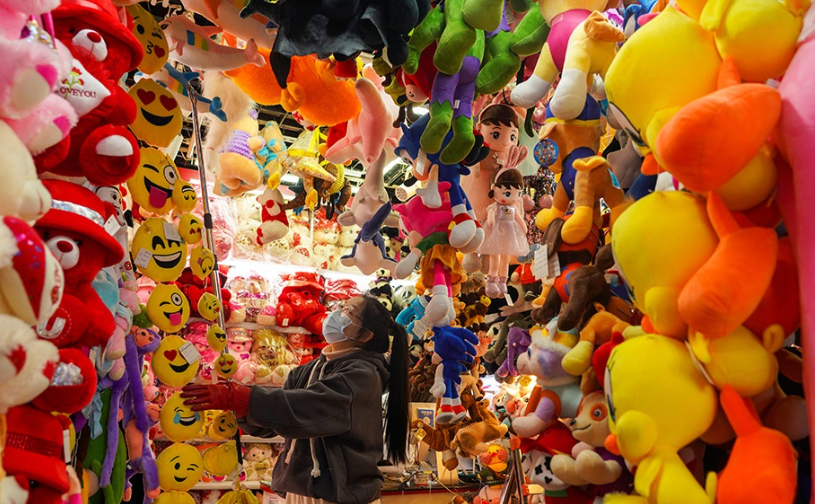
China factories are valuable for new ecommerce sellers because they make product testing, sourcing, and scaling much easier. For beginners, the biggest challenge is not only finding a product idea, but also finding a supplier who can offer stable quality, reasonable pricing, flexible options, and reliable production.
1. Wide product variety
China has strong manufacturing resources across many ecommerce categories, including fashion accessories, beauty tools, home products, pet supplies, electronics accessories, kitchen items, toys, fitness products, and personalized gifts.
For new sellers, this means you can test different niches without being limited to one product type. Whether you want to sell a trending gadget, a seasonal item, or a branded lifestyle product, there is usually a factory or supplier network that can support it.
2. Flexible product testing
Many beginners do not want to invest heavily in inventory before knowing whether a product can sell. China’s supplier ecosystem gives sellers more flexibility to start small, compare different product versions, and test market demand before moving into larger orders.
This is especially useful for dropshipping. Instead of buying hundreds or thousands of units upfront, sellers can first validate the product, collect customer feedback, and decide whether it is worth scaling.
3. Competitive pricing
China factories often offer competitive production costs because of mature supply chains, strong material networks, and efficient manufacturing clusters. This can help new sellers build better profit margins, especially when they are still learning how to manage ads, shipping costs, and platform fees.
However, beginners should not choose suppliers only by the lowest price. A slightly higher cost may be worth it if the product quality, packaging, and delivery are more stable.
4. Fast reaction to ecommerce trends
Ecommerce trends move quickly. A product can become popular on TikTok, Instagram, Amazon, or Shopify stores within a short time. China suppliers are often fast at responding to these trends by offering similar products, upgraded designs, new colors, bundles, or packaging options.
For sellers, this speed creates more chances to test hot products while demand is still active.
5. Room for branding and customization
Once a product proves it can sell, sellers can improve it with branding. Many China factories and supplier networks can support logo printing, custom packaging, product inserts, bundles, color changes, or material upgrades.
This helps beginners move beyond selling generic products. With better branding, a store can look more professional, reduce direct price comparison, and create a stronger customer experience.
What Problems Beginners Face When Contacting Factories Directly

Contacting factories directly sounds simple, but it can be difficult for beginners. Many new sellers do not know how to verify suppliers, compare quotes, confirm product details, or manage quality before orders are shipped. A supplier may look good online, but the real risk often appears after payment, production, or delivery.
1. It is hard to verify the real supplier
One common problem is not knowing whether you are speaking with a real factory, a trading company, or a middleman. A trading company is not always bad, but beginners should understand who is actually producing the product and who will be responsible if something goes wrong.
Without proper verification, sellers may face unstable pricing, unclear responsibility, or slower communication when quality issues happen.
2. Product details are easy to misunderstand
Factory communication requires clear details. Size, material, color, logo position, packaging, plug type, labeling, and shipping requirements should all be confirmed before production.
Beginners often send only a product photo and ask for the price. This can lead to wrong samples, incorrect quotations, or products that do not match the store page. The clearer the request, the lower the sourcing risk.
3. The lowest price may hide bigger risks
A cheap quote can look attractive, especially for new sellers with a limited budget. But the lowest price does not always mean the best deal.
Some suppliers may use cheaper materials, reduce packaging quality, charge extra fees later, or provide slower shipping. If the product leads to refunds or bad reviews, the seller may lose much more than the money saved from a low factory price.
4. Quality control is difficult from a distance
Product photos do not always show the real quality. The actual product may feel lighter, look different, arrive with poor packaging, or have defects that are hard to notice online.
Beginners should order samples whenever possible and confirm quality standards before scaling. Without sample checks or inspection, sellers may only discover problems after customers start complaining.
5. Factory production does not always equal order fulfillment
A factory may be good at making products, but that does not mean it is good at shipping individual orders to customers. Dropshipping requires processing speed, packaging, tracking updates, and after-sales coordination.
If the factory cannot support direct-to-customer fulfillment, sellers still need a separate solution for storage, picking, packing, shipping, and tracking.
What Makes a China Factory Reliable
A reliable China factory is not simply the one that offers the lowest price. For ecommerce sellers, a reliable factory should provide stable product quality, clear communication, realistic production timelines, and consistent support after the order is placed. The real value of a good factory is not only making the product, but helping you reduce risk before the product reaches your customer.
1. Clear product experience
A reliable factory should have experience in the product category you want to sell. For example, if you are sourcing pet products, beauty tools, kitchen gadgets, or fashion accessories, the factory should understand the common materials, packaging needs, quality issues, and customer expectations in that category.
Factories with real product experience can often give better suggestions, such as which material is more durable, which packaging is safer for shipping, or which product version is more suitable for ecommerce sellers.
2. Stable and honest communication
Good communication is one of the most important signs of reliability. A trustworthy factory should answer questions clearly, confirm details in writing, and explain what can or cannot be done.
If a supplier avoids important questions, changes prices often, pushes for payment too quickly, or promises everything without details, beginners should be careful. Reliable factories usually give practical answers instead of only saying “yes” to every request.
3. Reasonable pricing, not just the cheapest quote
A good factory should offer pricing that makes sense for the product quality, material, packaging, and production requirements. The cheapest quote may look attractive, but it can lead to lower quality, weaker packaging, slower processing, or hidden fees.
For beginners, the better choice is often a supplier that offers a fair price with stable quality, rather than the lowest price with uncertain results.
4. Sample support before scaling
A reliable factory should be able to provide samples before you place a larger order. Samples help you check the real product quality, color, size, material, packaging, and user experience.
This step is especially important for ecommerce sellers because product photos can look better than the real item. Testing samples first can help you avoid refunds, bad reviews, and disappointed customers later.
5. Consistent quality control
Reliability means the product should remain consistent from sample to bulk order. A common beginner mistake is receiving a good sample, then getting lower quality products after placing a larger order.
A reliable factory should have basic quality control steps, clear production standards, and a plan for handling defective products. Sellers should confirm these details before scaling.
6. Realistic production and delivery timelines
A trustworthy factory should give realistic timelines for sampling, production, packaging, and shipping preparation. If a supplier promises extremely fast production without checking details, it may create problems later.
For ecommerce sellers, delays can lead to customer complaints, refund requests, and payment disputes. Reliable factories understand this and communicate delays early instead of hiding problems.
How CJdropshipping Connects Sellers with Factory Resources
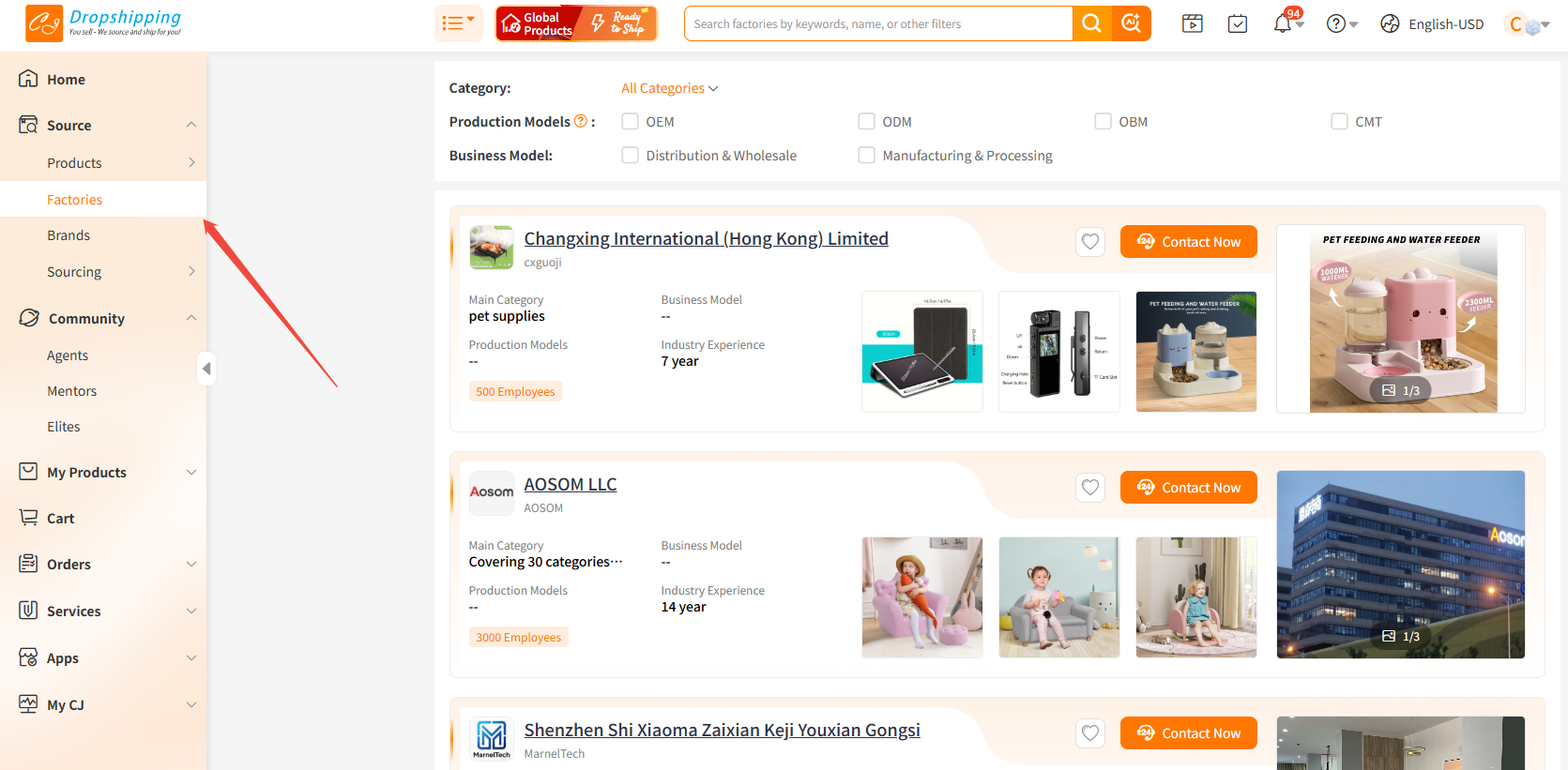
For many beginners, the hardest part of working with China factories is knowing where to start. You may have a product idea, a competitor link, or a trending item from TikTok, but you may not know which factory can produce it, what price is reasonable, or whether the supplier can support stable quality and delivery.
CJdropshipping helps sellers turn product ideas into sourcing requests and connects them with suitable factory resources based on product type, budget, customization needs, and fulfillment requirements.
1. Turning product ideas into sourcing requests
New sellers do not always have detailed factory specifications. Sometimes they only have a product image, a store link, or a short description. Through sourcing support, sellers can submit these references and request similar or upgraded product options.
This makes the sourcing process easier for beginners because they do not need to contact multiple factories one by one. Instead, they can start with a clear product request and receive supplier options that are closer to their selling needs.
2. Comparing more than just price
A good sourcing result should not only focus on the lowest quote. Sellers also need to compare product quality, material, packaging, processing time, available shipping methods, and stock stability.
For beginners, this comparison is important because a cheap product can become expensive later if it causes refunds, complaints, or delivery problems. A better supplier choice should balance cost, quality, and fulfillment reliability.
3. Reducing communication gaps with factories
Factory communication can be difficult for new sellers, especially when product details are not clearly confirmed. Size, material, color, logo placement, packaging style, and production timeline all need to be checked before scaling.
By helping sellers organize product requirements and supplier information, the sourcing process reduces misunderstanding and makes it easier to confirm whether a product is suitable for ecommerce selling.
4. Supporting product testing before scaling
Beginners should not rush into large factory orders before testing demand. A safer path is to source the product first, test it with a smaller sales volume, check customer feedback, and then decide whether to improve packaging, add branding, or prepare larger inventory.
This approach helps sellers avoid heavy upfront investment while still giving them access to factory resources when a product shows real potential.
5. Connecting sourcing with fulfillment
Factory sourcing should not stop after finding the product. Sellers also need to think about how the product will be stored, packed, shipped, and tracked after the customer places an order.
When sourcing is connected with fulfillment, sellers can build a smoother workflow from product selection to delivery. This helps reduce delays, stock problems, poor packaging, and missing tracking, which are common issues for beginners.
How to Turn a Product Idea into a Sourced Product
A product idea is only the starting point. To turn it into a real sourced product, sellers need to describe the product clearly, compare supplier options, check the real quality, and make sure the product can be shipped smoothly to customers.
For beginners, the goal is not just to find something similar. The goal is to find a product that matches your store positioning, customer expectations, budget, and fulfillment needs.
1. Start with a clear product reference
If you find a product from TikTok, Amazon, AliExpress, a competitor store, or social media, collect useful references before sending a sourcing request. This can include product images, videos, product links, size details, colors, materials, functions, and the target selling country.
The more details you provide, the easier it is to find the right supplier. A vague request like “find this product” may lead to inaccurate results, while a clear request helps suppliers understand what version, quality level, and price range you need.
2. Define your selling requirements
Before sourcing, think about how you plan to sell the product. For example, is it a low-ticket impulse product or a higher-value item? Do customers care more about design, function, quality, or fast delivery? Will you sell it as a single item, a bundle, or part of a niche store?
These questions help you choose the right supplier option. Sometimes the cheapest version is not suitable for your target customers. A slightly better version with stronger packaging or better material may create fewer complaints and better reviews.
3. Compare supplier options carefully
When you receive sourcing results, do not look only at the product price. Compare the product quality, available stock, processing time, shipping options, packaging, MOQ, and whether the supplier can support future customization.
A good sourced product should have a balance between cost and reliability. If the product is cheap but has slow processing, weak packaging, or unstable stock, it may cause problems after you start getting orders.
4. Order a sample when possible
A sample helps you understand the real product before customers do. You can check the size, weight, color, material, packaging, function, and overall quality. You can also test how long the delivery takes and whether the tracking updates properly.
This step is especially important if you plan to run paid ads. It is better to find quality issues before scaling than after customers start asking for refunds.
5. Calculate the real selling cost
The factory price is only part of the total cost. Sellers also need to consider shipping fees, platform fees, transaction fees, packaging costs, ad spend, refund risk, and possible discounts.
A product that looks cheap at first may not be profitable after all costs are included. Before launching, calculate whether the product still leaves enough margin for marketing, customer service, and future scaling.
6. Prepare the product page based on the real item
Once the product is confirmed, build your product page around accurate information. Use clear product photos, honest descriptions, size details, material information, usage notes, package contents, and realistic shipping expectations.
Do not overpromise. A product page that matches the real item helps reduce refunds, bad reviews, and disputes.
How to Add Branding Without Heavy Upfront Investment
Many beginners think branding means ordering thousands of units, designing custom packaging, and spending a lot of money before the product is proven. In reality, branding can start much smaller.
For new ecommerce sellers, the smarter approach is to test the product first, then improve the customer experience step by step. You do not need to build a perfect brand from day one. You only need to make your store look more trustworthy, consistent, and memorable than a random product page.
1. Start with a clear store identity
Before spending money on custom products, make your store identity clear. This includes your store name, logo, color style, product photography, tone of voice, and the type of customers you want to serve.
A simple but consistent brand image can make customers feel more confident when buying from you. Even if the product is still dropshipped, your store should not feel temporary or unfinished.
2. Improve product presentation first
Branding is not only about putting a logo on the product. It also comes from how you present the product online.
Use clear product titles, helpful descriptions, clean images, size details, usage tips, and honest shipping information. A well presented product page can already make your offer feel more professional, even before you invest in custom packaging.
3. Use small branding elements
Beginners can start with low cost branding options such as thank you cards, branded inserts, simple logo stickers, care instructions, or custom packaging for selected products.
These small details can make the order feel more personal when customers receive it. They also help improve trust, encourage reviews, and create a better unboxing experience.
4. Brand only the products that show potential
Do not customize every product too early. First, test demand through dropshipping. If a product has steady sales, low refund rates, and positive customer feedback, then it may be worth adding branding.
This helps you avoid spending money on packaging or logo customization for products that may not sell well in the long term.
5. Build brand value around the customer experience
A strong brand is not only about design. It is also about how customers feel before and after purchase. Fast replies, clear tracking, reliable shipping, helpful product guides, and fair refund support all shape your brand image.
For beginners, this is often more important than expensive packaging. If customers feel informed and supported, they are more likely to trust your store and buy again.
How to Connect Factory Sourcing with Fulfillment
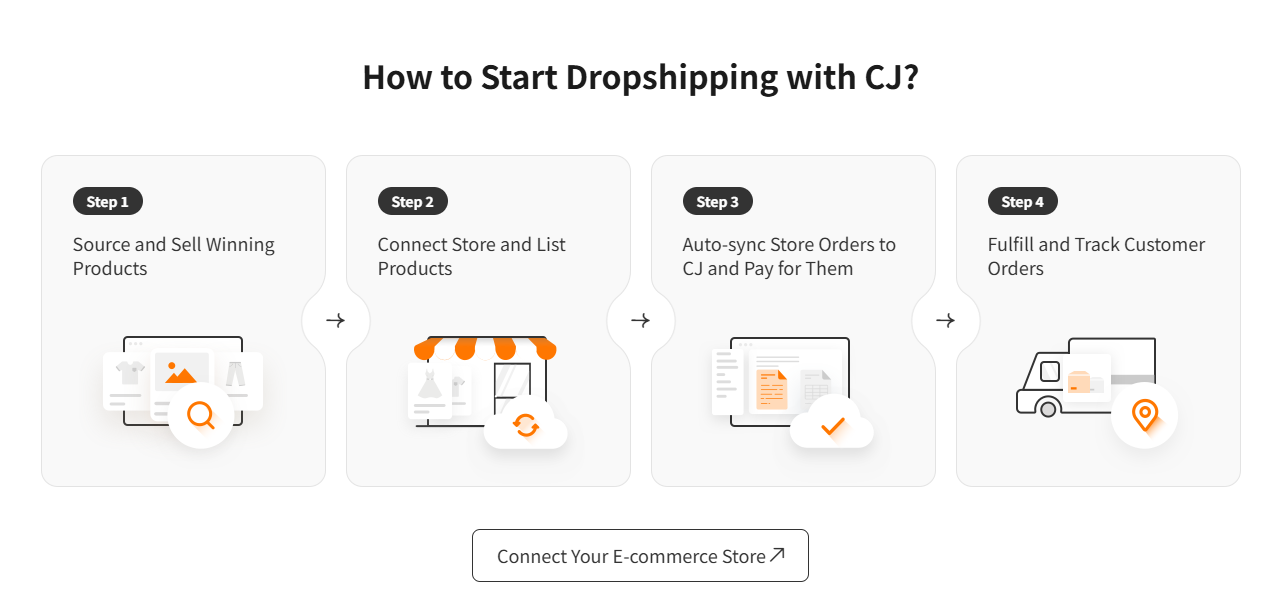
Finding a factory is only one part of building a stable ecommerce business. After the product is sourced, sellers still need to think about storage, packaging, shipping, tracking, and after-sales support. If these steps are not connected properly, even a good product can lead to delays, complaints, and refund requests.
For beginners, the safest approach is to consider fulfillment before scaling the product.
1. Check whether the product is easy to fulfill
Not every product is suitable for dropshipping or direct-to-customer fulfillment. Before choosing a product, check its size, weight, material, packaging needs, and damage risk during shipping.
Lightweight, compact, and durable products are usually easier for beginners to handle. Fragile, oversized, liquid, battery-powered, or easily damaged products may require extra packaging, special shipping methods, or longer processing time.
2. Confirm processing time before selling
Factory production time and order processing time are different. A factory may be able to produce the product, but that does not mean it can ship individual customer orders quickly.
Before listing the product, confirm how long it takes to prepare, pack, and ship each order. If processing takes 3 to 5 business days, show that clearly on your store. This helps customers understand the timeline and reduces unnecessary complaints.
3. Match the product with reliable shipping methods
A good product still needs a suitable shipping route. Sellers should compare shipping cost, delivery time, tracking quality, and destination coverage before choosing a method.
The cheapest shipping option is not always the best choice. If tracking updates are slow or delivery is unstable, customers may lose trust. For ecommerce sellers, reliable tracking is often worth paying slightly more for.
4. Improve packaging before scaling
Packaging directly affects the customer experience. Poor packaging can make a product feel cheap, even if the product itself is good. It can also lead to damage during delivery.
Before scaling, check whether the product needs stronger boxes, protective materials, instruction cards, branded inserts, or better sealing. Good packaging helps reduce returns and improves the chance of positive reviews.
5. Keep stock and fulfillment aligned
One common beginner mistake is selling a product without checking stock stability. If the factory runs out of inventory after your ads start working, you may face delayed orders and unhappy customers.
Before increasing ad spend, confirm whether the supplier can handle more orders and whether there is enough stock available. If a product becomes a steady seller, consider preparing inventory in advance to shorten processing time.
6. Build a full workflow from sourcing to delivery
A strong ecommerce workflow should connect product sourcing, quality checking, packaging, inventory updates, order processing, shipping, tracking, and after-sales support.
When these steps work together, sellers can reduce operational mistakes and create a smoother customer experience. This is especially important for beginners who want to grow without being overwhelmed by supplier communication and fulfillment problems.
When to Move from Dropshipping to Private Label or Bulk Orders
Dropshipping is a smart starting point because it allows new sellers to test products without buying large inventory upfront. But once a product starts showing stable demand, you may begin to consider private label, custom packaging, or bulk orders.
The key is timing. Moving too early can create inventory pressure. Moving too late may limit your profit margin and brand growth.
1. When the product has consistent sales
Do not move into private label or bulk orders just because a product gets a few early sales. A product should show stable performance over time before you invest more money.
Look for consistent orders, repeat customer interest, positive feedback, and steady conversion rates. If the product only sells well for a few days because of one viral ad, it may not be ready for bulk inventory yet.
2. When refund and complaint rates are low
A product with high sales but many complaints is not ready for private label. Before upgrading, check whether customers are satisfied with the quality, size, packaging, delivery time, and actual product experience.
If customers often complain about defects, wrong expectations, slow shipping, or poor materials, fix these problems first. Bulk ordering a problematic product only makes the problem bigger.
3. When the supplier and fulfillment process are stable
Private label and bulk orders require stronger supplier reliability. Before investing, make sure the factory can maintain consistent quality, meet production timelines, support packaging requirements, and provide stable communication.
Fulfillment should also be ready. If you prepare inventory but cannot ship orders quickly or update tracking properly, the customer experience will still suffer.
4. When branding can improve profit or trust
Private label makes sense when branding can help you sell the product at a better margin or create a stronger customer experience. This can include logo printing, custom packaging, product inserts, bundles, upgraded materials, or exclusive color options.
Branding is especially useful when the product has many similar versions in the market. A better branded offer can reduce direct price comparison and make your store feel more professional.
5. When you have enough cash flow to handle risk
Bulk orders can lower unit cost, but they also create inventory risk. Before placing a larger order, make sure you have enough cash flow for product cost, shipping, storage, packaging, ads, returns, and possible slow sales.
Beginners should avoid using all available budget on inventory. It is safer to start with a small batch, test the upgraded version, and increase gradually.
Q&A for Beginners
1. Why should new sellers work with China factories?
China factories offer wide product variety, competitive pricing, flexible production options, and fast response to ecommerce trends. For beginners, this makes it easier to test different products without being limited to one niche.
However, the goal is not just to find the cheapest product. A good factory resource should help you balance price, quality, packaging, and delivery stability.
2. How do I know if a China factory is reliable?
A reliable factory usually has product category experience, clear communication, sample support, reasonable pricing, stable quality control, and realistic production timelines.
Be careful if a supplier avoids specific questions, promises everything too quickly, changes prices often, or refuses to provide samples.
3. Should I choose the cheapest factory quote?
Not always. The cheapest quote may come with weaker materials, poor packaging, slower processing, or hidden fees.
For ecommerce sellers, a slightly higher price can be safer if it brings better product quality, more stable stock, reliable packaging, and fewer refund problems.
4. Do I need to order samples before selling?
Yes, ordering samples is highly recommended. Samples help you check the real product quality, size, material, packaging, function, and delivery experience before customers place orders.
This is especially important if you plan to run paid ads. It is better to find problems during testing than after customers start asking for refunds.
5. Can I add my logo or custom packaging to products?
In many cases, yes. Many factory resources can support logo printing, custom packaging, thank you cards, inserts, bundles, color changes, or small product upgrades.
But beginners should not brand every product too early. It is safer to test the product first, then add branding once the product proves it can sell.
6. When should I move from dropshipping to private label?
You can consider private label when the product has consistent sales, good customer feedback, low refund rates, stable supplier support, and clear branding potential.
Dropshipping helps you test the market first. Private label helps you build stronger brand value after the product has already proven itself.