
If you are looking for the best children clothing products to dropship, the opportunity is much broader than simply finding cute T-shirts or inexpensive baby outfits. Children's apparel is a recurring-purchase category shaped by growth, seasons, school, family events, weather changes, sports, holidays, and constantly changing style preferences.
That gives children's clothing one advantage that many novelty dropshipping categories do not have: customers have genuine reasons to come back.
The market is also substantial. Grand View Research estimates the global toddler-wear market at $302.4 billion in 2026, with the category projected to reach $397.3 billion by 2030. North America represented 33% of the market in 2024, while expanding e-commerce access is one of the factors supporting category growth.
According to the National Retail Federation, U.S. families with K-12 students expect to spend an average of $250.29 on clothing and accessories in 2026, representing approximately $12.5 billion in total spending. Half of surveyed back-to-school shoppers planned to buy at least some products online.
Children themselves increasingly influence those purchases. NRF reports that 62% of K-12 shoppers say at least half of their back-to-school spending is directly influenced by their child.
That creates an interesting e-commerce challenge.
Parents care about price, fabric, sizing, durability, washing, delivery, and practicality.
Children care about color, prints, style, comfort, and whether an outfit feels like something they actually want to wear.
The best children's clothing products manage to satisfy both.
Why Children's Clothing Works for Dropshipping
Children's apparel fits the dropshipping model particularly well because demand is fragmented.
A single children's clothing collection may involve different:
-
Ages
-
Sizes
-
Seasons
-
Colors
-
Materials
-
Styles
-
Occasions
-
Markets
Traditional inventory makes that complexity expensive.
Imagine launching only four T-shirt designs.
Each design comes in six sizes and four colors.
You already have:
4 designs × 6 sizes × 4 colors = 96 SKUs
If you purchase 20 pieces of every SKU, you are holding 1,920 units before knowing which combination customers actually want.
Dropshipping allows sellers to approach the problem differently.
Instead of predicting every winning size, color, and design in advance, a store can test a focused assortment, collect order data, and identify what deserves a larger inventory commitment later.
This is where dropshipping works best as a validation model, rather than necessarily the final form of the business.
A strong progression might look like:
Test through dropshipping → identify winning styles → purchase inventory → improve delivery → add custom packaging → develop exclusive collections
The low-inventory model reduces the cost of being wrong at the beginning.
Once demand becomes predictable, greater inventory control can improve the economics.
1. Coordinated Two-Piece Clothing Sets
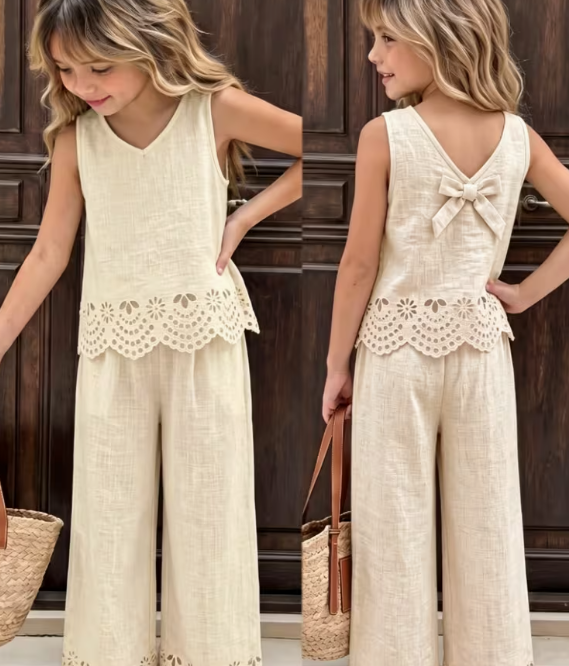
Two-piece children's outfits are one of the most practical categories for a new clothing store.
Common combinations include:
-
T-shirt + shorts
-
Sweatshirt + joggers
-
Long-sleeve top + pants
-
Knit top + bottoms
-
Blouse + skirt
-
Summer shirt + shorts
The reason they work is simple: the customer receives a complete outfit in one purchase.
Parents do not have to match individual pieces themselves.
That convenience also helps sellers create stronger perceived value.
A $32.99 matching set can feel like a more complete purchase than a $19 shirt, even if both products generate a similar margin.
Sets also photograph well.
Instead of showing one isolated item, the seller can immediately demonstrate the entire look.
How to market them
Avoid generic wording such as:
“Cute kids set.”
Build around occasions and routines:
-
Easy preschool outfits
-
Weekend sets
-
First-day-of-school outfits
-
Travel sets
-
Spring outfits
-
Cozy fall sets
Collections built around use cases tend to feel more intentional than random catalogs.
What to check
Pay particular attention to sizing consistency between the top and bottom.
A child may need a larger top but a smaller waist, so elastic waistbands and forgiving silhouettes can reduce sizing friction.
2. Graphic T-Shirts
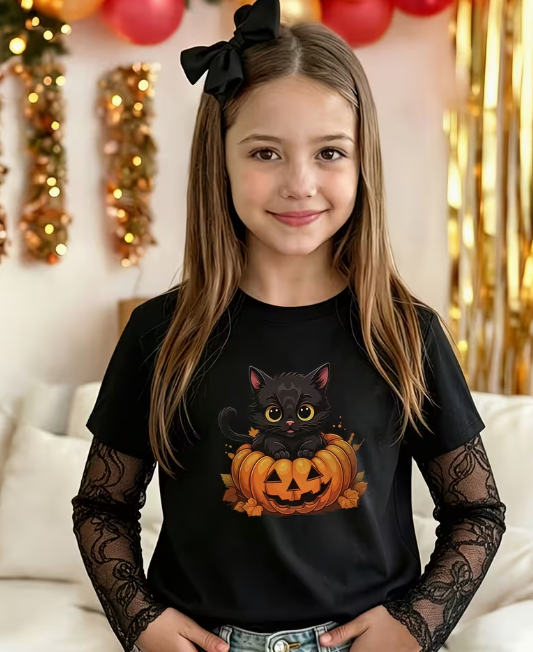
Graphic T-shirts remain one of the easiest entry points into children's apparel.
They are:
-
Lightweight
-
Familiar
-
Easy to photograph
-
Easy to bundle
-
Suitable across multiple seasons
-
Relatively straightforward to size
More importantly, graphics give a simple garment personality.
Children may respond to:
-
Animals
-
Space
-
Dinosaurs
-
Nature
-
Sports themes
-
Positive phrases
-
Hobbies
-
Vehicles
-
Abstract graphics
But sellers need to be careful with intellectual property.
A popular movie, cartoon, game, sports team, or character may generate attention, but that does not mean you have permission to sell merchandise using its protected artwork or branding.
Character-driven children's apparel is a major commercial category. Grand View Research estimates the cartoon-inspired kids-wear market at $60.4 billion in 2026, with projected growth to $102.9 billion by 2033.
That commercial value is exactly why sellers should take licensing seriously.
Original graphics, licensed designs, and supplier-documented authorization are safer foundations than copying whatever character is trending online.
A better dropshipping angle
Instead of selling one shirt, create themed collections:
Little Explorer Collection
Mountains, wildlife, camping, and nature.
Future Scientist Collection
Space, planets, robots, and science.
Animal Club
Dogs, cats, ocean life, dinosaurs, and jungle animals.
Now a customer has a reason to browse more than one product.
3. Sweatshirts and Hoodies
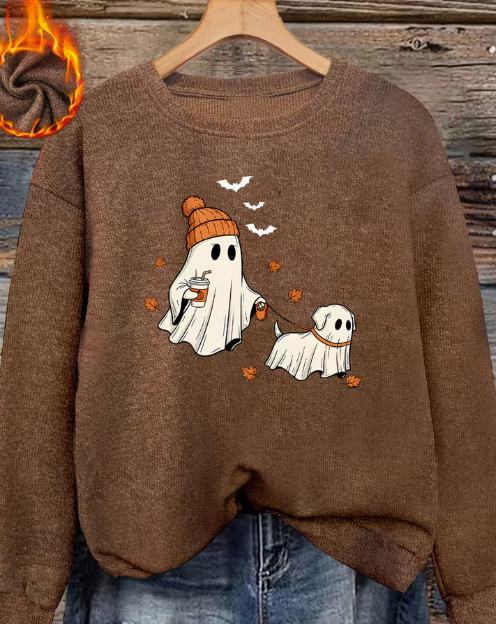
Sweatshirts are particularly useful because they can bridge multiple seasons.
They work for:
-
Back to school
-
Fall
-
Winter
-
Spring mornings
-
Travel
-
Indoor layering
They also provide more room for prints, embroidery, and brand identity than basic T-shirts.
From a merchandising perspective, sweatshirts can support higher price points than simple tops while remaining familiar enough that customers understand the product immediately.
What tends to work
Look for:
-
Relaxed fits
-
Soft interiors
-
Neutral colors
-
Simple graphics
-
Easy layering
-
Durable cuffs
Avoid relying entirely on complicated trend graphics.
A clean sweatshirt in beige, gray, navy, muted green, or soft pastel tones can remain relevant longer than an extremely specific seasonal design.
Safety note
Children's outerwear requires extra attention to cords and drawstrings.
In the U.S., the Consumer Product Safety Commission identifies hood and neck drawstrings on children's upper outerwear in sizes 2T through 12 as a substantial strangulation hazard. Waist and bottom drawstrings in larger children's sizes are also subject to specific restrictions.
Never assume that because a supplier lists an item, it automatically complies with the requirements in your target market.
4. Joggers and Relaxed-Fit Pants
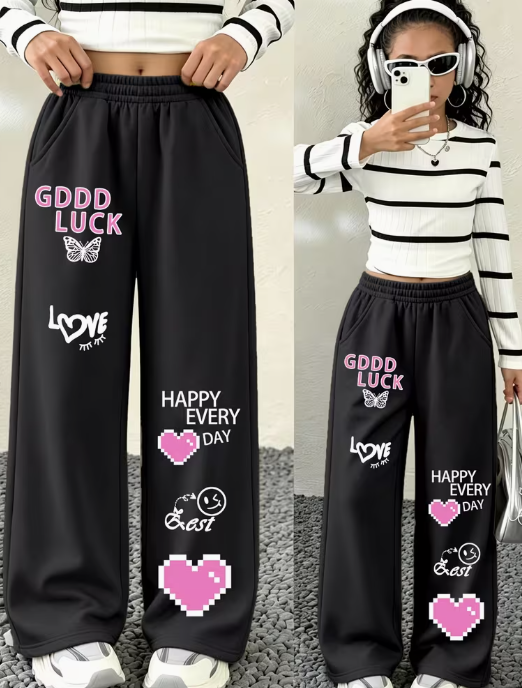
Parents frequently prioritize clothing that can survive ordinary life.
Joggers fit that need well.
Children can wear them to:
-
School
-
Daycare
-
Travel
-
Sports practice
-
Playdates
-
Weekends
-
Home
They also pair easily with T-shirts, sweatshirts, jackets, and hoodies, which creates obvious cross-selling opportunities.
A children's fashion store does not necessarily need to reinvent pants.
It needs to make the purchase easier.
For example:
Everyday Comfort Pack
Two joggers + one sweatshirt.
Or:
School Week Basics
Three neutral bottoms designed to work with most tops.
Bundling practical garments can be more profitable than trying to make every product individually exciting.
What to evaluate
Check:
-
Waist elasticity
-
Fabric stretch
-
Knee durability
-
Pilling
-
Shrinkage
-
Inseam consistency
Parents may forgive a graphic that looks slightly different from a screen image.
They are less forgiving when pants become too short after two washes.
5. Children's Dresses
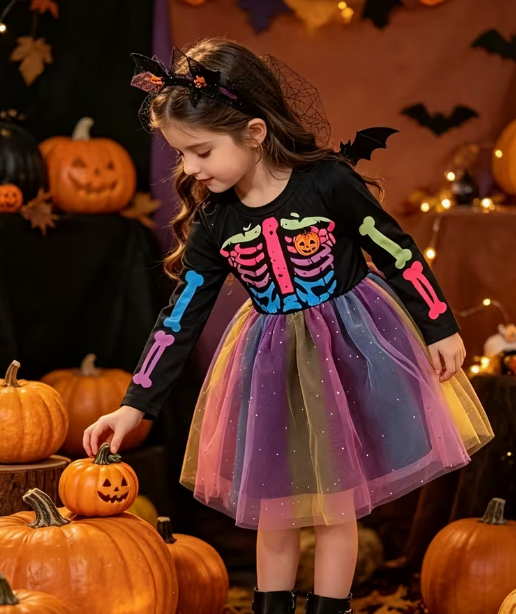
Dresses remain one of the most commercially significant children's apparel categories.
Grand View Research estimates the global children's dresses and skirts market at approximately $18.1 billion in 2026, with projected growth to $23.2 billion by 2030. The research identifies casual comfort, seasonal events, floral and animal prints, and expanding online retail among the factors supporting demand.
For dropshippers, dresses offer multiple merchandising angles.
Everyday dresses
Focus on comfort, washable fabrics, and easy styling.
Summer dresses
Lightweight fabrics, loose silhouettes, and bright prints work naturally with seasonal content.
Party dresses
Birthdays, weddings, family celebrations, and holidays create event-driven demand.
Photo outfits
Some purchases are not purely functional. Parents buy clothing specifically for:
-
Family photos
-
Birthday pictures
-
Holidays
-
Vacations
-
Weddings
These purchases can support stronger emotional marketing.
The operational challenge
The more formal the dress, the more carefully you need to inspect samples.
Photos can hide:
-
Thin material
-
Poor lining
-
Weak stitching
-
Cheap decorative elements
-
Color differences
A premium-looking product page followed by a low-quality dress is an efficient way to generate returns.
6. Lightweight Jackets and Layering Pieces
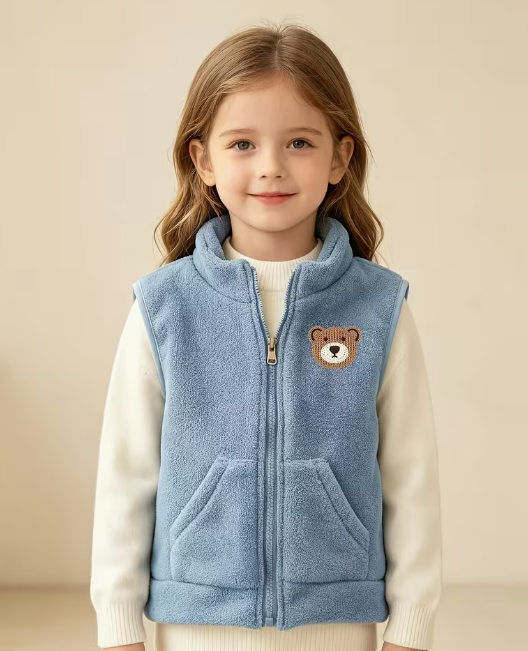
A lightweight jacket occupies an attractive middle ground.
It usually carries a higher perceived value than a T-shirt but is easier to ship than a heavy winter coat.
Useful styles can include:
-
Lightweight zip jackets
-
Denim-style jackets
-
Fleece layers
-
Simple windbreakers
-
Cardigans
-
Lightweight quilted pieces
These products are especially valuable during transition seasons.
A seller can reposition the same general category throughout the year:
Spring: morning layers.
Back to school: playground-ready jackets.
Fall: first cold-weather layer.
That extends the useful selling period.
Watch shipping carefully
Outerwear becomes increasingly expensive as weight and package volume rise.
Calculate the landed cost:
Product cost + shipping + payment costs + expected returns
Do not choose a jacket because the supplier price looks attractive.
The shipping quote matters just as much.
7. Baby Rompers and Bodysuit Sets
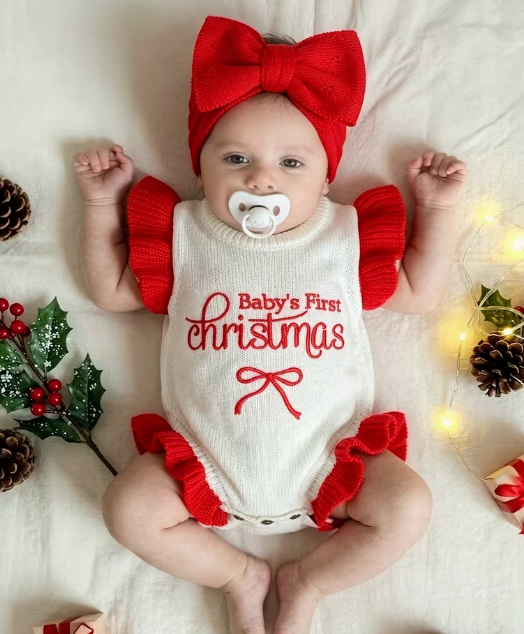
Baby clothing remains a natural e-commerce category because babies grow quickly and parents often purchase several units at a time.
Rompers and bodysuits can work particularly well in packs or coordinated collections.
Instead of selling:
One basic romper
consider:
Three-piece neutral baby set
or:
Five everyday bodysuits
Multiple-piece offers can increase average order value while giving customers a practical reason to purchase more.
Product selection matters
Focus on:
-
Accessible fasteners
-
Easy diaper changes
-
Soft fabric
-
Simple washing
-
Comfortable seams
-
Clear sizing by age and measurements
Avoid excessive decorative attachments on clothing for very young children without appropriate testing and supplier documentation.
CPSC specifically recommends testing functional attachments such as buttons and zipper pulls on garments for young children because of potential choking, aspiration, or swallowing hazards if attachments detach.
With children's products, “cute” should never come before safe construction.
8. Kids Activewear Sets
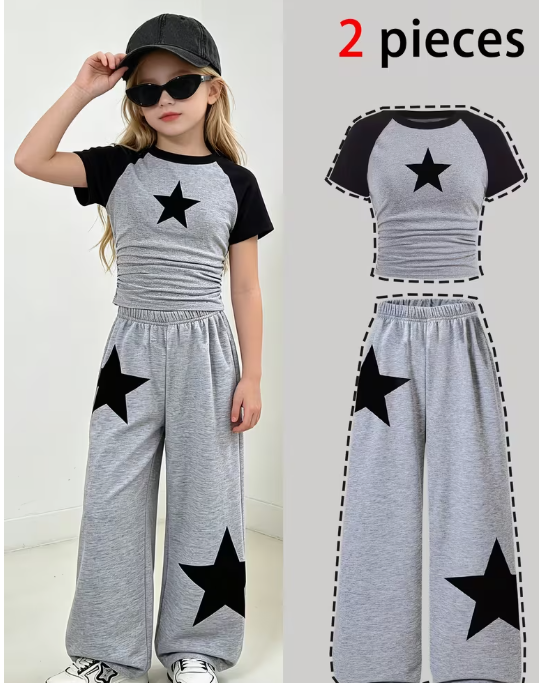
Children's activewear can reach beyond organized sports.
Stretchy T-shirts, shorts, leggings, tracksuits, and performance-style sets are also used for:
-
School activities
-
Play
-
Travel
-
Camps
-
Weekend wear
That gives activewear a relatively broad use case.
It also creates good video content.
You can demonstrate:
-
Stretch
-
Movement
-
Fabric
-
Fit
-
Outfit combinations
instead of relying entirely on static product images.
Why sets work particularly well here
Parents often want a ready-made outfit.
A coordinated sports top and shorts solve that problem.
You can also bundle by activity:
Weekend Sports Set
Dance Practice Set
Outdoor Play Set
The product itself may be relatively simple.
The merchandising makes it more useful.
9. Matching Sibling Clothing
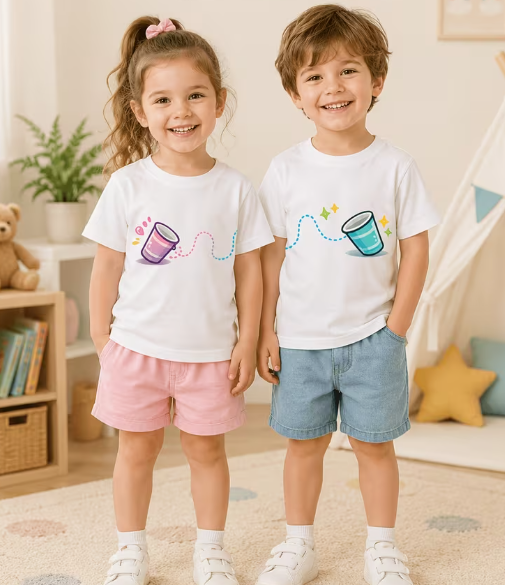
Matching clothing is less about practicality and more about emotion.
That is useful.
Parents may purchase coordinated outfits for:
-
Christmas
-
Family photos
-
Birthdays
-
Weddings
-
Vacations
-
Easter
-
Reunions
Matching sibling products also create a natural multi-unit order.
A customer buying for two children may immediately purchase two garments instead of one.
That can improve average order value without requiring an unrelated upsell.
Think in collections, not identical garments
Matching does not have to mean exact copies.
A more sophisticated collection might use:
-
The same fabric
-
Coordinated colors
-
Related prints
-
Complementary silhouettes
This usually photographs better and allows the brand to appeal to children of different ages.
10. Personalized Children's Clothing
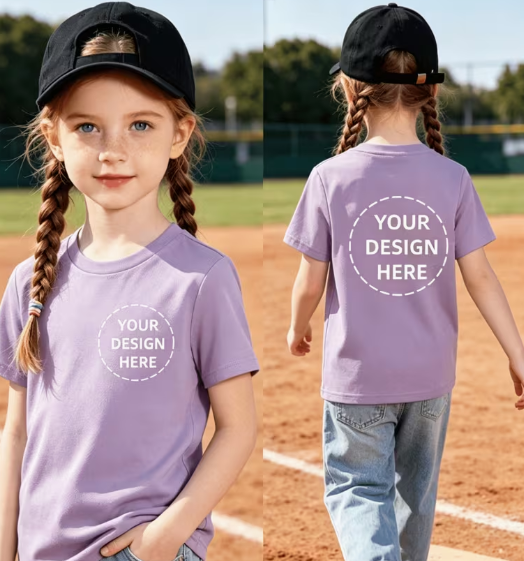
Personalization is one of the strongest ways to move away from commodity competition.
A generic sweatshirt can be found in thousands of stores.
A sweatshirt customized with a child's:
-
Name
-
Initial
-
Birth year
-
Simple custom graphic
is harder to compare directly on price.
Personalized clothing also fits naturally into gifting occasions:
-
Birthdays
-
New baby gifts
-
Christmas
-
Family events
-
School milestones
Operational complexity is higher
Personalization introduces additional questions.
Can customers preview the design?
What happens if they enter the wrong name?
How much extra processing time is required?
Can personalized products be returned?
How consistent is printing or embroidery?
The margin may be higher, but the workflow needs to be clearly defined before advertising begins.
11. Seasonal Children's Clothing
Seasonal clothing can create short periods of concentrated demand.
Relevant categories include:
-
Summer outfits
-
Lightweight beachwear
-
Rainwear
-
Holiday outfits
-
Fall layers
-
Winter clothing
The mistake is treating all seasonal products equally.
A winter coat carries significantly more inventory, fit, and shipping risk than a lightweight summer set.
A new dropshipping store may be better served by seasonal products that remain:
-
Lightweight
-
Easy to size
-
Relatively inexpensive to ship
-
Useful for more than one week
Start early
Seasonal demand should be marketed before the season peaks.
Customers need time to:
-
Discover the product.
-
Place the order.
-
Receive it.
-
Exchange sizes if necessary.
-
Wear it for the intended event.
Launching Christmas clothing on December 20 may produce traffic, but it creates a fulfillment problem.
Quick Comparison: Best Children's Clothing Products to Dropship
| Product | Demand | Bundle Potential | Sizing Complexity | Shipping |
|---|---|---|---|---|
| Two-piece sets | High | Very High | Medium | Good |
| Graphic T-shirts | High | High | Low-Medium | Excellent |
| Sweatshirts | High | High | Medium | Good |
| Joggers | High | High | Medium | Good |
| Dresses | High | Medium | Medium-High | Good |
| Lightweight jackets | Seasonal-High | Medium | Medium | Medium |
| Baby rompers | High | Very High | Medium | Excellent |
| Activewear | High | High | Medium | Good |
| Sibling matching outfits | Event-driven | Very High | Medium-High | Good |
| Personalized clothing | Gift-driven | High | Medium | Good |
| Seasonal clothing | Seasonal | High | Medium | Varies |
| Basics and multipacks | Evergreen | Very High | Low-Medium | Good |
How to Choose Children's Clothing That Can Actually Sell
Finding attractive supplier photos is easy.
Finding products that remain profitable after shipping, returns, and customer service is harder.
Use the following filters before adding a garment.
Fabric
Customers need clear information about what touches their child's skin.
Check:
-
Fiber composition
-
Fabric weight
-
Stretch
-
Breathability
-
Softness
-
Shrinkage
-
Colorfastness
-
Pilling
Avoid unsupported claims such as “100% organic,” “hypoallergenic,” or “non-toxic” unless the supplier has documentation supporting them.
Construction
Order samples and inspect:
-
Seams
-
Snaps
-
Buttons
-
Zippers
-
Elastic
-
Printing
-
Embroidery
-
Decorative pieces
A garment may photograph beautifully while being poorly constructed.
Sample inspection is particularly important before scaling paid advertising.
Sizing
Sizing is one of the biggest problems in apparel e-commerce.
Never assume “4 years” or “size 6” provides enough information.
A useful size guide can include:
-
Recommended height
-
Chest
-
Waist
-
Garment length
-
Sleeve
-
Inseam
If the product runs small, say so.
If it is designed to be oversized, say so.
Reducing uncertainty is more valuable than trying to make every customer believe every size will fit perfectly.
Children's Clothing Safety and Compliance
This section deserves more attention than it gets in most dropshipping guides.
Children's apparel may be subject to different requirements depending on:
-
Country
-
Garment type
-
Age
-
Material
-
Intended use
For U.S. sellers, general wearing apparel is subject to federal flammability requirements under 16 CFR Part 1610, with additional rules applying to specific categories.
Children's sleepwear deserves particular caution.
CPSC states that children's sleepwear above 9 months through size 14 generally must either meet applicable flame-resistance requirements or satisfy defined requirements for tight-fitting garments. Sleepwear regulations are covered under 16 CFR Parts 1615 and 1616.
These are active enforcement issues rather than historical technicalities. In June 2026, CPSC warned consumers to stop using a children's pajama product that failed mandatory sleepwear flammability requirements.
Labels matter too.
FTC guidance states that most textile products sold in the U.S. need required disclosures including fiber content, country of origin, and the identity of the manufacturer or responsible business, while garments also require appropriate care instructions.
If you sell internationally, check the requirements of the destination market rather than assuming U.S. standards cover every country.
For children's products, compliance should begin during sourcing.
Not after the first order.
How to Reduce Returns in Children's Clothing Dropshipping
Fashion returns often begin with unclear expectations.
You can reduce avoidable returns by improving information before checkout.
Use real measurements
Do not rely only on age labels.
Show several angles
Front, back, details, fabric, and fasteners.
Describe the fit
Use clear terms such as:
-
Slim
-
Regular
-
Relaxed
-
Oversized
Explain the material honestly
If the fabric is thin and designed for summer, say so.
Do not photograph it as though it were a heavy premium garment.
Review return reasons
Returns are useful data.
If customers repeatedly say:
“Runs too small”
the problem may not be the customer.
Adjust the size guide or reconsider the product.
How to Build a Better Children's Clothing Store
One of the fastest ways to create an unmemorable store is uploading hundreds of unrelated products.
Choose a position first.
Examples include:
Minimalist Toddler Wear
Neutral colors, simple silhouettes, coordinated sets.
Kids Streetwear
Oversized sweatshirts, graphic T-shirts, relaxed pants.
Everyday Schoolwear
Affordable sets, comfortable bottoms, lightweight layers.
Occasion Clothing
Birthday outfits, dresses, family events.
Personalized Kidswear
Names, initials, gifts, matching family designs.
Active Kids
Sports-inspired clothing and comfortable movement-focused products.
A focused store makes every later decision easier.
You know which products belong.
You know what photography should look like.
You know what content to create.
You know who your customer is.
Market to the Parent and the Child
Children's fashion involves two audiences.
That is something many stores miss.
NRF's 2026 research found that 62% of K-12 shoppers say at least half their back-to-school purchases are influenced directly by their child.
The product page therefore needs to work on two levels.
For parents:
Show:
-
Price
-
Size
-
Material
-
Care
-
Fit
-
Delivery
-
Value
For children:
Show:
-
Color
-
Personality
-
Outfit styling
-
Graphics
-
Collections
A technically perfect product page can still feel boring.
A visually exciting product page can still fail if parents cannot figure out sizing.
The strongest store does both.
Use CJdropshipping to Test and Scale Children's Clothing
Children's clothing can create significant inventory complexity because one style may have multiple sizes and colors.
That makes a flexible sourcing model useful during the early stages.
CJdropshipping can support children's apparel sellers through product sourcing, order fulfillment, warehouse inventory, store integrations, and branding services.
The strongest approach is not necessarily to remain in one-by-one dropshipping forever.
Consider this progression.
Stage 1: Test
Start with a focused number of products.
Monitor:
-
Conversion
-
Popular sizes
-
Popular colors
-
Returns
-
Customer comments
Stage 2: Improve
Remove weak products.
Improve size charts.
Order more samples.
Upgrade imagery.
Stage 3: Stock Winners
If one coordinated set consistently sells, consider purchasing inventory rather than continuing to fulfill every unit individually.
Stage 4: Build the Brand
CJ supports custom packaging options and sourcing workflows that can help sellers move toward a more differentiated product experience.
Eventually, packaging, inserts, labeling, and exclusive product variations can make the store feel less like a reseller and more like a children's clothing brand.
CJ's own 2026 guidance on children's clothing similarly emphasizes using dropshipping for initial testing before considering inventory, customization, and faster fulfillment for proven products.
Is Children's Clothing a Good Dropshipping Niche?
Yes—but only if the store is built around more than inexpensive products.
Children's clothing has attractive characteristics:
-
Repeat purchasing
-
Seasonal demand
-
Back-to-school demand
-
Gift opportunities
-
Visual marketing
-
Bundle potential
-
A large addressable market
But it also has real challenges:
-
Sizing
-
Returns
-
Safety requirements
-
Seasonal inventory
-
Quality consistency
-
Strong competition
That combination is exactly why niche positioning matters.
Do not try to become an online department store on day one.
Start with perhaps 15 to 30 carefully selected products that make sense together.
Order samples of the most important ones.
Build accurate size guides.
Create original content.
Watch return reasons.
Then expand according to what customers actually buy.
Final Thoughts
The best children clothing products to dropship are not necessarily the products with the largest number of orders on a supplier marketplace.
The better products combine several qualities:
repeat demand + visual appeal + manageable sizing + reasonable shipping + bundle potential + reliable quality.
Coordinated sets are strong because they make buying an outfit easy.
Graphic T-shirts and sweatshirts give children a way to express personality.
Joggers and basics solve everyday needs.
Dresses address both regular wear and emotional occasions.
Baby rompers create practical repeat-purchase opportunities.
Matching sibling clothing and personalization can increase order value through emotional buying.
The opportunity is real. In 2026, U.S. K-12 shoppers alone expect to spend roughly $12.5 billion on clothing and accessories during the back-to-school season.
But children's fashion is not a category where sellers should prioritize speed over responsibility.
Verify materials.
Understand sizing.
Order samples.
Pay attention to attachments and drawstrings.
Check applicable clothing and sleepwear regulations.
Use accurate labels.
And choose suppliers based on consistency rather than unit price alone.
Dropshipping can reduce the inventory risk of discovering what your customers want.
Once that demand becomes clear, the next step is not to keep copying more products into the store.
It is to strengthen the products that already work.
Better inventory.
Better delivery.
Better packaging.
Better collections.
Better customer retention.
That is how a children's clothing dropshipping store begins to look less like a temporary product catalog—and more like a real brand.