
Staying ahead of product trends is key to running a successful dropshipping store. As we look toward 2026, certain product niches are showing especially strong demand and growth. Below is a breakdown of 15 of the best dropshipping products (and categories of products) that Shopify store owners should consider, complete with market trends and tips for why they’re great opportunities.
1. Beauty & Personal Care Products (Makeup & Skincare)
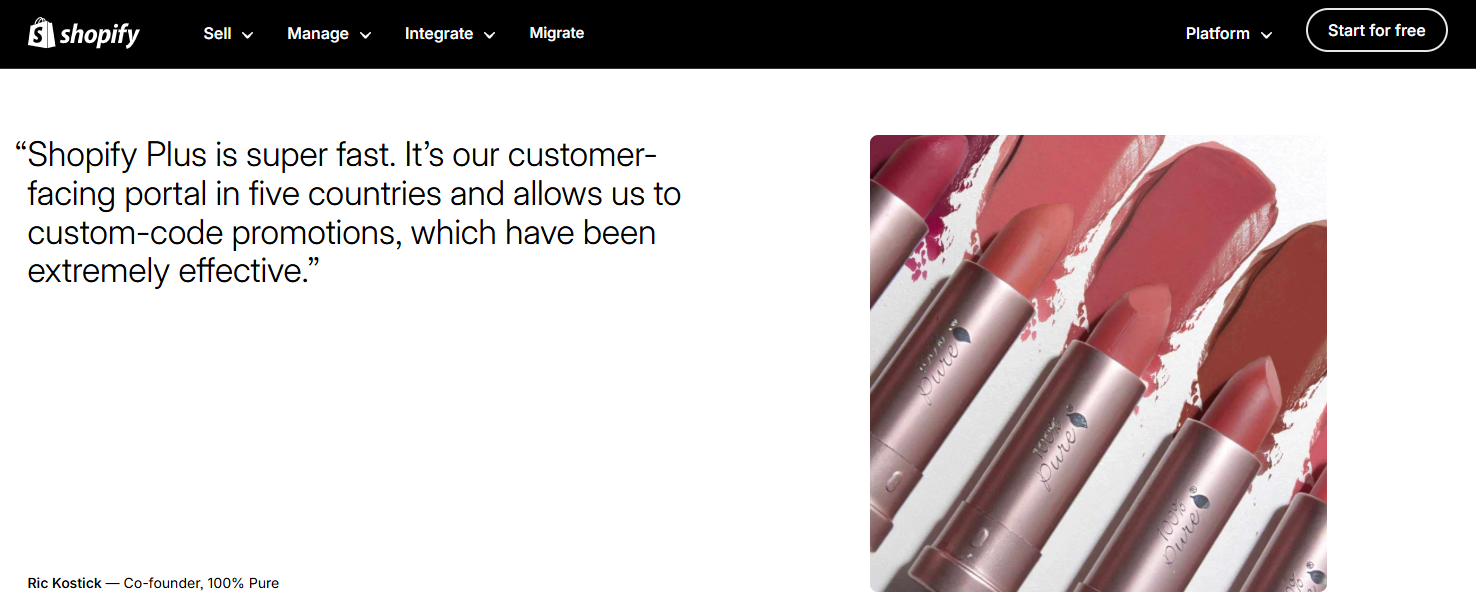
The beauty industry is booming and evolving, making it a prime niche for dropshippers. Globally, beauty and personal care (from skincare and cosmetics to hair care and fragrances) is projected to exceed $758 billion in 2025. Consumers are not only spending a lot on beauty, but their preferences are shifting: there’s a growing appetite for vegan, organic, and natural cosmetics that are eco-friendly and cruelty-free. This opens opportunities to sell niche items like vegan makeup brushes or all-natural face serums.
In particular, skincare and “self-care” beauty items are trending: for example, products like hydrocolloid pimple patches or K-beauty face masks have gone viral as skincare routines become a popular hobby online. Natural ingredient skincare (think aloe vera gels, vitamin C serums) is growing at about 6.3% annually. Likewise, “problem-solving” products – a shampoo for dandruff, a serum for frizzy hair, a quick blemish concealer – attract customers looking for effective fixes.
Another big driver here is social media. Beauty how-tos and “GRWM” (Get Ready With Me) videos on TikTok generate huge interest. A single viral video can send a product (like a certain mascara or lip gloss) flying off the shelves. For a store owner, this means beauty products are highly marketable – influencer demos and user reviews can quickly build trust. If you enjoy creating content, you might even make short videos yourself showcasing a skincare routine or a makeup look using the products you sell. Engaging with trends (for example, the latest contouring technique or a popular skincare challenge) can drive serious traffic.
Overall, beauty products tend to have decent margins and repeat purchase potential. Shoppers often rebuy their favorite creams or makeup when they run out. By focusing on in-demand sub-niches – like natural skincare, DIY beauty kits, or specialized hair-care solutions – you can carve a profitable spot in this massive market. Just remember that branding and trust matter in beauty. High-quality images, clear ingredient info, and leveraging reviews will go a long way in converting beauty-conscious customers.
2. Fashion Women’s Clothing
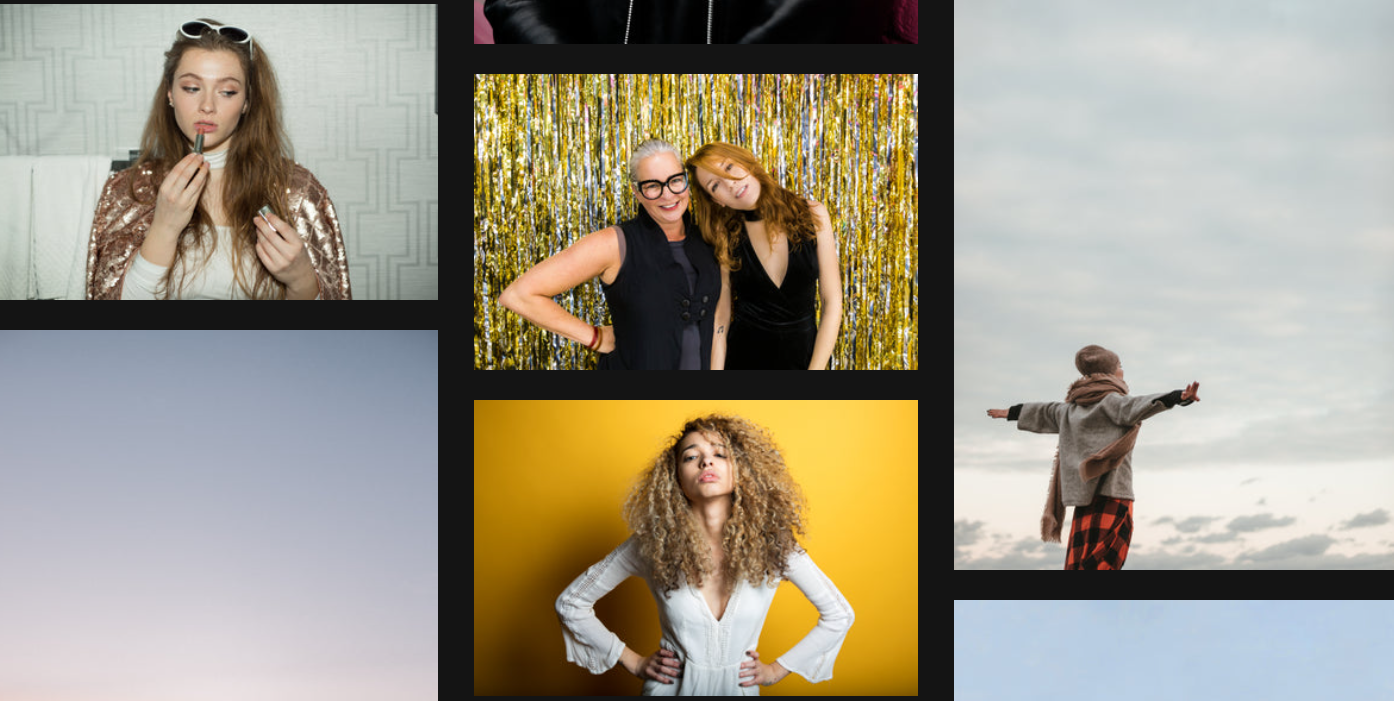
Clothing is a perennial best-seller online, and women’s fashion leads the pack. Globally, the apparel market (which includes women’s wear) is worth about $1.7 trillion and is on track to reach $2 trillion by 2028. The shift to online shopping for clothes is well established, meaning dropshippers can absolutely tap into this demand. Every season brings new trends, giving you fresh product ideas throughout the year.
That said, women’s fashion is broad and highly competitive, so success often means finding the right angle or niche. One approach is to home in on trending styles or underserved segments. For example, the past few years saw explosions in demand for athleisure and loungewear (yoga pants, matching sweatsuit sets) as comfort became king. As we head into 2026, comfortable yet stylish pieces remain popular – think stretchy ribbed dresses, oversized blazers paired with leggings, or co-ord sets. On the flip side, social media can suddenly revive classic styles or aesthetics – from ’90s vintage looks to cottagecore dresses – providing opportunities to catch a micro-trend wave.
Crucially, women’s clothing dropshipping requires excellent presentation. High-quality photos and size guides are a must to give customers confidence (since they can’t try items on). Consider specializing in a category you can do well: for example, you might build a store around plus-size fashion (an area often underserved by big brands), around sustainable fabrics (eco-conscious shoppers love bamboo, organic cotton, etc.), or around a specific garment like women’s activewear or seasonal dresses. The appeal of a specialty is that you become the go-to shop for that audience, rather than trying to be a generalist.
Also, keep an eye on social media style trends. Platforms like Instagram and TikTok frequently set the tone for what’s hot in women’s wear. If a certain dress style or accessory goes viral (like a particular sundress or blazer dress seen on an influencer), be ready to source similar items quickly. With the apparel and footwear market growing steadily and more shoppers comfortable buying clothes online, a savvy store owner can definitely profit by offering the right women’s fashion finds. Just be prepared to market creatively (think lookbooks, styling tips, maybe even collaborating with micro-influencers) to stand out in this vibrant category.
3. Health Supplements & Wellness Products
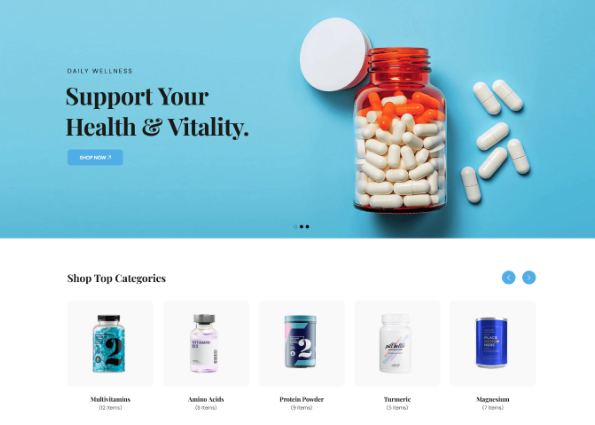
Health and wellness supplements remain one of the most profitable dropshipping categories going into 2026. Post-pandemic, consumers are investing in their health more than ever, seeking vitamins, supplements, and remedies to boost immunity, improve sleep, aid digestion, and more. This is a broad category that can include everything from multivitamins and protein powders to niche herbal extracts – and demand is strong and steady. In fact, immune support supplements are now an everyday routine for many people, not just a seasonal boost, which means sales happen year-round. Immune health in particular “remains a reliable choice” for dropshippers due to its broad appeal and consistent demand.
When choosing what to sell, look at trending niches within wellness. For example, gut health is big – probiotics and digestion aids are popular as people learn about the importance of the microbiome. Stress relief and sleep supplements are also on the rise (e.g. magnesium gummies, herbal sleep drops), because who doesn’t want better sleep in our busy world? In 2025, we even saw a surge in melatonin-free sleep drops with herbs like chamomile and valerian, as many consumers seek gentler alternatives for insomnia. Another example: an herbal compound called berberine went viral as “nature’s Ozempic” for weight management – TikTok videos about berberine garnered over 90 million views and caused a spike in demand in 2025. This illustrates how quickly a wellness trend can explode. As a store owner, keeping an ear to the ground on social media buzz can alert you to the “next big thing” in supplements.
Of course, with supplements, trust and quality are paramount. Customers need to feel confident in what they’re ingesting. That means it’s wise to work with reputable suppliers (look for those who can provide ingredient details, quality certifications, etc.). Build trust through your product descriptions: highlight if something is made in a GMP-certified facility, or if it’s organic, vegan, etc., as appropriate.
One advantage of selling supplements is that they often yield repeat purchases – if someone likes the results (more energy, better sleep, etc.), they’ll be back for another bottle next month. The key to success is picking a sub-niche that isn’t too crowded and positioning yourself as an authority in that space. Whether it’s sports nutrition for fitness enthusiasts or natural herbal remedies for wellness seekers, focus your marketing on how these products solve problems or improve the customer’s life. Given the continual growth of the health-and-wellness movement, dropshipping supplements (responsibly) can definitely be a lucrative venture in 2026.
4. Portable POV Cameras (Action & Vlogging Cameras)
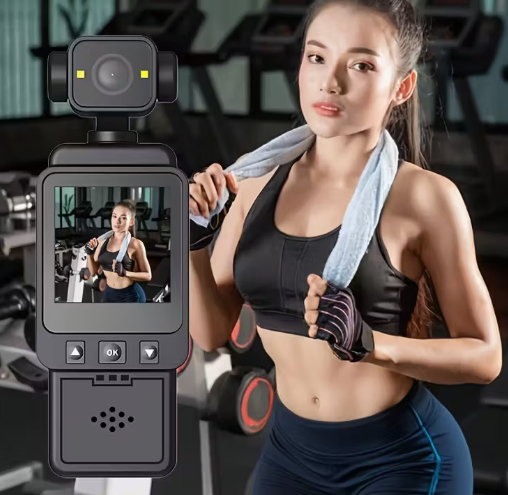
Portable point-of-view cameras – essentially action cameras or mini cams – are seeing a surge in popularity as content creation and adventure travel continue to grow. Globally, the action camera market (dominated by brands like GoPro, but also many affordable alternatives) is expanding rapidly – it was about $7.3 billion in 2025 and is projected to reach $18 billion by 2033 (roughly 12% annual growth). That growth is fueled by people’s desire to capture high-quality videos of their experiences, whether it’s a mountain biking trip, a snowboard run, or just a weekend vlog.
What makes POV cameras a great product for your store? For one, they appeal to multiple audiences: outdoor sports enthusiasts, travel bloggers, YouTubers, families on vacation, and anyone who wants a hands-free way to record life. Today’s consumers are seeking cameras that are rugged, waterproof, and offer ultra HD video. In fact, demand for features like 4K/8K resolution and advanced stabilization has been a big driver of sales. People want those smooth, immersive first-person clips for their social feeds. Action cams that can mount on a helmet, bike, or even a pet (yes, pet cams are a thing!) are super popular for capturing unique perspectives.
Another huge factor is the content creator boom. Influencers and vloggers love these cameras for on-the-go filming. The rise of travel vlogging and TikToking has normalized carrying a compact camera everywhere. Influencers often showcase how they use an action camera for everything from underwater shots to time-lapse city tours – essentially giving free advertising for these gadgets. This peer-driven marketing is amplifying demand among younger, digitally savvy consumers. If you sell a solid, budget-friendly GoPro alternative, for example, many aspiring creators would jump on it to start their channel without breaking the bank.
When dropshipping POV cameras, consider also offering useful accessories: things like chest mounts, floating hand grips for water sports, extra batteries, or carrying cases. Bundling accessories can increase your average order value. Also, showcase the use-cases in your marketing: e.g., “Capture your ski trip or scuba dive in stunning clarity” – paint the picture of what customers can do with these cameras. With fitness and outdoor recreation at an all-time high, and social media rewarding exciting video content, portable action cameras are a hot item. They carry a higher price point than, say, phone cases, so even a single sale can net a nice profit. Given how this category is expected to keep growing alongside active lifestyles, it’s a smart addition to a tech or lifestyle-oriented store.
5. Portable Blender Bottles
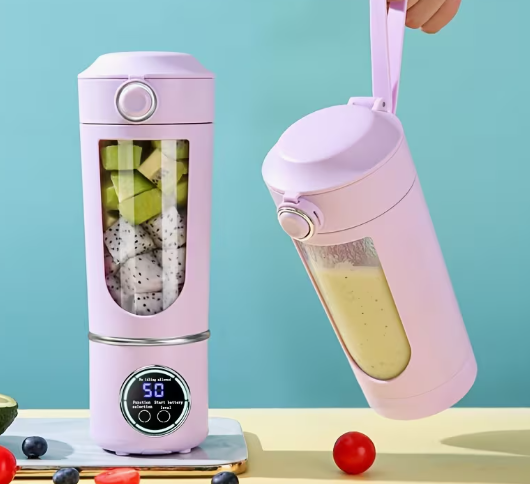
Ever heard of the BlendJet or seen those mini USB-charged smoothie makers on Instagram? Portable blender bottles are exactly that – compact, rechargeable blenders that double as a bottle, so you can mix a smoothie or protein shake on the go and drink from the same container. These have become incredibly popular among health-conscious consumers and busy folks who want their nutrition on-demand. The global portable blender market reflects this trend: it was valued around $163 million in 2024 and is projected to roughly double to $323 million by 2030 (around 12.4% CAGR). Not massive numbers compared to some categories, but the growth rate is strong – indicating surging demand.
So why are portable blenders a great dropshipping product? In short, they hit the sweet spot of convenience, health, and trendiness. Modern consumers (especially millennials and Gen Z) are prioritizing healthy habits but also convenience. A device that lets you whip up a protein shake at the gym, a green smoothie at the office, or a toddler’s fruit puree in the car is solving a real need. Hectic urban lifestyles and constant travel have more people seeking compact appliances to meet their nutritional needs on the move. These blenders are typically lightweight, use USB charging, and can blend fruits, ice, etc., in 30 seconds – very appealing for someone dashing between work and workouts.
They’re also social media-friendly. How many times have you seen influencers blending a colorful smoothie bowl or a post-workout shake in one of these? Platforms like TikTok and Instagram have featured portable blenders in countless health and wellness videos. That visibility creates demand – viewers see it and think, “Hey, I need that in my life.” Some models come in cute pastel colors or with sleek designs, adding to the aesthetic appeal (people love posting their healthy routines, and a stylish blender bottle looks great on camera). In fact, one viral TikTok trend was people blending iced coffee or matcha in these devices, further boosting their popularity.
For a Shopify store owner, portable blenders are a relatively higher ticket item (often selling $30-$50 range), which can mean solid margins. They also pair well with other products: consider upselling accessories like reusable straws, protein powder packets, or travel cases. You could even create content (or share supplier videos) demonstrating recipes or “will it blend?” style tests – engaging potential customers. With a global push towards healthy living and portable everything, these mini blenders are not a fad but part of a sustained lifestyle shift. They help people eat/drink healthier without slowing down, and that value proposition is an easy sell. Plus, by promoting the eco-friendly angle (reusable blender bottle vs. buying smoothies in disposable cups), you tap into sustainability-minded buyers too. All in all, portable blender bottles make a powerful addition to a dropshipping lineup in 2026.
6. Minimalist Jewelry
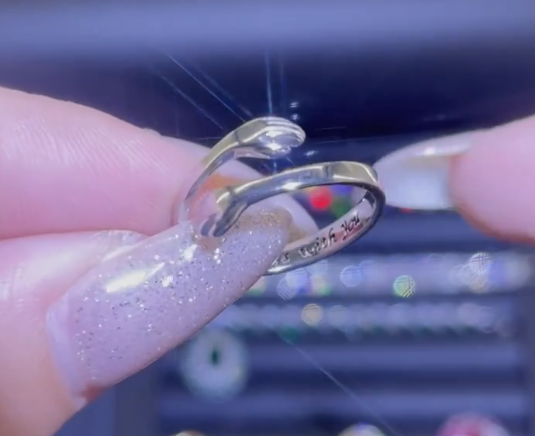
Sometimes, less is more – and that’s definitely the case with the ongoing trend of minimalist jewelry. Delicate, simple pieces of jewelry have been in vogue for several years and continue to dominate in 2026 as consumers lean towards versatile, everyday accessories. In fact, industry insights show a cultural shift toward “quality over quantity” in jewelry, with buyers opting for a few subtle, high-quality pieces they can wear daily, rather than loud statement bling. For dropshippers, this trend is gold (pun intended): minimalist jewelry is typically affordable to source, light to ship, and has broad appeal across ages and styles.
One data point illustrating this demand: searches for “simple gold stacking” jewelry jumped 45% in 2025. Think thin gold rings you can stack, or dainty necklaces layered together. That’s a huge surge in interest, underscoring how popular dainty jewelry has become for expressing personal style in a subtle way. From tiny stud earrings to minimalist pendant necklaces, these items complement any outfit, which makes them easy impulse buys. They’re the kind of products customers might add to cart on a whim (“Oh, that thin rose gold ring is only $15, why not!”).
Another reason to love this category: minimalist jewelry photographs well and looks high-value even if it’s inexpensive. A well-shot image of a slender gold-plated necklace on a clean background can make it appear luxurious. Customers often can’t tell the difference between a $20 piece and a $200 piece just by a photo – which allows you healthy markups as long as the quality (plating, craftsmanship) is decent. To ensure customer satisfaction, it’s smart to source from suppliers with good reviews (you don’t want chains that tarnish in a week). Stainless steel or sterling silver bases with gold plating tend to hold up and are hypoallergenic, selling points you can highlight.
Minimalist styles also ride the wave of conscious consumption. Many consumers are moving away from fast-fashion jewelry that turns green or breaks. They prefer one or two simple pieces that last – say a classic thin gold bangle or a pair of pearl studs – over dozens of cheap trinkets. By marketing your jewelry as “everyday staples” or “timeless classics”, you appeal to this mindset. Emphasize versatility: e.g., “This necklace is perfect from the office to dinner, and layers nicely with your other pieces.”
Importantly, jewelry is highly giftable. Around holidays or Valentine’s Day, minimalist jewelry is an easy gift choice (less personal than picking a big flashy design, so it’s safer). You can create gift guides or bundles (like a set of three stacking rings). And don’t forget, jewelry is one of those categories with excellent margins. A piece that costs you $3-$5 to source can often retail for $20-$30+. With the enduring popularity of minimal jewelry (despite some cycles of “maximalist” fashion, the clean look has proven to have staying power), a dropshipping store focused on this can do really well by offering style, quality, and a touch of personal sentiment at the right price point.
7. 3D Printers (Home Use Models)

Just a decade ago, the idea of having a 3D printer at home sounded like sci-fi. Now it’s very much reality – and it’s becoming an exciting dropshipping product category. Personal 3D printers (the kind that can sit on a desk and print objects out of plastic filament or resin) are gaining popularity among hobbyists, tinkerers, educators, and entrepreneurs. The home 3D printer market is on a robust growth trajectory, expected to grow around 15% annually from 2026 to 2033. In other words, each year more people are buying these devices as they become more affordable and user-friendly.
So why would someone want a 3D printer? The use cases are surprisingly broad: making custom toys and figurines, printing replacement parts or tools, creating prototypes for inventions, crafting jewelry or art, educational STEM projects, and so on. During the pandemic, a lot of folks got into 3D printing as a hobby (even printing PPE and useful items) and the interest hasn’t faded. As prices for entry-level printers have come down, it’s now feasible for a tech enthusiast or parent to get a basic machine for just a few hundred dollars. This democratization is driving sales – you no longer need to be an engineer with a big budget to play with 3D printing. In fact, advancements in user-friendly models and software mean even beginners can jump in. Some newer printers are almost plug-and-play and come with libraries of designs.
For dropshipping, selling 3D printers and accessories can be lucrative. The printers themselves are higher-ticket items ($200-$500 for many consumer models, with premium ones $1000+). Even if margins are slimmer, each sale nets a good chunk of profit. Plus, you can upsell consumables and add-ons: filament spools in various colors, resin, upgrade kits, replacement nozzles, print bed tape, etc. These recurring needs mean potential repeat business from the same customers. Also consider targeting niche communities – for example, tabletop gaming enthusiasts who print their own miniatures, or cosplayers who print costume parts, or schools setting up makerspaces. Tailoring some of your marketing or product selection to these groups (e.g., offering bundles with special filament or beginner-friendly models for classrooms) can set you apart.
The 3D printing trend is also buoyed by a general maker movement – people are more into DIY and personalization. Being able to say “I printed this myself” is just cool. And as more consumers become aware of what 3D printers can do, demand should grow. Some analysts predict over half of households could own a 3D printer by the 2030s as the tech really goes mainstream. We’re not there yet, but the trajectory is clear: year by year, these devices are creeping into more homes. Early adopters and tech lovers in 2026 are great customers to capture now, as they can evangelize and create content that fuels even more sales. If you have any interest or knowledge in 3D printing, leveraging that to provide good product descriptions, guides, or customer support can make your store a go-to for newbies. Given the growth and creative possibilities here, personal 3D printers are definitely a forward-looking product category to consider.
8. Wrap Dresses

Among women’s fashion items, wrap dresses deserve a special call-out as a trending product for 2026. Wrap dresses have a unique combination of features that make them perpetually popular: they’re flattering, comfortable, and versatile. The design (with a front closure that wraps and ties at the waist) means the fit can be adjusted easily, suiting a range of body shapes and sizes – a huge selling point in women’s apparel. It’s often said that wrap dresses “look good on everyone,” and there’s truth to that. In fact, surveys indicate over 60% of women prioritize comfort without sacrificing style, and wrap dresses deliver on both fronts.
Fashion trends come and go, but wrap dresses fall into that “anti-trend staple” category – they might not always be the flashiest item on the runway, but they never really go out of style. They’re a trusted wardrobe piece that can work for multiple occasions. Emphasize this in your marketing: a wrap dress can be worn casually with sandals for a brunch, or dressed up with heels for a wedding guest outfit. In the summer, breathable wrap sundresses fly off the shelves; in cooler months, long-sleeve wrap dresses in cozy fabrics become a go-to. The year 2025 saw wrap dresses even sneaking back onto high-fashion catwalks in subtle ways (designers gave them modern twists like sheer fabrics and bold cuts), reaffirming that this silhouette is here to stay.
For dropshippers, wrap dresses are great because sizing is a bit more forgiving (the tie closure can adjust, so one size can fit a range, potentially reducing returns). Many wrap styles also qualify as “free size” or come in S/M/L that cover more measurements than, say, a rigid bodycon dress would. That flexibility can make customers more confident in buying online. When sourcing, look for quality materials and prints – floral and polka-dot wrap dresses are classics, but also consider offering solid colors which were noted to be especially chic in 2025 (block colors like rust, chocolate, black were in vogue for a modern look).
Since wrap dresses have a storied history (originally popularized by Diane von Fürstenberg in the 1970s as a symbol of stylish comfort), you can even play up their “timeless” appeal in your copy. Many women know and search for “wrap dress” by name, so SEO-wise, it’s a strong keyword to target on your Shopify store. Ensure your product descriptions highlight the key benefits: adjustable fit, waist-flattering silhouette, ease of movement. These dresses tend to enhance curves while being non-restrictive – a combo many modern consumers crave in an outfit.
In terms of stock variety, you could offer a range: maybe a classic jersey-knit wrap dress for office wear, a breezy cotton wrap for vacations, and perhaps a satin wrap dress for evening events. Print-wise, floral wrap dresses remain evergreen for spring/summer, and leopard or geometric prints can attract trendier crowds. Given their enduring popularity and broad appeal, wrap dresses can become a best-seller in a fashion store, or even the signature item of your boutique. They represent that magical intersection of comfort, confidence, and style – exactly what many shoppers are looking for in 2026.
9. Natural & Handmade Soaps
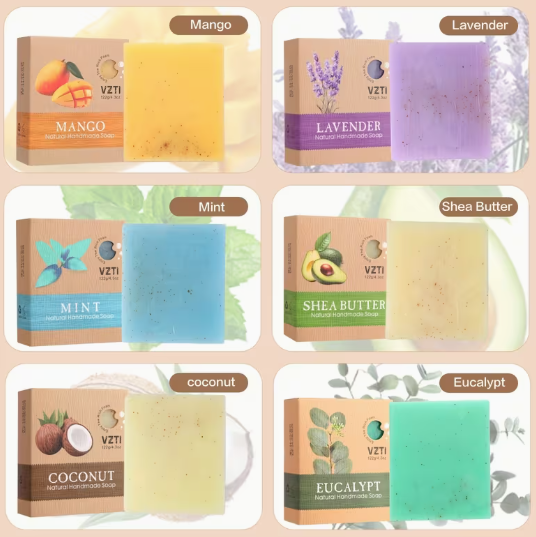
The soap your grandmother made in her kitchen is now a hot e-commerce item! Artisanal soaps, especially those marketed as natural, organic, or skin-friendly, are experiencing a real revival. Consumers are increasingly picky about what they put on their skin, shunning harsh chemical-laden commercial soaps in favor of more natural alternatives. As a result, the global handmade soap market is on a steady upswing – valued around $1.8 billion in 2025 and projected to reach $3.2 billion by 2033 (roughly 9% CAGR). This growth is driven by people looking for soaps that are not just for cleaning, but also treat the skin gently and offer a little aromatherapy indulgence in the shower.
For a dropshipper, selling natural soaps is attractive for several reasons. First, it aligns with sustainability and wellness trends. Many handmade soaps are vegan, use essential oils, and avoid sulfates or parabens – all of which you can highlight to appeal to ingredient-conscious buyers. Shoppers love the idea that a soap is “crafted” rather than mass-produced. There’s also a huge variety to work with: goat milk soaps for moisturizing, charcoal soaps for deep cleaning, lavender or eucalyptus soaps for a spa-like relax effect, etc. You can cater to different niches (e.g., a soap for acne-prone skin with tea tree oil, or a shaving soap for men with sandalwood scent).
Notably, planet-friendly packaging and zero-waste goals are giving soap a boost. Bar soaps have a far lower environmental footprint than liquid soaps or body washes in plastic bottles. As people try to cut down on plastic, solid soap bars (especially those packaged in minimal recycled paper) are appealing. The market for “soap and bath products” is heavily influenced by this eco shift. You’ll see terms like natural, organic, cruelty-free show up often – because consumers are indeed seeking those out. The desire for eco-friendly, sustainable personal care means selling a line of all-natural soaps (perhaps alongside related items like shampoo bars or lotion bars) can attract a loyal eco-conscious customer base.
Additionally, soaps are quite giftable and visually appealing. Handmade soaps often come in pretty colors, swirls, or with dried flowers – they look like a treat. This makes them great for marketing on image-heavy platforms like Pinterest or Instagram. You can post attractive photos of the soaps, highlight their scents (imagine a “rose petals and vanilla” soap – you can almost smell it through the screen), and tie them to self-care. Especially around holidays, sets of artisan soaps sell well as affordable luxury gifts.
From a practical standpoint, soaps are small and lightweight – meaning shipping (by your supplier to the customer) is usually cheap and quick, and there’s low risk of damage in transit. The price points can range but many handmade soaps sell for $5-$10 per bar, which is an easy impulse range for shoppers. You might even upsell by offering bundles (“buy 3, get a gift box” etc.).
The key is sourcing from suppliers who make quality soap that lathers well and has good fragrances (check reviews or order samples if possible). Given the growing consumer aversion to synthetic chemicals and the embrace of wellness rituals at home, natural soaps are a bubbly little goldmine for dropshippers – combining everyday utility with a touch of artisanal charm.
10. Travel Pants (Comfortable, Versatile Travel Wear)
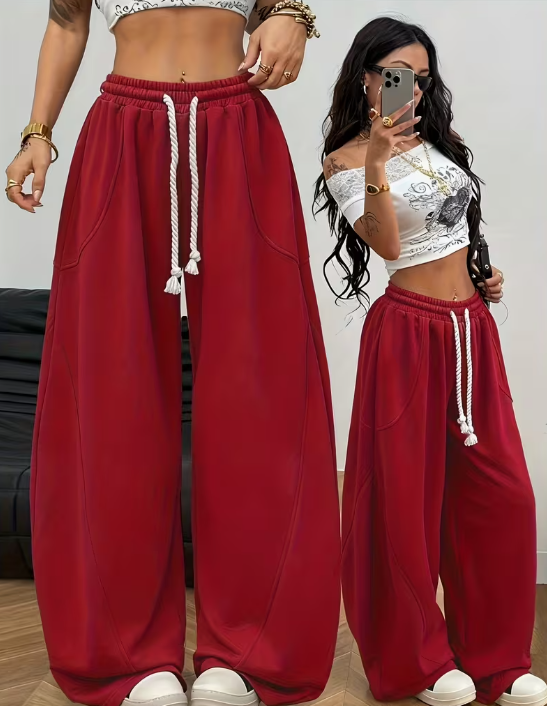
As global travel roars back to life, one fashion item getting a lot of love is travel pants – those magically comfortable yet decent-looking pants you can wear on a long flight and out to lunch when you land. Travel pants (for both men and women, but especially popular in women’s styles like travel joggers or stretchy slacks) are designed to be lightweight, wrinkle-resistant, stretchy, and often with handy pockets. In 2025, surveys of travelers showed that 60% choose their airport outfits primarily for comfort. This is a key stat – it tells you that more than half of travelers prioritize practical, comfy clothing when they travel, which is exactly what travel pants offer.
For dropshipping, focusing on travel-friendly apparel can tap into the huge market of tourists, digital nomads, and business travelers. After years of athleisure trend, consumers don’t want to go back to stiff jeans on airplanes. They’re looking for pants with soft breathable fabric, maybe some stretch waistband, but that still look stylish and put-together. Popular variations include things like: convertible cargo pants (zip off to shorts), ultra-lightweight chinos with 4-way stretch, leggings with pockets that pass as pants, and quick-dry hiking pants that can double as casual wear.
Marketing travel pants is all about highlighting their functionality. Emphasize features like: “Moisture-wicking fabric keeps you cool on the move,” “zippered pockets to secure your passport/phone,” “wrinkle-free – go straight from suitcase to street,” etc. Travel enthusiasts love anything that makes life on the road easier. You can paint scenarios: “These pants are perfect for a 10-hour flight or a full day of sightseeing – all comfort, no fuss.” If you have unisex options or styles for men too, you can target that audience as well (e.g., men’s travel chinos that feel like sweatpants).
This category benefits from the broader trend of blending comfort with style. The “work from anywhere” culture means people want clothes that are multipurpose. A pair of nice-looking travel pants can be worn in a casual office setting and on a hike – that versatility is a selling point. It ties into the minimalist wardrobe idea: buy one good piece that serves many occasions. We saw during 2025 that many travelers specifically shop for new clothing before trips – over half of U.S. travelers bought new clothes for a trip in the past year. So positioning your store’s travel pants as must-haves for your next vacation can capture that pre-trip shopping behavior.
To increase basket size, consider also offering complementary travel wear or accessories – maybe travel-friendly tops, packable jackets, or neck pillows. Travel pants are relatively higher priced than basic leggings, but people are willing to invest in them for the promise of comfort. Lastly, leverage travel communities: maybe share your product in travel groups or partner with a travel blogger for a review. Travel pants solve a real problem (uncomfortable travel), so testimonials like “I wore these on my 15-hour flight and they were a game-changer” will strongly resonate. With international tourism expected to exceed pre-pandemic levels by 2025, tapping into travelers’ needs is a smart move – and travel pants are right on target.
11. Smart Pet Gadgets (High-Tech Pet Supplies)
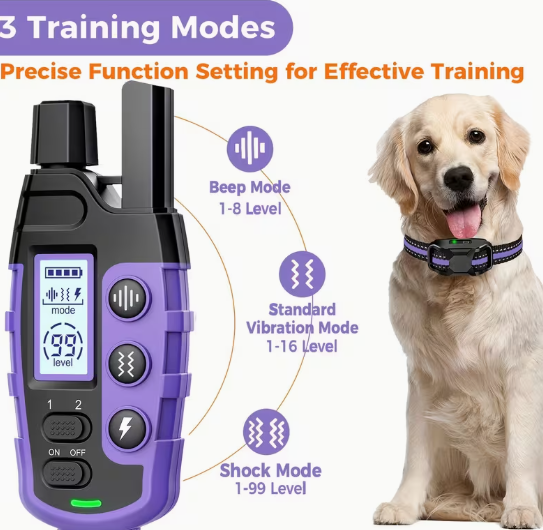
Pet owners these days are treating their furry friends like family – and they’re not shy about splurging on tech to keep pets happy, healthy, and safe. That’s why smart pet products are a fast-growing niche. Globally, the pet tech market (things like smart feeders, GPS collars, pet cameras, etc.) is expected to surpass $25 billion by 2028. In other words, pet gadgets aren’t gimmicks – they’re becoming as common as smart home devices for humans. If you run a pet-oriented store (or even a general tech store), adding some of these innovative pet supplies can fetch you great profits.
Examples of popular smart pet gadgets include:
-
Automatic Pet Feeders: Feeders that dispense food on a schedule or via a smartphone app. These solve the problem of owners being away at work or on a trip – they can ensure Fluffy gets dinner at 6 pm by just checking an app. Many have portion control and even voice recording (so your pet hears your voice calling them to eat!). The market for smart feeders alone is growing steadily (projected to reach ~$2.35 billion by 2030) because busy pet parents love the convenience and peace of mind.
-
GPS Pet Collars & Trackers: Tiny GPS devices attached to collars that let owners track their pet’s location on their phone. If you’ve ever had a dog dig under the fence or a cat roam too far, you know how anxiety-inducing it is. GPS trackers have become a top-selling pet accessory – and not just for escape artists, but also for those who like to monitor their pet’s activity levels (some double as fitness trackers for pets!). With rising pet humanization, losing a pet is unthinkable, so these devices provide huge value.
-
Pet Cameras & Monitors: Ever wonder what your dog is doing home alone? Pet cameras (often with two-way audio and even treat dispensers) answer that. Owners can check in on their pets from anywhere, talk to them, and toss a treat remotely. It’s a bit like a baby monitor, but for pets. These products exploded in popularity during the work-from-home era and now as people return to offices, they want to keep an eye on pets left at home.
Other notable gadgets are smart toys (AI-powered laser chase toys or treat puzzles) and health monitors (like smart litter boxes that track cat’s health metrics or wearable devices tracking a pet’s vitals). The key driver here is that millennial and Gen Z pet owners – a huge segment – expect tech and convenience in all areas of life, including pet care. They are willing to spend on gadgets that make pet ownership easier and more enriching.
From a marketing standpoint, these products are fun to promote. Videos of a pet using a smart feeder or reacting to hearing their owner’s voice on a pet cam can be adorable and compelling content. You’re also tugging on heartstrings: these gadgets often appeal to the emotional side of pet ownership (“keep your beloved pet safe/healthy/happy even when you’re not around”).
Remember, pet owners are often repeat buyers – someone who buys a pet gadget might also buy toys, treats, etc. So capturing them with a cool gadget could bring long-term customers for your store. Ensure you highlight reliability and safety in your copy (pet owners are cautious – they want to be sure a device won’t harm their pet or malfunction). With the pet industry reaching record highs (pet spending in 2025 estimated over $157 billion), riding the tech trend within that via smart pet gadgets is a savvy move. It’s basically the smart home boom, but for pets – and people absolutely love it.
12. Home Ambiance Products (Mood Lights & Diffusers)
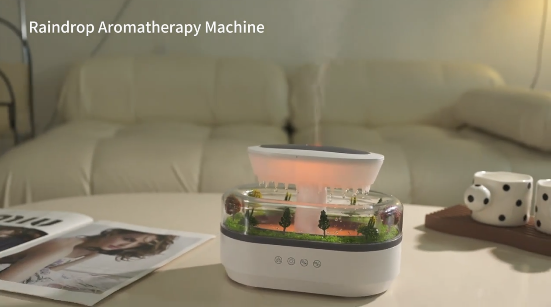
“Home is where the vibe is” could be the motto of the 2020s. With so many people spending more time at home (remote work, etc.), there’s a huge trend in making home spaces more cozy, calming, or aesthetically pleasing. Enter home ambiance products – items that enhance the mood of a room through lighting, scent, or design. These have become dropshipping darlings, often boosted by viral TikTok aesthetics. The category includes things like LED mood lights, smart lamps, aromatherapy diffusers, and decorative ambient lighting.
One major subcategory is aromatherapy diffusers (often paired with essential oils). The aromatherapy diffuser market is growing at about 9% annually, expected to nearly double from $2.34B in 2025 to $4.33B in 2032. People are embracing diffusers as a way to relax, focus, or sleep better by filling the air with natural fragrances instead of chemical air fresheners. If you’ve seen those sleek ultrasonic diffusers that emit gentle mist and sometimes have color-changing lights, you know how popular they are. Dropshipping diffusers can be lucrative – they’re not too expensive wholesale, but retail at a decent price, and you can sell the essential oils alongside them for upsells. A diffuser + oil bundle makes a great gift as well (think Mother’s Day, housewarming presents, etc.).
On the lighting side, LED mood lights and projectors have practically become a staple for Gen Z decor. A few years ago, LED strip lights (the kind you put around your ceiling or behind your desk) went viral and “took the app by storm” on TikTok – suddenly every teen’s bedroom had that neon glow. That trend has persisted and evolved. Now we have sunset projection lamps (small lamps that cast a warm halo like a sunset – these were a huge TikTok craze in 2021 and remain popular), galaxy/star projectors (which turn a dark room into a starry night sky), and various neon signs for wall art. Even good old fairy string lights are making a comeback, partly thanks to TikTok’s love for that artsy cozy look. Consumers are essentially looking to create an atmosphere at home – whether that’s a calming spa vibe in the bedroom or a cool gaming/streaming setup with LED backlights. Smart ambient lights that can change color via an app or sync with music are especially hot among the tech-savvy crowd.
For a Shopify store, these ambiance products are perfect for visually-driven marketing. You can use videos or gifs to show a before and after of a room with and without the mood lighting – the transformation often sells itself. Similarly, showing a diffuser’s mist in a peaceful scene can invoke that “I want my home to feel like this” emotion.
Consider targeting different demographics with different angles: young adults for the cool LED gadgets (gaming room lights, TikTok room decor), and maybe a slightly older demographic for diffusers and elegant minimalist lamps (stress relief, yoga/meditation ambiance). Both segments are spending: The global home fragrance market (which includes diffusers) is growing, projected from $26B in 2025 to $40B by 2032, and the smart home lighting segment is also on the rise as more people adopt IoT devices.
Truly, selling home ambiance items means you’re selling a feeling. Focus your copy on the experience (“Transform your living room with soothing color waves,” “Turn your bath time into a spa with calming aromatherapy”). Given that many consumers are nestling into their homes and investing in their space, these products hit both the emotional and functional chords – making them excellent picks for 2026.
13. Sleep & Relaxation Devices

If there’s one thing people universally crave, it’s better sleep and less stress. That’s why the market for sleep and relaxation devices has exploded in recent years. We’re talking about products like smart sleep masks, white noise machines, weighted heating pads, and other gadgets aimed at helping folks unwind and sleep deeply. The “sleep tech” industry as a whole is booming – projected to exceed $50 billion globally by 2025 – which shows just how many consumers are investing in tech-based solutions for their insomnia or anxiety. For dropshippers, this category offers high value items that solve very personal, important problems.
Some popular devices and their appeal:
-
Sleep Masks (High-Tech or Therapeutic): The basic sleep mask that blocks light is a classic, but now we have upgraded versions: masks with built-in Bluetooth headphones (so you can listen to calming music or binaural beats), masks with gel inserts that can be cooled or heated to soothe eye strain, even VR-like goggles that claim to lull you to sleep with gentle light patterns. Also hot are warming eye masks (often single-use, they heat up to relax your eyes – great for travel). With so many people staring at screens, a device that forces you to shut down and relax your eyes is welcome. Technavio notes features like temperature control and adjustable straps are gaining popularity in sleep masks – exactly the kind of details you’d highlight when selling one.
-
White Noise Machines & Sound Therapies: White noise and sound machines have become a bedside staple for light sleepers. These small devices play ambient sounds (from pure white noise to rainforest, waves, or gentle lullabies) to mask disturbing noises and create a consistent audio environment for sleep. The white noise machine market is growing steadily (some reports put it at ~$1.7B in 2025, reaching $2.6B by 2031). And it’s not just for adults – a huge chunk of buyers are parents using them for babies (a godsend for getting infants to sleep, which is why many baby registries now include them). Modern units sometimes double as night lights or alarm clocks, and there are even portable ones for travel.
-
Relaxation & Therapy Devices: This is a broader category that can include things like weighted blankets or pads (to relieve anxiety via deep pressure stimulation), TENS units or massage gadgets for muscle relaxation, heat therapy pads or cold therapy patches for pain relief, and even breathing exercise gadgets (like those little devices that train slow breathing for calm). For example, “冷热理疗贴” – hot/cold therapy patches – are popular for soothing aches; imagine a stick-on patch that warms your neck to release tension or a cooling patch for a headache. These kind of products appeal to everyone from athletes recovering from workouts to office workers with stiff shoulders. They might not all strictly fall under “sleep,” but they certainly tie into relaxation and well-being, which often in turn improves sleep.
The beauty of selling sleep gadgets is that your customer target is basically everyone – who doesn’t have occasional trouble sleeping or stress? But you can also niche down: e.g., market certain products for frequent travelers (travel pillows with built-in white noise for flights, etc.), or for students (noise-cancelling sleep earbuds for noisy dorms), or new parents (baby soothing machines). The universal need plus niche angles give you a lot of leeway in advertising.
Since these products address a pain point (literally, in some cases of pain relief, and figuratively), focus on the benefit-driven copy. “Finally fall asleep faster,” “Eliminate distractions and wake up refreshed,” “Melt away stress and muscle tension after a long day.” Incorporating any scientific backing or stats can help too (e.g., mention that white noise is proven to improve sleep onset, or that weighted blankets can reduce anxiety by X%). The fact that sleep tech is a huge market lends credibility – you can say “Over 50 billion dollars of sleep gadgets are being used by people – don’t miss out on what they know!”
Price-wise, many sleep devices are mid-range ($20-$100), meaning good margins per sale. Customers are often willing to pay a premium for something if they believe “this could finally help me sleep.” To build trust, ensure clear instructions and maybe FAQs on usage – people might wonder, is it safe, how to clean it, etc. But overall, if you can help someone drift off to dreamland or find a moment of zen, you’ll likely have a satisfied (and repeat) customer. Good sleep is priceless, which makes these products very sellable.
14. Content Creator Accessories (Smartphone Gimbals, Mics & Lighting Kits)
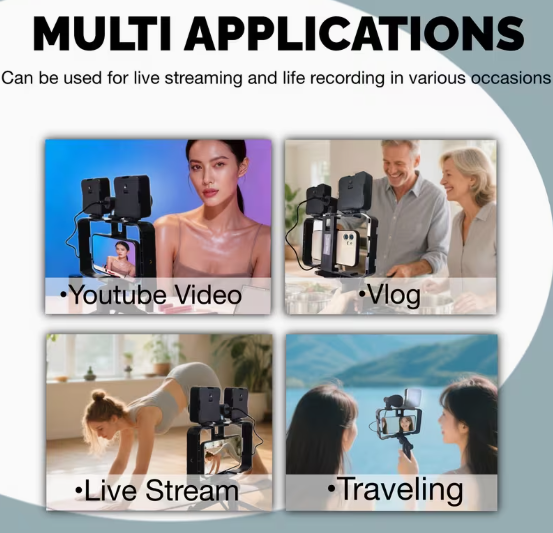
The creator economy is in full swing – everyone and their cousin seems to be vlogging, streaming, or making TikToks these days. That’s why content creator accessories are a hot category. These are the tools that help everyday folks shoot professional-looking photos and videos with minimal fuss. In 2026, this primarily means smartphone-compatible gear (since most new creators start on their phones). The range includes stabilizers (gimbals) for smooth video, external microphones (especially wireless mics) for clear audio, and lighting kits like ring lights or LED panels to get that perfect glow.
To give an idea of the market: ring lights have become so ubiquitous that the ring light market alone is expected to reach about $12 billion by 2025 and keep growing at double-digit rates. That’s a lot of ring lights – driven largely by social media influencers and remote workers wanting good lighting on Zoom. In fact, one analysis noted the content creation boom (with the rise of influencers, YouTubers, live streamers) has fueled demand for affordable, effective lighting solutions like ring lights. And it’s not just lighting – as people compete for attention online, having crisp audio and stable footage can really set one’s content apart, so many creators invest in these accessories.
Some key items and angles to consider:
-
Smartphone Gimbals: These handheld stabilizers keep your phone steady even when you move, resulting in silky smooth cinematic footage. Great for vloggers who walk and talk, travel bloggers panning landscapes, or even moms filming their kids. DJI Osmo series popularized it, but there are many affordable brands now. As a dropshipper, you can offer feature comparisons (battery life, weight, auto-tracking features) to attract both beginners and more serious videographers. Emphasize that with a gimbal, “your phone can shoot Hollywood-like scenes” – it’s a powerful pitch.
-
Wireless Microphones: Built-in phone mics are okay, but to sound clear and professional (especially at a distance or in noisy environments), creators use external mics. Wireless lavalier mics that clip onto the shirt and transmit to the phone are especially trendy – you’ve probably seen TikTokers with a little mic clipped on while they do interviews or comedy skits. These plug-and-play wireless mics (often using a small receiver on the phone) have become best-sellers because they dramatically improve audio quality for under $50 in many cases. Also, shotgun mics (the small directional mics) for phones and cameras are popular. You might list use-cases: recording interviews, filming outdoors in wind (some come with wind muffs), or just leveling up your voiceovers. Content creators know that bad audio = viewers drop off, so it’s an easy sell that a mic is essential.
-
Lighting Kits: The ring light is the classic – as mentioned, so many people have one now from makeup tutorials to Zoom calls. You can sell desktop ring lights (for close-up use), big tripod ones for full-body videos, or even those cute clip-on selfie ring lights for phones. Aside from rings, LED panel lights or portable cube lights are gaining traction for those who want adjustable lighting for different moods. Some kits include color filters or RGB lights which are cool for creative effects. If you sell a bundle like “Complete Vlogger Kit” with a ring light, phone tripod, and mic, that could be very appealing to beginners.
This category benefits from high demand and generally good margins. Many of these accessories are electronics that, while not super expensive individually ($20-$150 range typically), have perceived value. And creators often buy multiple items – so upsell! If someone’s getting a gimbal, show them a microphone and a light in the “frequently bought together.” If they’re serious about creating, they’ll likely need all three at some point.
Marketing tip: leverage video demonstrations. Perhaps create short demo videos showing a comparison of with/without a gimbal, or audio with/without the external mic, or lighting differences – such content can really drive home the need. You could even encourage user-generated content by running a contest (e.g., submit a video made with our gear). Creators love gear, and often, once they succeed a bit, they upgrade and buy more (so keep adding new models as tech improves).
Given the continuous growth of platforms like YouTube, Instagram, TikTok, and even new ones emerging, the pool of people looking to improve their content quality is only expanding. Influencer culture isn’t slowing down; if anything, more people want in, and they’ll seek out these tools. By supplying the “tools of the trade” for aspiring creators, you’re tapping into a passionate market that’s willing to invest in their dreams of making it big online.
15. Eco-Friendly Lifestyle Products (Reusable & Sustainable Goods)
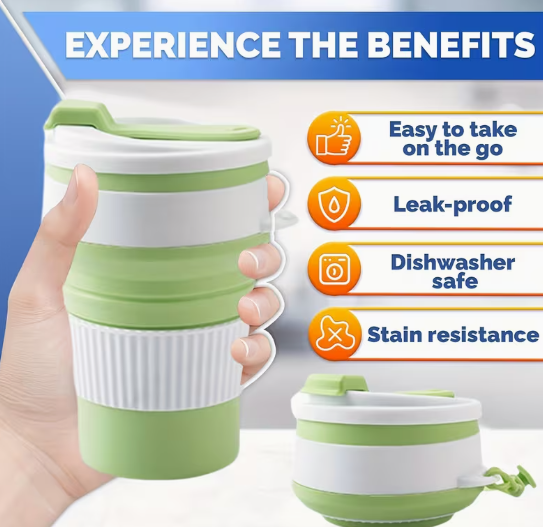
Consumers are increasingly putting their money where their values are, and sustainability is high on the list. That’s why eco-friendly lifestyle products are among the best dropshipping items to sell now and into 2026. We’re talking everyday products that replace single-use or plastic versions with greener alternatives. The demand for such items has skyrocketed as awareness about waste and climate issues grows. For instance, the market for reusable coffee cups is projected to rise from $18.4 billion in 2025 to over $33 billion by 2035 – a clear sign that people are ditching disposables in favor of reusables on a large scale.
Here are some top eco-friendly product ideas (several of which might already be on your radar):
-
Reusable Storage Bags: These are the silicone or PEVA food storage bags meant to replace Ziploc-style plastic baggies. They’re washable and can be used hundreds of times, cutting down plastic waste. Great for snacks, freezer storage, sandwiches, etc. They’ve become quite popular for those aiming for a zero-waste kitchen. You can highlight durability and that they’re free of BPA and other nasties.
-
Collapsible Cups & Bottles: Items like collapsible travel coffee cups or water bottles hit multiple marks: they reduce single-use cup/bottle waste, and they’re super convenient (fold down to pocket-size). Commuters, travelers, and students love these because they save space when not in use. Similarly, metal or glass straws, utensils, and other on-the-go reusables fall in this category of making it easy to be green outside the home.
-
Travel Toiletry Kits (Eco-Friendly): This could include things like refillable silicone travel bottles (to avoid those hotel minis and to use your own products sustainably), or even zero-waste toiletries like shampoo bars, bamboo toothbrushes, etc. A curated “eco travel kit” could do well – think of marketing it as sustainable travel made simple.
-
Other Notables: Beeswax food wraps (instead of plastic cling film), biodegradable toothbrushes (bamboo), eco-friendly laundry balls or sheets (instead of detergent bottles), solar-powered gadgets, etc. Even things like canvas grocery bags or foldable shopping totes count – many places are banning plastic bags, so everyone needs a few sturdy totes.
The appeal of these products is not just that they are green, but often they’re cost-saving in the long run (e.g., buy once and reuse for years). Make sure to communicate that: “Save money and the planet by reusing instead of buying disposables.” Also, regulations are giving a push – many cities and countries have plastic bag bans, straw bans, etc., which naturally boosts demand for alternatives. Companies and governments encouraging waste reduction create a favorable wind for these items (as noted, policies to reduce plastic waste are propelling the reusable products market growth).
When dropshipping eco goods, storytelling helps. People like to know they’re making a difference, however small. If you can quantify or visualise it (“Using this reusable cup could save 500 cups from landfills a year!” or “This bag’s material saves X amount of petroleum compared to plastic bags”), it can strengthen the emotional buy-in. Also, the packaging and presentation of these items should align with the ethos – suppliers who use minimal or recycled packaging are a plus, and you can tout that feature.
Social media, especially Pinterest and Instagram, have a vibrant zero-waste and eco-living community. Marketing your products there with the right hashtags (#zerowaste, #sustainableliving, etc.) can attract a niche but passionate audience. Product bundles (like starter kits for going green in the kitchen or bathroom) can increase your average sale.
One thing to note: quality matters because eco-conscious buyers are also often looking for durability. Ensure the items you pick have good reviews for lasting a long time (ironic if a “reusable” breaks after a few uses). But overall, given the cultural momentum towards sustainability, stocking these products is not just good for the planet – it’s good business. You’re essentially helping customers live their values, and that creates a positive brand association that can turn one-time buyers into loyal fans.
FAQs
Q1: Where can I source these dropshipping products for my Shopify store?
A1: For faster shipping or specific niches, consider specialized platforms: e.g., CJDropshipping has a wide variety of products (including some tech and eco-friendly items). Shopify’s own Handpicked Suppliers Directory or Shopify Collective can connect you with trusted brands too – for instance, you might find a US supplier of handmade soaps or pet products there. If you’re focusing on a particular niche, try to identify wholesale suppliers who specialize in it (for example, a wholesaler of health supplements or a manufacturer of smart pet gadgets).
Q2: How can I differentiate my store when selling these popular products?
A2: Great question – since many of these trending products will have competition, differentiation is key. Here are a few strategies: Branding and positioning can set you apart – rather than a generic “everything store,” craft a story or theme around your products. For example, you might position yourself as “the eco-conscious lifestyle shop” with a curated collection of sustainable goods, or “tech for pet parents” for the smart pet gadgets, or “sleep better co.” for relaxation devices. This way, you’re not just selling a product, you’re selling a solution to a specific audience. Improve the product presentation – use your own high-quality images or even custom content (unboxing videos, how-to guides, styling tips for fashion, etc.).
Q3: What kind of profit margins can I expect, and how should I price these items?
A3: Profit margins in dropshipping can vary widely by category, but typically you might aim for 20-50% margin on most products. For many items on our list, a ~30% margin is common. For example, if a smart pet feeder costs you $50 from a supplier, you might retail it around $70-$80. Some niches allow higher markups – for instance, jewelry and beauty often have margins on the higher end (50% or more) because perceived value is high and shipping is cheap. Conversely, electronics like action cameras might have tighter margins (maybe 15-25%) due to competition. Industry data often cites an average dropshipping margin of 10% to 40%, so that’s a useful benchmark. sale.
Q4: What’s the best way to market these trending products to get sales?
A4: Marketing strategy can depend on the product and target audience, but a few approaches tend to work well across the board. Firstly, social media marketing is powerful for these kinds of products. Platforms like Instagram, TikTok, and Pinterest are great for visually showcasing items like fashion, décor lights, and beauty products. Short video demos (TikTok/Instagram Reels) are gold – for example, a time-lapse of a sunset lamp transforming a room, or a before-and-after of someone using a curling hair wrap or trying on a wrap dress. Many of these products have viral potential (we’ve seen it with LED lights, portable blenders in smoothie videos, etc.), so creating shareable content is key. Consider working with micro-influencers in relevant niches: e.g., send a smart pet camera to a pet influencer to review, or a set of eco-friendly kitchen items to a zero-waste blogger. Their authentic content can drive traffic and sales.
Q5: Do I need to worry about shipping times or quality control with dropshipping these items?
A5: Managing customer expectations for shipping and quality is crucial in dropshipping. Since many dropshipped products ship from overseas (often China), shipping times can range from a week to even 3-4 weeks depending on the method. It’s important to be transparent about shipping times on your product pages (customers will be more patient if they know upfront it might take 2 weeks, rather than expecting 3 days and being upset).
By following these practices, you can capitalize on the hot products of 2026 while keeping customers happy and coming back for more!