
The dropshipping landscape in 2026 is all about spotting trends and capitalizing early. With consumer tastes evolving rapidly and social media constantly churning out new fads, choosing the right products can make or break your store. In this comprehensive guide, we’ll dive into over 200 trending product ideas across multiple niches – from fashion and beauty to tech gadgets and home goods – that show high profit potential for 2026.
We’ll also explore why trending products matter, how to identify winning products before the crowd, the best platforms to sell on, and a step-by-step plan to launch your first successful product. Let’s get started!
Why Trending Products Matter for Dropshipping Success in 2026
Staying ahead of trends is critical for dropshipping success. Trending products are more than fleeting fads – they’re opportunities to ride surging demand and capture sales momentum. These hot products often generate higher conversion rates, stronger social media engagement, and even lower advertising costs, because customers are already eager to buy. By tapping into what’s popular right now, you benefit from:
-
Faster sales velocity: High-demand items tend to sell quickly, often with minimal marketing effort needed. When supply is limited and buzz is strong, products can practically fly off the (virtual) shelves.
-
Lower ad fatigue: Fresh, novel products catch consumer attention more easily. There’s less chance of customers being numb to your ads because the product is new and exciting.
-
Social media virality: Trending products are naturally shareable – think TikTok “haul” videos or Instagram posts. A viral TikTok or Instagram Reel can send a product’s sales soaring overnight. In fact, according to Shopify’s 2024 ecommerce report, over 60% of consumers discovered new products via short-form video content, and 40% made impulse buys based on trends they saw online. Trends and social media go hand in hand.
-
Competitive edge and niche dominance: If you’re among the first to sell a new trending item, you can position your store as the go-to source in that niche. Early adopters often establish stronger brand recognition. In other words, finding the right trend can help you build a profitable niche and attract a loyal customer base.
How to Identify High-Profit Trending Products Before Everyone Else
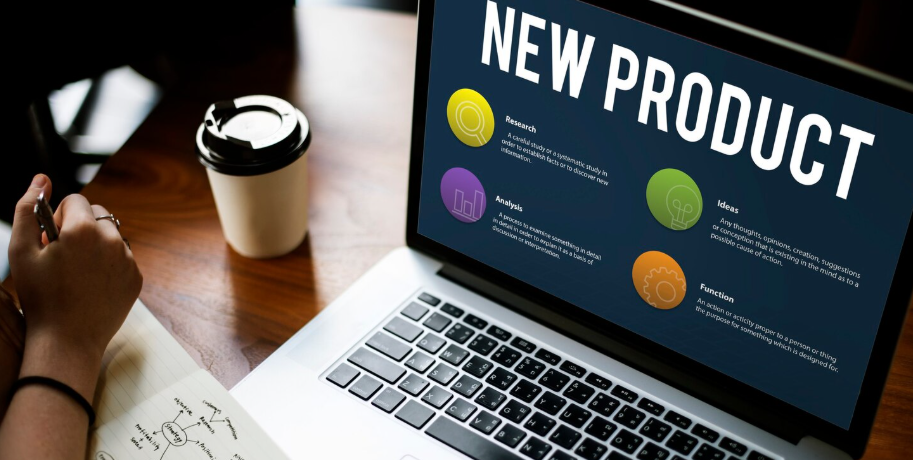
The million-dollar question for 2026 is: How do you spot the next hot product early, before it’s all over social media and Amazon?* Successful dropshippers use a mix of data analysis, trend scouting, and intuition. Here are some proven methods to identify high-potential trending products before the masses catch on:
-
Leverage Google Trends: Google Trends is a free tool that shows you the search interest for keywords over time. Use it to check if a product’s popularity is rising, seasonal, or waning. For example, searching “air purifier” might show steady interest, whereas “portable air purifier necklace” could show a sharp uptick indicating a fresh micro-trend. Tip: filter by region and time (e.g. past 90 days) to catch recent spikes. If you see a line graph shooting upward, that’s a good sign of a trend taking off.
-
Monitor Social Media & Viral Content: Social platforms are gold mines for product discovery. TikTok, Instagram (Reels), YouTube Shorts, and Pinterest are especially influential for shopping trends. Follow popular hashtags like #TikTokMadeMeBuyIt, #AmazonFinds, and #ViralProducts – these often showcase quirky or clever gadgets and fashion items going viral. Also, follow influencers in your niche. Often, one video of an influencer using a product (a cool kitchen gadget, a beauty tool, etc.) can spark huge demand. User-generated content is often the spark that drives massive product demand, so keep your finger on the pulse of what creators are posting.
-
Browse Online Marketplaces’ “Best Seller” and “Trending” sections: Large e-commerce marketplaces continuously update lists of what’s hot. Check Amazon’s Best Sellers, Amazon Movers & Shakers, eBay’s Trending Deals, and Etsy’s Popular items. If an unusual product suddenly ranks high, it’s probably trending. For example, a particular style of phone case or a novel kitchen tool climbing the ranks indicates surging sales. Likewise, keep an eye on new releases in relevant categories – it can hint at products that suppliers are pushing (which often aligns with consumer interest).
-
Use Product Research Tools: There are several dedicated tools that aggregate and analyze product data to surface trending dropshipping items. For instance, AliExpress Dropshipping Center can show you products with rapid growth in orders, Sell The Trend and Thieve highlight popular items with analytics, and platforms like Doba curate trending products with available suppliers. Some of these tools even show you social media engagement for products, profit margins, and saturation scores. Utilizing such tools can save time and reveal under-the-radar winners. Modern dropshippers also sometimes use AI to analyze trends, but even with AI tools, you’ll be looking at similar data – search volume, sales velocity, and engagement.
-
Pay attention to niche communities and forums: Beyond the big social networks, look at communities on Reddit, Facebook Groups, or niche forums related to your product category. For example, a skincare forum might buzz about a new beauty ingredient or tool; a pet owners’ Facebook group might share a video of a new cat toy. By lurking (or participating) in these communities, you can catch early whispers of a product that’s solving a pain point or delighting enthusiasts.
-
Check seasonal trend cycles: Some trends are seasonal but can still be very lucrative if timed right. Fitness accessories spike every January (New Year’s resolutions), outdoor gear surges in spring/summer, and giftable items trend in Q4 holiday season. Plan ahead by looking at last year’s Q4 trending items or springtime hits. Also watch out for event-driven trends (e.g. a movie release inspiring merchandise, or a World Cup year boosting sports gear sales).
Key tip: Not every trending product is a good dropshipping product. Before you commit, evaluate the item against some critical criteria: Is it easy and cheap to ship (lightweight, not fragile)? Does it have a wow factor or solve a real problem (making it marketable)? Is it available from reliable suppliers (quality and stock)? And can you sell it at a price that leaves room for profit (generally impulse-buy items under $50 are ideal). A trending item that checks these boxes is far more likely to be a high-profit winner.
Trending Dropshipping Product Categories for 2026
The following categories are expected to dominate the dropshipping scene in 2026. For each niche, we’ll highlight why it’s trending and list example products that have high profit potential. Collectively, you’ll find well over 200 product ideas that you can consider for your store. Let’s explore the hottest niches:
1. Fashion & Apparel Dropshipping Products to Watch
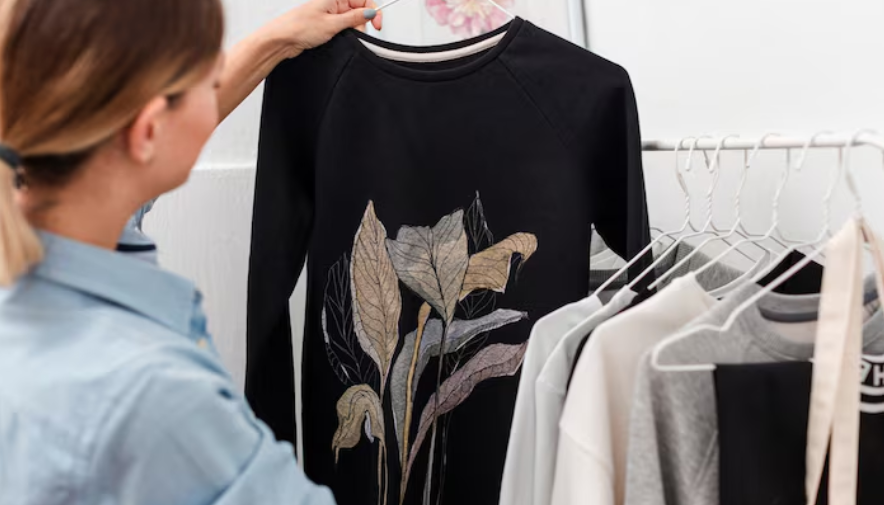
Fashion trends come and go, but there’s always something hot that consumers are clamoring for. In 2026, apparel that blends style with functionality and self-expression is on the rise. Notably, small fashion accessories and wearable tech are booming – they’re affordable, easy to ship, and have broad appeal. In fact, minimalist jewelry and other small accessories are a “safe bet” for new dropshippers because of their low cost, high margins, and impulse-buy nature. Meanwhile, sustainable and tech-infused clothing are carving out their own trends, as consumers seek both eco-conscious options and apparel that offers more than just looks. Here are some trending fashion and apparel products to consider:
-
Heated jackets and vests – Battery-powered heated outerwear is a hit in colder regions. These jackets have built-in heating elements to keep wearers warm, popular with winter sports enthusiasts and anyone who hates the cold. They command premium prices, yet are lightweight to ship.
-
LED light-up sneakers – Fun, eye-catching shoes that glow or flash using LED lights. These are trendy among festival goers and teens. They’re highly Instagrammable (think outfit-of-the-day posts) and tap into the nostalgic 90s/2000s fashion revival.
-
Sustainable activewear (recycled fabrics) – Eco-friendly yoga pants, leggings, and gym wear made from recycled plastics or bamboo are trending. Consumers get to work out while feeling good about helping the planet. Sustainable fashion is not just a trend but a movement, aligning with values-driven shoppers.
-
Athleisure matching sets – Coordinated workout sets (matching leggings and sports bra or top) in stylish prints or neutral tones. Athleisure remains huge as people continue to prioritize comfort. Sets that are TikTok-famous (like a particular cut or scrunch style of leggings) tend to sell fast.
-
Modest fashion wear (stylish hijabs and abayas) – The modest fashion segment is growing globally. Trendy hijabs with vibrant prints or high-quality materials, as well as modern abaya designs, cater to a large market seeking both faith-compliant and fashionable attire.
-
Y2K style clothing (90s/2000s retro) – Y2K nostalgia is driving demand for items like bucket hats, baby tees, cargo pants, and tiny shoulder bags. For instance, baggy cargo pants and mini shoulder bags have been making a comeback. Gen-Z is especially into reviving early 2000s looks (think “Clueless” or early Britney Spears era outfits).
-
Techwear (utility clothing with gadget pockets) – Techwear jackets and pants, characterized by sleek designs, waterproof materials, and lots of pockets/straps, are trending among streetwear fans. These garments are not only stylish in a futuristic way but also functional (concealed pockets for devices, etc.), appealing to the gadget-loving crowd.
-
Shapewear bodysuits and waist trainers – Body-contouring garments are continually popular, boosted by social media try-on videos. New designs that are more comfortable and inclusive (plus-size friendly shapewear) are trending. Shapewear addresses a common pain point (smooth silhouette under clothes), making it a strong seller.
-
Oversized graphic hoodies – Oversized streetwear hoodies featuring anime art, vintage band logos, or meme-inspired graphics are hot, especially among teens and young adults. They fit the unisex, casual fashion trend and pair well with leggings or jeans for an effortless look.
-
Vintage aesthetic sunglasses – Retro-style sunglasses (like 70s aviators, 90s skinny shades, or 80s big square frames) are trending as fashionistas mix and match eras. They’re cheap to produce, easy to ship, and customers often buy multiple styles to match different outfits.
-
Minimalist jewelry (stackable rings, simple necklaces) – Dainty, minimalist jewelry is extremely popular. Thin stackable rings, minimalist pendant necklaces, and small hoop earrings can be upsold in sets. These pieces complement any outfit and cater to the trend of understated elegance. (They also appeal to the “less is more” consumer preference in accessories.)
-
Personalized name jewelry (POD) – Necklaces or bracelets with a person’s name or initial are evergreen and made easier with print-on-demand or made-to-order models. In 2026, people love personalized touches. Think script name necklaces, initial pendants, or Roman numeral date bracelets that carry special meaning.
-
Smart touchscreen gloves – Winter gloves that allow you to use your smartphone (thanks to conductive fabric in the fingertips). As colder months come, these fly off the shelves because practically everyone with a phone and a cold climate needs a pair. New versions are slimmer and more stylish, making them even more appealing.
-
UV-protection clothing (rash guards, UV protection hats) – With increasing awareness of skin health, clothing that has built-in UV protection is trending. Swim shirts (rash guards) with UPF 50+ for beachgoers, or everyday wear like shirts and hats made from UV-blocking fabric, cater to health-conscious consumers (parents especially like these for their kids).
-
Convertible travel clothing (multi-way dresses, 2-in-1 jackets) – Travelers and minimalists love apparel that can be worn multiple ways. A popular example is a dress that can be styled 10 different ways, or a jacket that converts into a travel pillow. These innovative designs are conversation pieces that attract buyers looking for value and creativity.
-
Designer-inspired handbags (budget-friendly “dupes”) – Trendy handbag styles inspired by luxury brands (without the logos). For instance, crescent-shaped shoulder bags, quilted crossbodies, or tote bags resembling high-fashion items. Fashion-conscious consumers often seek the look for less. If you can source high-quality lookalikes, they can be big sellers.
-
Anti-theft backpacks – Sleek backpacks with hidden zippers and RFID-blocking pockets are popular among commuters and travelers. These bags were trending a couple of years ago and remain in demand as more people carry expensive tech (laptops, tablets) and want extra security. They also often have a techy look, fitting into the modern urban style.
-
Custom print t-shirts and hoodies (trending designs) – Classic but still relevant: t-shirts or hoodies with current trending designs or slogans. This could be meme-inspired graphics, socially conscious messages, or viral TikTok sayings. Print-on-demand makes it easy to ride micro-trends (like a catchphrase that suddenly everyone is using) – you can get a design up for sale in days.
-
Reflective fitness leggings (for night runs) – Athletic leggings with reflective patterns or strips are trending as they combine style with safety. Runners and cyclists appreciate gear that makes them more visible at night. Plus, the reflective patterns often have a cool geometric look by day, so it’s fashion meeting function.
-
Fluffy slippers (cute novelty designs) – Think ultra-plush slippers shaped like animals or with quirky designs (unicorn slippers, shark plush slippers, etc.). With more people spending time at home (remote work persists for many), comfy and fun loungewear items like these are popular. They also make great gift items.
-
Smart watches as fashion accessories (colorful bands) – Smart watches themselves are tech, but the trend is in customizing them. Colorful or patterned replacement bands for Apple Watch, Samsung Galaxy Watch, etc., are hot-selling accessories. Also, aesthetically pleasing smart watches (with minimalist watch faces or chic straps) blur the line between gadget and jewelry.
-
Hair accessories sets (scrunchies, claw clips, headbands) – 90s-style scrunchies and claw clips have made a comeback recently, driven by TikTok fashion influencers. Sets that include multiple colors or patterns (velvet scrunchies, pastel claw clips, pearl-studded headbands) do well. They are cheap to source and allow for creative bundling.
-
Streetwear sneakers (limited edition style “inspired” kicks) – Limited-release sneakers cause massive hype. While you can’t dropship actual Nike Jordans or Yeezys, there’s a trend of streetwear-inspired sneakers from independent brands. Chunky “dad sneakers”, graffiti-painted shoes, or futuristic trainers with unique designs attract sneakerheads who want something different (and often at a lower price point than big brands).
-
Capsule wardrobe basics (high-quality neutral tees, etc.) – A “capsule wardrobe” trend emphasizes owning fewer, high-quality clothing pieces that mix and match. Solid color premium t-shirts, well-cut neutral tone sweaters, and versatile dresses that can be dressed up or down are sought after by the minimalist consumer. Dropshippers can capitalize by sourcing premium basics that have better materials or fits than standard fast-fashion.
-
3D printed jewelry or accessories – With the rise of 3D printing tech, some suppliers offer unique jewelry designs (rings, earrings, pendants) that are 3D printed in resin or metal. These often have intricate geometries not achievable by traditional methods, which gives them a modern, artsy appeal. Customers love the novelty of 3D-printed items, especially if the design is personalized or cutting-edge.
-
Festival fashion items (LED rave outfits, glitter accessories) – As music festivals and raves are back in full swing, festival-goers seek bold outfits: LED-illuminated tops, sequin jackets, glow-in-the-dark accessories, face gems, etc. These products see spikes around festival seasons. For dropshippers, items like LED fiber-optic whip braid extensions or reflective holographic fanny packs can be hits.
-
Seamless “buttery soft” yoga pants – Yoga pants aren’t new, but specific trends emerge. Lately, “buttery soft” leggings (a term that went viral to describe very soft, high-stretch fabric) are highly popular. Also, seamless gym leggings with contour shading (thanks to brands like Gymshark popularizing them) are in demand. Activewear customers are always looking for the next comfy yet flattering pair of leggings.
-
Luxury loungewear (silk pajamas, satin robes) – With self-care and home comfort trending, upscale loungewear has a market. Silky pajama sets, satin kimonos or robes, and cashmere blend lounge sets cater to consumers who want a touch of luxury while at home. They’re great for gifting too (e.g., around holidays, Mother’s Day).
-
Statement belts or buckles – Accessories like belts are making a comeback as statement pieces. Western-style tooled leather belts with big buckles, or gothic/punk belts with chains and hardware, are trending in certain fashion circles. They allow individuals to spice up simple outfits. Because they are size-specific, offering a range of sizes or adjustable ones is key.
-
Eco-friendly sneakers (sustainable shoes) – Trainers made from recycled materials (plastic bottles knit into fabric, recycled rubber soles) or renewable resources (bamboo, cork) are gaining attention. As sustainability in fashion grows, shoes are one area ripe for innovation. If you can find dropship suppliers for stylish eco-sneakers, you’ll hit a niche of eco-conscious consumers who also care about style.
Fashion is a fast-moving target, but these examples show where 2026 consumers are leaning: comfortable, expressive, and often tech-enabled or eco-conscious. Keeping a close eye on social media outfits and celebrity trends will help refine which of these products to add to your store. (Also, remember apparel has variations like sizes and colors – good supplier relationships for quality and returns are important here.)
2. Trending Health & Wellness Products to Sell in 2026
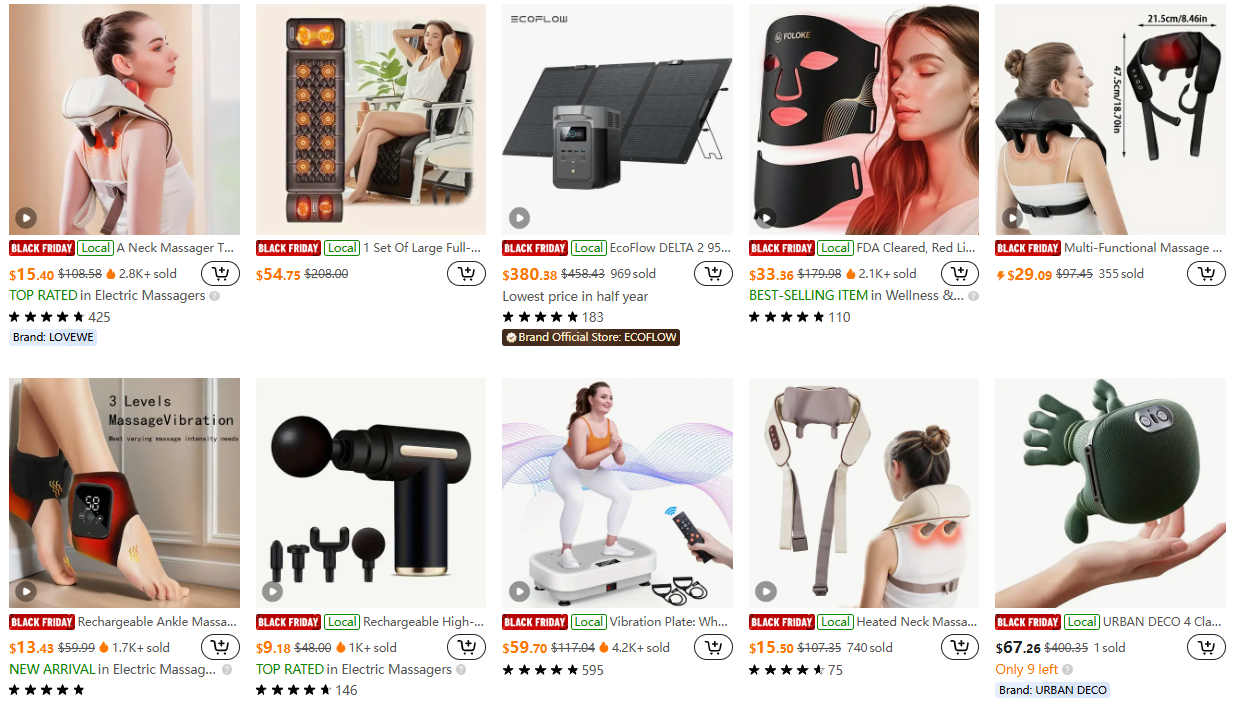
Health and wellness have become huge priorities for consumers in recent years, a trend that’s only intensifying in 2026. People are investing in products that help them feel better, reduce stress, improve sleep, and stay healthy – both mentally and physically. From high-tech wellness gadgets to age-old self-care tools reimagined, this niche is brimming with profitable products. In particular, stress-relief and self-care products are booming, as modern life isn’t getting any less stressful and folks seek quick, portable ways to relax. The post-pandemic mindset also means many are focusing on personal health monitoring and home health solutions. Here are trending health & wellness products that dropshippers should consider:
-
Posture corrector braces – Lightweight back braces or smart posture trainers that gently pull your shoulders back to improve posture. With so many working on computers all day, posture devices have surged in popularity to alleviate back and neck pain. Some newer models even vibrate to alert you when you slouch – a simple gadget solving a common problem.
-
Blue-light blocking glasses – Glasses with special lenses to filter blue light from screens. As screen time remains high, people use these to reduce eye strain and improve sleep quality (blue light in evenings can disrupt sleep). They’ve become a stylish accessory too – available in many fashionable frames so users can protect their eyes and look good doing it.
-
Electric back and neck massagers – Think of those shiatsu massage pillows or neck massager devices (often U-shaped) that you drape around your shoulders. They simulate a massage with rotating nodes and sometimes heat. Perfect for relieving tension after a long day – and a hot seller among office workers and seniors alike. Portable massage guns also fall here: percussive therapy devices for muscles have been trending for a while and still see strong demand from fitness and wellness enthusiasts.
-
Portable massage guns – The handheld percussive massage gun, typically battery-powered, that helps with muscle recovery and tension. These went viral a couple years ago and continue to sell well as more affordable versions hit the market. Athletes, gym-goers, and even those with chronic muscle pain use them for quick relief. If you can source a reliable model (with good battery life and multiple attachments) at a reasonable cost, it’s a winning product.
-
Personal neck fan (cooling wearable) – A newer gadget trend: these bladeless fan devices you wear around your neck like a collar, blowing cool air upward. Initially popularized in Asia, they’re catching on globally for summer heat relief, workouts, or women experiencing hot flashes. It’s a quirky but practical device that solves a clear problem (staying cool hands-free).
-
Sleep tracking headbands and devices – Beyond just sleep-tracking apps, dedicated devices like headbands or under-pillow sensors that monitor sleep quality are trending. Some provide biofeedback or guided meditations to improve sleep. As interest in optimizing sleep health grows (no doubt aided by discussions of “sleep tech”), products like smart headbands, sleep rings, or even smart mattresses have entered the market. Dropshippers can tap into simpler consumer versions like a headband that pairs with an app to track REM and deep sleep.
-
Smart water bottles (hydration reminder bottles) – High-tech water bottles that track your water intake and even glow or send reminders to prompt you to drink. Hydration is a key wellness focus (you see “drink 8 cups a day” everywhere). These bottles connect to your phone or have indicator lights – a cool fusion of health and tech. Even simpler versions with time-marked measurements down the side have been popular as a low-tech alternative.
-
Essential oil diffusers (with novel designs) – Aromatherapy diffusers remain very popular, but new designs keep emerging: diffusers with LED color-change lights, ones that mimic a small flame or volcano effect, portable USB diffusers, etc. People use them for stress relief, better sleep (with lavender oil, for example), or just making their environment pleasant. Combine these with aromatherapy oil sets and you have a great bundle. Diffusers were cited among trending home wellness items, addressing comfort and self-care.
-
Aromatherapy essential oil sets – A set of popular essential oils (like lavender, eucalyptus, peppermint, tea tree, etc.) often paired with a little guidebook can sell very well. Many consumers are delving into natural remedies and self-care rituals; essential oils can be used for diffusing, baths, or topical (with proper dilution). Quality and pure sourcing is key here – savvy customers look for 100% pure oils.
-
Weighted blankets – These heavy blankets (filled with glass beads or similar) exploded in popularity for their anxiety- and insomnia-relieving effects. A weighted blanket simulates a “hug” (deep pressure stimulation) that can reduce stress and improve sleep. They were a massive trend a few years back and have since become a staple in the wellness product range. In 2026, they’re still in demand, especially with improved designs (cooling fabric for summer, various weights and sizes for adults and kids).
-
White noise sleep machines – Devices that play calming sounds or white noise to help people fall asleep and stay asleep. With more awareness about sleep quality, many are investing in these machines (or using phone apps, but the machines have better speakers and run all night without notifications!). The latest ones are portable, have multiple sound options (rain, ocean waves, etc.), and some even double as nightlights or sunrise alarm clocks.
-
Anti-snoring devices – Gadgets to reduce snoring are in steady demand (for obvious reasons – snorers and their partners desperately seek solutions!). These range from smart nose clips and nasal dilators to ergonomic pillows and electronic muscle stimulators for the throat. A trending high-tech version is an anti-snore wearable that detects snoring and gently vibrates to prompt you to change position. If you find a device with good reviews, it can do very well given how widespread the problem is.
-
Air purifying bags (charcoal bags) – Small linen bags filled with activated bamboo charcoal that naturally absorb odors and moisture. These were trending as an eco-friendly alternative to chemical air fresheners. People put them in closets, cars, gym bags, or bathrooms to eliminate odors and even allergens. They’re inexpensive, reusable (just “recharge” in the sun), and appeal to the natural living crowd.
-
UV sanitizing light devices – Portable UV-C light wands or boxes for sanitizing phones, keys, and small items. Post-2020, germ consciousness remains high. These devices claim to kill bacteria and viruses with ultraviolet light. Phone sanitizing boxes (you pop your phone in for 5 minutes) were quite popular, as were UV toothbrush holders, etc. They cater to those who want an extra layer of cleanliness for everyday items.
-
Home blood pressure monitors (smart BP cuffs) – With telehealth and self-monitoring on the rise, many individuals (especially older adults or those with conditions) measure vital signs at home. Modern blood pressure monitors that sync to smartphone apps are trending – they let people track their readings over time. Even younger folks into quantified self may use them. Reliable electronic BP monitors with easy-to-read displays can be a solid, higher-ticket health item.
-
Digital detox timers/devices – Devices that encourage you to put down the phone or limit screen time. For example, a timed lock box for your phone (stow it away for an hour), or a simple Pomodoro timer gadget that helps productivity and reduces digital overload. As ironic as it sounds, people use gadgets to help break from gadgets! This niche is small but reflective of a trend where mindfulness and disconnecting are valued for mental wellness.
-
Vitamin organizer water bottles – Combination products that include a water bottle with an attached pill organizer. This appeals to health enthusiasts or anyone on daily supplements/medication – encouraging hydration and making it convenient to remember your pills. It’s a clever hybrid product that solves two tasks at once.
-
Light therapy alarm clock (sunrise simulators) – Alarm clocks that simulate a sunrise by gradually increasing light, sometimes with gentle soundscapes. These are big in the wellness community because waking with light (instead of a jarring alarm) can regulate circadian rhythm and improve mood in the morning. Especially popular in winter months or for those who struggle with dark mornings. Many models double as a sunset night light and have radio/nature sounds, etc. They were trending in recent years and continue to improve.
-
Compression therapy wraps (for circulation) – Products like compression leg massagers or arm compression sleeves that use air pressure to massage limbs. They’re often marketed for muscle recovery, improved circulation, or relief from fatigue (great for athletes or those who stand all day). While some are higher-end, there are compact, affordable versions of leg compression boots that can be dropshipped – tapping into the recovery tech trend usually seen in gyms or physical therapy.
-
Acupressure mats and pillows – These mats covered in tiny plastic spikes (inspired by the ancient Indian bed of nails concept) are used for stress relief, back pain, and relaxation. You lie on them and the spikes apply pressure to many points on the back, releasing endorphins. They gained popularity a while back (the “Shakti mat”) and still have a strong following. Often sold as a set with a pillow for neck acupressure. It’s a simple product with a very wellness-y vibe.
-
Infrared sauna blanket – A portable, lay-flat sauna experience. Think of it as a sleeping bag that heats up and emits far-infrared heat to make you sweat like a sauna session. Infrared therapy and at-home “sweat detox” are trending among biohackers and wellness influencers. These blankets are high-price items (hundreds of dollars), but if you find a quality supplier, one sale yields big profit. The demand is niche but growing as people look for spa experiences at home.
-
Portable TENS pain relief devices – Small electric pulse devices (Transcutaneous Electrical Nerve Stimulation) for pain relief. They come with electrode pads you stick on the skin, and a unit that sends gentle electric pulses to relieve muscle pain or nerve pain. Popular with those who have chronic pain, athletes, or even office workers with back strain. Newer models are super compact or even phone-controlled. They address a clear pain point (literally) and often have repeat customers buying extra electrode pads.
-
Meditation and relaxation gadgets (e.g. Muse headband, etc.) – Devices to assist with meditation are emerging. One example is a headband that senses brain activity and gives feedback to help you meditate (Muse). Others include guided breathing wearable clips or even VR meditation experiences. While some are advanced, simpler options exist like vibration metronomes that teach breathing rhythm. Even a specialized meditation light (that projects a pulsating light to guide breathing) falls here. As meditation becomes mainstream for mental wellness, any gadget making it easier or more engaging can find a market.
-
Cupping therapy sets – Cupping (an ancient therapy using suction cups on the skin) got worldwide attention during Olympic sports (remember swimmers with circular marks?). Silicone or plastic cupping sets for home use are trending as people explore alternative therapies for muscle tension and blood flow. They are inexpensive to produce. Some sets come with an air pump for easier use. Wellness and massage enthusiasts often buy these for home pain relief or cellulite reduction claims.
-
Smart posture trainer (electronic wearable) – A small wearable device (often stuck to your upper back or clipped on bra/undershirt) that vibrates when you slouch. It’s an upgrade from the simple posture brace. These trainers connect to an app and help you build better posture habits. Given how many people have developed “tech neck” and slouching from screen use, this gadget is timely. We already listed posture braces, but the smart version is worth highlighting for tech-savvy consumers.
-
Fidget and stress relief toys (for desk or ADHD) – The fidget toy craze (fidget spinners, cubes) peaked a few years ago, but there’s still consistent demand for stress relief desk toys. Think of things like magnetic sculpture toys, squeeze balls, infinity cubes, or newer sensory gadgets. With continued stress levels and more ADHD awareness, adults and kids alike use these to stay calm or focused. Novel fidget toys that trend on TikTok (like pop-it fidget pads or simple dimple keychains recently) are great quick sellers.
-
Yoga mat with alignment lines – Yoga mats aren’t new, but ones printed with posture lines to guide hand/feet placement have gained popularity. They help beginners maintain proper alignment in poses. Also, mats made of eco-friendly materials (cork, natural rubber) are in demand. A premium, non-slip yoga mat with a positioning grid appeals to serious yoga enthusiasts and newbies committing to home practice.
-
Eye massager (heated, vibration masks) – These are high-tech goggles or masks that gently massage the eye area using air pressure, heat, and vibration. Marketed to reduce eye strain, dry eyes, or headaches – perfect for those who work on screens or just want to relax before bed. Often they have built-in music or Bluetooth for a complete experience. Eye massagers have been climbing in popularity due to the self-care and spa-at-home trend.
-
Foot acupressure slippers – Sandals or slippers with nodules or stones that press into foot acupressure points as you walk. They’re based on reflexology principles and can help improve circulation and relieve foot fatigue. Often marketed to older adults or anyone who’s on their feet a lot. They might not be comfortable in the traditional sense, but users swear by the health benefits after the initial adjustment. Tradelle’s 2026 niches actually mentioned acupressure slippers as sought-after for affordable wellness at home.
These health and wellness products reflect a desire for self-improvement, stress reduction, and convenience in staying healthy. Many are suited for online marketing with compelling visuals or demonstrations (imagine a before-and-after posture photo, or a calming video of a diffuser at night). Importantly, when selling wellness items, build trust with clear product descriptions and avoid overhyping medical claims. Happy, healthy customers will come back for more!
3. Best Beauty & Skincare Products for Dropshipping in 2026
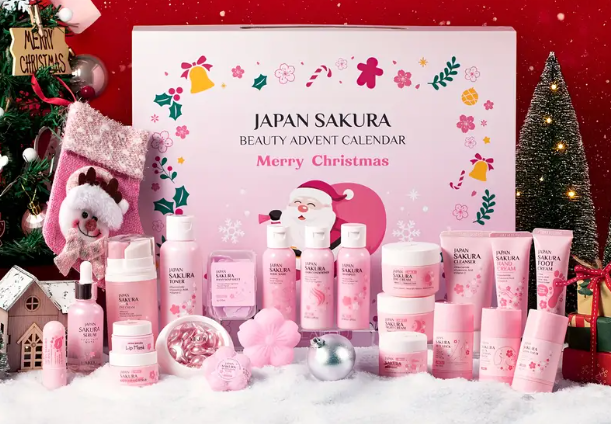
The beauty and skincare industry is continually evolving with new trends, tools, and “must-have” products – and it’s a fantastic niche for dropshipping high-margin items. Social media, especially influencer and celebrity content, has a massive impact on what beauty products go viral. In 2026, beauty tech tools and at-home treatments are extremely popular. Consumers are trying to replicate spa treatments at home, and they’re following skincare trends (like “glass skin” or gua sha sculpting) that require new gadgets or products. According to industry insights, influencer-led beauty content has driven a boom in personal care tools like facial cleansers, LED masks, and more. People are also increasingly ingredient-savvy, seeking clean and effective skincare, but tools and devices remain a thrilling segment because they offer visible results and are highly demonstrable in videos. Here are some of the best trending beauty/skincare products for 2026:
-
LED light therapy face mask – This is a futuristic-looking mask fitted with LED lights (often red, blue, or other colors) that treat the skin – red light for anti-aging, blue for acne, etc. Once only in dermatologist offices, now at-home LED masks are trending thanks to celebrity use. They’re a higher price point item but have huge wow factor. Customers love the idea of a high-tech spa treatment they can do at home. They tend to share selfies wearing these Iron Man-like masks, which further fuels the trend.
-
Ultrasonic facial cleansing brush – Devices (like the famous FOREO cleanser) that use sonic vibrations to deep-clean pores. Usually made of soft silicone bristles, they help remove makeup and exfoliate gently. These have been popular for a while, but new models with varying pulsation modes or heat/cool functions keep appearing. A good facial cleansing brush is a staple now in many skincare routines – and new entrants can still gain traction due to lower cost than big brands.
-
At-home microdermabrasion kit – Microdermabrasion is an exfoliating treatment originally done in clinics. Now there are handheld microdermabrasion devices with a diamond tip and suction that users can run over their skin to remove dead cells and improve texture. With the rising interest in improving skin texture and glow, these kits are in demand. They offer a “professional” treatment at home, which customers find appealing for both results and cost-saving long-term.
-
Gua sha and jade roller sets – Gua sha (a flat jade or stone tool) and rollers became social media darlings in skincare. They are traditional tools for facial massage, believed to improve circulation, reduce puffiness, and contour the face. The trend has persisted and evolved – now we see stainless steel or rose quartz tools, and even sculpted shapes for different parts of the face. These tools are inexpensive to produce but can be bundled with an oil or serum for great margins. Beauty influencers continue to tout their benefits for lymphatic drainage and relaxation.
-
Facial ice globes (cryotherapy tools) – These are cool-looking glass or metal wands that you chill and then glide over the face. Cold therapy is a big trend for reducing inflammation, tightening pores, and depuffing (some use ice rollers or even frozen spoons, but these globes are a prettier, upgraded version). Often filled with antifreeze liquid, they stay cold longer and look very Instagrammable. As the concept of “skin icing” remains popular, these tools sell well, especially in summer or for morning skincare routines.
-
Heatless hair curlers (overnight curling rods) – A TikTok sensation: various heatless curling techniques have gone viral (like the satin heatless curler you wrap hair around and wear to bed, or foam rods, etc.). People want curls without heat damage. Products like a heatless curling ribbon or soft foam twist rods are trending because users show dramatic before/after results on social media. They’re inexpensive and appeal to a wide audience (who doesn’t want easy curls?). The key is to sell ones that are comfortable and effective overnight.
-
Automatic rotating curling iron – On the flip side, for those who do use heat styling, auto-curling irons have trended. These tools automatically roll hair into the curling chamber and beep when done – making it easier to curl hair evenly. A well-known example is the cordless auto curler that went viral (just put a strand in and it curls it). Even as heatless gains ground, many still prefer the quick results of a gadget. Improved versions in 2026 might be cordless, rechargeable, and have multiple barrel sizes.
-
Cordless hair straightener – Convenience is king. Cordless flat irons (rechargeable via USB) are trending for travelers and on-the-go touch-ups. Without the need for a plug, they’re also useful for people who commute and want to fix hair at the office or after the gym. Modern ones heat up fast and have decent battery life. This caters to the busy lifestyle and also overlaps with the tech gadget interest.
-
Electric makeup brush cleaner – Anyone who wears makeup knows cleaning brushes is a chore. Electric brush cleaners spin the brush in a cleaning solution and then dry it quickly via centrifugal force. Videos of these went viral because it’s oddly satisfying to see dirty water spin out. Makeup enthusiasts love gadgets that maintain their tools. These devices solve a pain point (dirty makeup brushes can cause breakouts, and manual cleaning is time-consuming) and they look cool doing it.
-
Blackhead vacuum remover – Pore vacuum devices that suck out blackheads and impurities. These have been popular in the skincare gadget category for a while, often featured in “oddly satisfying” extraction videos. Newer models have cameras that connect to your phone so you can see what you’re extracting in real time (gross but people love it!). They appeal to those struggling with blackheads or just obsessed with clean pores. Caution to buyers to use gently can be noted, but they still sell like crazy because of the promise of clear skin.
-
Pore cleansing skin scrubber (ultrasonic spatula) – A flat metal spatula device that uses ultrasonic vibrations to deep-clean pores and help extract gunk when you glide it over wet skin. It often also helps skincare products penetrate when used in reverse. These “skin scrubber” tools have gained traction as a gentler way to do extractions and exfoliation. They tick the box of being a high-tech approach to clearer skin.
-
LED makeup mirror (with magnification & lights) – Vanity mirrors with built-in LED lights and maybe a 5x/10x magnifying panel. As people do more complex skincare and makeup at home (often following tutorials), a good light-up mirror is very useful. Many also have adjustable light settings (daylight, warm, cool) to see how makeup will look in different environments. This is a practical item that’s trending because everyone wants that perfect selfie lighting and precision in their beauty routine.
-
Press-on nail kits (gel or art nails) – The pandemic boosted at-home nail care and that hasn’t died down. Press-on nails have evolved immensely – now you can get salon-quality designs (including 3D art or gel finishes) in a press-on form. They’re trending as a quick, damage-free way to get manicured nails for a week or two. Sellers can offer many styles: French tips, glitter designs, themed art, etc. They’re low-cost and lightweight, making great upsell or repeat purchase items.
-
UV nail lamp for gel polish – Many people do gel manicures at home to save money. Compact UV/LED lamps cure gel nail polish quickly. New models are foldable or have higher wattage for faster curing. Pairing this with gel polish sets can be lucrative. As long as salons charge a premium, DIY kits will be popular – and a lamp is essential for that.
-
At-home eyebrow lamination kit – Brow lamination (making the brow hairs look brushed up and fuller) is a salon trend that’s trickled down to home kits. These kits include lifting solutions and tools to achieve that sleek, set eyebrow look that’s popular on Instagram. Along with that, eyelash lift and tint kits could be mentioned – they curl and darken lashes for a semi-permanent mascara effect. People are brave enough now to try these at home, so offering a well-reviewed kit can attract the beauty DIY crowd.
-
Eyelash lift and tint kit – (As just mentioned) a kit that provides the chemicals and tools to curl lashes upward (lift) and tint them darker, providing weeks-long lifted lashes without extensions. This trend took off because it enhances natural lashes – a look many prefer for low-maintenance beauty. Selling kits that are salon-grade (but safe for home) meets a growing need. Always emphasize patch testing and following instructions for safety, as eyes are sensitive.
-
Beard grooming kit for men – Let’s not forget men’s grooming. Beard care is a solid niche: kits that include items like beard oil, balm, comb/brush, and maybe a shaping tool or trimmer attachments. As more men embrace beard styles, they look for products to maintain softness, shape, and hygiene of their facial hair. A classy beard kit can be marketed as a gift too. Additionally, electric beard straightening combs – heated comb devices that tame and straighten curly beards – are a trending gadget among bearded fellows.
-
Electric beard straightening comb – A mini hair-straightening brush designed for beards. It quickly became popular as a solution for unruly, curly beards, giving a neat look without using harsh chemicals. Men’s grooming tech like this often sees good demand because it solves a specific grooming challenge. If you include it in your store, demo pics of before/after help convert curious customers.
-
Teeth whitening LED kit – Bright smiles never go out of style. LED teeth whitening kits that come with a light tray and peroxide gel are a mainstay in at-home beauty. They’ve been trending thanks to social media (lots of influencers promote them). People always want whiter teeth, and these kits promise a convenient alternative to expensive dentist treatments. Make sure the supplier’s formula is safe and complies with regulations (varying by country for peroxide %).
-
Dermaplaning facial razor sets – Dermaplaning is an exfoliation technique that uses a small blade to scrape off dead skin and “peach fuzz” hair from the face, leaving it super smooth. At-home dermaplaning tools (essentially, facial razors) have gained popularity because of how makeup applies better on smooth skin. Sets might include multiple blades and a soothing serum. It’s a simple concept but ties into professional skincare trends that consumers want to replicate cheaply at home.
-
Microcurrent facial toning device – These are handheld devices that emit low-level electrical currents to stimulate facial muscles, supposedly toning and tightening the skin (like a workout for your face). The NuFace device brought this to fame, and now there are many similar devices. They are on the pricier side for dropshipping but have strong appeal as an anti-aging tool that yields a visible lift when used consistently. Again, it’s a spa-grade treatment at home.
-
Nose hair trimmer (electric) – A rather unglamorous but necessary grooming tool – and very much trending as part of personal care kits. Compact electric nose/ear hair trimmers are always in demand, especially ones that are easy to clean and safe. Many younger men (and women!) realize the need for these thanks to grooming tutorials. It’s a straightforward product that sells steadily.
-
Scalp massager shampoo brush – A small handheld brush with silicone bristles used in the shower to massage the scalp while shampooing. These have become popular for the relaxing feeling and potential hair growth benefits (by boosting circulation). They’re super cheap to produce, and almost every beauty influencer recommends one for a better scalp cleanse. A simple upsell item that can be bundled with shampoos or hair care products.
-
Hair growth laser comb device – Laser therapy for hair growth (LLLT) is a growing trend for those facing hair thinning. Devices like laser combs or helmets stimulate follicles to encourage growth. The comb version is a bit more affordable and dropshippable. While the effectiveness can vary, plenty of consumers are willing to try anything to keep their hair. It’s a high-tech, higher-cost item you could offer if you target the hair loss niche.
-
24K gold under-eye masks – Those Instagram-famous gold foil eye masks (gel patches) for reducing puffiness and dark circles. They often contain ingredients like collagen, hyaluronic acid, etc., and the gold look makes them feel luxe. They’re popular as a self-care treat – people wear them during “self care Sunday” routines. These are consumables, meaning repeat sales if they like them. You can sell in packs.
-
Organic clay mask sets – Face masks (skincare, not COVID masks) are always trending, especially with themes like “detox clay mask” or “calming organic mask”. Clay masks made with bentonite or kaolin and infused with natural ingredients (tea tree for acne, rose for soothing, etc.) attract ingredient-conscious consumers. Sets that offer different types (e.g., a set of 3 jars for different skin needs) can do well. Make sure to highlight natural, cruelty-free aspects if applicable.
-
Temporary hair color wax or chalk – These products let you apply vibrant color to your hair that washes out easily. They’ve become popular for people who want a fun change without commitment (think kids, teens, festival-goers, or anyone not ready to bleach and dye). Hair color wax can give surprisingly bright results on dark hair too, which has been a selling point shown on social media. It’s a playful beauty item with decent demand.
-
Freckle cosmetic pen – Faux freckles became a beauty trend – people actually draw freckles on their face for a cute, sun-kissed look. Special freckle pens or stamps have emerged to make this easier. It might sound niche, but many beauty enthusiasts who aren’t naturally freckled have been trying this trend. A pen that creates natural-looking freckles (usually a sheer formula you dot on) can be a hit as a low-cost impulse product.
-
Makeup organizer cases (travel cosmetic bags) – With all these beauty products, consumers need to organize them! Stylish makeup organizers, whether countertop acrylic drawers or travel cases with many compartments, are trending. A particularly popular format is the travel makeup case with adjustable dividers and brush slots – influencers often show how they pack their cosmetics in these. Another is a makeup bag that neatly lays out all products (like a drawstring bag that opens flat for view). Organization is satisfying to watch (think of those viral makeup kit organization videos), making these products appealing.
-
Vegan makeup brush sets – High-quality makeup brushes with synthetic (vegan) bristles. Beauty consumers frequently buy new brush sets, especially if they’re aesthetically pleasing (rose gold handles, marble design, etc.) or have a special angle (like a full eye set for blending trendy eyeshadow looks). Marketing them as vegan/cruelty-free is important to many buyers. Bundling a set of 10-15 brushes with a case for a good price can attract makeup lovers and beginners building their kit.
Beauty products thrive on visual appeal and demonstrable results. When adding these to your store, leverage before-and-after images, influencer videos, and clear benefits. Also consider the growing emphasis on clean beauty – if any product is organic, cruelty-free, or sustainably made, highlight that. Beauty customers are often willing to pay for quality, so focus on the value and results your product delivers. And of course, stay tuned to TikTok and YouTube for the next weird beauty gadget or ingredient that blows up!
4. Home & Kitchen Products with High Profit Margins
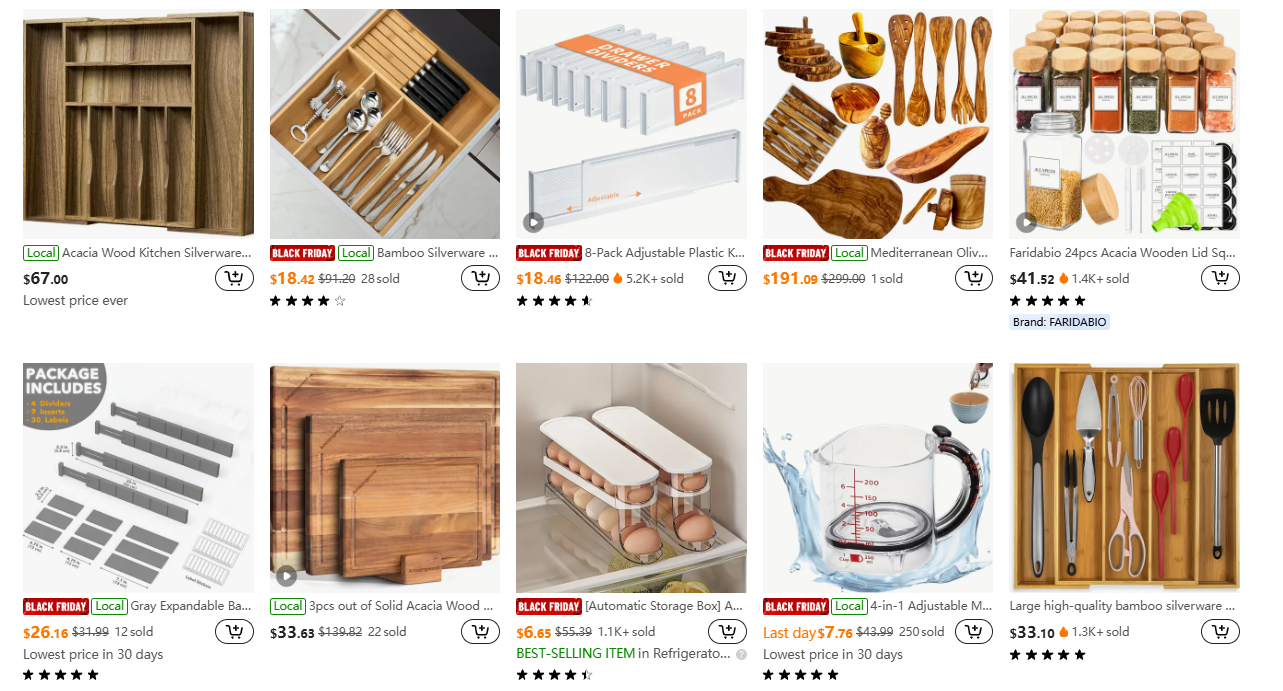
Home and kitchen is a broad category that consistently provides winning dropshipping products. In 2026, several trends are shaping this niche: smart home convenience, eco-friendly living, and multi-functional gadgets. With more people used to staying and working at home, they’re keen on products that make home life easier, more comfortable, and more fun. Also, sustainability is a strong current – consumers look for reusable alternatives and energy-saving devices for their homes. Interestingly, the line between tech and home products blurs with many app-enabled appliances and smart gadgets. Additionally, as remote/hybrid work remains common, home office gear and organizers are hot (people investing in making their home workspace ergonomic and efficient). Here are some of the top home & kitchen product ideas for 2026:
-
Air fryer (compact models) – The air fryer craze is not over. These countertop convection ovens that “fry” food with little oil became a kitchen staple for many. New compact or multi-function models (air fryer + toaster oven combos, etc.) are trending, catering to small kitchens or dorms. People love air fryers for quick, healthier cooking – and they often buy them as gifts too. While larger appliances can be trickier to dropship, smaller 2-4 quart models are manageable and have broad appeal.
-
Air fryer silicone liners – A spin-off trend from the above: reusable silicone mats or baskets that line your air fryer, making clean-up easier and reducing waste from parchment paper. This is a great accessory product riding on the popularity of air fryers. It’s inexpensive, upsell-friendly, and appeals to those eco-conscious about not using single-use liners.
-
Multi-cooker appliance (Instant Pot style) – Multi-cookers that can pressure cook, slow cook, steam, sauté – basically do it all. The Instant Pot sparked this trend, but now many brands and models exist. They remain popular among busy families and meal-prep enthusiasts because of their versatility. A decent multi-cooker can fetch a high price but is highly valued (and often reviewed well if quality). Check if your supplier can ship such appliances reliably.
-
Mini waffle maker (novelty shapes) – Dash mini waffle makers went viral a while back (tiny heart-shaped waffles, etc.). Novelty waffle makers (for example, a waffle maker that makes dinosaur-shaped waffles, or holiday-themed patterns) are trending as fun kitchen gadgets. They’re affordable, giftable, and great for social media content (cute breakfast ideas). People also use them for things beyond waffles (like “chaffle” keto recipes).
-
Milk frother (handheld) – With the rise of gourmet coffee at home, handheld electric milk frothers (to make cappuccino foam, dalgona coffee, etc.) are extremely popular. They’re small, cheap, and have mass appeal – from coffee lovers to keto dieters making bulletproof coffee. Many are bundled with a stand or a little latte art stencils. This is a simple gadget that can be a steady seller due to the huge coffee/tea niche.
-
Reusable silicone food storage bags – These are alternatives to Ziploc bags. Made of food-grade silicone, they can be washed and reused many times, suitable for freezing, boiling, even sous vide. With consumers trying to cut down on single-use plastics in the kitchen, these bags have become quite popular. Brands like Stasher popularized them, but generic versions are sought for lower cost. They come in various sizes and colors – selling them in multi-size packs works well.
-
Beeswax food wraps – Another eco-friendly kitchen swap: these are cotton cloths infused with beeswax (and jojoba oil/resin) that you use to wrap food, replacing plastic wrap. They’re reusable, washable, and keep foods fresh via the wax seal. Many sustainable living blogs promoted them. They appeal to a crafty, eco-friendly audience and also make a nice gift (often they have pretty patterns). Selling them in sets of different sizes is typical.
-
Portable blender bottle – Portable USB-rechargeable blenders (the size of a sports bottle) went viral as people could make smoothies or protein shakes on the go. They usually allow you to drink directly from the bottle after blending. Fitness enthusiasts, travelers, and busy folks love them. In 2026, improvements like stronger motors and larger capacity are seen. They are a bit heavier to ship due to the motor, but high demand and price can justify it. Videos of them crushing ice or making smoothies anywhere (in the car, at work) drove popularity.
-
Smart electric kettle (temperature control) – Electric kettles with precise temperature settings (for different teas, coffee brewing) and smart features (app control, scheduling) are trending among tea and coffee aficionados. Some have gooseneck spouts for pour-over coffee, combining function with style. Smart home integration (Alexa, etc.) is a plus. Even non-smart variable-temperature kettles are big sellers since they allow proper brewing for green tea vs black tea, etc. This caters to a more niche but passionate market of hot beverage lovers.
-
Robot vacuum cleaner (budget models) – Robotic vacuums (Roomba style) are widely known, and as technology gets cheaper, more affordable models are available from lesser-known brands – perfect for dropshipping. Many consumers who hesitated at high prices are jumping in as budget robo-vacs offer cleaning convenience. Features like remote app control, scheduling, and self-charging are expected. There’s also a trend of robot mops and 2-in-1 vacuum+mop units for hard floors.
-
Cordless handheld vacuum – Handheld vacuums for quick clean-ups (crumbs on the couch, car interior, etc.) remain popular. New versions have better battery life and stronger suction. They fit into the convenience trend – not everyone wants to lug out a big vacuum for small tasks. They’re moderately priced and can be marketed to pet owners (e.g., cleaning pet hair on furniture) or car enthusiasts for interior detailing.
-
Automatic soap dispenser (touchless) – Touch-free soap dispensers, whether for hand soap or dish soap, have been in high demand (especially post-2020 when touchless everything was preferred). They make home sinks feel modern and also improve hygiene. Simple human has pricey ones, but there are many generic ones that look sleek, sometimes with foam dispensing (foaming soap is another trend). These are great for kitchens and bathrooms alike.
-
Motion sensor trash can – This brings a bit of futuristic convenience to kitchens: trash bins with lids that open via motion sensor wave. They’ve become much more affordable in recent years. It’s a sizable item to ship, but if you can, they appeal to gadget lovers and those who want a more sanitary kitchen setup. Even some offices use them. Emphasize germ-free convenience and the modern look.
-
Water-saving shower head (high pressure & filter) – Shower heads that claim to save water while maintaining (or boosting) pressure are popular, especially in areas where water pressure is low or water bills are high. Many also include filtration (to remove chlorine, hard minerals) and even LED lights in some funky models. People are drawn to those “turbo propeller” showerheads trending in videos showing dramatically increased pressure. Selling a good shower head can tap into both eco-conscious and comfort-seeking customers.
-
LED ambient lights (sunset lamps, galaxy projectors) – Decorative lighting that transforms a room’s mood is a hot sub-niche. Sunset projection lamps, which cast a sunset-like glow on the wall, became a huge TikTok trend for creating aesthetic room vibes. Galaxy projectors that display stars/nebulae on the ceiling are also beloved by teens and those into home ambiance (and have been trending as relaxing night lights). These items sell extremely well due to how eye-catching they look in video demos – perfect for social marketing.
-
Smart LED bulbs (WiFi color-changing) – IoT smart bulbs that you can control with your phone or voice (via Alexa/Google) to change colors and brightness. As smart homes grow, these are entry-level products many start with. They’re usually easy to source and have good margins. Consumers enjoy customizing lighting to match mood or music. Make sure the app is decent and the bulbs fit common sockets. Bundling a 4-pack can increase cart value.
-
WiFi smart plugs – Another smart home staple: plugs that make any device controllable via phone/voice. People use them for lamps, fans, coffee makers – anything they want to schedule or toggle remotely. They’re small, relatively cheap, and often bought in multiples. With more people aware of home automation, these remain a strong seller. They’re also great for holiday lights (schedule them easily).
-
Security camera (WiFi, app-controlled) – Home security is a growing concern, and WiFi cameras (for indoor or outdoor) that are affordable are in demand. Many consumers opt for a DIY approach rather than expensive systems. Look for features like 1080p or 2K video, night vision, motion detection, and two-way audio. Video doorbells (smart doorbells with camera) also fall in this segment – smart video doorbells have been trending after Ring’s success. If selling these, ensure the app and device have decent reviews as reliability is key for security products.
-
Video doorbell (smart doorbell) – As mentioned, a doorbell camera that lets users see and talk to visitors via smartphone. It’s basically an IoT security cam + doorbell. With more e-commerce deliveries, people love these for porch security. Several competitive brands exist now beyond the famous ones, and they’re a hot item for homeowners and even renters (some attach via peephole or stick-on). Great upsell with security lights or smart locks.
-
Door lock (fingerprint smart lock) – Smart locks are becoming mainstream as well. Locks that open via fingerprint, passcode, or phone app provide convenience (no more keys) and can be a selling point for home safety tech enthusiasts. There are some drop-in replacements for deadbolts which are reasonably easy to install. While a bit niche, the smart home trend makes this viable. Emphasize secure, keyless entry – it’s futuristic and practical.
-
Electric heated throw blanket – Cozy home comfort items like heated blankets were always popular in colder climates, but modern ones with better safety and plush fabrics are trending everywhere. A throw-size heated blanket is great for couches, and people working from home love wrapping up in one during winter. It’s also an appealing gift product. Ensure any electric product meets safety standards. Also in this line, heated mattress pads or wearable blankets (like hooded blankets) are trending.
-
Memory foam seat cushion (for home office) – Ergonomic cushions for chairs (especially for those working long hours at a desk). Examples include coccyx tailbone relief cushions or lumbar support pillows. With remote work continuing, many invest in making their dining chair or basic office chair more comfortable rather than buying a whole new chair. These cushions are popular among drivers too. They’re lightweight and compressible for shipping, often with high perceived value for pain relief.
-
Standing desk converter – Not everyone can buy a full standing desk, so a converter (a unit you place on a regular desk that can raise your laptop/monitor to standing height) is a trending product. Health-conscious and productivity-focused individuals look for these to alternate sitting/standing. There are foldable and adjustable models that can be dropshipped. Since it’s a larger item, targeting a premium audience is ideal. Given that 15%+ of jobs are now remote, home office upgrades like this have strong demand.
-
Desk organizer sets – With more home offices, people want to declutter and stylize their desks. Organizer sets (pen holders, monitor stands with drawers, cable organizers, etc.) that match in design are selling well. Wood or acrylic aesthetic organizers are trendy on sites like Etsy and Amazon. A neat desk is often showcased in productivity/work-from-home content, so stylish organizers catch eyes. You can bundle multiple pieces for a complete set.
-
Minimalist wall clocks (modern design) – A decorative yet functional item. Modern wall clocks (think simple, large face with no numbers, or creative designs) are in demand as home décor leaning minimalist or Scandinavian style. Also, silent non-ticking clocks are a plus (many seek those for bedrooms or offices). These can have good margins as décor items and add personality to a room. Geometric shapes, natural wood textures, or metal accents are popular design elements.
-
Modular shelving units (DIY assembly) – Units like cube storage systems or floating wall shelves that you can configure are trending. People want flexible storage and display solutions that look modern. For instance, those interlocking cube shelves (often used for shoes, toys) or hexagonal wall shelves to display plants/figurines are popular. They’re usually shipped disassembled, making it feasible, and are appealing to renters and homeowners alike.
-
Indoor herb garden kits (smart planters) – With cooking at home and interest in fresh ingredients, indoor herb gardens are hot. This can range from a simple kit with pots, seeds, and an LED grow light, to a smart hydroponic planter that auto-waters and lights the plants. Urban dwellers without garden space love growing basil, mint, etc., on their countertop. The techy versions (with UV grow lights and self-watering) attract those who like gadgets and gardening both.
-
Automatic plant watering devices – For plant parents, products that water plants on a schedule or as needed are lifesavers. This includes spike devices that drip water from a bottle, or more high-tech irrigators with a reservoir and timer. As the houseplant trend remains huge (people collect plants and treat them like pets), anything to help care for them sells. Self-watering planters or devices that send alerts when soil is dry (smart moisture sensors) also fit here.
-
Portable air purifier – Portable or desktop air purifiers have been in demand due to concerns over air quality, allergens, and even simply odors. Compact HEPA filter purifiers that can sit on a desk or be moved room to room are popular for bedrooms, offices, or even travel. Some double as diffusers or have night lights. With wildfires and pollution in the news regularly, people are investing in personal air quality solutions.
-
Essential oil diffusing humidifier – A hybrid device that works as both a cool mist humidifier and an essential oil diffuser. Dry air in homes (especially during winter heating) is a common issue, so humidifiers are always sought after. Adding aromatherapy function makes it more appealing. Typically these have a large water tank but still tabletop size. The ones with attractive designs (wood grain, color-changing LED) do well since they blend into home decor.
These home and kitchen products cater to the desires for comfort, efficiency, and eco-conscious living. The category allows for a lot of creative marketing: recipe videos featuring a gadget, before/after cleaning demos, cozy home vignettes, etc. One important thing is to choose reputable suppliers, especially for electronics or anything involving water/electricity (safety and quality matter, as a product failing could damage a home or cause injury). When done right, though, home goods can produce great profit margins and repeat buyers (someone who buys a kitchen gadget might return for another).
5. Trending Tech Gadgets & Accessories
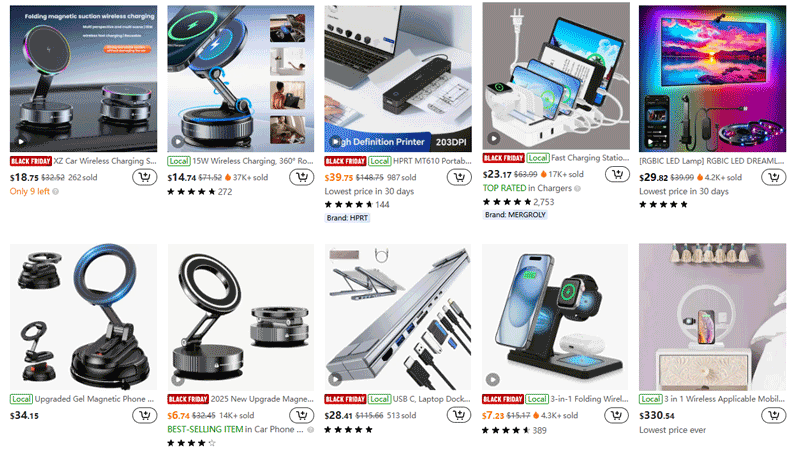
Tech gadgets remain one of the most exciting categories because there’s always a cool new device capturing consumers’ imagination. In 2026, AI-powered gadgets, mobile accessories, and smart electronics are at the forefront. We’re seeing everyday devices get smarter (often app-connected), and people love gadgets that make life more convenient or entertaining. The appetite for innovative tech is so high that the artificial intelligence gadget market is growing around 30% annually and expected to keep that pace through 2026. This means consumers are increasingly open to adopting smart devices in all areas of life. Additionally, with smartphones being central to everything, accessories for phones (and now AR/VR gear) are trending strongly. Below are some trending tech gadgets and accessories to consider:
-
Foldable Bluetooth keyboard – Portable, foldable keyboards that connect via Bluetooth to tablets, phones, or even TVs. As more people do work on the go or use tablets as laptops, these compact keyboards are a hit. They fold up to pocket-size, some even roll up. The convenience of a full keyboard that fits in your bag appeals to digital nomads, students, and anyone who might need to type on their phone longer (bloggers, writers on the move).
-
Mini portable projector – Tiny projectors, sometimes even pico projectors small as a smartphone, that can project movies or presentations onto a wall. These have been trending as people create home theaters or want a movie night outdoors. They’re also great for travel or business presentations. New models can connect wirelessly and even have built-in streaming apps or battery power. Showing how one can project Netflix on a big screen from a pocket device makes for compelling marketing.
-
Solar power bank/charger – Power banks remain essential for charging devices on the go, but solar-equipped ones add the off-grid charging capability. These are popular among campers, hikers, or just as emergency kits (during power outages, etc.). Many have multiple panels that fold out to catch more sun, and high capacity batteries. With the push for renewable energy and preparedness, solar chargers are a solid niche. Plus, they align with eco-conscious trends.
-
Wireless charging station (3-in-1 for phone, watch, earbuds) – As many people own multiple devices (smartphone, smartwatch, wireless earbuds), there’s demand for charging docks that can charge all at once, tidily. A 3-in-1 wireless charging stand that handles a phone (Qi charger), an Apple Watch/Samsung Watch, and AirPods/Galaxy Buds is very popular. It reduces cable clutter and looks sleek on a nightstand or desk. With more devices adopting wireless charging, these stations are trending up.
-
MagSafe compatible accessories – For the iPhone crowd, MagSafe accessories (magnetic attachable wallet, car mounts, battery packs, etc.) are big since Apple reintroduced MagSafe on iPhones. Magnetic car mounts that snap iPhones in place (no cradles needed) are especially hot. Also ring grips, tripod mounts, and wallets using MagSafe are in demand. Android users have magnetic accessory options too now, so this is expanding beyond Apple.
-
True wireless earbuds (new designs) – Although the market is saturated, there’s still room for unique or affordable wireless earbuds. People constantly look for good AirPods alternatives or styles that fit better (like sports earbuds with earhooks). Features like active noise cancellation and water-resistance are trickling down to cheaper models. If you can source a pair with great reviews or unique style (say, a gaming-focused earbuds with low latency, or cute pastel colored ones for fashion), you can tap into this massive market.
-
Noise-cancelling headphones (affordable models) – Over-ear headphones with active noise cancellation used to be premium-only, but now many affordable brands offer ANC. With continued remote work and people seeking focus, these are popular. Also, folks want them for travel or just enjoying music. Selling a well-reviewed budget ANC headphone (that mimics the Bose/Sony experience at a fraction of price) is a lucrative play.
-
Smartwatch (budget with health features) – The smartwatch market has tiered into expensive brands and very affordable ones with basic features. Many consumers just want a fitness tracker plus notifications. Dropshippable options like Huawei, Amazfit, or no-name brands that monitor heart rate, blood oxygen, sleep, etc., can sell well if positioned as budget-friendly alternatives to Apple Watch/Galaxy Watch. Just ensure compatibility info (Android, iOS apps) is clear.
-
Fitness smart ring (health tracker ring) – Wearable tech beyond watches: smart rings (like Oura Ring style) track metrics such as sleep, heart rate, maybe even temperature. They are gaining interest for being less obtrusive than watches. While the real Oura is expensive, other manufacturers are producing health rings at lower cost. If you can carry one, you’d target fitness and biohacker enthusiasts who love trying new form factors for tracking.
-
AR/VR headsets or accessories – With big tech pushing augmented and virtual reality, these gadgets are trending. While selling a full VR headset might be tough (people often go for known brands like Oculus), there are accessories: e.g., headset stands with charging, custom face cushions, controller grips, or even simpler AR toys that work with a smartphone. Also, if any new wave of AR glasses (like camera glasses or smart glasses that play audio) catches on, accessories for those will be hot. Keep an eye on developments here.
-
Phone camera lens kits – Kits that include attachable lenses (wide angle, macro, telephoto, fisheye) for smartphone cameras. These have been popular among mobile photography fans. With each phone generation, cameras improve, but people still enjoy the creative possibilities of external lenses. A kit that can clip onto any phone and comes with, say, 5 lenses in a case, is a neat gadget gift too.
-
Selfie ring light (clip-on for phone or laptop) – Ring lights remain crucial for content creators and even everyday video calls. A mini ring light that clips onto a phone or laptop can dramatically improve lighting for selfies, TikToks, Zoom meetings. There’s been high demand since the remote work shift (everyone wanted better lighting for video calls). Some newer ones are rechargeable via USB and have adjustable brightness/color temperature. A must-have accessory for the selfie generation.
-
Phone tripod stand (for vlogging) – Compact tripods or flexible tripods (like the GorillaPod style) for smartphones continue to sell well, thanks to vlogging and TikTok. Also, selfie stick tripods (a selfie stick that unfolds into a tripod with a Bluetooth shutter remote) are very popular, as they serve multiple uses for solo content creators. Look for ones that are lightweight, extendable, and stable. Demonstrations of how to take better videos with them will attract buyers.
-
Drone with camera (portable) – Consumer drones remain a strong category. What’s trending are portable, foldable drones that are easier to carry, and ones that have better cameras (some even 4K) and intelligent flying modes at lower prices. Many hobbyists and photographers want a taste of aerial footage without shelling out for a professional drone. If you list drones, ensure to mention any registration requirements (in some countries) and highlight features like follow-me mode, obstacle avoidance if present. It’s an exciting, gift-worthy gadget.
-
Action camera (GoPro alternative) – Similar to above, action cameras that mimic GoPro features but cheaper (like 4K recording, waterproof cases included, multiple mounts) are sought after. Adventurers, vloggers, and even just families on vacation buy these. They often search for “best GoPro alternative” – if you have a solid one with good reviews, that’s a winner. Sell it with accessory bundles (helmet mount, bike mount, etc.) for extra value.
-
Car dash cam – Dash cameras have become mainstream for driver security and recording road incidents. They’re trending in many regions due to insurance benefits and capturing unexpected moments. Good dash cams record in HD, loop recording, have G-sensors (for impact detection), and maybe WiFi to view footage on phone. Some also have dual cams (front and interior or rear). It’s a product that gives peace of mind, often at a moderate price, and many consumers are adding them to their vehicles.
-
Smart car HUD display – Heads-Up Display devices that project speed, navigation, etc., onto your windshield. These are popular with car gadget enthusiasts. Some connect to OBD-II ports to get real-time data, others mirror your phone’s navigation. It feels futuristic and improves safety by keeping eyes on the road. As an emerging tech, a cool HUD can differentiate your auto accessory lineup.
-
OBD2 car diagnostic scanner – Small OBD-II plug-in devices that connect via Bluetooth to your phone and, through an app, show your car’s diagnostic info, engine codes, etc. Car DIYers and even casual drivers use these to understand check engine lights or monitor performance. They’ve become quite cheap and common. Some newer ones focus on driving habits, fuel usage – even acting like a fitness tracker for your car. Market it as saving mechanic fees by diagnosing issues at home.
-
Key finder tag (Bluetooth tracker) – With the success of products like Tile and Apple AirTag, the concept of attaching a Bluetooth tracker to keys, wallets, or luggage is well-known. Many people look for cheaper alternatives to the name brands. Selling reliable Bluetooth key finders (some even come in multipacks) can be profitable. They connect to your phone and help locate lost items via sound or showing last known location. Also great for pet collars or backpacks.
-
Smart home hub (voice assistant display) – Devices like Amazon Echo Show or Google Nest Hub (smart speakers with displays) are popular. While those specific brands aren’t for dropshipping, there are third-party smart displays or even DIY smart home touch panels some use. But likely it’s better to focus on accessories around Alexa/Google – like countertop stands, wall mounts, or custom cases. Alternatively, a universal smart remote hub (that controls TV, AC, etc. via phone) is another smart home gadget in demand.
-
Smart plugs and switches – (Covered above in Home, but to reiterate here under tech gadgets) – these are fundamental to any smart home setup and sell in tech accessory sections as well.
-
Smart light strips (LED strips with app) – LED strip lights, especially ones that are addressable (each segment can be a different color) and music-sync, remain a massive trend for room decor, gaming setups, and under-cabinet lighting. WiFi or Bluetooth controlled via apps to show millions of colors or dynamic effects. This trend is huge among gamers (for backlighting desks and monitors) and teens (for room lighting). They’re relatively inexpensive and often bought in multiples for longer runs. Definitely a strong product if you show the cool effects.
-
Portable monitor (USB-C powered screen) – Secondary screens that are slim and can be powered/data through one USB-C cable. As many people use dual monitors for productivity, a portable one allows that on the go or in small spaces. They are trending for laptop users who want more screen real estate, gamers who want to connect a console while traveling, or even connecting to phones (Samsung DeX etc.). They tend to be ~15.6 inches and can have decent margins. Ensure compatibility (some need USB-C with DisplayPort alt mode, etc.).
-
Multi-port GaN fast charger – Gallium Nitride (GaN) chargers are the new compact fast chargers for phones, laptops, etc. They’re trending because they’re much smaller and more efficient. A charger with multiple USB-C and USB-A ports (say, 65W or 100W total) that can charge a laptop and phone simultaneously is very appealing, especially as many devices (including the latest iPhones) no longer come with chargers. Tech-savvy customers look for one charger solution for all devices.
-
USB-C hubs and adapters – With most new laptops (and even iPads/phones) using USB-C, adapters are essential. Hubs that add HDMI, USB-A, card readers, Ethernet, etc. for laptops (especially MacBooks) are always in demand. Also, specific adapters like USB-C to HDMI for presentations, or multi-port dongles. These items might seem basic but are evergreen as new devices push people to buy them. If you find a reliable hub (slim, doesn’t overheat, has all ports), it’s a constant seller.
-
Laptop stands (ergonomic cooling stand) – Many remote workers realized the need to elevate laptops for better posture. Foldable aluminum laptop stands, or adjustable risers, are popular. Some have fans (cooling pads) to help with laptop heat. Others are more like lap desks with cushions. All variants are seeing steady sales. They are simple but valued for improving the work-from-home setup.
-
Wireless ergonomic mouse (vertical mouse) – Ergonomics again: vertical mice (shaped to keep your hand in a handshake position) have a niche but growing audience among those with wrist strain or carpal tunnel. And in general, wireless mice with silent clicks or extra buttons for productivity/gaming remain relevant. A sleek rechargeable vertical mouse or an ergonomic trackball can set your tech accessory collection apart.
-
E-Book readers (Kindle alternatives) – E-readers with e-ink displays outside of the main brands (Kindle, Kobo) exist and some avid readers seek alternatives that are open-format or cheaper. If you find a decent one, it can attract a specific market. This is a bit more niche since brand loyalty is strong here, but not everyone wants to be tied to Amazon’s ecosystem.
-
Language translator device – Pocket translators that can listen and translate speech in real time between languages. They were novelty a while back but have improved and remain useful for travelers or international communication. With AI advances, some can even handle idioms better. As travel rebounds, a two-way translator gadget (beyond just using a phone app) appeals to technophiles and older travelers who prefer a dedicated device.
-
Smart glasses (audio sunglasses) – Not full AR glasses, but those sunglasses with built-in open-ear speakers (and mic) that play music and allow taking calls via Bluetooth. Bose made them famous, now there are various models. They let you listen to audio without earbuds, which some find more comfortable and situationally aware. Fashion-wise they look like normal sunglasses, which is appealing. This is a slick gadget to market in summertime or for people who like outdoor activities with a soundtrack but don’t want ears plugged.
-
Interactive AI robot toys – Think of AI-powered pet robots or STEM toys (like a robot that kids can code or that uses AI to recognize faces and objects). As AI is a buzzword, even pet-like robots (like dogs, cats that respond to touch or commands) see periodic surges in interest. They make for great holiday gifts. Some are educational, teaching kids programming or just entertaining with voice interaction. It’s a broader category, but worth exploring if you find a trending one (for example, a particular robot brand goes viral on TikTok for its cute antics).
Tech gadgets often require a bit more customer support (explaining features, compatibility), so be prepared with good product descriptions and maybe how-to guides. That said, they are fantastic for social media and video marketing – a quick demo video can do more to sell a gadget than any text. Also consider bundling complementary items (sell a drone with an extra battery or a case, a phone with a screen protector, etc.) to increase value. Keep an eye on early adopter communities (Reddit, tech blogs) for the next cool gadget – being first can give you that competitive edge.
6. Pet Products That Are Exploding in Demand
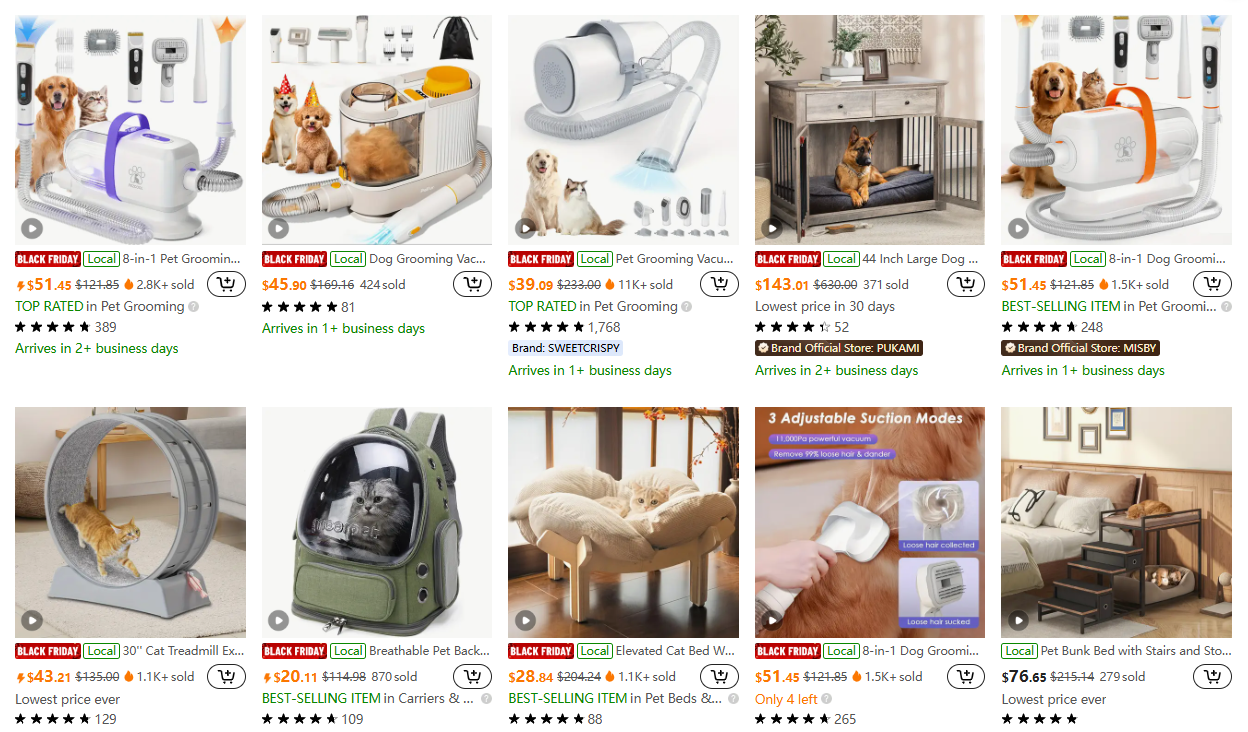
People absolutely love spoiling their pets, and the pet products market shows no sign of slowing down. In 2026, pets are treated truly as family members – sometimes even like children – and owners are keen to buy products that keep their furry friends healthy, happy, and entertained. Pet tech and smart devices are trending (ever seen a dog with a fitness tracker?), as are interactive toys fueled by viral videos of pets playing. In fact, pet spending remains high and viral pet gadgets often drive massive engagement online – meaning a quirky cat toy or high-tech dog feeder can quickly become a bestseller after a few TikTok videos. Let’s look at some pet product ideas that are in high demand:
-
Interactive laser cat toy (auto rotating) – Cats love to chase lasers, and busy owners love gadgets that keep their cats entertained when they’re not around. Automatic laser toys that randomly move a laser dot for cats to chase are very popular. Updated models have variable patterns, timers, or even wall-mounted options. Videos of cats going nuts over these help drive sales (and there are plenty!). A must-have in any cat niche store.
-
Smart pet feeder (automatic food dispenser) – Feeders that dispense a set portion of food on a schedule (with programmable timers) are hot among pet owners who work long hours or travel for a day or two. Even smarter ones connect to WiFi and can be controlled via app, sometimes with a camera and microphone so you can see/talk to your pet. These were once luxury, now much more affordable. Pet owners love the convenience and the peace of mind that Fluffy won’t miss a meal. It’s a higher price item but with strong perceived value.
-
Pet water fountain – Cats and dogs often prefer running water. Pet water fountains that continuously circulate and filter water encourage pets to drink more (important for health, especially cats). These fountains have been trending; newer designs are quieter, easier to clean, and sometimes have LED indicators for low water. They’re an easy upsell with other pet health products, and many pet owners swear by them once they try one.
-
GPS pet collar tracker – Small GPS tracking devices that attach to a pet’s collar, allowing owners to locate their pet via smartphone. These have boomed as technology improved and costs dropped. They’re invaluable for anyone with an escape-artist dog or an outdoor cat. Some require a subscription (for cellular connection), others are Bluetooth with limited range. The concept of never losing your pet is powerful – a very in-demand item. Emphasize battery life and accuracy in marketing.
-
Smart pet camera with treat dispenser – Pet cameras (like Furbo made famous) let owners watch, talk to, and even toss treats to their pets remotely. They’ve become super popular especially with dog owners and those with separation anxiety (either the pet or the owner!). A device that launches treats on command and sends alerts when the dog is barking, for example, is quite attractive. They can be pricey, but it’s a pet tech category that’s growing.
-
Automatic self-cleaning litter box – This is a game-changer for cat owners if somewhat pricey: a litter box that automatically sifts waste into a separate compartment after the cat uses it, reducing or eliminating the chore of scooping. There are a few known brands; if you find a reliable model from suppliers, it could be a hot seller. It addresses a huge pain point (nobody likes litter duty) and cat owners are willing to invest for convenience and odor control. Just be mindful of higher shipping weight and the need for good customer support.
-
Pet hair remover roller – One of the eternal struggles of pet ownership: fur everywhere. Reusable pet hair remover rollers (not the sticky tape kind, but the ones with a fabric surface that you roll back and forth to pick up hair) have gone viral for how effective they are on couches, beds, and clothes. They’re eco-friendly (no refills needed) and last long. Every pet parent with a shedding animal needs something like this, so it’s a high-demand item with great reviews generally.
-
Deshedding glove brush – A grooming glove that you wear and simply pet your animal to remove loose fur. These have been popular for years because many pets (especially cats) prefer it to being brushed, and it’s satisfying for owners to peel off the collected fur from the glove. They’re inexpensive and a good impulse buy or bundle item (e.g., pair with pet shampoo or other grooming tools).
-
Orthopedic memory foam pet bed – Premium pet beds that offer joint support, especially for older dogs or larger breeds, are trending as people look for the best for their pets’ comfort. Memory foam beds that are waterproof, have washable covers, and look like human furniture (so they blend in nicely) can be marketed strongly. Pet owners often spend top dollar on beds because a good bed can improve a pet’s quality of life (and prevent your couch from becoming the bed!). Showcasing a big dog happily sprawled on a comfy bed resonates well.
-
Calming pet bed (donut bed) – A specific style of pet bed went viral: the “donut” bed – very plush, circular, with raised rim all around. It’s marketed to help with pet anxiety as the soft, fluffy surround can mimic cuddling and make them feel secure. Tons of videos of dogs and cats snuggling into these boosted their popularity. They come in various sizes and colors. A relatively low-cost item with high perceived comfort (but shipping larger sizes can be bulky). Still, one of the trendiest pet beds in recent times.
-
Heated pet mat – A heating pad or mat for pets to lie on. Great for colder climates, older pets with achy joints, or hairless breeds that need extra warmth. Some are electric with very low-level heat, others are self-warming (reflecting pet’s body heat with foil layers). They’re popular for winter or for placing in pet houses outdoors. Safety is key – the good ones have chew-resistant cords and auto shut-off. Cats, in particular, are heat-seekers, so cat owners love heated pads.
-
Cooling pet pad (for summer) – Conversely, for hot weather or breeds prone to overheating, cooling mats (often gel-filled) provide a cool surface for pets to lie on. They activate with pressure and don’t need electricity. These sell well in summer or year-round in warm regions. Owners of thick-coated dogs or snub-nosed dogs (like bulldogs) often use them to prevent overheating. Another product where seasonal timing matters in marketing.
-
Dog car seat cover (waterproof hammock) – A very practical item: a large waterproof cover that attaches to car seat headrests, creating a hammock-style protected area in the back seat for dogs. This protects the car from fur, dirt, claw marks, etc., and also keeps dogs from falling into the footwell. They’re hugely popular with dog owners who travel with their pets. The best ones are nonslip, heavy-duty, and sometimes have mesh windows so the dog can see the front. Installation pictures and showing a happy dog in a clean car can help sell it.
-
Pet stroller – It might sound extra, but pet strollers have a market especially among small dog and cat owners, and those with elderly or disabled pets. People use them for city walks, malls (where pets can’t walk freely), or just because they want to bring their pet along like a baby. It’s a niche but fervent group – this product can be more expensive but if you target the demographic (urban pet moms/dads, senior pet caretakers), they’ll buy. Key features: sturdy wheels, easy fold, and ventilation.
-
Pet backpack carrier (space capsule design) – You’ve probably seen these on social media: backpacks with a bubble window for cats or small dogs. They look like little space capsules. These carriers are trendy among cat owners and small dog owners who want to take pets on hikes or to cafes. The distinctive bubble dome is a selling point (pets can look out, and it’s adorable to see). Many love the attention and the style of it. Make sure the ones you sell are well-ventilated and comfortably sized.
-
Dog seat belt harness – Safety while driving with pets is important. Dog car harnesses that clip into seat belts or latch onto car safety latches are trending as awareness grows. Some jurisdictions even legally require restraining pets in cars. These harnesses typically double as walking harnesses but have special attachments for the car. Showing that it can save a pet’s life (in case of sudden stop or accident) appeals to responsible pet owners.
-
LED light-up dog collar – LED collars or collar attachments (like LED tags) are popular for night walks, ensuring your dog is visible to cars and you can spot them off-leash. They come in multi-color flashing or steady glow. These are especially great in winter when it gets dark early. Runners also use them on their dogs when jogging at dawn/dusk. It’s a small item but definitely trending for safety and style (some have really cool neon looks).
-
Dog training collar (remote controlled) – Training collars, including those with remote control that can beep, vibrate, or mild static shock (for behavior training), are in demand for dog trainers or owners dealing with behavioral issues. There’s some controversy, so marketing must be responsible (emphasize vibration/beep options as humane training cues). But many swear by these tools for off-leash training or curbing excessive barking. Ensure you follow any local regulations if applicable.
-
Interactive dog treat puzzle toy – Toys that challenge dogs mentally by making them figure out how to get a treat. For example, a flip-board with compartments, treat-dispensing balls, or snuffle mats (where treats are hidden in fabric for the dog to sniff out). Pet experts often recommend mental stimulation toys to reduce boredom. Videos of dogs solving puzzles or playing with treat balls are great marketing. These toys often see increased sales as people realize a tired mind can calm a hyper dog.
-
Squeaky chew toys (durable) – Indestructible (or at least tough) chew toys are a perennial need, especially among heavy chewer breeds. Trends here include unique shapes (like chewable balls with treat holes, or “indestructible” plush toys with stronger fabric). Pet owners are always trying new chew toys to keep their dogs occupied and away from furniture. If you find one that’s trending (like the “chew toy of the month” that doggos on TikTok are all playing with), stock up on that.
-
Cat scratching post tower – Cats need to scratch, and owners need to save their furniture. Cat trees and scratching posts are big items but top sellers. A multi-level cat tower with scratching posts, condos, and perches can be a goldmine (though consider shipping size). Smaller options include wall-mounted scratchers or cardboard scratcher lounges (which are trending because cats love cardboard). Stylish scratching posts (that match decor) are also trending, as cat furniture becomes more chic.
-
Wall-mounted cat hammock/shelves – A newer cat trend: wall-mounted perches and hammocks so cats can climb your walls. Cat “wall furniture” is becoming popular for cat enrichment and modern home aesthetics. Think steps, platforms, and fabric hammocks that you attach to walls to create a cat jungle gym. It’s a bit niche but cat enthusiasts love it, and it’s Instagram-worthy to have cats chilling on the wall. Typically requires the owner to be a bit handy (drilling into studs), but the uniqueness sells it.
-
Bird feeder with camera – For pet category, it might not be a pet per se, but many classify wild bird feeding as part of pet hobbies. A bird feeder that has a built-in camera (some even AI-identify the bird species) is trending among nature lovers. These let you watch birds up close via your phone. It’s a techy twist on a classic bird feeder and appeals to a broad age range. If you consider “backyard pets” or just broaden pet niche to include this, it’s a very cool item that’s gone viral in some circles.
-
Small pet playpen (for rabbits/guinea pigs) – Not forgetting small pet owners, portable playpens (often mesh or metal fences that create an enclosed area) are popular for allowing guinea pigs, rabbits, ferrets, etc., some safe play space. Many use them indoors or on the lawn. They’re usually modular and foldable, easy to ship. Small pet accessories are sometimes overlooked but there’s a dedicated market for them.
-
Reptile terrarium humidifier/fogger – For reptile enthusiasts, maintaining habitat humidity is critical (for species like chameleons, geckos). Automatic humidifiers or misting systems are trending in reptile care. This might be too niche for a general store, but if you focus on pet niche, having a sub-section for reptile supplies including a cool fogger or smart thermostat can set you apart.
-
Aquarium LED lights (smart lighting) – Aquarium hobbyists love upgrading tank tech. LED lights that can change color or simulate day-night cycles, controllable via app or remote, are popular. Particularly for planted tanks or those showcasing fish colors. If you carry pet products, a few aquatic accessories like this can bring in aquarium folks. Additionally, automatic fish feeders (to feed fish on schedule) are another item always in demand.
-
Pet dental care kit (toothbrush & toothpaste) – Dental health is a big trend in pet care as people learn how important it is for longevity. Kits for brushing your dog or cat’s teeth (usually a double-ended toothbrush or finger brush plus pet-safe toothpaste in flavors like poultry) are selling more as vets recommend them. It’s a low-cost item that can be upsold with other health products (like grooming or supplements). Content idea: showing how to train a dog to accept tooth brushing.
-
Pet waste poop scooper (clean-up tool) – For dog owners, devices that make poop cleanup easier are always welcome. The classic is the pooper scooper (long-handled jaw scoop) so you don’t have to bend down. There are also newer gadgets like a vacuum poop scooper or little bag-holding tongs. It’s not glamorous but it’s practical and sells because every dog owner has to do this chore. Emphasize cleanliness and convenience.
-
Dog poop bag dispenser (with flashlight) – Speaking of poop, almost every dog walker carries poop bags. A dispenser that clips to the leash is basic, but a nice twist trending now is one with a built-in flashlight for nighttime walks. It lights the way and illuminates the “pickup” area. These small innovations catch dog owners’ interest. It’s cheap, useful, and an easy add-on sale (who wouldn’t want an extra flashlight on hand?).
-
Cat litter trapping mat – A mat placed under the litter box that catches litter from cats’ paws to prevent tracking all over the house. They have special textures (like honeycomb double layers) to trap and then you can pour it back or clean it easily. Cat owners who are tired of stepping on litter bits love these. It’s a simple product but very effective, and they’ve been trending as an essential litter accessory.
Pet products evoke a lot of emotion from buyers – they aren’t just purchasing a thing, they’re improving their beloved pet’s life (or their own life as a pet parent). Use that in marketing: happy pet images, testimonials of how a product solved a problem (e.g. “my cat drinks so much more water now with this fountain, I feel relieved”). The pet niche also benefits from user-generated content, as people love sharing photos and videos of their pets using a new toy or bed – encourage that and you get free promotion. Just be prepared to handle customer questions about materials, safety, and sizing since pet owners will be cautious to pick the right product for their fur baby.
7. Fitness & Outdoor Products with Strong Margins
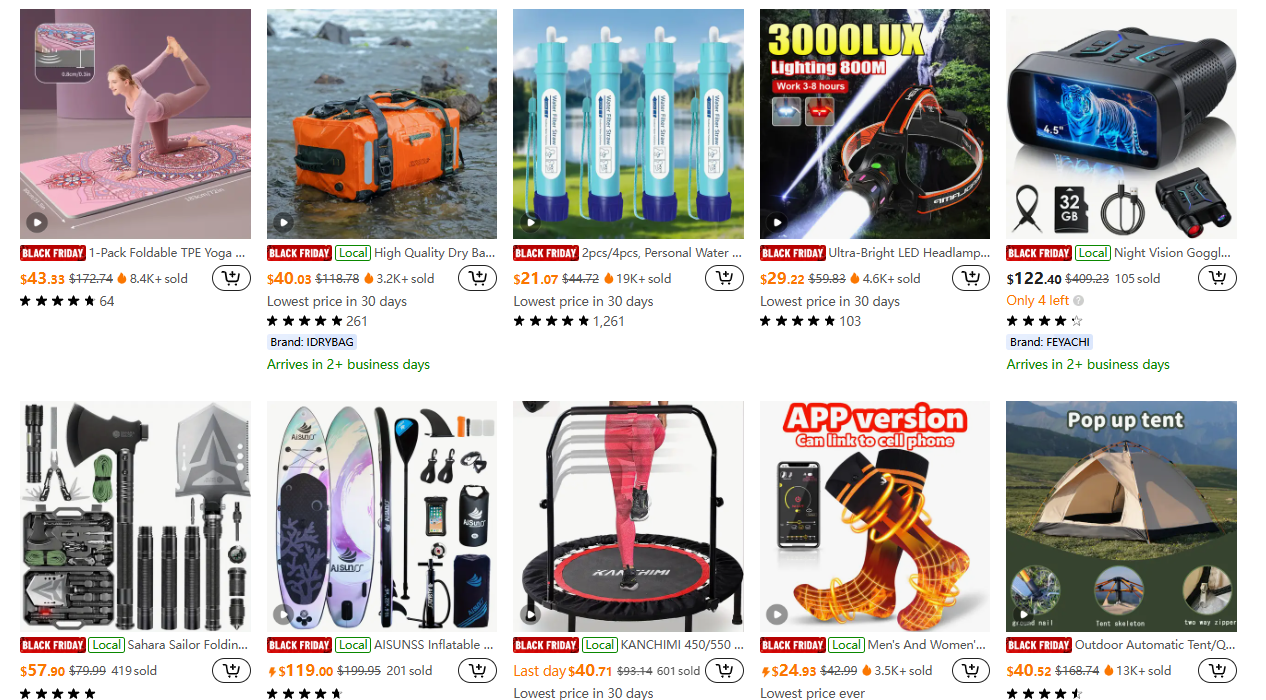
The fitness and outdoor niche has seen sustained interest, especially with many people opting for at-home workouts and local outdoor adventures instead of crowded gyms or far-away travel. Every new year brings a fitness craze or two, but some staples consistently perform well. By 2026, consumers are looking for efficient home workout gear, innovative fitness tools, and accessories for trending sports. For outdoor gear, the focus is on portability and enhancing experiences like camping, hiking, and cycling. With remote work, some have more flexible time to engage in fitness/outdoors, so demand is healthy. Notably, certain sports like pickleball have exploded in popularity recently (pickleball is actually America’s fastest-growing sport, with participation up 45% in a single year!), driving demand for related equipment. Let’s explore trending fitness and outdoor products:
-
Adjustable dumbbell sets – These are space-saving dumbbells that let you adjust the weight (dial or selector pin) instead of needing multiple pairs. They were hugely popular during the pandemic and remain so for home gym setups. High-quality adjustable dumbbells can be pricey (but way cheaper than a full rack of fixed weights), so margins are solid. People are willing to invest to save space. They come in various weight ranges (e.g., 5-50 lbs). Ensure the mechanism is reliable – serious lifters read reviews carefully.
-
Resistance bands set – Resistance bands (loop bands, tube bands with handles, figure-8 bands, etc.) are evergreen. They’re inexpensive, versatile, and great for strength training, rehab, or mobility work. What’s trending are complete sets that come with multiple bands of different resistance, door anchors, and maybe exercise guides. Also, fabric booty bands (thicker, non-slip fabric loops) for glute workouts remain very popular (thanks to Instagram fitness influencers). These sets are lightweight to ship and have broad appeal from beginners to advanced fitness folks.
-
Yoga starter kit (mat, blocks, strap) – Yoga’s popularity endures, and newcomers often look for a bundle of essentials. A kit that includes a decent non-slip yoga mat, two foam blocks, a stretching strap, and perhaps a mat towel can attract those beginning yoga or needing gear for home practice. Since yoga gear is widely available, bundling adds value and convenience (one purchase to get everything). Highlight eco-friendly materials if possible (like latex-free mat, etc.) for extra points.
-
Foldable treadmill (under-desk or compact) – Not everyone has space for a full treadmill, so compact or under-desk treadmills are trending. Under-desk treadmills are flat, without arms, meant for walking while working. Others are foldable running treadmills that can slide under a bed. As people remain health-conscious but space-conscious, these solutions gain traction. These are higher-ticket items, but given that global e-commerce sales keep climbing, big items can move if they solve a need. Marketing them with the remote worker angle (walk while you work) can be effective.
-
Jump rope (digital or weighted) – The humble jump rope has many modern twists. Digital jump ropes have counters/calorie trackers and sometimes no actual rope (ropeless jump ropes use two handles with weighted balls for those worried about tripping or low ceilings). Weighted jump ropes are thicker or have weights in handles to amp up the intensity. With jump rope fitness videos trending (especially during lockdowns, a lot of people picked it up), this remains a strong category. Showcasing jump rope as a fun HIIT workout helps attract buyers.
-
Weighted hula hoop (fitness hoop) – A viral fitness trend: weighted hula hoops for exercise (often foam-padded hoops weighing 1-3 pounds to trim the waist). Even more viral was the smart hoop or infinity hoop, a device that secures around your waist with a spinning weight on a track (so it doesn’t fall down like a normal hoop). Tons of TikTok videos showed dramatic results from using these hoops daily. They’ve become a go-to home cardio and core workout tool, especially marketed towards women for fun weight loss. If you carry this, it’s almost guaranteed to be a hit if you tap into those social proof videos.
-
Ab roller wheel – A simple but highly effective tool that’s been around: the ab wheel for core workouts. It’s trending continuously because it’s often listed in “best home workout equipment” lists due to its cheap price and difficulty level (people love the challenge). Newer versions sometimes have features like a resistance band to assist rollout or ergonomic grips. Pair it with a knee pad for a nice bundle. Many beginners see it as a must-have to get six-pack abs (whether true or not, it’s a strong selling point).
-
Push-up board set (color-coded push-up system) – A recent social media favorite: a foldable board with multiple color-coded holes where you insert handles, each color targeting a different muscle group with push-up angles (e.g., blue for chest, red for shoulders). Many viral videos show people doing push-up challenges on these boards. It gamifies push-ups and helps with hand placement for proper form. They’re light but a bit bulky in size. Still, they’ve been trending as a “home workout game” sort of product.
-
Portable pull-up bar (doorway) – Doorway pull-up bars that require no drilling (they hook onto the door frame leveraging weight distribution) have been popular for years and still sell well. Many people training at home consider pull-ups a fundamental exercise. Ensure the ones you sell fit common door widths and have protective padding to not damage frames. Some new designs are collapsible for easier storage. It’s a proven product in the fitness niche.
-
Suspension training straps (like TRX) – Suspension trainers are straps you anchor to a door or ceiling that allow you to do bodyweight exercises (rows, pushups, core work). TRX made them famous, but plenty of generic versions exist that are much cheaper. They’re great because they’re extremely portable (good for travel or outdoor workouts) and versatile. Market them with the angle of “full gym in a bag”. People into functional fitness or calisthenics are target customers.
-
Smart jump rope (app-connected) – A more advanced take on the jump rope: some have LED lights that display your jump count in mid-air, or ones that sync with an app to track your workout, set intervals, etc. One called Tangram Smart Rope did this. These cater to the tech-savvy fitness crowd. Showing off the futuristic LED effect or the stats tracking can justify a higher price than a normal rope.
-
Heart rate monitor armband – For serious fitness tracking, chest strap heart rate monitors were gold standard, but many now opt for optical heart rate armbands (worn on the forearm or upper arm) which are more comfortable than chest straps and more accurate than wrist devices during exercise. Brands like Polar and Scosche have them; generics too. As people train in specific heart rate zones (for running, HIIT, etc.), these become valuable. They connect via Bluetooth/ANT+ to phones, watches, or gym equipment. If you have a fitness enthusiast segment, this is a nice tech accessory to offer.
-
Compression leggings for performance – These are athletic leggings or tights that claim to improve blood flow, reduce muscle vibration and soreness. Common in runners and athletes. While any leggings could be marketed this way, true compression wear has specified pressure ratings. Even without the medical-grade aspect, many gym-goers love compression fit for the feeling of support. You can cater to men and women (men’s compression pants for under shorts are popular in sports). Combine with stylish design and moisture-wicking fabric in marketing.
-
Massage foam roller (with vibration) – Foam rollers for muscle recovery are staples now for runners, weightlifters, anyone into fitness. The new twist is adding vibration to them, which supposedly helps relax muscles more. Vibrating foam rollers or massage balls (battery-operated) are trending in recovery tech, similar to massage guns but simpler. If not vibration, even uniquely shaped rollers (textured, grid pattern) or rolling sticks are in demand. Emphasize recovery, injury prevention, and use by athletes.
-
Percussion massage gun – (We mentioned portable massage guns under Health & Wellness already, but it fits here too since it’s often sold as fitness recovery gear.) If not already listed, a massage gun is a must-have product in the fitness niche. Countless brands exist; choose one that’s well-built, quiet, with multiple heads and speeds. Market it for post-workout recovery, reducing soreness, and even as a warm-up tool. It’s a trend that took off in the late 2010s and is still going strong. Athletes and casual exercisers alike now know about them.
-
Electric muscle stimulator (EMS) pads – Devices with sticky electrode pads that contract muscles (EMS) or the TENS units for pain relief – these can be fitness or therapy oriented. Some use EMS units on abs or arms claiming to tone muscles (think of those infomercial ab belt claims) – they remain popular among a segment looking for an easy boost to their training (though realistic results vary). A safer marketing angle is for recovery and physical therapy since some evidence supports muscle stimulation aiding rehab. Ensure clear usage instructions.
-
Post-workout muscle recovery ice pack set – Reusable ice pack wraps designed for knees, shoulders, ankles, etc., targeted at athletes for recovery. Some are sleeves you can keep in the freezer and then wear after a workout or injury. Cryotherapy is a big concept (even fancy cryo chambers), but simple ice therapy still is the go-to. Something like a knee wrap with gel packs that strap on conveniently is appealing to runners and lifters. Many will pay for a well-designed, no-leak, comfortable cold therapy solution.
-
Hiking backpack (lightweight) – Outdoor recreation has seen a boom, and daypacks or hiking backpacks are in demand. Features in trend: hydration bladder compatibility, ultralight materials, packs that fold into a tiny pouch (for travel), and those with USB ports (though that’s more a gimmick charging port connected to a power bank). Selling a durable, ergonomic backpack in the 20-40L range (for day hikes or light overnight) can attract a wide range of outdoor enthusiasts.
-
Camping tent (pop-up tent) – Camping gear sales have spiked as people opt for safe, outdoor vacations. Pop-up tents that pitch in seconds (spring-loaded design) are especially popular for casual campers and festival goers who dread setup. They’re usually 2-4 person sizes. Shipping weight may be moderate, but if your supplier can handle it, tents sell well seasonally. Emphasize ease of setup, waterproofing, and portability (does it come with a carry bag?).
-
Portable camping stove – Compact camp stoves (like small butane or multi-fuel burners) or even wood-burning backpacking stoves are trending with the camping and survival crowd. Being able to cook a warm meal in the outdoors is appealing, and modern designs like tiny folding stoves or biofuel stoves that charge your phone (BioLite) catch attention. Simpler ones like pocket rocket burners also remain popular. This is a niche you can upsell fuel canisters or cooking sets with.
-
Outdoor hammock (parachute fabric) – Lightweight hammocks that fold into a small sack (often parachute nylon material) became a huge trend for campers, hikers, and general outdoor chill. Brands like ENO made them mainstream. They’re loved because you can relax almost anywhere between two trees. Many now look for hammock sets with tree-friendly straps included. Also, bug net hammocks and rain fly tarps as accessories are upsells. It’s a youth/camper favorite and often a gateway to more outdoor gear purchases.
-
Camping LED lantern (solar rechargeable) – Lanterns are a camping necessity, and LED ones that can be recharged via solar or USB are preferred now over battery ones. Collapsible lanterns (that pack flat or into themselves) or ones that double as flashlights are trending. Some also serve as power banks for phones in a pinch. Market to campers, also to emergency preppers for power outages. Solar charging is a big plus if available.
-
Portable water filter (straw filter) – Access to clean water outdoors is crucial, so items like the LifeStraw (straw filters you can drink directly from streams), or small pump filters and gravity filters are popular. Hikers and travelers buy these for safety and convenience. LifeStraw’s virality opened up the market; now there are many similar straw filters or bottle filters that are affordable. It’s a relatively inexpensive item but one that can literally be life-saving, which resonates with a lot of buyers.
-
Hydration backpack (water bladder pack) – Backpacks or sling packs that include a water bladder and drinking hose are popular for hikers, cyclists, and runners (especially trail runners or marathon trainers). They make hydrating on the move easy. A good hydration pack with 1.5-2L bladder, storage for essentials, and a comfortable fit is sought after. Cyclists and runners might prefer more minimal vests, while hikers like ones that double as daypacks. Selling a quality bladder is key (leak-proof, BPA-free).
-
Insulated water bottle (with storage) – Stainless steel insulated bottles are everywhere now (like Hydro Flask popularity). To stand out, look for unique features: maybe a bottle that has a storage compartment (some have a twist-off bottom for keys/snacks, or an attached pill organizer), or one that doubles as a foam roller (there’s a brand that did that!). Even a high-capacity jug with time markers for daily goals can trend (the “gallon a day” challenge jugs). People are willing to invest in a good bottle as part of their fitness lifestyle.
-
Pickleball paddle sets – As noted, pickleball is exploding. That means paddles and balls are in huge demand. Many new players prefer buying a set (2 paddles + a few balls, maybe a bag) to start. If you stock pickleball gear, it’s likely to sell well given nearly 20 million Americans took up pickleball, and the trend is global too. Just ensure the paddles meet typical specs (material: wood for cheap sets or graphite/composite for better performance). This is an opportune product given current sports trends.
-
Golf swing trainer aid – Golf saw a pandemic bump too (people could play outdoors safely), and many gadgets exist to help with swing technique. Examples: a hinged club that improves form, weighted swing trainers, laser guides, or mats with swing path traces. Golfers always look for an edge or fun practice tool. Some aids also appeal as gifts (for the avid golfer who has “everything”). If you find a trending one (there was a TikTok famous one that attaches to your club and gives feedback), it can take off.
-
Cycling phone mount – With so many cyclists using their phone for GPS or music, a secure phone mount for handlebars is a hot accessory. Especially e-bikes and scooters too. Key is a design that fits various phone sizes and is super stable on bumps. There are clamp styles, silicone bands, etc. Also, bike tail lights with turn signals or smart helmets are cool related cycling trends, but phone mount is a simpler mass-market product every cyclist needs.
-
Bike repair multi-tool kit – A compact multi-tool for cyclists (with hex keys, chain breaker, screwdrivers) plus maybe a saddle bag or tire levers can be marketed as an essential kit. Many people took up biking recently, and having a handy tool for roadside fixes is important. Bundling a small pump or patch kit adds value too. Enthusiast cyclists might have these, but new riders and casual riders may not yet.
-
Outdoor solar charger (for camping gear) – Similar to the solar power bank mentioned, but specifically larger fold-out solar panels that can charge multiple devices or attach to a backpack. Perfect for multi-day hikers, van-life folks, or disaster prepping. As solar tech gets more efficient, these become lighter and more powerful. They pair well with selling power banks (charge the bank via solar then use it at night). If your store leans into outdoors or survival, this is a must-carry item.
Fitness and outdoor items do great when you show them in action – think motivational fitness videos, or serene camping scenes with the gear being used. It's also wise to sync marketing with seasons: fitness gear spikes around New Year’s and spring, outdoor gear peaks in spring/summer. Notably, seasonal changes drive some product demands (like winter: snowshoes or hand warmers might trend, summer: camping gear soars). Be mindful of that in your promotion calendar. Lastly, quality matters in these niches because the users often push the gear to limits – good reviews will keep you selling well via word of mouth in the enthusiast communities.
Best Print-on-Demand (POD) Products for 2026

Print-on-demand has unlocked incredible opportunities for dropshippers to sell unique, personalized products without holding inventory. The ability to custom-print items means you can cater to trending memes, niche interests, or personal creativity and launch new designs rapidly. In 2026, POD products remain powerful, especially because consumers increasingly seek personalized and one-of-a-kind items. In fact, around 70% of consumers prefer customized products and the personalized gifts market is booming, projected to nearly double from $31.5B in 2024 to $60B by 2032. This shows a strong appetite for products that feel special or tailored to the individual. Here are some of the best print-on-demand product categories and ideas to focus on:
-
Custom apparel – This includes T-shirts, hoodies, sweatshirts, and more. Apparel is the classic POD category and still a top seller. But to stand out in 2026, consider trending niches and design styles. Niche T-shirts (e.g., shirts with inside jokes for nurses, coders, teachers, etc.) can hit with specific communities. Hoodies with unique art (anime-inspired, retro vibes, etc.) are popular, especially as streetwear. Seasonal or event-driven designs (like a viral phrase from a hit TV show or a yearly sports event slogan) can see spikes. With POD, you can even offer customers to personalize the apparel with their name, number, or custom text. The key is offering quality fabric and print that lasts, as many POD fulfillers now provide.
-
Personalized gifts – Items like mugs, photo books, calendars, pillows, and blankets that customers can personalize with their own photos or text are huge. For example, photo collage blankets (printing family or pet photos on a fleece blanket) or custom throw pillows with a couple’s name and anniversary date. These are heartwarming gifts for occasions like birthdays, weddings, Mother’s/Father’s Day, etc. Personalized jewelry (like engraved name necklaces or coordinate bracelets) also falls here; many POD services can engrave or laser-cut on-demand. Given that the personalized gifts market is on a strong growth trajectory, tapping into it can be very lucrative. Emphasize the emotional connection – “a gift made just for them.”
-
Trendy phone cases – Phone cases are a perfect POD item: small, high margin, and people love swapping them to match style or mood. Custom phone cases can feature the customer’s name, initials, or a favorite quote. Also, offering trending designs: e.g., aesthetic patterns (marble, boho mandala, tropical), fandom-related art (like a subtle nod to a popular movie or game), or photo cases where users print their own image (like their pet or a loved one) are popular. Another trend is neon sand liquid cases or cases with unique materials – some POD providers even have glitter or clear cases you can print on. With new phone models each year, there’s constant demand. Make sure to support popular models (iPhone, Samsung Galaxy, etc.) and highlight protection features if possible.
-
Minimalist wall art – POD isn’t just small items; wall art like posters, canvases, and framed prints are big sellers. Minimalist and modern art prints are especially on-trend – think one-line drawings of faces, abstract shapes in earth tones, or inspirational quotes in simple typography. Customizable wall art is also a hit: for instance, star maps (a poster showing the night sky constellations on a specific date/location, like someone’s wedding or birth), or city maps (artistic maps of a hometown). Personalized word art (like a family name sign with elegant font, or a collage of words describing a person in shape of a heart) also resonate as gifts. With POD, you can let customers input their own data to generate these unique prints. Since home decor is an evergreen category and more people want personalized home touches, offering a range of sizes and formats (poster, canvas wrap, etc.) can capture wide interest.
Let’s break down some specific POD product examples in these categories:
-
T-shirts & Hoodies: You could offer designs like: a shirt with the year “1996” in a retro font (birth year shirts are trending), or a hoodie that says “[Your City] Vibes” with a cool graphic (local pride apparel). Custom group shirts (like matching family reunion tees where each has their name) are also something you can advertise.

-
Mugs: A classic white mug with a custom name or message – for example, “World’s Best Dad – Love, [Kid’s Name]” or a coffee mug with a funny graphic and the customer’s name integrated. Also, color-changing “magic” mugs (that reveal the image when hot) can add a fun twist.
-
Personalized Photo Items: A photo puzzle (upload a photo, get a puzzle) is a fun gift idea. Custom phone cases we mentioned. Photo calendars for the new year with personal photos each month sell well towards year-end. Keychains with engraved names or pictures can be cheap but sentimental products.
-
Print-on-demand jewelry: Perhaps offer a bar necklace engraved with a name or a bracelet with engraved coordinates of a special place. There are POD services for jewelry now that do one-off engraving or even 3D-print custom pieces.
-
Custom apparel beyond shirts: Caps, beanies with embroidered initials or logos, custom socks with faces (face socks have been a novelty hit), or even all-over print leggings with wild patterns you design.
-
Novelty POD items: Custom socks with someone’s face or pet’s face have gone viral as gifts – a good POD supplier can print all-over designs on socks. Custom blankets we mentioned – e.g., a fleece blanket collage of grandkids’ photos for grandma.
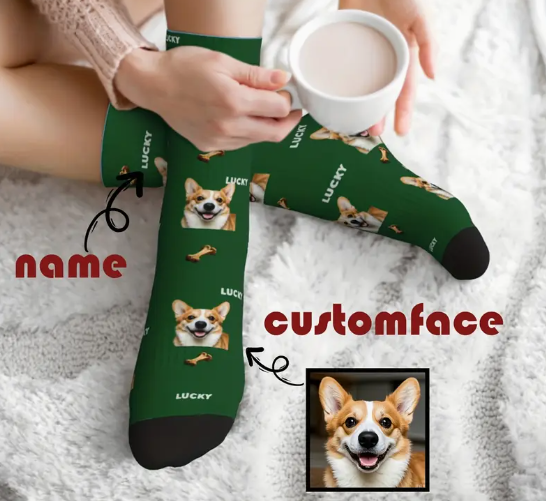
-
Trendy print designs: For instance, offering phone cases or tees with astrology themes (like their zodiac sign constellation + name), or anime/cartoon style art which is big among Gen Z. You can hire designers to create these unique illustrations and list them on products.
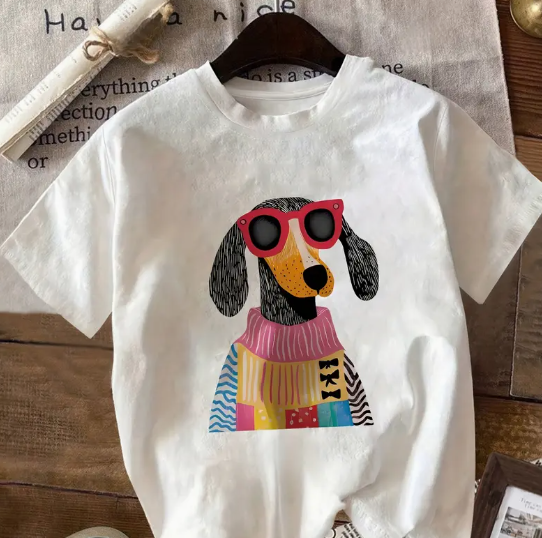
-
Minimalist line art poster: A line drawing of a couple’s silhouette from their photo – some POD services or artists can simplify a photo into one-line art. Customers love seeing themselves turned into art. Or a set of three abstract posters that together form a modern, cohesive look – you could sell them individually or as a bundle.

-
Customized stationary or notebooks: A journal with their name on the cover, or a notebook with a custom quote or image. Also, stickers – people buy stickers to personalize laptops, water bottles. You can do POD vinyl stickers or sticker sheets with your designs.
-
Personalized doormats or welcome signs: For example, a doormat that says “The Johnsons – Est. 2022” or a wooden sign for the home entry. These can be done via POD or small batch production.

-
Canvas prints with personal messages: For instance, a canvas that says “Home Sweet Home – The Garcia Family” in a nice font with some decorative elements. Great for housewarming or wedding gifts.

The beauty of POD is you can really test many designs and see what sticks without upfront inventory. You should keep an eye on trends in pop culture, memes, and seasonal events – being quick to launch a design when something trends (e.g., a catchphrase from a viral video or a new slang) can bring a flood of sales since you have low competition in that short window. Always be mindful not to infringe on copyrighted content (avoid using protected images/names), but parody and original art are your playground.
Also, emphasize the quality (print won’t peel, colors are vibrant, apparel is comfy) and the unique factor of your POD items. Customers love to feel they’re getting something special. Since more than half of shoppers are likely to buy from brands offering customization, highlighting “made just for you” or “personalized by you” is a powerful angle.
Finally, good mockups are critical to sell POD products – use high-quality images that show the design clearly, possibly in a lifestyle setting (e.g. someone wearing the shirt or a framed print hanging in a living room). This helps customers visualize the final product and trust it will look good.
Best Platforms to Sell Trending Products in 2026
Choosing the right platform to sell your products is as important as choosing what to sell. Each e-commerce platform or marketplace has its own strengths, audience, and considerations. In 2026, these are some of the best platforms to reach customers and sell trending products:
1. Shopify: If you want full control and branding for your store, Shopify is the go-to platform. It allows you to create a professional standalone online store with tons of customization options and apps. Shopify is great for building a brand – you get your own website (yourstore.com) where you can implement custom design, run marketing campaigns, and keep customer data. It’s scalable and supports everything from dropshipping integrations to POD apps seamlessly. Note that you’ll be responsible for driving your own traffic (through ads, SEO, social media), but the advantage is you’re building your own asset. (Plus, Shopify now powers millions of stores and nearly 10% of global e-commerce sites, indicating its reliability and reach.)
2. Etsy: If your products are handmade, custom, or art/design-oriented (which includes a lot of POD items or unique trending crafts), Etsy is a fantastic marketplace. It already has a huge audience looking for creative and personalized goods. For example, personalized gifts, print-on-demand art, jewelry, and craft-inspired trending items do very well on Etsy. The competition can be high, but buyers often come to Etsy specifically searching for trending or unique designs (like “trending 2026 shirt” or “handmade home decor”). It’s easier to get initial eyeballs on Etsy than on your own site since people browse the marketplace. Keep in mind Etsy charges listing fees and a transaction fee, and they value customer service and handmade ethos, so align with that environment.
3. TikTok Shop: TikTok isn’t just for viral videos – it’s now a shopping destination too. TikTok Shop (available in various countries now) lets creators and brands sell products directly through the app, integrating product links into videos and live streams. If your product is highly trend-driven or geared towards a younger audience, TikTok Shop is amazing. Trends often start on TikTok, so being able to convert a viral moment into a sale instantly with an in-app shop is powerful. For example, if you’re selling that trending weighted hula hoop or a gadget that blew up on #TikTokMadeMeBuyIt, listing it on TikTok Shop means viewers can purchase without leaving the app. Even without TikTok Shop, using TikTok for marketing trending products is pretty much essential in 2026 due to its reach and virality potential. The platform is visual and fast-paced, perfect for demonstrating cool product features in short clips.
4. Temu: Temu is a newer ecommerce marketplace (launched in the US in 2022 by the company behind Pinduoduo) that has rapidly gained popularity for ultra-cheap, trending items – kind of like a mix of Wish and Amazon. It’s known for deep discounts and a gamified shopping experience. By 2025, Temu started allowing US sellers to list with local fulfillment, which means you can potentially tap into their huge user base. If you have trending products that can be priced very competitively, Temu could be a good channel. The customers there are looking for bargains on popular items (lots of under-$10 impulse buys). Keep in mind, margins might be slimmer due to the low-price expectation, but the volume could be high. It’s worth noting Temu invests heavily in advertising, bringing in tons of traffic – being on Temu gets your products in front of that audience.
5. Amazon: The e-commerce giant is still a dominant force and a trusted platform for millions of shoppers. If you can navigate its rules, Amazon can generate massive sales for trending products because many people skip Google and just search on Amazon when they want to buy something. For example, when a product goes viral on social media, a lot of consumers will check if it’s on Amazon for fast shipping. By listing your items there (potentially using Fulfillment by Amazon for prime shipping), you gain credibility and reach. However, competition is fierce, fees can cut into profits, and you must adhere strictly to policies (especially if dropshipping – Amazon has specific rules). It works best for products that are already trending and have search volume – you can capture those existing searches. Also, Amazon is great for certain categories like gadgets, home/kitchen, and fitness gear which often appear on their “movers & shakers” or best-seller lists, further amplifying exposure. Another benefit: more than 60% of sales on Amazon come from third-party sellers, so the marketplace is open for small businesses, and many of those sellers do well by leveraging Amazon’s fulfillment network and customer trust.
Each platform requires a slightly different approach. Shopify requires you to be marketing-savvy, but you get full brand control and better margins (no marketplace commission, just payment processing and Shopify fees). Marketplaces like Etsy, Temu, and Amazon give you access to large customer bases and built-in traffic but come with fees and competition right next to you. TikTok Shop sits in between – you build content to get traffic but the conversion is built into the same app which is great for impulse buys.
Many successful sellers use a combination: for example, launching a brand on Shopify for long-term asset building, but also listing best-sellers on Amazon and Etsy for extra reach, and promoting everything on TikTok/Instagram. Just be careful to manage inventory if you do that and maintain consistent branding if that’s part of your value.
Another thing to consider is where your target customers hang out: If you sell visually appealing, creative items (like POD art or jewelry), Etsy and Instagram/TikTok are crucial. If it’s a utilitarian trending gadget (like a kitchen tool), Amazon and perhaps Facebook ads linking to your Shopify store might work better.
One more mention: Social commerce and live shopping are rising (TikTok Shop is one form, Instagram has shopping features too). In 2026, don’t underestimate the power of a platform like Facebook Marketplace or Instagram Shopping for trending products, especially locally or through influencer partnerships.
Step-by-Step Guide to Launch Your First Winning Product in 2026
Ready to turn that trending product idea into a thriving venture? Launching a product – especially your first one – can feel daunting, but if you break it down into clear steps, it’s absolutely achievable. Here’s a step-by-step guide to help you go from idea to first sale, specifically tailored for the 2026 landscape:
-
Select a Winning Product and Niche – Start by choosing what you’ll sell and who you’re selling to. Use the research methods we discussed: check trend data, validate that the product is in demand and not overly saturated. Focus on a niche that you understand or have interest in – it helps in marketing. For example, if you noticed that “smart plant pots” are trending and you’re into gardening, that could be a great niche. Ensure the product aligns with key criteria: strong demand trend, solves a problem or excites consumers, not too competitive, and feasible to dropship (not too bulky or complicated). At this stage, also think about the price range and profit margin – generally aim for at least 3x markup on your cost. (Tip: Conduct a quick competition scan. If 20 sellers are offering nearly identical products with razor-thin margins, consider a differentiation angle or a different product. But if only a few players are selling it and there’s buzz, you might have a golden opportunity.)
-
Validate Product Potential – Before investing time and money fully, validate that people will actually buy this product. You can do this by:
-
Keyword research: Check search volume for the product’s keywords (use tools like Google Keyword Planner or Ubersuggest). Are thousands of people searching it monthly? An upward trend indicates growing interest.
-
Social proof: Look on social media (TikTok, Instagram) for posts about the product. Do videos featuring it get lots of views, likes, comments? If you find a TikTok with millions of views about the item, that’s a great sign. Also see if content creators are reviewing it.
-
Market research soft launch: Consider setting up a simple landing page or social media post to gauge interest. You could even run a small ad campaign or a poll – e.g., run a Facebook/Instagram ad for the product with a “coming soon” and see if people click or sign up for more info. Or post in a relevant forum or Facebook group asking “Has anyone tried this [product]? What do you think?”. The reactions will tell you a lot.
-
Competition check: Find 2-3 competitors (maybe on Amazon or Google Shopping) and see their reviews. What do customers praise or complain about? Too many complaints might indicate quality issues – an opportunity for you to do better with a better supplier. A mix of good reviews indicates demand and satisfaction. Also note their price points so you can position yourself.
If validation looks good – people are searching, talking about, and buying the item – proceed confidently. If not, refine your idea or pick another product.
-
-
Find a Reliable Supplier – The supplier can make or break your dropshipping business, as they handle the product quality and fulfillment. Look for suppliers with fast shipping options to your target market (e.g., suppliers with US/EU warehouses for those markets) and good product reviews. You can find them on platforms like AliExpress (check for suppliers with high ratings and established history), specialized dropship supplier directories, or even reach out to manufacturers on Alibaba for a dropship arrangement. Some dropship platforms (Spocket, CJ Dropshipping, etc.) can connect you to vetted suppliers. Vet the supplier: inquire about their inventory levels, typical processing time, return policy, and ask for product details. A pro move is to order samples of your product from a couple of suppliers – see which one meets your quality standards and shipping speed. This sample also helps you create your own product photos/content. Remember, a supplier who is communicative and dependable is worth maybe paying a tiny bit more for, because they’ll save you headaches in the long run.
-
Build Your Online Store or Listing – Now, set up the sales channel. If you chose Shopify or another website builder, design your product page to highlight the trendiness and benefits. Use high-quality images (from your sample or supplier-provided, but avoid the ones that look too stock – take your own if possible for uniqueness). Write a compelling product description: focus on the benefits and emotional appeal (“Imagine never worrying about your phone running out of battery on hikes – this solar charger has your back...”). Use bullet points for key features (specs, size, material). Include any social proof you can (early reviews, or testimonials from friends who tried the product). On your store, make sure checkout works smoothly. If you’re using a marketplace like Etsy or Amazon, optimize your listing with good keywords in the title and tags so people can find it, and fill out all the details. Price your product competitively but accounting for your costs – trending products can sometimes command a premium if not widely available yet, but do check competitor pricing. Set up your shipping settings – for dropshipping, ePacket or similar should be fine (or use supplier’s recommended shipping that balances speed and cost).
-
Brand Your Offering – Even if it’s your first product, adding some branding touches helps you stand out. This could be as simple as a cool store name and logo, a consistent color scheme on your site, and a unique brand story in the About section. If you’re dropshipping, you might not customize the product itself initially, but you can brand the experience – e.g., include a thank you note in shipments (some suppliers allow adding custom notes or inserts for a fee), or eventually switch to branded packaging if volume grows (some dropship agents can arrange that). Building a brand is crucial if you want long-term success beyond a one-hit-wonder product. It makes customers more likely to trust you and buy again. Think about your brand voice: is it fun and trendy, or expert and techy? Make sure that comes through in your marketing.
-
Launch Marketing Campaigns – “Build it and they will come” unfortunately doesn’t apply online – you need to drive traffic. Here’s where you leverage all your knowledge of where your audience hangs out:
-
Social media marketing: Start with TikTok and Instagram if the product is visual and trending-friendly. Make a TikTok video demonstrating the product in action or a before-and-after if applicable. Use trending sounds or hashtags (like #TikTokMadeMeBuyIt, which is literally for showcasing viral products). Authentic, informal videos work best – even a selfie video of you using it enthusiastically can catch fire. On Instagram, post Reels and Stories; consider reaching out to micro-influencers in your niche to feature the product (offer them a free sample or an affiliate link).
-
Paid ads: Consider running Facebook/Instagram Ads or TikTok Ads targeting your niche interest and relevant demographics. For instance, if selling a pet gadget, target pet owners with interests in pet magazines or brands. If it’s a fitness product, target people interested in gyms, fitness influencers, etc. Start with a moderate budget to test (even $20-$50/day split in a couple of ad sets can give initial data). Optimize as you see which ad creative and audience performs. One effective approach: make the ad not look like an obvious ad – use a native style video as if it’s a user posting “OMG, this gadget solved X problem” to blend into feeds.
-
SEO and content: If using your own site, write a blog post or two about the product or problem it solves, optimized for search. For example, “Top 5 Trending Kitchen Gadgets in 2026” and feature yours. This can slowly bring organic traffic. However, SEO takes time; for a hot trend, you might rely on paid and social first.
-
Email marketing: If you collected any interest emails during validation or have an existing small list, send a launch announcement with an exclusive discount. Even if not, set up email capture on your site from day one (for example, a pop-up “Get 10% off your first order if you join our list”). Building an email list will pay off for remarketing later.
-
Leverage communities: Post about your product (softly, not too spammy) in relevant communities like subreddits, Facebook Groups, or forums where your target customers talk. E.g., if it’s a travel gadget, be in travel Facebook groups or r/travelhacks. You can share a cool use-case or ask for feedback, which naturally puts your product in front of enthusiasts. Always follow the community rules regarding promotions.
Remember to use your marketing to tell the story of your product: why it’s trending, how it helps or delights, and perhaps your personal journey discovering or using it. People love buying from people, not just faceless stores.
-
-
Streamline Order Fulfillment & Customer Service – Once orders (hopefully) start coming, ensure the fulfillment is smooth. If you’re integrated (e.g., using an app like DSers/Oberlo or CJdropshipping on Shopify), you can often fulfill with a few clicks. Double-check that the shipping info is correct and monitor tracking numbers. For marketplaces, ensure you forward the order to supplier promptly and input tracking info back into the system to keep your account healthy.
Customer service: be ready to answer questions – customers might ask about product details, shipping times, etc. Answer quickly and helpfully (quick response can make the difference in securing a sale or getting a good review). If any issues arise (delays, defects), proactively reach out to the customer, offer solutions (like a reship or partial refund), and communicate. Excellent service can turn a dissatisfied customer into a loyal one, and in the era of social media, it also protects your reputation.
Also set up an FAQ either on your site or saved responses if on a marketplace, to save time on common queries (“How long is shipping?” “Does this work with XYZ?”). -
Optimize and Scale – After your launch, review how it went:
-
Which marketing channel brought the most traffic or sales? Focus more there.
-
Look at your website analytics or marketplace metrics. Is there an abandonment at checkout? Maybe your shipping cost is too high or a glitch to fix. Are lots of people viewing but not buying? Perhaps the price needs adjusting or the product needs more convincing content.
-
Gather feedback: early customers’ reviews or comments are gold. If someone says “I love the product but wish it had X,” and if X is doable (like bundling a related accessory), consider that for future. Or if a review praises something, emphasize that point in marketing.
-
Ads optimization: Pause what’s not working, put more budget into what is. Try new creatives periodically to avoid ad fatigue. You can also expand targeting to new lookalike audiences once you have some customer data (Facebook can find similar users to those who bought or visited, increasing efficiency).
-
Scaling channels: If you started on one platform, consider expanding. For instance, if your Shopify store is doing well in the US, maybe list your product on Amazon US as well to catch those searchers. Or if Etsy might fit, put it there. More channels = more exposure (just keep track of inventory and avoid overselling).
-
Product line expansion: Once the first product is stable, think of complementary products you can add (either more trending items in the same niche or accessories). This increases average order value and repeat purchase. For example, if you sold a fitness ab roller successfully, you can add resistance bands or a yoga mat to your store. If you find success in a niche, double down and become the go-to store for that niche.
-
Logistics refinement: As you grow, you might find dropshipping from overseas has limitations (shipping time or quality control). At a certain volume, you could switch to ordering bulk to a local fulfillment center or use faster shipping options. Plan for that if your trend becomes a long-term hit – it’ll improve customer satisfaction and your margins (bulk buying is cheaper per unit).
-
-
Stay Agile and Customer-Focused – Trends can change quickly. Keep monitoring the trend pulse – set Google Alerts for your product name or niche, follow TikTok hashtags related to it, keep an eye on competitor moves. Be ready to tweak your marketing angles or even pivot to a new hot product if the current one saturates or fades. However, also pay attention if your product has longevity beyond the initial hype – if yes, keep cultivating that brand and community.
Always listen to customers. A small tweak like adding an instruction manual or how-to video because customers asked for it can dramatically reduce returns and increase satisfaction. Engage with your customer base via email or social – ask for user-generated content (like photos or videos of them using the product) which you can reuse in marketing (with permission) – it builds trust for new buyers.
Launching a product is an iterative process; very rarely is everything perfect from day one. But by following these steps – research, validate, supply, store setup, marketing launch, fulfillment, and optimization – you cover all bases and set yourself up for success. Each step is a learning opportunity. Even if something goes wrong (say, an ad flops or a supplier is late), treat it as valuable feedback, adjust, and keep pushing forward. In the fast-paced 2026 e-commerce world, speed and adaptability are your allies.
Remember, every big brand or best-selling product started with a first sale. You’ve done the deep research; now trust the process, stay persistent, and you’ll see results. Good luck with your launch!
Final Thoughts: Build a Brand, Not Just a Store
Chasing trending products can lead to quick wins, but true long-term success in dropshipping (and e-commerce in general) comes from building something bigger: a brand. A brand gives you recognition, customer loyalty, and resilience beyond any one product’s life cycle. It’s the difference between being “just another seller” and being the go-to source in your niche.
So what does it mean to build a brand in this context? It means developing a unique identity and relationship with your customers:
-
Consistency: Use a memorable store name, a cohesive visual style (logo, colors, typography), and a consistent tone in all your communications. Over time, these become synonymous with trust and quality in your customers’ minds.
-
Story and Values: Every great brand has a story or mission. Maybe you’re passionate about sustainable materials, so you curate only eco-friendly trending products. Or perhaps you started your store to solve a problem you personally had. Share that! Customers in 2026, especially Gen Z and Millennials, gravitate towards brands with authentic stories and values they can support. If they feel connected to your brand ethos, they’ll stick around even if specific trends ebb and flow.
-
Customer Experience: Focus on making every interaction a positive one – from a user-friendly website to responsive customer service and thoughtful packaging. As you grow, consider adding personal touches (like a thank-you email series teaching them how to best use the product, or a loyalty discount code). Happy customers remember you and come back. Even if you initially got them with a trendy item, excellent service can turn them into repeat buyers for whatever you sell next.
-
Community Building: Involve your customers in the brand. Encourage them to tag you on social media when using the product, feature their photos (with permission) – this not only provides social proof but makes them feel a part of something. Maybe start a Facebook group or Discord for your niche where people can discuss related topics (with your brand subtly moderating). When people form a community around your brand, it becomes much more than a dropshipping store – it’s a hub of like-minded individuals. That’s powerful and not easily replicated by competitors.
-
Quality and Curation: A brand isn’t about selling everything under the sun; it’s about being selective so customers trust your taste. Curate the best trending products rather than a scattershot approach. When you consistently deliver good products, customers will trust future recommendations you make. They’ll think “I got that awesome gadget from them last time, what do they have now?”
Why all this effort? Because branding is how you future-proof your business. Trends by nature will peak and fade. If you hinge everything on one viral product, when it fades, so do your profits. But if you’ve built a brand known for, say, “innovative kitchen tools” or “cutest pet care gadgets” or “fitness gear that actually works,” people will be excited for the next product you introduce. You won’t be starting from scratch each time – you’ll have an audience eagerly waiting, even helping to market for you via word-of-mouth.
Also, as a branded business, you can expand in ways a generic store can’t. You could develop your own custom products once you know your audience (many brands that began dropshipping eventually design something new based on customer feedback). You could get into brand collaborations or influencer partnerships more easily because you have a reputation. You could even sell your brand down the line, as branded stores have higher valuation than one-off product stores.
In essence, don’t just ride the trend – own it. As one expert nicely put it: “Most importantly, don't just ride the trend—build on it by branding, packaging, and marketing with intention.” Your brand is the layer of value you add on top of the trending product.
So as you hustle to pick those 200+ trending products and launch your campaigns, keep that brand mindset. Think beyond the immediate transaction and invest in the relationship with your customer. It might mean a bit more work or short-term cost (maybe you replace a customer’s item free when it’s not your fault, or spend time crafting a nicer website), but it’s like planting seeds that will keep paying you back with loyal customers and word-of-mouth buzz.
In 2026 and beyond, e-commerce will only get more competitive. But a loyal customer base and a strong brand can be your competitive moat. Trends will come and go (we’ll be here again in 2027 talking about perhaps another 200 new products), but a brand can evolve and thrive through them all.
Final note: Stay curious and keep learning. The fact that you dived into a deep research task like this shows you’re serious about success. Apply that same thoroughness to everything – listen to your customers, watch market signals, and continue adapting. Combine the right products with the right branding and service, and you won’t just have a one-time store – you’ll have a business that prospers for years to come.
Good luck, and happy selling! 🚀