
Dropshipping in 2026 is no longer about finding a “winning product.”
It’s about building a fulfillment system that supports branding, automation, multichannel selling, and fast delivery expectations.
Over the past few years, the market has matured dramatically. Customers are more informed. Ad costs are higher. Competition is sharper. And platforms like TikTok Shop, Amazon, and Meta have reshaped how traffic flows.
What separates profitable stores from those that burn out quickly?
Infrastructure.
The dropshipping apps you choose determine:
-
How fast you ship
-
How automated your operations are
-
Whether you can scale past 50+ orders per day
-
How much brand control you have
-
Whether customers trust your store
Why Choosing the Right Dropshipping Apps Determines Success in 2026
The Shift from “Product-Only” Stores to System-Driven Businesses
In early dropshipping eras, the formula was simple:
-
Find trending product
-
Import from AliExpress
-
Run ads
-
Repeat
That model worked when ad CPMs were low and customers tolerated long shipping times.
Today, that approach collapses quickly.
Modern stores must operate like real brands:
-
Fast delivery
-
Reliable tracking
-
Clean packaging
-
Multichannel consistency
-
Customer support efficiency
Apps are no longer “add-ons.”
They are your operations department.
Key Criteria Used to Evaluate the Best Apps
1. Supplier Quality & Product Variety
Not all suppliers are equal.
We evaluated:
-
Supplier vetting processes
-
Inventory reliability
-
Product saturation risk
-
Category diversity
2. Shipping Speed (US/EU vs Overseas)
Fast fulfillment directly impacts:
-
Conversion rates
-
Refund rates
-
Chargebacks
-
Customer reviews
Domestic warehouses (US/EU) now provide a measurable edge.
3. Automation Features
Manual order fulfillment does not scale.
We examined:
-
Bulk processing
-
Auto-tracking sync
-
Inventory monitoring
-
Price automation
-
Order routing
4. Branding Capabilities
Modern dropshipping blends into private label.
Apps that allow:
-
Custom packaging
-
Inserts
-
Branded invoices
-
Logo printing
score higher for long-term viability.
5. Pricing & Scalability
Some tools are great for beginners.
Others are built for 1,000+ monthly orders.
We evaluated long-term cost efficiency.
What Makes a Great Dropshipping App in 2026?
The Amazon Effect: Fast Fulfillment Expectations
Customers expect:
-
3–7 day shipping
-
Real-time tracking
-
Transparent communication
Apps that cannot meet at least sub-12-day delivery often struggle to maintain conversion consistency.
Automation Is No Longer Optional
If you manually process 30+ orders daily, operational fatigue becomes real.
Automation reduces:
-
Human error
-
Delayed fulfillment
-
Inventory overselling
US/EU Suppliers Increase Trust
Domestic fulfillment:
-
Reduces refund rates
-
Improves brand perception
-
Boosts repeat purchase probability
Branding Is Now Competitive Advantage
Generic packaging kills long-term growth.
Custom packaging increases:
-
Perceived value
-
Unboxing shareability
-
Customer retention
Multichannel Integration
Winning brands sell on:
-
TikTok Shop
-
Amazon
-
Etsy
-
Instagram Shop
Apps that support multichannel sync future-proof your business.
1. CJdropshipping — Best All-in-One Solution for Global Sellers
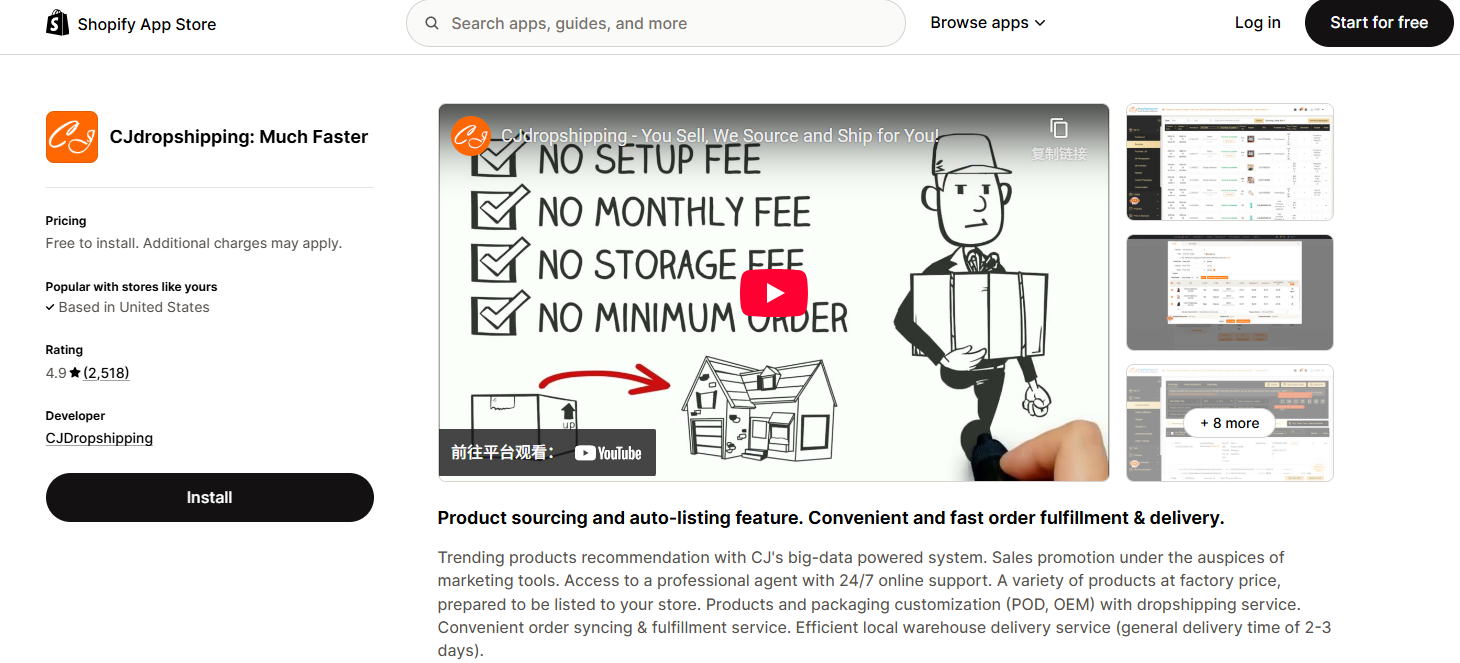
CJdropshipping has become one of the most complete dropshipping ecosystems available.
Core Ecosystem
-
Product sourcing on demand
-
Global warehouses (US, EU, Asia)
-
Fulfillment & tracking
-
Private label support
Why It Stands Out
Unlike many tools that focus only on importing products, CJ combines:
-
Supplier sourcing
-
Warehousing
-
Branding
-
Logistics
This reduces app fragmentation.
Advantages
-
No mandatory monthly fee
-
Warehouses across major markets
-
Custom packaging options
-
Bulk order processing
-
Sourcing request feature
Limitations
-
Interface has learning curve
-
Large catalog includes competitive items
Ideal Users
-
Scaling stores
-
Sellers moving off AliExpress
-
Hybrid private-label transitions
Why It’s Strong for Scaling
When a store begins exceeding 50–100 orders daily, reliance on AliExpress becomes unstable.
CJ allows:
-
Bulk inventory storage
-
Faster delivery
-
Brand upgrades
This makes it ideal for growth phases.
2. DSers — Best Official AliExpress Automation Tool
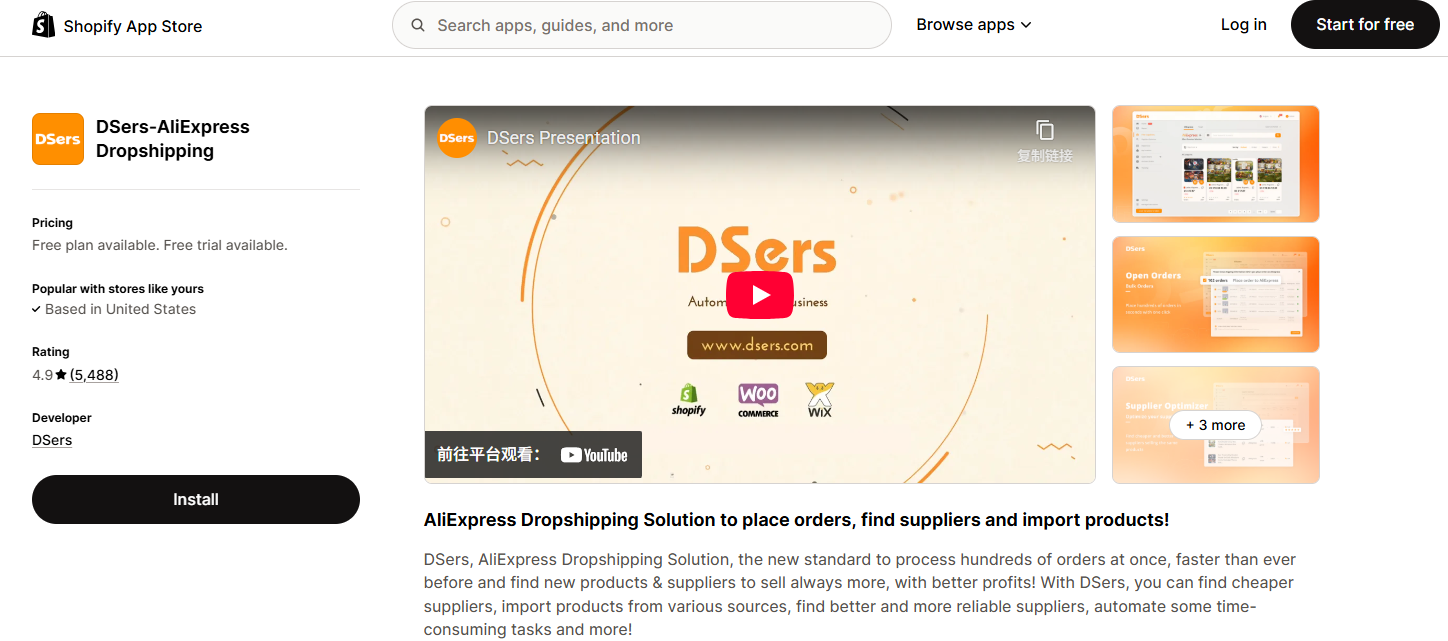
DSers replaced Oberlo and remains the official AliExpress partner.
Key Features
-
Bulk order placement
-
Supplier mapping
-
Backup suppliers
-
Inventory & tracking sync
Best For
-
Beginners
-
Budget-conscious testing
-
Learning fulfillment systems
Limitations
-
Slower shipping
-
High product saturation
-
Limited branding options
When to Use DSers
DSers is ideal for:
-
Testing products
-
Early-stage validation
-
Low-risk experimentation
But long-term brands often outgrow it.
3. Spocket — Best for US & EU Suppliers
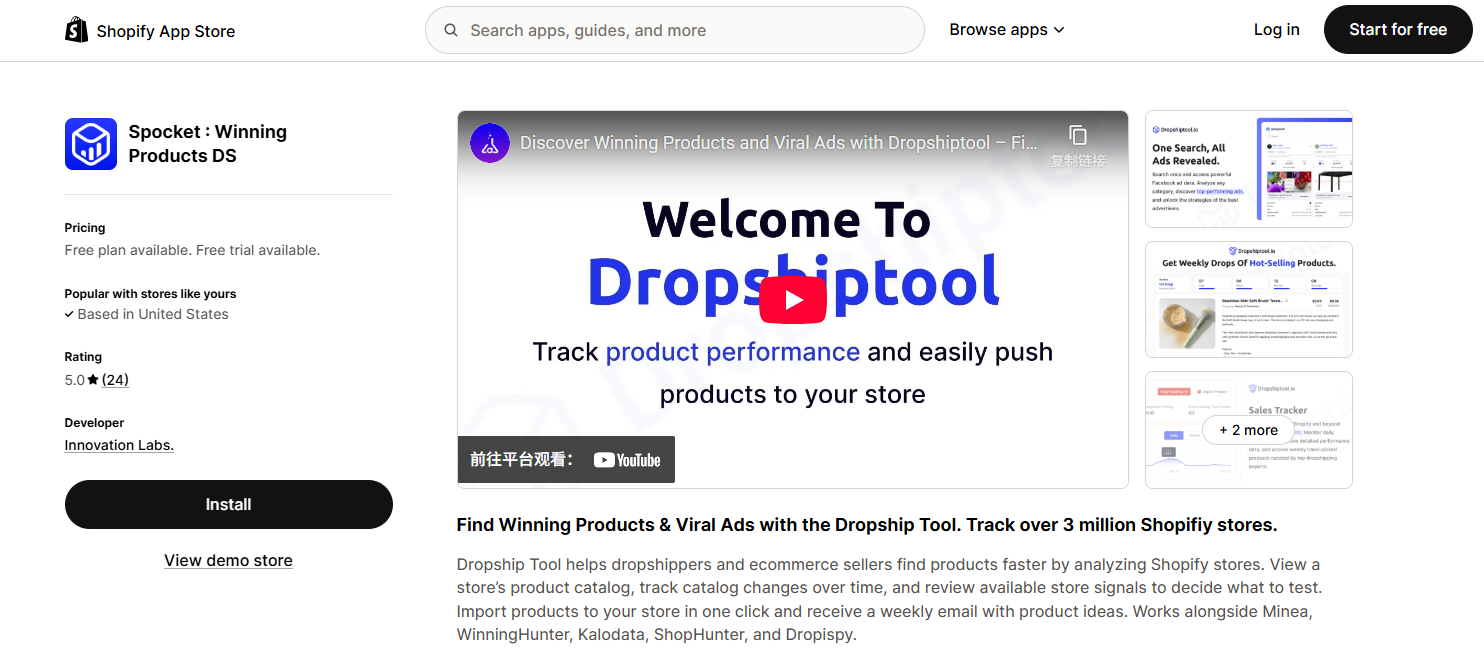
Spocket differentiates itself through domestic supplier focus.
Strengths
-
3–5 day shipping typical
-
Higher perceived quality
-
Cleaner product curation
Ideal For
-
Premium stores
-
EU/US markets
-
Higher AOV positioning
Considerations
Spocket requires subscription plans, which can be higher than entry-level apps.
However, improved shipping often offsets ad cost waste.
4. Zendrop — Best for Automation + Branding
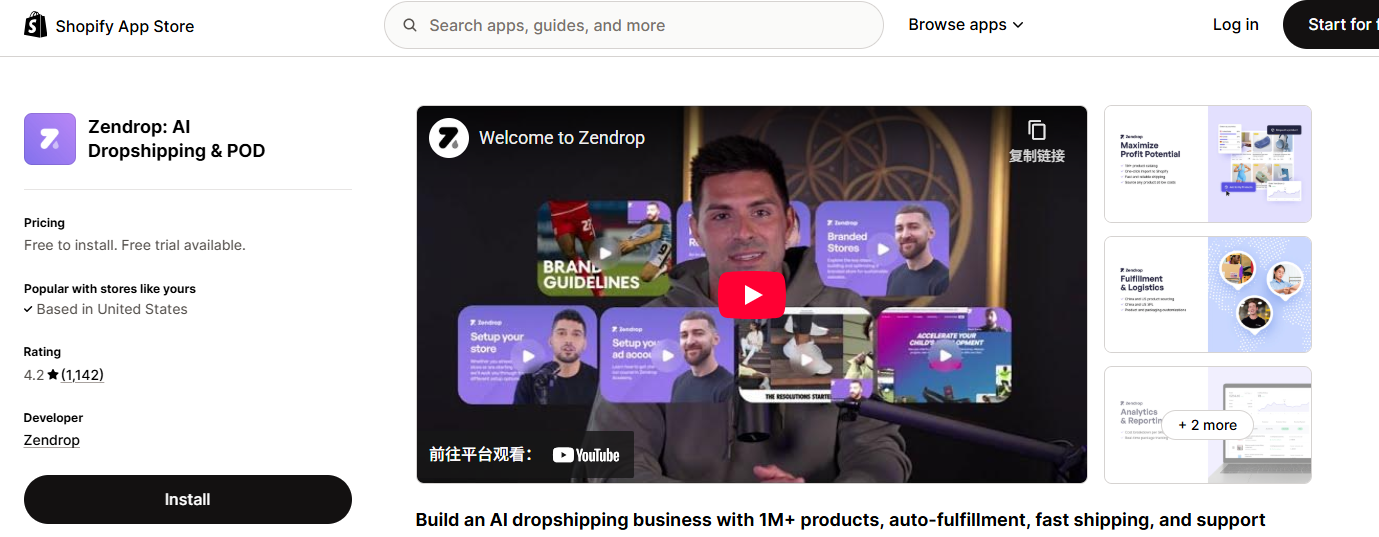
Zendrop simplifies dropshipping operations.
Key Features
-
Automated fulfillment
-
Product sourcing
-
Custom packaging
-
Beginner-friendly UI
Best For
-
TikTok-focused stores
-
Rapid scaling operations
-
Simplicity seekers
Zendrop vs CJdropshipping
Zendrop offers smoother UI.
CJ offers broader global infrastructure.
Choice depends on complexity needs.
5. AutoDS — Best All-in-One Automation Platform
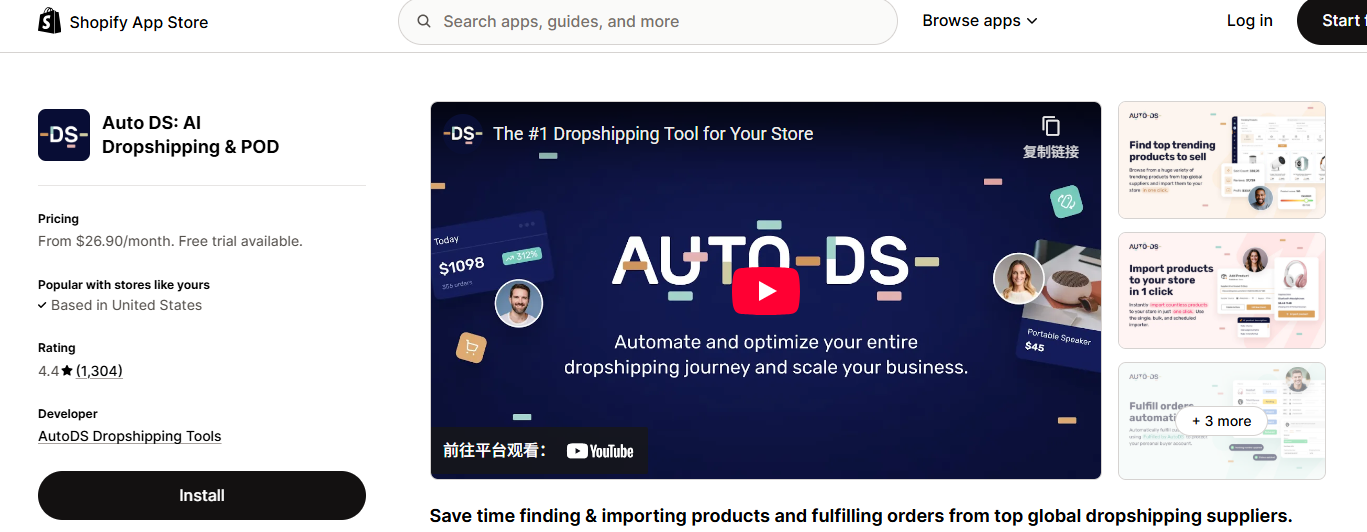
AutoDS focuses heavily on automation and product research.
Key Features
-
Multi-supplier integration
-
Automatic price monitoring
-
Auto-fulfillment
-
Product research tools
Best For
-
Advanced sellers
-
Multi-store management
-
Marketplace expansion
6. Printful — Best for Print-on-Demand Businesses
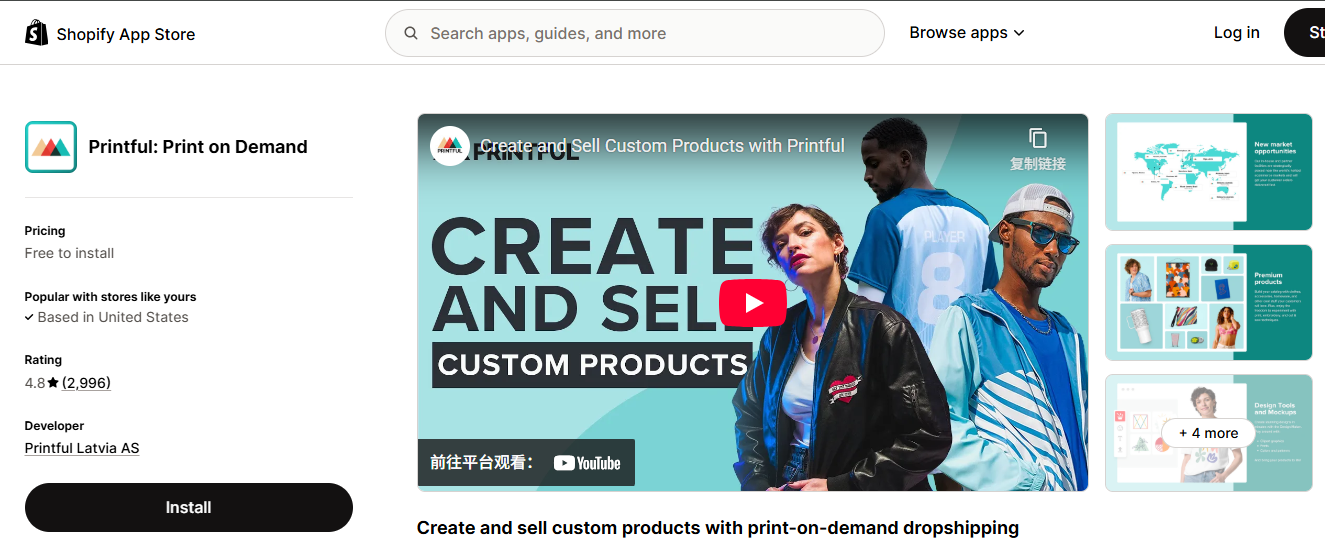
Printful enables true white-label businesses.
Core Benefits
-
No inventory
-
Branded packaging
-
Global fulfillment
-
Strong quality control
Ideal For
-
Brand-driven stores
-
Apparel niches
-
Custom merchandise
7. Printify — Best POD Marketplace with Multiple Suppliers
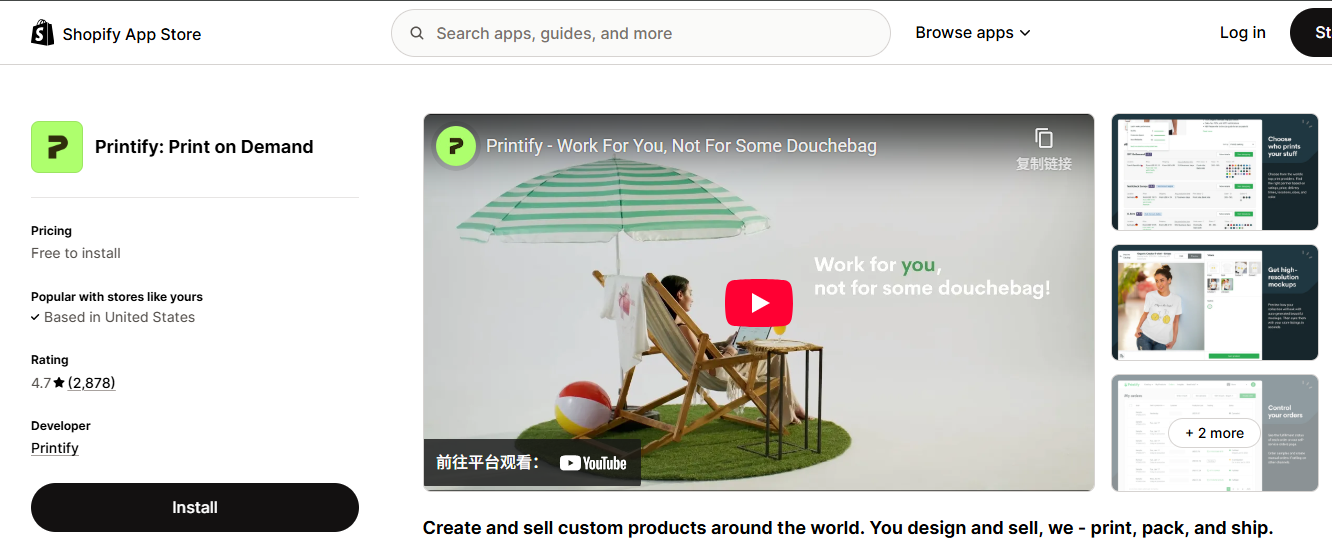
Printify offers broader supplier network flexibility.
Advantages
-
Competitive pricing
-
Multiple production partners
-
Location flexibility
Printify vs Printful
Printify = more supplier choice
Printful = tighter quality control
8. Trendsi — Best for Fashion & Apparel Stores
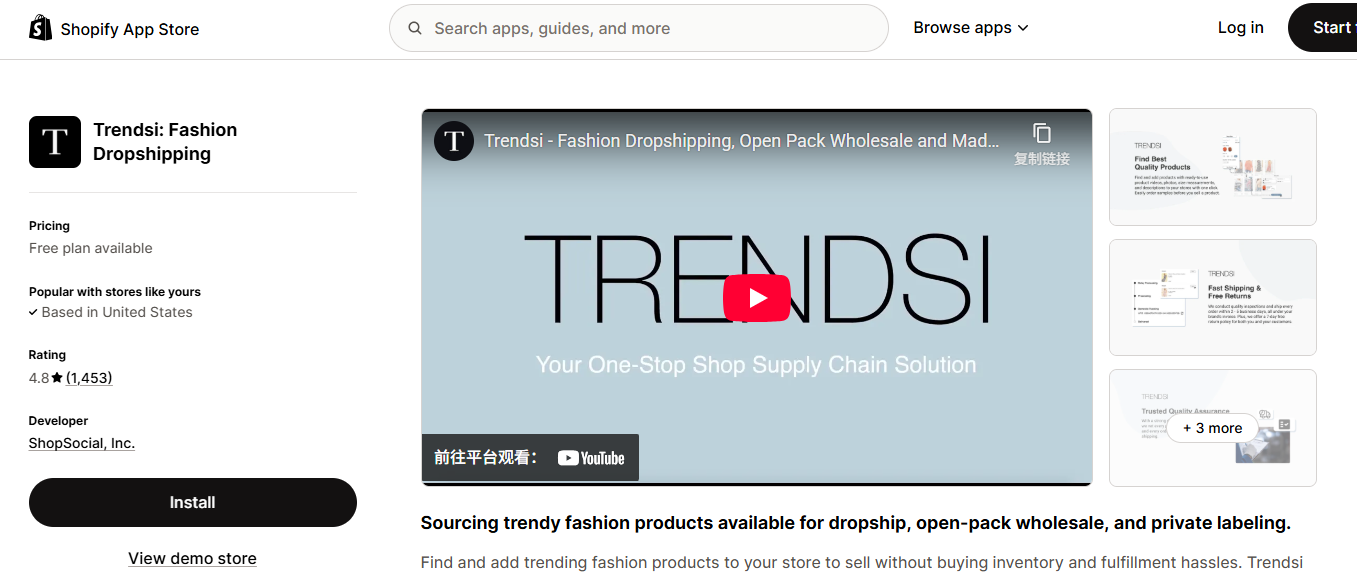
Trendsi specializes in boutique apparel.
Features
-
US inventory
-
Fashion-specific catalog
-
Branded packaging
Ideal For
-
Women’s fashion boutiques
-
Curated brand stores
9. Dropified — Best for Advanced Bulk Operations
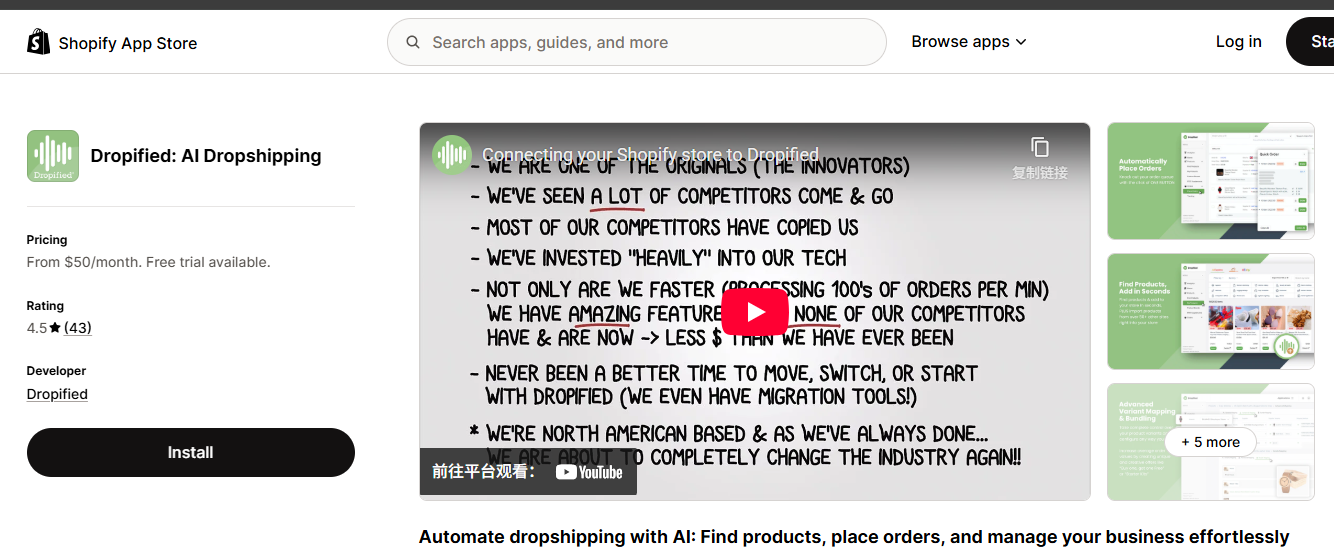
Dropified offers deeper automation layers.
Strengths
-
Product bundling
-
Upsell systems
-
Marketplace integrations
Best For
-
High-volume sellers
-
Complex store operations
10. Syncee — Best Global Supplier Network
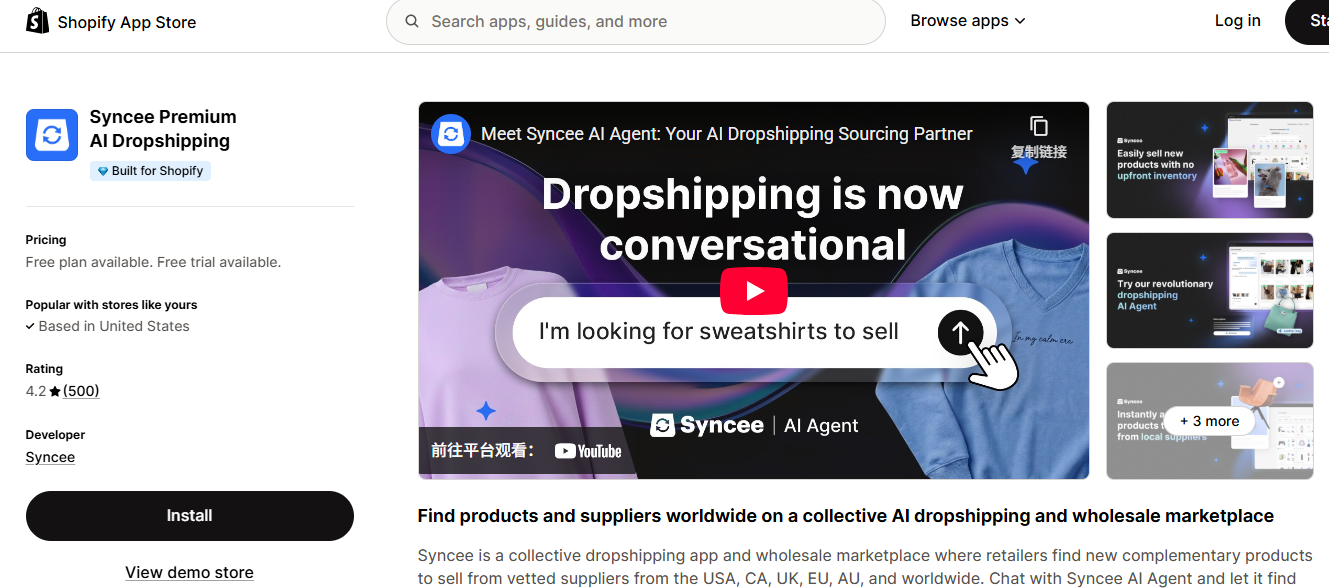
Syncee connects global suppliers across niches.
Key Benefits
-
Diverse product catalog
-
Automated updates
-
Verified suppliers
11. DSers vs Private Agents — When to Upgrade
Signs You’ve Outgrown Entry-Level Apps
-
50+ daily orders
-
Need custom packaging
-
Higher refund rates
-
Branding goals
Hybrid Model Strategy
Many stores:
-
Test with DSers
-
Scale with CJ or private agents
-
Add POD for brand expansion
Comparison Table: Best Shopify Dropshipping Apps for 2026
| App | Best For | Shipping Speed | Branding | Pricing |
|---|---|---|---|---|
| CJdropshipping | Scaling | 5–10 days | Strong | Free + product |
| DSers | Beginners | 10–20 days | Low | Free tiers |
| Spocket | Premium | 3–7 days | Moderate | Subscription |
| Zendrop | Automation | 7–12 days | Strong | Subscription |
| AutoDS | Multi-store | Variable | Low | Subscription |
| Printful | POD brand | 3–7 days | Strong | Per product |
| Printify | POD flexibility | 3–10 days | Moderate | Free + premium |
| Trendsi | Fashion | 3–7 days | Moderate | Free |
| Dropified | Advanced | Variable | Low | Subscription |
| Syncee | Niche stores | Variable | Low | Subscription |
How to Choose the Right App for Your Business Model
For Beginners
Focus on:
-
Low upfront cost
-
Easy automation
-
Simple fulfillment
Recommended: DSers + CJdropshipping
For Scaling Stores
Focus on:
-
Warehousing
-
Automation
-
Branding flexibility
Recommended: CJ + Zendrop
For Premium or Niche Brands
Focus on:
-
US/EU suppliers
-
Custom packaging
-
POD integration
Recommended: Spocket + Printful
Common Mistakes When Selecting Dropshipping Apps
-
Choosing solely on price
-
Ignoring shipping times
-
Installing too many apps
-
Not testing fulfillment reliability
-
Ignoring branding features
Recommended App Stacks for Different Strategies
Low-Budget Starter Stack
-
DSers
-
CJdropshipping
Fast-Shipping Premium Stack
-
Spocket
-
Printful
Brand-Focused Stack
-
CJdropshipping (private label)
-
Printful (POD)
Future of Dropshipping Apps (2026–2028)
AI-Driven Product Sourcing
AI tools will:
-
Predict trends earlier
-
Analyze ad creative velocity
-
Identify micro-niche demand
Local Fulfillment Expansion
Expect:
-
More regional warehouses
-
Faster last-mile logistics
-
Hybrid inventory models
Social Commerce Integration
TikTok Shop integration will become standard.
Apps unable to support multichannel will fall behind.
Rise of Private Label Dropshipping
Hybrid brand + dropshipping models will dominate.
The future is not pure arbitrage.
It’s brand-backed distribution.
Conclusion
There is no single “best” dropshipping app.
There is only the best system for your business stage.
Beginners need simplicity.
Scaling stores need automation.
Brands need control.
The strongest businesses combine:
-
One sourcing solution
-
One automation system
-
One branding layer
Start lean.
Test fulfillment reliability.
Upgrade intentionally.
The goal isn’t to dropship forever.
The goal is to build leverage.