
Why 2026 Is a Critical Year for E-commerce Sellers
2026 is shaping up to be a defining year for e-commerce sellers worldwide. As competition intensifies and consumer expectations continue to rise, the gap between brands that anticipate trends early and those that react too late will become even wider.
Several major shifts are reshaping the global e-commerce landscape. Artificial intelligence is accelerating product discovery and personalization. Health-conscious consumption is no longer a niche—it’s becoming a mainstream demand. At the same time, sustainability and eco-friendly products are influencing purchasing decisions more than ever, while personalized and experience-driven shopping is setting new standards for customer loyalty.
For online sellers, especially those running dropshipping businesses or independent e-commerce stores, 2026 is not just another year—it’s a strategic inflection point. The products you choose today will determine whether you scale profitably or struggle with rising ad costs and shrinking margins.
In this guide, you will:
-
Discover the most promising product categories for 2026
-
Learn how to identify products suitable for dropshipping and independent stores
-
Gain early insights to position your business ahead of fast-growing niches
By understanding where consumer demand is heading—and acting before trends peak—you can build a more resilient and future-ready e-commerce business.
How We Identified Trending Products for 2026
To ensure accuracy and real commercial value, our 2026 product trend analysis is based on a combination of data-driven research and market validation. Instead of relying on speculation, we focused on signals that consistently indicate sustainable growth.
Data Sources
We analyzed trends using multiple reliable channels, including:
-
Google Trends
To track long-term search interest and identify products with consistent or accelerating demand. -
Social Media Platforms (TikTok & Instagram)
Viral content, creator adoption, and hashtag growth reveal emerging consumer interests before they fully enter the mainstream. -
E-commerce Platform Insights (Shopify & Amazon)
Bestseller movements, category growth, and seller adoption patterns provide strong indicators of real purchasing behavior.
Product Selection Criteria
Each product included in this guide was evaluated against the following key criteria:
-
Search Volume Growth
Products must show clear upward trends rather than short-lived spikes. -
Social Media Engagement
High levels of shares, comments, and user-generated content signal strong market interest. -
Profit Potential
Healthy margins, reasonable sourcing costs, and scalable pricing were essential. -
Suitability for Online Sales & Dropshipping
Products were assessed for shipping feasibility, durability, and ease of branding—critical factors for dropshipping and independent stores.
By combining these data points, we filtered out hype-driven fads and focused only on products with long-term growth potential—helping sellers make smarter, more sustainable decisions for 2026 and beyond.
25 Trending Products in 2026
Smart Technology Products
1. AR Smart Glasses
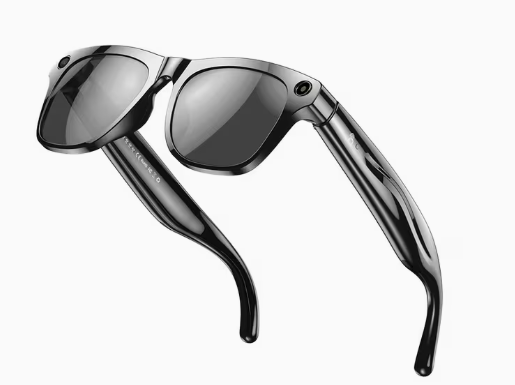
Augmented-reality “smart” eyewear is moving from science fiction toward mainstream, fueled by consumer curiosity about immersive tech. Advances in miniaturized displays and voice control make these gadgets more practical, and rumors of major tech players (e.g. Apple, Google) entering the market generate buzz. Busy professionals and gadget enthusiasts want hands-free access to navigation, notifications, or even translations. The trend factor: rising investment in AR/VR (notably at CES 2026) and interest in wearable tech mean steady demand.
-
Profit Margin: ~30–60%. High-end smart glasses retail for hundreds of dollars (costs might be 30–50% of retail). Branded, tech-oriented products command stronger margins.
-
Business Model: Generally better as private label/brand with inventory, since customers expect high quality and reliable support for electronics. Lightweight, simple designs could suit dropshipping, but most smart glasses sellers invest in their own brand.
-
Marketing Ideas: Focus on tech demos and lifestyle integration. Partner with tech reviewers on YouTube and TikTok to showcase features (navigation overlays, fitness tracking, etc.). Use targeted ads on tech forums and social media for urban young adults. Highlight real use-cases (biking directions, hands-free calls) and the novelty factor. Influencer partnerships—especially with productivity or “future tech” channels—help reach early adopters.
2. Robot Vacuum Cleaners

Robot vacuum/mop hybrids continue their surge as smart-home budgets grow. Consumers in 2026 value convenience and automation more than ever, so vacuum bots from brands like iRobot or Xiaomi are household staples. Improvements in obstacle detection, mapping AI, and integration with home assistants have widened appeal. Many families and pet owners prioritize self-cleaning floors; combined vacuum/mop models (especially with app control) hit all the right notes.
-
Profit Margin: ~40–60%. Typical retail prices range $200–500, with wholesale manufacturing costs considerably lower. Margins are healthy on advanced models, though not as high as fashion or supplements.
-
Business Model: Better as private-label/inventory-based. Heavy electronics can be shipped via fulfillment centers or self-fulfilled with freight; dropshipping is possible but slower. Building a brand (including services like warranty) increases trust for high-ticket items.
-
Marketing Ideas: Demonstration videos are key. Use YouTube and Instagram to show the robot in action (navigating furniture, picking up pet hair). Target busy professionals and parents in ads—emphasize “set it and forget it” cleaning. Collaborate with home-improvement bloggers or TikTok tech influencers to showcase floor transformations. Seasonal promotions (e.g. “Post-holiday clean-up”) and bundling with other cleaning gadgets can boost sales.
3. Portable Mini Projectors
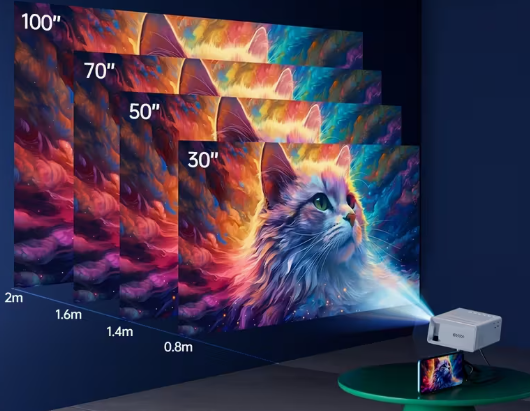
Compact LED projectors are trending as people create home theaters and outdoor cinema nights. These pocket-sized projectors let users enjoy big-screen video without expensive TVs. The catalyst trend is lifestyle-driven: more remote workers and students streaming content anywhere (including travel, gaming, and backyard movie nights) spiked demand. A portable projector appeals to tech-savvy families, campers, and students.
-
Profit Margin: ~50–80%. These units often cost manufacturers $40–60 but sell retail around $120–200, yielding high gross margins (60–70%). Even after ads and shipping, profit can be strong.
-
Business Model: Dropshipping-friendly. Small size and modest weight make them easy to source from overseas suppliers. No need for large warehousing if using just-in-time fulfillment. Be mindful to work with reputable suppliers for good quality control.
-
Marketing Ideas: Showcase portability and versatility. Use TikTok or Instagram Reels with engaging music to show a projector transforming any space (living room movie night, backyard under the stars, campus apartment). Target travel or gadget audiences: collaborate with travel influencers demonstrating it on trips. Highlight features like wireless casting and built-in speakers. Ads on YouTube (pre-roll before music or film clips) can reach the entertainment-loving audience.
4. Smart Home Security Cameras
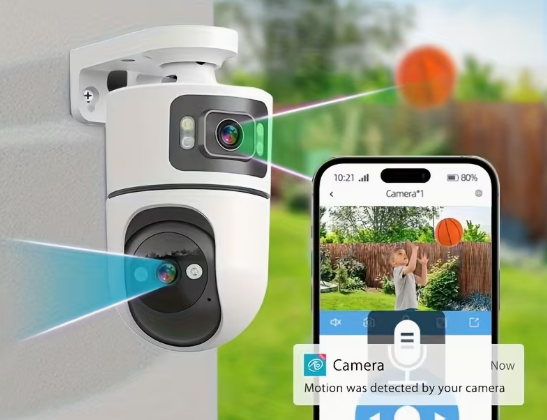
Demand for smart home cameras and doorbell cams is steady as homeowners prioritize security and peace of mind. In 2026, connected cameras with AI features (motion detection, package delivery alerts, two-way audio) are more affordable and accessible. Urbanization and concern over package theft or safety fuel this trend. This category includes indoor cameras (for baby monitoring or pet cams) and outdoor models with weatherproof design.
-
Profit Margin: ~40–60%. Retail ranges $50–150 depending on features; parts cost is far lower. Profit is good on feature-rich models, though competition keeps prices affordable.
-
Business Model: Dropship or hybrid. Many sellers successfully dropship basic camera models; however, adding value (like cloud storage) may require a branded approach. Electronic items should be tested and marketed as reliable. Offering bundles (camera + microSD card) can increase margins.
-
Marketing Ideas: Emphasize safety and convenience. Partner with tech bloggers for hands-on reviews and unboxings. Use targeted Facebook/Instagram ads to homeowners or renters, highlighting scenarios (nanny cams, vacation home monitoring, pet check-ins). YouTube videos featuring “caught on cam” moments can pique interest (always legal content). Influencer endorsements from “mom bloggers” or “DIY home improvement” channels can also be effective, focusing on easy installation and app control.
Beauty & Personal Care Products
5. LED Light Therapy Masks

At-home LED phototherapy masks (with red or blue light for skin) have boomed via social media. COVID led consumers to seek salon treatments at home, and TikTok/YouTube beauty influencers rave about these devices for acne reduction or collagen stimulation. Trend factors include the wider acceptance of home beauty tech (facial rollers, microcurrent devices), plus beauty salons being pricier and less accessible post-pandemic.
-
Profit Margin: ~50–70%. A quality LED mask may retail $100–250, with manufacturing costs around $30–80. These devices enjoy healthy margins once brand and features are established.
-
Business Model: Private label/inventory. Because these are higher-priced personal devices, customers expect credibility and warranty. Building a skin-care brand can drive trust. Some sellers also dropship generic LED masks, but margins and reviews tend to improve with branding.
-
Marketing Ideas: Create visual before-and-after content. Partner with skincare influencers to demonstrate mask use and results (even teasing effects on wrinkles or redness). Use Instagram and TikTok heavily; short clips of glowing skin and soothing self-care fit well. Emphasize ease-of-use (“Netflix & LED session”). Consider ads on beauty platforms or subscriptions (like Birchbox style), or collaborate with dermatologists for credibility.
6. Bakuchiol (Plant-Based Retinol Alternative) Serum

“Clean beauty” continues to thrive, and bakuchiol serums are a breakout example: a plant extract that mimics retinol’s effects without harshness. Consumers seeking anti-aging or brightening effects but sensitive to retinol are driving this trend. TikTok has been a catalyst, with many searching “retinol alternative.” The ethos behind bakuchiol (natural, sustainable) also taps into millennial and Gen Z values.
-
Profit Margin: ~60–80%. Serums often retail $25–60 while ingredients and bottle costs are low; a well-formulated serum can yield high gross margins. Premium branding can push margins even higher.
-
Business Model: Private label or dropship. It works well both ways: established skincare brands private-label bakuchiol, but newer sellers can dropship or white-label it (if they find quality manufacturers). The product’s appeal is in its formula and story rather than hardware, so packaging and branding matter.
-
Marketing Ideas: Lean on educational content. Use beauty influencers and TikTok educators to explain bakuchiol’s benefits. Highlight user testimonials (e.g. “my fine lines diminished”). Leverage hashtags like #CleanBeauty. Instagram ads targeting women 25–45 with interest in natural skincare or vegan beauty can work. Email marketing with skincare tips and bundling bakuchiol with complementary products (like hydrating masks) can drive repeat sales.
7. At-Home IPL Hair Removal Devices
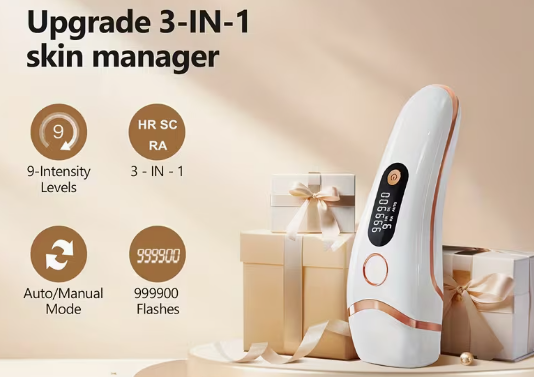
Home laser (IPL) hair removal kits have seen accelerated growth. With hygiene concerns over shared salon equipment and the convenience factor, more consumers invest in at-home versions. TikTok trends (“DIY laser hair removal”) and rising hair removal costs at salons are key factors. Since newer models promise salon-grade results over multiple uses, this category is popular among beauty-conscious buyers saving money long-term.
-
Profit Margin: ~60–80%. Retail prices hover $200–500 for reputable devices; manufacturing cost is substantial but the markup is still large. The high price point yields strong margins per unit.
-
Business Model: Inventory/brand recommended. These are higher-investment electronics with safety considerations. Successful sellers usually have their own stock and certifications. Dropshipping is less common due to liability and quality control. Many also upsell replacement lamps or gel bundles for recurring revenue.
-
Marketing Ideas: Provide detailed demonstrations. Use YouTube and Facebook for long-format tutorials (show how to use it on legs, underarms). Partner with beauty vloggers for testimonials. Emphasize savings versus salon treatments in advertising. Paid search ads targeting terms like “cost-effective laser hair removal” or social ads focusing on the convenience (e.g. “Silky smooth at home”) will reach eager buyers. Offer limited-time bundles (device + soothing cream) to increase perceived value.
8. Hydrocolloid Pimple Patches

An inexpensive but viral sensation, hydrocolloid acne patches have dominated social media (“pimple poppers”). They work like magic by absorbing pus and reducing inflammation overnight. The trend stems from K-beauty and skincare routines going mainstream via TikTok and Instagram. Even though cheap to make, their small size and ease-of-use made them a staple for teens and young adults battling breakouts.
-
Profit Margin: ~80–95%. These patches cost pennies to manufacture but retail as multipacks (~$5–15), so margins are enormous. Even after marketing spend, profitability per unit is extremely high.
-
Business Model: Dropshipping ideal. They are ultra-lightweight and non-fragile, so overseas suppliers can send them quickly. Inventory carrying cost is minimal. Many brands private-label them for branding, but the barrier to entry is low.
-
Marketing Ideas: Short, shareable content is key. Use TikTok and Instagram Reels to show a patch on acne overnight, with user testimonials (“Woke up to clear skin!”). Teen influencers in skincare niches can push them along with a discount code. Advertise on platforms like Snapchat or Instagram Stories, tapping into Gen Z audience. Also consider partnering with dermatology influencers to legitimize them (e.g. how and when to use patches).
Fashion & Accessories
9. Barrel-Fit Jeans
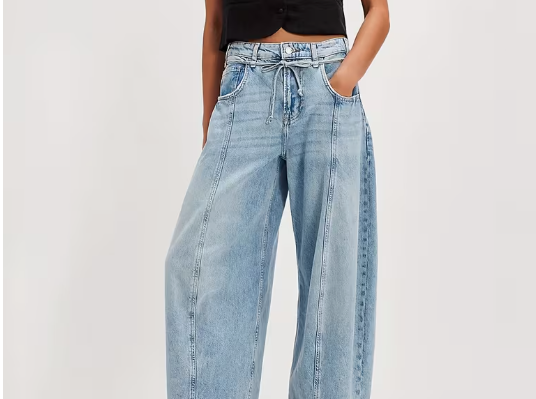
Y2K and retro styles are having another moment, with “barrel” or flared/straight-leg jeans riding that wave. This specific cut has gained traction on TikTok fashion channels, appealing to younger shoppers looking for vintage-inspired wardrobe staples. Comfort and style combine in these denim pieces. The trend factor is fashion nostalgia from the early 2000s being repackaged for Gen Z, and sustainable denim initiatives increasing interest in classic, durable cuts.
-
Profit Margin: ~60–80%. Jeans can cost $15–30 wholesale and sell for $50–100 in retail, meaning solid margins. Plus-size and custom-fit denim can command even higher prices.
-
Business Model: Dropship or private label both work. Many sellers dropship jeans, but having a distinctive fit and branding (especially eco-conscious fabric) helps. Inventory is easy to manage for apparel.
-
Marketing Ideas: Leverage social style influencers. Create TikTok #ootd (outfit of the day) videos featuring barrel-fit jeans in daily life. Instagram shoppable posts with varied outfits (casual, dressed-up) show versatility. Collaborate with fashion bloggers on lookbooks, and use Facebook ads targeting denim shoppers. Emphasize comfort and throwback appeal (“retro style for modern comfort”).
10. Sustainable Athleisure Leggings
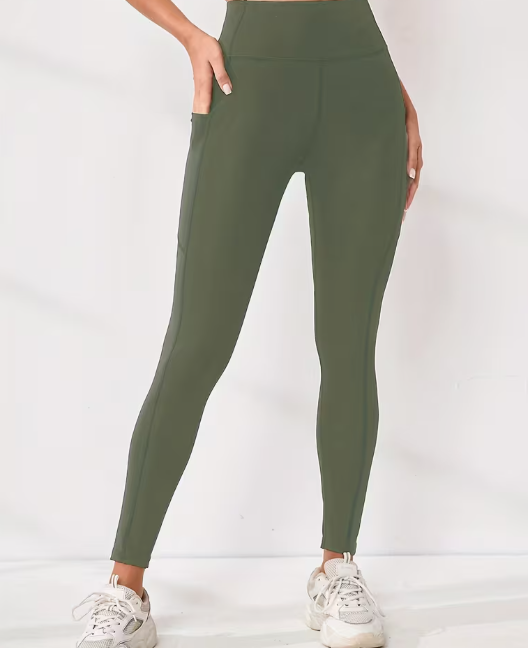
Athleisure remains a strong category, especially products emphasizing sustainability. Leggings made from recycled materials or organic cotton are trending, as eco-aware consumers expect even workout clothes to be planet-friendly. This is propelled by global wellness trends and rising eco-consciousness. Leggings also benefit from a broad target market (fitness buffs, yoga practitioners, and general leisurewear shoppers).
-
Profit Margin: ~70–85%. High-quality athletic leggings (with features like moisture-wicking) can retail for $50+, while production cost might be $10–20. The focus on sustainability can justify premium pricing.
-
Business Model: Brand/Private label recommended. Customers in this niche look for story and quality; branding helps. Still, many gyms or influencers will dropship similar leggings branded under their own name.
-
Marketing Ideas: Use fitness and lifestyle content. Partner with yoga instructors or gym influencers on Instagram, showing the leggings in action (yoga poses, running). Highlight eco credentials (“Made from 10 recycled bottles”). Pinterest can showcase style guides (what top goes with these leggings). Ads on Facebook/Instagram targeting interests like “yoga,” “sustainable fashion,” and fitness celebrities can attract customers. Offering a free workout class video as a lead magnet or bundling with a resistance band could also drive sales.
11. Non-Tarnish Waterproof Jewelry

Jewelry that resists tarnishing and is safe for swimming (“waterproof”) has become a hit, especially among travelers and people with active lifestyles who don’t want to remove accessories everywhere. With water-resistant or plated metals, users can wear pieces in pools, showers, or sweat sessions without losing shine. Social media posts featuring jewelry surviving saltwater or pool scenes (sometimes called “showerproof jewelry”) have captivated fashion circles.
-
Profit Margin: ~80–95%. Jewelry is typically cheap to produce; for example, gold-plated or stainless pieces cost a few dollars and retail $20–50. Markup is high.
-
Business Model: Perfect for dropshipping or small stock. Lightweight and low cost make it ideal for dropship. Private labels or brand-focused boutiques also carry these under their name. Quality control is simple (no electronics).
-
Marketing Ideas: Tap into travel and lifestyle vibes. Collaborate with travel bloggers who can showcase jewelry on beaches or pools (e.g. “vacation-proof” collection). Instagram ads can show a woman jumping into a pool with sparkling earrings. Use user-generated content: encourage customers to post photos in water with a hashtag, then feature those. Also position them as great gifts (for bridesmaids, travelers).
12. Personalized Scent Necklaces
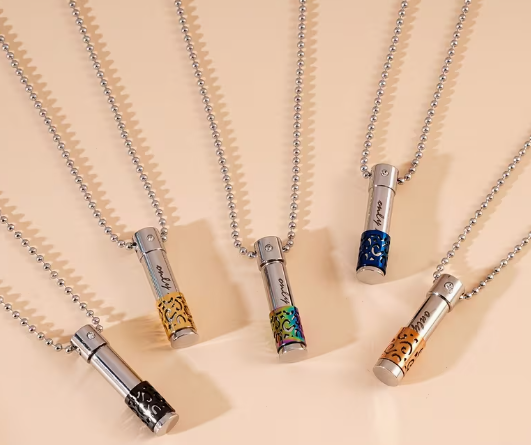
Scent-infused jewelry (e.g. necklaces that hold a tiny scented pad or vial) has unexpectedly become a trend – a blend of personalization, wellness, and novelty. Users can add essential oil drops, combining fashion with aromatherapy. Often seen on gift guides and social feeds, they appeal to shoppers looking for unique keepsakes or gifts (birthdays, Valentine’s). The personalization angle (adding name tags or custom scents) boosts demand.
-
Profit Margin: ~80–95%. These pendant necklaces cost little to make (often a few dollars) but sell around $20–30. Profit per sale is excellent.
-
Business Model: Excellent dropship item. Many print-on-demand or custom jewelry services allow easy customization without holding inventory. Sellers can add personal touches (engraving options) on demand.
-
Marketing Ideas: Emphasize emotional appeal. Market them as personalized gifts – show couples wearing matching necklaces with each other’s initials or favorite scents. Run Instagram ads around gift-giving seasons (e.g. Valentine’s Day) with copy like “A gift that you can smell.” Use Pinterest gift guides and promote with lifestyle shots (candles, soft lighting). Short TikTok videos can dramatize the “scent reveal” aspect: dropping perfume into the necklace.
Home & Lifestyle Products
13. Eco-Friendly Scented Candles

Candles are perennial favorites, but eco-friendly versions (soy or beeswax, with sustainable packaging) are trending in 2026. Wellness and home-decor shoppers use candles for ambiance, stress relief, and decor. Unique scents (like “juniper pine” or “coastal breeze”) and creative containers (e.g. plant-based wax in ceramic jars) set products apart. The trend comes from the broader “hygge” home comfort movement and consumer focus on clean-burning, natural ingredients.
-
Profit Margin: ~70–90%. Candles retail around $15–30, while wholesale might be just a few dollars per candle. High-margin especially for branded luxury candles.
-
Business Model: Dropship or private label. Many sellers use print-on-demand candle services or dropship generic candles. Creating a signature scent or brand story (e.g. all-natural, hand-poured) is common.
-
Marketing Ideas: Use imagery of cozy interiors. Pinterest and Instagram are key: show candles on mantels, bathtubs, and dining tables. Collaborate with home decor influencers or lifestyle bloggers. Emphasize sustainability (e.g. “100% soy wax, phthalate-free scents”). Seasonal campaigns (e.g. “Holiday Collection – Cinnamon & Fir”) can spike interest. Also consider subscription models (“candle of the month”) to increase customer lifetime value.
14. Advanced Air Purifiers
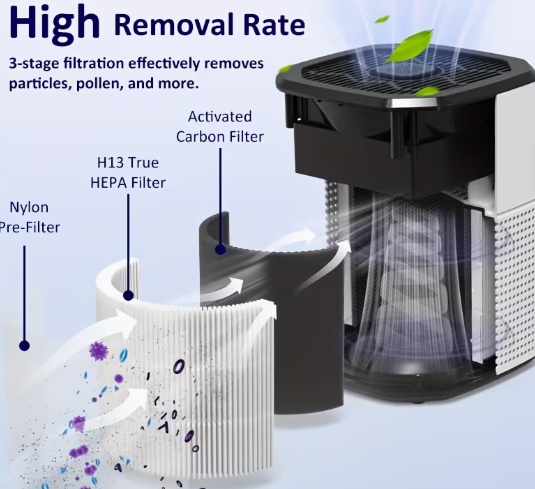
Air purifiers continue to trend due to health and wellness concerns. 2026 shoppers care about indoor air quality, driven by allergy prevalence, urban pollution, and continued awareness of airborne illness. Newer units come with HEPA filters, activated carbon, and smart sensors that sync to apps. Energy efficiency and quiet operation are selling points. Multi-room or portable purifier models are especially popular for bedrooms and small apartments.
-
Profit Margin: ~50–70%. Mid-range purifiers sell for $100–300; bulk manufacturing costs are lower, giving solid margins. High-end smart models allow premium pricing.
-
Business Model: Inventory/brand preferred. These are bigger items, and customers value reliability (no one wants a defective air purifier). Private labeling can help, but dropshipping from reputable electronics suppliers is also possible.
-
Marketing Ideas: Educate the market. Use content marketing (blogs, videos) on air quality topics, linking to your products. Target allergy sufferers and parents on social ads – e.g. “Protect your baby from allergens.” Influencers in the home tech niche can do reviews. Paid search for terms like “best home air filter” captures buyers. Bundling purifiers with filter replacements as a subscription can also be a selling point.
15. Portable Personal Blenders
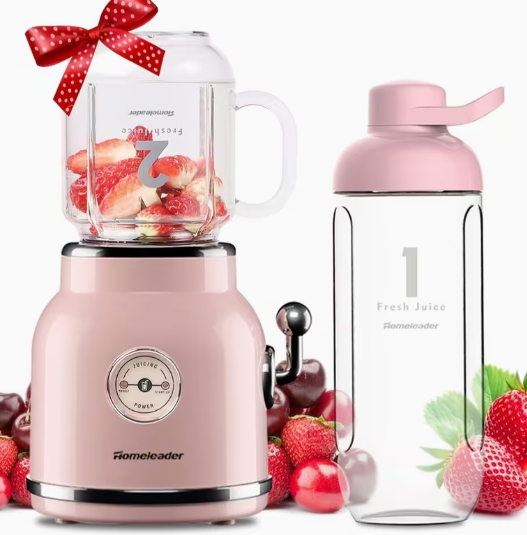
Mini blenders and smoothie makers are hot as health-conscious consumers want on-the-go nutrition. These compact devices fit in backpacks and cars, ideal for commuters and gym-goers. Social media spiked interest, with influencers demonstrating colorful fruit blends and protein shakes. The trend is driven by busy lifestyles and focus on quick, healthy meals.
-
Profit Margin: ~70–80%. These blenders often retail $30–60, while costing maybe $10–20 wholesale. That yields strong margins even accounting for marketing spend.
-
Business Model: Dropship-friendly. Light and small, these travel blenders are ideal for dropshipping. Many come from reliable factories and can be customized with logos.
-
Marketing Ideas: Showcase ease and fun. Use TikTok to show recipes (e.g. “1-minute green smoothie recipe”). Partner with fitness influencers to highlight post-workout shakes. Instagram ads can target health/fitness audiences, emphasizing portability (“Blend anywhere – at work, the gym, or while traveling”). Demonstrations of quick cleaning (“just add water and blend”) alleviate buyer concerns.
16. Weighted Blankets
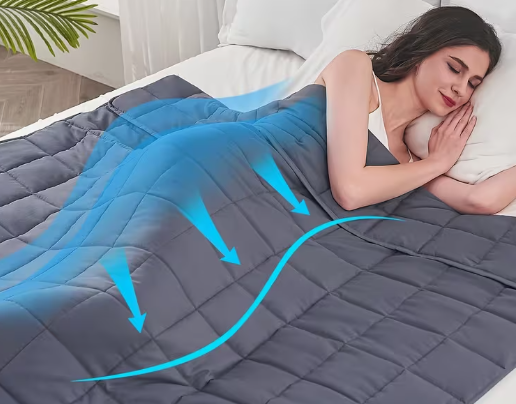
Weighted blankets and sleep accessories remain popular as stress relief and better sleep aids. In 2026, mental health and holistic wellness trends keep interest high. The calming effect (often called deep-touch pressure) is backed by research, appealing to anxious or sleep-challenged consumers. Fashionable designs (neutral patterns, luxe fabrics) make them home-friendly.
-
Profit Margin: ~70–85%. A typical weighted blanket (10–20 lbs) sells for $60–150; manufacturing cost is around $20–40, giving excellent margin. The heavy shipping weight is a factor, but overall profit per unit is high.
-
Business Model: Inventory/large items – less suited to dropship. These are bulky and heavy, so many sellers hold inventory or partner with domestic fulfillment centers. Custom branding and premium materials (organic cotton, glass beads) help differentiate.
-
Marketing Ideas: Position as a wellness tool. Use Facebook and Instagram ads targeting stressed adults or new parents (“Better sleep starts here”). Influencers in the mental wellness or yoga space can unbox and review them. Short video ads showing a person relaxing under it, or testimonials (“I fell asleep faster”) work well. Partner with sleep coaches or therapists for authority mentions. Offering bundle deals (blanket + eye mask) can encourage higher cart values.
Automotive & Travel Accessories
17. Home EV Charging Stations

With electric vehicles (EVs) going mainstream, home EV chargers (Level 2 smart chargers) are a hot product. Government incentives and the transition of major automakers to EVs mean more households need chargers. 2026 consumers look for easy, safe home installation to conveniently recharge overnight. Chargers with Wi-Fi connectivity or app scheduling are especially trendy.
-
Profit Margin: ~50–70%. A 240V Level 2 charger might retail $300–700, costing $150–300 to produce. Margins are healthy but come with higher overhead (shipping, compliance).
-
Business Model: Private-label/inventory. These units are heavy, require electrical certification, and buyers expect reliable products. Typically sold by established electronics or home improvement brands. Dropshipping is rare, but affiliate sales (reselling well-known chargers) can work.
-
Marketing Ideas: Target EV owners specifically. Use PPC and SEO for keywords like “home EV charger installation.” Partner with EV forums and YouTubers (channels like Tesla Daily or Autonomous vehicles) for reviews or tutorials. Emphasize savings (e.g. “Charge at home for $X less than public stations”). Ads on social media targeted by interest (owners of Tesla, Nissan Leaf, etc.) can also reach the audience. Bundling with installation guides or electrician partner referrals can add value.
18. Wireless Car Charger Mounts

As wireless charging smartphones become universal, wireless charging mounts for cars are trending. These mounts attach to a vent or dashboard and automatically charge phones upon placement. Drivers love the hands-free convenience and fast-charging capability. Growth in phone usage for navigation/podcasts makes this an attractive gadget.
-
Profit Margin: ~70–85%. They usually retail $20–30 with a cost of $5–10. High markup, especially for branded or innovative designs (magnetic clamps, auto-closing grips).
-
Business Model: Dropshipping ideal. Small and light, easily sourced. Many generic models exist, or a seller can design a simple variation (different colors/branding).
-
Marketing Ideas: Demonstrate convenience. Short videos on TikTok or Instagram showing the mount in use (phone snaps in as you clip it). Collaborate with tech review bloggers on YouTube. Target commuters on Facebook or LinkedIn with ads (“Keep your phone powered without taking your eyes off the road”). Highlight compatibility with popular phone models. Paid ads on car enthusiast websites or forums can also be effective.
19. Smart Dashboard Cameras
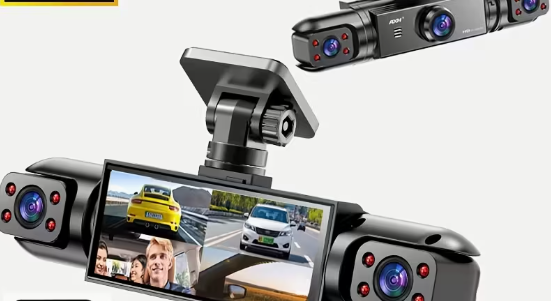
Road safety concerns, insurance discounts, and video-sharing culture drive dash cam sales. Modern dash cams offer HD recording, night vision, and even rear/dual cameras. Drivers buy them for evidence in accidents, or to capture scenic drives. The recent popularity of “caught on dashcam” viral clips (via YouTube) also piques interest.
-
Profit Margin: ~70–85%. A typical 1080p dash cam might cost $20–30 to source and sell for $60–100. Good margins given demand. High-end units (4K, dual-lens) have even bigger markups.
-
Business Model: Dropship or private label. Many generic dash cams are available from electronics suppliers. Branding (even simple) can help them stand out. Easy to handle and ship.
-
Marketing Ideas: Content is king: share interesting dashcam footage compilations (while respecting privacy laws) on YouTube or Facebook pages to attract viewers. Offer your dash cam as the “featured camera” to capture such moments. Run search ads for terms like “best dash cam 2026” or “accident proof camera.” Partner with travel vloggers or auto reviewers to showcase how clear the video is. Emphasize features like parking mode or loop recording. Instagram ads targeted to parents and rideshare drivers (who value documentation) could also boost sales.
Health & Wellness Products
20. Functional Mushroom Coffee
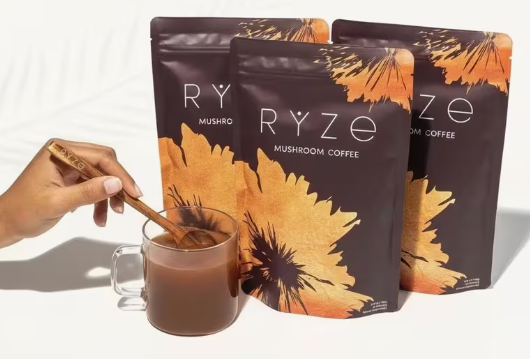
“Lion’s mane” or other functional mushroom coffees have caught on with biohackers and wellness consumers. These blends (mushroom extracts mixed with coffee) promise cognitive and immune benefits. The market trend is “functional foods”: people want more than a caffeine buzz – they want health perks. Influencers on TikTok and Instagram show smoothie bowls and coffees with exotic ingredients, stoking interest.
-
Profit Margin: ~60–80%. Packaged blends sell for $15–30 per bag; ingredient costs are relatively low (bulk mushroom powder). Attractive margins for a supplement-like consumable.
-
Business Model: Private label or dropshipping supplements. Regulatory oversight is minimal if marketed as food (not FDA drug claims). Many sellers offer their own brand of mushroom coffee using contract manufacturers. Dropshipping from established supplements suppliers also works.
-
Marketing Ideas: Educate and entice. Use social media to highlight the nootropic and antioxidant benefits (“focus without jitters”). Work with wellness and biohacking influencers to demo recipes (“morning focus smoothie”). Content marketing (blog posts on LinkedIn or Medium about benefits of functional mushrooms) can drive organic interest. Instagram ads can target coffee lovers and health-conscious adults. Offering a subscription model can lock in customers and boost lifetime value.
21. Nootropic Supplements

Beyond mushroom coffee, cognitive-enhancing supplements (nootropics) are in demand. These include creatine, L-theanine, ginseng combos, or designer “brain boosters.” With a societal focus on productivity and age-related brain health, customers from students to seniors are interested. TikTok productivity gurus and study-hack communities have helped elevate awareness of safe nootropics.
-
Profit Margin: ~70–90%. Capsules or gummies cost a few dollars per unit and sell at significant markups ($20–$50 per bottle). Especially if proprietary blends are sold as “premium formulas,” margins can be high.
-
Business Model: Brand-focused inventory. Selling supplements often requires building a trusted brand (even if white-label). Dropshipping is possible but consumers often stick to known names for things they ingest. Many e-commerce sites partner with contract manufacturers to create unique blends.
-
Marketing Ideas: Use thought leadership. Create content around focus and memory (blogs, YouTube explainer videos), linking to your product. Collaborate with educational or career influencers (e.g. “Study with me” channels) who can honestly review. Advertise on LinkedIn or productivity blogs. Ensure marketing messages claim benefits that comply with regulations (e.g. no disease cures). Free webinars or mini-courses on productivity (with your supplement as a recommended tool) can also build interest.
22. Blue-Light Blocking Glasses
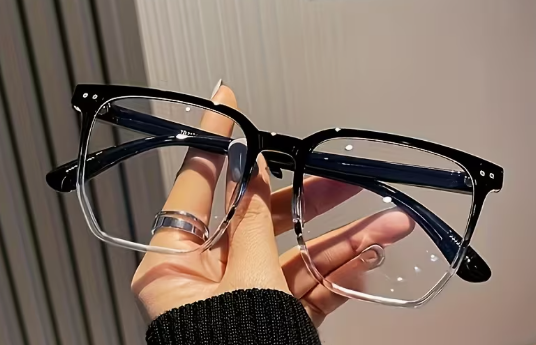
With screens everywhere (home, work, gaming), blue-light-blocking glasses are evergreen. By 2026, remote work and e-sports growth only increase screen time, making eye strain a universal concern. Stylish designs have made these glasses appealing as everyday eyewear. Social proof on Instagram and TikTok (users showing off lenses that reduce glare) keeps these popular.
-
Profit Margin: ~70–85%. Glass frames and blue-filter lenses can be made for under $5, and retailers sell them for $20–50. Many vendors sell similar styles with big markups.
-
Business Model: Dropship or private brand. These glasses are lightweight and cheap to ship. Many sellers dropship generic frames, but some build eyewear brands. Emphasizing UV400 protection along with blue light features helps differentiate.
-
Marketing Ideas: Lifestyle imaging sells these. Show working-from-home scenarios (laptop open, glasses on) in ads. Tech reviewers (especially PC gamers) can feature them. Instagram ads can target office workers and students. Use bright neon colors to attract attention on social feeds. Content about digital wellness (“Why use blue-light glasses?”) can drive organic traffic.
Makeup Products
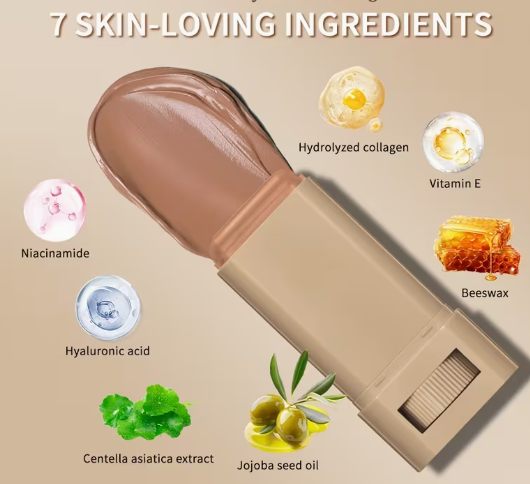
23. Skin Tint Foundations (Lightweight, Serum-Style Makeup)
Why It’s Trending
Skin tint foundations sit at the intersection of makeup and skincare—a category that continues to expand as consumers move away from heavy, full-coverage products. In 2026, “your skin but better” aesthetics dominate makeup trends, driven by wellness culture and the normalization of minimal routines.
Search behavior shows consistent growth in keywords such as skin tint, serum foundation, and light coverage foundation, while TikTok and Instagram Reels frequently feature before-and-after demos emphasizing natural texture rather than concealment.
Market Demand & Consumer Behavior
-
Core buyers: 18–35, urban, skincare-aware consumers
-
Purchase motivation: comfort, breathability, everyday wear
-
High repeat purchase potential due to daily usage
Unlike trend-heavy color cosmetics, skin tints benefit from longer product lifecycles and stable demand across seasons.
Estimated Profit Range
-
Typical sourcing cost: $3–6 per unit
-
Average retail price: $18–35
-
Estimated gross margin: 60%–75% (higher with private label)
Fulfillment Model Suitability
-
Dropshipping: Suitable for testing shades and demand, but shade mismatch can increase returns
-
Private Label: Strongly recommended for long-term scaling due to brand trust, formulation control, and packaging differentiation
Advertising & Growth Strategy
-
Short-form video showing real skin texture (no heavy filters)
-
Split-screen comparisons: traditional foundation vs skin tint
-
Messaging angles:
-
“Makeup that feels like skincare”
-
“All-day wear, zero heaviness”
-
-
Influencer strategy: micro-creators with acne-prone or sensitive skin audiences
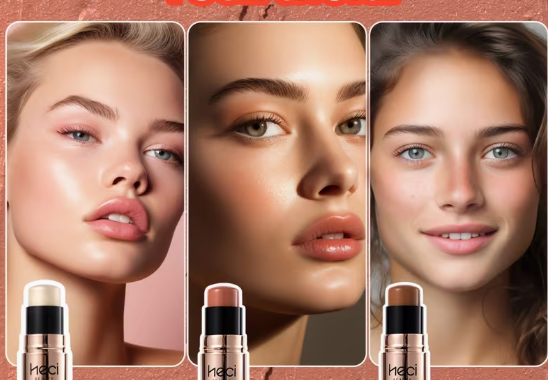
24. Multi-Use Cream Makeup (Blush / Lip / Eye Sticks)
Why It’s Trending
Multi-use cream makeup products reflect two converging consumer priorities: simplification and portability. As travel, hybrid work, and on-the-go lifestyles become standard, products that reduce routine complexity gain traction.
Cream sticks and pots designed for use on lips, cheeks, and eyes have seen consistent engagement on social platforms, particularly in “get ready with me” and minimalist routine content.
Market Demand & Consumer Behavior
-
Core buyers: frequent travelers, minimalists, Gen Z consumers
-
Purchase motivation: convenience, versatility, aesthetic packaging
-
Often purchased as impulse items or bundled sets
These products perform well in both DTC stores and marketplace environments due to their clear value proposition.
Estimated Profit Range
-
Typical sourcing cost: $2.50–5 per unit
-
Average retail price: $15–28
-
Estimated gross margin: 55%–70%
Fulfillment Model Suitability
-
Dropshipping: Highly suitable due to small size and low breakage risk
-
Private Label: Ideal for brand differentiation through color curation and packaging
Advertising & Growth Strategy
-
One-product, three-use video demonstrations
-
Travel-focused messaging (“one stick, full face”)
-
Messaging angles:
-
“Minimal makeup, maximum impact”
-
“Your entire routine in one product”
-
-
Bundle strategy: curated color sets for higher AOV
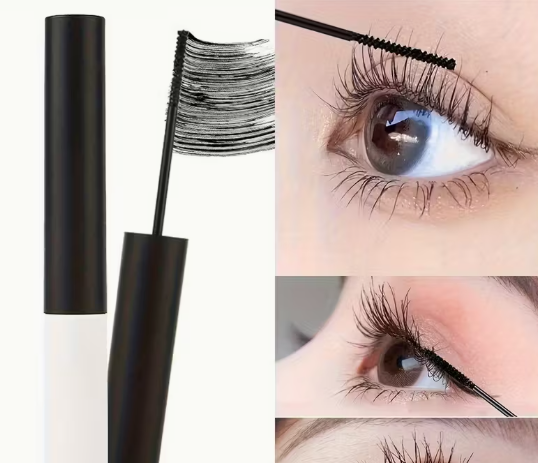
25. Clean Mascara (Sensitive-Eye & Lash-Care Formulations)
Why It’s Trending
Mascara remains one of the most frequently repurchased makeup items, but consumer expectations are changing. In 2026, growth is concentrated in clean, ophthalmologist-tested, and lash-care-focused formulas rather than purely volumizing claims.
Search trends indicate rising interest in clean mascara, sensitive eye mascara, and lash-safe makeup. This aligns with broader health and ingredient transparency movements across beauty categories.
Market Demand & Consumer Behavior
-
Core buyers: sensitive-eye users, contact lens wearers, clean beauty shoppers
-
Purchase motivation: safety, comfort, daily use
-
Strong loyalty once trust is established
Unlike color cosmetics, mascara purchasing is driven less by trend color and more by performance consistency, making it suitable for brand building.
Estimated Profit Range
-
Typical sourcing cost: $2–4 per unit
-
Average retail price: $16–30
-
Estimated gross margin: 65%–80%
Fulfillment Model Suitability
-
Dropshipping: Possible for market testing, but quality consistency is critical
-
Private Label: Highly recommended due to trust, compliance, and repeat purchases
Advertising & Growth Strategy
-
Close-up wear tests (8–12 hour claims without flaking)
-
“No irritation” and “easy removal” demonstrations
-
Messaging angles:
-
“Mascara for sensitive eyes”
-
“Clean formula, real results”
-
-
Educational content explaining ingredient choices rather than hype
How to Choose the Right Trending Product for Your Store
Not every trending product is the right fit for your business. Choosing wisely is the difference between scalable growth and costly trial-and-error.
Market Competition: Is the Niche Already Saturated?
Before committing to a product, evaluate how competitive the market is:
-
Search results dominated by large brands or Amazon listings usually indicate high saturation
-
Heavy ad presence on social platforms often means rising customer acquisition costs
-
Look for rising trends with limited brand dominance, not fully mature markets
Early-stage or mid-growth trends typically offer the best balance between demand and competition.
Target Audience: Who Is This Product Really For?
A trending product must align with a clear and reachable audience:
-
Is the target customer impulse-driven or research-oriented?
-
Are they price-sensitive or value-focused?
-
Do they already shop online for similar products?
Products with a clearly defined use case and emotional trigger tend to convert better, especially for independent stores.
After-Sales & Logistics Risks
Many trending products fail due to operational issues rather than demand:
-
Fragile or complex items increase refund rates
-
Electronics may require certifications and technical support
-
Oversized products raise shipping costs and delivery times
Always assess returns, replacements, and customer support workload before scaling.
Product Selection Tips: Beginners vs Experienced Sellers
For beginners:
-
Focus on lightweight, non-electronic, low-risk products
-
Avoid customization-heavy items
-
Prioritize fast fulfillment and simple customer expectations
For experienced sellers:
-
Explore niche-specific or problem-solving products
-
Test premium pricing and bundles
-
Consider early-stage trends with branding potential
Dropshipping vs Stocking: Which Model Works Best in 2026?
In 2026, successful sellers are no longer choosing one model exclusively—they’re combining strengths from both.
Dropshipping: Advantages & Limitations
Advantages:
-
Low upfront investment
-
Fast product testing
-
Ideal for trend validation
Limitations:
-
Limited control over shipping speed
-
Lower profit margins
-
Harder to build long-term brand loyalty
Dropshipping remains an excellent testing and discovery model, but rarely the final stage for scalable brands.
Stocking & Branding: Long-Term Opportunities
Holding inventory unlocks:
-
Faster delivery and better customer experience
-
Custom packaging and branding
-
Higher perceived value and repeat purchases
For trending products with proven demand, moving to private inventory or branded fulfillment can significantly increase profitability.
The Recommended Hybrid Model for 2026
The most effective approach in 2026 is a hybrid model:
-
Test products via dropshipping
-
Identify consistent winners
-
Transition top performers to stocked or branded inventory
-
Scale through marketing and customer retention
This model minimizes risk while maximizing long-term value.
Marketing Tips to Sell Trending Products in 2026
Having the right product is only half the battle—execution determines success.
TikTok & Short-Video Marketing
Short-form video remains the fastest way to validate and scale trends:
-
Focus on problem → solution → result formats
-
Use native, non-polished content
-
Test multiple hooks within the first 3 seconds
Consistency matters more than production quality.
Influencer & UGC Content
User-generated content builds trust quickly:
-
Micro-influencers often outperform large creators
-
Real usage and honest reviews convert better than ads
-
Repurpose UGC across ads, product pages, and email flows
UGC is becoming a core conversion asset, not just a marketing add-on.
AI-Powered Ad Optimization
In 2026, AI-driven advertising is no longer optional:
-
Automated audience segmentation
-
Dynamic creative testing
-
Budget allocation based on real-time performance
Leverage AI tools to scale what works faster while cutting waste.
Product Page Conversion Optimization
High-converting product pages share common elements:
-
Clear value proposition above the fold
-
Visual proof (videos, UGC, reviews)
-
Objection handling (shipping time, returns, quality)
-
Mobile-first design and fast loading speed
Conversion rate improvements often outperform ad optimizations.
Common Mistakes to Avoid When Selling Trending Products
Chasing Hype Without Validation
Not every viral product has long-term demand. Avoid:
-
One-week spikes with no sustained interest
-
Products driven purely by novelty
-
Entering trends after ad costs have peaked
Data should always lead decisions.
Ignoring Compliance & Product Quality
Overlooking regulations can end businesses overnight:
-
Missing certifications
-
Unsafe materials
-
False claims in marketing
Product quality directly impacts refunds, reviews, and platform trust.
Pricing & Logistics Strategy Errors
Common pitfalls include:
-
Underpricing without margin analysis
-
Overpromising delivery times
-
Not accounting for returns and replacements
A trending product with poor logistics quickly becomes unprofitable.
Conclusion: Winning With Trending Products in 2026
Trending products are not the same as short-term viral hits. Sustainable success in 2026 comes from understanding trends early—and executing with discipline.
The Real Keys to Success in 2026
-
Fast Testing: Launch, validate, and iterate quickly
-
Brand Mindset: Think beyond single-product wins
-
Supply Chain Stability: Reliable fulfillment beats cheap sourcing
Action Steps: How to Start Preparing for 2026 Today
-
Monitor trends weekly, not monthly
-
Build a testing framework for new products
-
Establish flexible fulfillment options
-
Invest early in brand assets and customer experience
Those who act early—and strategically—will define the next wave of e-commerce winners.