
Dropshipping in 2026 is a very different game than it was a few years ago. The global market continues to expand – projected to exceed $400 billion in 2025, nearly triple its size in 2020 – but the industry has evolved with new trends and higher standards. For entrepreneurs across the U.S., Europe, and beyond, the question “Is dropshipping still worth it?” depends on how well one can adapt to the latest developments. In this guide, we’ll break down the current state of dropshipping, its pros and cons in 2026, shifting consumer expectations, emerging niches and strategies, and how providers like CJdropshipping are meeting modern challenges. Whether you’re a beginner, side hustler, or seasoned e-commerce seller, read on for a data-backed look at what it takes to succeed with dropshipping in 2026.

The State of Dropshipping in 2026: Market & Trends
Dropshipping remains a major force in e-commerce. The business model – selling products online without holding inventory, with suppliers shipping orders directly to customers – continues to attract entrepreneurs worldwide. Market size is still on the rise: by 2025 the global dropshipping industry surpassed $365 billion and is on track to top $1.2 trillion by 2030. Growth is fueled by the ubiquity of smartphones and social media shopping, as well as improved logistics infrastructure. In fact, new dropshipping stores are being launched daily thanks to the plethora of e-commerce platforms available, signaling fierce competition but also ongoing interest in the model.
Social commerce has emerged as a game-changer. Platforms like TikTok, Instagram, and Facebook now enable in-app shopping, creating huge opportunities for dropshippers. TikTok Shop, for example, has quickly become a serious e-commerce channel – making up nearly 20% of social commerce sales in 2025 and forecasted to exceed $20 billion in sales in 2026. By 2026, fully half of U.S. social media shoppers are expected to make purchases on TikTok. Viral video trends can launch a product to overnight success, and many dropshippers leverage TikTok’s blend of entertainment and shopping to drive impulse buys. (Notably, the average U.S. TikTok Shop user spent over $700 in 2024, mostly on accessories and household items.)
Beyond social media, platform shifts are occurring. Instead of relying solely on independent Shopify stores with Facebook ads, many sellers are exploring marketplaces and new channels. Amazon and Walmart have tightened policies (making pure dropshipping trickier on those platforms), but alternatives like TikTok Shop and regional marketplaces are booming. AI integration is another 2025–2026 development: artificial intelligence is being used both on the front-end and back-end of e-commerce. According to DHL’s trends report, 60% of U.S. shoppers want AI-powered shopping tools (like virtual try-ons or AI-based recommendations) as part of their online experience. On the operations side, AI helps dropshippers with product research, demand forecasting, and even automated customer service. Meanwhile, the global supply chain has become more resilient after the upheavals of the early 2020s. Shipping options have diversified and sped up. Many dropshipping suppliers now offer faster delivery methods (ePacket, air freight) and localized warehouses to shorten transit times. Overall, the industry in 2026 is stronger, smarter, and more stable – but also more competitive – than ever before.
Pros and Cons of Dropshipping in 2026
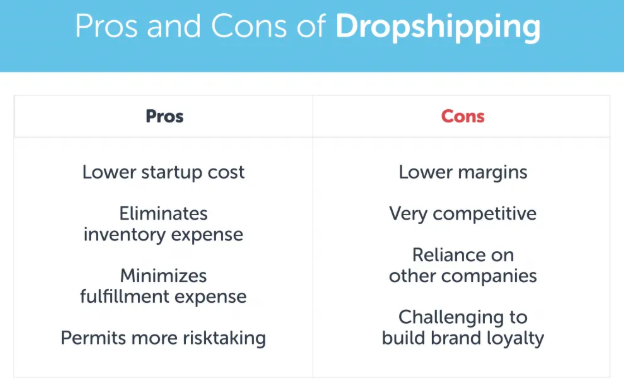
Dropshipping still offers compelling advantages in 2026, especially for newcomers or those testing products, but it also comes with new challenges. Below we outline the key pros and cons of the model in today’s market:
Pros – Why Dropshipping Still Appeals
-
Low Barrier to Entry: You can launch an online store with minimal upfront investment since you don’t buy inventory until a customer orders. This makes it accessible for beginners and side hustlers. There’s no need for a warehouse or large staff – you can run a one-person business from a laptop. Many are drawn to this flexibility and low financial risk.
-
Global Reach & Scalability: With suppliers available worldwide, you can offer a vast product catalog to customers across the globe. In 2024, fashion was the top dropshipping product category with over 34% market share, but dropshippers now sell everything from electronics to eco-friendly home goods. If one product category isn’t working, you can quickly pivot to another. And if a product takes off, you can scale fast without worrying about manufacturing – your supplier handles production and shipping as you ramp up marketing.
-
No Inventory Holding (Reduced Overhead): Because suppliers fulfill orders on your behalf, you avoid the costs of storing inventory and the risk of unsold stock. This keeps overhead low. In fact, using dropshipping can increase an online store’s profitability by around 18% on average by cutting out storage and inventory expenses. This lean approach allows you to test many products without heavy sunk costs, which is ideal in fast-changing markets.
-
Ease of Experimentation: The model is beginner-friendly and great for experimentation. Entrepreneurs can easily set up a storefront, list products, and run test marketing campaigns. If a product flops, simply remove it and try another – no clearance sales needed. This agility is a huge plus in 2026’s trend-driven environment. For example, you might ride a TikTok trend by quickly listing a viral product, then switch to the next trend a month later. Dropshipping platforms and apps (Shopify plugins, etc.) make it simple to import products and fulfill orders automatically, streamlining operations for the seller.
-
Location Independence: As an online-only, inventory-free model, dropshipping offers true remote-work freedom. Sellers can operate from anywhere while targeting lucrative markets like the U.S. and Europe. This global flexibility appeals to digital nomads and anyone seeking a location-independent side income.
Cons – The New Challenges in 2026
-
High Customer Expectations (Speed & Service): Consumers in 2026 expect fast, free, and reliable shipping – an area where traditional dropshipping (shipping from overseas factories) struggles. Thanks to Amazon Prime and improved logistics, two-day delivery is now the baseline in the U.S. and EU. In fact, 90% of U.S. online shoppers expect 2–3 day shipping, and almost half will abandon their cart if delivery is too slowparcelindustry.com. Similarly, 76% of American consumers say they’ll quit a purchase if their preferred delivery option isn’t available. This means the old dropshipping model of 2–4 week shipping times is largely unacceptable to today’s buyers. Slow delivery not only kills conversion rates but also hurts customer loyalty. Reliability is just as critical – 58% of shoppers say they’d stop buying from a brand after multiple shipping delaysparcelindustry.com. Dropshippers must now contend with these expectations by using faster shipping options or local warehouses (we’ll discuss solutions shortly). There’s also an expectation of excellent customer service and easy returns – areas where managing a third-party supplier’s performance can be challenging. If a supplier slips up (late shipment, wrong item sent), your store faces the customer’s wrath. In short, customer patience for the drawbacks of dropshipping is wearing thin in 2026.
-
Need for Branding and Quality Control: In 2026, consumers don’t just want a product; they want a brand experience. This is a con for dropshippers because the model traditionally offers little control over product branding, packaging, or quality. Modern shoppers expect items to arrive in branded, neat packaging with perhaps a thank-you note – not a mysterious envelope with Chinese postage. Unbranded products can feel cheap, undermining trust. Moreover, quality expectations have risen. With so many options out there, customers are less forgiving of generic, low-quality goods. A single viral negative review (e.g. a TikTok calling out a “cheap Amazon find” that a dropshipper sold at markup) can damage your reputation. Fulfilling these branding and quality expectations typically means investing more time and money: either working with suppliers that allow custom packaging or eventually holding inventory to add your own branding. This blurs the line between pure dropshipping and hybrid models. For small operators, it’s an added challenge to curate reliable suppliers and possibly order samples frequently to ensure product quality.
-
Higher Bar to Marketing Success: A few years ago, a novice could find a trending product on AliExpress, run some Facebook ads with a viral video, and possibly see quick profits. In 2026, that formula is far less reliable. The online advertising landscape has become crowded and sophisticated. Customers have also grown savvier – many recognize common dropshipped products and may search sites like Amazon to compare prices, undercutting impulsive buys. The era of easy arbitrage is fading. To attract customers now, one often needs strong branding, unique content (e.g. custom TikTok videos), influencer partnerships, or value-driven marketing. These require more skills and effort than the old copy-paste ad tactics. In short, dropshipping can still be profitable, but it “demands sharper strategies, smarter sourcing, and a laser focus on customer value,” as one 2025 industry analysis put it.
In summary, dropshipping in 2026 is worth it only if you approach it professionally – taking advantage of its low startup cost and flexibility, but also actively mitigating its downsides.
Evolving Consumer Expectations in 2026
Modern consumer expectations have elevated the playing field for all e-commerce, and dropshippers need to keep up or risk irrelevance. Key areas of change include delivery speed, transparency, sustainability, and the overall shopping experience:
-
“Need for Speed” in Delivery: As noted above, fast shipping is no longer a perk – it’s expected. Surveys show over 90% of shoppers are willing to wait only up to 2–3 days for delivery (especially if shipping is free)parcelindustry.comparcelindustry.com. Anything longer begins to test their patience, unless it’s a very unique item. This has been driven by services like Amazon Prime, but now even mid-sized retailers offer expedited fulfillment. The drop shipping model traditionally involved international shipping that could take 1–3 weeks. By 2026, such delays are a huge liability. Many consumers will literally abandon carts or choose a competitor if your estimated delivery is too slowparcelindustry.com. Furthermore, buyers expect real-time tracking and transparency on their orders. Around 63% of consumers consider full visibility into their shipment status to be essential. The takeaway for dropshippers is clear: to meet expectations, you must offer faster options (e.g. using domestic warehouses or express shipping) and provide tracking info to customers automatically. If not, you’ll face high cart abandonment and low repeat purchase rates.
-
Branded, Trustworthy Buying Experience: In 2026, customers gravitate toward stores that feel trustworthy and polished. This goes beyond just a nice website – it extends to what happens after the purchase. The unboxing experience has become important. Nearly 50% of consumers say they’ve stopped buying from a brand after a bad delivery or packaging experience. Things like damaged boxes, overly generic packaging, or lack of branding can diminish the perceived value of the product. On the flip side, a fast, pleasant delivery (item arrives on time, in good condition, nicely presented) directly boosts loyalty: 76% of shoppers say a positive delivery experience influences their decision to repurchase. Moreover, the returns process is part of this expectation – consumers want easy, hassle-free returns, which can be tricky if your supplier is overseas. For dropshippers, this means you’ll likely need to invest in branding (some suppliers allow custom logos or inserts) and possibly work with local return addresses or services to meet the standard set by larger retailers.
-
Local Sourcing & Trust: Shoppers increasingly value when products are sourced or shipped from within their region, for reasons ranging from faster delivery to supporting local economies. In Europe, for example, customers may prefer ordering from an EU-based warehouse to avoid customs fees and long waits. Globally, the trend of “localized dropshipping” is rising – sellers create country-specific stores that use local suppliers or warehouses. This boosts trust, as buyers feel more confident they won’t be left hanging by a distant seller. It also ties into personalization – local language, local currency, and culturally relevant products can improve conversion. By 2026, successful dropshippers often run multiple micro-stores tailored to different regions (North America, Western Europe, etc.) rather than one-size-fits-all global stores. This approach addresses consumer expectations for familiarity and reliability.
-
Sustainability and Ethics: Sustainability has evolved from a niche preference to a mainstream demand in retail by 2025–2026. In the U.S., 65% of shoppers consider sustainability when making online purchase decisions, and about one-third have abandoned carts due to sustainability concerns (for example, if they felt the product or shipping was not eco-friendly). European consumers are often even more eco-conscious. What does this mean practically? Customers notice if a product has excessive plastic packaging, if it ships from across the world with a large carbon footprint, or if the item itself is made cheaply without regard for longevity or materials. 82% of consumers say eco-friendly options are at least somewhat important when choosing products, and 72% support the idea of “green delivery” choices at checkout (even at higher cost). Also, 68% feel companies use too much packaging and prefer minimal, recyclable packaging. For dropshippers, aligning with these values can be a differentiator. Many are choosing to offer sustainable products (for instance, reusable home goods, organic materials, or items that replace disposables) to tap into this demand. Equally important is working with suppliers who use decent packaging and maybe offering an eco-friendly shipping option. Demonstrating commitment to ethical business – whether through product choice or by sharing information about sustainable shipping practices – can win over today’s consumers who increasingly vote with their wallets.
-
Heightened Service Standards: Customers in 2026 expect the kind of service that used to be found only in high-end retail. Instant responses (thanks to chatbots and AI), generous return/refund policies, and proactive communication are becoming standard. For example, buyers appreciate getting a notification if a shipment is delayed, rather than having to ask. They also expect seamless omnichannel experiences – they might discover your product on TikTok, ask a question via Instagram DM, and then purchase on your site, all with a consistent experience. While a solo dropshipper can’t replicate Amazon’s customer service, you can leverage tools (for live chat, for example) and set clear communication to meet these expectations. Fail to do so, and you risk bad reviews spreading quickly on social media, which can sink a business. In short, the bar is higher, but those who meet it (fast, transparent shipping; sustainable practices; great service) will stand out from the sea of mediocre dropshipping stores of the past.
Emerging Niches and Strategies in 2026
With higher competition, dropshippers in 2026 are seeking out untapped niches and innovative strategies to stay profitable. The days of selling random trinkets are giving way to more curated and trend-aware approaches. Here are some of the emerging niches and winning strategies that savvy sellers are leveraging:
🔍 Hot Niches in 2026: The most promising product categories tend to intersect with broader consumer trends – think tech, wellness, and sustainability. Some niches poised to go through the roof in 2026 include:
-
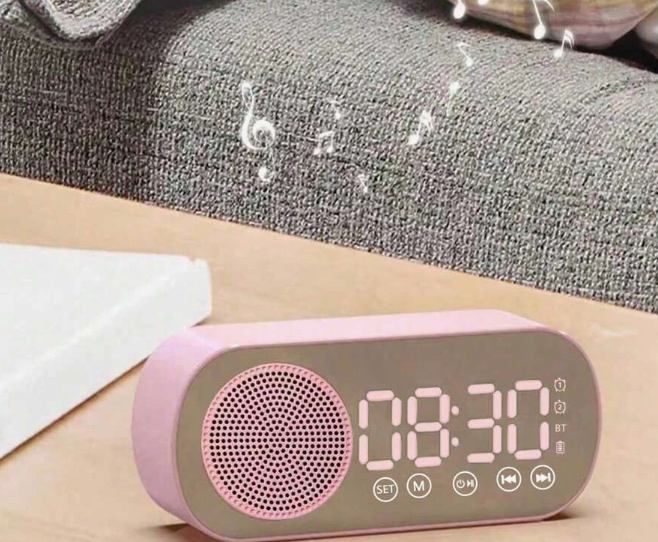
AI-Powered Gadgets: The proliferation of affordable AI technology has created a new wave of smart gadgets. From AI-driven home appliances to wearables with built-in intelligent assistants, consumers are intrigued by devices that offer a “smarter” experience. For example, smart health monitors that use AI to predict wellness metrics, or kitchen devices that can automatically track inventory. The AI consumer gadget market is growing ~30% annually. Early dropshippers in this niche can capitalize on novelty and high perceived value – though they must ensure product quality and clear explanations of the tech.
-
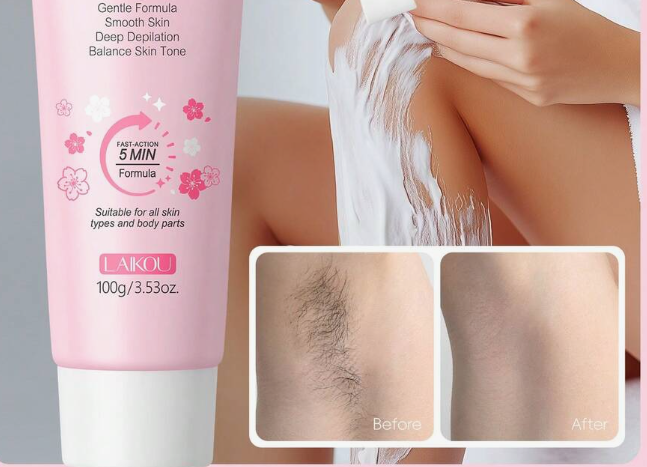
Self-Care and Wellness Products: The self-care boom continues strong. Beyond traditional beauty, people now seek products for holistic wellness at home – think massage tools, sleep aids, relaxation devices, and “clean” beauty products. Personal care and wellness are top priorities for consumers, and they love items that offer spa-like benefits or health tracking without a big price tag. Trending examples in late 2025 included acupressure massage slippers and portable infrared cupping massagers. The key here is affordable luxury – items that make users feel pampered or healthier. Combining this niche with influencer marketing (e.g. partnering with fitness or beauty influencers) is an especially potent strategy in 2026.
-
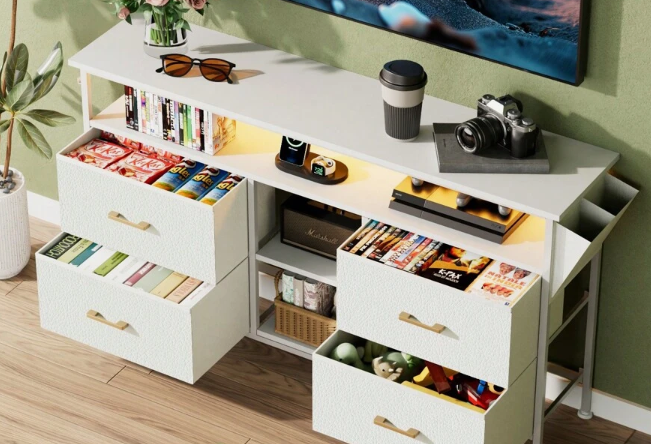
Eco-Friendly Home & Lifestyle: “Green” products have gone mainstream. Eco-conscious home goods – like reusable kitchenware, biodegradable household items, solar-powered gadgets, and sustainable decor – are expected to be hugely popular in 2026. Consumers love the idea that their purchase is both useful and aligns with their values. Dropshippers are finding success with products such as reusable beeswax food wraps, compostable sponges, bamboo toothbrushes, and other zero-waste lifestyle goods (many of which have trended in TikTok’s #EcoTok community). Marketing these items involves highlighting their planet-friendly nature and often demonstrating them in use (short video clips of the product in action can be very effective). Because sustainability is now a core expectation, this niche offers longevity – it’s not a fad, but rather a shift in consumer preference.
-
Sleep Tech: As part of the broader wellness trend, sleep technology has carved out a niche. Products that promise better rest – from smart sleep masks and white noise machines to high-tech mattresses or sleep trackers – are increasingly sought after. People are treating quality sleep as an investment in health, and they’re open to gadgets that help achieve it. In 2026, items like smart alarm clocks that simulate natural sunrise, or wearable sleep trackers that give personalized tips, are gaining traction. If you can source innovative sleep tech (ensuring it has certifications or credible reviews), you may tap into a dedicated market of consumers willing to spend on better sleep.

-
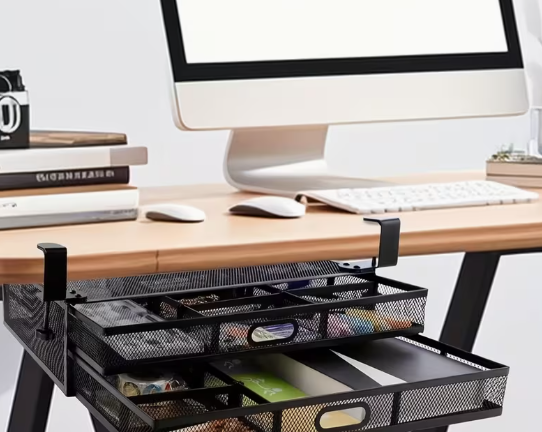
Remote Work Solutions & Office Accessories: Even as offices reopen, remote and hybrid work is here to stay for many. This has sustained demand for home office products and ergonomic gear. Think laptop stands, cable management tools, ring lights for video calls, desktop organizers, and compact exercise equipment for the desk-bound. Solutions for remote workers remain a popular dropshipping niche into 2026. Moreover, with so many people now accustomed to working from home, products that improve comfort or productivity (like standing desk converters or anti-fatigue foot mats) can be marketed to a broad audience. A related micro-niche is “digital nomad” gear – portable monitors, travel-friendly office setups, etc., for those who work on the go.
-
Pet Tech and Niche Pet Products: The pet industry continues to grow, and pet owners (especially Millennials and Gen Z) love to spoil their furry friends. In 2026, “smart” pet products (like interactive pet cameras/treat dispensers, smart feeders, or pet GPS trackers) are hot items. Also, any unique pet accessory that goes viral on social media can explode in sales. Dropshippers have done well with things like innovative puzzle toys for dogs, cat drinking fountains, or even pet wellness items (dog fitness trackers, etc.). The key is that pet owners are passionate and respond well to clever products that promise to improve their pet’s happiness or health. Demonstration videos of a pet enjoying the product can drive massive engagement. This niche can overlap with sustainability too (e.g., eco-friendly pet toys).

-
Print-On-Demand and Personalization: While not a niche in terms of product category, print-on-demand (POD) has become a strategy for differentiation. By 2026, one of the best ways to stand out in dropshipping is to offer custom or personalized products. This could mean designing your own apparel, accessories, or home decor via POD suppliers (like Printful or Gelato) and effectively creating a micro-brand. It appeals to consumers who want something unique and also ensures you’re not directly competing on price for identical items. For example, instead of selling a generic wall art print, you might sell prints with customizable text or custom pet portraits on pillows. Customization adds perceived value and allows higher margins. Seasoned e-commerce sellers often combine POD with dropshipping to build a brand vibe (using POD for branded merchandise or unique designs, and dropshipping for complementary products).

💡 Winning Strategies in 2026: Aside from choosing good niches, how you operate in 2026 can make all the difference. Here are strategic approaches gaining momentum:
-
Adopt a Hybrid Fulfillment Model: Pure dropshipping (all items shipped from suppliers on a per-order basis) is no longer the only game in town. Many successful sellers now use a hybrid model: they start by dropshipping products to test what sells, then stock inventory of winners in local warehouses for faster shipping. This approach of “test globally, scale locally” is strongly recommended by experts. For instance, you might initially fulfill orders from a China warehouse to gauge demand, but once a product proves popular, you purchase bulk and store it in a U.S. or EU warehouse (either your own small storage or through a 3PL service like CJdropshipping’s warehouses). This way you can offer 2–7 day delivery on your best-sellers, boosting conversion and customer satisfaction, while still avoiding huge upfront inventory on unproven items. Hybrid models also extend to creating private label brands – some dropshippers work with suppliers to add custom logos or packaging once volume picks up, effectively turning a generic item into a branded product. By 2026, this kind of evolution from dropshipper to brand-owner is a common path to long-term viability.
-
Leverage Social Media and Content Marketing: Running generic Facebook ads might have cut it in 2018, but in 2026 the more sustainable strategy is building an audience and organic traffic via content. TikTok, Instagram Reels, and YouTube Shorts are powerful channels for product discovery. We’ve seen countless examples of a clever product demo on TikTok driving massive sales (the hashtag #TikTokMadeMeBuyIt exists for a reason). Dropshippers should harness this by creating engaging short videos for their products or working with micro-influencers. Social commerce integration is also key: set up a TikTok Shop or Facebook Shop so that viewers can buy in-app. Remember, more than half of U.S. consumers are expected to shop primarily through social platforms by 2030, and TikTok is already on track to be a top e-commerce channel. Additionally, content like blogging or SEO for niche keywords can bring in steady organic traffic – an approach often overlooked in the rush for paid ads. Brands that put out useful content (how-to guides, trend insights, etc.) related to their niche build trust and a following that converts to sales with much lower acquisition cost.
-
Focus on Micro-Niches and Branding: Rather than running a general store selling “anything that might sell,” successful dropshippers in 2026 often go deep in a specific niche. This means curating a product selection around a particular interest or demographic and crafting a brand story around it. For example, instead of selling all kinds of gadgets, you might build a store just for smart kitchen gadgets for urban apartment dwellers, complete with a catchy brand name and design aesthetic. Micro-niches tend to outperform broad niches for new sellers because you can tailor everything to a specific audience, leading to better conversion and loyalty. Your marketing becomes easier when you know your customer archetype. Moreover, brand-building (via a memorable logo, consistent social media presence, good customer support) creates an asset that stands out among throwaway dropshipping sites. Come 2026, buyers are more likely to purchase from a store that looks and feels like a dedicated brand rather than a fly-by-night reseller.
-
Utilize AI and Automation Tools: Running an e-commerce business has its tedious parts – product research, writing descriptions, handling support queries. In 2026, savvy dropshippers are embracing AI tools to streamline these tasks. AI can analyze market data to find trending or profitable products faster. It can generate SEO-friendly product descriptions or ads (with a human touch added to refine tone). AI chatbots are used to provide instant customer support answers 24/7 for common questions. All this can give small operations leverage to compete with bigger players. The caution is to use AI to enhance customer experience, not make it feel impersonal. But done right, automation helps keep your costs down and your response times fast, both of which are crucial in the current landscape.
-
Quality and Supplier Vetting: As discussed, quality control is a major concern now. A big strategy shift is that dropshippers are choosing suppliers more carefully and even willing to pay a bit more for reliability. Using supplier directories or platforms that vet suppliers (such as Spocket or CJdropshipping’s network of verified suppliers) can save a lot of headaches. Many dropshippers now order samples of every product they plan to sell, to personally verify quality and shipping times before committing – a step that was often skipped in the past but is becoming standard practice. In short, treating your supplier as a true partner and doing due diligence upfront is a strategy that pays off through fewer customer complaints and better reviews. Additionally, diversifying your supplier base (having multiple sources or backup suppliers for key products) is wise to mitigate any single point of failure.
By combining a smart niche choice with these modern strategies – hybrid fulfillment, content-driven marketing, micro-niche branding, AI assistance, and rigorous quality focus – dropshippers can thrive in 2026’s environment. It’s about working smarter and delivering real value, rather than relying on any get-rich-quick loopholes.
How CJdropshipping Is Adapting in 2026
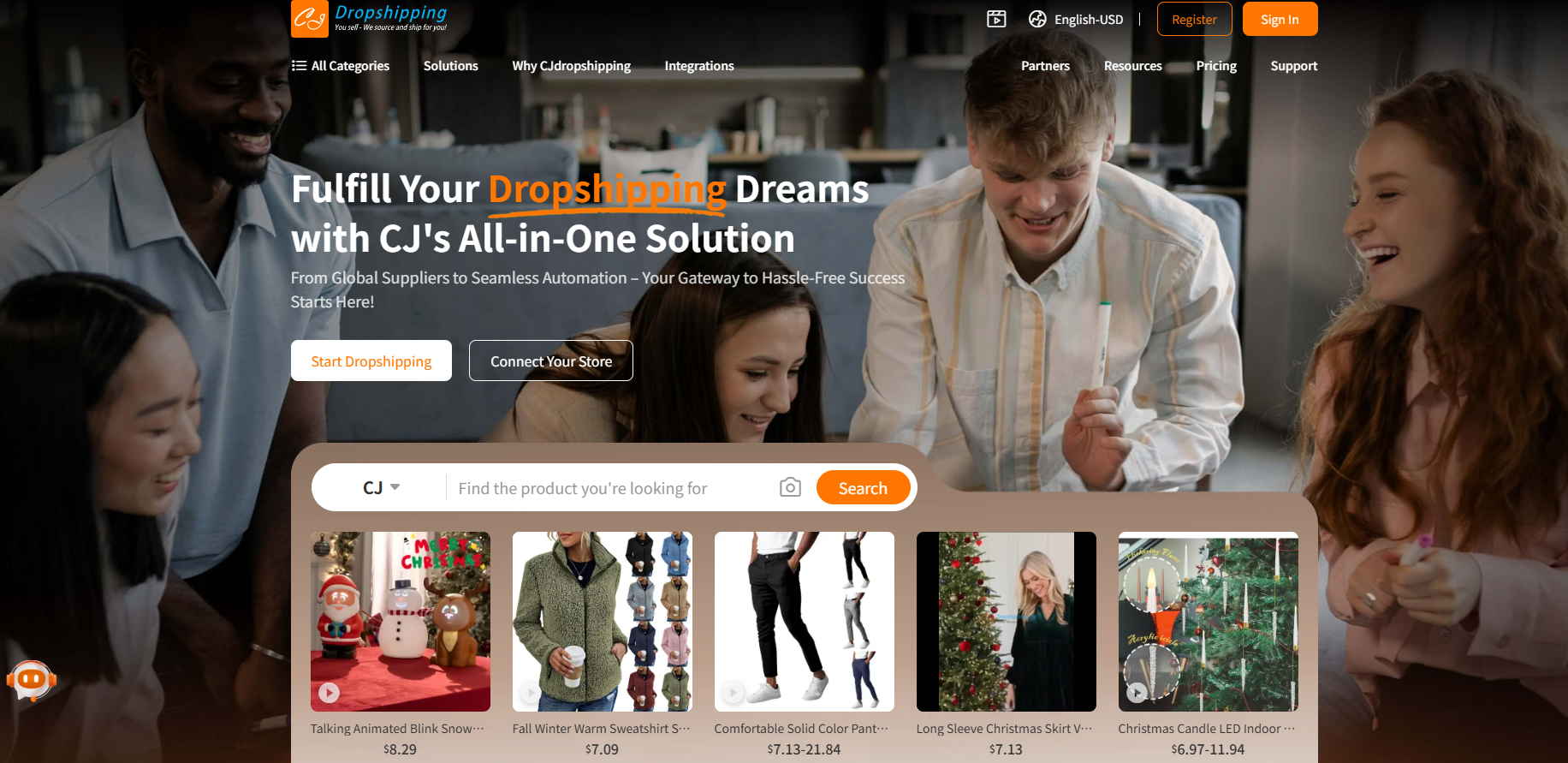
Facing the challenges of 2026, service providers like CJdropshipping have stepped up their game to support dropshippers with faster, more reliable fulfillment and supply chain solutions. As one of the leading all-in-one dropshipping platforms, CJdropshipping in particular has rolled out upgraded services to meet market demands. Here’s how CJdropshipping is responding to the key pain points:
-
Verified Suppliers & Quality Assurance: CJdropshipping boasts a network of vetted, high-quality manufacturers and suppliers. They understand that 84% of online retailers struggle to find good suppliers, so CJ acts as a curator. Suppliers on the platform are subject to quality checks and performance monitoring. In fact, CJ claims a “99% sampling inspection rate” on products – meaning they rigorously inspect product samples to catch defects. Before any item is shipped out from a CJ warehouse, their team performs standardized quality checks (verifying correct item, no visible defects, functional tests if applicable, etc.). These steps help ensure products are as described and in good condition, reducing the chance that your customer receives a dud. This level of quality control is a huge advantage for dropshippers who might otherwise have no way to oversee product quality from distant suppliers. In essence, CJdropshipping acts as your eyes and ears on the ground in the supplier’s warehouse.
-
Global Warehouse Network for Local Fulfillment: To tackle the speed issue, CJdropshipping has invested heavily in local warehouses across the US, Europe, and other regions. Rather than shipping every order from China, sellers using CJ can stock products in over 100+ global warehouses, including major hubs in the United States (e.g. California, New Jersey, Texas, Indiana), Europe (Germany, France, Spain, UK, etc.), plus warehouses in Asia and Australia. By storing inventory closer to customers, delivery times shrink drastically. Sellers can achieve domestic-like shipping speeds – often 2–7 day delivery windows for customers in those regions. CJ emphasizes that fast shipping is no longer a “nice bonus” but an expectation, and their warehouse network is designed to meet that expectation. For dropshippers, this means you can list products with Prime-like shipping times, dramatically reducing cart abandonment due to long waits. One CJ guide notes that local warehouses directly lead to higher conversion rates and more trust for new stores. CJ even allows automated routing: their system can route an order to the nearest warehouse with stock for the fastest fulfillment. The flexibility to mix international and local fulfillment is a game-changer – for example, you might initially fulfill from China but as demand grows in the US, you move stock to CJ’s LA or New Jersey warehouse to keep up with Amazon-level delivery speeds.
-
Faster Order Processing & Reliable Shipping: Beyond just location, CJdropshipping has improved the fulfillment process itself. Orders are processed quickly (often within 24-48 hours or less) and shipped with reliable carriers. They offer 100+ shipping solutions including local postal services and express couriers. For U.S. orders, for example, they can hand off to USPS, UPS, or FedEx for final delivery, which TikTok and other platforms recognize as valid shipping methods. CJ’s goal is to help sellers meet requirements like TikTok’s 3-day dispatch/11-day delivery rule. By having items on hand in domestic warehouses, fulfillment is not only faster but also more predictable (fewer customs holdups or surprises). CJ also provides end-to-end tracking updates automatically, syncing with your store, so customers can track orders easily. In essence, CJdropshipping’s logistics infrastructure lets a small seller offer shipping speed and reliability approaching that of far larger retailers – which is crucial in 2026.
-
Sourcing Agent Services (Product Sourcing Support): One of CJ’s standout features is acting as a sourcing agent for dropshippers. If you can’t find a product in their catalog, you can submit a sourcing request (even a link or image of a product you found elsewhere or saw trending on social media) and CJ’s team will locate a supplier or factory for that item. This is incredibly useful for staying agile with trends – for example, if a new gadget goes viral on TikTok, you can ask CJ to source it for you, often securing a good price and adding it to your store quickly. It saves you the legwork of hunting down manufacturers on Alibaba or AliExpress. CJdropshipping essentially becomes your on-demand procurement team. They also negotiate with suppliers on pricing and quality, leveraging their volume. In 2026 when competition is high, this ability to rapidly source winning products (and even get better-quality versions of popular items) is a huge competitive edge. Plus, CJ imposes no minimum order quantities (MOQ) for sourcing – you can get even one unit dropshipped – and can handle bulk orders if you decide to scale up. The sourcing service aligns with CJ’s broader approach of being a one-stop solution: product sourcing, warehousing, and fulfillment all in one platform.
-
Local Warehouses in US/EU & Compliance with Platforms: As mentioned, CJ’s US and EU warehouses let sellers comply with marketplace rules. TikTok Shop, for instance, requires local shipping; CJ has a special collection of TikTok-approved, US-based products that ship in 3–9 days within the U.S., which helps TikTok sellers meet the platform’s strict delivery standards. They directly integrate with TikTok Shop’s system, making it seamless to fulfill TikTok orders via CJ. Similarly, CJ’s Europe warehouses help comply with EU consumer expectations and avoid VAT/duty issues by shipping from within the EU. By 2026, CJdropshipping operates over 50 warehouses globally and continues to expand this network, essentially building an infrastructure that individual dropshippers can plug into. The benefit is not just speed, but also consistent packaging and handling – CJ enforces standard procedures in its warehouses to ensure items are packed securely and uniformly, giving your customers a reliable experience.
-
Custom Branding and Packaging Services: Recognizing the need for branding, CJdropshipping offers options for white-label fulfillment. Sellers can use CJ’s custom packaging service to add branded boxes, logos, or inserts to their orders. For example, you can design a thank-you card or a flyer and have CJ include it in every shipment. You can also stock your own branded packaging materials at their warehouse. This is a big deal because it closes the gap between dropshipping and having your own fulfillment center – you can still have the convenience of dropshipping while delivering a branded unboxing. CJ even provides free product photography services for certain products, so you can get professional images (or videos) to use in your marketing, which helps in creating a premium brand image. All these services – custom packaging, print-on-demand options, insertions – help dropshippers meet that consumer desire for a branded experience. CJdropshipping essentially lets you build a brand without handling the logistics yourself.
-
No Subscription Fees & Automation Tools: CJdropshipping notably does not charge a monthly subscription; they monetize when you make sales (through product costs and shipping fees). This is good for sellers keeping costs lean. They also integrate with Shopify, WooCommerce, eBay, TikTok, and other platforms for one-click order fulfillment – meaning orders from your store can be synced to CJ and fulfilled without manual intervention. Automatic stock level updates and price sync ensure your store reflects inventory in real time. These tools free you from day-to-day admin and let you focus on marketing and strategy. CJ even has personal account managers for higher-volume sellers, providing a human point of contact to help resolve issues or give advice. In sum, CJdropshipping has evolved into a robust partner that addresses the major dropshipping pain points of 2026: slow shipping, quality control, lack of branding, and product sourcing. It’s not the only solution out there, but it exemplifies how dropshipping services are leveling up to keep the model viable in the face of rising consumer expectations.
(It’s worth noting: Other platforms like Spocket, Zendrop, Printful, etc., offer similar features – US/EU supplier focus, fast shipping, and branding options – reflecting a broader industry shift. For instance, Zendrop uses a hybrid China+US model and even provides branded packaging and inserts for products from China. This all underscores that the dropshipping ecosystem in 2026 is oriented around speed, quality, and brand, not just convenience.)
Who Is Dropshipping Best Suited For in 2026?
With all the changes in the landscape, dropshipping is no longer a shortcut to easy riches (if it ever was), but it can still be a worthwhile business model for the right people and use cases. Here we conclude with guidance on who should consider dropshipping in 2026 and what models are most viable:
Ideal Candidates for Dropshipping (2026):
-
Beginners Testing the Waters: If you’re new to e-commerce or entrepreneurship, dropshipping remains one of the lowest-risk ways to start. You can learn the ropes of product selection, online marketing, and customer service without heavy upfront costs. In 2026, you should enter with realistic expectations – treat it as a learning experience and a way to validate product ideas rather than a get-rich-quick plan. Beginners who follow best practices (niche focus, good supplier, fast shipping options) can still build a solid side income and potentially scale up. The model is excellent for side hustlers who want to start small in their spare time and see what resonates. Just be prepared to put in work on differentiation; the ones succeeding are those who invest effort into store design, content, and service to not appear “cheap.”
-
Trend Spotters and Marketers: Are you someone who’s always up-to-date on the latest fads or great at creating social media content? Dropshipping in 2026 rewards the marketing-savvy. If you can spot a trend early (a product going viral on TikTok, a new fitness craze, etc.) and move quickly, dropshipping allows you to capitalize on demand without needing to produce the product yourself. This is well-suited for those who enjoy nimble, fast-paced business moves. For example, many entrepreneurial creators on TikTok run dropshipping stores for products they feature in their videos – effectively monetizing their content. If you have or can build an audience (in any niche community), dropshipping can be a way to monetize that audience by curating products they’d love. It’s also great for people who excel at SEO or affiliate marketing – you can funnel traffic to a dropship store and monetize the conversions.
-
Experienced E-com Sellers Expanding Catalogs: If you already run an online store (say you have a small brand or a few private label products), incorporating dropshipping can help expand your product range or test new products without committing capital. This “hybrid” approach is common now. For instance, you sell your own designed jewelry, but you notice customers also buy related items like jewelry organizers or cleaning kits – you can dropship those complementary items to increase your average order value. Experienced sellers can use dropshipping as a market research lab: test 10 new products via dropshipping, find the 1-2 that really sell well, then invest in stocking those or developing them further. In this way, dropshipping remains a valuable tool for market validation at low risk.
-
Global Entrepreneurs Who Leverage Arbitrage: Dropshipping has always been about global product arbitrage – finding goods in one market and selling them in another where they’re not easily found. In 2026, this still applies, especially if you live in or understand a market outside the U.S. and Western Europe. For example, there might be unique products popular in Asia or Africa that haven’t hit the U.S. market; a globally-minded entrepreneur can introduce those via dropshipping. Or vice versa – selling trendy Western products in emerging e-commerce markets. The key is understanding local demand and being able to market cross-culturally. With improved logistics, reaching customers worldwide is easier. So, dropshipping is suited for those who think globally and can identify niche opportunities across borders.
Most Viable Models in 2026:
The consensus by 2026 is that a hybrid or brand-focused approach is the way to go for sustainable success:
-
Hybrid Dropshipping (Dropshipping + Inventory): As discussed, combining dropshipping with holding stock of winners is highly viable. Start with the lean dropship model to test ideas; then gradually introduce a stocked inventory or private label element for your best products. This gives you the best of both worlds: market responsiveness and low risk upfront, plus higher margins and better customer experience on proven products. Many 6-figure stores operate this way – they might dropship a catalog of 50 items but keep the top 5 items in a local warehouse for fast delivery under their own brand name. It requires a bit more capital and logistics coordination as you grow, but it addresses the weaknesses of pure dropshipping.
-
Private Label/Brand Creation via Dropshipping: Another successful model is using dropshipping as a stepping stone to build a brand. You might identify a product that sells well via dropshipping, then differentiate by creating your own brand around it. This could mean working with the supplier to put your logo on it, improving the product quality or features, or bundling it with other items to create a unique package. Essentially you transition from being one of many sellers of a generic item to owning a brand that stands for something. Customers increasingly prefer to buy from brands with a story or niche focus, so this route can foster customer loyalty and higher lifetime value. For example, instead of “RandomOnlineGadgetStore.com” selling a mix of things, you form “Acme HomeTech” that specializes in smart home gadgets and has a branded line (sourced from dropshipping suppliers) but presented as a cohesive collection. Print-on-demand and white labeling services make this easier than ever – you can brand products without investing in your own factory. Private labeling does come with responsibilities (quality assurance, possibly holding some stock to customize), but it’s often the natural evolution if you want to create a long-term asset that could even be sold or scaled significantly.
-
High-Ticket Dropshipping: A notable model that remains viable is focusing on high-ticket products (think items with selling prices in the hundreds or thousands of dollars, like premium furniture, exercise equipment, high-end electronics, etc.). The appeal here is that even with lower volume, the profit per sale can be substantial, and customers of high-ticket items might be more discerning (which means less competition from fly-by-night sellers). High-ticket dropshipping was highlighted as a leading approach for the future because it avoids some pitfalls of low-cost impulse products (like extremely thin margins and high return rates). If you have the ability to provide great service and target the right affluent or business customers, this model can be worth it. The caveat is it requires more upfront work building supplier relationships (often with domestic distributors or manufacturers who will dropship for you) and handling a longer sales cycle. But it aligns well with the 2026 theme of building real businesses – you’re effectively acting as a retailer for quality products, focusing on niche expertise and customer service.
Ultimately, dropshipping in 2026 is best suited for entrepreneurs who treat it as a professional e-commerce venture – not a hobby to make a quick buck, but a component of a broader business strategy. Those who thrive will be the ones who use dropshipping intelligently: to rapidly test markets, to complement other fulfillment methods, and to serve customers in niches that big players underserve. If you’re willing to adapt – offering fast shipping (through services like CJdropshipping’s local warehouses), curating quality products, and building a brand presence – then dropshipping is worth it in 2026 as a lean, flexible path into the world of online selling.
Conclusion
So, is dropshipping worth it in 2026? The answer is a qualified yes – it can be highly worthwhile, but only if executed with the evolving market in mind. The era of effortless profits from selling generic goods is fading. In its place, a new era is emerging where dropshippers must offer value through careful niche selection, rapid fulfillment, and a focus on customer experience. The model’s core benefits (low startup cost, flexibility, global reach) are as attractive as ever, especially with the industry’s infrastructure improving (faster logistics, better platforms). But the bar for success is higher: shoppers expect faster delivery, sustainable practices, and a trustworthy brand behind the store.
The good news is that tools and partners exist to meet these expectations – from social media channels that can drive demand, to providers like CJdropshipping that solve logistical hurdles with verified suppliers and local warehouses. Dropshipping in 2026 is best viewed as a means to an end: a powerful method to launch an e-commerce business quickly and test ideas, which can then evolve into something bigger (a private label brand, a hybrid retail operation, or even a stepping stone to owning your own product line). For many entrepreneurs around the world – whether a college student in the U.S. or a stay-at-home parent in Europe – dropshipping remains one of the most accessible ways to start selling products online.
In summary, dropshipping is worth it in 2026 if you approach it with a modern playbook. Embrace new platforms like TikTok Shop, leverage AI and data to find opportunities, commit to fast and reliable fulfillment, and always keep the customer’s expectations front and center. For beginners and side hustlers, it offers an incomparable learning ground and potential income stream. For seasoned sellers, it’s a versatile tool to expand and adapt your business. The model itself isn’t a guarantee of success – but for those who innovate and deliver value, dropshipping can absolutely be the foundation of a thriving e-commerce venture in 2026 and beyond.